This article contains affiliate links. If you book through them, I earn a small commission at no extra cost to you.
I flew into Punta Arenas in early April, convinced I had timed it perfectly. Shoulder season, I told myself. Fewer crowds, autumn colors, cheaper flights. What I got was a closed W Trek registration office, a hostel in Puerto Natales running on a skeleton crew, and wind so relentless that a road sign outside town had been bent forty-five degrees toward the ground. A local at the bus station saw me staring at my phone, trying to rearrange plans, and said something I think about every time someone asks me when to visit Chile: "You came at the wrong time. But there is no right time. Only different times."
He was being dramatic. But he was also mostly correct.
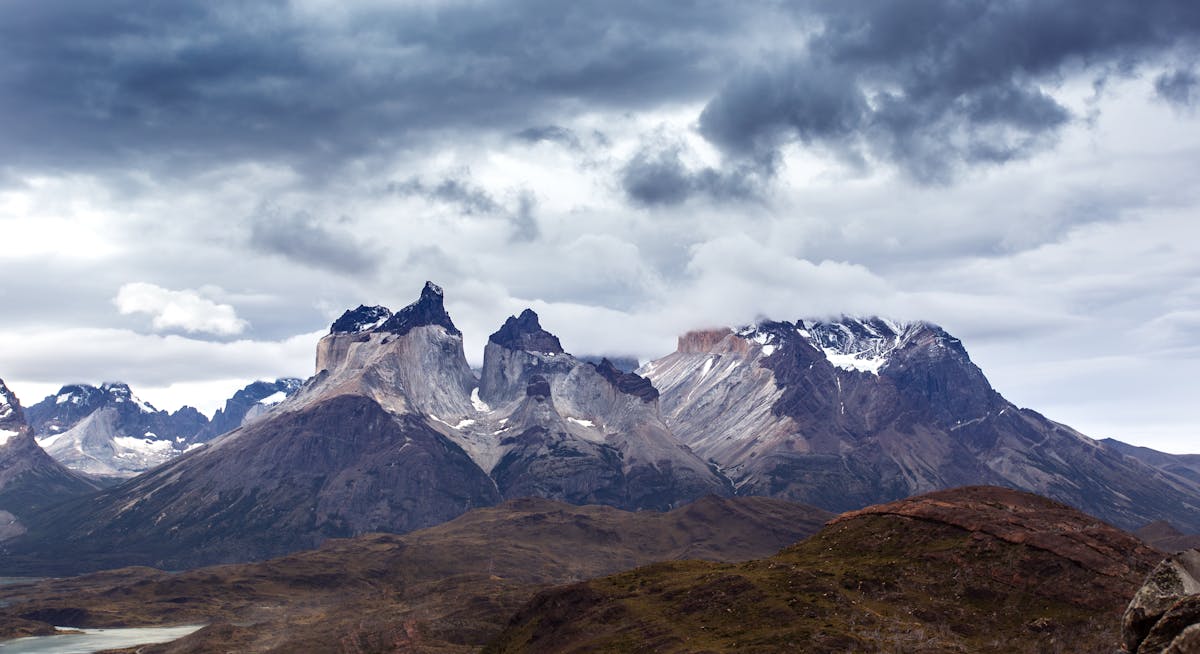
Chile runs 4,300 kilometers from the driest desert on earth to the glaciers of Tierra del Fuego. Asking "when is the best time to visit" is like asking when to visit Europe — it depends entirely on where you are going and what you want to do there. The Atacama has clear skies 300 nights a year. Patagonia might give you four seasons in four hours. Santiago's smog lifts after the first spring rains. Easter Island does its own thing entirely.
I have been to Chile across five different months over three trips, and what follows is what I actually learned — not from a climate chart (though the when to visit overview has the quick version), but from standing outside in the wrong jacket at the wrong time, or arriving somewhere and realizing I had accidentally nailed the timing.
Santiago and the Central Valley: October Through April, Skip Winter
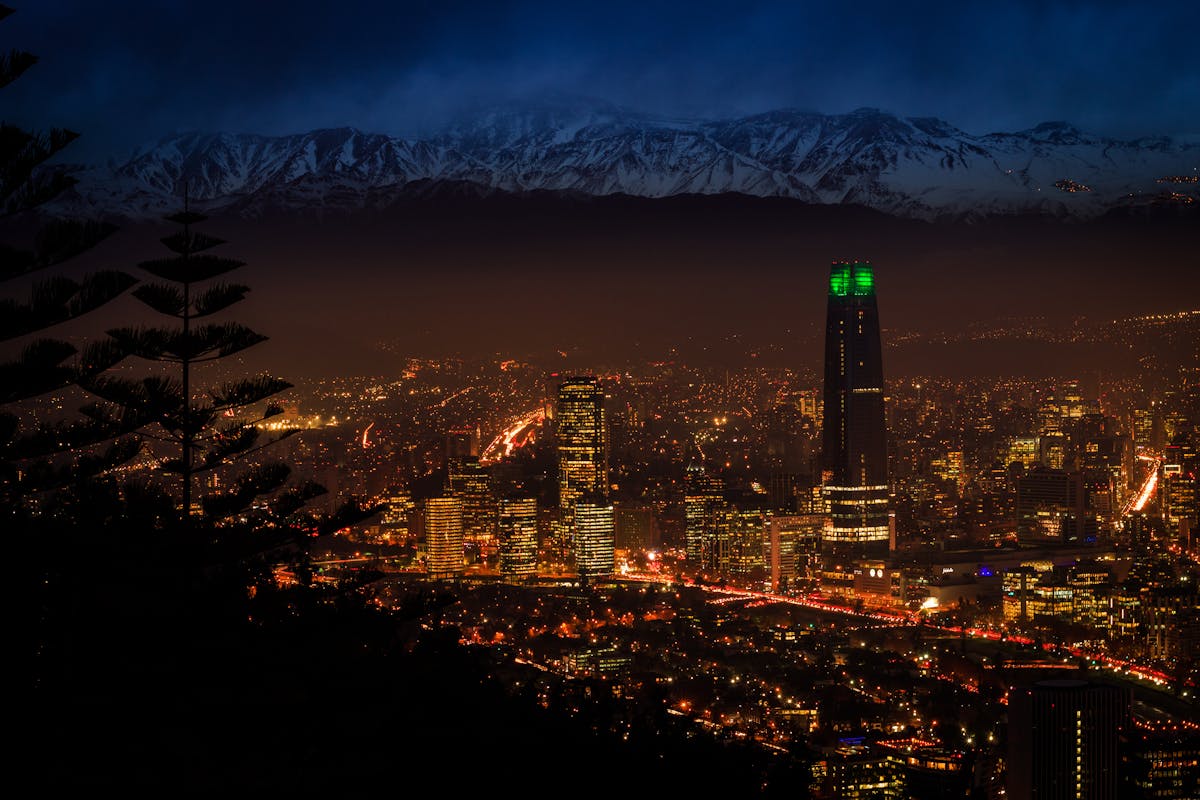
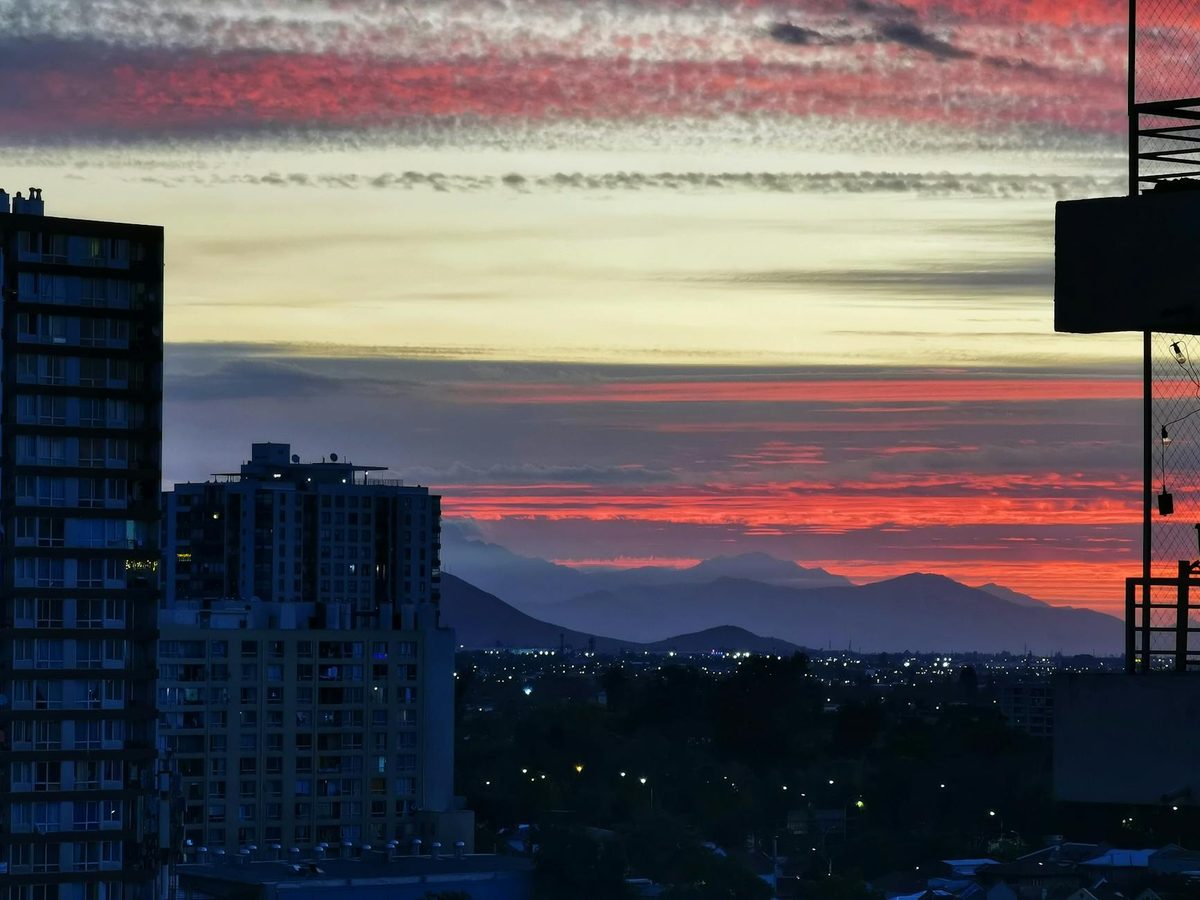
Santiago gets genuinely unpleasant in winter. Not cold — it rarely freezes — but the air turns thick. The city sits in a bowl ringed by mountains, and from May through August a thermal inversion traps pollution and wood smoke over everything. On bad days the Andes disappear. You know they are there behind that grey wall, but you cannot see them.
October changes everything. Spring rains wash the air clean, and suddenly the Andes are right there again, snow-capped and sharp against blue sky. I arrived in late October on my second trip and barely recognized the place from my winter visit.
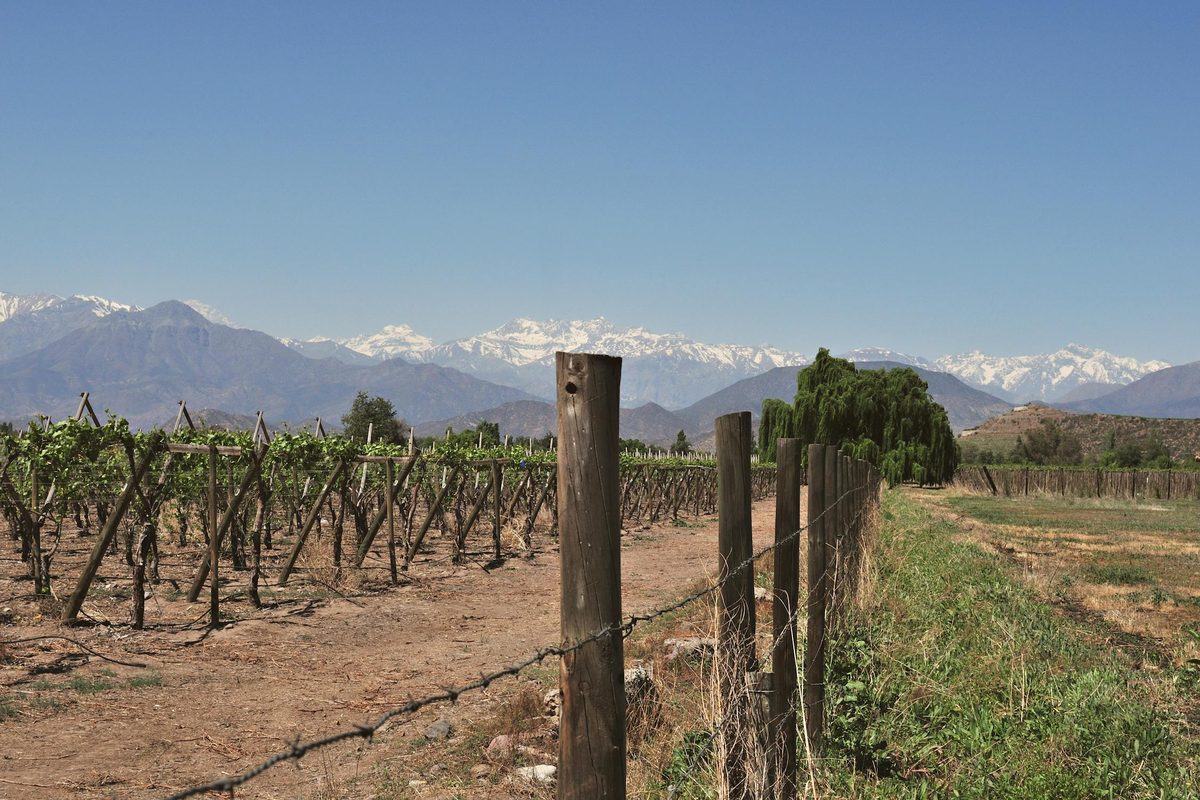
Summer (December-February) is warm and dry, regularly hitting 30-33C. Great for day trips to the Cajon del Maipo or the wine valleys, but the heat can be oppressive downtown. March and April are my pick — still warm at 20-25C, the vineyard harvest is underway, and the light turns golden in that late-autumn way that makes everything look good.
Quick Tip
If you must be in Santiago in winter (June-August), go to the mountains. The ski resorts above the city — Portillo, Valle Nevado, La Parva — are 90 minutes away and above the smog layer. You drive up through grey soup and break out into blinding sunshine and powder. It is surreal.
The Atacama: Year-Round, but April Through November for the Stars
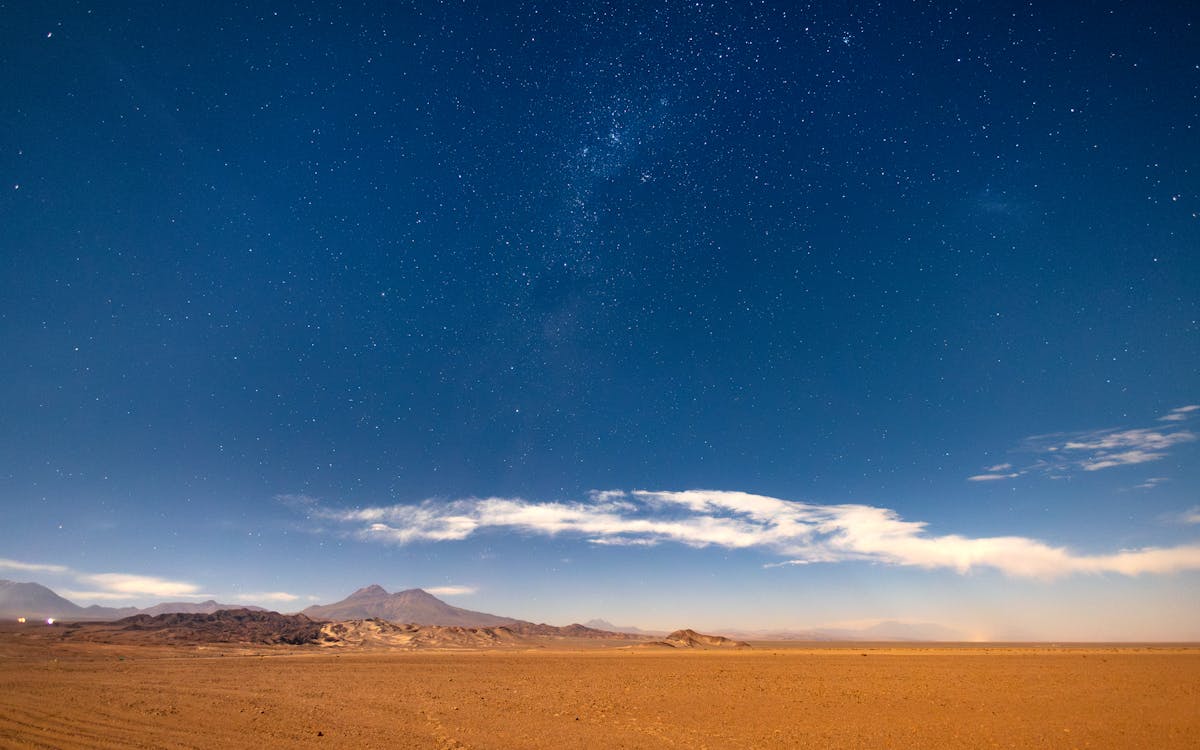
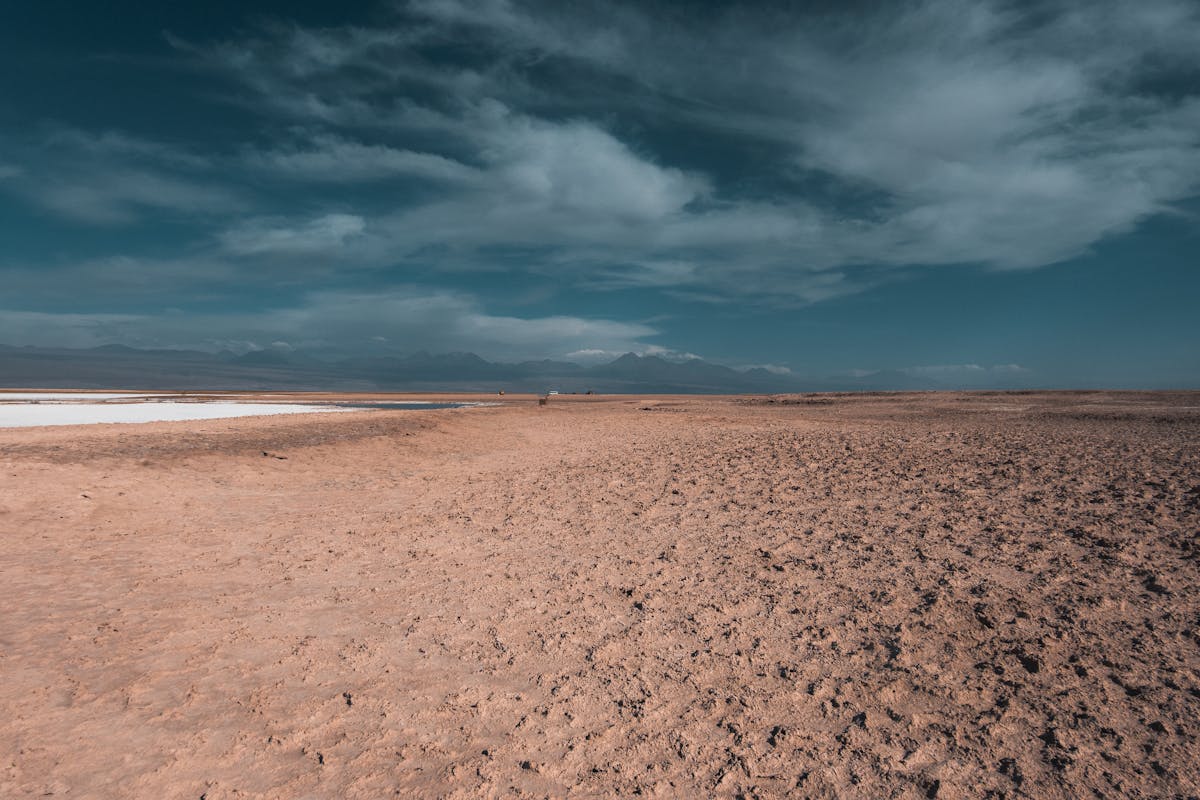
The Atacama is the easiest region to time because the answer is basically "whenever you want." It is the driest non-polar desert on the planet. Some weather stations in the interior have never recorded rain. The sun shines roughly 350 days a year. You could flip a coin and pick a month.
But there are differences. Summer (December-February) brings something called the Bolivian Winter or invierno altiplánico — moisture pushes in from the Amazon basin and you get afternoon thunderstorms at high elevation. San Pedro de Atacama at 2,400 meters mostly stays dry, but the high-altitude salar and lake excursions above 4,000 meters can get rained out. I had a Piedras Rojas trip canceled in January because the road flooded. The guide shrugged like this happens every summer. Because it does.
For stargazing — which is why a lot of people go — April through November is the sweet spot. The astronomical observatories around Paranal and the Elqui Valley time their public visits for this period because the skies are at their most stable. No summer moisture means no high-altitude clouds. The Milky Way core is best positioned from roughly May through October, and the seeing conditions are the clearest they get anywhere on Earth.
Temperatures are the catch people forget. The desert is cold at night, all year. Winter nights drop to -10C, daytime only hits 15-18C. I wore a down jacket to the El Tatio geysers at 4am and again at dinner that same evening. The full Atacama guide has more on packing for the swings.
And if you happen to be in northern Chile during a desierto florido year — rare rainfall triggers a wildflower bloom across the barren coastal desert — drop everything and go. This happens maybe once every five to seven years. The bloom peaks in September or October and transforms a moonscape into something that looks like an Impressionist painting. You cannot plan for it. But if it happens while you are there, rearrange your trip.
The Lake District: November Through March, Bring Rain Gear Anyway
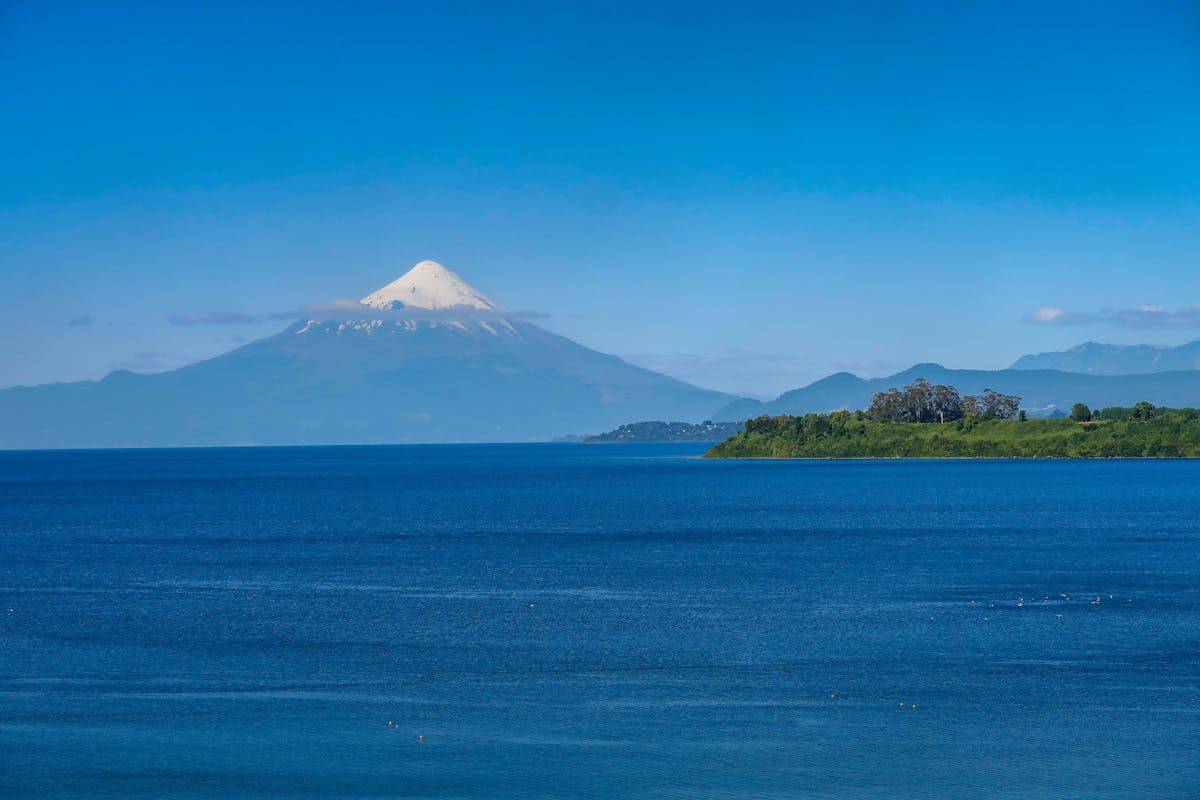
The Lake District is the region where timing matters most and delivers the least certainty in return. This is Chilean Patagonia's warm-up act: volcanoes, lakes the color of glacial melt, Valdivian rainforest dripping with moisture. The key word being "rainforest." It rains here. A lot. Even in summer.
Puerto Varas gets around 1,800mm of rain annually. For reference, London gets 600mm. The difference is that the Lake District's rain is heavily concentrated in winter — June through August can see 200-300mm per month, and the days are short and grey and honestly kind of miserable unless you are really into hot chocolate and wood fires (which, fair enough).
November through March is when it opens up. January and February are warmest — 20-25C, longest daylight — and every outdoor activity runs full capacity. Climbing Villarrica, kayaking, hot springs, hiking in Pucon. But the Lake District fills up with Chilean families from Santiago in January, so book early.
Even in peak summer, you will get rained on. I spent five days there in late January and had two days of solid rain — not drizzle, real rain that turned trails to mud. A woman at a café in Valdivia told me it had rained for three days and then said "but the forecast says sun on Friday" with the tone of someone describing a lottery ticket.
November and March are the shoulder sweet spots. Fewer people, lower prices, and weather not that different from peak months. March gets autumn colors in the Araucaria forests — yellow and orange against volcanic lakes.
Patagonia: November Through March, But Pick Your Poison
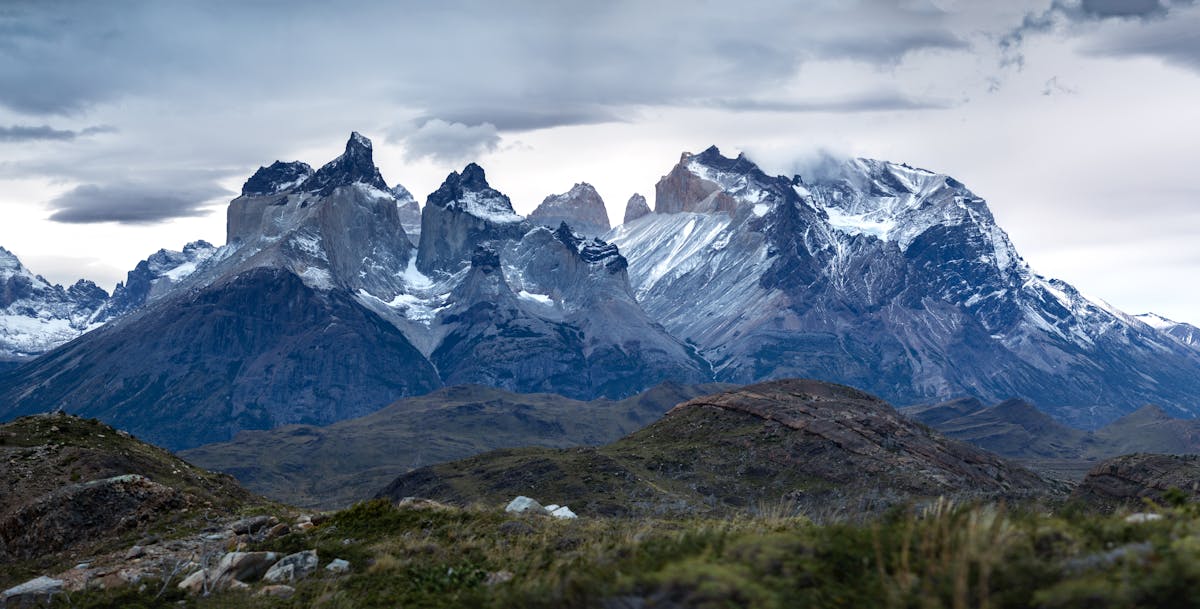
I wrote a full month-by-month Patagonia timing guide because the question comes up constantly and the answer is never simple. But the short version for someone planning a broader Chile trip:
The season runs November through March. Before and after that, trails close, refugios shut down, and the weather turns from "difficult" to "genuinely dangerous for unprepared hikers." April is technically still accessible, as I learned the hard way, but the infrastructure scales down fast and the daylight drops below ten hours.
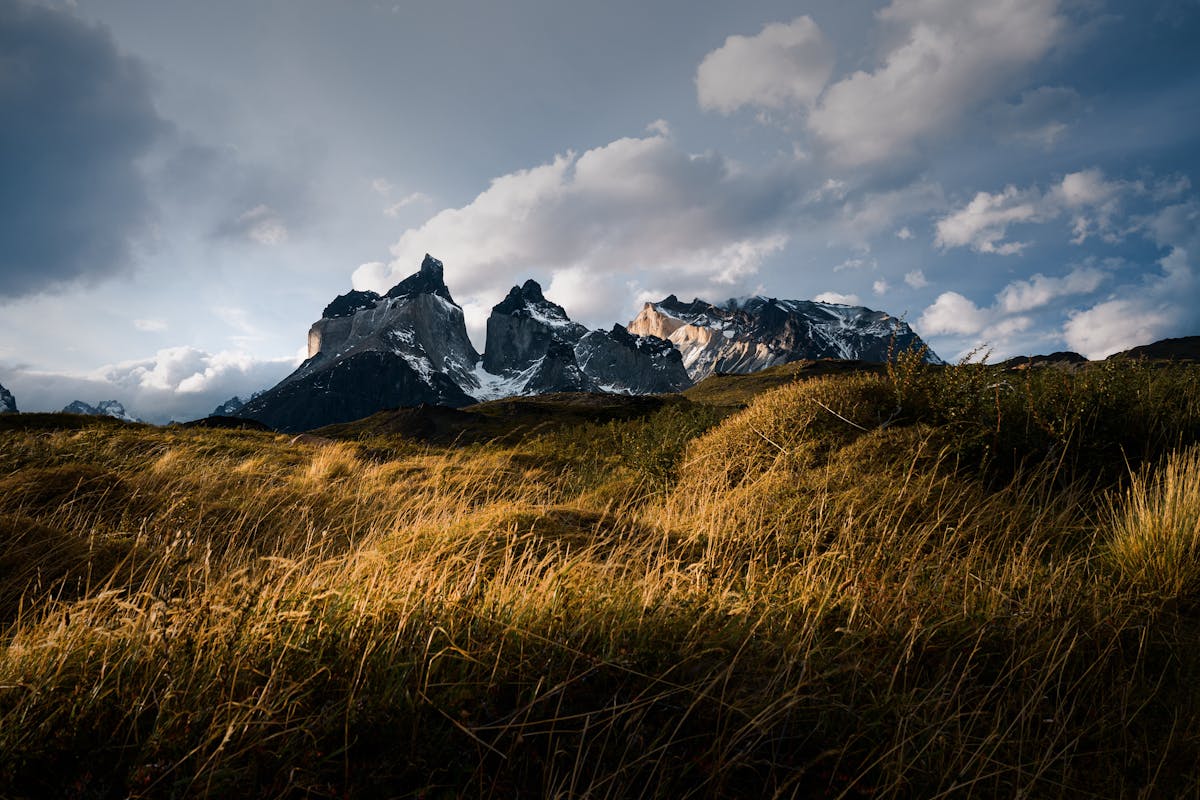
December through February is peak. The W Trek books out months ahead, hostels in Puerto Natales charge rates that would make a Scandinavian flinch, and trails in Torres del Paine feel more like a highway than wilderness. January is the absolute peak — highs around 15-18C (which tells you everything about Patagonia), 17+ hours of daylight, and the most predictable weather, which here means "slightly less unpredictable."
If you are making me choose one window for a first-timer building a two-week Chile itinerary, I would say late November or early December. Wildflowers on the steppe, functional infrastructure, manageable crowds, shoulder pricing through mid-November.
Late February and early March are the other sweet spot. Crowds thin fast after mid-February. Autumn colors hit the lenga trees — burnt oranges and deep reds against granite towers. Still 14-15 hours of light, which is plenty. And the guanaco herds come down from higher elevations, which is a bonus for wildlife watching.
Quick Tip
Book the W Trek refugios the moment reservations open (usually April for the following season). By June, the best spots are gone. If you miss the window, check for cancellations in September — people drop out. The W Trek guide has the full booking strategy.
Easter Island: Year-Round, February for Tapati
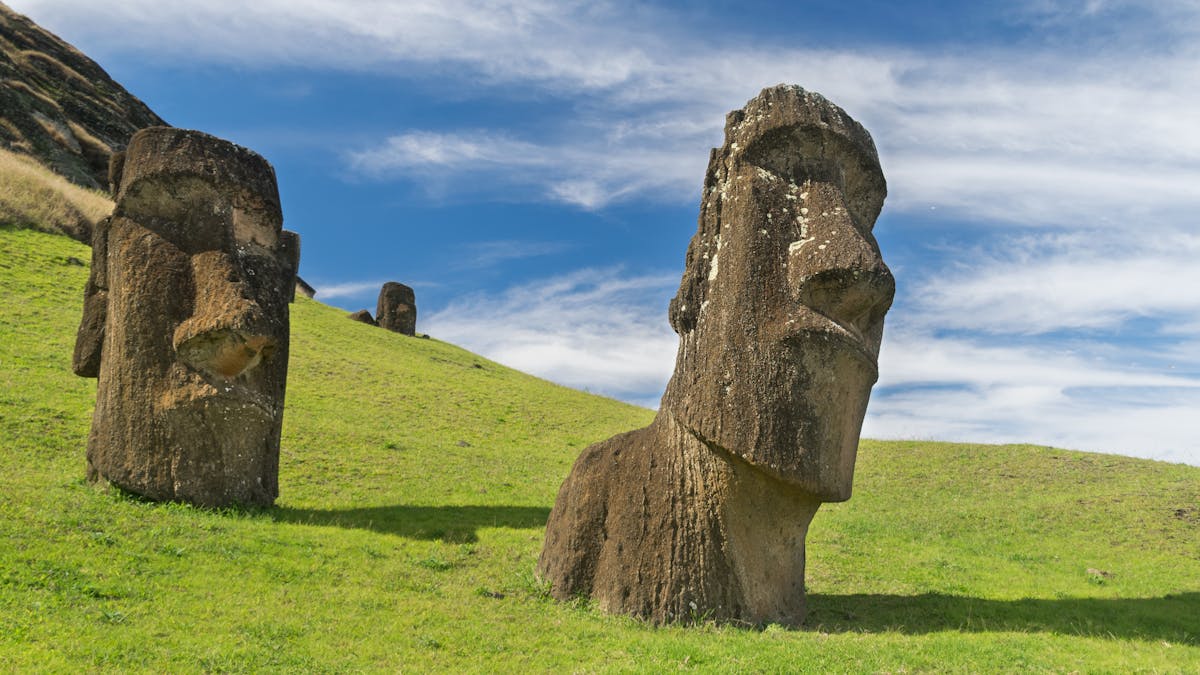
Easter Island — Rapa Nui — sits alone in the Pacific, 3,700 kilometers from the Chilean mainland, and has a subtropical climate that does not follow the same rules as the rest of the country. It is warm year-round, with summer (January-March) hitting 25-28C and winter (June-August) dropping to a still-pleasant 18-20C. It rains year-round too, usually in short bursts that blow through and leave the sky washed clean.
You can visit any month and have a good experience. The moai do not care what season it is. But February is special if you can swing it, because that is when Tapati Rapa Nui happens — the island's biggest cultural festival, two weeks of traditional competitions, dancing, music, and body painting that draws Rapanui people back from the mainland. The island's population doubles. It is loud, chaotic, joyful, and the best window into Polynesian culture you will get in Chile.
The full Easter Island guide covers this in more detail, but the practical note: Tapati means flights and accommodation fill up months in advance. If you want to go during the festival, book early. Outside of February, the island is sleepy and manageable, and you can see everything in three to four days without feeling rushed.
One thing to watch: winter swells from June through September can make the ocean rough enough to cancel boat excursions to the offshore islets. If diving or snorkeling is on your list, aim for the calmer months between November and April.
Valparaiso and the Central Coast: October Through April, NYE If You Dare
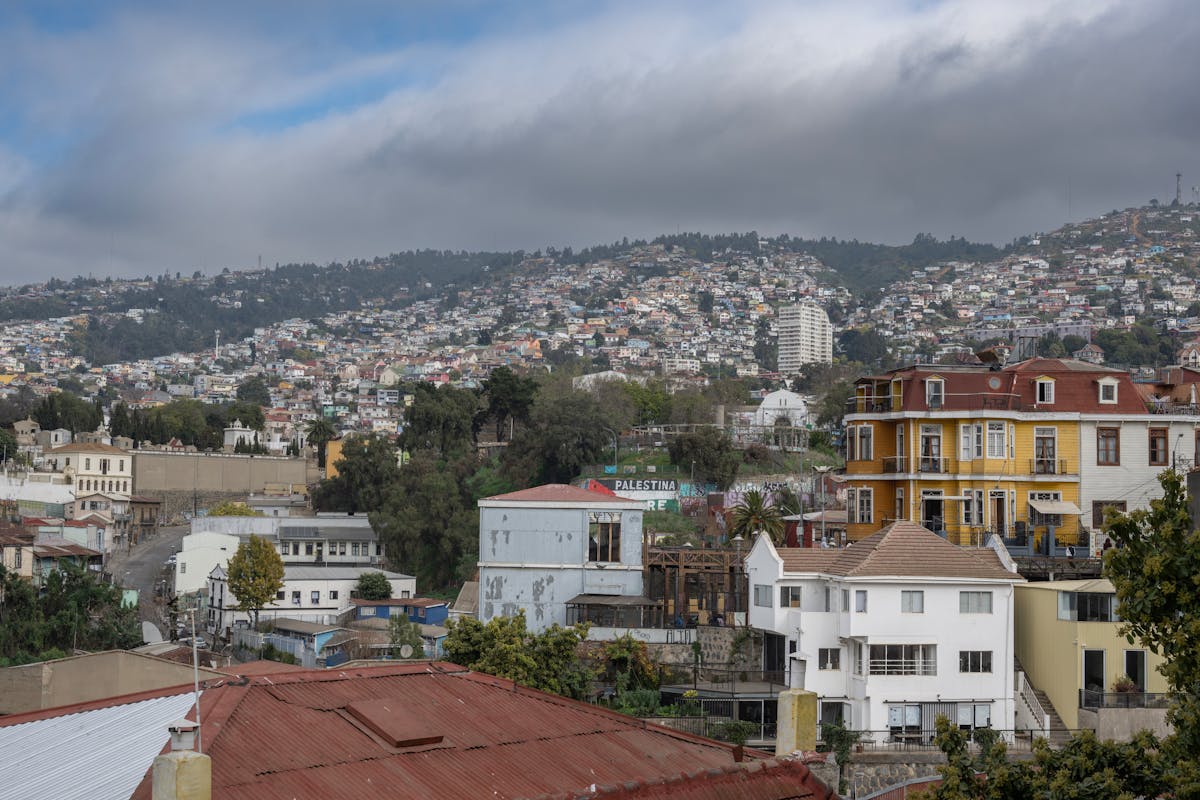
Valparaiso follows the same general pattern as Santiago — warm and dry in summer, cool and grey in winter — but the ocean moderates things. Summer temperatures rarely push past 25C, and the coastal fog (camanchaca) can roll in any morning, even in January, burning off by noon and leaving the afternoon golden.
I would avoid June through August unless you specifically like deserted cities and overcast skies. Valpo in winter is atmospheric in a melancholy kind of way — Neruda would have approved — but many restaurants on the cerros close for the season, the famous ascensores (funicular lifts) run reduced schedules, and the street art looks better in sunlight. Trust me on that.
October through April is the window. The Valparaiso experience comes alive in summer — the port bars stay open late, the street performers come out on the plazas, and the light on the painted hills in the late afternoon is the reason every other travel article about this city uses the same five photos.
Now. New Year's Eve. Valparaiso's NYE fireworks display is famous — a massive pyrotechnic show launched from the harbor that you watch from the hillsides above the bay. Over a million people come. That is not a typo. The city's normal population is 300,000. The result is a genuinely unforgettable experience wrapped in a logistical nightmare. If you want to do it, book your accommodation by September, arrive by December 30th at the latest, and accept that you will not be driving anywhere for about 36 hours. Worth it once. Maybe not twice.
By Activity: When to Do What
Trekking Season
November through March across the south. The best hikes in Patagonia and the Lake District only work in this window. Central Chile and the Atacama are hikeable year-round, though summer heat above 30C makes the coastal and valley trails less pleasant. The 10-day itinerary covers a good mix of trekking regions.
Ski Season
June through September in the central Andes. Portillo, Valle Nevado, and La Parva are the big three near Santiago, with the season typically peaking in July and August. Snow conditions vary wildly by year — some seasons get dumped on, others barely scrape by. The Chile skiing guide has the resort-by-resort breakdown, but the short version is: July for the most reliable snow, August for slightly warmer days and still decent coverage.
Wine Harvest
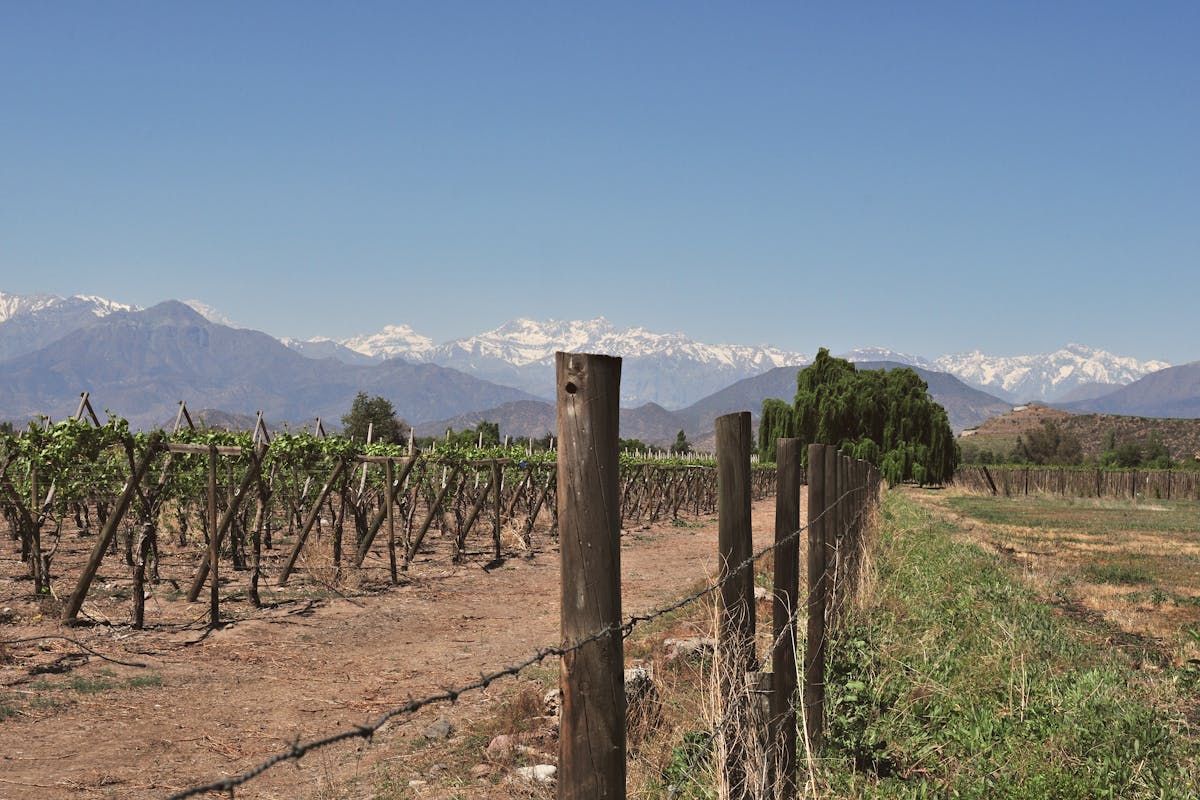
March and April. The vendimia (grape harvest) runs through the Maipo, Colchagua, Casablanca, and Aconcagua valleys. Wineries open their doors for harvest festivals, you can stomp grapes if that is your thing, and the tasting rooms are at their most enthusiastic. The wine guide covers which valleys to prioritize, but Colchagua in March is hard to beat.
Whale Watching
Blue whales pass through the Gulf of Corcovado (near Chiloe and the northern Carretera Austral) from December through April, with peak sightings in February and March. Humpbacks show up off the northern coast near Chanaral de Aceituno from October through March. This is world-class cetacean watching and surprisingly few people know about it.
Penguin Season
Magellanic penguins breed at colonies near Punta Arenas and on Chiloe from October through March. The king penguin colony at Bahia Inutil on Tierra del Fuego is accessible year-round, though summer gives you the chicks and the best weather. The wildlife guide has directions and tour options for each colony.
The Flowering Desert
September-October in rare years. The desierto florido phenomenon in the Atacama coastal zone cannot be reliably predicted or planned for. Follow Chilean news in August and September — if unusual winter rainfall hits the north, the bloom will follow four to six weeks later. When it happens, it is genuinely one of the most extraordinary natural events in South America.
The Dates to Avoid (or Plan Around)
Fiestas Patrias: September 18-19
Chile's independence celebrations are the biggest holiday in the country. The entire nation takes the week off. Every Chilean with a car drives somewhere — the coast, the Lake District, the wine country — and everything books out. Domestic flights spike in price. Hotels outside Santiago charge premium rates. Roads out of the capital become parking lots.
It is an incredible time to be in Chile if you want to see Chilean culture at full volume — fondas spring up everywhere, cueca dancing, asados, way too much pisco. But book accommodation a month ahead and expect 30-50% price spikes.
Christmas and New Year
December 20 through January 5 is peak chaos. Summer holidays start, international tourists flood in, Patagonia hits maximum pricing. The weather is also the most reliably good across the country, so you are paying a premium for sunshine — and sometimes that is worth it.
July School Holidays
Chilean winter break runs for about two weeks in July, and the ski resorts near Santiago get slammed. If skiing is your plan, book midweek and avoid the first week of July when every Santiago family hits the slopes.
Month-by-Month Summary
| Month | Best For | Avoid | Notes |
|---|---|---|---|
| January | Patagonia, Lake District, beaches | Santiago (hot), Atacama (summer storms at altitude) | Peak season, peak prices, longest days in the south |
| February | Easter Island (Tapati), Patagonia, whale watching | Santiago (still hot), crowded coast | Crowds start thinning after mid-month in the south |
| March | Wine harvest, Patagonia autumn colors, whale watching | Late March in far south (short days) | One of the best all-around months. Shoulder pricing kicks in |
| April | Wine country, Santiago, Atacama stargazing begins | Patagonia (closing down), Lake District (rainy) | Autumn. Good value everywhere except the far south |
| May | Atacama, Easter Island | Patagonia (closed), Santiago (smog starting) | Quiet month. Few tourists anywhere |
| June | Skiing starts, Atacama stargazing peak | Lake District, Patagonia, Valparaiso | Winter begins. Head north or go up to the snow |
| July | Skiing peak, Atacama | Anywhere south of Santiago | School holidays = ski resort crowds. Book ahead |
| August | Skiing, Atacama | Anywhere south of Santiago | Late winter. Watch for flowering desert news |
| September | Flowering desert (rare years), Fiestas Patrias | Patagonia (not yet open) | National holiday chaos mid-month. Spring arrives |
| October | Santiago, Valparaiso, Atacama, early Patagonia | Nothing major | Spring. Great all-around month. South just opening up |
| November | Everything. Best value month for Patagonia | Nothing major | Shoulder season sweet spot across the entire country |
| December | Patagonia, Lake District, long days | Wallet (prices spike late Dec) | Early Dec is still shoulder. Late Dec is peak everything |
The Shoulder Season Play
If you have flexibility and want the best balance of weather, crowds, and cost: fly into Santiago in late October or early November. Two or three days in the city while the spring air is clean. Bus or short flight to Valparaiso. Fly north to the Atacama for three or four nights of stargazing. Then south to Punta Arenas or Puerto Natales for the final stretch.
This routing catches each region in its ideal window, with shoulder-season pricing across most of the trip. The two-week itinerary follows this logic. The 10-day version compresses it but keeps the same rhythm.
Whenever you go, pack layers. Chile is the only country where I have worn a t-shirt and a down jacket on the same day, in the same city, and felt appropriately dressed both times. The forecast is a suggestion. The weather is the weather.
I would go back in any month. I just would not go back to Patagonia in April.