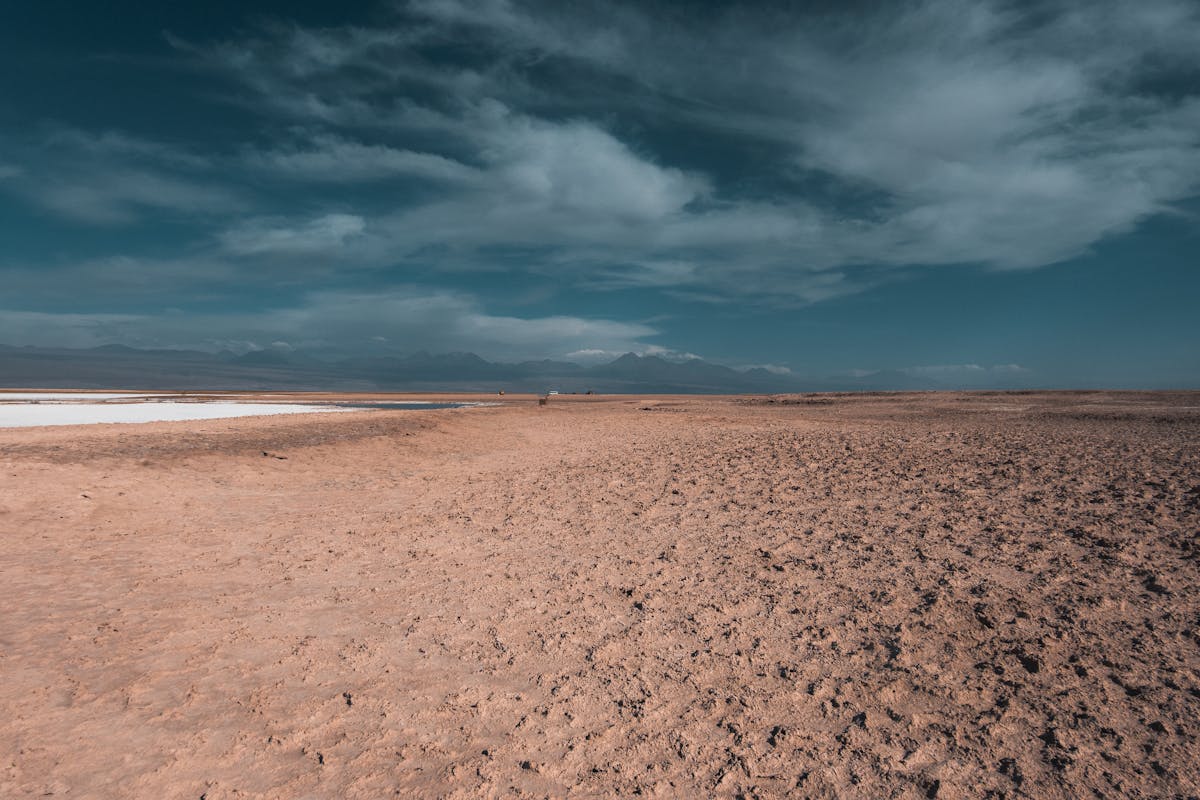
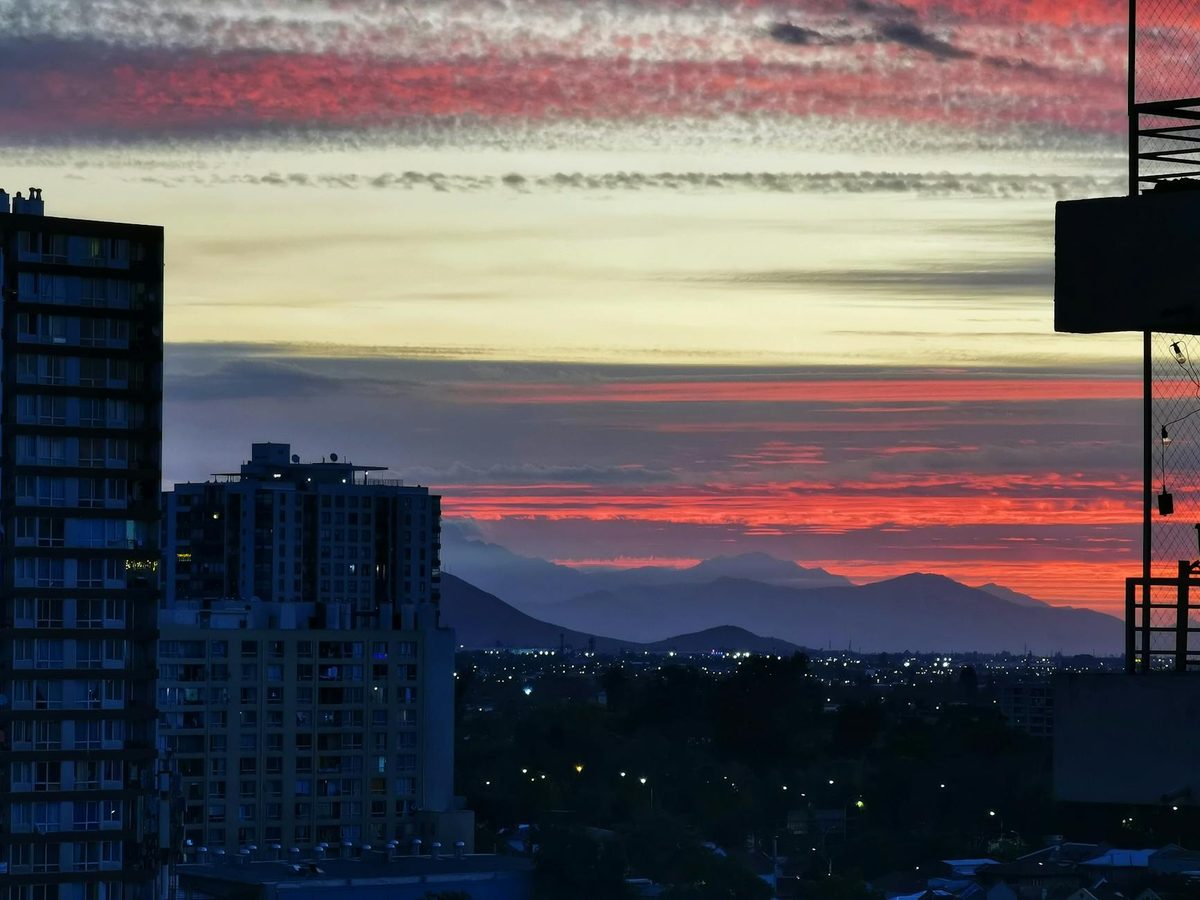
The Atacama is the driest non-polar desert on earth. Parts of it have not recorded rainfall in recorded history. Yet it is far from empty — salt flats mirror the sky, geysers erupt at dawn, and the night sky here is so clear that the world's largest telescopes have been built on its ridges.
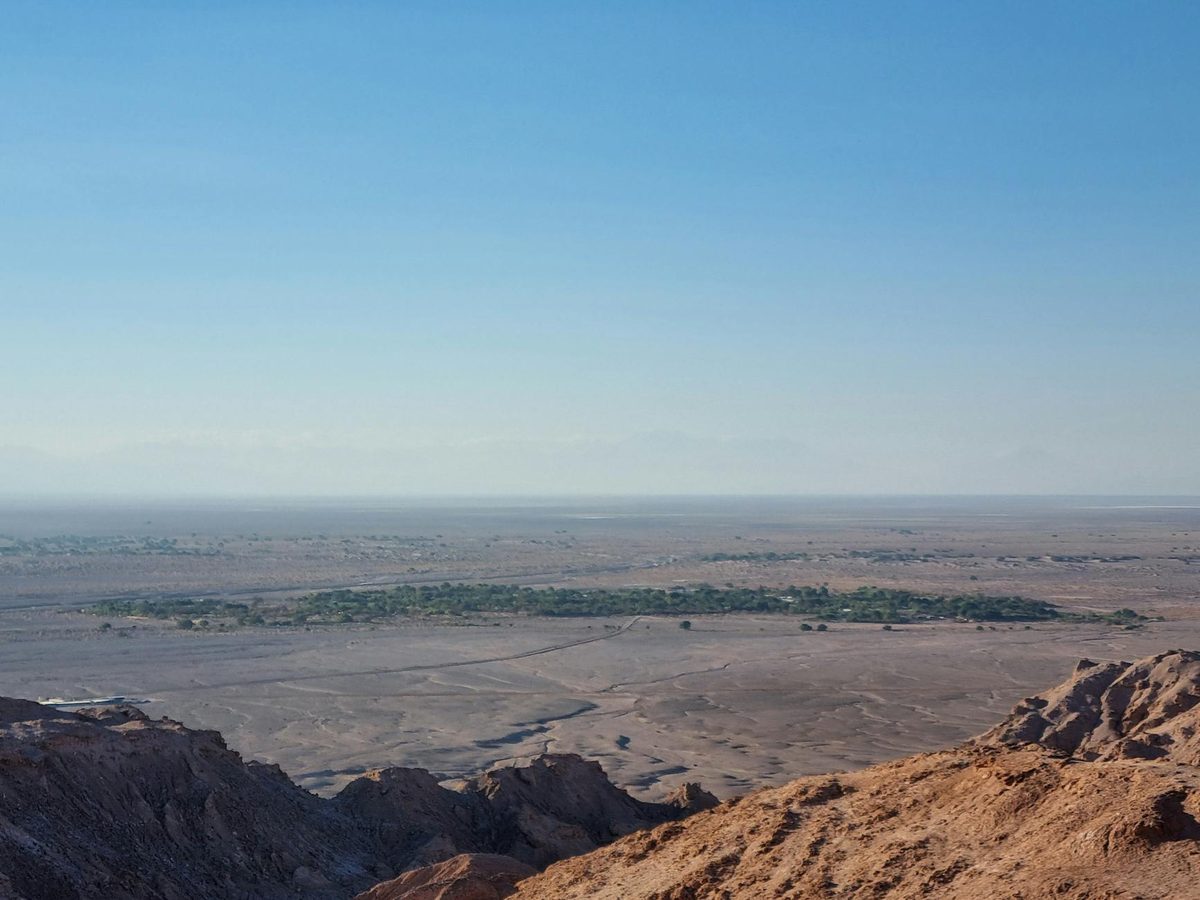
San Pedro de Atacama
San Pedro is a dusty adobe town at 2,400 meters that serves as the base for everything in the region. One main street, a handful of restaurants, and more tour agencies than you can count. It is small enough to walk end to end in twenty minutes, but you will return here every evening — there is nowhere else to stay within a two-hour drive.
Book accommodation in advance during Chilean summer (December-February). The town fills up and prices double. The rest of the year, you can often negotiate a discount at guesthouses by asking in person.
What to See
Valle de la Luna sits just 15 kilometers west of San Pedro. Wind-carved rock formations, sand dunes, and salt deposits that look genuinely alien. Go for the sunset tour — the colors shift through orange, pink, and purple as the sun drops behind the ridgeline. Every agency in town offers this trip for roughly the same price.
El Tatio Geysers are the highest geyser field in the world, at 4,320 meters. Tours leave at 4am to arrive before sunrise, when the cold air makes the steam columns most visible. The drive up is rough and the altitude hits hard — take it slow, drink water, and skip this one if you arrived in San Pedro the same day. Your body needs at least 24 hours to adjust.
Salar de Atacama is a vast salt flat south of San Pedro, home to three species of flamingo. The Laguna Chaxa section, managed by the local indigenous community, has a boardwalk loop where you can watch flamingos feeding at arm's length. Late afternoon light is best for photography.
Lagunas Altiplanicas (Miscanti and Miniques) sit at 4,200 meters — two impossibly blue lakes surrounded by volcanic peaks. The drive south through the altiplano is as impressive as the lakes themselves.
Piedras Rojas is often combined with the lagunas — red-tinged rock formations against a backdrop of salt flats and volcanoes. One of the most photogenic spots in all of Chile.
The Hidden Lagoons of Baltinache are a relatively recent addition to the tour circuit — a series of small salt lagoons where you can float in water denser than the Dead Sea.
Stargazing
The Atacama has the clearest skies on the planet. The European Southern Observatory operates several facilities here, including the ALMA array on the Chajnantor Plateau at 5,000 meters. Public visits to ALMA run on weekends — book months in advance on their website. See our full stargazing guide for more on observatories and tours.
For something more accessible, several operators in San Pedro run nighttime stargazing tours with telescopes. The Milky Way here is not a faint smudge — it is a bright band across the sky, vivid enough to cast shadows. On a clear night (which is most nights), you can see the Magellanic Clouds with the naked eye.
Practical Information
Altitude: San Pedro sits at 2,400m but many excursions go above 4,000m. Drink plenty of water, avoid alcohol on your first day, and consider bringing altitude sickness medication (acetazolamide) from home — pharmacies in San Pedro sell it but charge tourist prices.
Getting there: Fly to Calama (CJC) from Santiago — about two hours. See getting around Chile for more on domestic flights and buses. From Calama airport, shared transfers to San Pedro take 90 minutes and cost around $15-20. There is no direct bus from Santiago, though overnight services via Calama exist (22+ hours).
When to go: The Atacama works year-round. Check our when to visit guide for regional breakdowns. Days are warm even in winter (June-August), but nights drop below freezing at altitude. Summer brings slightly more cloud cover and the occasional afternoon rain in the altiplano. The clearest skies for stargazing tend to be April through November.
Tip: Bring Cash
San Pedro has a few ATMs but they run out of cash during peak season. Bring Chilean pesos from Santiago or Calama. Many tour agencies accept credit cards but charge a 3-5% surcharge.