This article contains affiliate links. If you book through them, I earn a small commission at no extra cost to you.
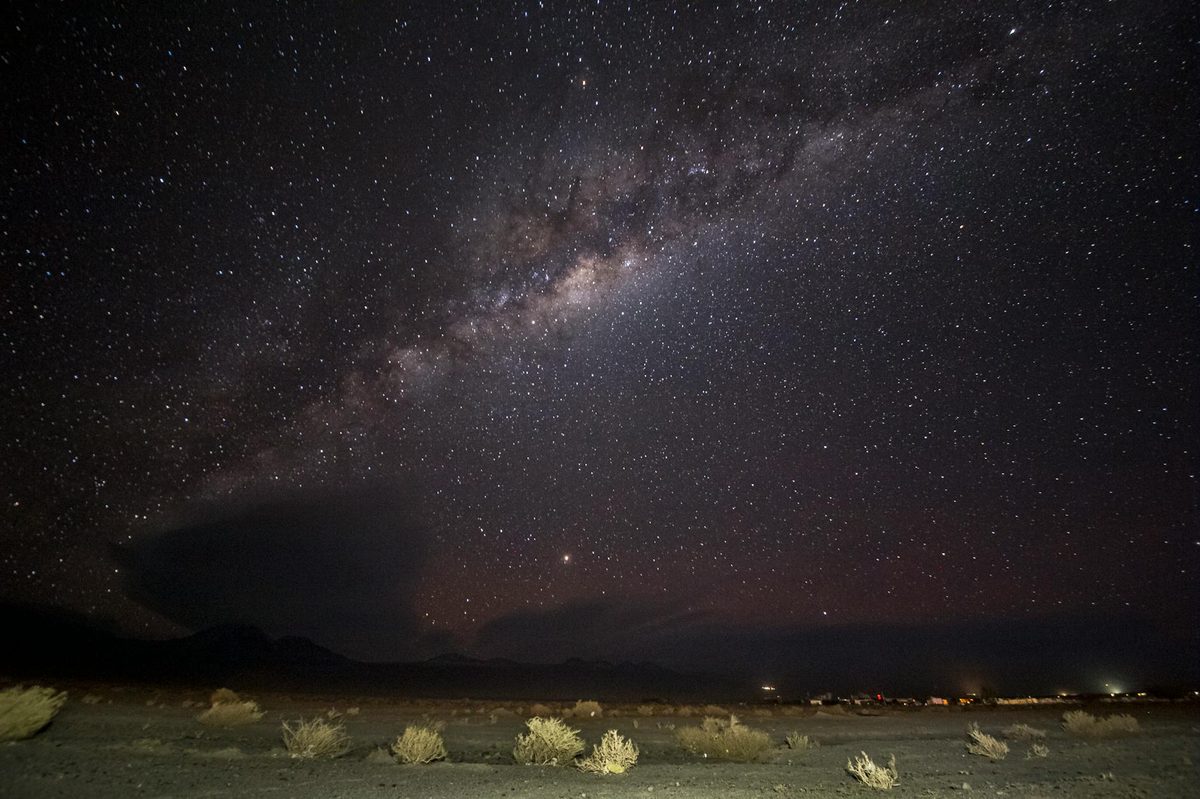
The van pulled away from the hotel at 4:15am and I immediately regretted every decision that had led to this moment. It was minus eight degrees outside. The heater was broken. Somewhere in the absolute darkness of the Atacama, the driver was navigating a dirt road at 4,500 meters above sea level, and my head was pounding from the altitude like someone had tightened a belt around my skull. Then we stopped, and I stepped out, and I forgot about all of it. The sky looked wrong. There were too many stars. The Milky Way was not a faint smudge — it was a river of light cutting the sky in half, so bright it cast shadows on the ground. I stood there for a full minute before remembering I was supposed to be walking toward the geysers.
That moment — frozen, exhausted, awestruck — is the Atacama Desert in a single frame. Five days in this place will push you physically, confuse your senses, and show you landscapes that do not look like they belong on this planet. I came expecting desert. I got salt flats, flamingos, volcanic lagoons at 4,300 meters, geysers erupting at dawn, and the clearest night sky I have ever seen. Here is how those five days went.
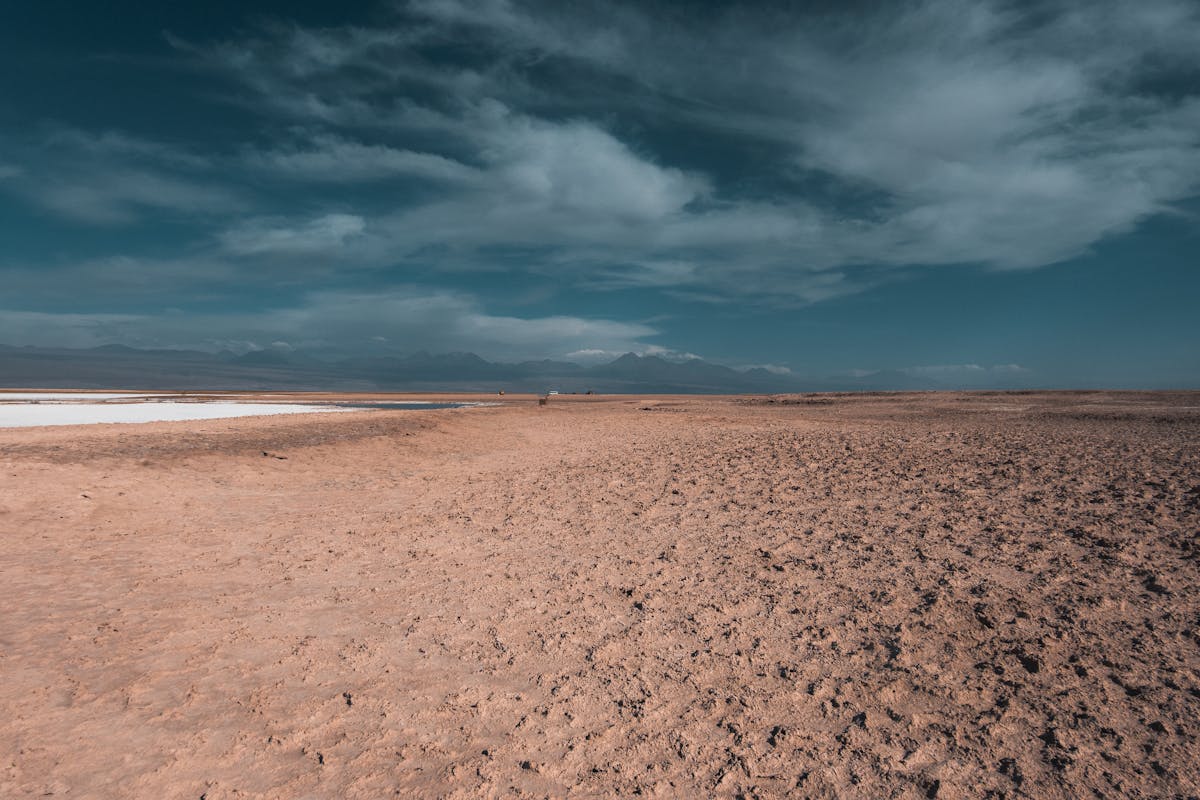
Getting to San Pedro (and the Altitude Problem Nobody Warns You About)
Most people fly into Calama from Santiago — about a two-hour flight — then take a shuttle or transfer the remaining hour and a half to San Pedro de Atacama. The town sits at 2,400 meters, which does not sound extreme until you realize you were at sea level that morning. I felt fine at the airport. By the time I checked into my hostel, I had a dull headache and a strange shortness of breath walking up a single flight of stairs.
Here is the thing nobody tells you clearly enough: San Pedro itself is manageable. The problem is that almost every tour goes higher — 3,500 meters for the salt flats, 4,300 for the altiplanic lagoons, 4,500 for the geysers. If you do not give your body at least a day to adjust at 2,400 before climbing to 4,500, you are going to have a miserable time. I watched two people in my geyser group turn green and have to sit in the van while the rest of us walked around. One threw up. Take the altitude seriously.
My recommendation: arrive in San Pedro the afternoon before your first full day. Walk around town slowly. Drink water constantly — more than you think you need. Skip alcohol that first night (I did not skip it, and I paid for that choice at 4am the next morning). Eat light. Chew coca leaves if you can find them — every tour agency sells coca tea and it genuinely helps. By the next morning, your body will have made enough of an adjustment that the higher elevations are uncomfortable but survivable.
Quick Tip
The ATMs in San Pedro run out of cash during peak season (July-August, December-February). Bring Chilean pesos from Calama or Santiago. Many tour agencies accept cards, but smaller restaurants and shops are cash only. See our money and costs guide for more.
Day 1: Valle de la Luna at Sunset
I used my first afternoon for the Valle de la Luna sunset tour — partly because it is at a moderate elevation (about 2,500 meters) and partly because I had been told by three separate people that this was the thing to do on day one. They were right.
The Valley of the Moon is about 15 kilometers west of San Pedro, and the name is not poetic exaggeration. The rock formations look lunar. Wind and water have carved the sandstone and salt into ridges, canyons, and dunes that are completely unlike anything I had seen in other deserts. This is not Sahara sand-dune desert. It is a landscape of jagged textures — white salt crusts cracking over red sand, grey rock spires rising from flat basins, narrow canyons where the walls are layered in bands of color like a geological layer cake.
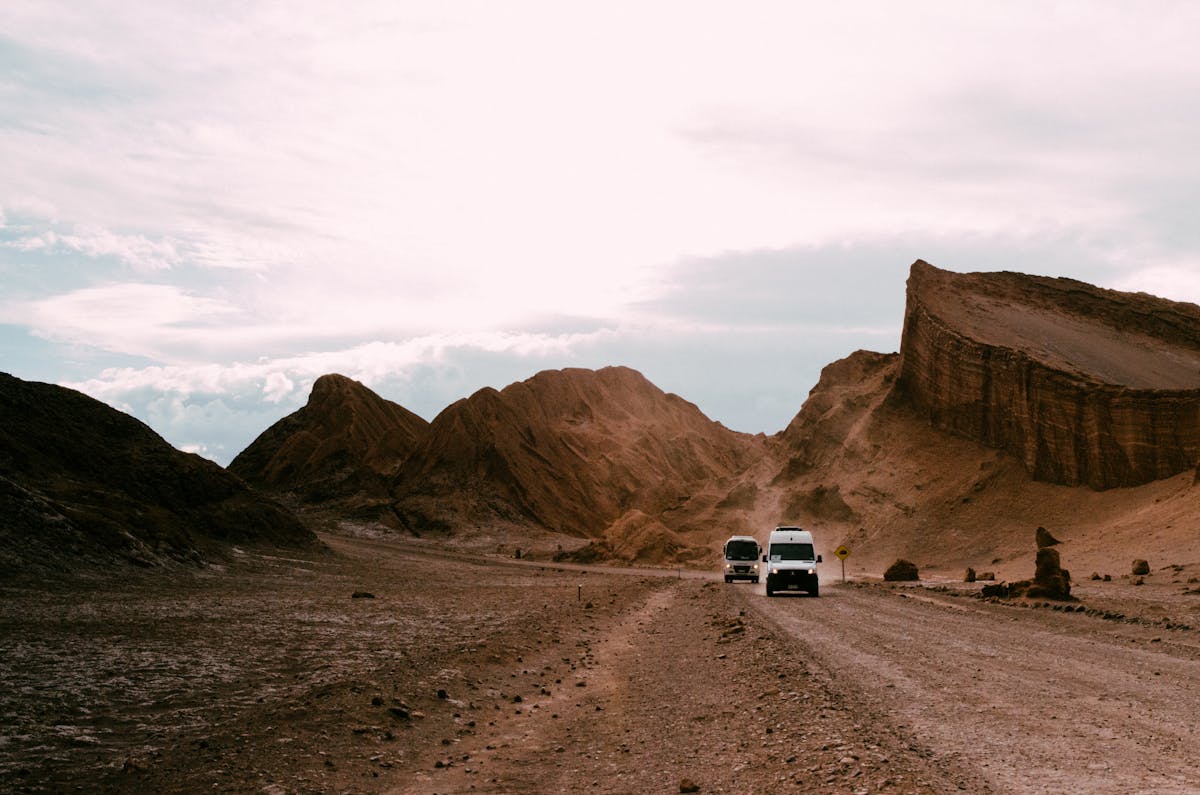
The tour hits a few viewpoints and a sand dune where everyone climbs up to watch the sunset. The dune is the main event and it delivers. As the sun drops, the entire valley shifts through a color sequence — gold to orange to deep red to purple — and the Andes behind it catch the alpenglow in a way that made the entire van go quiet. No one talked. We just watched. It lasted maybe twenty minutes.
The walk back down the dune in fading light was tricky — loose sand, steep angle, no handrail. Wear shoes with grip, not sandals. I saw someone go down hard and scrape both palms trying to catch themselves.
One honest note: the Valle de la Luna sunset tour is the most popular excursion in the Atacama, and it shows. Our group was twenty people. There were at least six other vans at the dune. If you want it emptier, go at sunrise instead. You lose the dramatic color show but you gain silence, and in a landscape this stark, silence is worth a lot.
Day 2: The Stars Above the Desert
I had budgeted one night for stargazing, which turned out to be the correct number of nights because it only takes one session to permanently ruin the night sky everywhere else you will ever live. The Atacama is one of the best places on Earth for astronomy — there is a reason the ALMA Observatory, the most expensive ground-based telescope ever built, sits in this desert. The combination of altitude, dry air, and almost zero light pollution creates conditions that professional astronomers travel across the world for.
I booked a tour with one of the astronomical agencies in town. The setup was simple — drive twenty minutes outside San Pedro, set up telescopes in a field, and look up. The guide pointed a high-powered laser at the sky and walked us through constellations, planets, and deep-sky objects for about two hours.
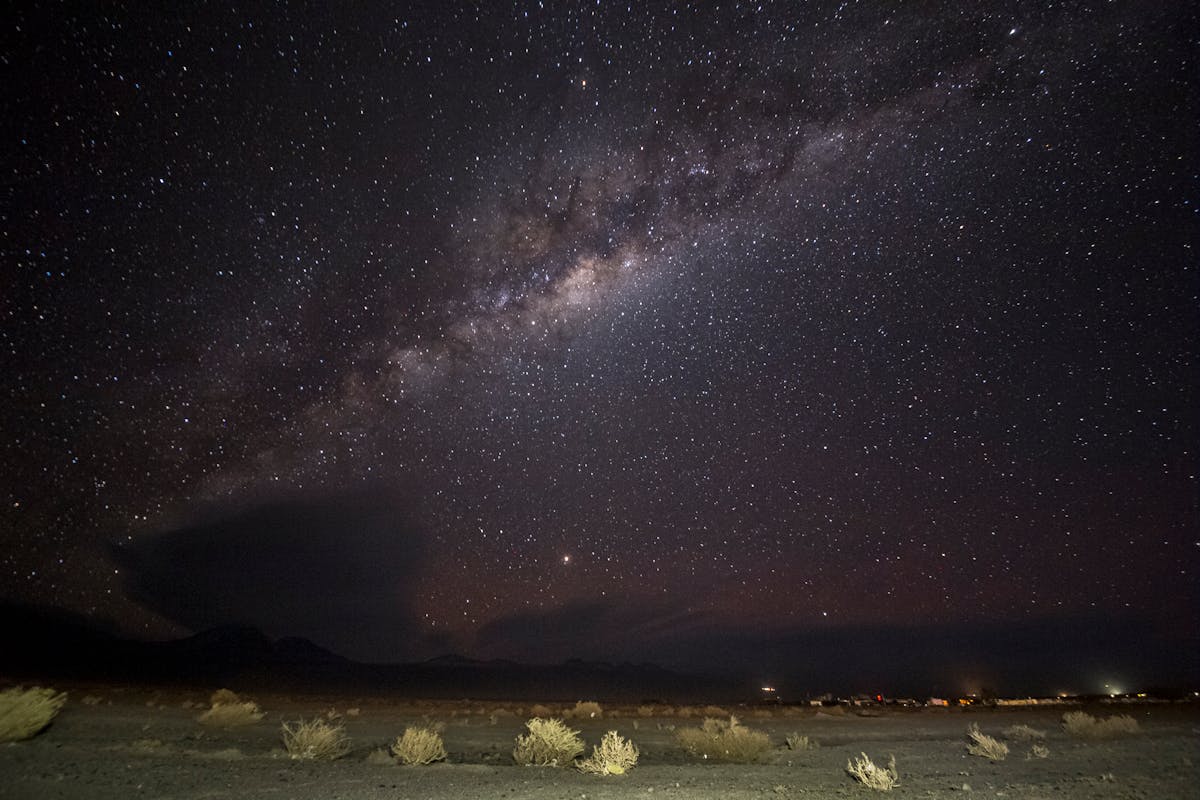
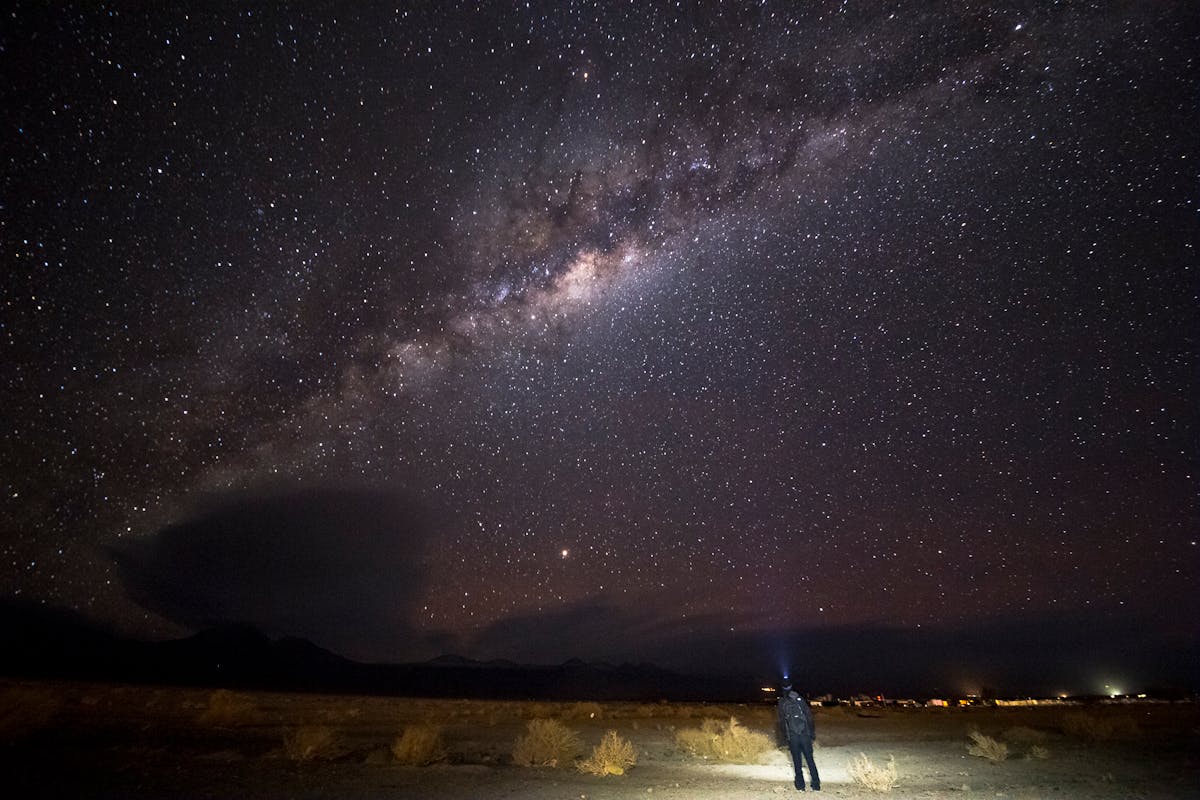
Through the telescope, I saw the rings of Saturn — not as a blurry suggestion, but as actual rings around a planet. I saw Jupiter's moons. I saw the Orion Nebula in color. I saw galaxies. The naked-eye view was almost better than the telescope — the Milky Way was so detailed that I could see the dark dust lanes running through it, the rifts and branches that you never notice from a city. The Magellanic Clouds — two dwarf galaxies only visible from the Southern Hemisphere — hung in the sky like bright smudges. I had never seen them before. I could not stop looking at them.
The whole session lasted about two and a half hours, and I was genuinely cold by the end. The desert drops to near freezing after dark, even in summer. Bring every warm layer you have. The tour provided hot chocolate and pisco sour at the end, which helped.
Quick Tip
Book stargazing around the new moon for the darkest skies. A full moon washes out the Milky Way almost completely. Most agencies in San Pedro list which nights are best — ask before booking. The tours run year-round but winter (June-August) offers longer dark hours and the galactic core overhead.
Day 3: The 4am Drive to El Tatio (and Why It Is Worth the Suffering)
The El Tatio Geysers are the highest geyser field in the world, sitting at 4,320 meters in the Andes. They are most active at dawn when the cold air meets the rising steam, which means the tour leaves San Pedro at 4am. Let me be clear about what this involves: you wake up at 3:30am. You get into a van in complete darkness. You drive for an hour and a half on a winding mountain road, climbing 2,000 meters in elevation while your head adjusts to the thinning air. You arrive in freezing conditions — I measured minus eight on my phone — and step out into a field of boiling water and steam.
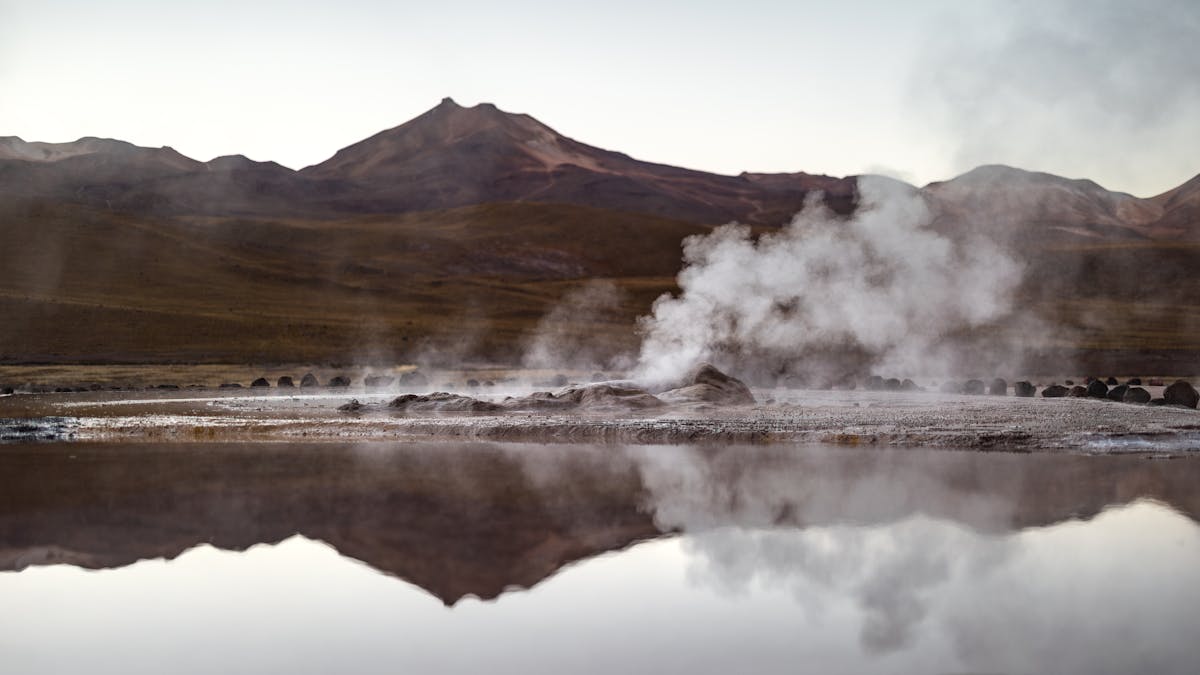
It is extraordinary. The steam columns rise fifty meters into the still air, backlit by the first orange light of sunrise. The ground around the vents is crusted in white mineral deposits. Boiling pools of vivid blue and green sit in the red-brown earth. The whole field hisses and bubbles. Walking through it feels dangerous and ancient, like standing on the skin of something alive.
The geysers are not Yellowstone-scale eruptions — the tallest columns are about a meter of boiling water, with the rest being steam. The spectacle is the setting, not the power. Steam against freezing air against mountains against the first light of day. The window for this is narrow — about 6:30 to 8am. After that, the sun warms the air, the temperature differential shrinks, and the steam thins to almost nothing. By 9am it looks like a field of puddles. This is not a place you can visit at your leisure. You go early or you miss it.
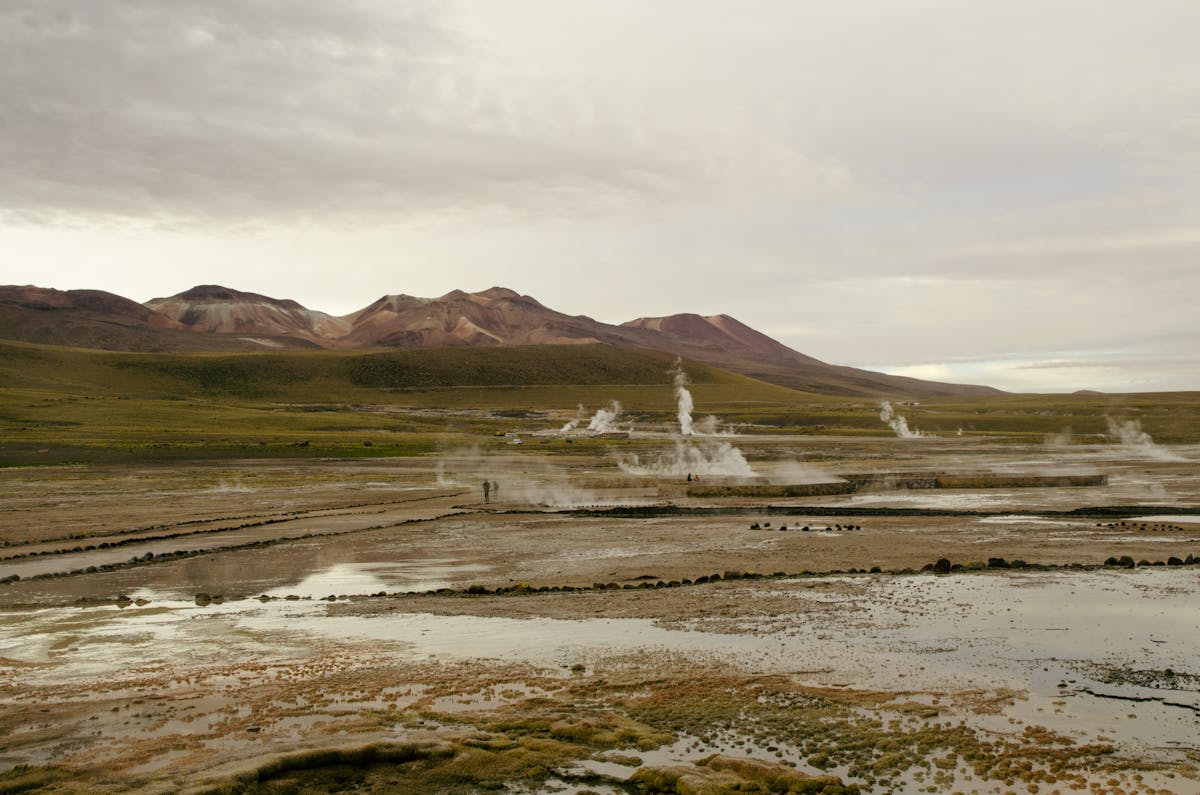
Most tours include a stop at a natural hot pool on the way down — a stone basin where geothermal water has been channeled into a rough swimming area. At 4,000 meters elevation, in the morning cold, climbing into naturally heated water was one of the best feelings of the entire trip. Bring a swimsuit and a towel. The tour does not always mention this in advance.
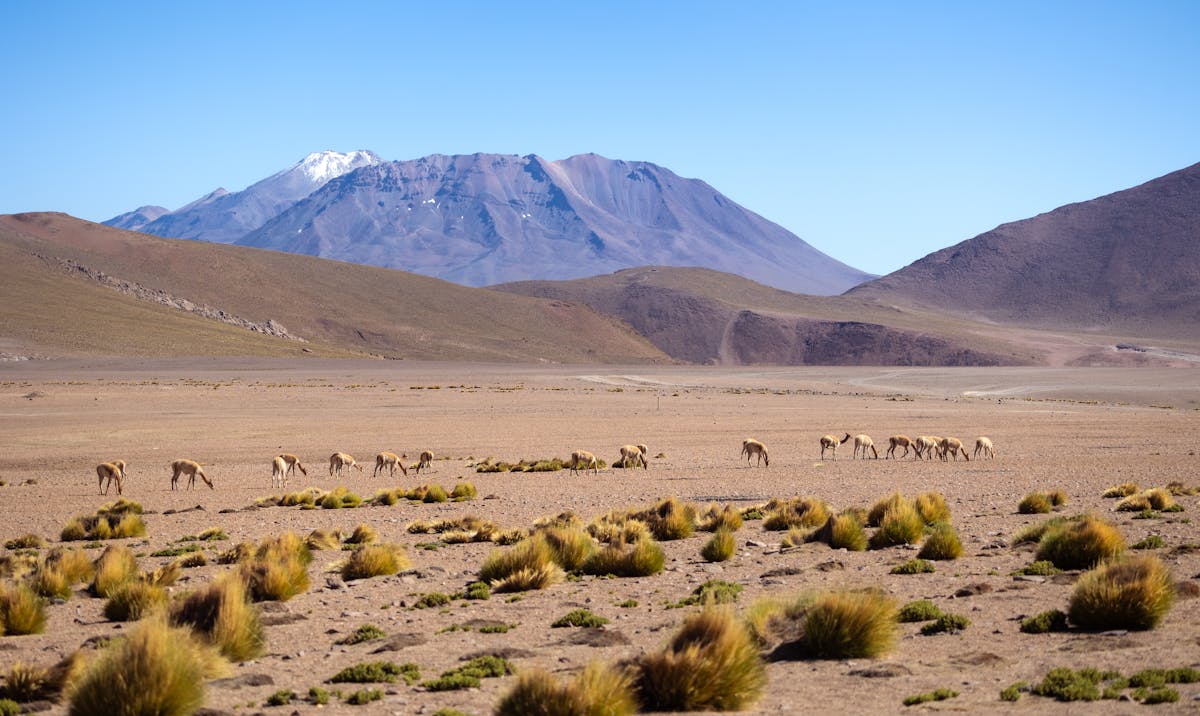
On the drive back down, our guide stopped twice for vicunas — the wild relatives of llamas that live at these elevations. Small herds grazing on the sparse grass at 4,000 meters, completely unbothered by the van. Their wool is worth more per kilogram than cashmere. They looked delicate and implausible, standing in this barren landscape like they had wandered in from a different ecosystem.
Day 4: Piedras Rojas, the Altiplanic Lagoons, and Flamingos
This was the longest day and, looking back, the one I would do again first. The full-day tour covers Piedras Rojas, the altiplanic lagoons (Lagunas Miscanti and Miniques), the Salar de Atacama at Chaxa Lagoon, and a string of viewpoints in between. It is eight to ten hours in a van, mostly above 4,000 meters, and it is relentless in the best way.
Piedras Rojas was the first stop that made everyone in the van reach for their cameras at once. The name means "red stones" and that is exactly what it is — a slope of iron-oxide rock so deeply red it looks painted, dropping into a lagoon so turquoise it looks edited. The color combination is absurd. Your brain keeps trying to correct it, like something is wrong with the saturation. It is not wrong. It is just that vivid.
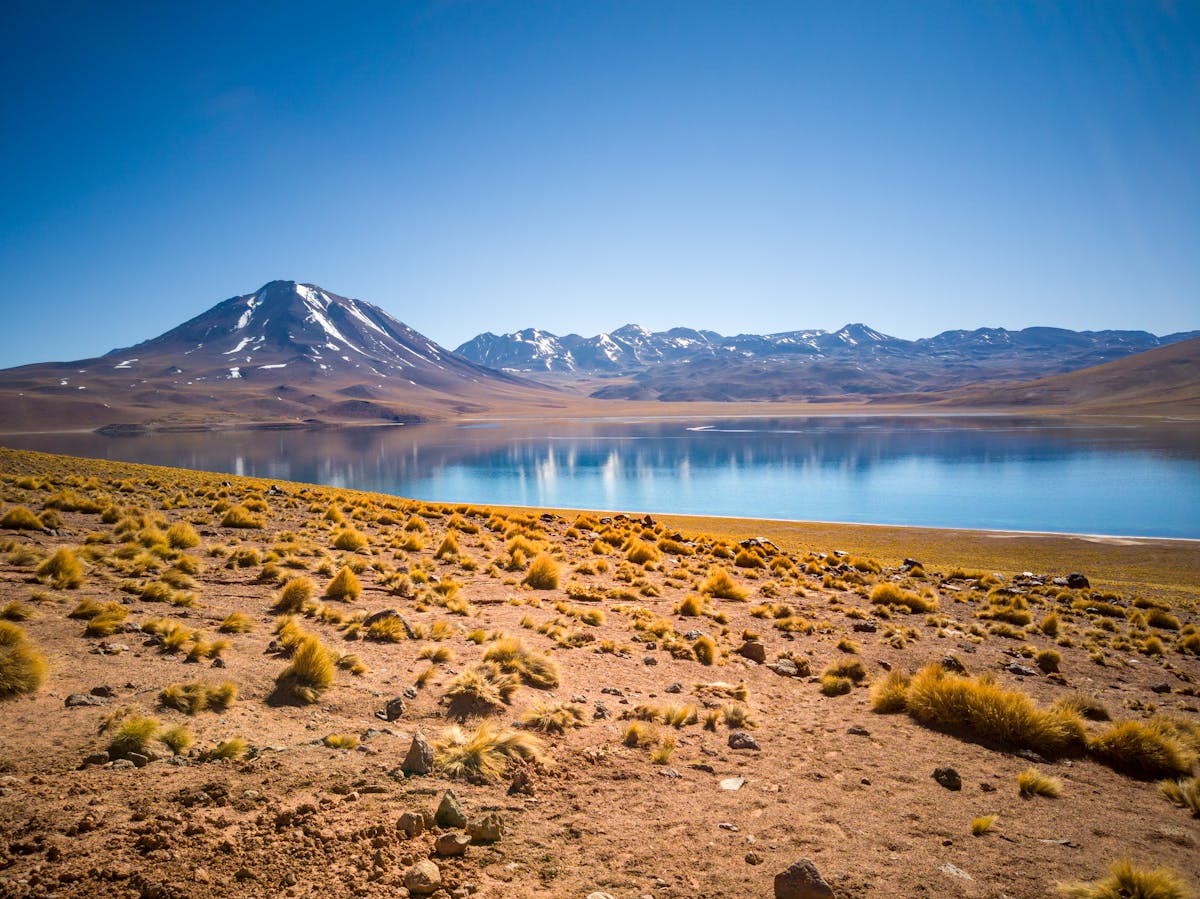
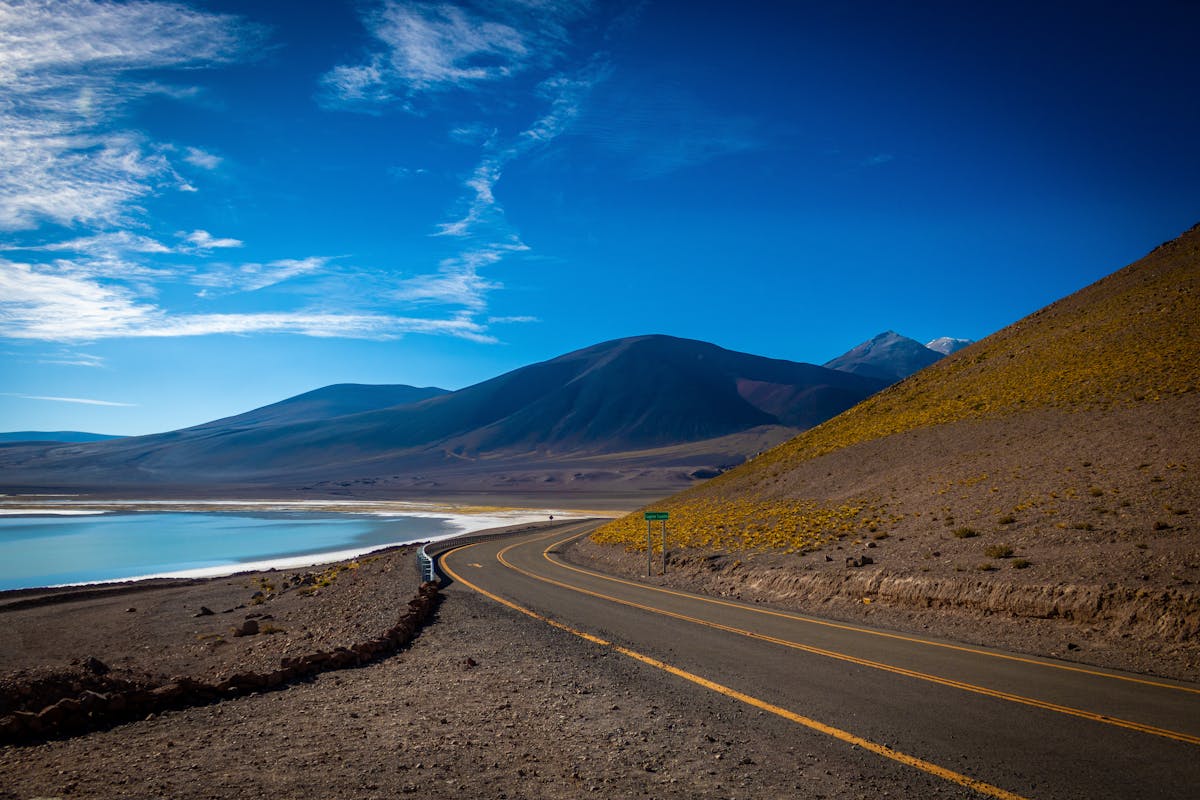
The altiplanic lagoons sit at 4,350 meters, backed by the perfect cones of Miscanti and Miniques volcanoes. The water is deep blue, the banks are covered in white mineral salt, and the volcanoes are brown and snow-streaked. I spent ten minutes trying to take a photo that captured the scale and gave up. The panorama is too wide and too layered — mountains behind mountains behind mountains, with the lagoons sitting in the middle like they were placed there by a set designer. You need to be standing in it.
The Salar de Atacama stop was at Chaxa Lagoon, which is flamingo territory. Andean and Chilean flamingos feed in the shallow brine, filtering algae and crustaceans from the salt water. The first time you see a flamingo in the wild — not in a zoo, not in a nature documentary, but standing in a salt lagoon at 2,300 meters in the driest desert on Earth — it is genuinely confusing. They are so pink. The water is so still. The mountains are so far away. The whole scene looks like a stock photo that someone oversaturated, but it is just Tuesday afternoon in the Atacama.
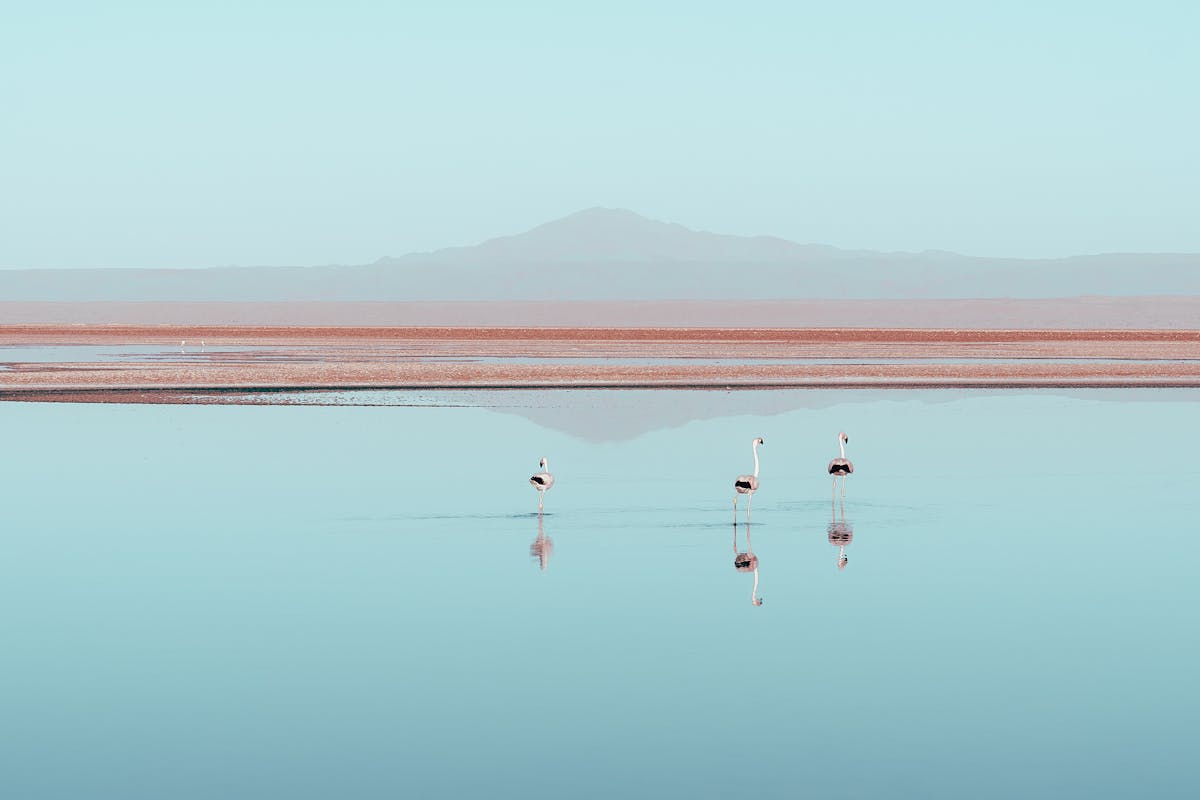
A practical note on this tour: it is long. You are above 4,000 meters for most of it. The lunch stop is usually in a small settlement where the food is basic — bread, cheese, soup, maybe some empanadas. Bring snacks. Bring water. Bring sunscreen and reapply it, because the UV at this altitude is genuinely fierce. I got sunburned through my shirt. That should not be physically possible but the Atacama operates on different rules.
Day 5: The Hidden Lagoons of Baltinache and the Salt Flat
I kept my last day lower and slower — partly because five days at altitude had worn me down, partly because the Lagoons of Baltinache are close to San Pedro and easy to reach without a tour. These are seven saline lagoons set in the salt flat, each a different shade of blue and green depending on the mineral content. The water is dense with salt — Dead Sea dense — which means you float without trying.
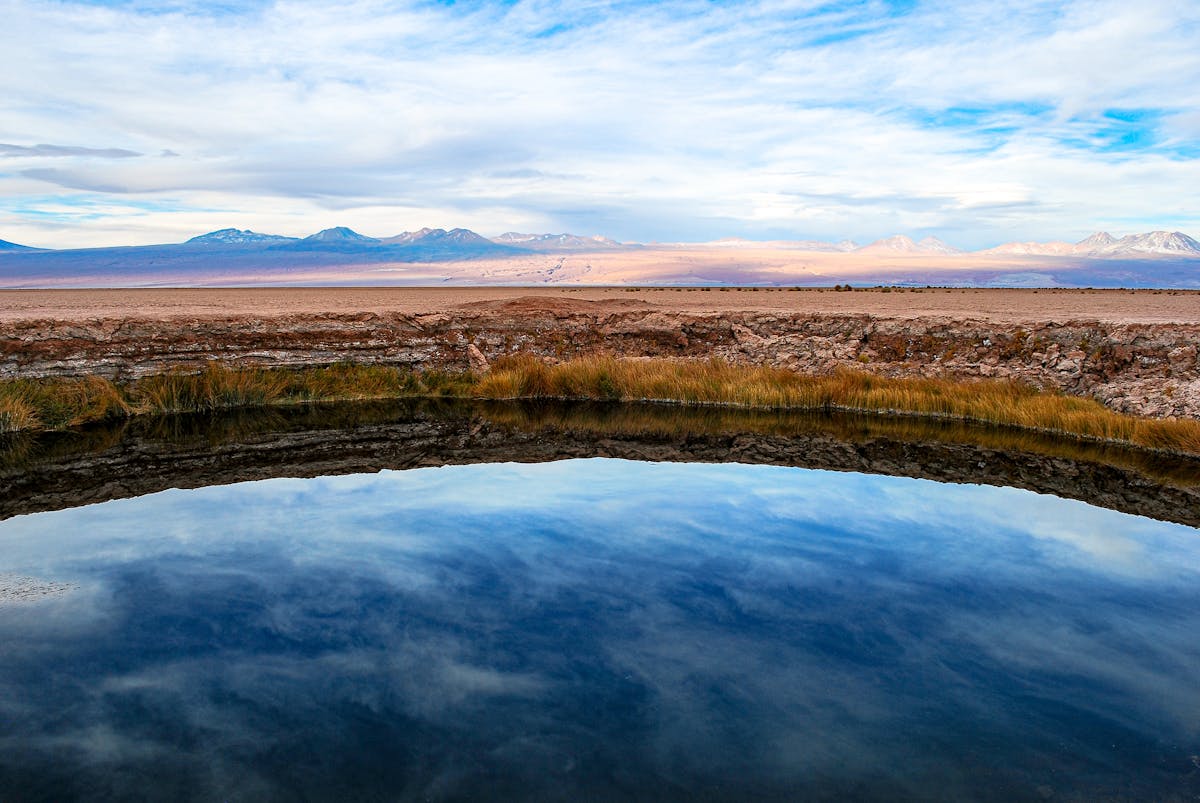
I went in the morning, before the afternoon wind kicked up. The lagoons were glass-still, reflecting the desert and the distant mountains in perfect symmetry. Swimming — floating, really — in the second lagoon was surreal. The water pushed me up so forcefully that keeping my feet down took actual effort. I lay on my back and stared at the sky and thought about very little for a long time. After four days of 4am alarms and altitude headaches and packed tour vans, this was the decompression I needed.
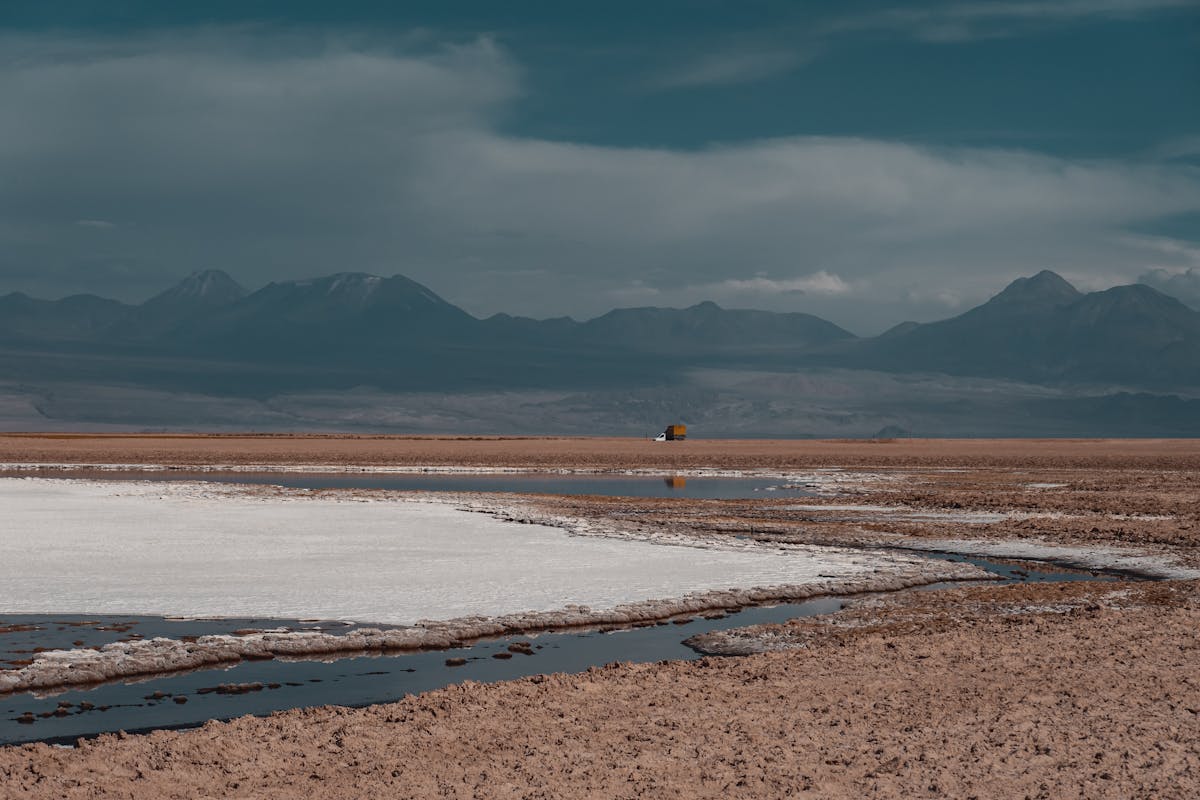
The rest of the afternoon I spent walking around San Pedro itself, which I had barely seen in daylight between all the early departures. The town is small — a few blocks of adobe buildings, dusty streets, a surprising number of good restaurants for a settlement of 5,000 people in the middle of nowhere. The food scene leans toward tourist prices but the quality is better than you would expect. I ate a goat stew at a place on Caracoles (the main street) that was genuinely excellent — slow-cooked, rich, exactly what my body wanted after a week of altitude and early mornings.
What I Would Change
Five days was right. I have heard people say three days is enough and I think they are wrong — you would have to stack the geysers and the altiplanic lagoons back to back, both starting before dawn, both above 4,000 meters, and you would be wrecked. Spacing them out with a rest day in between made the difference between enduring the altitude and actually enjoying what I was looking at.
I would move the stargazing to night two or three instead of night two. By the third night my body had adjusted enough that I could stand outside in the cold for two hours without my head pounding. I would also book the geyser tour for day four instead of day three — every extra day at altitude helps.
I would bring warmer gloves. I packed lightweight hiking gloves thinking "it is a desert, how cold can it be?" Minus eight. That is how cold it can be. At 4,500 meters before dawn, the desert is brutally, bone-achingly cold. Proper winter gloves, a warm hat, and a down jacket are not optional.
I would also add a sixth day if possible. There are excursions I did not have time for — the ALMA visitor center (free, but only open on weekends), a mountain biking circuit through the salt flat, and a full-day trip south to the Tara salt flat which is supposed to be even more remote and dramatic than the standard circuit. Next time.
The Practical Details
Getting There
Fly Santiago to Calama (SKY Airline and LATAM, roughly 25,000-45,000 CLP one way depending on season). From Calama airport, pre-book a shared transfer to San Pedro — about 15,000 CLP per person, 90 minutes. Some agencies will arrange the transfer as part of a tour package. There is no commercial airport in San Pedro itself. See our getting around guide for more on domestic flights.
When to Go
The Atacama is good year-round, but the best window is March to May and September to November — shoulder seasons with clear skies, moderate temperatures, and fewer crowds. June to August (Chilean winter) has the coldest nights but the clearest skies for stargazing and the galactic core overhead. December to February is summer and peak tourist season — warmer days but also the "Bolivian winter" when occasional rain clouds drift in from the east, which can cancel high-altitude tours. See when to visit Chile for more detail on seasonality.
What to Book and What to Skip
Book through agencies in San Pedro rather than online in advance — prices are the same or cheaper, and you can compare. Every agency on Caracoles Street sells the same five or six tours with minor variations. The standard ones worth doing:
- Valle de la Luna sunset — half day, about 20,000-25,000 CLP. Go on day one for the altitude adjustment
- Stargazing — evening, about 25,000-35,000 CLP depending on the agency and telescope quality. Book around new moon
- El Tatio Geysers — full morning (4am-1pm), about 30,000-40,000 CLP including breakfast. Non-negotiable, even with the early start
- Piedras Rojas / Altiplanic Lagoons — full day, about 40,000-50,000 CLP including lunch. The best single-day excursion in the Atacama
- Lagoons of Baltinache — half day or self-guided, about 15,000-20,000 CLP. Good for a recovery day
Tours I would skip: the "astronomical" tours that are just binoculars in a field (insist on a proper telescope setup). The "moon and stars" combo that tries to cram Valle de la Luna and stargazing into one evening — you see neither properly. The sandboarding tours if you have done sandboarding anywhere else — the dunes here are small.
Budget
| Hostel dorm | 12,000-18,000 CLP/night |
| Private room (mid-range) | 40,000-70,000 CLP/night |
| Set lunch on tour | Included or 5,000-8,000 CLP |
| Dinner on Caracoles | 12,000-20,000 CLP |
| Five days of tours | 130,000-170,000 CLP total |
| Calama transfer (return) | 30,000 CLP |
| Approximate 5-day total (budget) | 280,000-350,000 CLP ($300-370 USD) |
What to Pack
- Layers — the temperature range in a single day can be 30+ degrees. Minus eight at the geysers at dawn, plus twenty in San Pedro by lunch
- Down jacket — for the 4am starts. Not optional
- Sunscreen SPF 50+ — the UV at altitude is no joke. Reapply every two hours. Bring lip balm with SPF
- Sunglasses — polarized if possible. The salt flats and lagoons reflect light aggressively
- Water bottle — you need at least two liters per day. More on active days
- Swimsuit — for the hot springs after El Tatio and the Baltinache lagoons
- Warm hat and proper gloves — learn from my mistake
- Moisturizer — the driest desert on Earth will destroy your skin and lips in two days
Altitude Sickness
Take it seriously. San Pedro is at 2,400m, but tours go to 4,300-4,500m. Drink water constantly. Avoid alcohol the first night. Coca tea helps. Ibuprofen helps the headaches. If you feel nauseous, dizzy, or confused at high altitude, tell your guide — this is not something to push through. Most agencies carry oxygen in the vans for emergencies.
Fitting the Atacama Into a Longer Trip
If you are building a two-week Chile itinerary, the Atacama works best at the beginning or end — not the middle. Starting here means you acclimatize to altitude first, then descend to Santiago and Patagonia. Ending here means you finish on a high note (literally) but risk altitude problems if you have been at sea level for a week.
I did it at the start. Flew Santiago to Calama on day one, spent five days in the Atacama, then flew back to Santiago and headed south. By the time I reached Patagonia, the early mornings felt normal and the cold felt familiar. The Atacama was the harder half of the trip, and I was glad I did it first when my energy was highest.
From San Pedro, you can also cross into Bolivia for the Uyuni Salt Flat circuit — a three-day tour that is one of the most popular overlanding routes in South America. Several agencies in San Pedro run this crossing. It is a logical extension if you have the time and the appetite for more altitude.
Five days in the Atacama changed what I thought a desert could be. I came expecting sand and sun. I left having seen the Milky Way cast shadows, flamingos feeding in salt lakes at the foot of volcanoes, and steam rising from the earth at 4,500 meters while the temperature read minus eight. It is not a comfortable trip. It is an unforgettable one.