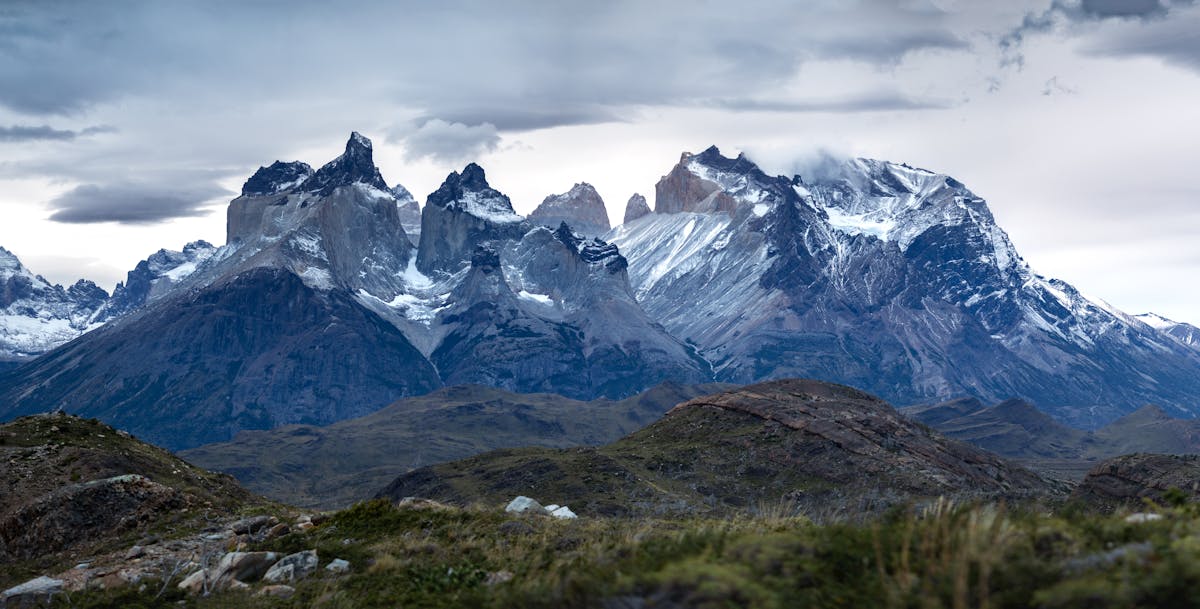
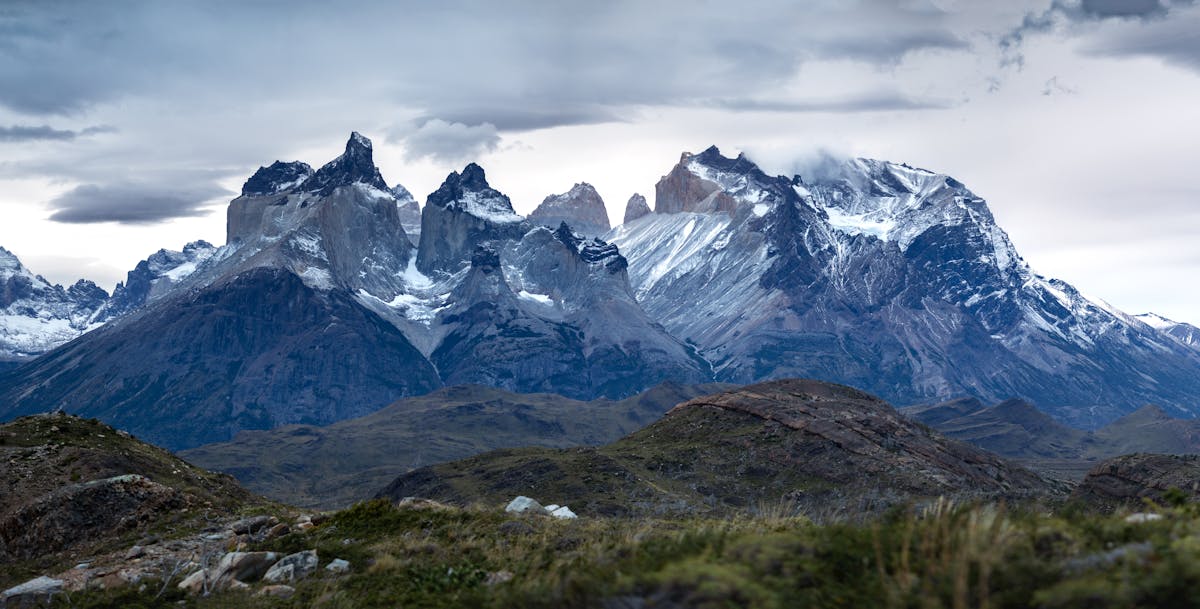
Chilean Patagonia is the southern tip of South America — a region of glaciers, granite spires, and wind that never quite stops blowing. Torres del Paine National Park is the headline attraction, but the region stretches from the Lake District border all the way to Tierra del Fuego, with fjords, ice fields, and empty grasslands along the way.
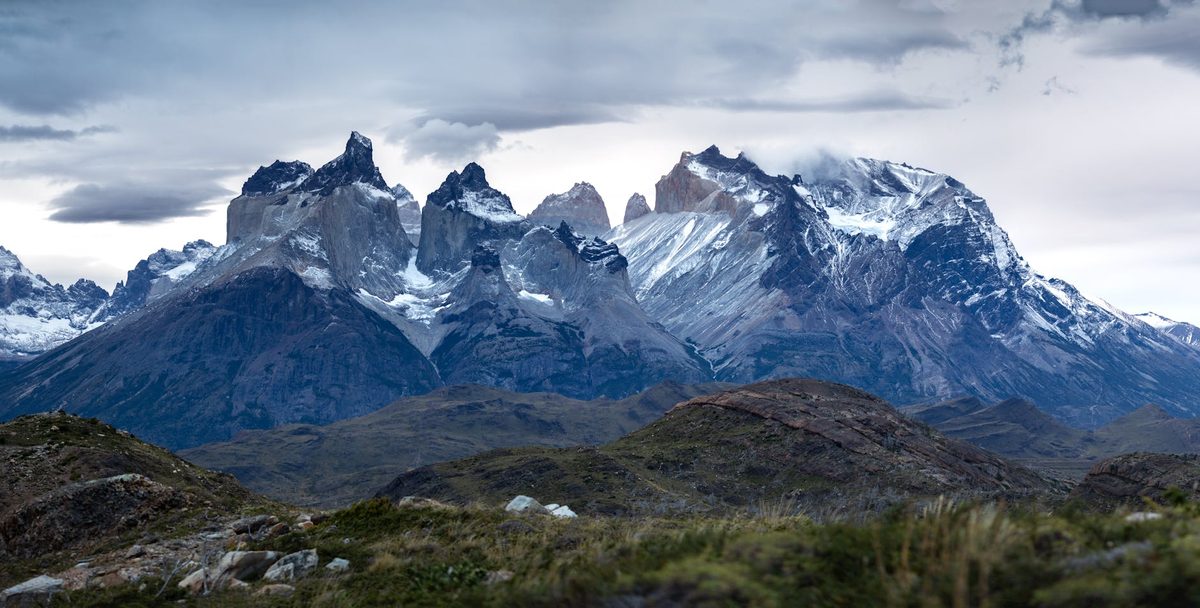
Torres del Paine National Park
Three granite towers rising vertically out of the steppe. That is the image on every guidebook cover, and it is genuinely that dramatic in person. The park covers 240,000 hectares of mountains, lakes, and glaciers, and it is the reason most people come to Patagonia.
The W Trek is the most popular multi-day route — four to five days covering the three main valleys. You sleep in refugios (basic mountain huts with meals) or camp. Reservations are mandatory and fill up months in advance for the December-February season. Book through the concessioners (Vertice and Fantastico Sur) as soon as dates open, usually in June or July for the following season.
The O Circuit adds the backside of the massif for a total of seven to nine days. More remote, more challenging, and far fewer people. The John Gardner Pass on the back section, with its views over the Grey Glacier and the Southern Patagonian Ice Field, is one of the great mountain passes on the continent.
Day hikes are possible too. See our hiking guide for a full breakdown of Chile's best treks. The Mirador Las Torres trail (the base of the towers) is a full day — roughly 20 kilometers round trip with 800 meters of elevation gain. Start early. The Grey Glacier lookout is an easier half-day option.
Beyond Torres del Paine
Puerto Natales is the gateway town, about 80 kilometers south of the park. It has the charm of a frontier town — basic but friendly, with a few good restaurants on the waterfront. Stock up on supplies here; options inside the park are limited and expensive.
The Navimag Ferry runs from Puerto Montt to Puerto Natales through the fjords — a four-day journey through channels, past glaciers, and around uninhabited islands. It is not a cruise — the boat is a cargo ferry with passenger cabins — but the scenery is extraordinary and you avoid the 30-hour bus ride.
Punta Arenas sits on the Strait of Magellan at the southern tip of the continent. From here you can visit Isla Magdalena's penguin colony (November-January), cross to Tierra del Fuego, or fly to Antarctica if your budget allows.
When to Go
The trekking season runs from October through April, with December through February being peak. The weather is unpredictable in any month — you can see four seasons in a single day. Wind is constant and sometimes violent; bring layers that block it.
Shoulder season (October-November, March-April) has fewer crowds and lower prices. Spring brings wildflowers; autumn turns the lenga forests copper and gold. Winter visits are possible but limited — most refugios close and snow blocks the higher passes.
Getting There
Fly from Santiago to Punta Arenas (PUQ) — about 3.5 hours. See our getting around guide for flight and bus options. From there, it is a 3-hour bus ride to Puerto Natales, or rent a car. Some visitors fly into El Calafate on the Argentine side and cross the border, combining Chilean and Argentine Patagonia in one trip.
Costs
Patagonia is expensive by Chilean standards. See our money and costs guide for full budget breakdowns. Park entrance for foreigners is around $35. Refugio bunks with meals run $100-150 per night. A week-long W Trek — including transport, accommodation, and food — typically costs $800-1,200 per person. Camping cuts that roughly in half but you need to carry your own gear.