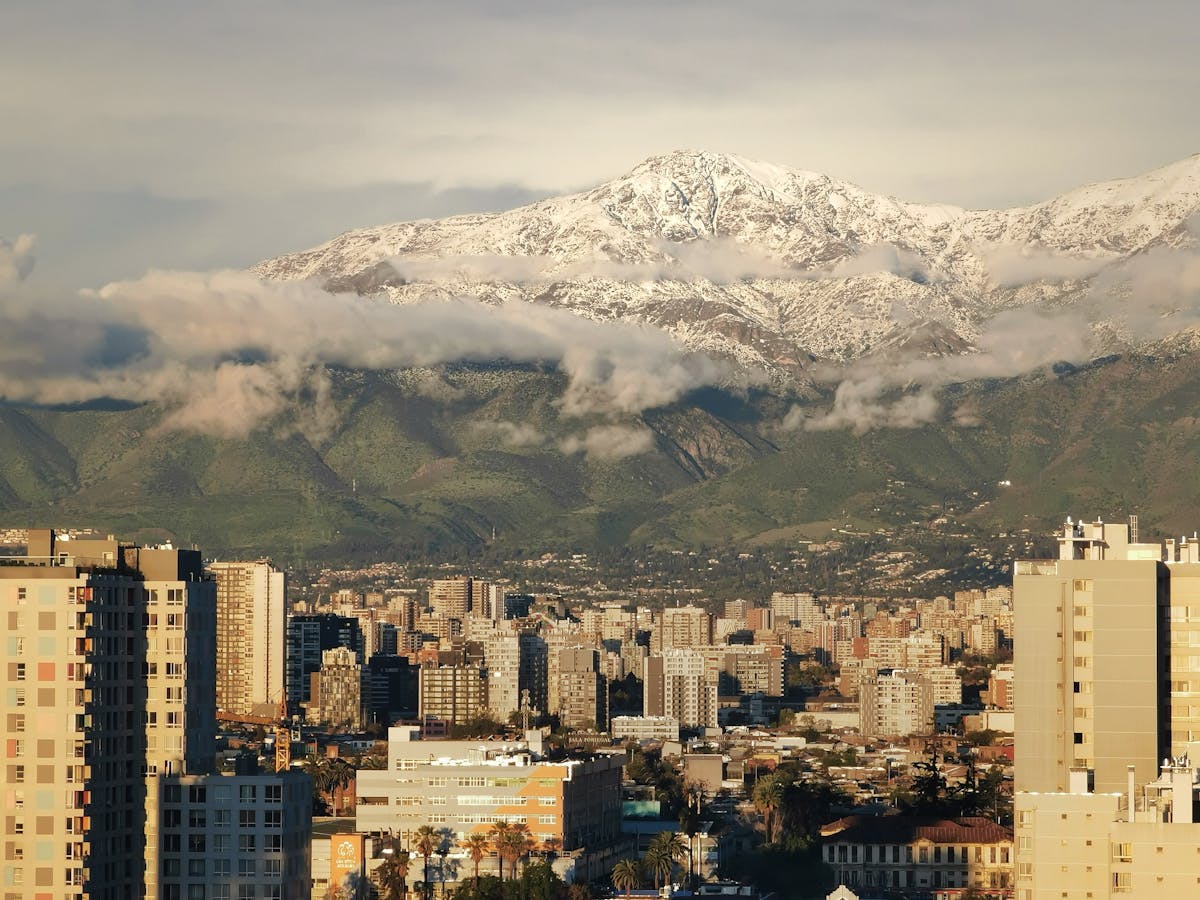
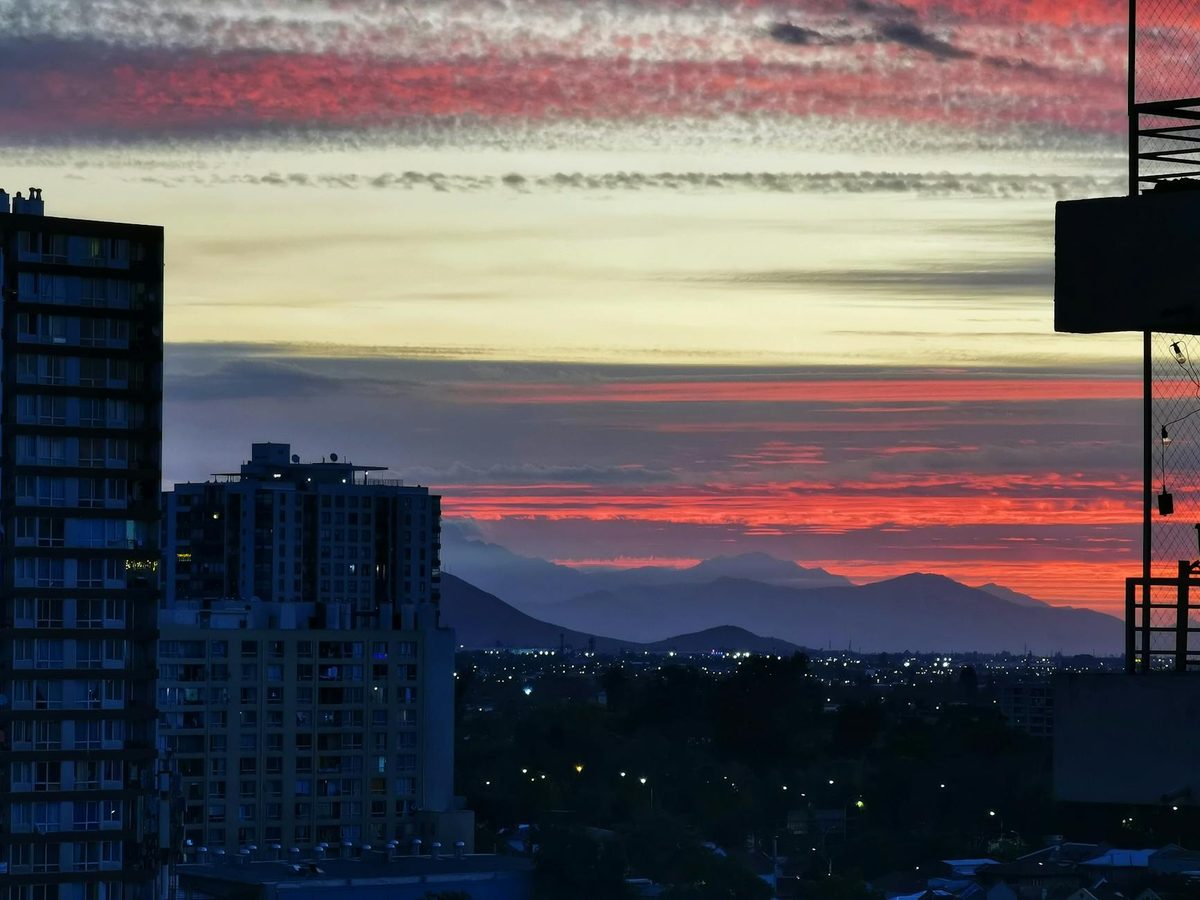
Santiago sits in a wide valley between two mountain ranges — the Andes to the east and the lower Cordillera de la Costa to the west. On a clear day, the snow-covered peaks form a wall along the entire eastern horizon. It is a city of seven million people, modern and sprawling, but one that still feels manageable compared to other Latin American capitals.
Neighborhoods Worth Exploring
Barrio Lastarria is where most visitors end up first. Narrow streets lined with cafes, independent bookshops, and small galleries. The Museo de Artes Visuales sits at its heart — free on Sundays — and the Cerro Santa Lucia park is a five-minute walk away, with winding paths up to a viewpoint over the city center.
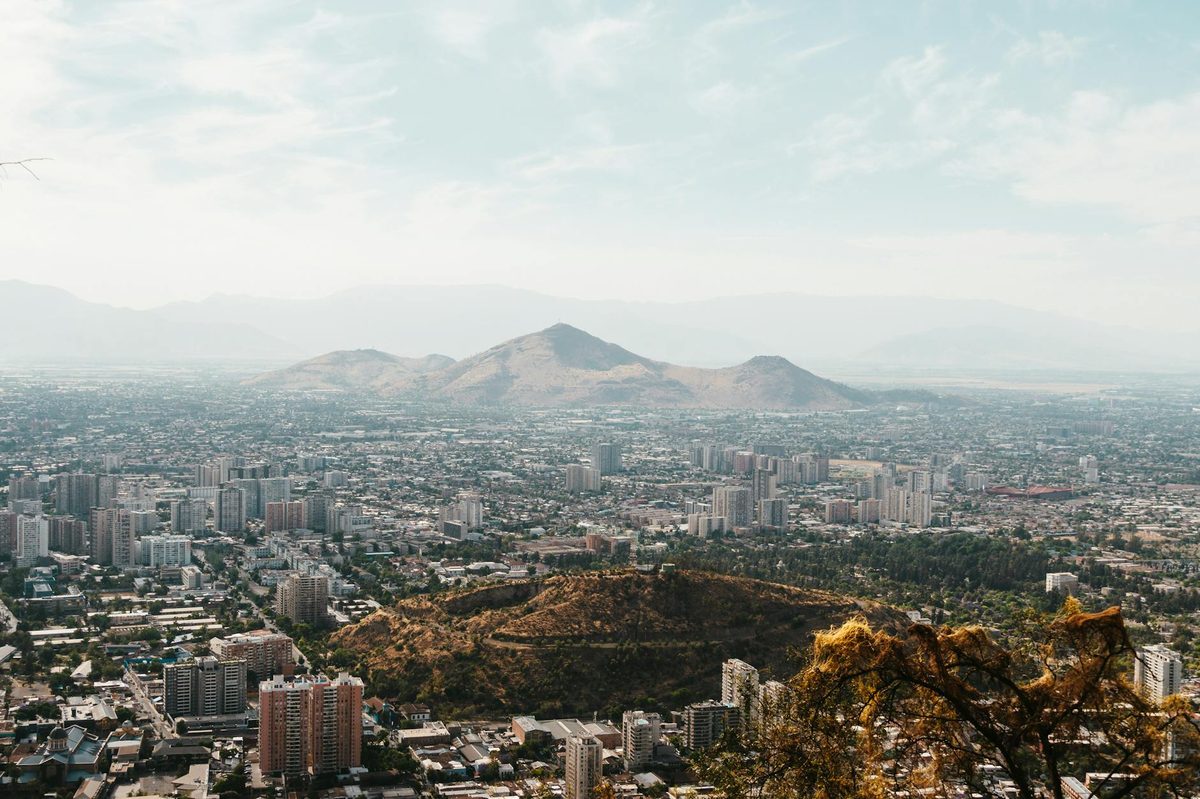
Bellavista runs along the north bank of the Rio Mapocho. This is where Pablo Neruda built La Chascona, one of his three houses, now a museum worth visiting for the architecture alone. The neighborhood fills up on weekend nights — restaurants, bars, and street performers spill onto the sidewalks. Take the funicular from here up to the summit of Cerro San Cristobal for the best panoramic view of Santiago.
Barrio Italia is the design district. Former industrial buildings converted into furniture shops, vintage stores, and some of the best coffee in the city. It has a quieter, more local feel than Lastarria — fewer tourists, more Chileans.
Providencia and Las Condes are the modern commercial districts to the east. Corporate towers, shopping malls, and the kind of restaurants where you need a reservation. Not the most characterful neighborhoods, but this is where you will find the Costanera Center — the tallest building in South America — and its Sky Costanera observation deck.
Day Trips from Santiago
The Maipo Valley wine region begins barely 45 minutes south of the city. Concha y Toro is the most visited vineyard, but smaller producers like Antiyal and De Martino offer more personal tastings without the tour bus crowds. Casablanca Valley, about 90 minutes west toward the coast, specializes in whites — Sauvignon Blanc and Chardonnay — and is quieter still.
The ski resorts of the central Andes are roughly 90 minutes east of Santiago. Valle Nevado, La Parva, and El Colorado sit above 3,000 meters and operate from June through September. Even if you do not ski, the drive up is something — twenty-six miles of switchbacks climbing over 2,400 meters through increasingly barren, dramatic terrain.
Valparaiso is about 90 minutes northwest by bus or car. Most people visit for a day, though it deserves more. Vina del Mar is just 10 minutes further by metro — a different atmosphere entirely, with beaches and a more polished feel.
Cajon del Maipo is a mountain valley southeast of Santiago — rafting, hot springs, and the turquoise Embalse El Yeso reservoir. Reachable in an hour by car.
Where to Eat
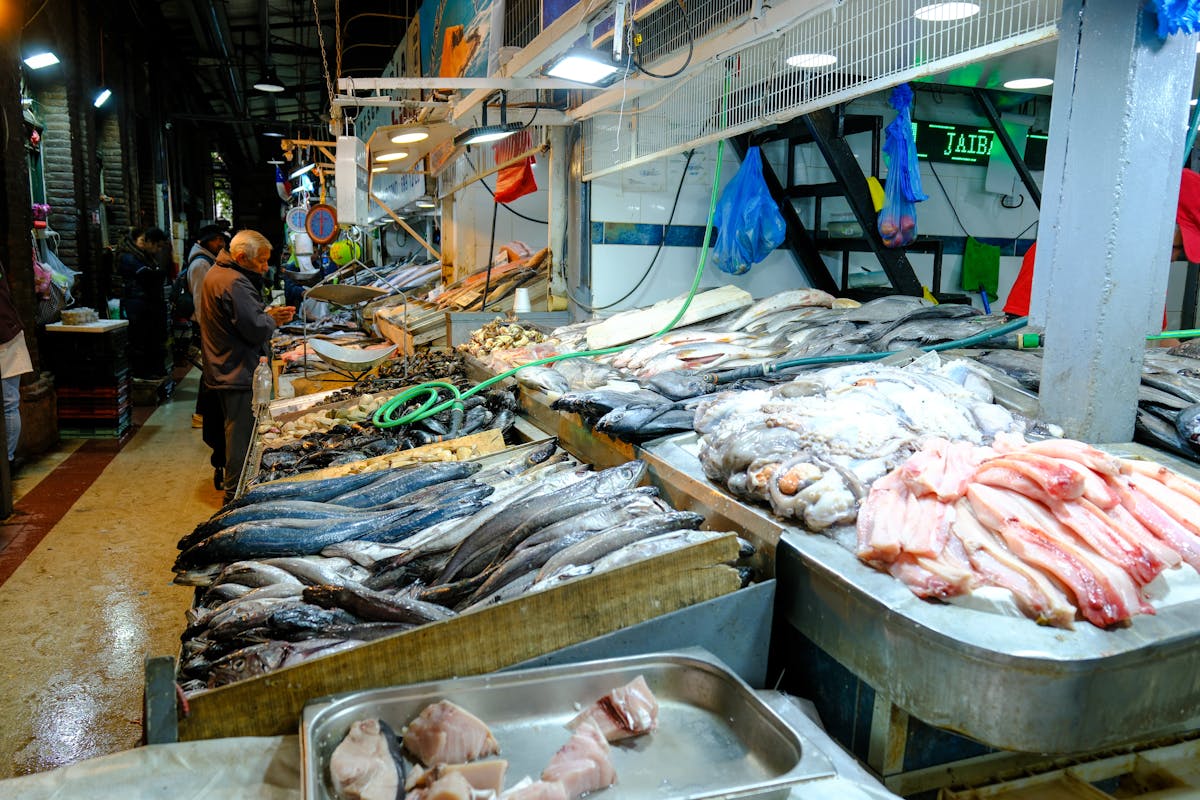
The Mercado Central is the obvious first stop — a grand iron-framed market hall from 1872, packed with seafood stalls. Skip the restaurants that aggressively recruit you at the entrance and head to the smaller stalls toward the back. Order a caldillo de congrio (conger eel soup) or a paila marina (shellfish stew) and eat at the counter.
For something more refined, Borago in Vitacura has held a spot on the World's 50 Best Restaurants list for years. Chef Rodolfo Guzman works with endemic Chilean ingredients — many of which you will not have encountered before. It is expensive by local standards but reasonable compared to equivalent restaurants in Europe or North America.
In Bellavista, picadas (cheap, no-frills restaurants) serve oversized portions of traditional Chilean food. A completo (the Chilean hot dog, loaded with avocado, tomato, and mayo) from a street cart costs about $2 and is more filling than it has any right to be.
Getting Around
The Santiago Metro is clean, efficient, and covers most places a visitor would want to go. See our getting around guide for more on transport across Chile. Buy a bip! card at any station and load it with credit. It works on the metro and all city buses.
Uber and DiDi both operate in Santiago and are cheaper than official taxis. Traffic is heavy during rush hours — the metro is faster for cross-city trips between roughly 7-9am and 6-8pm.
Where to Stay
Lastarria and Bellavista are the best neighborhoods for first-time visitors — central, walkable, and close to the main sights. Providencia is a step up in comfort and a step down in character. Avoid staying near the Alameda (the main east-west avenue) unless you enjoy noise.
Budget accommodation clusters around Barrio Brasil, west of the center. It is rougher around the edges but has genuine character and a few excellent picadas.
For more on what to expect price-wise, see our money and costs guide. And if you are planning your trip timing, check when to visit Chile — Santiago is best from October through April.