Chile stretches more than 4,300 kilometers along the western edge of South America, a narrow ribbon of land squeezed between the Andes and the Pacific. From the driest desert on earth to ancient glaciers calving into turquoise fjords, few countries pack this much geographic variety into a single border.
Where to Go
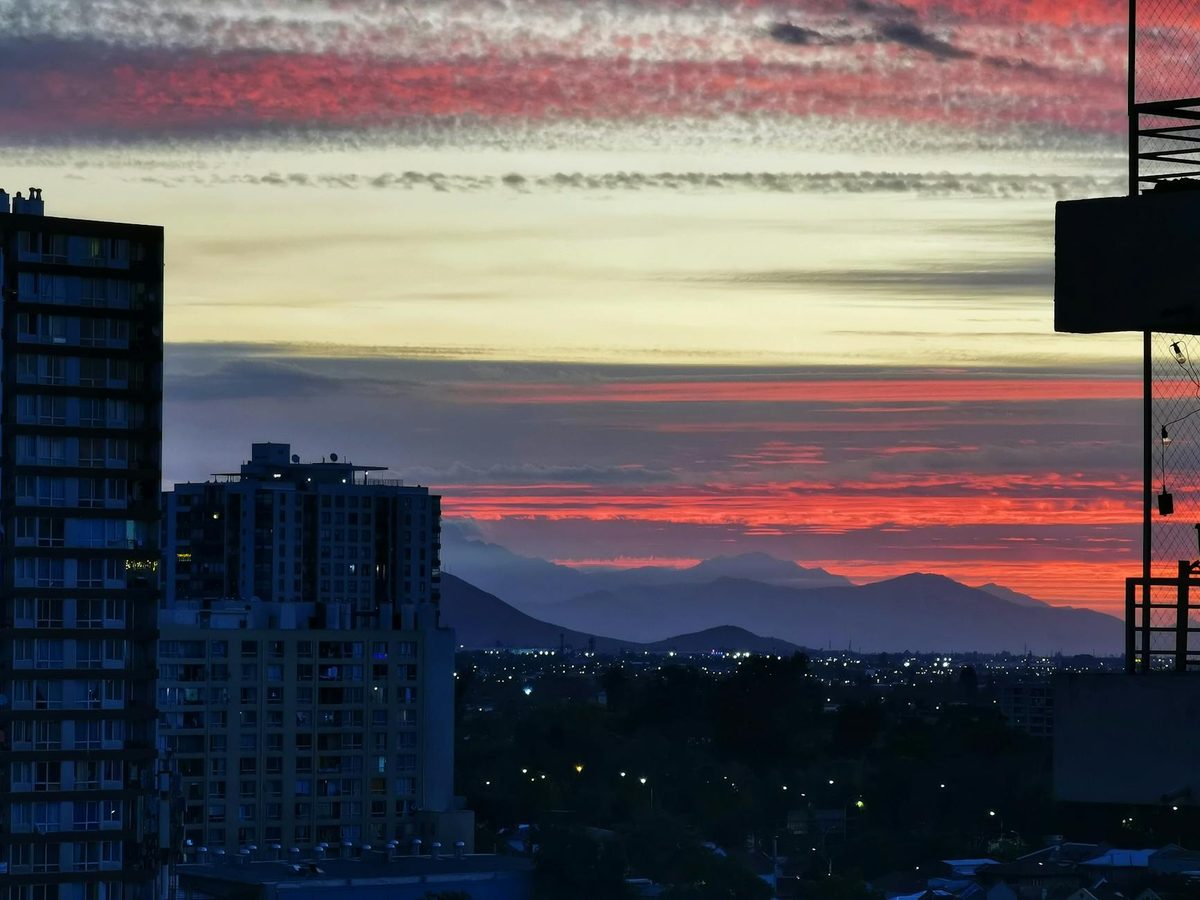
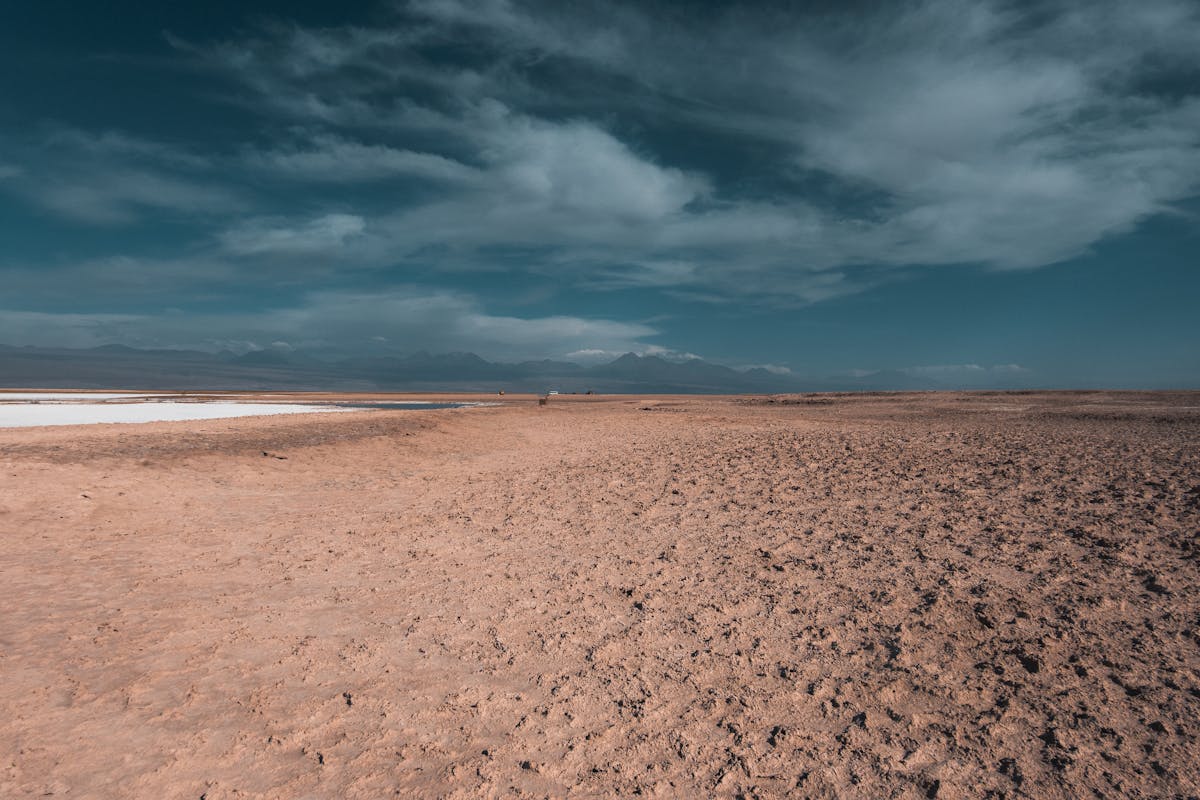
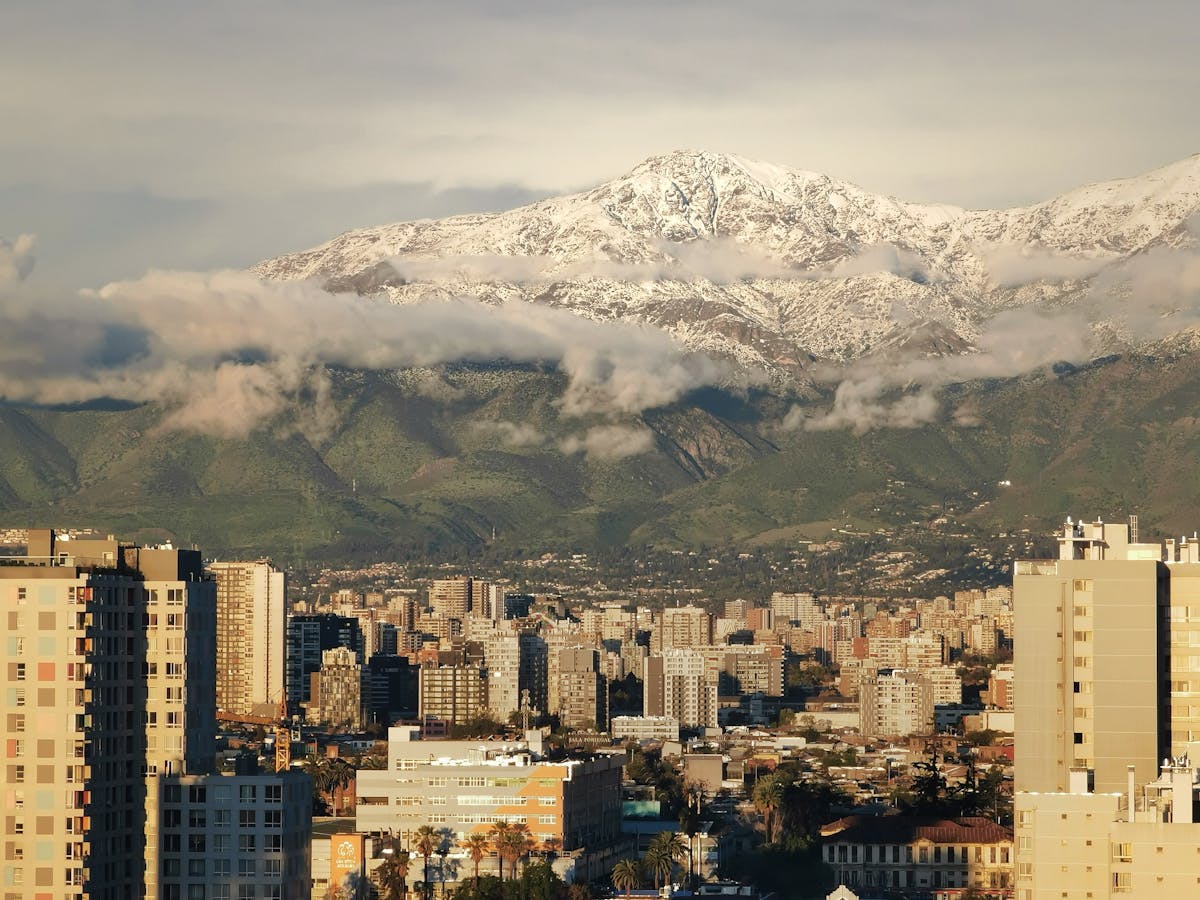
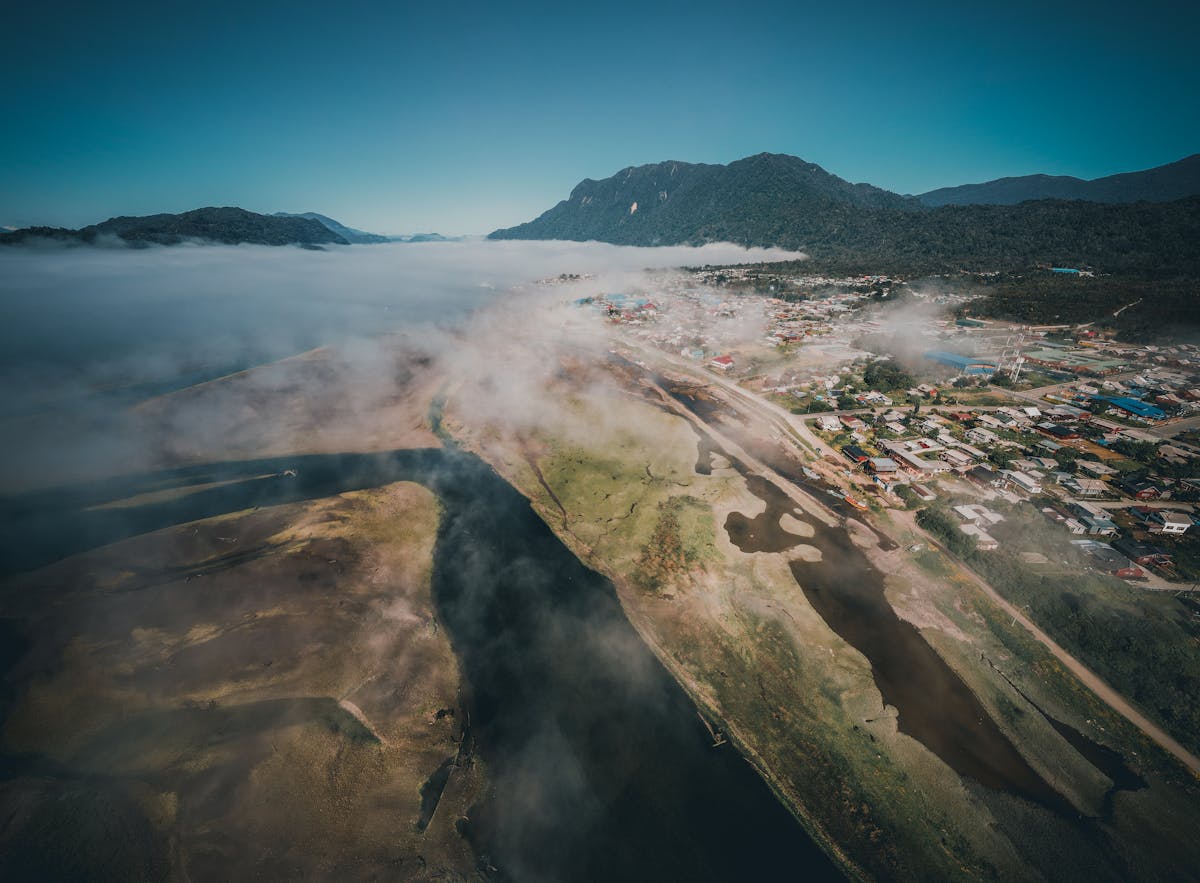
Most visitors arrive in Santiago, the sprawling capital backed by snow-capped peaks. From there, the country unfolds in every direction. Head north to the Atacama Desert for salt flats, geysers, and some of the clearest night skies on the planet. Go south and you hit the Lake District, a patchwork of volcanic cones and emerald forests that feels more like Switzerland than South America.
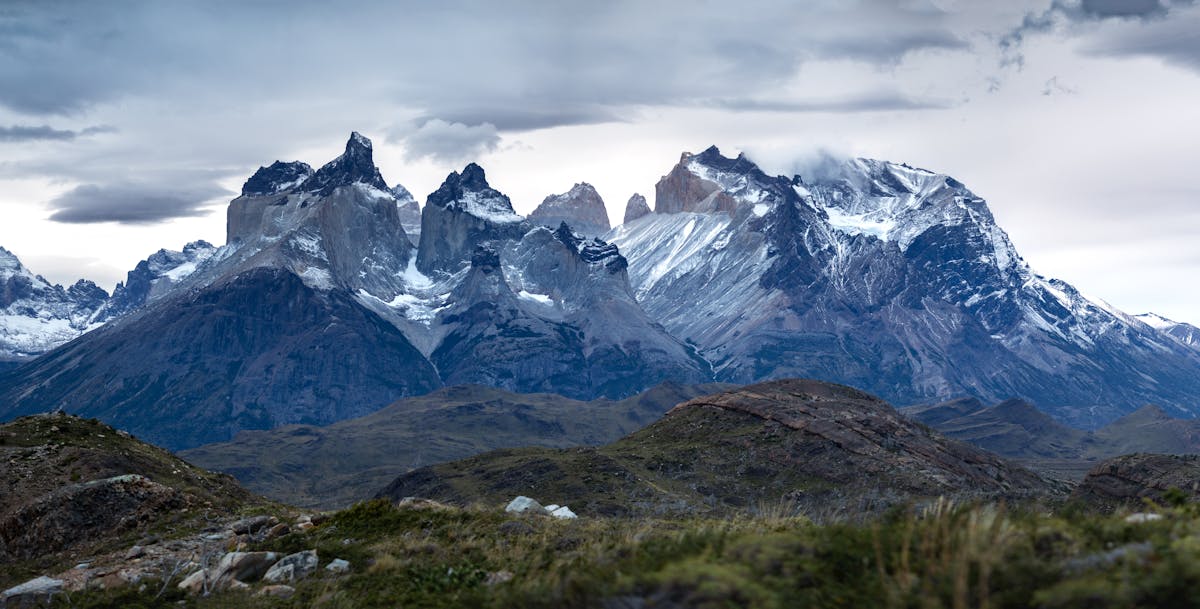
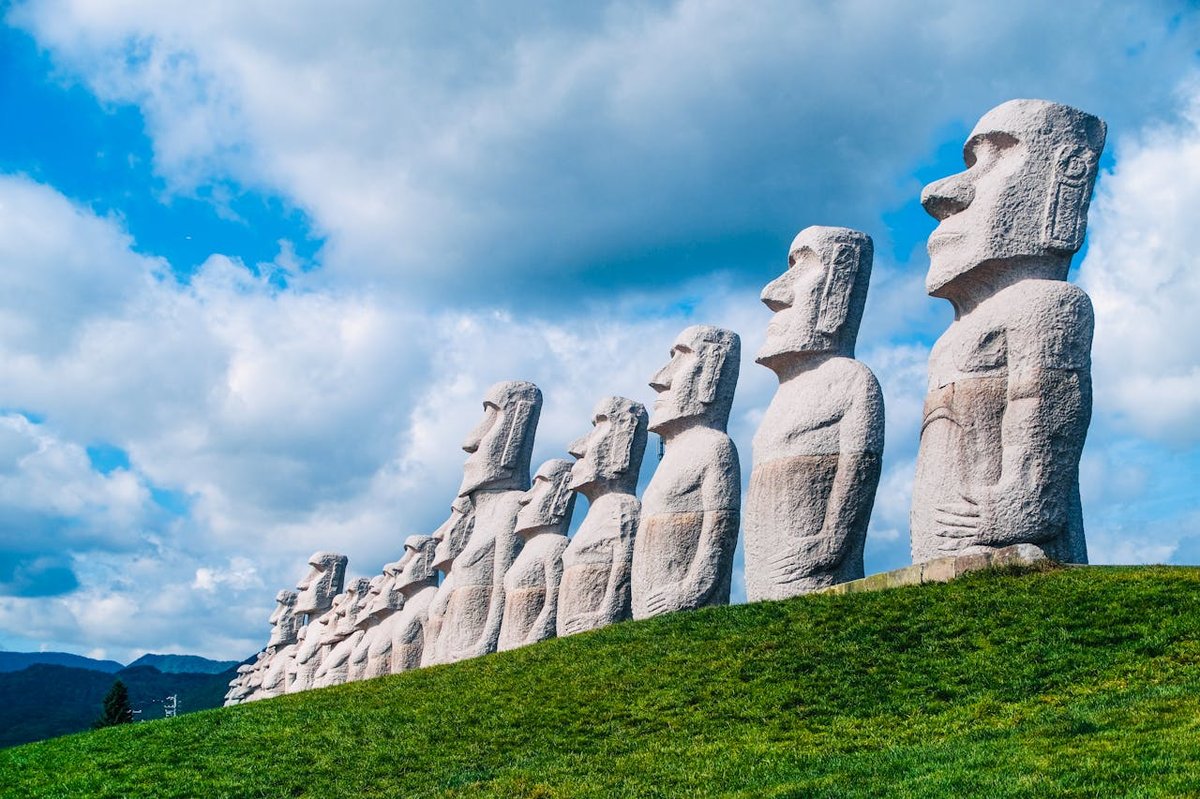
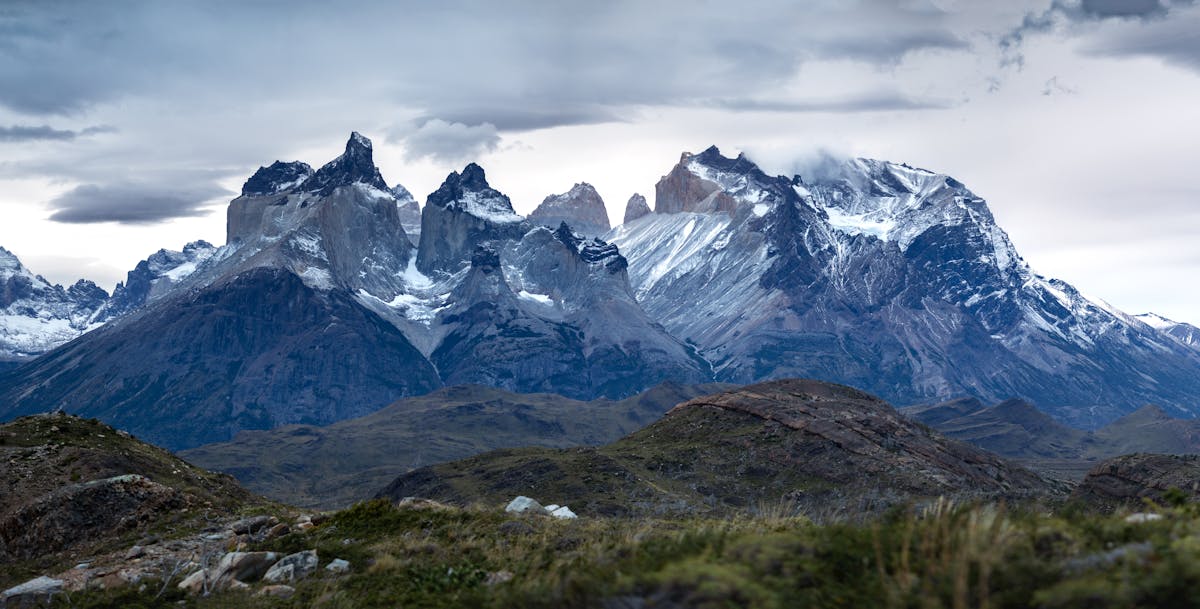
Keep going and you reach Patagonia — Torres del Paine, the Grey Glacier, and windswept steppes that stretch to the horizon. Five hours west of Santiago by plane, Easter Island floats alone in the Pacific with nearly a thousand moai statues. It is, without exaggeration, one of the most dramatic landscapes anywhere.
When to Visit
Chile flips the northern hemisphere calendar. Summer runs from December through February, and that is peak season for Patagonia and the south. The Atacama works year-round, though nights get properly cold from June to August. Santiago is pleasant from October to April, with warm days and cool evenings.
| Region | Best Time | Highlights |
|---|---|---|
| Santiago & Central | Oct - Apr | Wine valleys, city culture, mild weather |
| Atacama Desert | Year-round | Stargazing, salt flats, geysers |
| Lake District | Nov - Mar | Volcanoes, hot springs, national parks |
| Patagonia | Nov - Mar | Torres del Paine, glaciers, wildlife |
| Easter Island | Year-round | Moai statues, Polynesian culture |
Getting Around
Domestic flights connect the major hubs — Santiago to Calama (for Atacama), Puerto Montt (Lake District), and Punta Arenas (Patagonia). Budget airlines like JetSmart and SKY make these routes affordable if you book early.
Long-distance buses are comfortable and cheap. Companies like Turbus and Pullman run overnight services with fully reclining seats (look for cama or semi-cama class). The Santiago-to-Valparaiso run takes about 90 minutes and costs a few dollars.
Tip: BIP! Card
Pick up a BIP! card at any metro station in Santiago. It works on the metro, buses, and saves you fumbling with change. You can top it up at stations or convenience stores.
Money & Costs
Chile is the most expensive country in South America, but still reasonable by European or North American standards. A mid-range hotel runs $60-100 per night, a solid lunch at a local restaurant is $8-15, and a bottle of excellent Chilean wine costs $5-10 from any supermarket.
Credit cards are widely accepted in cities. Carry cash for markets, small towns, and rural areas. ATMs (cajeros automáticos) are everywhere — Banco Estado usually has the lowest withdrawal fees for foreign cards.
Food & Drink
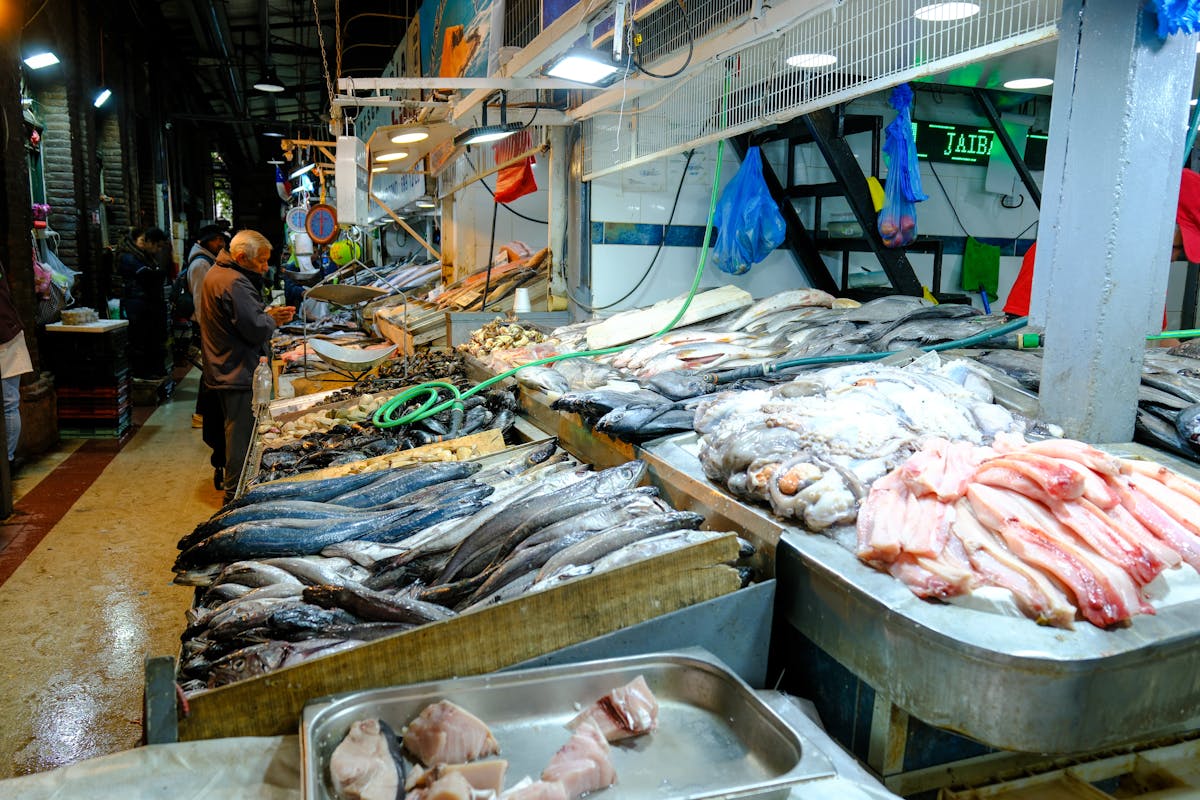
Chilean cuisine does not get the attention it deserves. The seafood along the coast is exceptional — try ceviche, curanto (a traditional stew from Chiloé), or a simple caldillo de congrio (conger eel soup) that Pablo Neruda loved enough to write a poem about.
Wine is unavoidable, and that is a good thing. The Maipo, Colchagua, and Casablanca valleys produce world-class reds and whites at prices that would be unthinkable in Napa or Bordeaux. Carmenere is Chile's signature grape — full-bodied, slightly smoky, and rarely found outside the country.