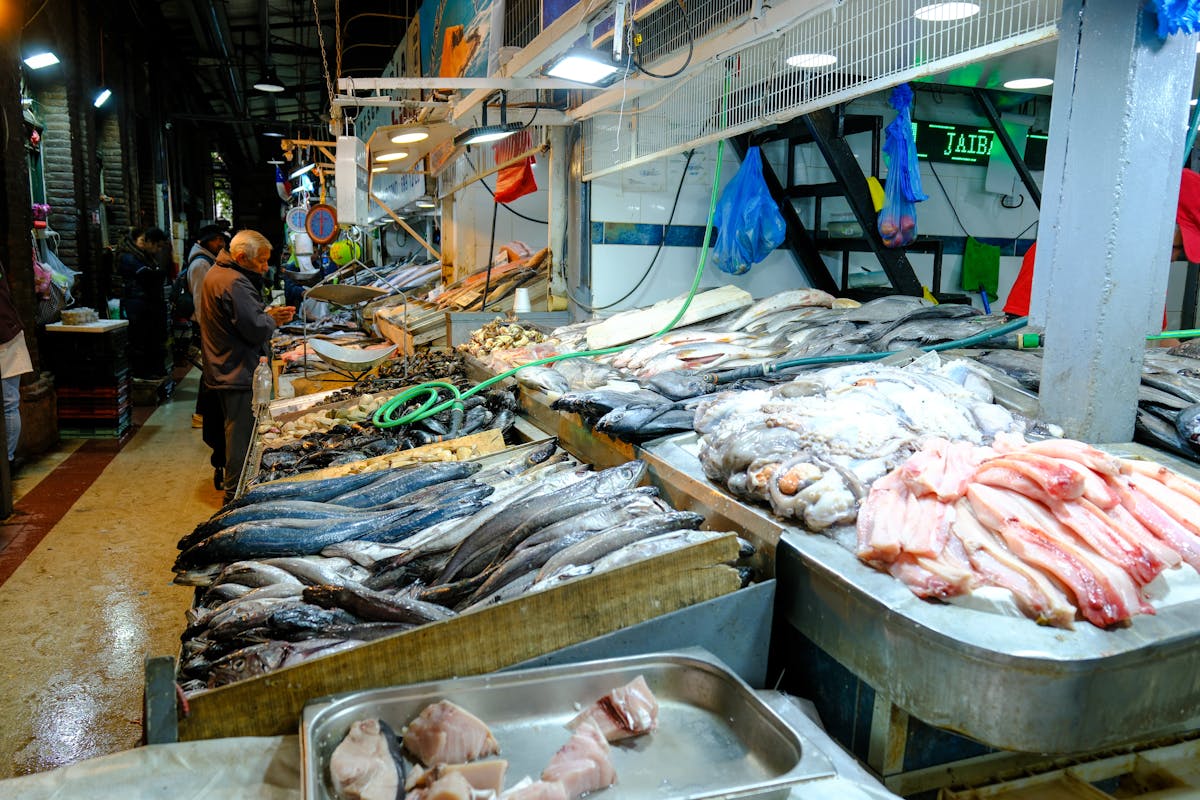
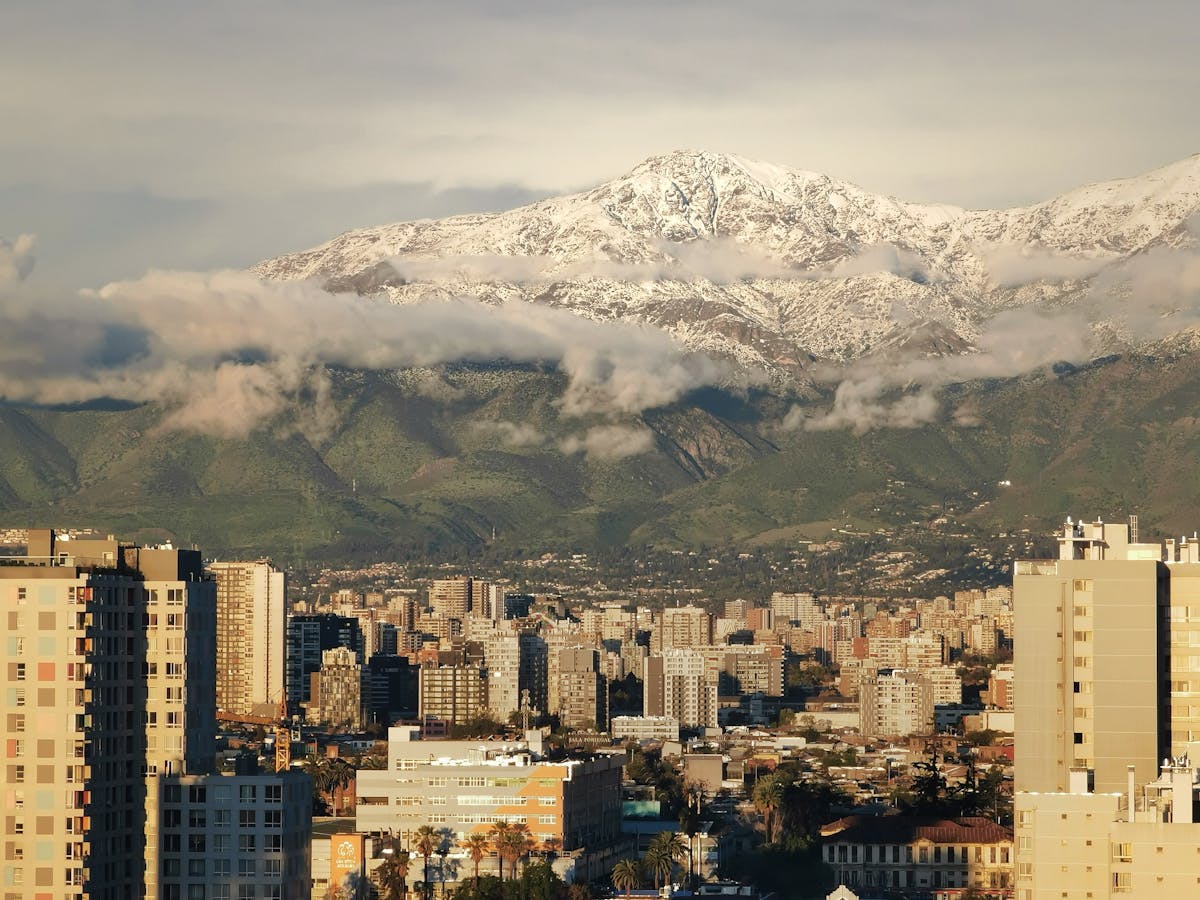
Chilean food is underrated. The country sits on 6,400 kilometers of Pacific coastline, which means seafood dominates the menu — and the quality is exceptional. Add fertile agricultural valleys, a world-class wine industry, and a street food culture that revolves around bread and avocado, and you have a cuisine that deserves far more attention than it gets.
Seafood
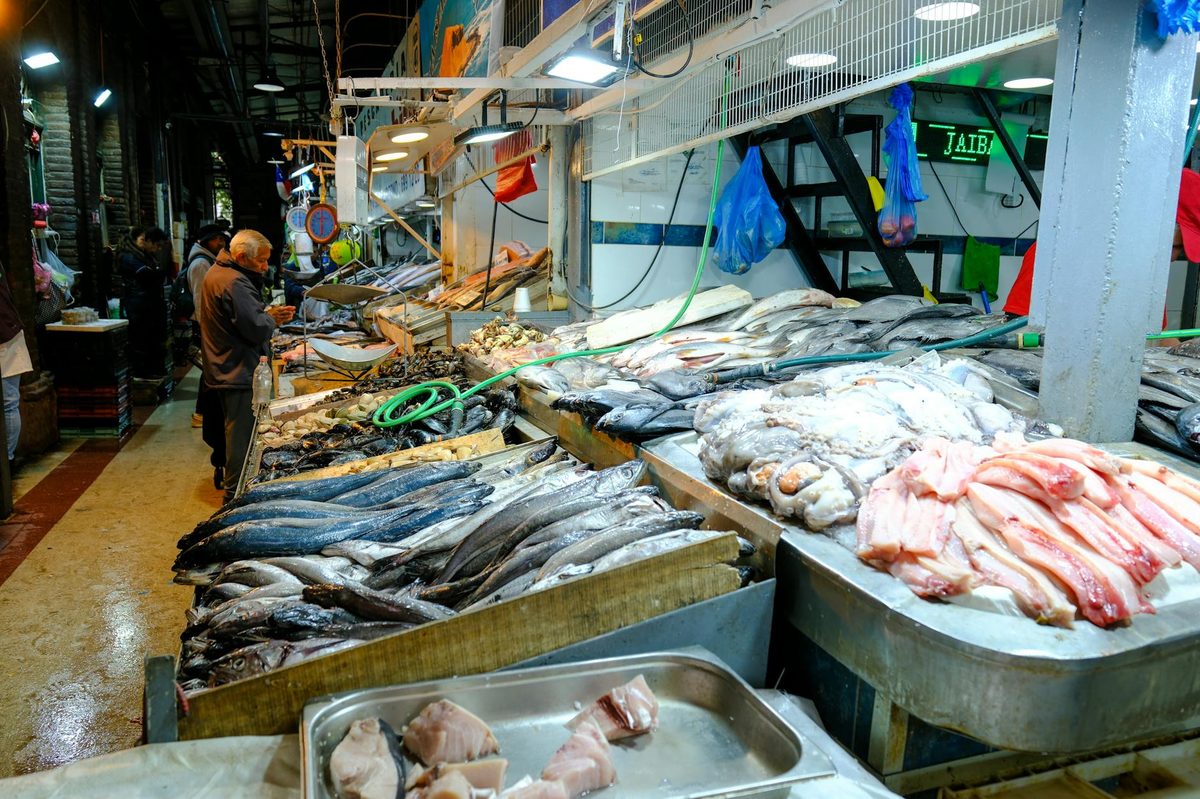
The cold Humboldt Current brings an extraordinary variety of fish and shellfish to Chilean waters. In any coastal market or restaurant, expect to find:
- Congrio: Conger eel, most famously served as caldillo de congrio — a brothy soup that Pablo Neruda wrote a poem about. Rich, warming, and found everywhere from market stalls to fine dining.
- Locos: Chilean abalone, served cold with mayo or in a chupe (gratin). A delicacy with a short harvest season — you will see it on menus from November through April.
- Erizos: Sea urchins, cracked open and eaten raw with lemon. An acquired taste but worth trying at a market stall where they are opened in front of you.
- Picorocos: Giant barnacles, steamed and pulled from the shell. Taste somewhere between crab and clam. Found mostly in the central and southern coast.
- Machas: Razor clams, typically served a la parmesana — baked with cheese, a classic Chilean starter.
The Mercado Central in Santiago is the easiest place to try everything in one visit. In Valparaiso, the port-side restaurants serve fresh catch daily.
Traditional Dishes
Empanadas de pino are the national snack — baked pastry stuffed with ground beef, onions, a quarter of a hard-boiled egg, and a single olive. Bakeries and street vendors sell them everywhere for $1-2 each. During Fiestas Patrias (September), empanada consumption becomes almost competitive.
Pastel de choclo is a corn and meat casserole — ground beef, chicken, onions, and olives topped with a thick layer of sweet corn paste, baked until golden. Heavy, comforting, and found in traditional restaurants (picadas) across the country.
Cazuela is a clear broth with a large piece of meat (beef or chicken), a chunk of pumpkin, corn on the cob, potato, and green beans. Simple home cooking served in enormous bowls. Every family has their own version.
Curanto is from Chiloe Island — shellfish, meat, sausages, and potatoes cooked in a pit lined with hot stones and covered with giant nalca leaves. The method is ancient and the result is smoky and rich. Tourist-friendly versions use a pot (curanto en olla) instead of a pit.
Street Food
Completos: The Chilean hot dog, and it is a production. A steamed bun, boiled frankfurter, diced tomato, mashed avocado, sauerkraut, and an alarming quantity of mayonnaise. An italiano (tomato, avocado, mayo) mirrors the Italian flag's colors. From any street cart, $2-3.
Sopaipillas: Round discs of fried pumpkin dough, served plain from street vendors or drizzled with pebre (a fresh tomato-onion-cilantro salsa). On rainy days, sopaipillas pasadas appear — soaked in warm chancaca (raw sugar) syrup.
Wine
Chile is the fourth-largest wine exporter in the world. Carmenere is the signature grape — full-bodied, slightly smoky, and almost exclusively Chilean. The wine regions are within easy reach of Santiago. Even supermarket wine in Chile is remarkably good — $5-8 buys a bottle that would cost three times as much abroad.
Pisco
Chile's grape brandy, produced in the northern valleys around La Serena and the Elqui Valley. Served as a pisco sour (pisco, lime juice, sugar, egg white, bitters) — the national cocktail, claimed by both Chile and Peru. The Elqui Valley distilleries offer tours and tastings, and the combination of pisco production and stargazing makes the valley a worthwhile detour. For guided experiences, see our food tours guide.