This article contains affiliate links. If you book through them, I earn a small commission at no extra cost to you.
The woman behind the counter at Mercado Central did not ask what I wanted. She looked at me — obvious foreigner, standing in the wrong line, bag still on my shoulder — and placed a bowl of caldillo de congrio in front of me before I could open my mouth. Conger eel in a golden broth, potatoes falling apart at the edges, cilantro scattered across the top. I had been in Santiago for three hours. That bowl set the standard for the next month.
Chilean food does not get the attention it deserves. Argentina has its steak identity. Peru has ceviche and a global fine dining reputation. Chile sits between them, quietly producing some of the best seafood, comfort food, and street snacks on the continent, and most travelers arrive knowing nothing about it. That is a mistake, and also an opportunity. You get to discover everything for the first time.
The Dishes That Define Chilean Eating
I spent weeks working through menus, market stalls, and street carts across the country, and certain dishes kept coming back. These are the ones that matter.
Empanadas de Pino: The National Snack
Every country in South America has empanadas. Chile's version — empanada de pino — is the best. I will die on this hill.
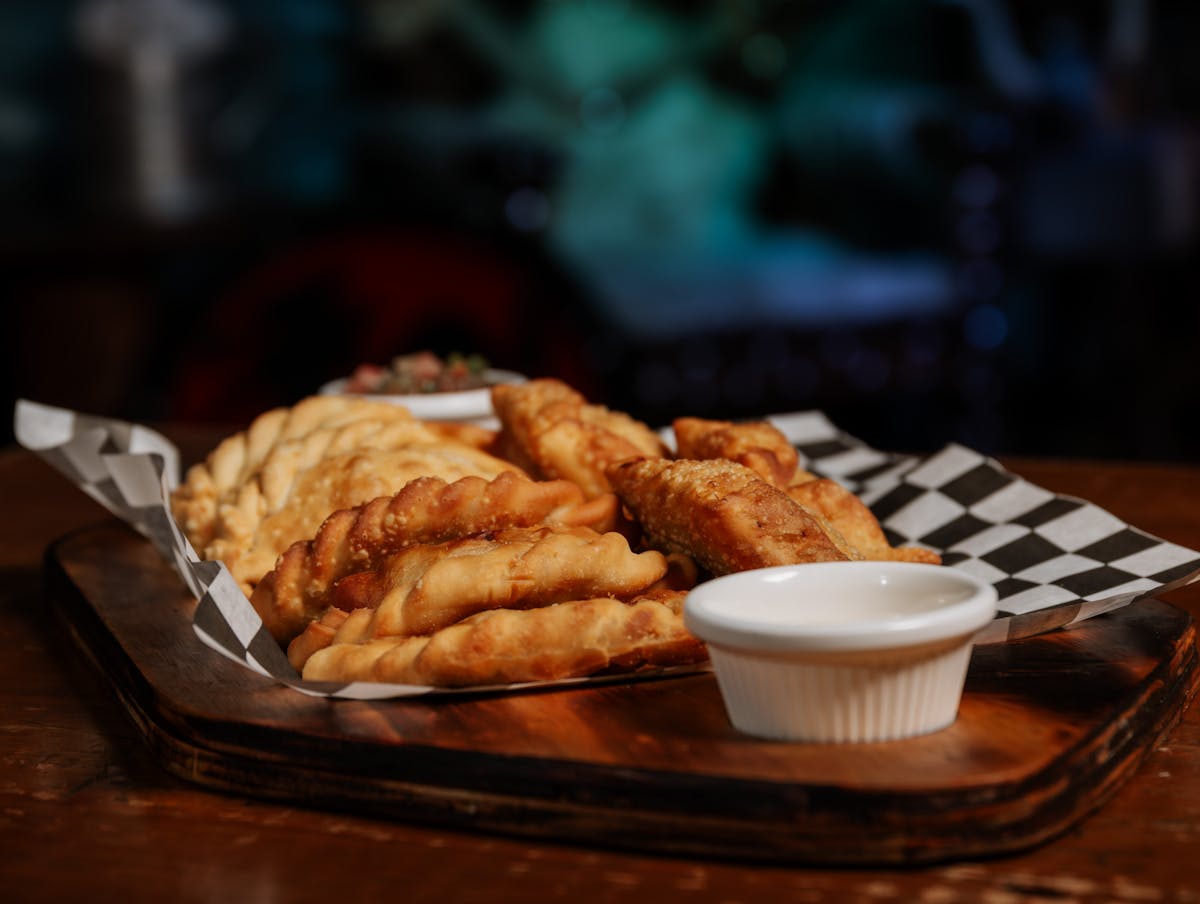
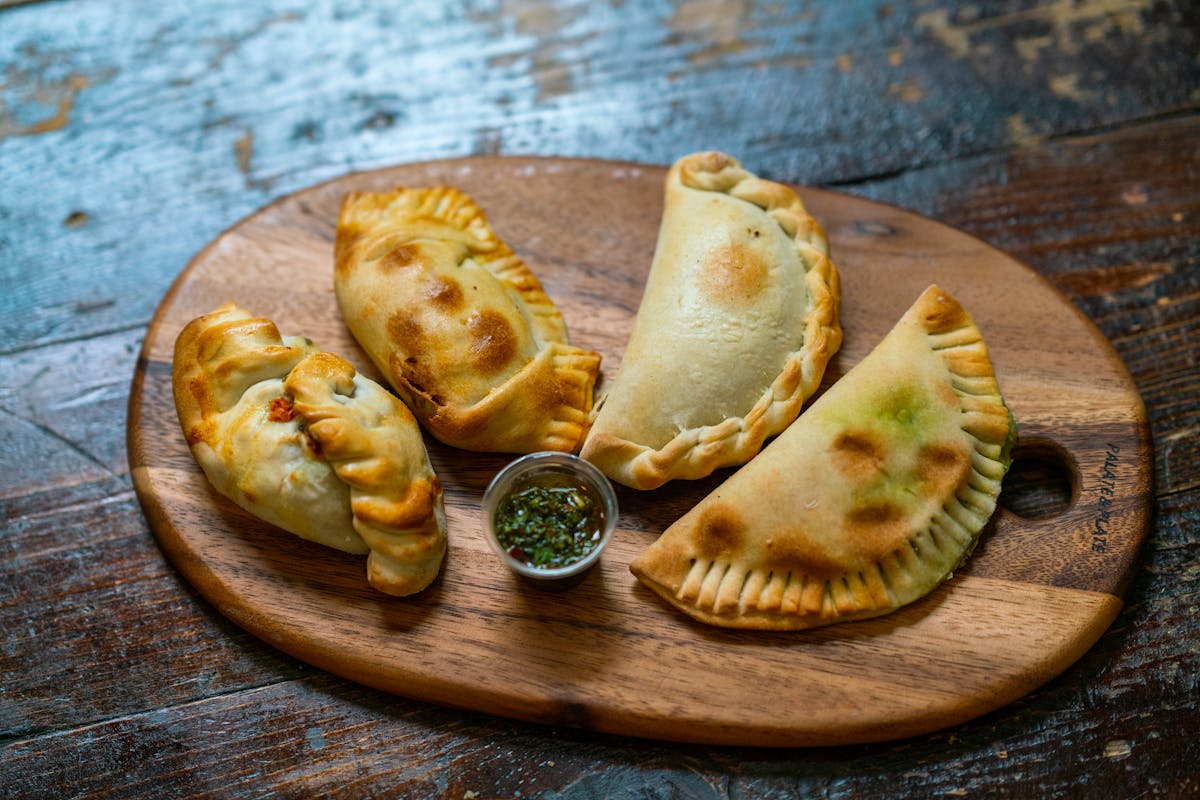
The filling is ground beef cooked with onions, a hard-boiled egg quarter, a single black olive, and raisins. That combination sounds strange on paper. In practice, the sweet-salty-savory mix works perfectly, especially wrapped in a dough that sits somewhere between flaky and bready. They are baked, not fried (fried empanadas exist but the classic is from the oven), and the good ones have a slightly crisp bottom with a soft, puffy top.
You will find empanadas everywhere. Bus stations, bakeries, corner shops, restaurants. The worst ones are fine. The best ones — pulled from a wood-fired oven at a roadside panaderia somewhere between Santiago and Valparaiso — are transcendent. Price ranges from about 1,500 to 3,500 CLP ($1.50-3.50) depending on where you buy them. If someone charges more than 4,000 CLP, you are being tourist-taxed.
Quick Tip
On September 18 (Fiestas Patrias, Chile's independence day), empanada consumption goes through the roof. If you are in the country during September, you will eat approximately forty empanadas whether you plan to or not.
Pastel de Choclo: Comfort Food with a Crust
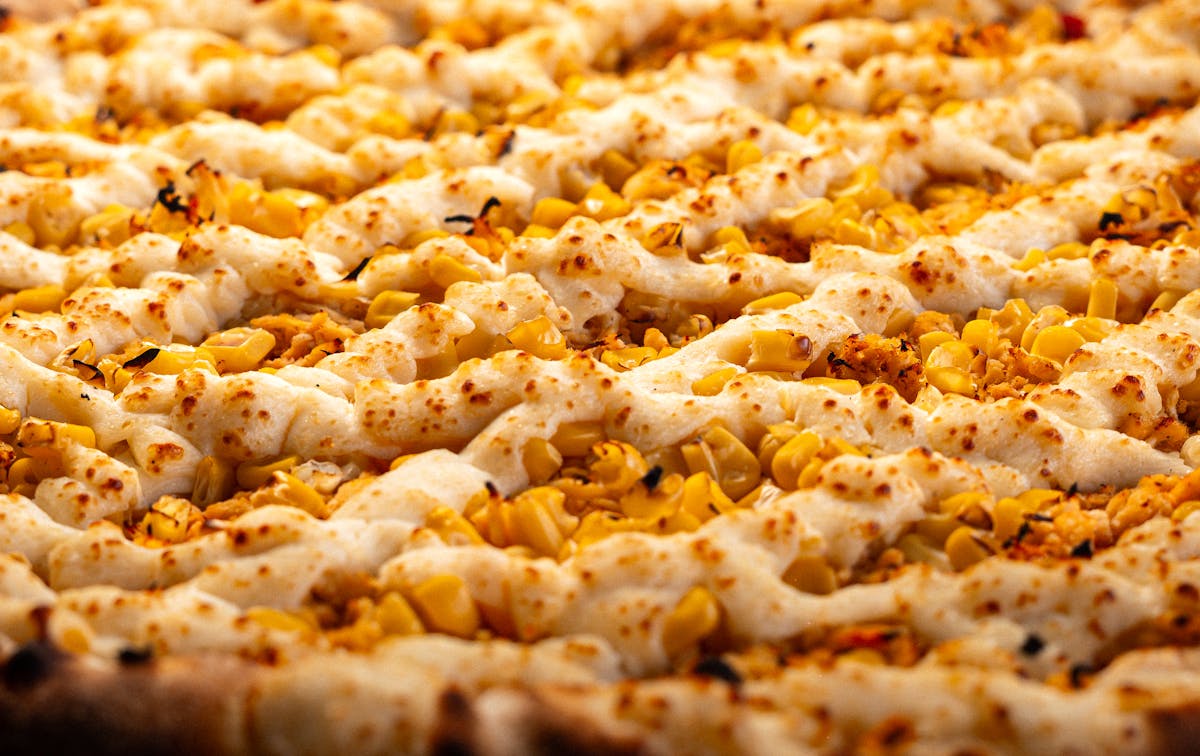
Pastel de choclo is corn pie, and calling it that does not really capture what it is. A clay bowl, filled with a base of ground beef, chicken, onions, egg, and olives (similar filling to empanada de pino, actually — Chileans love this combo). On top, a thick layer of ground sweet corn paste, sprinkled with sugar, then baked until the surface caramelizes into a dark golden crust. You eat it with a spoon, straight from the hot bowl.
This is winter food, technically. Summer corn makes the best pastel de choclo, but restaurants serve it year-round. The first bite is sweet from the corn topping. The second is savory from the meat below. By the third spoonful you stop thinking about it and just eat. I had the best version at a tiny picada (family-run lunch spot) in the Barrio Yungay neighborhood of Santiago. No sign out front, eight tables inside, every single one full at noon.
Cazuela: The Soup That Fixes Everything
Cazuela is chicken or beef soup with a quarter pumpkin, a corn on the cob segment, potatoes, rice, and green beans, all swimming in a clear broth. It is not fancy. It is not photogenic. It is the thing you order on a cold day in the south and it makes everything better.
I got sick somewhere around the Lake District — nothing serious, just the kind of cold you get when you hike in the rain for three days straight. A hostel owner in Pucon handed me a bowl of cazuela without asking if I wanted it (this is a pattern in Chile — people feed you whether you asked or not). I ate two bowls and slept for twelve hours. Fixed.
Cazuela de vacuno (beef) is the most common version. Cazuela de ave (chicken) is lighter. Both cost around 5,000-7,000 CLP at a market stall or picada. You can find it at almost any traditional Chilean restaurant, but the best versions come from the cheapest places — the fondas, the market comedores, the unmarked storefronts where the menu is written on a chalkboard and changes daily.
The Seafood Coast: Where Chile Really Shines
Chile has 4,300 kilometers of Pacific coastline. The Humboldt Current runs up from Antarctica, bringing cold, nutrient-rich water that supports some of the most productive fishing grounds in the world. What this means for you, the hungry traveler: the seafood is extraordinary, it is cheap, and it is everywhere along the coast.
Caldillo de Congrio: Pablo Neruda's Favorite
Neruda wrote an entire poem about caldillo de congrio. ("In the storm-tossed Chilean sea lives the rosy conger, giant eel of snowy flesh.") The man had his priorities straight.
Caldillo de congrio is conger eel stew — chunks of firm white fish simmered in a broth with potatoes, onions, carrots, tomatoes, and white wine. The broth goes golden from the fish fat. The potatoes absorb the broth and turn creamy. The eel holds its texture better than most fish in a stew, which means you get actual pieces to chew instead of flakes dissolving into the liquid.
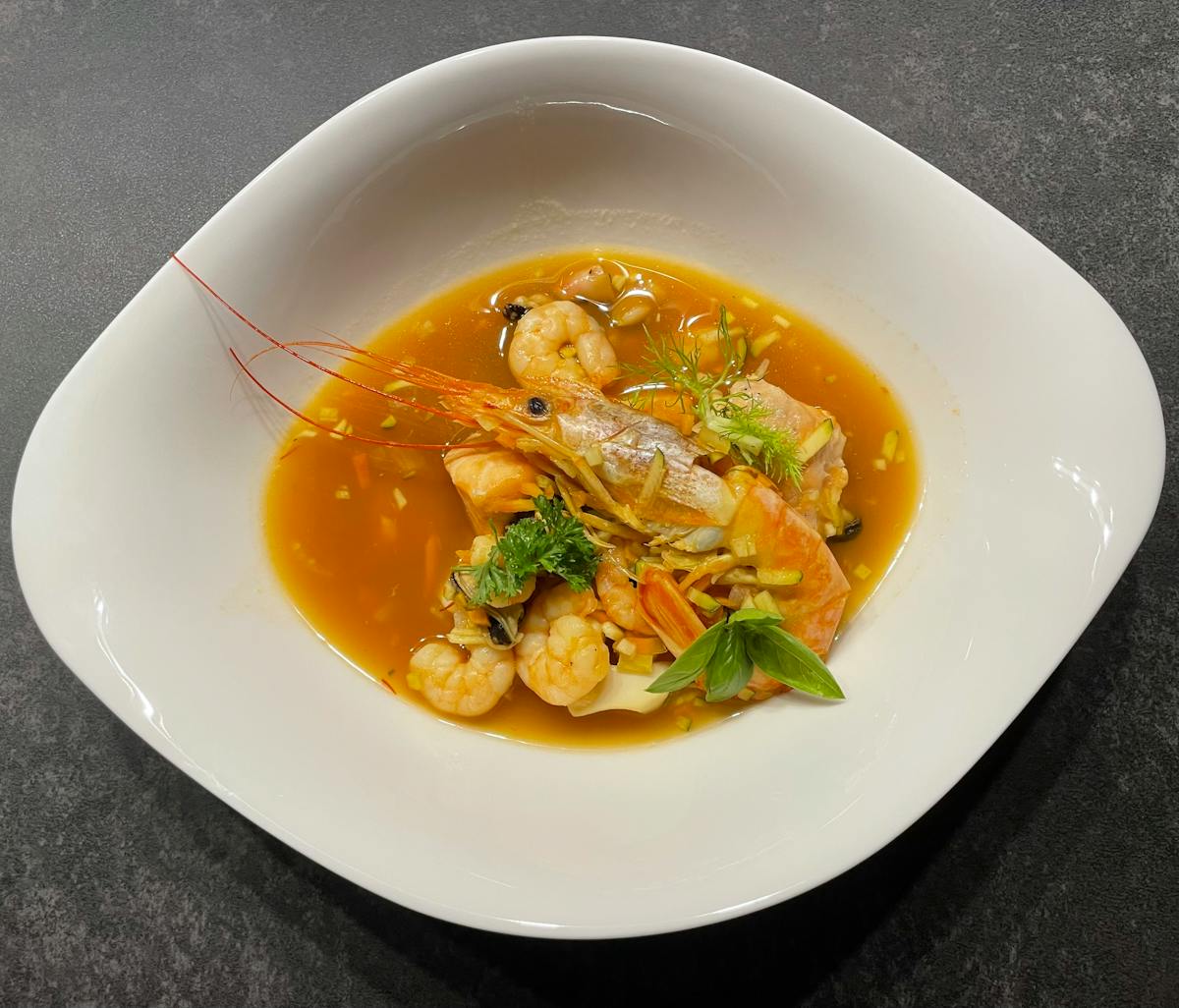
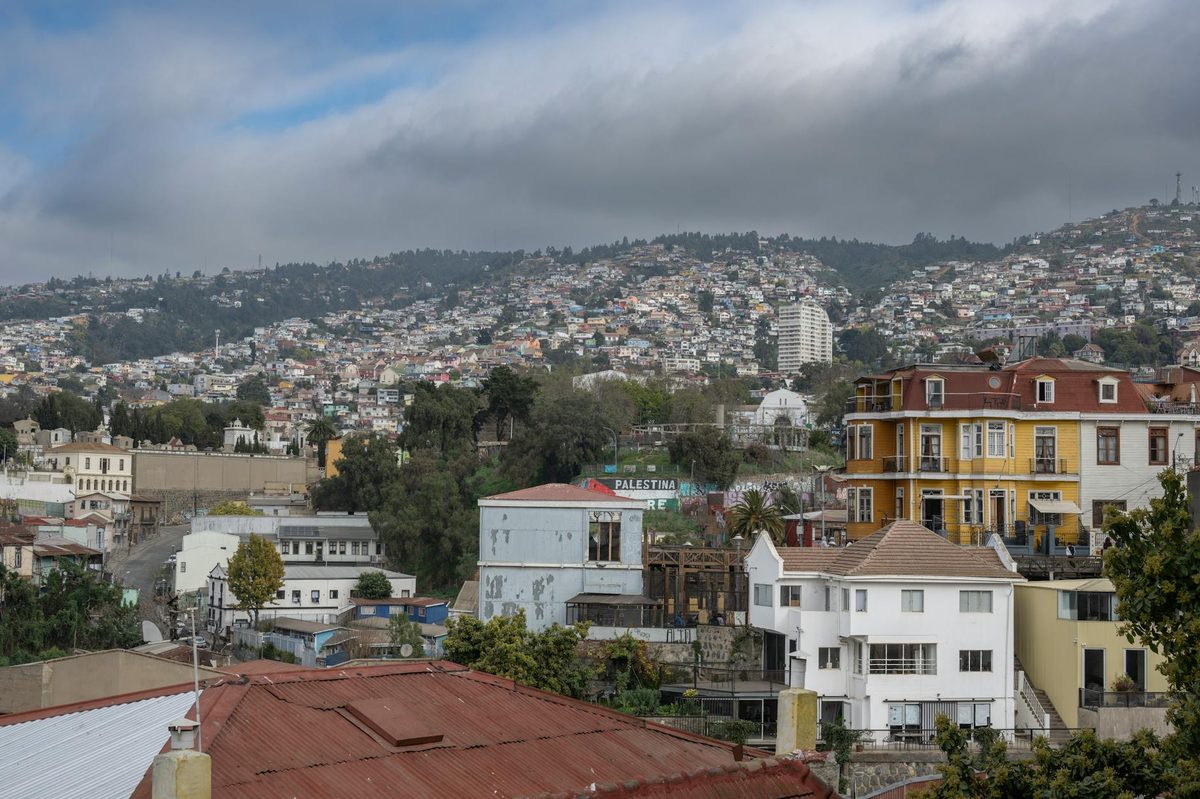
Mercado Central in Santiago is the famous place to try it, and honestly, it is still good there despite the tourist markup. But the best caldillo de congrio I had was in a no-name restaurant on the waterfront in Valparaiso, where the bowl cost 6,000 CLP and came with half a loaf of bread and a view of the container ships. Seek out the port-town versions. They use fish that was on a boat that morning.
Erizos, Picorocos, and Locos: The Weird and Wonderful
Chilean seafood gets interesting fast once you move past the familiar. Three things to try that you probably have not eaten before:
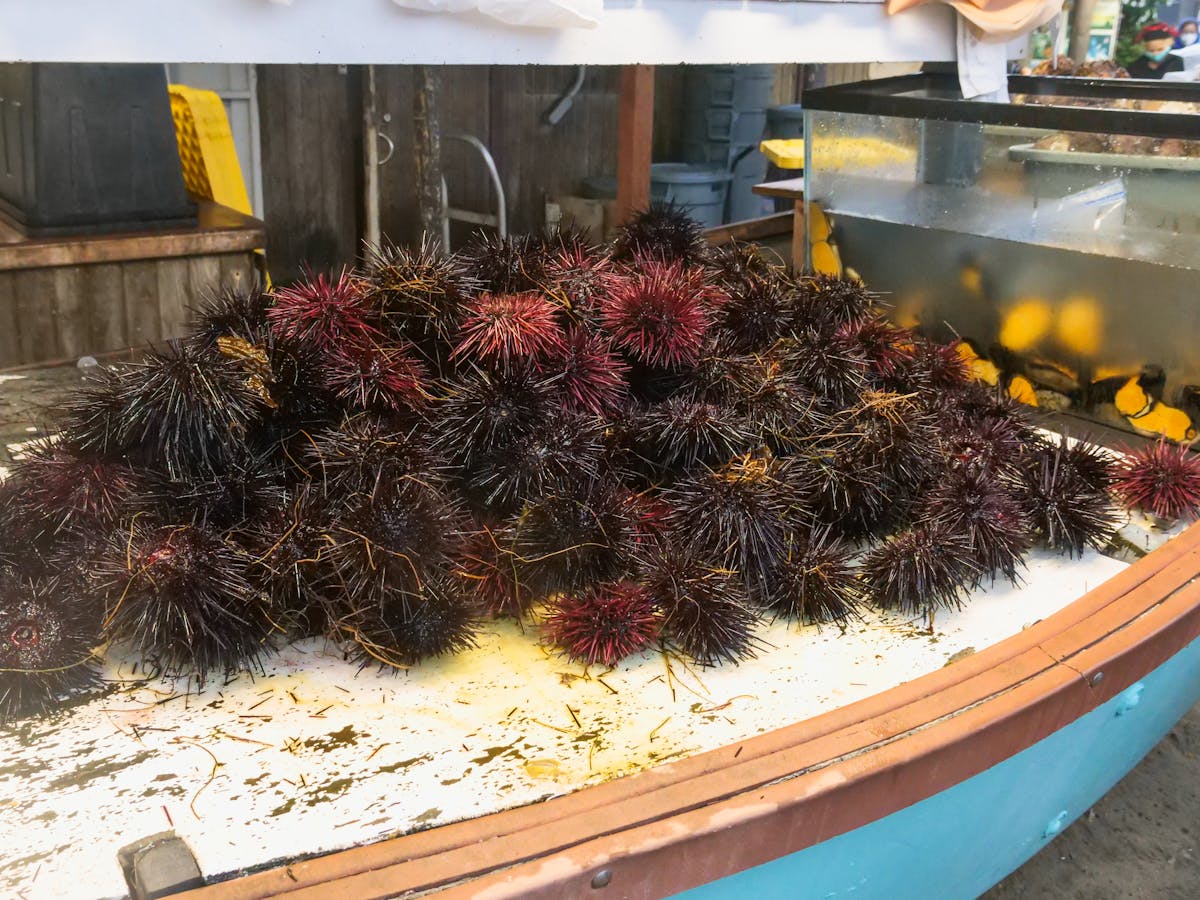
Erizos (sea urchins) — Eaten raw from the shell with a squeeze of lemon. The taste is pure ocean, creamy, briny, with a texture like cold butter. You either love this or you absolutely do not. I happen to love it, but I watched a friend turn green after one bite. They sell them by the dozen at coastal markets. Try one before committing to twelve.
Picorocos (giant barnacles) — These look like something from a horror film. Gray, volcanic-looking shells that cling to rocks along the coast. Crack them open and inside is a bright orange, fleshy nub that tastes like a cross between crab and clam. Chileans steam them or serve them in cheese sauces. They are not easy to find outside Chile, so eat them while you can.
Locos (Chilean abalone) — Thick-shelled, meaty sea snails that have to be pounded before cooking to tenderize them. Served as loco mayo (with mayonnaise, simple, excellent) or in a creamy chupe de locos casserole. Locos were overfished in the 1980s and are now regulated, which means they cost more than other shellfish. Still worth ordering once. The texture is dense and chewy in the best way.
Machas a la Parmesana: The One Everyone Loves
Razor clams baked with parmesan cheese, butter, and white wine. That is it. That is the entire recipe. Sometimes a squeeze of lemon. The shells come to the table still sizzling, the cheese bubbling, the clam meat just barely cooked through.
This is the Chilean seafood dish that converts people who think they do not like shellfish. The cheese and butter do the heavy lifting if you are nervous about the clam itself, and the portion (usually six to eight shells) works as either a starter or a light meal. Every seafood restaurant in the country serves machas a la parmesana. Every single one. It costs around 7,000-10,000 CLP depending on the restaurant. Order it at least twice.
Street Food and Fast Meals
Completos: The Chilean Hot Dog That Ate Everything
A completo is a hot dog buried under a mountain of toppings. We are not talking about ketchup and mustard here. The full completo comes with chopped tomato, mashed avocado, mayonnaise, and sauerkraut. Some versions add ketchup, mustard, or Chilean aji (hot sauce). The bun is soft, the toppings are generous to the point of absurdity, and eating one without making a mess is physically impossible.
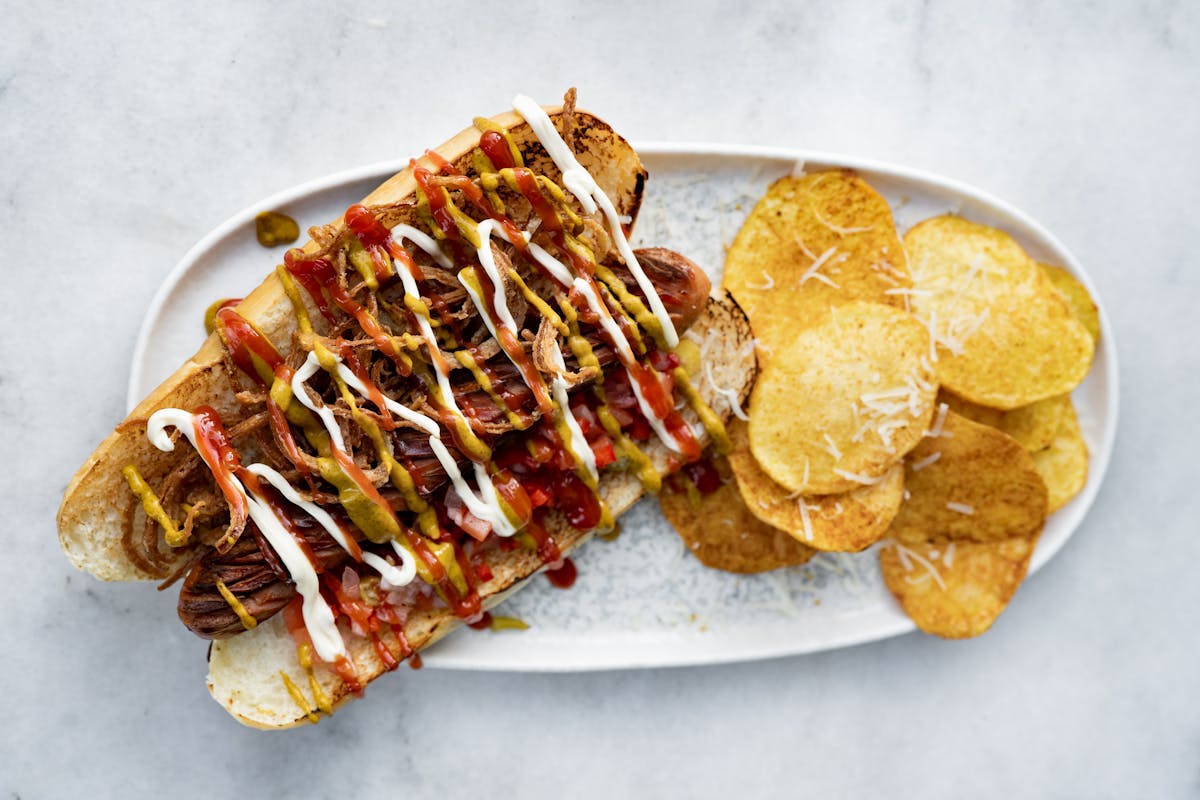
The italiano version (tomato, avocado, mayo — the colors of the Italian flag) is the most popular. An AS (short for "as" in cards, meaning the best) comes with everything. A Dinamico gets sauerkraut. There are entire chains dedicated to completos — Domino is the most famous in Santiago — but the best ones come from the stands outside metro stations and in the smaller towns, where someone has been making the same completo for thirty years and has opinions about mayo-to-avocado ratios.
A completo costs 2,000-3,500 CLP. You will eat more of these than you expect to. They are the default late-night food, the default quick lunch, and the default "I am hungry and there is nothing else within walking distance" option. Not health food. Not trying to be.
Sopaipillas: Rain Food
Sopaipillas are fried pumpkin dough, round, flat, and about the size of your palm. In their basic form, they are plain — slightly sweet from the pumpkin, slightly salty from the frying. But the real version, the one you want, is sopaipilla pasada: soaked in a warm syrup made from chancaca (unrefined brown sugar), orange peel, and cinnamon.
Sopaipillas appear on rainy days. This is not a metaphor — there are literally street vendors who only come out when it rains. In Santiago, the first drops hit the pavement and within twenty minutes there is someone on the corner frying sopaipillas over a gas burner. This is one of my favorite things about Chile. The culture has a specific comfort food triggered by specific weather.
You can find sopaipillas at bakeries and market stalls even on dry days, but the experience of eating a hot, syrup-soaked sopaipilla in the rain while standing under an awning somewhere in Barrio Brasil is one of those small travel moments that sticks with you.
Chorrillana: The Sharing Dish Nobody Shares
A mountain of french fries topped with sauteed onions, sliced beef, and fried eggs. Served on a platter meant for two to four people. "Meant for" being the key phrase — I have watched Chilean university students demolish an entire chorrillana solo at 2am, and I have done it myself more than once.
Chorrillana comes from Valparaiso (specifically from a restaurant called J Cruz, which claims to have invented it in the 1970s). It has spread across the country and now appears on bar menus, pub menus, and late-night restaurant menus everywhere. It is bar food, drinking food, post-party food. Not something you order at a fine dining restaurant. Not something you eat before a hike. The right context is: it is 11pm, you have been drinking pisco, and you need something solid. Chorrillana.
Price: 8,000-12,000 CLP for a platter that feeds two to three normal humans or one very determined human. Often paired with a liter of beer.
Curanto: The Underground Feast of Chiloe
This is the dish that requires a plane ticket. Curanto is native to Chiloe, the large island off Chile's southern coast, and while you can find versions of it on the mainland, eating it in Chiloe is a completely different experience.
Traditional curanto en hoyo (curanto in a hole) works like this: dig a pit, heat volcanic stones at the bottom until they glow, layer on shellfish (clams, mussels, picorocos), then smoked pork, then chicken, then sausages, then potatoes, then milcao and chapalele (potato dumplings specific to Chiloe), then cover everything with nalca leaves (giant rhubarb-like leaves the size of umbrellas) and bury it with earth. Wait two to three hours. Dig it up. Eat.
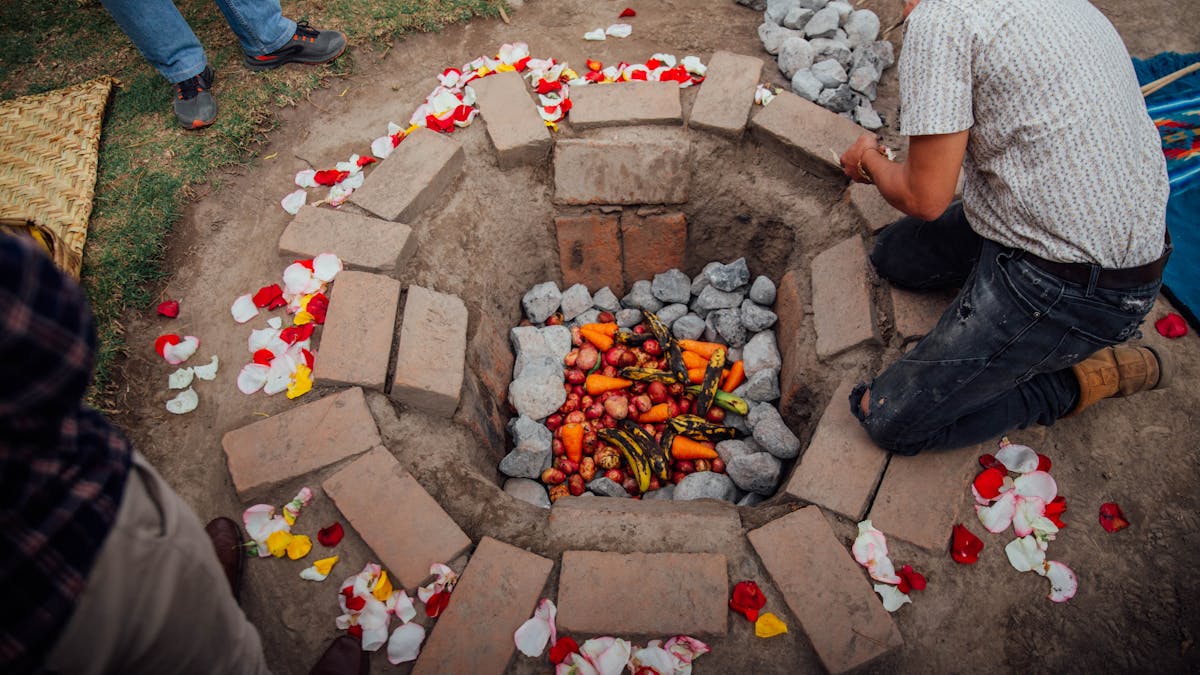
The result is smoky, earthy, and enormous. It is community food — families cook it for gatherings, celebrations, and Sunday lunches. As a traveler, you can find curanto at restaurants in Chiloe's main town of Castro and surrounding villages. Restaurant versions usually come as curanto en olla (in a pot) rather than in the ground, which is still excellent but lacks the smoky element. If you want the real thing, ask around. Locals sometimes do curanto en hoyo for tourist groups or during festivals.
Chiloe food in general is its own category. The island's isolation created a distinct culinary tradition: milcao (potato pancakes), chapalele (potato bread), and a reliance on smoked shellfish that does not exist on the mainland. If you are serious about food, Chiloe deserves at least two days on your Chile itinerary.
What to Drink: Pisco, Wine, and Mote con Huesillo
The Pisco Question
Chile and Peru have been arguing about who invented pisco for approximately forever. I am not going to settle that debate. What I will say is that Chilean pisco is different from Peruvian pisco — it is typically aged in oak, which gives it a smoother, more rounded flavor, while Peruvian pisco is unaged and more aromatic. Both are good. Neither country will accept that statement.
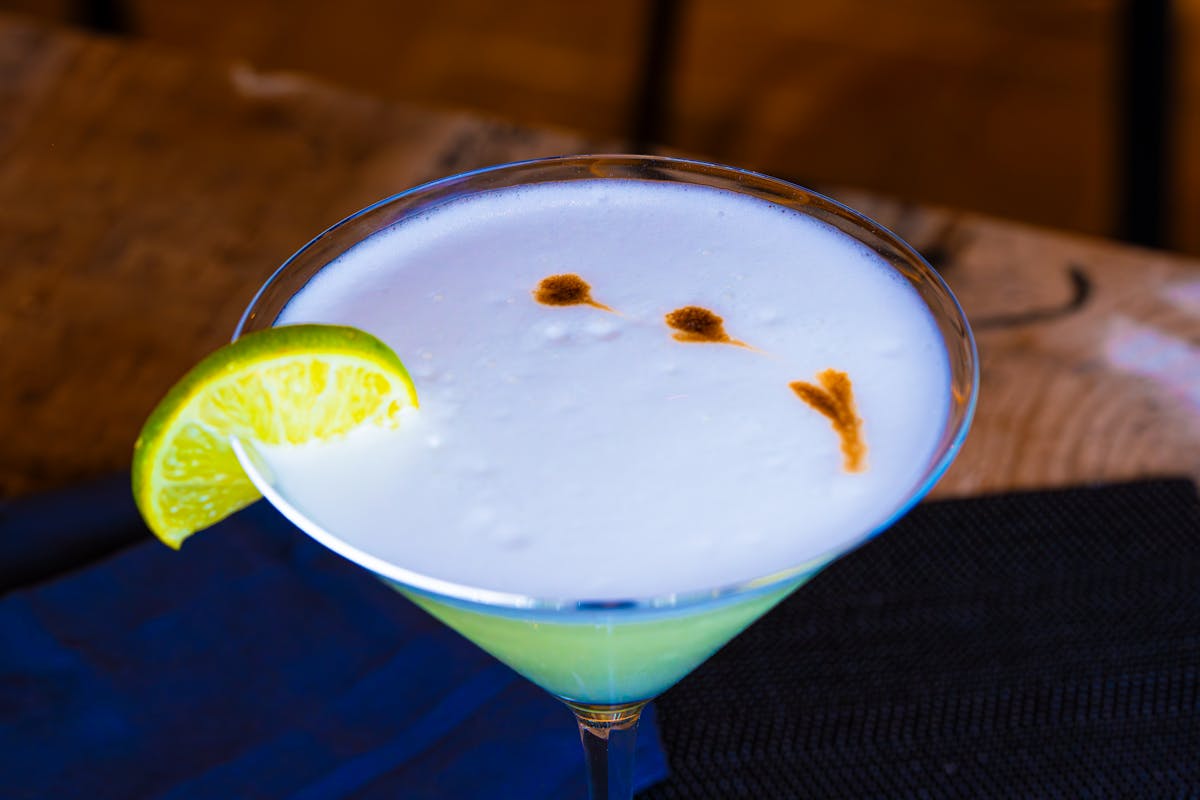
The pisco sour is the default cocktail. Pisco, lime juice, sugar syrup, egg white, and a few drops of Angostura bitters on top. When made well, it is one of the best cocktails in existence — tart, frothy, dangerously easy to drink. When made poorly (too sweet, cheap pisco, no egg white), it tastes like a lemon drop gone wrong.
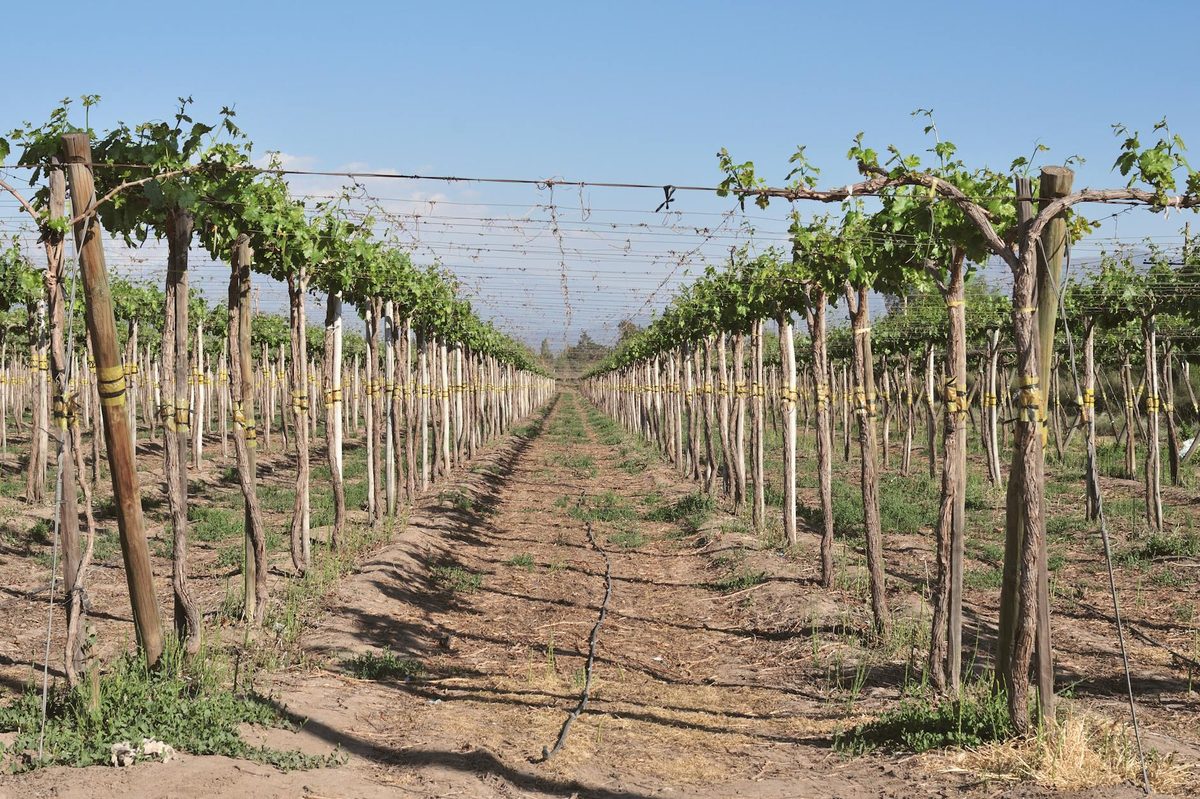
If you want to go deeper into pisco territory, visit the Elqui Valley in northern Chile. The valley produces most of Chile's pisco grapes and is full of distilleries offering tastings. The landscape is desert canyon with clear night skies — it is also one of the best stargazing spots in the country. Combine a distillery tour with a night of astronomic observation and you have one of Chile's most underrated day trips.
Chilean Wine: The Actual Bargain
Chilean wine is absurdly good for the price. Bottles that would cost $25-40 in Europe or the US sell for 5,000-8,000 CLP ($5-8) at a supermarket in Chile. The Carmenere grape, which went nearly extinct in France and found a second life in Chile, produces reds that are deep, peppery, and full-bodied. If you drink one wine in Chile, make it a Carmenere from the Colchagua Valley.
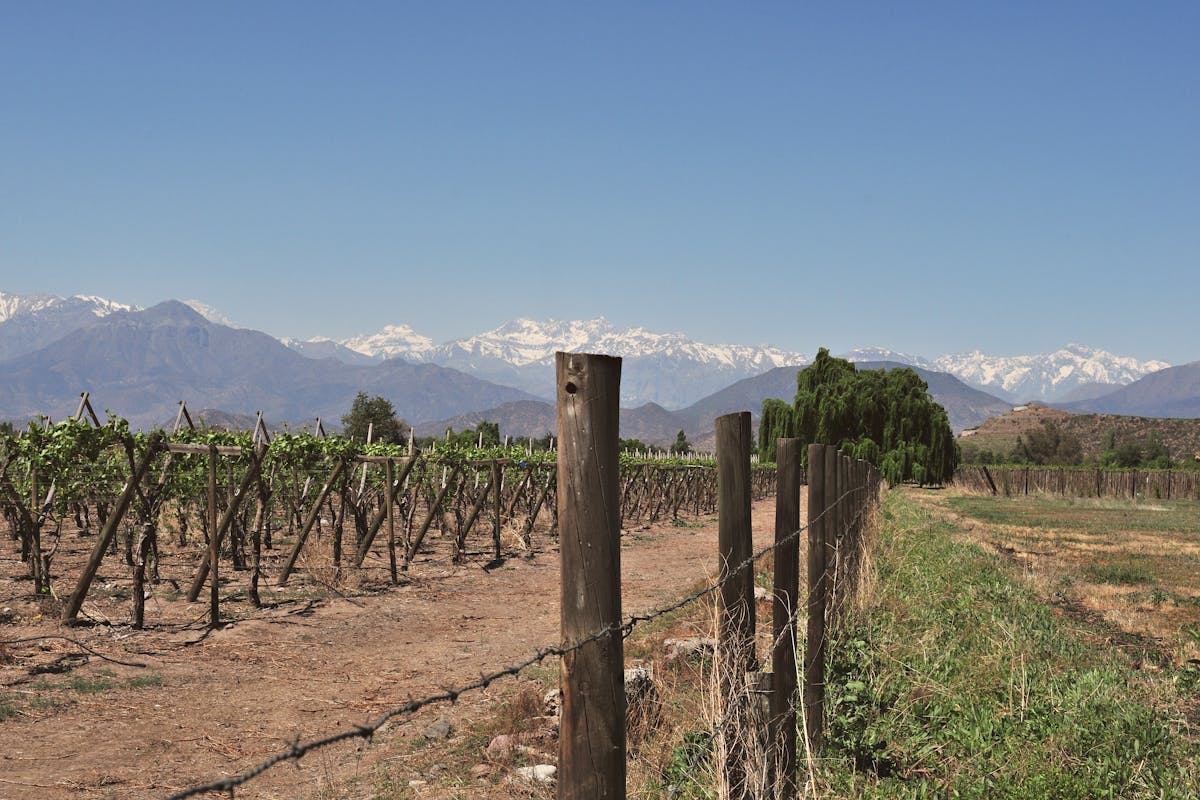
The major wine regions run from north to south through the Central Valley: Maipo (closest to Santiago, good for day trips), Colchagua (the premier red wine valley, worth a full day or overnight), and Casablanca (between Santiago and Valparaiso, known for whites and cool-climate reds). You can do wine tours as day trips from Santiago to any of these valleys.
At restaurants, house wine (vino de la casa) is almost always drinkable and cheap — 2,000-4,000 CLP per glass. Do not overthink it. Order the house Carmenere, drink it with whatever you are eating, and be happy.
Mote con Huesillo: The National Summer Drink (That Is Also a Snack)
This one confuses people. Mote con huesillo is wheat berries and dried peaches in a cold, sweet cinnamon syrup, served in a tall glass with a long spoon. It is both a drink and a food. You drink the syrup and eat the wheat and peach with the spoon. Street vendors sell it from glass carts all over Santiago during summer.
I am going to be honest: it took me three attempts to enjoy mote con huesillo. The first time, the texture of the wheat berries threw me off. The second time, the sweetness was too much. The third time, I was extremely hot and extremely thirsty, and suddenly it made perfect sense. Context matters. Drink it on a 35-degree afternoon in Santiago and it clicks. Drink it on a mild day when you are not particularly thirsty and you might wonder what the fuss is about.
Price: 1,000-2,000 CLP from a street cart. It is a national symbol — Chileans get genuinely excited about mote con huesillo in the way that Americans get excited about lemonade stands. Just more so.
Where to Eat: Markets, Picadas, and the Anti-Restaurant Guide
The best food in Chile does not come from restaurants with menus in English. It comes from three places.
Mercado Central, Santiago
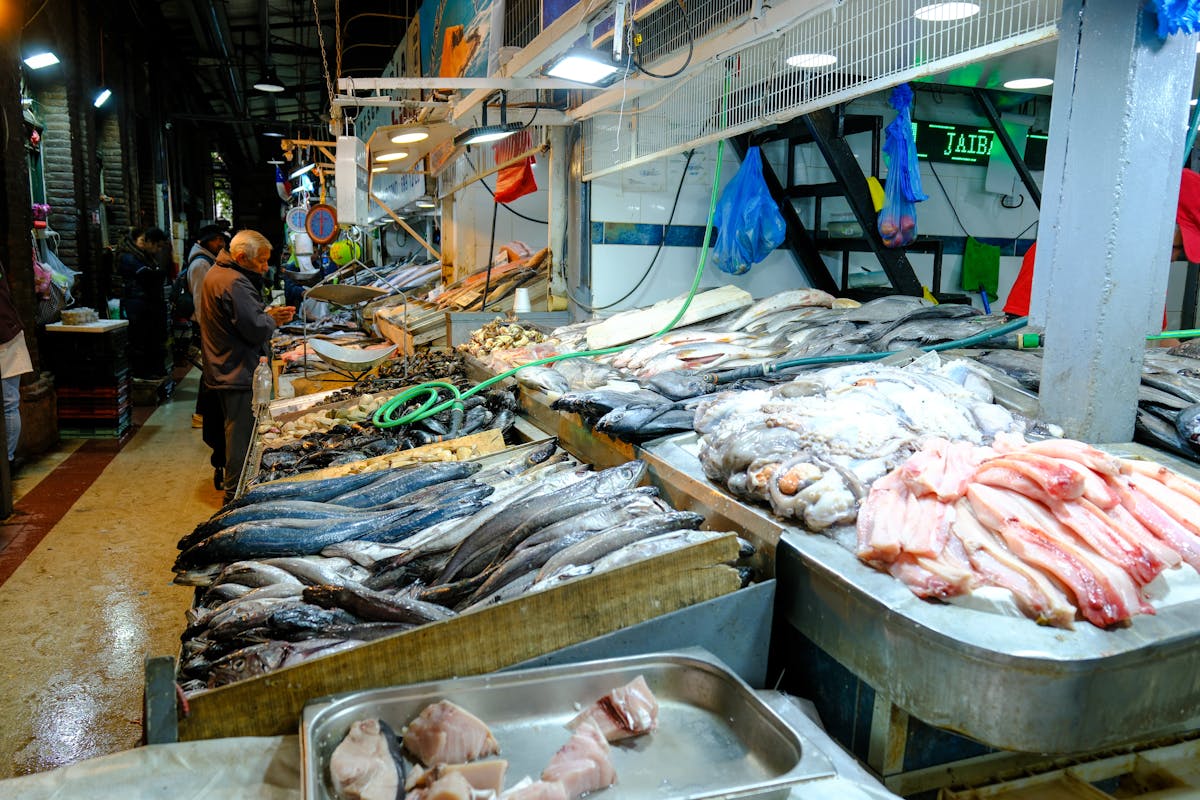
Mercado Central is the first place every food guide sends you, and for once, the food guides are right. The central hall is a gorgeous 19th-century iron structure (designed by the same firm that built the Eiffel Tower, supposedly) filled with seafood restaurants competing loudly for your attention. The outer ring of stalls has the cheaper, more local options. The inner restaurants are more tourist-oriented and more expensive, but the fish is the same.
Skip the inner restaurants. Walk past the guys trying to drag you to a table. Head to the outer ring or, even better, cross the street to La Vega Central — the massive produce and meat market that locals actually use. La Vega has a second-floor food court where you can eat a full lunch (soup, main, drink) for 4,000-5,000 CLP. It is loud, crowded, and fantastic.
Quick Tip
At Mercado Central, the restaurants in the outer ring (Donde Augusto, Donde Luis — the "donde" joints) give you better value than the central ones. Same fish, smaller markup. Get there before 12:30 to beat the lunch rush.
Picadas: The Real Chilean Restaurant
A picada is a small, family-run restaurant serving home-style Chilean food. No English menu. No Tripadvisor sticker on the door. No decor to speak of. Just someone's grandmother's recipes served at tables covered with plastic tablecloths, often with a TV in the corner showing the news or a soccer match.
Picadas serve menu del dia — a fixed lunch that includes a soup or salad starter, a main dish, bread, and sometimes a drink and dessert, all for 4,000-7,000 CLP. The menu changes daily. You eat what they cooked. This is where you will have cazuela, pastel de choclo, porotos granados (bean stew), and all the other comfort dishes that define Chilean home cooking.
Finding picadas requires asking around. Ask your hostel owner. Ask a taxi driver. Ask the person working at the corner shop. Chileans love giving food recommendations and will absolutely tell you their favorite picada and why it is superior to all other picadas.
Regional Differences You Should Know About
Chilean food changes dramatically from north to south, and the coast eats differently from the interior. The rough breakdown:
The North (Atacama, Elqui) — Desert food. More influence from Bolivia and Peru. Expect quinoa in dishes, llama meat on some menus, and a heavier use of aji (chili peppers). The Elqui Valley is pisco country. Seafood along the northern coast is excellent but different species than the south — more swordfish, tuna, and octopus.
The Central Valley (Santiago, wine country) — This is where most of the "classic" Chilean dishes live. Empanadas de pino, pastel de choclo, cazuela. The wine regions add vineyard lunches and pairing menus to the mix. Santiago has everything — street food, markets, picadas, fine dining, and a growing craft beer scene.
The Coast (Valparaiso, down to Concepcion) — Seafood dominates. Valparaiso and the nearby port towns are where you eat caldillo de congrio, machas a la parmesana, and fried fish fresh off the boats. The caletas (fishing coves) along this stretch have tiny restaurants that serve whatever came in that morning.
The South (Lake District, Chiloe, Patagonia) — German immigrant influence in the Lake District means you get kuchen (cake), strudel, and smoked meats alongside the Chilean standards. Chiloe is its own food universe with curanto, milcao, and smoked shellfish. Patagonia is lamb country — whole lambs roasted on a spit over coals is the signature dish down there.
The Overrated and the Underrated
Because honesty matters more than politeness when it comes to food recommendations:
Overrated: Completos at chain restaurants. Domino in Santiago is famous, and the completos are fine. But they are not better than the stand outside any metro station, and the line at Domino on a Friday night is not worth the wait. Save yourself twenty minutes and buy one from the nearest carrito.
Overrated: Fine dining in Santiago. Chile's fine dining scene is developing, and some restaurants are doing creative things with local ingredients. But the price-to-experience ratio rarely matches what you get at a good picada for a tenth of the cost. The fancy restaurants are trying too hard to be Lima or Buenos Aires. The cheap places are being themselves.
Underrated: Porotos granados. A bean stew with corn and squash that nobody talks about because it is not glamorous. It is one of the best vegetarian dishes in Chile and costs almost nothing at a picada. If you are trying to eat cheap, porotos granados will be your best friend.
Underrated: Breakfast at a market. Most Chilean breakeries focus on bread and jam, which is pleasant but basic. But if you go to a market comedor at 8am, you can get a full cooked breakfast — eggs, beans, fresh juice, bread — for 2,000-3,000 CLP. La Vega in Santiago, the fish market in Valparaiso, any municipal market in a smaller town. Morning markets are magical and nearly empty of tourists.
The sleeper pick: Food tours. I am usually skeptical of organized food tours, but the ones in Santiago are genuinely good. A guide who knows the market vendors personally gets you behind the stall to try things you would not have ordered yourself. The cost ($30-60) buys you more food than you can eat and saves you the guesswork of navigating a loud market in a language you might not speak. Worth it on day one to get oriented.
A Budget Eating Day in Santiago
To show what is possible if you are watching your budget:
| Breakfast | Market comedor (eggs, bread, coffee) | 2,500 CLP |
| Morning snack | Empanada de pino from a bakery | 2,000 CLP |
| Lunch | Menu del dia at a picada (soup, main, drink) | 5,000 CLP |
| Afternoon | Mote con huesillo from a street cart | 1,500 CLP |
| Dinner | Completo italiano from a street stand | 2,500 CLP |
| Total | 13,500 CLP (~$14) |
That is a full day of genuinely good food for about fourteen dollars. You are not eating fancy, but you are not eating badly either. Every single item on that list is something a Chilean person eats regularly. You could stretch the budget further by cooking, but honestly, eating out in Chile is cheap enough that cooking in hostels feels like a waste of the country's best resource.
What You Need to Know Before You Eat
A few practical notes that will save you confusion:
Lunch is the main meal. Chileans eat a big lunch between 1-3pm and a lighter dinner (once) around 8-10pm. Restaurants serve their best menus at lunch. The menu del dia (set lunch) is only available midday. If you eat a light lunch hoping to have a big dinner, you will find fewer options and higher prices at night. Flip your eating schedule.
Propina (tip) is 10%. Most restaurants add a 10% suggested tip to the bill. You can accept or decline it — technically it is optional, but declining without reason is poor form. At market stalls and street food, tipping is not expected.
Pan (bread) comes with everything. Chileans eat more bread per capita than almost any country on earth. Every meal comes with a basket of bread — usually marraqueta (a crusty roll) or hallulla (a denser, softer roll). The bread is usually good. The butter is usually better.
Aji (hot sauce) is on every table. Chilean aji is more tangy-spicy than burning-hot. It is made from aji peppers, garlic, oil, and vinegar. It goes on everything. After a week in Chile, you will be putting aji on things it was not intended for. This is normal.
Vegetarians will need to work harder. Chilean cuisine is meat-heavy. Porotos granados, pastel de choclo (if made without meat, which is rare), and ensalada chilena (tomato, onion, cilantro, oil) are your main options at traditional places. Santiago has a growing vegetarian/vegan restaurant scene. Outside Santiago, tell your server "soy vegetariano/a" and hope for the best. Markets and supermarkets are your backup plan.
The food in Chile does not announce itself. There is no national cuisine marketing campaign, no celebrity chefs pushing Chilean food internationally, no Michelin stars to chase. What there is: a country that takes lunch seriously, fishermen who sell you what they caught this morning, grandmothers who think you look too thin, and a collective opinion that food should be abundant, honest, and shared. Bring your appetite. You will use it.