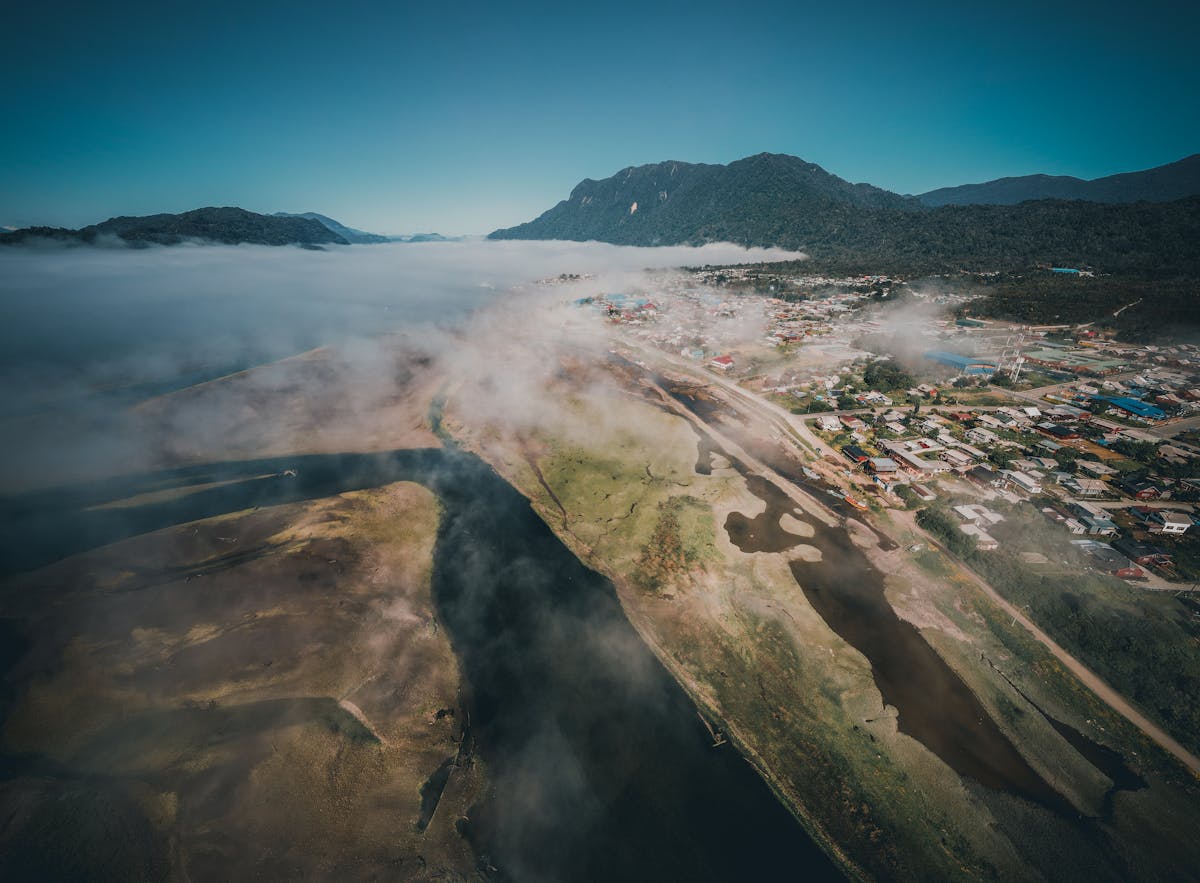
Chiloe is an archipelago off the coast of southern Chile — a large main island and dozens of smaller ones, connected to the mainland by a 30-minute ferry from Pargua. It feels like a separate country: its own mythology (witches, ghost ships, forest trolls), its own architecture (wooden churches, houses on stilts), and its own cuisine. The Jesuits and later Franciscans left sixteen wooden churches across the islands, all UNESCO World Heritage Sites, built entirely without nails.
Castro
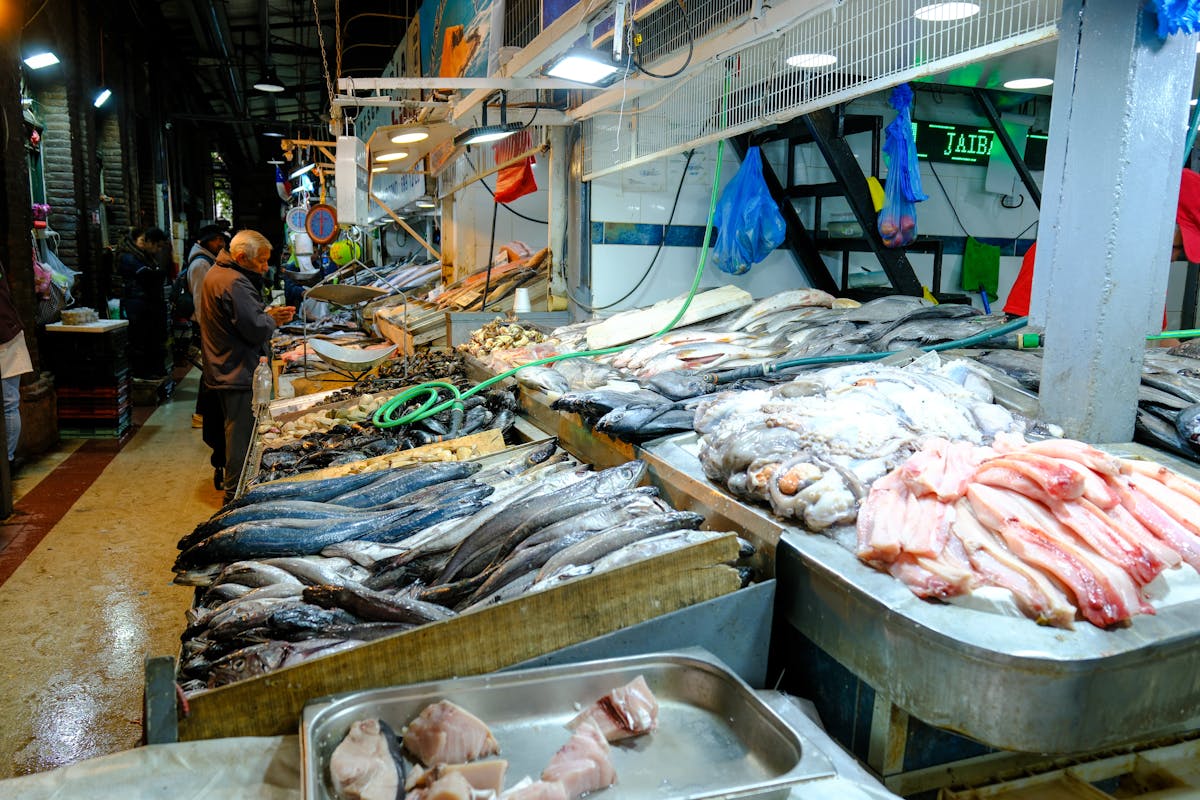
The capital of Chiloe and its largest town. The palafitos — brightly painted wooden houses built on stilts over the water — line the waterfront and are the most photographed thing on the island. The Iglesia San Francisco, painted lavender and orange, dominates the central plaza. It looks improbable but has stood since 1906. The municipal market sells fresh seafood, woolens, and local produce.
Dalcahue and Achao
Dalcahue hosts a Sunday handicraft fair that draws visitors from across Chiloe — hand-knitted woolens, wooden carvings, smoked shellfish. From here, a short ferry crosses to Isla Quinchao, where the village of Achao has the oldest wooden church in Chile (1764). The church interior is held together with wooden pegs, no metal fasteners, and the craftsmanship is extraordinary.
Ancud
The northern gateway town, closest to the mainland ferry. The Fuerte San Antonio — ruins of a Spanish fort — overlooks the harbor. The Museo Regional has a good introduction to Chilote mythology and the island's complex history. Penguin colonies at Punihuil, about 25 kilometers west, can be visited by boat from December through March.
Chilote Cuisine
Curanto is the signature dish — shellfish, pork, chicken, sausage, and potatoes cooked in a pit (hoyo) lined with hot stones and covered with giant nalca leaves. The cooking takes hours and the result is smoky, rich, and feeds a crowd. Tourist-friendly versions use a pot (curanto en olla) but the pit-cooked original is worth seeking out at rural festivals.
Milcao and chapalele are potato dumplings unique to Chiloe, served alongside curanto or fried as snacks. The island's volcanic soil produces distinctive potatoes — hundreds of native varieties in colors from purple to yellow.
Licor de oro is a local digestif — milk, eggs, aguardiente, saffron, and vanilla. Sweet, thick, and dangerously easy to drink. Sold in bottles at markets and offered at most restaurants.
Chiloe National Park
On the western coast of the main island, facing the open Pacific. Trails through temperate rainforest lead to empty beaches. The Chanquin entrance has the most accessible trails — a flat boardwalk through bog forest to the coast. The Cole Cole trail (12 kilometers one way) runs along a wild beach to a river crossing. Basic campsites available.
The Wooden Churches
Sixteen churches across the archipelago are UNESCO listed. Built by Jesuit and Franciscan missionaries using local timber and no nails, they combine European baroque design with indigenous building techniques. The most accessible from Castro are Dalcahue, Rilán, and Nercón. Most are still active parish churches — check mass schedules if you want to see the interiors.
Getting There
The Cruz del Sur ferry from Pargua to Chacao runs continuously (30 minutes, no reservation needed — you just queue). From Puerto Montt, Pargua is about an hour's drive. Buses from Puerto Montt to Castro take roughly four hours including the ferry crossing. There is a small airport at Castro with occasional flights from Santiago.
Time needed: Three days covers Castro, a church or two, and curanto. A week lets you explore the outer islands and quieter western coast.