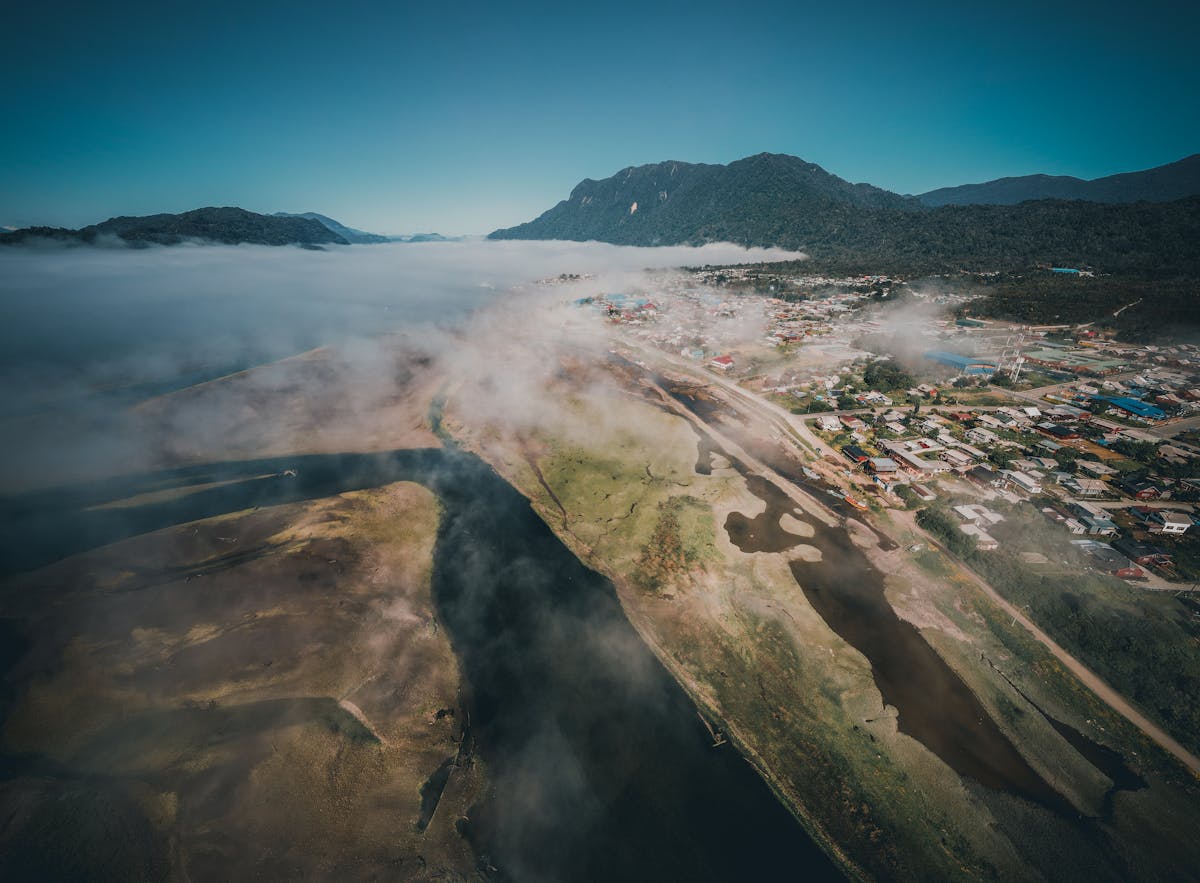
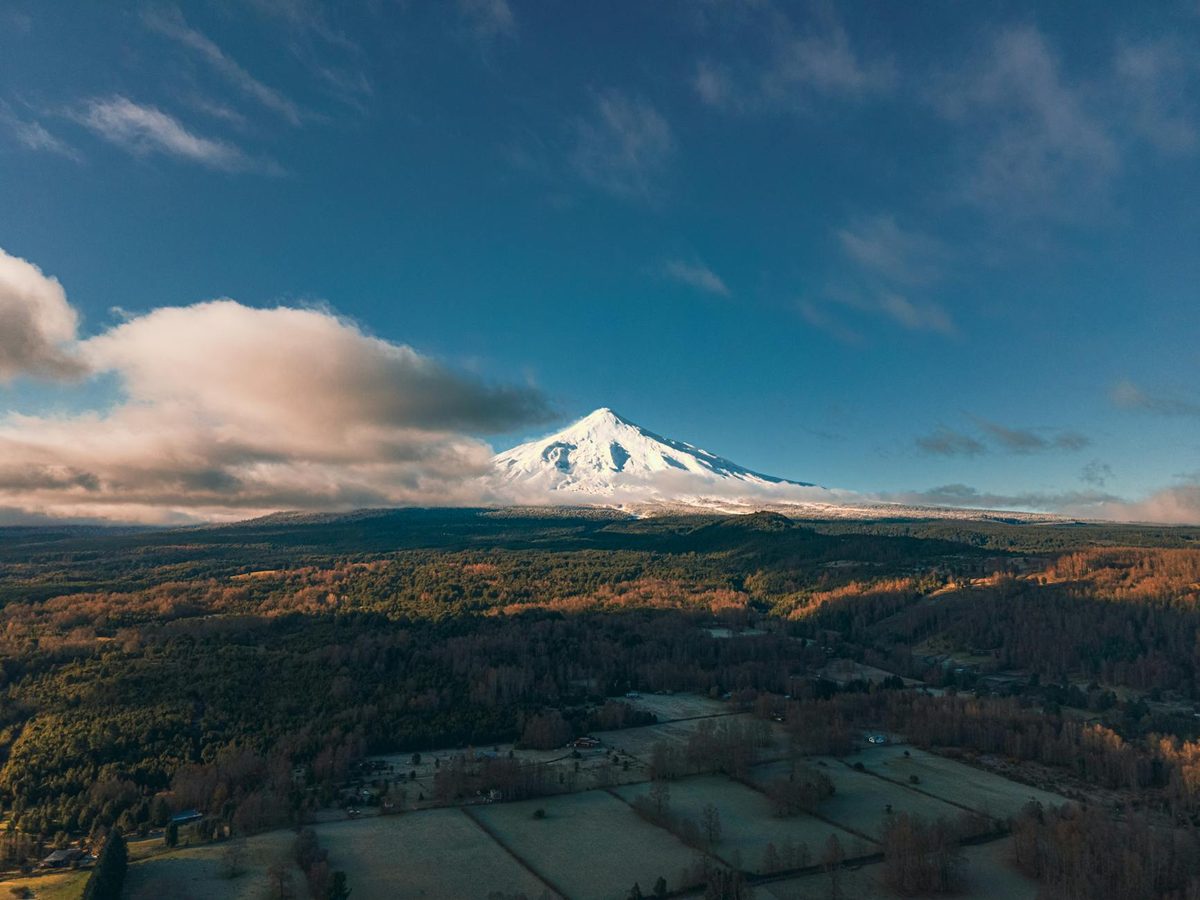
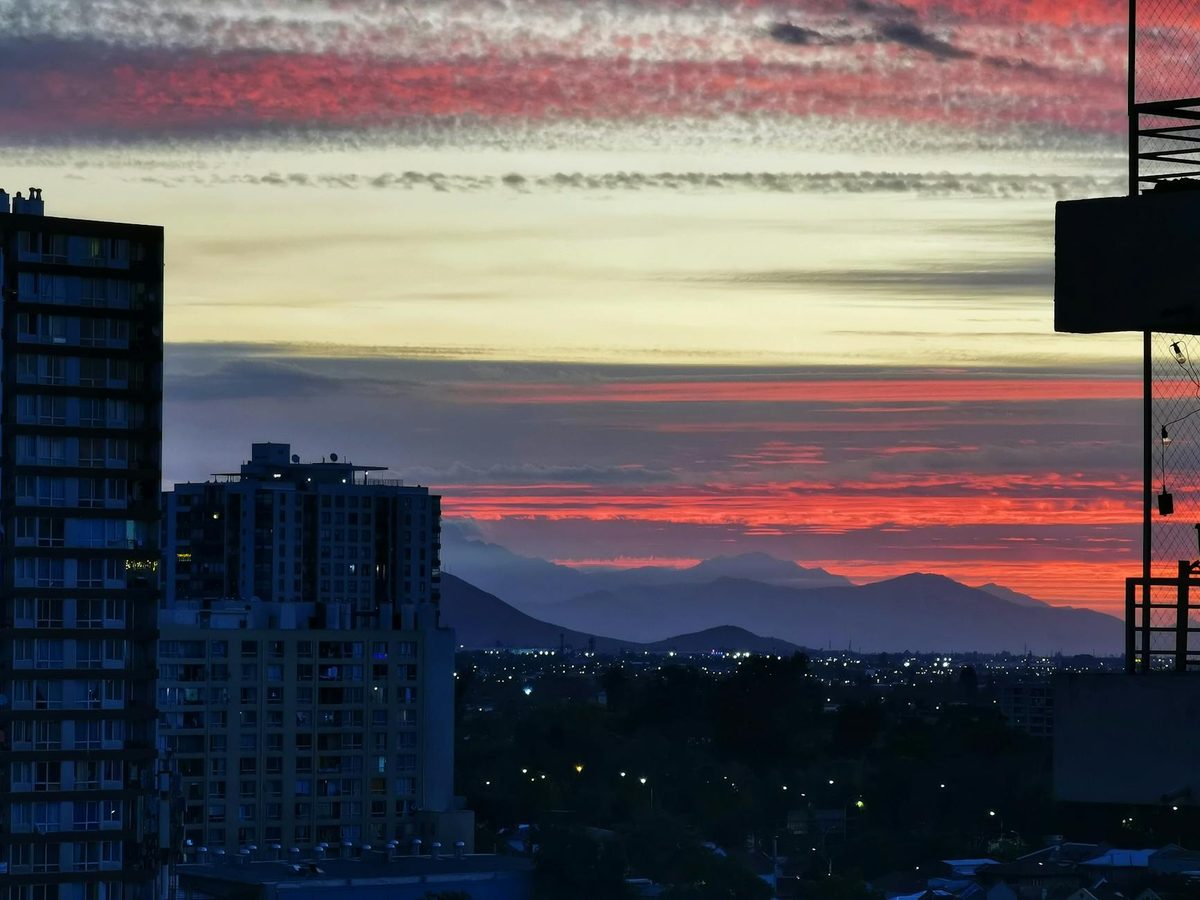
Chile's Lake District runs roughly from Temuco south to Puerto Montt — a stretch of volcanoes, ancient forests, and deep glacial lakes that draws comparisons to Switzerland and New Zealand. The comparison is fair in terms of scenery, but the Lake District has its own character: indigenous Mapuche culture, hot springs fed by volcanic activity, and a pioneer history tied to German and Swiss immigrants who settled the region in the mid-1800s.
Pucon
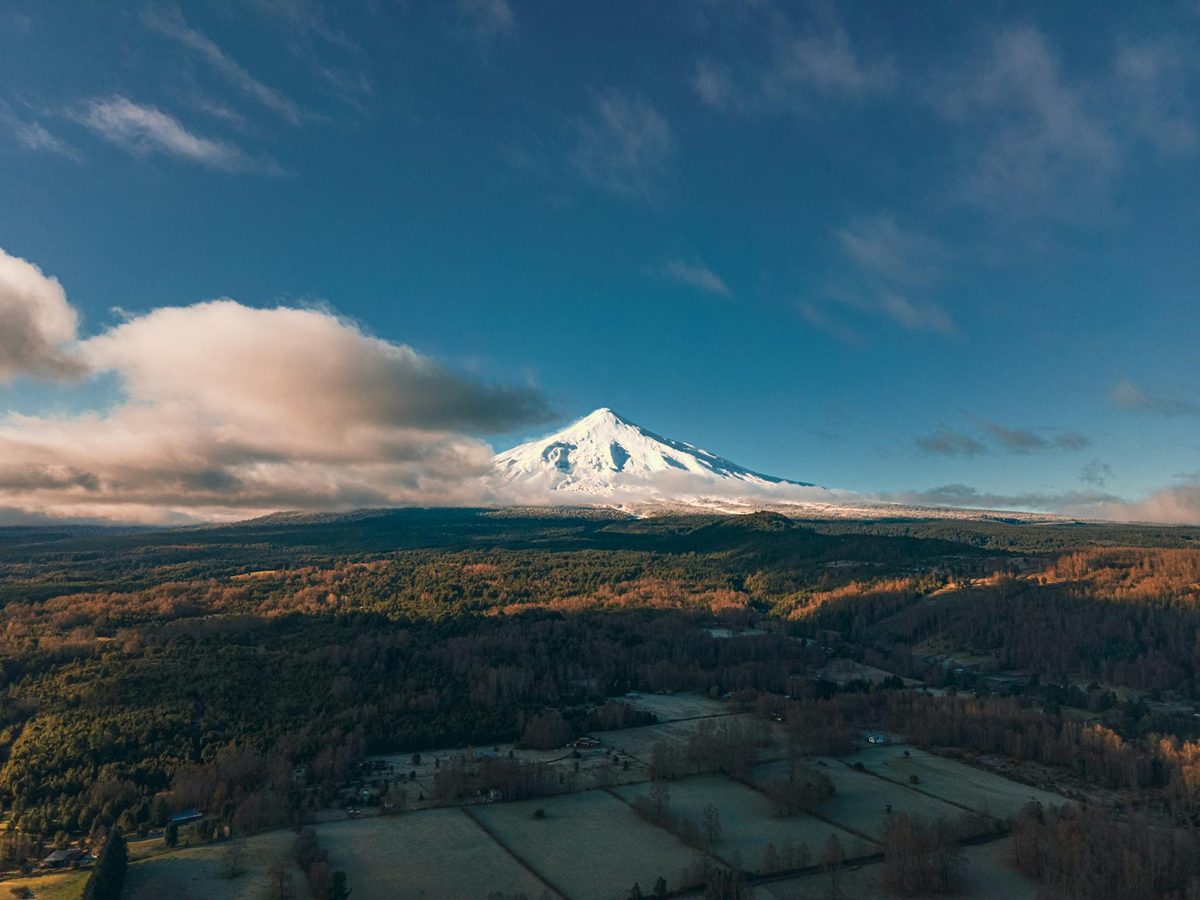
Pucon is the adventure capital. A small town on the shore of Lago Villarrica, dominated by the perfect cone of Volcan Villarrica — one of Chile's most active volcanoes, with a lava lake glowing in its crater. You can climb it in a guided day trip (about 6-8 hours round trip), which involves crampons, ice axes, and occasionally dodging sulfur vents near the summit. It is strenuous but non-technical, and the view from the top — assuming the weather cooperates — takes in a chain of volcanoes stretching south to Patagonia.
Beyond the volcano, Pucon offers whitewater rafting on the Rio Trancura, mountain biking through araucaria forests, and natural hot springs in every direction. Termas Geometricas, about an hour south, is the most beautiful — seventeen hot pools connected by a wooden walkway through a narrow canyon.
Puerto Varas and Lago Llanquihue
Puerto Varas sits on the western shore of Lago Llanquihue with two snow-covered volcanoes (Osorno and Calbuco) reflected in the water. It is quieter and more refined than Pucon — a base for visiting Vicente Perez Rosales National Park, the Petrohue waterfalls, and the Todos los Santos lake crossing to Argentina.
The German colonial heritage is visible in the architecture — wooden houses with steep roofs, a Lutheran church on the hillside, and a kuchen (German cake) culture that fills the local bakeries. The Casino de Puerto Varas, a massive turreted building on the waterfront, looks transplanted from Bavaria.
Huerquehue and Conguillio National Parks
Huerquehue National Park, just east of Pucon, has some of the best day hiking in the Lake District — the Los Lagos trail passes through dense araucaria forests to a chain of mountain lakes. Conguillio National Park, further north near Temuco, surrounds the active Llaima volcano with ancient monkey puzzle forests and lava fields.
Huilo-Huilo Biological Reserve
Deep in the Valdivian temperate rainforest south of Pucon, Huilo-Huilo is a private conservation reserve with unusual architecture — hotels built into trees, volcanic rock, and waterfalls. The Montaña Magica hotel, shaped like a cone with water cascading down its sides, is the most photographed building in the region. Beyond the novelty, the reserve protects ancient alerce trees and the endangered huemul deer.
Valdivia
A university town on the Rio Calle-Calle, known for its craft beer scene (the German settlers brought brewing traditions), riverside fish market, and relaxed atmosphere. The Kunstmann brewery offers tours and tastings. River boat tours pass sea lion colonies and the Spanish colonial forts at Corral and Niebla, which once guarded the mouth of the river.
When to Visit
November through March for the best weather — warm days, long evenings, and the lakes are swimmable in January and February. The region gets heavy rainfall from April through October. Ski season at Pucon (Villarrica ski resort) and Osorno runs roughly June through September. Check our when to visit guide for a full seasonal breakdown by region.
Getting There
Fly from Santiago to Temuco (ZCO) for Pucon, or Puerto Montt (PMC) for Puerto Varas. Both flights take about 90 minutes. Overnight buses from Santiago to Pucon take roughly 10 hours and are comfortable in semi-cama class. See our getting around guide for bus classes and booking tips.