This article contains affiliate links. If you book through them, I earn a small commission at no extra cost to you.
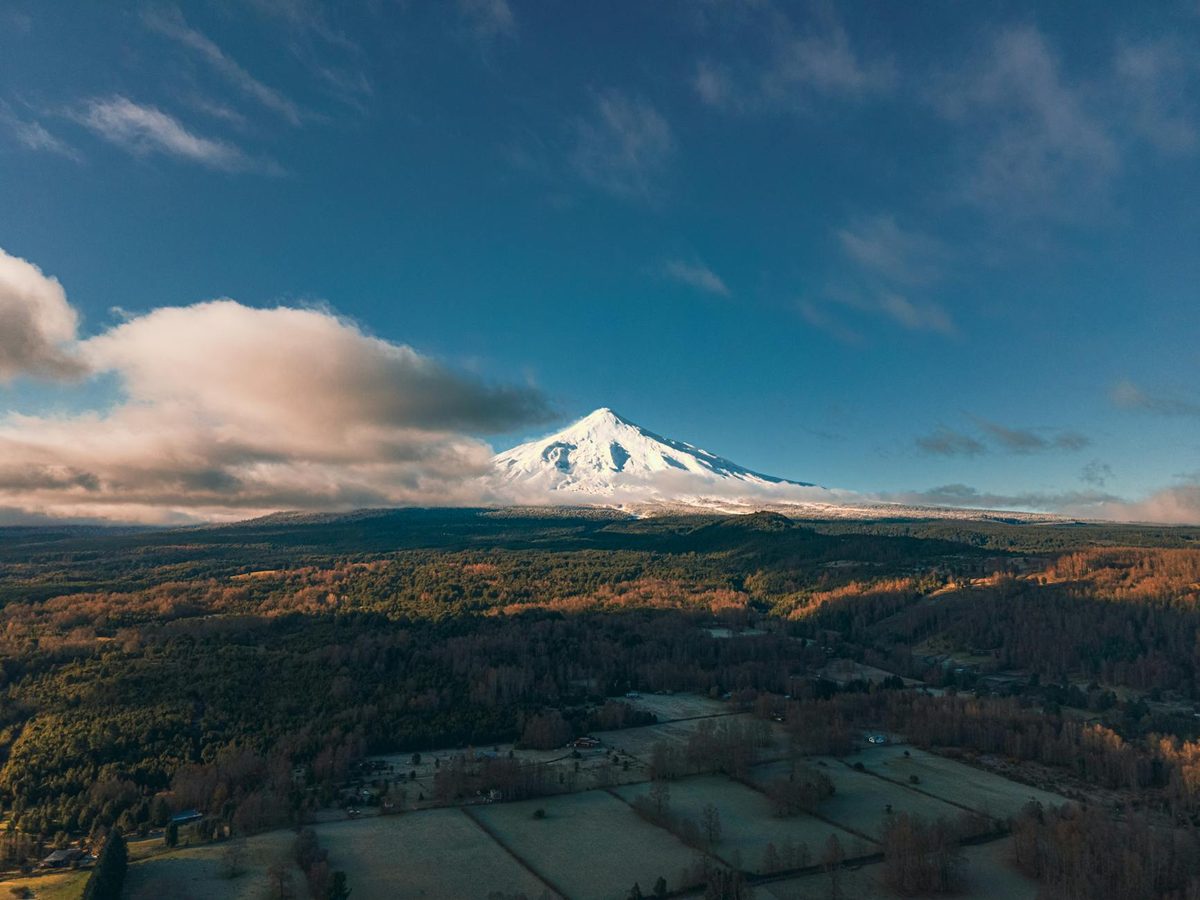
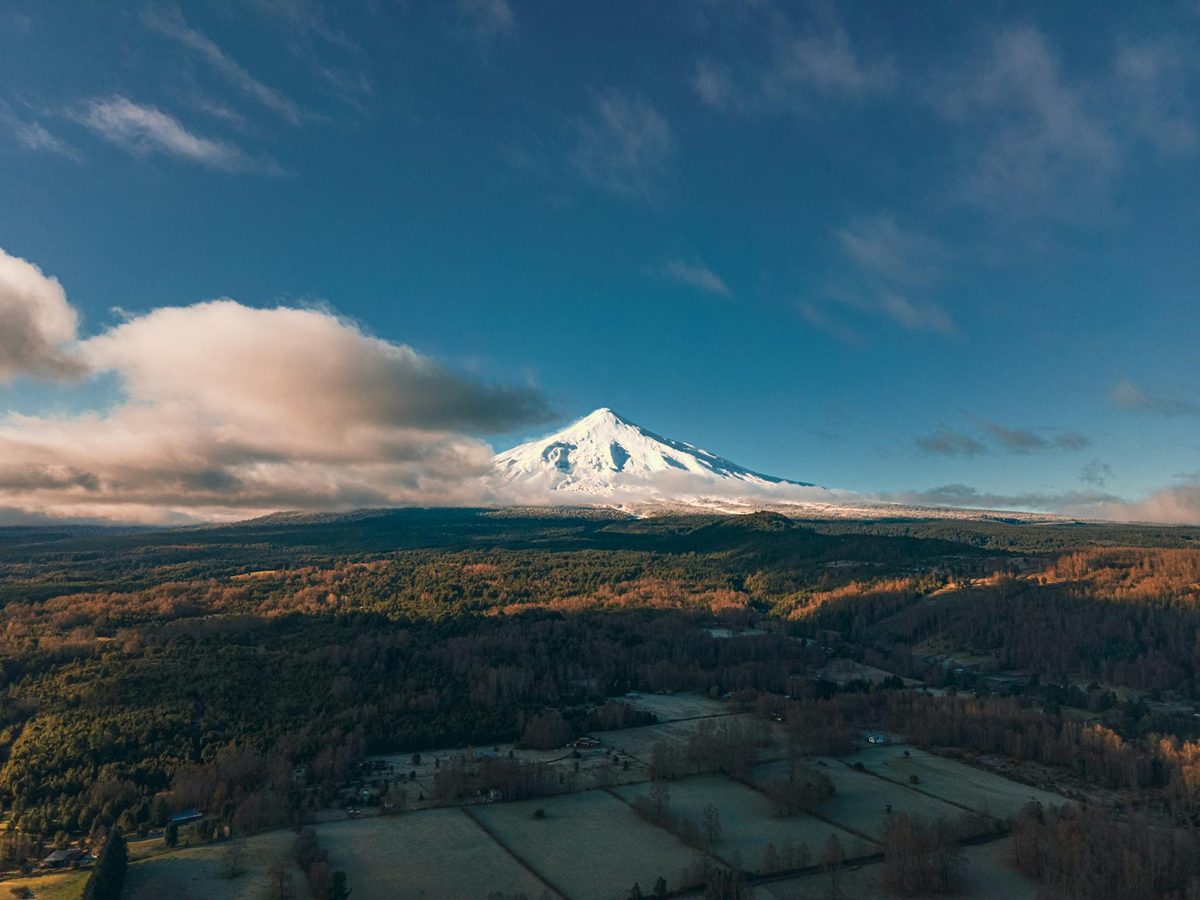
The alarm went off at 4:30am and I genuinely considered pretending I had not heard it. Outside the hostel window, Pucon was dark and cold. Somewhere above the town, Volcan Villarrica was doing what it has done for centuries — smoldering, occasionally spitting, and generally reminding everyone that it is one of the most active volcanoes in South America.
I was about to climb it. On purpose.
The Booking (and the Cancellations)
Here is the thing about climbing Villarrica: it might not happen. The volcano is monitored constantly, and SERNAGEOMIN (Chile's geological service) raises and lowers the alert level based on seismic activity. When the level goes up, climbs get cancelled. When the weather closes in — fog, wind, snow — climbs get cancelled. I watched two groups from my hostel have their climbs called off on consecutive days before mine finally got the green light.
Book with an agency that offers free rebooking if your climb is cancelled. Most do, but check. I went with a local operator recommended by the hostel — about $90 per person including all gear, transport, and a guide. Budget operators exist at $60-70 but the safety equipment is older. This is not the place to save $20.
The Gear
The agency provides everything: crampons, ice axe, helmet, gaiters, windproof jacket and pants (if you need them), and a backpack. You bring your own boots (they rent mountaineering boots if yours are not stiff-soled), sunglasses (essential — the snow glare is brutal), sunscreen, water, and snacks.
I made the mistake of wearing cotton underneath the windproof layer. By the second hour, I was soaked in sweat that would not dry. Merino base layers exist for a reason. Learn from me.
The Climb
The van drops you at the ski center on the lower slopes around 6:30am. From there, it is roughly six hours up and two hours down. The first section crosses volcanic scree — loose rock and ash that slides under your boots. It is steep and tedious but you gain altitude fast.
At around 2,200 meters, you hit the snow line. Crampons go on. The guide demonstrates the ice axe self-arrest technique — if you slip, you drive the axe into the snow and hold on. The lesson takes five minutes. You think about it for the next four hours.
The route climbs straight up the snowfield. There are no switchbacks. There is no flat section. It is just up, one step at a time, for hours. The altitude makes everything harder — at 2,800 meters my lungs felt like they were working at half capacity. The guide set a pace that felt agonizingly slow until I tried to go faster and immediately understood.
The Crater
You smell it before you see it. Sulfur. Then the wind shifts and you get a blast of warm air that is completely wrong at this altitude. The ridge appears and suddenly you are standing on the rim of an active volcano, looking down into a funnel of rock and yellow sulfur deposits that disappears into steam and darkness.
On clear days, you can see the lava lake — a dull red glow deep in the crater. The day I climbed, clouds and gas obscured the bottom. It did not matter. The fact that there is molten rock down there, right now, under your feet, is enough. The ground vibrates faintly. It is not your imagination.
The summit views — when the wind clears the cloud — take in Lago Villarrica far below, the town of Pucon like a toy village, and a chain of volcanoes stretching south into Patagonia and north toward Santiago. On the clearest days you can count a dozen volcanic cones from the rim.
You do not stay long. The gas is unpleasant, the wind is fierce, and the guide wants to start the descent before the afternoon clouds build. Photos, a moment of quiet disbelief that you are standing here, and then down.
The Descent (the Fun Part)
They hand you a plastic sled. You sit on it. You slide down the snow at terrifying speed, using the ice axe as a brake. It takes twenty minutes to descend what took three hours to climb. Everyone screams. Everyone laughs. It is the best theme park ride that is not a theme park ride.
The lower scree section is a knee-destroying slog, but by then you are running on adrenaline and the promise of beer. The van picks you up at the ski center and delivers you back to Pucon by early afternoon, exhausted and grinning.
What I Wish I Had Known
- Fitness matters more than you think. It is not technical climbing but it is six hours of steep uphill at altitude. If you can hike uphill for 4 hours without stopping, you will be fine. If the last time you exercised was 2019, reconsider.
- The cancellation rate is real. Build at least two possible days into your schedule. I met people who had three days allocated and still did not get a weather window.
- Cotton kills. Merino or synthetic base layers only. You sweat on the way up and freeze at the top if you are wet.
- Sunscreen on every exposed surface. The snow reflects UV and you will burn in places you did not know could burn. Under your chin. Behind your ears. The inside of your nostrils if you are not careful.
- Eat breakfast. You think you are not hungry at 5am. You are wrong. Your body needs fuel for six hours of climbing at altitude. Force something down.
Is It Worth It?
Yes. Unequivocally, absurdly, absolutely yes. I have hiked in the Himalayas, trekked in Patagonia, and climbed peaks in the Alps. Standing on the rim of an active volcano with a lava lake below my feet was a completely different experience. Not harder than those other things — just more alive. The mountain is doing something. It is not a relic. It is not a postcard. It is a functioning volcano and you are on it.
Back in Pucon that evening, sitting in the Termas Geometricas hot pools with legs that had stopped working, watching steam rise from the water into the cold night air, I could still feel the vibration from the crater rim in my feet. Or maybe that was just my muscles giving up. Either way, it was a good day.
The Practical Stuff
| Cost | $80-120 per person (all gear included) |
| Duration | ~10 hours total (6 up, 2 down, plus transport) |
| Difficulty | Strenuous. Non-technical but physically demanding |
| Min age | 15-65 at most operators |
| Summit altitude | 2,847 meters |
| Best time | November-March (summer). Fewer cancellations Dec-Feb |
| What to bring | Merino base layers, sunglasses, sunscreen, water, snacks |
After the Climb
Your legs will not work properly for 24 hours. Book the Termas Geometricas hot springs for the evening — seventeen pools connected by red walkways through a fern-draped canyon. It is the best recovery you will find anywhere. About an hour south of Pucon, $30 entry. You have earned it.