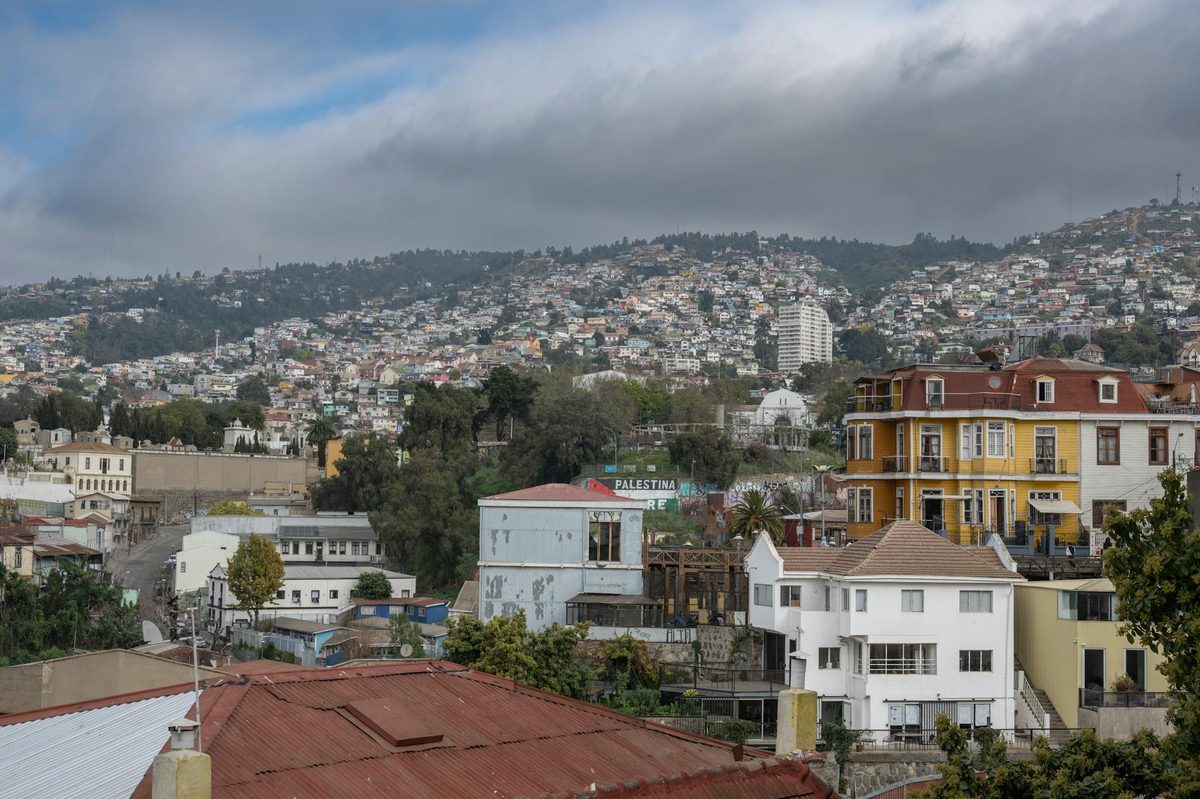
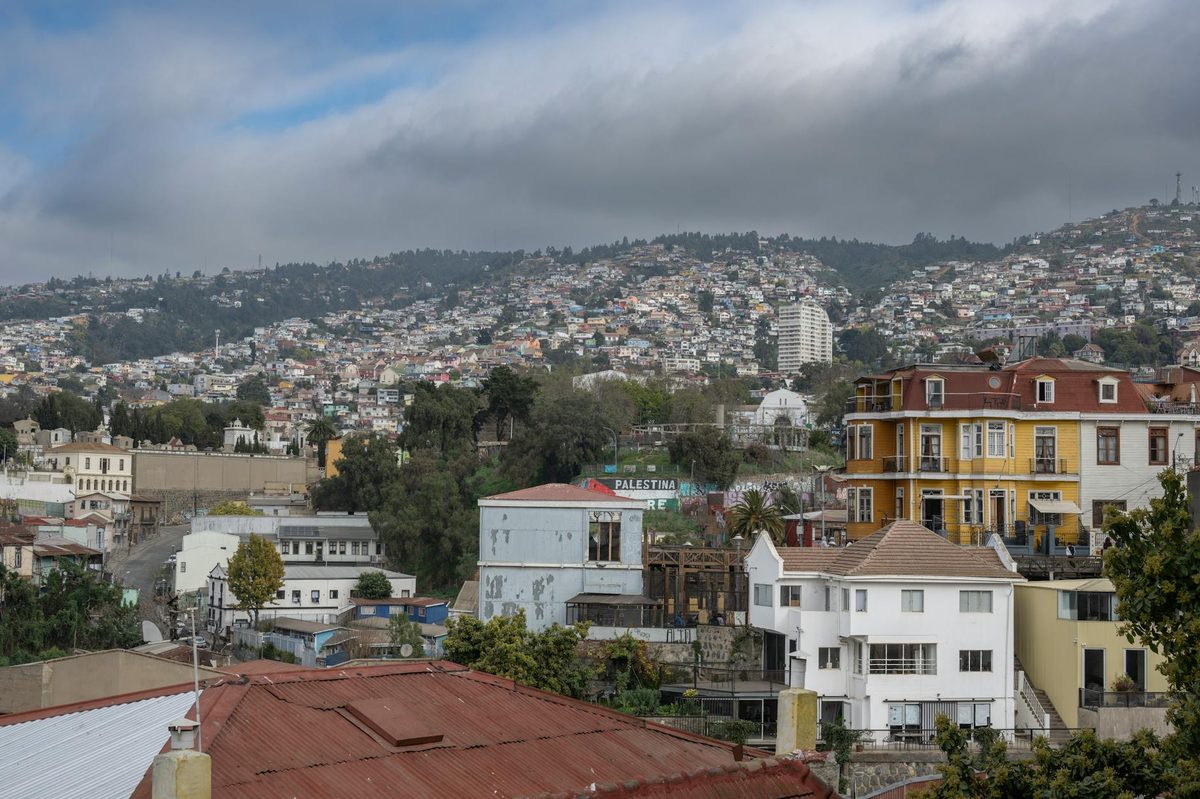
Valparaiso clings to a crescent of steep hills overlooking the Pacific. Chile's second city and its cultural capital — a UNESCO World Heritage Site since 2003, built on the bones of a 19th-century port that once rivaled San Francisco. The hills (cerros) are the reason to come: layers of brightly painted houses connected by stairways, winding alleys, and a handful of creaking funicular elevators that date back over a century.
The Cerros
Cerro Alegre and Cerro Concepcion are the two hills most visitors explore. They sit next to each other above the port and contain the densest concentration of street art, cafes, and boutique hotels. Walk up from Plaza Anibal Pinto or take the Ascensor Concepcion (built in 1883, still running). The streets up here are narrow and cobbled — every wall seems to be painted, and the views over the bay appear around each corner.
Cerro Bellavista is where you will find the Museo a Cielo Abierto — an open-air museum of murals painted on retaining walls, created by art students in the 1990s. The neighborhood is rougher and more residential than Alegre and Concepcion, which is part of its appeal.
Cerro Polanco has the most unusual ascensor — a vertical elevator built into the hillside that rises through a tunnel before emerging at a viewpoint. It is the only one of its kind in the city and worth the detour.
Street Art
Valparaiso is one of the great street art cities in the world. Unlike many places where murals feel curated or commercial, the art here grows organically — staircases, doorways, electrical boxes, crumbling walls. Some of the best pieces are on Cerro Polanco, the Escalera Cienfuegos stairway, and the backstreets above Cerro Alegre. Wander without a map and you will find more than any guide can list. For a deeper look, read our Valparaiso street art guide.
Pablo Neruda's House
La Sebastiana, Neruda's Valparaiso home, perches on Cerro Florida with views over the entire bay. The house reflects his obsessive collecting — maps, ship figureheads, colored glass — crammed into a narrow tower of eccentric rooms. Audio guides are included with admission. Go early to avoid tour groups.
Food
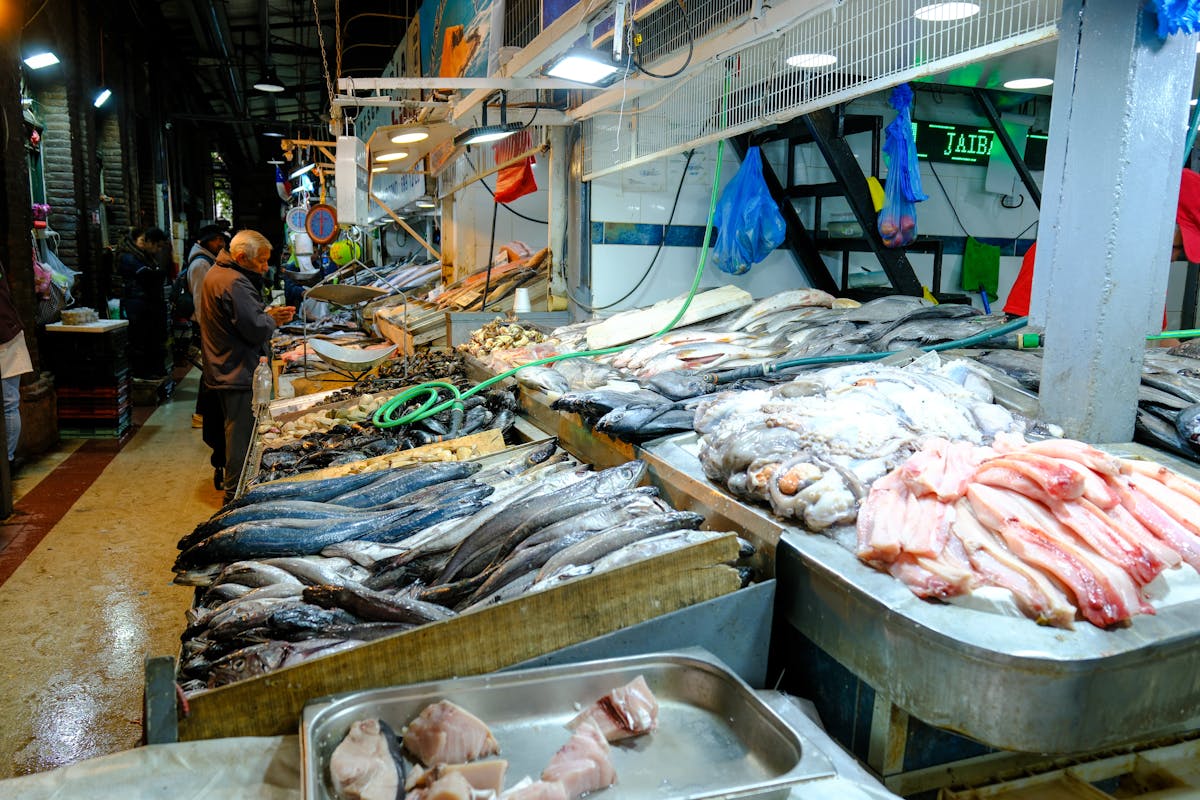
The port means seafood. See our food and drink guide for more on Chilean cuisine. The Mercado El Cardonal (the local market, not a tourist attraction) has raw ingredients if you are cooking. For restaurants, chorrillana — a mountain of fries topped with sauteed onions, beef, and fried eggs — is the local specialty, invented here and shared between friends with beer. Cafe Turri on Cerro Concepcion combines solid Chilean food with one of the best terraces in the city.
Practical Tips
Safety: Valparaiso has a petty crime problem, particularly in the port area (El Plan) and on less-traveled cerros. More details in our safety guide. Stick to Cerros Alegre, Concepcion, and Bellavista during the day. At night, take an Uber rather than walking between hills. Do not carry expensive cameras visibly.
Getting there: Buses from Santiago take about 90 minutes and leave every 15-20 minutes from Terminal Alameda or Pajaritos. See our getting around guide for bus classes and tips. The coastal town of Vina del Mar is 10 minutes by metro — a different atmosphere entirely (beaches, high-rises, casinos) but easy to combine.
Time needed: A full day covers the highlights. Two days lets you wander without a plan, which is the better way to experience it.