This article contains affiliate links. If you book through them, I earn a small commission at no extra cost to you.
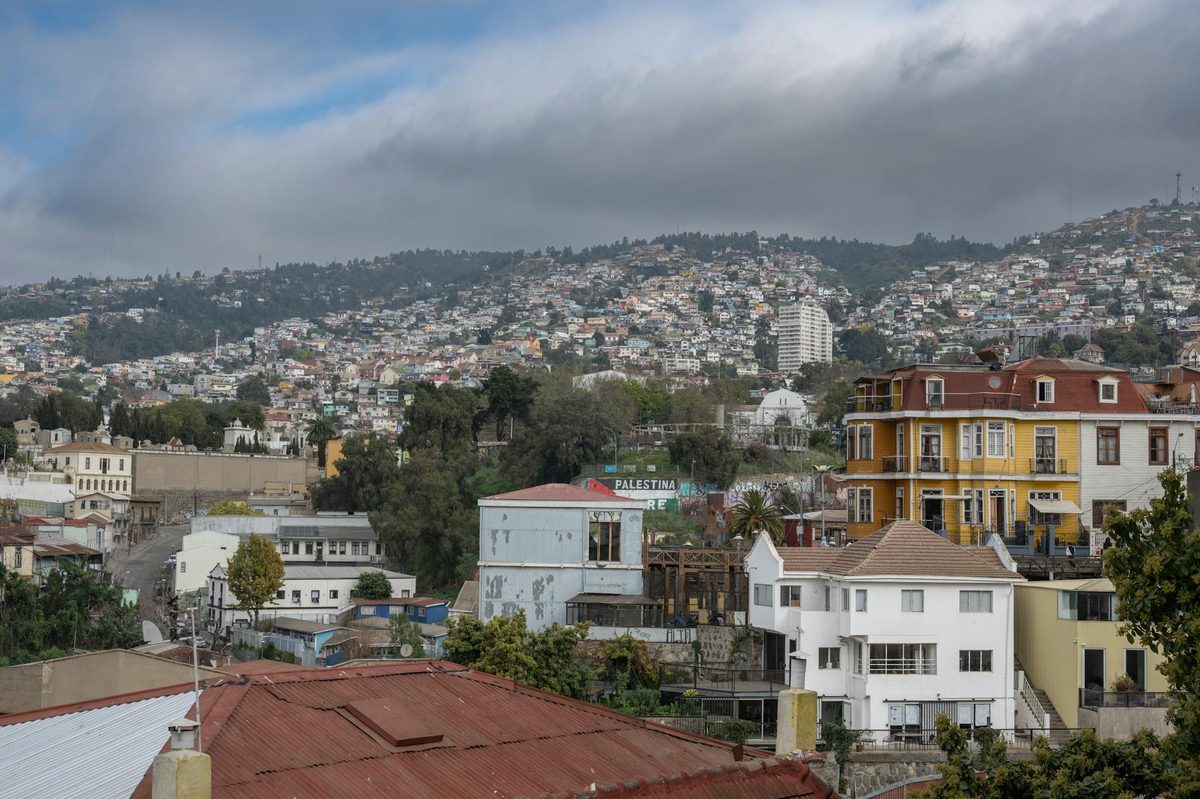
I turned a corner on Cerro Alegre and a three-story cat stared back at me. Not a real cat — a mural, painted across an entire building facade in blues and oranges, with eyes that followed you down the stairway. Behind me, a mosaic fish swam across a retaining wall. Ahead, a political portrait peeled next to a psychedelic landscape next to what appeared to be an octopus playing a piano. This is Valparaiso on a Tuesday morning.
Why Valparaiso's Street Art Is Different
Most cities with a street art reputation feel curated. Berlin's murals are commissioned. Melbourne's laneways are sanctioned. Even Bogota's graffiti scene has become official enough to have its own tour industry. Valparaiso's art is more chaotic than any of these, and that is what makes it work.
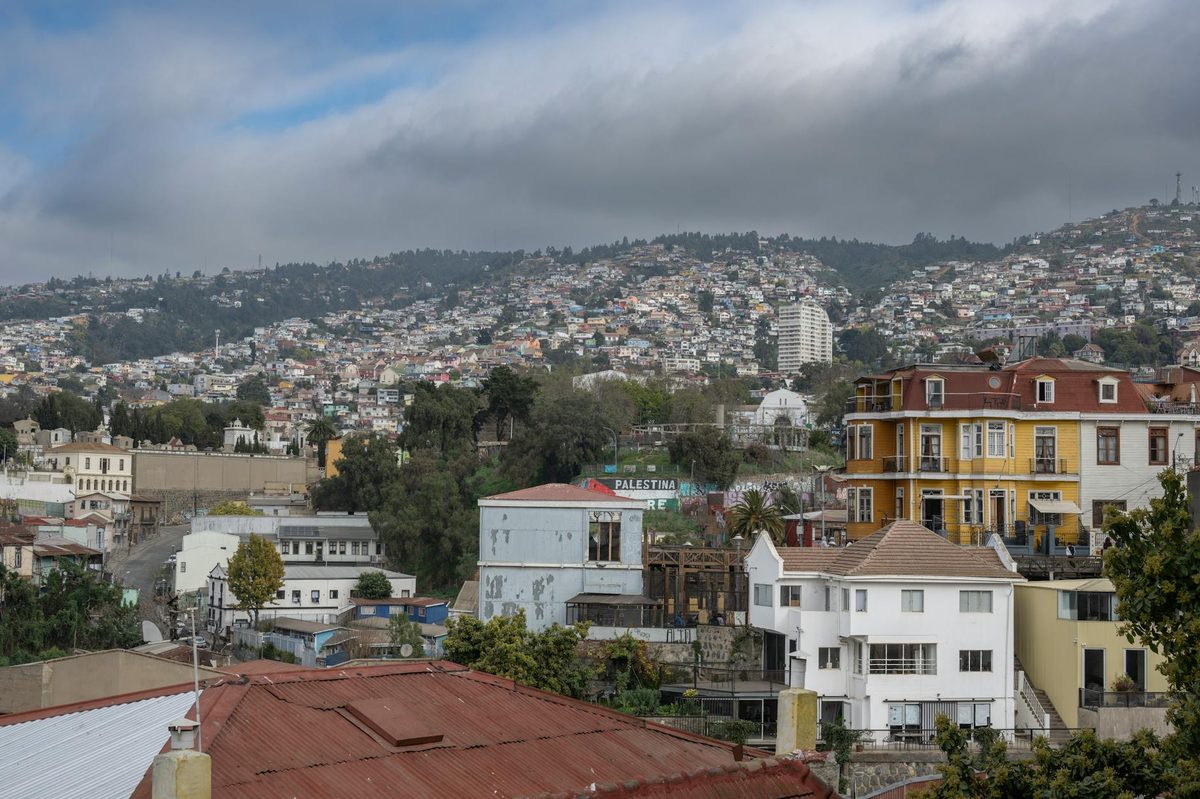
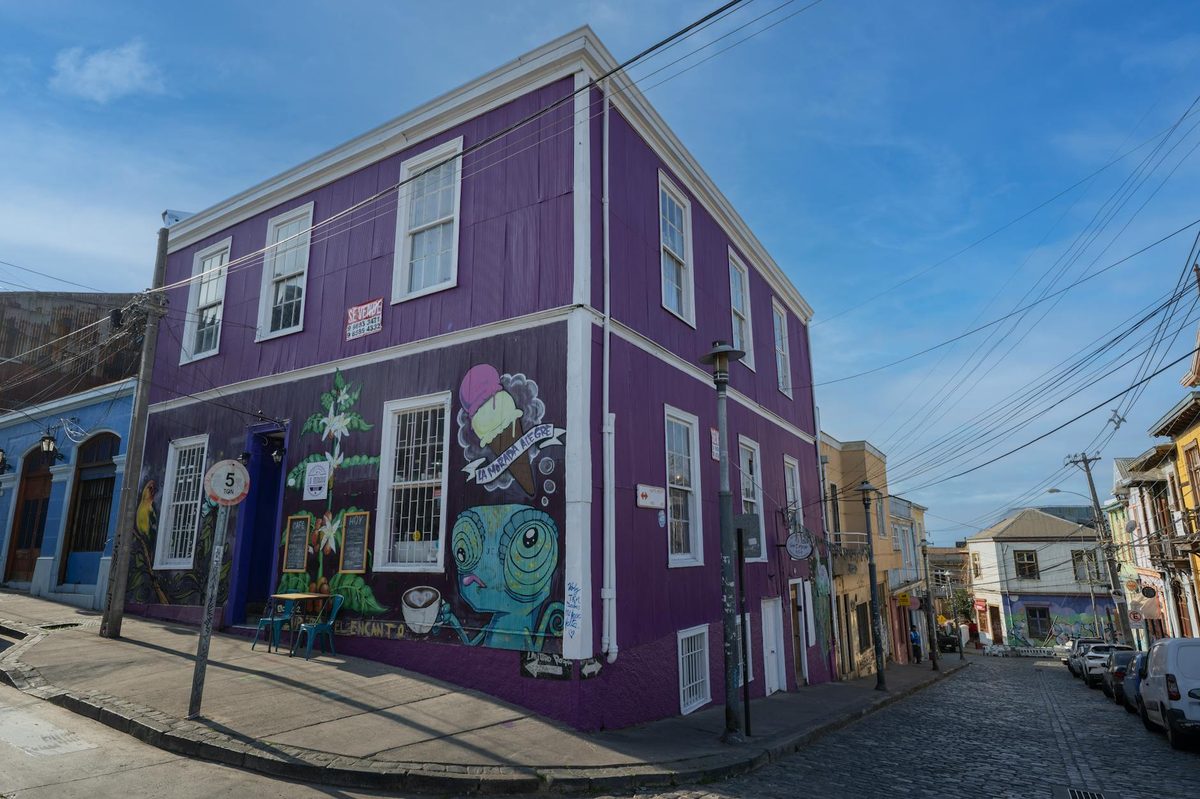
The cerros — the steep hills that rise from the port — are covered in paint from the waterline to the ridgeline. Not just walls but staircases, doorways, electrical boxes, storm drains, crumbling buildings, even the funicular stations. Some pieces are masterful. Some are amateur. Some are political. Some are purely decorative. The density is overwhelming in the best way — you cannot walk three minutes without seeing something that makes you stop.
Nobody controls it. The city tolerates it. Property owners mostly accept it (some commission it, some wake up to find it). The result is an evolving, layered canvas that changes with every visit. A wall painted last month gets painted over next month. Nothing is permanent, which is part of the point.
Where to Walk: A Self-Guided Route
You can hire a guide (and probably should for context), but the best street art in Valparaiso rewards wandering. Here is the route I walked over two mornings.
Start: Plaza Anibal Pinto
The plaza sits at the boundary between the flat port area (El Plan) and the cerros. Grab a coffee, orient yourself, and look up — the murals start immediately on the buildings above the plaza. From here, take the Ascensor Concepcion (built 1883, still rattling up the hillside for about $0.30) to the top of Cerro Concepcion.
Cerro Concepcion
The most tourist-accessible cerro and a good starting point. Paseo Gervasoni and Paseo Atkinson are the main promenades — both have viewpoints over the port with murals on every retaining wall below. The art here tends toward the polished end of the spectrum — more commissioned pieces, cleaner lines, Instagram-friendly colors.
Walk the side streets. The unnamed alleyways between Gervasoni and the main road have the rougher, more interesting pieces. A doorway painted as a portal to another universe. A political commentary half-covered by a newer tag. A carefully detailed portrait that somebody spent days on, tucked into a corner where ten people a day might see it.
Cross to Cerro Alegre
Cerro Alegre bleeds into Concepcion with no clear boundary. The art gets denser and more varied. The Escalera Cienfuegos — a long staircase connecting the hill to the plan below — is painted on every surface: risers, walls, railings, the ground itself. It is one of the most photographed spots in Valparaiso and it earned it.
Keep climbing. The higher you go on Alegre, the more residential it gets and the more the art reflects the neighborhood rather than the tourists. Domestic scenes, local faces, inside jokes painted on corner shops.
Cerro Bellavista: Museo a Cielo Abierto
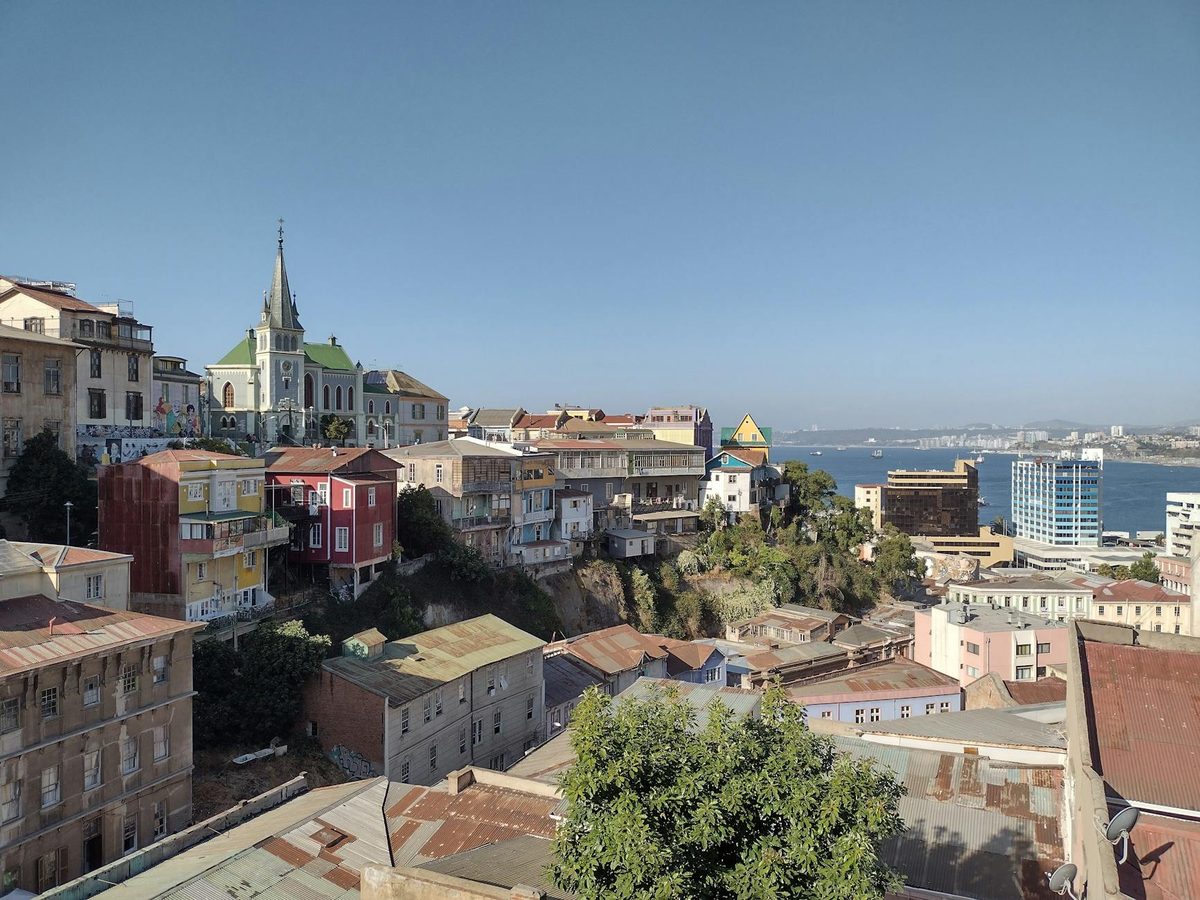
The Open Air Museum on Cerro Bellavista is the closest thing Valparaiso has to an organized street art experience. In the 1990s, art students from the University of Valparaiso painted a series of murals on the retaining walls along the main stairway. The original pieces are faded now, and many have been painted over by newer artists, but the density of art along this one staircase is extraordinary.
Bellavista is rougher than Alegre and Concepcion. The streets are steeper, the buildings more worn, and fewer tourists make it this far. The art reflects this — rawer, more political, less concerned with being pretty. I saw a mural of Allende's glasses (no other features — just the glasses) next to a surrealist landscape next to a memorial to someone I did not recognize but the neighborhood clearly remembered.
Detour: Cerro Polanco
If you have the energy, the Ascensor Polanco is worth the detour. It is the only vertical elevator in Valparaiso — you enter a tunnel at street level, walk through to the elevator shaft, and ride straight up through the rock to emerge at a viewpoint on top of the hill. The murals in the tunnel and around the upper exit are some of the best in the city. The whole experience feels like entering a secret passage.
Guided Tours
A guided tour adds context that self-guided walking misses — who painted what, why, and what the political references mean (there are many, and they are not always obvious to non-Chileans). Several operators run walking tours in English:
- Tours 4 Tips: Free walking tours (tip-based) covering street art and history. Departs from Plaza Sotomayor daily. The guides are knowledgeable and passionate.
- Valpo Street Art Tours: Focused specifically on the art scene. Smaller groups, deeper context. About $25 per person.
A good guide changes the experience from "looking at pretty walls" to understanding a living conversation between artists, politics, and the city.
Photography Tips
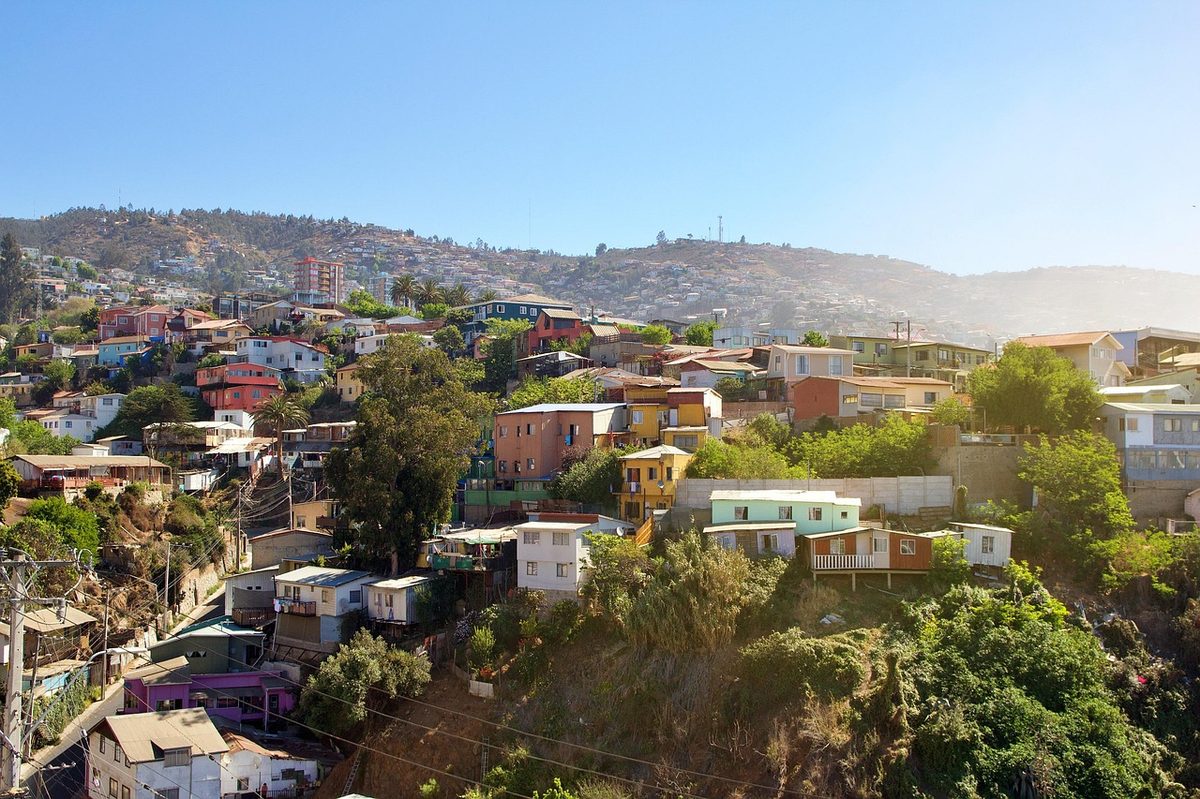
Valparaiso is absurdly photogenic but the light and angles can be tricky.
- Morning light hits the east-facing cerros (Alegre, Concepcion) first. Afternoon light works better for west-facing walls and the port views.
- Overcast days are actually better for photographing murals — no harsh shadows, colors are saturated, details are clearer.
- Wide angle for staircases — the art on the risers only reads properly from below with enough width to capture the full composition.
- Details matter — zoom in on doorknobs, drain covers, electrical boxes. Some of the most charming pieces are small and easily missed.
- People add scale — a three-story mural looks like a photo of a wall until someone walks past and gives it dimension.
When to Go
The street art is year-round and rain does not wash it away (most is painted on concrete or stucco). The best months for walking the cerros are October through April when the weather is dry and warm. Winter (June-August) brings rain and the steep staircases get slippery — doable but less pleasant.
Go on a weekday if you can. Weekend crowds on Cerro Alegre are dense enough to slow your walking. Tuesday and Wednesday mornings are the quietest.
Safety
This needs saying: Valparaiso has a petty crime problem. The cerros are mostly safe during the day but the less-traveled ones (Bellavista, Polanco) need awareness. Do not carry expensive cameras visibly on a strap — keep them in a bag when not shooting. Do not walk the cerros alone at night. Stick to Alegre and Concepcion after dark, and use Uber between hills rather than walking through the port area.
None of this should stop you from going. Just be smart about it. The same rules that apply to any Latin American port city apply here.
Getting There
Buses from Santiago take about 90 minutes and leave every 15-20 minutes from Terminal Alameda or Pajaritos. The bus drops you in El Plan (the flat port area) at the base of the cerros. From there, choose your ascensor and start climbing.
Combine with Vina del Mar (10 minutes by metro) and La Sebastiana (Neruda's Valparaiso house) for a full day or overnight trip. Two days is better — one for the art, one for everything else.
One More Thing
The street art in Valparaiso changes constantly. The mural you came to see might be gone. The wall you walked past without looking might be a masterpiece by next month. That impermanence is what makes it different from a museum. You are not visiting a collection — you are visiting a conversation.