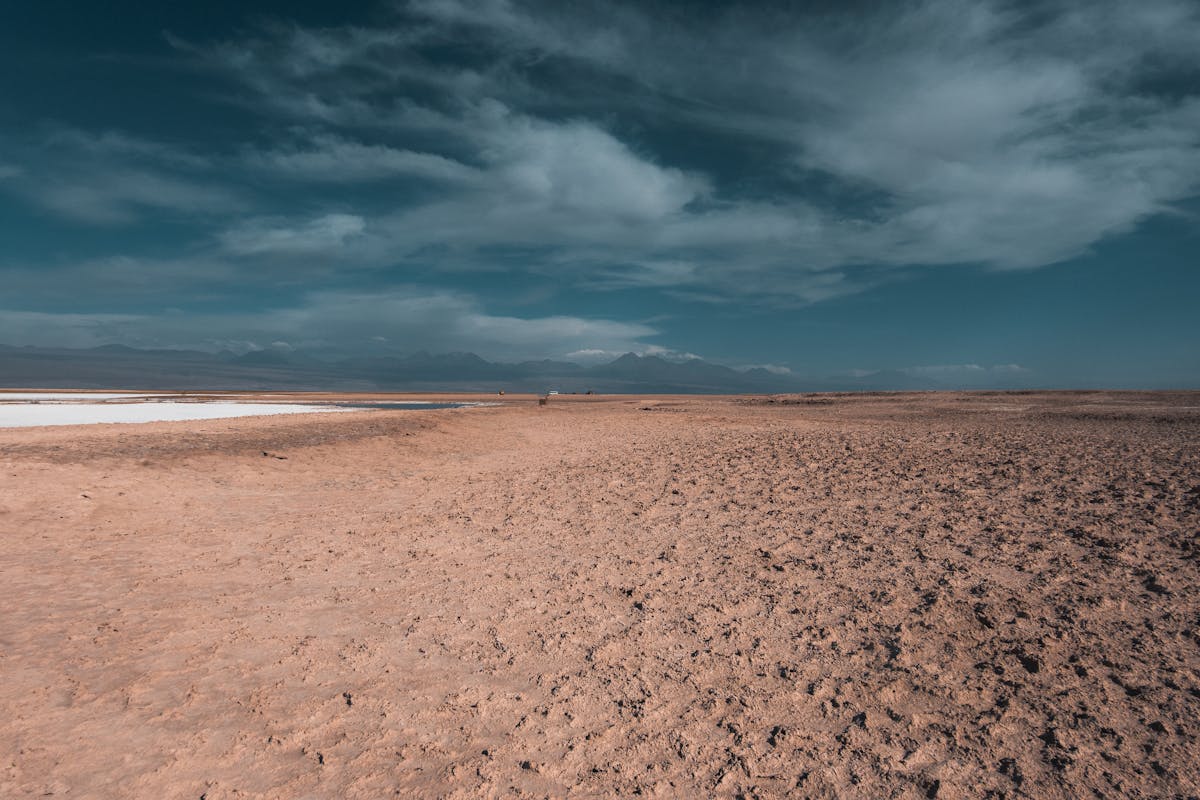
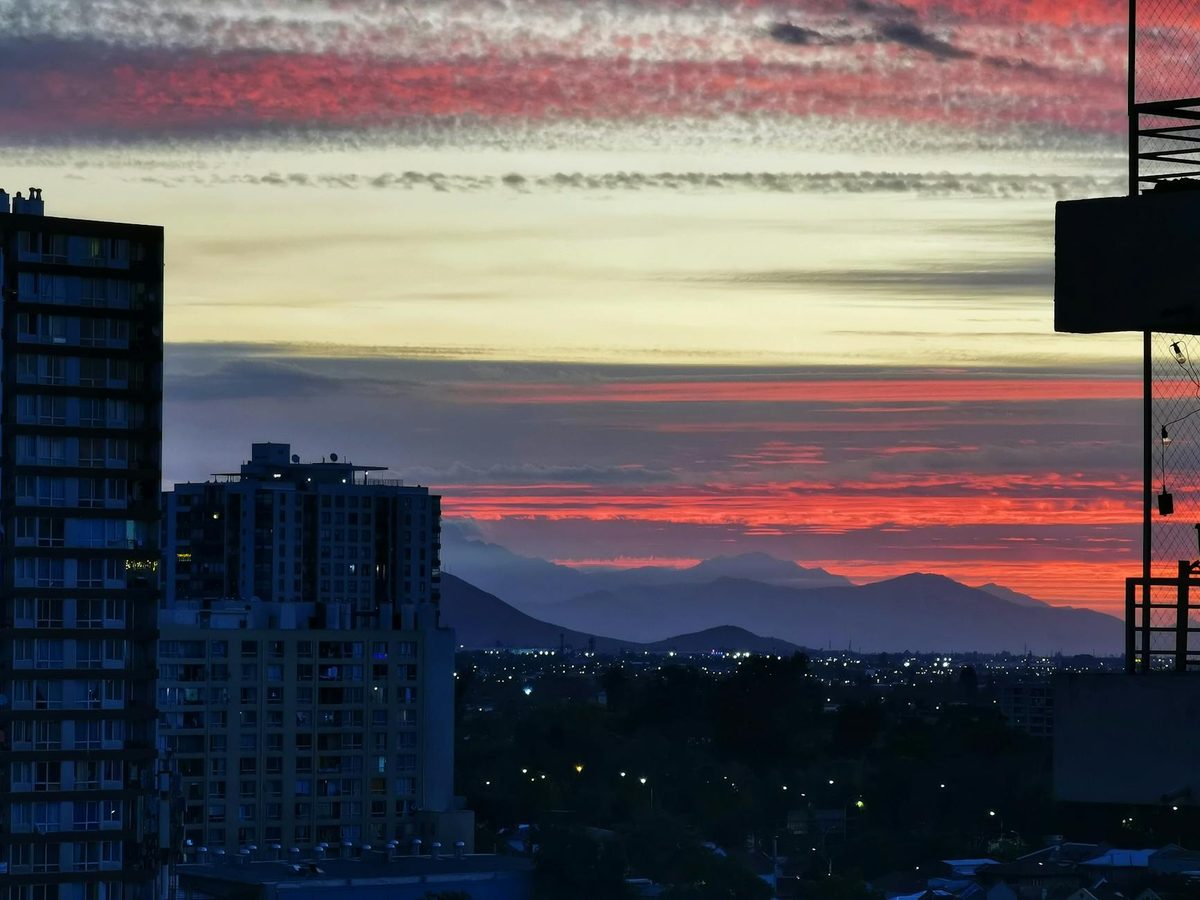
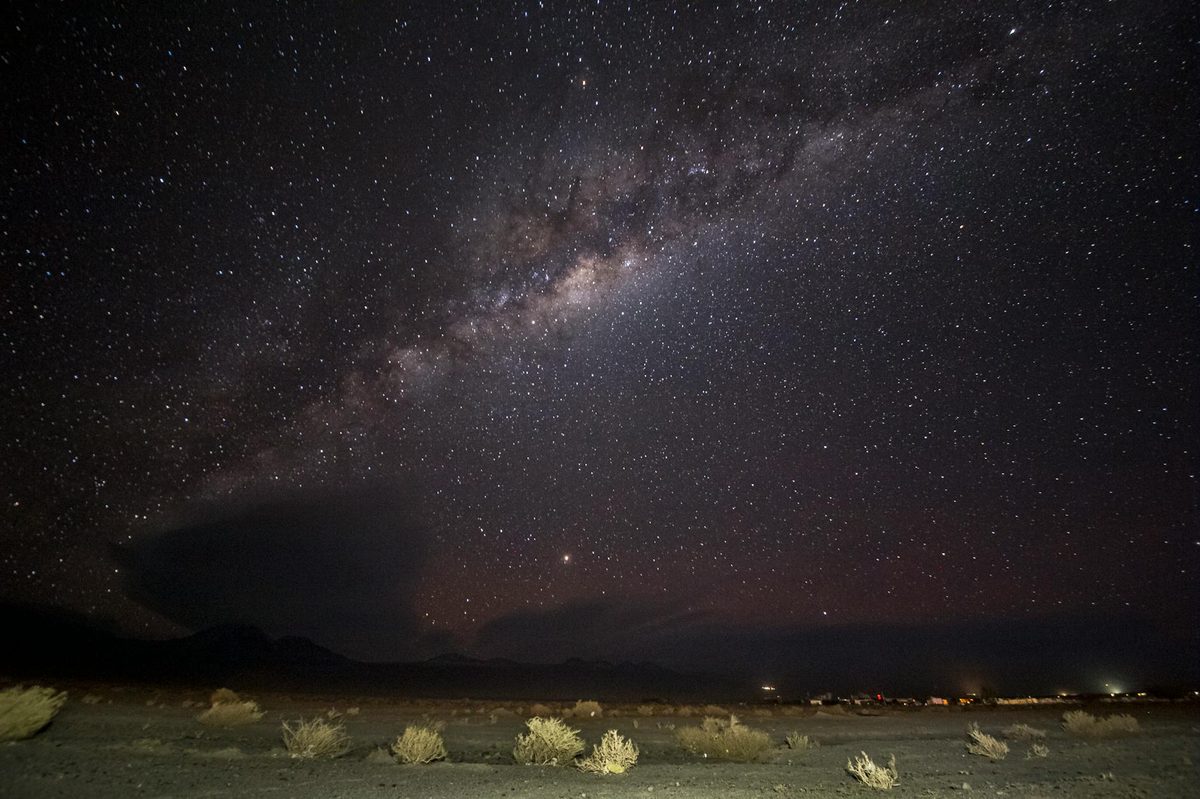
Northern Chile has the clearest skies on earth. A combination of high altitude, low humidity, minimal light pollution, and stable atmospheric conditions makes the Atacama Desert the global capital of ground-based astronomy. The world's most powerful telescopes are here, and on any given night the Milky Way is visible as a bright, structured band across the sky.
Professional Observatories
ALMA (Atacama Large Millimeter Array) sits on the Chajnantor Plateau at 5,000 meters — 66 radio dishes spread across the desert floor. Free public visits run on Saturday and Sunday mornings but must be booked well in advance through the ALMA website. The visitor center is at 2,900 meters; the actual array is too high for casual visits.
Paranal Observatory operates the Very Large Telescope (VLT) — four 8.2-meter telescopes and several smaller instruments. ESO runs free guided tours on Saturdays, limited to about 60 people per session. It is located 130 kilometers south of Antofagasta, so plan for a full day. The observatory building appeared in the James Bond film Quantum of Solace.
La Silla Observatory is ESO's oldest site in Chile, in the foothills of the Andes east of La Serena. Free Saturday tours available with advance registration. The drive up to the observatory is spectacular.
Cerro Tololo and Gemini South are both near La Serena and offer occasional public visits.
Tourist Observatories and Tours
You do not need to visit a professional facility to see extraordinary skies. Several operators in San Pedro de Atacama run nighttime tours with high-powered telescopes:
SPACE (San Pedro de Atacama Celestial Explorations) is the best-known operator — French astronomer Alain Maury runs tours with a dozen telescopes and genuine expertise. Sessions last about two hours, with hot chocolate and pisco sour included. Book at least a few days ahead.
In the Elqui Valley near La Serena, several small observatories cater to tourists. Mamalluca, Pangue, and Collowara all offer evening programs with guided telescope viewing. The Elqui Valley is lower altitude than the Atacama and easier to reach — a good option if you are based in La Serena.
What You Can See
With the naked eye in the Atacama on a clear night: the Milky Way in extraordinary detail, the Magellanic Clouds (two satellite galaxies visible only from the southern hemisphere), Jupiter's moons as distinct points, and more shooting stars than you can count. During meteor shower peaks (Perseids in August, Geminids in December), the show is relentless.
Through a telescope: Saturn's rings, the Orion Nebula, the Carina Nebula, globular clusters resolved into individual stars, and galaxies beyond our own.
Best Time
April through November offers the clearest skies. See our when to visit guide for regional seasonal advice. The Atacama is dry year-round, but the austral winter months (June-August) have the longest nights and the galactic center is highest in the sky. New moon periods are obviously best — check a lunar calendar when planning.