Chile has been producing wine since Spanish missionaries planted the first vines in the 1550s. Today the country is the fourth-largest wine exporter in the world, and Chilean wines consistently outperform their price point. The valleys run in parallel strips between the Andes and the Pacific, each with distinct microclimates that favor different grapes.
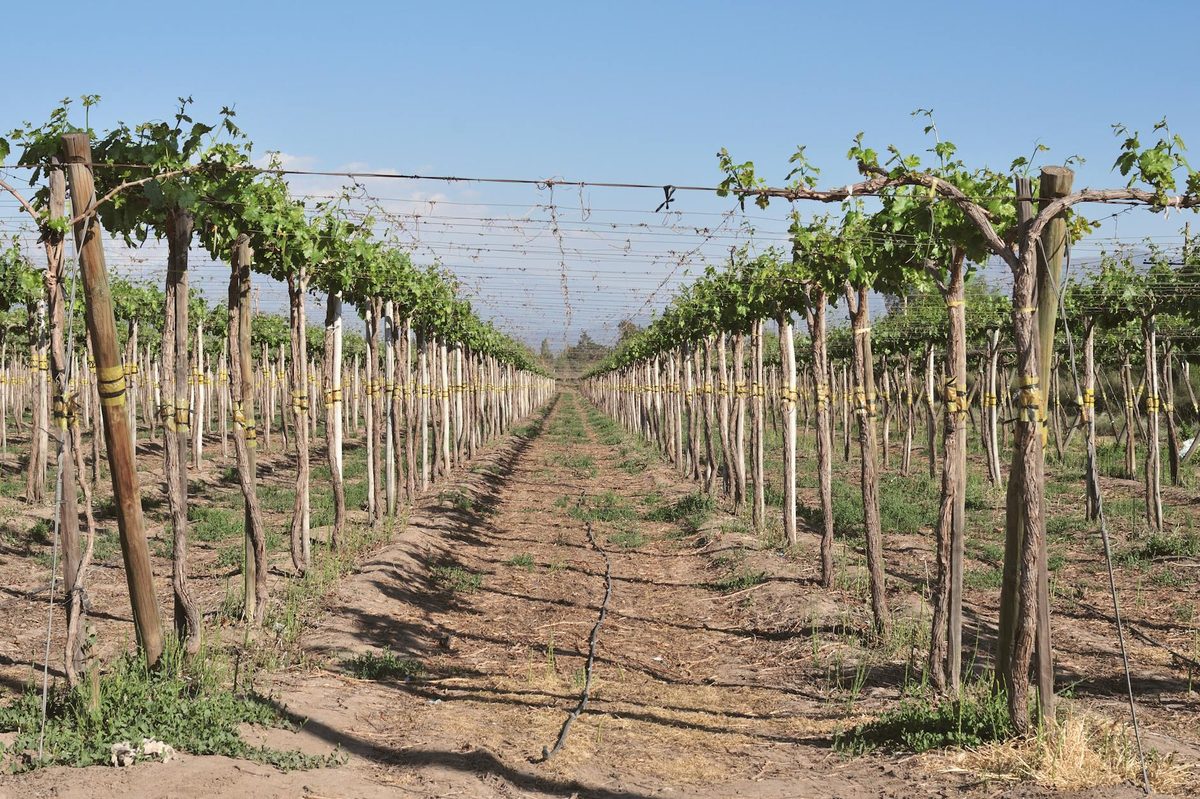
The Valleys
Maipo Valley is the closest to Santiago — 45 minutes south. This is Cabernet Sauvignon country, home to the big names: Concha y Toro, Santa Rita, and Almaviva. Concha y Toro's Casillero del Diablo cellar tour is the most visited winery in South America, though smaller producers like De Martino and Antiyal offer more personal experiences.
Colchagua Valley is about two hours south of Santiago and considered Chile's premier red wine region. Carmenere, Syrah, and Cabernet Sauvignon thrive here. The Ruta del Vino (wine route) connects a dozen wineries along a single road. Montes, Lapostolle, and Viu Manent are standouts. The town of Santa Cruz has a wine museum and makes a good overnight base.
Casablanca Valley sits between Santiago and Valparaiso, cooled by Pacific fog. This is white wine territory — Sauvignon Blanc, Chardonnay, and Pinot Noir. Matetic and Kingston Family Vineyards both have restaurants worth visiting. You can combine a wine stop with a day trip to Valparaiso.
Elqui Valley in the north produces pisco — Chile's grape brandy — and increasingly good Syrah. The valley is also a stargazing destination, making for an unusual combination of astronomy and wine tourism.
Carmenere — Chile's Grape
Carmenere was once a major Bordeaux varietal that was wiped out by phylloxera in the 19th century. Cuttings brought to Chile before the epidemic survived, and for decades Chilean winemakers thought their Carmenere vines were Merlot. The grape was formally identified in 1994, and Chile now produces virtually all the world's Carmenere. It is full-bodied with notes of dark fruit, green pepper, and a slightly smoky finish. Try it at source — exported Carmenere rarely matches the quality you find in Chilean tasting rooms.
Visiting Wineries
Most wineries require reservations — walk-ins are uncommon outside the smallest producers. Book through the winery's website or by phone a few days ahead. Tastings typically cost $10-25 and include three to five wines. Premium tastings with reserve wines run $30-50.
Driving between wineries is the easiest option — see our getting around guide for car rental tips. If you plan to drink (which you should), hire a driver or join a guided food and wine tour from Santiago. Day tours cost $60-120 per person and typically visit two or three wineries with lunch included.
Tip: Wine Prices
A bottle that sells for $15-20 abroad costs $4-8 in a Chilean supermarket. Stock up at any Jumbo or Lider supermarket. The sweet spot for quality is $5,000-8,000 Chilean pesos ($6-10) — well above the cheapest shelf wines but far below what the same quality costs internationally.