This article contains affiliate links. If you book through them, I earn a small commission at no extra cost to you.
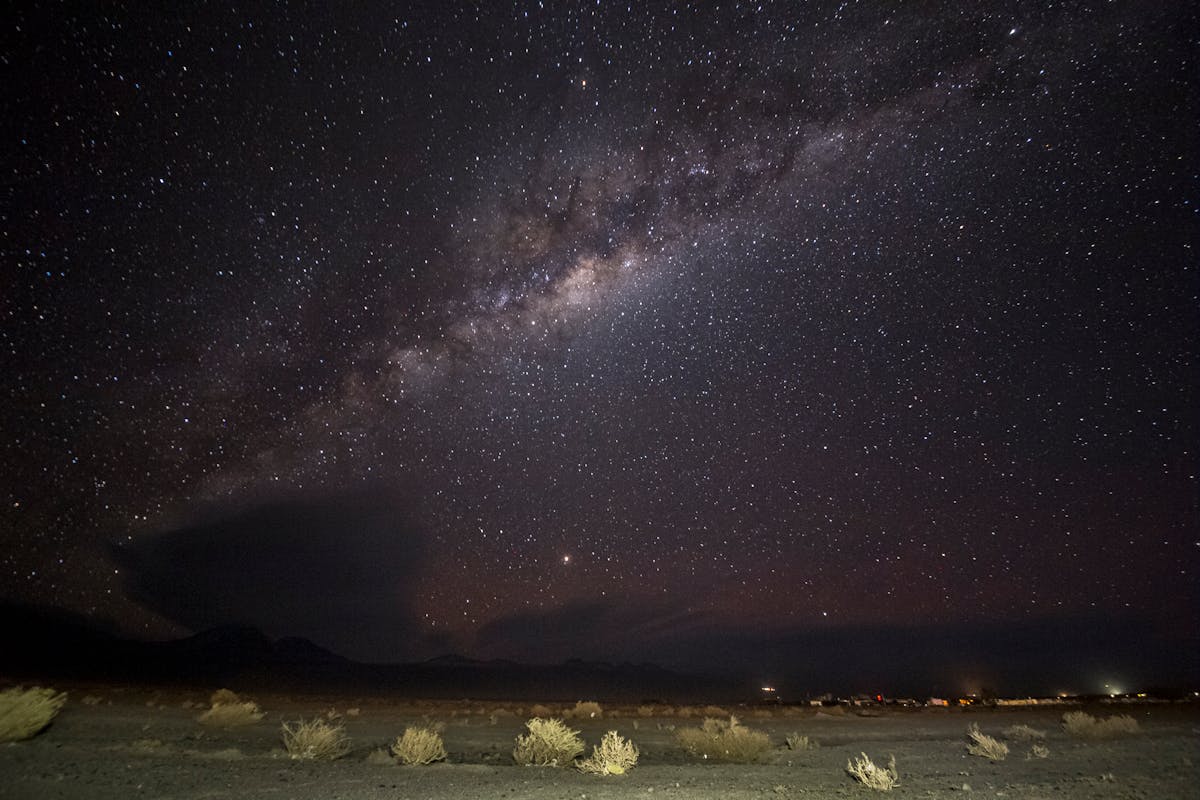
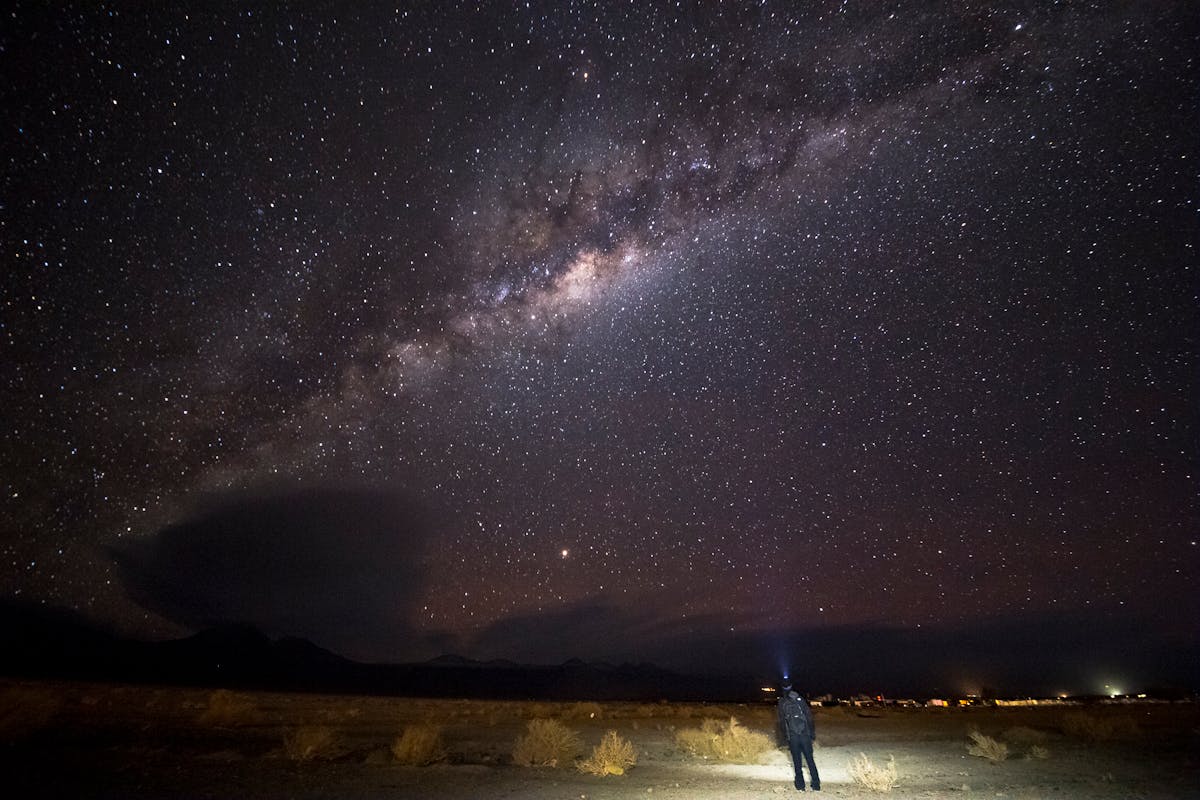
I stepped outside the hostel at 2am because I could not sleep. Altitude headache, dry air, the usual first-night-in-San-Pedro misery. And then I looked up. I stopped walking. I actually said something out loud — I do not remember what — because the sky did not look real. The Milky Way was not a faint band. It was a thick, detailed river of light running from one horizon to the other, so bright it threw soft shadows on the dirt road. I could see colors in it. I could see structure. I stood in a hostel parking lot in my socks for fifteen minutes, neck craned back, slowly understanding that every night sky I had ever seen before was a diluted version of this.
That was before the tour. Before the telescopes, before someone pointed a green laser at the Magellanic Clouds and explained what I was looking at. Just a parking lot at 2,400 meters in the Atacama Desert, with the driest air on Earth and not a single streetlight for a hundred kilometers in any direction. If the parking lot view does that to you, imagine what a proper stargazing tour does.
Why the Atacama Has the Best Skies on Earth (It Is Not Hype)
I have done stargazing tours in other places — Tenerife, the Australian outback, rural Iceland. The Atacama is a different category entirely. There are three reasons, and they stack on top of each other in a way that no other location on Earth can match.
First, the altitude. San Pedro de Atacama sits at 2,400 meters. The observation sites around town are higher — 2,600 to 3,000 meters. The professional observatories go much higher: ALMA sits at 5,000 meters, Paranal at 2,600. At these elevations, you are above a significant chunk of the atmosphere. Less air between you and the stars means less atmospheric distortion, less scattering, sharper images through a telescope.
Second, the dryness. The Atacama is the driest non-polar desert on Earth. Some weather stations here have never recorded rain. Water vapor in the atmosphere is one of the biggest enemies of astronomical observation — it absorbs infrared light, blurs optical images, and creates haze. The Atacama has essentially none. The sky is not just dark here. It is transparent.
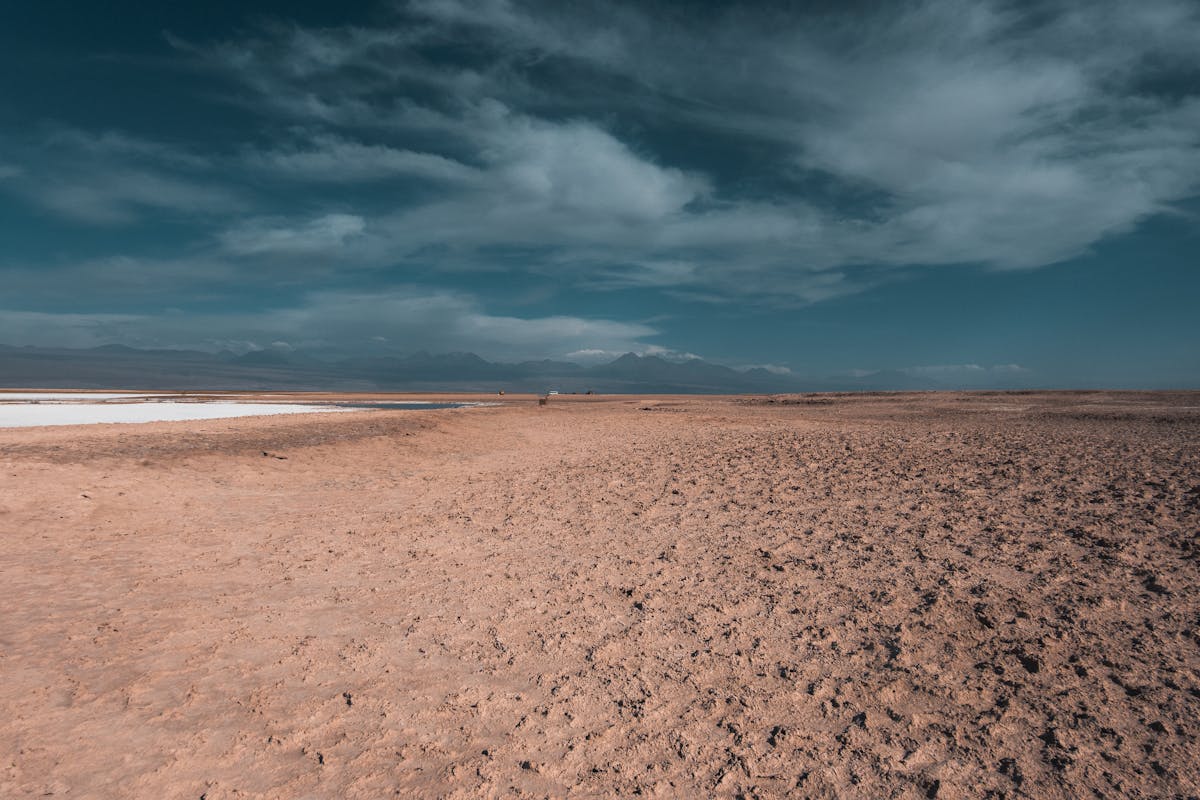
Third, the isolation. Northern Chile is sparsely populated. San Pedro is a town of maybe 5,000 people. The nearest real city, Calama, is 100 kilometers away and small by any standard. Antofagasta is further. There is almost no light pollution. Drive twenty minutes in any direction and you are in absolute darkness — the kind of darkness where you cannot see your own hand unless the moon is up.
Put those three together — high, dry, dark — and you get 330 clear nights per year and some of the best astronomical seeing conditions measured anywhere. This is not a tourism marketing claim. It is the reason the European Southern Observatory, the Japanese NAOJ, and a dozen other international astronomy organizations chose this specific desert to build their flagship instruments. When the professionals who study the universe for a living pick a spot, that tells you something.
SPACE Tours: The Best Stargazing Experience I Have Had Anywhere
There are maybe half a dozen stargazing tour operators in San Pedro. I tried two on different trips. The one that changed how I think about the night sky was SPACE — San Pedro de Atacama Celestial Explorations — run by a French astronomer named Alain Maury who has been doing this since 2003.
The tour runs about two and a half hours. A bus picks you up from your hotel after dark and drives to their private observation site outside town. When you arrive, the first thing they do is turn off every light. You stand in complete darkness for about ten minutes while your eyes adapt. And then someone points a high-powered green laser straight up and starts talking.
What makes SPACE different from the cheaper operators is the depth of knowledge. This is not a guy reading from a script. Maury is a professional astronomer who has discovered asteroids and comets from this location. The guides he has trained know their material cold. They will tell you why the Magellanic Clouds are being pulled apart by the Milky Way's gravity, what the dark rifts in the galactic plane actually are, why that particular star has a reddish tint. You ask a question, you get a real answer. Not a rehearsed one.
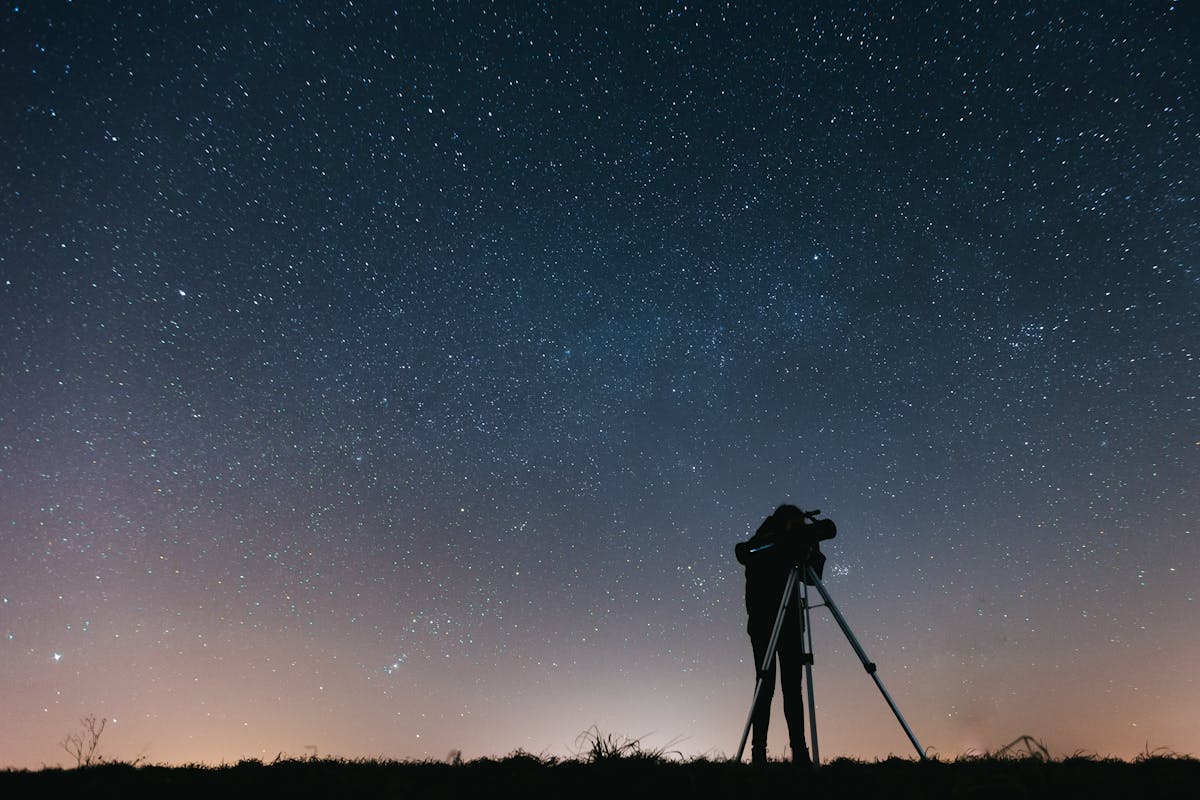
After the naked-eye tour of the sky, you rotate through a line of telescopes — big ones, research-grade Dobsonians and Schmidt-Cassegrains. Each one is pointed at something different. Saturn. Jupiter and its moons. The Orion Nebula. A globular cluster. A galaxy. The guides adjust the focus for each person and explain what you are seeing. Through the eyepiece, Saturn's rings are crisp and defined. You can see the Cassini division — the dark gap between the main rings. It looks like a textbook illustration, except it is real and right there.
The session ends with hot chocolate and a pisco sour, which sounds like a marketing gimmick but is genuinely necessary because you will be freezing by this point. The desert drops to near zero after dark, even in summer. In winter it goes well below.
SPACE costs around 45,000 to 55,000 CLP per person (roughly $45-55 USD), which is more than the budget operators. It is worth every peso. The difference between a great stargazing tour and an average one is the difference between looking at stars and understanding what you are looking at. Book directly through their website — they sell out days in advance during peak season.
Quick Tip
Book your SPACE tour as soon as you know your Atacama dates. Check the moon phase calendar — you want a night as close to the new moon as possible. A full moon washes out the Milky Way completely. SPACE lists recommended dates on their site. If your dates fall on a full moon, still go — the telescopic views of the moon itself are incredible, and planets are unaffected — but manage your Milky Way expectations.
The Budget Alternatives (Honest Assessment)
The other operators in San Pedro charge roughly 25,000-35,000 CLP and offer a similar structure: bus ride, dark site, laser tour, telescopes, hot drink. Some are good. Some are guides with a couple of telescopes and a memorized script. I did one of the mid-range tours and it was fine — I saw the sky, I saw Saturn, the guide was friendly. But the depth was nowhere close to SPACE. The telescopes were smaller. The explanations were surface-level. If you are on a tight budget, any stargazing tour in the Atacama will blow your mind because the sky itself does most of the work. But if you can stretch the budget, SPACE is the one.
ALMA Observatory: The Most Powerful Telescope Array on Earth
The Atacama Large Millimeter Array sits at 5,000 meters on the Chajnantor Plateau, about 50 kilometers east of San Pedro. It is the most expensive ground-based telescope project ever built — $1.4 billion, 66 radio antennas spread across 16 kilometers of high desert, operated jointly by Europe, North America, and East Asia. This is not a tourist attraction with a gift shop. It is a working scientific facility that happens to offer free public visits on Saturday and Sunday mornings.
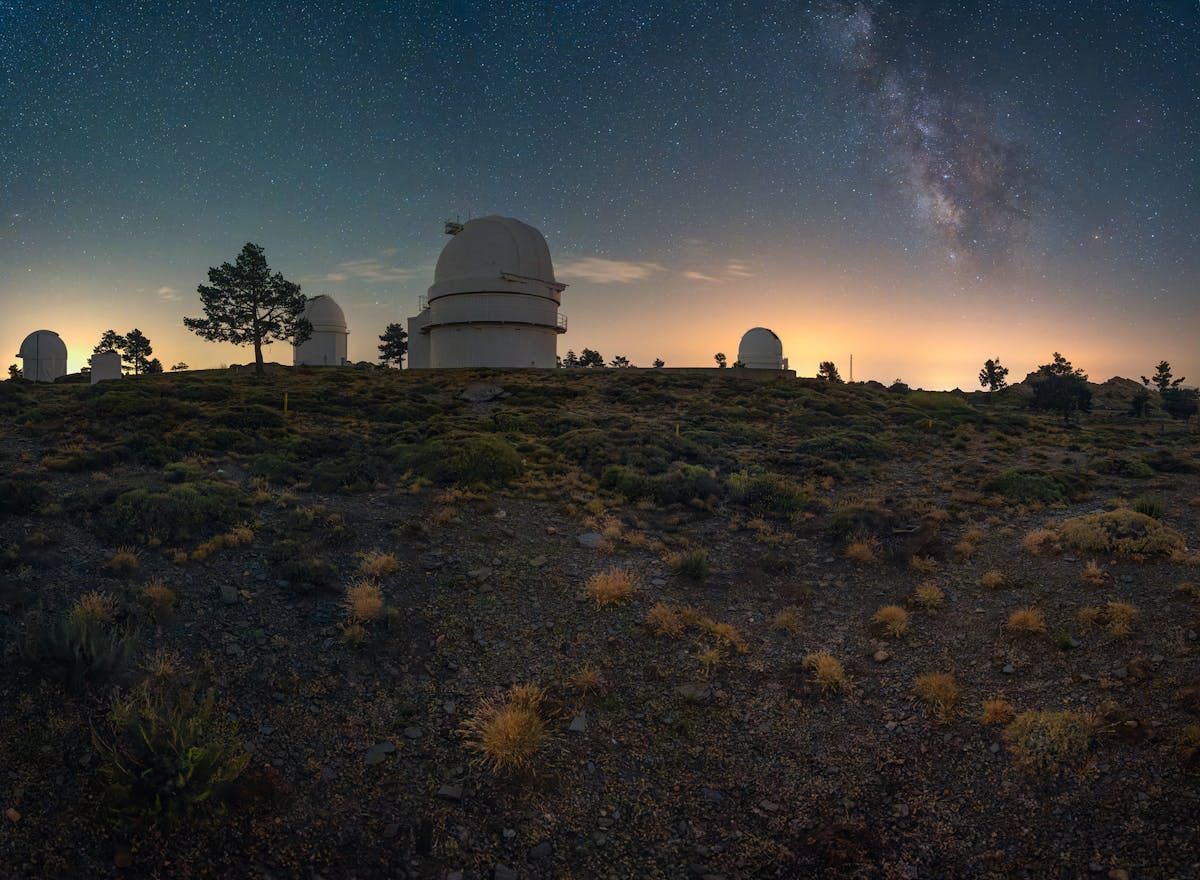
Here is what you need to know: you do not visit the antenna array itself. That is at 5,000 meters and requires acclimatization protocols that would take days. The public visits go to the Operations Support Facility at 2,900 meters, where the control room and some of the technology is located. A bus picks you up in San Pedro, drives you to the site, and a guide walks you through the facility for about two hours. You see the control room, learn about the science, and — if the timing works — see one of the massive antenna transporters up close.
Is it worth it? If you have any interest in astronomy or engineering, absolutely. This is one of the most important scientific instruments humans have ever built. It has imaged black holes, observed the formation of planets around other stars, and detected molecules in galaxies 12 billion light-years away. Standing in the control room where that data arrives feels significant. But be honest with yourself: if radio telescopes and astrophysics do not excite you, this is a long bus ride to look at a building. The night sky tours are a better use of your time.
The critical detail: you must book weeks or months ahead. Visits are free but space is limited and slots fill up fast, especially during Chilean school holidays and European summer. Book through the ALMA website the moment you confirm your Atacama trip dates. Bring your passport — they will check it at the gate. And bring warm layers. Even at 2,900 meters, the wind on that plateau cuts through everything.
Quick Tip
The altitude at ALMA's visitor site (2,900m) is manageable if you have already spent a day or two in San Pedro (2,400m). But do not go on your first day. Some people feel nauseous on the bus ride up. Drink water, skip breakfast alcohol, and tell the guide if you feel unwell — they carry oxygen.
Paranal and the Very Large Telescope: ESO's Flagship
If ALMA is the radio eye, Paranal is the optical eye. The European Southern Observatory's Very Large Telescope sits on Cerro Paranal at 2,635 meters, about 130 kilometers south of Antofagasta and roughly 600 kilometers from San Pedro. This is not a day trip from the Atacama — it requires a separate journey — but if you are serious about astronomy tourism, it is worth the detour.
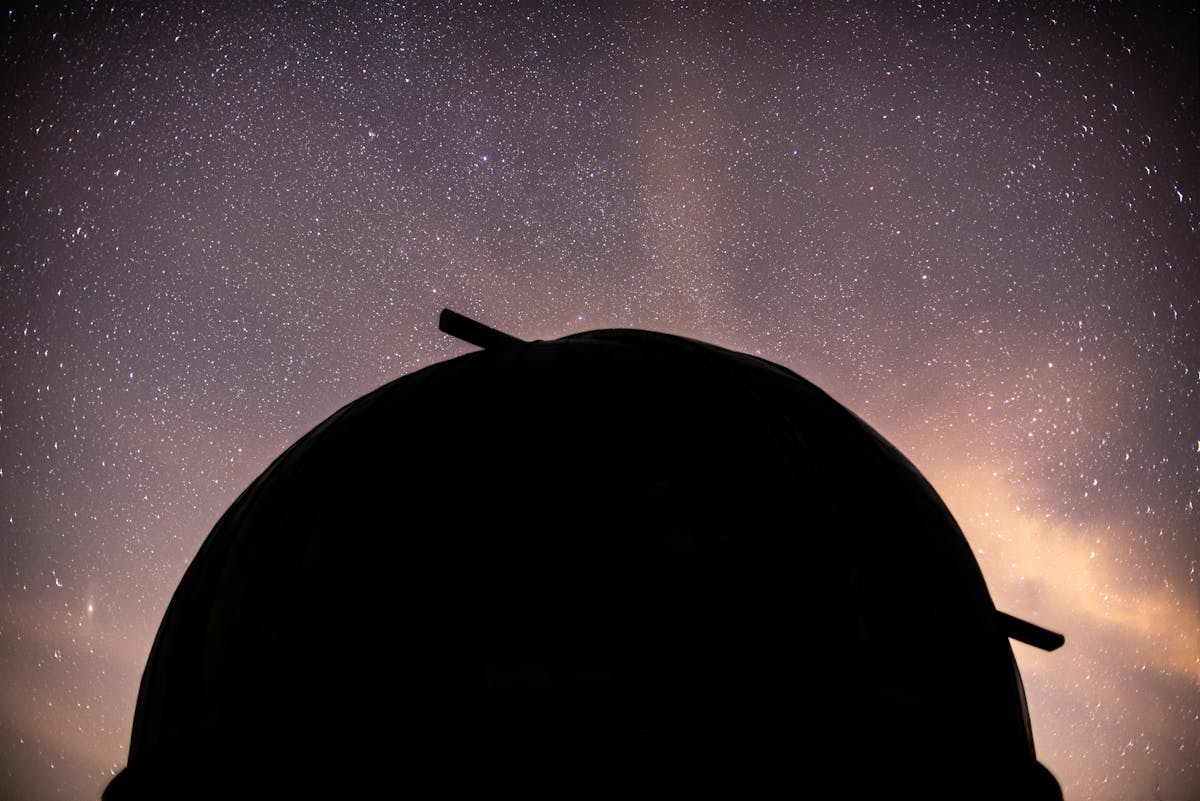
The VLT consists of four 8.2-meter telescopes — each named in the Mapuche language: Antu, Kueyen, Melipal, and Yepun — plus four smaller auxiliary telescopes that can work together as an interferometer. This is the telescope that directly imaged an exoplanet for the first time. The science that happens here is staggering.
ESO offers free guided tours on Saturdays, but only two per month usually, and the booking situation is even worse than ALMA. Slots open months ahead and fill within days. The tour itself is remarkable — you walk into the telescope enclosures, see the 8.2-meter mirrors, visit the control room where astronomers work through the night. The guides are typically staff scientists or engineers who work at the facility. The drive from Antofagasta takes about two hours through empty desert on a private ESO road, and the bus departs early on Saturday mornings.
For most visitors, I would say: do ALMA if you are already in San Pedro, and only add Paranal if you are flying through Antofagasta anyway or if you are a serious astronomy enthusiast who will regret not seeing it. The logistics are not trivial and the viewing is daytime only — you will not look through the VLT at night.
The Elqui Valley Alternative: Easier, Lower, Still Good
Not everyone wants to deal with the Atacama's altitude and remoteness. The Elqui Valley in the Coquimbo Region offers a gentler version of the same experience — clear skies, observatories, and stargazing tours, but at lower altitude (around 1,200 meters) and with easier access from La Serena, a proper coastal city with direct flights from Santiago.
The flagship tourist observatory here is Mamalluca, about 9 kilometers from the town of Vicuna. It was purpose-built for public use in 1998, which means the experience is polished and accessible. The guides speak English and Spanish, the telescopes are good, and the tours are well-structured. You will see planets, clusters, and nebulae through the eyepieces. On a clear night — which is most nights — the naked-eye sky is excellent, though not quite Atacama-level due to the lower altitude and slightly higher humidity.
The Elqui Valley is also home to several other observatories: Cerro Tololo, Gemini South, and the upcoming Vera Rubin Observatory (which will be the most powerful survey telescope ever built when it comes online). Cerro Tololo offers occasional public tours. Check the Elqui Valley guide for current schedules and booking details.
My honest take: if stargazing is the primary reason for your trip, go to the Atacama. It is noticeably better. But if you are combining stargazing with pisco distillery tours, vineyard visits, and beach time in La Serena, the Elqui Valley is a strong choice that does not require battling 5,000-meter altitude or flying to Calama. It is also significantly cheaper — Mamalluca tours run about 10,000-15,000 CLP per person.
What You Can Actually See (Naked Eye vs. Telescope)
People ask me this constantly. Here is the honest breakdown.
With Your Naked Eyes Alone
After about twenty minutes of dark adaptation — no phone screens, no flashlights, nothing — you will see:
The Milky Way in full structural detail. Not a smudge. A three-dimensional river of light with dark lanes, branches, and bright knots. The galactic core (visible April through November) is so bright it almost hurts to look at. You can see the Great Rift — the dark dust lane that splits the Milky Way down the middle. From a city, this is invisible. From the Atacama, it is the dominant feature of the sky.
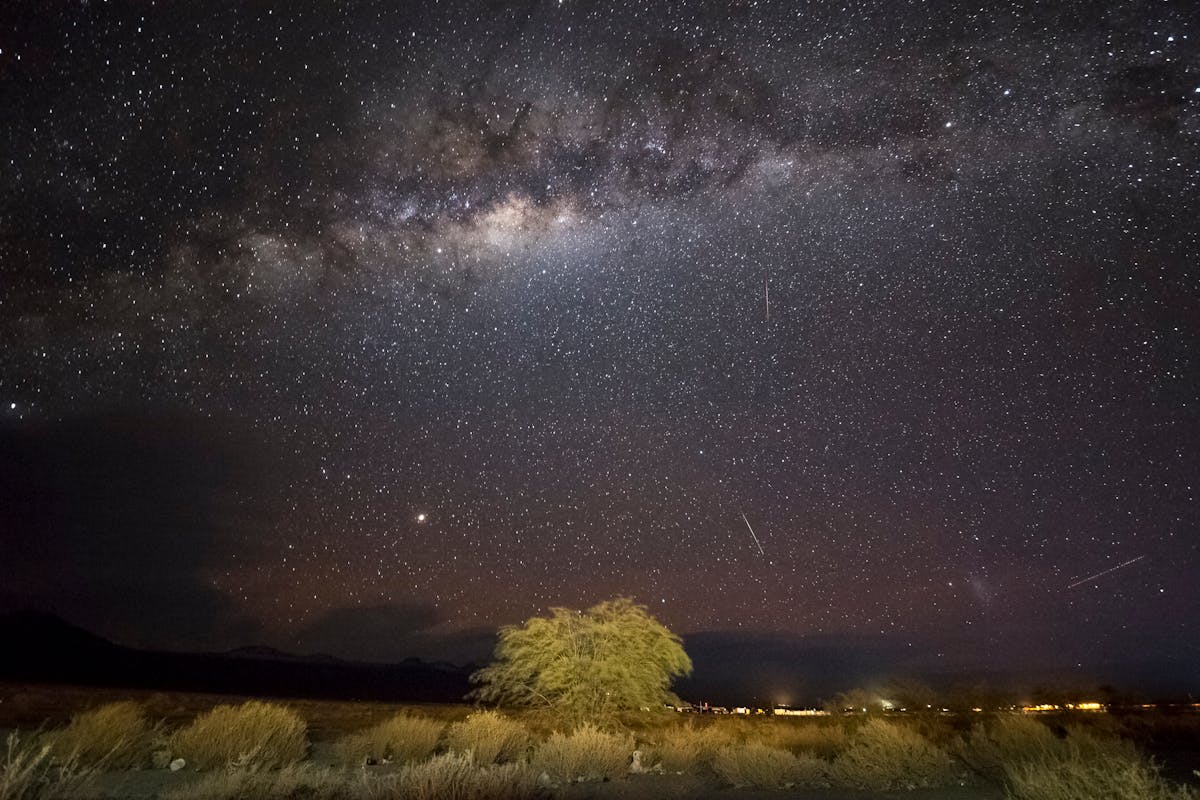
The Large and Small Magellanic Clouds. These are two dwarf galaxies orbiting the Milky Way, only visible from the Southern Hemisphere. They look like detached pieces of the Milky Way — bright, fuzzy patches about the size of your fist at arm's length. I had never seen them before my first night in Chile and could not stop staring. They are genuinely strange. Satellite galaxies, just hanging there.
The Southern Cross. If you have never been south of the equator, this is a novelty — a compact cross-shaped constellation that sits low in the southern sky. Use it to find celestial south (there is no bright southern pole star). The Coal Sack Nebula, a dark patch next to it, is visible to the naked eye.
Shooting stars. The Atacama's clear skies mean you catch meteors you would miss anywhere else. On a normal night — not during a meteor shower — I counted four or five per hour just by watching casually. During the Perseids or Geminids, it would be extraordinary.
Through a Telescope
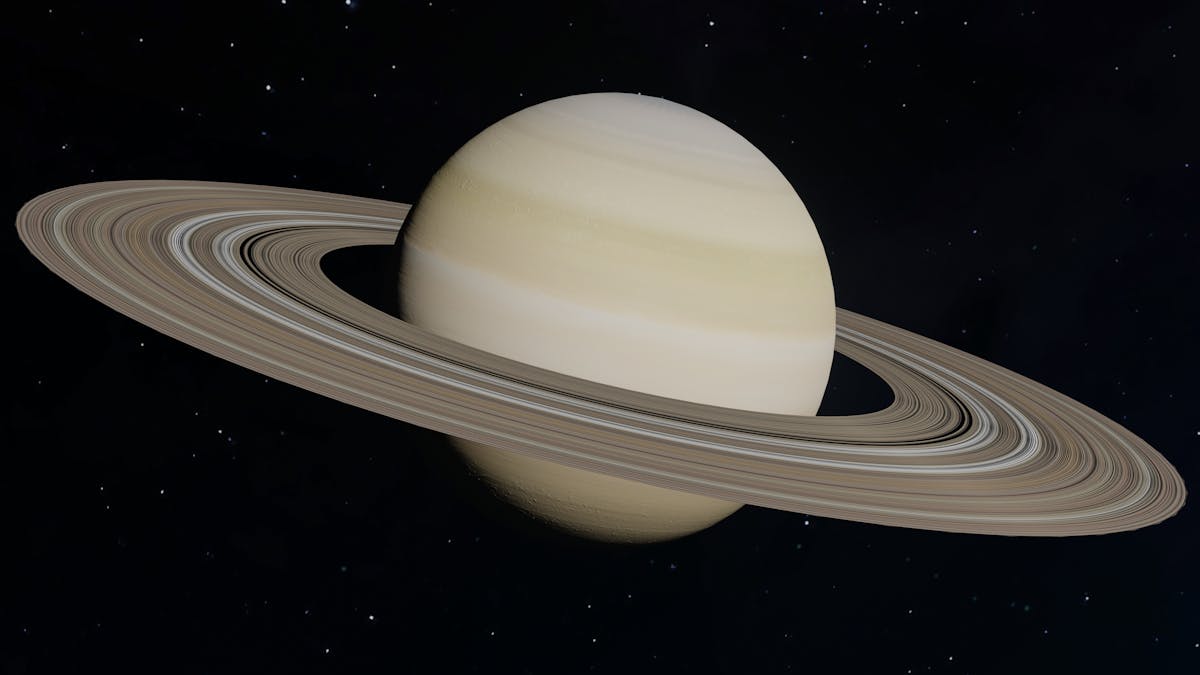
Saturn's rings. This is the one that gets people. Through a quality telescope in the Atacama's clear air, Saturn looks like someone placed a perfect scale model in front of the lens. You see the rings, the shadow of the rings on the planet, the dark Cassini division between the A and B rings, and sometimes the faint banding on the disk itself. I have seen Saturn through telescopes in three countries. The Atacama view was sharper than all of them.
Jupiter's cloud bands and moons. You can see the main equatorial belts and the four Galilean moons as distinct points of light lined up beside the planet. On a good night, you can see the Great Red Spot if it is facing Earth during your session. The guide will tell you.
The Orion Nebula (M42). Even through a moderate telescope, the nebula shows color — greenish wisps of gas with a bright central cluster. Through the larger telescopes on SPACE's tour, the detail was shocking. Wings of gas extending outward, dark lanes cutting through the glow. This is a stellar nursery where stars are being born right now, 1,300 light-years away, and you can see the process happening through the eyepiece.
Globular clusters like Omega Centauri — a ball of a million stars so dense they merge into a fuzzy glow at the center and resolve into individual points at the edges. Galaxies like Centaurus A, which is hard to see from most places but pops out in the Atacama. Double stars with contrasting colors — one blue, one orange — that look like jewels.
When to Go: The Season and Moon Phase Both Matter
The Atacama is a year-round stargazing destination, but not all months are equal.
Best months: April through November. This is the dry season (it is always dry, but it is extra dry during these months). More critically, this is when the galactic core of the Milky Way is visible in the evening sky. The core rises after sunset starting around March-April, reaches its highest point in June-August (Chilean winter), and sets earlier through September-November. Chilean winter means longer nights, colder temperatures, and the Milky Way at its most dramatic.
December through March is still excellent for telescopic observation and planets, but the galactic core is either not visible or rises very late. The sky is still dramatically better than anything you have seen from a city. But if you want the full Milky Way experience — and you should, because it is the thing that makes people go quiet — aim for the May-September window.
The moon phase matters more than most people realize. A full moon in the Atacama washes out the Milky Way almost completely. The sky is still beautiful — moon shadows on the desert are their own experience — but you lose the deep-sky drama. A new moon means total darkness and the most stars you will ever see. Plan your stargazing night for the darkest part of the lunar cycle. Most tour operators in San Pedro publish a moon calendar. Use it.
| Period | Galactic Core | Temperature (Night) | Notes |
|---|---|---|---|
| April - May | Rises late evening | 0 to 5 C | Core starts appearing. Less crowded |
| June - August | Overhead at midnight | -5 to 2 C | Peak season. Longest nights, coldest. Best Milky Way |
| September - November | Sets before midnight | 2 to 8 C | Core visible early evening. Good balance of weather and sky |
| December - March | Not visible evenings | 5 to 12 C | Warmest nights. Planets and deep-sky still excellent |
Astrophotography Tips (From Someone Who Learned the Hard Way)
I am not a professional astrophotographer. But I went to the Atacama with a camera and came back with some shots I am proud of and several hundred I deleted. Here is what I learned.
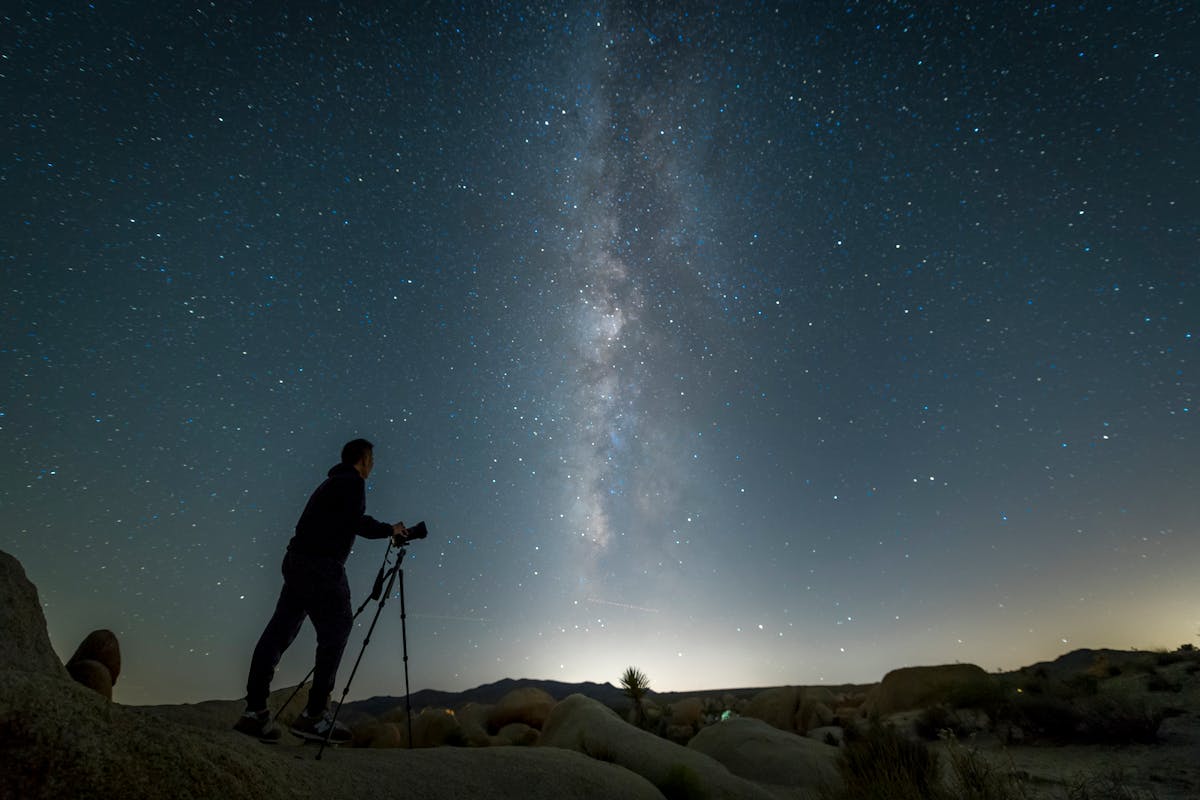
You need a tripod. Non-negotiable. Even the best image stabilization cannot handle 15-25 second exposures. Bring one from home or rent one in San Pedro — a couple of camera shops on the main street rent basic tripods. Make sure it is stable in wind. The desert breeze at night is light but constant.
Shoot wide and fast. A 14-24mm lens at f/2.8 is the classic astrophotography setup. If you do not have fast glass, f/4 still works in the Atacama because the sky is so bright — you just need longer exposures. ISO 3200-6400 for 15-20 seconds at f/2.8 is a good starting point. Use manual focus set to infinity, then pull back just slightly. Autofocus is useless in the dark.
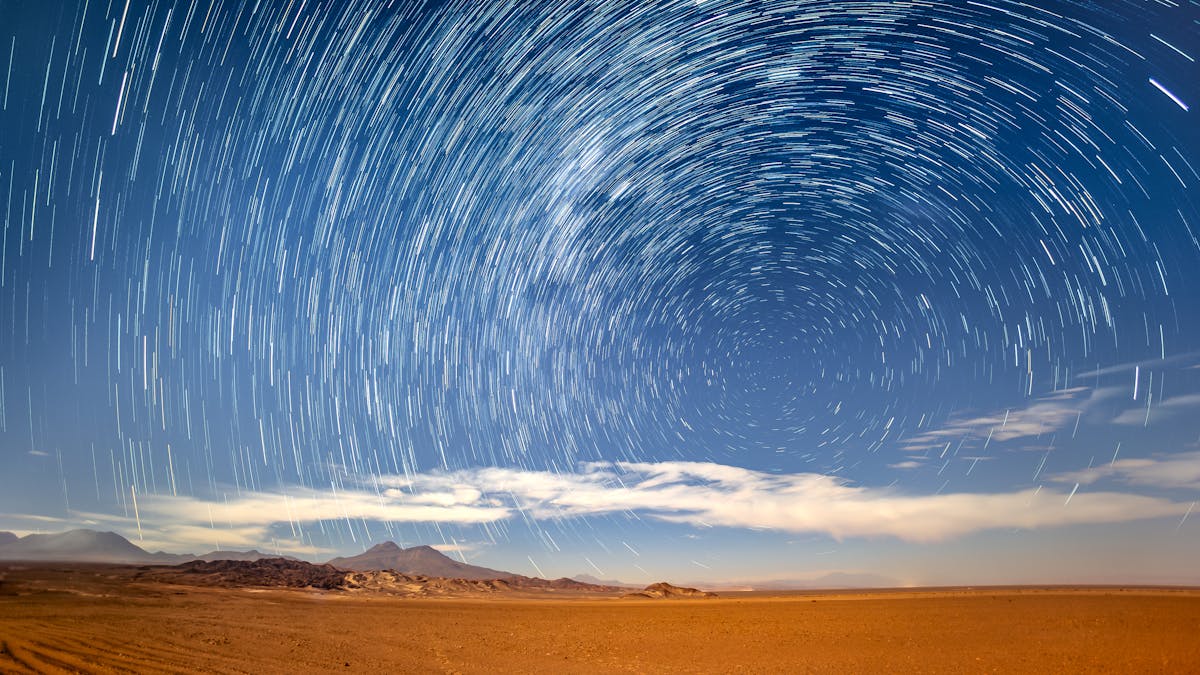
The 500 rule. Divide 500 by your focal length to get the maximum exposure time before stars start trailing. At 20mm, that is 25 seconds. At 35mm, about 14 seconds. Go longer and you get streaks instead of points. Unless you want star trails — in which case, set a 2-minute exposure and see what happens.
Bring spare batteries. Cold kills batteries fast. I went from 80% to dead in forty minutes during a July session. Keep spares in your jacket pocket, close to your body heat.
Red light only. If you are at a group stargazing site, use a red headlamp or cover your phone in red cellophane. White light ruins everyone's dark adaptation and will earn you justified anger from every other person there.
A phone works better than you think. Modern smartphone night modes (iPhone 15+, Pixel 7+, Samsung S23+) can capture the Milky Way with surprisingly decent results. Not DSLR quality, but good enough for a memorable photo. Set it on a tripod or a flat rock, activate night mode, and do not touch it for thirty seconds.
The Practical Stuff
What to Bring for a Night Tour
Every warm layer you own. I am not exaggerating. The Atacama drops from 25-30 degrees during the day to near zero at night, and at altitude the wind chill makes it worse. Thermal base layer, fleece, down jacket, windproof shell. Gloves — you will want them. A hat that covers your ears. Thick socks. The tour operators sometimes provide blankets but do not count on it.
A red-light headlamp if you plan to walk around the observation area. Your phone at minimum brightness with night mode enabled. Hand warmers if you run cold.
How to Book
Walk into any tour agency on San Pedro's main street (Caracoles) and you will find stargazing options. For SPACE, book through their website directly — they do not always sell through third-party agencies. For ALMA, book through the official ALMA website weeks ahead. For Paranal, book through the ESO website months ahead.
Costs
| SPACE tour (San Pedro) | 45,000-55,000 CLP (~$45-55) |
| Budget stargazing tour (San Pedro) | 25,000-35,000 CLP (~$25-35) |
| ALMA visit (San Pedro pickup) | Free (booking required) |
| Paranal/VLT visit (from Antofagasta) | Free (booking required) |
| Mamalluca Observatory (Elqui Valley) | 10,000-15,000 CLP (~$10-15) |
Combining Stargazing with Other Atacama Activities
Most people spend four to five days in the Atacama and do a stargazing tour on one of the middle nights, after they have acclimatized. The full Atacama guide covers the day activities — Valle de la Luna, El Tatio geysers, the altiplanic lagoons — but the sequencing matters for stargazing. Do not do El Tatio (4am departure) the morning after your stargazing tour. You will get maybe three hours of sleep. Space the big activities out. Check when to visit Chile for broader trip planning around these dates.
I made the mistake of booking the geyser tour for the morning after SPACE. I was running on two hours of sleep at 4,500 meters and my brain was not functioning. The geysers were still extraordinary. But I would have enjoyed them more if I could keep my eyes open.
Quick Tip
The stargazing tours run from roughly 9pm to midnight. The El Tatio geyser pickup is at 4am. That is four hours for sleep, minus getting back to your hotel, setting an alarm, and waking up in panic. Give yourself a rest day between them.
Is It Worth It? (Yes. Unequivocally Yes.)
I have spent more money on worse things than a stargazing tour in the Atacama. A bad meal in Santiago costs the same as a budget night-sky tour out here, and one of those experiences stays with you for the rest of your life. The SPACE tour is the most expensive option and I would pay it twice.
But here is the thing people do not always say: you do not actually need the tour to have a life-changing sky experience. Walk outside your hostel at 2am. Drive ten minutes out of town and pull over. Lie on the ground and look up. The sky does the work. The Atacama has been doing this for millions of years before anyone thought to charge admission. The tours add knowledge, context, and telescope access. But the thing that stays with you — the moment that recalibrates your sense of scale, that makes you feel simultaneously tiny and connected to everything — that is free. You just have to look up.