This article contains affiliate links. If you book through them, I earn a small commission at no extra cost to you.
The pisco was warm. Not temperature-warm — it had been sitting in the shade — but warm in the way that 40-degree spirits hit the back of your throat and radiate outward. The guy pouring it at the Mistral distillery told me to hold it in my mouth for a second before swallowing. I didn't. I coughed. He laughed. Then he poured me another and I got it right the second time — the fruit flavor opening up, something floral I wasn't expecting, and a finish that tasted like the valley smelled: dry herbs and sun-baked earth.
That was my first afternoon in the Elqui Valley. By midnight I was lying on a reclining chair at an observatory, staring at Saturn's rings through a telescope while an astronomer explained, in patient Spanish that I only half understood, that this valley has some of the clearest skies on the planet. By the next morning I was hungover on pisco and lack of sleep, cycling a road I had no business cycling, past vineyards growing grapes in what is technically a desert. The whole trip had that quality — too much crammed into too little time, every hour delivering something completely different from the last.
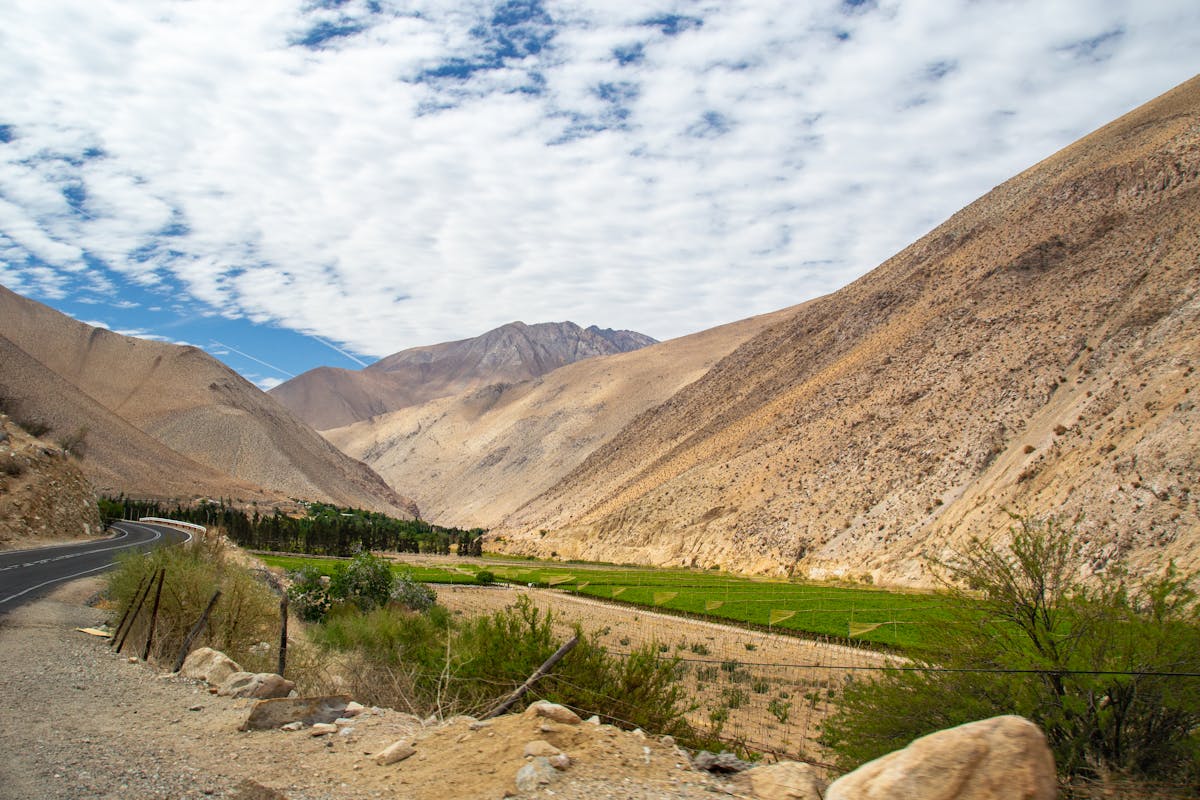
The Elqui Valley doesn't have the fame of the Atacama or the drama of Patagonia. It's not on most first-time Chile itineraries. But the combination of what it offers — pisco production, world-class stargazing, wine, weird spiritual energy, and a warm dry climate that makes everything feel relaxed — is unlike anywhere else in this country. Maybe anywhere else, full stop.
La Serena: The Gateway Nobody Stays In Long Enough
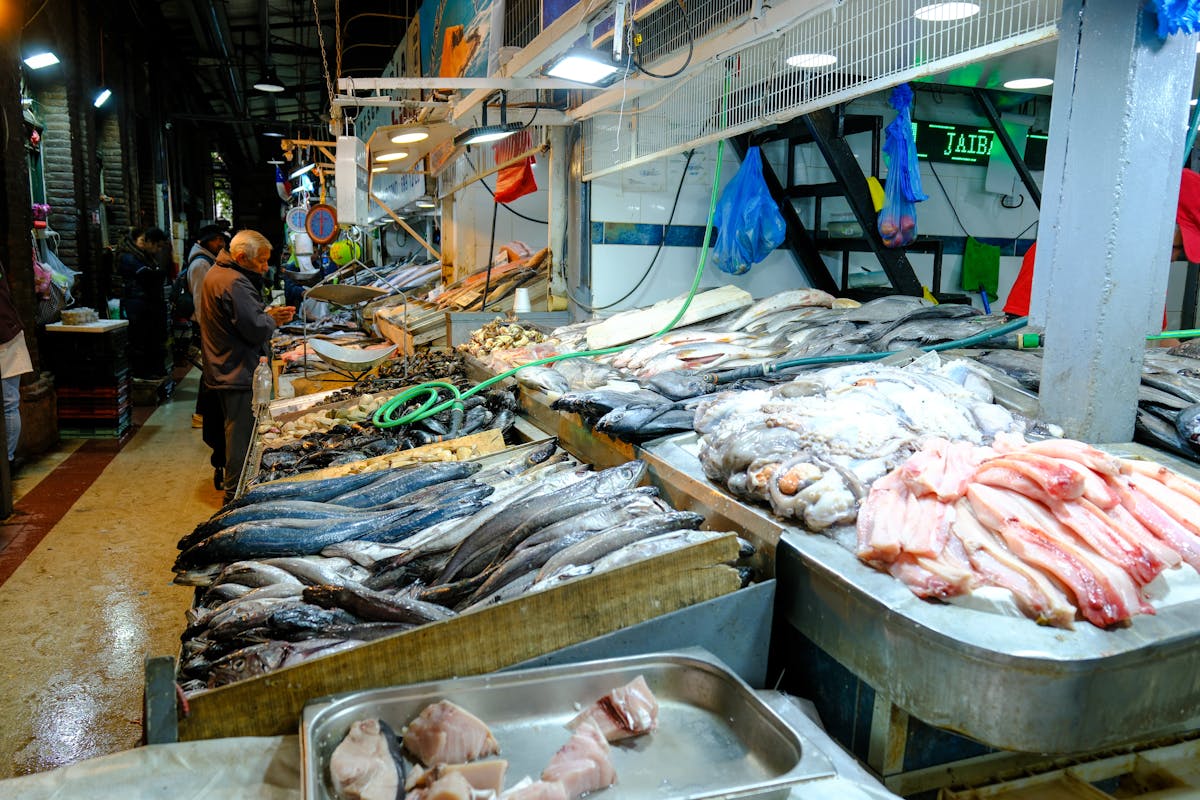
Most people treat La Serena as a layover — fly in, rent a car or catch a bus, get to the valley. That's a mistake. Not a huge one, but a mistake. La Serena is a genuine city with a long beachfront, a walkable colonial center, and some of the best seafood between Santiago and the Peruvian border. I spent one night here on the way in and wished I'd planned two.
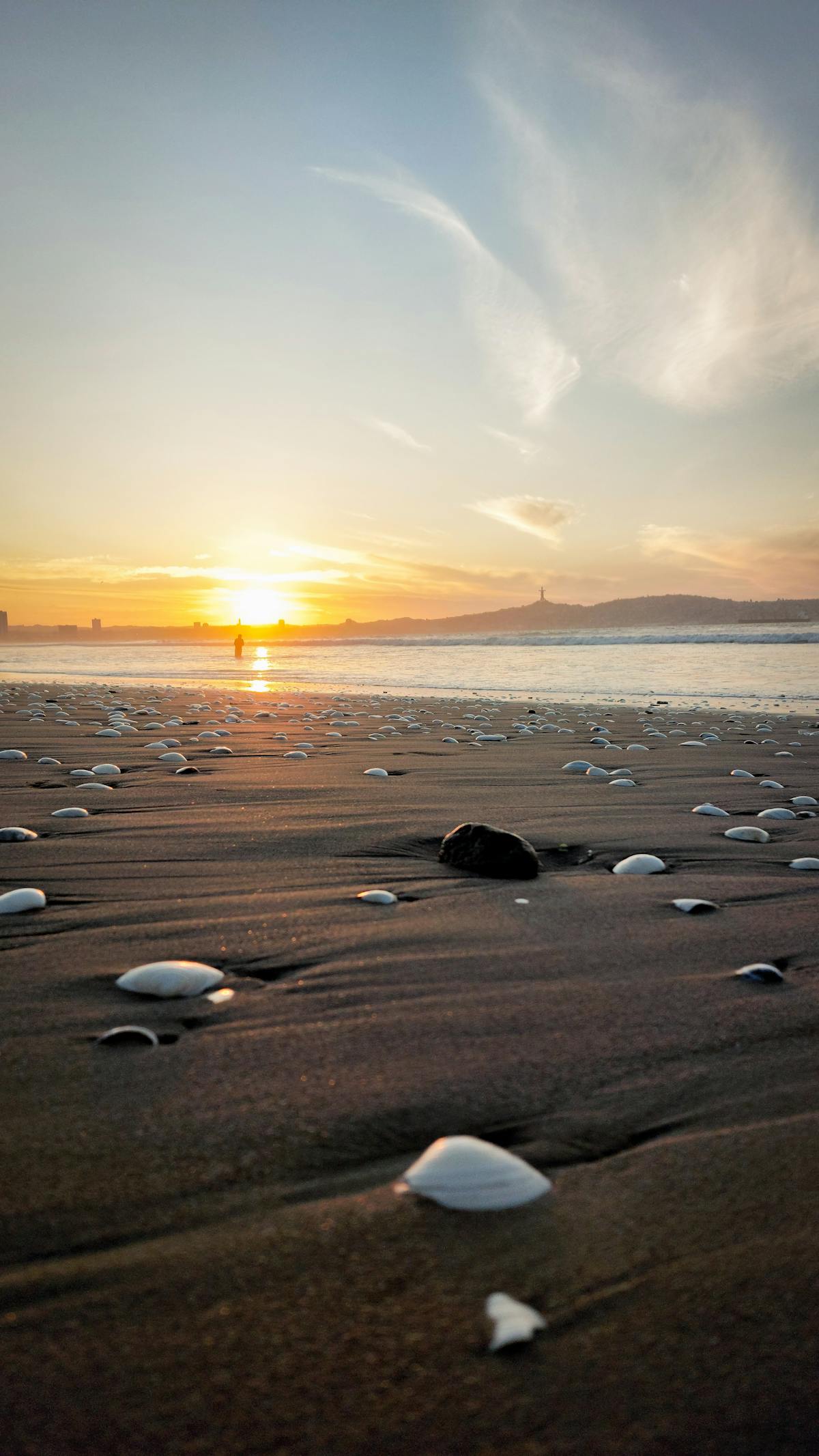
The Avenida del Mar runs along the coast for several kilometers, the archaeological museum covers the Diaguita culture that predates pisco by millennia, and the seafood restaurants along the port are reason enough to stay a night. The drive from La Serena to the valley takes about an hour and follows the Rio Elqui upstream. The landscape shifts fast — you leave the coastal fog behind, the hills close in, and by the time you reach Vicuna, the sky already looks different. Bigger somehow. The blue deeper than at the coast.
Quick Tip
Flights to La Serena from Santiago take about an hour and are cheap if booked in advance (LATAM and JetSmart both fly the route, often under $40 USD one way). Buses take six hours but leave from Santiago's Terminal Sur multiple times daily. If you're driving, the Ruta 5 is straightforward — La Serena is about 470km north of Santiago.
Vicuna: Gabriela Mistral and the Start of Something
Vicuna is the valley's main town and the birthplace of Gabriela Mistral, Chile's first Nobel Prize winner. There's a museum dedicated to her — the Museo Gabriela Mistral — which is better than you'd expect. The collection goes beyond the usual "here is where she was born, here is her desk" biographical approach. Her poetry is displayed in ways that connect it to the landscape outside the windows, and even if you don't read Spanish well, the emotional weight of her writing about this valley comes through.
I'll be honest: before visiting, I'd only vaguely heard of Mistral. But spending an hour in that museum, then walking the same streets she grew up on, changes something. She wrote about the desert mountains and the light in this valley in ways that, once you've read them, you can't unsee.
The town is small and walkable — a Plaza de Armas with an Eiffel-designed metal church, a solar clock tower, a handful of restaurants. The real draw of Vicuna is its position. You're close to everything from here: distilleries, observatories, the smaller villages deeper in the valley. It works as a base.
The Pisco Distilleries (Where You'll Spend More Time Than Planned)
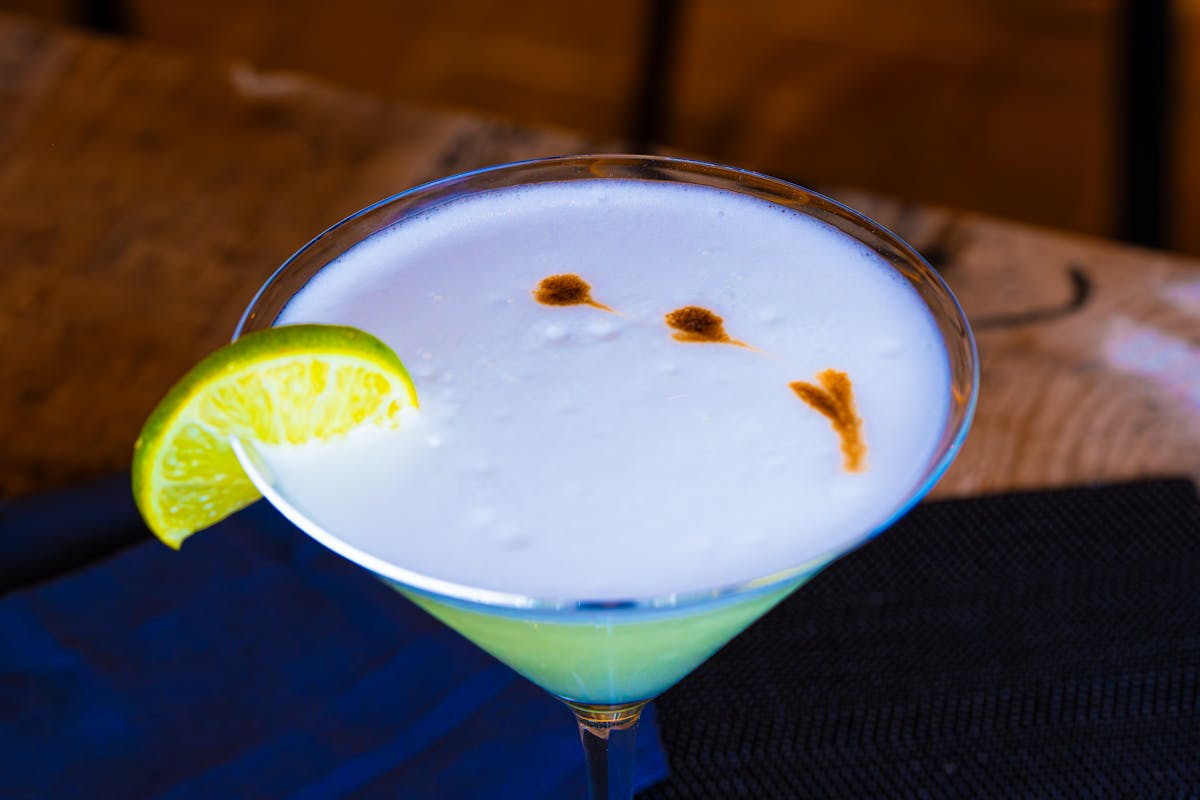
Chile and Peru have been fighting over pisco for centuries, and I'm not stepping into that argument. What I will say is that Chilean pisco and Peruvian pisco are genuinely different products — different grapes, different distillation methods, different results. Chilean pisco tends to be lighter and more aromatic, aged less (or not at all), and made primarily from Muscat grapes. The Elqui Valley is where most of it comes from.
Three distilleries stood out during my time in the valley.
Mistral: The Big One
Destileria Mistral in Pisco Elqui is the most visited, and the tour is well-organized — maybe too well-organized. You walk through the production line, see the copper stills, learn about the different grape varieties, and end with a tasting of four or five piscos ranging from the basic transparent to the aged reserva. The gift shop is enormous. The whole thing takes about 90 minutes and costs around $8-10 USD.
The pisco itself is solid — the Mistral Especial is what most Chileans mix into their pisco sours at home. But the real reason to come is the setting. The distillery sits below the village of Pisco Elqui, surrounded by dusty mountains, and the terrace where they do the tasting has a view that makes the pisco taste better than it probably is. That's not a criticism. Place matters in food and drink, and this place is extraordinary.
Tres Erres: The Smaller, Better Tasting
Tres Erres is a few kilometers from Mistral and far less touristic. The tour is more personal — when I went, there were six of us and the guide was actually one of the distillers. He talked about grape selection and fermentation temperatures with the kind of specificity that told me he cared about the product, not just the ticket sales. Their premium pisco — the Triple Destilado — is noticeably smoother than anything at the Mistral tasting. I bought a bottle and it lasted three days, which tells you something.
Falernia: The Wine-and-Pisco Crossover
Falernia is technically a winery that also makes pisco, which makes it the most interesting stop if you care about both. Founded by an Italian-Chilean family, their operation combines Old World winemaking philosophy with the unique terroir of a desert valley at altitude. The Syrah is excellent — I'd put it against Colchagua Syrah without hesitation — and their Pedro Jimenez pisco is different from anything at the other distilleries. Richer, more complex, with dried fruit notes that linger.
The tasting at Falernia costs about $12-15 USD and includes both wines and piscos. Book in advance; they don't always do walk-ins.
Desert Vineyards: Wine at the Edge of What's Possible
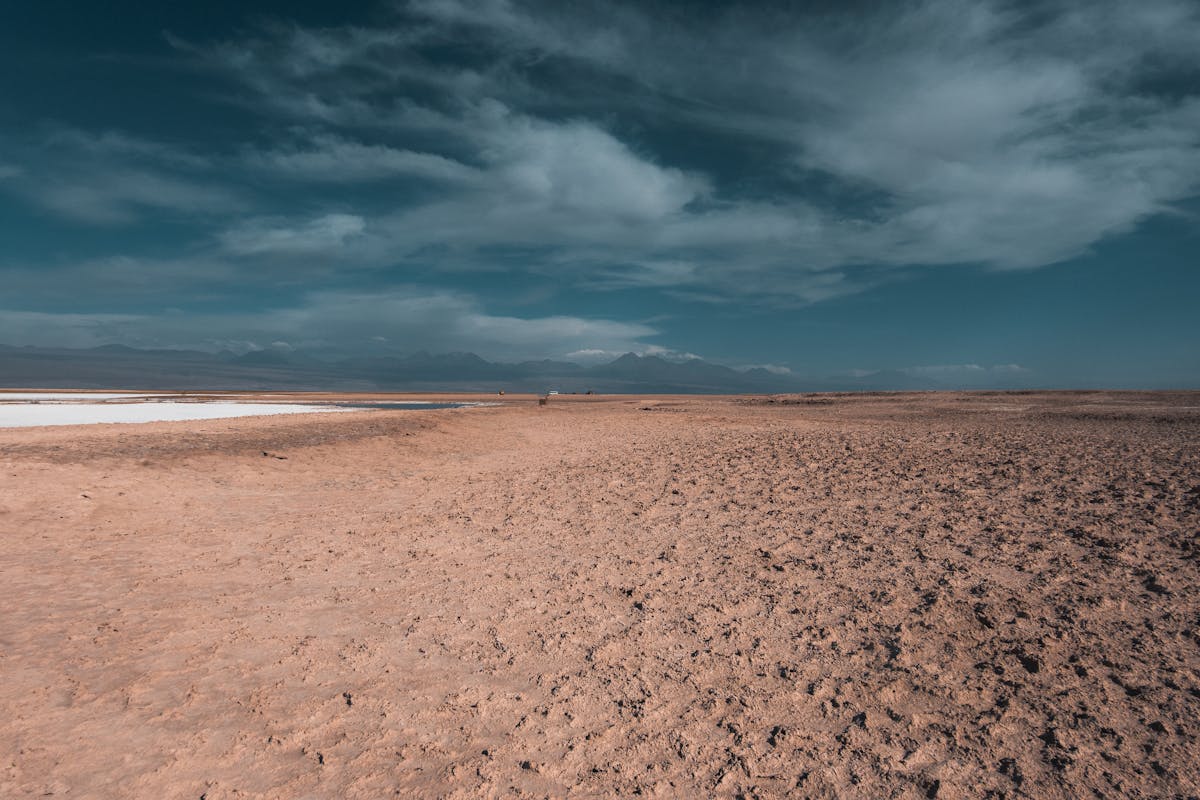
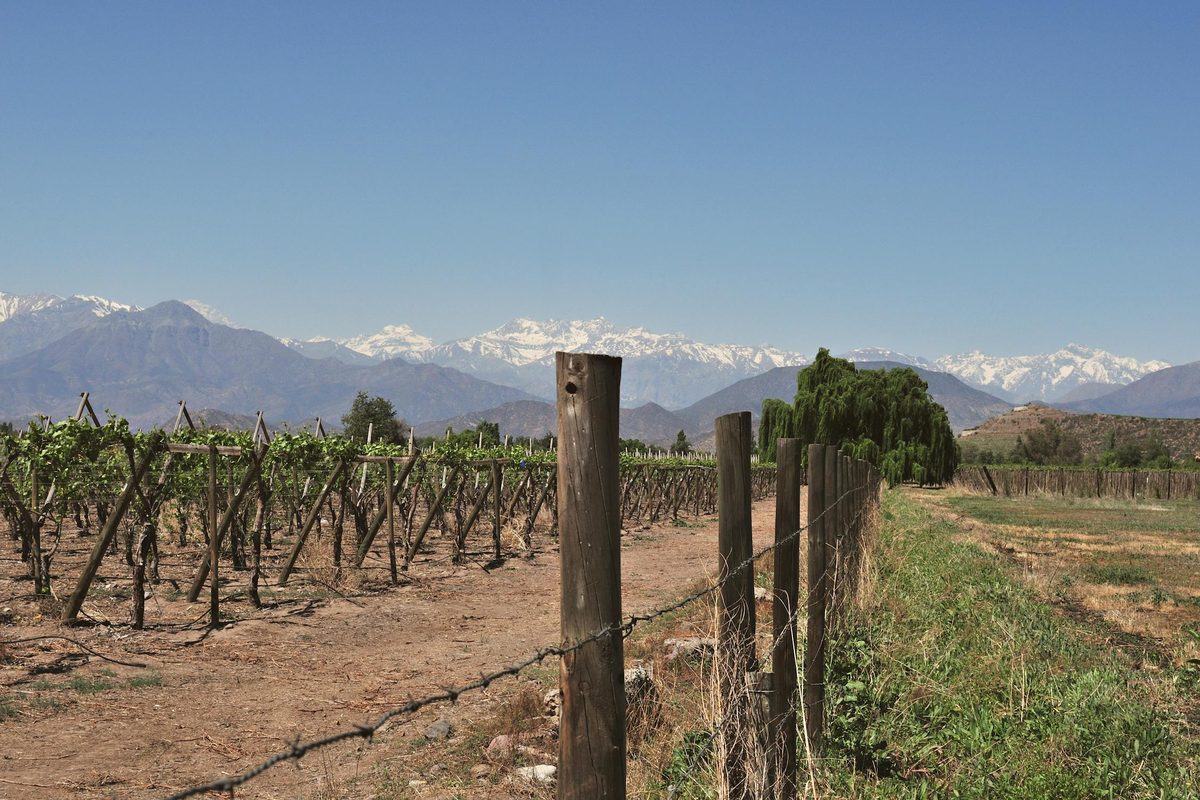
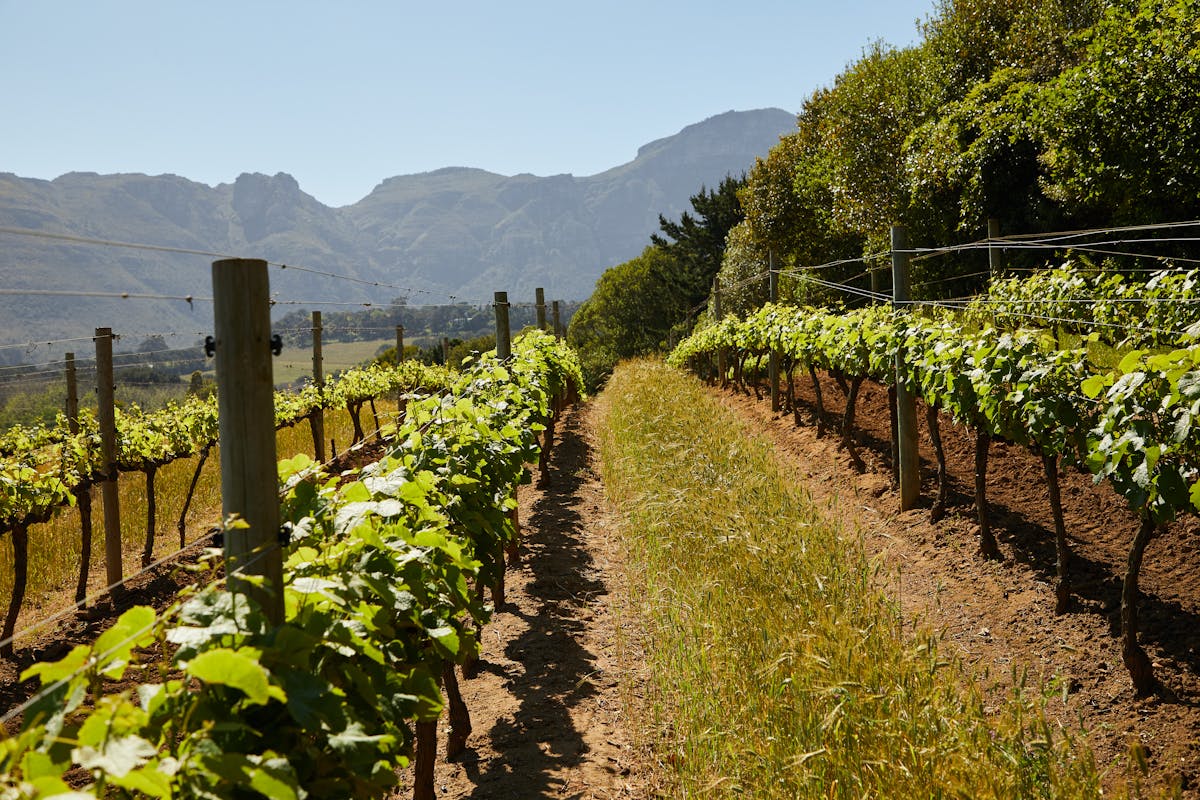
Growing wine grapes here sounds like it shouldn't work. Annual rainfall is close to zero. Summer temperatures crack 35 degrees. But the secret is Andean snowmelt irrigation and huge diurnal temperature swings — scorching days followed by cool nights that let the grapes retain acidity. Zero humidity means almost no fungal disease. Several producers are organic by default because there's nothing to spray against.
If you've been to Chile's main wine regions — Maipo, Colchagua, Casablanca — the Elqui wines will surprise you. Leaner and more mineral. The Syrah has a peppery, almost sauvage character that riper Colchagua versions don't. Production volumes are tiny, and most of what's made here never leaves the region.
Stargazing: The Real Reason to Come
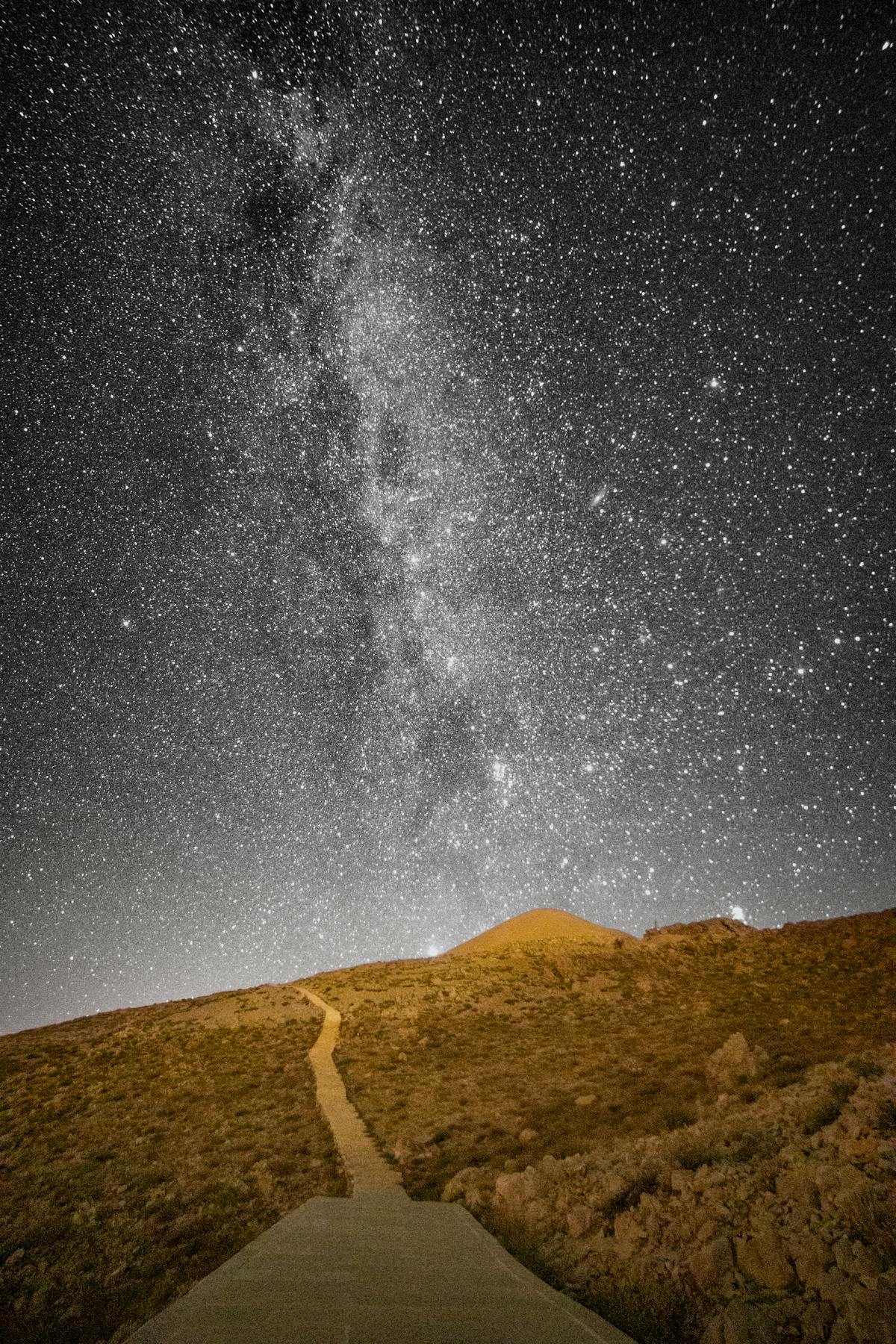
I've done stargazing in the Atacama, and the Elqui Valley is — I think — the better experience. That's a controversial opinion among Chile travel people, so let me explain.
The Atacama has marginally clearer skies on average. But the Elqui Valley sits at a lower altitude (most observatories around 1,200-1,500 meters), which means no altitude sickness, and warmer nights. Stargazing in the Atacama in winter means sitting outside at 2,400 meters in near-freezing temperatures. In the Elqui, you're in a T-shirt. The skies are rated among the clearest in the world — there's a reason the professional astronomical community built major observatories here.
Mamalluca Observatory
Mamalluca is the valley's most popular tourist observatory, about 9 kilometers from Vicuna. The evening tour starts with a short presentation in a screening room (basic but informative), then moves to the telescope dome where you look through a 12-inch Schmidt-Cassegrain at planets, star clusters, nebulae — whatever's best positioned that night. When I visited, Saturn was perfectly placed and the rings were sharp enough through the eyepiece to make me involuntarily swear. The guide laughed. Apparently everyone does that.
After the telescope session, they take you to an outdoor observation deck with reclining chairs where a guide uses a laser pointer to trace the constellations overhead. This is the part that stays with you. The Milky Way is not a faint smudge here — it's a blazing band across the sky, so bright it casts shadows. I've looked at a lot of night skies in a lot of places. Nothing comes close to this.
Tours run two or three times per night during peak season (December-March) and should be booked at least a day ahead. Cost is about $15-20 USD. They provide transport from Vicuna.
Pangue Observatory: For People Who Are Serious
If Mamalluca is the accessible option, Pangue is for people who want more. It's a smaller operation with a larger telescope (a 25-inch Obsession Dobsonian — if that means nothing to you, just know it gathers more light and shows fainter objects in more detail). The groups are smaller, typically 8-12 people, and the astronomer leading the tour has more flexibility to spend time on objects that interest the group.
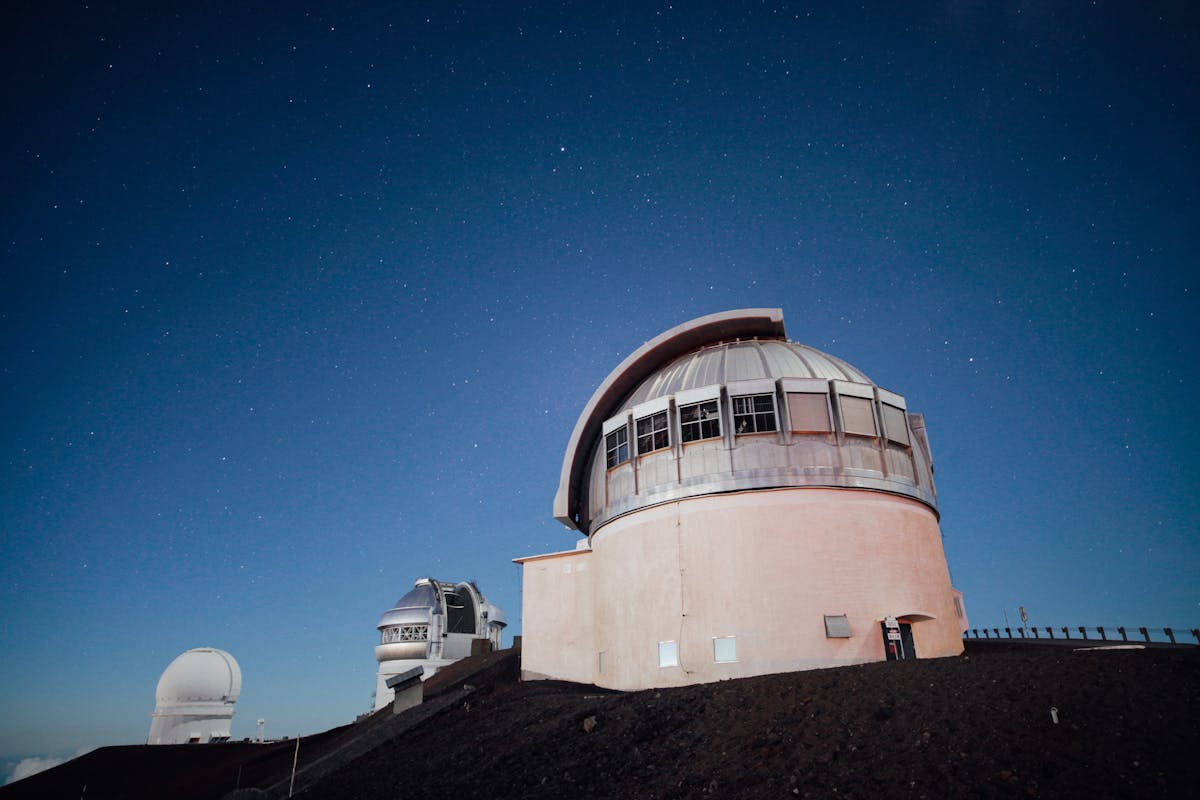
Pangue costs more — around $40-50 USD — but I'd say it's worth it if stargazing is a priority for you and not just a box to tick. The difference in what you see through a 25-inch versus a 12-inch telescope is dramatic, especially for deep-sky objects like the Omega Centauri globular cluster or the Carina Nebula.
Quick Tip
Book stargazing tours for nights around new moon if possible. Even in the Elqui, a full moon washes out the fainter stars and the Milky Way loses most of its impact. The Chilean Meteorological Service (DMC) website gives cloud forecasts — check it the afternoon before your tour. If it's cloudy, most observatories will reschedule or refund.
Pisco Elqui: The Village at the Heart of Everything
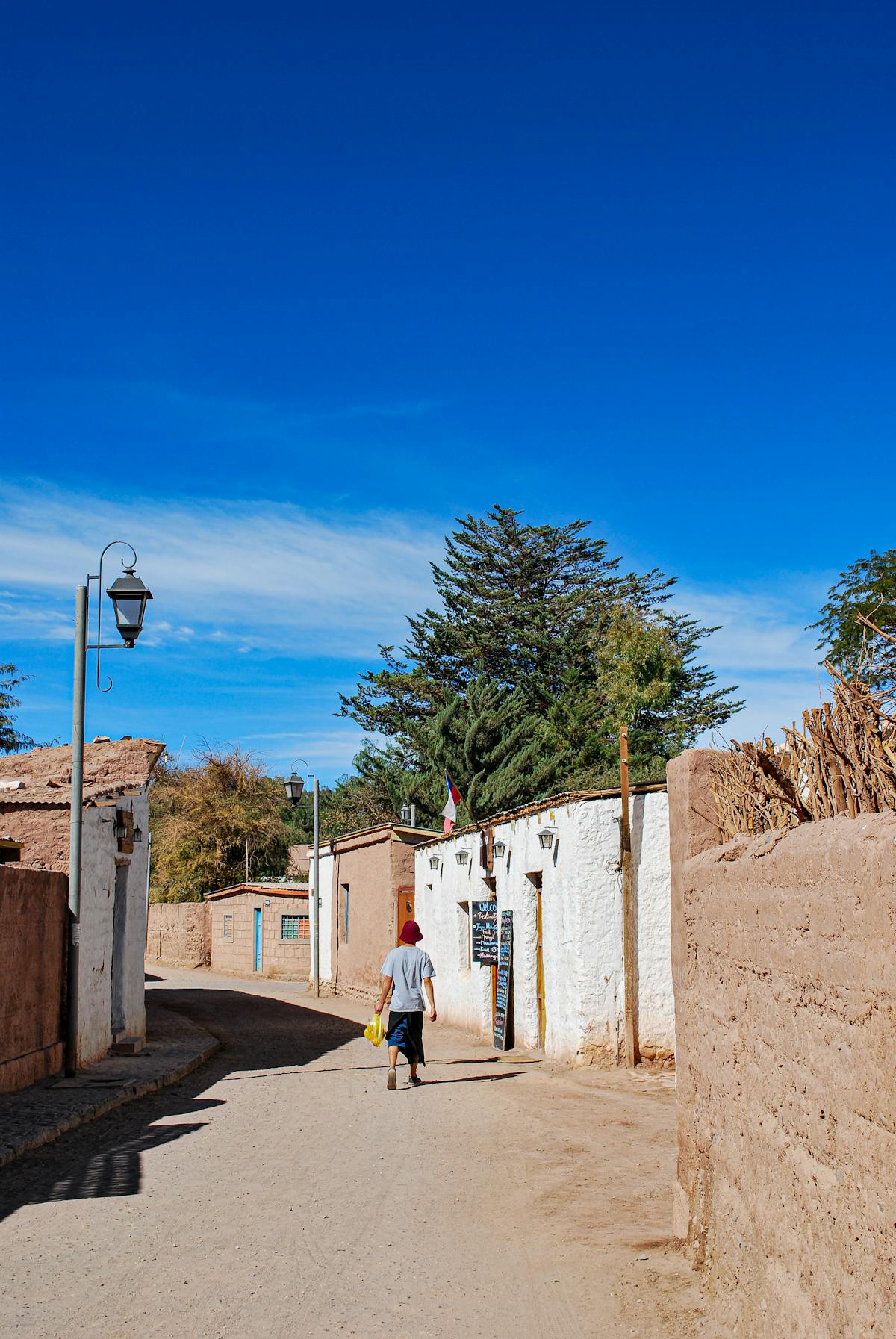
Pisco Elqui used to be called La Union. They renamed it in 1936 as part of Chile's campaign to establish pisco as a Chilean product (the naming fight with Peru, again). The rebrand worked — the name alone draws visitors now, and the village has leaned into it with distillery tours, pisco-themed restaurants, and a small plaza where you can sit with a pisco sour and watch approximately nothing happen for hours.
And that nothingness is the point. Pisco Elqui has maybe 300 permanent residents. There's one main street. A few restaurants, a handful of cabanas and hostels, a couple of shops selling artisanal pisco and dried fruit. The surrounding hills are bare and brown and enormous, and the village sits in a narrow strip of irrigated green between them. It looks improbable, like someone dropped a Mediterranean hamlet into the Sahara.
I stayed here for two nights and it was the right amount. One night feels rushed. Three nights and you might get restless unless you're specifically here to decompress, in which case a week wouldn't be unreasonable. The cabanas along the road between Pisco Elqui and Horcón are basic but cheap ($30-50/night) and most have outdoor areas where you can sit under the stars without needing an observatory.
Cochiguaz: The Mystical Side of the Valley
Okay. So. Cochiguaz.
If you drive past Montegrande and take the left fork deeper into a side valley, you reach Cochiguaz — a tiny settlement that has, over the past few decades, become a magnet for New Age travelers, meditation retreats, yoga practitioners, crystal healers, and people who believe the valley sits on an "energy vortex." There are claims about UFO sightings. Claims about healing properties in the water. Claims about the magnetic field being different here.
I went in skeptical and came out... still skeptical. But I understand the draw. The valley is extraordinarily quiet. At night, the stars are even more intense than from the main valley — further from the tiny amount of light pollution that Vicuna produces. Does it have special energy? I have no idea. What it has is an environment so stripped of noise, light, and distraction that your nervous system downshifts whether you believe in vortexes or not. A half-day meditation retreat ($25 USD, includes lunch) was genuinely restorative — not because of the meditation, but because of the silence.
The road to Cochiguaz is unpaved and rough. Standard rental car is fine in dry conditions, but go slowly. Don't expect wi-fi or reliable cell coverage. That's kind of the point.
Cycling the Valley Road
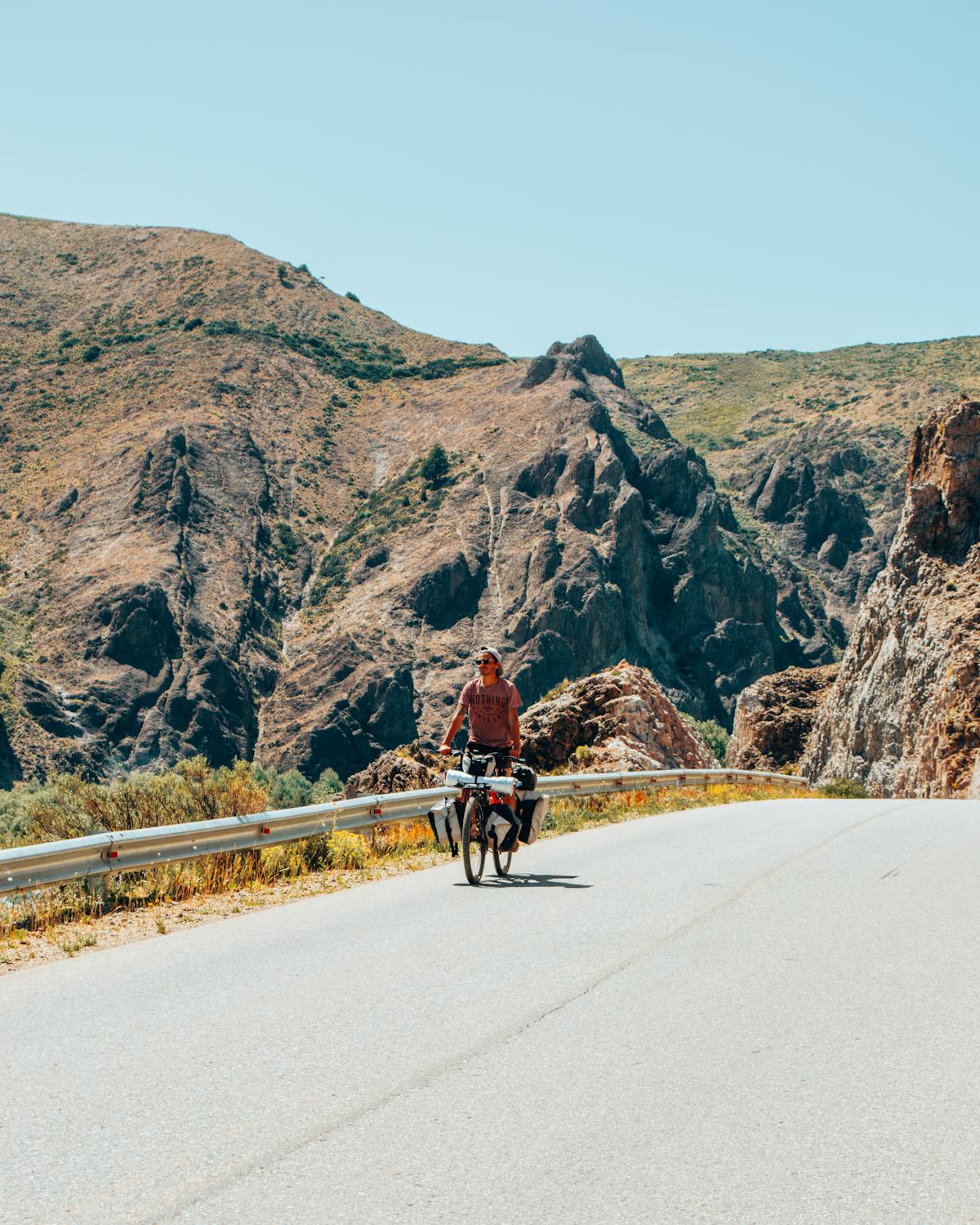
The road from Vicuna to Pisco Elqui is about 35 kilometers and follows the river upstream. It's paved the whole way, mostly flat with a gentle uphill grade, and the traffic is light enough that cycling it feels safe rather than suicidal. I rented a mountain bike from a shop in Vicuna for about $15 USD for the day and set off around 8am, which turned out to be the right call — by noon the heat was serious.
The ride passes through Diaguitas, El Molle, and Montegrande — where Gabriela Mistral grew up and where her tomb sits beside a small school-turned-museum. Lock up the bike and spend twenty minutes here. The road passes vineyards, papaya orchards, and sections where the valley narrows to a gorge and the river sounds loud next to you. The ride back is slightly downhill the entire way. I finished the loop in about five hours including stops, and it was one of the highlights of the trip.
Quick Tip
Bring more water than you think you need. The valley is desert — humidity hovers near zero and you'll dehydrate without realizing it. Two liters minimum, three if you're cycling in summer. Sunscreen is non-negotiable. The UV index here regularly exceeds 11.
Horseback Riding Into the Side Valleys
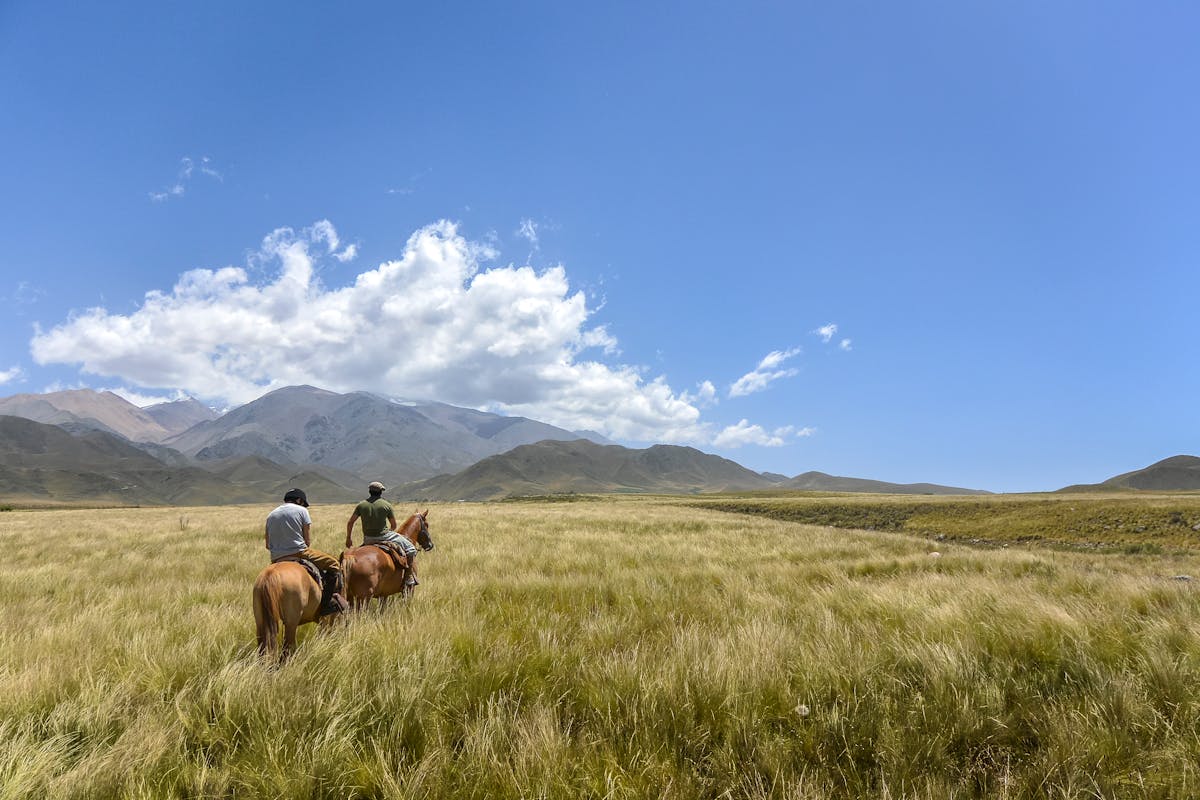
Several operators in Pisco Elqui and Cochiguaz offer horseback rides into the tributary valleys above the main river. The standard half-day ride ($30-45 USD) takes you up dry riverbeds and along ridgelines where the views open up in every direction — brown desert mountains to the horizon, the green ribbon of the valley below, and if you're lucky, a condor circling overhead.
The horses are sure-footed on the rocky trails, which is reassuring because some of the paths would make me nervous on foot. The guide spoke mostly about the plants — which scrubby bushes are medicinal, which cacti produce edible fruit. Small details that made the landscape feel inhabited rather than just empty. Full-day rides ($60-80 USD with lunch) go higher into old mining trails, but the half-day is plenty unless you're a confident rider.
Camping in the Valley
It almost never rains here. October through April, you're virtually guaranteed dry weather, the nights are cool but not cold (10-15 degrees Celsius), and the stars — well, you already know about the stars. Campgrounds along the river between Vicuna and Pisco Elqui charge $8-12 USD per site with basic facilities. Wild camping is possible in the side valleys but bring water purification. If I came back, I'd camp at least two nights. Sleeping under those skies and waking to warm sunshine on a desert riverbed is something hotels can't replicate.
When to Go and How Long to Stay
The Elqui Valley works year-round, but the sweet spot is October through April — clear skies, warm days, all the tours and activities running at full capacity. December through February is peak Chilean summer and the valley fills up with domestic tourists, especially around the New Year period. Prices jump and accommodation books out. My preference would be March or April — still warm, still clear, but quieter and cheaper.
Winter (June-August) is cooler but not cold, and the observatories run year-round. Three to four days is the right amount of time. One day for Vicuna and a distillery, one for cycling or horseback riding, one evening for stargazing, one for Cochiguaz or the vineyards. If you're building this into a two-week Chile trip, the valley pairs well with the Atacama (fly La Serena to Calama) or with the food and wine regions further south.
| Hostel dorm (Vicuna) | $12-20/night |
| Cabana (Pisco Elqui) | $30-50/night |
| Boutique hotel (Vicuna) | $80-150/night |
| Distillery tour + tasting | $8-15 |
| Observatory tour (Mamalluca) | $15-20 |
| Observatory tour (Pangue) | $40-50 |
| Bike rental (full day) | $12-18 |
| Horseback ride (half day) | $30-45 |
| Lunch at a local restaurant | $8-14 |
| Camping | $8-12/site |
Does the Mystical Reputation Hold Up?
People kept asking me this after I got back. Here's my honest take: the valley is special. Genuinely special. The clarity of the night sky is not marketing — it's physics. The silence in the side valleys is real. Whether that constitutes "mystical energy" depends on your framework. If you're into that, you'll find it here. If you're not, you'll still find a quiet, sun-drenched valley with excellent pisco and stars that make you feel small in the best possible way.
What I'm sure of is this: the combination doesn't exist anywhere else I've been. Pisco straight from the still, drunk under a sky with more stars than dark space between them, in a valley where grapes grow in the desert and a Nobel Prize poet once looked at the same mountains you're looking at. That's not mystical. But it's not ordinary, either.
The bus back to La Serena left at 7am and I almost missed it. Not because I overslept — because I was sitting outside the cabana watching the sunrise turn the mountains gold and pink and couldn't make myself stand up. That, more than any energy vortex or crystal healing session, is the thing that the Elqui Valley does to you. It slows you down until leaving feels like a loss.