This article contains affiliate links. If you book through them, I earn a small commission at no extra cost to you.
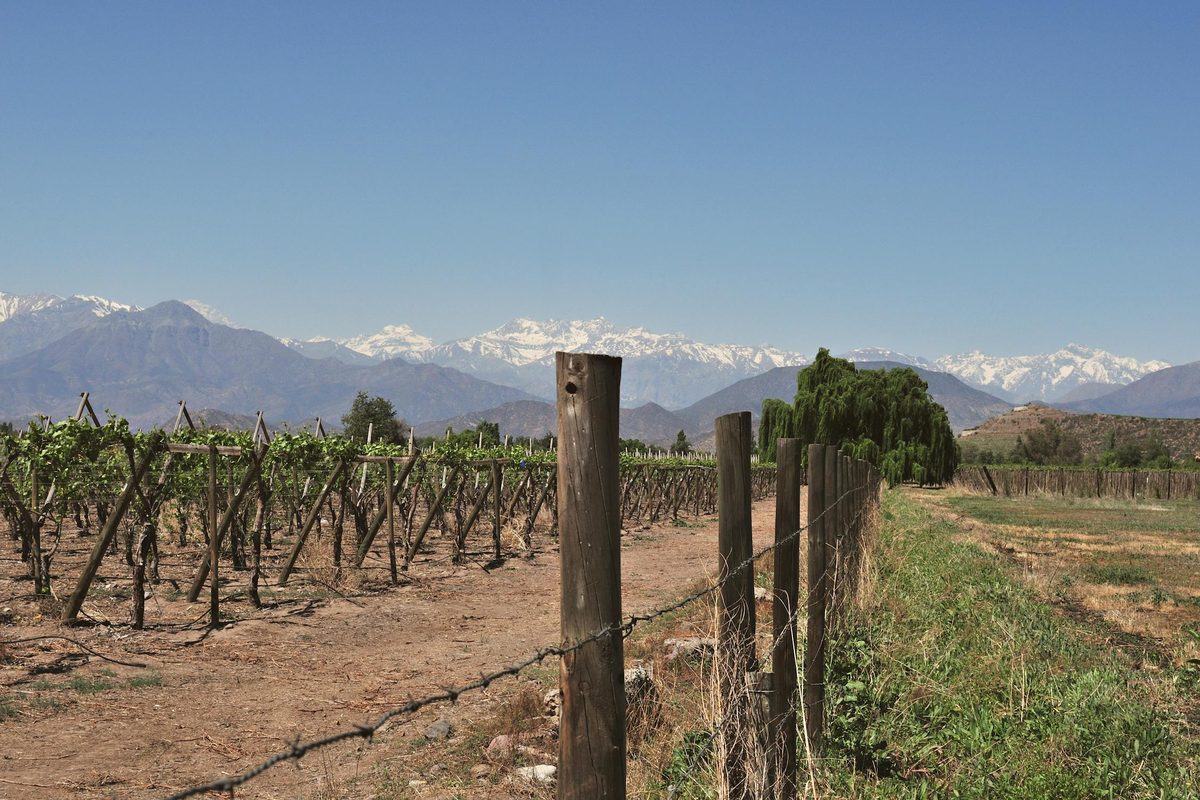
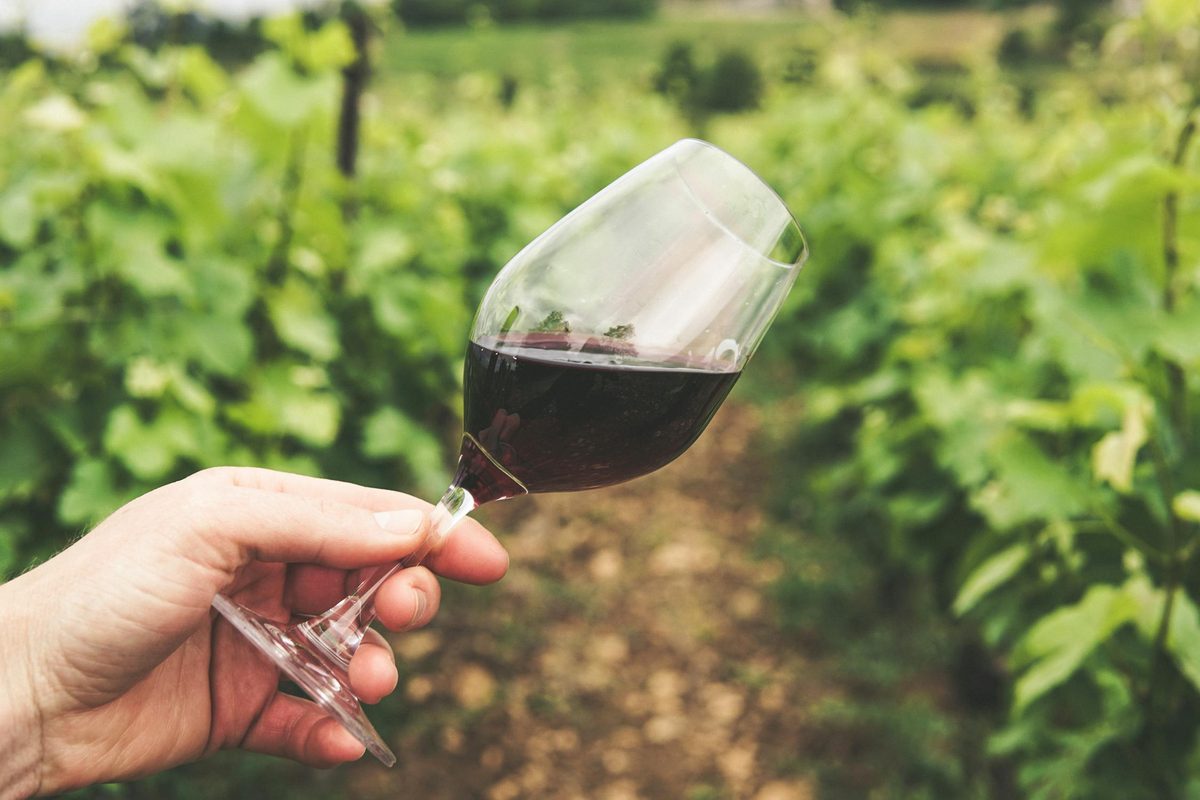
The sommelier tilted the glass toward me and said something about tannins and minerality and the unique terroir of the Alto Maipo. I nodded like I understood. Then I tasted the wine — a reserve Carmenere, dark as ink, with something smoky and strange at the back of my tongue — and none of the vocabulary mattered anymore. It was just good. Unreasonably good. The kind of wine that makes you rethink every bottle you've picked off a supermarket shelf.
That was my introduction to Chilean wine at its source. I'd been drinking Chilean Cabernet Sauvignon for years back home — it's cheap, it's reliable, it shows up at every dinner party. But tasting Carmenere in the valley where they grow it, with the Andes filling the entire horizon behind the vines, is a different thing entirely. It rewires what you think Chilean wine can be.
I've spent a lot of time in Chile's wine regions now. Some are world-class and easy to visit from Santiago. Others require more effort but reward it. And a few, honestly, are skippable unless wine is your primary reason for being in Chile. Here's what I've learned.
The Carmenere Story (And Why It Matters)
Before getting into the valleys, you need to know about Carmenere. It's the grape that makes Chilean wine different from everywhere else on earth.
Carmenere was originally a Bordeaux grape — one of the six classic red varieties planted across southwest France for centuries. Then in the 1860s, the phylloxera epidemic tore through European vineyards and basically killed it off. Gone. Extinct, everyone assumed. French winemakers replanted with resistant rootstock and moved on. Carmenere was a footnote in wine history.
Except it wasn't dead. Chilean vineyards had been planted with Bordeaux cuttings decades before the epidemic, and because Chile is geographically isolated — desert to the north, Andes to the east, Pacific to the west, Antarctic ice to the south — phylloxera never reached it. The Carmenere vines survived. For over a century, Chilean winemakers thought they were growing Merlot. It wasn't until 1994 that a French ampelographer identified the mystery grape as the supposedly extinct Carmenere.
Chile now produces virtually all the world's Carmenere. It's their signature grape, and when it's done well — dark fruit, a peppery kick, hints of chocolate and smoke — it's unlike anything else. You'll taste it everywhere in wine country, but the best bottles come from Colchagua and the upper Maipo Valley.
Maipo Valley: The One Everyone Visits First
The Maipo Valley is Chilean wine's front door. It wraps around the southern outskirts of Santiago, which means you can visit a world-class winery, taste reserve wines in a barrel room, and be back in the city for dinner. That convenience is both its strength and its limitation.
Concha y Toro and the Tourist Circuit
Let's get the obvious out of the way. Concha y Toro is Chile's largest wine producer, and their Pirque estate is the most-visited winery in South America. The tour is polished, professional, and available in four languages. You walk through the old cellars, see the famous Casillero del Diablo cave (there's a story about the devil guarding the wine — it's a marketing gimmick, but a fun one), and taste three or four wines.
Is it worth going? Yes, with a caveat. The standard tour feels like a theme park. It's crowded, scripted, and the wines you taste are the same ones available at any supermarket worldwide. Book the premium Marques tour instead if you go — smaller group, better wines, access to the reserve cellar. The price jumps from about $25 to $60 USD, but the experience is completely different.
That said, Concha y Toro is not where you'll fall in love with Chilean wine. For that, you need the smaller producers.
The Smaller Wineries Worth Your Time
Antiyal, in the upper Maipo, is run by Alvaro Espinoza — one of Chile's biodynamic wine pioneers. The tasting is intimate (you might be the only visitors that afternoon), the wines are complex and interesting, and the conversation about biodynamic farming alone is worth the trip. Email ahead to book; they don't do walk-ins.
Almaviva is the joint venture between Concha y Toro and Baron Philippe de Rothschild. It's one of the most prestigious wineries in South America. The tour and tasting run about $80-100 USD and need to be booked well in advance, but if you care about wine at all, this is where you see what Chilean Cabernet Sauvignon is capable of at the highest level. Their flagship blend — mostly Cabernet with some Carmenere and Cabernet Franc — regularly scores above 95 points.
Cousiño-Macul is the one I recommend to people who want history. The family has been making wine on the same land since 1856, and the estate sits inside Santiago's urban sprawl now — vineyards surrounded by apartment buildings. Strange and kind of wonderful. Their tasting includes an Antiguas Reservas Cabernet that's a steal for the quality.
Quick Tip
Most Maipo Valley wineries close on Mondays. Book tastings at least 48 hours ahead — especially at the smaller producers, which don't staff their tasting rooms unless they have visitors confirmed. Uber or a taxi from Santiago to the Pirque/Alto Maipo area costs $15-25 USD each way.
Colchagua Valley: Where I'd Send Serious Wine Lovers
If you only visit one wine region in Chile and you actually care about wine, make it Colchagua. This is where I had that glass of Carmenere that rearranged my brain. The valley is about two hours south of Santiago, centered on the small town of Santa Cruz, and it takes wine more seriously than anywhere else in the country.
The Ruta del Vino
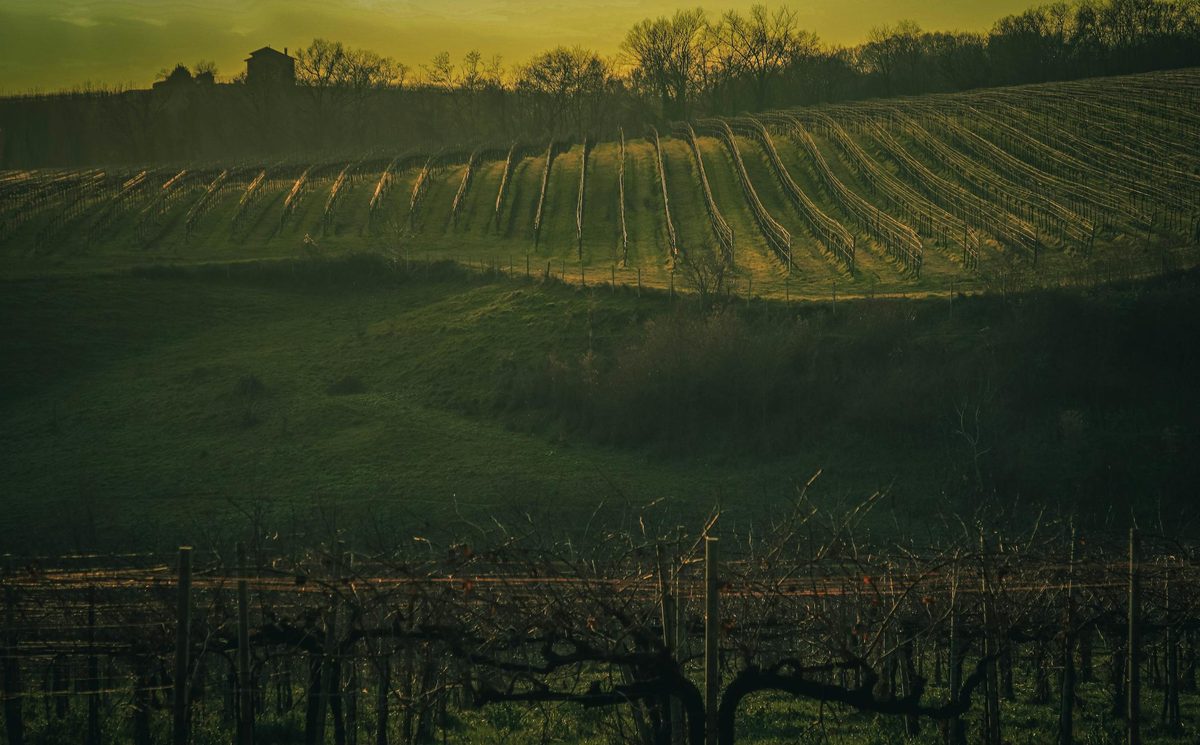
Colchagua has an organized wine route — the Ruta del Vino — that connects about a dozen wineries between San Fernando and the coast. You can drive it yourself (the roads are good, the signs are decent) or book a guided tour through the Ruta del Vino office in Santa Cruz. Guided tours run about $50-70 USD per person including lunch, transport, and tastings at three wineries. Worth it if you want to drink and not worry about driving.
The big names here are Montes, Lapostolle, and Viu Manent. Montes has that dramatic winery building on the hillside — you've probably seen it in photos. Their Alpha M and Folly wines are excellent, and the vineyard tour includes riding through the vines in an open truck. Lapostolle's Clos Apalta winery is architecturally stunning — it's built into the hillside, uses gravity instead of pumps, and the Clos Apalta blend is one of Chile's most celebrated wines. Tastings start around $40 USD.
But my actual recommendation? Skip the big three on your first morning and start at Viu Manent or Neyen. Viu Manent offers a horse-drawn carriage ride through the vineyards that sounds cheesy until you're actually on it, trotting between vine rows with the Andes turning pink behind you. Their Malbec is underrated. Neyen grows pre-phylloxera Carmenere vines — some over 130 years old — and the resulting wine has a depth that newer plantings can't match.
Santa Cruz: The Base Town
Santa Cruz itself is pleasant without being remarkable — a grid of low buildings around a central plaza, good restaurants, and the Museo de Colchagua, which is oddly one of the best museums in Chile. The collection ranges from pre-Columbian artifacts to a section of the rescue capsule used in the 2010 mining disaster. It has no business being this good in a town this size.
Hotels in Santa Cruz range from basic ($40-60/night) to the TerraViña boutique hotel ($150+/night), which has its own vines and a pool. There's a decent hostel scene too. Two nights is the right amount of time — one full day for wineries, one for a morning winery visit plus the museum and town.
Getting to Colchagua from Santiago: take a bus from Terminal Sur to San Fernando (about 2 hours, $8 USD), then a colectivo or local bus to Santa Cruz (40 minutes, $2 USD). Or rent a car, which gives you more flexibility for the wine route. See our getting around guide for rental details.
Casablanca Valley: The White Wine Detour
Casablanca sits between Santiago and Valparaiso, which makes it a natural stop if you're heading to the coast. It's cooler than the other major valleys — coastal fog rolls in most mornings and burns off by noon — and that cooler climate means this is where Chile's best white wines come from. Sauvignon Blanc, Chardonnay, and increasingly good Pinot Noir.
I'll be honest: Casablanca doesn't have the dramatic scenery of Colchagua or the prestige of the Maipo. The landscape is flatter, the mountains are distant, and the wineries spread along the highway in a way that feels more industrial than romantic. But the wines are excellent, and if you prefer whites, this is your valley.
Which Wineries to Visit
Matetic Vineyards is the standout. It's actually in the San Antonio Valley next door, about 30 minutes off the main Casablanca route, but everyone groups it with Casablanca. The setting is gorgeous — a working farm in a narrow valley with biodynamic vineyards, a winery carved into the hillside, and a restaurant that's genuinely one of the best winery restaurants in Chile. Their Syrah, grown on the granite hillsides, is something special. Book the premium tasting ($35-45 USD) and the lunch.
Kingston Family Vineyards is another San Antonio/Casablanca-adjacent producer worth the detour. Smaller, family-run, with a focus on Pinot Noir and Syrah. The tasting is personal — you might end up at the family table talking to the winemaker.
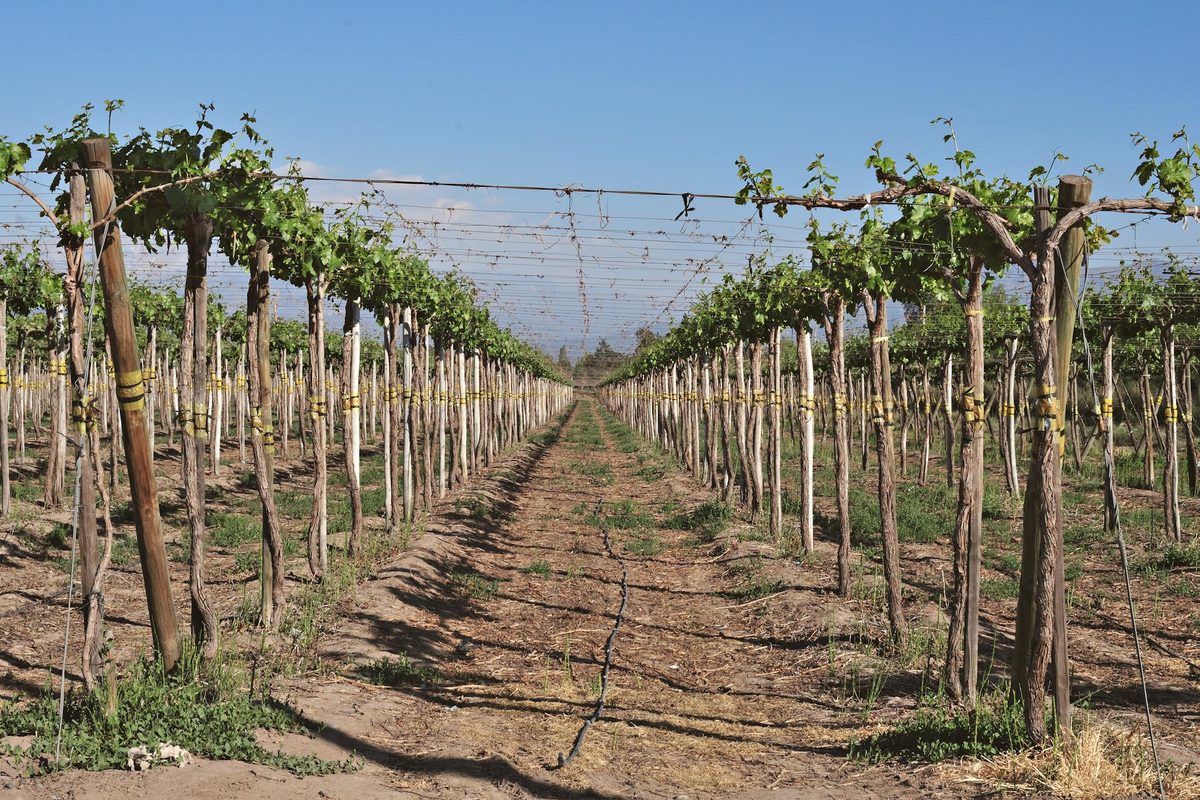
In Casablanca proper, Emiliana is worth a stop for its organic and biodynamic approach — they use alpacas to manage weeds between the vine rows, which is either brilliant or eccentric depending on your perspective. Bodegas RE does interesting experimental wines that break from Chilean convention — natural wines, orange wines, amphora-aged wines. Not everything works, but the ones that do are memorable.
The Casablanca route works best as a half-day stop between Santiago and Valparaiso. Leave Santiago in the morning, visit one or two wineries, have lunch, continue to the coast. Trying to make it a full day feels forced — there's not enough non-wine infrastructure (hotels, restaurants, things to do) to justify staying overnight unless you're at Matetic, which has guest rooms.
Elqui Valley: Pisco Country (With a Wine Surprise)
The Elqui Valley is about 470km north of Santiago, near La Serena, and it's primarily known for pisco — Chile's national grape brandy and the foundation of the pisco sour. But something interesting has been happening here over the past decade: winemakers have discovered that the valley's extreme conditions — intense sun, cold desert nights, almost zero rainfall — produce remarkable Syrah.
The wine industry here is tiny compared to Colchagua or Maipo. A handful of producers, small lots, limited distribution. But the quality is genuinely exciting. Viña Falernia was one of the first to plant wine grapes this far north, and their Syrah Reserva has won international awards that caught the wine world off guard. The altitude — vineyards sit at 1,000-2,000 meters — gives the wines an intensity and acidity that you don't find in the warmer central valleys.
Don't come to the Elqui Valley just for wine, though. Come for the stargazing (300 clear nights per year), the pisco distilleries, the otherworldly desert landscape, and the deep quiet of a valley that hasn't been discovered by mass tourism yet. The wine is a bonus. A very good bonus.
Itata and Bio-Bio: The Ones Nobody Talks About Yet
South of Colchagua, past the Maule Valley (decent but unremarkable for visitors), you reach Itata and Bio-Bio — two old wine regions that are in the middle of a quiet revolution. These valleys were planted by Spanish missionaries in the 1500s, making them some of the oldest vineyard sites in the Americas. For most of the 20th century, they produced cheap bulk wine and were looked down on by the Santiago wine establishment.
That's changing fast. A new generation of winemakers — many of them young, most of them passionate about natural wine — has rediscovered the old-vine Pais and Cinsault grapes that have been growing here for centuries. These are light, bright, mineral reds that drink more like Beaujolais than anything you'd expect from Chile. Names to look for: Pedro Parra (a terroir consultant turned winemaker whose wines are extraordinary), Bouchon, and Louis-Antoine Luyt.
I'll be real: visiting Itata and Bio-Bio as a tourist is not easy. There's no organized wine route, no tasting rooms with set hours, no charming base town with good hotels. You need a car, you need to email or call ahead, and you need to be comfortable with the kind of rural Chile where nobody speaks English and GPS doesn't always work. But if natural wine is your thing, or if you've done the big three valleys and want something genuinely different, this is the frontier. Come back in five years and it'll be polished. Right now it's raw and real.
The Valleys I'd Skip (Or Save for a Return Trip)
The Maule Valley is Chile's largest wine region by volume, but it's a production zone more than a destination. Most of the wine goes into the bulk market. There are exceptions — Gillmore and Garage Wine Co. make interesting small-lot wines — but for a first visit, your time is better spent in Colchagua.
The Aconcagua Valley, north of Santiago, has some good Cabernet and Syrah but doesn't offer enough as a tourist destination to justify a separate trip. Errazuriz's Don Maximiano estate is the main draw. If you're driving to Valparaiso via the inland route, it's a worthwhile stop. Otherwise, Maipo gives you similar wines with less driving.
The Limari Valley, near Ovalle, is making good Chardonnay and Pinot Noir in a semi-desert landscape. Interesting for wine nerds. Hard to justify logistically for most visitors.
Practical Stuff: How to Actually Do This
Booking Tastings
Chilean wineries are not like Napa Valley — you can't just show up at most of them. Almost everywhere requires advance booking, typically 24-48 hours minimum. The easiest way is to email the winery directly (most have English-speaking staff) or use their online booking form. For Colchagua, the Ruta del Vino office in Santa Cruz can arrange everything.
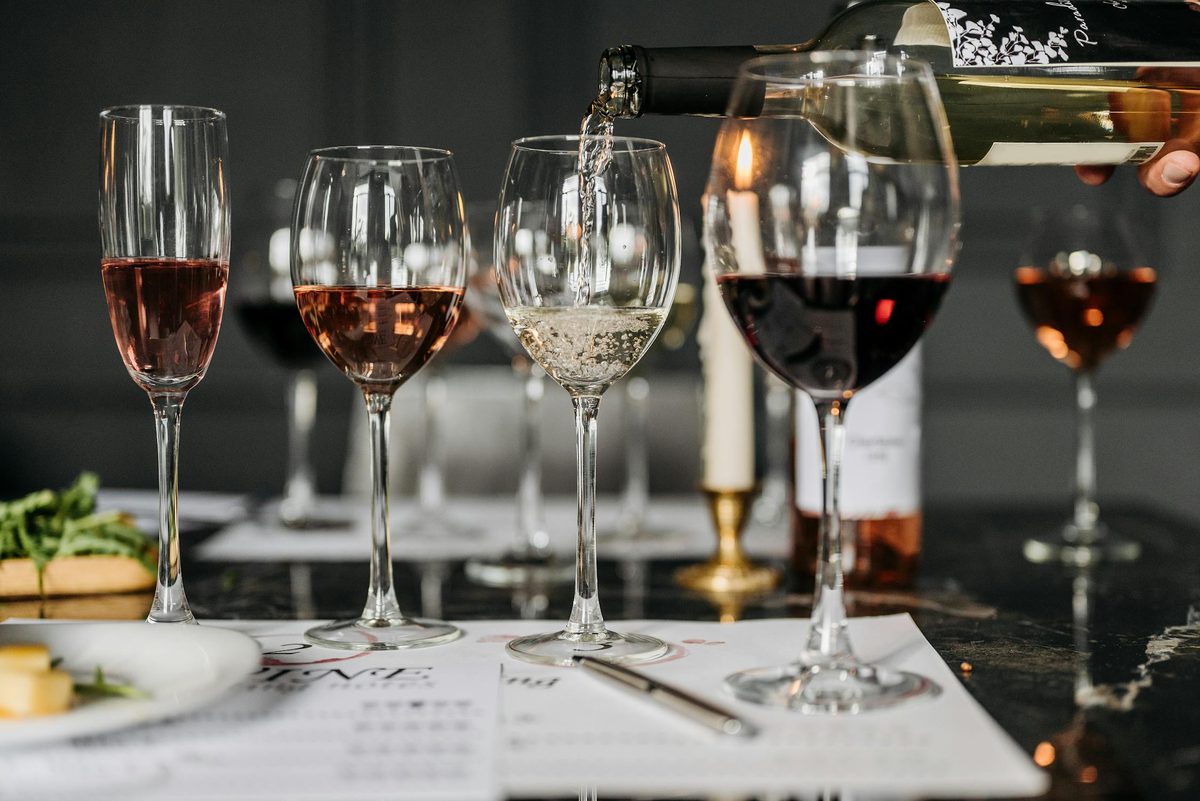
Tasting fees range from free (rare now) to about $15-25 USD for a standard tasting of 3-4 wines, up to $60-100 USD for premium or reserve tastings at top producers. Lunch at a winery restaurant adds $30-60 USD per person. Chilean wineries are still significantly cheaper than comparable experiences in Napa, Bordeaux, or Tuscany.
Driving vs. Tours
If you're comfortable driving, rent a car. Full stop. Chilean wine country roads are well-maintained, the distances are manageable, and having your own wheels lets you visit wineries on your own schedule. A rental runs about $30-50 USD per day. Just designate a driver or pace your tastings — Chilean police do breathalyzer checkpoints, and the legal limit is 0.03% (basically zero).
If you'd rather not drive, organized tours are the way to go. From Santiago, full-day tours to the Maipo Valley run $60-100 USD per person, and Colchagua day tours run $100-150 USD (longer drive). Viator and GetYourGuide both have options. The Casablanca Valley tours are often combined with Valparaiso, which is actually a great one-day combo.
For Colchagua specifically, I'd recommend staying in Santa Cruz and booking through the local Ruta del Vino rather than doing a day trip from Santiago. The four-hour round trip is tiring, and you'll be rushed.
What About Supermarket Wine?
Here's the thing about Chilean wine that nobody tells you: the cheapest bottles are genuinely good. A $3-5 USD bottle of Cabernet Sauvignon or Carmenere from a Chilean supermarket — say, a Casillero del Diablo or Frontera — would cost $10-15 in Europe or the US and would be perfectly drinkable. The mid-range ($8-15 USD) offers incredible value. You can buy a wine at a gas station in Chile that would win a blind tasting against $30 bottles from most other countries.
This is both the glory and the curse of Chilean wine. The floor is so high that people assume they know what Chilean wine tastes like based on the export brands. They don't. The gap between supermarket Cabernet and a reserve Carmenere from Colchagua is enormous. Visiting the wineries is how you learn that gap exists.
Costs at a Glance
| Standard winery tasting (3-4 wines) | $15-25 USD |
| Premium/reserve tasting | $40-100 USD |
| Winery lunch | $30-60 USD |
| Guided wine tour from Santiago (full day) | $60-150 USD |
| Car rental per day | $30-50 USD |
| Hotel in Santa Cruz (mid-range) | $60-100 USD |
| Bus: Santiago to San Fernando | $8 USD |
| Supermarket wine (drinkable) | $3-5 USD |
| Supermarket wine (good) | $8-15 USD |
When to Go
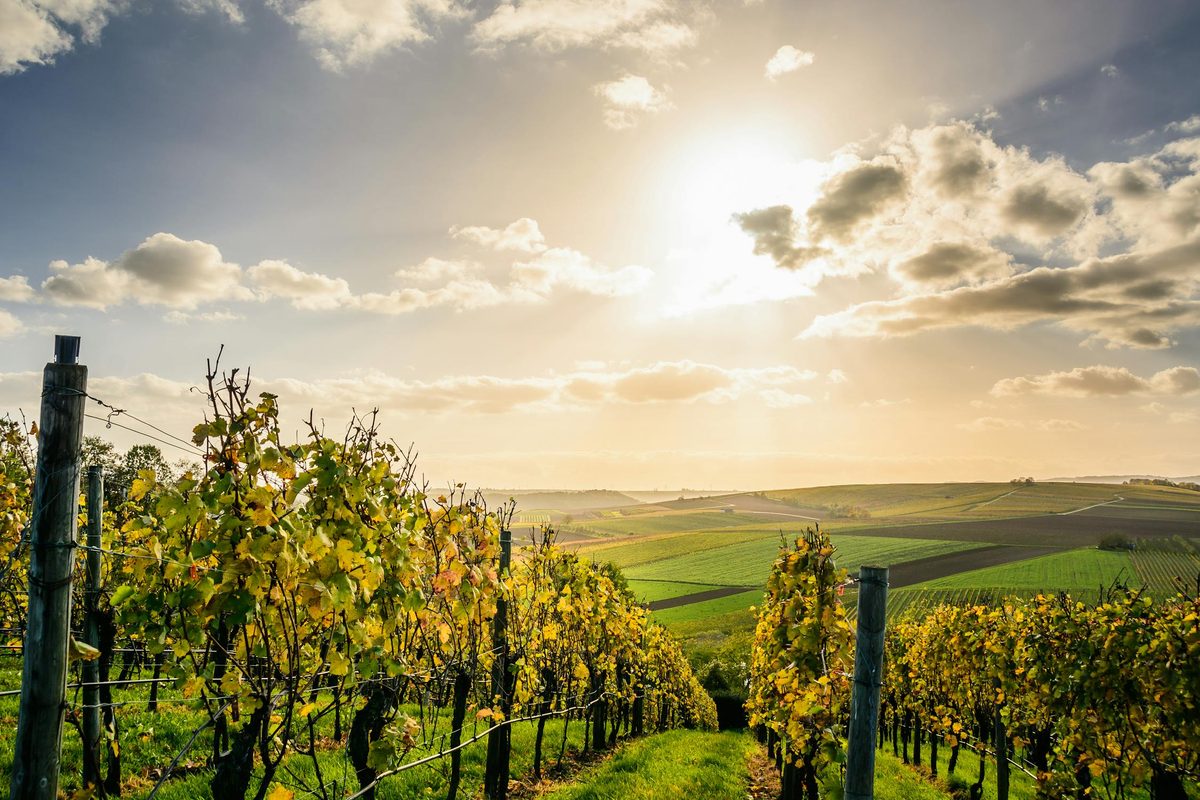
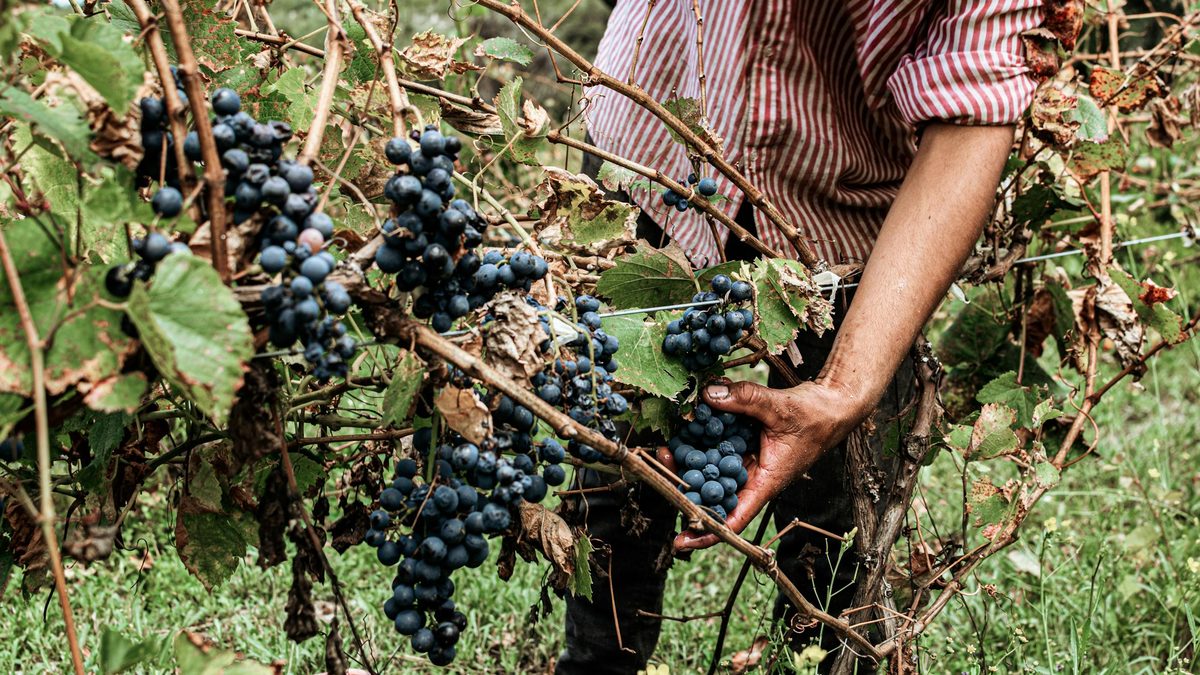
Harvest season — late February through April — is the most exciting time. The vineyards are full of activity, some wineries offer harvest experiences where you can pick grapes, and the autumn colors in the valleys are stunning. March is ideal.
October through December is spring, when the vines are green and flowering. Good weather, fewer tourists, and the valleys are at their most photogenic. Summer (January-February) is hot in the central valleys — fine for tasting but less comfortable for vineyard walks.
Winter (June-August) is the off season. Most wineries still open for tastings, but the vines are bare and the landscape is brown. Some smaller wineries close entirely. Not the best time, but if you're in Chile anyway, the tasting rooms still pour.
My Recommended Wine Itinerary
If you're spending two weeks in Chile, here's how I'd fit in wine country:
Day 1: Arrive in Santiago. Settle in, walk around the city, eat well. Check our Santiago guide for recommendations.
Day 2: Morning visit to one Maipo Valley winery (Cousiño-Macul or Antiyal), afternoon free in Santiago. This works as a Santiago day trip.
Day 3: Drive or bus to Santa Cruz. Afternoon winery visit (Viu Manent or Neyen). Evening in Santa Cruz.
Day 4: Full day Colchagua wine route — Montes in the morning, Lapostolle or Clos Apalta for lunch, one more in the afternoon. Drive or bus back to Santiago that evening.
Day 5: Drive to Valparaiso via Casablanca Valley, stopping at Matetic or Emiliana for a tasting and lunch.
That gives you four wineries across three valleys in three days, which is enough to understand what Chilean wine is about without turning your trip into an extended booze tour. The rest of your Chile itinerary can focus on the Atacama, Patagonia, and everything else this country does well.
For more on Chilean food and drink, including what to eat alongside all this wine, read our Chilean food guide. And for help with logistics — buses, flights, car rentals — see getting around Chile and our money and costs breakdown.
Quick Tip
If you're buying wine to bring home, Chilean customs allows up to 2.5 liters per person duty-free on departure. Most wineries will pack bottles for travel. The reserves you buy at the winery are often cheaper than the same bottles at the Santiago airport duty-free shop.
Chilean wine country surprised me. I came expecting the Cabernet Sauvignon I'd been drinking for years — solid, predictable, good value. I left thinking about Carmenere, about old-vine Pais from the south, about a Syrah grown in the desert at 2,000 meters. The story of Chilean wine is bigger and stranger and more interesting than the export market suggests. You have to come here to taste it.