This article contains affiliate links. If you book through them, I earn a small commission at no extra cost to you.
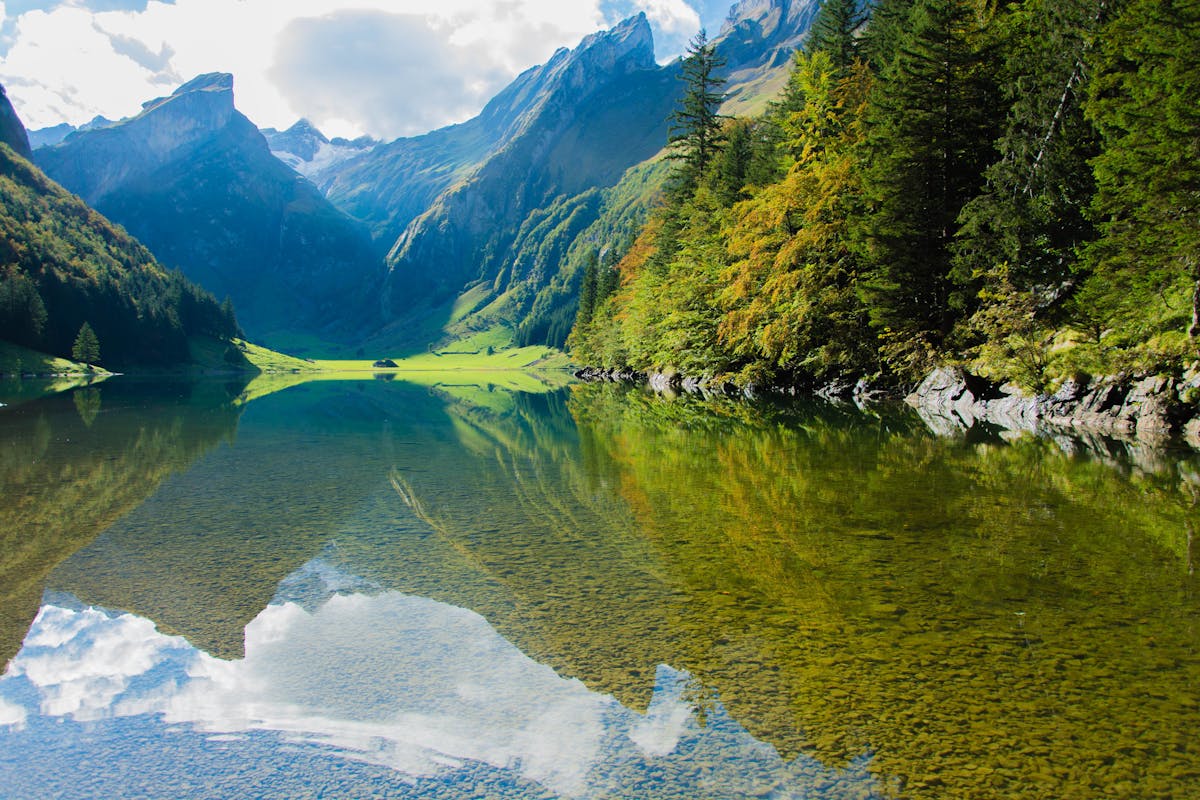
The turquoise hit me first. I had been staring out the van window at brown rock and gravel for the better part of an hour, winding higher and higher into Cajon del Maipo, when the road crested a ridge and there it was — Embalse El Yeso, a reservoir so aggressively blue-green that my brain refused to process it as real water. Snow-streaked peaks on every side, not a single building in sight, the wind strong enough to lean into. I had left my hotel in Santiago two hours earlier. I was still technically in the Santiago Metropolitan Region. And I was standing in what looked like Patagonia.
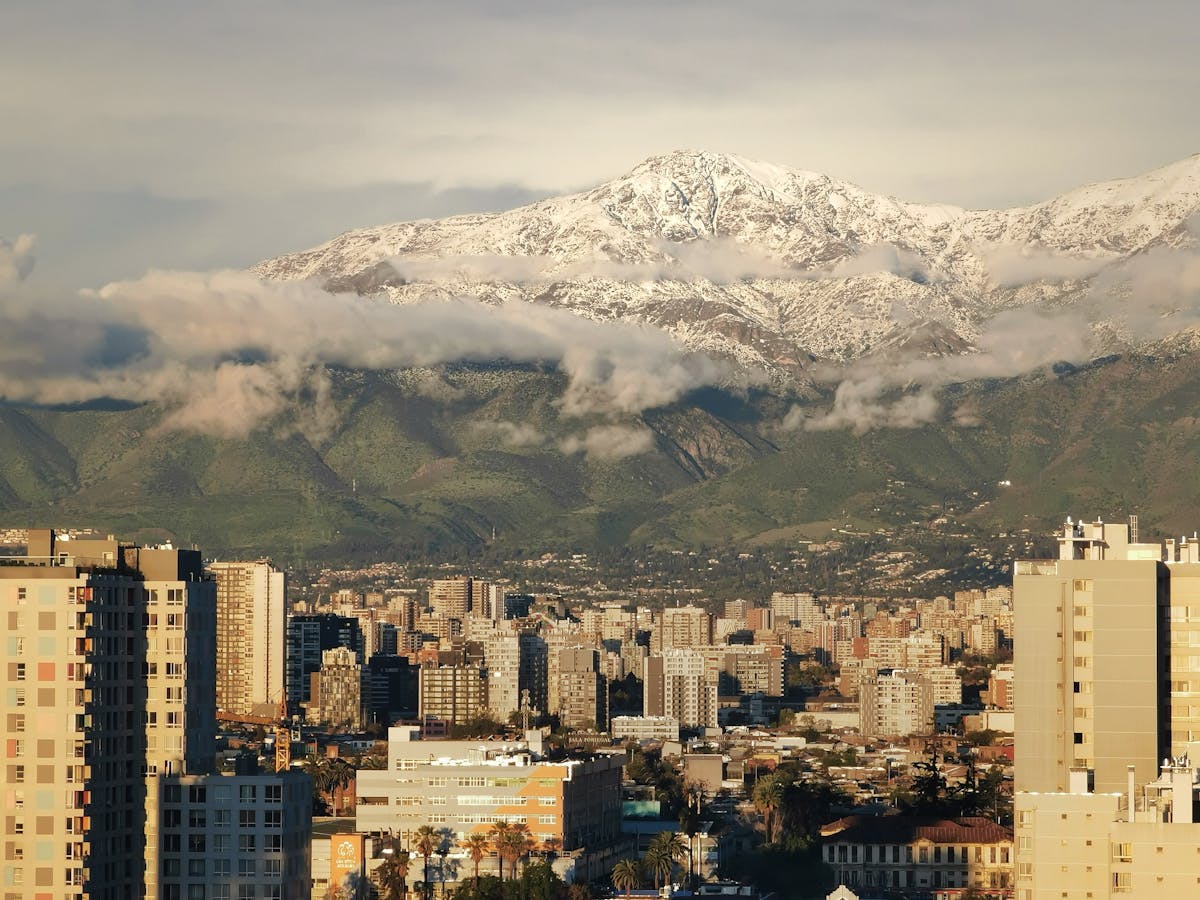
That is the thing about Santiago that nobody tells you until you get there. The city sits in a valley with the Andes right on top of it, and the Andes are not background scenery — they are a playground you can reach in an hour. Wine valleys, mountain canyons, a turquoise reservoir at 2,500 meters, a colorful port city on the Pacific, a ski resort where you can ride chairlifts above the clouds. All of it within day-trip range. I have done every one of these trips, some of them twice, and I am going to rank them for you because I think this is one of the most underrated day-trip cities in South America.

1. Valparaiso — The One You Cannot Skip
I am putting Valparaiso first because it earned it. If you only have time for one day trip from Santiago, this is the one. No contest.
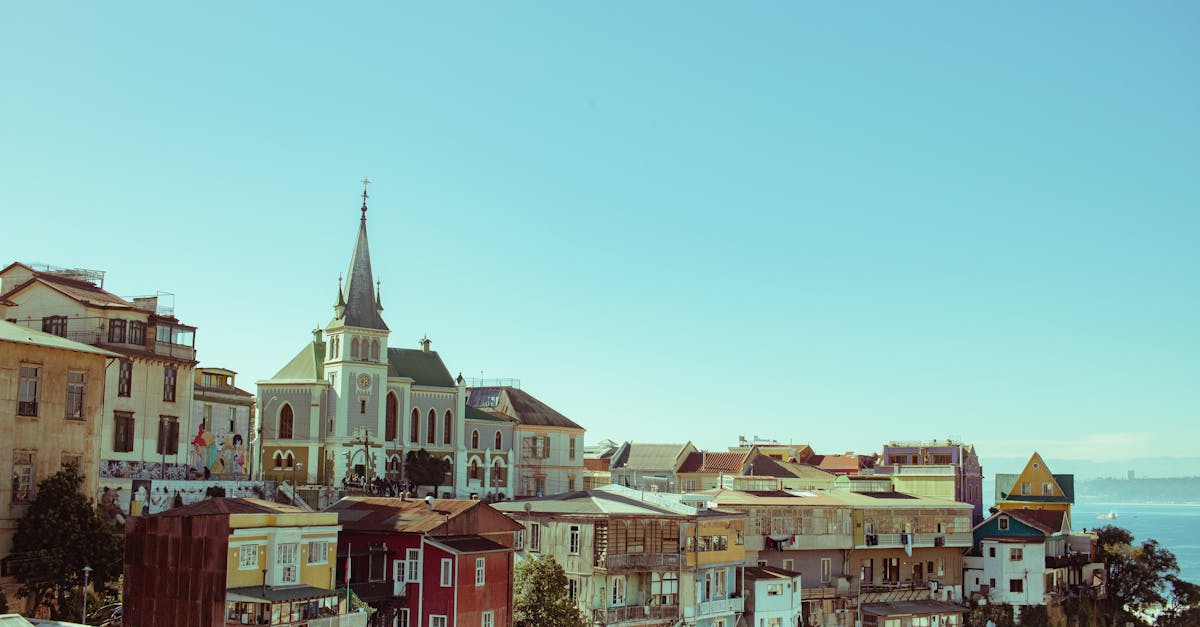
Valpo — everyone shortens it — is a port city ninety minutes northwest of Santiago by bus. The old town climbs up a series of steep hills (cerros), each one painted in a different riot of color, connected by rickety funiculars that have been running since the late 1800s. The street art is world-class. The seafood is better than anything you will eat in Santiago. The whole place has a crumbling, creative, slightly anarchic energy that is completely different from the capital.
I took the Turbus from Pajaritos terminal — about 7,000 CLP each way, departures every fifteen minutes. The ride is boring (flat farmland, then highway), but the moment you crest the last hill and the Pacific appears with the colored houses tumbling down toward it, you forget the drive. Get off at the main terminal, not the Vina del Mar stop, and walk straight into the port area.
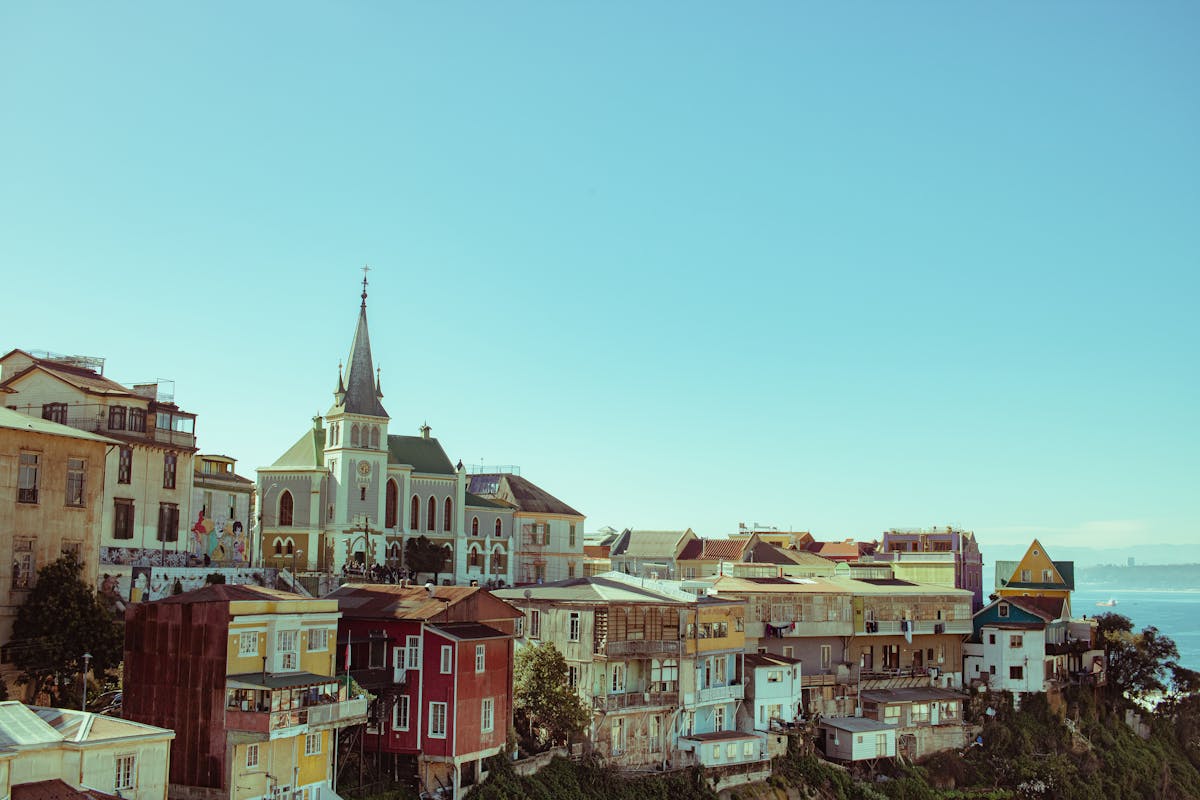
Here is how I spent my day, and I think this is the right order. Start at the port-level streets — Plaza Sotomayor, the Mercado Puerto for a quick coffee — then take the Ascensor Reina Victoria up to Cerro Alegre. This funicular costs almost nothing and saves you a punishing uphill walk. From the top, you are in the heart of the gallery and cafe district. Walk the Paseo Yugoslavo for the famous view, loop through the back streets where the best murals are, and eventually wind your way to Cerro Concepcion.
I ate lunch at a small seafood place on Cerro Alegre — ceviche and a cold beer overlooking the harbor. Under $15 for everything. The ceviche was the best I had in Chile, and I say that having eaten a lot of ceviche in Chile. The fish was so fresh it was almost translucent. If you want the full food rundown, our Valparaiso guide covers the best spots in detail.
One honest note: Valparaiso has a safety issue, particularly in the lower port area and on some of the less-touristed cerros. I felt fine everywhere I went during daylight, but I would not wander far from Cerro Alegre and Concepcion at night. Petty theft is common. Keep your phone in your pocket, not your hand, and leave the fancy camera at the hotel if you are nervous. The locals are upfront about this — it is not a secret.
Getting There
Buses leave from Pajaritos terminal (Metro Pajaritos, Line 1) every 10-15 minutes. Turbus and Pullman Bus both run the route. About 90 minutes each way, 7,000-9,000 CLP. Last bus back to Santiago is around 10pm but I would aim for 8pm to be safe. For more transport options, see our getting around Chile guide.
2. Cajon del Maipo and Embalse El Yeso — Mountain Drama Without the Trek
This was the day trip that surprised me most. I had heard of Cajon del Maipo as a canyon southeast of Santiago, decent for a hike, nothing extraordinary. I was completely wrong. The canyon is extraordinary. It is a deep, winding Andean valley that starts at 800 meters and climbs to over 3,000, with a river cutting through the bottom and peaks on both sides that get progressively more dramatic the further you drive.
You can do this trip independently — colectivos and local buses run from Puente Alto to San Jose de Maipo and beyond — but I hired a driver through my hostel for about 40,000 CLP round trip and it was worth every peso. The road to Embalse El Yeso is unpaved for the last stretch, steep, and genuinely sketchy in places. Having someone who knew the road made a difference.
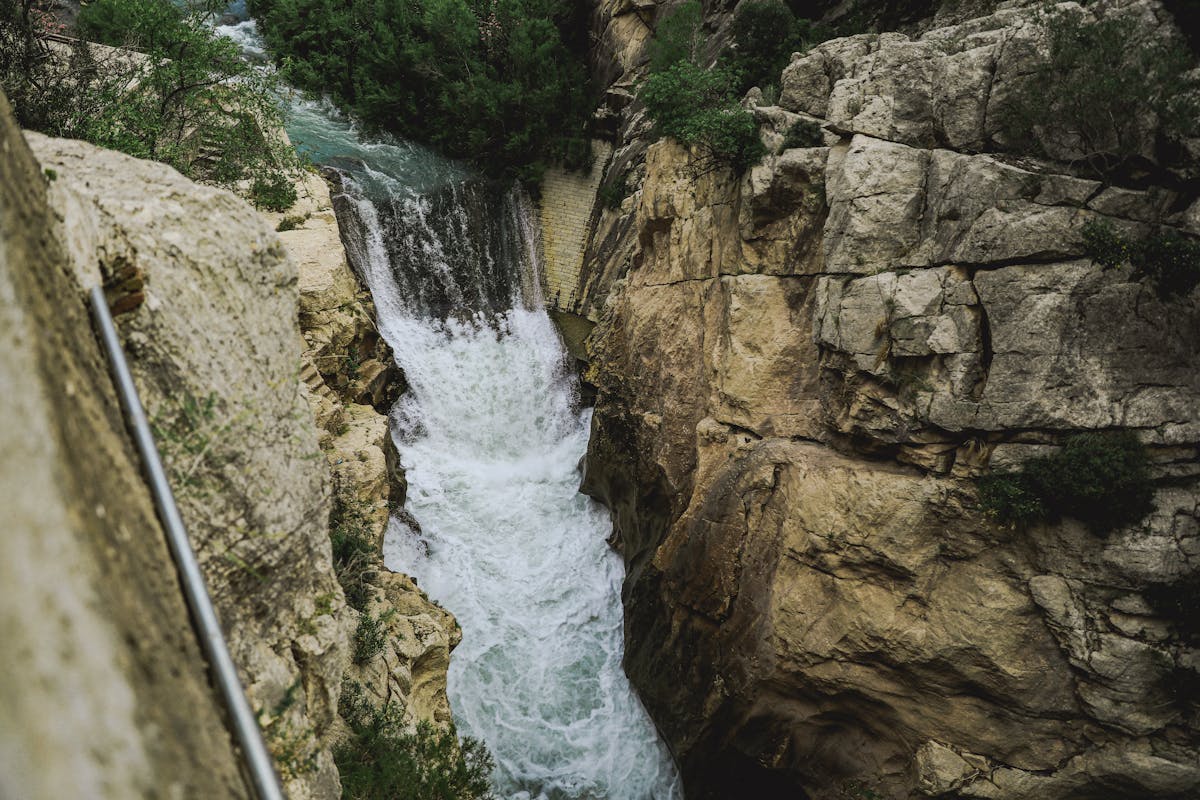
The drive itself is half the experience. You leave the Santiago sprawl behind within thirty minutes and enter a narrow valley where the air changes — cooler, thinner, smelling like rock and river. We stopped at a roadside stand for sopaipillas (fried pumpkin bread) and empanadas, which is apparently what you do in this canyon, because every pullover had a sopaipilla vendor.
Then Embalse El Yeso. I described it at the top of this article and I will not oversell it again, but I will say that photos do not capture the color. The water is that particular glacial turquoise that happens when rock flour is suspended in snowmelt, and against the brown and white of the surrounding mountains it looks artificial. It is not. You can walk along the shore — there is no formal trail, just a path beaten into the dirt — and the silence at the water's edge is total. Wind and water. That is all.
Be warned: the altitude hits some people. We were above 2,500 meters and I felt fine, but a woman in the group parked next to us had a splitting headache and had to sit in the car. Bring water, take it slow, and do not come up here if you arrived in Santiago the same day from sea level. Give yourself at least one night to adjust.
Quick Tip
The reservoir area has zero facilities. No bathroom, no shop, no shelter. Bring everything — water, snacks, sunscreen, a windbreaker even in summer. The wind at altitude is no joke. And bring cash — the sopaipilla stands along the road do not take cards.
3. Maipo Valley Wineries — The Closest Vines to the City
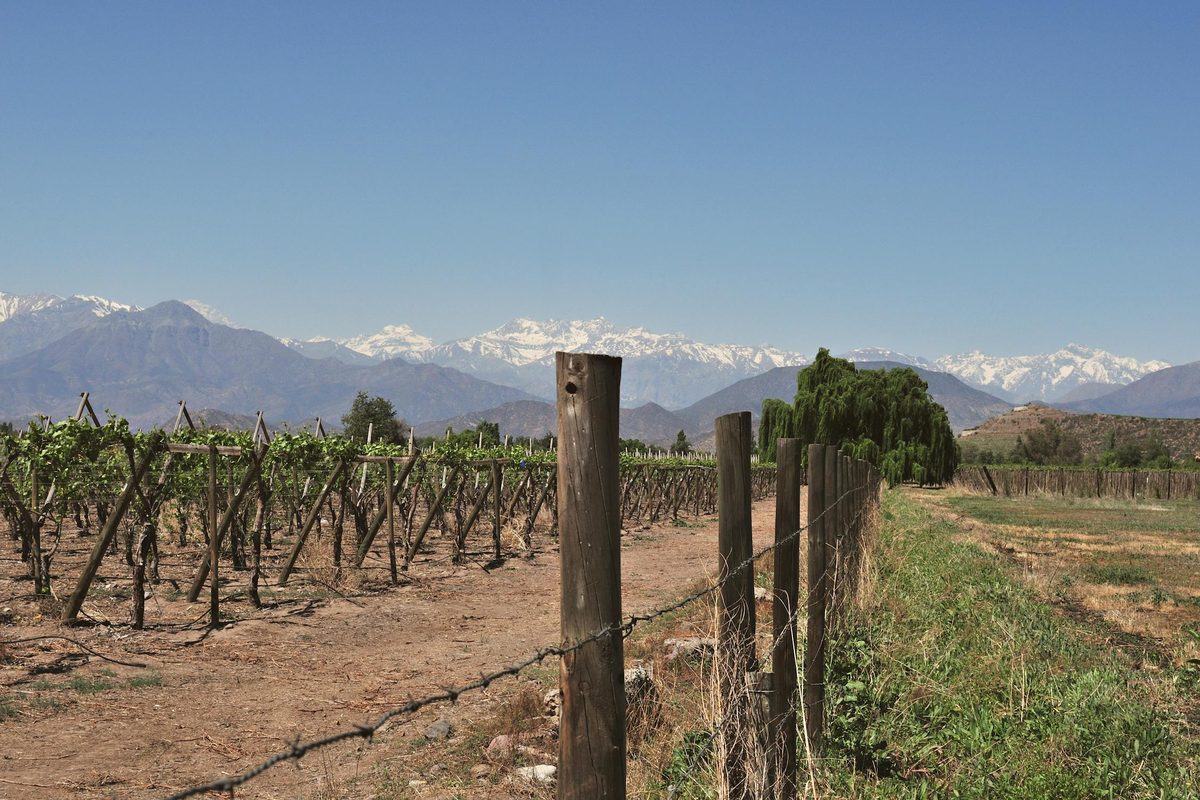
I am a wine person, and Chile ruined me for wine value everywhere else. A bottle that would cost $30 in a shop back home costs $6 at the cellar door. The wine country around Santiago is legitimate — this is not tourist wine, this is where Chile's most serious Cabernet Sauvignon comes from — and the Maipo Valley is the closest region, starting barely thirty minutes south of the city center.
I visited two wineries on my Maipo day: Concha y Toro (the big one, you have heard of it) and a smaller family operation called De Martino that I liked much more. Concha y Toro is fine — the grounds are gorgeous, the tour is well-organized, and the Casillero del Diablo cellar with its spooky lighting is entertaining if a bit theatrical. But it is a factory tour. You are one of fifty people shuffling through on a schedule.
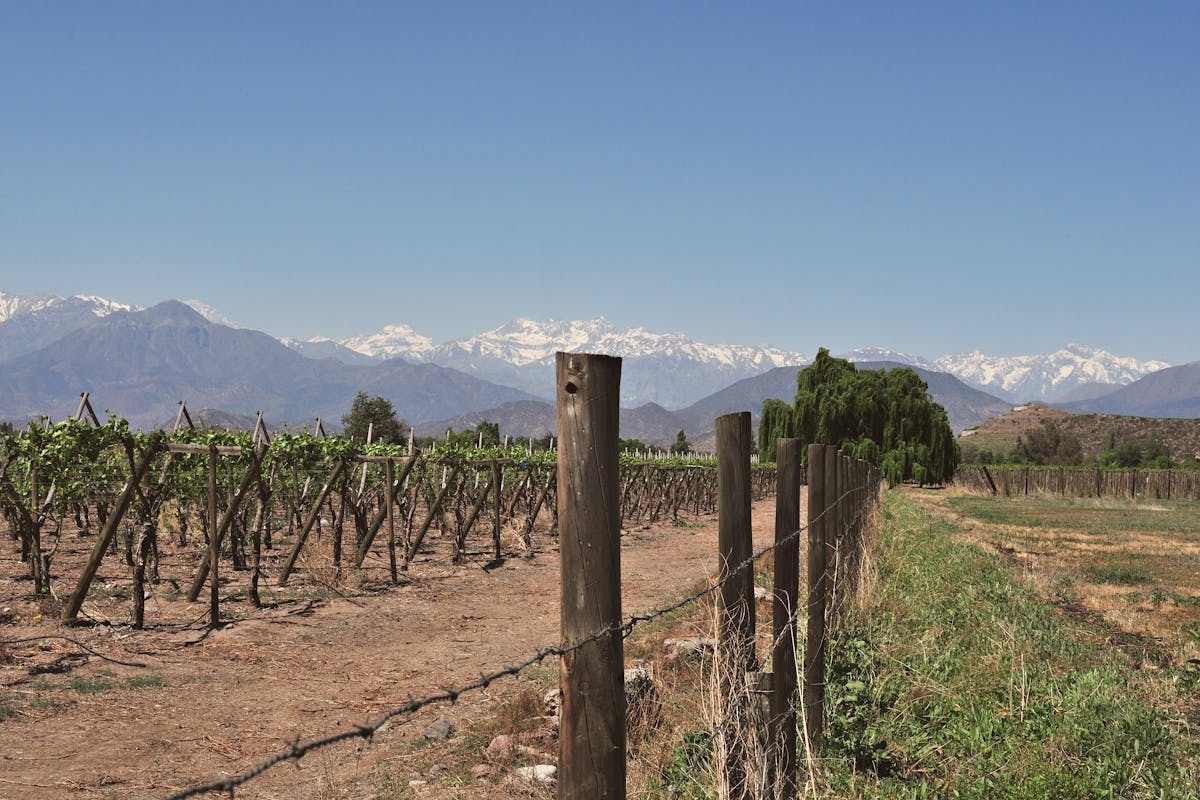
De Martino, by contrast, had four of us on the tour. The guide walked us through the old vines — some planted in the 1950s — and we tasted eight wines in a room overlooking the valley. The Carmenere was outstanding, a grape that Chile has basically adopted as its own, and I bought two bottles at cellar prices that I am still upset about finishing. Under $8 each.
Getting to Maipo is straightforward. Concha y Toro is in Pirque, reachable by metro to Las Mercedes and then a short taxi. The smaller wineries are harder without a car. I would recommend booking a half-day wine tour through Viator or GetYourGuide — they run around $45-60 per person with transport and tastings at two or three estates. It is genuinely good value for what you get.
4. Casablanca Valley — Better Wine, Longer Drive
If you are serious about wine, skip Maipo and go to Casablanca instead. Or do both, on different days. Casablanca sits between Santiago and the coast, about an hour northwest on the highway to Valparaiso, and it is Chile's white wine capital. The cool Pacific fog rolls in through the valley and creates conditions that Sauvignon Blanc and Chardonnay go crazy for.
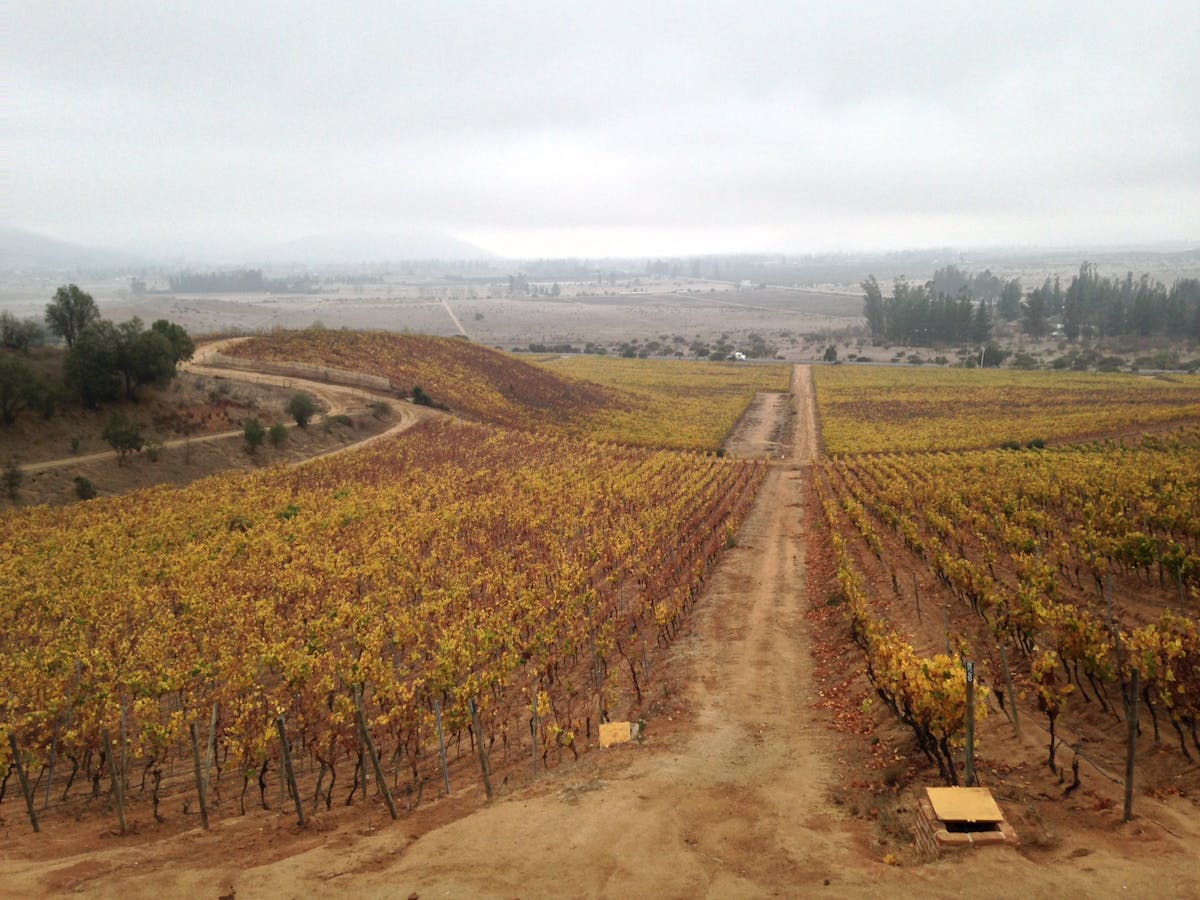
I visited Casas del Bosque and Kingston Family, and both were excellent. Casas del Bosque has a restaurant (Tanino) that pairs lunch courses with their wines, and this might have been one of the five best meals I have eaten in Chile. A three-course lunch with paired wines for about $35. The Pinot Noir they grow here — unusual for Chile — was silky and surprising. Kingston Family is smaller, American-owned, and their tasting room sits on a hilltop with views across the entire valley. The wine club vibe is strong here, but in a good way.
You can combine Casablanca with a Valparaiso visit — the valley is on the way — but I would not recommend it. You are rushing both. Give the wine a full afternoon. Most wineries close by 5pm, so leave Santiago by 10am at the latest.

5. Pomaire — The Pottery Village Nobody Talks About
Pomaire is a tiny village about an hour southwest of Santiago, and I went there on a whim because someone at my hostel mentioned it. I am glad I did. It is not going to be the highlight of your trip — let me be upfront about that — but if you have a free half-day and want something different from mountains and wine, this is a good call.
The village is basically one long main street lined with shops selling clay pottery. Greda, the local red clay, has been worked here for centuries — this is not a tourist gimmick, it is a genuine craft tradition. The pieces range from cheap souvenirs to genuinely beautiful cookware. I bought a small clay pot for cooking beans (a traditional Chilean paila) for about 5,000 CLP and it has become one of my favorite kitchen objects.
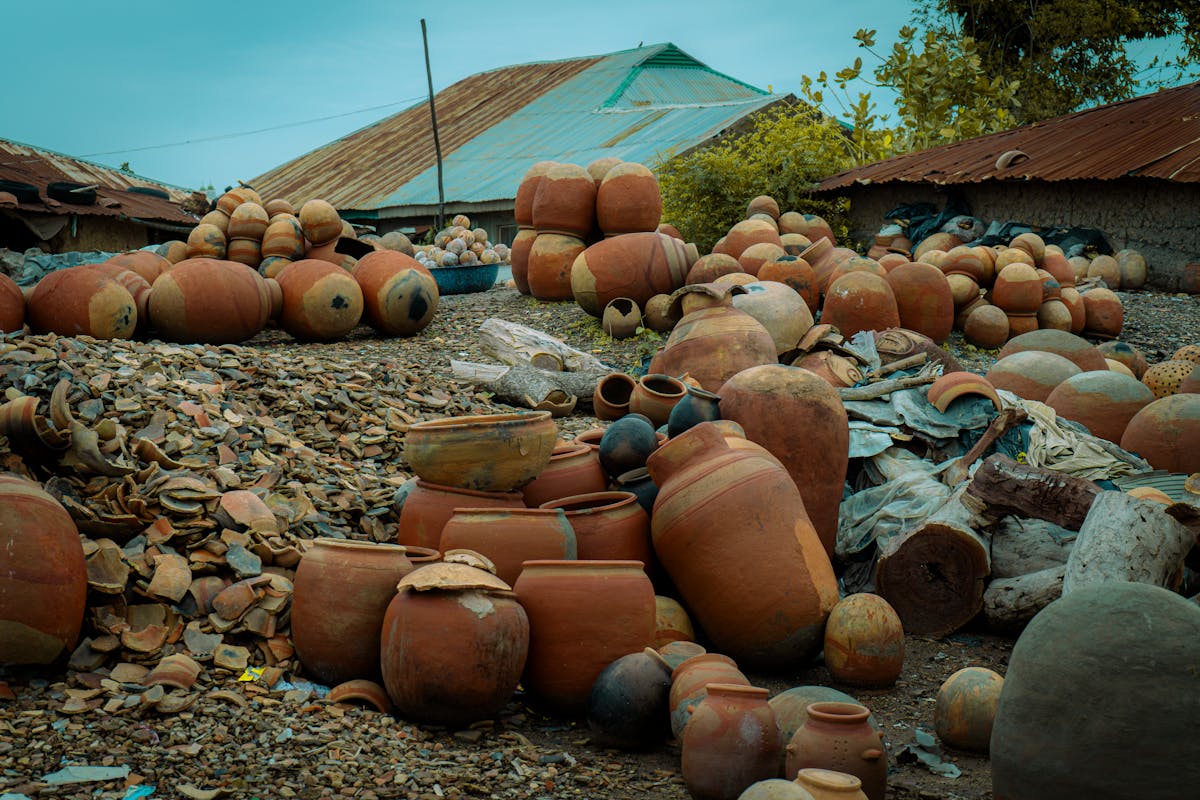
But the real reason to come to Pomaire is the food. The village is famous for its empanadas — massive, fist-sized, baked in clay ovens — and for pastel de choclo, the corn and meat casserole that is one of Chile's national dishes. I had both, sitting at a plastic table on a patio behind one of the pottery shops, and the pastel de choclo was the best version I ate during my entire time in the country. Rich, sweet corn topping over seasoned beef with olives and egg. The kind of food that makes you close your eyes. Check our Chilean food guide for more on these dishes.
Getting here is mildly annoying. Buses leave from Terminal San Borja in Santiago to Melipilla, and you get off at the Pomaire turnoff. Or take an Uber, which costs around 25,000 CLP one way. I did the Uber both ways and it was painless. The village takes two to three hours to explore fully.
6. Valle Nevado, La Parva, and El Colorado — Skiing Above the Clouds
I came to Santiago in August specifically for this. Three ski resorts sit in the mountains above the city, all reachable in about ninety minutes by car, and skiing here is a genuinely surreal experience. You leave a city of seven million people, drive straight up into the Andes on a road with more switchbacks than I could count, and end up at a lift base above 2,800 meters. On clear days you can see Santiago spread out below you from the chairlift. The smog layer sits in the valley like a grey blanket and you are above it, in sunshine, on snow.
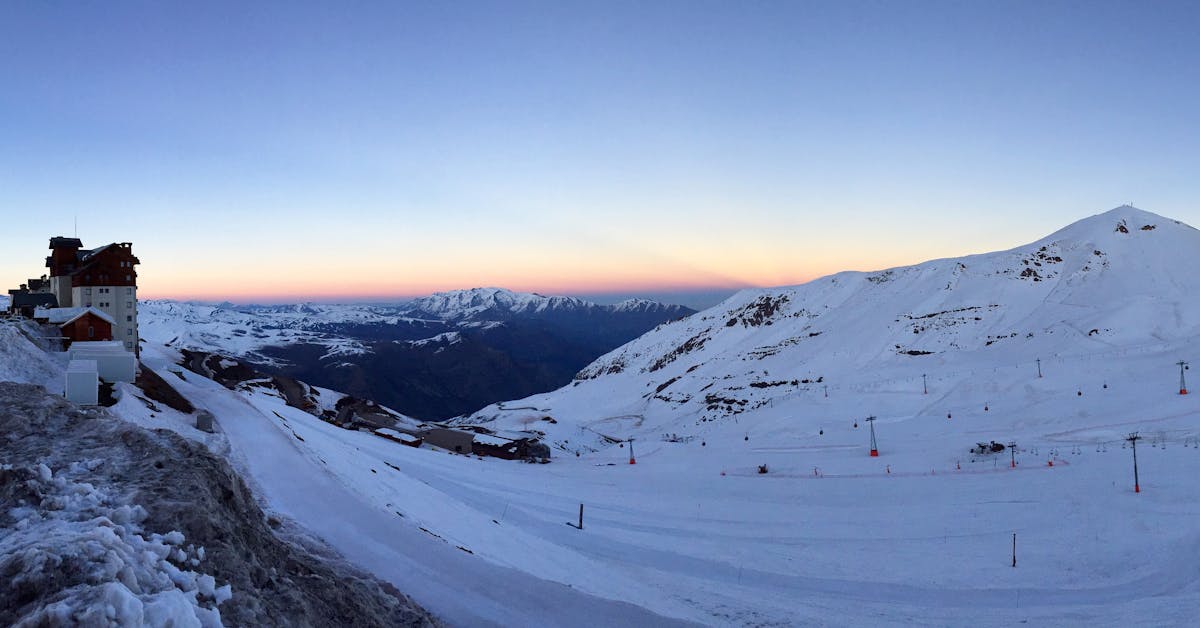
Valle Nevado is the biggest and most modern — good lifts, well-groomed runs, a proper base village with hotels and restaurants. La Parva is smaller and more local, with a residential feel and shorter lift lines. El Colorado is the most accessible and the cheapest, which means it is also the most crowded on weekends. All three are connected by ridgeline traverses if you are an advanced skier, which essentially gives you one massive ski area.
I skied Valle Nevado for two days and La Parva for one. Honest assessment: the groomed terrain is decent but not spectacular — the runs are relatively short and the snow can be variable. What makes it special is the off-piste. If you are comfortable skiing ungroomed terrain, the backcountry access here is absurd. Wide-open bowls, chutes between rock bands, and very few people. I did a guided off-piste session at Valle Nevado and it was the best skiing of that trip.
The road up is the main challenge. It is a single winding mountain road (Ruta G-21), often icy, and it can close after heavy snowfall. Most people take a transfer bus — several companies run daily service from Santiago for about 25,000-35,000 CLP round trip. Driving yourself requires snow chains (mandatory, they check) and strong nerves. Season runs roughly mid-June through early October.
Quick Tip
Lift tickets cost around 45,000-65,000 CLP depending on the day and resort. Book online in advance for discounts of up to 30%. Rental gear is available at all three resorts but is expensive — bring your own if you can. The altitude (base at 2,800m, top above 3,600m) will hit you hard if you are not acclimatized. Drink water, take the first run easy.
7. Isla Negra — Neruda's Best House
I mentioned in our Santiago guide that I visited all three of Pablo Neruda's houses in Chile. La Chascona in Santiago is the strangest. La Sebastiana in Valparaiso has the best views. But Isla Negra, on the coast south of Valparaiso, is the one that moved me.
Isla Negra is not an island — it is a rocky stretch of coastline about ninety minutes from Santiago, and Neruda's house here was his favorite, the place he retreated to write. The house is a long, low building perched on the rocks above the Pacific, and inside it is a cabinet of wonders. Neruda collected compulsively — ship figureheads, African masks, seashells, bottles, nautical instruments — and every room is stuffed with objects arranged with a collector's obsessive eye. The living room has a window that frames the ocean like a painting. The bedroom faces the waves. You can hear the surf from every room.
What makes this house different from the Santiago one is the setting. La Chascona is in a city neighborhood. Isla Negra is at the edge of the ocean, isolated and windswept, and you understand immediately why a poet would write here. The audio guide is excellent — the same quality as La Chascona's — and includes recordings of Neruda reading his own work, which plays in different rooms as you pass through. Entrance is about 8,000 CLP.
I sat on the rocks behind the house for half an hour after the tour, watching the waves break. Neruda and Matilde are buried in the garden, facing the sea, and there were flowers on the grave that looked fresh. Even decades after his death, people come here to pay respects. It is not a sad place. It is a place that makes you want to slow down and pay attention to things.
Getting here without a car is doable but slow. Pullman Bus runs from Santiago to El Quisco or El Tabo, and from there you take a local bus or taxi the last few kilometers to Isla Negra. Total travel time is about two hours each way. I would combine this with a stop at a Casablanca Valley winery on the way back if you have a car.
8. Vina del Mar — The Beach That Pairs With Valparaiso
I am going to be honest: Vina del Mar on its own is not worth a day trip from Santiago. It is a pleasant beach city with wide boulevards, a casino, some nice gardens, and a long stretch of sand. But it is not special. If you are coming from a country with good beaches, Vina will feel ordinary.
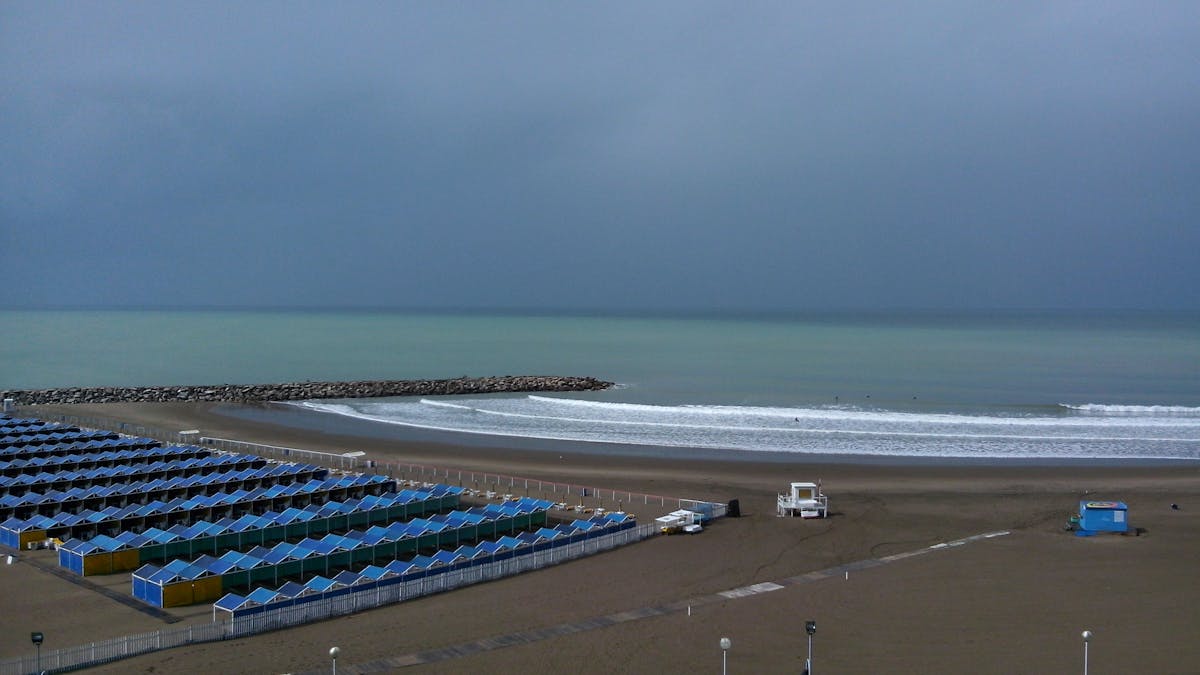
That said, it makes an excellent add-on to a Valparaiso day. The two cities are literally next to each other — a fifteen-minute metro ride or a twenty-minute walk along the coast — and the contrast is dramatic. Valparaiso is chaotic, crumbling, artistic. Vina is tidy, manicured, and a bit boring. Together they make a complete picture of the Chilean coast.
What I would do: spend the morning and lunch in Valparaiso (the cerros, the street art, the ceviche), then take the metro to Vina in the afternoon. Walk the waterfront, see the Reloj de Flores (the flower clock, which is exactly what it sounds like), have a pisco sour at one of the beachfront restaurants, and catch the bus back to Santiago from the Vina terminal. The beach is swimmable in summer (December through March) but the Pacific here is cold — we are talking 15-17 degrees Celsius — so set your expectations accordingly.
The Quinta Vergara park is worth a quick walk if you are in Vina with time to spare. It is a large, well-maintained park with old trees and a palace that houses an art museum. Free entry. Twenty minutes is enough unless you are a park person, in which case you could spend an hour.
How I Would Rank These (and Why)
If you have limited time in Santiago, here is my honest ranking based on the experience per hour invested:
| Rank | Day Trip | Time Needed | Why This Ranking |
|---|---|---|---|
| 1 | Valparaiso | Full day | A completely different world, ninety minutes away. The street art and seafood alone justify the trip |
| 2 | Cajon del Maipo + Embalse El Yeso | Full day | The most dramatic landscape near Santiago. That reservoir is burned into my memory |
| 3 | Casablanca Valley wine | Half day | Better wine than Maipo, and the drive through the valley is gorgeous |
| 4 | Ski resorts (winter only) | Full day | Skiing above a city of seven million people. The novelty factor is off the charts |
| 5 | Maipo Valley wine | Half day | Easier to reach than Casablanca, still great wine, more Cabernet-focused |
| 6 | Isla Negra | Half day | Only if you care about poetry or architecture. If you do, it might be your number one |
| 7 | Pomaire | Half day | Charming, good food, great pottery. Not a must-do but a solid use of a free afternoon |
| 8 | Vina del Mar | Add-on to Valpo | Do not go alone. Pair it with Valparaiso or skip it entirely |
The Practical Stuff
When to Go
October through April gives you the best weather for everything except skiing. The Andes are clearest in the morning — afternoon haze builds most days in summer — so start early for mountain trips. For skiing, mid-July through mid-September is the sweet spot for snow coverage. Valparaiso and the coast are year-round but nicest in the shoulder months (October-November, March-April) when the crowds thin.
How to Get Around
Buses handle Valparaiso, Vina, and Pomaire easily. For Cajon del Maipo and the wineries, you want either a tour or a private driver unless you are renting a car. The ski resorts have dedicated transfer buses in winter. Renting a car in Santiago gives you the most flexibility but the traffic leaving the city is genuinely terrible — Friday afternoons toward the coast are a nightmare. Plan around it. Our getting around Chile guide covers bus companies, car rental, and transport apps in detail.
What This Costs
| Bus to Valparaiso (round trip) | 14,000-18,000 CLP (~$16-20) |
| Cajon del Maipo private driver | 35,000-50,000 CLP (~$40-55) |
| Wine tour (half day, with tastings) | 35,000-55,000 CLP (~$40-60) |
| Ski lift ticket | 45,000-65,000 CLP (~$50-70) |
| Ski transfer bus (round trip) | 25,000-35,000 CLP (~$28-38) |
| Isla Negra entrance | 8,000 CLP (~$9) |
| Neruda houses (any) | 7,000-8,000 CLP (~$8-9) |
| Lunch in Valparaiso | 8,000-15,000 CLP (~$9-16) |
Can You Combine Trips?
Yes, but be strategic about it. Valparaiso and Vina del Mar are obvious — they are next to each other. Casablanca Valley is on the road to Valparaiso, so wine tasting and a coastal visit can technically share a day, though I think both suffer. Isla Negra and Casablanca can pair well if you have a car. Everything else is its own trip — Cajon del Maipo takes a full day, the ski resorts take a full day, and Pomaire plus Maipo Valley wineries are in roughly the same direction but far enough apart that combining them feels rushed.
If you are spending three or four days in Santiago — and you should, there is plenty to do in the city itself — I would use one full day for Valparaiso, one full day for Cajon del Maipo, and one half-day for wine. That covers the three best experiences and still leaves you time to explore Santiago's neighborhoods. Add a fourth day for skiing if you are here in winter, or for Isla Negra if Neruda speaks to you.
Santiago surprised me. I came for three days as a stopover and left after a week, still feeling like I had more to see. The day trips are a big part of why. This city gives you the Andes, the Pacific, wine country, and a poet's coast all within arm's reach. Use it. See our two-week Chile itinerary for how these day trips fit into a longer trip through the country.