This article contains affiliate links. If you book through them, I earn a small commission at no extra cost to you.
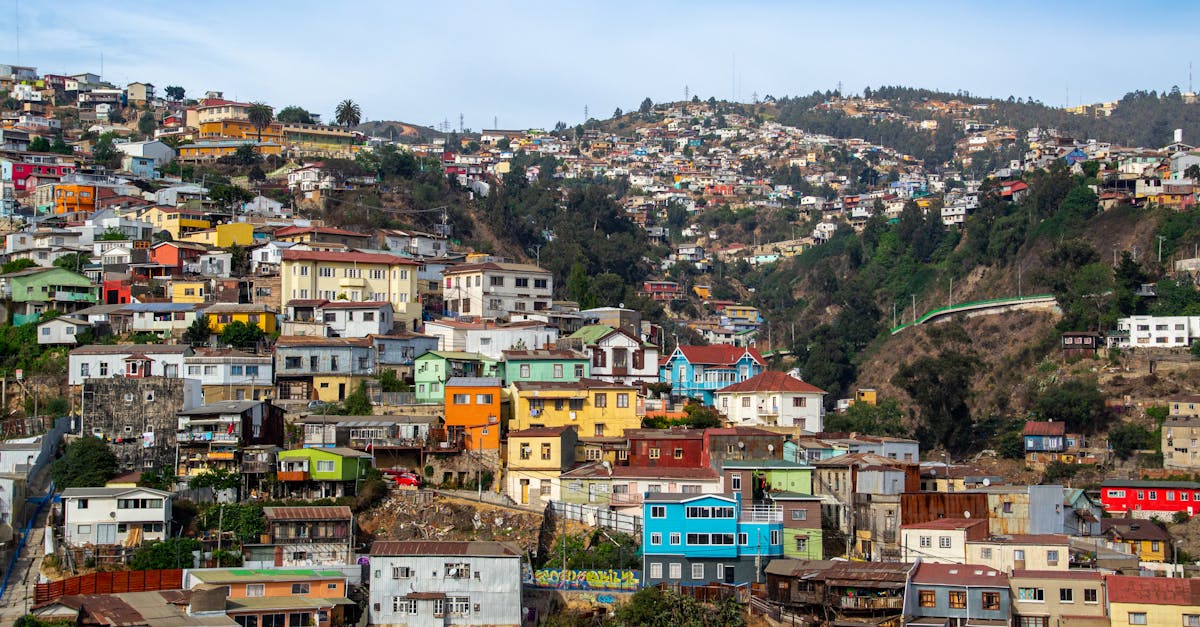
I was lost on Cerro Bellavista, halfway up a staircase that might have been a dead end, when I found the best mural I saw in all of Chile. A full building face — four stories of a woman's profile dissolving into ocean waves, done in turquoise and gold, with a quality of light in the painted water that the actual Pacific behind me could not match. I stood there for five minutes, sweating, completely turned around, no idea which direction led back to anything I recognized. A woman hanging laundry on a balcony above me pointed downhill without being asked. She had clearly watched tourists do this before.
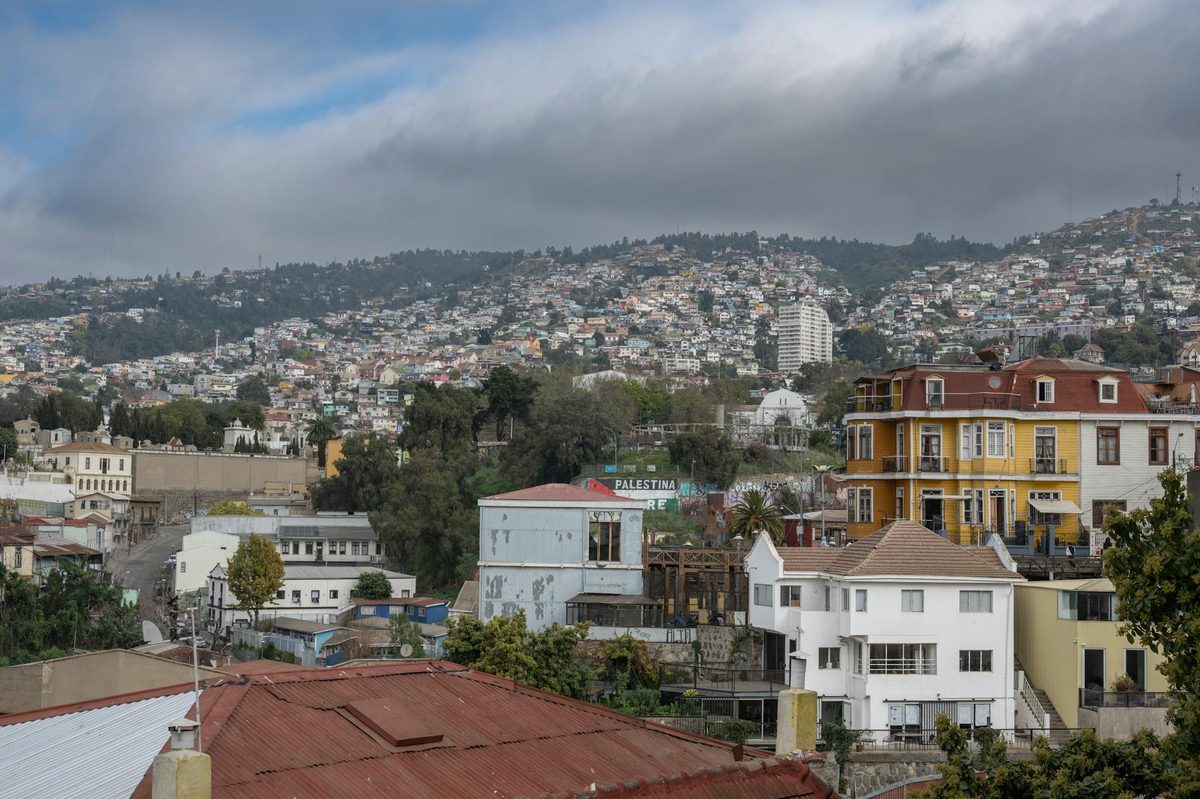
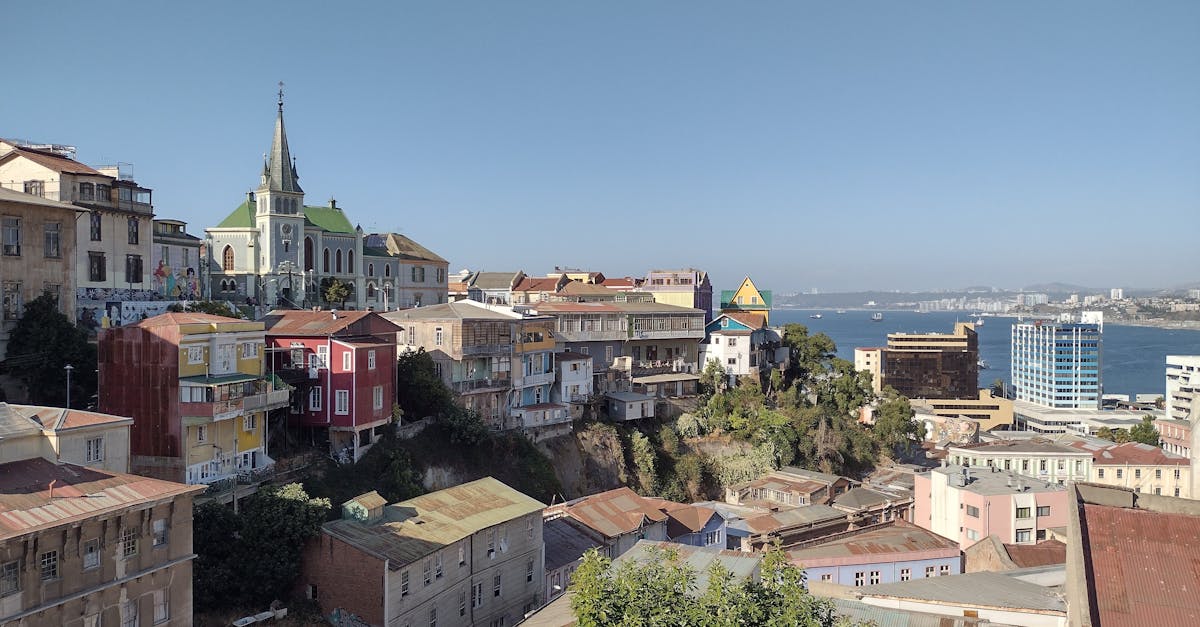
That is Valparaiso in a single moment. You get lost. You find something extraordinary. Somebody helps you. You get lost again. The city runs on this cycle. After four days here I stopped trying to navigate and started treating every wrong turn as a feature. It worked. Almost every interesting thing I found in Valparaiso — the best food, the best views, the best street art — came from walking in roughly the right direction and accepting whatever the cerros decided to show me.
This is not Santiago. It is not polished, not efficient, not always safe, and not always comfortable. But it is one of the most visually extraordinary cities I have seen anywhere, and the food will ruin you for lesser port towns. Here is everything I learned in four days.
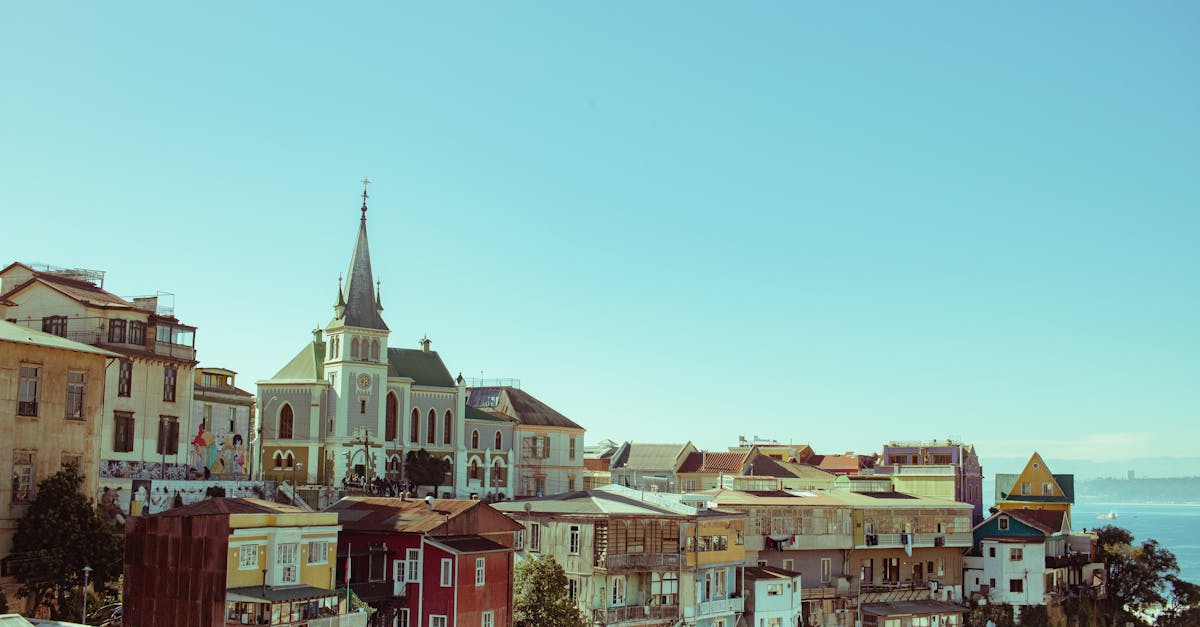
Cerro Alegre and Cerro Concepcion: Start Here, Even If You Go Nowhere Else
These two hills sit next to each other above the port and together form the most walkable, most photogenic, and most tourist-friendly part of Valparaiso. If you only have a day trip from Santiago — and a lot of people do — this is where to spend it.
Cerro Concepcion is the more European-feeling of the two. English and German immigrants settled here in the 1800s, and the architecture still shows it — Victorian houses with bay windows, Anglican churches, streets that could pass for Lisbon if you squinted. Paseo Gervasoni and Paseo Atkinson are the main promenades, both running along the ridge with views straight down to the port and across the bay. I walked Atkinson at golden hour and the container ships below looked like toys. The light does something specific to this hillside in the late afternoon — catches the painted facades at an angle that makes every color glow. Morning photographers: go early, before the shadows get harsh. I burned a whole morning trying to shoot at noon and got nothing usable.
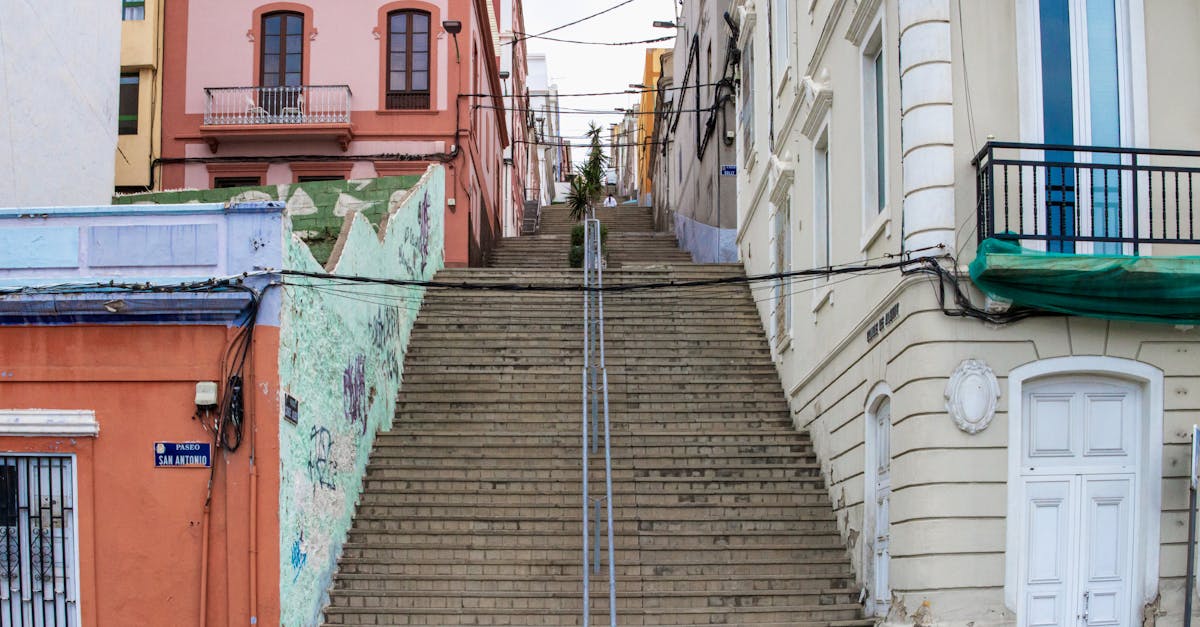
Cerro Alegre is right next door but scruffier, artier, more alive. The streets are steeper and narrower. The street art here is denser than on Concepcion — full staircases painted as murals, doorways that are art installations, retaining walls covered in work that ranges from political to purely strange. I found a staircase near Templeman street where every single step was a different color and the walls on both sides were covered in mosaic tiles. It was like walking through someone's fever dream. In the best way.
Between the two cerros, you can easily fill half a day just walking. The cafes on both hills are good — small, independent, most serving decent coffee and usually a lunch menu. I kept ending up at a place on Cerro Alegre with a terrace overlooking the port, drinking cortados and watching container cranes move in slow motion below. If you are doing the two-week Chile itinerary, this is day one of the Valparaiso section and it sets the tone for everything after.
The Ascensores: Rickety, Beautiful, and Worth Every Penny
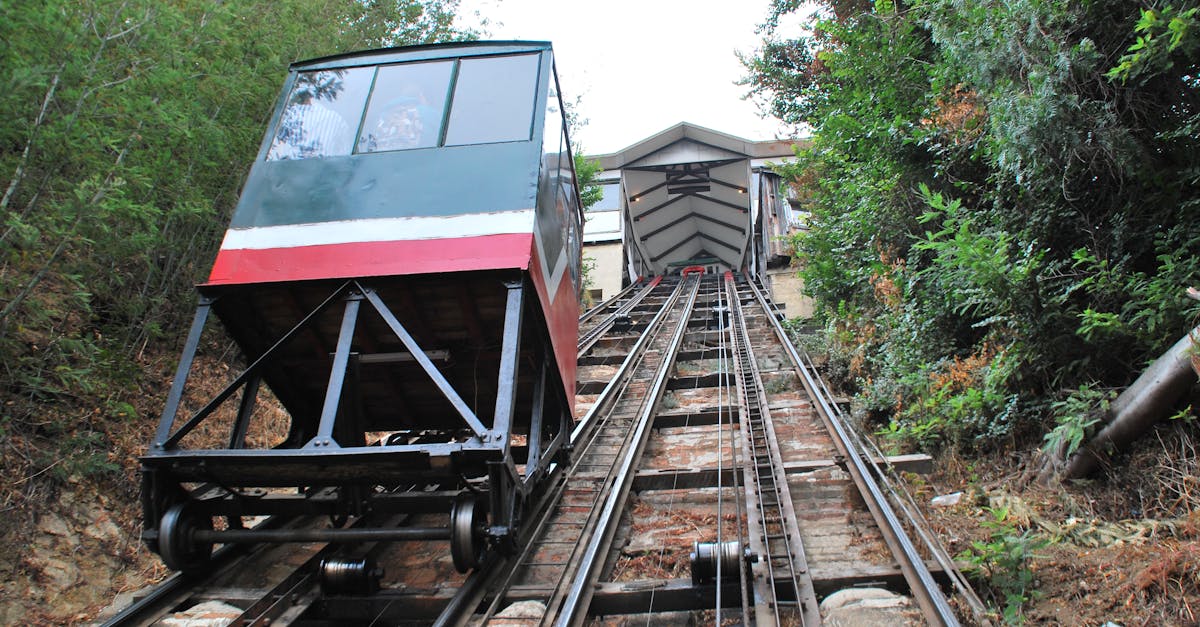
Valparaiso has fifteen historic funiculars — ascensores — built between the 1880s and 1916. About eight of them still run. They are tiny wooden cabins that drag themselves up near-vertical tracks on cables that look like they predate electricity. Some of them actually predate electricity — the earliest ones ran on counterweights and gravity.
Riding them costs almost nothing. Around 300-500 CLP (less than a dollar), paid at the bottom or top station. The ride takes about ninety seconds. And it is one of those experiences that delivers far more than it should for the price, because the views open up as you climb and the angle is steep enough that it feels like a ride, not a commute.
Ascensor Concepcion is the obvious starting point — it runs from Calle Prat near the port up to Paseo Gervasoni on Cerro Concepcion. Built in 1883, still running, still wooden, still making noises that suggest it has opinions about its workload. The views from the top station are the classic Valparaiso panorama — port, bay, container ships, the flat city plan below.
But my favorite was Ascensor El Peral. It runs from Plaza de Justicia (near the Tribunales) up to Paseo Yugoslavo on Cerro Alegre, and the top station drops you at the entrance to Museo de Bellas Artes. The ride is shorter but the arrival is better — you step out onto a promenade with a view that belongs on a postcard. The museum itself is free and worth a quick walk through, though the permanent collection is small.
Not all the ascensores are running at any given time. Several have been shut for maintenance for years. Ascensor Polanco (more on that below) runs on its own schedule. Check at your hotel or hostel before setting out for a specific one — it saves the disappointment of climbing a hill to find a locked station. Check our getting around guide for the current status list.
The Street Art Is Not Decoration — It Is the City
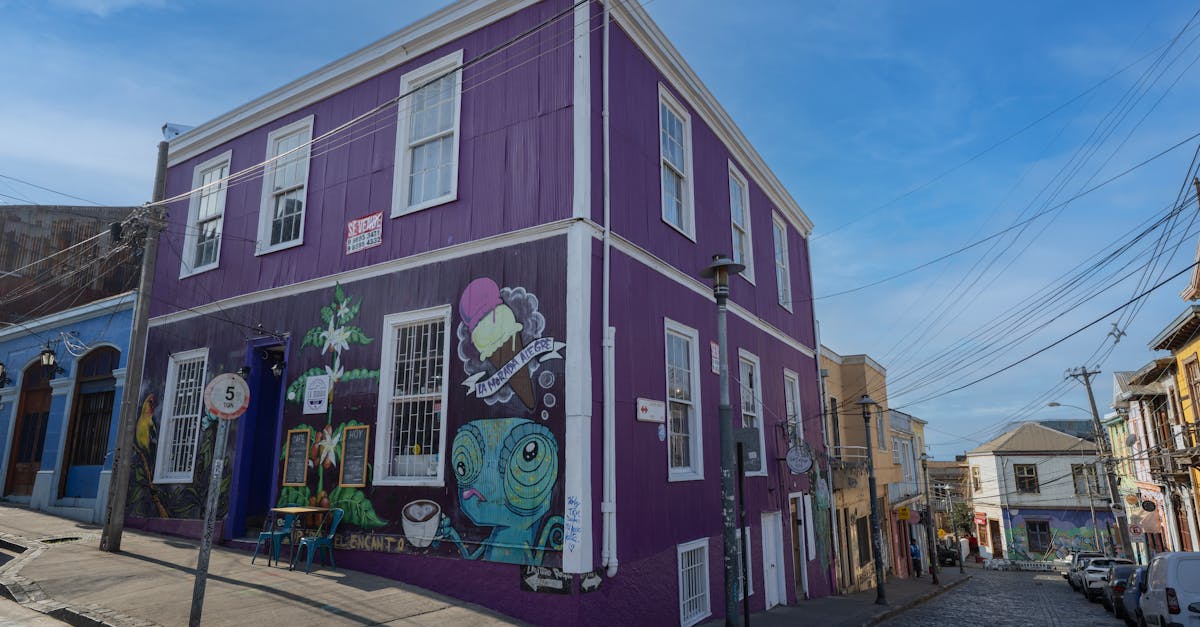
I wrote a whole separate article on Valparaiso's street art and I still did not cover half of it. The short version: this city is painted from the waterline to the hilltops. Not in a polished, city-sanctioned, Melbourne-laneway kind of way. In a chaotic, layered, constantly-changing way where political murals sit next to abstract explosions of color sit next to someone's tag sit next to a commissioned piece that a gallery in New York would hang for six figures.
Cerro Alegre and Cerro Concepcion have the most accessible concentration. But the best art — the stuff that stopped me cold — was on the cerros that tourists do not reach as often. Cerro Bellavista (where I got lost finding that woman-and-ocean piece) has incredible work. Cerro Polanco has raw, political pieces that reflect a very different Valparaiso from the Instagram version. Even the port area, which is gritty and not always pleasant to walk through, has walls that reward attention.
The art changes constantly. A wall I photographed on a Monday had been painted over by Thursday. Someone told me the average lifespan of a piece is about six months, though the really good ones tend to survive longer — the neighborhood protects them. If you see something you love, photograph it immediately. It may not be there next time.
La Sebastiana: Neruda's House with the Best View
Pablo Neruda had three houses in Chile, and I have been to all of them. La Sebastiana in Valparaiso is not the most famous (that is La Chascona in Santiago) and not the most emotional (that is Isla Negra on the coast). But it has the best view. It sits high on Cerro Florida, looking out over the bay, and Neruda chose the location specifically because he wanted to watch the fireworks on New Year's Eve from his living room.
The house is exactly what you would expect from a man who collected ships' figureheads and antique maps and bars made of driftwood: eccentric, overstuffed, and completely charming. Every room has a view. The windows are irregular shapes — circles, diamonds, narrow slits — because Neruda wanted each one to frame a different piece of the city. The audio guide is good and tells you things the rooms alone do not — like the fact that this house was attacked during the 1973 coup, and Neruda died twelve days later.
Practical note: the entrance is around 8,000 CLP, audio guide included. The walk uphill from Plaza Victoria takes about twenty minutes and it is steep. There is a colectivo (shared taxi) that runs up Cerro Florida from Avenida Ecuador — ask your hostel for the right one. Tuesday is closed. The visit takes about 45 minutes to an hour. I went in the early afternoon and had several rooms to myself.
Is it worth it if you are not into Neruda? Honestly, yes. The house architecture alone is interesting, and the view from the top floor is one of the best in the city. You do not need to know who Neruda was to appreciate a man who built his living room around a window.
Cerro Polanco and the Vertical Elevator
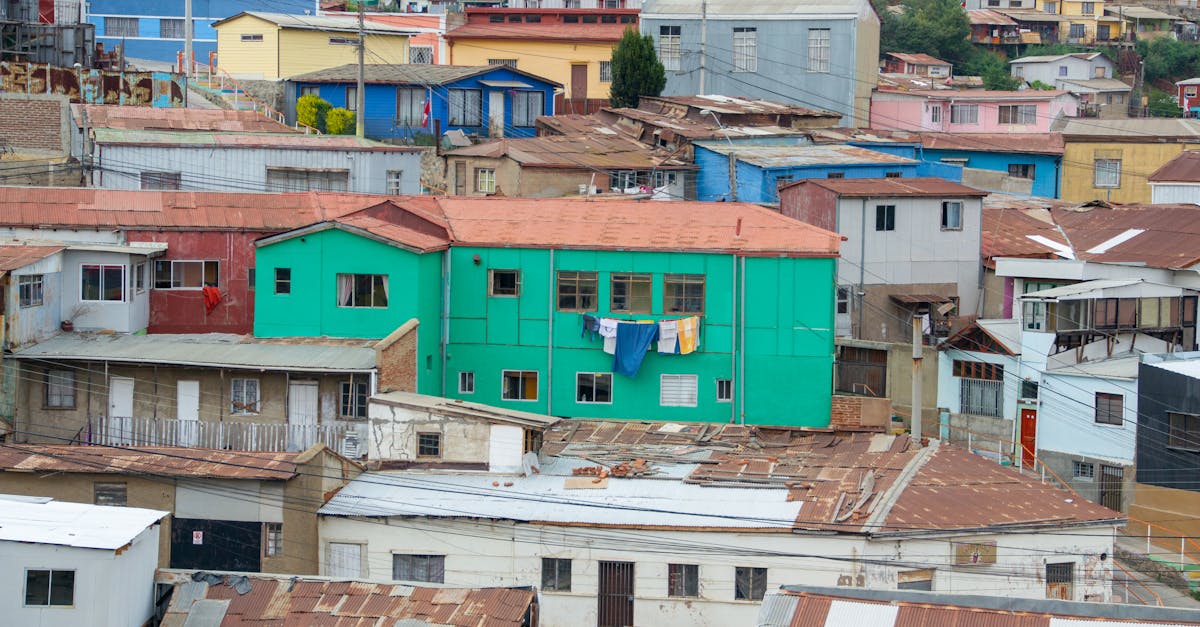
This is the one that caught me off guard. Cerro Polanco is not on most tourist itineraries. It is rougher than Alegre or Concepcion, less painted, more residential in a working-class way that some visitors find uncomfortable. But it has something none of the other cerros have: a vertical elevator.
Ascensor Polanco is not a funicular. It is a literal elevator shaft tunneled into the rock of the hillside. You enter through a tunnel at street level — dark, narrow, slightly damp — walk about 150 meters underground, and then step into an elevator that takes you straight up through the middle of the hill. When the doors open at the top, you are standing on a metal walkway high above the city with a 360-degree view that makes the Cerro Concepcion panoramas look like postcards.
Built in 1915. Still running. I rode it twice because once was not enough to process the experience. The tunnel alone is worth it — the light at the far end, the slight echo of your footsteps, the knowledge that you are walking through the guts of a hill that was carved out over a century ago. Then the elevator rattles upward and the doors open and the city appears below you and the port stretches out to the horizon.
It costs the same as the other ascensores — a few hundred pesos. But this one feels like a secret. Most tourists never make it to Cerro Polanco. The neighborhood around the base is working-class and does not have the cafes and boutiques of the more popular cerros. Walk with awareness, keep your phone tucked away when you are not photographing, and you will be fine. But read our safety tips before heading into the less tourist-heavy areas.
The Food: Chorrillana, Congrio, and Cafe Turri
Valparaiso invented chorrillana. I need you to understand this. If you read the Chilean food guide you already know what it is — a mountain of french fries buried under sauteed onions, strips of beef, and fried eggs, served on a plate the size of a hubcap. It is bar food raised to a civic institution, and the version you eat in Valparaiso is the original. Every restaurant in the port area serves it. Not all of them serve it well. The best ones use real hand-cut fries and cook the onions until they are caramelized, not just soft. Ask at your hostel where to go — the answer changes faster than I can write it down. For more on the full Chilean food and drink scene, start there.
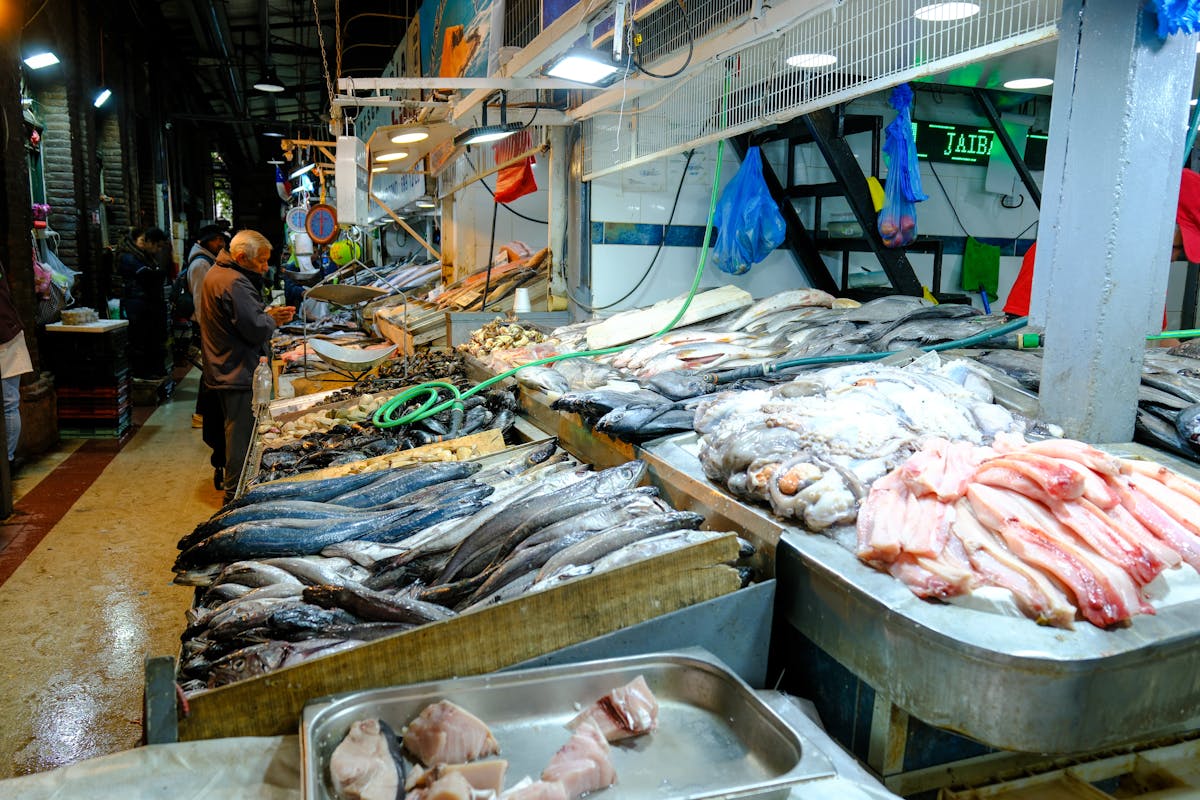
Seafood is the other pillar. Valparaiso is a working port, and the fish market near the Mercado Puerto sells what came off the boats that morning. Caldillo de congrio — a rich soup built around conger eel, potatoes, onions, and a broth that tastes like the ocean concentrated — is the thing to order. Neruda wrote a poem about it. I ate it three times in four days and the third bowl was better than the first because I found a smaller place on a side street where the cook had been making it for twenty years.
Cafe Turri deserves specific mention. It sits on Paseo Gervasoni at the top of Ascensor Concepcion, and the view from the terrace — directly over the port, with container ships and the bay spreading out below — is probably the best restaurant view in Chile. The food is good, not extraordinary. Fish, steaks, Chilean staples done well. But you are not going for the food. You are going for the terrace. Book a table for lunch, not dinner — you want the daylight view. Budget around 15,000-25,000 CLP per person for a full meal with wine.
For cheaper eating, the area around Plaza Anibal Pinto has several no-frills restaurants serving menu del dia — a set lunch (soup, main, drink) for around 4,000-6,000 CLP. These are where the port workers eat. The food is basic, generous, and real. I had a set lunch one day that was fish soup followed by a fried reineta (a local white fish) with rice and salad, plus a glass of juice. 5,000 CLP. Under six dollars. It was excellent.
The Port: Gritty, Honest, and Not for Everyone
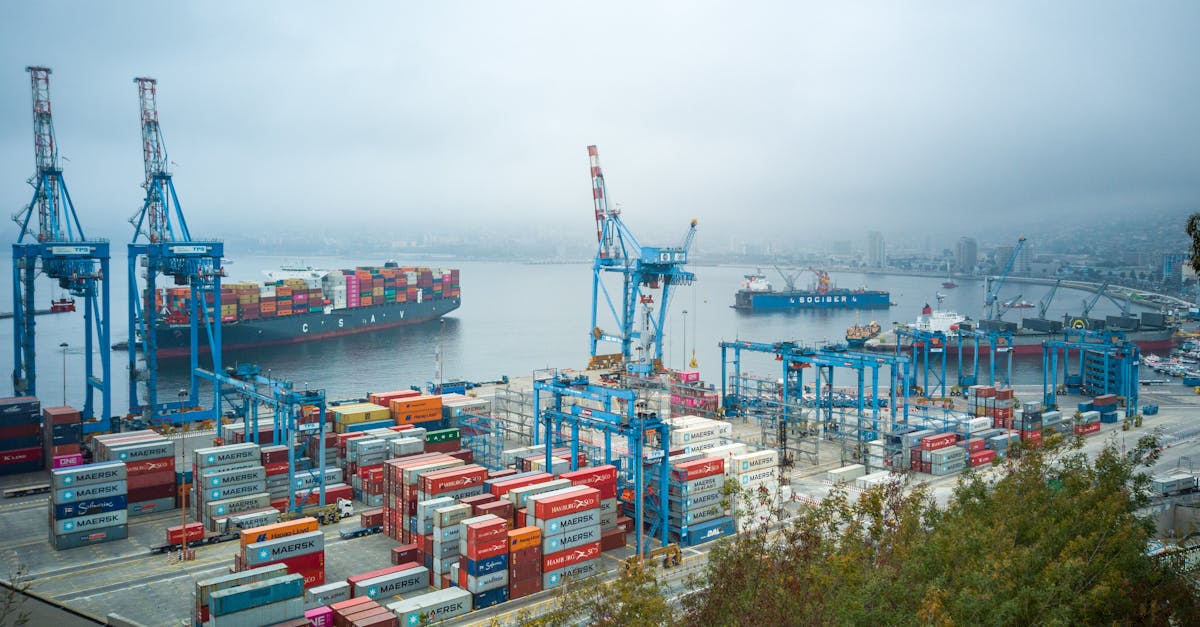
The flat area at the base of the cerros — El Plan — is where Valparaiso works for a living. This is a functioning commercial port. Container cranes line the waterfront. Trucks move cargo through streets that smell like diesel and sea salt. The architecture is a mix of grand nineteenth-century commercial buildings (some beautifully maintained, some crumbling) and functional port infrastructure that nobody designed for aesthetics.
I am going to be straightforward: the port area is not the pretty part. Parts of it feel run-down. The streets around Plaza Sotomayor and the bus terminal can be rough, especially at night. I would not wander the port area after dark on my first visit. But during the day, it has an honest energy that the tourist cerros do not — this is where Valparaiso actually happens, where the money comes in, where the navy operates, where the fishermen dock.
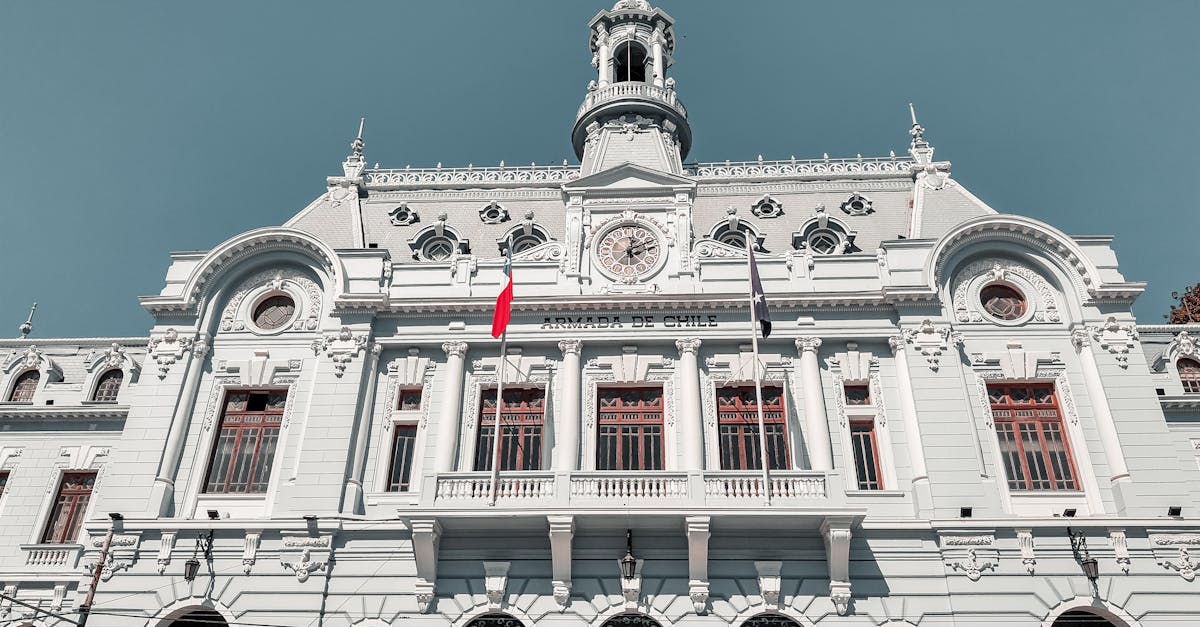
The Edificio de la Armada on Plaza Sotomayor is imposing — Chilean naval headquarters, all stone and columns and seriousness. The Monumento a los Heroes de Iquique sits in the plaza center, commemorating a naval battle that is core to Chilean identity. Take five minutes to read the plaques. The War of the Pacific (1879-1884) shaped this entire country, and Valparaiso was the navy's home port. If you care about Chilean history and heritage, this plaza tells more of it than most museums.
Walk down to the Muelle Prat pier if you want to see sea lions. Dozens of them haul out on the docks and the fishing boats, barking and fighting over territory. Street vendors sell boat tours of the harbor — around 5,000-8,000 CLP for thirty minutes. The tour itself is touristy but it gives you the only view of Valparaiso from the water, and seeing the cerros stacked up from sea level is genuinely different from seeing them from above.
Best Photo Spots (and When to Show Up)
I take a lot of photos when I travel and Valparaiso nearly broke my camera. Everything here is photogenic, which sounds like a blessing but is actually a problem — when everything is a shot, nothing stands out, and you end up with a thousand images that all look the same. Colorful wall. Staircase. View. Repeat.
Here is what actually works, from four days of trial and error.
Paseo Atkinson at golden hour
The promenade on Cerro Concepcion facing west-northwest. Late afternoon light hits the facades of the houses along the walkway while the port glows below. This is the shot everyone wants and it genuinely delivers. Show up around 5-6pm in summer (later in March, earlier in December). The light window is about thirty minutes before it drops behind the coastal hills.
Escalera Piano on Cerro Alegre
The piano staircase — steps painted as piano keys. It is famous, it is on every Instagram account, and it is... fine. I am going to be honest: it photographs better in person than in most of the images I had seen online, but the area around it is busy with tourists and the angle is limited. Get there early morning for clean shots without people. Or skip it — there are better staircases.
The unnamed staircase on Templeman Street
Better than the piano stairs. Less famous, more colorful, fewer people. Walk up Templeman from the Cerro Alegre side and look for the mosaic staircase about halfway up. Morning light is best — the east-facing steps catch the sun before 10am.
Cerro Polanco elevator walkway
The 360-degree view from the top of the vertical elevator. Unique angle that nobody else gets because nobody goes to Cerro Polanco. Late afternoon for warm light, but honestly any time of day works because the view is panoramic.
Port area from Paseo 21 de Mayo
On Cerro Artilleria, this viewpoint overlooks the port container terminal and the bay. The containers create a geometric pattern below — surprisingly photogenic, especially with the cerros rising behind. Morning light for front-lit color on the containers.
Vina del Mar: The Contrast That Makes Valparaiso Make Sense
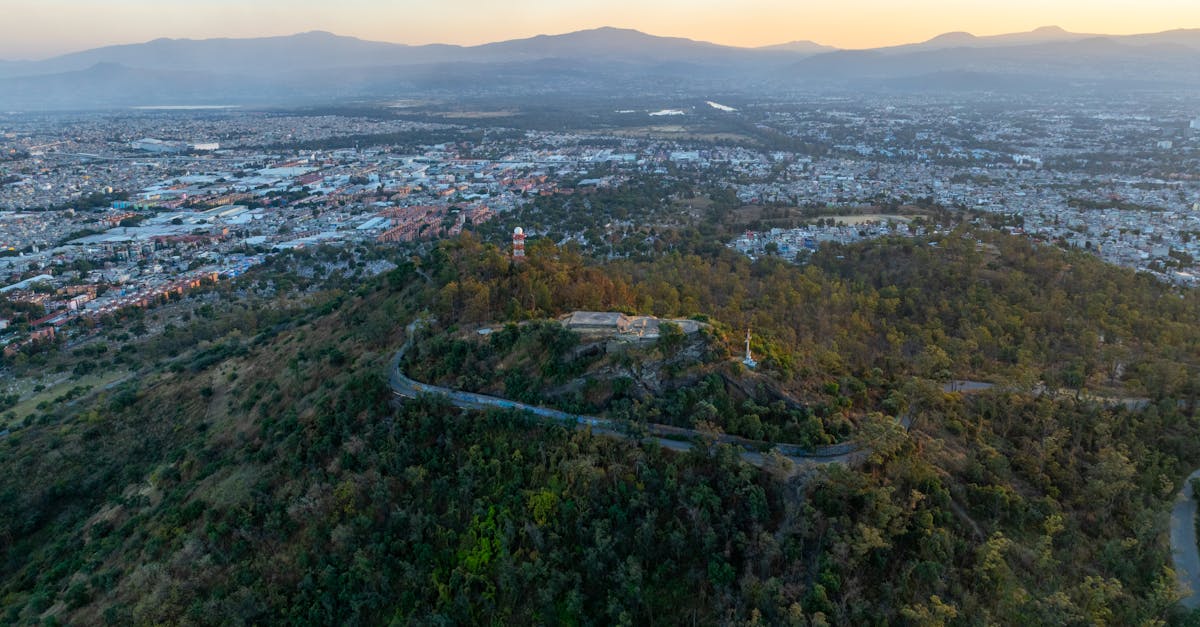
Vina del Mar is twenty minutes up the coast by bus or metro, and it is the anti-Valparaiso. Planned, clean, modern, with wide boulevards and manicured gardens and a beach that fills with Santiago families every summer. Chileans call it La Ciudad Jardin — the Garden City. After days in Valparaiso's beautiful chaos, stepping off the metro in Vina del Mar felt like entering a different country.
Do I think you need to go? If you have more than two days in the area, yes. Not because Vina is more interesting than Valparaiso — it is not, by a wide margin — but because the contrast sharpens your understanding of both. Valparaiso is organic, crumbling, artistic, and dangerous in patches. Vina is orderly, maintained, conventional, and safe. They sit side by side and share a metro line. That says something about Chile's relationship with its own contradictions that I am still thinking about.
The Reloj de Flores (flower clock) is the landmark everyone photographs. It is exactly what it sounds like: a clock made of flowers. Fine. The Quinta Vergara park is pleasant for a walk. The beach at Renaca, north of central Vina, is the best swimming beach in the area — though the Pacific here is cold year-round. You will not last long in the water without a wetsuit unless you are the tough type.
Half a day is plenty for Vina. Go, walk the waterfront, eat lunch (cheaper than Valparaiso for equivalent quality), see the flower clock if you must, then take the metro back to the city that actually has a soul.
New Year's Eve: The Biggest Fireworks Show in South America
This is the one event that puts Valparaiso on the map for people who would otherwise never come. On December 31st, the entire bay becomes a stage for a fireworks display launched from barges across the harbor. Over a million people watch from the cerros, the beaches, the port, and boats in the bay. Neruda built La Sebastiana partly to have a front-row seat. It is the largest New Year's fireworks show in South America and possibly the most dramatic setting for fireworks on Earth — the explosions reflect off the water and light up the painted cerros in sequences of color that look designed by someone who understood both pyrotechnics and art.
I have not been for New Year's Eve personally, but everyone I have spoken to who has says the same two things: it is extraordinary, and the logistics are a nightmare. A million people in a city built for 300,000 means the roads are gridlocked, the cerros are packed, and getting out afterward takes hours. Hotels book up months in advance at three to four times normal prices. If you are doing it, book accommodation by September, arrive December 30th at the latest, and accept that you will not sleep.
The best vantage points are Cerro Artilleria (Paseo 21 de Mayo), Cerro Concepcion (Paseo Atkinson), and the beaches north toward Renaca in Vina del Mar. Locals claim the view from Cerro Playa Ancha is the best of all, but it is also the most remote and hardest to reach on a night when taxis do not exist.
Safety: Honest Talk
Valparaiso has a petty crime problem and I am not going to pretend otherwise. Bag snatching, phone theft, and pickpocketing happen, particularly in the port area and on the less-touristed cerros. I walked the city for four days without incident, but I also kept my phone in my front pocket, did not wear a watch, and avoided the port area after dark.
The tourist cerros — Alegre, Concepcion — are generally safe during the day and manageable at night if you stick to the lit streets. The further you get from the tourist core, the more aware you need to be. Cerro Polanco, Cerro Barron, and parts of Cerro Bellavista are fine in daylight but I would not wander them at night. The port area (El Plan) around the bus terminal and Avenida Errazuriz has a sketchy reputation, especially after dark.
Standard precautions: do not flash expensive gear, keep bags closed and in front, take taxis after dark rather than walking, and if someone approaches you aggressively just walk away. This is not a dangerous city by South American standards — Buenos Aires, Lima, and Bogota are all worse for street crime. But it is not Santiago either. Pay attention. See our full Chile safety guide for more detail.
Quick Tip
The stray dogs in Valparaiso are everywhere and almost all of them are friendly — the city has a strong culture of communal dog care. But do not pet them without letting them approach you first, and avoid the ones that look unwell. This is good advice for stray dogs anywhere.
When to Visit and How to Get There
The best months are October through March — Chilean spring and summer. Warm days (20-25C), clear skies, long light for photography. January and February are peak season: crowded, pricier, and hot. December is my pick — warm enough for shirtsleeves, not yet packed, and if you time it right you catch the New Year's fireworks. March is also good — the summer crowds thin out, the light turns golden, and the cerros are quieter.
Winter (June-August) is cold, grey, and rainy. The fog rolls in from the Pacific and the cerros lose their color under overcast skies. The ascensores are more likely to be shut for maintenance. On the plus side, you will have the city almost to yourself, and the moody atmosphere suits the grittier neighborhoods. But for a first visit, come in the warm months.
Getting there from Santiago
Bus from Santiago's Terminal Alameda to Valparaiso takes about 90 minutes. Tur Bus and Pullman Bus run every fifteen to twenty minutes throughout the day. Tickets cost around 5,000-8,000 CLP one way (under $10). The road crosses the coastal range through a series of tunnels and the landscape shifts from dry central valley to misty coast in the last thirty minutes. Sit on the right side for better views.
You can also drive — rental cars are available in Santiago — but parking in Valparaiso is genuinely difficult. The cerro streets are narrow, steep, and often one-way with no warning. I watched a rental car try to turn around on a cerro street and it took seven attempts and a crowd of amused locals. Take the bus.
For the full Santiago guide including how to get from the airport to the bus terminal, start there.
How long to stay
Two days is the minimum for a real visit. Three days is ideal — gives you time for the main cerros, La Sebastiana, a food crawl, and a half-day in Vina del Mar. Four days is what I had and I used every hour. If you are doing the two-week Chile itinerary, I built in two nights here and that felt slightly rushed.
Do not do Valparaiso as a day trip from Santiago. People do this and I understand why — it is only ninety minutes away — but you lose the evening and the morning, which are the two best times to be on the cerros. The city changes completely after dark when the murals are lit by streetlights and the restaurants fill up and the port glows below. You need at least one night.
What to budget
| Hostel dorm | 8,000-15,000 CLP ($9-17)/night |
| Budget hotel/Airbnb | 30,000-50,000 CLP ($35-58)/night |
| Nice boutique hotel on Cerro Alegre | 60,000-120,000 CLP ($70-140)/night |
| Menu del dia (set lunch) | 4,000-6,000 CLP ($5-7) |
| Dinner at a mid-range restaurant | 12,000-20,000 CLP ($14-23) |
| Chorrillana (feeds 2) | 8,000-12,000 CLP ($9-14) |
| Ascensor ride | 300-500 CLP ($0.30-0.60) |
| La Sebastiana entrance | ~8,000 CLP ($9) |
| Bus from Santiago | 5,000-8,000 CLP ($6-9) one way |
| Harbor boat tour | 5,000-8,000 CLP ($6-9) |
Valparaiso is cheaper than Santiago for accommodation and roughly the same for food. Your biggest expense will be meals and drinks, not sights — most of the best things here (walking, street art, views, ascensores) cost almost nothing. A comfortable mid-range budget is around $50-70 per day including a decent room and eating well. Backpackers can do $25-35 if they cook some meals and stay in dorms. For full budget planning, see our money and costs guide.
What Is Overrated (and What to Skip)
The piano staircase. It is fine. It photographs well. But the crowds around it are annoying and there are twenty staircases in Valparaiso that are equally photogenic without the Instagram circus. Go if you want the classic shot, but do not make it a priority.
Guided graffiti tours. You do not need one. The art is everywhere and finding it is half the experience. If you want context, the street art article has a self-guided route. Save the 15,000-20,000 CLP and buy yourself lunch instead.
The Mercado Puerto. Overhyped as a food destination. The fish is fine but the tourist markup is real and the atmosphere is more bus-station cafeteria than lively market. Eat at the smaller places on the side streets near Plaza Anibal Pinto instead — same fish, half the price, three times the character.
Vina del Mar as a full-day activity. Half a day. Maximum. Unless you specifically want to spend time at the beach, in which case go to Renaca and skip central Vina entirely.
What You Should Not Skip
Walking the cerros without a plan. Seriously. The best things I found in Valparaiso came from having no destination. Put your phone away, pick a direction, and walk uphill. The city rewards this more than almost anywhere I have been.
Eating chorrillana at least once. It is absurd, it is heavy, and it is perfect. Share one between two people. Order a pisco sour alongside it. This is the Valparaiso experience in a single meal.
One ascensor ride. Even if you take no other funicular, ride Ascensor Concepcion or Ascensor El Peral once. The experience of being pulled up a cliff in a wooden box that has been doing this for 140 years is worth the thirty cents.
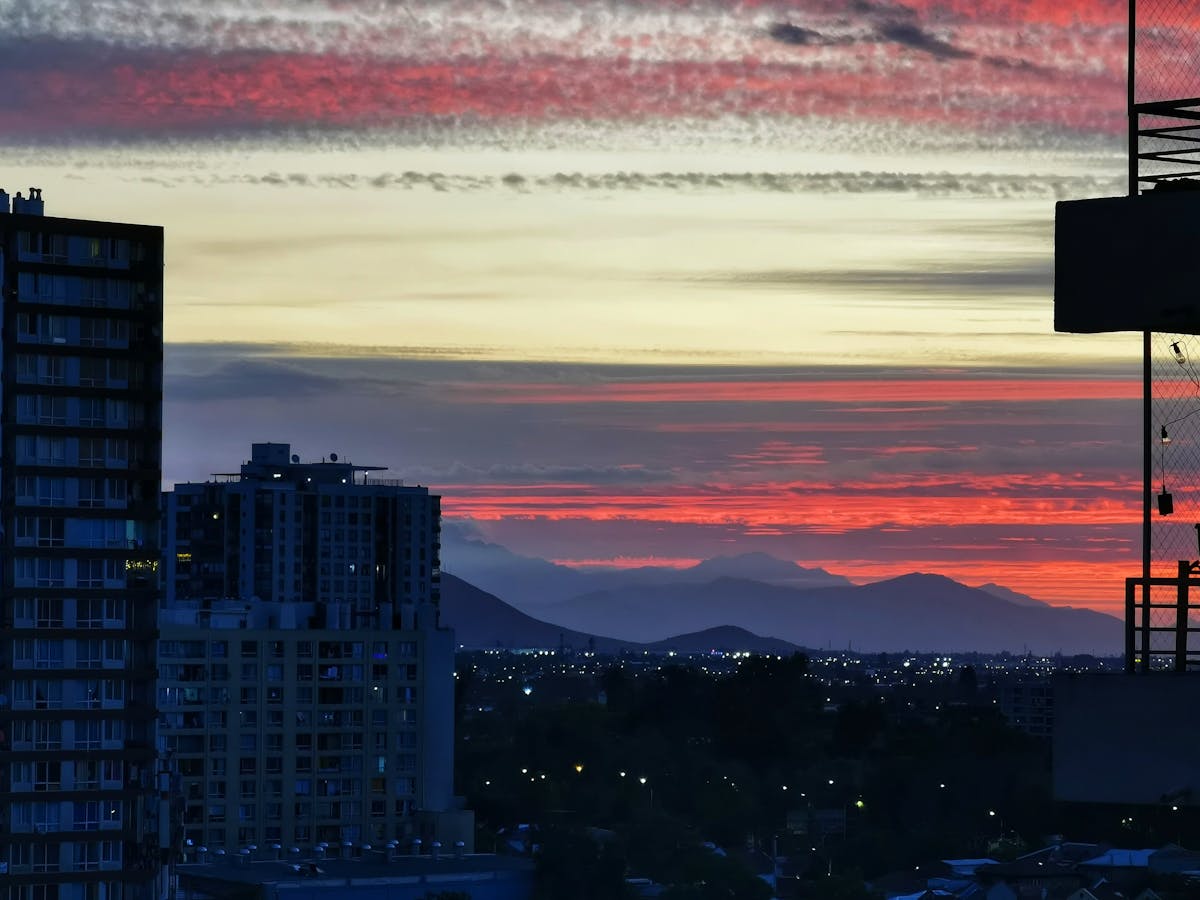
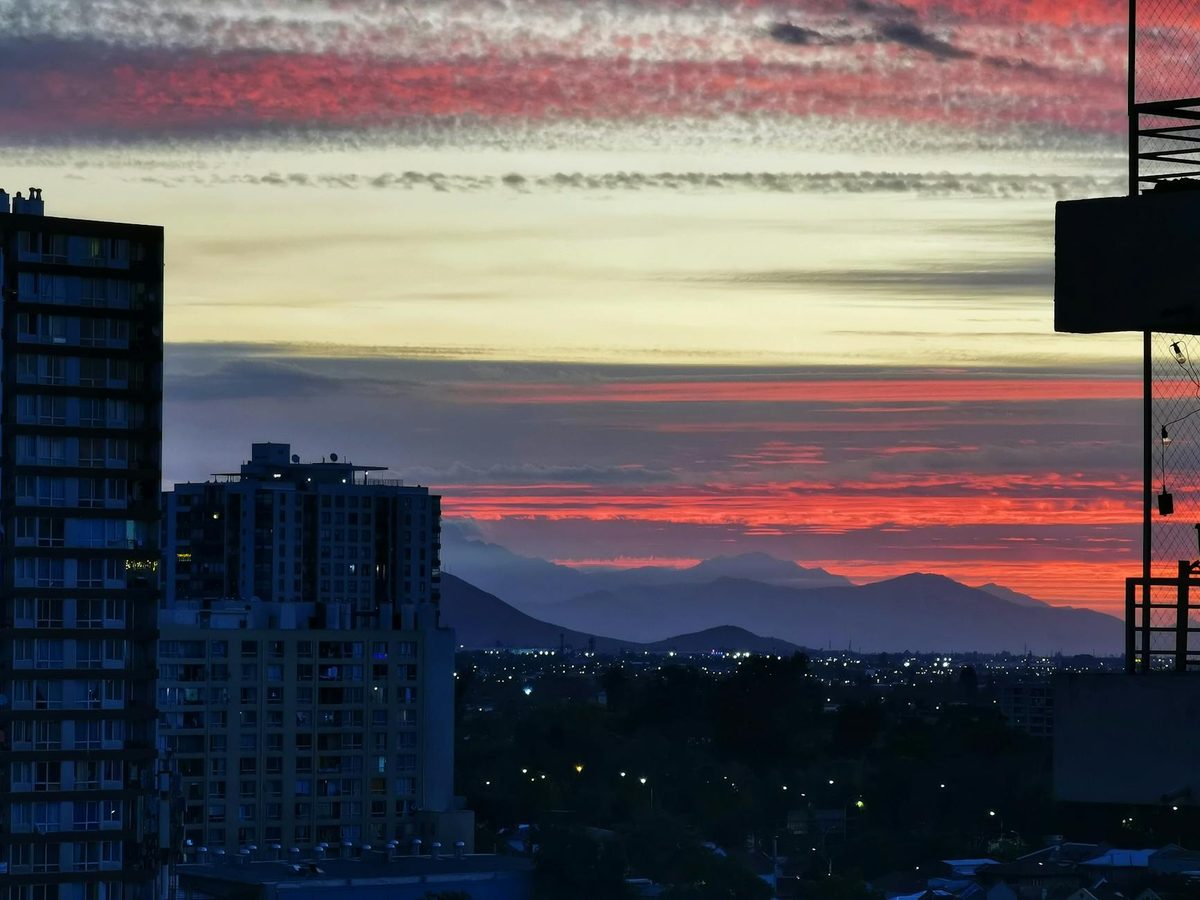
Sunset from any high point. The Pacific coast sunset behind the hills is good from almost every cerro. Paseo Atkinson is the popular choice. I preferred the less-crowded viewpoints on Cerro Bellavista, where I had the view mostly to myself. But pick any high point facing west and you will not be disappointed.
Valparaiso smells like diesel and sea salt and spray paint. It sounds like barking dogs and container cranes and old funicular cables creaking under load. It looks like someone gave a city of 300,000 people unlimited paint and no rules. It is not clean. It is not safe everywhere. The port area is rough and the hills will destroy your legs. But I left after four days already planning when to come back, and that is the only recommendation that matters. Head to our Valparaiso destination guide for the reference details, and start packing comfortable shoes.