This article contains affiliate links. If you book through them, I earn a small commission at no extra cost to you.
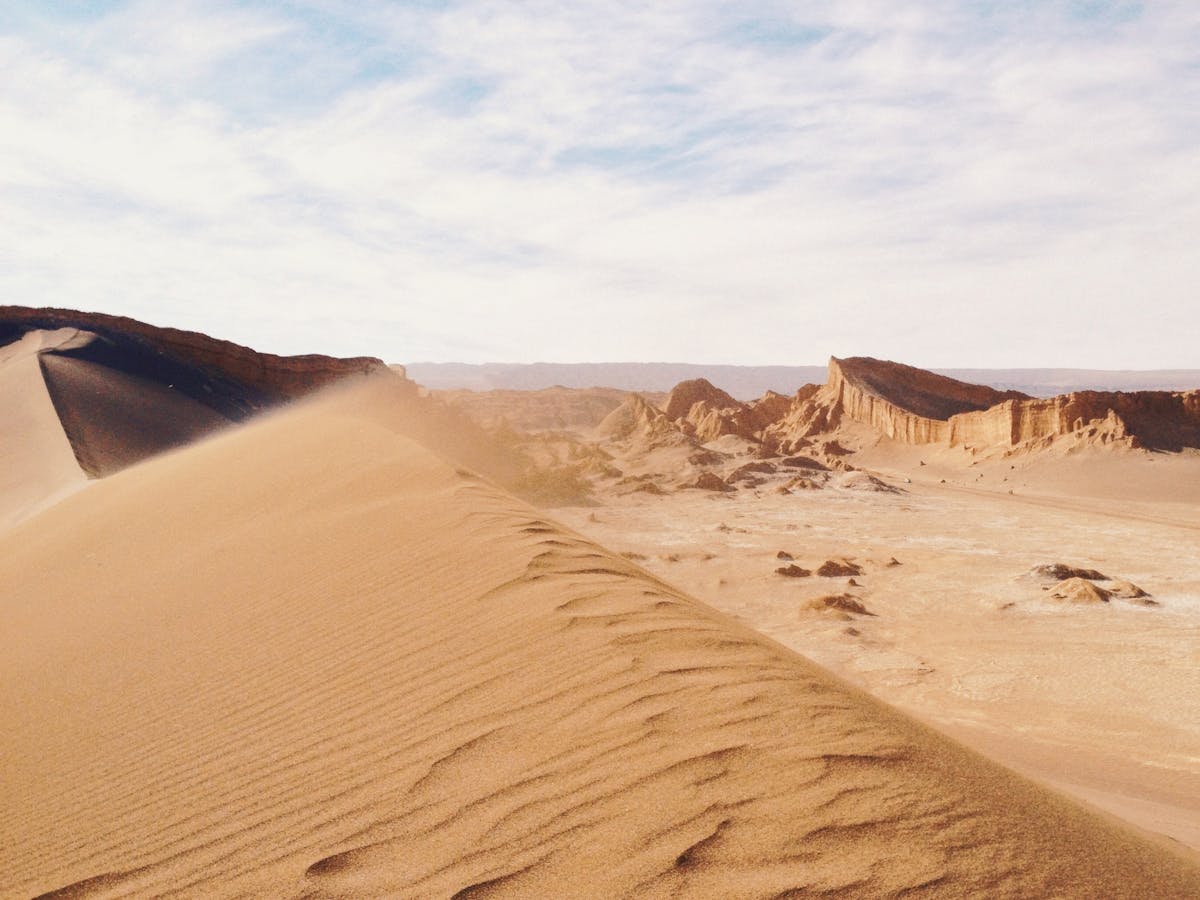
I checked my phone when the bus pulled into Arica's terminal at six in the morning. The maps app said Lima was closer than Santiago. That fact kept bouncing around my head as I walked out into the dry heat, past taxi drivers who looked half-asleep, into a city that felt more Peruvian than Chilean. The ceviche stands were already open. The cathedral in the plaza was designed by Gustave Eiffel. And somewhere in a university basement on the edge of town, the oldest artificially mummified human remains on the planet were sitting in climate-controlled cases, seven thousand years old, two thousand years older than anything in Egypt.
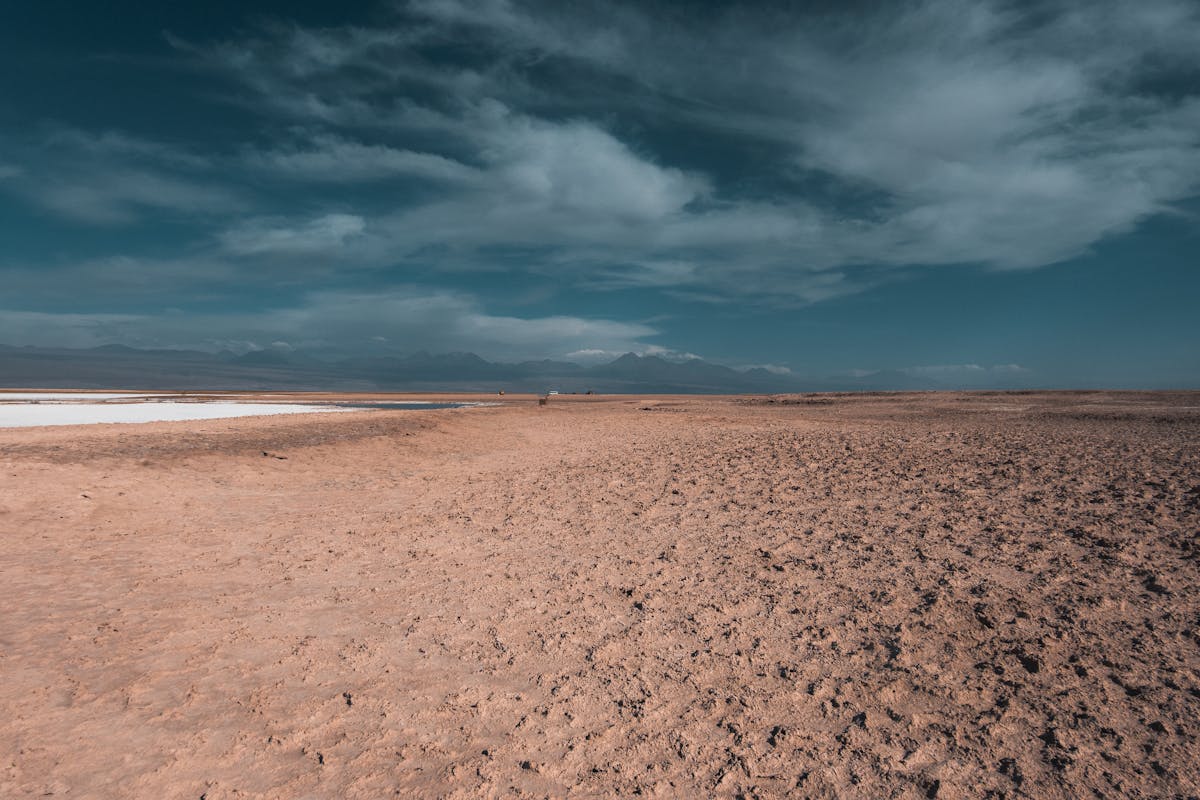
That was my introduction to northern Chile. Not the Atacama, which everyone already knows about. The other part. The 1,500 kilometers of coast, desert, altiplano, and green valleys that stretch from the Peruvian border to La Serena. The part that most itineraries skip entirely.
I spent three weeks up here on a trip that was supposed to be ten days. And I'm going to make the case that this stretch of Chile deserves more than a layover in Calama on your way to San Pedro de Atacama.
Arica: Where Chile Starts (and Nobody Visits)
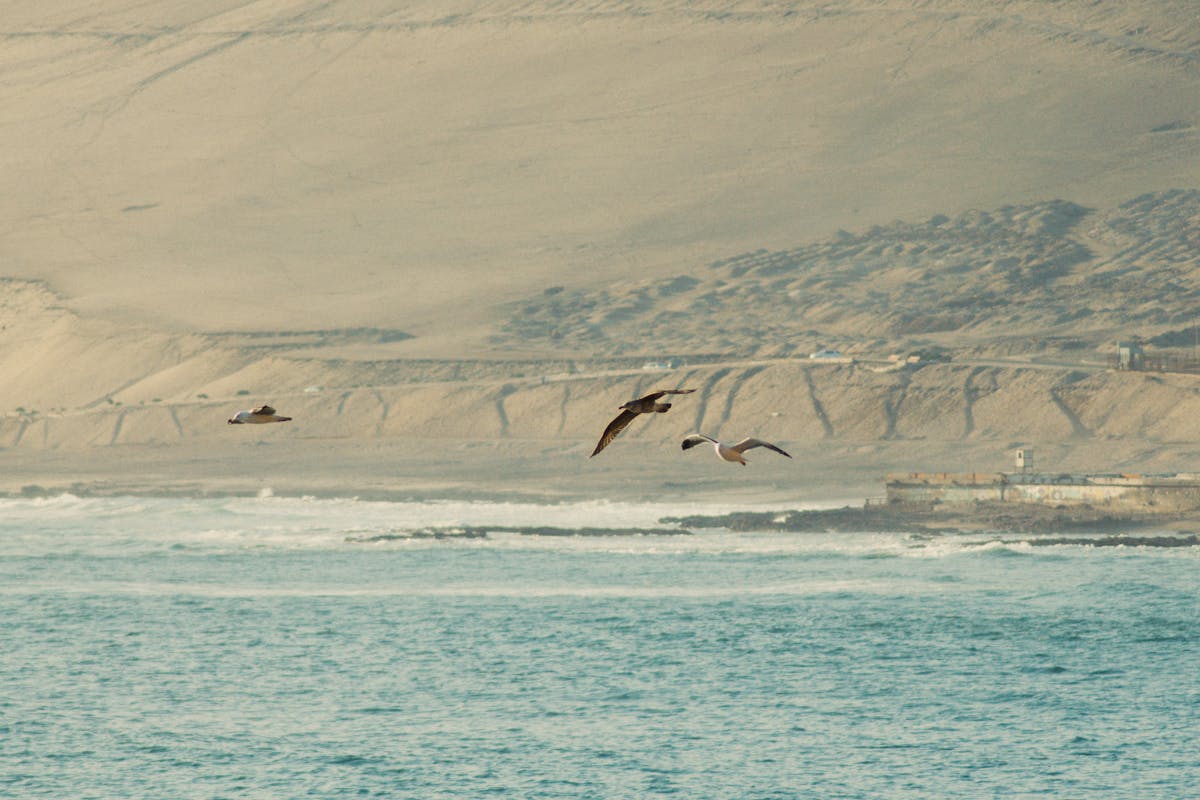
Arica gets about as much tourist attention as the back of a cereal box. That is a mistake. The city sits at Chile's absolute northern tip, wedged between the Pacific and a strip of desert so dry it makes the Atacama look humid. Rain here averages less than a millimeter per year. Not per month. Per year. I met a woman at my hostel who had lived there for eleven years and had never seen it rain.
But the reason to come here is not weather stats. It is the Chinchorro mummies.
The Chinchorro Mummies Changed How I Think About History
I went into the Museo de Sitio Colón 10 expecting something small and forgettable, the kind of provincial museum where the displays haven't been updated since 1994. I was wrong. The Chinchorro people were mummifying their dead around 5000 BCE. That is not a typo. They were preserving bodies with clay and ash and plant fibers while the Egyptians were still figuring out agriculture. And they mummified everyone, not just kings. Babies. Children. Fishermen. It was democratic death care.
The museum is small but well done, with glass-floor viewing of excavation sites beneath your feet. I spent two hours. The UNESCO World Heritage designation came in 2021, and the displays have been upgraded since. Entry is about $4. Go in the morning when it's quiet.
Quick Tip
The Chinchorro site at Colón 10 has limited capacity. Book online if visiting between December and February. Off-season, you can walk in.
The Azapa Valley and the Rest of Arica
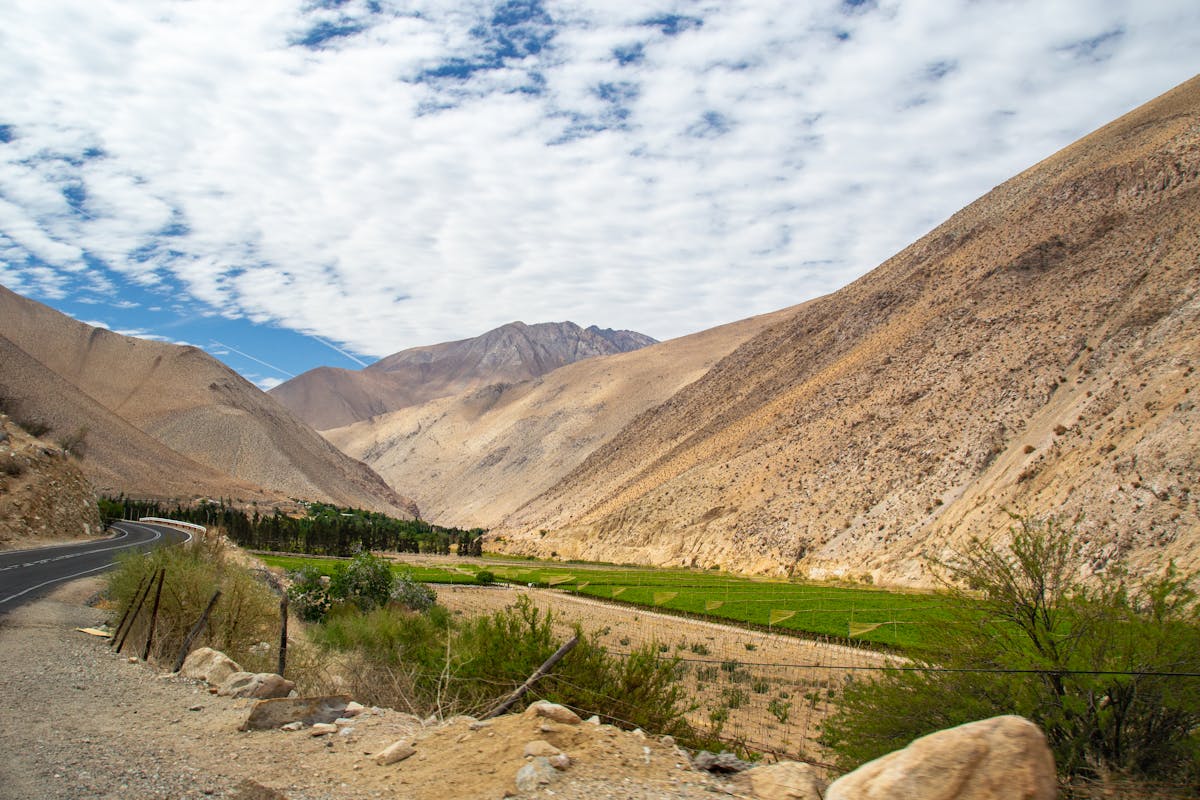
After the mummies, I rented a bike and rode into the Azapa Valley, which runs inland from the city along a strip of irrigated green cutting through total desert. Olive groves and tomato fields sit right next to sand dunes. The contrast is surreal. The Museo Arqueológico San Miguel de Azapa is out here too, with more Chinchorro artifacts and pre-Columbian textiles. It is run by the Universidad de Tarapacá and the collection is better than some national museums I've been to.
Back in town, the Morro de Arica is a short steep climb with panoramic views over the city, the port, and the endless brown coast heading south. The cathedral at the base of the plaza, the Catedral de San Marcos, really was built by Eiffel's workshop. Prefabricated iron, shipped from France in the 1870s. It is small but odd and worth a look.
Is Arica worth it? Yes, but mostly for the Chinchorro mummies and the Azapa Valley. The city itself is fine. Pleasant. Not exciting. If you only have two weeks for all of Chile, Arica is a hard sell. But if you're doing three weeks or more, absolutely.
Iquique: Cliffs, Ghost Towns, and Duty-Free Chaos
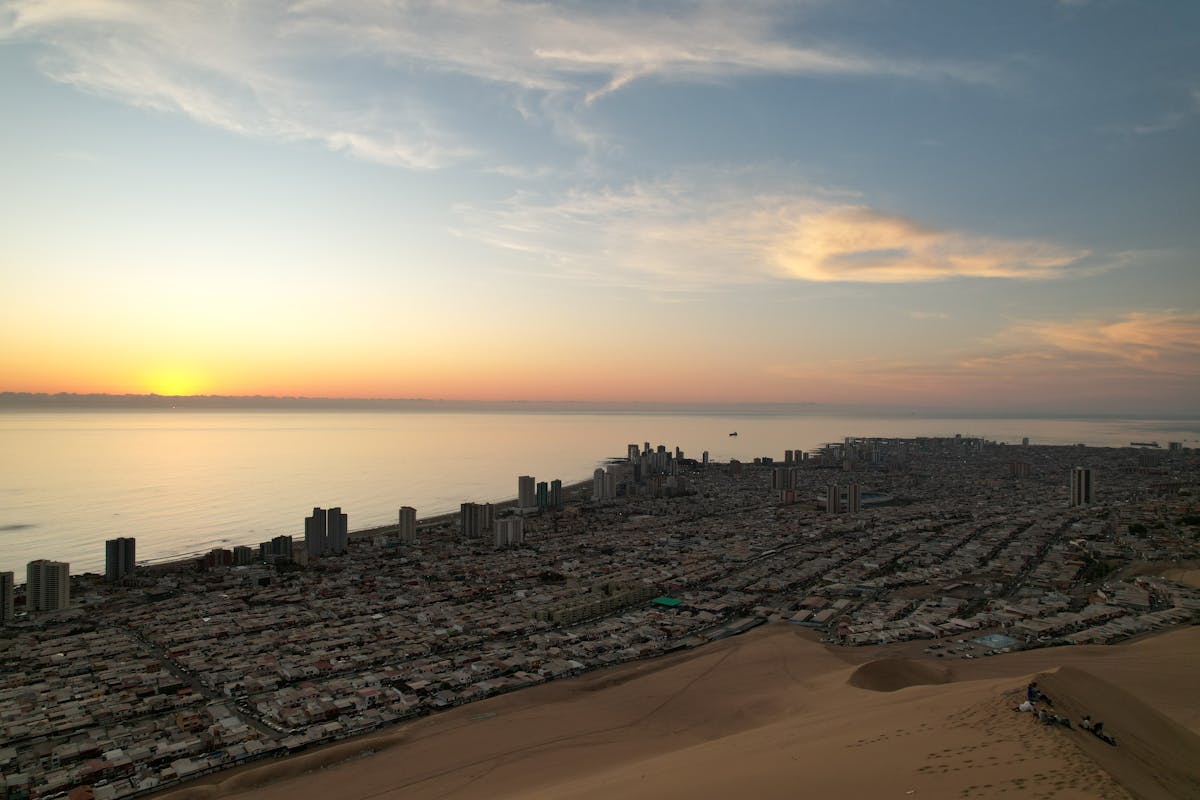
Iquique is the point where northern Chile shifts from interesting curiosity to genuine highlight. The city is sandwiched between a 600-meter cliff face and the Pacific Ocean, which creates one of those geographical situations that looks fake in photos. The city sprawls along a narrow coastal shelf. Behind it, the cliff rises like a wall. Above the cliff, the Atacama plateau stretches inland to Bolivia.
I arrived by bus from Arica, four hours south along the Pan-American Highway through a desert so empty my phone lost signal for two hours straight. The bus dropped me at the terminal and I took a colectivo to Playa Cavancha, which is the main beach strip. It was packed. Iquique is a beach town for northern Chileans and, increasingly, for Bolivians who drive over for weekends. There is an energy here that Arica completely lacks.
Paragliding off the Dune
The big draw, and I mean this literally, is the paragliding. The Alto Hospicio cliff behind the city creates thermals so consistent that pilots come from all over South America to fly here. You do not need experience. Tandem flights leave from the top of the cliff and you drift down over the city, the beach, and the ocean for about 15 minutes. I paid around $50 for a tandem flight and it was one of the best things I did in all of Chile. The takeoff is terrifying. You run toward the edge of a 600-meter cliff and then the ground just... goes away. But the flight itself is smooth and quiet and the views are absurd.
Book through a certified operator at the takeoff point. Several companies operate there daily. Morning flights get less wind and smoother air.
Humberstone: The Ghost Town That Actually Delivers
I've been to enough "ghost towns" around the world to know that most of them are disappointing. Three walls and a gift shop. Humberstone is not that. It is an entire saltpeter mining town, abandoned in the 1960s, sitting in the desert 50 kilometers east of Iquique. The theater still has seats. The swimming pool is cracked and empty but intact. Houses line streets that nobody has walked in half a century. The industrial buildings are rusting slowly in air so dry that decay happens in geological time.
UNESCO listed it as a World Heritage Site (and put it on the "in danger" list simultaneously, which tells you something about the state of preservation). I spent three hours wandering and could have stayed longer. Bring water. Bring a hat. There is zero shade and the midday temperature in summer hits 40 degrees without blinking.
Is Iquique worth it? Yes. Genuinely. The paragliding alone justifies a stop, and Humberstone is one of the best-preserved ghost towns I've ever visited. Two nights minimum. The Zofri duty-free zone is also here if you want to buy cheap electronics, though it has gotten less interesting as online shopping ate its advantage.
Lauca National Park: The Altiplano at 4,500 Meters
This is the one that surprised me most. Lauca National Park sits in the altiplano northeast of Arica, right on the Bolivian border, and it is one of the most beautiful places in Chile that almost no international tourists visit. Chileans know about it. Backpackers occasionally pass through. But compared to Torres del Paine or the Atacama, the visitor numbers are tiny.
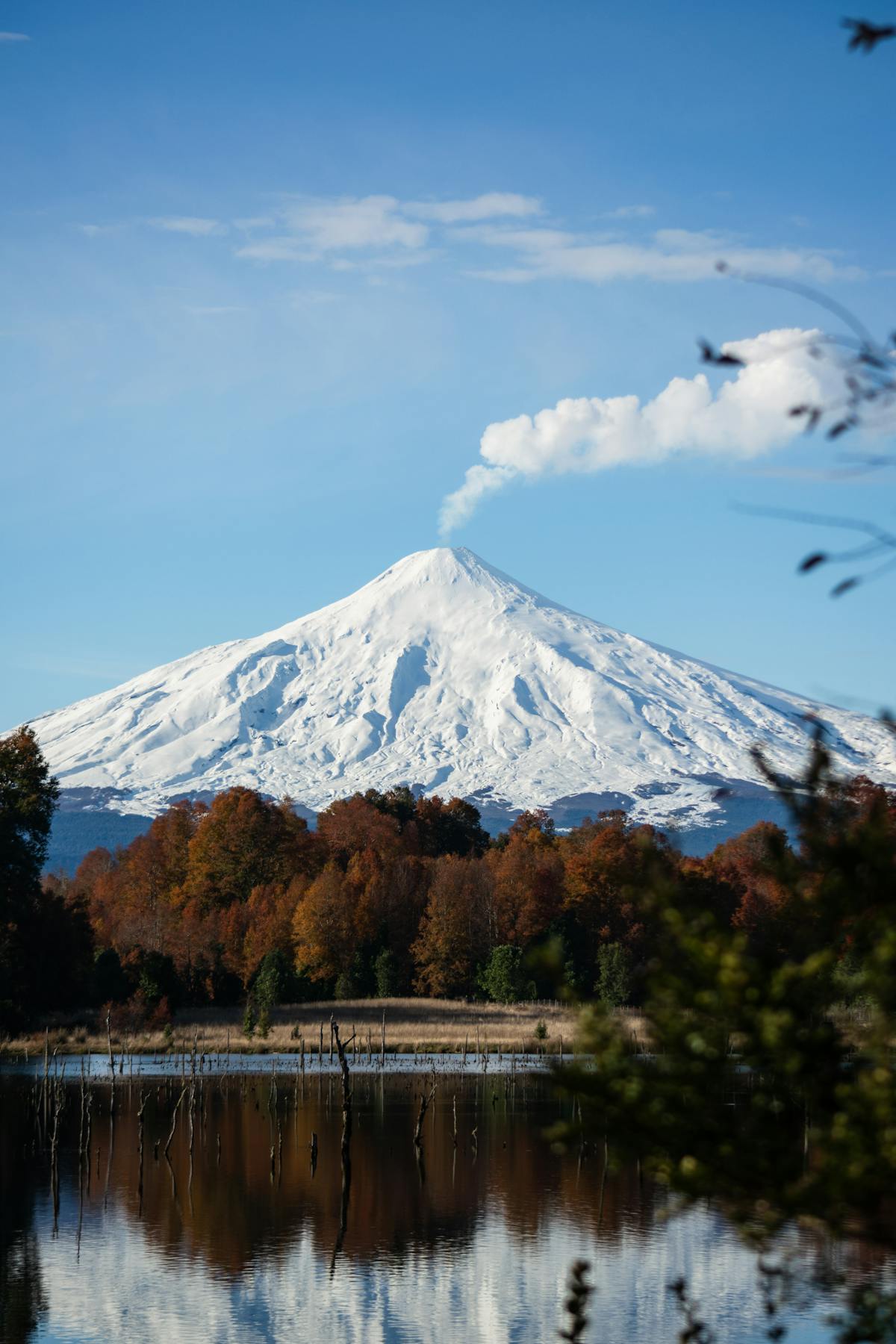
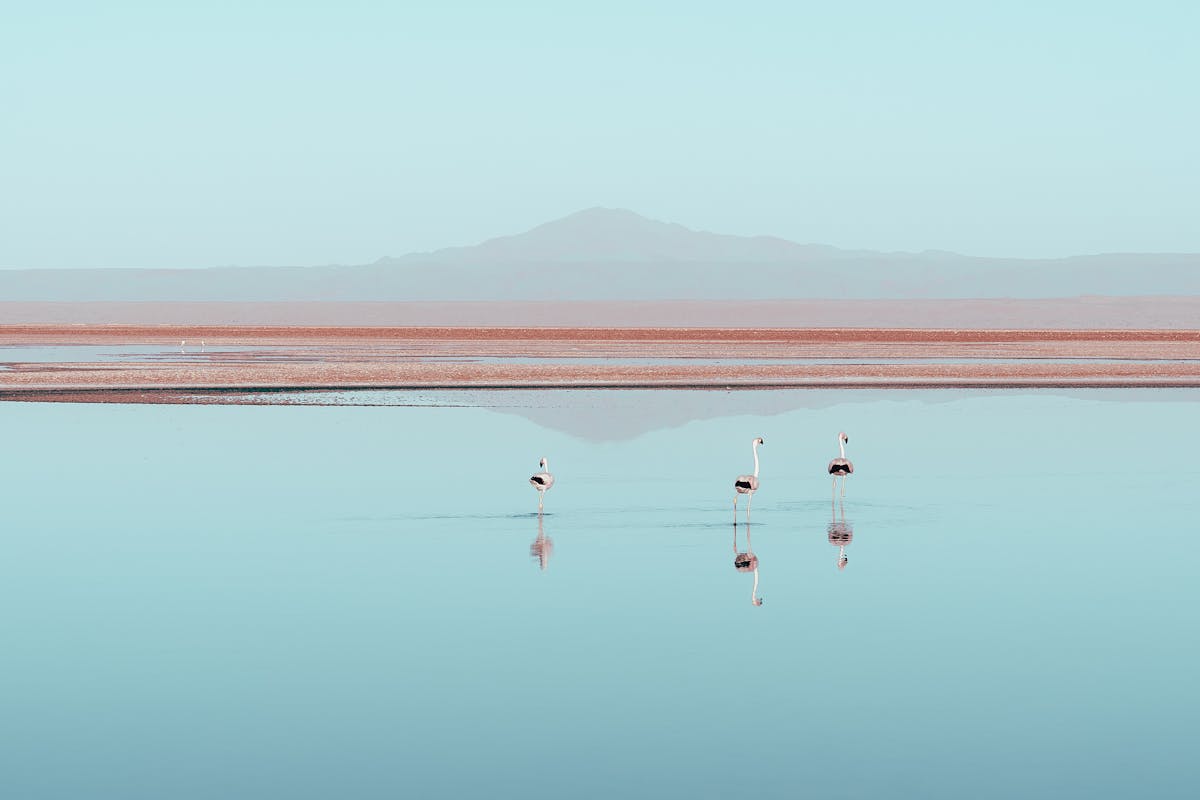
The centerpiece is Lago Chungará, one of the highest lakes in the world at 4,517 meters. Volcán Parinacota rises behind it, a perfect snow-capped cone reflected in the water. The first time I saw it, I stood at the lake edge for ten minutes without taking a photo. Sometimes you just need to look.
The Altitude Is Real
I need to be honest about this: the altitude absolutely floored me. I drove up from Arica (sea level) to 4,500 meters in about three hours, which is the dumbest way to do it. By the time I reached the CONAF ranger station at Lago Chungará, I had a splitting headache and my hands were tingling. A park ranger gave me coca tea and told me, very politely, that I should have spent a night in Putre (3,500 meters) first to acclimatize.
He was right. If you do Lauca, stay in Putre the night before. It is a tiny town with a few hostels and some decent food, and the extra altitude adjustment makes all the difference. The park itself is best explored by car (rent in Arica) or with a tour from Arica or Putre. There is no public transport into the park.
What You'll See
Flamingos. Three species of them, feeding in altiplano lagoons at 4,000-plus meters. Vicunas running across bofedales (the green marshy patches that dot the otherwise brown landscape). The twin volcanoes Parinacota and Pomerape. The tiny church of Parinacota village, built in the 17th century, whitewashed stone with a bell tower that looks like it belongs in a Gabriel García Márquez novel. Viscachas sunning themselves on rocks, looking like rabbits that went through a growth spurt.
Is Lauca worth it? Absolutely, but only if you have the time and handle altitude reasonably well. This is a detour. From Arica, it is a full day trip or, better, two days with a night in Putre. If you're already heading to Bolivia overland, it's directly on the route. If your itinerary is tight, this is the first thing to cut from the north, much as it pains me to say that.
The Atacama Gap: What's Between Iquique and La Serena
Here is where I need to address the elephant in the desert. Most people visiting northern Chile go straight to San Pedro de Atacama, and for good reason. The salt flats, the geysers, Valle de la Luna, the stargazing. I've written a whole guide to San Pedro and I think everyone should go.
But the stretch south of the Atacama, between Antofagasta and La Serena, is where things get genuinely unexpected. This is Atacama Region and Coquimbo Region territory. Less dramatic than the Salar, but full of strange, specific things worth seeing.
Copiapó and the Desierto Florido
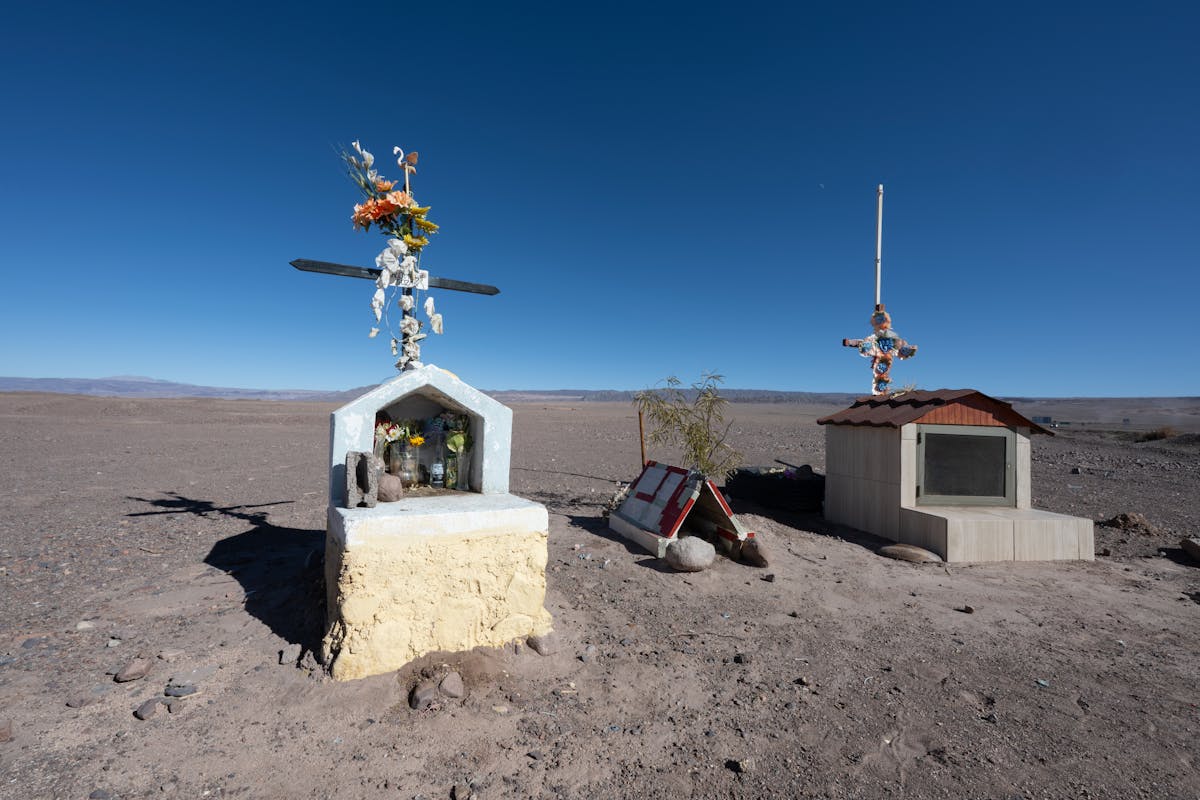
Copiapó is a mining town. I won't pretend otherwise. It is not a tourist destination in any conventional sense. But it is the gateway to one of the strangest natural events on Earth: the desierto florido, the flowering desert.
Every few years, when winter rains are heavier than usual (thanks to El Nino cycles, mostly), the desert around Copiapó explodes into wildflowers. Purple, pink, yellow, white. Millions of flowers blooming across a landscape that is usually as bare as a parking lot. It does not happen every year. It does not happen on a schedule. And when it happens, it lasts about two to three weeks before everything dries out and goes back to brown.
I was lucky. I hit it in late September on a year when the rains had been strong. Drove north from La Serena along the Pan-American and started seeing purple patches on the hillsides about an hour south of Copiapó. By the time I reached Llanos de Challe National Park, the ground was carpeted. Actual carpeted. I kept pulling over to walk into fields of flowers in every direction, with the ocean visible to the west and dry mountains to the east.
Is Copiapó worth it? Only if the desierto florido is happening. Otherwise, it is a mining town with good empanadas and not much else. Check Chilean news sources in August and September for reports. When it's on, it is spectacular. When it's not, drive through.
Bahía Inglesa: Chile's Best Beach, and I'll Fight About It
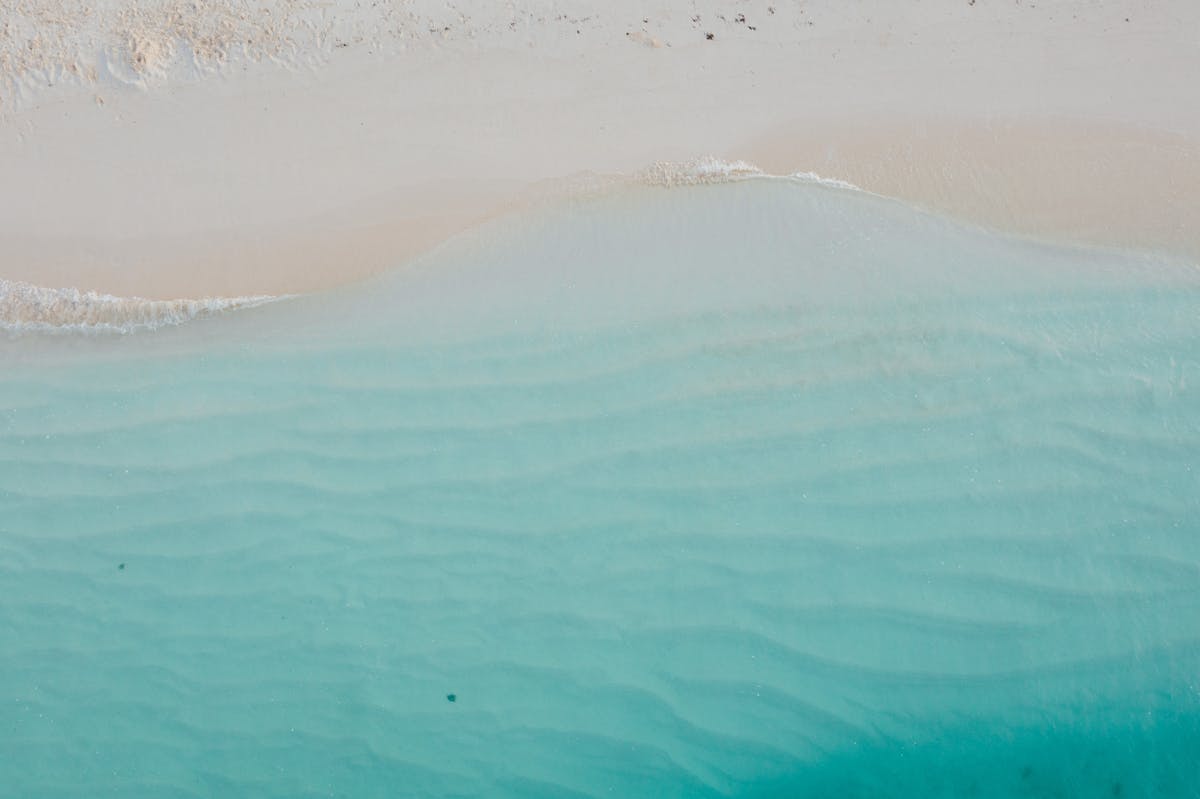
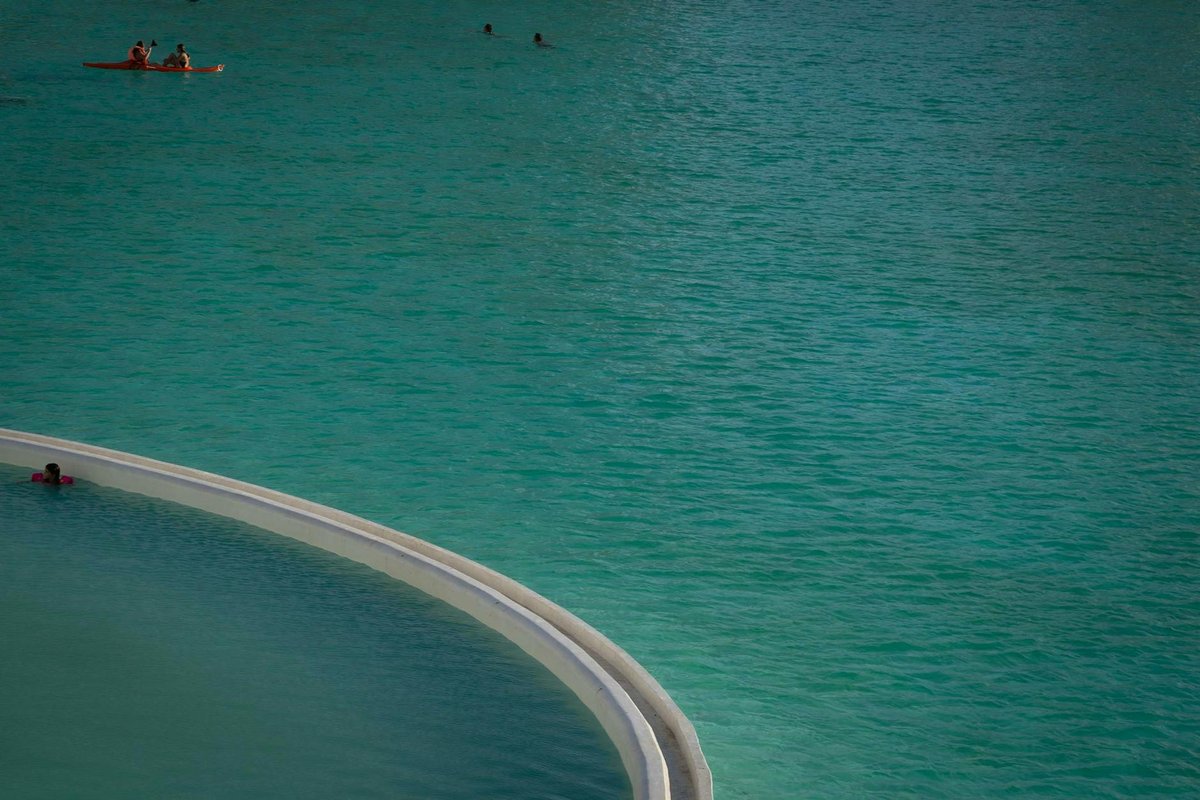
When people ask me about beaches in Chile, they expect me to say something about Vina del Mar or maybe the surfer scene at Pichilemu. They do not expect me to point at a tiny beach town south of Copiapó with turquoise water that looks like it was stolen from the Maldives and pasted onto the Atacama coast.
Bahía Inglesa is small. Really small. A handful of restaurants, some cabanas, a camping area by the shore. The water is calm and clear and a shade of blue-green that genuinely made me stop and stare the first time I saw it. This is the driest coast on Earth, so the skies are always clear, the water visibility is incredible, and the sand is white and fine. It has no business being here.
I spent two days here doing absolutely nothing. Read a book. Swam. Ate fish. Read another book. The town has a few good seafood restaurants right on the beach where you can get a plate of ceviche and a pisco sour for under $15. The wind picks up in the afternoon, which makes it good for kitesurfing and less good for sitting on the sand after 3pm.
Is Bahía Inglesa worth it? If you like beaches, yes. Full stop. It is not the kind of place with nightlife or museums or cultural depth. It is a beach. But it is a really, really good beach, and most travelers in Chile have no idea it exists.
La Serena: The Gateway That's Worth a Stay
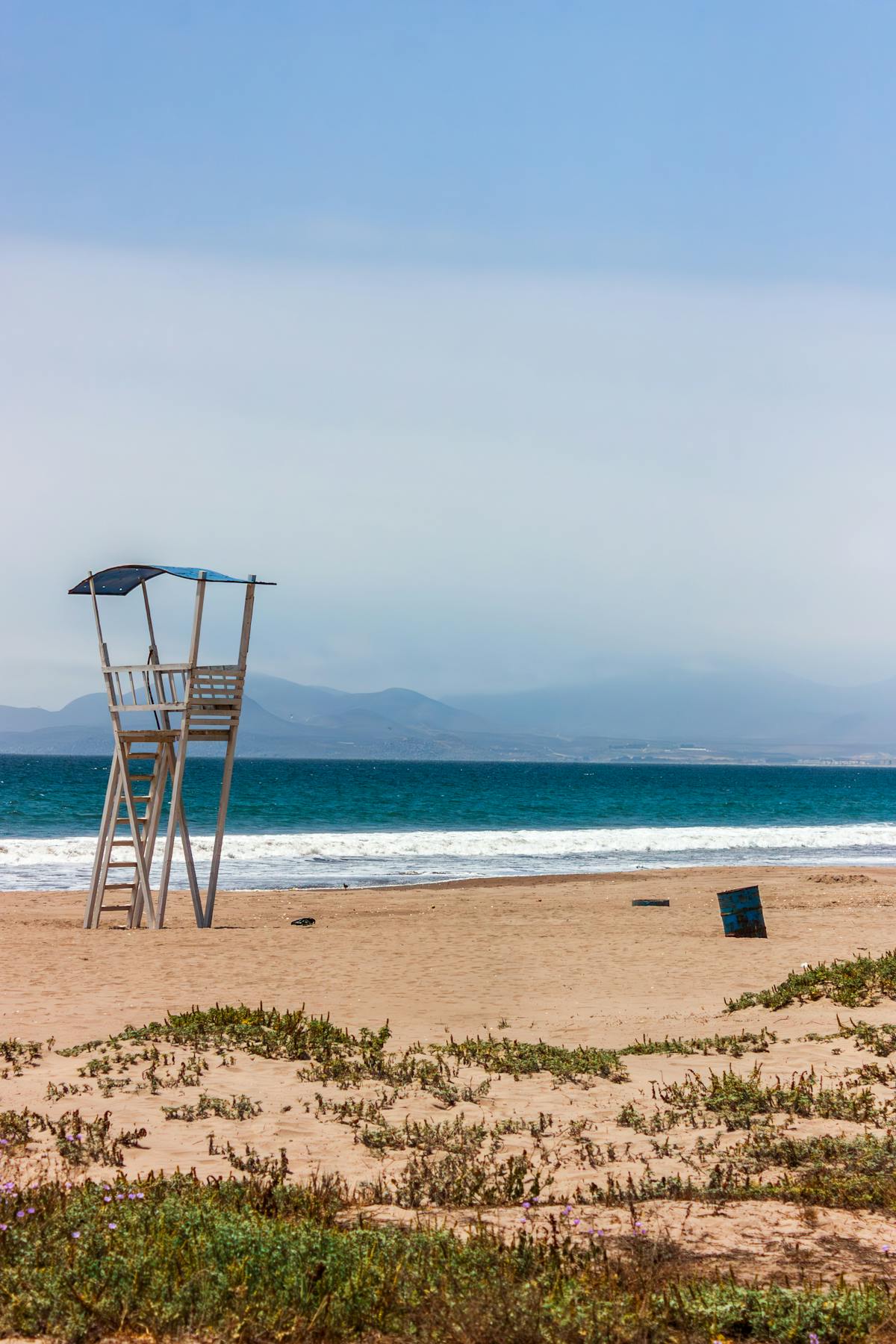
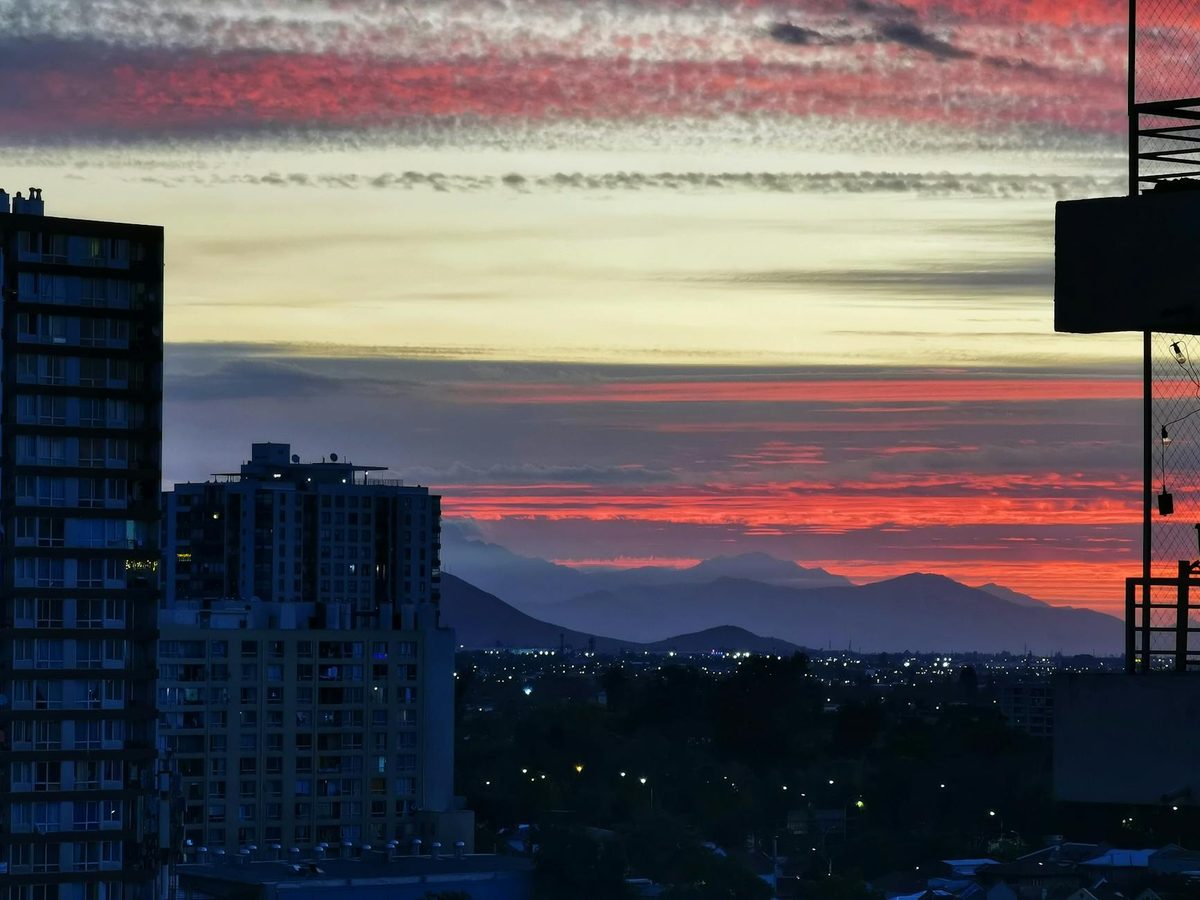
La Serena is where northern Chile starts to feel more like the rest of the country. It is a proper city with a colonial center, a long beach, universities, and the kind of infrastructure that makes traveling easy rather than adventurous. After the rawness of Arica, Iquique, and the desert, La Serena feels almost gentle.
Most people use it as a base for the Elqui Valley (which I'll get to) or as a stopping point on the way between Santiago and the Atacama. But the city itself is pleasant enough for a day or two. The Avenida del Mar beach strip runs for several kilometers with a boardwalk, restaurants, and decent swimming. The colonial center has neo-colonial churches, a good archaeological museum, and a Japanese garden that I found oddly calming after weeks of desert.
The Observatory Capital of the World
La Serena's real claim to fame is stargazing. The clear skies of the Atacama and semi-arid Norte Chico have made this region the observatory capital of the world. Multiple international observatories sit in the mountains around La Serena: Cerro Tololo, Gemini South, La Silla. Most of these are professional research facilities, but several offer public tours or open nights.
I did a tour of Cerro Mamalluca, the municipal observatory about 9 kilometers from Vicuna in the Elqui Valley. The telescope is not massive, but the guides are knowledgeable and the sky on a clear night is almost overwhelming. I'd seen good night skies before. This was different. The Milky Way had texture. I could see colors in it. That sounds impossible until you see it from a location with virtually zero light pollution and bone-dry air.
Is La Serena worth it? As a destination on its own, it's fine but not essential. As a base for the Elqui Valley and stargazing, absolutely. Stay at least two nights so you can do a full day in the Elqui and an observatory night.
The Elqui Valley: Pisco, Stars, and Something Harder to Define
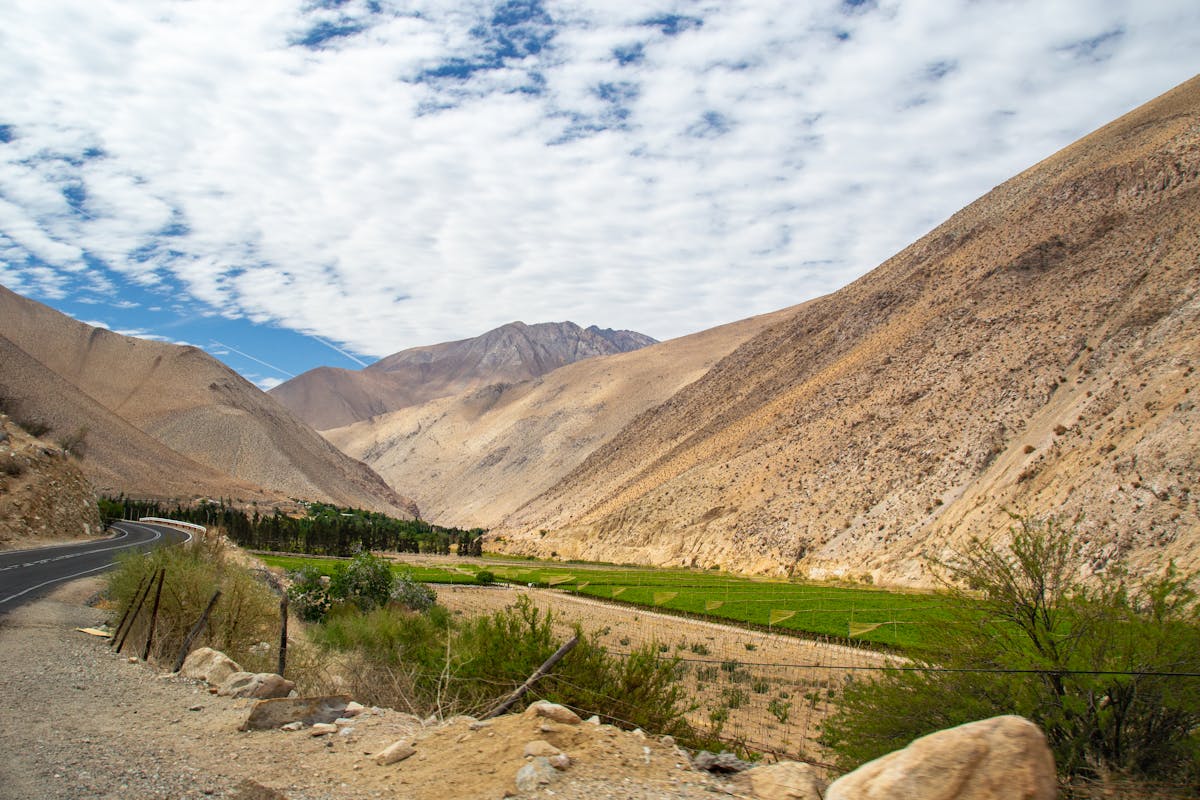
The Elqui Valley was where I nearly extended my trip by a week. I drove in from La Serena, following the river east as the valley narrowed and the mountains rose on both sides. The road climbs gradually through a series of small towns: Vicuna, Montegrande, Pisco Elqui. Each one smaller, quieter, and more detached from the rest of Chile than the last.
The valley is the heartland of Chilean pisco production, and the distilleries here range from industrial operations to tiny family-run stills that have been making the stuff for generations. I did a tasting at Destilería Pisco Mistral in Pisco Elqui, which was solid, and then a smaller one at a place down the road that the hostel owner recommended. The small one was better. The pisco was rougher but more interesting, and the guy running it had opinions about every other distillery in the valley. That's the kind of thing that makes these detours worth it.
Stargazing in the Elqui
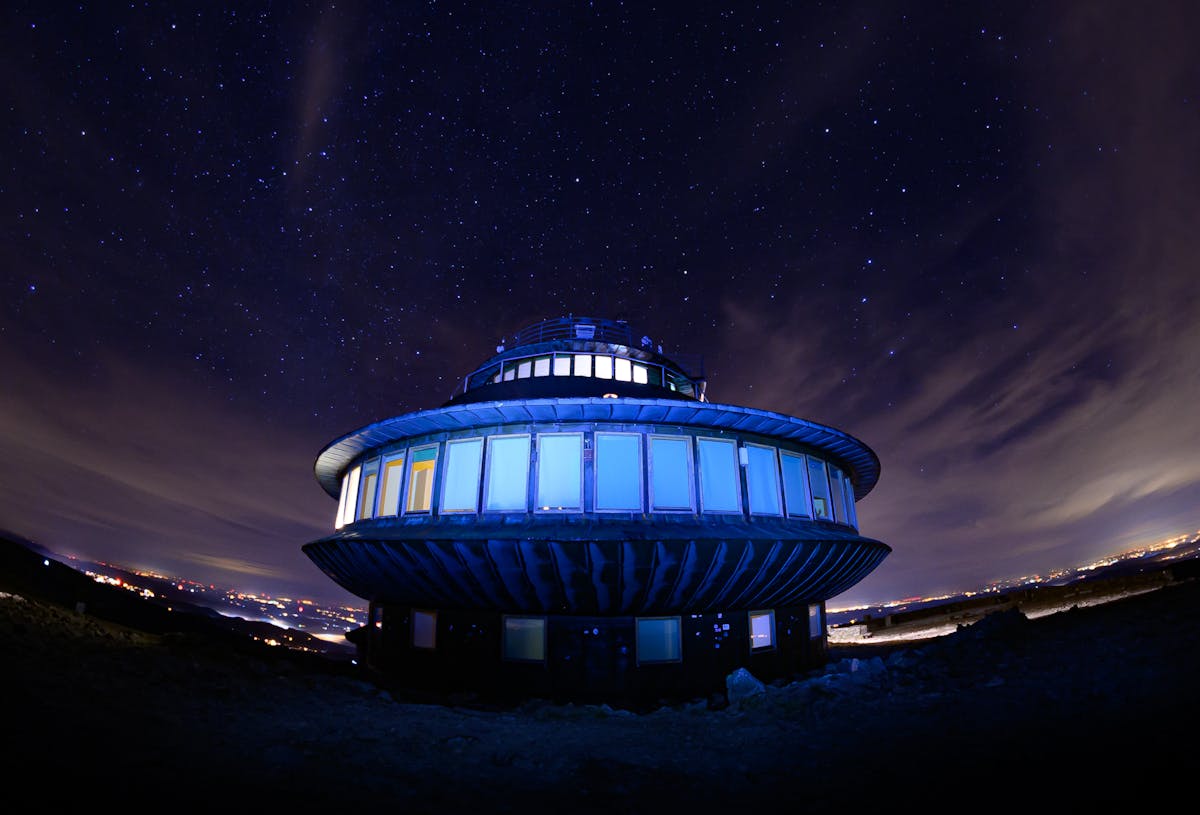
The stargazing here is, genuinely, some of the best on the planet. The Chilean government has designated the skies above the Elqui Valley as a protected area for astronomical observation, which means light pollution controls are actually enforced. The result is a darkness so complete that the sky looks fake.
I booked a private stargazing session at one of the smaller observatories near Montegrande. Two hours. $30. The guide pointed a laser pointer at constellations I'd never heard of and then swung the telescope onto Saturn. I could see the rings. Not a photo of the rings. The actual rings, through a lens, in real time. That moment alone was worth the drive from Santiago.
The Elqui has also developed a reputation for wellness tourism and spiritual retreats, which is either appealing or annoying depending on your disposition. There are yoga centers, meditation retreats, and a general vibe of cosmic awareness that has been growing since the 1990s. I found it mildly amusing but harmless. The pisco helped.
Is the Elqui Valley worth it? Yes. One of the strongest yes answers on this whole list. The combination of the stargazing, the pisco tasting, the scenery, and the general feeling of being somewhere genuinely remote without being difficult to reach is rare. Two nights minimum. Three if you want to hike.
Getting Around the Norte Grande
This is the practical section. I'll keep it honest.
Getting around northern Chile is not hard, but it is slow. The distances are enormous. Arica to La Serena is about 1,500 kilometers, and the only real options are buses, flights, or a rental car.
| Route | Bus | Flight | Drive |
|---|---|---|---|
| Santiago to Arica | ~24 hours, $40-60 | 2.5 hours, $60-150 | Not recommended |
| Arica to Iquique | 4 hours, $10-15 | No direct flights | 4 hours via Ruta 5 |
| Iquique to Calama (for Atacama) | 5 hours, $12-18 | Occasional flights | 5 hours |
| Santiago to La Serena | 6 hours, $15-25 | 1 hour, $40-80 | 5-6 hours via Ruta 5 |
| La Serena to Elqui Valley | 1.5 hours to Vicuna, $3 | N/A | 1 hour |
Buses are the backbone. Turbus and Pullman Bus run the major routes and the semi-cama (semi-reclining) seats are comfortable enough for daytime travel. For overnight trips, pay the extra $10-15 for cama (fully flat) seats. I learned this the hard way on a 20-hour bus from Santiago to Antofagasta in a semi-cama. My back has not forgiven me.
For Lauca National Park, you need a car or a tour. There is no public transport. Rental cars are available in Arica from about $35-50 per day. The road is paved all the way to the park.
Quick Tip
Fly into Arica or Iquique, rent a car, and drive south. Drop the car in La Serena or Copiapó. This is the best way to do the norte grande without spending half your trip on buses. One-way rental drop fees are usually around $50-80 extra.
When to Go
Timing matters in the north, though not as dramatically as in Patagonia. The region is desert, so rain is almost never an issue.
The altiplano (Lauca, etc.) gets its rain in the "Bolivian winter" from January to March, when afternoon thunderstorms can make roads impassable. Go April through November for the altiplano. The coast and lower desert are year-round destinations. Summer (December-February) is warmest and busiest, especially in La Serena and Bahía Inglesa. Shoulder months (October-November, March-April) give you warm days, cooler nights, and fewer crowds.
For the desierto florido near Copiapó, you need an El Nino year with winter rain. Check conditions in late August and September. It is not predictable.
Costs
Northern Chile is cheaper than Patagonia and about the same as Santiago. Arica and Iquique are slightly cheaper than La Serena, which gets more domestic tourism.
| Hostel dorm | $12-18/night |
| Budget hotel double | $30-50/night |
| Set lunch (menu del dia) | $5-8 |
| Dinner at a decent restaurant | $12-20 |
| Paragliding tandem (Iquique) | $45-60 |
| Humberstone entrance | ~$8 |
| Pisco distillery tour | $8-15 |
| Observatory night tour | $25-35 |
| Rental car per day | $35-55 |
Budget travelers can do the north on $40-50 per day with hostels, set lunches, and buses. Mid-range, with a rental car and private rooms, $80-120 per day is comfortable.
The Case for Going North
Here is what it comes down to. Chile's tourism corridor runs Santiago to Atacama to Patagonia. That is a brilliant trip and I have written about how to do it in two weeks. But it skips everything I've written about here. The Chinchorro mummies. The paragliding in Iquique. The flamingos at 4,500 meters. The pisco and stars of the Elqui Valley. That absurd turquoise beach at Bahía Inglesa. The ghost town where the theater seats are still bolted to the floor.
None of these things are hard to reach. None of them are expensive. They are just not on the default itinerary, and so most visitors to Chile never see them. Which, selfishly, is part of what makes them good. The Chinchorro museum does not have a line out the door. The paragliding launch does not require booking three weeks in advance. The Elqui Valley pisco bar does not have a cover charge.
If you have three weeks in Chile, spend one of them in the north. If you only have two, steal three days from somewhere else and at least do Iquique and the Elqui Valley. And if the desierto florido happens to be blooming, drop everything and go.
The bus from Arica to Santiago takes 24 hours. I took it on the way back. Watched the desert go past the window for a full day, thinking about how much of this country I had missed on my first trip, when I flew from Santiago straight to Calama and thought I had seen the north.
I hadn't seen anything.