This article contains affiliate links. If you book through them, I earn a small commission at no extra cost to you.
The first time I put my feet in the Pacific in Chile, I yelped. Actually yelped — the kind of involuntary noise that makes everyone on the beach turn and look. I had just flown from Santiago to Caldera expecting some version of the turquoise coastline I had seen in photos of Bahia Inglesa. The photos were accurate. What nobody mentioned was the water temperature. Fourteen degrees Celsius. That is cold enough that your feet go numb in under a minute and your brain starts sending very clear signals that you should get out.
And here is the thing that took me a while to accept: that is just Chile. The Humboldt Current runs up the entire coast, pulling cold water from the Antarctic, and it turns what should be a warm Pacific coastline into something closer to Northern California. The beaches are gorgeous — rocky headlands, empty stretches of sand, coves with water so clear you can count the stones on the bottom. But this is not Brazil. It is not Mexico. Chile is a beach destination for people who appreciate coastline more than swimming, and once I made peace with that, I fell hard for these beaches.
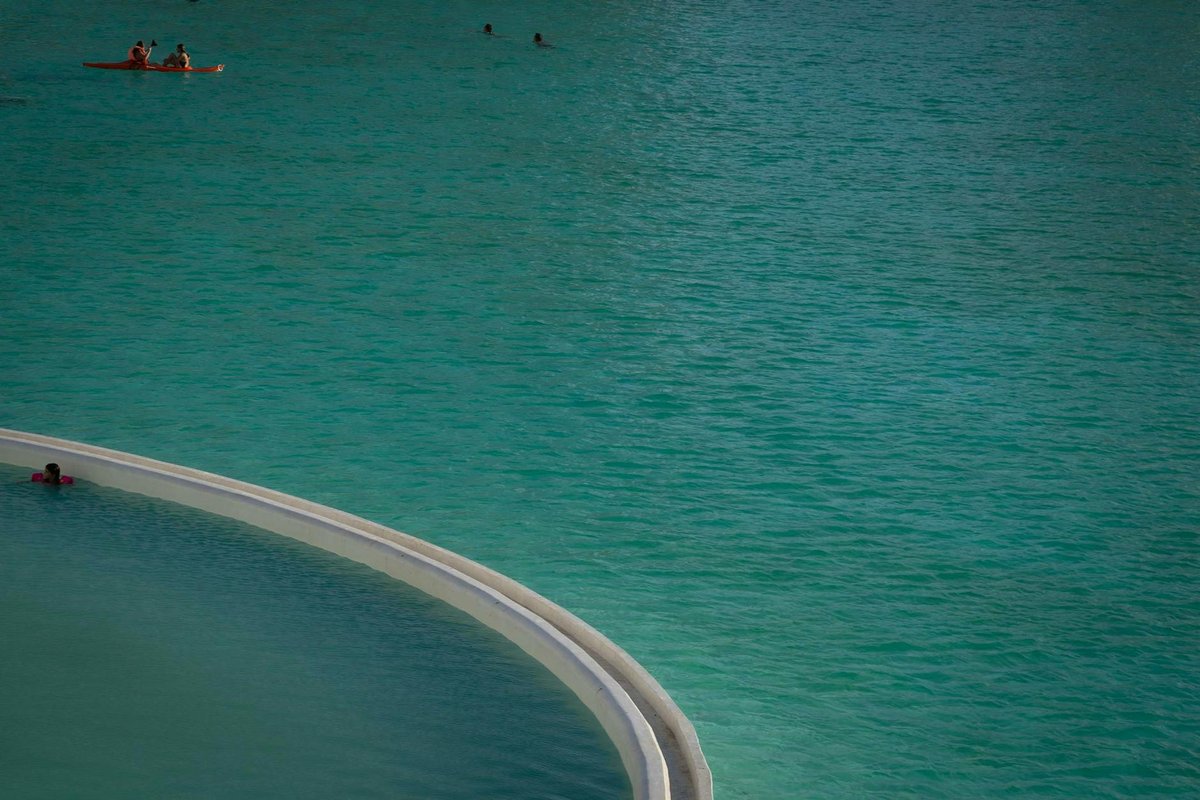
I have spent a combined six weeks or so on Chile's coast across multiple trips — Atacama beaches, central coast, surf towns, even the wild shores of Chiloe. Some of these places stunned me. A few disappointed me. One of them completely changed my idea of what a Chilean beach could be. Here is my honest breakdown of the best beaches in Chile, what each one is actually like, and whether you should bother packing a swimsuit.
Bahia Inglesa — The Closest Chile Gets to the Caribbean (Almost)
I need to start here because Bahia Inglesa is the reason most people even consider Chile a beach destination. It sits about 70 kilometers south of Copiapo in the Atacama region, and the first time you see it, you will not believe you are in Chile. The water is turquoise. Genuinely, absurdly turquoise — the kind of color that looks photoshopped but somehow is not. The sand is white. The bay is sheltered. And the desert presses right up against the shore, so the backdrop is arid brown hills meeting impossibly blue water with zero vegetation in between. It looks like someone cut a piece of the Mediterranean and dropped it in the Atacama.
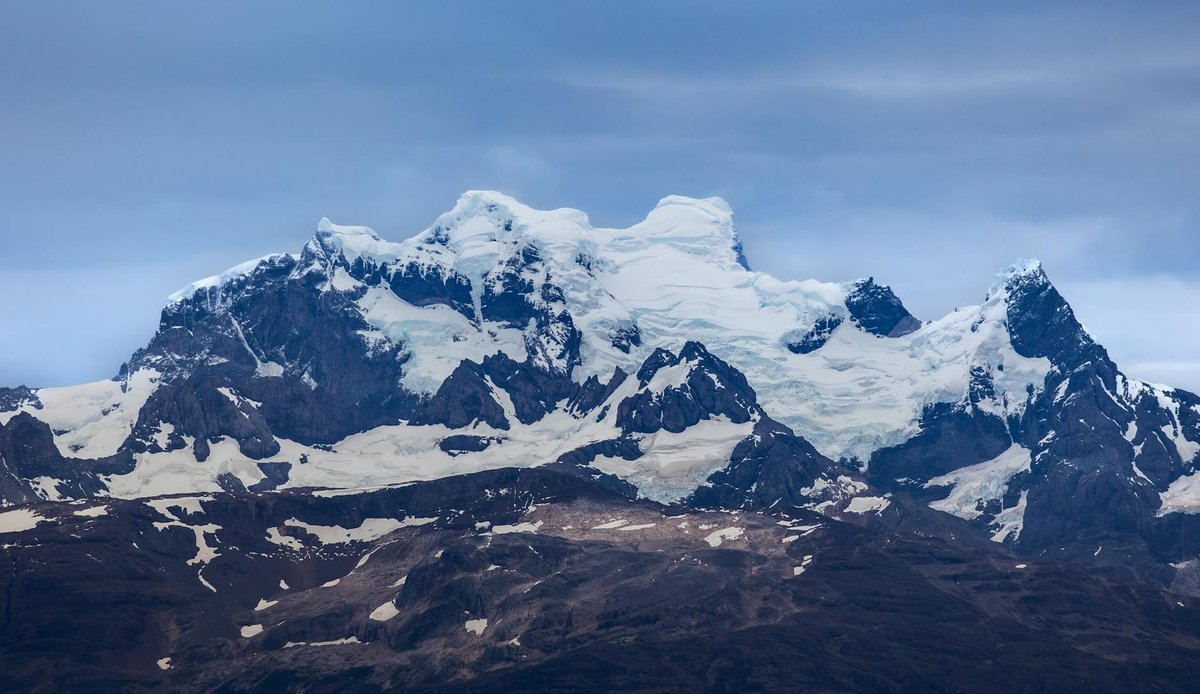
The water temperature here is the big surprise. Because the bay faces north and is partially sheltered from the Humboldt Current, it reaches 18-20 degrees in January and February. That does not sound warm, and it is not — but compared to the 12-14 degrees you get along most of the Chilean coast, it feels like a thermal bath. I swam here. Actually swam, not just the panicked toe-dip I had done everywhere else. The first few seconds still took my breath away, but after a minute, it was fine. Better than fine. Floating in that turquoise water with the desert on every side was one of those travel moments I keep coming back to.
The town itself is tiny. A handful of restaurants, some cabanas for rent, a couple of campsites. In January it fills up with Chilean families and gets lively. In March, when I was there, it was nearly empty. I preferred it empty. The silence of the desert extending to the water's edge, the lack of beach vendors or loud music — it felt like a private coastline.
Quick Tip
Bahia Inglesa has no ATM. Bring cash from Copiapo or Caldera. Most restaurants accept cards, but parking and smaller shops are cash only. The nearest supermarket is in Caldera, about 5 minutes by car. Check our getting around guide for transport options in the Atacama region.
When to Go and What to Expect
December through March is the season. January and February are peak — warmer water, crowded beaches, higher prices for cabanas. I'd aim for December or March if you want the good weather without the crowds. The water is a touch colder in December (around 17 degrees) but still swimmable if you are not particularly delicate about these things. Outside of those months, the water drops and the wind picks up. I would not bother visiting between June and September.
Fly into Copiapo from Santiago (about 90 minutes), then drive or take a transfer to Bahia Inglesa. It is about an hour. There is no direct bus service that is convenient, so renting a car makes the most sense — it also lets you explore the other beaches in the area.
Playa La Virgen — The One Hardly Anyone Knows About
About 40 kilometers north of Bahia Inglesa on a dirt road that my rental car's suspension did not appreciate, there is a beach that made my jaw drop. Playa La Virgen is a crescent of white sand tucked into a rocky cove, and the water is that same impossible Atacama turquoise but somehow even more intense. Maybe it was the light. Maybe it was the fact that there were exactly four other people on the entire beach. But La Virgen felt like discovering something, which is not a feeling you get often anymore.
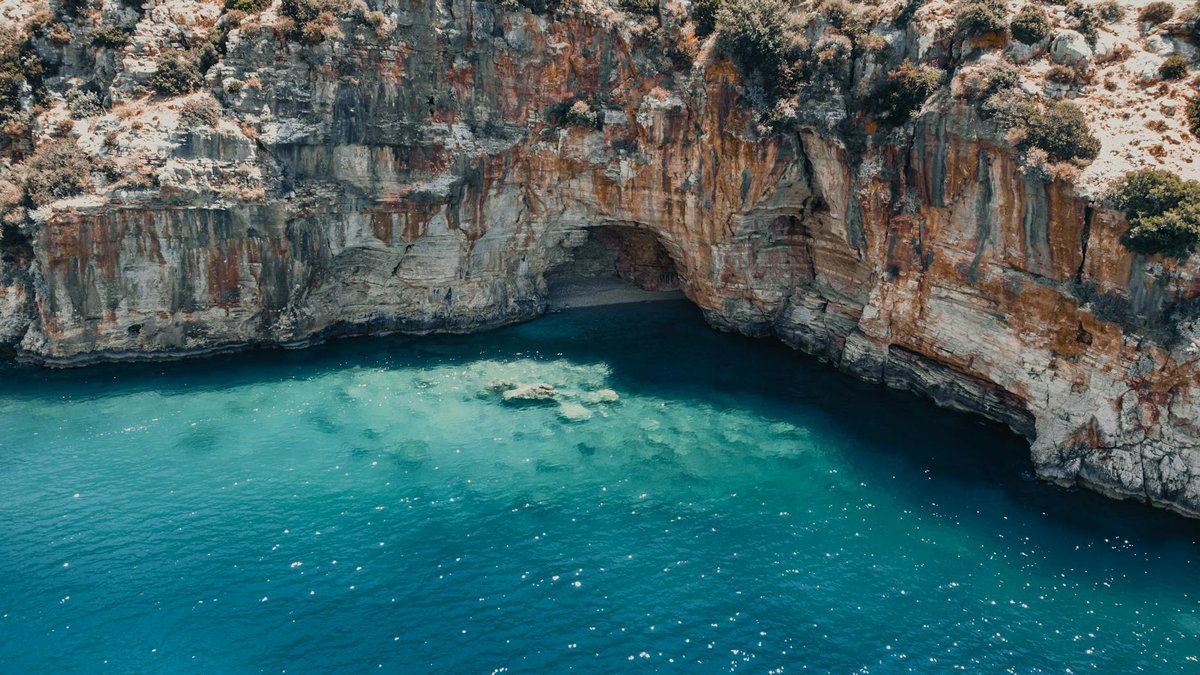
The catch: there is nothing here. No restaurant, no shade structure, no fresh water. You bring everything in and take everything out. The campsite has basic pit toilets and nothing else. The access road is unpaved for the last stretch and dusty enough that I was glad I had not rented a white car. But that isolation is the point. If Bahia Inglesa is Chile's friendly beach, La Virgen is the one that rewards effort.
Water temperature is similar to Bahia Inglesa — swimmable in summer, though the cove can be a bit cooler depending on the current. I went in up to my waist and stayed for maybe twenty minutes before the cold crept in. The snorkeling is supposed to be decent, though I did not have gear with me and spent the rest of the afternoon regretting that choice.
Anakena — Easter Island's Postcard Beach
Anakena is on Easter Island, which means getting there requires either a five-hour flight from Santiago or the kind of budget flexibility that makes your bank account nervous. But if you are already going to Rapa Nui — and you should, it is one of the most extraordinary places I have ever been — then Anakena is the beach you must visit.
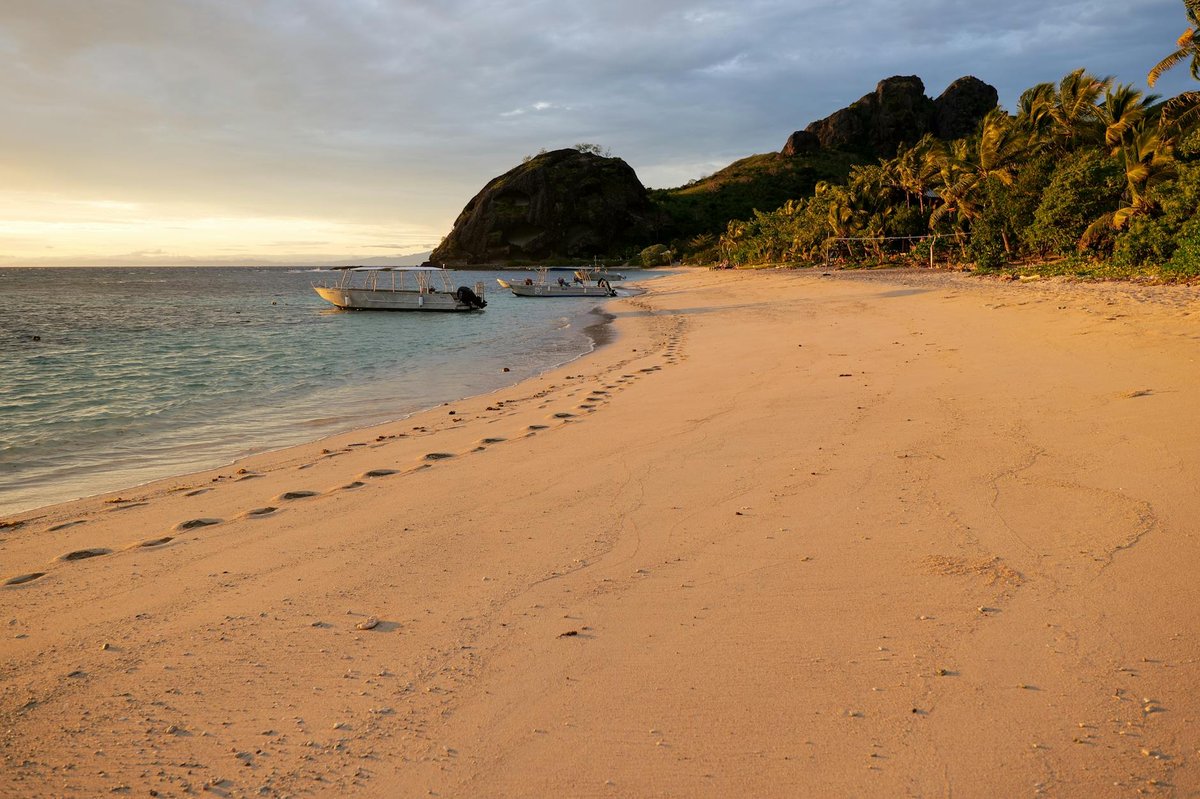
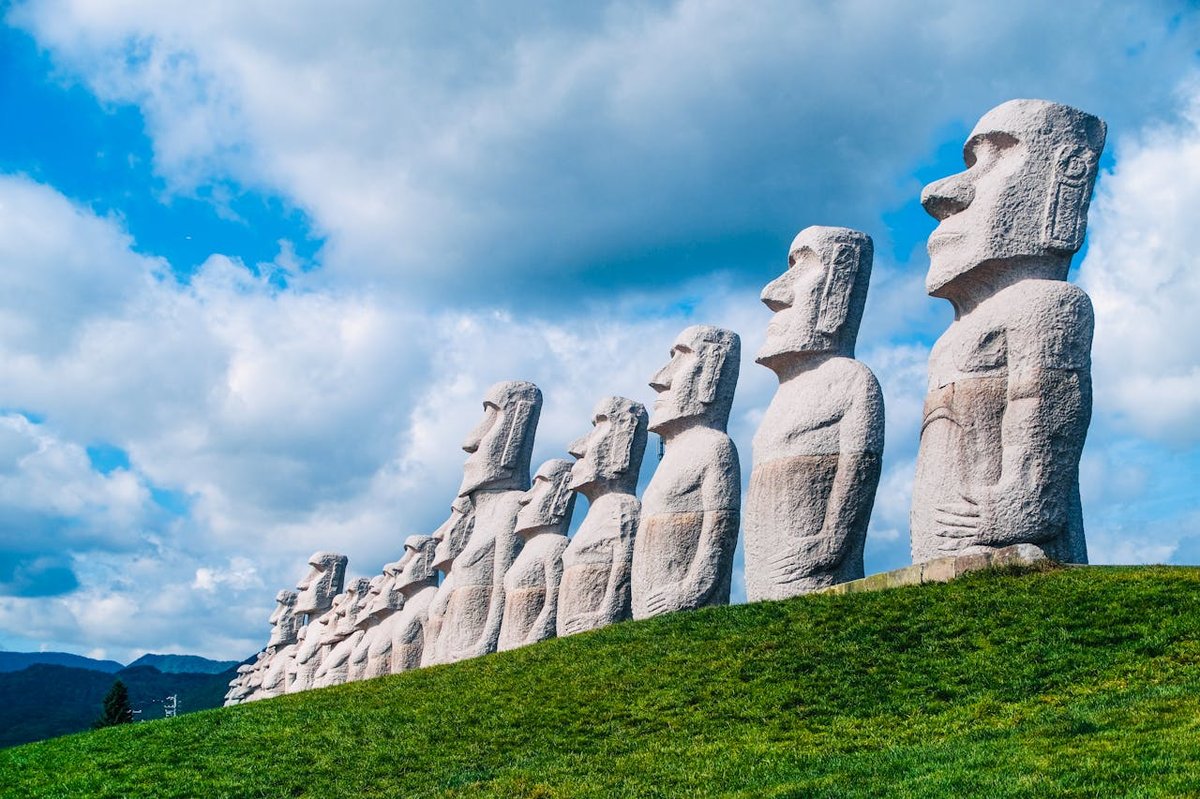
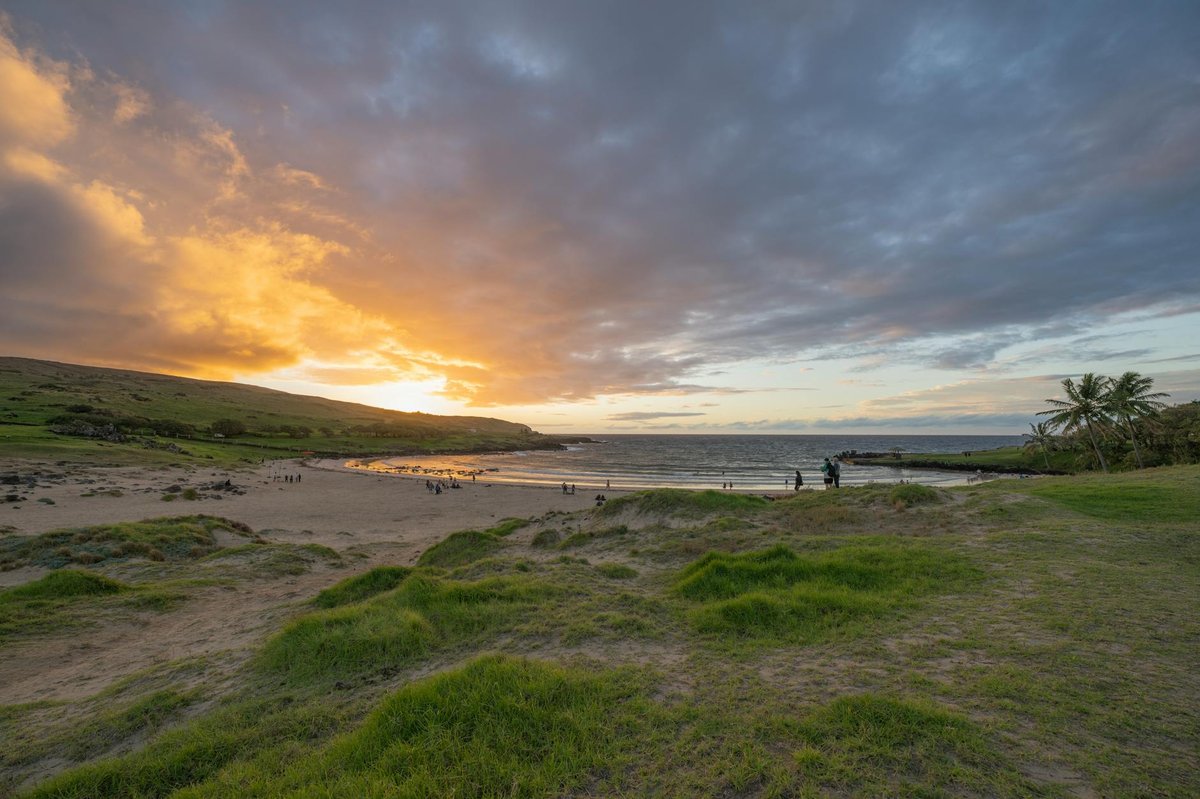
It is a wide curve of golden sand backed by coconut palms — the only palm-lined beach in Chile — with a row of restored moai standing guard on the hillside behind it. The combination of Polynesian beach and stone statues is so visually strange that my brain could not quite categorize it the first time. It looked like two different travel posters had collided.
The water here is warmer than mainland Chile. Not tropical — maybe 21-22 degrees in summer (January-March) — but warm enough that you can swim without that awful gasp-and-contract moment. The waves are gentle, the sand is soft, and there is a food truck that sells empanadas and cold drinks. I spent an entire afternoon here and could have spent two. Read our complete Easter Island guide for the full breakdown of how to plan your trip.
The one complication: Anakena is about 20 kilometers from Hanga Roa (the only town). You need wheels — either a rental car, scooter, or one of the minibuses that run a few times a day. I rented a scooter for my entire stay and it was the best decision I made on the island.
Pichilemu — Chile's Surf Capital (and It Earns the Title)
I showed up in Pichilemu not knowing how to surf, which in retrospect was like showing up in Bordeaux not knowing how to drink wine. This town lives and breathes surfing. The main street is lined with board rental shops and surf schools. The restaurants serve everything with an ocean view. And the breaks — particularly the legendary left at Punta de Lobos — draw serious surfers from across South America and beyond.
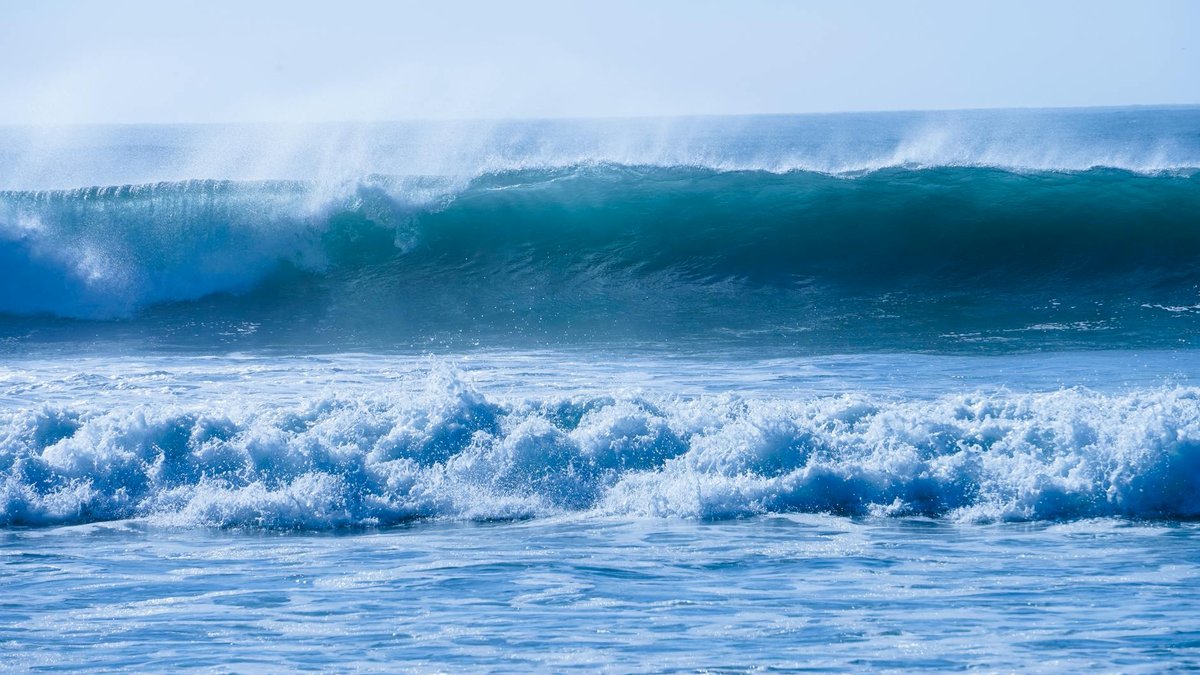
The town beach, Playa Principal, is where beginners learn. The waves are manageable, the bottom is sandy, and there are enough surf schools that you can walk in without a booking and be on a board within the hour. I took a two-hour lesson, stood up twice (briefly), fell spectacularly about forty times, and loved every second of it. The instructors are patient with gringos who have zero balance and even less ocean sense.
But the real draw — the reason Pichilemu appears in surf magazines — is Punta de Lobos, about six kilometers south of town. The point break here produces long, powerful left-hand waves that peel along a rocky headland for what seems like forever. I watched from the cliff top for an hour, and the skill level in the water was extraordinary. This is not a beginner spot. The rocks, the current, and the cold water (12-14 degrees year-round) make it a serious break for experienced surfers only.
Even if you do not surf, Pichilemu is worth visiting. The surf culture gives the town an energy that most Chilean beach towns lack. The food scene is surprisingly good for a town this size. And the sunsets from Punta de Lobos — standing on the cliff as the sun drops into the Pacific behind the surfers still catching last light waves — rank among the best I have seen anywhere in Chile.
Quick Tip
Pichilemu is about 3 hours from Santiago by car, or 4-5 hours by bus (Pullman Bus from Terminal Sur). It makes a great weekend trip from the capital. See our Santiago day trips guide — though honestly, one day is not enough. Give it at least two nights.
Water Temperature Reality Check
I need to be blunt here: the water in Pichilemu is cold. Not refreshing, not brisk — cold. We are talking 12-14 degrees Celsius even in the middle of summer. Every surfer wears a full wetsuit, usually 4/3mm and sometimes thicker. If you are renting a board, the wetsuit is included and it is non-negotiable. I saw one tourist try to go in with just board shorts. He lasted about ninety seconds.
Matanzas — Where the Wind Takes Over
About an hour north of Pichilemu, the little town of Matanzas sits at the mouth of a river where the Pacific winds funnel through a gap in the coastal hills and create some of the most consistent wind conditions on the Chilean coast. This is not a swimming beach. This is not even really a sunbathing beach. Matanzas is for people who want to strap themselves to a kite or a windsurfing sail and get pulled across the water at terrifying speed.
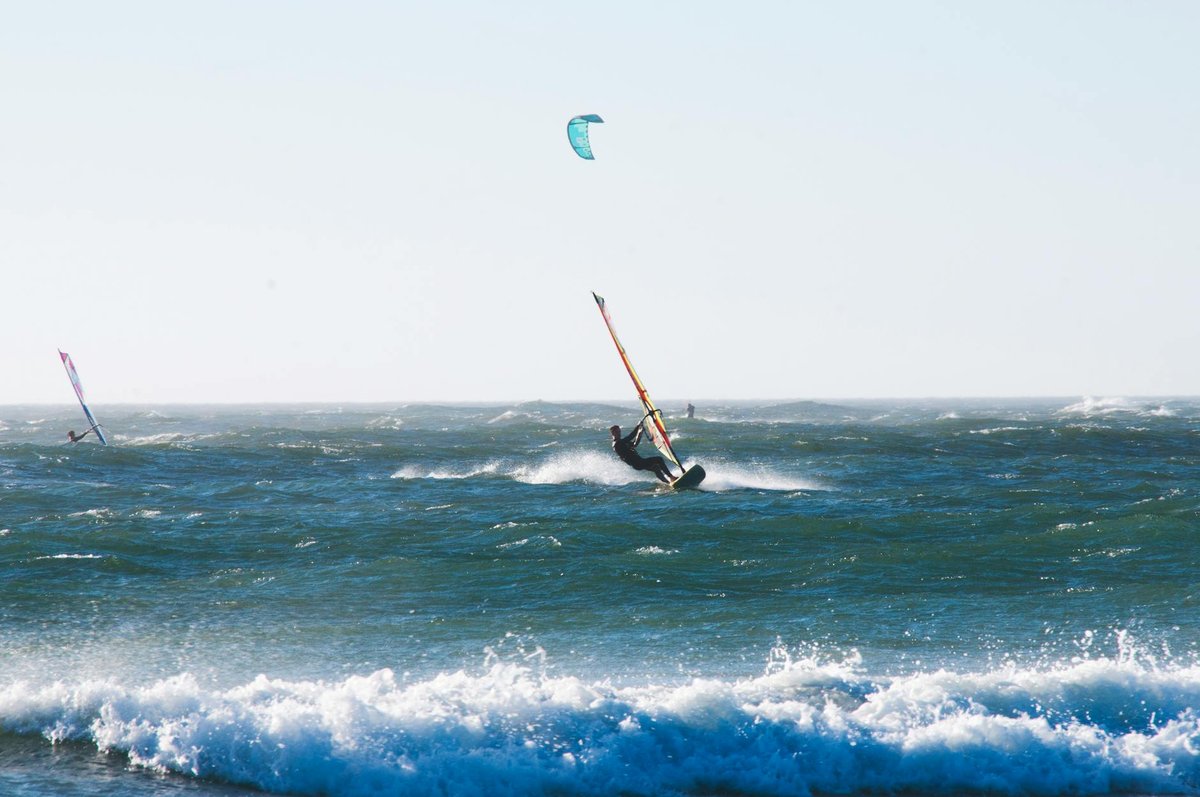
I do not kitesurf. I went to Matanzas because someone in Pichilemu told me the ceviche at a cliffside restaurant there was the best on the coast, and they were not wrong. But watching the kiters from that restaurant — twenty or thirty colorful kites dancing above the grey-green water while waves crashed against black rocks — was mesmerizing. The skill involved is absurd. These people were launching off wave faces and flying ten meters in the air. I ate my ceviche with my mouth slightly open, which is not a good way to eat ceviche.
The wind blows from about October through April, with the strongest and most consistent conditions in December through February. If you are a kiter or windsurfer, you already know about Matanzas. If you are not, it is still worth a stop for the scenery and the seafood. The drive from Pichilemu follows the coast road and is beautiful in its own right — empty hills rolling down to a wild, grey-blue ocean.
Vina del Mar — Chile's Most Famous Beach (and My Honest Take)
I almost feel bad writing this section because Vina del Mar is beloved by Chileans and it is clearly where the country goes to beach. The waterfront promenade is manicured. The casino glitters. The flower clock is, I suppose, a thing that exists. And on any summer weekend, the main beaches — Playa Reñaca and the central stretch — are packed wall to wall with thousands of people on towels, umbrellas touching umbrellas, vendors working the sand, and a general atmosphere of cheerful, overcrowded chaos.
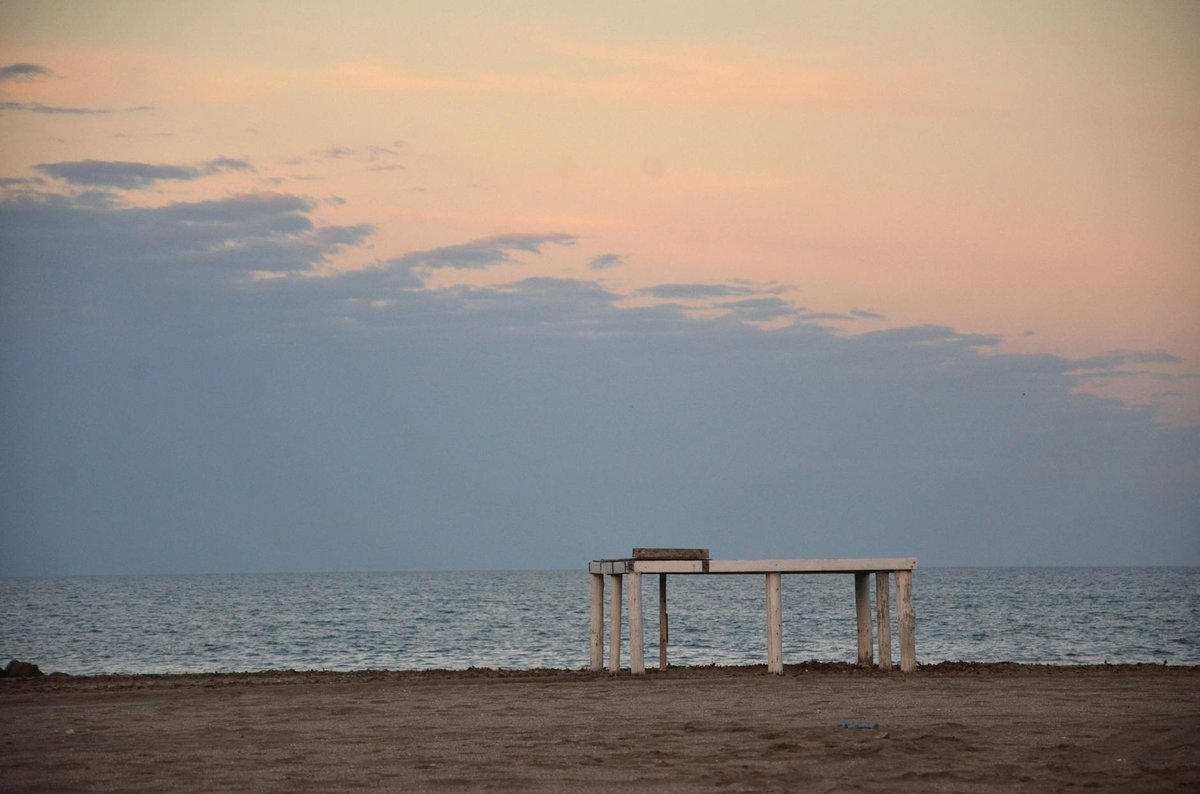
Here is my honest take: Vina del Mar is fine. The beach is wide, the sand is decent, and the setting — framed by apartment towers and the long breakwater — is urban-beach attractive. But the water is genuinely cold (13-15 degrees even in peak summer), the beaches get so crowded that finding space in January feels like competitive sport, and after visiting Bahia Inglesa or even Zapallar, the appeal drops considerably. I spent one afternoon at Playa Reñaca, tried to swim, lasted about two minutes in the freezing water, and ended up spending most of my time at a seafood restaurant on the promenade instead.
If you are visiting Valparaiso — and you should, it is one of Chile's best cities — then Vina del Mar is right next door and worth a walk along the waterfront. But I would not plan a beach trip around it. The beaches are the least interesting thing about the central coast. Go to Valparaiso for the street art and the cerros. Go to Vina for a pleasant afternoon stroll and an overpriced pisco sour with ocean views. Just don't expect a beach experience that will stay with you.
Getting there is easy: Vina is about 90 minutes from Santiago by bus, and frequent services run all day from Terminal Alameda. It is one of the most popular day trips from Santiago.
Zapallar — The One Where the Wealthy Chileans Actually Go
About an hour north of Vina del Mar, past the slightly scruffy beach towns of Maitencillo and Cachagua, the road drops into Zapallar and everything changes. The houses are larger, the gardens are manicured, the restaurants have wine lists instead of laminated menus, and the beach — a sheltered cove framed by forested hills — is genuinely beautiful.
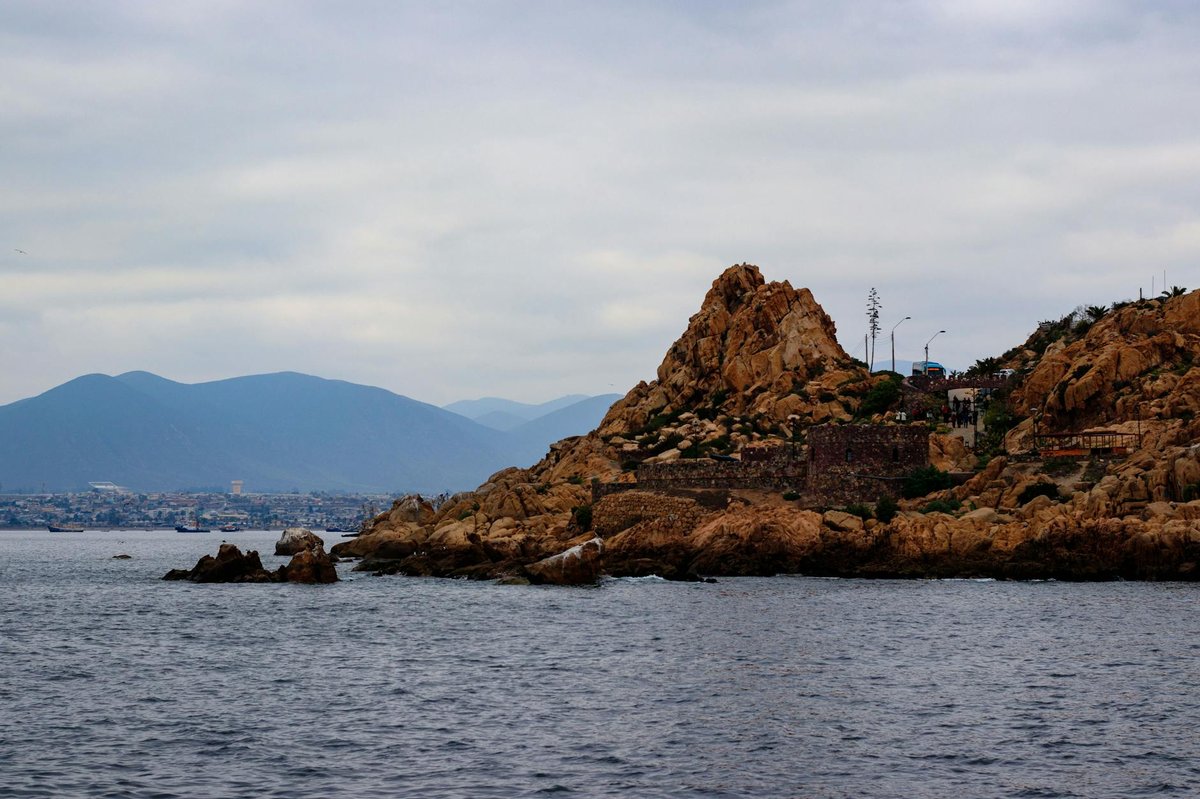
Zapallar is where Santiago's old money has summered for generations. It shows in the quality of everything — the seafood restaurant on the caleta (small fishing port) serves freshly caught fish that is as good as anything I ate in Chile. The water is still cold (this is the central coast, so 14-16 degrees), but the cove is so protected from waves and wind that it feels almost lake-like on a calm day. Families with small children actually swim here, which is more than you can say for most Chilean beaches.
The downside: Zapallar is not cheap, and it has the faint air of exclusivity that can feel unwelcoming if you are a backpacker in boardshorts. But nobody will actually bother you. I walked the coastal path, ate a ridiculous plate of reineta with butter and capers at the caleta, and spent a quiet afternoon reading on a rock above the cove. It was the most relaxing beach day I had in central Chile.
Punta de Lobos — Not a Beach, but You Need to See It
I have already mentioned Punta de Lobos in the Pichilemu section, but it deserves its own space because it is one of the most dramatic coastal spots in Chile. The headland juts out into the Pacific like a rocky fist, and the waves that wrap around it are massive — on big days, the faces can reach four or five meters, and the spray from the impact zone carries all the way up to the cliff where you are standing.
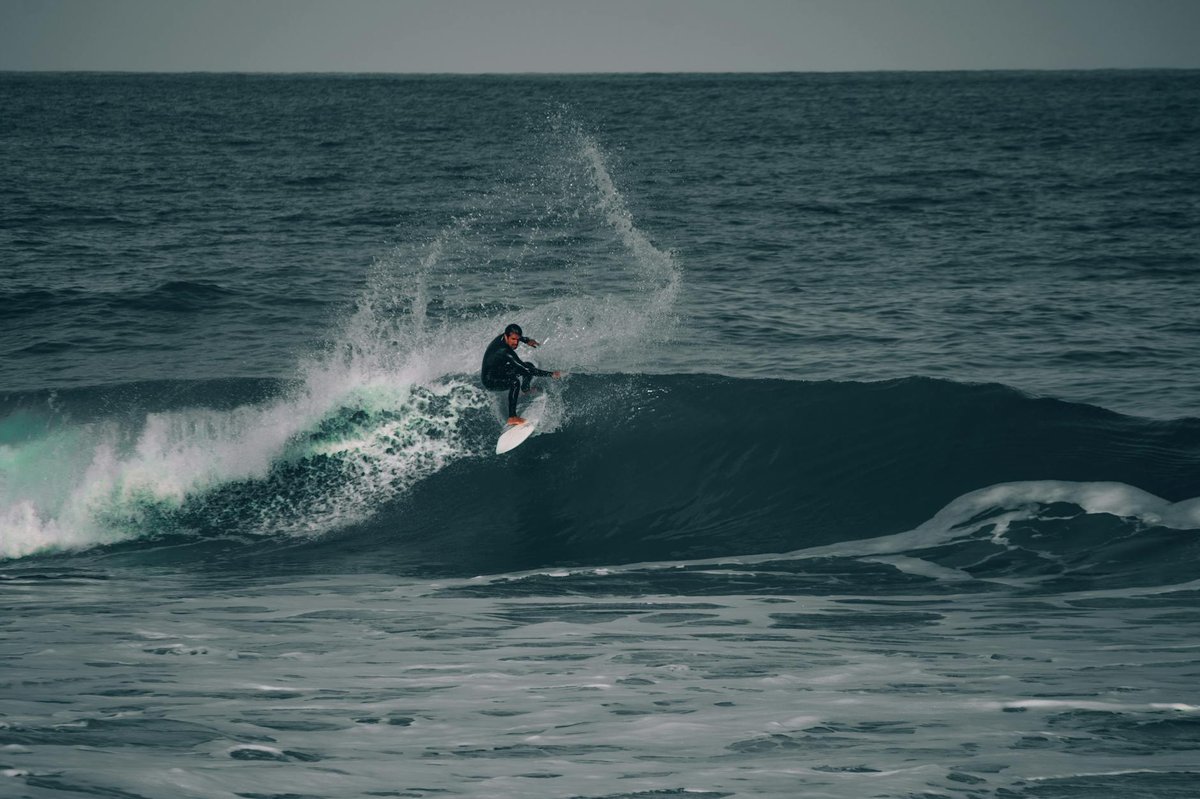
There is a small beach at the base of the cliffs where some people brave the cold for a swim, but really, Punta de Lobos is about the spectacle. Park at the top, walk out along the cliff path, and watch. The surfers look tiny against the waves. The sea lions that give the point its name sun themselves on the rocks below. On a sunny afternoon with a big swell running, it is one of those places that makes you understand why people talk about the power of the ocean without sounding like they are being dramatic.
It is about six kilometers south of Pichilemu by road. You can walk along the coast if you have the energy, or drive. There is parking and a few food stalls at the top. Come as part of your Pichilemu visit.
The Beaches of Chiloe — Wild, Cold, and Absolutely Worth It
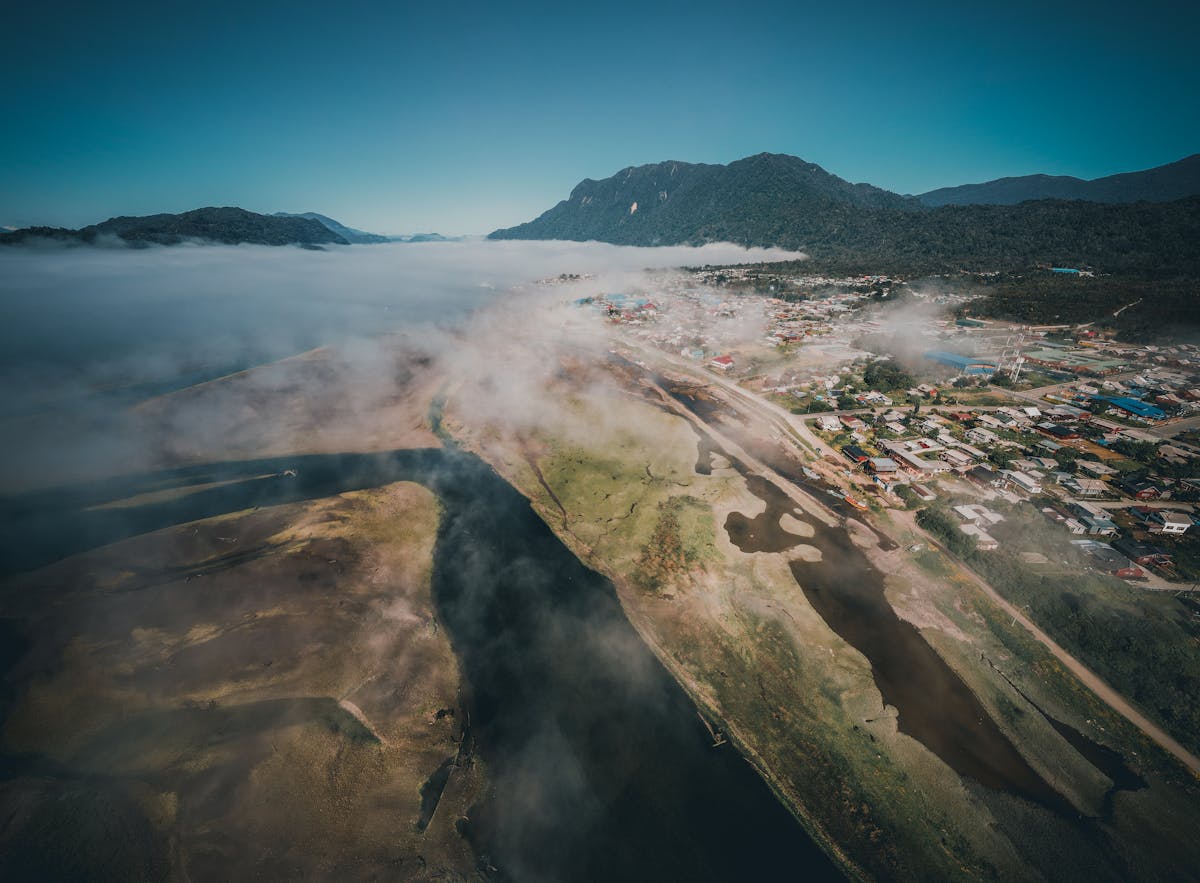
Now for something completely different. Chiloe Island, about a thousand kilometers south of Santiago in the Lakes District, has beaches that look like they belong in a different country. Possibly Iceland. The sand is grey or black. The water is dark. The sky is usually overcast. The wind hits you sideways. And the landscapes surrounding these beaches — dense temperate rainforest running down to rocky shores, weathered wooden churches visible from the strand, fishing boats listing at low tide in emerald-green estuaries — are so moody and atmospheric that I found myself taking more photos here than I had at any turquoise cove in the north.
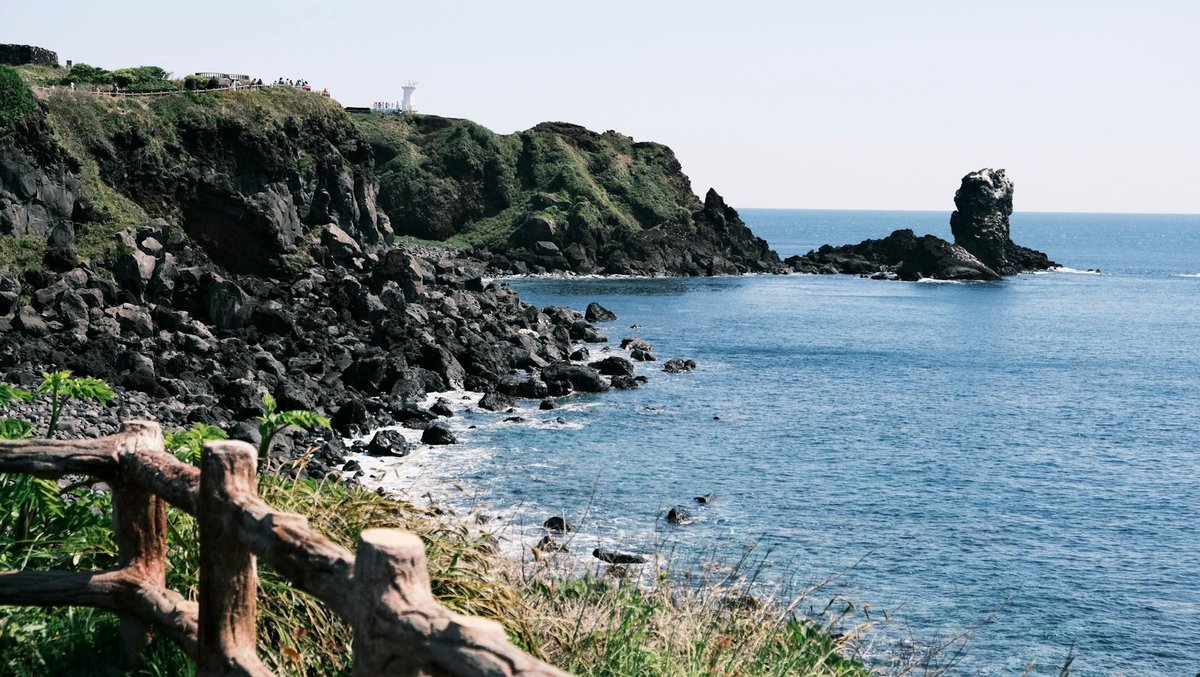
Playa Cole Cole in Parque Nacional Chiloe is the standout. It is a long sweep of golden sand (not grey — this is the exception) backed by dunes and forest, accessible by a roughly two-hour hike from the park entrance at Chanquin. I walked it on a day when the fog sat about twenty meters above the water and the only sounds were waves and birds. Completely alone. No footprints in the sand ahead of me. That walk stays with me more than any postcard beach in the north.
Swimming? No. The water temperature in Chiloe hovers around 10-12 degrees even in summer, and the currents can be strong. This is walking-boots-and-windbreaker beach territory, not swimsuit territory. But that is the point. Chiloe's coast is about experiencing something raw and genuine and entirely unlike the manufactured beach experience you get at resort destinations. Read our Chiloe Island guide for the full picture.
Practical Stuff — Planning a Beach Trip in Chile
When to Visit
Chilean beach season runs from November through March, with January and February as peak. December and March are the sweet spot — warm enough to enjoy the coast, uncrowded enough to actually enjoy it. For the Atacama beaches (Bahia Inglesa, La Virgen), you can extend the season into April — the desert climate keeps things mild longer. For Chiloe and the south, December through February only, and bring layers regardless. Our when to visit Chile guide breaks this down region by region.
Water Temperature Reference
| Beach | Summer Water Temp | Swimmable? |
|---|---|---|
| Bahia Inglesa | 18-20°C | Yes, comfortably |
| La Virgen | 17-19°C | Yes, with some grit |
| Anakena (Easter Island) | 21-23°C | Yes, warmest in Chile |
| Pichilemu | 12-14°C | Wetsuit only |
| Matanzas | 13-15°C | Not really |
| Vina del Mar / Reñaca | 13-15°C | Brief dips |
| Zapallar | 14-16°C | Brief dips in the cove |
| Chiloe | 10-12°C | No |
Getting Around the Coast
A rental car is the best way to beach-hop in Chile. The Pan-American Highway runs close to the coast for much of the country, and side roads to individual beaches are generally paved (except for spots like La Virgen). Buses connect the major towns — Santiago to Vina del Mar, Santiago to Pichilemu, Copiapo to Bahia Inglesa — but the smaller beaches require your own transport. For getting around Chile in general, we have a full guide.
Easter Island requires a flight from Santiago on LATAM — usually one or two flights per day, about five hours each way. Book early in summer; it sells out.
What to Pack
Sunscreen — the UV in Chile is brutal, especially in the Atacama where the thin atmosphere offers less protection. A rash guard if you plan to surf or swim for extended periods. A windbreaker for any beach south of Pichilemu. And lower your expectations about water temperature. Seriously. The sooner you accept that Chile's ocean is cold, the sooner you can appreciate everything else about its coast.
So Which Beach Should You Actually Visit?
If I had to pick one, it is Bahia Inglesa. The combination of turquoise water, swimmable temperatures, and stark desert scenery makes it unlike anything else in South America. Add a side trip to La Virgen and you have two days of genuinely special beach time.
If you are a surfer, Pichilemu is non-negotiable. Full stop.
If you are already planning a two-week Chile itinerary, work in a day or two at the coast. Do not plan your trip around beaches — Chile has so much more — but do not skip them entirely either. The coastline surprised me more than any other part of this country, and I have been to Patagonia, the Atacama, and Easter Island. The beaches are not Chile's headline act, but they might be the encore that changes how you think about the whole show.
The Pacific was still freezing the last time I went in. I stayed longer than I should have. Some things are worth being cold for.