This article contains affiliate links. If you book through them, I earn a small commission at no extra cost to you.
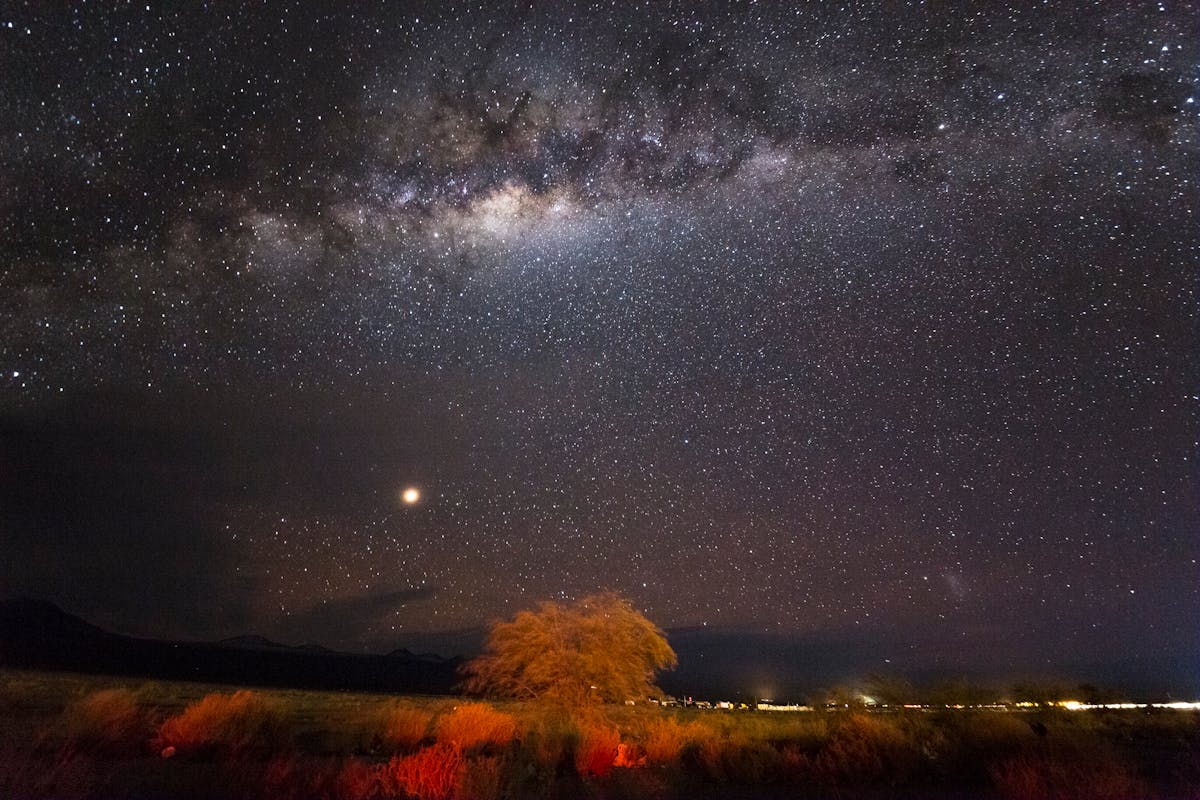
I stepped outside the hostel at 2am because I could not sleep. The altitude headache was doing its thing — a dull squeeze behind the eyes that paracetamol was not touching. I figured fresh air might help. What I did not figure was that the sky above San Pedro de Atacama at 2am on a moonless night would physically stop me in my tracks. The Milky Way was not a suggestion. It was a scar of light ripped across the entire sky, so thick and detailed that I could see structure in it — dark lanes, bright knots, the galactic core glowing like someone had left a light on behind the stars. I stood in that dusty street in my socks for ten minutes, neck cranked upward, headache forgotten. A dog walked past and did not care. I have traveled enough to be hard to impress, but that sky broke something open in me that has not fully closed.
That is San Pedro de Atacama. A small, dusty, overpriced town in the driest desert on Earth that somehow contains more jaw-dropping experiences per square kilometer than almost anywhere I have been. I spent six days here, did every major excursion, and came away convinced that this belongs on the short list of places every traveler should see — but also certain that how you plan those days makes an enormous difference. Some things here are worth suffering for. Some are not. Here is the honest breakdown.
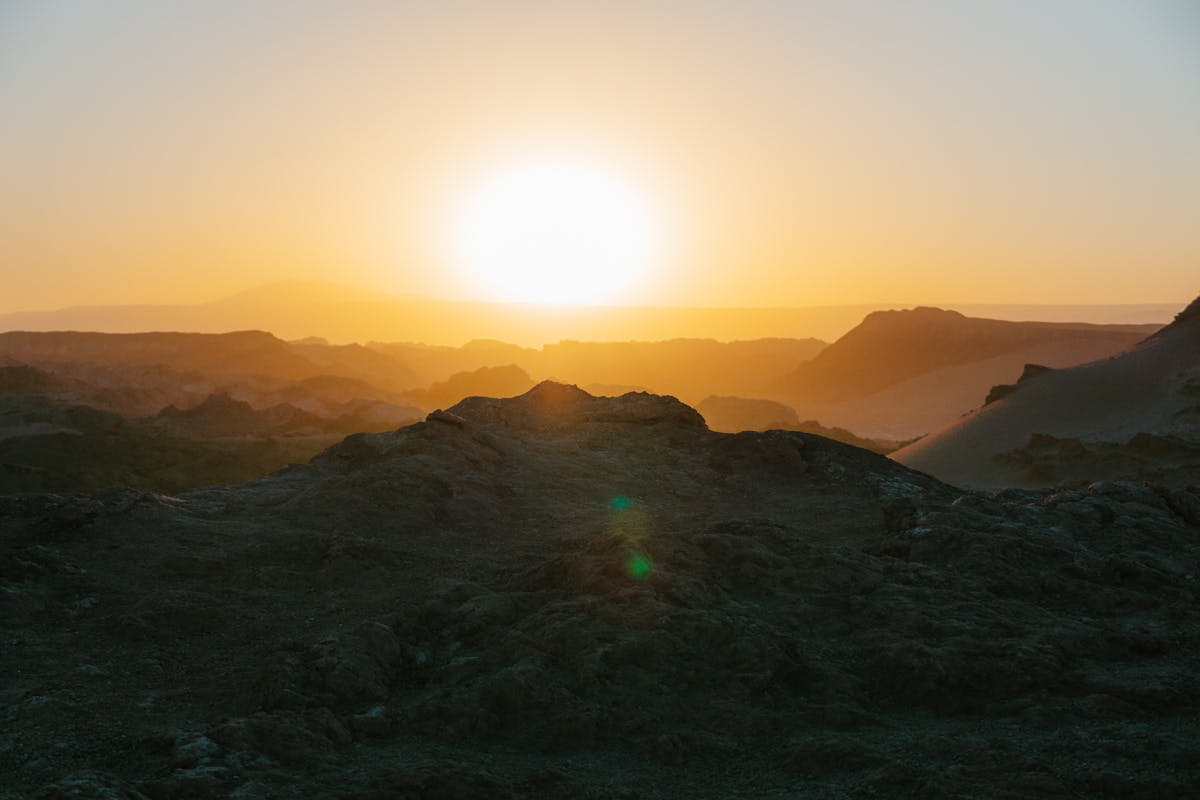
Valle de la Luna at Sunset (and Why I Would Do Sunrise Instead)
Everyone goes to Valle de la Luna at sunset. Every hostel recommends it. Every tour agency pushes the afternoon departure. And I get it — the color show is extraordinary. The valley's sandstone ridges and salt-crusted formations turn gold, then copper, then deep blood-red as the sun drops behind the cordillera. I climbed the Duna Mayor with thirty other people and watched the light shift through colors that felt artificially saturated, like someone had cranked the contrast on reality. The Andes caught alpenglow and the whole valley went quiet. Twenty minutes of genuine magic.
But here is my honest take: do it at sunrise instead.
I went back at dawn two days later because I had heard it was emptier, and the difference was not subtle. There were four of us on the dune. Four. The light came in sideways from the east and threw long shadows across the salt formations that the evening light flattens out. And the silence. At sunset there are six tour vans, people talking, someone playing music from a phone. At sunrise I could hear the salt crust cracking as the sun hit it. That is a sound you do not know exists until you are standing in total quiet at 6am in the driest desert on the planet.
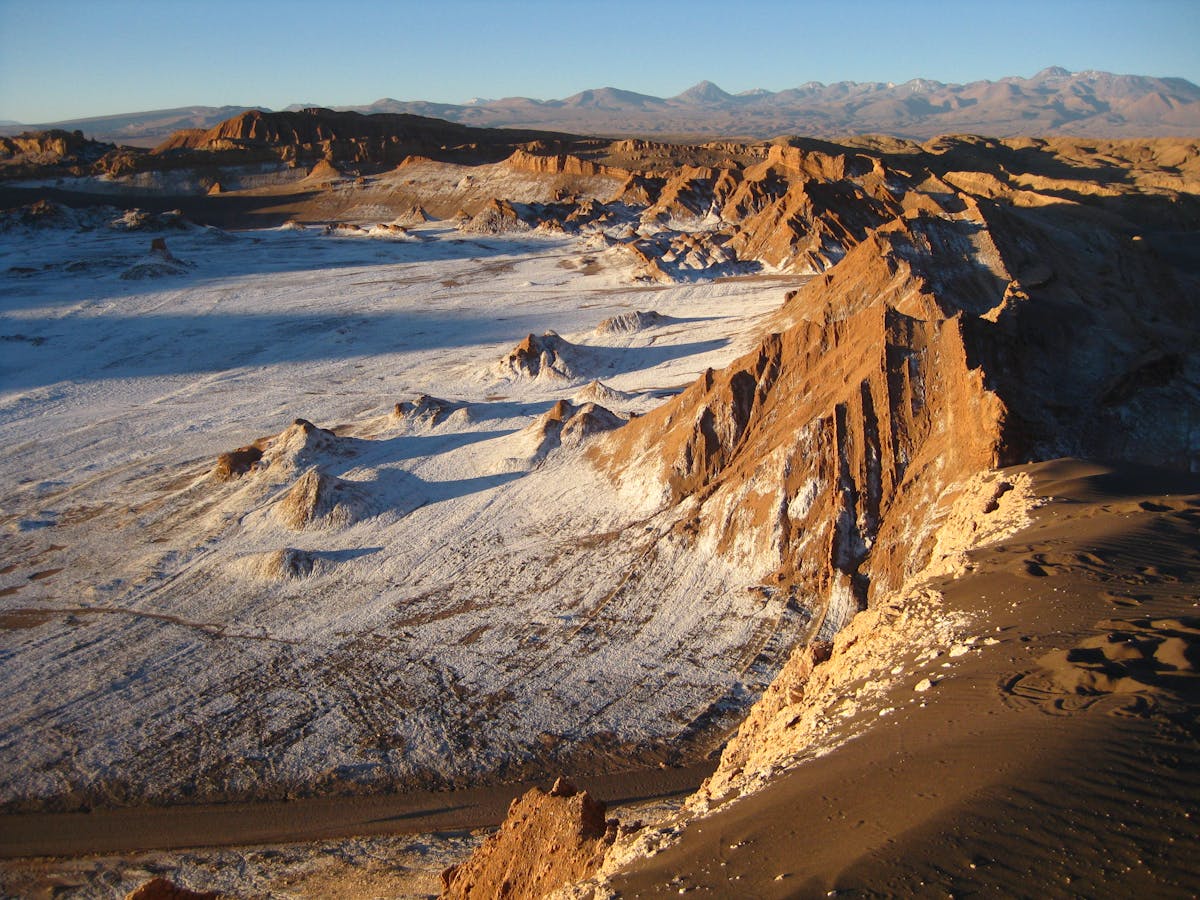
The valley is about 15 kilometers west of town. You can cycle there if you are feeling ambitious and the wind cooperates, or take a tour for around $15-20 per person. The entrance fee is separate — about 3,000 Chilean pesos. Bring water, sunscreen, and shoes with grip for the dune climb. The sand is loose and steep on the way down and I watched someone eat it hard enough to draw blood from both palms.
Quick Tip
If you do the sunset tour, bring a headlamp or phone light for the walk back down the dune. The light drops fast and the path is uneven. The tour vans have their headlights on but that only helps if you are walking toward them.
The 4am Reality Check: El Tatio Geysers
I need to be upfront about what the El Tatio Geysers tour involves, because nobody told me clearly enough and I was genuinely miserable for the first hour.
Your alarm goes off at 3:30am. You get into a van at 4am in total darkness. The drive takes ninety minutes on a mountain road that climbs from 2,400 meters to 4,320 meters — nearly doubling the altitude. My head was pounding by the time we got above 3,500 meters. The heater in our van was barely functional. When we arrived and stepped out, it was minus seven. My phone said minus seven. I could not feel my fingers within thirty seconds. The altitude hit like someone had sucked half the oxygen out of the atmosphere, which is essentially what had happened.
And then the sun cracked the horizon, and I understood why people do this.
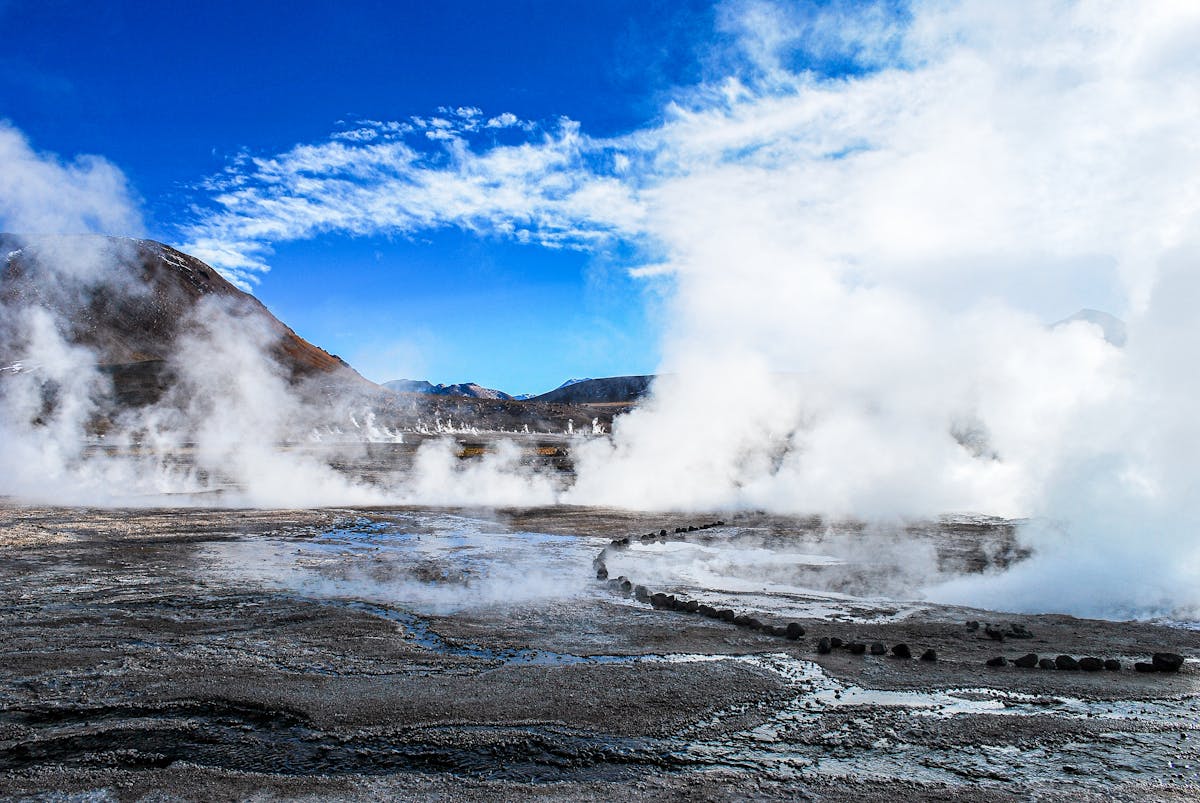
El Tatio is the highest geyser field in the world, and it is most active when the air is coldest — which is why the ungodly departure time exists. The steam columns rise fifty meters into the still air, lit from behind by orange sunrise light. Boiling pools of impossible blue sit in the rust-colored earth. The whole field hisses and bubbles. Walking through it at dawn feels primordial, like the Earth's machinery has been left exposed.
The geysers are not Yellowstone-scale eruptions. The water columns reach maybe a meter. The spectacle is the combination — steam, freezing air, mountains, first light, the smell of sulfur. That combination exists for about ninety minutes. By 8:30am the sun warms the air and the steam thins to nothing. By 9:30 it looks like a field of warm puddles. The early start is the only option.
Most tours include a stop at a thermal pool on the way back where you can warm up, plus a small village called Machuca for empanadas. The empanadas are fine. Nothing special, but after freezing at 4,300 meters since 5:30am, warm food hits different.
Cost: around $35-45 per person including transport and breakfast. Worth every peso, but take the altitude seriously. Give yourself at least one full day in San Pedro before attempting this. I watched two people in my group turn grey and have to sit in the van. One threw up twice. Altitude sickness at 4,300 meters does not care how fit you are.
Piedras Rojas and the Altiplanic Lagoons
This was, honestly, the single best day of my six in the Atacama. The full-day tour hits Piedras Rojas, the altiplanic lagoons (Miscanti and Miniques), and Laguna Chaxa in the Salar de Atacama, and the variety of landscapes packed into one drive is staggering.
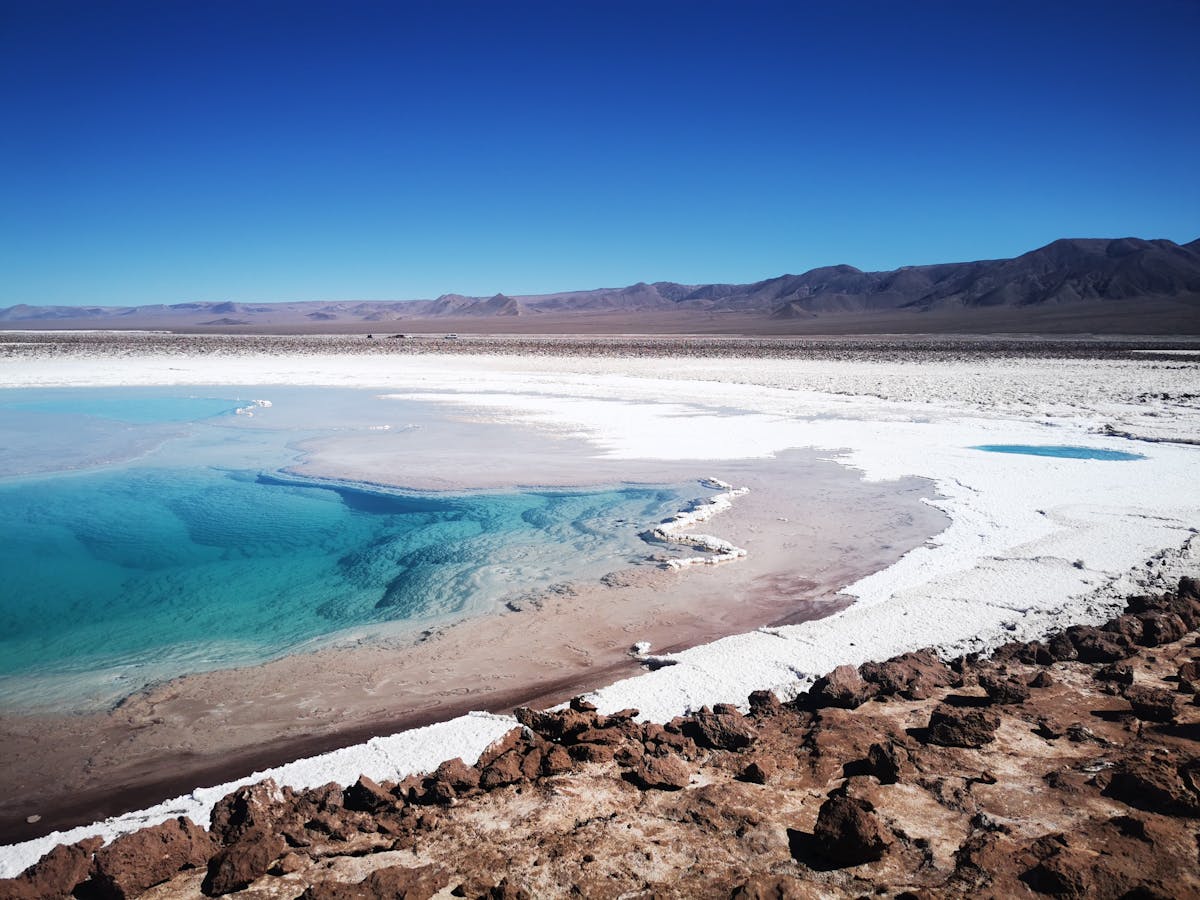
Piedras Rojas sits at about 4,170 meters. The name means Red Rocks and it undersells the place. The ground is deep rust-red, almost maroon, dropping away into a lagoon of turquoise water so vivid it looks digitally altered. Snow-capped volcanoes frame the background. The color contrast between red earth, blue water, white salt crust, and snow peaks is so extreme that my brain kept trying to correct it, like something was off with reality's white balance.
The altiplanic lagoons — Miscanti and Miniques — sit a bit higher and are more subtle. Deep blue water in volcanic craters, very still, very remote. There is a quietness up there at 4,300 meters that settles into you. The air is thin enough that walking feels effortful, and that physical awareness makes the landscape register more deeply. You are not just looking at it. You are breathing hard while looking at it.
This tour runs about $50-60 per person and takes a full day — leave around 7am, back by 4 or 5pm. Bring warm layers and plenty of water. You are above 4,000 meters for several hours, so do not book this for your first day.
Flamingos at Laguna Chaxa (The Salar de Atacama)
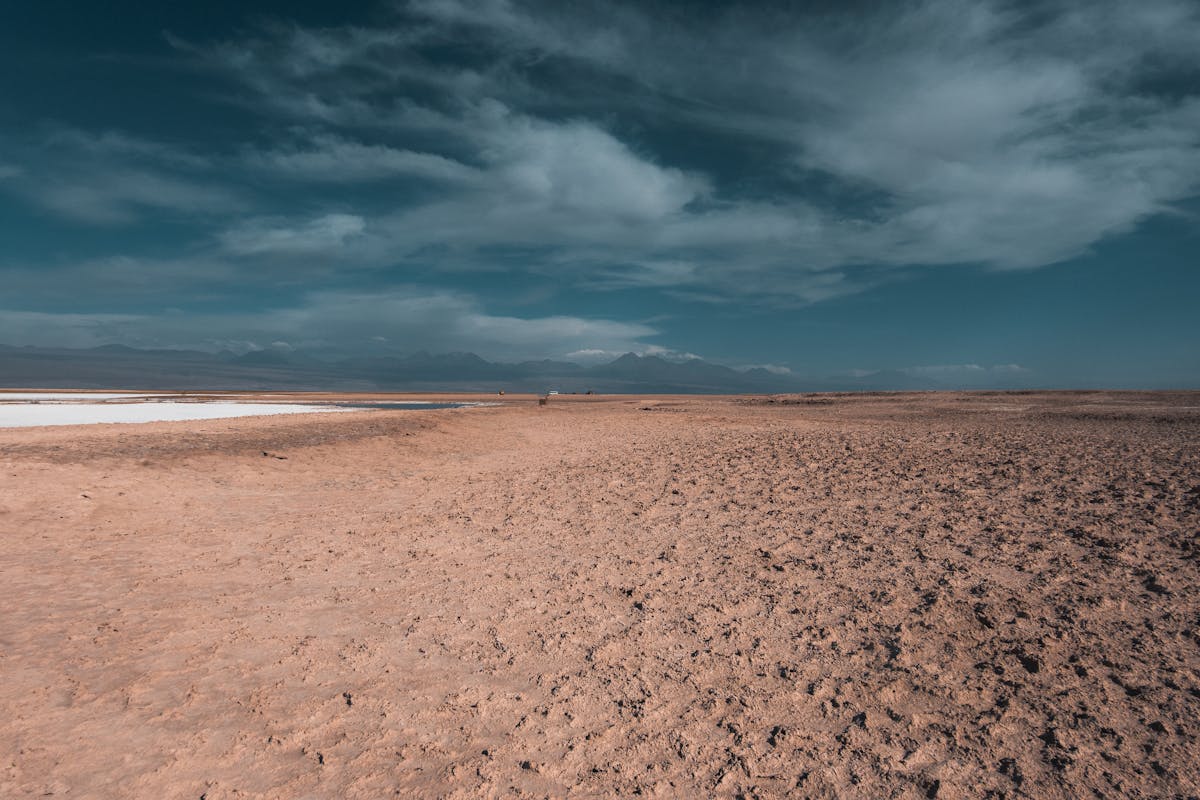
Laguna Chaxa sits inside the Salar de Atacama, the largest salt flat in Chile, and it is usually included as the last stop on the Piedras Rojas day tour or as a separate afternoon trip. The draw is flamingos — three species of them feed in the shallow, mineral-rich water, and they are shockingly close. No telephoto lens needed. The boardwalk puts you within maybe twenty meters of Andean, Chilean, and James's flamingos standing knee-deep in brine, heads down, filtering the water through those weird upside-down beaks.
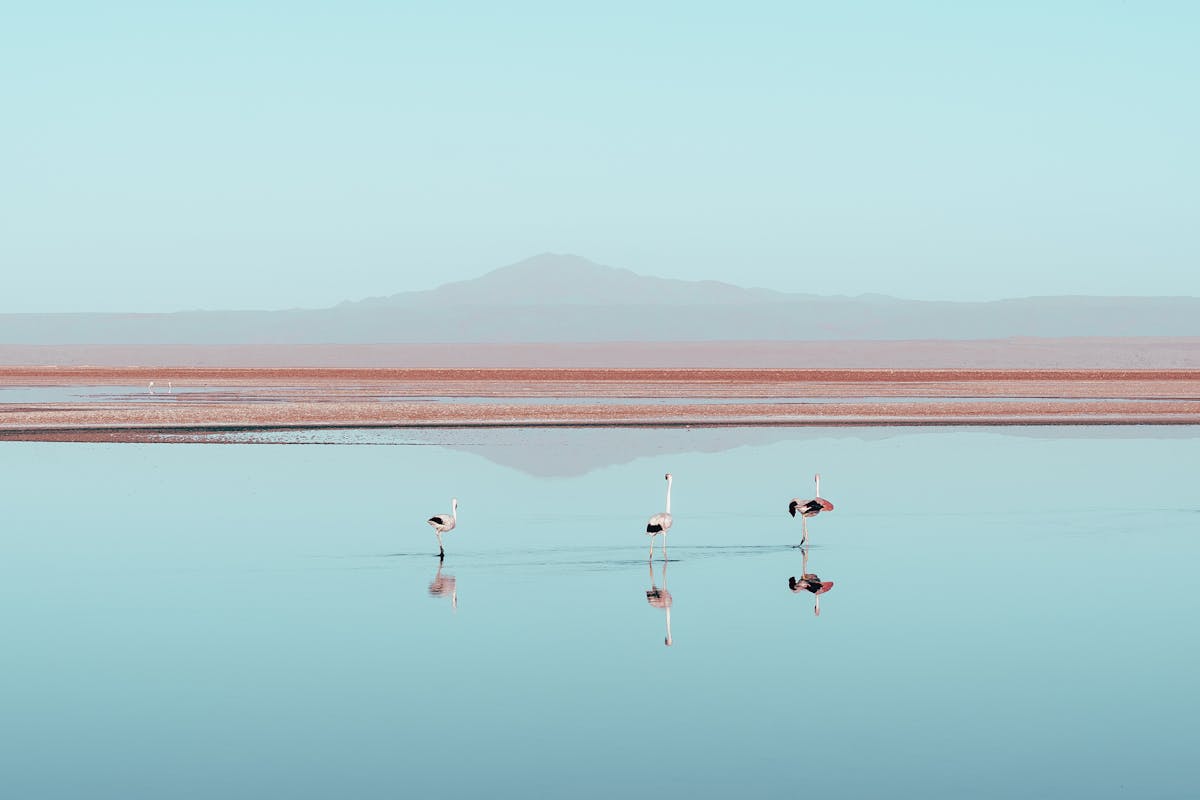
The salt flat itself is worth the stop even without the flamingos. The crust is a honeycomb of white polygonal plates stretching to the horizon, cracked and lifted at the edges like dried porcelain. In late afternoon the mountains go purple and the salt catches warm light. I burned through sixty photos in fifteen minutes, which is not like me.
Entrance fee is around 2,500 pesos. Go in the afternoon for the best light and the most active flamingos — they feed more as the day warms up.
The Hidden Lagoons of Baltinache
I almost skipped this one. A friend told me it was "just some pools in the desert" and I had limited days. That would have been a mistake. The Lagunas Baltinache are seven lagoons scattered across the salt flats about 20 kilometers from San Pedro, and the standout feature is that you can float in them. The salt concentration is so high — higher than the Dead Sea in some of the pools — that your body bobs on the surface like a cork. I lay on my back in pool number three with my arms crossed on my chest and floated there, motionless, staring up at a perfectly empty sky. It was one of the strangest physical sensations I have experienced.
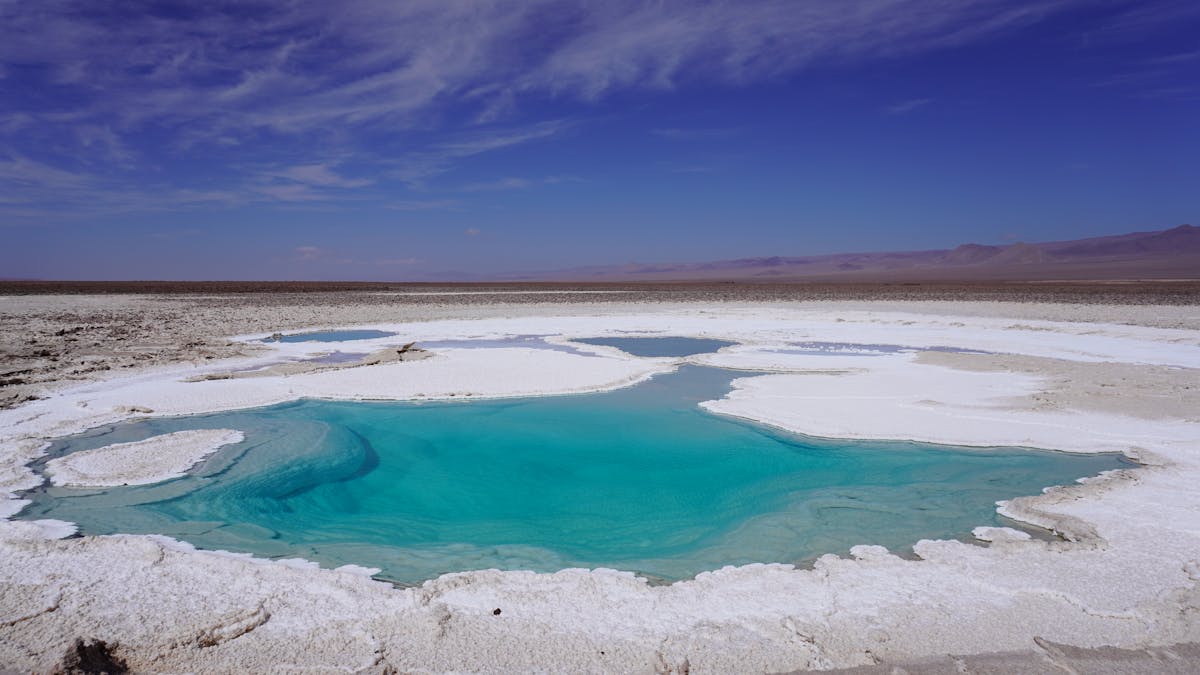
The pools range from warm to cool. Only certain ones allow swimming — they rotate which pools are open to let the ecology recover. The water is warm enough to be comfortable, the turquoise color is real, and the setting — flat white salt desert in every direction, dead quiet — makes the whole thing feel surreal. Like floating in a swimming pool that someone dropped in the middle of Mars.
Practical notes: do not shave anything the morning you visit — the salt in every tiny cut is genuinely painful. Do not put your head under. Do not wear jewelry — the salt corrodes metal fast. No showers, so you will be salty for the rest of the day. Bring a towel and water sandals. Entrance is around 15,000 pesos with booked time slots. Late morning is best for warm water and good light.
Stargazing Tours (Book SPACE — Seriously)
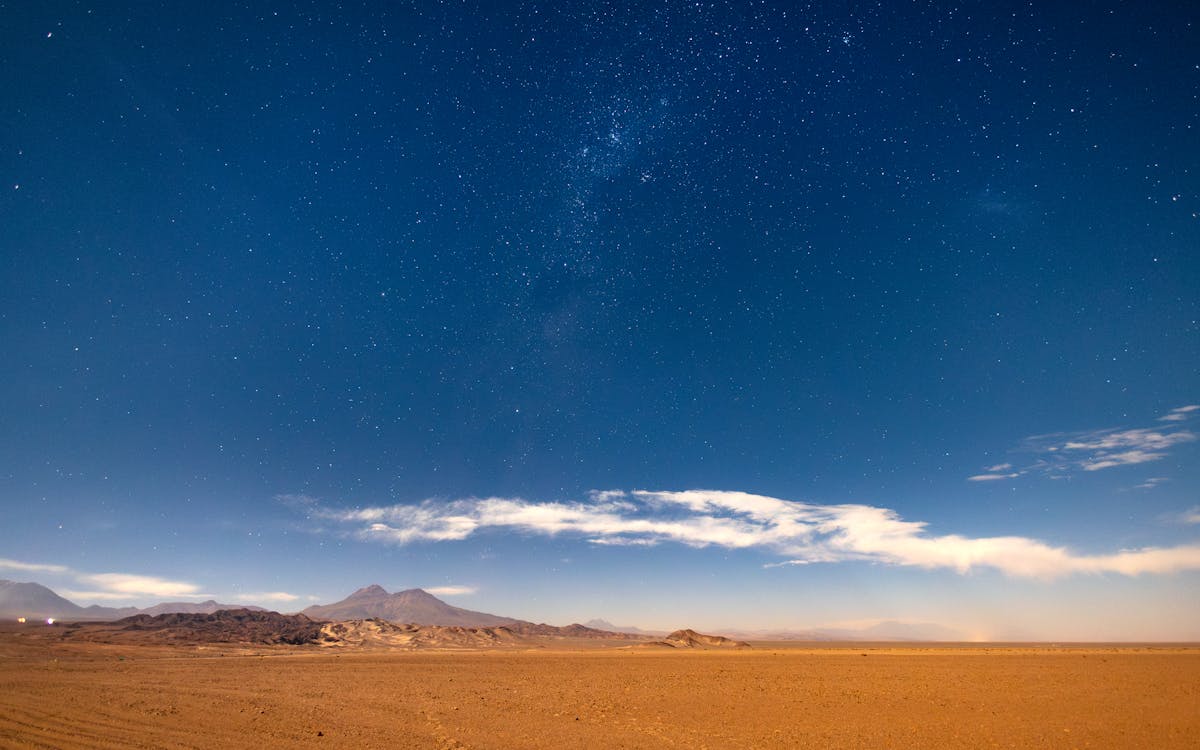
The Atacama is one of the top three stargazing locations on Earth. The combination of altitude, near-zero humidity, almost no light pollution, and 300+ clear nights per year creates conditions that professional astronomers build billion-dollar observatories to access. You are not going to replicate that with your eyes alone, but a good stargazing tour gets you remarkably close.
I tried two operators. The first was a standard agency tour — a van, a field, two telescopes shared among fifteen people, a guide with a laser pointer, hot chocolate at the end. It was fine. I saw Saturn's rings, Jupiter's moons, the Orion Nebula. Solid experience. About $25 per person.
The second was SPACE (San Pedro de Atacama Celestial Explorations), and it was a different league. SPACE uses higher-end telescopes — the kind that cost more than a car — and limits groups to around twelve. The guide was an actual astronomer, not someone reading from a script. Through their main telescope I saw the spiral arms of a galaxy. Not a smudge. Arms. I saw color in nebulae that I thought only long-exposure cameras could capture. The Milky Way overhead was so detailed I could see the dust lanes branching through it, the Magellanic Clouds hanging low on the southern horizon like detached pieces of the galaxy.
SPACE costs more — around $50-60 per person — and books up days in advance during peak season. Reserve early. Go near the new moon for the darkest skies; a full moon washes out the Milky Way almost completely. The tour lasts about two and a half hours, and you will be freezing by the end. They serve pisco sour and hot chocolate afterward, which is the exact right combination when your extremities have gone numb.
Quick Tip
Check the lunar calendar before booking. The week around the new moon is ideal. If your dates coincide with a full moon, the stargazing tours still run but the experience is significantly diminished. Most agencies in town can tell you which nights are best.
ALMA Observatory — Not What You Expect
The ALMA Observatory — the most expensive ground-based telescope on Earth, over $1.5 billion — offers free public visits. You do not see the actual array of 66 antennas at 5,050 meters (off-limits to non-researchers). You visit the Operations Support Facility at 2,900 meters: control room, scale models, sometimes an antenna under maintenance.
If you are expecting to walk among giant radio dishes on a high-altitude plateau, you will be disappointed. The tour is educational, not spectacular. But if you genuinely care about how we listen to the universe — millimeter-wave astronomy, planet formation, black holes — it is fascinating. The guides are researchers, not tour guides, and they answer real questions with real depth.
The free public tours run on Saturdays and Sundays, and you must register online in advance — they fill up weeks ahead. A shuttle bus takes you from San Pedro. No entrance fee. Allow about half a day. If you have even a passing interest in space, do it. If you are looking for a photogenic excursion, this is not it — spend that time at Baltinache or Valle de la Luna instead.
Sandboarding on the Dunes
This is the one activity in San Pedro that is purely fun — no sunrise alarm, no altitude headache, no existential contemplation. You get a board, you climb a sand dune, you slide down. That is it. And it is a blast.
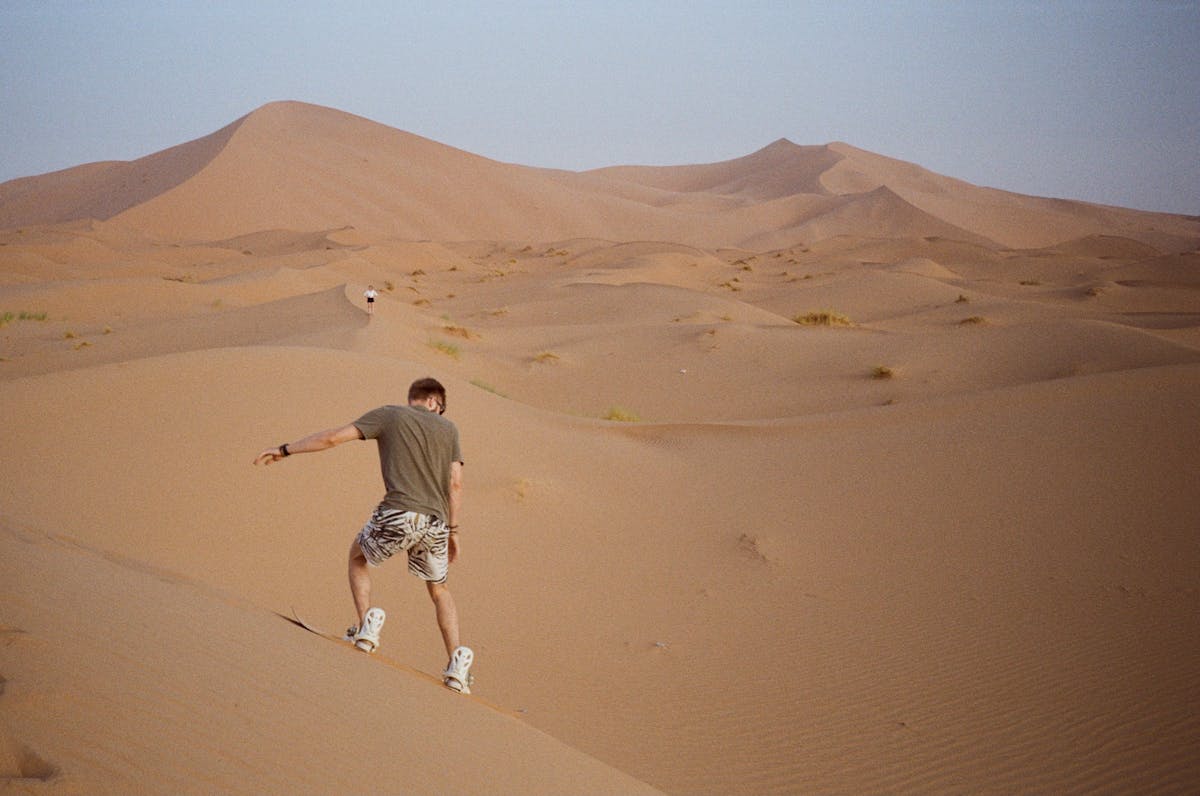
Most tours go to the Valle de la Muerte dunes (also called Valle de Marte), about 5 kilometers from town. The dunes are steep — genuinely steep — and the sand is hard-packed enough that you pick up real speed. You can go lying down (easier, faster, face full of sand) or standing up (harder, more dignified when you inevitably crash). I managed to stay upright for about four seconds before the board caught an edge and I tumbled sideways in a cartwheel that the rest of the group apparently enjoyed very much.
The climbing back up is the real workout. Loose sand, steep incline, 2,500 meters altitude. Tours cost about $20-25 per person and last a couple of hours, usually late afternoon. Sand gets everywhere. Everywhere. Bring a bag for your phone.
Puritama Hot Springs — The Best Way to Recover
After four days of 4am starts, altitude headaches, and sand in places sand should not be, Puritama was exactly what I needed. The hot springs sit in a narrow canyon about 30 kilometers north of San Pedro, and they consist of eight thermal pools connected by wooden walkways, each pool a slightly different temperature. The water ranges from around 28 to 33 degrees Celsius — warm enough to soak in, not scalding.
The canyon walls block the wind and the sun warms the rocks. I spent two hours moving between pools, watching clouds drift across the narrow strip of sky overhead. After days of aggressive tourism — wake early, drive far, climb high, freeze, marvel, repeat — Puritama was almost medicinal.
Entrance is about 15,000 pesos and the springs get busy after 2pm. Go late morning on a weekday if you can — I arrived at 11am on a Thursday and had a pool to myself for forty minutes. You can take a tour or arrange a private transfer from San Pedro.
Cycling to Pukara de Quitor (and Slowing Down)
Not everything in the Atacama needs to involve a 4am alarm and a tour van. One of my best mornings was renting a bike from a shop on the main street (about 5,000 pesos for half a day) and riding 3 kilometers north to Pukara de Quitor, a 12th-century fortress ruin built by the Atacameno people on a hillside above the San Pedro River.
The ruins are modest — stone walls and foundations on a steep slope. What makes it worthwhile is the mirador at the top, which gives you a panoramic view of the river valley, the salt flat, and the volcanoes on the Bolivian border. I sat up there for half an hour eating a pastry from a bakery in town, watching shadows move across the desert floor. Nobody else around.
Entrance is 3,000 pesos. Combine it with a ride further up to the Catarpe Valley — a narrowing canyon with towering rock walls — and you fill a whole morning for a few dollars. Good antidote to the tour-heavy rhythm San Pedro pushes you into.
San Pedro Town Itself
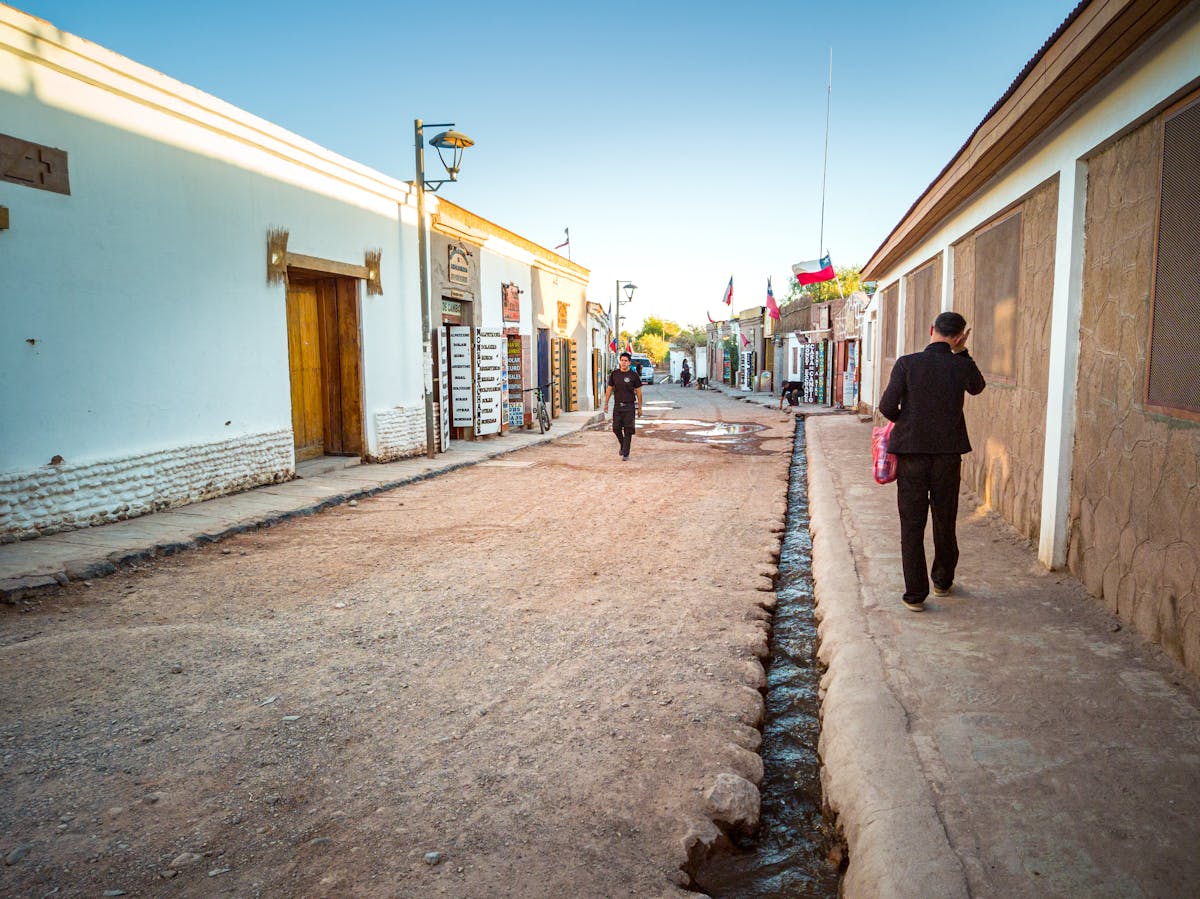
San Pedro is a town of maybe 5,000 people that absorbs ten times that in peak season. The main street — Caracoles — is wall-to-wall tour agencies, restaurants, and ATMs that may or may not have cash. The adobe architecture is attractive and the town has a slightly grubby charm that I liked. It does not pretend to be more than it is: a desert base camp where you eat, sleep, book tours, and swap stories about how cold you were at the geysers.
For food: Adobe for a solid upscale dinner (the llama steak was better than it had any right to be). Franchuteria for empanadas and breakfast — good coffee, reasonable prices. Ckunna for a local set lunch at about 5,000 pesos. Avoid the Caracoles restaurants with menu photos out front and English-first signage — tourist prices, average food.
The ATM situation deserves its own warning. San Pedro's ATMs run out of cash regularly during peak months. Withdrawal limits are low (200,000 pesos max), fees are high (5,000-8,000 pesos per transaction). Bring cash from Calama or Santiago. Tour agencies take cards but smaller restaurants are cash-only. See our money and costs guide for more.
Altitude Survival Guide
San Pedro sits at 2,400 meters — manageable for most people. But tours go to 3,500-4,500 meters, and that is where altitude sickness hits. Arrive the day before your first tour. Drink 3-4 liters of water daily. Avoid alcohol the first night. Eat light. Coca tea is available everywhere and genuinely helps — the leaves are legal in Chile. If you get severe headaches, nausea, or dizziness above 4,000 meters, descend immediately. This is not something to push through.
What Is Overrated (and What to Prioritize)
If you only have three days — which is the minimum I would recommend — here is what I would prioritize and what I would cut.
Do not miss: Piedras Rojas day tour (the single best day), El Tatio geysers (suffer through the early start — it is worth it), and one stargazing session. Those three days, in that order, give you altitude acclimatization on day one at Piedras Rojas (you go high but return to town), the geysers on day two when your body has adjusted, and stargazing on whichever night has the darkest moon phase.
Add if you have time: Baltinache hidden lagoons (half day, totally unique), Valle de la Luna sunrise (early morning, pairs well with a free afternoon), Puritama hot springs (recovery day). Sandboarding makes a great late-afternoon filler.
Honestly overrated: The standard Valle de la Luna sunset tour is the most crowded experience in the Atacama and other excursions are better. The ALMA public tour is interesting if you care about astronomy, dull if you don't. The "archaeological tour" of San Pedro's museum and church is skippable.
If you have a full two-week Chile itinerary, give San Pedro five nights and four full days. That covers everything above without rushing and includes a recovery day. For the broader Atacama region, check our full desert guide.
Practical Stuff: Getting There, When to Go, What to Bring
Getting There
Fly into Calama airport (CJC) from Santiago — about two hours, multiple daily flights on LATAM and Sky. From Calama, a shuttle or transfer takes ninety minutes to San Pedro. Transfer Chile and Licancabur are the main shuttle companies; about $10-15 per person. You can also rent a car in Calama, which gives you flexibility but the roads to the major sites are unpaved and remote. A car is useful if you want to explore independently but not necessary — the tour infrastructure in San Pedro covers everything.
When to Go
The Atacama has over 300 clear days per year, so timing is less critical than in most destinations. That said: March through May and September through November are the sweet spots. Fewer crowds, mild temperatures, clear skies. Chilean winter (June-August) brings cold nights — useful for stargazing, brutal for geyser tours — and is peak domestic tourism. December through February is summer, with warm days, occasional afternoon clouds, and the highest prices. For more details, see our guide on when to visit Chile.
What to Bring
Layers. The temperature swing between noon and 4am is enormous — 25 degrees during the day, minus eight at the geysers before dawn. Down jacket, thermal base layer, gloves, and a beanie for early morning tours. During the day you will be in a t-shirt. The UV at altitude is brutal and the dry air means you do not feel the burn until it is too late. SPF 50, hat, sunglasses, lip balm with SPF. A reusable water bottle — you will drink more than you expect.
| Hostel dorm | $12-18/night |
| Private room (budget) | $35-55/night |
| Set lunch (menu del dia) | $5-8 |
| Restaurant dinner | $15-25 |
| Tour: Valle de la Luna | $15-20 + 3,000 CLP entry |
| Tour: El Tatio geysers | $35-45 |
| Tour: Piedras Rojas full day | $50-60 |
| Tour: Stargazing (SPACE) | $50-60 |
| Tour: Sandboarding | $20-25 |
| Puritama Hot Springs entry | $15 (15,000 CLP) |
| Baltinache Lagoons entry | $15 (15,000 CLP) |
| Bike rental (half day) | $5 (5,000 CLP) |
The Atacama is not a cheap destination by Chilean standards. Budget about $70-100 per day if you are staying in dorms, eating at set-lunch places, and booking standard tours. Double that for private rooms and upscale dinners. The money and costs section has a full breakdown for Chile travel budgets.
What I keep coming back to, months later, is the cumulative effect. The Atacama recalibrates your sense of what is big, what is dark, what is old. The geysers have been boiling for tens of thousands of years. The stars you see are showing you light that left before humans existed. And San Pedro, this scrappy little town with bad ATMs and dusty streets, is the improbable doorway to all of it. I walked out of that hostel at 2am because I had a headache. I came back inside a different person.
For more on planning your Chile trip, check our food and drink guide or our full Atacama Desert guide for the broader region beyond San Pedro.