This article contains affiliate links. If you book through them, I earn a small commission at no extra cost to you.
I was sitting in Santiago's bus terminal at 11pm, staring at my ticket. Thirty-two hours to Punta Arenas. Two nights on a bus. The woman at the counter had said "semi-cama" like it was a selling point, and I had nodded along like a person who had not yet spent a full day with their knees pressed into a reclined seat. I held the ticket for about ten minutes. Then I walked to the counter, asked for a refund, went back to my hostel, and booked a three-hour flight for the next morning. It cost twice as much. I have zero regrets.
That is more or less the central tension of getting to Patagonia. There are fast ways and slow ways, cheap ways and expensive ways, and the right choice depends entirely on what kind of traveler you are and how much time you have. Some people want to get there. Some people want the journey to be part of the trip. Both are valid. But you should know what you're signing up for before you commit.
Here is every route I know of, broken down honestly, with costs and times that reflect what I actually paid and experienced.
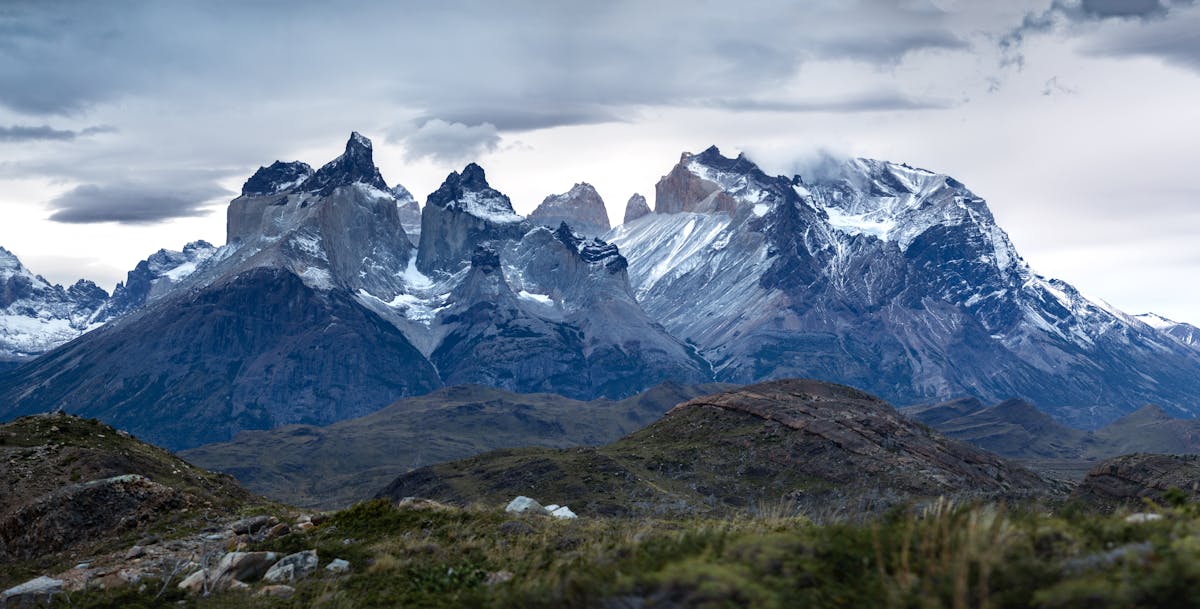
Flying to Patagonia — The Route Most People Should Take
I'll say it upfront: if you have a normal amount of vacation time — two weeks or less — you should fly. The overland options are incredible experiences, but they eat days. Flying gets you from Santiago to Patagonia in three to four hours and leaves you with more time for the actual reason you came, which is presumably not sitting on a bus.
Santiago to Punta Arenas (Direct)
This is the most common route and the one I've taken three times now. LATAM and JetSMART both fly direct from Santiago (SCL) to Punta Arenas (PUQ). Flight time is around 3.5 hours. LATAM runs two to three flights daily in high season (November through March), fewer in winter. JetSMART is the budget option — basic fare, no frills, buy your bag separately.
Prices swing hard depending on when you book. I've paid as little as $60 USD one-way on JetSMART booked two months out, and as much as $220 on LATAM booked ten days before departure in January. The sweet spot is booking six to eight weeks ahead. Check both airlines directly — third-party booking sites rarely beat the airline's own price for domestic Chilean flights.
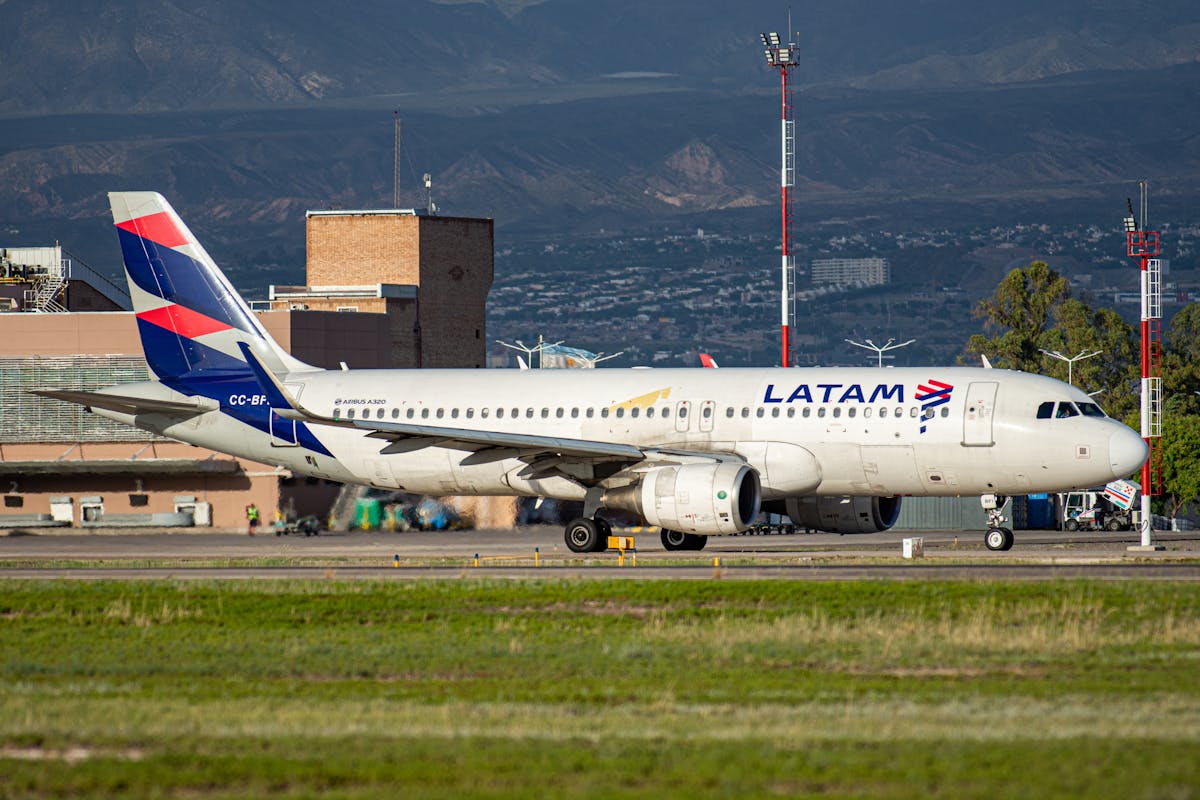
Punta Arenas itself is not Patagonia's main attraction — it's the gateway. From PUQ airport, you'll still need to get to Puerto Natales (the base for Torres del Paine), which is another 3 hours north by bus. Buses Fernandez and Bus Sur run this route multiple times daily, around $10-15 USD. The drive is flat, windy Patagonian steppe. Not scenic, but fast.
Quick Tip
If your flight lands after 6pm, you may not find a bus to Puerto Natales that same day. Either book a morning flight or plan to spend a night in Punta Arenas. The Punta Arenas guide covers where to stay.
Santiago to Puerto Natales (via Punta Arenas)
There's no direct commercial flight from Santiago to Puerto Natales. The Puerto Natales airport (PNT) exists, but scheduled service is limited and seasonal — a few LATAM flights operate during peak summer, but they aren't reliable enough to plan around. Most travelers fly to Punta Arenas and bus north. It adds three hours but it works smoothly.
Some tour operators offer private transfers from Punta Arenas airport directly to Puerto Natales or even to Torres del Paine. Expect to pay $150-200 USD for a private car, or $40-50 per person for a shared shuttle. The shared shuttles need to be booked in advance, especially December through February.
Santiago to El Calafate (via Argentina)
Here's a route most Chile-focused guides skip, but it's one of the best options if your Patagonia itinerary includes both the Chilean and Argentine sides. LATAM and Aerolineas Argentinas fly from Santiago to El Calafate (FTE) in Argentina, usually with a stop in Buenos Aires. Total travel time: 5-7 hours depending on the layover.
El Calafate is the base for Perito Moreno Glacier and El Chalten (the trekking capital of Argentine Patagonia). From El Calafate, you can also reach Puerto Natales in about 5 hours by bus, crossing the border at Cerro Castillo. So flying into El Calafate and busing to the Chilean side — or vice versa — lets you see both countries without backtracking.
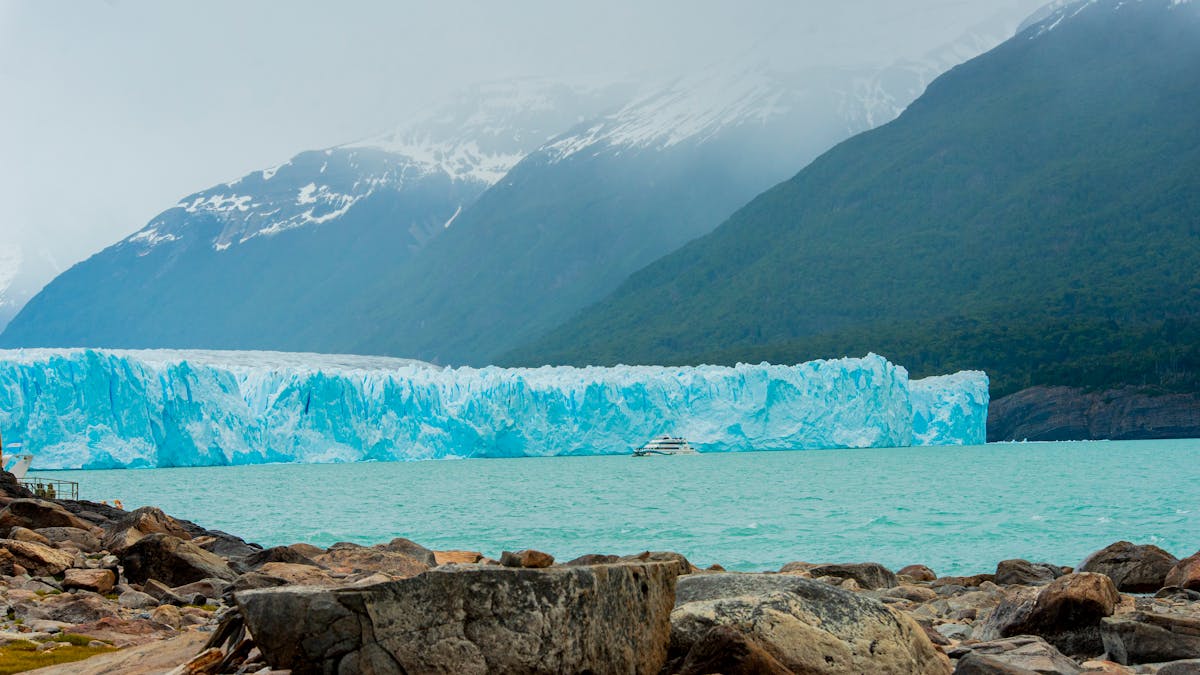
Buenos Aires to El Calafate or Ushuaia
If you're coming from Argentina rather than Chile, Buenos Aires has direct flights to both El Calafate and Ushuaia on Aerolineas Argentinas and Flybondi. Buenos Aires to El Calafate is about 3 hours. Buenos Aires to Ushuaia is 3.5 hours. Flybondi is the budget carrier — same deal as JetSMART, pay for everything extra — and can be genuinely cheap if you book ahead. I've seen $45 USD fares Buenos Aires to El Calafate in shoulder season.
From Ushuaia, getting to Chilean Patagonia is more involved. You're at the bottom of Tierra del Fuego, and the logistics of crossing back north to Puerto Natales involve multiple border crossings and a ferry across the Strait of Magellan. It's doable in a long day but not fun. Ushuaia works best as an add-on to a Patagonia trip, not a starting point for one.
The 30-Hour Bus from Santiago — For a Certain Kind of Person
I didn't take it. I almost did. Maybe I should have. The long-haul bus from Santiago to Punta Arenas is one of the longest bus routes on the continent, and people who have done it either speak of it with a strange reverence or vow never to repeat it.
Here are the facts. Several companies run the route: Buses Pacheco, Buses Fernandez, and Cruz del Sur among them. The trip takes 30-36 hours depending on the company and conditions. It goes through Temuco, Osorno, Puerto Montt, then crosses into Argentina at Cardenal Samore or further south, drops through the Argentine steppe, and re-enters Chile at the Punta Arenas border. Yes, you cross international borders twice on a bus. Have your passport ready.
A semi-cama (half-reclining) seat runs $80-100 USD. A salon-cama (full-flat bed) costs $120-160 USD. The salon-cama is the only sane option if you actually plan to sleep. These are big buses with meals included, blankets, and genuinely decent legroom in the top tier. Chile's long-distance bus system is better than most people expect.
But it's still 30 hours. On a bus. Through flat, repetitive steppe for the second half. The first ten hours — Santiago through the Lake District — are beautiful. The last twenty are an endurance test. I talked to a guy in Puerto Natales who had done it and he said it was "the longest day of my life, but the sunrise over the steppe was something." Make of that what you will.
Who should take it: budget travelers with time, people who hate flying, anyone who wants to see the transition from central Chile to Patagonia in real time. It's not a bad experience. It's just a very, very long one.
The Navimag Ferry — Four Days Through the Fjords
This is the one that gets people excited, and for good reason. The Navimag ferry runs from Puerto Montt to Puerto Natales through the Chilean fjords — four days and three nights on a working cargo ferry that also carries passengers. It's not a cruise. The cabins are basic, the food is canteen-style, and there's no entertainment beyond what you and the other passengers invent. But the scenery is some of the most remote and dramatic you'll see from any boat, anywhere.
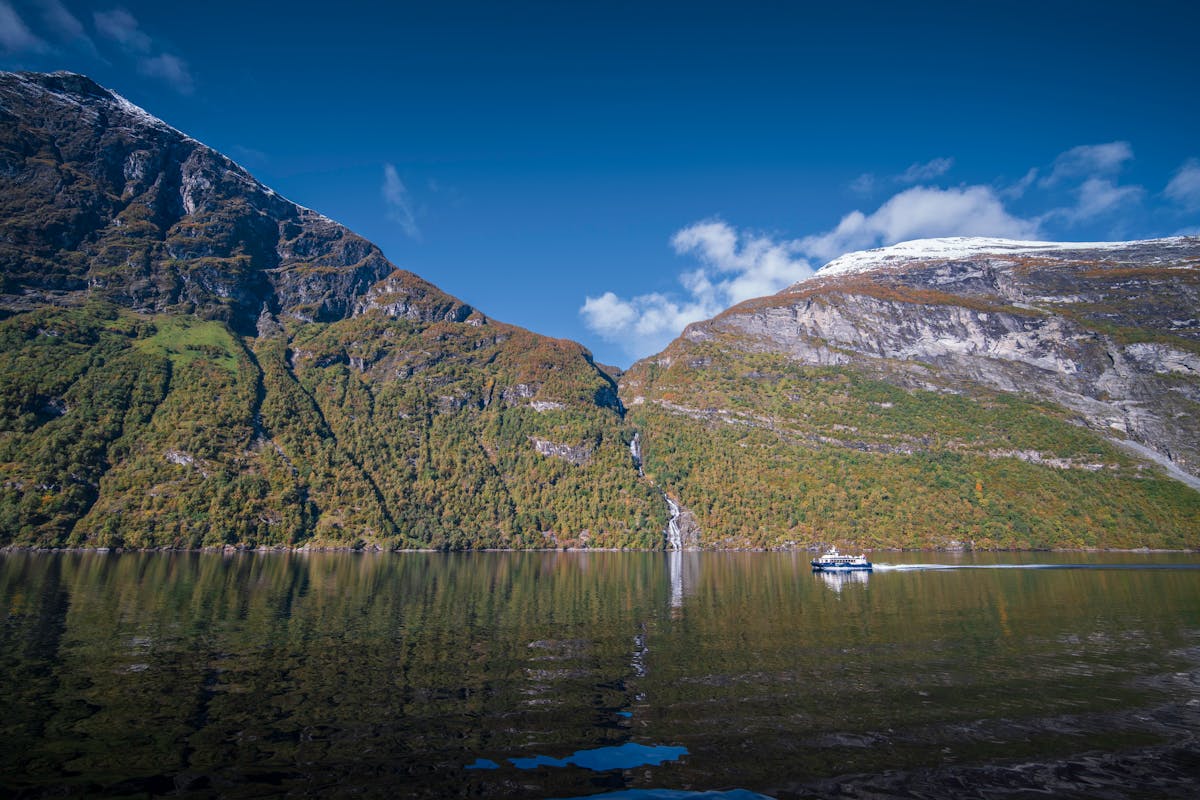
The route passes through the Gulf of Penas (open ocean — this section can be rough, and seasickness is common), then into the protected channels and fjords of southern Chile. You'll see glaciers calving into the water, dense rainforest growing straight down to the shoreline, dolphins, sea lions, and sometimes whales. On clear days, the views are staggering. On rainy days — which are most days down here — it's atmospheric in a way that makes you understand why this part of Chile was one of the last places on Earth to be mapped.
Prices depend on the cabin class. A shared bunk in the cheapest category runs around $400-500 USD. A private double cabin goes for $900-1,400 USD. These prices include all meals. The ferry runs weekly during the sailing season (roughly September through April) and does not run in winter.
Book early. The Navimag fills up months ahead for December-February sailings. I'd recommend booking three to four months out for peak season. You can book directly through the Navimag website.
Quick Tip
Bring seasickness medication. The Gulf of Penas crossing takes about 12 hours and the boat rolls hard in open water. Even people who "never get seasick" report getting green on this stretch. Dramamine or Biodramina — buy it before you board.
Who should take it: anyone with four spare days who values the journey as much as the destination. This is not a transport option. It's an experience. If you're just trying to get to Puerto Natales, fly. If you want to see a part of Chile that almost nobody sees from the water, this is it.
Driving — Carretera Austral and Ruta 40
Driving to Patagonia is for people who have time, independence, and a tolerance for roads that occasionally try to kill you. There are two main driving routes, one on each side of the Andes.
Carretera Austral (Chile)
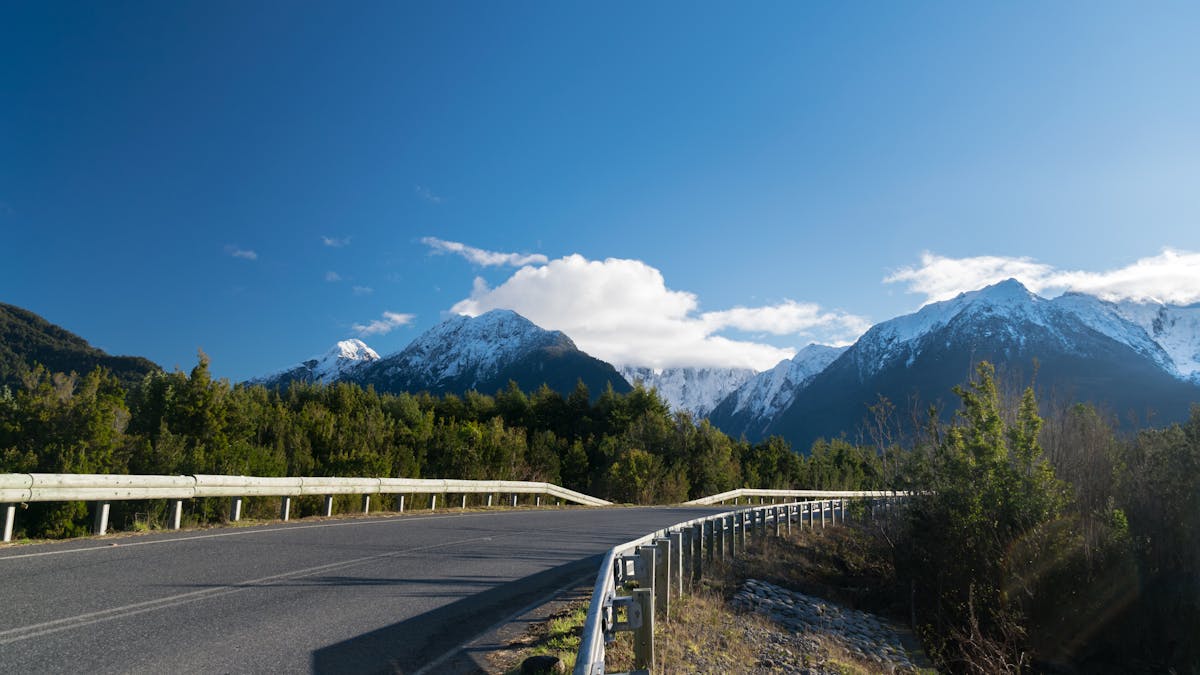
The Carretera Austral runs 1,240 kilometers from Puerto Montt to Villa O'Higgins. I drove the whole thing and it took twelve days, though you could push it into eight if you don't stop much (but stopping is the whole point). The road is partially paved, partially gravel, and requires multiple ferry crossings. You'll need to book ferries in advance during peak season — the crossing at Hornopiren in particular sells out.
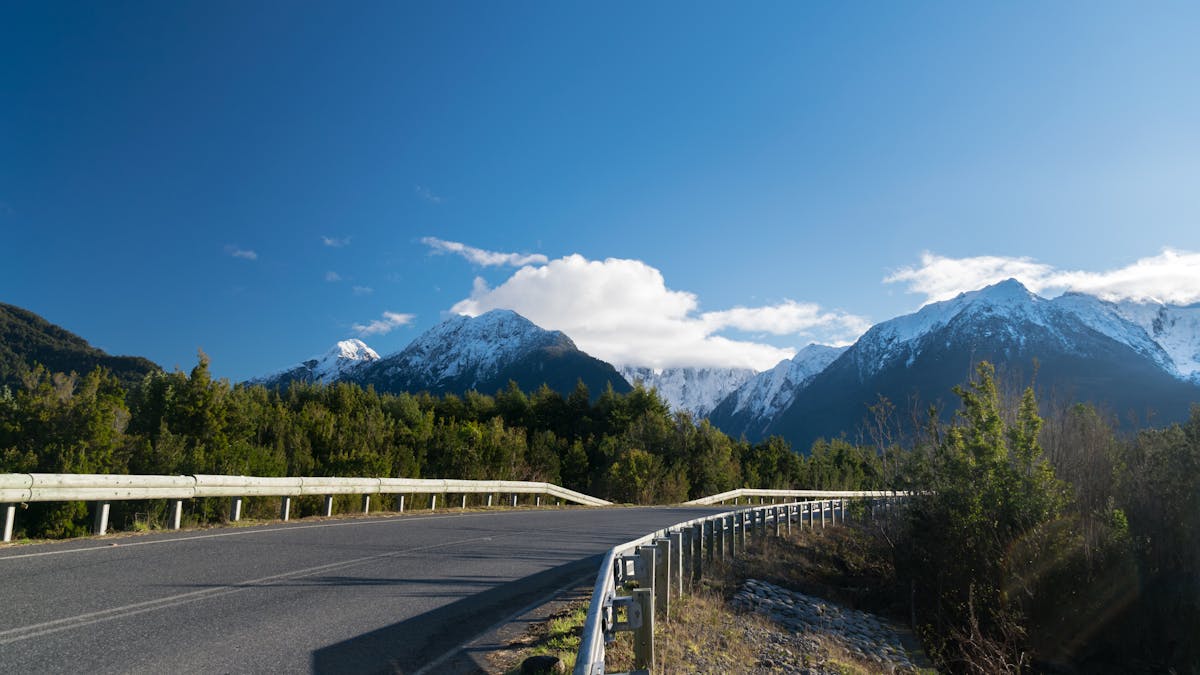
Important: the Carretera Austral does not actually reach Torres del Paine or Punta Arenas. It ends at Villa O'Higgins, still hundreds of kilometers north of the main Patagonian attractions. To continue south from Villa O'Higgins, you need to take a boat across Lago O'Higgins, hike to the Argentine border, and then make your way down through Argentina — or you backtrack north and cross into Argentina at one of the northern border posts. Either way, the Carretera Austral is not a through-route to lower Patagonia. It's a destination in itself.
Car rental for the Carretera Austral is best arranged in Puerto Montt or Coyhaique. Expect $50-80 USD per day for a truck or SUV (you want high clearance). Gas stations are sparse — carry a jerrycan. The driving Patagonia guide covers the logistics in detail.
Ruta 40 (Argentina)
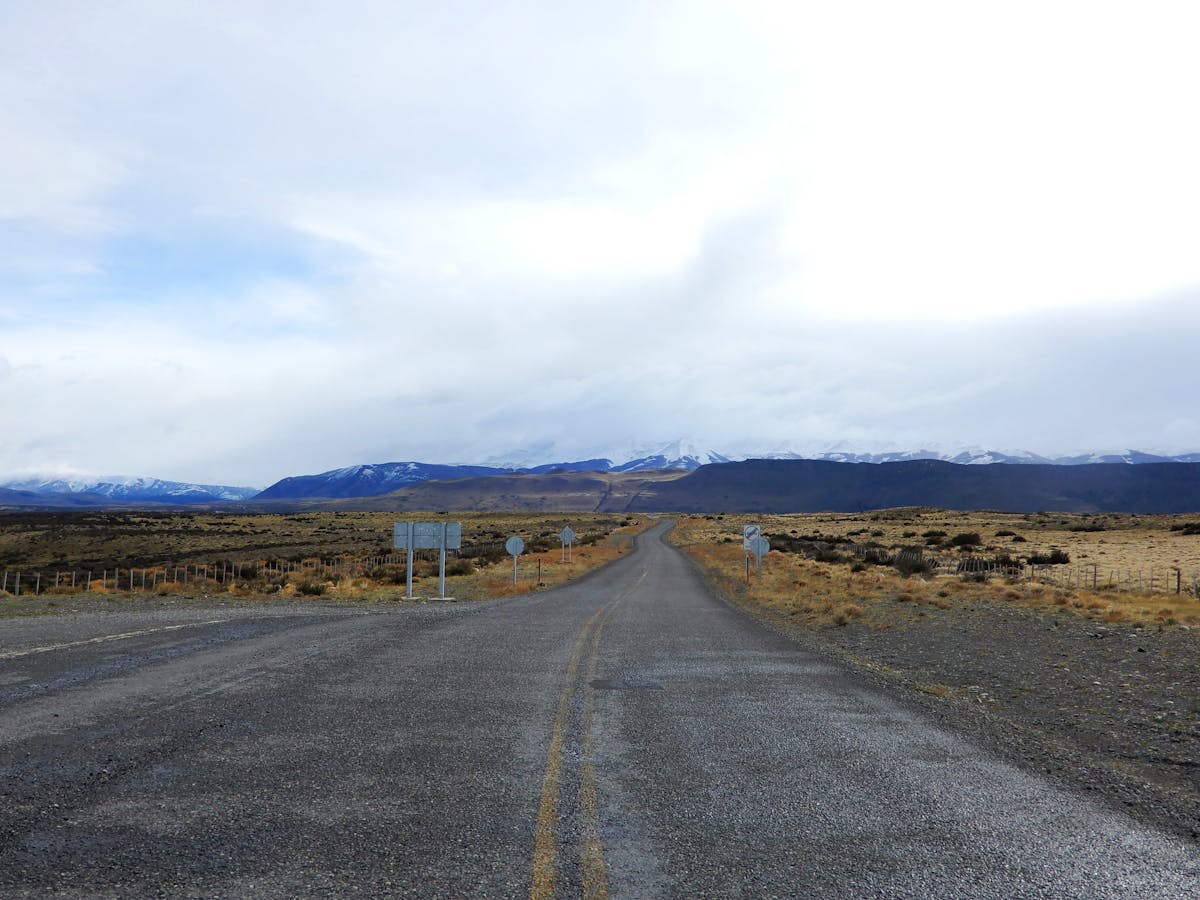
On the Argentine side, Ruta 40 runs the length of the country along the Andes. The southern section — from Bariloche to El Calafate — covers roughly 1,500 kilometers of steppe, gravel, wind, and not much else. Compared to the Carretera Austral, it's less scenic in the middle sections (a lot of flat, dry steppe) but the endpoints are spectacular, and the road is generally in better condition.
Driving Ruta 40 from Bariloche to El Calafate takes about three to four days at a comfortable pace. Gas stations are even more spread out than on the Carretera Austral — some stretches of 200+ kilometers between fuel stops. Carry extra fuel, carry water, and tell someone your route. Phone signal is nonexistent for long sections.
The wind is the main challenge. Southern Patagonian wind is not like wind anywhere else I've driven. It comes sideways at 80-100 km/h and does not let up for hours. I watched a campervan get pushed halfway across a lane on a gust. If you're driving a high-sided vehicle, choose your days carefully.
Crossing from Argentina — El Calafate to Puerto Natales
This is one of the most practical routes that people overlook. If you're already in Argentine Patagonia — say, visiting Perito Moreno Glacier from El Calafate or trekking in El Chalten — you can cross into Chile overland without flying back to Santiago.
Buses Cootra and Bus Sur run daily service from El Calafate to Puerto Natales. The trip takes about 5 hours, including the border crossing at Cerro Castillo/Cancha Carrera. The border process is straightforward but slow — everyone gets off the bus, lines up at Chilean immigration, gets their passport stamped, and gets back on. Budget 30-60 minutes for the border. Bring your passport and make sure you have no fresh fruit, meat, or dairy in your bag — Chile's agricultural inspections at the border are serious.
The bus costs around $20-30 USD. Some companies run the reverse route too, Puerto Natales to El Calafate, making it easy to do a loop: fly into one side, bus across, fly out the other. That's exactly what I did on my last trip — flew Santiago to Punta Arenas, bused to Puerto Natales, spent a week in Torres del Paine, bused to El Calafate, saw Perito Moreno, and flew El Calafate to Buenos Aires. No backtracking. Highly recommended.
Other Border Crossings Worth Knowing
The Cerro Castillo crossing (El Calafate ↔ Puerto Natales) is the most common, but there are others:
- Rio Don Guillermo / Paso Dorotea — south of Puerto Natales, used by some bus services. Same deal, slightly different road.
- Paso Integración Austral (Monte Aymond) — the crossing between Punta Arenas and Rio Gallegos (Argentina). Useful if you're driving between the two cities.
- Paso Roballos — remote crossing between Cochrane (Carretera Austral) and Ruta 40 in Argentina. Unpaved, seasonal, and only for adventurous drivers.
All border crossings close at night (typically open 8am to 10pm, some close earlier in winter) and some of the smaller ones close entirely from May through September. Check current hours before making plans around a specific crossing.
Route Comparison — At a Glance
| Route | Time | Cost (approx.) | Best For |
|---|---|---|---|
| Fly Santiago → Punta Arenas | 3.5 hours + 3hr bus to Puerto Natales | $60-220 flight + $12 bus | Most travelers. Fast, simple, predictable |
| Fly Santiago → El Calafate | 5-7 hours (with connection) | $150-350 | Combined Chile-Argentina trips |
| Fly Buenos Aires → El Calafate | 3 hours | $45-200 | Travelers starting in Argentina |
| Bus Santiago → Punta Arenas | 30-36 hours | $80-160 | Budget travelers with time, bus enthusiasts |
| Navimag Ferry (Puerto Montt → Puerto Natales) | 4 days | $400-1,400 | The journey IS the destination crowd |
| Drive Carretera Austral | 8-14 days | $50-80/day rental + fuel + ferries | Road trippers, photographers, the patient |
| Drive Ruta 40 (Bariloche → El Calafate) | 3-4 days | $40-60/day rental + fuel | Drivers covering Argentine Patagonia |
| Bus El Calafate → Puerto Natales | 5 hours | $20-30 | Cross-border connections, loop itineraries |
What I'd Actually Recommend
For a first trip to Patagonia with two weeks or less: fly Santiago to Punta Arenas, bus to Puerto Natales, do your time in Torres del Paine, bus to El Calafate, see Perito Moreno and maybe El Chalten, and fly out of El Calafate. This covers both sides of Patagonia with minimal wasted time. The Patagonia itinerary guide walks through this route day by day.
For a month-long trip: fly to Puerto Montt, drive the Carretera Austral south, cross into Argentina, drive down to El Calafate, cross into Chile at Puerto Natales, do Torres del Paine, and fly home from Punta Arenas. Or take the Navimag from Puerto Montt to Puerto Natales and save the Carretera Austral for a separate trip — trying to do both in one go is a lot.
For budget travelers: the Santiago-Punta Arenas bus is the cheapest way, but a JetSMART fare booked early can come close to the bus price while saving you 28 hours. Check flight prices before committing to the bus. Sometimes the difference is $20, and that $20 buys you a day and a half of your life back.
Booking Tips That Actually Matter
A few things I've learned the hard way or picked up over multiple trips:
Flights: Book LATAM and JetSMART directly on their websites. Compare both. JetSMART's basic fare doesn't include checked luggage — add a bag at booking, not at the airport, where the fee doubles. LATAM's sale fares pop up on Tuesdays and Wednesdays. Domestic Chilean flights do sell out in January, so don't wait until the last week.
Buses: You can book Buses Pacheco and Buses Fernandez online, but the websites can be clunky. Recorrido.cl is a Chilean bus aggregator that covers most companies and lets you compare. For the El Calafate-Puerto Natales bus, buy your ticket a day ahead in high season — I've seen people turned away from sold-out departures.
Navimag: Book through navimag.com at least two to three months ahead for summer sailings. The cheaper shared bunks sell out first. If you're flexible on dates, March is less crowded than January and the prices sometimes drop.
Car rental: Europcar and Econorent have offices in Puerto Montt and Punta Arenas. For the Carretera Austral, make sure your rental agreement allows gravel roads and ferry crossings — some don't. Check if the rental includes a spare tire and basic tools. You will want both.
Border crossings: Carry your passport at all times in Patagonia. If your Patagonia budget includes food, eat it before the Chilean border — SAG (Chile's agricultural service) will confiscate any fresh produce, meat, or dairy. I watched a woman lose an entire bag of Argentine beef jerky. She did not take it well.
The getting around Chile page covers domestic transport options for the rest of the country. And the Puerto Natales guide picks up where this article ends — what to do once you actually arrive.
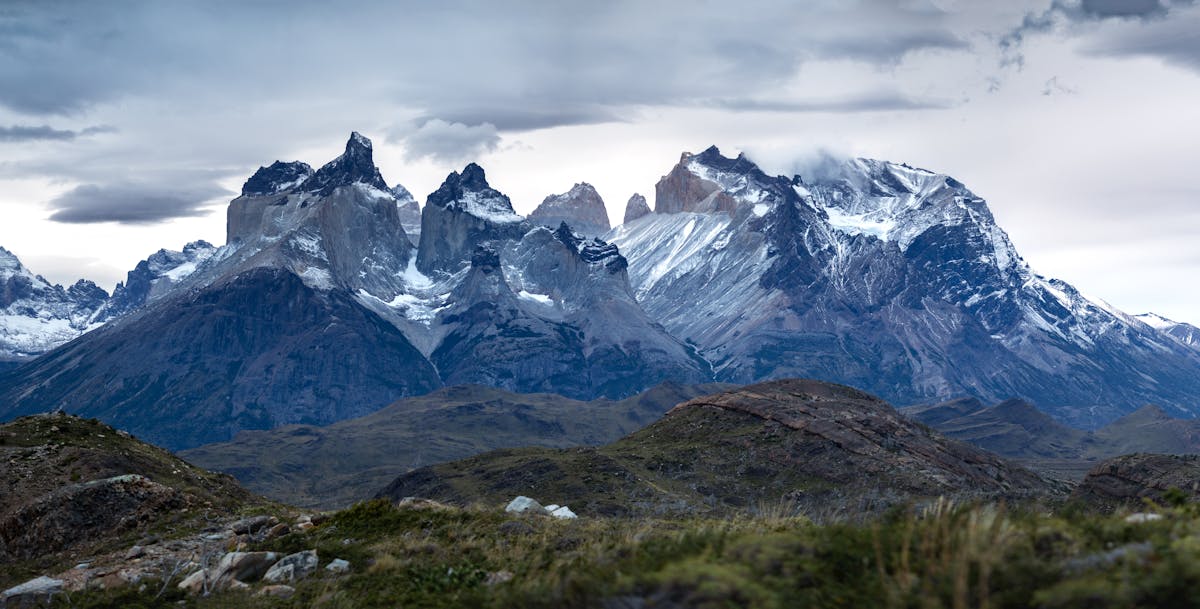
However you get there, get there. Patagonia is one of those places that meets the hype. The wind, the scale, the light at the end of the day when the towers turn pink — it earns every hour of travel you put in to reach it.