This article contains affiliate links. If you book through them, I earn a small commission at no extra cost to you.
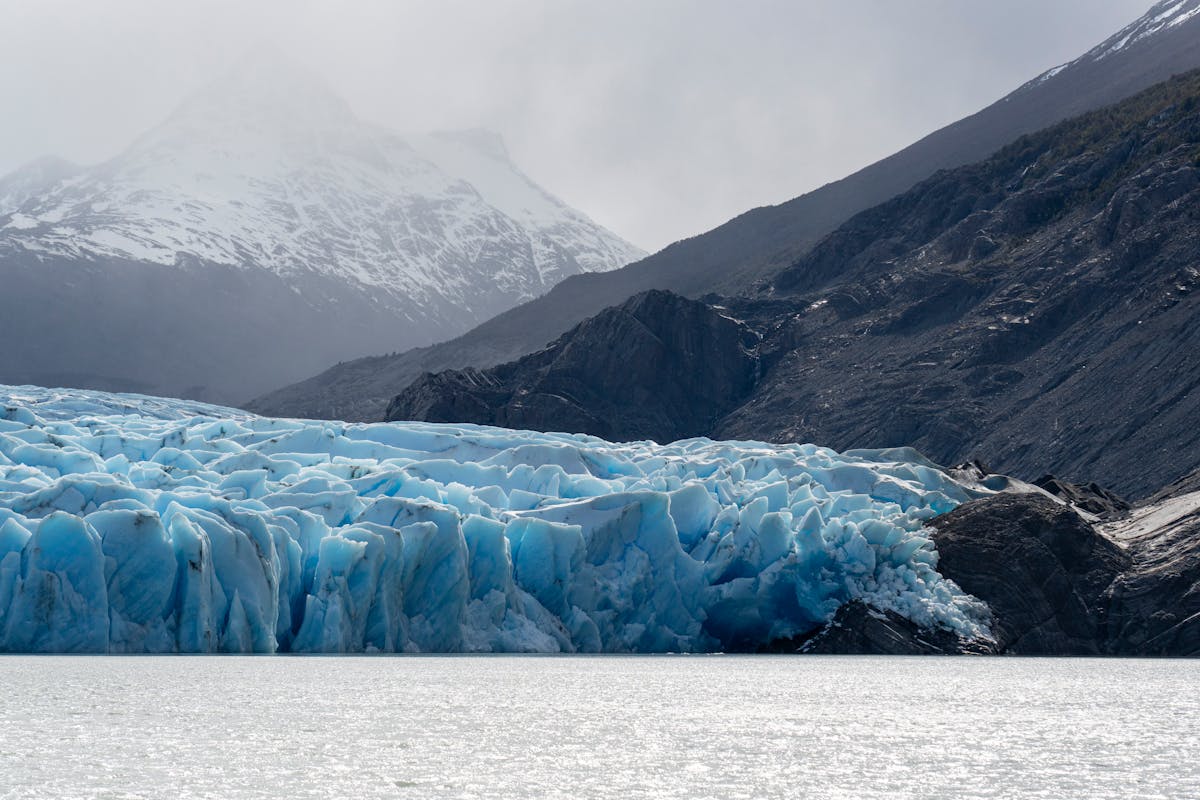
I woke up to a sound I couldn't place — a low groaning, almost mechanical, but organic somehow. Rolled out of my bunk, pulled back the curtain, and there it was. A glacier. A full wall of blue-white ice sliding into dark water, maybe three hundred meters off the starboard side, half-hidden in fog. No announcement. No tour guide pointing it out. Just me and two other passengers who had also stumbled out in their socks, standing on the deck of a cargo ship in the middle of the Chilean fjords, trying to understand what we were looking at.
That is the Navimag ferry. Not a cruise. Not an adventure tour. A working cargo vessel that also happens to carry passengers from Puerto Montt to Puerto Natales through some of the most remote waterways in South America. Four days. Roughly 1,460 kilometers. One of the strangest, slowest, most boring, and occasionally jaw-dropping ways to reach Patagonia.
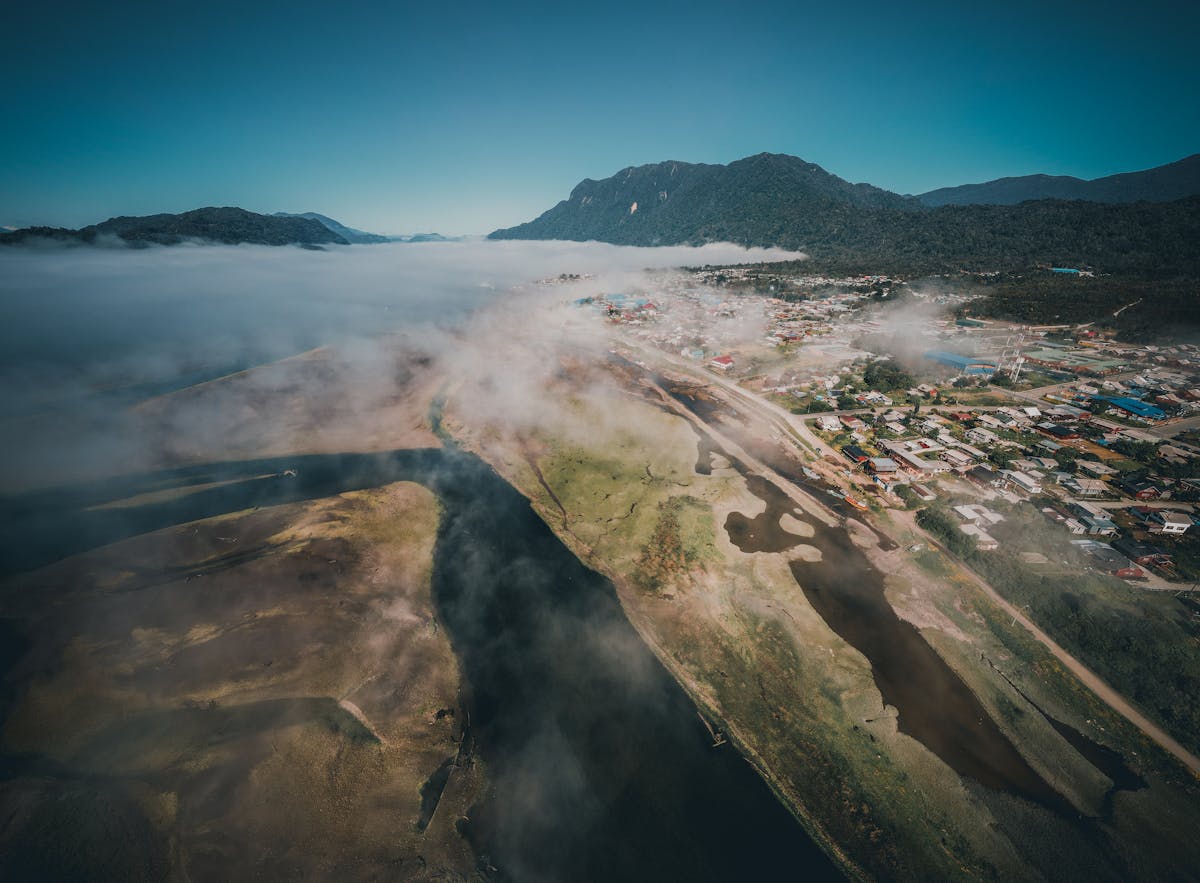
Why Take a Cargo Ship When You Could Just Fly
The honest answer: most people shouldn't. A flight from Puerto Montt to Puerto Natales takes about two and a half hours and costs somewhere between $60 and $150 depending on when you book. The Navimag takes four days and costs between $350 and $1,400 depending on your cabin class. The math does not work in the ferry's favor.
But the people who take the Navimag are not doing math. They are the type who chose the Trans-Siberian over a flight to Vladivostok, or the cargo freighter across the Atlantic instead of a seven-hour plane ride. The journey is the point. And the journey through the Chilean fjords — when the weather cooperates — is unlike anything you will experience from a plane window at 35,000 feet.
I took it because I wanted to see the channels. The stretch of water between Chiloe and the Strait of Magellan is one of the least accessible coastlines on Earth. No roads reach most of it. The only settlements are tiny fishing villages and a few naval outposts. The Navimag is one of the only ways to see it without chartering a private boat, and I had four days to kill between the Lake District and Torres del Paine anyway.
Was it worth it? I think about that glacier in the fog at least once a month. So yes. But I also spent about eighteen hours staring at grey water with nothing on the horizon, so the answer comes with a very large asterisk.
The Ship: What You Are Actually Getting On
The Navimag Evangelistas (the ship that runs the route) is a roll-on/roll-off cargo ferry. It carries trucks, containers, vehicles, and livestock below deck. Passengers ride above. The ship was built for freight and adapted for tourists, not the other way around. You feel this in every detail — the hallways are narrow and industrial, the common areas are functional rather than comfortable, and the engine hum is constant. Think of a truck stop that floats.
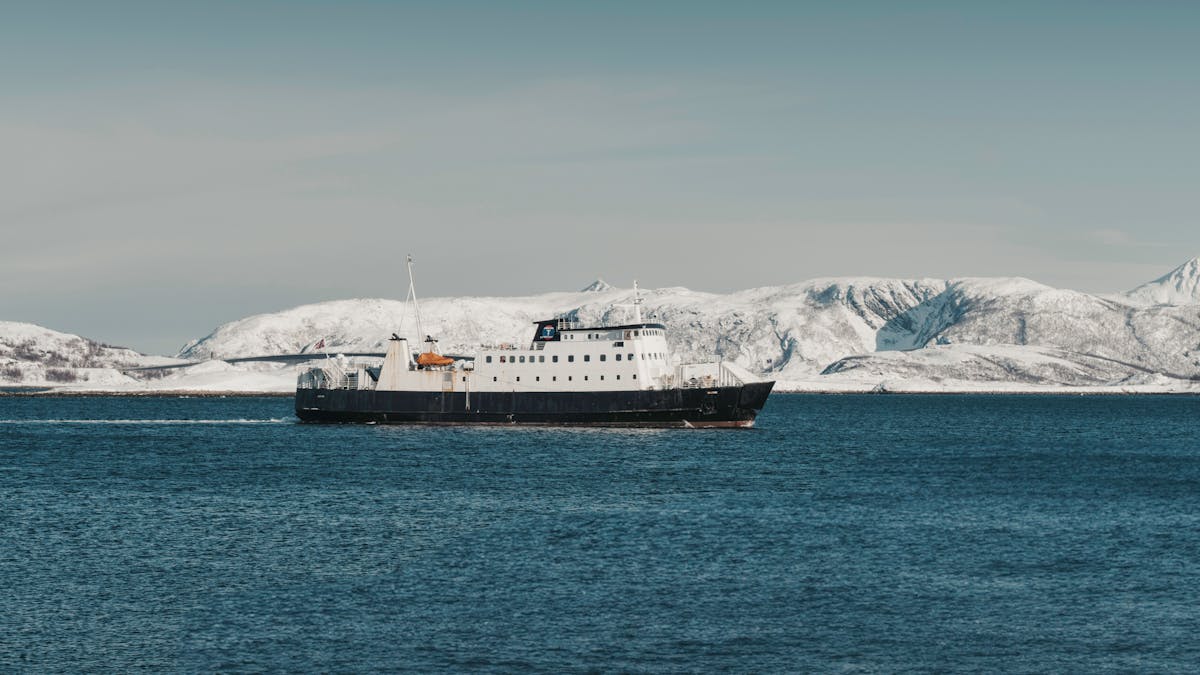
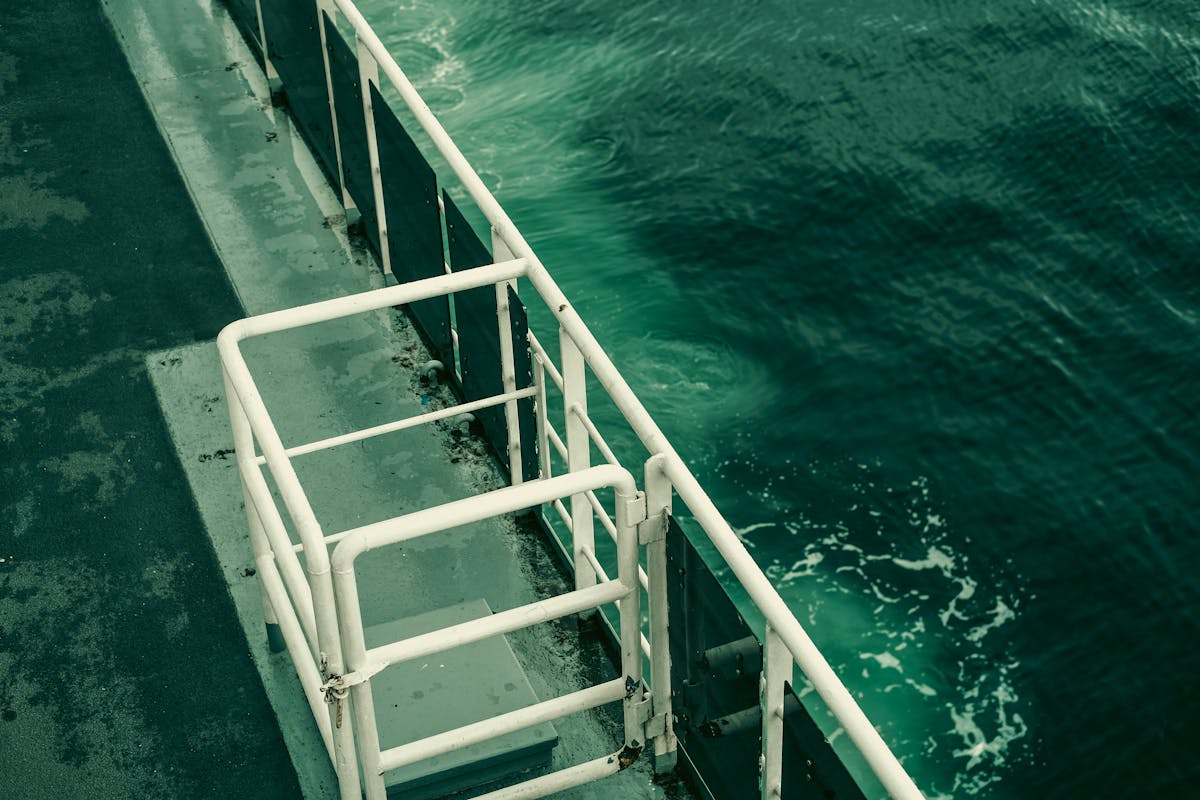
There are roughly 200 passenger spots spread across different cabin classes. The ship has a cafeteria, a small bar area, an outdoor observation deck, and a lounge with windows. That is it. No pool, no spa, no entertainment program, no casino. The WiFi situation is nonexistent once you leave Puerto Montt. Bring books. Bring several books.
Cabin Classes: Literas vs. AA Berths vs. Everything In Between
This is where the Navimag experience diverges sharply depending on how much you spend.
Literas (shared dorms) are the cheapest option, around $350-$450 per person. You get a bunk in a shared room with maybe six to twelve other passengers, communal bathrooms, and meals included. The bunks are basic — thin mattress, a curtain for privacy if you're lucky, a small shelf. Think overnight ferry, not cruise ship. The shared bathroom situation gets real by day two. I was in literas. It was fine. I have stayed in worse hostels.
Class B cabins are a step up. Smaller shared rooms, four bunks typically, with marginally better bedding. Still communal bathrooms, but fewer people sharing them. Around $550-$700. If you can afford the jump from literas, this is where the comfort-to-cost ratio gets better.
Class AA cabins are the top tier. Private or semi-private rooms with en-suite bathrooms, actual beds (not bunks), and windows. You pay $900-$1,400 for this, and having your own bathroom and a view from your room transforms the experience from an endurance test into something approaching pleasant. A couple in the AA cabin next to the lounge told me they were having a great time. I believed them. They also had a window facing the fjords. I had a wall.
Quick Tip
If you book literas, bring a sleeping bag liner and earplugs. The blankets provided are adequate but not generous, and someone in every dorm snores like they are being paid for it. A headlamp is also essential — the overhead lights go off at 11pm and finding your bunk in total darkness on a moving ship is an experience you only want to have once.
Day 1: Leaving Puerto Montt and the Last of Civilization
The Navimag departs from Puerto Montt, not the city center but a port terminal about twenty minutes south. Check-in starts several hours before departure and the whole process feels more like boarding a budget airline than a ship — queues, paperwork, luggage tags. The departure time shifts depending on cargo loading, tides, and what feels like the captain's mood. My scheduled 6pm departure became 9pm. This is normal. Do not plan tight connections on either end.
Puerto Montt itself is not a destination you linger in. It is a transit hub — the gateway to the Lake District heading north, Chiloe to the west, and the Carretera Austral to the south. Most people arrive, sort their onward travel, eat some seafood at Angelmo market, and leave. I spent one night there before boarding. The ceviche at the market was excellent. The rest of the town was forgettable.
Once on board, the first evening is anticlimactic. You pull out of the port, motor through the canal past some industrial waterfront, and by the time it gets dark you are in the Gulf of Ancud heading south toward the open Pacific. The scenery in this stretch is — and I am being generous — not much to look at. Flat water, distant shorelines, darkness. Most passengers eat dinner in the cafeteria, walk the deck for ten minutes, and go to bed.
The cafeteria food on night one set the tone for the rest of the trip: fine. Not bad, not memorable. Meals are included in all ticket prices. Breakfast is bread, jam, butter, instant coffee, maybe some eggs. Lunch and dinner are a set menu — soup, a protein with rice or pasta, dessert. The kind of institutional food you get in a school cafeteria or a military base. Nobody complains because nobody expected anything different. Bring snacks. I went through an entire bag of trail mix and a block of cheese in four days, and I could have used more.
Day 2: The Golfo de Penas and the Question of Seasickness
Day two is the day that separates people who enjoy the Navimag from people who regret booking it. The route crosses the Golfo de Penas — the Gulf of Sorrows — an exposed stretch of open Pacific where the ship leaves the protected channels and hits full ocean swell for about twelve to eighteen hours.
The name is not poetic exaggeration. The Gulf of Sorrows earned its name from centuries of shipwrecks. The seas here can be genuinely rough, with swells of three to five meters being common and bigger ones not unusual. The Navimag handles it fine — it's a large vessel and it's built for this — but passengers who are prone to motion sickness will have a very bad time.
I am generally okay on boats. The Golfo de Penas turned me a shade of green I had not previously experienced. I took a seasickness pill about two hours too late, spent the afternoon lying flat on my bunk staring at the ceiling, and skipped dinner entirely. About a third of the passengers did the same. The cafeteria was half empty. The rest of the passengers — the ones with iron stomachs or better pharmaceutical timing — seemed to find the whole thing entertaining.
Quick Tip
Take seasickness medication BEFORE you hit the open water. Dramamine, meclizine, or whatever your preferred brand is — start it the night before the Gulf of Penas crossing. Once you feel sick, the pills barely help. The crew knows exactly when the open water starts and will tell you if you ask. Some passengers swear by the patches behind the ear. I wish I had tried them.
The scenery during the gulf crossing is, frankly, nothing. Open ocean in every direction. Grey sky meeting grey water at a grey horizon. If you are not seasick, it's a good day to read, play cards, or make friends in the lounge. If you are seasick, it's a good day to lie very still and reconsider your life choices. By late afternoon or evening, the ship re-enters the channels and the water calms dramatically. The relief is physical.
Day 3: The Fjords Open Up
Day three is why people take this trip.
You wake up and the world outside the windows has changed completely. Instead of open ocean, the ship is threading through narrow channels with mountains rising straight out of the water on both sides. Waterfalls pour down rock faces. Glaciers hang in valleys above the waterline. The forest is thick and impossibly green — temperate rainforest that looks prehistoric, untouched, like no human has ever set foot in it. Because in most cases, no human has.
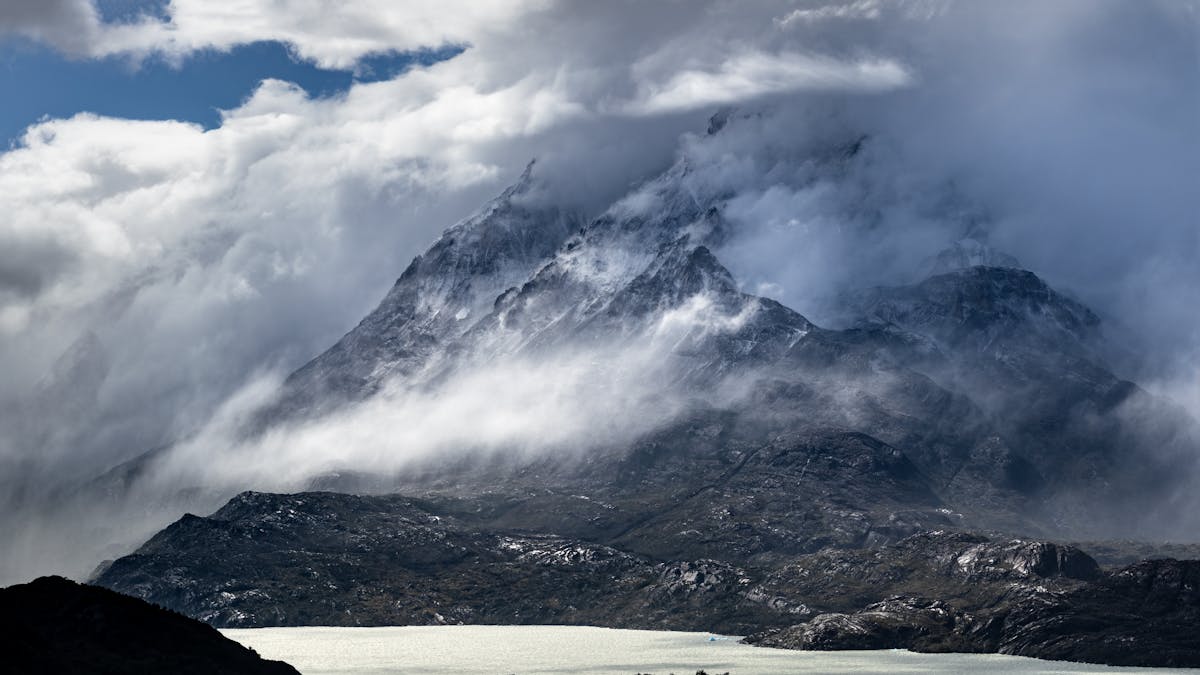
This is the stretch that makes the boredom and the seasickness and the cafeteria food worth it. The ship passes through the Messier Channel, the Angostura Inglesa (English Narrows — a passage so tight the ship barely fits through), and a series of fjords that look like someone took the best parts of Norway and dialed the remoteness up by a factor of ten. The captain slows down through the narrow sections. Everyone is on deck with cameras. Nobody is reading anymore.
The English Narrows are the highlight for most passengers. The channel is less than 100 meters wide in places, with rocky walls and dense forest on either side. The ship's bridge is open to visitors during this passage — go up there. The view from above deck level, watching the captain and first officer navigate this enormous ship through what looks like an impossibly tight gap, is genuinely thrilling. Someone told me they've been doing this route for decades and it still makes the crew concentrate.
Wildlife: What You Might See (and What You Probably Won't)
The marketing materials mention dolphins, whales, sea lions, and penguins. Here is the honest version. Dolphins — Peale's dolphins and Chilean dolphins — are the most common sighting. They ride the bow wave and if you stand at the front of the ship during the channel sections, you have a decent chance of seeing them. I saw a pod of maybe fifteen on day three, right in the Messier Channel. They stayed with the ship for about twenty minutes. Easily the best wildlife moment of the trip.
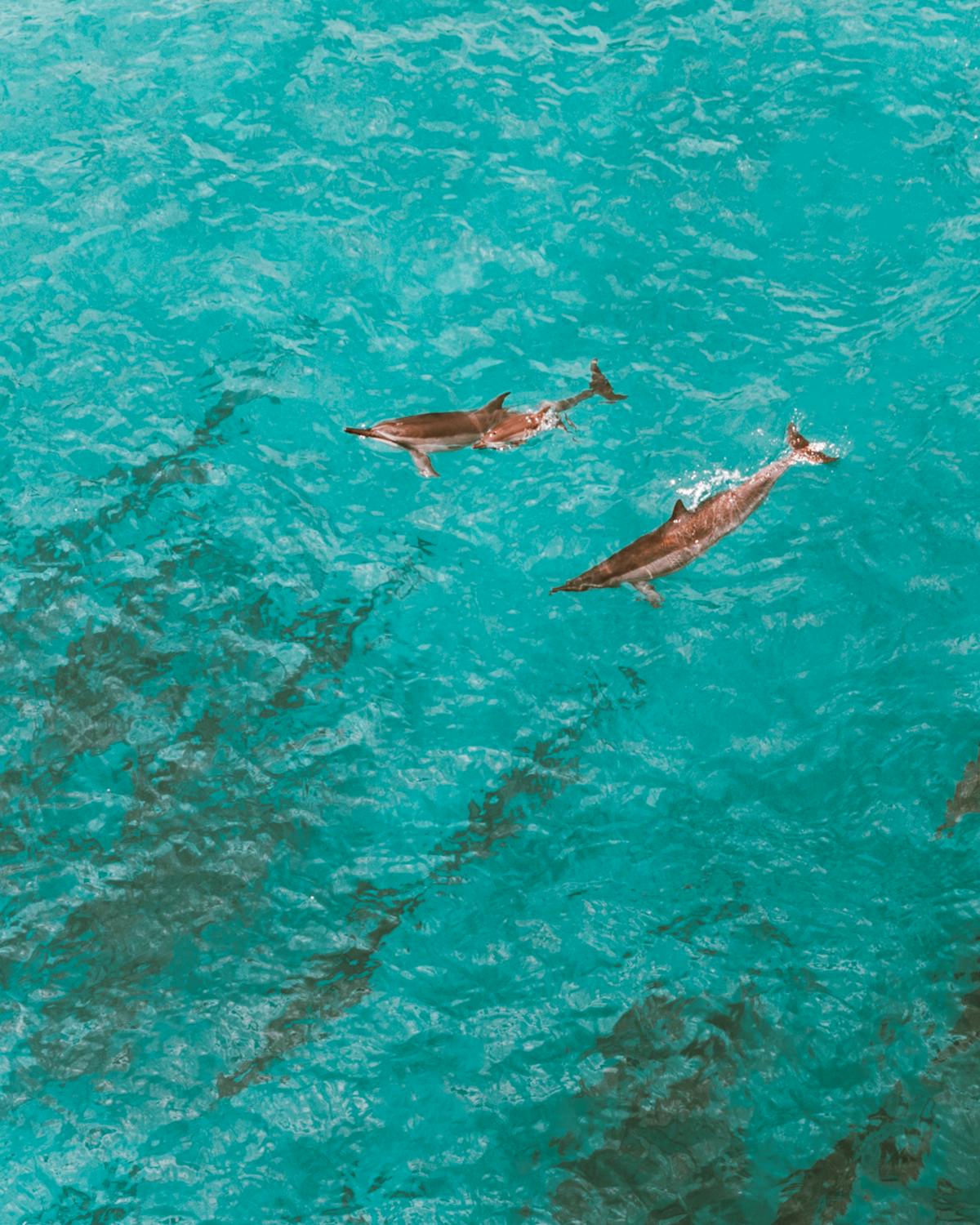
Whales are possible but unlikely. Blue whales and humpbacks pass through the Gulf of Penas, but you would need significant luck and the right season (January through March is best). Nobody on my crossing saw a whale. Sea lions showed up on a few rocky outcrops during the channel sections — small groups, easily missed if you weren't looking. Penguins are theoretically present in some areas but I didn't see any. Don't book this trip for the wildlife. If you see dolphins, consider it a bonus.
Day 4: The Final Stretch and Puerto Natales
The last day is a mix of continued channel scenery and gradual anticipation. By this point you have been on a ship for three full days. You have eaten the same breakfast four times. You have read two books. You know the names of the other passengers in your dorm and their entire travel itineraries. The lounge has started to feel very small.
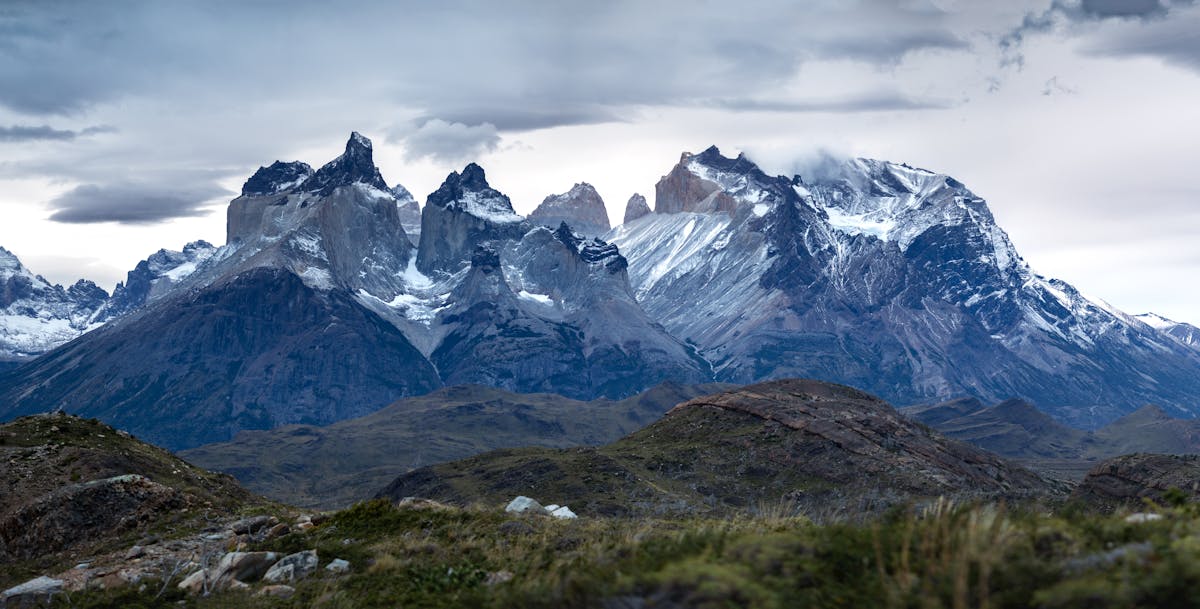
The ship enters the Ultima Esperanza Sound — Last Hope Sound, which is the fjord that leads to Puerto Natales — usually in the early morning of day four. The scenery here is beautiful in a different way than the channels: wider, more open, with snow-capped mountains in the distance and a sense that you are finally approaching something. The anticipation on deck is palpable. People start packing. Someone is always up front trying to spot the town.
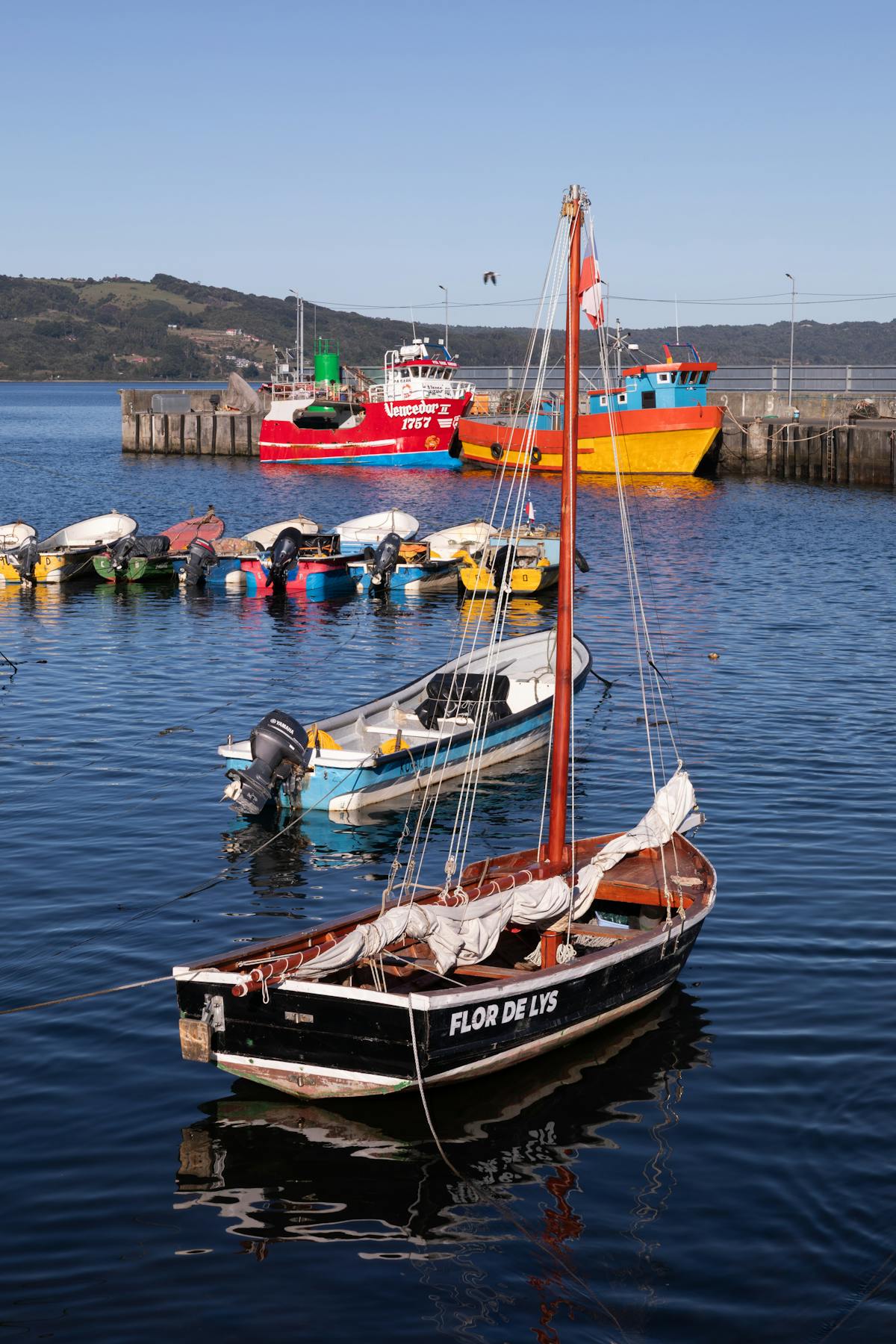
Puerto Natales appears slowly — first the mountains behind it, then the rooftops, then the waterfront. The ship docks and the offloading is surprisingly fast. Within an hour of tying up, you are standing on solid ground with your bag, blinking in the Patagonian wind, wondering what just happened. After four days of enforced stillness, the ground feels weirdly unstable under your feet. Apparently this is normal. It wears off.
From Puerto Natales, most people head straight to Torres del Paine. If you have just done four days on a ship, I would suggest at least one night in town first. Your body needs real food, a real shower, and horizontal sleep that doesn't move. Check the Puerto Natales guide for where to eat and stay. The centolla (king crab) is the move.
The Costs, Compared to Everything Else
Here is the breakdown as of early 2026, though prices change every season and the Navimag website is the only reliable source for current fares.
| Option | Cost (approx) | Time |
|---|---|---|
| Navimag Literas (dorm) | $350-450 | 4 days |
| Navimag Class B | $550-700 | 4 days |
| Navimag Class AA (private) | $900-1,400 | 4 days |
| Flight PMC to PNT | $60-150 | 2.5 hours |
| Bus (via Carretera Austral) | $80-120 | 30+ hours, multiple transfers |
The flight wins on every practical metric. The Navimag wins on the "once in a lifetime experience" metric, if that matters to you. And it does matter to some people. It mattered to me enough that I paid $380 for literas when I could have flown for $95. I don't regret it but I also wouldn't do it twice. Once was enough to get the glaciers, the dolphins, the fog, and the particular boredom of watching the Pacific from a cargo deck for twelve straight hours.
For transport logistics across all of Chile, including the Navimag route, see the getting around guide.
What to Bring (and What to Leave Behind)
Packing for the Navimag is closer to packing for a camping trip than a cruise. Here is what actually mattered:
Bring: Seasickness medication (non-negotiable). A sleeping bag liner or light sleeping bag if in literas. Earplugs and a headlamp. At least two books — you will finish the first one by day two. Snacks, and more snacks than you think you need. A refillable water bottle. Layers — it gets cold on deck, especially in the channel sections, and the wind is brutal. A rain jacket. Cards or a small game. A phone loaded with podcasts or downloaded shows (no WiFi, no signal). Binoculars if you have them.
Leave behind: Formal clothes (nobody changes out of the same fleece for four days). Big suitcases (storage is limited in literas; bring a backpack). Expectations of comfort. Any tight onward travel plans — the arrival time is approximate at best.
Quick Tip
The ship has power outlets but not enough for everyone, especially in the dorm areas. Bring a portable charger. A full charge lasted me about two days of heavy phone use (reading, podcasts, photos). Two portable chargers would have been better.
Who Should Book This (and Who Should Just Fly)
Take the Navimag if: you genuinely enjoy slow travel. If you liked overnight trains and long ferry rides and the idea of being unreachable for four days sounds like freedom rather than punishment. If you are traveling between the Lake District and Patagonia and you have the time. If you want to see the Chilean fjords and you cannot afford a private expedition cruise that costs ten times more. If you are okay with boredom punctuated by extraordinary moments. If you have read this far and are still interested rather than discouraged.
Skip it if: you get seasick easily and don't want to deal with medication. If you have limited time in Chile and would rather spend four extra days hiking in Torres del Paine or exploring the Carretera Austral. If you need WiFi or phone signal to function. If you are expecting anything resembling a cruise ship experience. If shared dorms on a moving vessel for four days sounds like a nightmare rather than a quirky travel story. There is no shame in flying. I would probably fly if I went back.
Booking and Practical Details
The Navimag runs roughly once a week during the high season (October through April) and less frequently in shoulder season. The route does not operate in winter. Book directly through the Navimag website — prices are typically listed in US dollars for international passengers and Chilean pesos for residents. The Chilean peso price is usually better if you can pay in local currency.
Book early for AA cabins. They sell out months in advance during peak season (December through February). Literas are easier to get but can also fill up in January. I booked six weeks ahead for a March sailing and had no trouble getting literas, but the AA cabins were long gone.
The southbound route (Puerto Montt to Puerto Natales) is more popular than the northbound because most people are heading to Patagonia, not away from it. The northbound route sees the same scenery but in reverse, and it tends to be slightly cheaper and less crowded. If your Patagonia itinerary has you heading north afterward, consider taking the Navimag as the return leg instead.
The Route in Context
The Navimag fits into a Chile trip most naturally as a connector between two regions. If you are doing the Lake District (Pucon, the volcanoes, the lakes) and then Patagonia (Torres del Paine, the glaciers), the ferry replaces what would otherwise be a flight or a very long bus combination. It turns a transit day into a four-day experience.
A sample flow that works: Santiago to the Lake District by overnight bus or flight. A few days around Pucon and the lakes. Bus to Puerto Montt. Navimag to Puerto Natales. W Trek or day hikes in Torres del Paine. Fly back from Punta Arenas. This gives you roughly three weeks if you don't rush, and the Navimag becomes the scenic middle chapter rather than a detour.
The Honest Summary
The Navimag is about 60% boredom and 40% spectacular. That ratio is not great for a vacation activity, and I understand why most travelers skip it. But the 40% — the glaciers appearing in the fog, the dolphins riding the bow wave, the English Narrows where you feel like the ship cannot possibly fit, the sheer emptiness of a coastline where nobody lives — that 40% is not available any other way at this price point. You cannot drive there. You cannot hike there. You can only float through it slowly, on a ship that smells like diesel and serves instant coffee, while the fjords unfold on either side like something from a nature documentary that forgot to add the narration.
I came off the ship in Puerto Natales sunburned, slightly nauseous, desperately craving fresh vegetables, and absolutely certain that I had just done something I would remember for the rest of my life. Take that for what it is worth.