This article contains affiliate links. If you book through them, I earn a small commission at no extra cost to you.
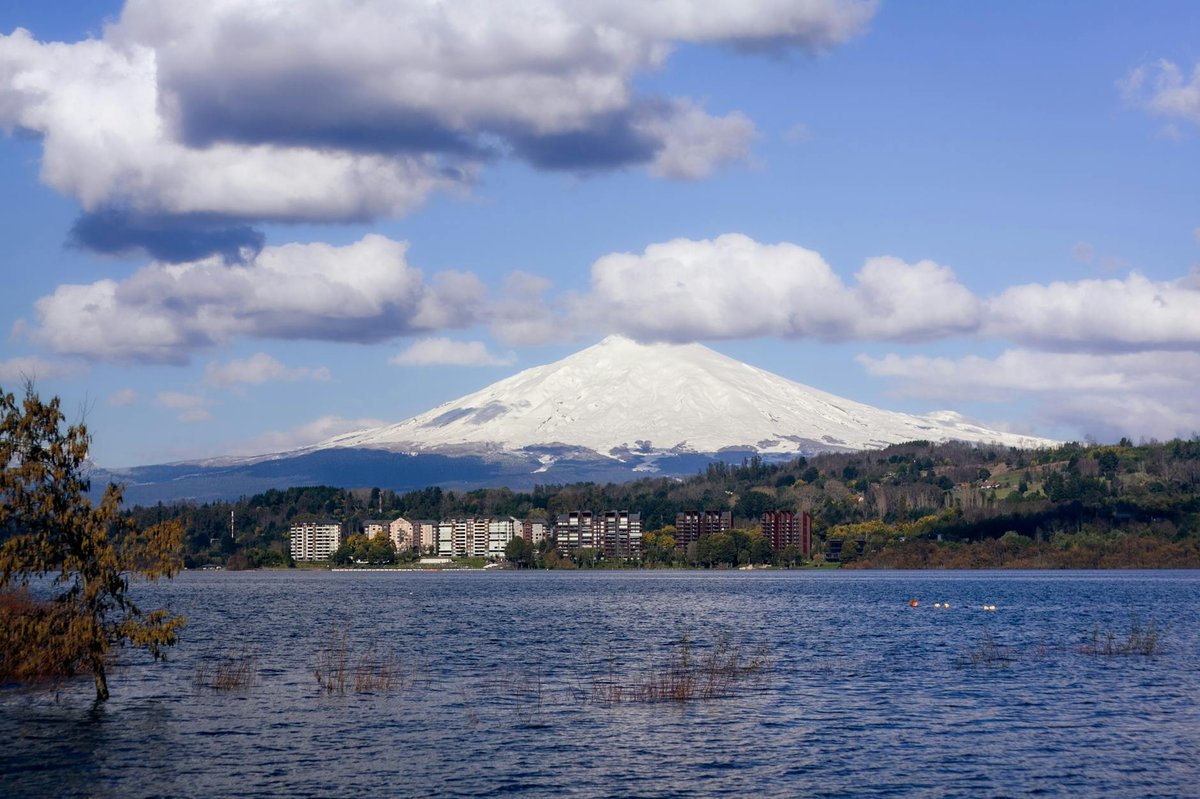
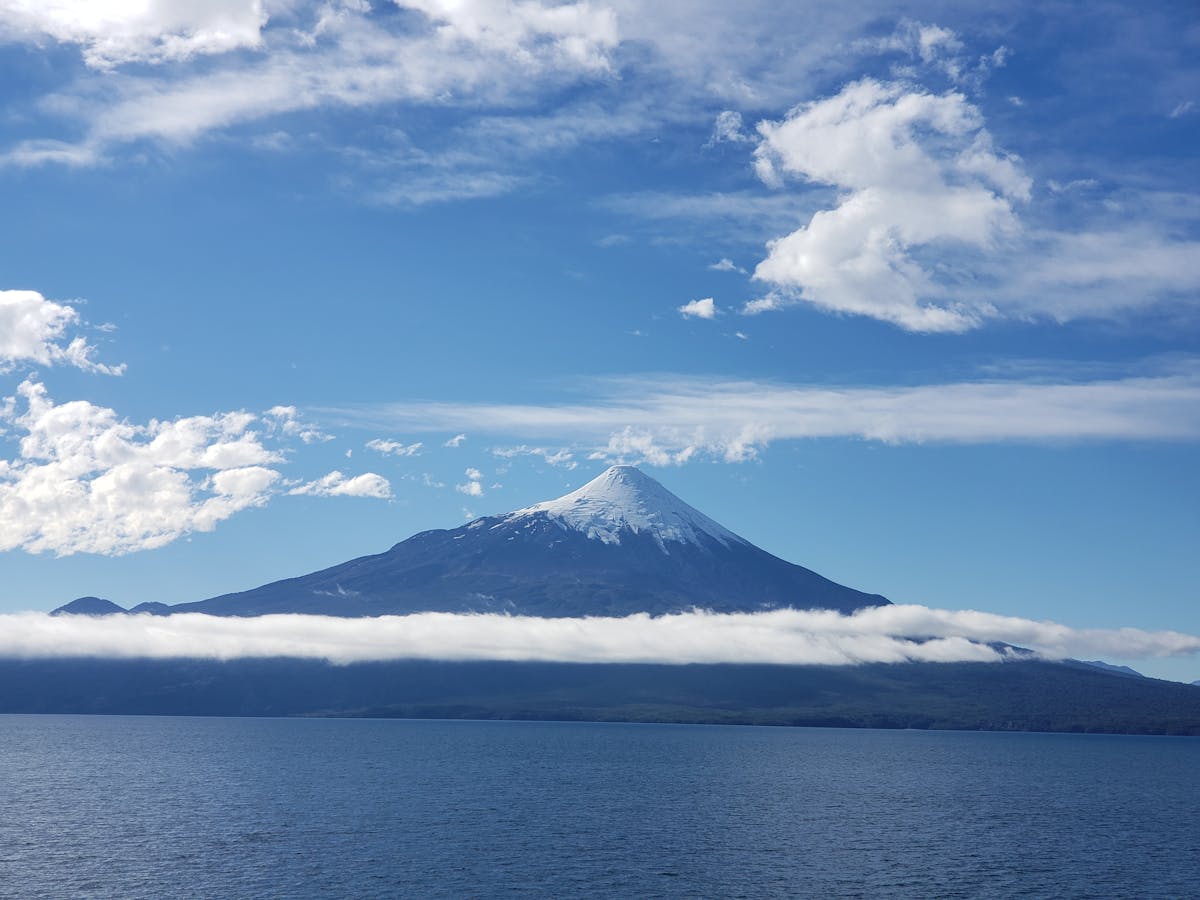
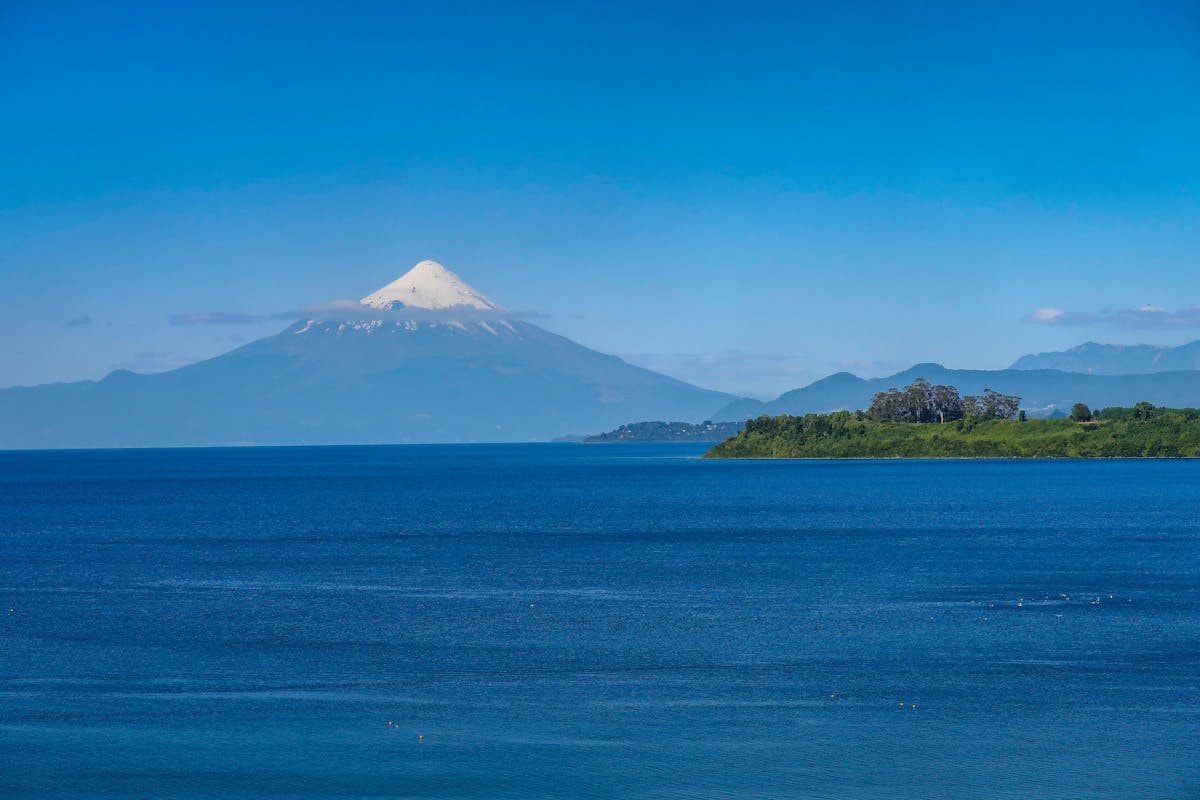
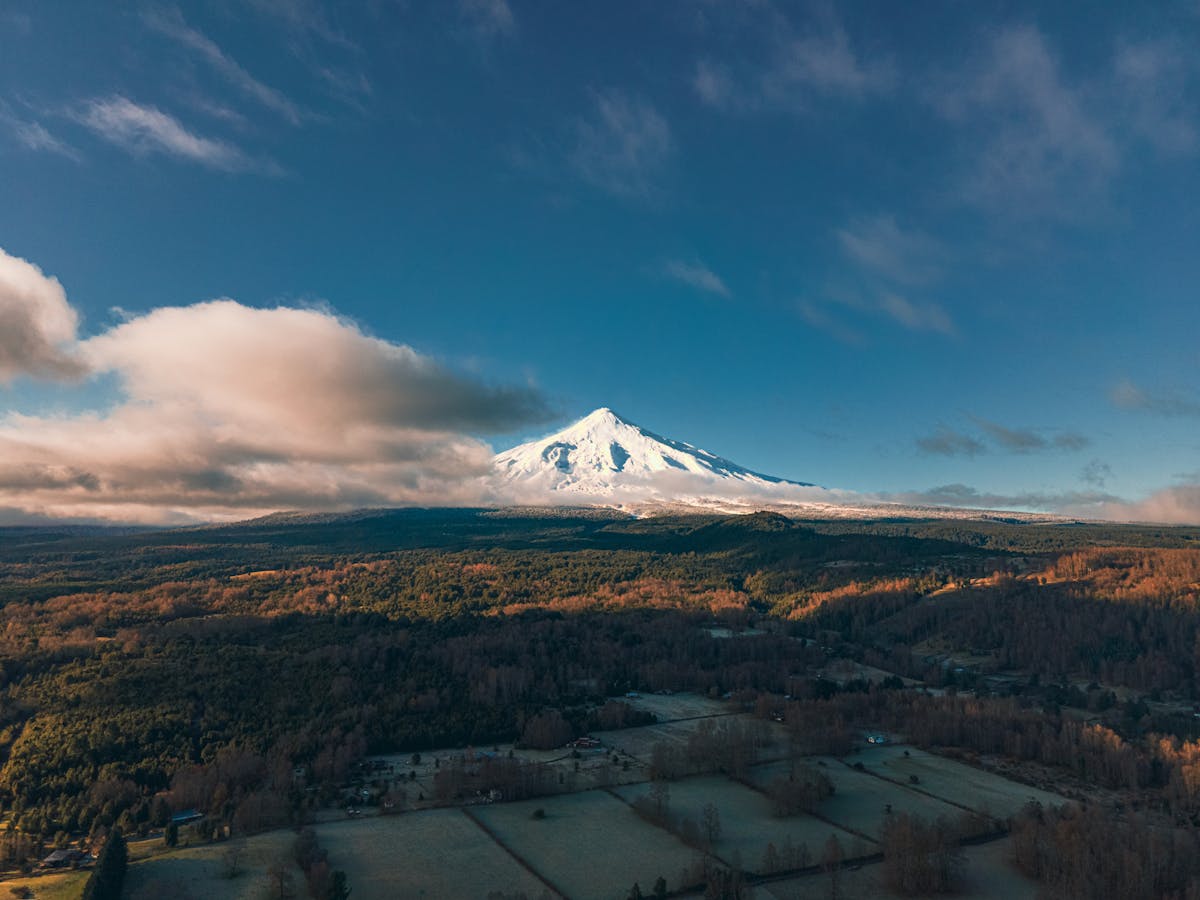
The bus from Temuco pulled into Puerto Varas at golden hour, and I almost missed it. I was half asleep, headphones in, staring at nothing through a rain-streaked window — and then the clouds broke. Volcan Osorno appeared across Lago Llanquihue like it had been Photoshopped into the scene. A perfect snowcapped cone, upside down in the water, glowing amber and pink. The woman in the next seat tapped my arm and pointed, and we both just stared at it for a solid thirty seconds without saying anything.
That was the moment I understood why people compare Chile's Lake District to Switzerland. And also why that comparison sells it short. Switzerland does not have active volcanoes you can climb. Switzerland does not have Mapuche culture running through every town market. Switzerland does not have hot springs hidden in temperate rainforest where the steam drifts up through monkey puzzle trees that were alive when the Roman Empire fell. The Lake District has all of that, packed into a stretch of southern Chile about the size of Belgium, and somehow most international travelers still skip it for Patagonia.
I have been through this region three times now — twice driving north to south, once basing myself in Pucon for a full week — and I keep finding reasons to come back. This is the guide I wish I had that first time on the bus.
Pucon: Where the Adrenaline Lives
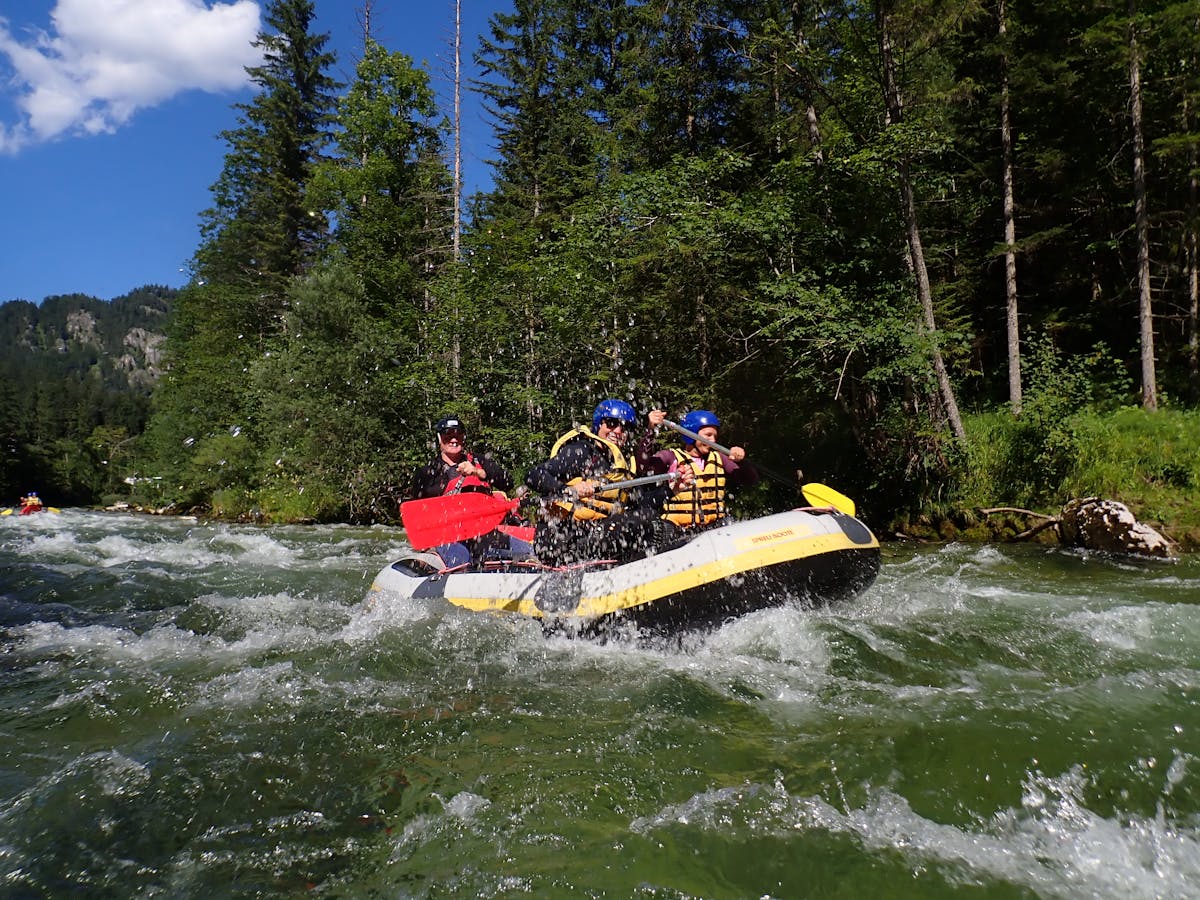
Let me get the bold claim out of the way: Pucon is the best adventure base in Chile. Not Torres del Paine, not the Atacama, not the Carretera Austral. Pucon. The others are spectacular, but they are also remote and expensive and logistically demanding. Pucon gives you an active volcano to climb, class IV whitewater rafting, world-class hiking in two national parks, half a dozen hot springs, lake beaches, mountain biking, and canyoning — all within 40 minutes of a town that has good restaurants, cheap hostels, and a reliable bus connection to Santiago.
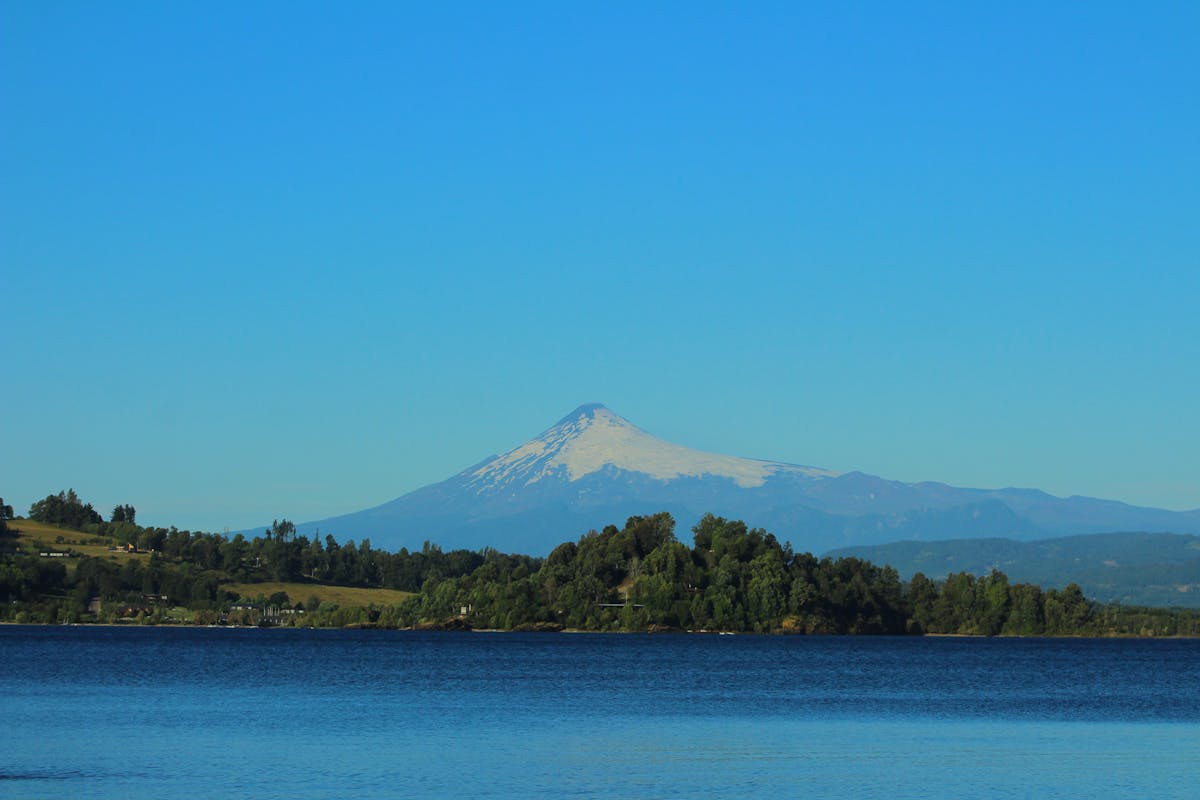
The town itself sits on the eastern shore of Lago Villarrica, with the volcano looming directly south. Every street view ends in either water or a smoking peak. It runs hot in summer (December through February) with backpackers and Chilean families on holiday, and the main strip of O'Higgins turns into a full carnival of tour agencies, craft beer spots, and empanada stands. January is chaos. I actually prefer March, when the crowds thin out and the autumn colors start creeping into the forests around Huerquehue National Park.
Climbing Villarrica (Do Not Skip This)
I wrote a full guide to climbing Villarrica, so I will not repeat everything here. The short version: it is a six-hour ascent of an active volcano with crampons and ice axes, ending at a crater with a lava lake at the bottom. The descent involves sliding down a snow chute on a plastic sled at absurd speed. It is physically brutal and completely worth it.
The catch is that SERNAGEOMIN controls access, and they cancel climbs regularly for seismic activity or bad weather. I have met people who waited five days in Pucon and never got a window. Build buffer days into your schedule. Two at minimum, three if you can manage it.
Huerquehue National Park
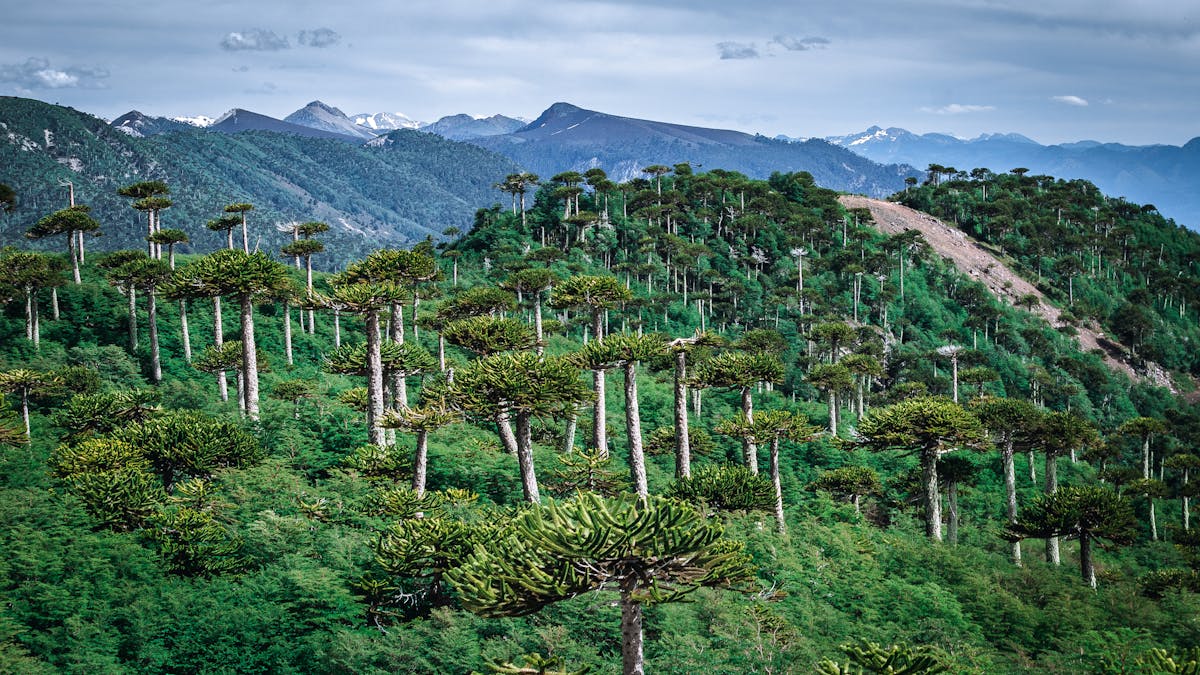
The Los Lagos trail in Huerquehue was the surprise of my first trip. Everyone talks about the volcano climb, but this 18-kilometer loop through araucaria forests to three alpine lakes — Lago Chico, Lago Toro, Lago Verde — is the hike that stays with me. The first hour climbs through dense coigue forest with switchbacks that feel endless. Then you break into an open landscape of ancient monkey puzzle trees, some over a thousand years old, silhouetted against the Andes like something from a prehistoric world.
Lago Verde, the farthest lake, is the payoff. Water so clear and green-blue that the bottom is visible even where it drops to several meters deep. I ate my lunch there in complete silence on a Tuesday in March. Not another person in sight. Budget about six hours for the full loop, more if you want to swim in one of the lakes (cold but manageable in summer).
The Hot Springs Circuit
Southern Chile sits on the Pacific Ring of Fire, and the geothermal energy that fuels Villarrica also heats dozens of hot springs in the surrounding valleys. I tried three around Pucon and the ranking goes: Termas Geometricas first, then Los Pozones, then Huife. Geometricas is genuinely one of the best hot springs I have been to anywhere — seventeen pools connected by a wooden boardwalk through a fern-covered ravine. It costs about $35 entry and gets packed after 11am, so go early or for the evening session if they are running one. The hot springs guide covers the full list with prices.
Los Pozones is the budget pick at about $15 — rougher, more natural, less infrastructure. I liked it better than Huife, which charges resort prices for what amounts to a nice outdoor pool.
Conguillio National Park: Chile's Jurassic Park
An hour and a half northeast of Pucon, Conguillio is the national park most Chileans will tell you is their favorite. It does not get the international tourist traffic of Torres del Paine, which honestly is part of its appeal. The landscape is volcanic — old lava flows covered in lichen, black sand beaches on Lago Conguillio, and the densest concentration of araucaria trees I have seen anywhere in the country.
Volcan Llaima dominates the park. It is one of Chile's most active volcanoes (it last erupted in 2008-2009, closing the park for months), and the lava fields from that eruption are still bare and striking. The Sierra Nevada trail is the classic day hike — about 10 kilometers with views across the araucaria canopy to both Llaima and Villarrica on a clear day. I did it in late February and had maybe fifteen other hikers on the trail all day.
Getting to Conguillio without a car is possible but annoying. There are summer-only minibuses from the town of Melipeuco, but the service is inconsistent. If you are renting a car anywhere in the Lake District — and I think you should, at least for part of the trip — Conguillio is the place that justifies it.
Quick Tip
Conguillio's gravel roads can be rough after rain. A high-clearance vehicle is not strictly necessary but makes things more comfortable. The road from Melipeuco to the Lago Conguillio campground is the worst stretch — slow down and pick your line through the potholes.
Puerto Varas and the Llanquihue Lakeshore
Puerto Varas is a different animal from Pucon. Where Pucon runs on adrenaline, Puerto Varas runs on charm. It is a small town on the western shore of Lago Llanquihue — Chile's second-largest lake — with German colonial architecture, rose gardens, a lakefront promenade, and that ridiculous view of Osorno volcano that I described at the top of this article.
The German influence is real, not touristy decoration. This region was settled heavily by German immigrants in the mid-1800s, and you can still see it in the architecture (half-timbered houses with steep roofs), the food (kuchen everywhere, and it is actually good kuchen), and the local beer culture. Cerveceria Kunstmann, a few kilometers south of nearby Valdivia, is probably the most famous brewery in Chile.
I used Puerto Varas as a base for four days and explored the lakeshore by car. The circuit around Lago Llanquihue — Puerto Varas to Frutillar to Puerto Octay and back — is about 180 kilometers and makes a perfect day drive. Every turn reveals a new angle on Osorno or Calbuco volcano, with farmland and forest rolling down to the lakeshore.
Vicente Perez Rosales National Park and Petrohue Falls
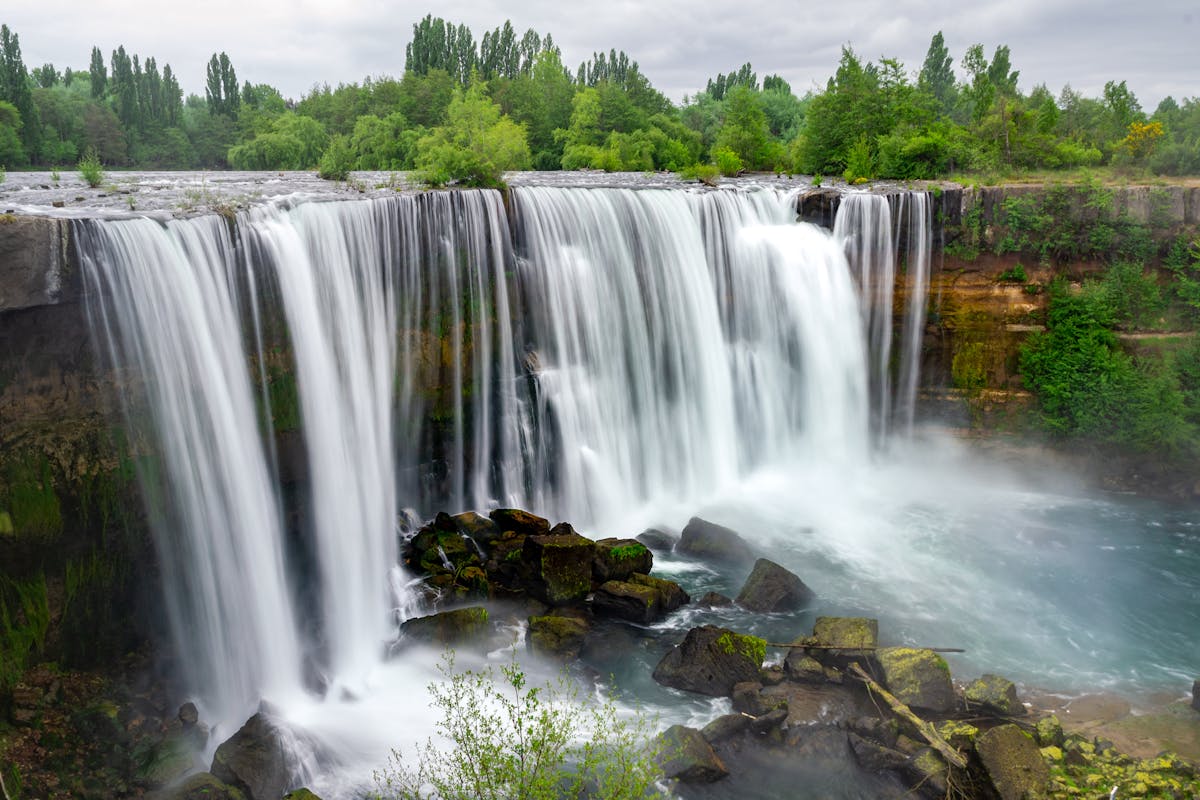
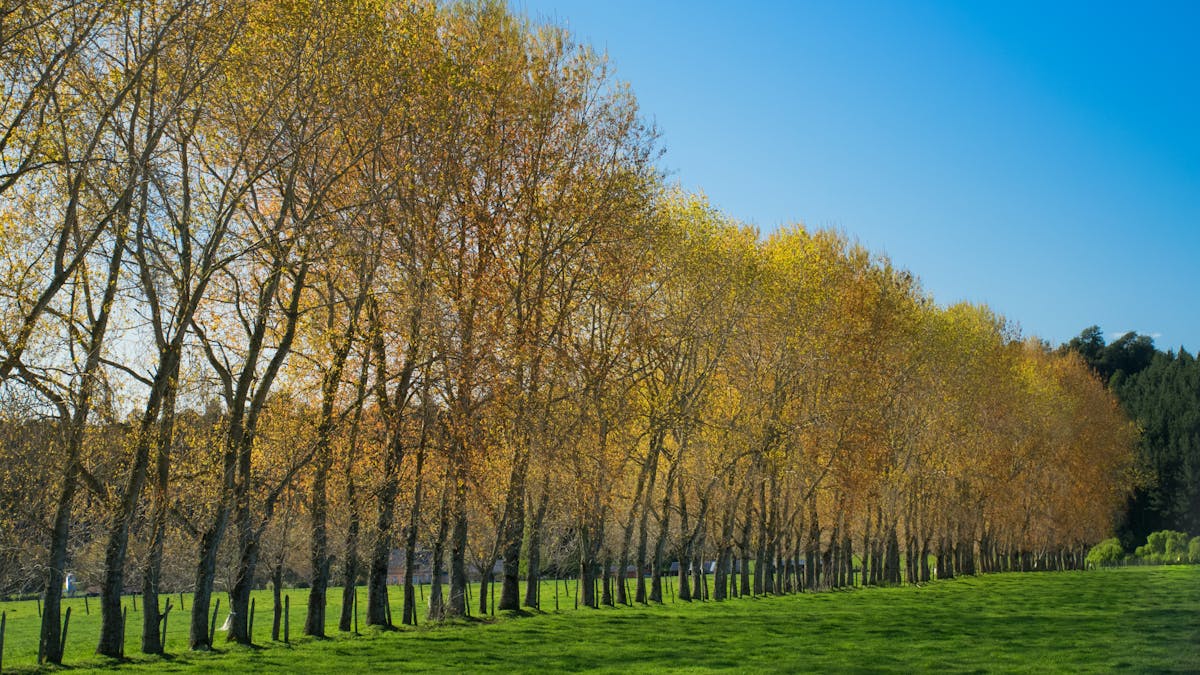
Chile's oldest national park sits east of Puerto Varas, anchored by Lago Todos los Santos and the Petrohue River. The waterfall at Saltos del Petrohue is the quick hit — a series of turquoise cascades cutting through volcanic basalt, with Osorno rising directly behind. It is photogenic to an almost suspicious degree. The parking lot fills up by 10am in summer, so go at 8am or after 4pm.
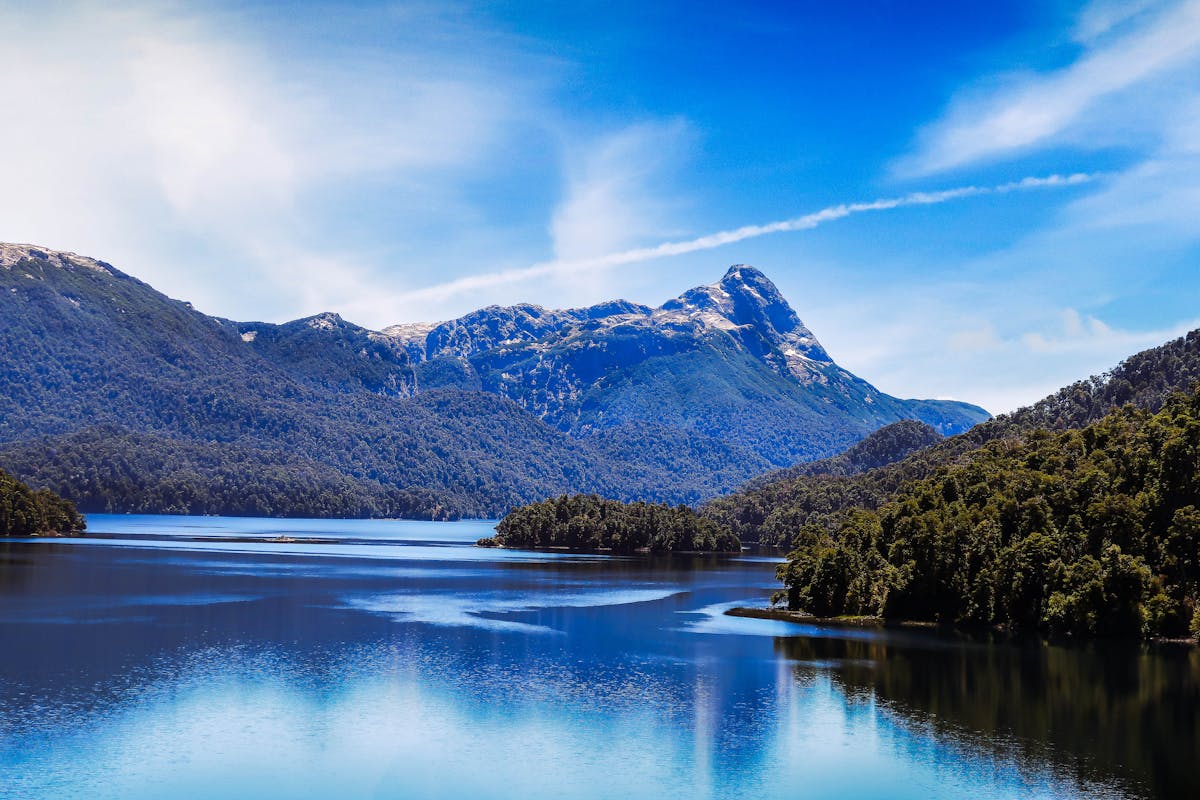
But the waterfall is really just the appetizer. The Lago Todos los Santos boat crossing — from Petrohue to Peulla, and optionally continuing across the border to Bariloche, Argentina — is one of the great lake crossings in South America. The catamaran threads between volcanoes Osorno, Puntiagudo, and Tronador, across water that is absurdly green from glacial minerals. I have done the one-way crossing to Peulla and back as a day trip, which works fine if you are not continuing to Argentina.
The Todos los Santos Lake Crossing to Argentina
The full Cruce de Lagos to Bariloche takes two days and costs about $300-350 per person. I have not done the full crossing yet (turned back at Peulla both times), but everyone I have met who completed it says it is one of their best South American memories. If the full crossing is too much, the day trip from Petrohue to Peulla and back gives you the best lake and volcano views without the border hassle. Bring lunch — the food at Peulla is overpriced.
Frutillar: Kuchen, Culture, and the Best View in the District
Frutillar is 30 minutes north of Puerto Varas on the Llanquihue lakeshore, and it makes a strong argument for having the best volcano view in all of Chile. The town sits low on the water, with a long promenade that faces Osorno head-on across the lake. On a clear morning the reflection is so perfect it looks like a painting you would not believe.
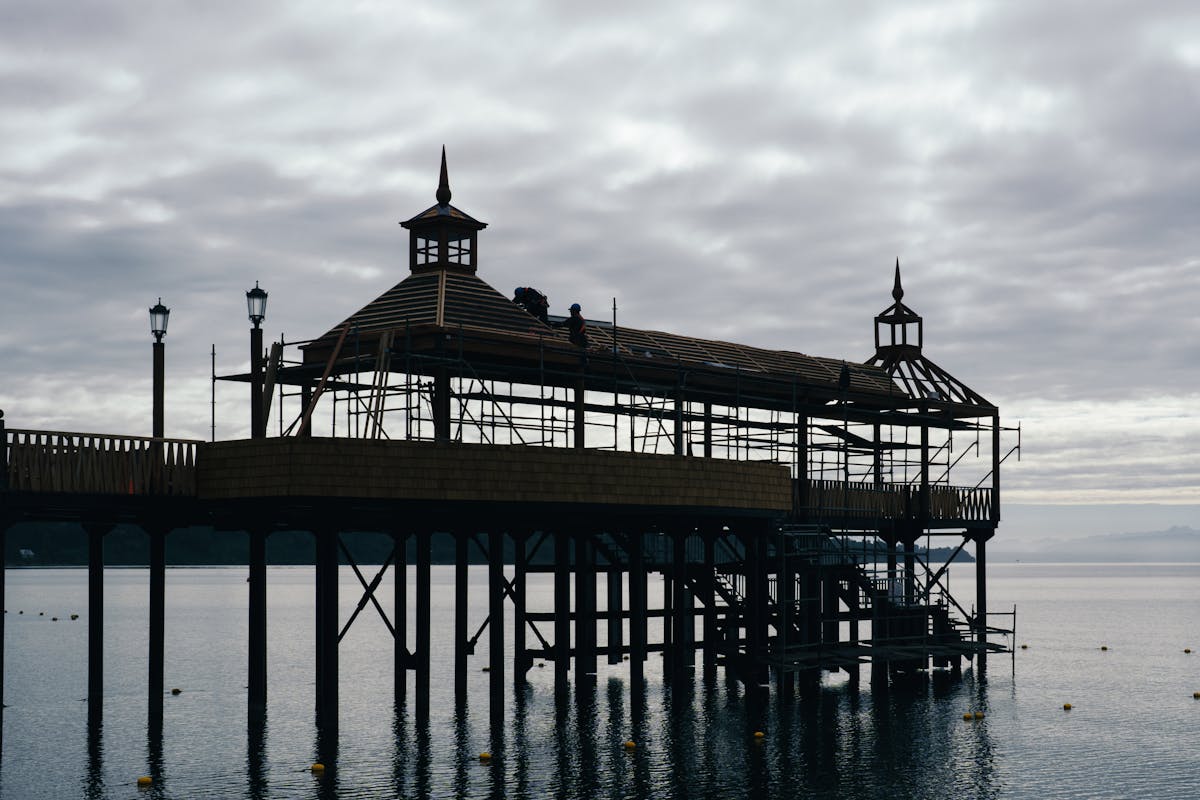
The main draw beyond the view is the Teatro del Lago — a world-class concert hall that looks wildly out of place in a town of 16,000 people. It hosts the Semanas Musicales de Frutillar every January and February, a classical music festival that draws performers from across South America. Even outside festival season, the building is worth visiting.
The German heritage is strongest here. Walk through the Museo Colonial Aleman, then eat kuchen at one of the bakeries on the main street. I am not a dessert person, but the raspberry kuchen at Salon de Te Frutillar was good enough that I went back the next morning. Dense, buttery, piled with fresh fruit. Not a tourist version.
Valdivia: The Beer, River, and Sea Lion City
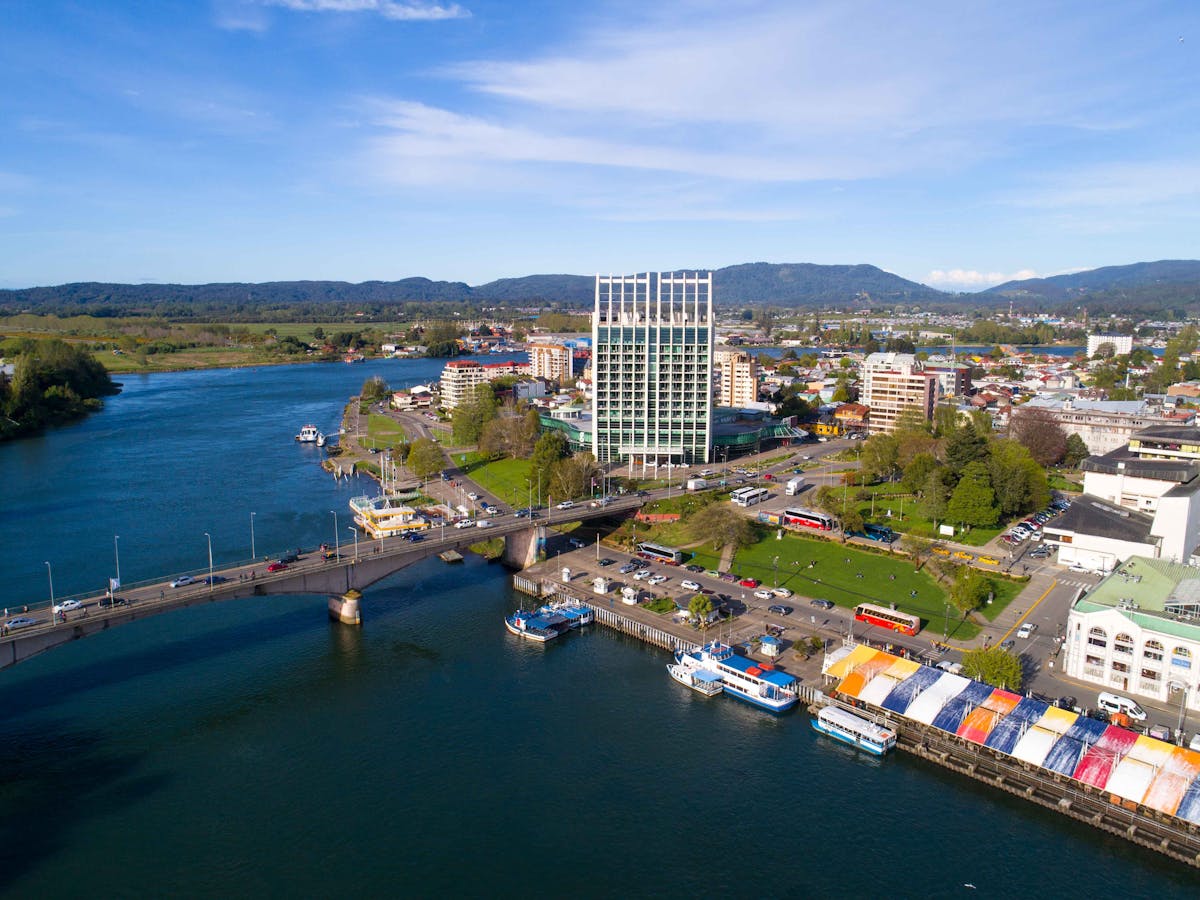
Valdivia sits at the confluence of three rivers about 170 kilometers south of Temuco, and it operates at a completely different pace from the mountain towns. This is a university city — lively, a little scrappy, with the best food and beer scene in the Lake District. It also has a waterfront fish market where enormous sea lions haul themselves onto the docks and beg for scraps from the fish vendors. It is absurd and wonderful and you will spend way longer watching them than you planned.
Cerveceria Kunstmann is the big name, and the brewery tour is worth $12 for the four tasters alone. But the craft scene goes beyond Kunstmann — Bundor and Kross both have taprooms in town. Valdivia also has the best cheap seafood in the region. The set lunch at the Mercado Fluvial runs $6-8 for whatever came off the boats that morning, plus caldillo de congrio if they have it.
The river is the other reason to come. Boat tours run from the waterfront down to the coast, past old Spanish forts (Fuerte de Niebla and Fuerte de Corral) and wetlands where the river meets the sea. The Corral fort tour is the best — about three hours, $20-25 per person.
Huilo Huilo: Treehouse Hotels in the Rainforest
About two hours southeast of Pucon on the road toward the Argentine border, the Huilo Huilo Biological Reserve is one of those places that seems designed to end up on Instagram. And it does. But it is also genuinely good.
The reserve covers 100,000 hectares of Valdivian temperate rainforest — ancient trees draped in moss, waterfalls through fern-covered gorges. Accommodation ranges from Hotel Montana Magica (shaped like a volcano, water flowing down the exterior) to Hotel Nothofagus (built to look like a tree trunk). I stayed at the Nothofagus — the room was comfortable but the setting is what makes it. You are sleeping in the canopy of old-growth rainforest. The sounds at night are something else.
Beyond the hotels, the reserve has hiking trails through the forest, including a loop to the Huilo Huilo waterfall (about two hours, easy grade). The reserve also runs conservation programs for the huemul deer and pudu — the world's smallest deer, about the size of a large house cat. I did not see a pudu in the wild, but the reserve's breeding center has them.
Quick Tip
Huilo Huilo is not cheap. Expect $200-350 per night at the main hotels. But you can visit the reserve as a day trip from Pucon or Panguipulli and pay only the entrance fee ($10-15) for the trails and waterfalls. That is what I would do if budget is tight.
Osorno and Calbuco Volcanoes (the Ones You See but Probably Will Not Climb)
Osorno is the postcard volcano — the perfect snow cone dominating the skyline from Puerto Varas and Frutillar. You can drive partway up to the ski center for panoramic views even in summer. The summit requires technical mountaineering and a guide — not a Villarrica-style tourist ascent — but the viewpoint at 1,200 meters gives you a staggering look across Lago Llanquihue to Calbuco.
Calbuco is Osorno's rougher, less photogenic neighbor, but it is the more geologically interesting one. It erupted spectacularly in 2015 — the ash cloud disrupted flights across southern Chile and Argentina. The area around its base is still recovering, and there are guided treks through the blast zone that show the raw power of what happened. Less touristy, more humbling.
Mapuche Culture: More Than a Side Note
The Lake District is Mapuche territory. Not historically — currently. The Mapuche are the largest indigenous group in Chile, and their culture is woven through this region in ways that go far beyond the tourist-facing "traditional experience" tours.
At the Mercado Municipal in Temuco, Mapuche vendors sell merken (smoked chili flakes that will change how you season food), mudai (fermented wheat drink), and handwoven textiles. In Pucon and Villarrica, Mapuche-run operators offer visits to rural communities where you learn about traditional medicine, weaving, and the cosmovision that connects the landscape. These are not performances. They are conversations with people who live this culture daily.
I spent a morning with a Mapuche family near Villarrica who walked me through their home garden — every plant had a medicinal purpose — and then served me sopaipillas and mate in a ruka (traditional dwelling). One of the quietest, most grounding mornings of the whole trip. Ask at your hostel for community-based tourism operators run by Mapuche families directly, not third-party agencies.
The Route: Driving North to South
If you have a rental car — and for the Lake District I really think you should — the natural route runs north to south, starting in Temuco or Pucon and ending in Puerto Montt. From Puerto Montt you can continue to Chiloe Island or start the Carretera Austral.
Here is the itinerary I would do with 7-10 days:
Days 1-3: Pucon. Climb Villarrica (or attempt to — build in those buffer days). Hike the Los Lagos trail in Huerquehue. Hit Termas Geometricas on the way back. If time allows, drive out to Conguillio for a day.
Day 4: Drive to Huilo Huilo or Valdivia. Huilo Huilo if you want the rainforest experience. Valdivia if you want beer, sea lions, and a river city vibe. They are in opposite directions from Pucon, so pick one.
Days 5-6: Puerto Varas. Drive the Llanquihue lake circuit (Puerto Varas - Frutillar - Puerto Octay - back). Visit Petrohue Falls and do the Todos los Santos day crossing. Walk the lakefront promenade at sunset.
Day 7: Vicente Perez Rosales National Park. If you did Petrohue on day 5, use this day for a longer hike in the park — the Paso Desolacion trail is less crowded and more rewarding than the waterfall loop.
Days 8-10: Chiloe or Carretera Austral. From Puerto Montt, either take the ferry to Chiloe (wooden churches, palafitos, curanto) or start the Carretera Austral if you are continuing south.
Best Base Towns
Pucon for adventure and nightlife. Best for solo travelers and younger crowds. The most options for tours, hostels, and restaurants. Base here for the northern Lake District (Villarrica, Huerquehue, Conguillio, hot springs).
Puerto Varas for scenery and day trips. Best for couples and families. More relaxed, better boutique accommodation. Base here for the southern Lake District (Osorno, Petrohue, Todos los Santos, Frutillar).
Valdivia for food, beer, and culture. Best if you want a city that actually feels lived-in rather than tourist-oriented. Not as central for outdoor activities, but the river and coast make up for it.
When to Visit
The short answer: December through March for the best weather and full access to all trails and roads. January is peak season — everything is open, everything is crowded, and prices are at their highest.
My pick is March. The summer crowds disappear, prices drop 20-30%, the weather is still reliably good (if slightly cooler), and the autumn colors start transforming the forests. I have had more clear-sky volcano views in March than in January across my three trips. The when to visit guide has month-by-month breakdowns for the whole country.
Winter (June through August) is ski season. Pucon and Osorno both have small ski areas. The hot springs are even better when there is snow on the ground. But many hiking trails close, mountain roads become impassable, and some accommodation shuts down. It is a completely different trip — beautiful but limited.
Getting There and Getting Around
Most people fly into Temuco (ZCO) for the northern Lake District or Puerto Montt (PMC) for the southern half. Both airports have daily flights from Santiago (about two hours, $60-150 each way depending on timing). LATAM and JetSMART run the route.
Long-distance buses from Santiago take about 10 hours to Temuco or 12 hours to Puerto Varas. Overnight semi-cama seats run $25-40, salon cama (fully flat beds) $40-60. Turbus and Pullman Bus are the main operators. The getting around guide has the full breakdown.
Within the Lake District, rent a car or rely on buses. I have done both. The car wins, hands down. Pucon to Puerto Varas is about 300 kilometers, four hours of driving, roads are good, and the best places — Conguillio, Huilo Huilo, the Llanquihue circuit — are painful to reach by bus. Rentals run $35-50 per day from Temuco or Puerto Montt.
Without a car, the bus network between major towns (Pucon, Villarrica, Valdivia, Puerto Varas, Puerto Montt) is reliable and frequent. It is the side trips and national parks that get complicated.
Quick Tip
If you are doing the two-week Chile itinerary, pick up the rental car in Temuco and drop it off in Puerto Montt. Most agencies allow one-way rentals for a small surcharge ($20-40). This saves you backtracking and lets you cover the full Lake District north to south.
What It Costs (Honest Budget Breakdown)
| Hostel dorm | $12-20/night |
| Mid-range hotel or cabin | $60-120/night |
| Set lunch (menu del dia) | $5-8 |
| Restaurant dinner | $12-25 |
| Villarrica volcano climb | $80-120 |
| Rafting (half day) | $30-40 |
| Hot springs entry | $15-35 |
| National park entry | $5-10 |
| Rental car | $35-50/day |
| Gas (full tank) | $50-65 |
| Intercity bus (Pucon to Puerto Varas) | $10-18 |
A backpacker doing hostels, buses, and set lunches can manage $50-70 per day without the big-ticket activities. Add the volcano climb, a couple of hot springs, and one rafting trip and you are looking at $100-120 per day for a solid week. Mid-range travelers staying in cabanas and renting a car should budget $150-200 per day for two people.
What Most Guides Leave Out
The weather changes fast. Sunshine to horizontal rain in twenty minutes. Pack layers and a waterproof shell even if the forecast says clear. The Lake District gets about 2,500mm of rain per year — more than London and Seattle combined. It comes in bursts, and the clear windows between storms are when the volcanoes look their best.
Cash matters. Smaller towns, national park entrances, and some hot springs only take cash. The ATMs in Pucon and Puerto Varas are reliable, but the ones in smaller towns (Conguillio, Huilo Huilo, the Llanquihue lakeshore villages) are unreliable or nonexistent. Pull out cash before you leave the main towns.
The Lake District is Mapuche territory and land conflicts are real and ongoing. You may see roadblocks, particularly around Temuco. These are nearly always peaceful. Do not treat them as an inconvenience — be patient, be respectful.
Dogs. There are dogs everywhere — friendly, half-wild, following you on hiking trails uninvited. Generally harmless but occasionally territorial. Do not feed them on trails.
The Lake District connects directly to Chiloe Island via a short ferry from Puerto Montt, and to the Carretera Austral via the same city heading south. If you are planning a longer Chile trip, it sits perfectly in the middle of a north-to-south itinerary between Santiago and Patagonia.
I keep coming back to that bus ride into Puerto Varas — the clouds breaking, the volcano appearing, the stranger next to me pointing at something neither of us could quite believe was real. The Lake District does that. It catches you off guard with beauty that feels too much, too perfect, too close. And then it rains, and you eat kuchen in a bakery while waiting for the next window, and then it all opens up again even better than before.