This article contains affiliate links. If you book through them, I earn a small commission at no extra cost to you.
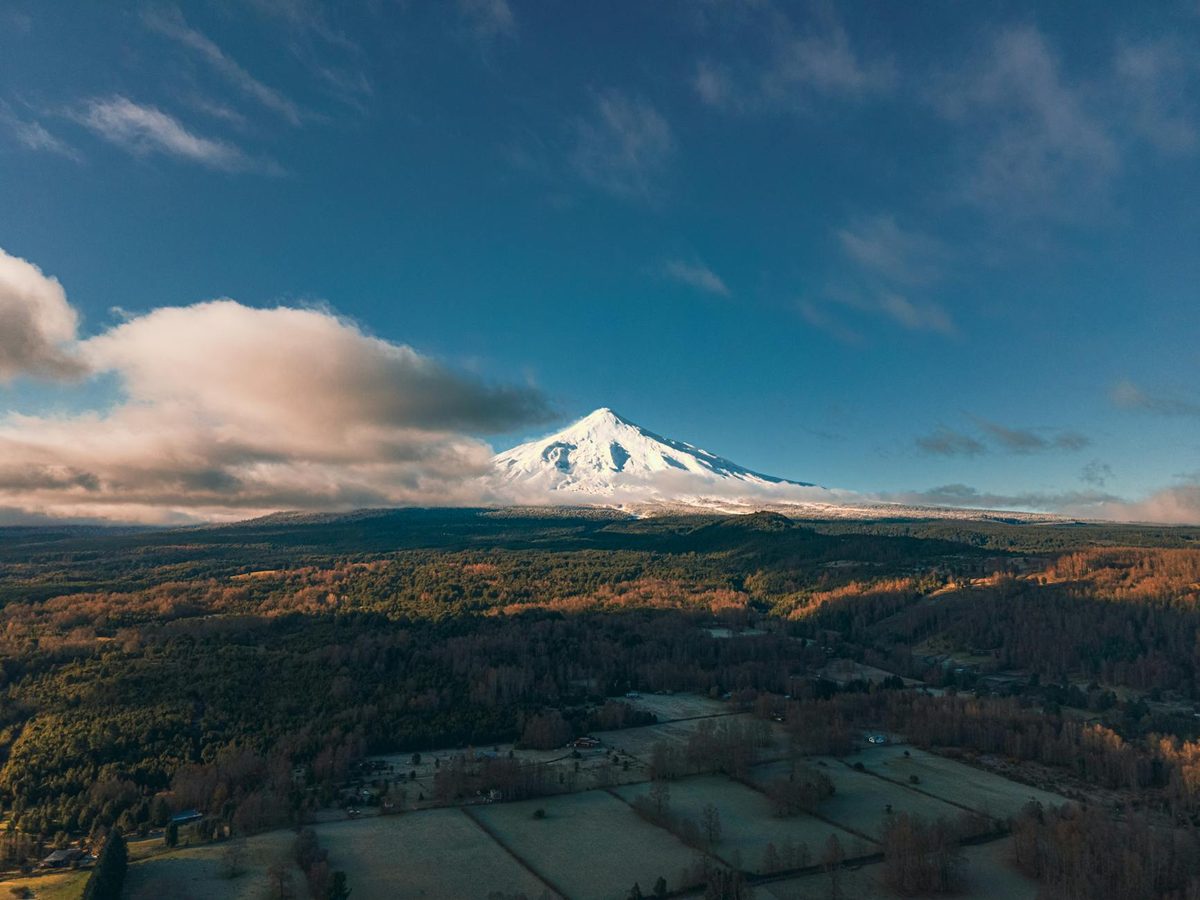
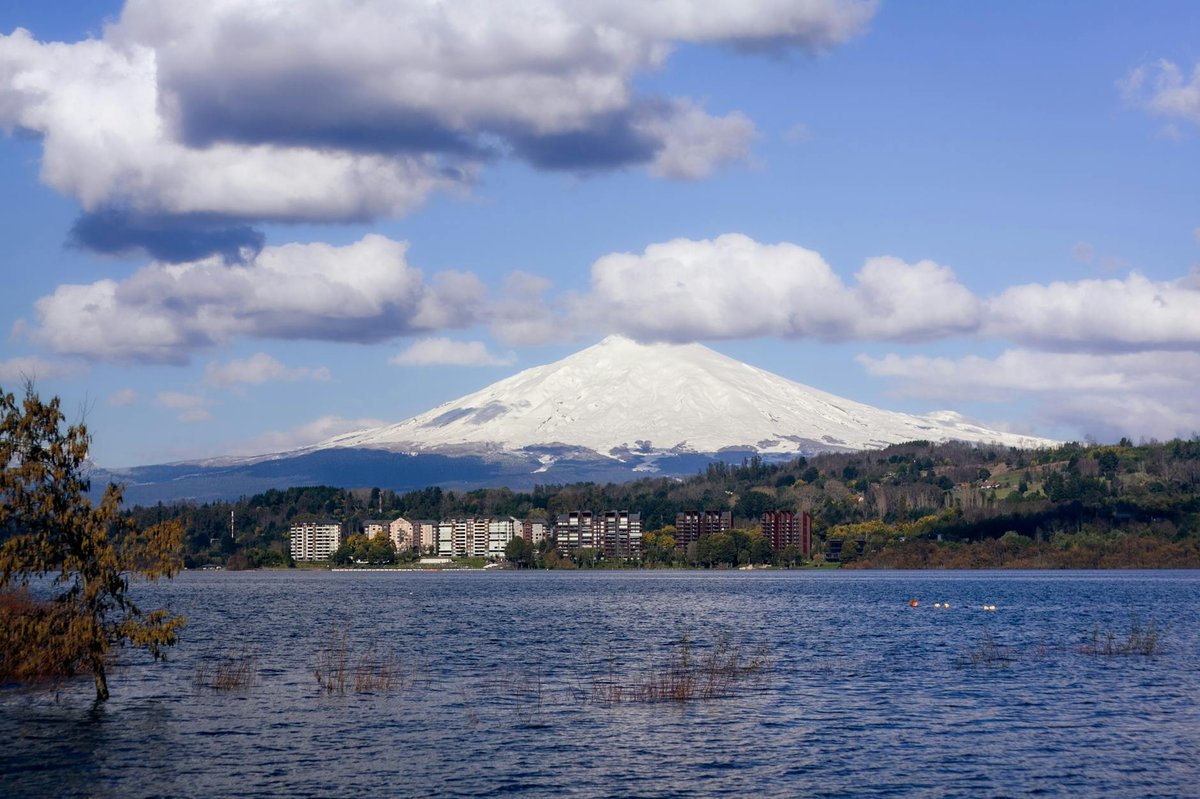
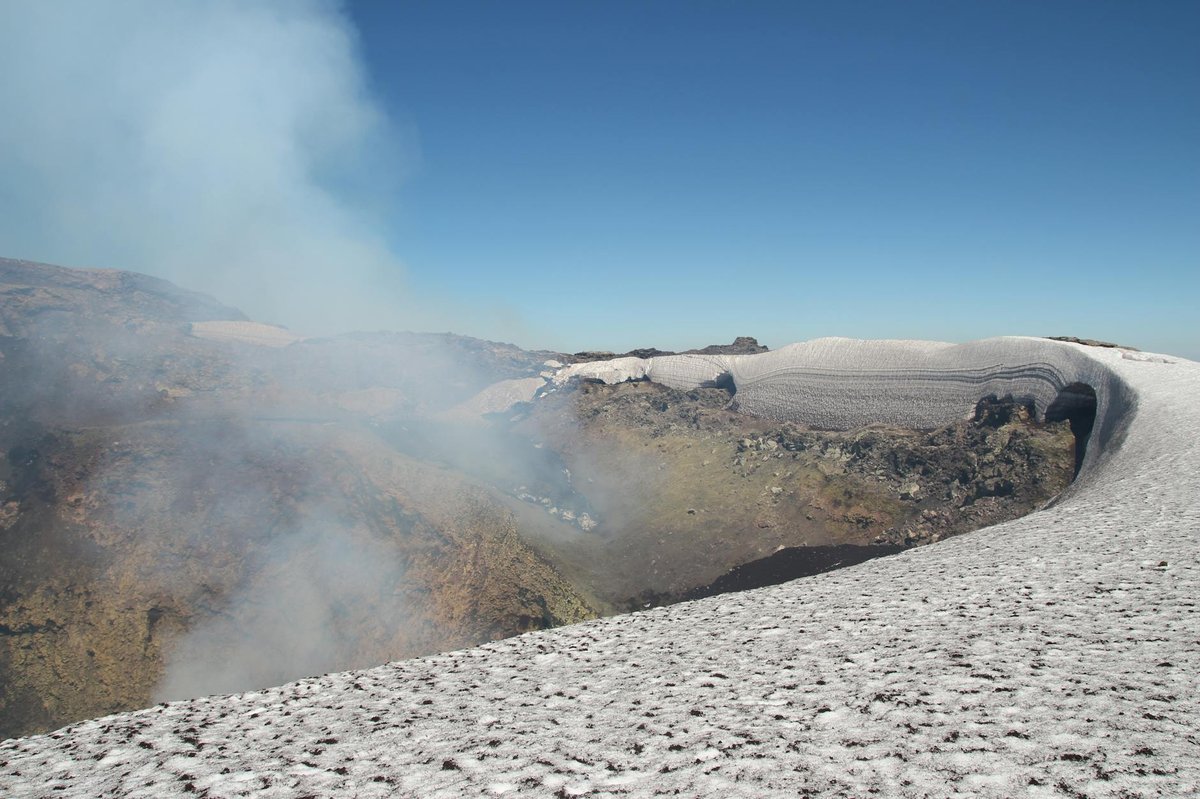
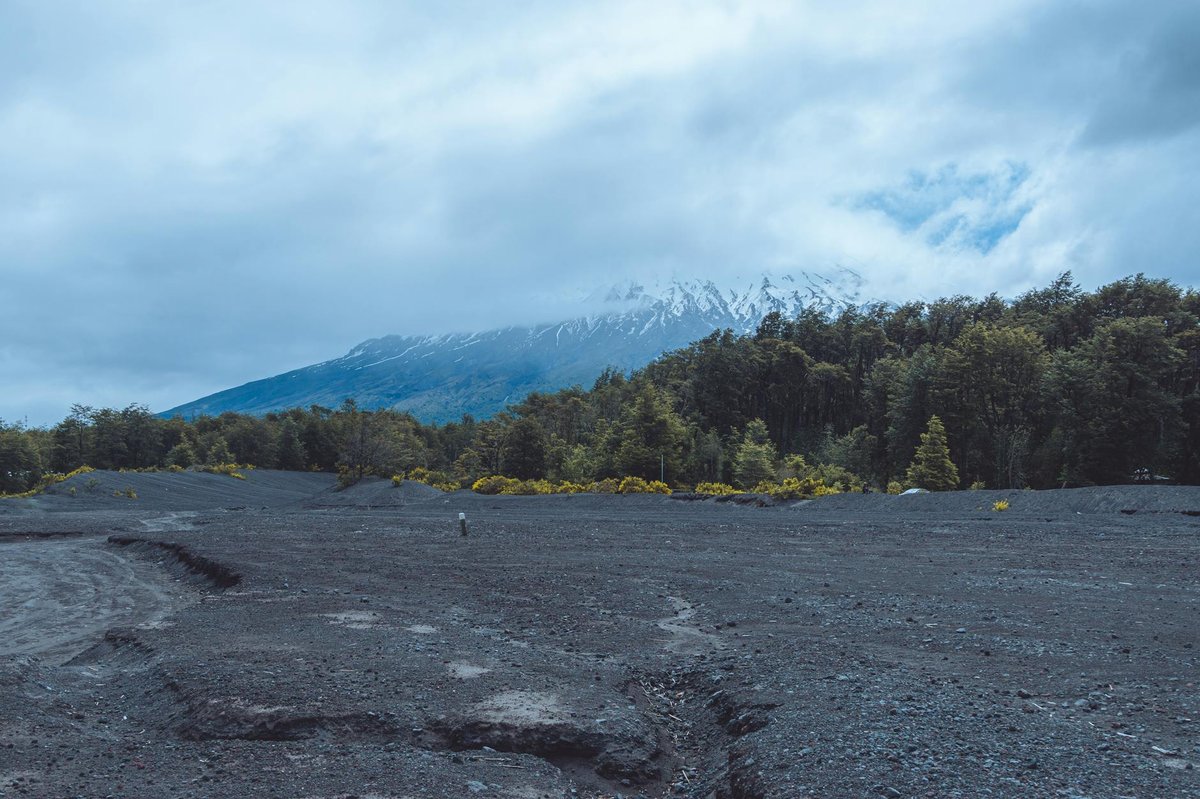
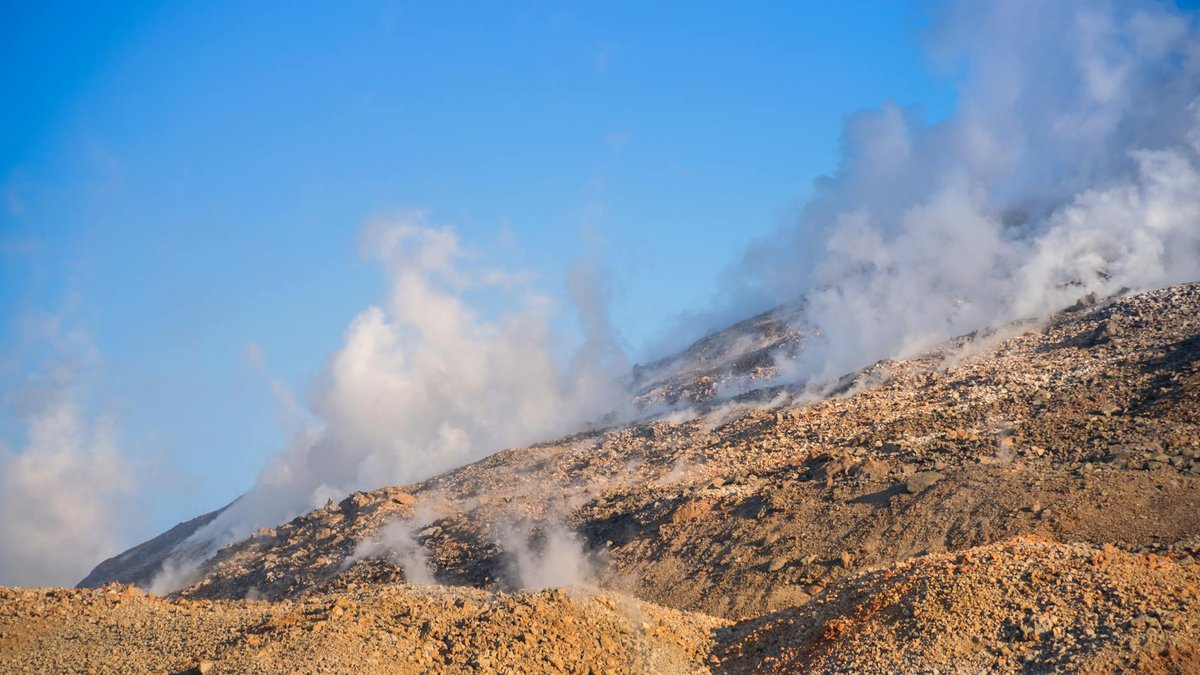
The sulfur hit first. Then the heat — a wrong, tropical gust at 2,800 meters that made my brain stutter. I was standing on the rim of Volcan Villarrica, looking down into a funnel of yellow rock that disappeared into steam and a faint red glow. The ground hummed. Not metaphorically. The rock under my boots was literally vibrating from the magma below. Behind me, Lago Villarrica stretched out like a postcard — the town of Pucon a cluster of rooftops far below, ringed by forests that ran to the horizon in every direction.
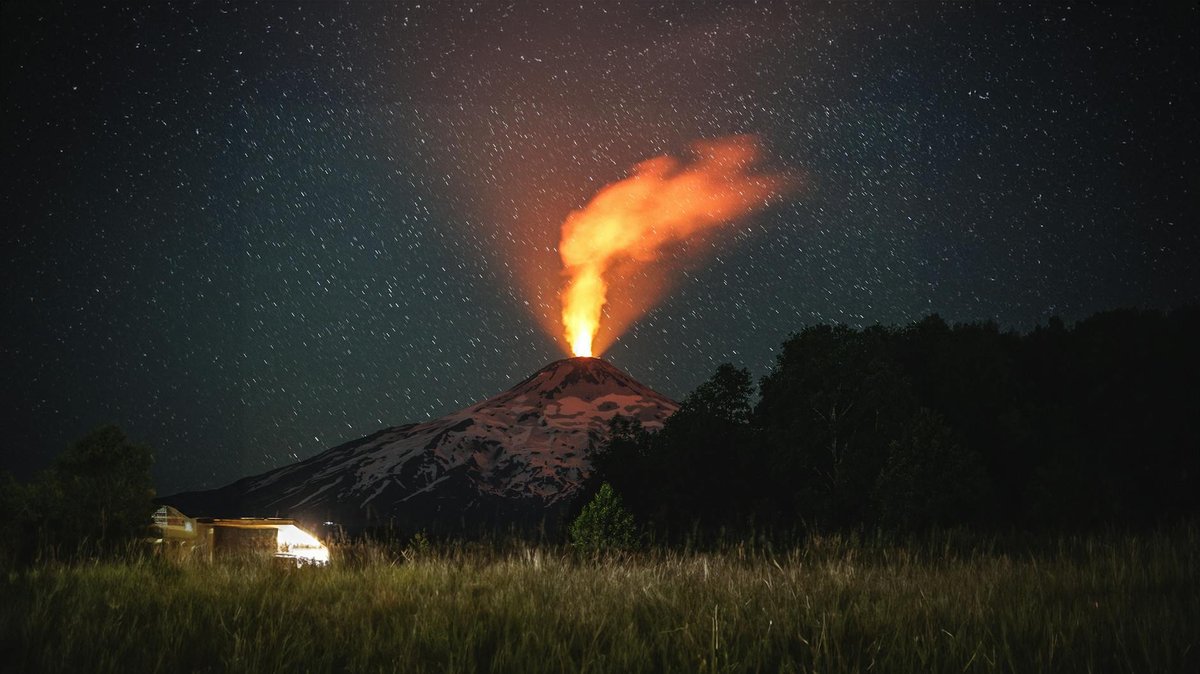
That moment — exhausted, wind-blasted, slightly terrified — is when Pucon made sense to me. This is not a resort town that happens to be near a volcano. It is a town that exists because of the volcano, and everything about the place runs on that same energy. The rafting, the hot springs, the hiking, the nightlife — all of it has an edge to it that most Lake District towns do not.
I spent five days in Pucon across two separate trips and left both times thinking I should have stayed longer. Here is everything I did, everything I would do differently, and a few things I would skip entirely.
Climbing Villarrica Volcano (the Main Event)
I am going to be straight with you: this is the reason most people come to Pucon, and it should be the reason you come too. Climbing Villarrica is not a casual morning walk. It is a full-day, physically demanding summit of an active volcano with a lava lake in its crater. It is also the single best outdoor experience I have had in Chile, and I have done the W Trek.
The climb takes roughly six hours up and two hours down. You start at the ski center around 6:30am, cross volcanic scree, then crampons go on at the snow line. The route goes straight up — no switchbacks, no rest benches, just one foot in front of the other for hours. At the top, you peer into the crater, get blasted by sulfur gas, and then slide back down the snow on a plastic sled at an absurd speed. The descent takes twenty minutes. The adrenaline lasts the rest of the day.
The Honest Truth About Cancellations
Here is what the tour agencies do not emphasize in their marketing: there is a real chance your climb will not happen. SERNAGEOMIN (Chile's geological service) controls access, and they shut it down for seismic activity, high winds, poor visibility, or heavy snow. I have heard of people waiting four or five days in Pucon for a window that never opened.
Build at least two or three buffer days into your Chile itinerary around Pucon. If you arrive on Tuesday planning to climb Wednesday and fly out Thursday, you are setting yourself up for disappointment. Every reputable agency offers free rebooking if the climb is cancelled. Ask before you book — if they charge for rebooking, walk away.
What It Costs and What to Book
Expect to pay $80-120 USD per person for the full package: transport to the ski center, all gear (crampons, ice axe, helmet, gaiters, windproof layers), and a certified guide. Budget operators run $55-70 but cut corners on gear and group sizes. On a climb where a fall means sliding hundreds of meters down ice, the quality of your crampons and the attentiveness of your guide matter more than saving $30.
Quick Tip
Wear merino or synthetic base layers, not cotton. You will sweat on the way up and freeze on the way down if your base layer is still wet. I learned this one personally.
Most hostels in Pucon have relationships with specific agencies and will book for you. That is fine — the hostel recommendations tend to be solid because their reputation depends on it. Just make sure the agency is SERNATUR-certified and has a maximum group size of 10-12.
Termas Geometricas (the Best Hot Springs in Chile)
There are probably fifteen hot springs within an hour of Pucon. I tried three across my two visits. Termas Geometricas is the one you should not miss, even if you skip all the others.
The setup is different from any hot springs I have seen anywhere. A narrow wooden boardwalk runs along a steep, forested ravine, connecting seventeen separate pools at different temperatures. The pools are geometric — clean lines, red-painted concrete — and they contrast against the wild fern-covered canyon walls in a way that feels both designed and completely natural. It is like someone hired a Japanese architect to build an onsen in the middle of a Chilean rainforest.
The water ranges from about 35 to 45 degrees Celsius. I settled into a pool at the far end of the boardwalk where almost nobody walked, at maybe 40 degrees, and stayed there for two hours watching steam drift through the tree canopy. After the Villarrica climb, this was exactly what my body needed.
What About the Other Hot Springs?
Termas de Huife is closer to town (30 minutes versus 80 minutes for Geometricas) and fine if you just want a quick soak. It is more developed, more crowded, and less atmospheric. About $30 entry.
Termas Los Pozones is the budget option — rougher, more natural pools with less infrastructure. About $15 entry. Good if you want the "I found hot springs in the woods" feeling, but the changing facilities are basic and the water temperature is less consistent.
Skip the hotel-attached thermal pools unless you are staying at that specific hotel. They charge resort prices ($40-60) for what amounts to a heated outdoor pool with a volcano view.
Quick Tip
Termas Geometricas costs about $35 USD entry and gets crowded after 11am in summer. Go early or go late — the evening sessions (when available) are the best, with steam lit by low wooden lanterns along the boardwalk.
Huerquehue National Park and the Lagos Trail
If Villarrica is about adrenaline and Geometricas is about recovery, Huerquehue National Park is the part where Pucon shows you what the Lake District landscape actually looks like when you get above the treeline.
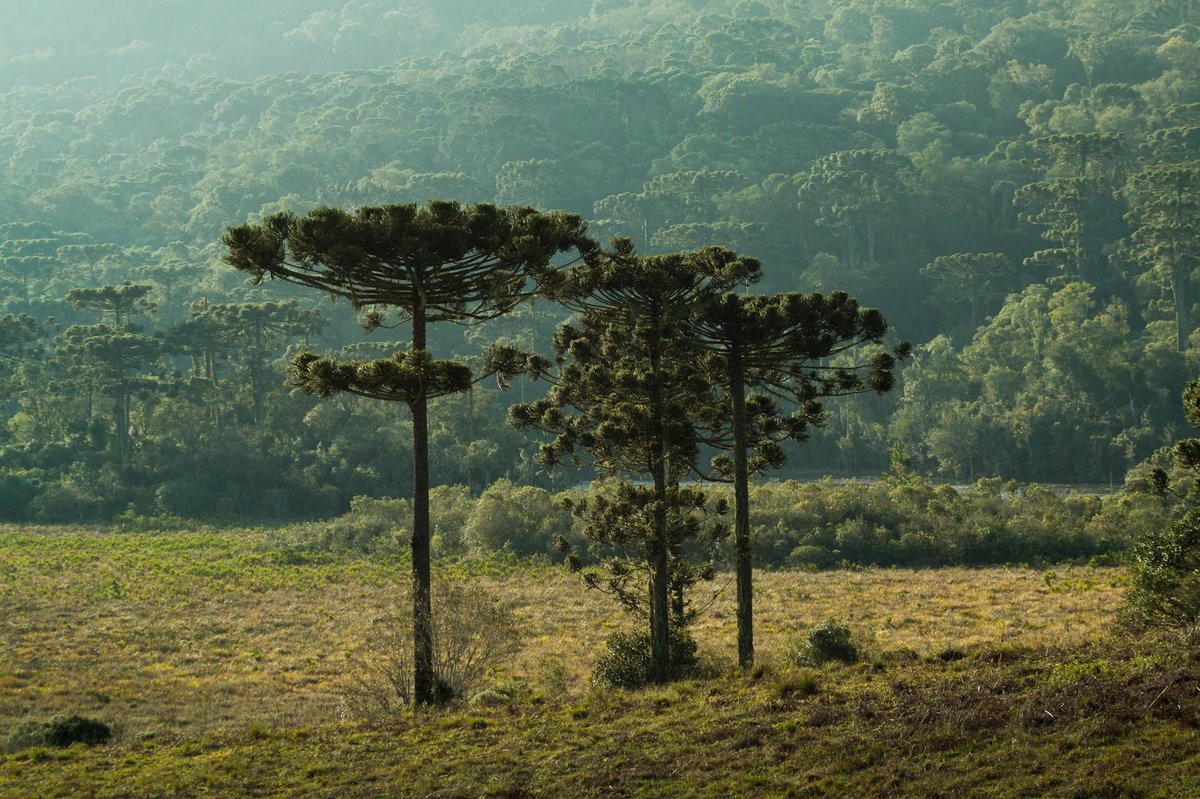
The Los Lagos trail is the park's flagship hike — about 18 kilometers round trip with 700 meters of elevation gain. It climbs through dense forests of coigue and lenga beech, then breaks into a landscape dominated by araucaria trees — those strange, prehistoric-looking conifers that look like something from a Dr. Seuss book. The trail passes three alpine lakes (Lago Chico, Lago Toro, Lago Verde), each one more intensely colored than the last.
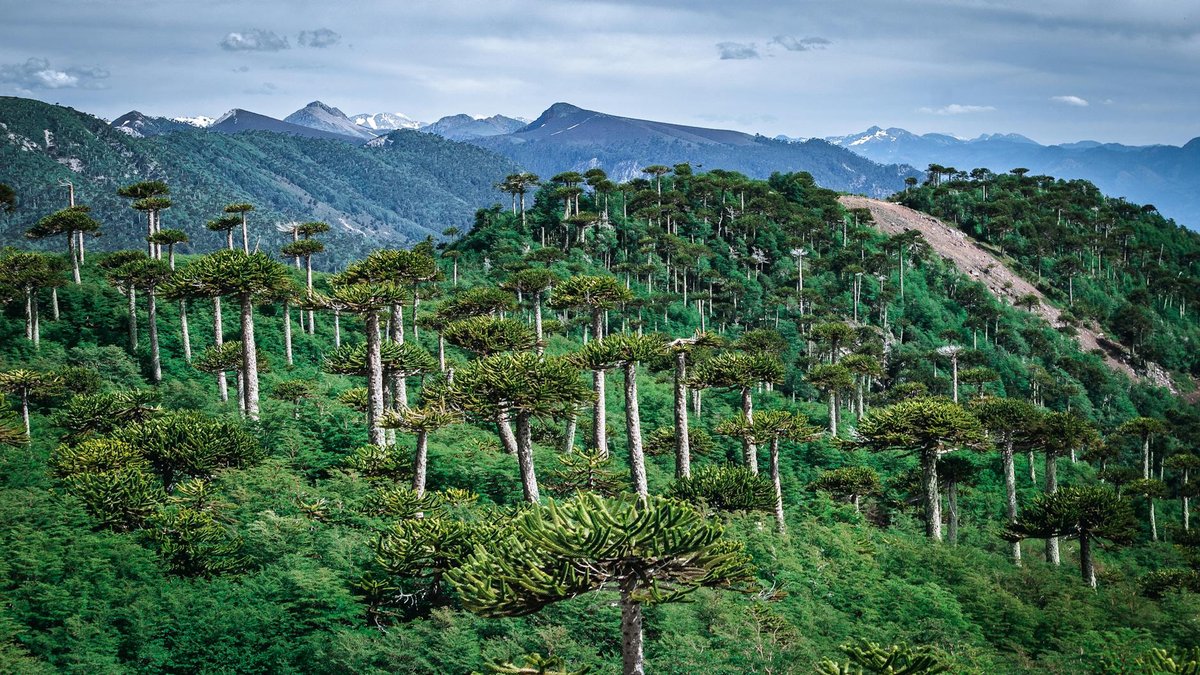
I did the full loop in about six hours including stops. The first hour is steep and relentless — switchbacks through forest that feel like they will never end. Then you hit the first lake and everything opens up. The rest of the trail rolls along at a gentler grade between the lakes, with araucarias framing every view. Lago Verde, the farthest lake, is the most striking — clear enough to see the bottom even where it is several meters deep.
Park entry is about $8 for foreigners. Bring your own food and water — there is nothing inside the park. The trailhead is 35 kilometers from Pucon, and you can get there by car, colectivo (about $3 each way), or tour van. I took a colectivo from the terminal on Palguin street and it worked fine, though the return schedule is limited. Make sure you know the last departure time or you will be hitchhiking back.
Is It Better Than Torres del Paine?
Different, not better. Torres del Paine is grander in scale but requires more planning and money. Huerquehue gives you a legitimate full-day hike through exceptional landscape without the logistics nightmare. If you have one day for hiking near Pucon, this is where to spend it.
Whitewater Rafting on the Rio Trancura
Rafting the Trancura is the second-most popular activity in Pucon after the volcano climb, and unlike the volcano, the weather almost never cancels it. The river splits into two sections: the Lower Trancura (Class II-III, family-friendly, about $30 per person) and the Upper Trancura (Class III-IV, genuinely exciting, about $45 per person).
I did the upper section. The rapids are not going to scare anyone who has done serious whitewater before, but they hit hard enough to throw people out of the raft — which happened to two people in our group. The water is snowmelt from Villarrica, which means it is cold. Really cold. You wear a wetsuit, and you will still feel it.
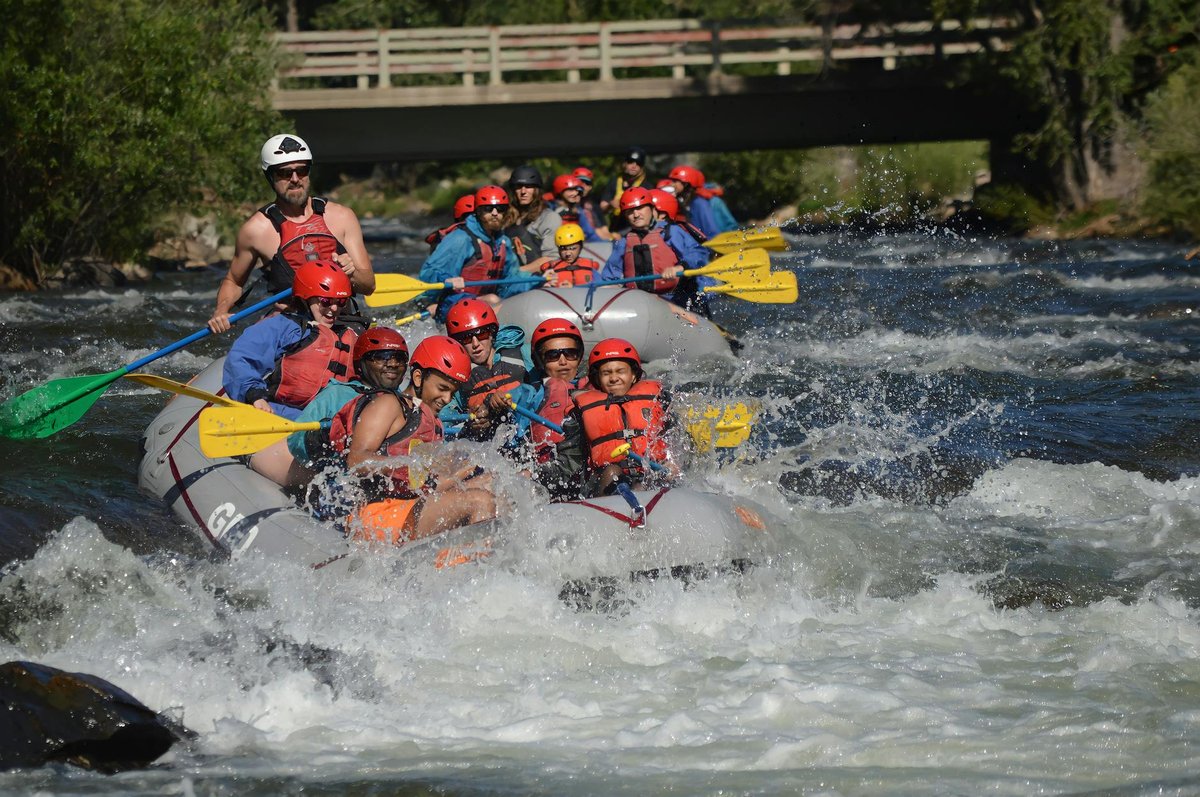
The trip lasts about three hours total including transport and safety briefing. Every single agency on the main street in Pucon sells rafting trips, and the price does not vary much between them. The difference is in guide quality and equipment condition. Ask how old their rafts and helmets are. If the gear looks like it has survived a decade of abuse without replacement, pick a different operator.
Skip the lower section unless you are bringing young kids or someone who genuinely cannot swim. It is pleasant but forgettable — more of a float trip than a rafting experience.
Ojos del Caburga — Worth the Detour
About 25 kilometers east of Pucon, the Rio Caburga drops through a series of pools that are so blue they look photoshopped. The Ojos del Caburga (Eyes of Caburga) are natural pools fed by underground springs filtered through volcanic rock, which gives the water that impossible turquoise color. It is one of those places where your phone camera genuinely cannot capture what you are seeing.
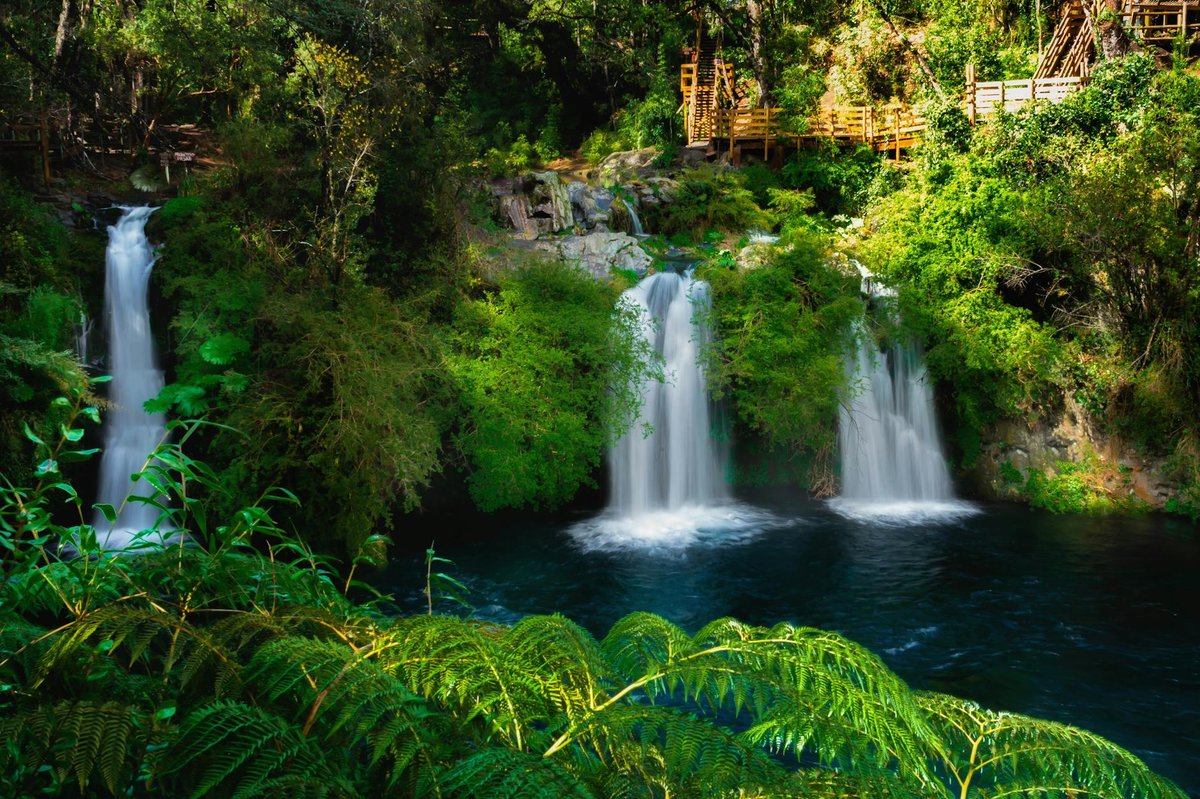
The site is on private land and costs about $5 entry. There are walking paths along the pools and waterfalls, and in summer, you can swim in some of the lower pools (the water is cold but bearable in January and February). The whole visit takes about an hour unless you swim, in which case give yourself two.
You can drive there, take a colectivo, or combine it with a bike ride (the road is paved and mostly flat). I biked there on my second visit and it was one of the better half-day outings — the ride takes about 45 minutes each way through farmland with Villarrica looming behind you the whole time.
Lago Villarrica Beach Days
The town beach, Playa Grande, sits at the foot of the main street and looks directly at the volcano. In January and February, it fills up with Chilean families, street food vendors, and teenagers blasting reggaeton from portable speakers. It is not a quiet retreat. But there is something about swimming in a glacial lake with an active volcano as your backdrop that does not get old.
The water is cold. Even in peak summer, Lago Villarrica sits at about 18-20 degrees Celsius — fine for a swim if you get in fast and do not overthink it, but not a place you will float for an hour. The black volcanic sand heats up surprisingly fast in the sun, which makes the cold water more bearable because you have something warm to come back to.
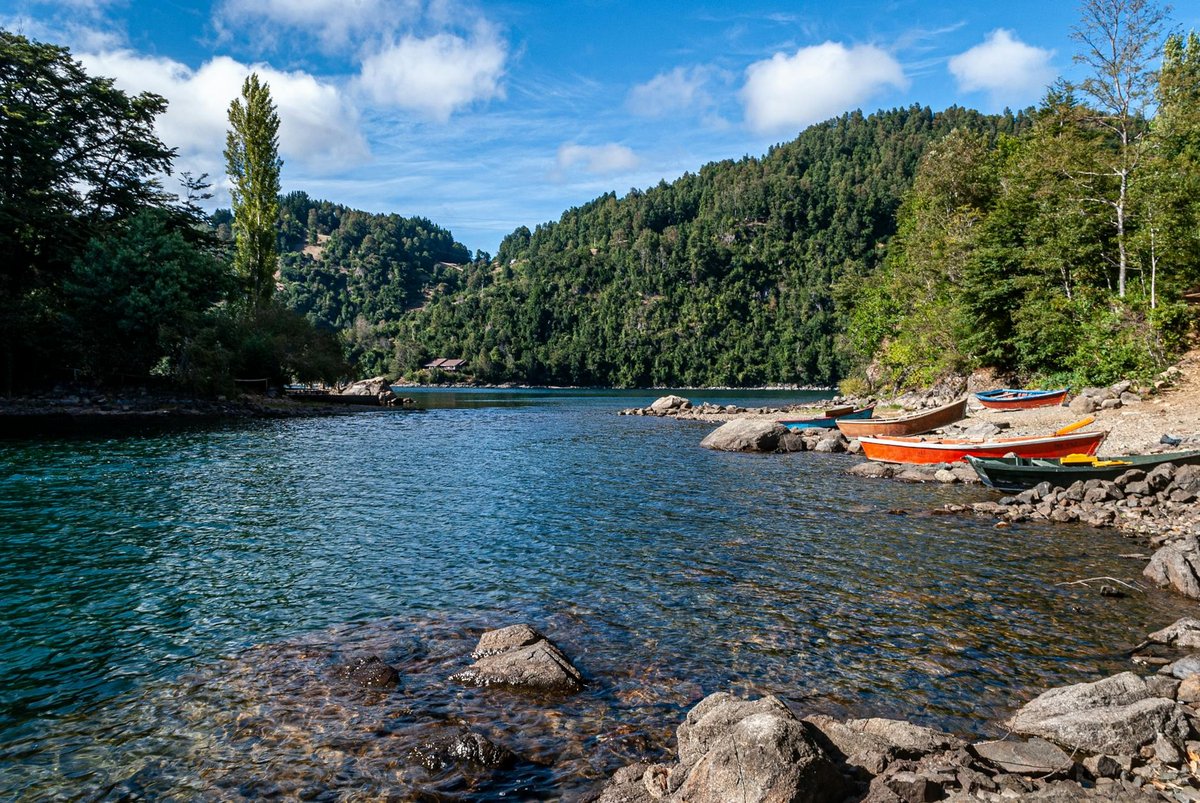
For a quieter beach, drive or bike about 8 kilometers east along the lake to Playa Negra. Same volcano view, a fraction of the crowds, and slightly better sand. There is a small parking area and nothing else — bring your own food and shade.
Mountain Biking Around Pucon
Pucon has been quietly building a reputation as a mountain biking destination, and for good reason. The volcanic terrain creates a network of single-track through forests, along ridgelines, and across lava fields that is unlike anywhere I have ridden in South America.
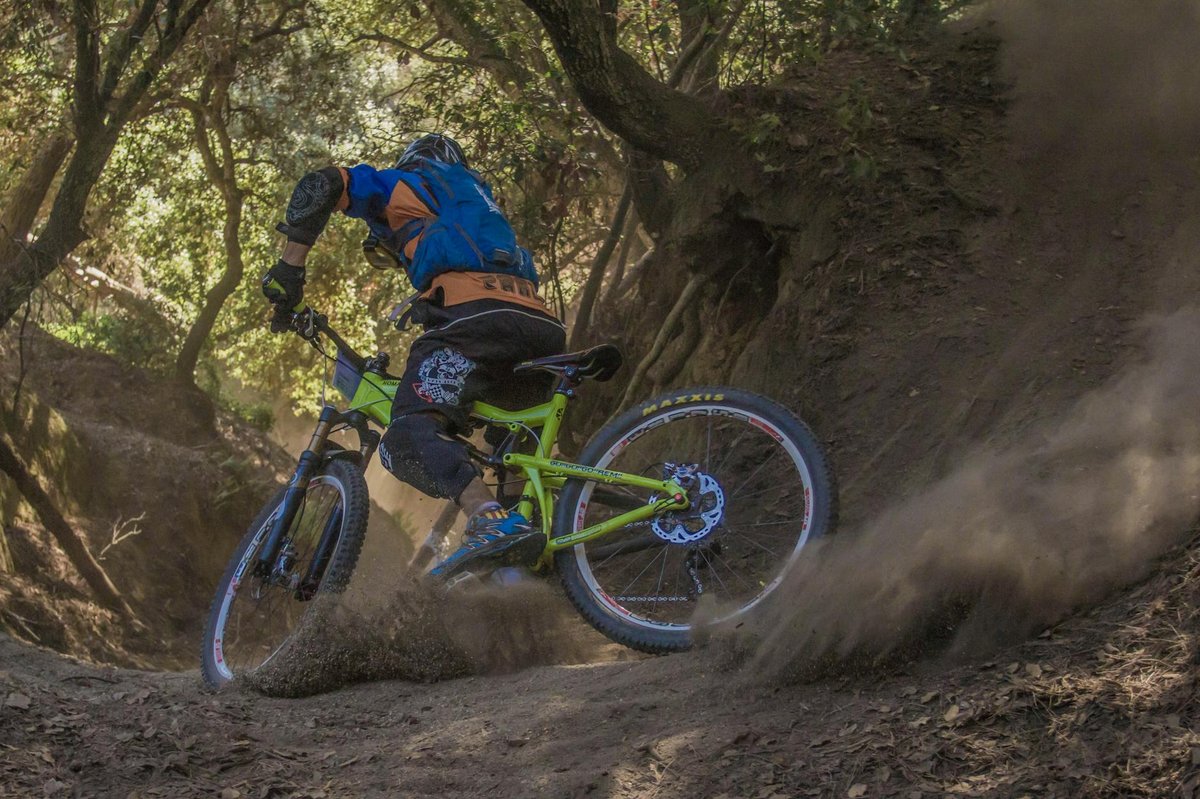
Several shops on the main drag rent decent hardtails for $25-35 per day. If you want guided rides on the better trails (some are on private land or in areas that are not marked), full-day guided tours run about $60-80 including bike and transport to the trailhead. The best riding is in the forests between Pucon and Huerquehue — rolling single-track under araucaria canopy with views of the volcano between gaps in the trees.
I did a half-day self-guided ride on the Ojos del Caburga road and some trails near Quelhue. Nothing technical, but the scenery made up for it. If you are a serious rider, ask the bike shops about the Villarrica Traverse — a full-day ride along the volcano's lower slopes that requires a guide but supposedly delivers world-class single-track. I did not do it and regret it.
Mapuche Culture (Do This, Seriously)
The area around Pucon is Mapuche territory — it has been for thousands of years before Chilean tourism discovered it. The Mapuche are the largest indigenous group in Chile, and unlike many indigenous communities that have been pushed to the margins, the Mapuche around Pucon have maintained a visible, living cultural presence.
Several communities near Pucon offer cultural experiences that range from a half-day visit (typically including a ruka — traditional house — visit, food, storytelling, and traditional games) to multi-day immersive stays. I did a half-day visit to a community near Curarrehue, about 40 minutes east of Pucon. The host family cooked sopaipillas over an open fire, explained the significance of araucaria pine nuts (pinones) in Mapuche diet and cosmology, and told stories that connected the volcano, the lake, and the forests into a worldview that made the landscape feel completely different afterward.
These visits cost $30-50 per person and should be booked through the community directly or through agencies that work with specific communities (not through generic tour operators who may not have genuine relationships). Ask at the tourist information office on the main street — they maintain a list of community-run experiences.
The Food Scene (Better Than You Expect)
Pucon eats better than a town of 30,000 people has any right to. The combination of Chilean tourists with money, a steady stream of international backpackers, and proximity to Mapuche food traditions has created a restaurant scene that actually surprised me. For a deeper look at Chilean food, see our complete food guide.
Where I Actually Ate
The main street (Avenida O'Higgins, because every town in Chile has an O'Higgins) is lined with restaurants, and most of them are fine but unremarkable. The better places are on the side streets or out toward the lake.
For a proper Chilean lunch, look for menus del dia — set lunches that include soup, main, drink, and dessert for $6-9. The quality varies, but the format is consistent and it is the best value eating in town. Most close by 3pm.
German-Chilean food is everywhere in the Lake District — kuchen (cake), strudel, and heavier fare reflecting the region's European immigration history. There are at least three places on the main street doing competent kuchen and strong coffee.
For dinner, Pucon has several proper restaurants doing modern Chilean cooking — local trout, wild mushrooms in season, lamb from the surrounding farms. Budget $15-25 per person for a main course and a drink at a good sit-down restaurant. That is not cheap by Chilean standards but not outrageous either.
Skip This
The empanada stands near the bus terminal are tourist traps — small portions, high prices, and dough that has been sitting too long. Walk two blocks in any direction and you will find better empanadas for less money.
Nightlife (Yes, Actually)
Pucon has a legitimate bar scene, which is unusual for a town this size in Chile. In summer (December through February), it punches above its weight because of the influx of Chilean university students and Argentine visitors crossing the border from Junin de los Andes.
The bars along O'Higgins and the surrounding blocks stay open late — midnight or later in summer, with some places pushing until 3am on weekends. The vibe skews young and energetic. Craft beer has arrived in Pucon (as it has everywhere in Chile), and there are two or three brewpubs doing solid IPAs and amber ales. A pint runs $4-6.
For something quieter, the lakefront bars and restaurants have outdoor seating with volcano views that are particularly good at sunset. A pisco sour with that view costs about $7 and is some of the best money you will spend in Pucon.
When to Visit Pucon
This matters more than you think. For detailed seasonal info across Chile, check our when to visit guide.
Summer (December - February) is peak season. Weather is warmest (daily highs of 25-30 degrees Celsius), the lake is swimmable, all activities are running, and the volcano climb has its best odds of happening. The downside: Pucon fills up. Prices jump 30-50%, accommodation books out weeks in advance, and the main street feels like a shopping mall. If you are coming in January, book everything early.
Shoulder season (March - April, October - November) is my preference. The crowds thin dramatically, prices drop, and the weather is still decent — cool but clear, with fall colors in March-April that turn the forests gold and red. The volcano climb is less reliable (more weather cancellations) but still runs regularly. Hot springs are arguably better in cooler weather. Rafting runs through at least mid-April.
Winter (June - September) turns Pucon into a ski town. The Villarrica ski center operates on the volcano's lower slopes, and while it is not world-class skiing, the novelty of skiing on an active volcano has its own appeal. Most other outdoor activities shut down or scale back significantly. Hot springs are still open and even more appealing when it is cold and raining.
Quick Tip
If the volcano climb is your priority, aim for January or February and give yourself three to four buffer days. The statistical best window for clear weather and low seismic activity is mid-January to mid-February, but Villarrica does what it wants.
Getting to Pucon
Pucon does not have its own airport. The closest airport is Temuco (ZCO), about 110 kilometers and two hours northwest. LATAM and JetSmart fly to Temuco from Santiago multiple times daily — round trips run $50-120 depending on how far ahead you book. For more on getting around Chile, we have a full guide.
From Temuco airport, you have three options:
- Transfer shuttle: About $20-25 per person, book through your accommodation or an airport transfer company. Door to door, about 2 hours.
- Bus: Take a colectivo or taxi to Temuco bus terminal ($5-8), then a bus to Pucon ($5-7, every 30-60 minutes). Slower but much cheaper.
- Rental car: Available at Temuco airport. About $35-50 per day. Useful if you plan to visit Huerquehue, Geometricas, and other spots outside of town on your own schedule. Parking in Pucon is easy outside of January.
From Santiago by bus, it is a 9-10 hour overnight ride. Several companies (Pullman Bus, Turbus, JAC) run this route nightly. Semi-cama seats run $25-35, salon cama (full recline) $40-55. The JAC overnight service is solid — I took it on my first trip and arrived at 7am feeling surprisingly human.
Where to Stay in Pucon (by Budget)
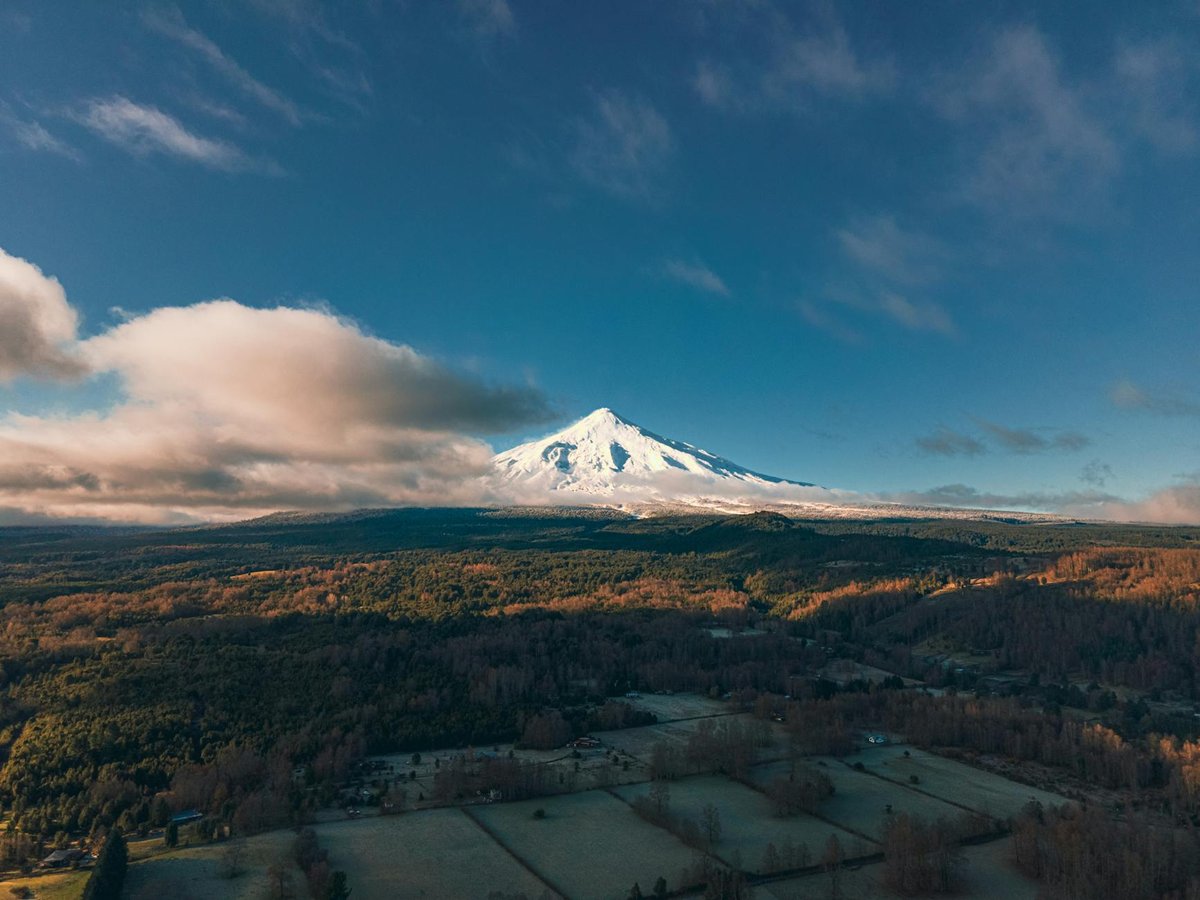
Pucon has more accommodation per capita than almost any town in Chile. The range runs from $12 hostel dorms to $300+ boutique lodges. Here is how I would break it down. For budget planning, our costs guide covers all of Chile.
Budget ($12-25/night)
Hostel dorms and basic private rooms. Pucon has a strong hostel scene thanks to the backpacker traffic. Most hostels on the main street are fine — clean, social, with tour booking desks. Expect shared bathrooms, kitchen access, and a common area. The hostel scene is concentrated on O'Higgins and the streets immediately behind it. In summer, book ahead or arrive early in the day.
Mid-Range ($40-80/night)
Private rooms in guesthouses, cabanas, and small hotels. This is the sweet spot in Pucon. Cabanas (self-contained cabins, usually with kitchenettes) are everywhere and particularly good value for couples or groups. Many are a short drive from the center, which means you get quiet and space. A well-reviewed cabana for two runs about $50-60 per night in shoulder season, $70-90 in summer.
Splurge ($120-300/night)
Boutique hotels and lodges, some with their own hot spring pools. The high-end places in Pucon tend to be on the lake or in the forests east of town. They come with volcano views, spa facilities, and that specific brand of South American luxury that involves a lot of wood, stone, and floor-to-ceiling glass. If you have the budget, this is the category where Pucon genuinely delivers — the setting makes even an average hotel feel special.
| Accommodation | Price Range (per night) |
| Hostel dorm | $12-20 |
| Hostel private room | $25-40 |
| Cabana (2 people) | $50-90 |
| Mid-range hotel | $60-100 |
| Boutique lodge | $120-300+ |
How Much Pucon Costs (a Realistic Budget)
Pucon is not cheap by Chilean standards, but it is not Patagonia either. Here is what I actually spent across my stays:
| Expense | Budget | Mid-Range |
| Accommodation | $15/night | $60/night |
| Food | $15-20/day | $30-40/day |
| Villarrica climb | $80 | $110 |
| Termas Geometricas | $35 | $35 |
| Huerquehue park entry | $8 | $8 |
| Rafting (upper) | $45 | $45 |
| Bike rental (day) | $25 | $35 |
| Transport from Temuco | $10-12 | $22 |
A four-day stay in Pucon on a budget (hostel, cooking some meals, doing the volcano and one other activity) runs about $200-250 total. Mid-range (private room, eating out, doing three or four activities) is closer to $400-500. Both are reasonable for what you get.
What I Would Skip
Not everything in Pucon is worth your time or money. Here is what I would cut:
- The casino: It exists. It is not interesting. Unless you need to gamble, your evening is better spent at a lakefront bar.
- Canopy/zipline tours: Every adventure town in South America sells these. They are the same everywhere. If you have done one anywhere else, you have done this one.
- Full-day volcano tours that do not summit: Some agencies sell "volcano experiences" that drive you to the ski center, let you walk around the lower slopes for an hour, and drive you back. This is not the same as climbing to the crater. If you are going to do the volcano, do it properly.
- Day trips to Villarrica town: The town of Villarrica (separate from the volcano) is 25 minutes west. It has a nice lakefront and a small museum. It is fine. But you will not regret skipping it unless you are specifically interested in Mapuche history, in which case the museum is worth a look.
Five Days in Pucon (What I Would Do)
If I were planning a return trip, here is how I would structure five days. This assumes at least one weather buffer for the volcano.
Day 1: Arrive, get oriented, walk the main street, swim in the lake if it is summer. Book the volcano climb for Day 2 (weather permitting). Sunset drinks at the lakefront.
Day 2: Villarrica volcano climb (full day, you will be destroyed by afternoon). Quiet dinner, early bed.
Day 3: Termas Geometricas in the morning (go early, avoid crowds). Afternoon at Ojos del Caburga or just rest.
Day 4: Huerquehue National Park — Los Lagos trail, full day. Pack lunch, bring layers.
Day 5: Morning rafting on the upper Trancura. Afternoon bike ride or Mapuche cultural visit. Last evening in Pucon.
If the volcano gets cancelled on Day 2, shift everything forward and try again on Day 4 or 5. This is why buffer days matter.
Pucon is the kind of place that rewards people who stay. Not because you need five days to see everything, but because the volcano cancellations, the weather windows, and the rhythm of the place all work better when you are not rushing through. The best morning I had there was an unplanned one — a day when the climb got pushed back, and I ended up renting a bike, riding to a waterfall I had not heard of, and eating empanadas at a roadside stand run by a woman who seemed confused that a foreigner had found her place. That is the Pucon that sticks with you.