This article contains affiliate links. If you book through them, I earn a small commission at no extra cost to you.
The snow was falling sideways. I was sitting in 42-degree water, neck-deep, watching flakes land on the surface and dissolve instantly. Behind me, a forested canyon dropped away into mist. In front of me, a wooden boardwalk led to sixteen more pools, each one steaming like the earth was breathing. This was Termas Geometricas, south of Pucon, in the middle of Chilean winter. And it was, without exaggeration, one of the best things I have done in this country.
Chile sits on the Ring of Fire. The entire country runs along a chain of volcanoes, and where there are volcanoes, there is superheated groundwater pushing up through cracks in the rock. The result: hundreds of hot springs scattered from the Atacama to Patagonia, ranging from manicured resort pools to unmarked rivers where you dig your own bath in the gravel. I have been chasing them across multiple trips, in summer heat and midwinter cold, and I keep finding new ones worth the detour.
Here are the ones that stuck with me. Ranked, honest, with prices and directions and a few you should probably skip.
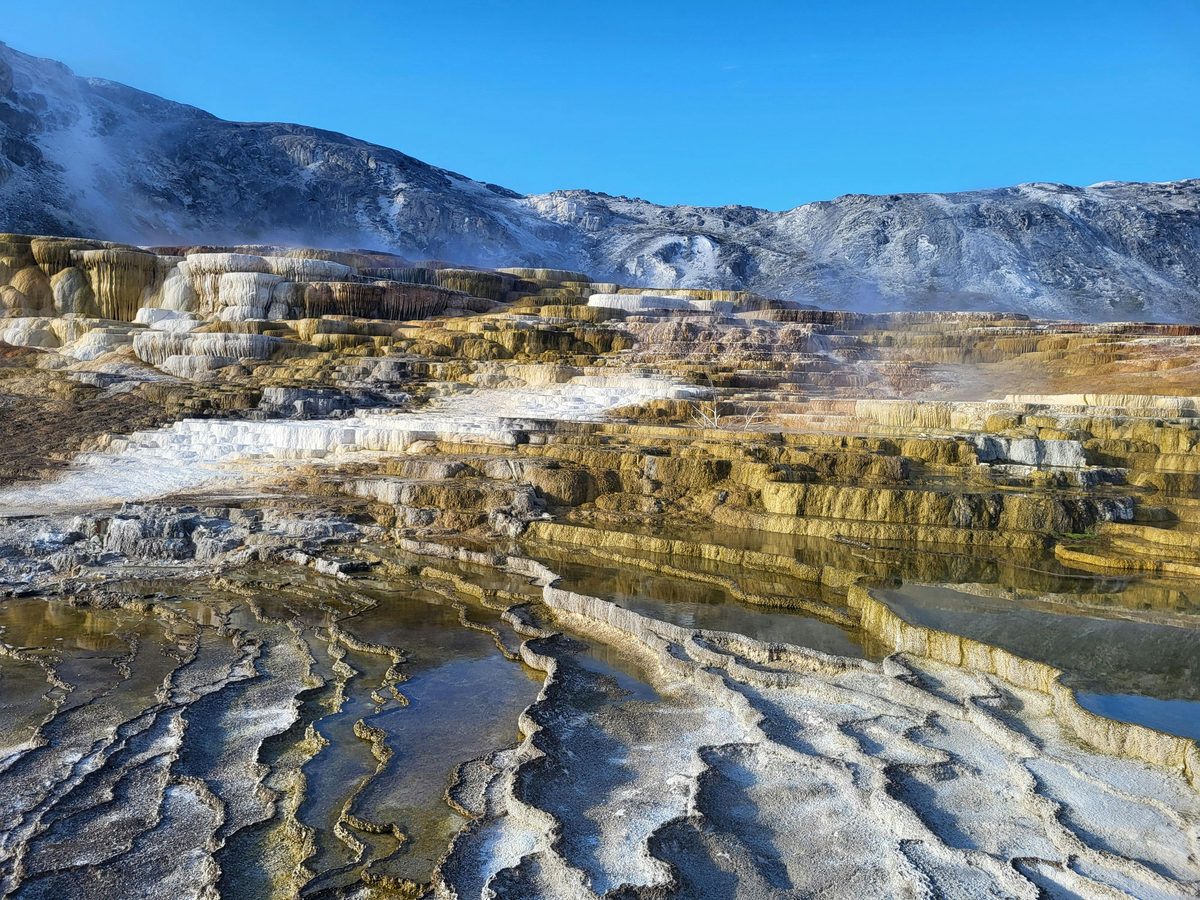
1. Termas Geometricas — The Best Hot Springs in Chile (and It Is Not Close)
I already gave this away in the opening, but there is no point pretending otherwise. Termas Geometricas, about 80 kilometers south of Pucon near Conaripe, is the standard against which every other hot spring in Chile should be measured. Seventeen stone-and-concrete pools connected by a red-painted boardwalk that threads through a steep, fern-covered canyon. The water is naturally heated, the temperatures range from 35 to 45 degrees Celsius depending on the pool, and the setting is so cinematic it almost feels artificial. It is not. The canyon is real. The ferns are real. The steam drifting through old-growth forest — very real.
I went twice. Once in summer, once in winter. The winter visit was better by a wide margin. Fewer people, more steam, and that snow-on-hot-water contrast that makes you feel like you are in a fever dream. The far end of the boardwalk — pools 14 through 17 — is where the crowds thin out. Most visitors cluster near the entrance and the changing rooms. Walk past them.
The Practical Details
Entry costs around 32,000 CLP ($35 USD) for adults. There is a small cafe on-site with decent sandwiches and surprisingly good hot chocolate, but bring snacks if you plan to stay all day. Changing rooms and lockers are included. You will need your own towel — or rent one for a few thousand pesos.
Getting there from Pucon takes about 90 minutes by car. The road is paved most of the way but turns to gravel for the last stretch. No public bus goes directly — you will need a rental car or an organized transfer. Some hostels in Pucon arrange shared minivan trips for about 15,000 CLP round-trip, which is worth asking about.
Quick Tip
Book your entry online in advance during January and February. They cap daily visitors and I have seen people turned away at the gate on peak summer weekends. Off-season you can just show up.
2. Termas de Puritama — Desert Heat Meets Hot Water at 3,500 Meters
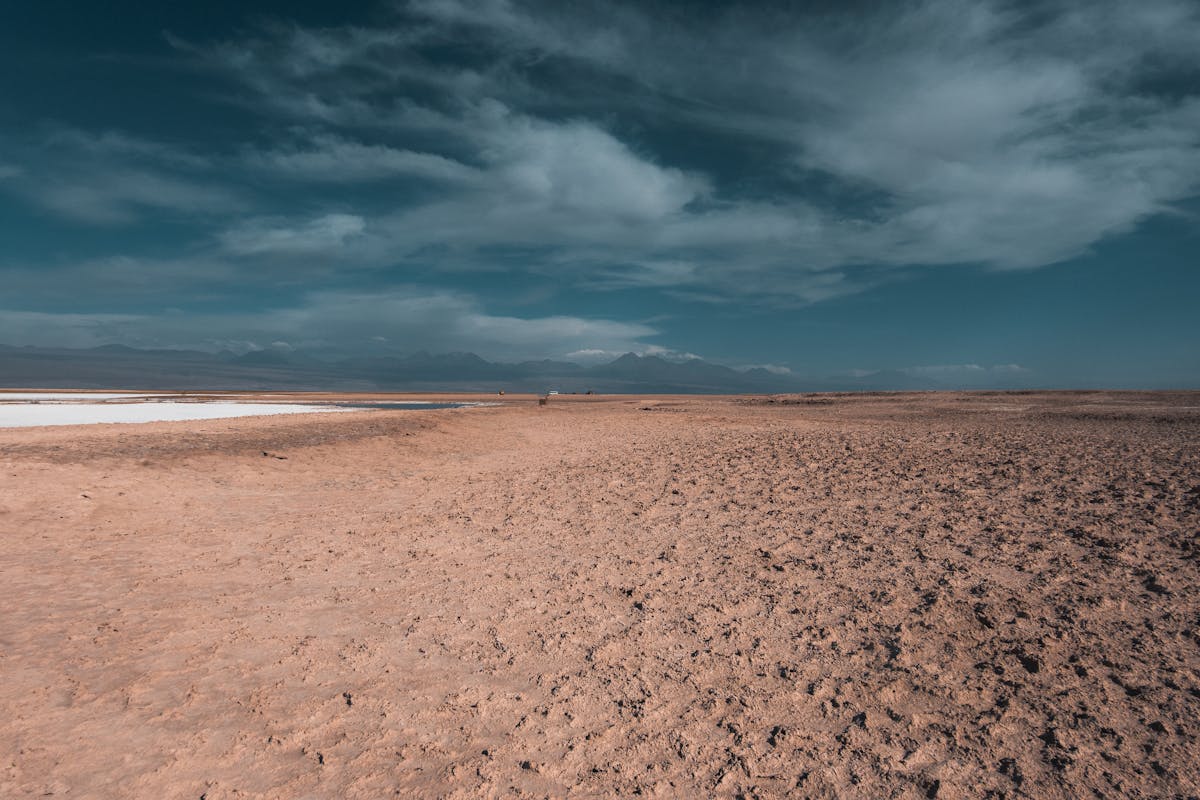
The Atacama Desert is not where you expect to find hot springs. Everything is dry, cracked, and sun-blasted. But about 30 kilometers north of San Pedro de Atacama, a narrow canyon cuts through the altiplano and a series of eight warm pools spill down the hillside, connected by wooden walkways and stairs. This is Puritama, and the experience is completely different from anything in the south.
The water sits at about 28 to 33 degrees Celsius — warm rather than hot, which makes sense at 3,500 meters where the sun already feels like it is sitting on your shoulders. I visited in the afternoon after a morning at El Tatio geysers, and the combination was perfect. You go from watching steam columns at 4,300 meters at dawn to soaking in warm pools at 3,500 meters by lunch. The altitude headache I had been nursing for two days actually eased after an hour in the water.
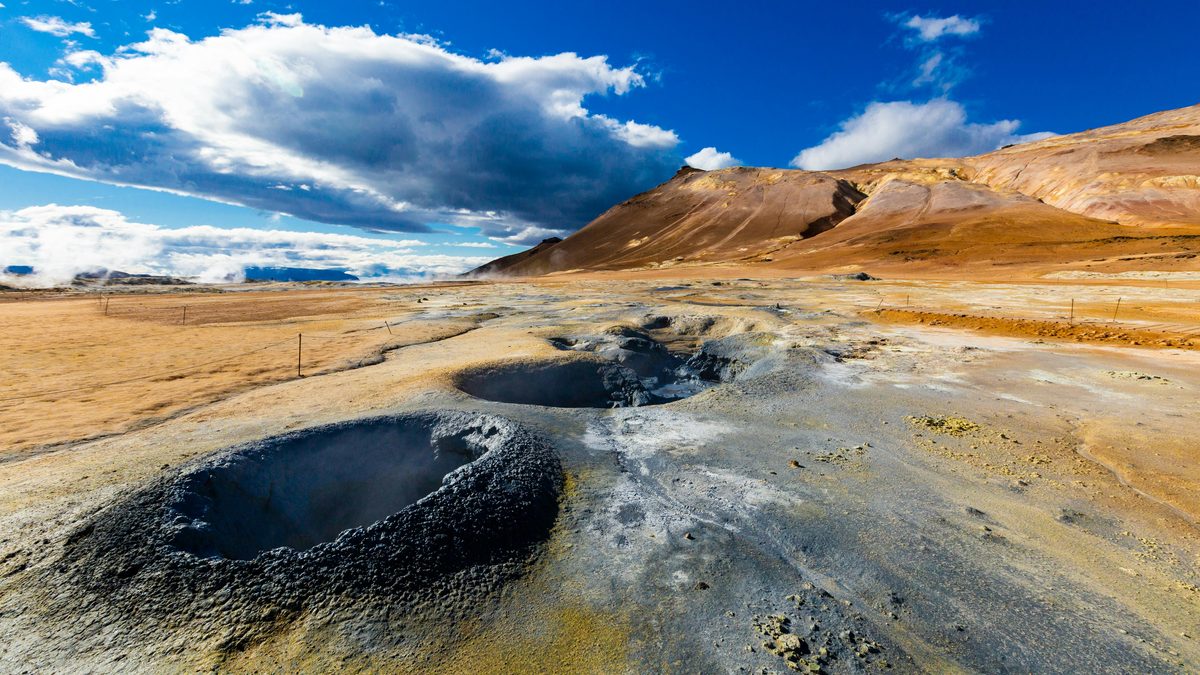
The setting is stark and beautiful. Red-brown rock walls, clear sky, no trees. Just you and warm water in the middle of the driest desert on Earth. It is the opposite of Geometricas — where that is lush and enclosed, this is open and austere. Both are outstanding in completely different ways.
Price, Access, and What to Know
Entry is about 15,000 CLP ($17 USD). It is owned by the Explora hotel group, so the facilities are well-maintained — proper changing rooms, walkways in good condition, clean water. Towels are not provided. There is no food service on-site.
You can drive yourself (30 minutes from San Pedro on a gravel road) or book a half-day tour that combines Puritama with another Atacama activity. Most tour agencies in San Pedro offer this. Bring sunscreen — seriously, SPF 50 minimum. At this altitude the UV is brutal, even when you are in water.
One honest note: some visitors find Puritama underwhelming compared to the photos. The pools are small. On a busy afternoon, you will be sharing with 15-20 other people. Go early or go late. Midday is the worst.
3. Termas del Plomo — Free, Wild, and Possibly Illegal
I need to be careful how I write this one because the access situation changes constantly. Termas del Plomo sits in the Cajon del Maipo area, about two hours from Santiago, at roughly 3,200 meters elevation. There is no entry fee. There are no facilities. There are no signs. You hike in along a river valley, crossing a glacial stream a few times, until you reach a series of natural pools where hot water seeps out of the rock and mixes with cold snowmelt.
The temperature depends on which pool you find and how much snowmelt is flowing. Some are perfect at 38 degrees. Others are scalding at the source and you need to sit downstream where cold water dilutes them. There is zero infrastructure — no changing rooms, no walkways, no ranger station. You change behind a rock and you pack out your trash.
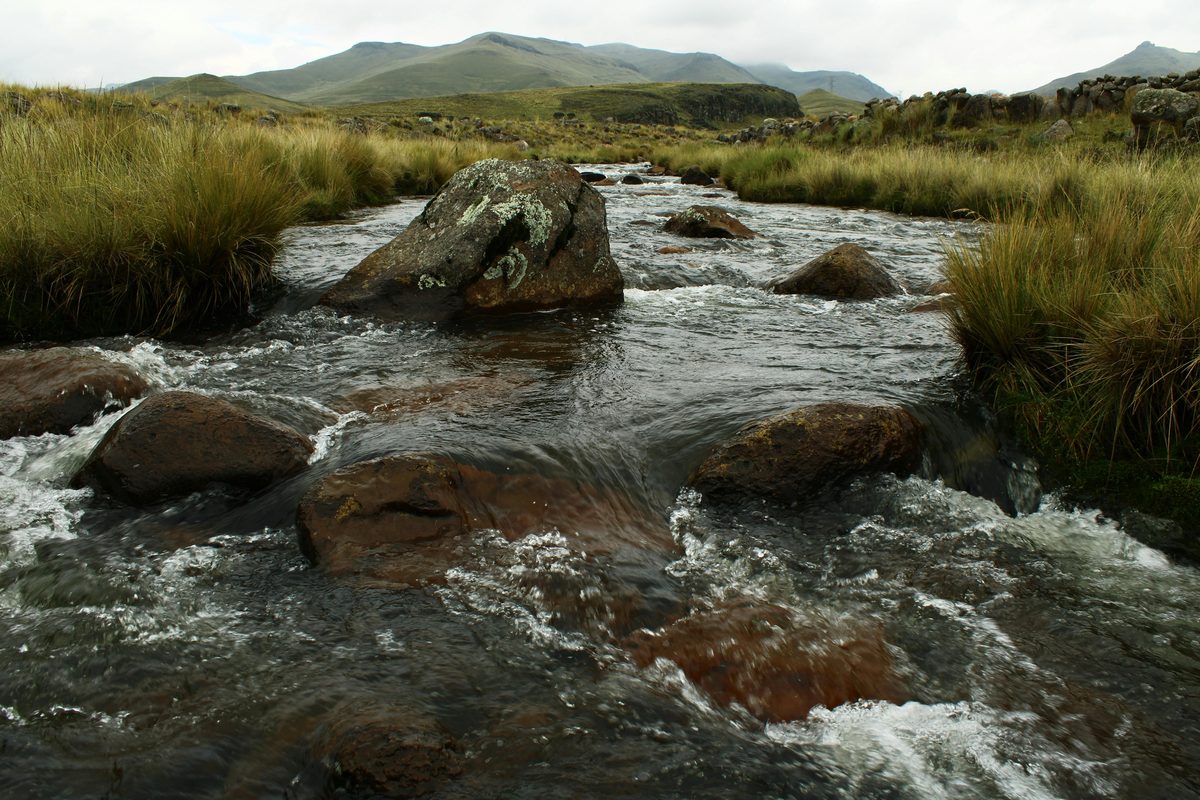
This is the hot spring for people who think Geometricas is too polished. The hike takes about two hours each way, the trail is not always obvious, and you are above 3,000 meters the entire time. I went with a local friend who knew the route, and I would strongly recommend you do the same or hire a guide from Santiago. People have gotten lost up here.
The Access Problem
The land around Termas del Plomo is periodically closed by authorities or private landowners. When I went, access was open. It has been restricted at various points since. Check locally before driving out — ask at outdoor gear shops in Santiago or on Chilean hiking forums. This is a Santiago day trip that requires more planning than most.
Free entry. Bring everything: water, food, first-aid kit, warm layers, sun protection. There is no phone signal at the pools.
4. Termas de Chillan — Ski in the Morning, Soak in the Afternoon
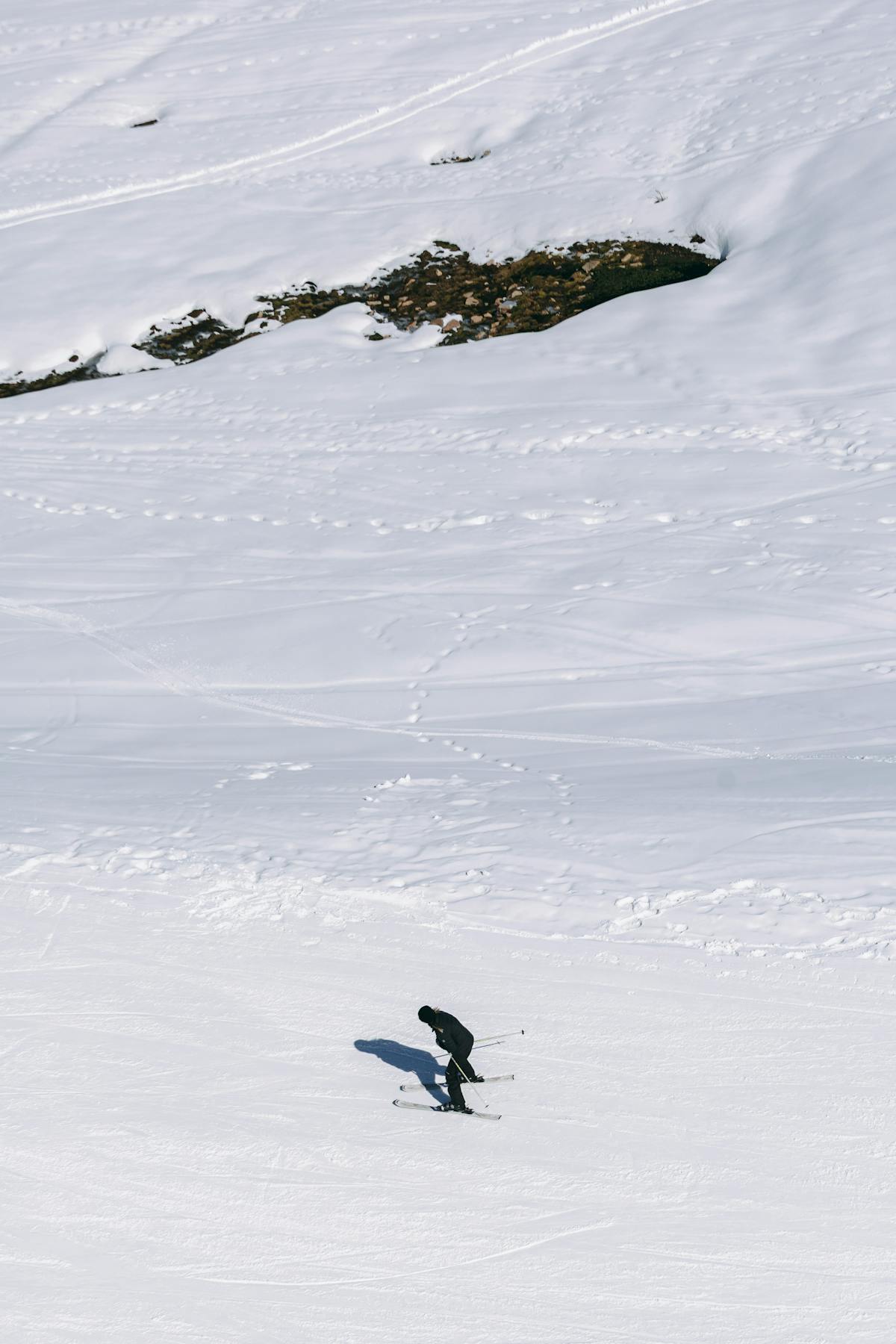
Termas de Chillan is a different category entirely. This is a full resort — hotel, ski lifts, spa complex, restaurants — built around natural hot springs at about 1,650 meters in the Bio Bio region. The appeal is the combination: you can ski or snowboard in the morning, then walk from the slopes to the thermal pools without getting in a car.
I spent two nights here during a July ski trip. The skiing is decent — not world-class, but good enough for a few days, especially the off-piste terrain through the araucaria forests. But the real draw is finishing a day on the mountain and walking to an outdoor pool steaming at 40 degrees with the Andes all around you. That contrast of tired muscles, cold air, and hot water is hard to beat.

The downside: it costs resort prices. Day access to the thermal area runs about 40,000-50,000 CLP ($45-55 USD), and that is just for the pools. Staying at the resort adds up fast. The pools themselves are nice but over-managed — tiled, chlorinated, with pool attendants. It does not feel natural the way the canyon springs in the south do.
Is Chillan Worth It?
If you are already coming for the skiing, absolutely yes. The hot springs are a great add-on to a ski trip. If you are driving five hours from Santiago purely for hot springs, I would send you to other options first. The springs alone do not justify the trip. The springs plus skiing plus the araucaria forest scenery — that is the package that works.
Getting there: five to six hours from Santiago by car, or a domestic flight to Chillan city plus a 90-minute drive up the mountain. The resort runs shuttle services in winter.
5. Termas Huife — The Solid Middle Ground Near Pucon
If Geometricas is the best hot spring near Pucon and Los Pozones is the cheapest, Termas Huife sits neatly in the middle. It is 33 kilometers from town (about 30 minutes), has proper facilities — changing rooms, a restaurant, decent pools — and costs around 28,000 CLP ($30 USD) for a day pass.
The pools are well-maintained and the water temperature is consistent at 38 to 40 degrees. There is a cold plunge pool too, which I used exactly once before deciding I prefer my cold exposure to be accidental. The setting is pleasant — forested valley, views of the river below — but not as dramatic as Geometricas. It feels more like a nice spa and less like a geological wonder.
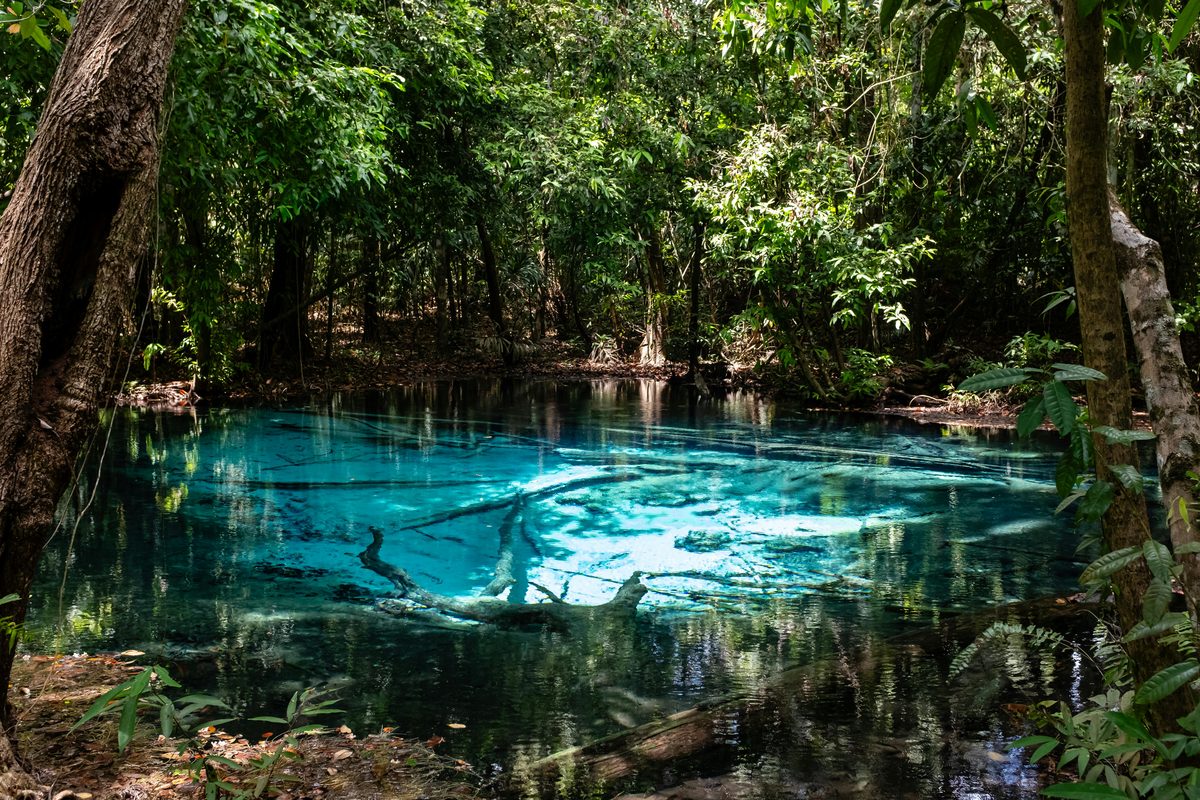
I would recommend Huife if you have limited time in Pucon and cannot make the 90-minute drive to Geometricas. It is a perfectly good hot spring. It just is not the one you will be telling stories about when you get home.
6. Termas Los Pozones — Cheap, Rough, and Honest
Los Pozones is the backpacker option. About 35 kilometers from Pucon, entry costs around 10,000 CLP ($11 USD), and what you get for that price is a series of semi-natural rock pools along the Liucura River. The water is warm — 36 to 39 degrees in most pools — and the vibe is casual to the point of being ramshackle. Wooden changing huts, no lockers, bring-your-own-everything.
I liked it. Not as much as Geometricas, but for a different reason entirely. Los Pozones feels like what hot springs felt like before anyone figured out they could charge $35 entry. You sit in a rock pool, the river runs past, the forest is right there. No boardwalks. No cafe. No Instagram aesthetics. Just warm water and the sound of moving water.
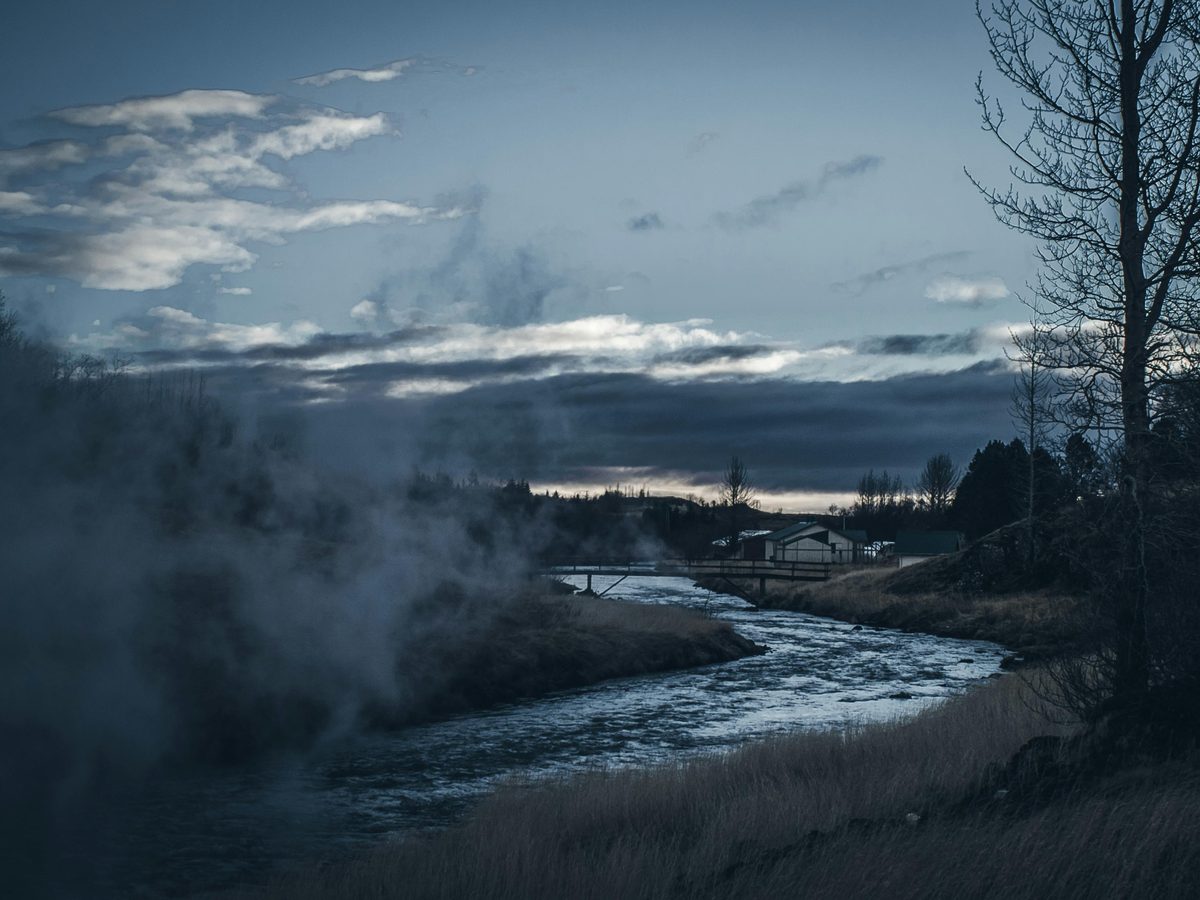
The trade-off is comfort. The changing areas are basic. Water temperature varies depending on which pool you pick and recent rainfall. Some pools are scorching and some are barely warm. You have to explore. And on busy weekends, the small pools fill up fast with groups playing loud music — something that does not happen at the pricier places.
Go on a weekday if you can. Weekday afternoon at Los Pozones, with a beer and a book and nothing on the schedule — that is a solid day in the Lake District.
7. Termas de Colina — Instagram Famous, Slightly Overrated
I am going to be honest: Termas de Colina is the most photogenic hot spring in Chile and one of the least enjoyable to actually visit. Located about 100 kilometers from Santiago in the Cajon del Maipo, these are natural mineral terraces at 3,000 meters — warm water cascading down a hillside, forming pools that look like they belong in a fairy tale. The photos are spectacular. The reality is more complicated.
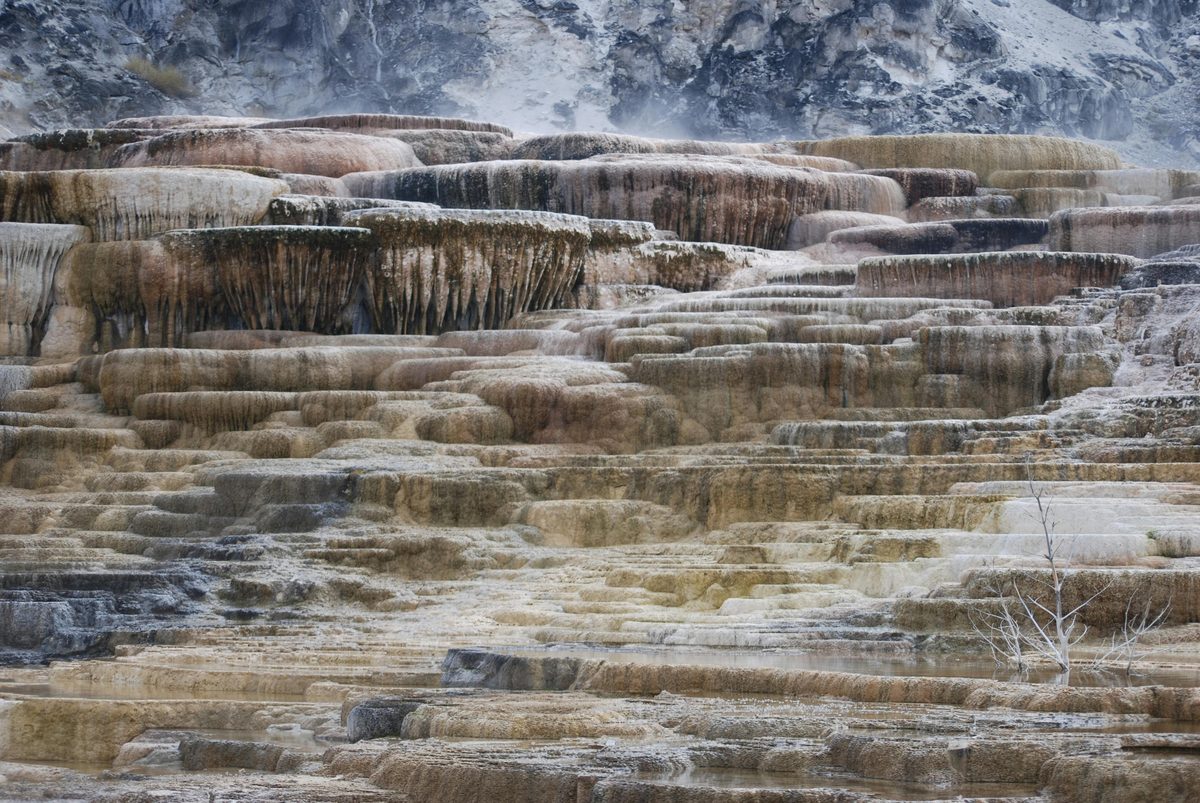
First, the access road is brutal. An unpaved mountain track that takes about two hours from the main road and requires a high-clearance vehicle — ideally 4x4. I went in a rented SUV and still white-knuckled a few sections. Second, the pools are small. When twenty people show up (and twenty people always show up), the magic evaporates. Third, the water temperature is inconsistent — some terraces are warm, others are barely lukewarm depending on the season and water flow.
That said, if you go on a midweek morning in shoulder season and the pools are empty, it is genuinely special. The Andes views from 3,000 meters, the mineral-stained rock, the steaming water against the mountains — I understand why this place is famous. I just wish fewer people knew about it.
Entry is free or a nominal fee (it changes depending on who is managing access that week). Bring everything. No facilities. The Santiago day trip to get here takes a full day — leave early, return late.
8. Termas del Amarillo — The Carretera Austral's Thermal Reward
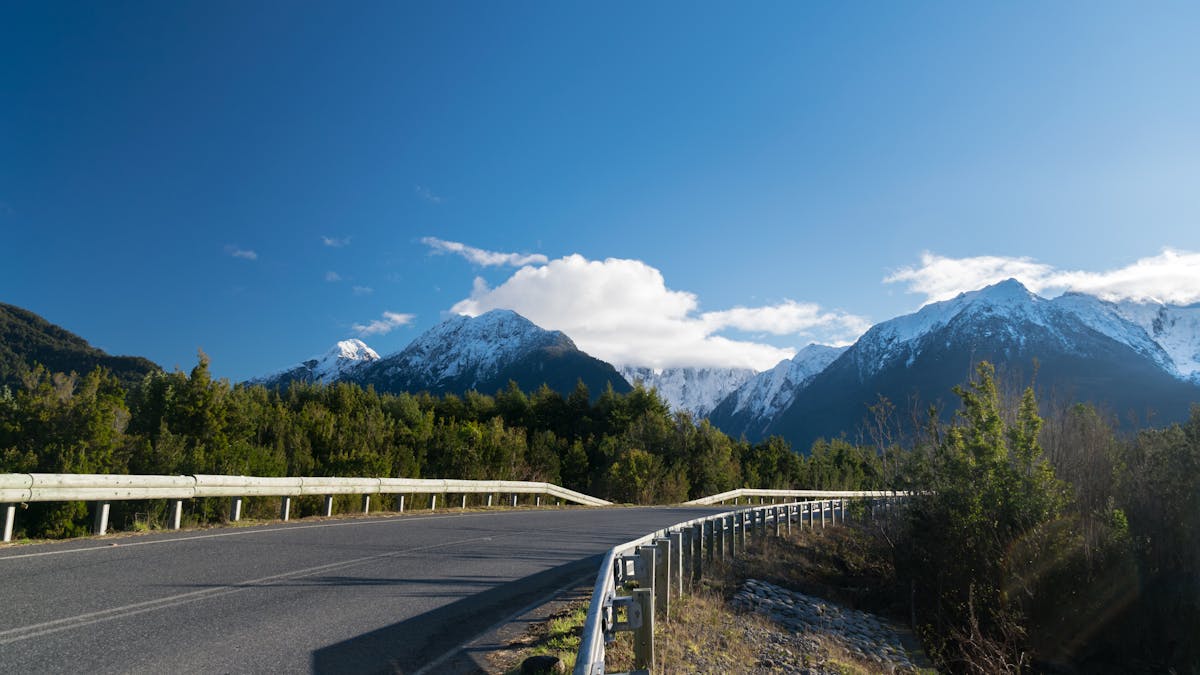
If you are driving the Carretera Austral — and you should be, it is one of the great road trips on the planet — Termas del Amarillo makes a natural stop near Chaiten. These springs sit on the edge of Pumalin Park (now Parque Nacional Pumalin Douglas Tompkins), and the setting reflects that: ancient alerce forests, emerald rivers, and the kind of quiet that only exists in places with almost no people.
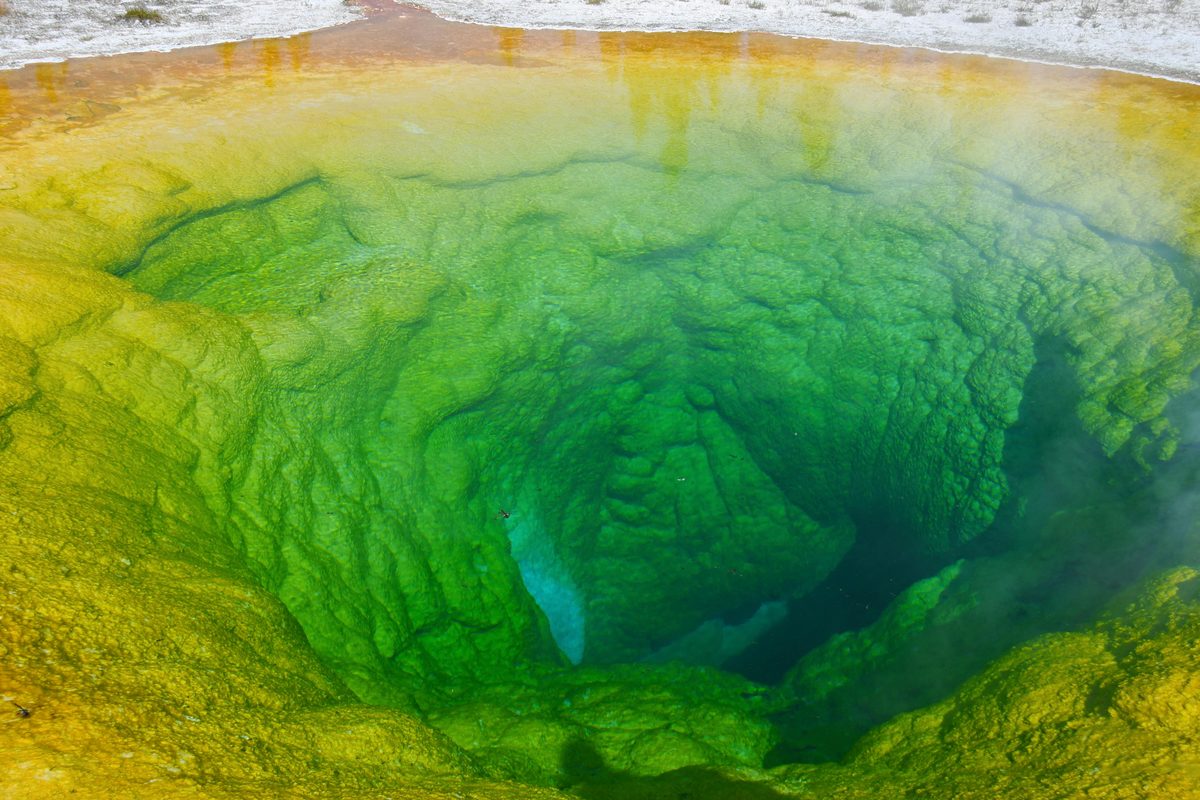
The springs are simple — a few concrete pools filled with naturally heated water at about 37 to 42 degrees. There are basic changing rooms and a small entrance fee of around 5,000 CLP ($5-6 USD). The facilities are modest because everything on the Carretera Austral is modest. That is part of the charm.
What makes Amarillo special is the context. After days of driving gravel roads, camping in the rain, and eating gas station empanadas, you lower yourself into hot water surrounded by thousand-year-old trees and your entire body says thank you. The springs are not architecturally impressive. They do not need to be. They are exactly what you need, exactly when you need them.
Access: just off the Carretera Austral, about 25 kilometers south of Chaiten. You cannot miss the sign. Open year-round but facilities are more reliable in summer (December through March).
9. Termas de Socos — The Norte Chico Surprise
Most travelers heading to La Serena have no idea there are hot springs barely an hour south on the Pan-American Highway. Termas de Socos is a small resort-style thermal complex near Ovalle, with pools fed by natural springs at about 24 to 29 degrees Celsius. That is warm rather than hot — comfortable in the midday sun but not the dramatic steaming experience you get in the south.
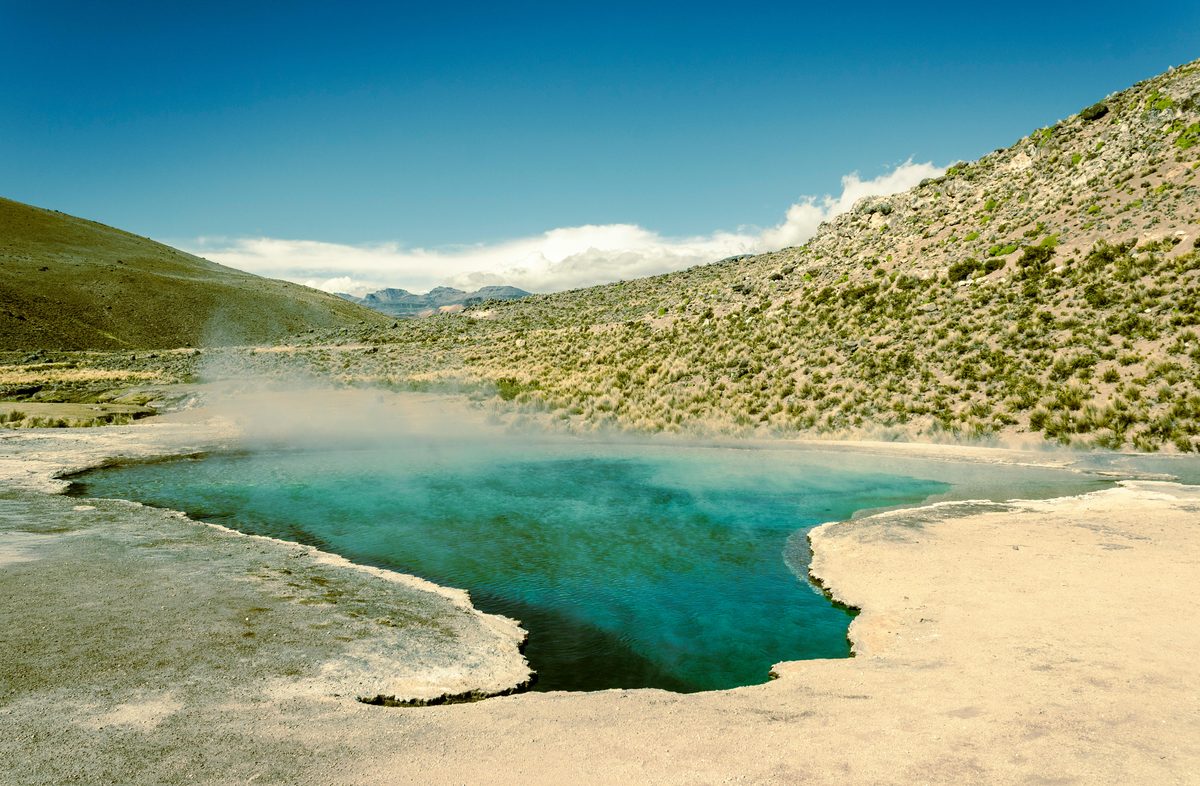
Socos is not a destination hot spring — you would not fly to Chile for this. But if you are driving between Santiago and the north, or spending time in the La Serena area and want a half-day detour, it is a pleasant surprise. The resort has a pool, basic cabins, and a restaurant. Entry runs about 12,000 CLP ($13 USD). It feels like a local weekend getaway rather than a tourist attraction, which can be refreshing after the international crowd at San Pedro.
Honest assessment: this is probably the least dramatic hot spring on the list. The temperatures are mild, the setting is semi-arid scrubland, and the facilities are dated. But the water is mineral-rich, the pace is slow, and you will likely be the only foreigner there. Sometimes that counts for more than it should.
10. Termas de Polloquere — The One at the End of the Earth
I saved the most remote for last. Termas de Polloquere sits in Salar de Surire, a salt flat in Chile's extreme north at about 4,200 meters elevation. This is the altiplano. The air is thin. Flamingos wade in nearby lagoons. The nearest town is two hours away on an unpaved road. You are closer to Bolivia than to any Chilean city.
The springs are completely wild — warm water pools at 30 to 35 degrees at the edge of the salt flat, with views of snow-capped volcanoes in every direction. There is nothing here. No entrance fee. No changing rooms. No other visitors, most likely. Just you, the flamingos, and the kind of silence that rings in your ears because your brain does not know what to do without noise.
I will be straight: getting to Polloquere is a genuine expedition. You need a 4x4, extra fuel, water, food, and ideally a GPS or someone who knows the route. The altitude means headaches and shortness of breath for most people. This is not a casual add-on to your Atacama trip — it is a separate commitment. But if you are the kind of traveler who measures experiences by how far you went to find them, Polloquere is the most rewarding hot spring in Chile.
My Top 5 (Ranked, Final Answer)
After too many hours in mineral water across too many trips, here is where I land:
- Termas Geometricas — The overall best. Go in winter if you can. The canyon, the boardwalk, the seventeen pools — nothing else in Chile touches this.
- Termas de Puritama — Best hot spring in the north. The desert setting elevates it beyond the actual water temperature.
- Termas del Plomo — Best wild/free hot spring. If you are willing to hike and navigate access issues, the reward is real.
- Termas de Polloquere — Best for adventurers. The remoteness is the point. Not for everyone, and that is also the point.
- Termas del Amarillo — Best for context. After three days on the Carretera Austral, this becomes the highlight of the week.
The Overrated Picks (Sorry)
I know this will irritate some people, but two hot springs on this list get more hype than they deserve:
Termas de Colina is visually stunning and practically frustrating. The access road, the crowds, the inconsistent water temperature — the experience rarely matches the Instagram posts. Go if the conditions are right, but lower your expectations.
Termas de Chillan is a resort that happens to have hot springs, not a hot spring that happens to have a resort. If you strip away the skiing and the hotel, the thermal pools alone would not make this list. They are fine. They are chlorinated. They have pool attendants. That is not why I go to hot springs.
Practical Stuff: When to Go, What to Bring, What It All Costs
Best Season for Hot Springs
Winter (June through August) is the best time for hot springs in the south — Pucon area, Chillan, Carretera Austral. The contrast of cold air and hot water is the entire experience. Some springs have reduced hours or close temporarily after heavy snowfall, so check before driving out.
For the Atacama springs (Puritama, Polloquere), any time of year works, but avoid the altiplanic winter (January-February) when afternoon storms can make access roads impassable.
Santiago-area springs (Plomo, Colina) are best from October through April when the access roads are clear of snow.
What to Bring to Every Hot Spring
- Towel — most places do not provide them, or charge extra
- Flip-flops or sandals — walking barefoot on volcanic rock is a mistake you make once
- Water bottle — you sweat more than you realize in hot water, especially at altitude
- Sunscreen — yes, even in winter. Reflection off water and snow multiplies UV exposure
- Cash in Chilean pesos — many rural springs do not take cards. Check our money guide for ATM tips
- A dry bag or ziplock for your phone — steam kills electronics slowly
Cost Comparison
| Hot Spring | Entry Cost (CLP) | Entry Cost (USD) | Facilities |
|---|---|---|---|
| Termas Geometricas | 32,000 | ~$35 | Full (changing rooms, cafe, lockers) |
| Termas de Puritama | 15,000 | ~$17 | Good (changing rooms, walkways) |
| Termas del Plomo | Free | Free | None |
| Termas de Chillan | 40,000-50,000 | ~$45-55 | Resort (spa, restaurant, hotel) |
| Termas Huife | 28,000 | ~$30 | Full (restaurant, changing rooms) |
| Termas Los Pozones | 10,000 | ~$11 | Basic (simple changing huts) |
| Termas de Colina | Free/nominal | Free/nominal | None |
| Termas del Amarillo | 5,000 | ~$6 | Basic (simple changing rooms) |
| Termas de Socos | 12,000 | ~$13 | Resort-style (pool, cabins) |
| Termas de Polloquere | Free | Free | None |
A Few Things Nobody Tells You
Sulfur smell is real. Some springs smell like rotten eggs. Geometricas is mild. Plomo is strong. Your swimsuit will smell for days after certain springs — bring one you do not mind sacrificing.
Altitude matters more than you think. Puritama at 3,500 meters and Polloquere at 4,200 meters will leave you lightheaded faster than you expect when combined with hot water. Take it slow. Do not jump in and stay for two hours on your first day at elevation. I made this mistake at Puritama and had to sit on a rock with my head between my knees for fifteen minutes.
The best hot spring is the one that fits your trip. If you are in Pucon, go to Geometricas. If you are in the Atacama, go to Puritama. If you are driving the Carretera Austral, stop at Amarillo. Do not rearrange your entire itinerary to hit all of them. That is a different trip — and honestly, after the fourth hot spring in a week, they start to blur together. Pick two or three that align with where you are already going. That is the move.
Chile has more hot springs than any other country I have traveled in, relative to its size. Somewhere in the Andes, right now, there is warm water pushing up through the rock with nobody sitting in it. That thought alone is enough to make me start planning the next trip.