This article contains affiliate links. If you book through them, I earn a small commission at no extra cost to you.
The chairlift crested the ridge and the world dropped away. To my left, a wall of Andean granite rising into nothing but blue. To my right, a snowfield that rolled down and down until it faded into brown foothills somewhere far below. Directly ahead, a run that was wider than any piste I had ever skied in Europe, completely empty, not a single other person on it. It was a Tuesday morning in July — the dead middle of a Northern Hemisphere summer — and I was standing at 3,600 meters in the Chilean Andes, clipping into my bindings, genuinely laughing out loud at the absurdity of it all.
That is the pitch for skiing in Chile. While everyone back home is at the beach, you can be carving groomers above the clouds two hours from Santiago. The resorts are smaller than the Alps or the Rockies — I want to be honest about that from the start — but the snow is real, the terrain is dramatic, and on a good day you share runs with a handful of locals and nobody else. I have skied Valle Nevado, Portillo, and El Colorado across multiple trips, and day-tripped to the southern volcanoes where you ski on actual lava fields dusted in white. This is everything I know.
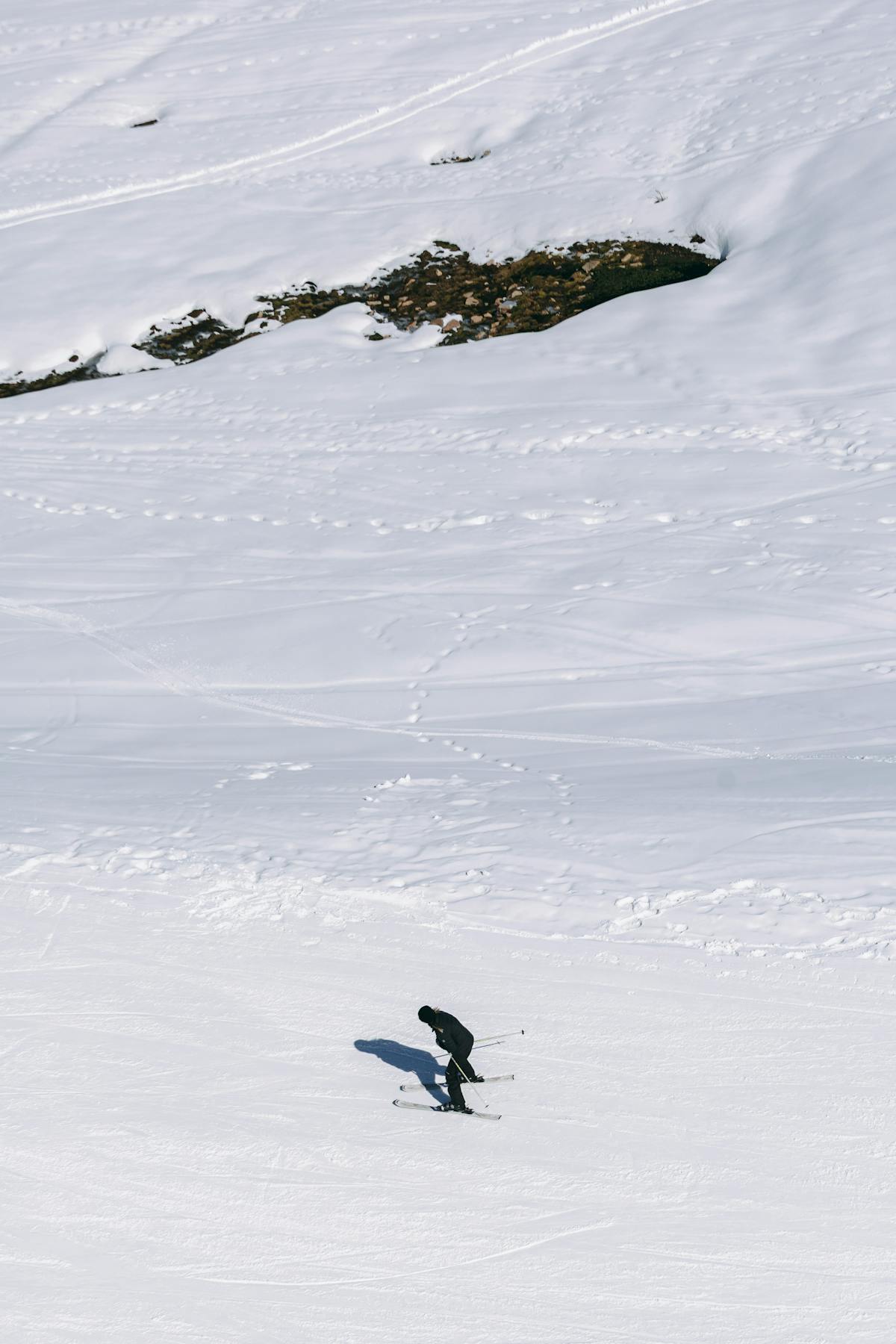
Why Chile? The Case for Southern Hemisphere Skiing
The obvious reason is timing. Chile's ski season runs from mid-June through September, peaking in July and August — the exact window when every resort in North America and Europe is closed. If you are the kind of person who gets restless by August and starts doom-scrolling ski videos, Chile is the cure. You can fly to Santiago, be on snow within two hours of landing, and squeeze in a full week of skiing during what your employer thinks is a normal summer vacation.
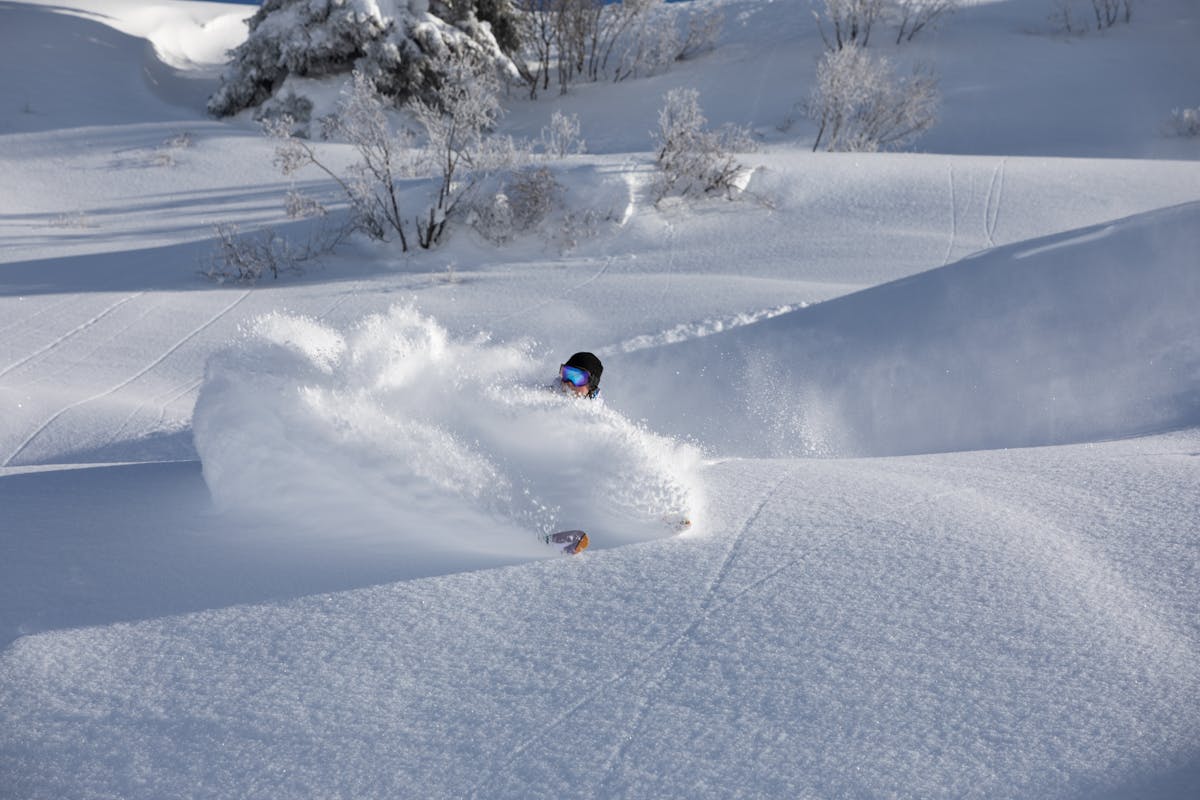
But timing is only half of it. Chilean ski areas sit at elevations that European resorts dream about — Valle Nevado's base is at 3,025 meters, the top of the lifts hits 3,670. Higher than the summit of most Alpine resorts. The altitude means the snow is dry and consistent, more like Colorado powder than the heavy cement of the Pacific Northwest.
And the scale of the mountains themselves is different from anything in Europe. In the Alps, you ski between peaks. In Chile, you ski on one massive wall of the Andes, and on clear days from Valle Nevado I could see the Santiago skyline shimmering 40 kilometers below. That perspective — city, desert, mountain, snow — does not exist anywhere else I have skied.
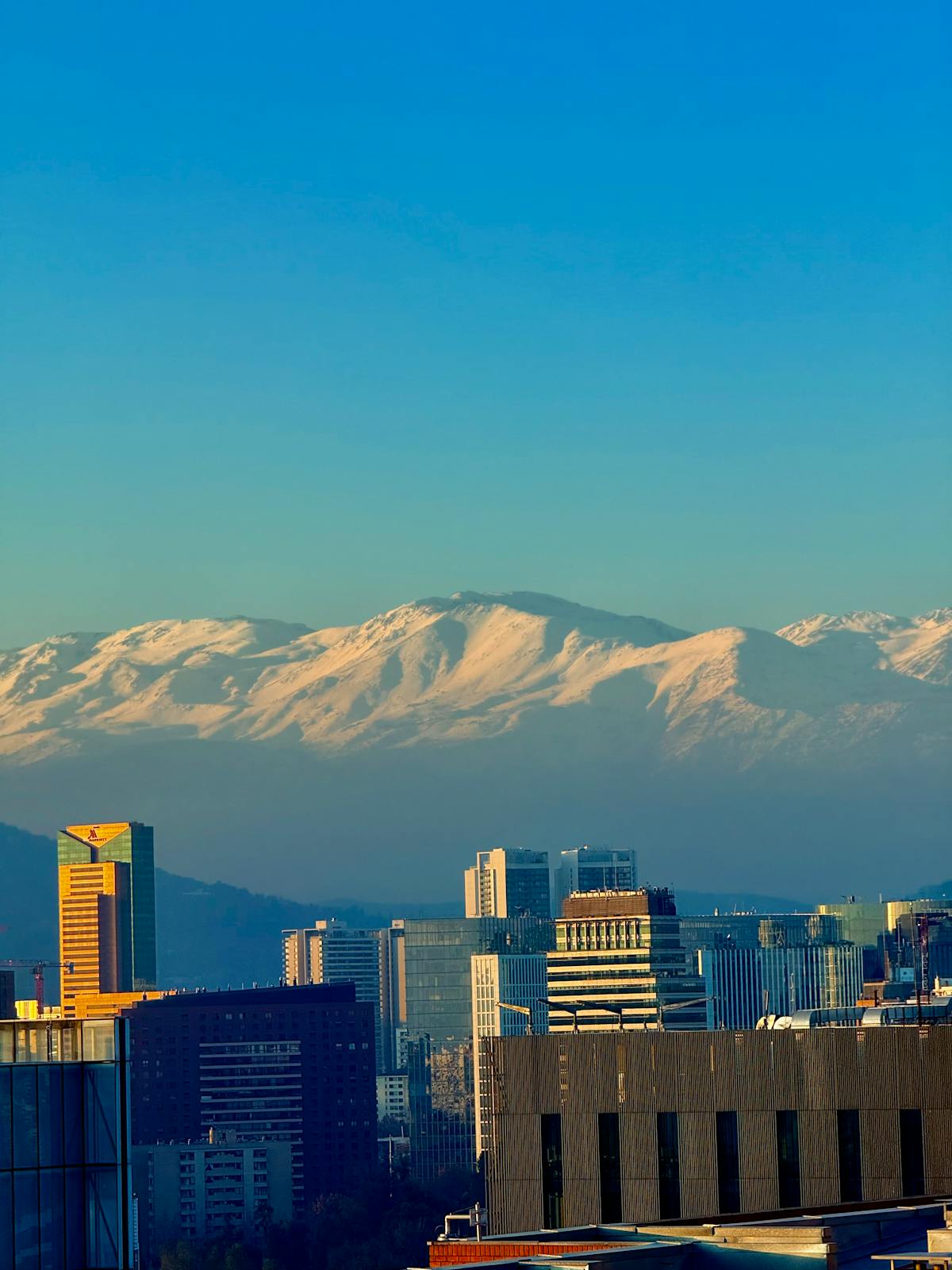
The Tres Valles — Valle Nevado, La Parva, and El Colorado
These three resorts sit side by side in the mountains directly above Santiago, about 60 kilometers east of the city center. Together they form what locals call the Tres Valles — three valleys — with a combined skiable area approaching 7,000 acres. In 2025, La Parva and Valle Nevado came under the same ownership, which means the interconnect between them is finally getting real investment. The plan is a proper lift-linked system, like the Trois Vallees in France but at twice the altitude and a fraction of the crowds.
The drive up from Santiago takes about ninety minutes on a series of switchbacks — curvas, the locals call them — climbing from 600 meters to the resort gates above 2,500. Chains are mandatory after snowfall. I drove it once in a rental car and twice in a shuttle van, and I would recommend the van every time. KL Adventure and several operators run daily shuttles from Santiago hotels for $25-35 round trip.
Valle Nevado — The Flagship
Valle Nevado is the biggest of the three and the one most set up for international visitors. It has the most lifts, the most groomed terrain, the best snowmaking, and the only real base village — three hotels clustered at the bottom of the slopes where you can ski in and ski out. If you are coming from abroad and want the most straightforward experience, this is where you start.
The skiing is mostly intermediate — long, wide groomers descending open bowls above the treeline. No trees up here, just rock and snow and sky. The runs are not steep by expert standards, but they are long, and on my best day the snow stayed consistent from first chair to last.
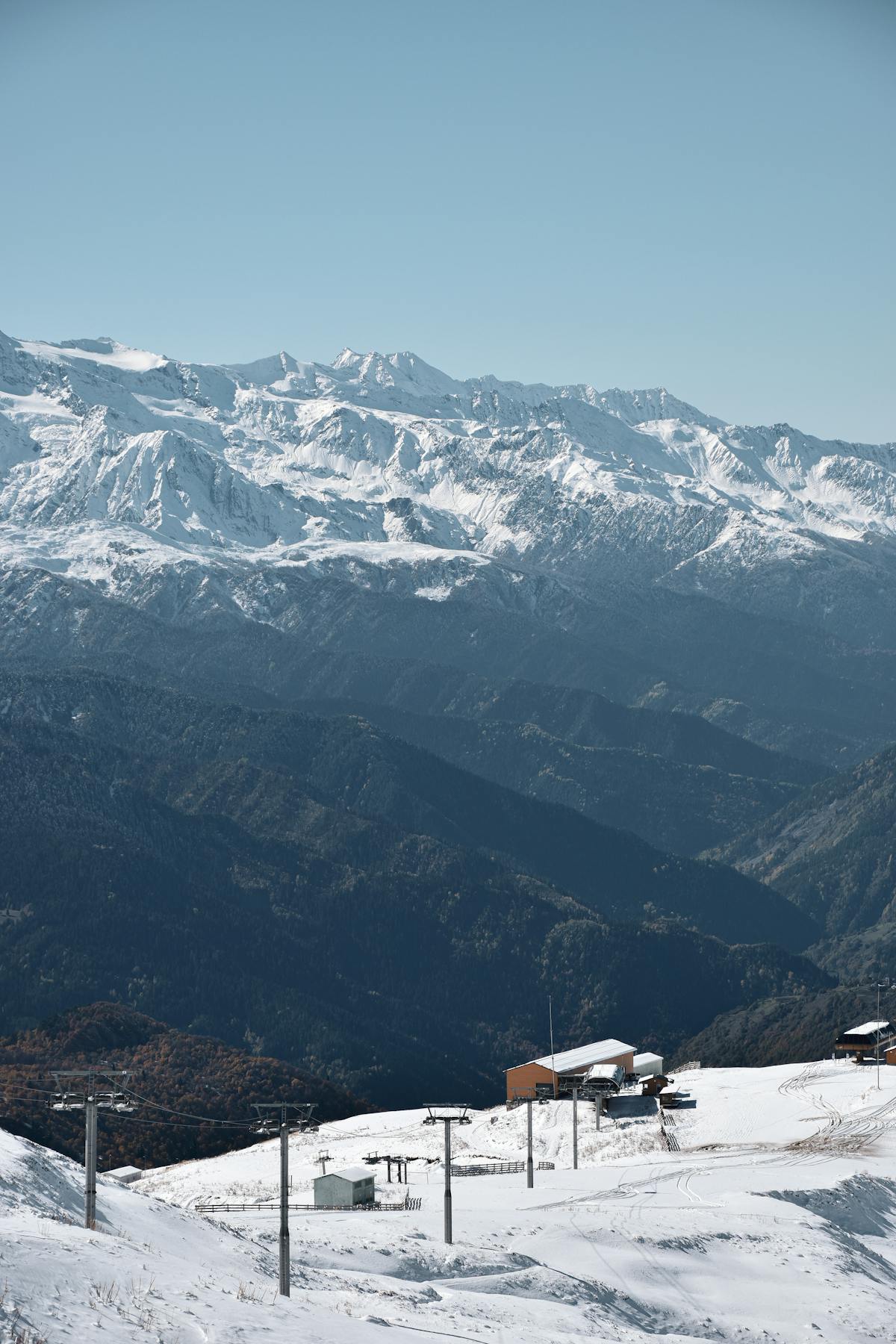
For experts, the off-piste is where it gets interesting. The terrain is open and above the treeline, so you can see your lines from the lift. I found fresh tracks two days after a storm simply by traversing skier's right off the top chair — the locals stick to groomers, leaving the off-piste surprisingly untouched. Valle Nevado is also the launching point for backcountry touring deeper into the Andes, but you need a guide and avalanche gear for that.
Lift tickets run around $60-80 USD for a day pass depending on when you buy and which day of the week. Book online in advance — the walk-up price is noticeably higher. You also need a rechargeable Valle Plus card (about $5) that works as your lift pass. Gear rental is available at the base and is decent quality but not cheap — budget $40-50 per day for skis, boots, and poles.
Quick Tip
The altitude at Valle Nevado is no joke. The base sits at 3,025 meters and the top of the lifts hits 3,670. If you just flew into Santiago at sea level, give yourself at least one full day in the city before heading up. I ignored this advice on my first trip, spent the morning feeling dizzy and nauseous, and lost half a ski day. Drink water, skip the wine the night before, and take the first couple of runs easy.
La Parva — Where the Santiaguinos Go
La Parva is the locals' mountain. Where Valle Nevado has hotels and an international marketing budget, La Parva has condominiums and a parking lot full of Santiago license plates. The vibe is completely different — more like a community ski hill that happens to be at 3,000 meters in the Andes. The terrain skews harder than Valle Nevado, with steeper pitches and more interesting fall-line skiing, and the lift lines are shorter because fewer tourists know about it.
I liked La Parva more than I expected. Tight chutes, wide bowls, a terrain park the local kids session all day — and the lack of base-area infrastructure means it is cheaper. Day passes are $10-15 less than Valle Nevado. The catch: no hotels at La Parva itself, so you are day-tripping from Santiago or staying at Valle Nevado and skiing over.
With the new shared ownership, the interconnect between La Parva and Valle Nevado is improving fast. The goal is a single lift ticket covering both areas — check the current status when you book, as timelines keep shifting.
El Colorado and Farellones — The Beginner-Friendly Option
El Colorado is the closest of the three to Santiago, and its lower neighbor Farellones functions as a snow-play area for families — tubing, sledding, first-time-in-snow stuff. El Colorado proper has legitimate ski terrain and a good mix of beginner and intermediate runs. I spent one day there and it was fine — more limited than Valle Nevado, older facilities, but the same snow quality and zero lift lines. For a first-timer who wants to try skiing without spending a fortune, this is the smart choice. Day passes are the cheapest of the three, around $45-55 USD.
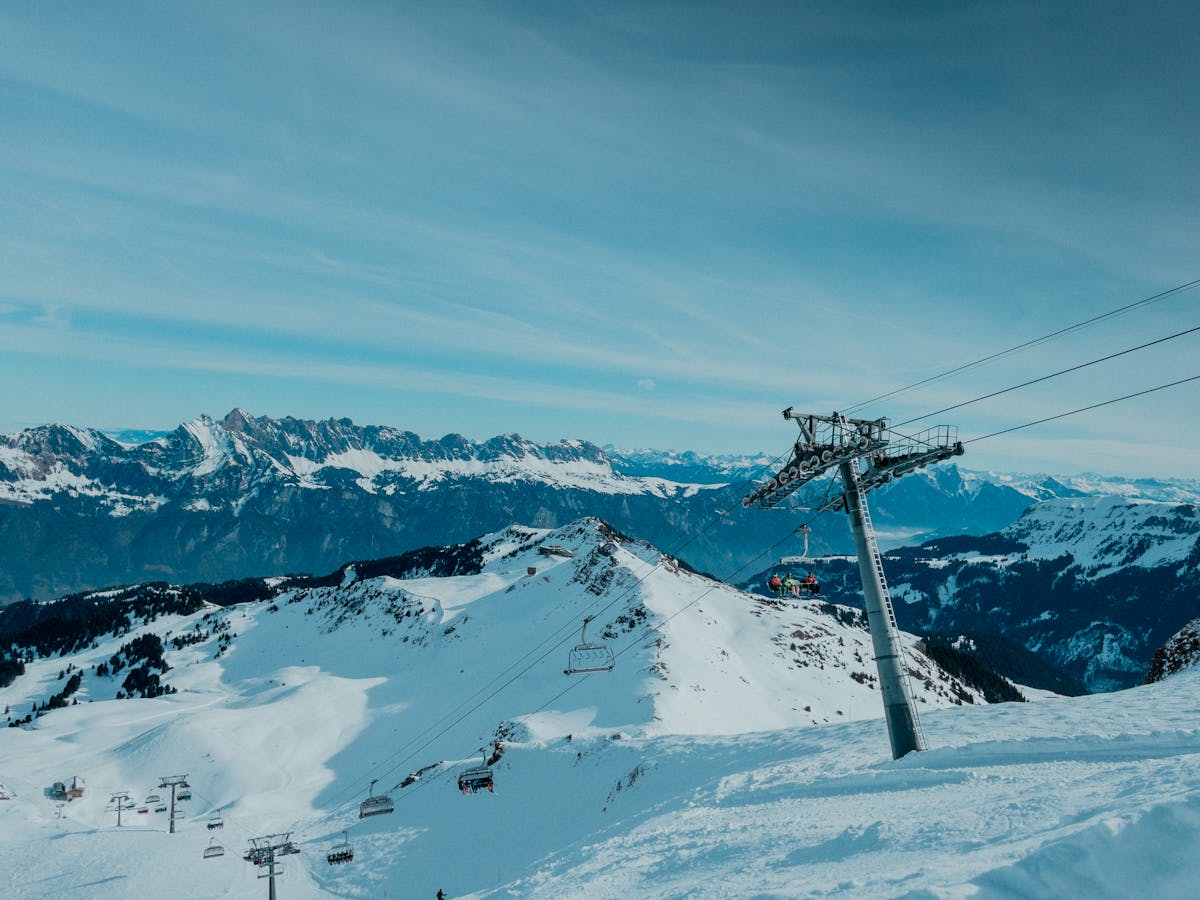
Portillo — The Legend on the Lake
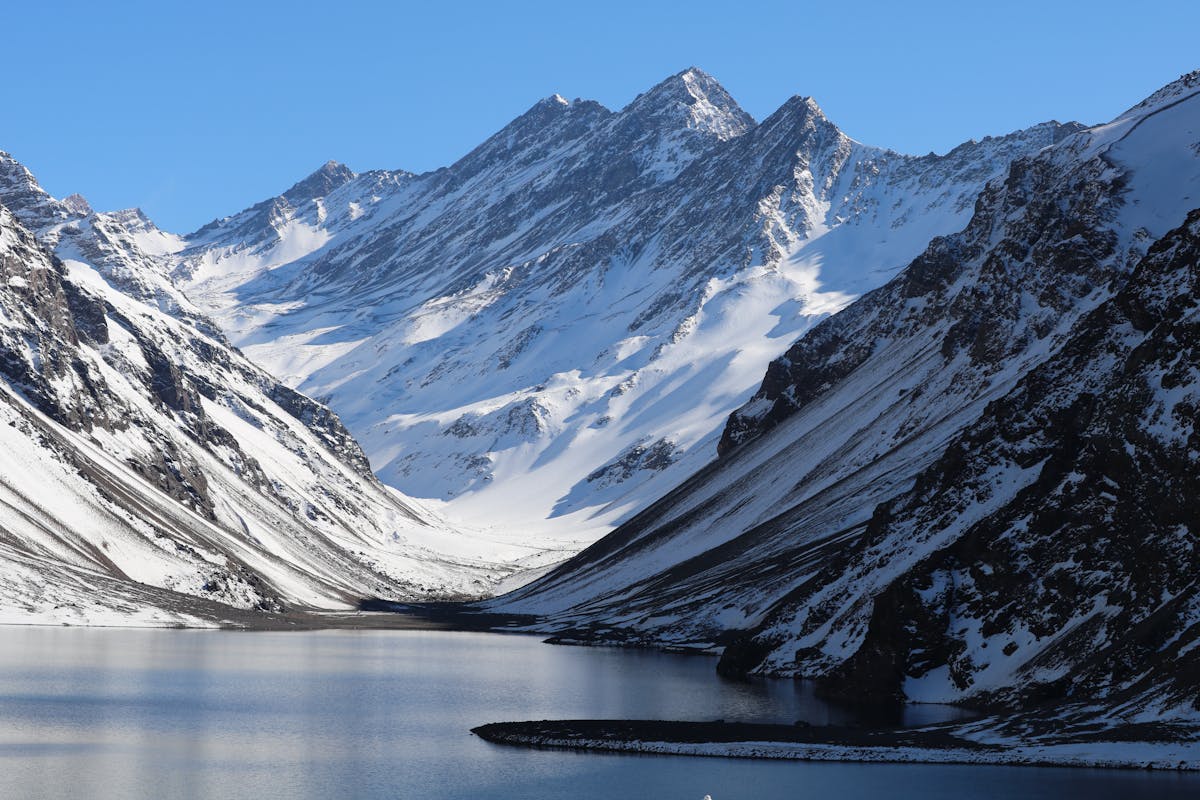
Portillo is a different animal. It sits 160 kilometers north of Santiago on the road to the Argentine border, at the foot of a mountain called Juncal, overlooking a lake so blue it looks photoshopped. This is Laguna del Inca, a high-altitude lake that fills the valley below the resort and provides what might be the single most dramatic backdrop of any ski area on Earth. I do not say that lightly.
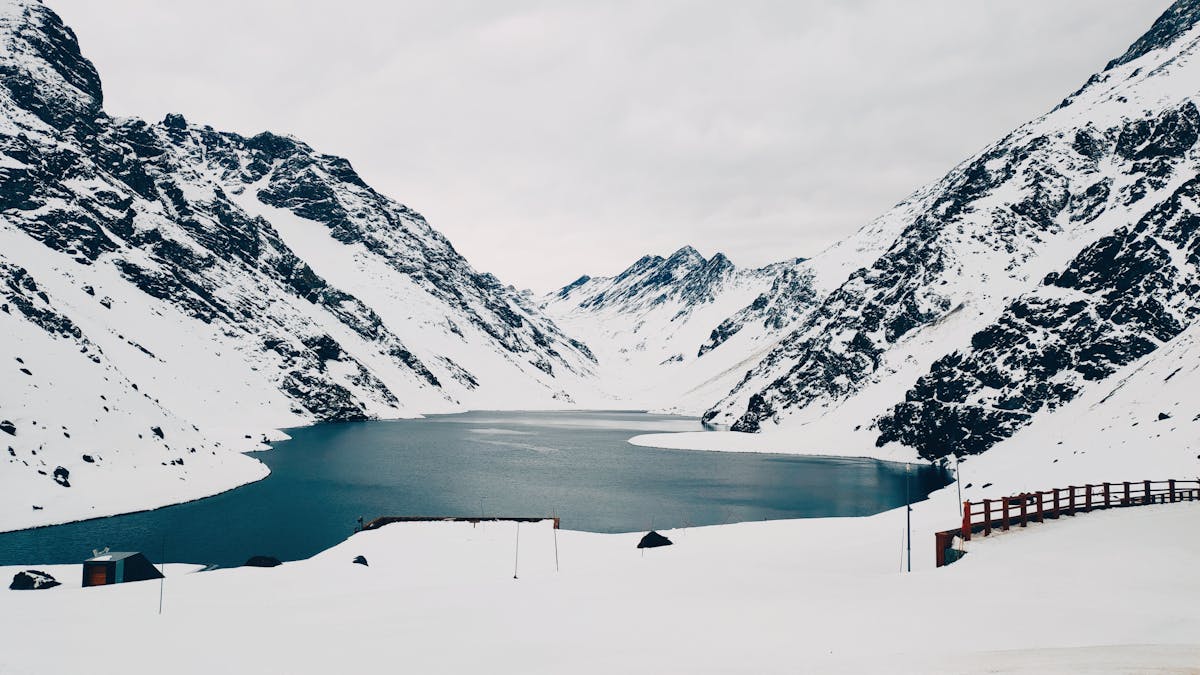
Portillo opened in 1949 and has a deliberate old-school feel. One hotel — the famous bright yellow Hotel Portillo — a couple of lodges, and nothing else. No village, no town, no condos. Capacity is capped at around 500 guests, which means the slopes are always empty and the hotel feels like a house party where everyone knows each other by day two.
The skiing is expert-oriented. Portillo is famous for its va-et-vient lifts — slingshot-style surface lifts that pull groups up terrain too steep for a conventional chairlift. The Super C couloir is a pilgrimage for steep-skiing fanatics. But there are groomed runs for intermediates too, and the main face off the Juncal chair is a satisfying long cruise.
Week-long packages start around $1,550 per person (budget lodge) including meals and lift access. Day visits cost $80-100 for a lift ticket — the most expensive in Chile, but Portillo is not about the cost math. It is about the lake, the history, and skiing you cannot get anywhere else. The drive from Santiago takes two and a half hours on Ruta 60, and several operators run day trips if you do not want to drive.
Villarrica and Pucon — Skiing on a Live Volcano
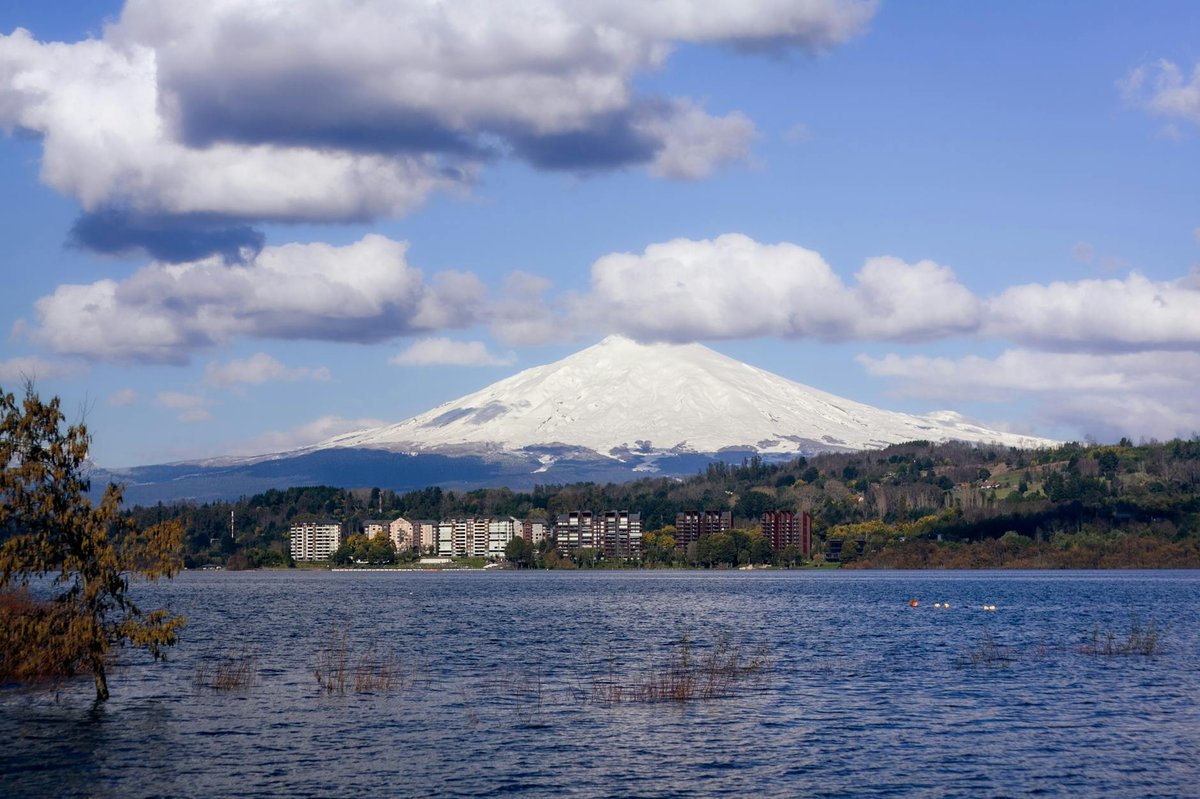
About 700 kilometers south of Santiago, in the Lake District, the town of Pucon sits below an active volcano with a small ski area on its northern slope. Volcan Villarrica is 2,847 meters high, smokes constantly, and last erupted in 2015. You can ski on it.
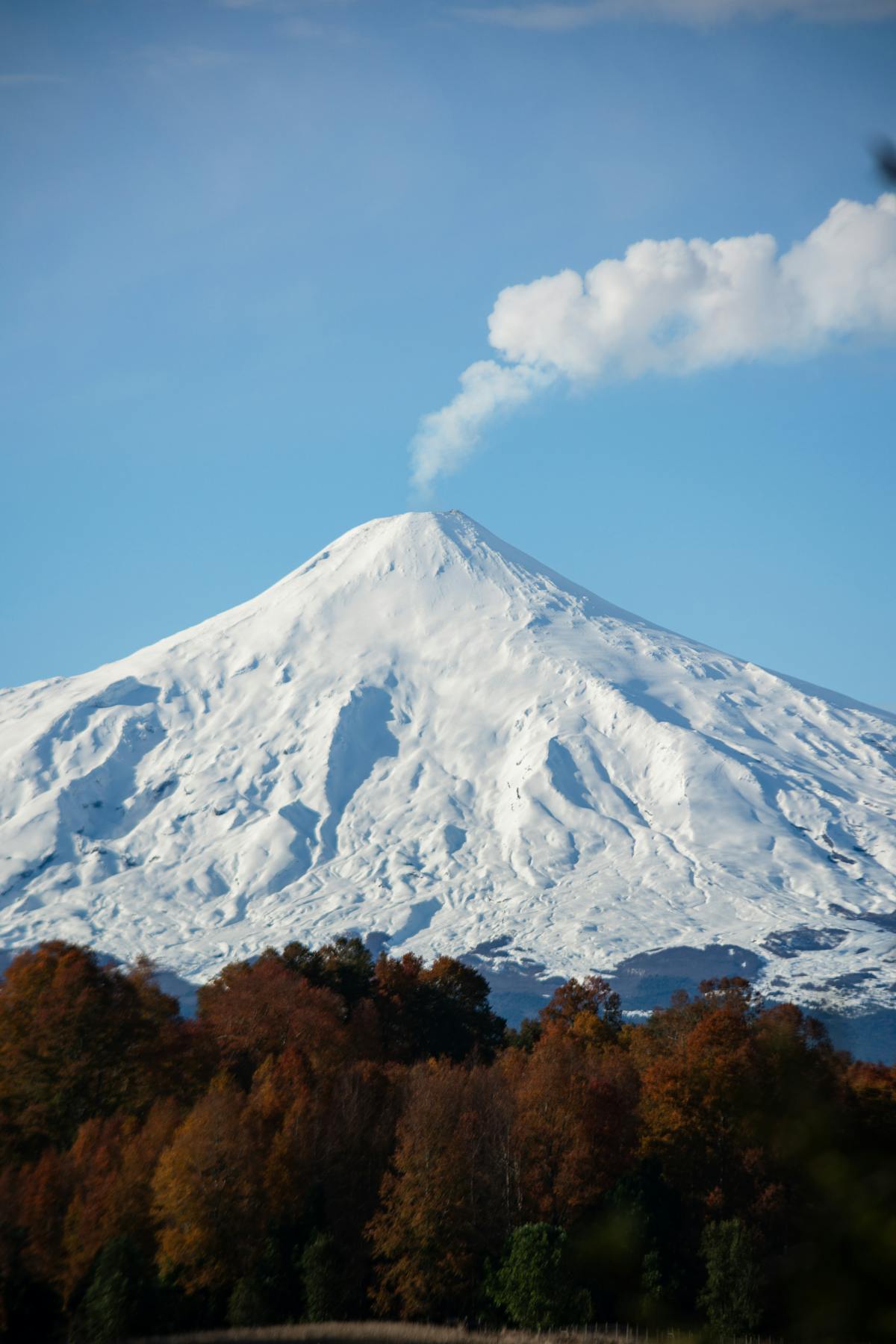
The skiing is modest — a handful of lifts, mostly beginner terrain, limited vertical. Not a destination you fly to Chile for. But if you are already in Pucon (and you should be), spending a day on the volcano stays with you. The runs weave between hardened lava flows, the terrain is unlike anything you have skied before, and the views over Lago Villarrica are staggering.
Pucon itself is a great base — good restaurants, solid hostels, a relaxed energy that reminds me of Queenstown without the price tag. In winter, combine the volcano skiing with the area's famous hot springs — Termas Geometricas is an hour away and worth every minute. If you are building a two-week Chile itinerary, Pucon deserves two or three days whether you ski or not.
Termas de Chillan — Where You Ski All Day and Soak All Night
Termas de Chillan — now officially called Nevados de Chillan — is the resort I tell people about when they ask what makes Chilean skiing different from anywhere else. It sits on the side of an active stratovolcano about 480 kilometers south of Santiago, and it has something no other resort in the country can match: natural volcanic hot springs right at the base area. You ski all morning, eat lunch in the lodge, soak in a steaming outdoor pool with the snow-covered volcano above you, and then go back out for afternoon runs. I have done a lot of ski trips and that combination still feels like it should not be real.
The skiing is legitimately good too. Nevados de Chillan has more terrain diversity than the Tres Valles — actual forests of southern beech to weave through, open bowls above the treeline, and cat-skiing operations that access terrain few people ever touch. The snow tends wetter than Valle Nevado (lower altitude, more Pacific moisture), but on a good day after a storm, the tree skiing is outstanding.
The downside is access. Chillan is a five-hour drive from Santiago or a short flight followed by ninety minutes on a mountain road. This is a place you commit to for at least two or three nights. But the upside of that isolation is real — fewer international tourists, more Chilean families, and a pace closer to a mountain retreat than a ski vacation.
Corralco — Araucaria Forests and Volcano Craters
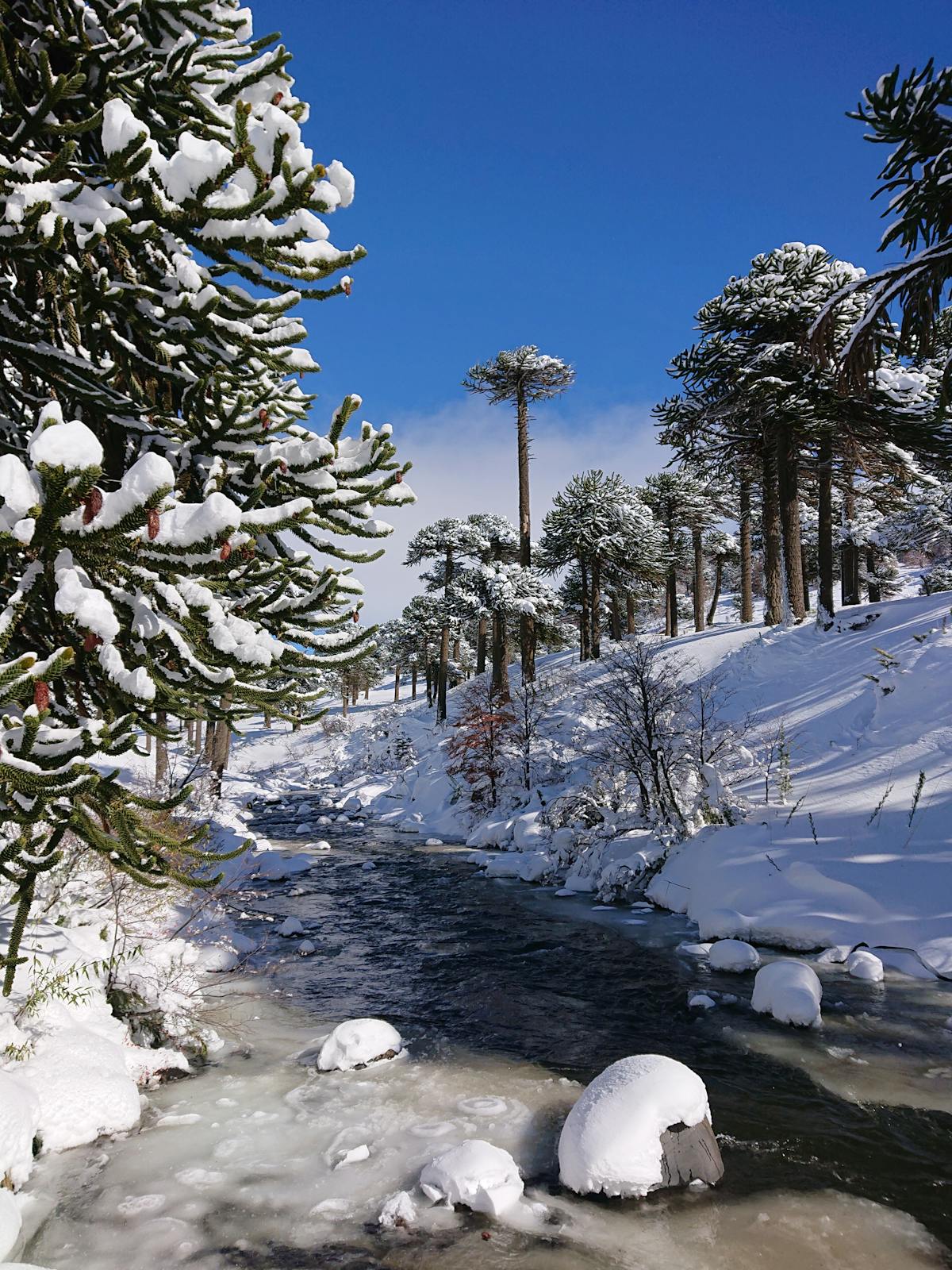
Corralco is the sleeper pick. Located on the Lonquimay Volcano in the Araucania region, about 750 kilometers south of Santiago, this small resort does not show up on most international ski radars. That is a mistake. Corralco has something that no other resort in Chile or anywhere else offers: skiing through forests of araucaria trees, the ancient monkey puzzle trees that look like they belong in a dinosaur movie. The branches hold snow in perfect white clumps and the effect of skiing between them is genuinely otherworldly.
The resort is small, but you can skin up Lonquimay Volcano and ski down into the crater, which is exactly as wild as it sounds. I had full runs to myself every single time down. Like Termas de Chillan, Corralco requires commitment — fly to Temuco and drive two and a half hours, or fold it into a Lake District road trip. It is not the place for someone who wants a polished resort experience. It is the place for someone who wants to tell a story that nobody at home will believe.
The Season — When to Go and What to Expect
The Chilean ski season runs from mid-June to late September, with the sweet spot being July through mid-August. This is the dead of the Southern Hemisphere winter and when you will find the most consistent snow coverage, the coldest temperatures, and the best conditions overall.
June can be hit or miss — some years the snow comes early, other years the resorts limp along on snowmaking. I would not plan a trip around early June unless you are flexible with dates. Late August and September are spring skiing — corn snow, longer days, thinning coverage. If you want powder, aim for July.
One thing that surprised me: Chilean snow comes in big dumps followed by long dry spells. A Pacific storm will roll in and drop 30-60 centimeters in two days, then it will be clear and dry for two weeks. The powder days are epic if you time it right, but mid-season dry spells are common. Check snow reports before booking. Our when-to-visit guide covers seasonal timing for the whole country.
The Honest Comparison — Chile vs. the Alps and the Rockies
I want to level with you here, because I have read too many Chile skiing articles that oversell it. Chilean ski resorts are not as big as the major European or North American destinations. Valle Nevado, the largest in the country, has about 40 runs. Whistler has over 200. The Three Valleys in France have 600 kilometers of connected pistes. Chile is not competing on that level and it would be dishonest to pretend otherwise.
The lift infrastructure is older and slower — no heated gondolas, no high-speed eight-packs. The base facilities are functional but not luxurious. If you are used to the Austrian hut system or the restaurant scene at Aspen, Chile will feel stripped down.
So why go? The timing — you cannot ski anywhere in the Northern Hemisphere in July. The emptiness — I skied Valle Nevado on a Saturday in peak season and waited in a lift line for five minutes; on weekdays, never at all. And the novelty. Soaking in volcanic hot springs after a morning on the slopes, carving between araucaria trees on a live volcano — these experiences do not exist anywhere else, and for a lot of skiers, that novelty is worth more than an extra hundred kilometers of piste.
Costs — What to Budget
Chile is cheaper than the Alps or major US resorts once you factor everything in. Here is what I spent on my most recent trip.
| Item | Cost (USD) |
|---|---|
| Day lift ticket, Valle Nevado (bought online) | $60-80 |
| Day lift ticket, El Colorado | $45-55 |
| Day lift ticket, Portillo | $80-100 |
| Full gear rental (skis, boots, poles) per day | $35-50 |
| Shuttle bus Santiago to Tres Valles (round trip) | $25-35 |
| On-mountain lunch | $15-25 |
| Hotel in Santiago (mid-range) | $60-90/night |
| Hotel at Valle Nevado (ski-in/ski-out) | $180-350/night |
A day trip from Santiago to Valle Nevado — transport, rental gear, lift ticket, and lunch — comes out to roughly $150-180 USD all-in. Cheaper than Vail or Zermatt, comparable to a mid-tier Colorado resort. The biggest saving is accommodation: a good hotel in Santiago costs a fraction of a resort town, and the commute is only ninety minutes. This is the strategy most locals use. Our money and costs guide covers general Chile travel budgeting.
Quick Tip
Rent your gear in Santiago, not at the resort. Several shops on the route to the mountains (KL Adventure is the best-known) rent gear at lower prices than the resort base and include transport. You pick up everything at the shop on the way up and drop it off on the way down. Saves money and time.
Getting There from Santiago
All roads lead through Santiago. For the Tres Valles, the shuttle bus is the move — $25-35 round trip, ninety minutes each way, and the drivers know the switchback road better than you ever will. Book through your hotel or directly with KL Adventure or Ski Total. If you insist on a rental car, get an SUV and buy chains at the Homecenter in Santiago first. The mountain road after snowfall is no joke. More on getting around Chile in our transport guide.
For Portillo, the drive is two and a half hours via Ruta 60 — shuttles run less frequently, so check schedules. For the southern resorts, you need a domestic flight to Chillan, Temuco, or Pucon followed by a rental car, or fold them into a longer road trip through the south.
Day Trip vs. Overnight — How to Structure Your Ski Week
For the Tres Valles, day-tripping from Santiago is the default and it works well. You lose about three hours to the round-trip commute, but you gain cheap accommodation and good restaurants in the city. Most locals do this and most visitors should too. Santiago is a great city in its own right — our Santiago guide covers why it deserves more than a transit stop. Staying overnight at Valle Nevado makes sense if you want first chair after a snowfall, but expect to pay $180-350 per night.
For Portillo, overnight is part of the experience — the all-inclusive week-long packages are the traditional way to do it and they are genuinely fun. For the southern resorts, overnight is mandatory. Termas de Chillan, Corralco, and Pucon are too far from Santiago for a day trip. Plan two to three nights minimum, ideally as part of a longer Chile itinerary that includes the Lake District.
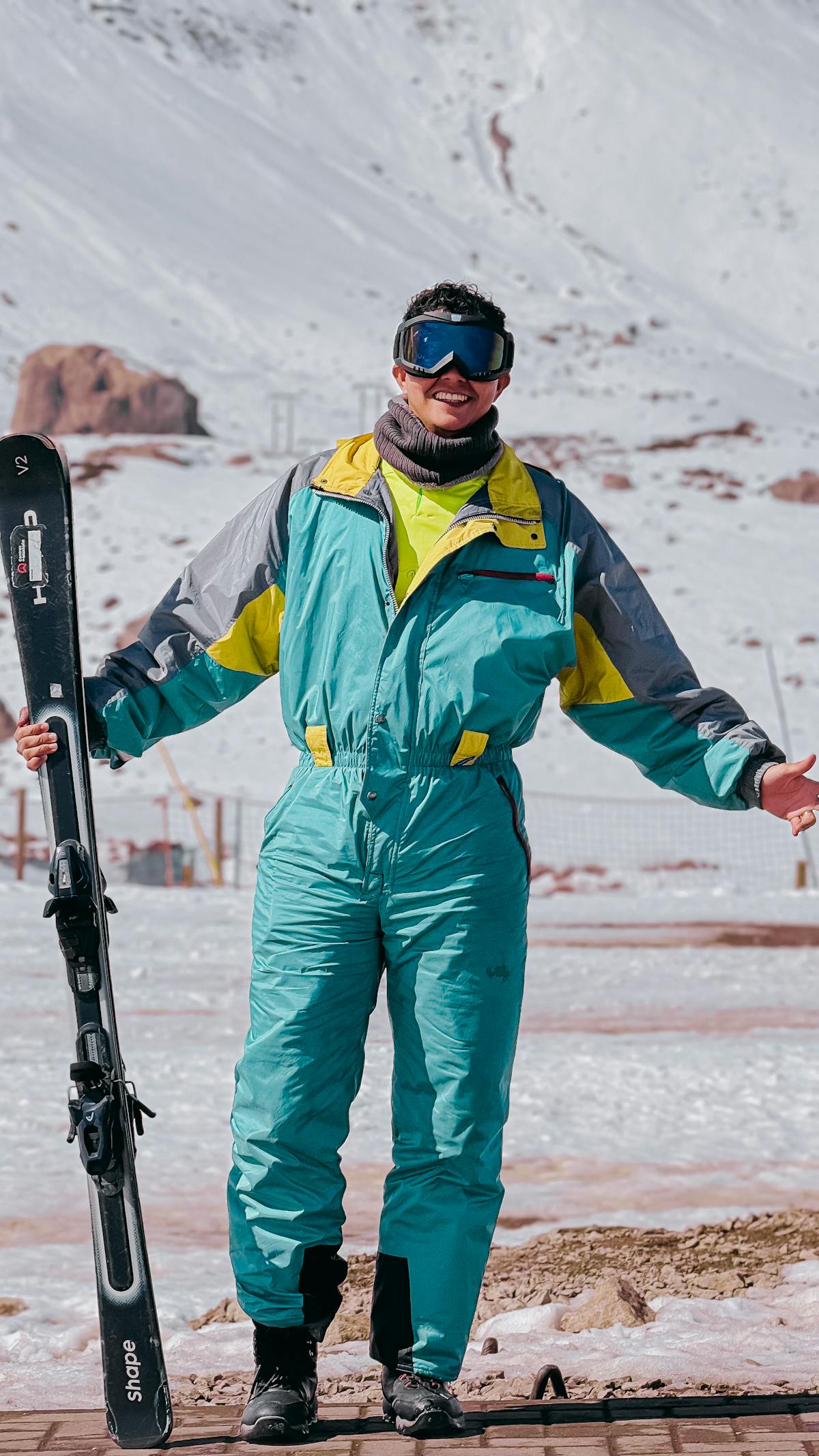
One gear note: bring your own boots if you have them. Everything else — skis, poles, outerwear — you can rent in Santiago or at the resort and the quality is fine. But bring SPF 50 sunscreen (the UV at 3,500 meters is brutal) and a one-liter water bottle. Dehydration at altitude sneaks up on you and the on-mountain food options are limited and overpriced.
Is It Worth It?
Yes — with the right expectations. The resorts are smaller, the infrastructure simpler, and as pure skiing it is not at the level of the world's top-tier destinations. But if you go looking for something you cannot get anywhere else — skiing in July, Andean panoramas, empty slopes, volcanic hot springs, araucaria forests, a turquoise lake at 2,800 meters — then it is absolutely worth the trip.
The best moments I have had skiing in Chile were not about grooming quality or lift speed. They were about standing on a ridge at 3,600 meters with the entire Andes in front of me, not another skier in sight, the sun blinding off the snow, and thinking: it is July and I am doing this. Chile is not the best skiing in the world. It might be the most memorable.