This article contains affiliate links. If you book through them, I earn a small commission at no extra cost to you.
I sat in a hostel in Puerto Natales with a calculator app open and a sinking feeling in my stomach. Park entrance: $42. Refugio bed: $120 per night. Refugio meals: $25 for breakfast, $35 for lunch, $50 for dinner. Five nights on the W Trek. The total was climbing past $1,500 for one hike. I closed the app, opened a beer, and stared at the wall for a while.
Then the guy at the next table — a French cyclist who had been riding from Ushuaia — leaned over and said, "You know you can camp for free on the O Circuit, right?" That conversation changed my trip. There are two versions of Patagonia: the version they sell you online, with refugio packages and guided treks and airport transfers, and the version backpackers on the ground actually live. The second one costs about a third of the first.
Patagonia is expensive. I am not going to pretend otherwise. But I spent three weeks between Torres del Paine and El Chalten, hiked the W Trek, did the O Circuit, ate well enough, slept warm enough, and spent about $60 a day. That is not luxury. That is ramen-in-the-tent, hitchhiking-in-the-rain, washing-socks-in-the-sink budget travel. But it works, and the mountains do not care how much you paid to see them.
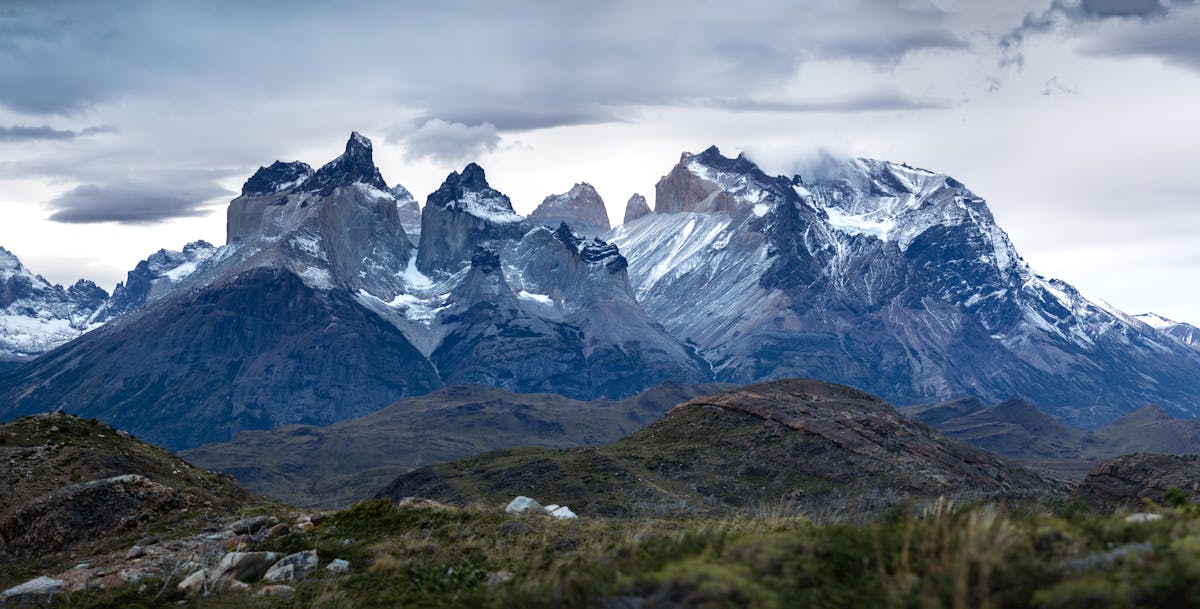
The Real Cost Problem: Accommodation Eats Your Budget Alive
Let me be blunt about where the money goes in Patagonia. It is not food, it is not transport, and it is not park fees. It is accommodation. A refugio bed inside Torres del Paine runs $100-$140 per night for a bunk in a shared room. That includes dinner and breakfast at most places, which sounds reasonable until you multiply it by five nights on the W Trek. Suddenly you are looking at $600-$700 just to sleep indoors on a single hike.
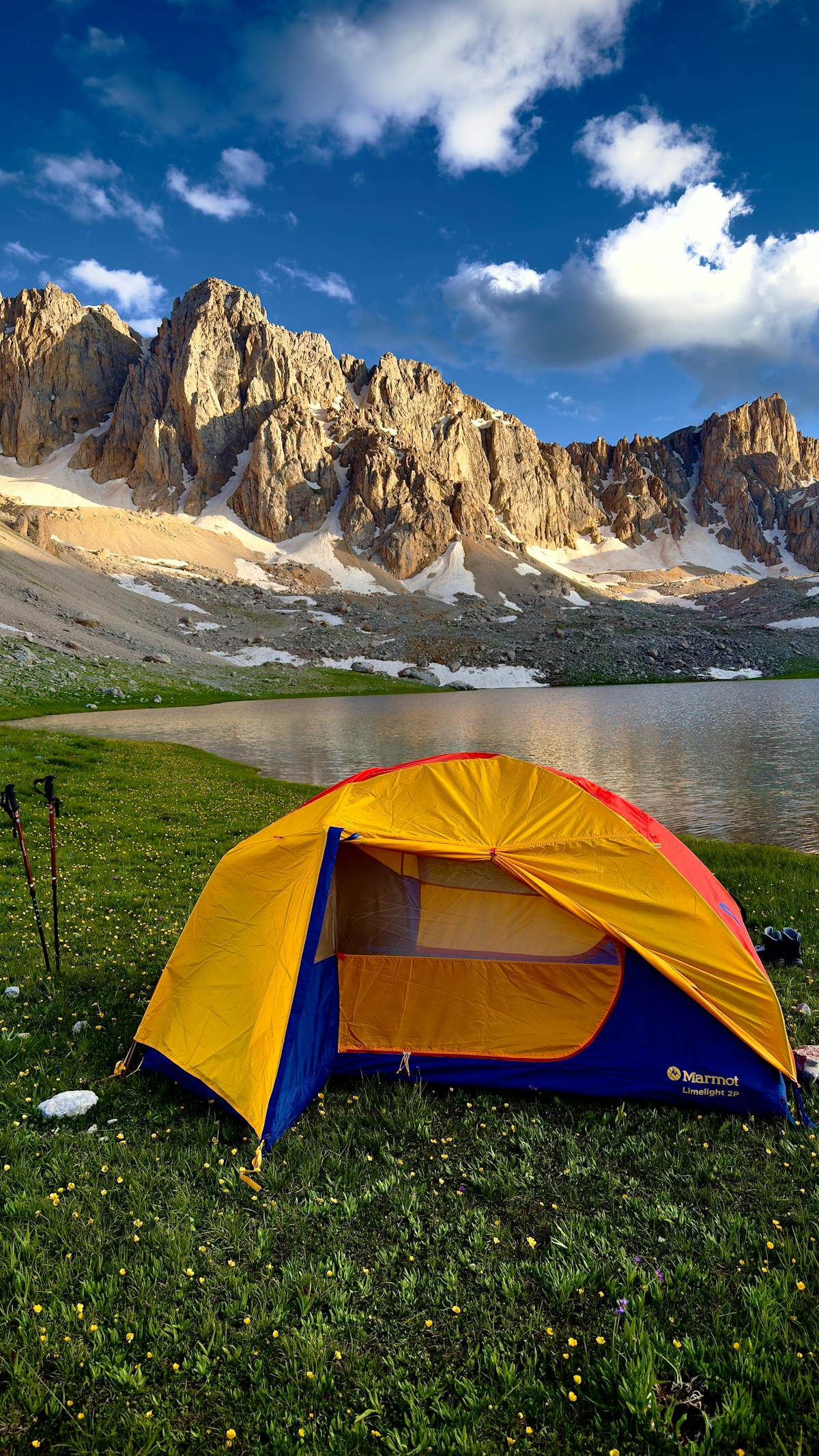
The fix is obvious: camp. But even camping in TDP is not free. Campsites inside the park range from $8-$12 per night for CONAF sites (the national park ones, basic but functional) to $15-$25 for the privately run sites attached to refugios. Still, even the expensive campsites save you $80-$100 per night compared to a refugio bed. Over five nights, that is $400-$500 back in your pocket.
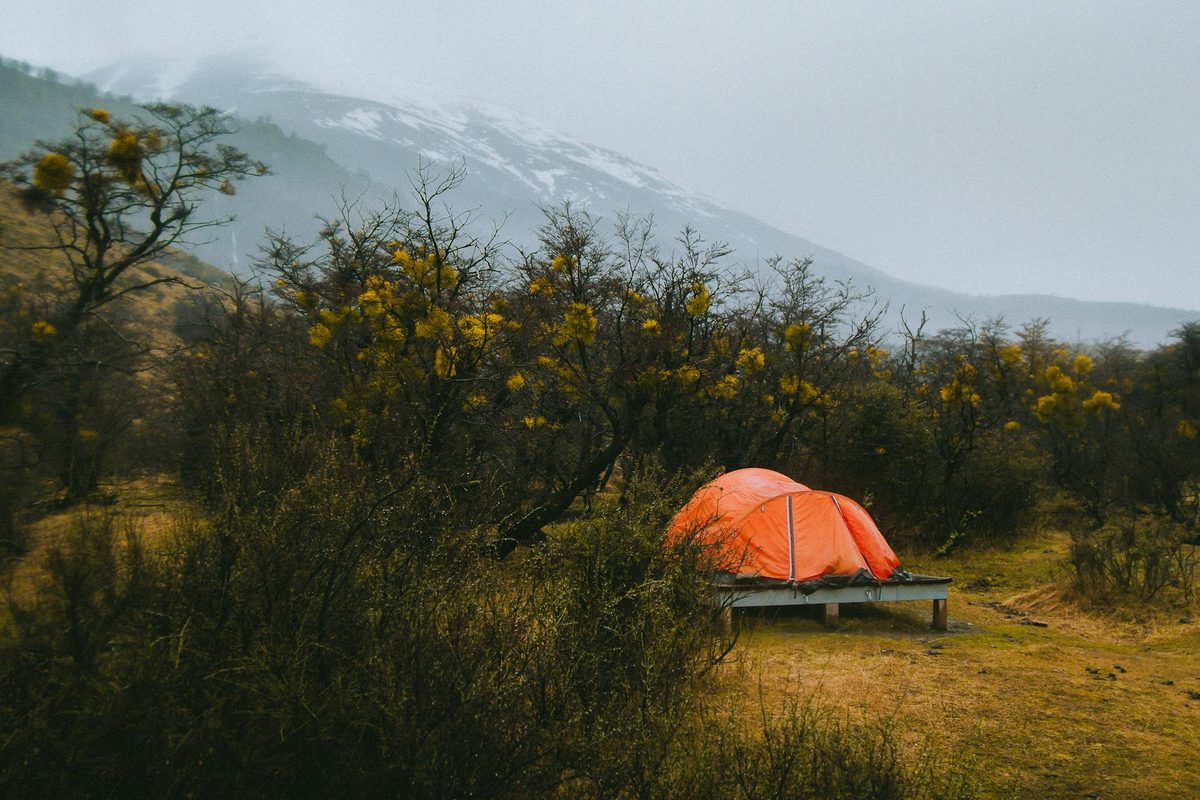
I carried a tent the entire W Trek. It added maybe three kilos to my pack and probably two inches to my suffering on the uphill sections. But it cut my total trek cost roughly in half. The math is not complicated. What makes it hard is that some of the campsite facilities are, to put it politely, rustic. The CONAF sites at Italiano and Paine Grande have cold showers, pit toilets, and wind that comes through the trees sideways. You will not enjoy the midnight pee walk. But you will enjoy having $500 at the end of it.
Quick Tip
Book campsites in Torres del Paine months in advance, especially for December through February. The reservation system opens around June-July for the following season. The popular sites at Chileno (for the base of the towers sunrise hike) and Paine Grande sell out fast. If you wait until you arrive in Puerto Natales, you might find yourself rearranging your entire itinerary around whatever sites are left. I met a couple who had to do the W backwards because they could not get their preferred dates. Learn more in our Torres del Paine camping guide.
Cooking Your Own Food (The Single Biggest Money Saver)
Refugio meals in Torres del Paine cost about $25 for breakfast, $30-$35 for a packed lunch, and $45-$55 for dinner. Per person. Per day. Five days of refugio meals adds up to over $500 for one human being eating what is, honestly, cafeteria-grade pasta and reheated chicken.
I cooked every meal on the trail. Pasta, oatmeal, soup, rice, tuna, peanut butter sandwiches. Nothing exciting. My total food cost for five days on the W was about $40, maybe $45 including the gas canister. That is a savings of roughly $450 compared to buying all meals at refugios.
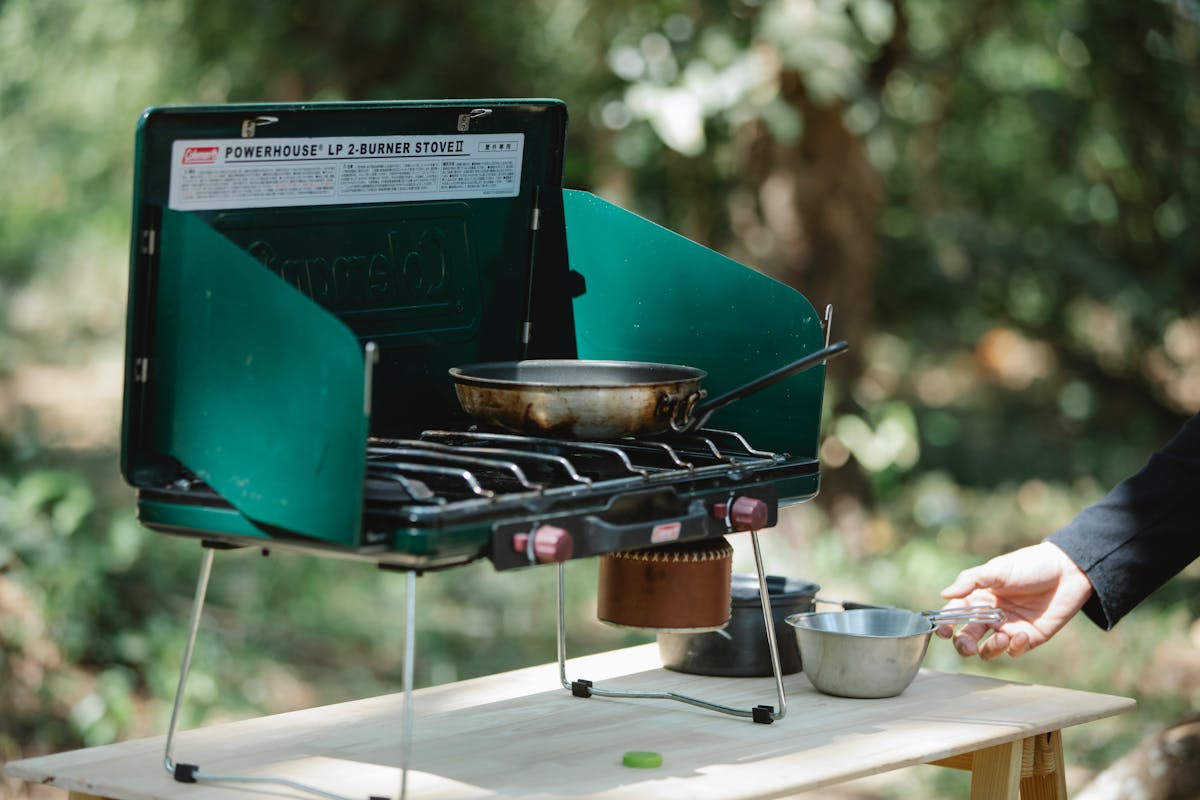
Here is what you actually need. A small camping stove — I used a basic screw-on canister stove that weighs almost nothing. A 230g gas canister, which you can buy at the outdoor shops in Puerto Natales for about $8-$10. A lightweight pot. A spork. That is the whole kitchen.
For groceries, stock up in Puerto Natales before entering the park. There are three or four supermarkets in town — Unimarc is the biggest, but the smaller ones on the main drag sometimes have better prices on basics. Buy dried pasta, instant oatmeal packets, canned tuna, hard cheese (it keeps without refrigeration for days), bread, peanut butter, powdered soup, trail mix, and chocolate. Lots of chocolate. Cold mornings plus heavy packs equals a desperate need for quick calories.
The Cheapest Eats in Puerto Natales
You will pass through Puerto Natales before and after your trek. Eating out here is not cheap by South American standards — a basic meal at a sit-down restaurant runs $12-$18 — but there are ways to eat for less. The colaciones (set lunches) at the smaller restaurants on Baquedano and Bulnes streets go for $6-$9. The empanadas at the bakeries cost $1.50-$2 each and are legitimately good. I ate two empanadas and a Coca-Cola for under $5 and called it lunch more than once.
The supermarket rotisserie chickens are the best deal in town. About $6-$7 for a whole roasted chicken. Split it with another backpacker, add bread and avocado from the produce section, and you have a dinner for two for under $8 total.
El Chalten: Where the Free Hiking Lives
If Torres del Paine is the expensive side of Patagonia, El Chalten is the budget side. The difference is stark. Torres del Paine charges a $42 park entrance fee. El Chalten charges nothing. Torres del Paine requires campsite reservations months in advance. El Chalten has free campgrounds, first come first served, no booking needed. Torres del Paine has refugios charging $120 a night. El Chalten has hostels for $15-$25.
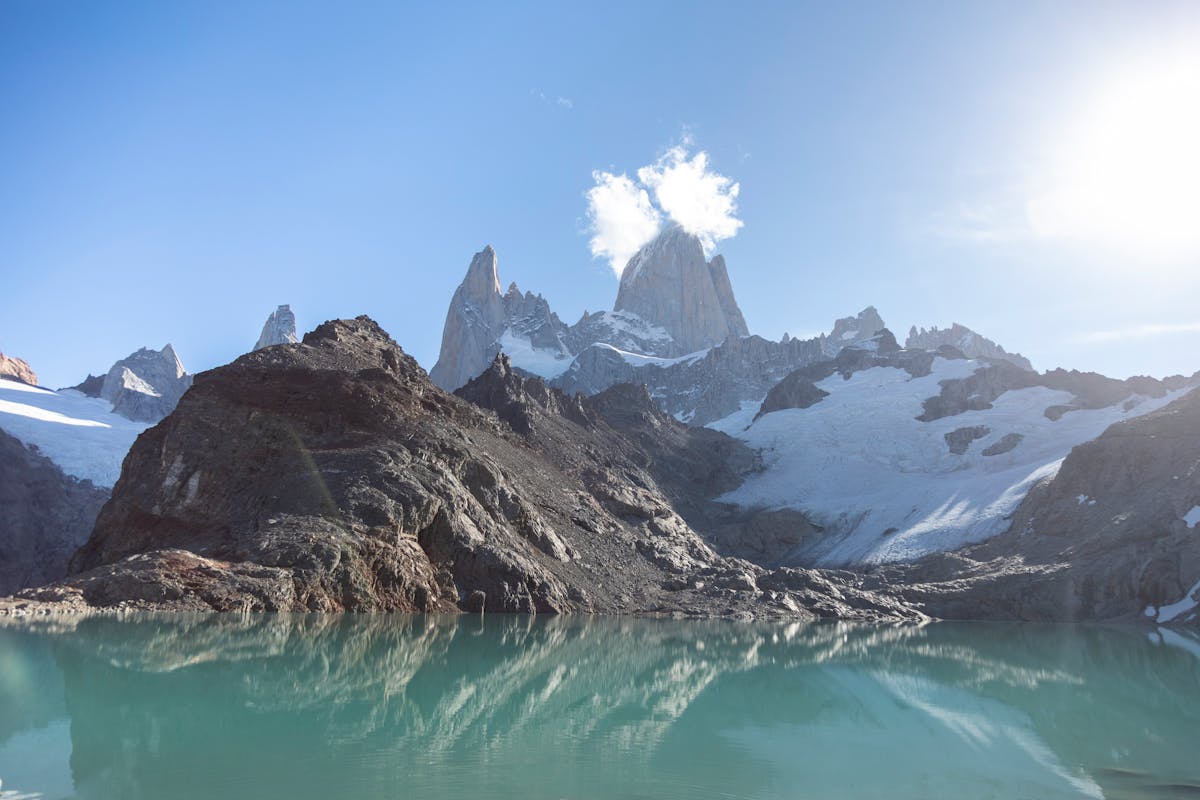
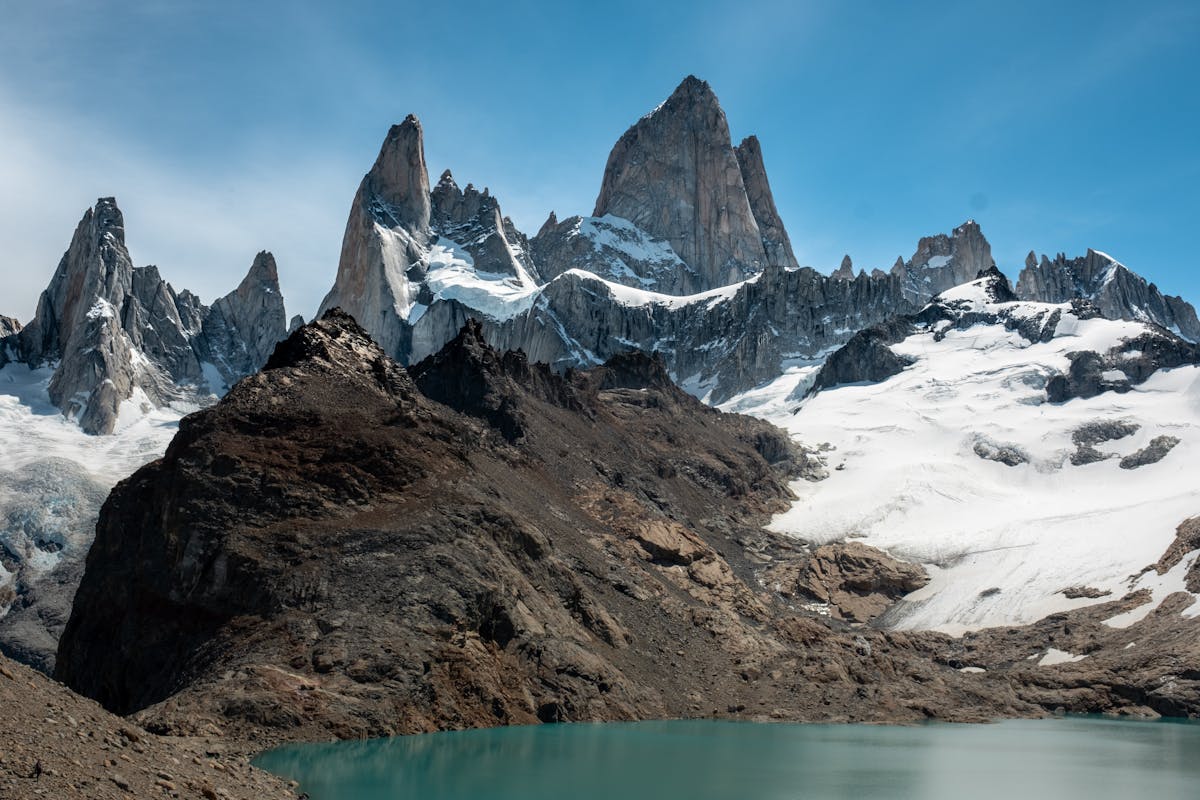
El Chalten is a tiny town at the base of Mount Fitz Roy on the Argentine side. Every trailhead starts right from town — you walk from your hostel to the start of world-class hikes. No shuttle bus, no park entrance, no permits. The two big hikes are Laguna de los Tres (the classic Fitz Roy viewpoint, about 10 hours round trip) and Laguna Torre (slightly shorter, views of Cerro Torre). Both free. Both spectacular.
The free campgrounds — Poincenot and De Agostini — sit right at the base of the mountains. No showers, no electricity, composting toilets. But you fall asleep looking at Fitz Roy. I spent three nights at Poincenot and paid zero dollars for accommodation. My daily cost in El Chalten dropped to $20-$30 including hostel nights in town between hikes.
If you are choosing between TDP and El Chalten on a tight budget, El Chalten wins by a mile on cost. But do both if you possibly can — they are different experiences, and the full Patagonia itinerary really needs both sides.
Getting Around: Bus, Not Plane (and Maybe a Thumb)
The flight from Santiago to Punta Arenas or Puerto Natales costs $80-$200 depending on timing and airline. The bus from Santiago to Puerto Natales costs about $60-$80 and takes roughly 40 hours with a transfer in Osorno or Puerto Montt. I know which one sounds better. But I also know which one is cheaper.
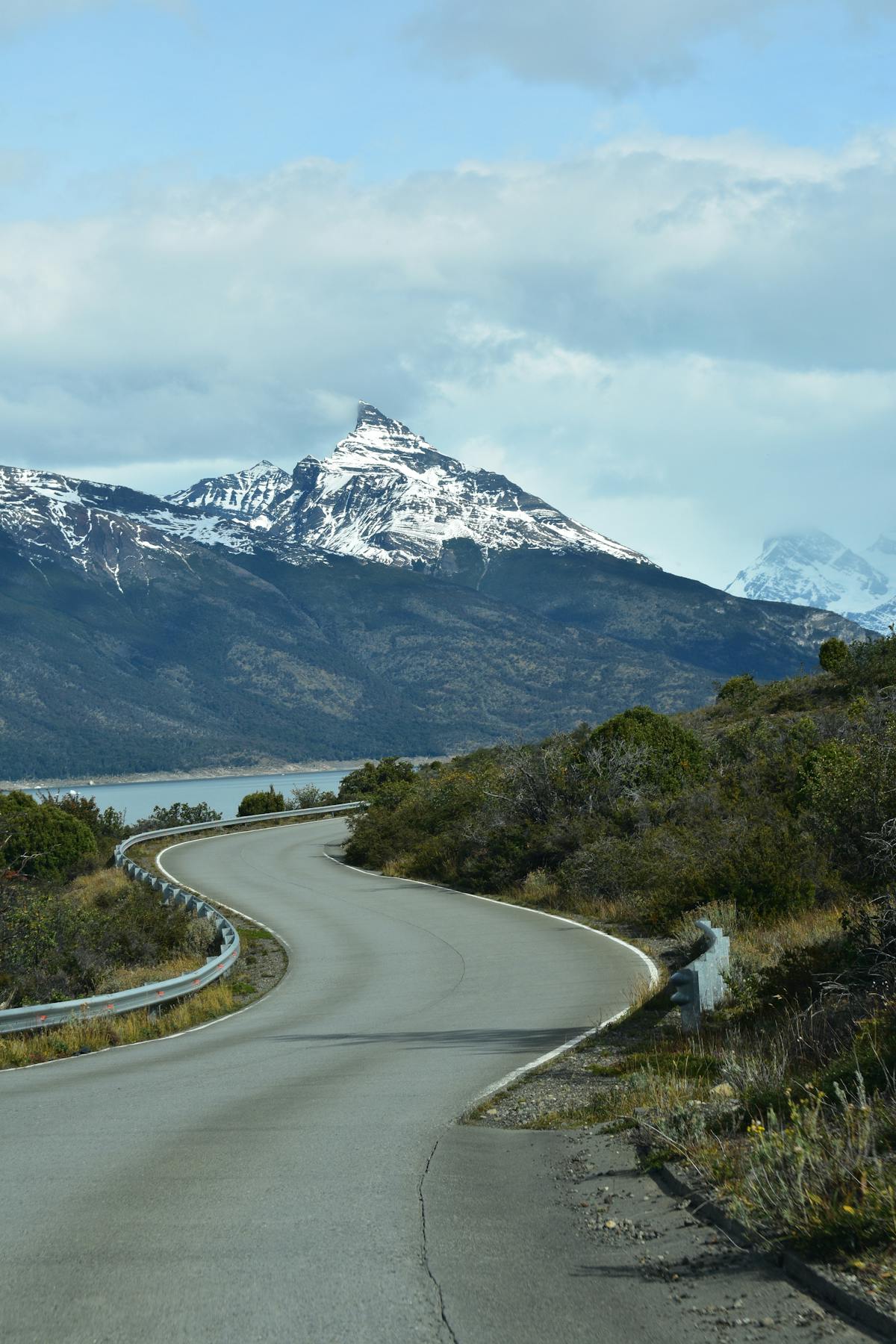
I did not take the 40-hour bus from Santiago. I am not a masochist. But I did take the bus for every trip within Patagonia, and the savings add up. The bus from Punta Arenas to Puerto Natales is about $8-$12 and takes three hours. The bus from Puerto Natales to El Calafate (Argentina) is about $20-$30 and takes five hours including the border crossing. The bus from El Calafate to El Chalten is about $15-$20 and takes three hours. All of these have flight alternatives that cost four to ten times as much.
Bus companies in Patagonia are functional. Bus Sur and Buses Fernandez run the Chilean routes; TAQSA and Chalten Travel handle the Argentine ones. Buy tickets in person at the bus terminals — the online booking sites charge service fees and sometimes just do not work.
Hitchhiking: It Actually Works Here
Hitchhiking is genuinely part of the budget culture here, especially on the Argentine side. El Calafate to El Chalten is common — locals do it, backpackers do it, families do it. I hitched from El Chalten to El Calafate with a family in a pickup truck. Total cost: zero. Total time: three and a half hours, same as the bus.
On the Chilean side, hitchhiking is less common but still happens, especially on the road between Puerto Natales and the Torres del Paine park entrance. Stand at the entrance to town where the road heads north, hold a sign, and give it an hour. If nobody picks you up, catch the next bus. Use your judgment on safety, travel with a buddy if you can, but in Patagonia specifically the culture around it is relaxed and social. Some of my best conversations of the trip happened in the back seats of strangers' cars.
Shoulder Season Saves Serious Money
Peak season is December through February. Everything costs the most, everything is booked solid, and the trails are packed. You get the longest daylight and the warmest temperatures — though Patagonia warm still means 15 degrees Celsius on a good day.
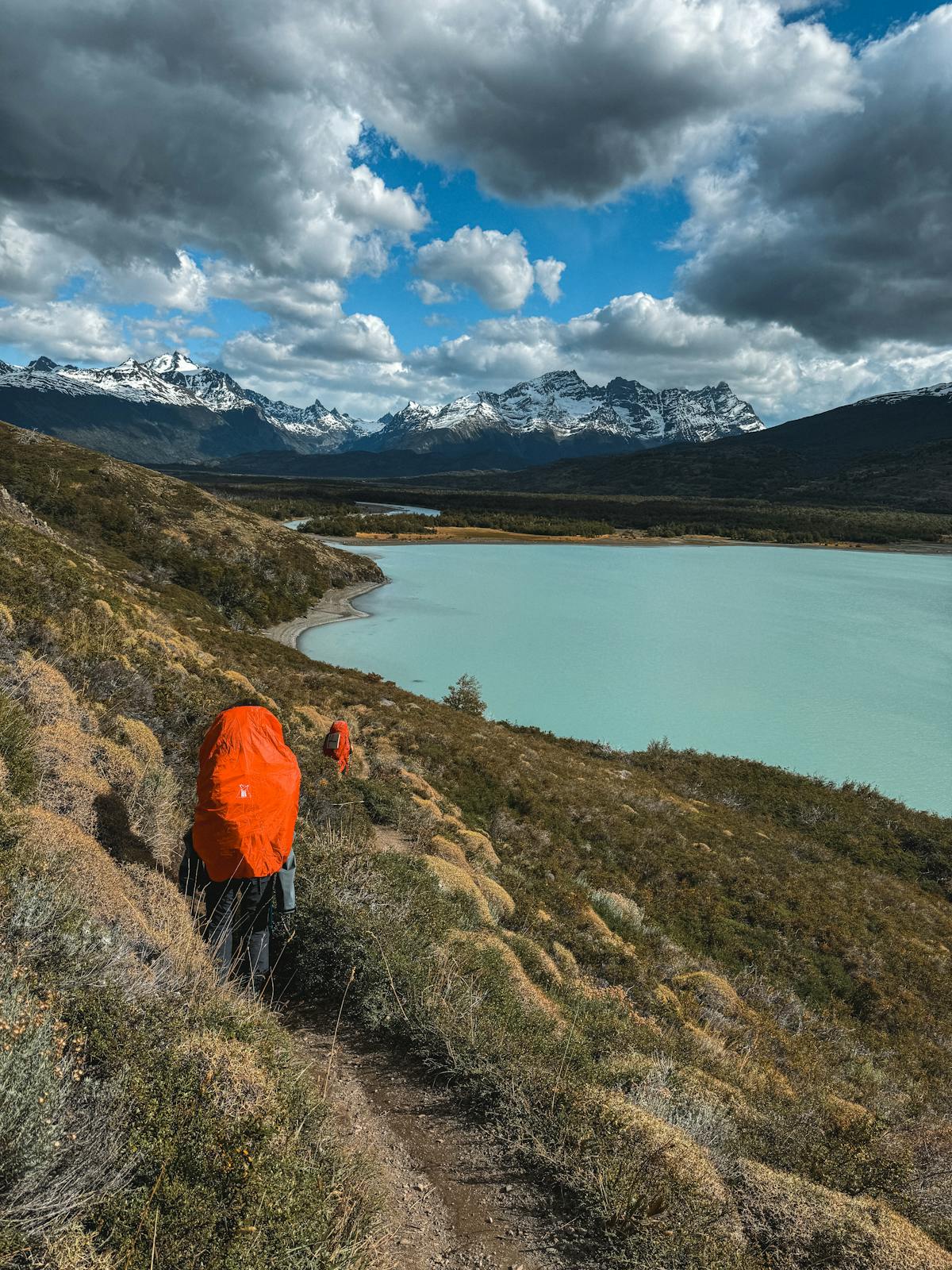
Shoulder season — late October through November, or March through mid-April — drops prices by 20-40% on accommodation and transport. Hostel beds in Puerto Natales that cost $25-$30 in January go for $15-$18 in November. Bus tickets get slightly cheaper. Campsite fees sometimes drop a tier. And the biggest saving is one you cannot put a number on: availability. In peak season, you book months ahead and take whatever you can get. In shoulder season, you walk into town and pick the hostel you actually want.
The trade-off is weather. March and April bring shorter days, colder nights, and higher chances of rain and snow at elevation. November is unpredictable — it could be gorgeous or it could snow on you mid-hike. I went in late March and got three perfect days followed by two days of horizontal rain that turned the W Trek into an endurance event. That is just Patagonia. The weather does not care about your schedule or your budget.
But here is what I was not expecting: the autumn colors. Late March turns the lenga forests gold and red. I took some of my best pictures during those rainy shoulder-season days. Check the Patagonia packing list for what to bring — you need serious rain layers.
Gear: Rent, Borrow, or Bring Your Own
You need proper gear for Patagonia. Not optional. A tent, sleeping bag, sleeping pad, rain jacket, rain pants, decent hiking boots, and warm layers. If you already own this stuff, great. If you do not, you have two options: buy it before you go, or rent it in Puerto Natales.
Several shops in Puerto Natales rent camping gear. Erratic Rock, Base Camp, and a few others along the main street. Rental prices for a full kit (tent, sleeping bag, sleeping pad, stove, pot) run about $15-$25 per day depending on quality. For a five-day trek, that is $75-$125 in rental fees.
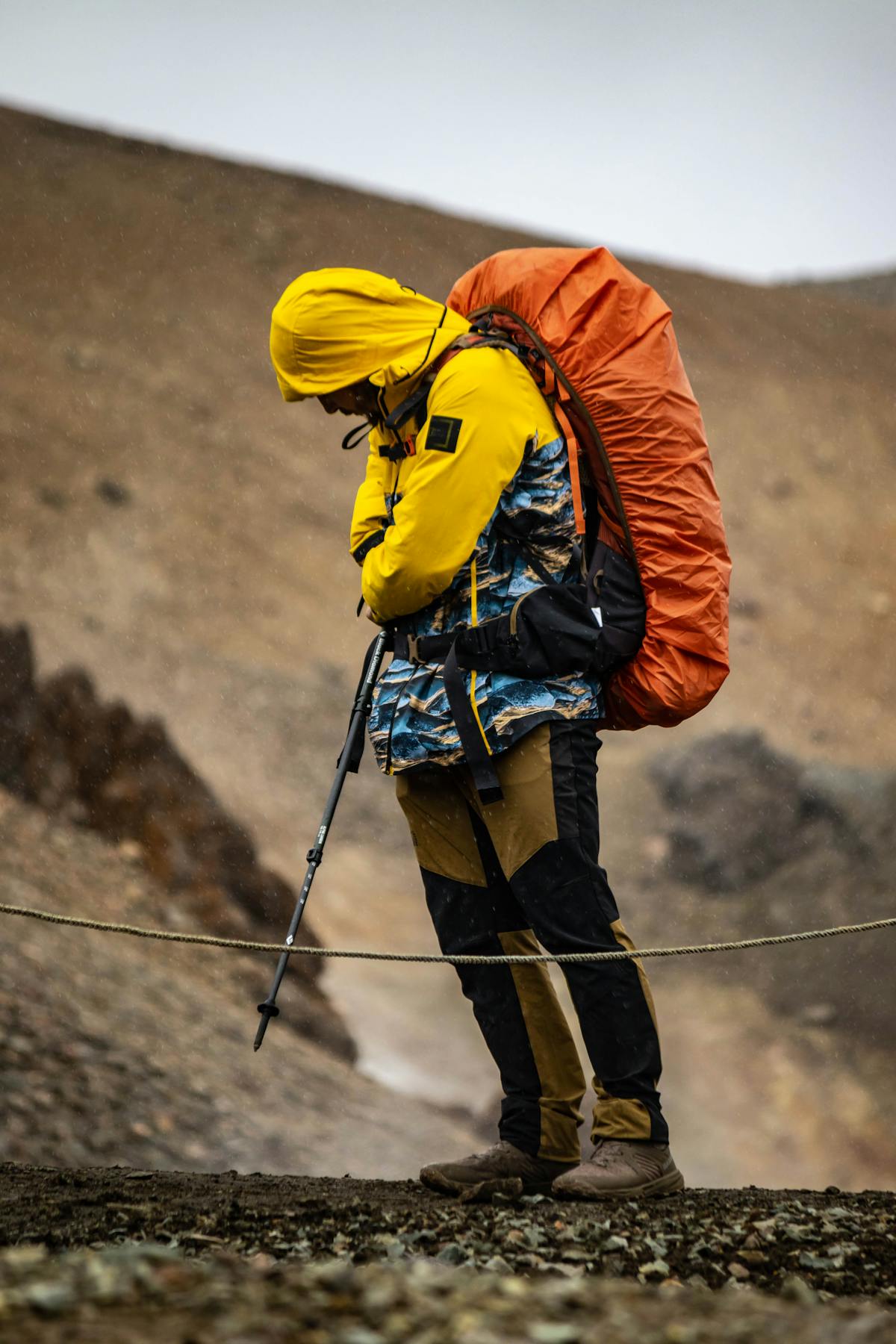
Is renting worth it? If you are only doing one trek and do not own gear, yes. You avoid flying with a giant pack. But if you are backpacking through Chile for months, buying cheap gear in Santiago and carrying it south saves money long term. Fair warning on rental quality: the sleeping bags tend to be heavy and rated warmer than they actually perform. I rented one rated to -5C that felt more like +5C in practice. Bring a silk liner regardless.
Where NOT to Cut Costs
I have to break from the budget advice here because there are three things you should not cheap out on in Patagonia. I learned all three the hard way.
Hiking boots. Patagonia trails are rocky, rooted, muddy, and steep. The W Trek has sections where you are scrambling over loose scree for hours. If your boots do not have ankle support and decent tread, you are going to roll an ankle or slip on a wet rock. I saw two people get evacuated from the trail with twisted ankles, both wearing lightweight trail runners. Bring real boots. Break them in before you go.
Rain gear. The wind in Patagonia rains horizontally. A cheap poncho will turn inside out and shred within an hour. You need a proper waterproof jacket with a hood that cinches tight and waterproof pants. Gore-Tex or equivalent. I watched a guy in a $20 rain jacket become a wet, hypothermic, miserable person by lunchtime on day three. He ended up buying a $200 jacket at the refugio shop, which is the most expensive place on Earth to buy anything.
Park reservations for Torres del Paine. Rangers check reservations at checkpoints. No booking for tonight's campsite? They turn you back. There is no "I'll just camp wherever" in TDP. Book through the Torres del Paine camping reservation system well in advance. Do not show up hoping to wing it.
The Navimag Ferry: Budget Transport With a View
If you are coming from the Carretera Austral or the Lake District, the Navimag ferry from Puerto Montt to Puerto Natales is worth knowing about. Four days on a cargo ship through the Chilean fjords. Prices start around $350 for a dorm bed, meals included.
Is it budget travel? Not exactly — $350 is a lot of money for transport. But it replaces four days of accommodation and food, which would cost about the same in hostels and restaurants. And you get to see one of the most remote coastlines on Earth from the deck of a cargo ship. The value-for-money calculation depends entirely on what kind of traveler you are. I wrote about it in detail in the Navimag ferry guide, but the short version is: if you have the time and the stomach (the open ocean crossing can be rough), it is one of the most memorable ways to arrive in Patagonia.
Free and Nearly-Free Camping Options
Beyond the established campgrounds inside the national parks, there are free or near-free camping options scattered across Patagonia.
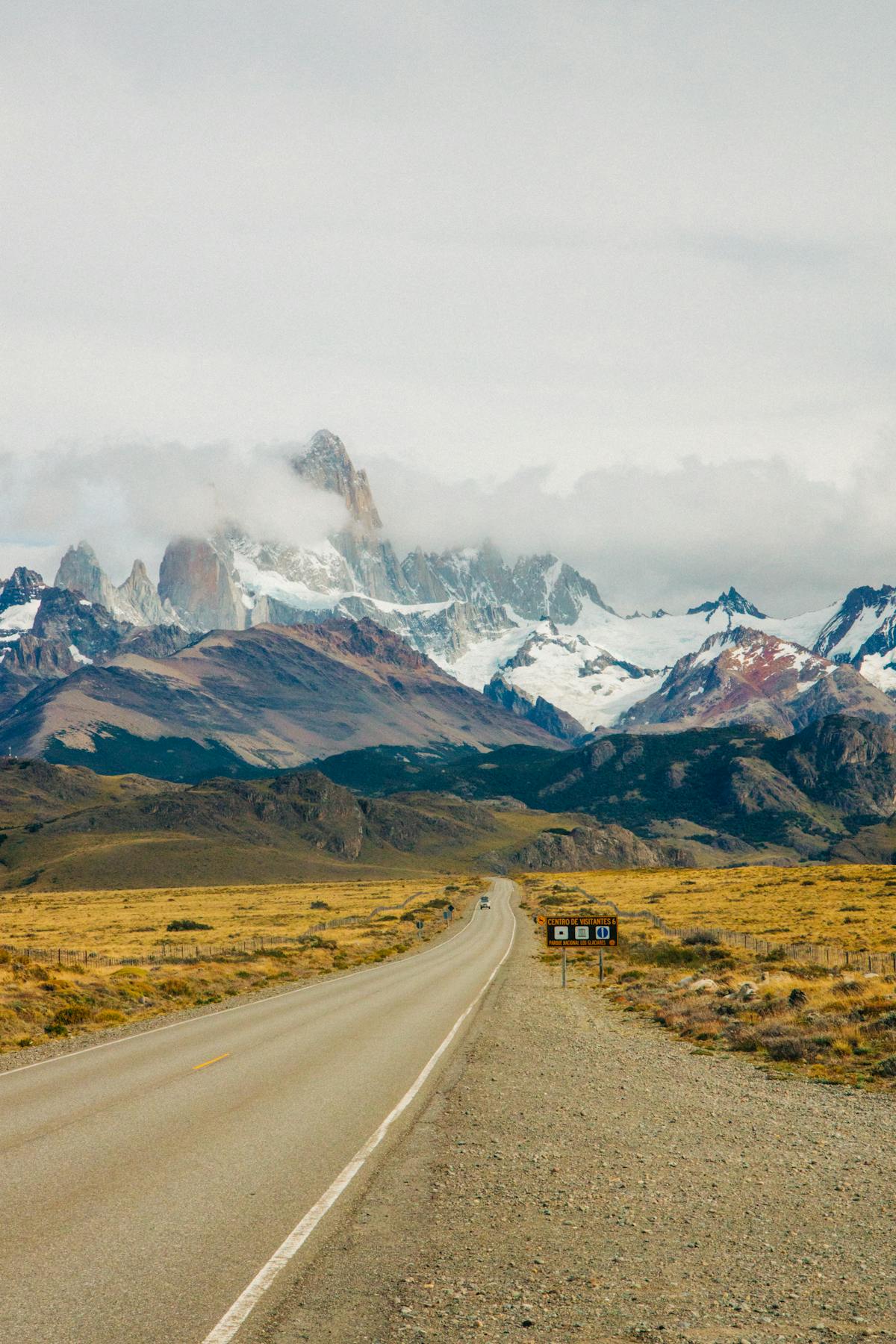
El Chalten free campgrounds: Poincenot, De Agostini, and the campground at Laguna Capri are all free. Basic — composting toilets, no showers, no fires allowed — but free. You can hike from town to Poincenot in about two hours and set up camp right at the base of Fitz Roy.
Along the Carretera Austral: Free or donation-based campgrounds exist at several points. The culture is much more relaxed about wild camping than TDP. Many locals will let you camp on their land if you ask.
Outside Torres del Paine: You cannot wild camp inside TDP. Period. But outside the park boundary, informal camping spots exist along the approach road, used by cyclists and budget travelers. A few estancias allow camping for $3-$5 per person. Ask around in Puerto Natales.
Realistic Daily Budgets: What I Actually Spent
After three weeks bouncing between Torres del Paine, El Chalten, El Calafate, and Puerto Natales, I kept a detailed spreadsheet of every peso and every Argentine peso I spent. Here is the honest breakdown.
| Category | Budget ($60/day) | Comfortable ($150/day) |
|---|---|---|
| Accommodation | $15-$20 (hostel dorm / camping) | $60-$80 (private room / refugio) |
| Food | $10-$15 (cooking + cheap eats) | $35-$50 (restaurants + refugio meals) |
| Transport | $5-$10 (buses / hitching) | $15-$25 (buses / occasional taxi) |
| Activities | $5-$10 (park fees spread over days) | $15-$30 (guided tours, ice hike, etc.) |
| Misc | $5 (beer, snacks, laundry) | $10-$15 (gear rental, souvenirs) |
| Daily Total | $40-$60 | $135-$200 |
The $60/day budget is tight but doable. Camping or dorm beds, cooking most meals, buses or hitching, no paid tours. You will make trade-offs every day. No restaurant dinners. No guided glacier hikes. But the mountains are free to look at, and the trails are free to walk, and that covers about 90% of why you came here.
The $150/day budget is comfortable. Private rooms some nights, refugio stays on the trek, eating out when you want to, and room for a glacier cruise or an ice hike on Grey Glacier. Not luxury — that is $300-$500/day with all-inclusive lodge packages — but enough to remove the mental math from every decision.
My actual average came to $58 per day over 21 days. That included two nights in refugios (I cracked on nights three and four of the W — the rain was relentless), a few restaurant meals, and all transport between towns. My cheapest day was in El Chalten: hiked Laguna de los Tres, ate oatmeal and pasta, slept in a free campground. Total spend: about $8.
The Honest Trade-Offs
I want to end with the truth about budget Patagonia, because most articles make it sound like you can hack your way to a cheap trip with no downside. There are downsides. Here is what budget travel in Patagonia actually means on a day-to-day basis.
Your pack is heavier. Carrying a tent, sleeping bag, stove, and five days of food instead of booking refugio-to-refugio means your pack weighs 14-18 kilos instead of 6-8. That matters on the steep sections. My knees knew exactly how much money I was saving.
You eat boring food. Pasta with tuna. Oatmeal with peanut butter. Soup from a packet. Day after day. By day four on the W, I would have paid $50 for a fresh salad without hesitation. The refugio meals are not gourmet, but they are hot and varied and served by someone else. Cooking in a cold tent after ten hours of hiking requires a level of motivation that I sometimes did not possess.
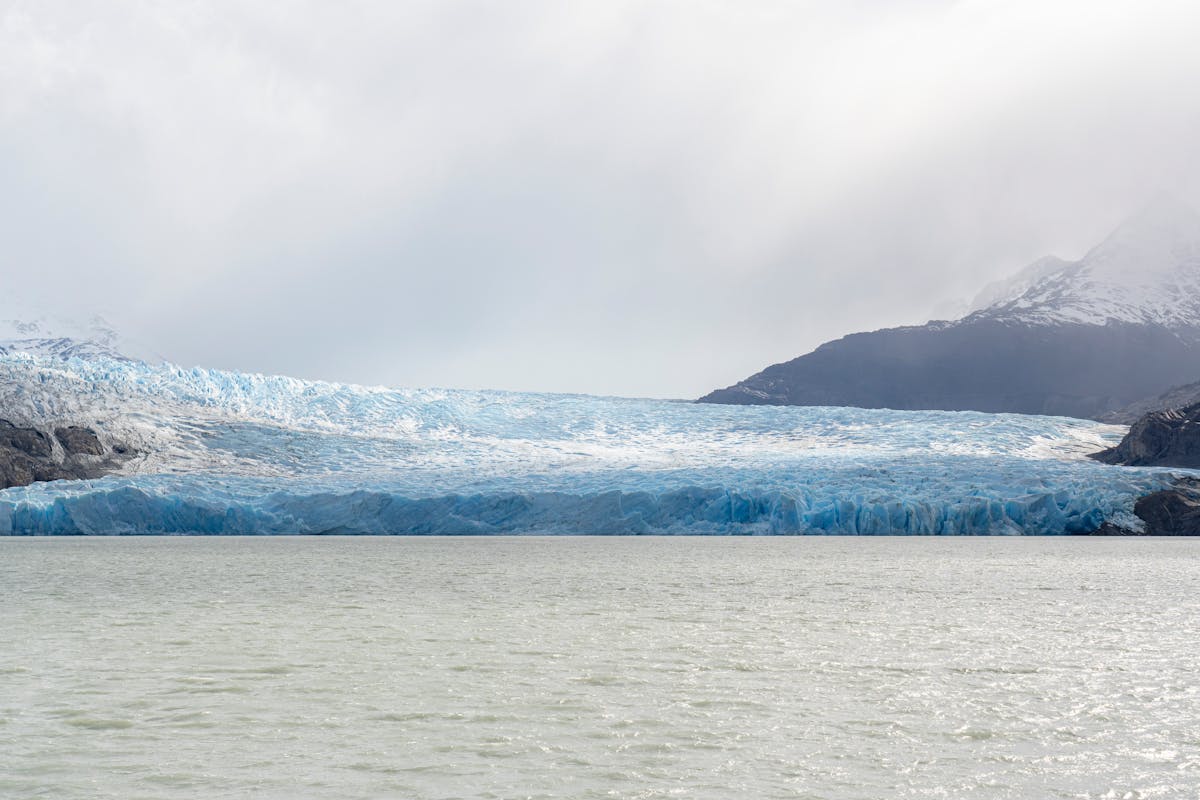
You miss some experiences. The guided ice hike on Grey Glacier costs about $120 and is supposed to be incredible. The boat cruise across Lago Grey costs $90. The half-day horseback ride through the park costs $80. I did none of these. The mountains and the trails were enough for me, but I occasionally wonder what that glacier feels like underfoot.
You spend more time on logistics. Bus schedules, meal prep, walking instead of taking shuttles. Know which type of traveler you are before you commit to the budget route.
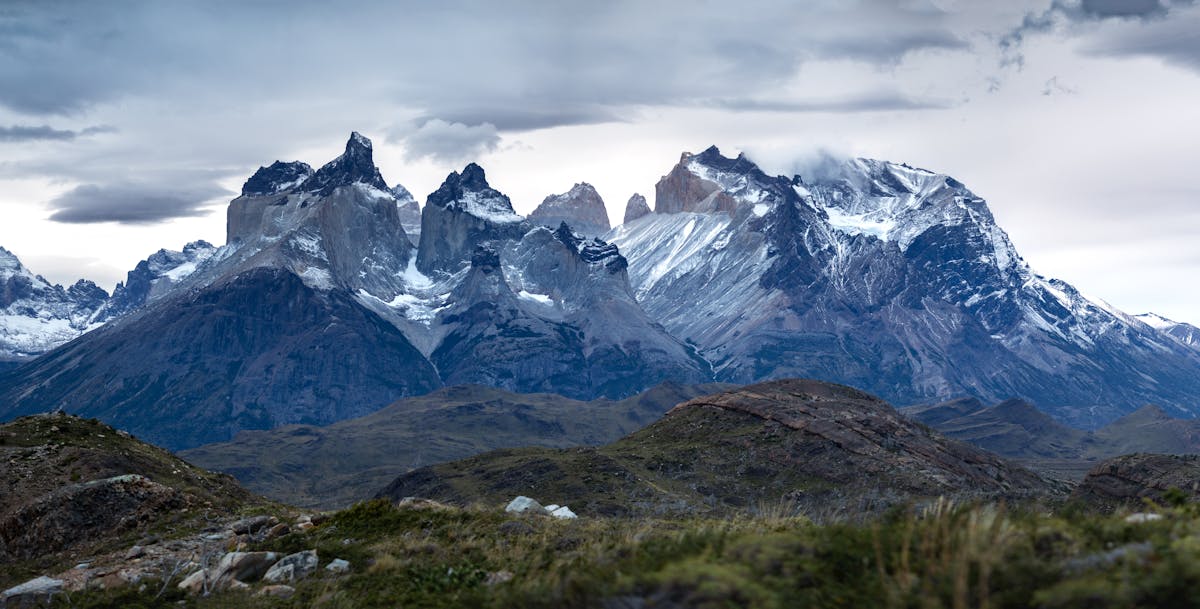
But here is what you do not miss: the sunrise at the base of the towers. The silence in the French Valley when the wind stops for thirty seconds. Fitz Roy reflected in Laguna de los Tres. The feeling of walking through a landscape so vast and empty that you forget other places exist. None of that costs anything beyond getting yourself there and putting one boot in front of the other.
Patagonia is expensive. But the expensive part is the infrastructure — the refugios, the tours, the transfers. The place itself, the actual rock and ice and sky, is just there. And it does not check your bank account at the trailhead. Bring a tent. Bring a stove. Bring good boots. And go.
Related Guides
Planning your trip? Read the W Trek guide for day-by-day logistics, the O Circuit guide for the full loop, and the Patagonia packing list for exactly what to bring. For the bigger picture, the Patagonia itinerary covers how to connect Torres del Paine with El Chalten, glaciers, and the rest of southern Chile. And check the money and costs page for current exchange rate info and tipping norms.