This article contains affiliate links. If you book through them, I earn a small commission at no extra cost to you.
The bus from Arica dropped me at a terminal that smelled like diesel and fried dough at 5am. I had a 60-liter pack that was already too heavy, a Spanish vocabulary of maybe forty words, and a printout of a map that showed Chile as a thin red line running down the side of a continent. I knew the country was long. I did not know it was 4,300 kilometers long. That is roughly the distance from New York to Los Angeles, except skinny enough in places that you could drive from the Pacific to Argentina in a couple of hours. Standing in that terminal, looking at the departures board — Iquique, Calama, Copiapo, Santiago, Temuco, Puerto Montt, names that meant nothing to me yet — I had six weeks ahead of me and no real plan beyond "go south."
That turned out to be the right plan. Chile is one of the most logical backpacking countries I have been to, because the geography makes the decisions for you. North is desert. Middle is cities and wine. South is lakes and volcanoes. Far south is the end of the world. You start at whatever end you arrive at and you work your way to the other one, and the country changes underneath you so completely that by the end it feels like you have traveled through four or five different nations stacked on top of each other.
This is the route I took, the money I spent, and everything I learned the hard way. Chile is not a cheap country — this needs to be said upfront. It is the most expensive backpacking destination in South America by a fair margin. But it is possible to do it on a budget, and the payoff is worth every peso you agonize over.
The Route: North to South (and Why That Direction Works)
Most backpackers do Chile north-to-south, and there is a practical reason for that. If you are coming overland from Peru or Bolivia, you enter through the north. If you are flying in, Santiago is in the middle, and heading north first means you save Patagonia — the expensive, physically demanding part — for the end, when you have your systems figured out. You know how the buses work. You know which supermarkets are cheap. You know how to ask for a bed in broken Spanish without accidentally booking the presidential suite.
I flew into Santiago, spent two days there getting my bearings, then flew north to Arica on a budget airline (about $45 one-way on SKY or JetSmart if you book a few days ahead — checked baggage is extra, and they charge per kilo, so weigh your bag). From Arica I went south by bus the entire way. Six weeks. That was enough to see the major regions without sprinting, though I still had to make cuts. Eight weeks would be ideal. Three weeks is the minimum for a north-to-south trip, but you will be skipping things and spending a lot of time on overnight buses.
Here is how the route breaks down.
Arica and the Far North: Where Chile Does Not Feel Like Chile
Most backpackers skip Arica, and I almost did too. But I had forty-eight hours before my bus south, and what I found was a scruffy Pacific beach town with cheap ceviche, crumbling churches, and paragliders launching off a cliff into the sunset. I paid $3 for a plate of ceviche at a market stall near the port that was better than anything I ate in Lima.
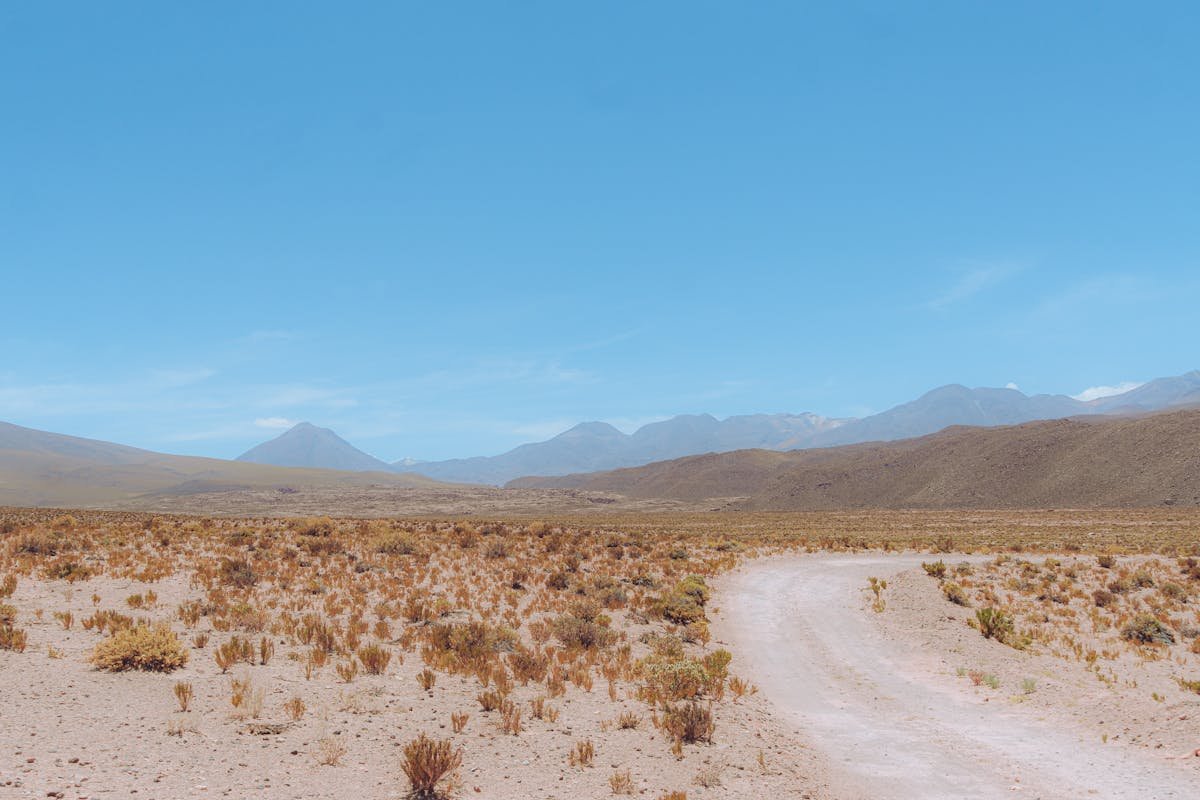
The far north has more in common with Peru and Bolivia than with Santiago. More llama, more quinoa, more aji peppers. The altiplano sits above 4,000 meters and the air is thin enough to flatten you. If you are crossing from Bolivia, you will already be acclimatized. If you are flying from sea level, take it slow.
Quick Tip
The bus from Arica to San Pedro de Atacama takes about 10 hours and costs around 18,000-25,000 CLP ($20-28). It runs overnight, which saves you a night's accommodation. Turbus and Pullman Bus are the main operators. Book at the terminal — online prices are often higher.
The Atacama: Budget-Breaking but Non-Negotiable
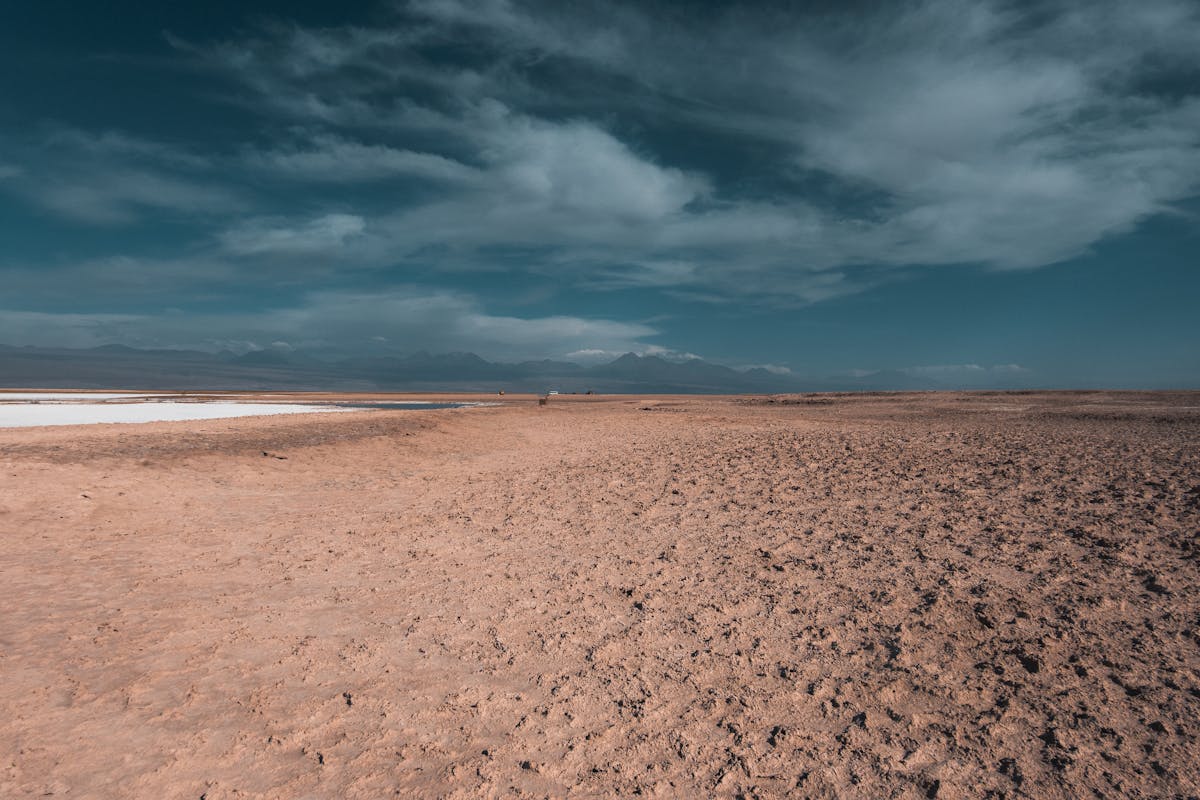
"Tourist trap," people told me about San Pedro de Atacama. "Overpriced. Full of gap year kids." All true, and none of it matters, because the Atacama Desert is the most alien landscape I have ever walked through. The Valle de la Luna at sunset. The geysers at El Tatio steaming at 4:30am in minus-ten-degree darkness. Flamingos standing in neon-colored lagoons at 4,500 meters in the middle of a desert. I still do not understand how that works.
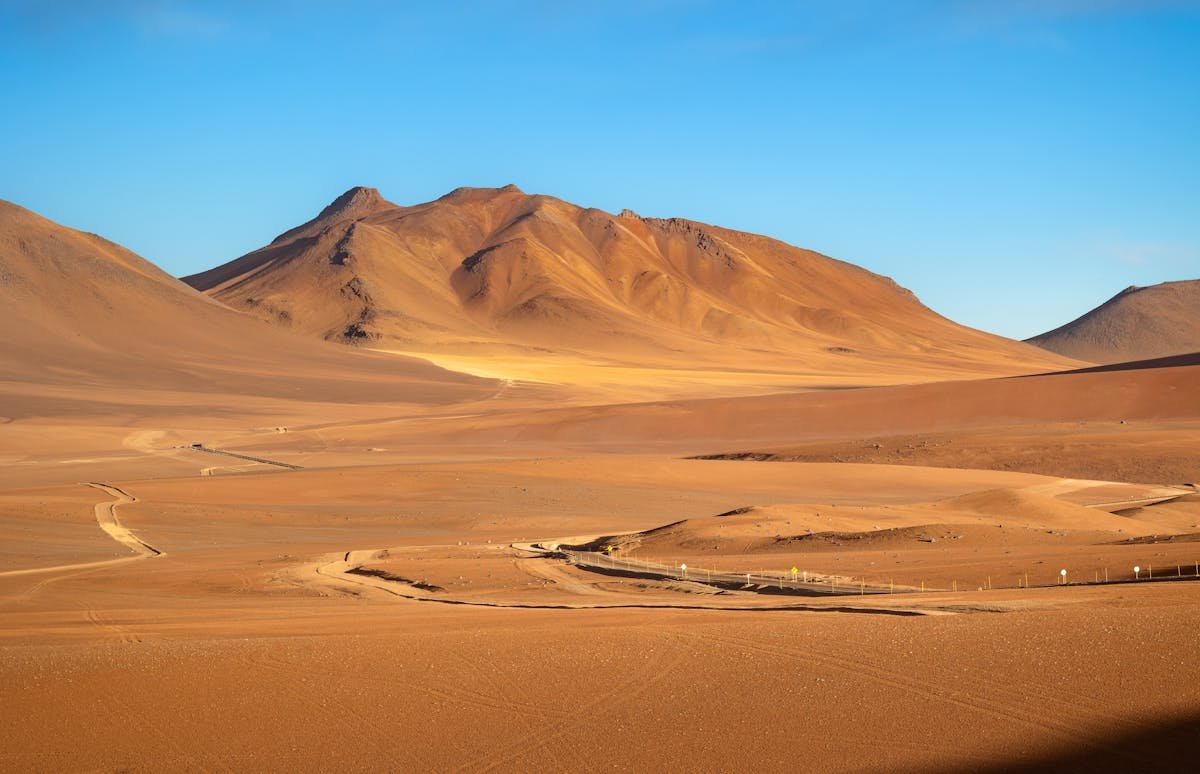
San Pedro is expensive. A dorm bed runs $15-22 per night, which is double what you will pay further south. Tours are the main budget killer — a day trip to El Tatio geysers costs $35-45 per person, the Valle de la Luna sunset tour is $20-25, and the full-day altiplano tour (the best one, in my opinion) is $50-60. You can rent a bike and do Valle de la Luna on your own for about $8, which I did on my second day and which I recommend. The road is flat, the distance is manageable (about 13km each way), and you avoid the convoy of tour vans all arriving at the same viewpoint at the same time.
I spent four nights in San Pedro and went through about $55 per day, which was the most expensive stretch of the entire trip. You could do it in two nights if you are disciplined, but three is the sweet spot — enough time for the essential tours without feeling rushed.
Quick Tip
ATMs in San Pedro run out of cash regularly during high season (December-February). The fees are brutal — around $5 per withdrawal with a low limit. Bring cash from Calama, which has proper banks. If you are coming from the south, stock up in Santiago.
Santiago: The Stopover That Deserves More
Every backpacker I met treated Santiago as a transit point. I did the same on my first trip. This time I gave it three full days and could have stayed a week. The food alone justifies it — Mercado Central for seafood (the small stalls in the back, not the hawker restaurants), Barrio Italia for weekend brunch, and the menu del dia at any hole-in-the-wall for $5-8.
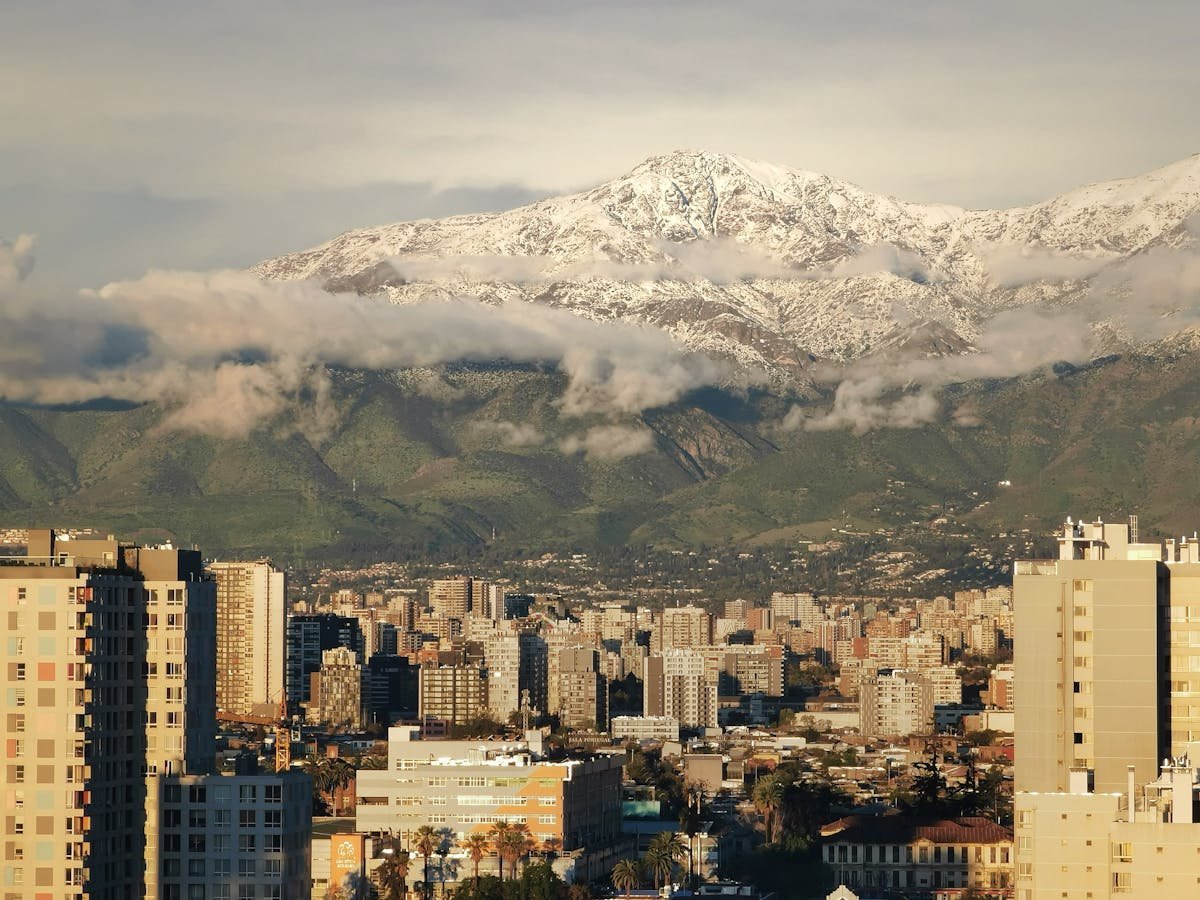
Santiago is also the cheapest major stop on the backpacker route. Dorms in Barrio Brasil or Barrio Yungay run $10-14 per night. The metro costs around 800 CLP (under $1) and covers the whole city. Street food — completos (Chilean hot dogs buried in avocado), sopaipillas, empanadas — rarely costs more than $2-3. I averaged about $35 per day in Santiago including a few beers, which felt almost irresponsible after the Atacama.
If you have an extra day, take the bus to Valparaiso. It is ninety minutes each way and costs about $5. Or save it for a dedicated stop, which is what I did and what I think is the better call.
Valparaiso: Two Days Minimum, Three If You Like Getting Lost
I have a whole separate guide to Valparaiso, so I will keep this brief. It is the most interesting city I have been to in South America. Hills painted in murals from base to summit. Century-old funiculars hauling you up cliff faces for a few hundred pesos. Each cerro has its own personality and its own version of the same Pacific sunset. I spent day one on Cerro Alegre and Cerro Concepcion (the obvious tourist hills, still genuinely excellent), and day two on the less-visited eastern cerros, which were grittier and more rewarding.
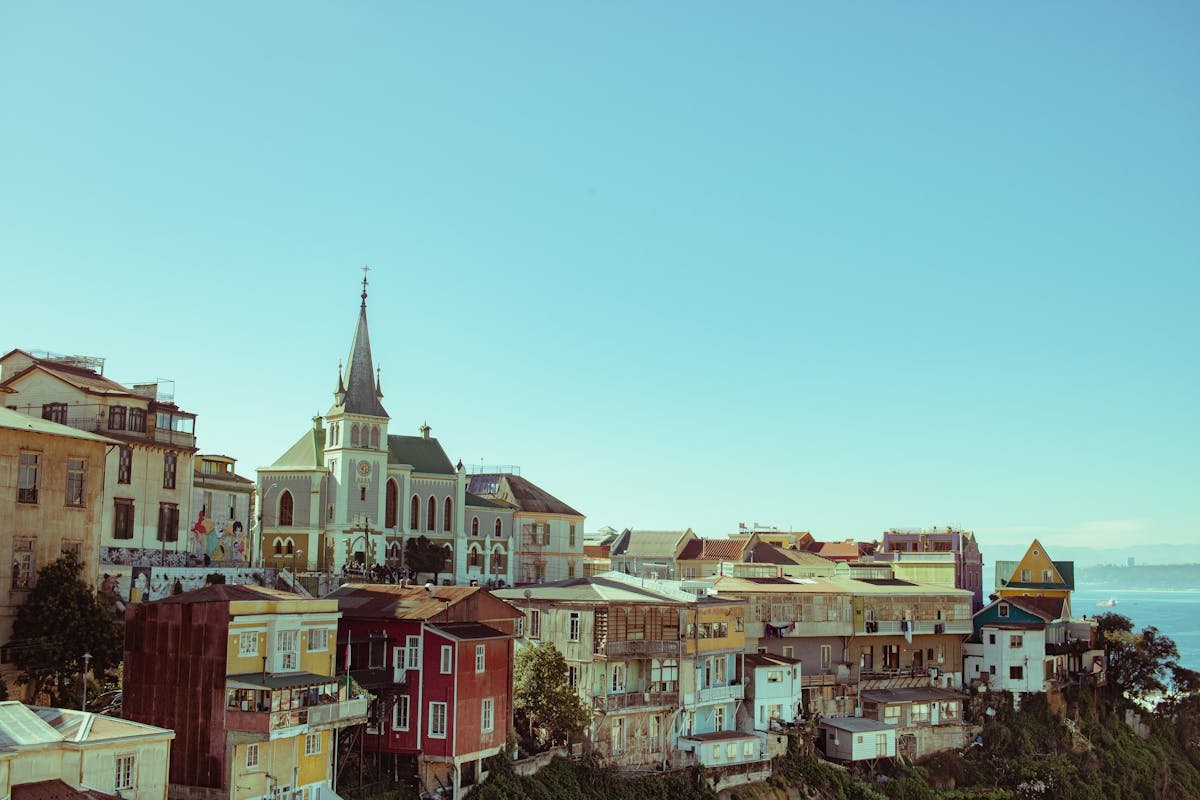
Hostels in Valparaiso are some of the best I stayed in anywhere in Chile. Good common areas, social kitchens, and a culture of sitting around drinking pisco sours and sharing route tips. Dorms cost $10-15 per night. Eat at the port market for lunch — the merluza (hake) sandwiches are enormous and cost about $4.
One honest warning: Valparaiso has a pickpocketing problem. I did not experience it personally, but two people at my hostel did. Keep your phone in your front pocket, do not flash expensive cameras in quiet streets, and be careful on the ascensores at night. It is not dangerous in the way that keeps you from going out. It is dangerous in the way that means you pay attention.
The Lake District: Volcanoes, Hot Springs, and the Best Camping in Chile
The stretch from Temuco to Puerto Montt is where Chile stops looking like South America and starts looking like Switzerland with volcanoes. Snow-capped cones above deep blue lakes. Araucaria trees that look like props from a Dr. Seuss set. Hot springs steaming in forest clearings. This region does not get the press that Patagonia does, and that keeps it cheaper.
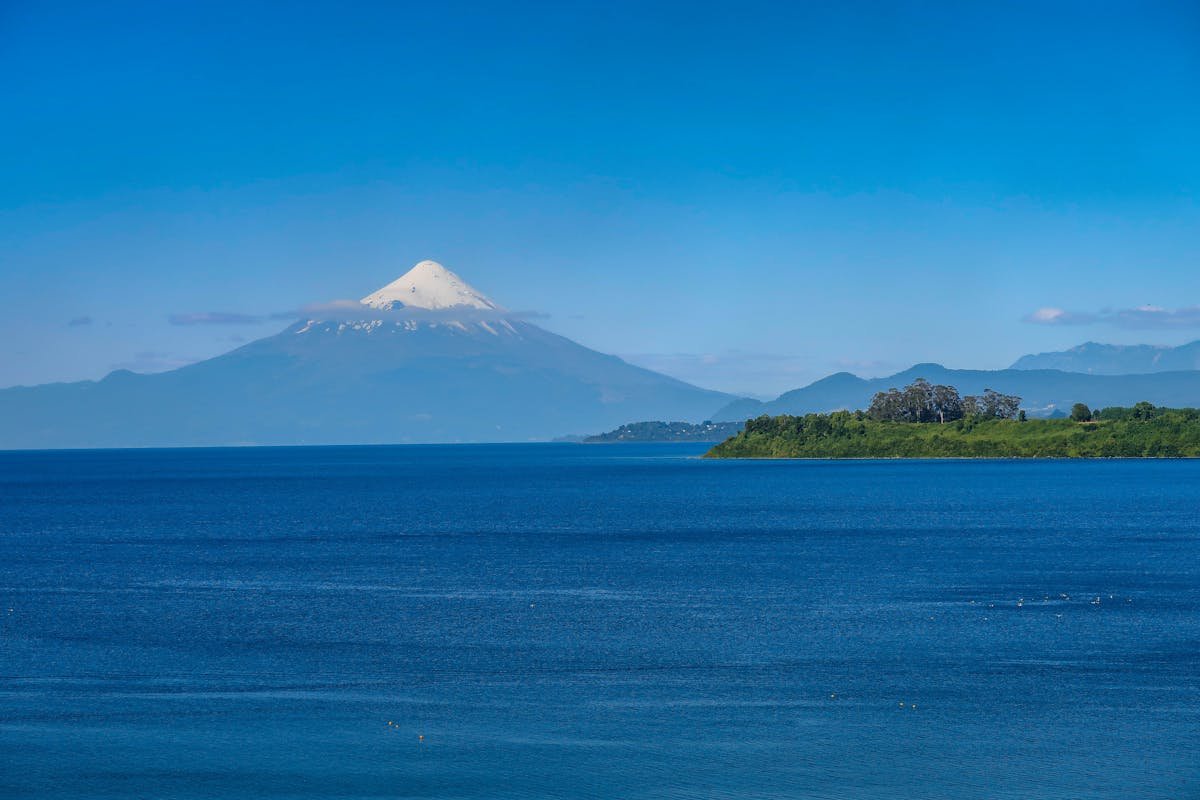
Pucon is the backpacker hub of the Lake District and it earns that reputation. The hostel scene is strong, the volcano climb is a bucket-list day, and the town has a surprisingly good food scene for its size. I did the Villarrica Volcano climb — about $80 for the guided trip including gear rental — and it was one of the highlights of the entire six weeks. Standing on the rim of an active volcano, looking down into a glowing crater while sulfur smoke blew sideways in the wind, wearing crampons on my hiking boots. I had never done anything like it.
South of Pucon, things quiet down. Villarrica town is the cheaper, less flashy version and makes a good base. Puerto Varas sits on Lago Llanquihue with Osorno Volcano filling the horizon — the kind of place where you book two nights and stay four because every morning the volcano is still there and still perfect.
Camping here is excellent and cheap. CONAF campsites cost $5-10 per night with basic facilities. Private campgrounds with hot showers run $8-15. I camped roughly half the time in this region and it cut my daily costs by a third.
The Carretera Austral: The Road That Changes Everything
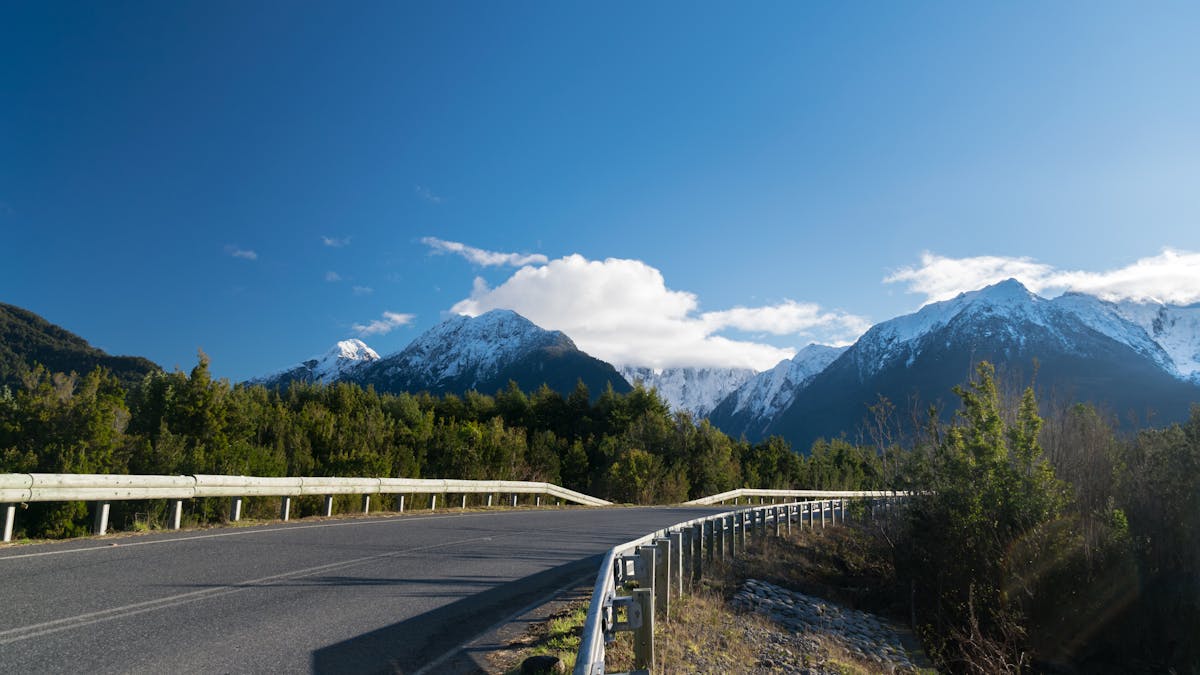
If I could only keep one stretch of this entire trip, it would be the Carretera Austral. Most backpackers with limited time skip it, and they are wrong. The Carretera is a 1,200-kilometer road — part paved, part gravel, part questionable — running from Puerto Montt through hanging glaciers, turquoise rivers, and rainforest that goes right down to the waterline. Almost nobody on the road.
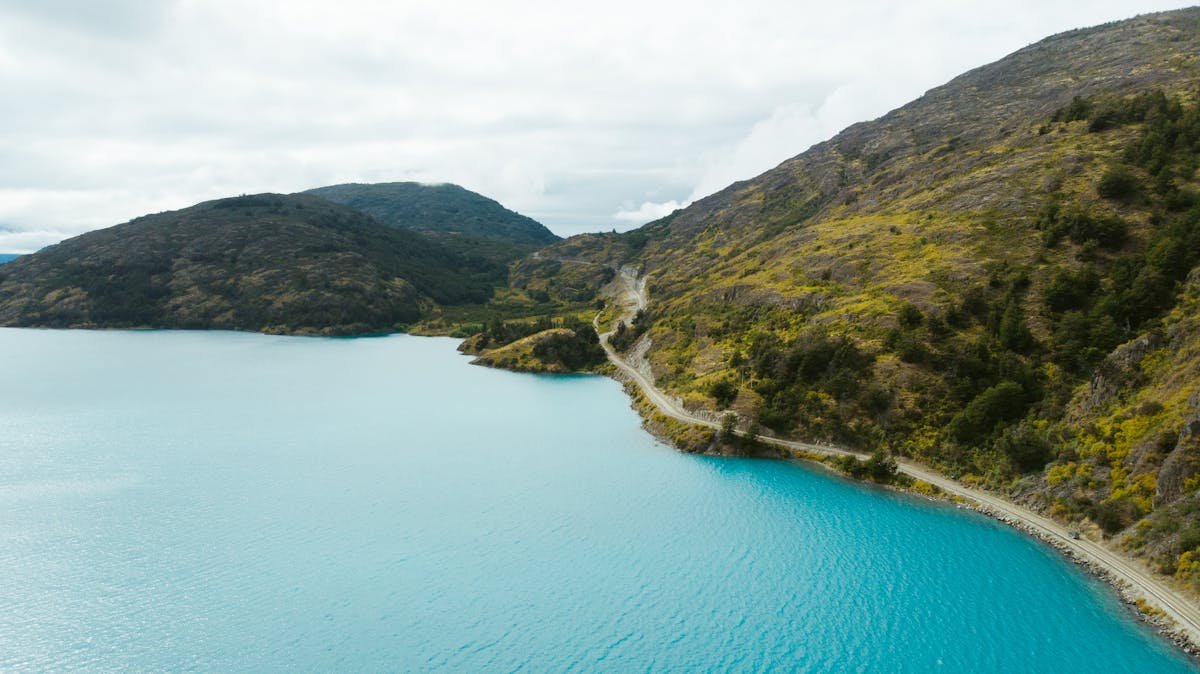
The Carretera is where hitchhiking becomes not just an option but the standard mode of transport. Buses are infrequent — sometimes one per day, sometimes one every few days — and expensive for the distances involved. Locals hitchhike. Families hitchhike. I saw a grandmother with a shopping bag get picked up within five minutes. I hitched roughly half my rides along the Carretera and never waited more than forty minutes. Chilean drivers in the south are remarkably generous. Most of them will not just drive you to the next town — they will tell you where to camp, what to eat, and which river to fish in.
Key stops along the Carretera: Chaiten (gateway to Pumalin Park, which is free and staggering), Coyhaique (the biggest town and a good place to resupply), and Cerro Castillo (a multi-day trek that rivals the W Trek at a fraction of the cost and crowds). I spent ten days on the Carretera and could have spent three weeks. Budget was around $30-35 per day, mostly because accommodation options are limited and food is whatever the one restaurant in town is serving.
Patagonia: The Grand Finale That Will Wreck Your Budget
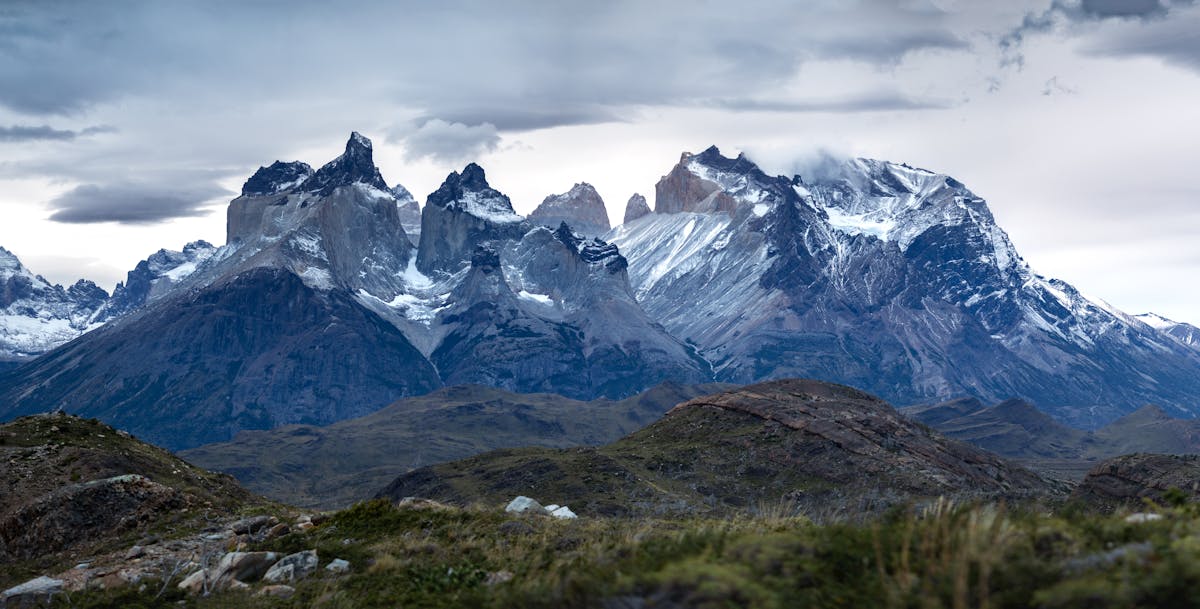
And then you reach Patagonia, and the prices jump, and the wind tries to knock you off the trail, and the Torres del Paine massif appears through the clouds like something out of a movie, and you stop caring about money.
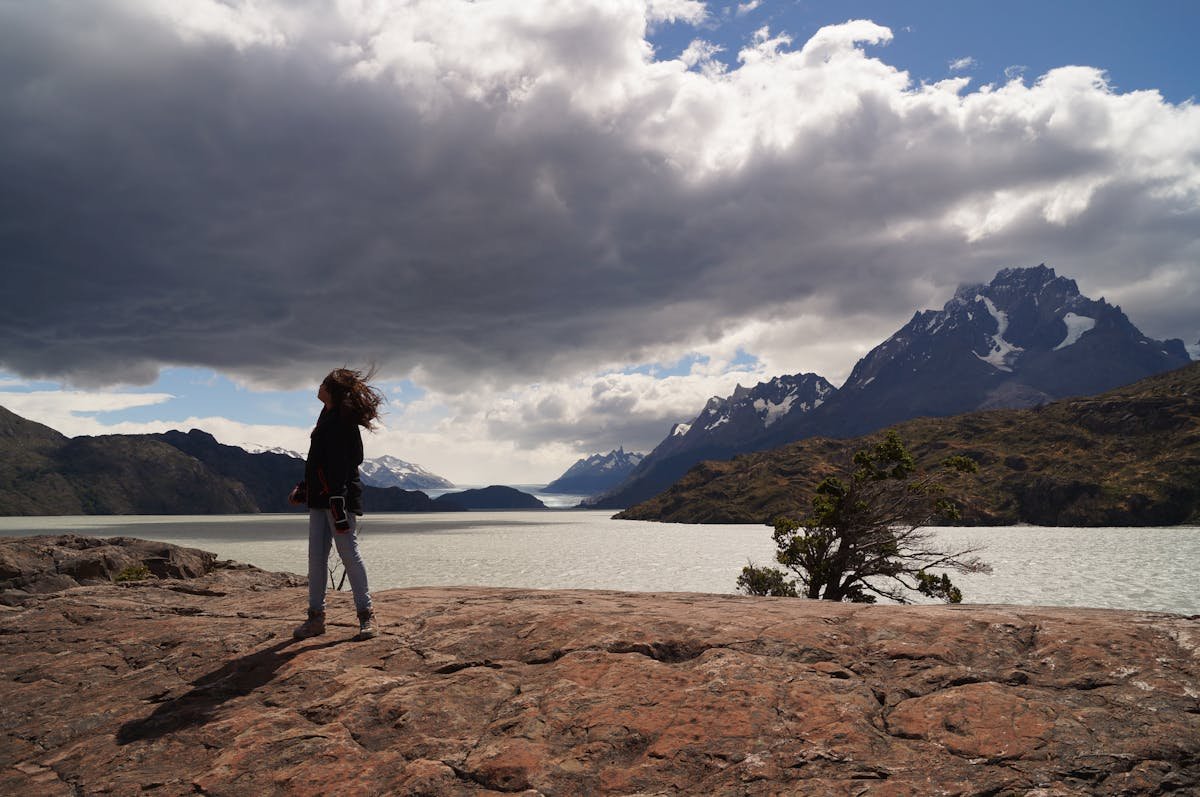
The W Trek is the obvious draw. Four days, roughly 80 kilometers, through the most photographed mountain scenery on earth. Park entry is around $40,000 CLP (about $45) for foreigners. Refugio accommodation runs $50-80 per night; camping sites are $15-25 per night in peak season and must be booked in advance. I camped and spent about $200 for four days including food packed from Puerto Natales.
Puerto Natales is the gateway town. Dorms run $15-20, a menu del dia is $8-10, and the supermarket is where you will spend an afternoon buying pasta, oatmeal, and trail mix. I ate an enormous amount of pasta with tuna on the W Trek. It kept me alive. That is the best thing I can say about it.
Beyond the W Trek, Patagonia has plenty more if you have the time and the legs. The O Circuit adds three more days and a backcountry section that sees far fewer people. Day hikes from the various park entrances are free (after the park entry fee) and spectacular. And if you keep going south, Punta Arenas and Tierra del Fuego wait at the bottom of the continent, windswept and strange and satisfying in the way that finishing something is always satisfying.
The Money: A Realistic Daily Budget
Let me be direct about this. Chile is expensive for South America. If you are coming from Colombia or Bolivia or Peru, the prices will shock you. If you are coming from Europe or North America, they will feel roughly normal. Here is what I actually spent, averaged across six weeks.
| Category | Budget ($USD/day) | Notes |
|---|---|---|
| Accommodation | $12-18 | Dorms in hostels, camping when possible |
| Food | $12-20 | Cooking most dinners, menu del dia for lunch, street food |
| Transport | $8-15 | Buses, averaged over long and short haul days |
| Activities/entry fees | $5-10 | Some days $0, some days $50+ (tour days) |
| Beer/miscellaneous | $3-5 | You are on holiday, budget for a beer |
| Total | $40-60/day | $45 was my real average over 6 weeks |
The range depends on where you are. Santiago and the Lake District are cheap — $35-40 per day is realistic. The Atacama and Patagonia are expensive — $55-65 per day even if you are careful. The Carretera Austral is mid-range but unpredictable because there are fewer options. For the full breakdown, check our money and costs guide.
Where to Splurge
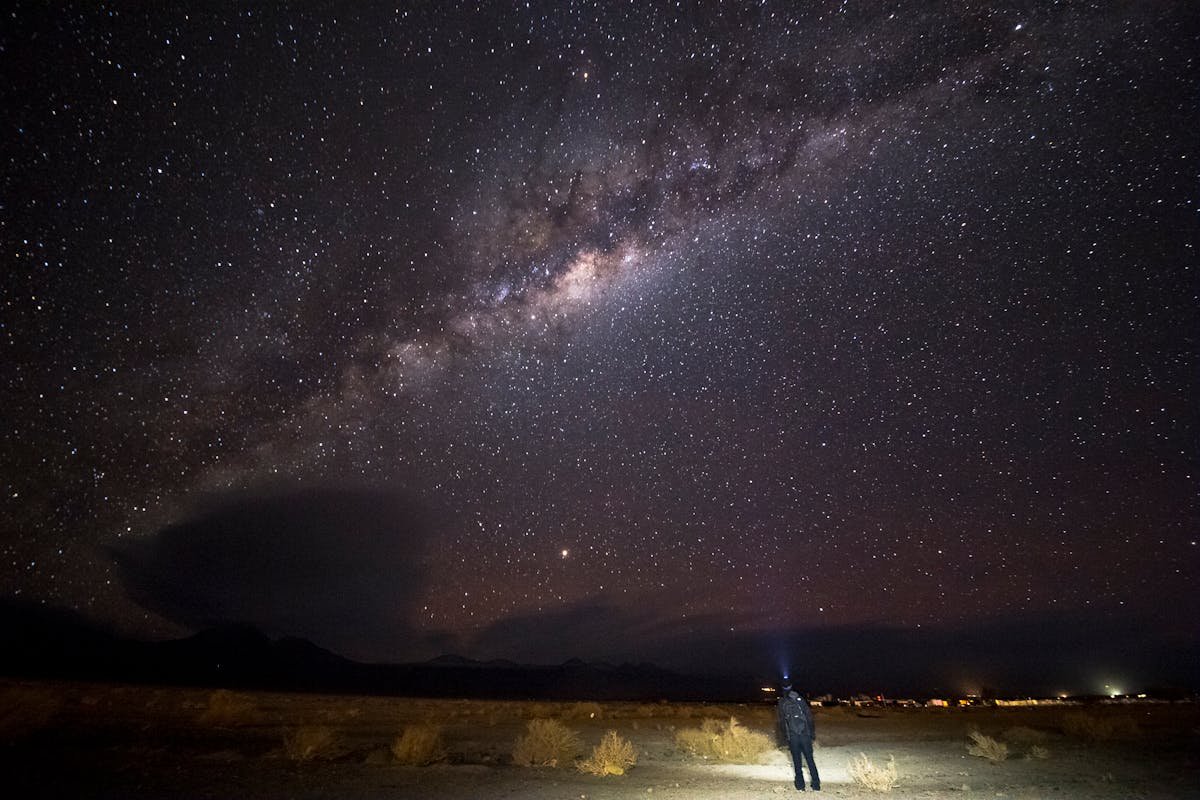
The Villarrica Volcano climb. A stargazing tour in the Atacama (the $30 one, not the $80 observatory package — the cheap tours are plenty good). One nice dinner in Valparaiso with a bottle of Chilean wine (you can eat like royalty for $25). And the W Trek, because you did not come this far to skip it.
Where to Save
Cook your own dinner in hostel kitchens — pasta, rice, and vegetables from the supermarket will cost you $3-4 per meal versus $10-15 eating out. Take overnight buses to save on accommodation (the bus ticket effectively replaces a hostel night). Camp whenever the option exists. Drink beer from the supermarket, not from bars — a liter of Cristal or Escudo from a shop costs about $1.50, versus $4-5 at a bar.
Getting Around: Buses, Hitchhiking, and the Occasional Flight
Chile's bus system is excellent. The key distinction: semi-cama is the standard class (reclining seats, about 160 degrees, fine for anything under eight hours) and cama is premium (seats that go nearly flat, curtains, actual meals, sometimes wine). The price difference on overnight routes is usually $10-15, and it is worth every peso. I slept better on a cama bus from Santiago to Temuco than I did in several hostels.
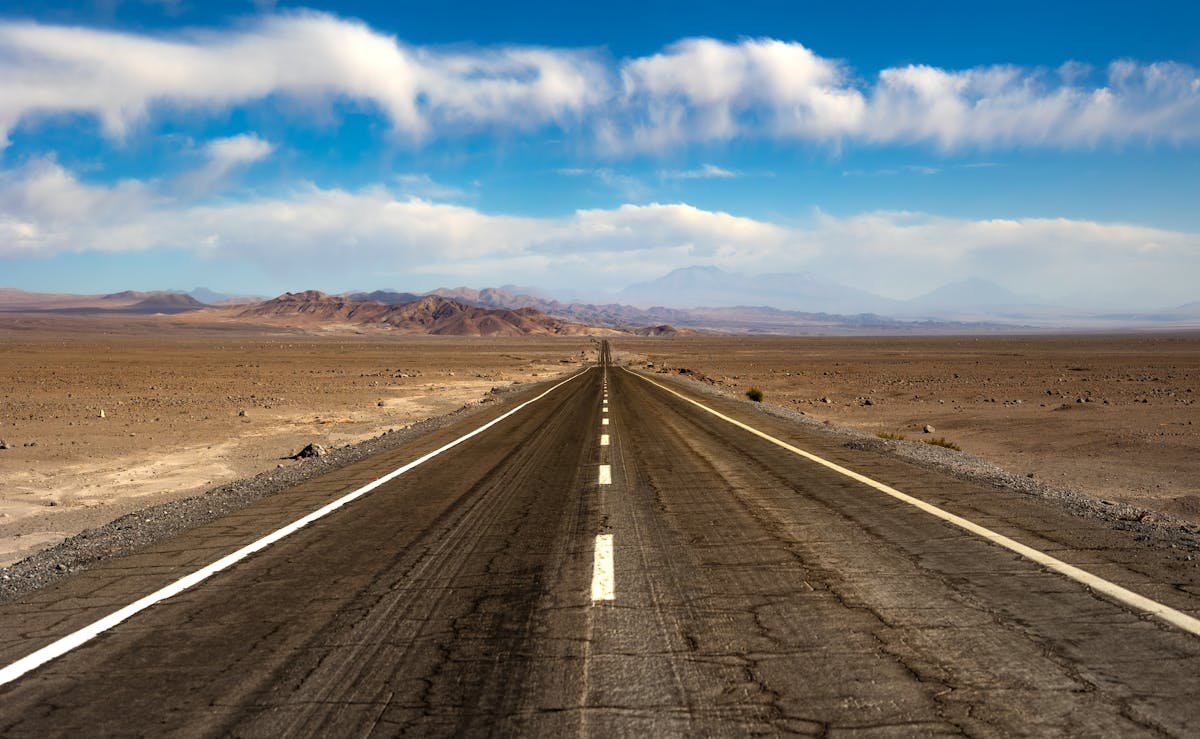
Major operators: Turbus and Pullman Bus cover most of the country and are reliable. Cruz del Sur runs the south. For short hops, local companies at the bus terminal are often cheaper but harder to find online. I booked most of my buses at the terminal on the day of travel and only got shut out once (a holiday weekend to Pucon — book that one in advance).
For the full transport breakdown, including internal flights and how to use the BIP metro card in Santiago, check our getting around guide.
Hitchhiking
Hitching is common and culturally accepted south of Puerto Montt. On the Carretera Austral it is almost expected. In the Lake District it works well. In the north and around Santiago, it is less common and I would not rely on it. I hitched maybe fifteen rides over the course of the trip and had only positive experiences. Chilean truck drivers are talkative, generous, and will often buy you lunch. Two rules: be at the road early (before 9am for long rides), and carry a sign with your destination written clearly.
Where to Sleep: Hostels, Camping, and the Occasional Splurge
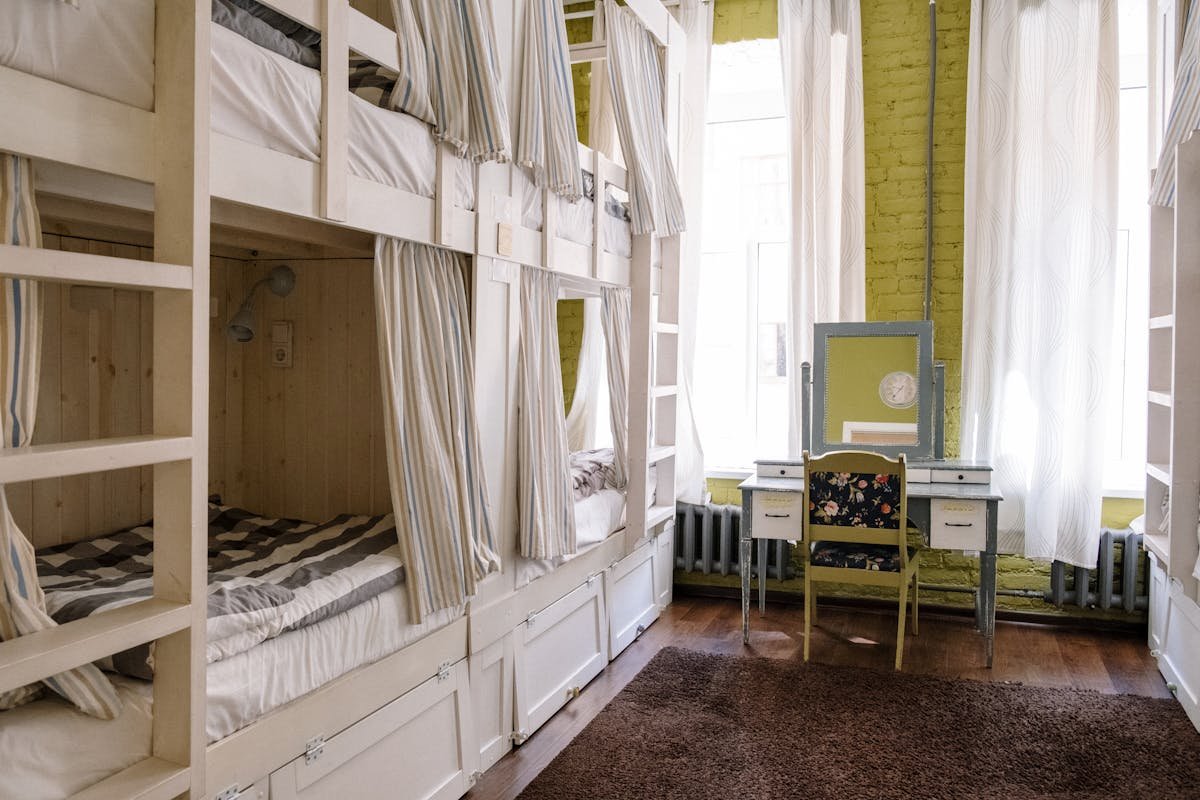
Chilean hostels are not party hostels. They are clean, kitchen-focused places where people cook together and share route tips over the common table. The best I stayed in were in Valparaiso, Pucon, and Puerto Natales. The worst was in Calama, a transit town that exists only as a gateway to San Pedro.
Dorm prices vary by region:
| Region | Dorm price/night |
|---|---|
| Santiago | $10-14 |
| Valparaiso | $10-15 |
| San Pedro de Atacama | $15-22 |
| Lake District (Pucon, Puerto Varas) | $12-16 |
| Carretera Austral | $14-20 |
| Puerto Natales / Patagonia | $15-22 |
Book ahead only in peak season (December-February) and for Patagonia. Otherwise, walk in. Some of the best hostels are only on Google Maps or Instagram — word of mouth is still the best booking engine in Chile.
Camping
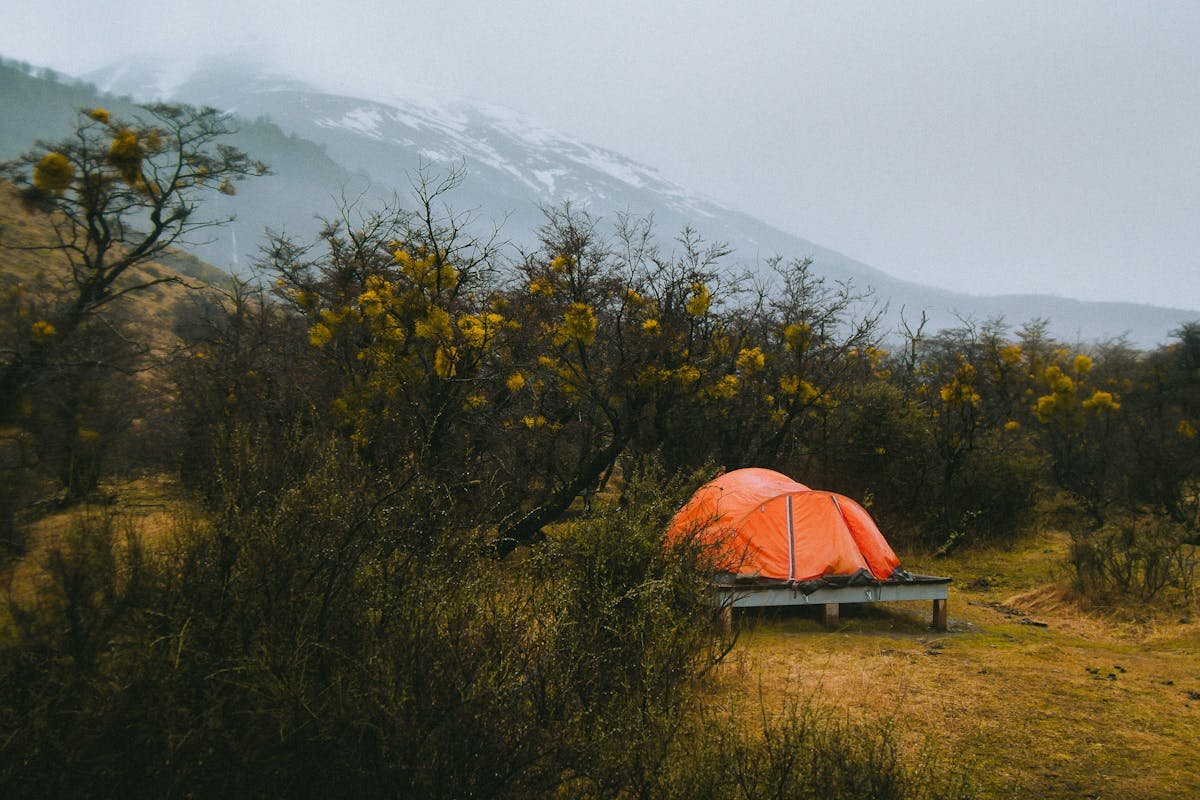
Carry a tent and Chile gets significantly cheaper. Wild camping is technically illegal but widely practiced in the south, especially along the Carretera Austral. I wild-camped about a dozen times and was never bothered.
The weight trade-off is real — tent, sleeping bag, and mat add 3-4 kilos. In the Lake District and Carretera Austral, worth it. In the Atacama and Santiago, you will not use it. My solution: I shipped camping gear south via Turbus bus freight from Santiago to Temuco ($8) and picked it up at the terminal.
Eating on a Budget: Markets, Menu del Dia, and Hostel Kitchens
"Menu del dia" is the single most important phrase for budget eating in Chile. Almost every small restaurant — handwritten board, plastic tablecloths, no English — offers a set lunch: starter (usually soup), main (meat or fish with rice), a drink, sometimes dessert. $4-8 depending on the city. This is how working Chileans eat. Some of the best meals of my trip were $5 set lunches in places no tourist would find.
For the full Chilean food breakdown, check our dedicated guide. But here are the essentials for backpackers:
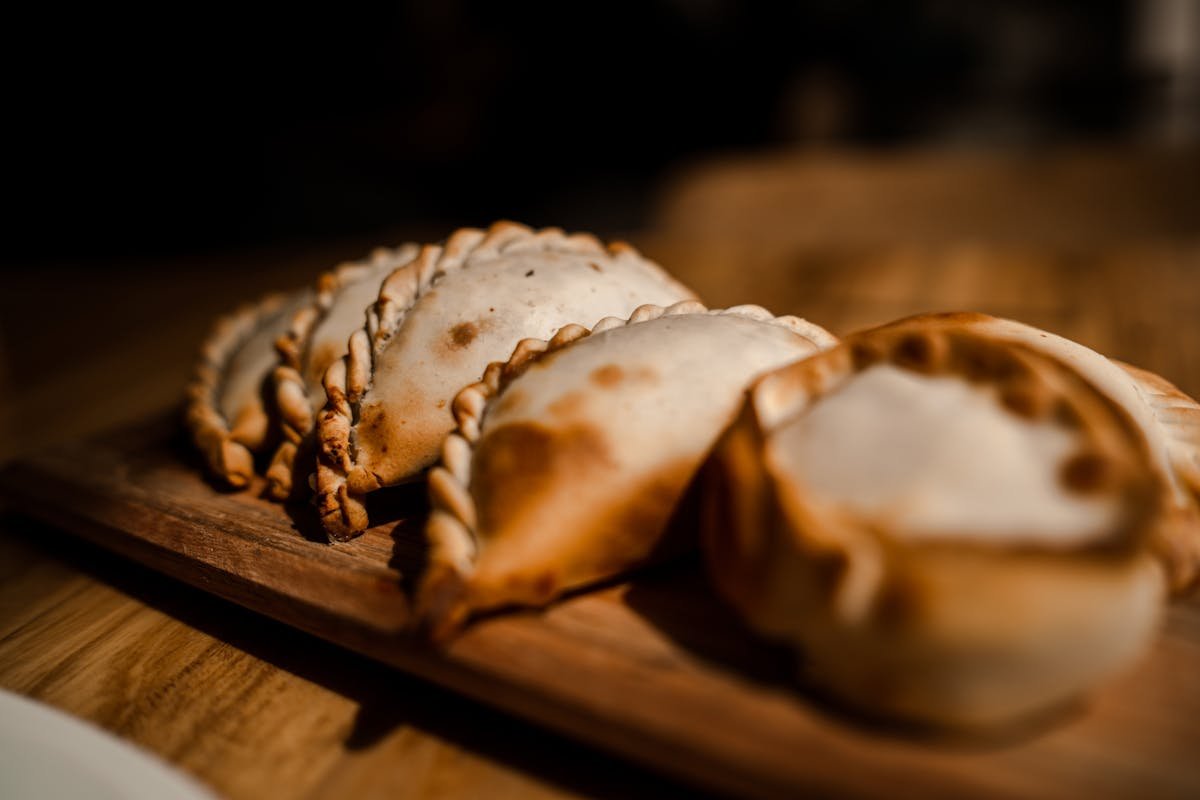
Cheap eats: Empanadas ($1-2, get the de pino — ground beef, onion, olive, egg). Completos (hot dogs buried in avocado, $2-3). Sopaipillas (fried pumpkin bread, pocket change). Fresh marraqueta bread from panaderias, under $1 a bag.
Supermarket cooking: Lider and Jumbo are the main chains. Pasta and rice cost about $1 per kilo. Avocados — Chile runs on avocados — are $0.50-1 each. A hostel dinner costs $3-4 if you shop smart.
Traps: Anywhere with an English menu. Craft beer at bars ($5-7 versus $1.50 from a shop). Small-town supermarkets on the Carretera Austral. Stock up in bigger towns.
Visas, Safety, and Practical Things
Most nationalities get 90 days on arrival, no visa required. You will get a Tarjeta de Turismo (small white card) — do not lose it, you need it when you leave. Full details on our visa page.
Chile is one of the safest countries in South America. I never felt threatened or had anything stolen. Petty theft happens in Valparaiso and Santiago's metro — front pockets, common sense. See our safety guide for detail.
Tap water is drinkable everywhere. Unusual for South America and saves you a fortune. Carry a reusable bottle.
The Packing List (Honest Version)
I overpacked and regretted it by day three. Chile has every climate, which tempts you to pack for all of them. Resist.
Used daily: Two merino t-shirts, zip-off hiking pants, shorts, midweight fleece, rain shell, trail runners (hiked the W Trek in them, zero issues), 20L daypack.
Used often: Down puffy jacket (essential in Patagonia and Atacama nights), headlamp, sunscreen (UV is intense — the ozone hole is real), buff, two pairs of wool socks, sandals for hostels.
Should not have brought: Jeans. A second pair of shoes. Three of my five t-shirts.
Should have brought: More sunscreen (expensive in Chile). A better power bank. A Spanish phrasebook for when your phone dies in the middle of nowhere.
How Long You Need
Longer than you think. That is the honest answer.
Three weeks is the minimum, but you will sprint. You will choose between the Atacama and the Carretera Austral. No buffer days for weather, and Patagonia can shut down for days. If that is all you have, read our two-week itinerary and add a week.
Four to five weeks is comfortable. Most backpackers I met had this and wished for more.
Six to eight weeks is ideal. North to south including the Carretera Austral, with time to linger. My six weeks felt right. I skipped Easter Island and Tierra del Fuego. Eight weeks would have covered both.
Almost nobody I met regretted staying too long. Several changed their flights. Budget for that possibility.
Quick Tip
If you are combining Chile with other South American countries, do Chile last. After the prices here, Bolivia and Peru will feel absurdly cheap. Doing it the other way round leads to constant sticker shock.
The Route Summary
| Section | Time needed | Daily budget | Highlights |
|---|---|---|---|
| Arica / Far North | 2-3 days | $35-40 | Cheap ceviche, altiplano, border culture |
| Atacama | 3-5 days | $50-60 | Valle de la Luna, geysers, stargazing |
| Santiago | 2-3 days | $35-40 | Food, Cerro San Cristobal, Barrio Italia |
| Valparaiso | 2-3 days | $35-45 | Street art, cerros, port market |
| Lake District | 5-7 days | $35-45 | Volcanoes, hot springs, camping |
| Carretera Austral | 7-14 days | $30-40 | Pumalin, Cerro Castillo, hitchhiking |
| Patagonia | 5-10 days | $50-65 | W Trek, glaciers, end of the world |
I came to Chile with a backpack and a vague idea of going south. Six weeks later, standing at the tip of the continent with wind whipping off the strait and penguins standing around like they owned the place, I understood something that no guidebook had prepared me for: Chile is not one country. It is a half-dozen countries stacked end to end, connected by the longest, thinnest road you can imagine, and every single one of them is worth the bus ride to get there.
Pack light. Bring more money than you think. And go south.