This article contains affiliate links. If you book through them, I earn a small commission at no extra cost to you.
It was 11:58 PM on a Tuesday in July, and I was refreshing the Vertice Patagonia booking page like my life depended on it. The site had crashed three times already. My spreadsheet of preferred dates, backup dates, and backup-backup dates was open in the next tab. At 12:01 AM the page loaded, I clicked through to Paine Grande campsite, selected my dates — and got a spinning wheel for forty-five seconds before the session timed out. When I got back in, my first-choice dates were gone.
That was my introduction to camping in Torres del Paine. Not the wind, not the glaciers, not the jaw-dropping granite towers. A broken booking website at midnight. And honestly? That booking experience was harder than any day on the trail.
Refugio or Camping? The Question That Changes Everything
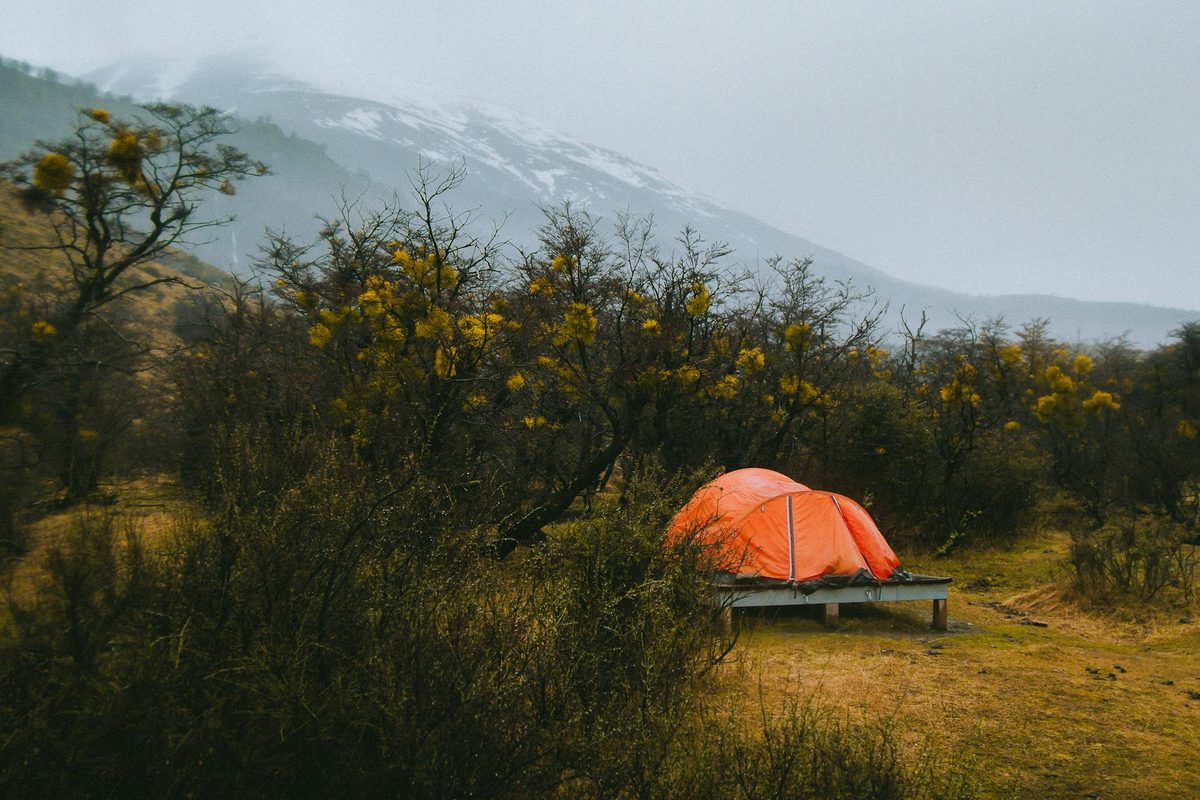
Before you touch any booking website, you need to decide: refugios or camping? This single choice affects your budget, your pack weight, your daily energy levels, and frankly, the entire character of your trek.
I camped every night on the W Trek and mixed refugios and camping on the O Circuit two years later. Here is what that looked like in real numbers:
| Option | Cost per Night | What You Get | Pack Weight Impact |
|---|---|---|---|
| Campsite (own tent) | $8,000-15,000 CLP (~$8-15 USD) | Tent pitch, toilet access, sometimes a cooking shelter | +4-5 kg (tent, sleeping bag, pad, stove, fuel, food) |
| Campsite (rented tent) | $35,000-55,000 CLP (~$35-55 USD) | Pre-pitched tent, sleeping bag, mat, toilet access | +2-3 kg (stove, fuel, food — unless buying meals) |
| Refugio dorm | $95,000-160,000 CLP (~$95-160 USD) | Bunk bed, dinner, breakfast, hot shower, sheets | Daypack only |
| Refugio full board | $140,000-190,000 CLP (~$140-190 USD) | Bunk, all meals, shower, sometimes box lunch | Daypack only |
The math is brutal. Five nights of refugio full board costs $700-950 USD. Five nights camping with your own gear? Maybe $50-75 total. Even renting gear at each site keeps you under $300.
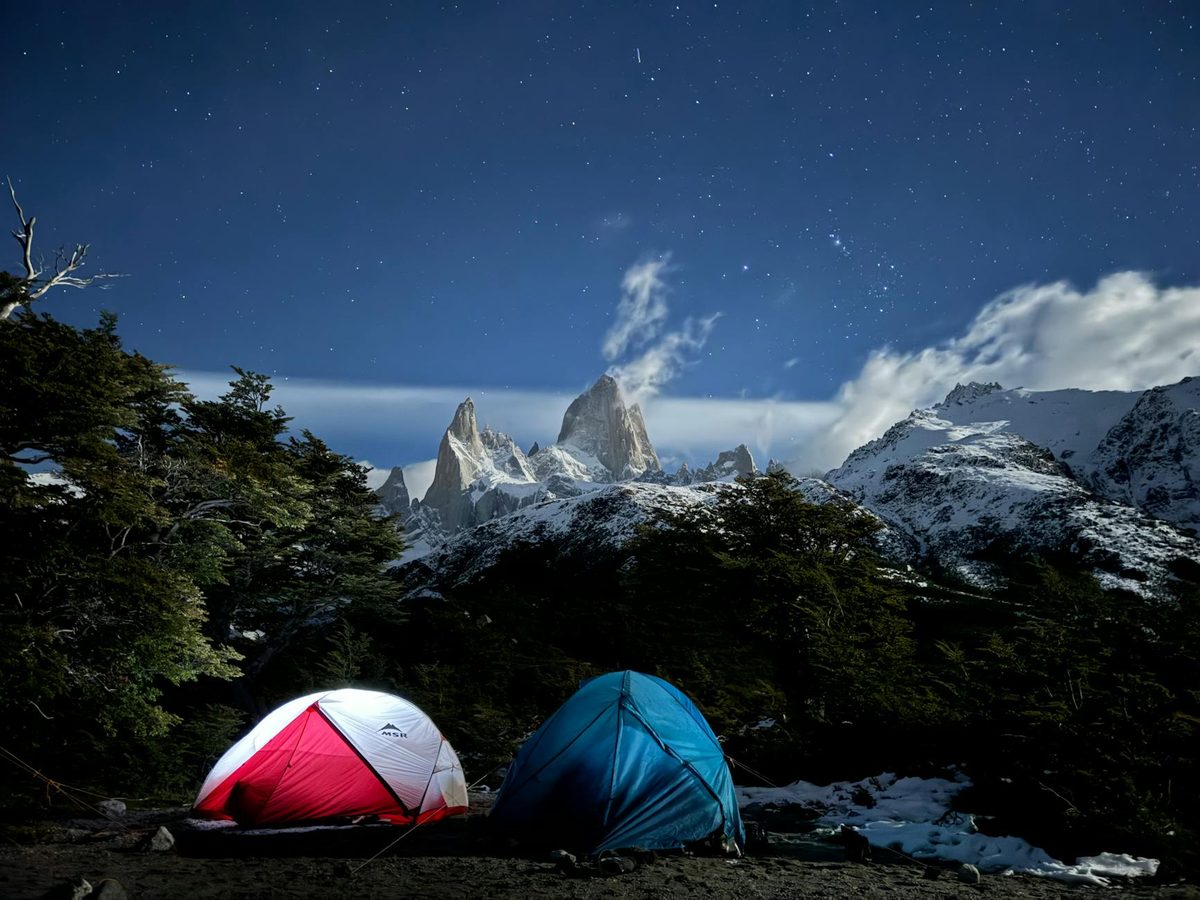
But camping in Torres del Paine is not like camping anywhere else. The wind does not stop. I mean sustained 60-80 km/h gusts that will flatten a freestanding tent if you have not staked every single point. One night at Camping Frances, an empty tent two spots from mine went cartwheeling across the campground like a tumbleweed. Nobody even flinched.
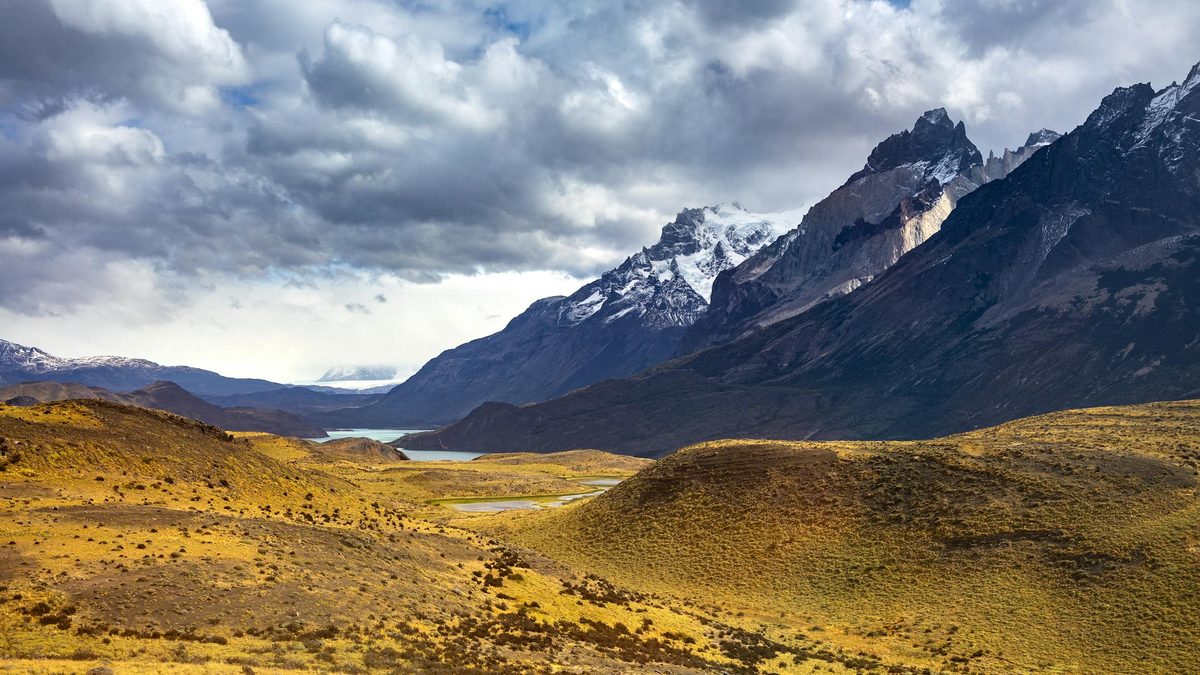
If you can handle cold, wind, and the weight on your back, camping is incredible. Falling asleep to the sound of a glacier cracking across the lake. Waking up to frost on your tent and a sunrise that makes everything worth it. The refugio hikers are warm and fed, but they miss these moments. It is a trade-off either way.
The Booking System — Your Real First Challenge
This is the part of planning that breaks people. Torres del Paine campsites and refugios are managed by three separate entities, each with their own booking system, their own pricing, and their own rules. You cannot book everything in one place. You need to deal with all three.
Vertice Patagonia
Manages Paine Grande, Grey, and Dickson — the western and northern sites critical for both the W and the O Circuit. Their website still crashes during peak booking windows. System opens late September or early October. International cards sometimes get declined — keep trying or use a different card.
Fantastico Sur
Manages Chileno, Los Cuernos, Frances, and the Hotel Las Torres area. More polished booking system than Vertice, but popular sites still vanish fast. They typically open bookings a week or two before Vertice — check their social media. Also manages tent and gear rental at their sites.
CONAF (National Park Service)
Manages the free campsites — a flat spot, a pit toilet, maybe a wind shelter. No showers, no cooking facilities, no tent rentals. Still requires a reservation through CONAF's own system, which is the most frustrating of the three. Sometimes it just does not work, and there is no phone support worth calling.
Booking Timeline
Reservations open in late September/early October for the full season (October-April). Peak dates in January and February sell out within days. If you want specific dates in high season, set an alarm and be online the minute bookings open. Shoulder season (October, March, April) gives you more flexibility — I booked my March trip just six weeks in advance and still got everything I wanted.
My W Trek booking required two nights through Vertice, two through Fantastico Sur, and one CONAF reservation. Each system wanted separate payment. Each had different cancellation policies. I kept a spreadsheet tracking confirmation numbers and still almost showed up at the wrong campsite on day three.
Every Campsite on the W Trek — What to Actually Expect
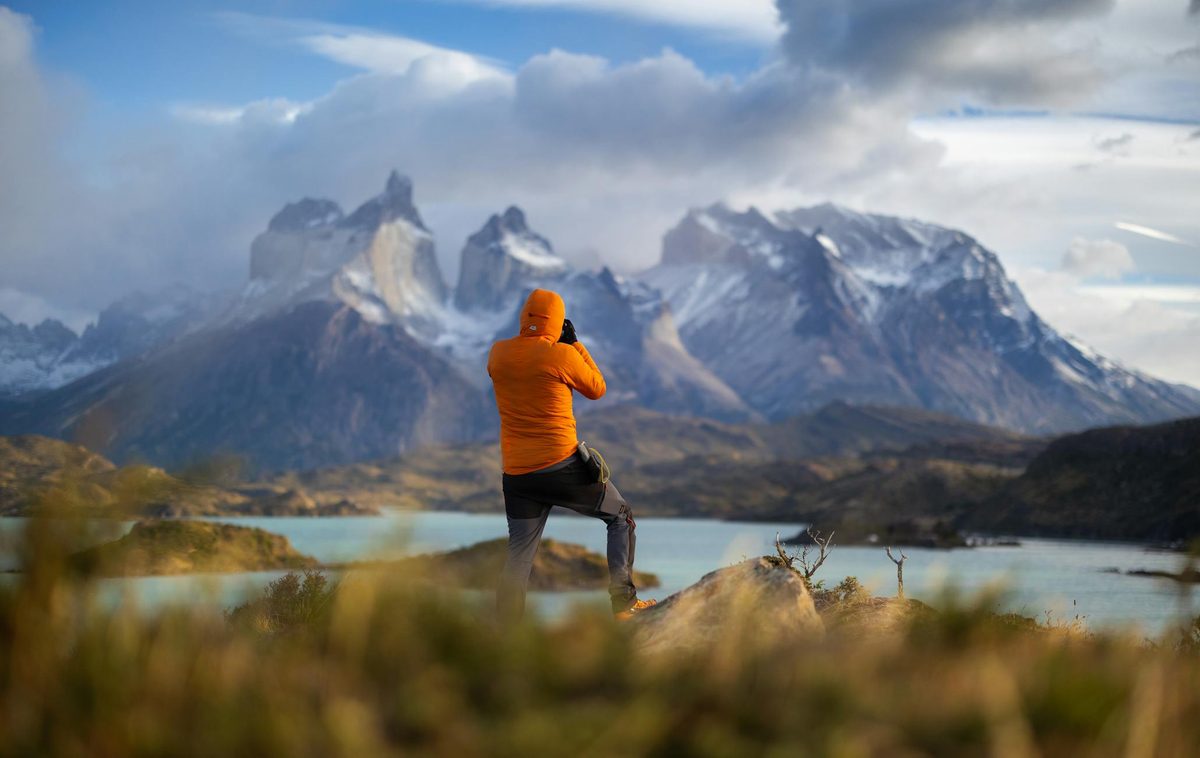
Here is every site on the W, going west to east.
Paine Grande
Where most west-to-east hikers start, after the catamaran from Pudeto. The largest campsite on the circuit — flat area near Lago Pehoe with a cooking shelter, small shop, and refugio restaurant. "Decent" meal at the refugio means $18,000-25,000 CLP for spaghetti.
The campsite is brutally exposed. Nothing between you and the wind off the lake except low scrub. I watched someone try to set up a tent without staking it first — lasted about eight seconds.
Managed by: Vertice Patagonia
Facilities: Showers (lukewarm), cooking shelter, small shop, refugio
Best pitch: Tree line on the eastern edge for wind protection
Camping Frances
After the day hike up into the French Valley (one of the best day hikes in the park), you drop back down to Camping Frances. This is a smaller, more intimate site tucked into the trees along the valley. It has more natural wind protection than Paine Grande, which is a relief. The cooking shelter is basic but functional.
Frances fills up fast — it is the most in-demand campsite on the W because of its position in the middle of the route. If you cannot get Frances, the alternative is pushing on to Los Cuernos, which adds about two hours of hiking to an already long day.
Managed by: Fantastico Sur
Facilities: Cooking shelter, toilets, tent rentals available
Note: No shop here — bring all your food
Los Cuernos
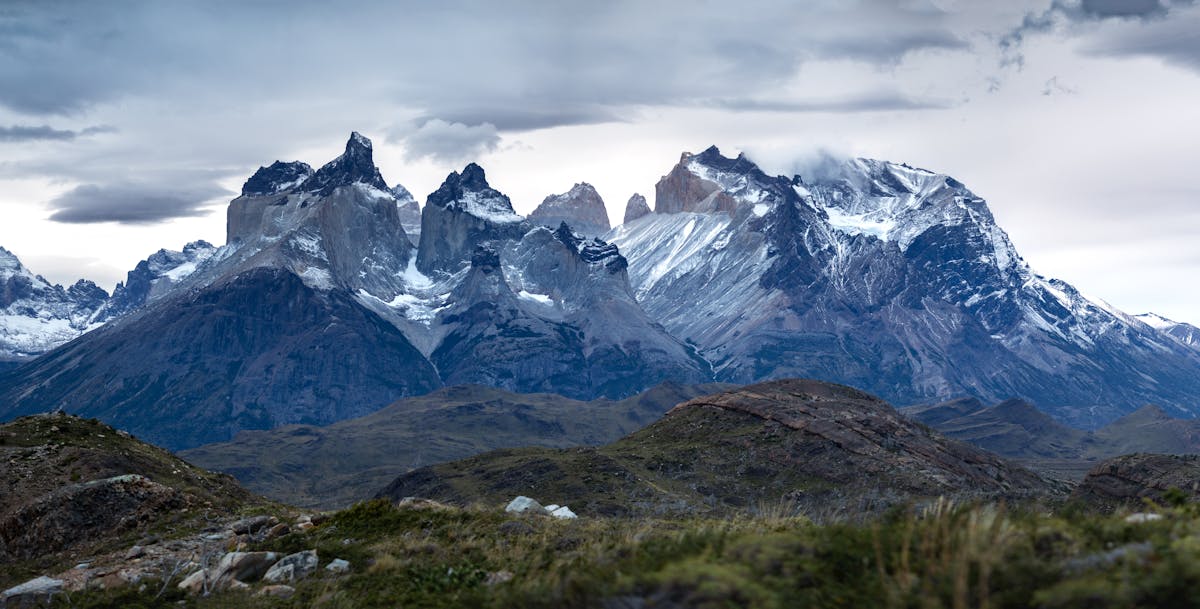
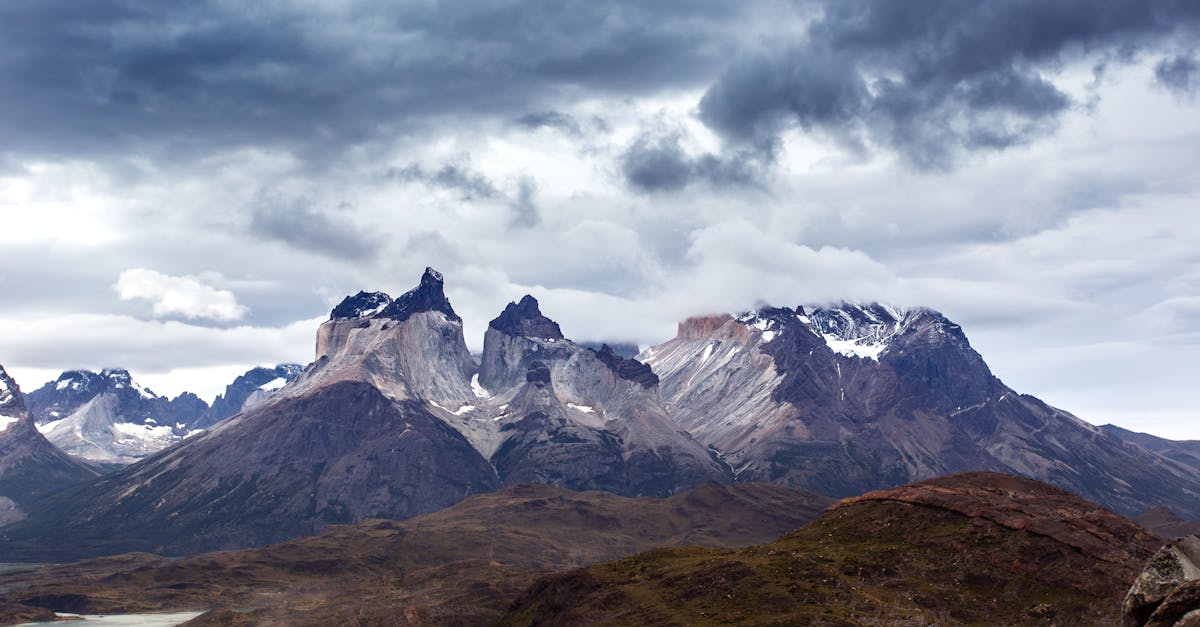
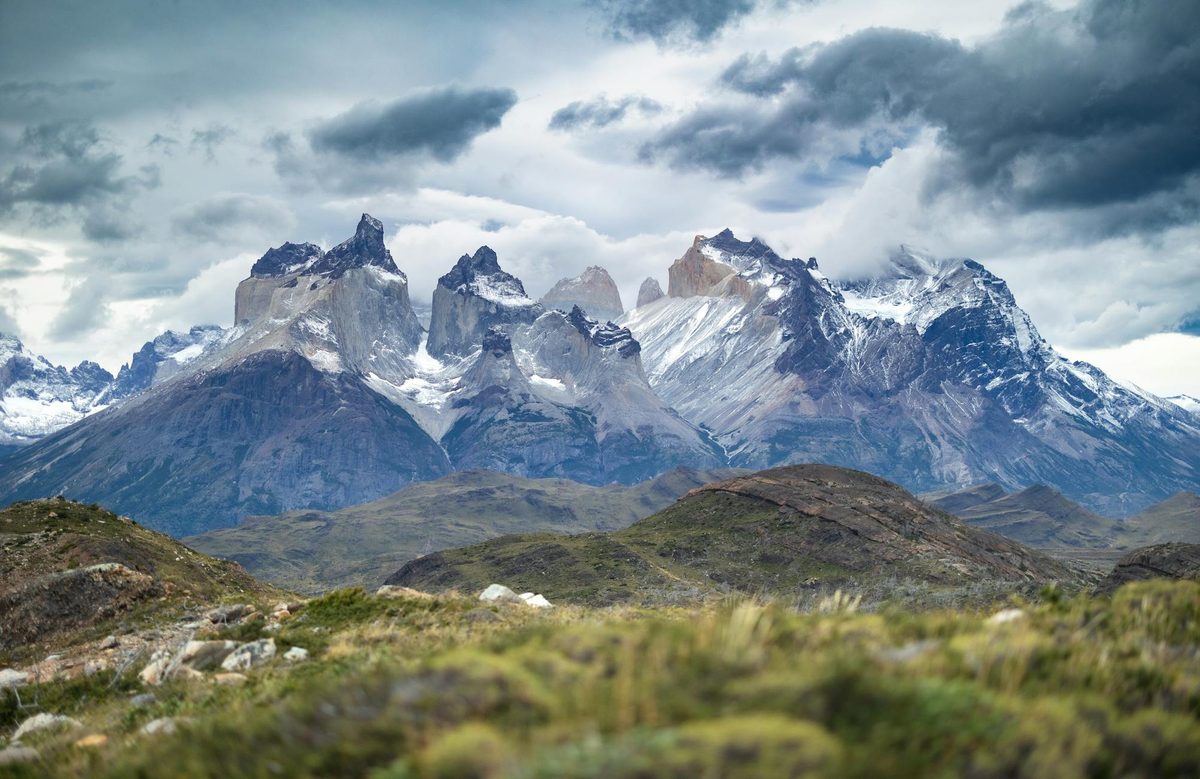
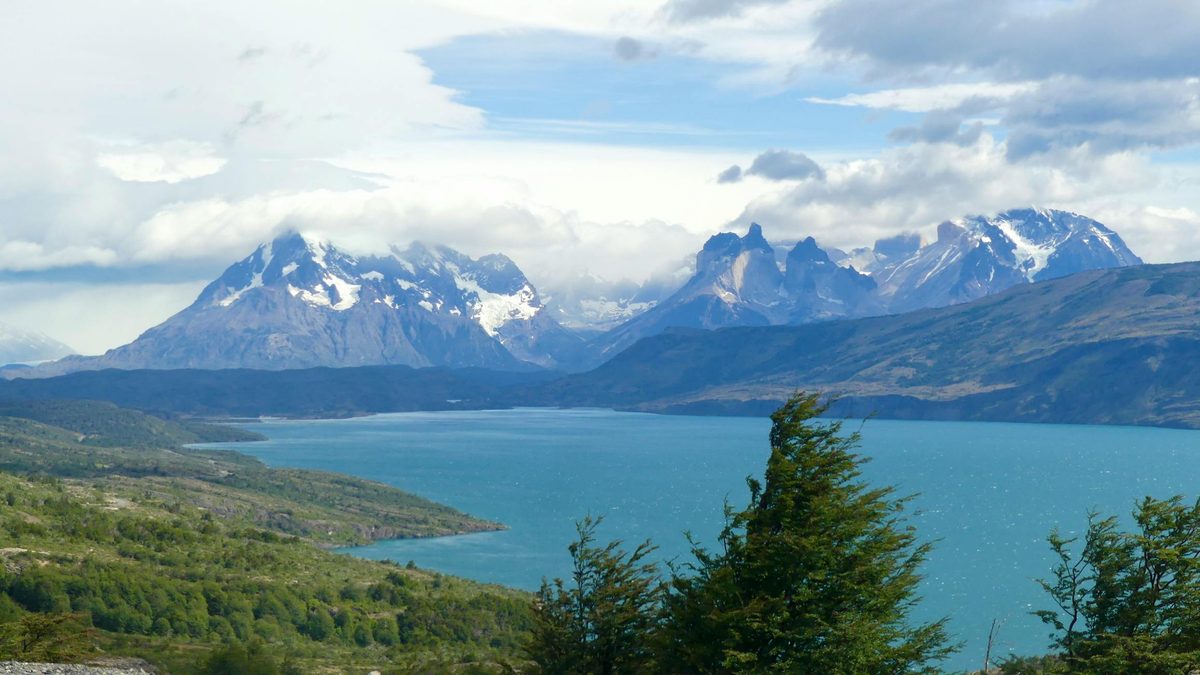
Sitting beneath the Cuernos del Paine — those dark-tipped horn-shaped peaks — this is probably the most scenic campsite on the W. I say "probably" because I arrived in horizontal rain and did not see the Cuernos until 6 AM the next morning when the clouds finally broke. When they did, I understood why people love this site.
Los Cuernos has a refugio with a restaurant, a small bar, and relatively decent facilities for a backcountry camp. The tent sites are terraced into a hillside, which means some spots are more sheltered than others. Ask for a lower pitch if you can — the upper ones catch the full force of the wind.
Managed by: Fantastico Sur
Facilities: Refugio with restaurant and bar, showers, cooking shelter, tent rentals
Best pitch: Lower terraces near the tree line
Camping Chileno
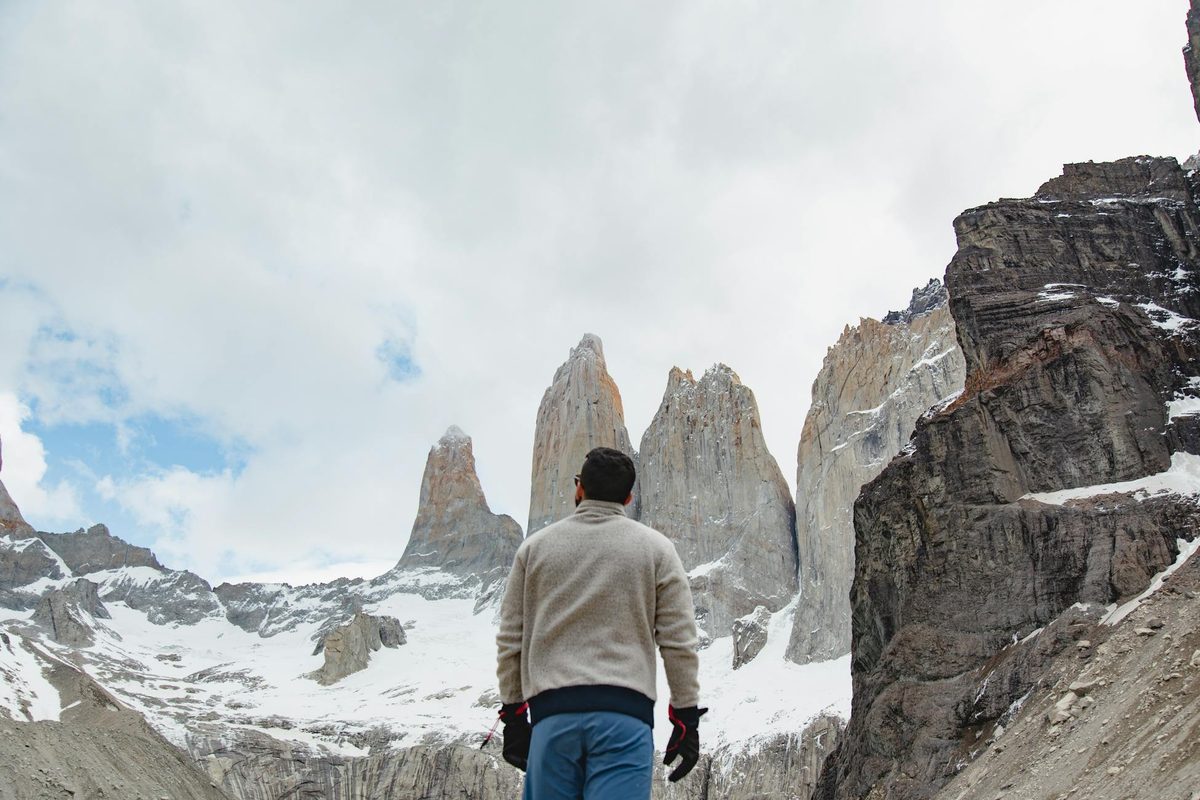
Gateway to the Torres base viewpoint. Most hikers camp here the night before their sunrise push, which means alarms going off at 3 AM, 3:15, 3:30 — a symphony of watch beeps before dawn. Bring earplugs. Good tree cover, compact cooking area, and Fantastico Sur runs a refugio where you can buy dinner before your early start.
Managed by: Fantastico Sur
Facilities: Cooking shelter, refugio, hot showers
The move: Eat early, sleep by 7 PM, wake at 3 AM for the towers at sunrise
Campamento Torres (Base Torres)
The free CONAF site, 45 minutes closer to the sunrise viewpoint than Chileno. Basic — pit toilet, flat ground, nothing else. But that extra 45 minutes of sleep before a predawn hike is worth something. I based at Chileno and regretted it.
Managed by: CONAF (free, reservation required)
Warning: Mice. Hang your food or use a dry bag clipped to a line
The O Circuit Campsites — For Those Who Want More
The O Circuit wraps around the entire Paine massif and takes 7-10 days. It includes every campsite on the W plus several additional sites on the back (northern) side that are remote, quieter, and significantly more rugged. If you thought the W was wild, the O is another level.
Dickson
First camp on the back side going counter-clockwise. Sits on Lago Dickson with glacier views across the water. I arrived after 19 km with a heavy pack — the glacier view made the exhaustion evaporate for thirty seconds before my legs reminded me they existed. Wide, flat, decent wind protection.
Managed by: Vertice | Facilities: Cooking shelter, small shop, refugio, showers
Los Perros
The site before John Gardner Pass. Deep in the forest, muddy, cramped cooking shelter, uneven tent sites. On my night there, rain formed small rivers between the pitches. But the atmosphere was the best on the circuit — everyone sharing tips about the pass, lending stove fuel, checking each other's gear. The anticipation is electric.
Managed by: Vertice | Warning: Arrive early, the flat spots go fast
Grey
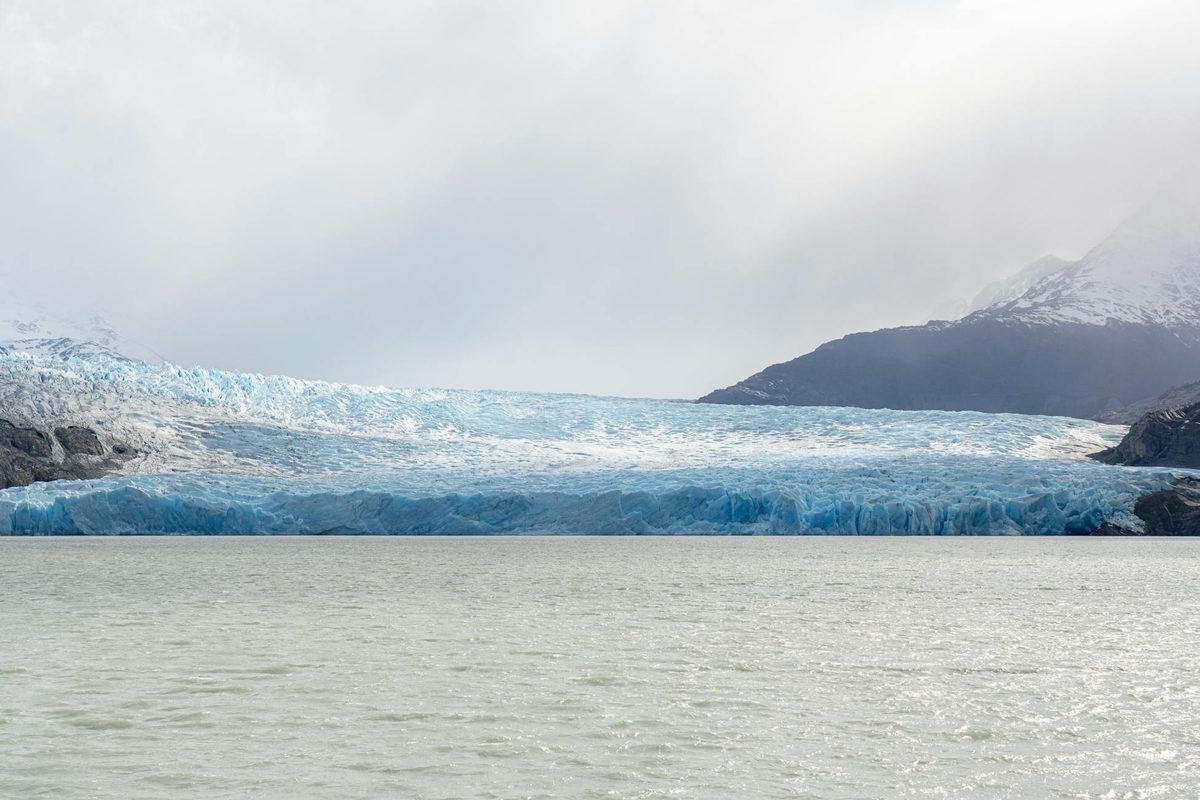
Near the shore of Lago Grey, within walking distance of the glacier lookout. One of my favorite camps in the park — you can hear ice cracking from your tent at night. Well-run refugio, decent showers, relative luxury after the John Gardner Pass.
Managed by: Vertice | Facilities: Refugio, restaurant, showers, cooking shelter, tent rentals
Gear Rental — Can You Skip the Heavy Pack?
If you do not want to fly to Patagonia with a full hiking kit, both Vertice and Fantastico Sur offer gear rental at their campsites, and several shops in Puerto Natales rent full trekking kits for less. A two-person tent runs $10,000-15,000 CLP per day in town versus $20,000-30,000 at the campsites. Rent in town, return after your trek.
The catch: rental sleeping bags are rated to around -5C, which sounds fine until you factor in a damp tent and exhaustion. If you run cold, bring your own bag or at least a silk liner. I added one on my second trip and it made a real difference on the two coldest nights.
Gear Rental in Puerto Natales
Shops on Baquedano street rent full kits. Erratic Rock and Base Camp are the two I have used. Go in person, inspect the gear, test zippers. Prices are negotiable for rentals longer than five days.
Food Strategy — Cook, Buy, or Both?
Food is a logistics problem. Three options, and most people end up mixing them:
Carry everything. Cheapest. Buy freeze-dried meals at the Unimarc in Puerto Natales, carry a stove and fuel, cook at campsite shelters. Adds 3-4 kg. On my first W Trek I carried everything and was rationing by day four — overestimated my appetite, underestimated how much trail mix I would eat as a coping mechanism for the wind.
Buy meals at refugios. Every refugio sells meals to non-guests. Dinner runs $18,000-28,000 CLP ($18-28 USD) — filling but not remarkable. Cafeteria pasta, rice with chicken. Five days of buying all meals costs $200-350 USD.
Hybrid (my recommendation). Carry breakfast and lunch, buy dinner at the refugio. Keeps your pack reasonable, costs about $100-150 USD in dinners over five days. After 8 hours of hiking, the idea of cooking felt insulting.
The Gas Canister Situation
You cannot fly with gas canisters, so you buy them in Puerto Natales. Jetboil-style screw-top canisters are easy to find at the outdoor shops on Baquedano. A 230g canister ($5,000-7,000 CLP) lasted me five days with conservative use — boiling water for freeze-dried meals and morning coffee only, no extended cooking. If you are cooking full meals (pasta, rice), bring a 450g canister or two smaller ones.
Some campsites have communal gas burners in the cooking shelters, which means you can save your own fuel for mornings and use the shelter's gas for dinner. This is not guaranteed — sometimes the shelters run out, especially late in the season.
Weather at Camp — It Is Worse Than You Think
I thought I was prepared. I was not.
The weather is genuinely extreme. Wind speeds of 80-120 km/h are normal. Rain comes horizontally and somehow from below. Temperature swings of 15-20 degrees in a single day. T-shirt at lunch, full puffy jacket two hours later.
At camp, the wind is the main enemy. Stake your tent immediately — do not set it up and then go to the bathroom. Stake. Every. Point. First. Use rocks on top of stakes if the ground is soft. Keep everything inside the tent or clipped to something. At Los Perros, I watched a pair of hiking pants fly across the campground and into the forest. Never found.
Rain can last days. I spent an entire afternoon in a cooking shelter sharing mate tea with Argentine hikers who seemed completely unbothered by the apocalyptic weather outside. The Argentines are always unbothered. Learn from them.
The Mice Problem (and the Wind Problem, and the Condensation Problem)
Nobody warns you about the mice. At Campamento Torres and the CONAF free sites, they will chew through your pack, through dry bags, through anything that smells like food. I lost a bag of trail mix to a mouse that gnawed through a 40-denier stuff sack in the time it took me to brush my teeth. Hang your food. Do not keep any food in your tent.
Condensation is the other tent enemy. Temperature drops fast after sunset, and moisture builds up inside your tent like a rainstorm in reverse. Make sure any rental tent has a separate rain fly — some cheaper rentals are single-wall and you will wake up in a puddle.
When to Book, When to Go
When to book: The day reservations open. For peak season (late December through mid-February), Frances and Chileno sell out within the first week. I have booked March dates six weeks before and gotten everything. January? Book on opening day or rearrange around whatever is left.
When to go: I have trekked in late January and mid-March. March was better — fewer people, lower prices, fall colors in the lenga forests, and the same unpredictable weather. The shoulder seasons (October-November, March-April) have shorter days but more solitude. The O Circuit's John Gardner Pass sometimes does not open until mid-November.
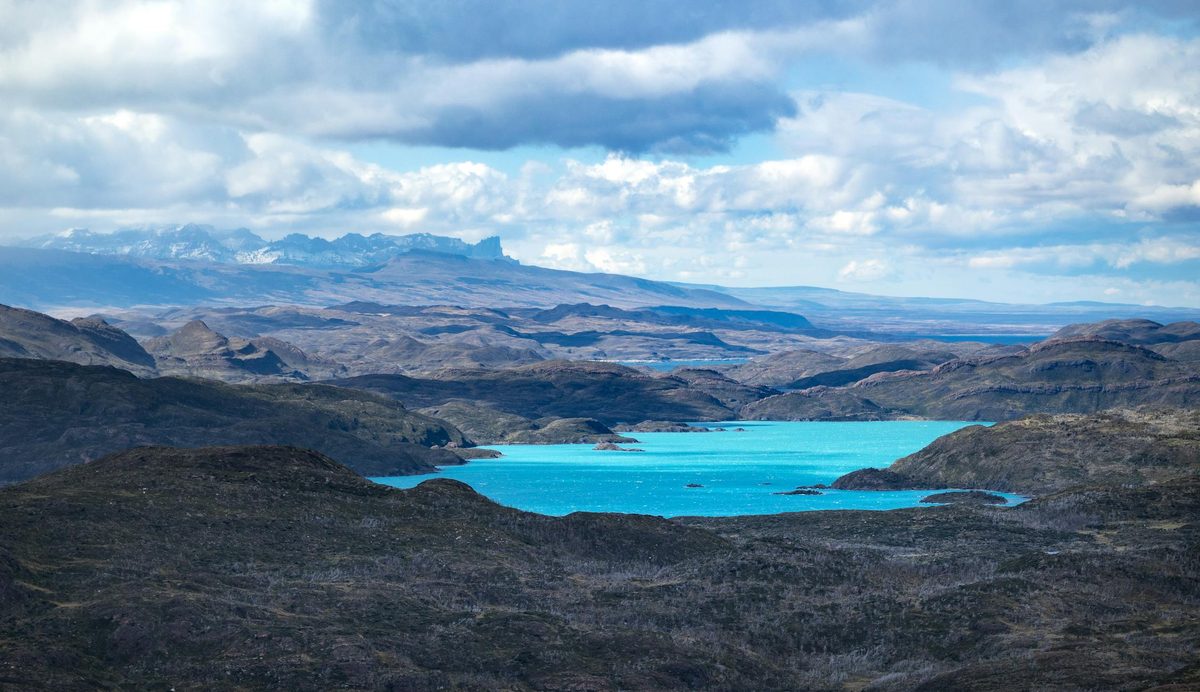
Free Campsites vs. Paid Sites
"Free" means no showers, no cooking shelter, no tent rental, no shop. Pit toilets ranging from acceptable to grim. Campamento Torres on the W and Campamento Paso on the O are the main ones. Campamento Italiano is day use only now.
The paid sites (Vertice and Fantastico Sur) charge $8,000-15,000 CLP per person per night — gets you a cooking shelter with gas burners, running water, and sometimes a lukewarm shower. Cooking in a shelter versus cooking in the wind is not even a comparison. Worth every peso.
What to Bring — The Actual Essentials
Not a full gear list — just the things I did not bring on my first trip that I would never skip again:
Extra stakes and guylines. Bring four extra stakes and two guyline cords. Aluminum stakes bend in rocky ground — Y-shaped stakes handle harder soil.
Sealed dry bag for your sleeping bag. Not a stuff sack. If your sleeping bag gets wet, your trip is over.
Earplugs. Wind noise, tent flapping, 3 AM alarm symphonies, the occasional guanaco bellowing. Essential, not optional.
Camp shoes. After 8 hours in hiking boots, even cheap foam flip-flops feel like luxury.
More layers than you think. At camp you are not generating body heat. Camping Grey dropped to -3C one night in January. Fleece, puffy jacket, thermal leggings, beanie, gloves — still cold cooking dinner. The weight penalty is worth it.
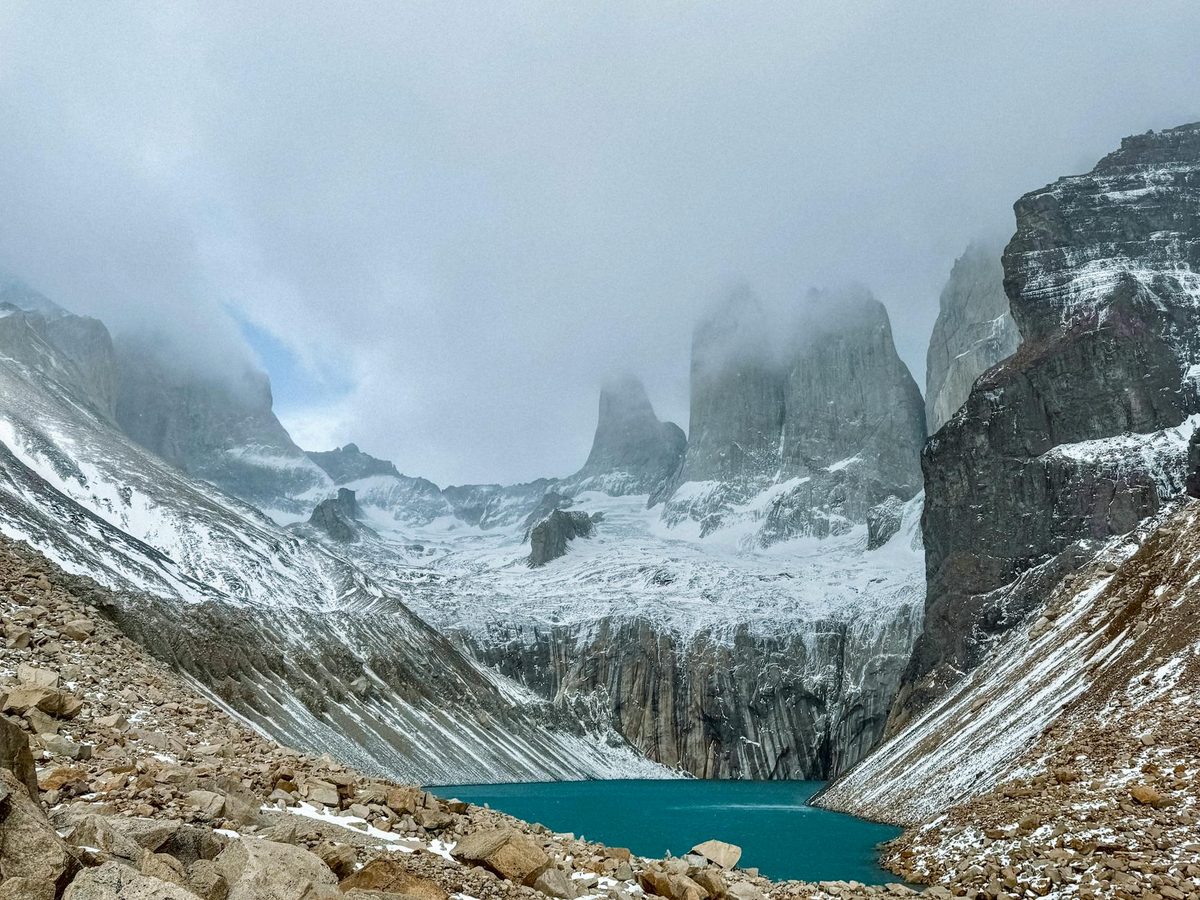
The Complete Campsite Quick Reference
| Campsite | Trek | Managed By | Showers | Shop | Tent Rental | Cooking Shelter |
|---|---|---|---|---|---|---|
| Paine Grande | W + O | Vertice | Yes | Yes | Yes | Yes (gas burners) |
| Frances | W | Fantastico Sur | No | No | Yes | Yes (basic) |
| Los Cuernos | W | Fantastico Sur | Yes | Small | Yes | Yes |
| Chileno | W | Fantastico Sur | Yes | No | Yes | Yes |
| Campamento Torres | W | CONAF (free) | No | No | No | No |
| Grey | W + O | Vertice | Yes | Yes | Yes | Yes |
| Dickson | O | Vertice | Yes | Small | Yes | Yes |
| Los Perros | O | Vertice | No | No | No | Yes (basic) |
| Campamento Paso | O | CONAF (free) | No | No | No | No |
Reservation Strategy That Actually Works
After two trips, here is what works: Book the hardest sites first (Frances and Chileno sell out fastest), then build your itinerary around them. Have backup dates — my spreadsheet had three complete itineraries, and I used backup two when Paine Grande sold out. Book all three systems on the same day if possible. Waiting a week between bookings is how you end up with a gap night that does not align.
Read the cancellation policies before you pay. Vertice and Fantastico Sur have different refund rules, and some bookings are non-refundable. For the O, counter-clockwise is the only option — CONAF mandates this direction.
Getting to Camp — The Puerto Natales Connection
Fly into Punta Arenas, three-hour bus to Puerto Natales. From there, early-morning bus to Laguna Amarga (east entrance) or Pudeto (west, catamaran to Paine Grande). Spend at least one full day in Puerto Natales before entering — buy gas canisters, grab rental gear, stock up at Unimarc, eat lamb on the waterfront. The park bus leaves at 7 AM.
If you have extra days in your Patagonia itinerary, the day hikes are worth doing before or after your camping trek — Mirador Cuernos and Salto Grande give you a taste without the overnight commitment.
Camping in Torres del Paine is not comfortable. The booking system is maddening. The weather is hostile. The mice are bold. And the refugio spaghetti costs more than a nice dinner in Santiago. But waking up at 5 AM in a tent covered in frost, unzipping the door, and seeing those granite towers catch the first light of day — that is something that stays with you in a way that a hotel room view never could. Bring extra stakes. Book early. And for the love of everything, hang your food.