This article contains affiliate links. If you book through them, I earn a small commission at no extra cost to you.
I was standing in a fonda tent in Parque O'Higgins, mid-September, holding a paper plate with my third empanada, when a stranger grabbed my arm and pulled me into a cueca. I did not know the steps. I did not know the song. I barely knew where I was — I had arrived in Santiago forty-eight hours earlier for what I thought would be a quiet week of sightseeing. Nobody told me that Fiestas Patrias turns the entire country into a week-long party where strangers hand you drinks and expect you to dance. That was my introduction to Chilean culture, and nothing about Chile has been predictable since.
Chile is one of those countries that surprises you with depth. It gets marketed as a nature destination — Patagonia, the Atacama, glaciers, volcanoes — and all of that is real and spectacular. But the cultural layer is what kept me coming back. The slang that makes your Spanish textbook useless. The mythology that belongs to no other country on earth. The poet whose houses are a national pilgrimage. The earthquake drills that nobody takes seriously because they have lived through the real thing. This is the stuff the guidebooks gloss over, and it is the stuff that actually tells you what Chile is.
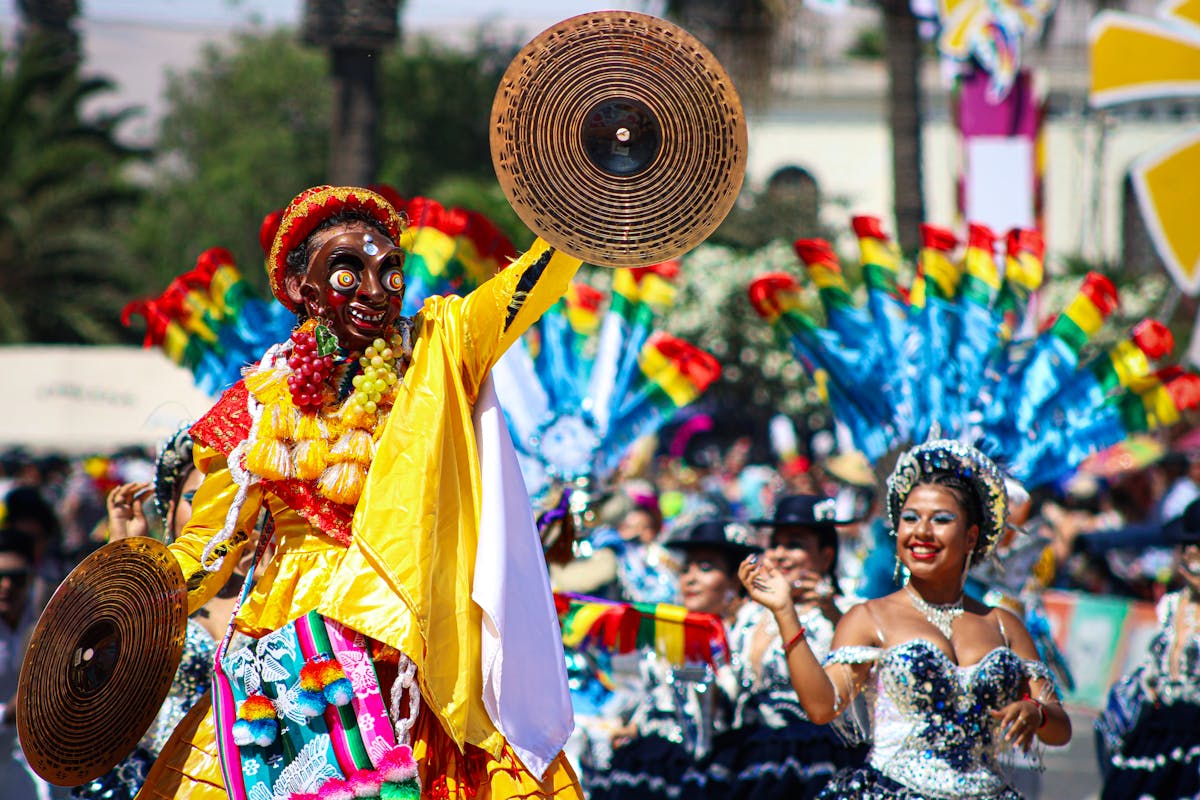
Fiestas Patrias: The Week Chile Stops Working
September 18 and 19 are the official dates — independence day and armed forces day. In practice, Chileans treat the entire surrounding week as a national holiday. If the 18th falls on a Tuesday, do not expect anyone to work on Monday. If it falls on a Thursday, Friday is gone too. They call this "hacer puente" — making a bridge — and they are extremely good at it.
The fondas are the center of everything. These are temporary outdoor party grounds, basically — big tents or open-air enclosures set up in parks and vacant lots across every city and town. Inside you get live cueca music, communal tables, dirt floors, and more food and drink than any reasonable person should consume. The smell hits you first: charcoal smoke from the asado grills, rendered fat dripping onto coals, empanadas baking in every direction.
The cueca is the national dance, and during Fiestas Patrias it is everywhere. Two people face each other, each waving a handkerchief, doing this strutting courtship routine that supposedly represents a rooster chasing a hen. It looks simple until you try it. I spent most of my first cueca apologizing and stepping on feet. By the third night I had stopped caring about technique and was just waving the handkerchief like everyone else.
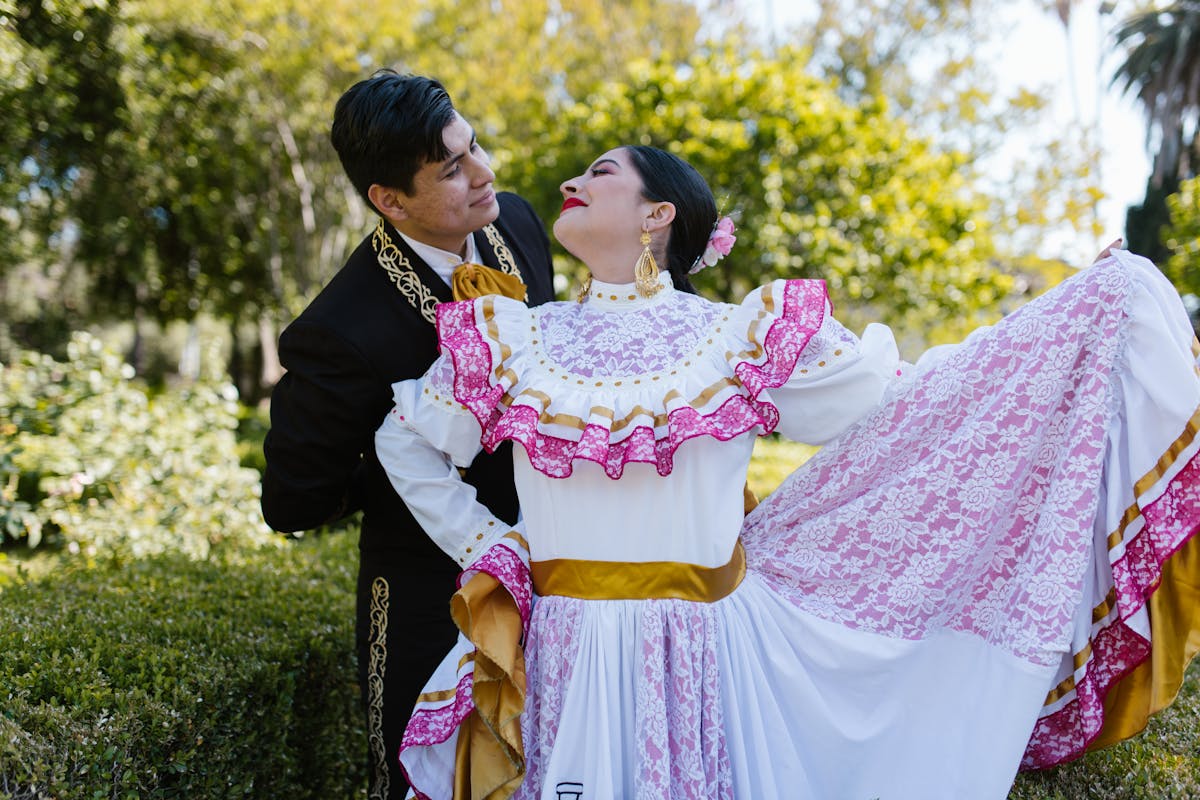
The food during Fiestas Patrias is ritualized. Empanadas de pino — ground beef, onion, hard-boiled egg, olive, raisins — are mandatory. Anticuchos (grilled meat skewers) come off the parrilla nonstop. The asado itself is a production: whole cuts of beef and pork cooked low and slow over wood coals, served with pebre (a chunky salsa of tomato, onion, cilantro, and aji pepper). And terremoto — "earthquake" — a drink made with pipeño (young fermented wine), pineapple ice cream, and grenadine. It tastes like a milkshake. It hits like a freight train. One is plenty. Two is a decision you will regret.
The rodeo is the other piece of Fiestas Patrias that most foreigners miss. Chilean rodeo is nothing like the American version. Two riders — huasos, the Chilean cowboys — work together to pin a calf against a padded wall in a crescent-shaped arena called a medialuna. The huasos wear flat-brimmed hats, short ponchos called mantas, carved wooden stirrups, and silver spurs. The whole aesthetic is different from anything you have seen. Rancagua, south of Santiago, hosts the national championship in late March, but during September you can find rodeos in small towns across the central valley. Ask around — locals will point you to the closest one.
Quick Tip
Book accommodation well in advance if you are visiting during Fiestas Patrias (September 15-20). Prices spike and everything fills up, especially in Santiago and coastal towns. Domestic flights get expensive too. But honestly, this is the single best time to see Chile's culture at full volume.
The Mapuche: Chile's Indigenous Heart
The Mapuche are the largest indigenous group in Chile, roughly 1.7 million people, concentrated in the Araucania region around Temuco. They are also the only South American indigenous nation that the Spanish never fully conquered. The Mapuche held the line at the Bio-Bio River for over three hundred years — the Spanish Empire simply could not break through. That history matters because it shapes everything about Mapuche identity today: the pride, the political tension, the ongoing land disputes that still make national headlines.
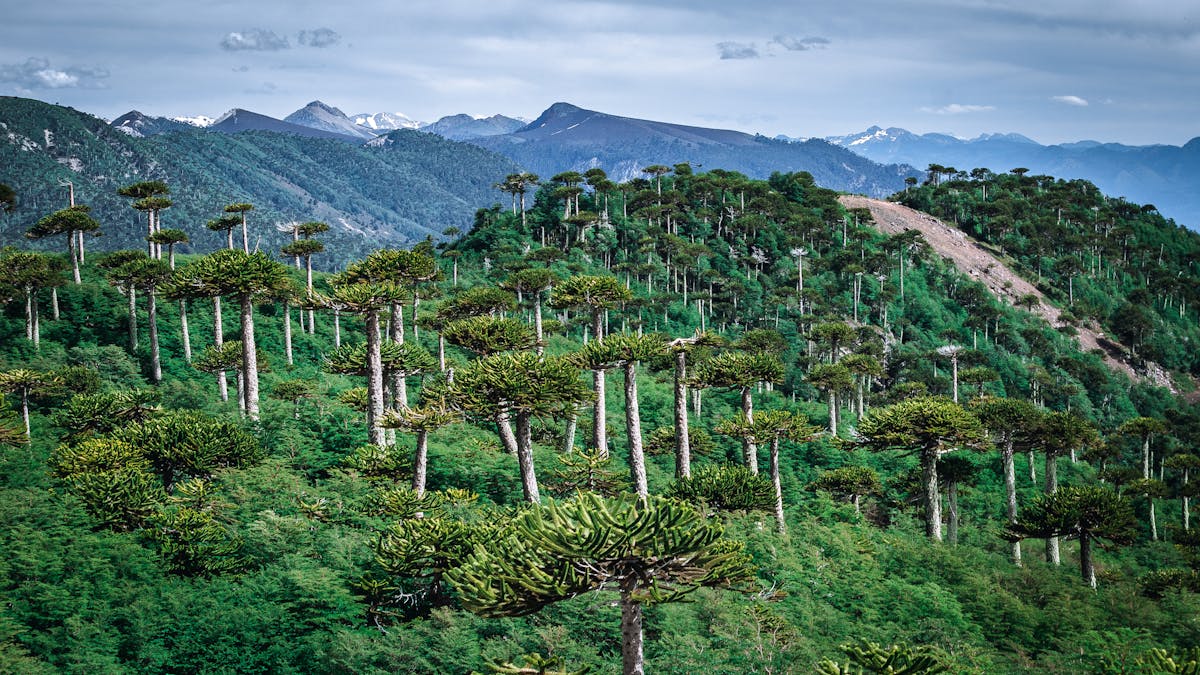
I visited a ruka — a traditional Mapuche thatched dwelling — outside Temuco with a family that runs cultural visits for travelers. The ruka is round, built from wood and straw, with a fire pit in the center and no chimney. Smoke filters out through the thatch, which sounds miserable but actually keeps the interior warm and insect-free. The family served mudai (a fermented wheat drink) and sopaipillas while explaining Mapuche cosmology — four cardinal points, each associated with different spiritual forces, the whole universe organized around balance and reciprocity.
What struck me most was the honesty of the conversation. The guide did not sugarcoat the situation. The Mapuche land rights conflict in the Araucania is real and raw. Forestry companies hold massive tracts of land that Mapuche communities claim as ancestral territory. There have been protests, police actions, arson attacks on logging equipment — it is complicated and painful. As a visitor, you are not expected to take sides, but you should know it exists. Driving through the region, you will see both Mapuche flags and heavy police presence. It is part of the landscape.
If you want to engage with Mapuche culture respectfully, the cultural visits in the Araucania are the way to do it. Several Mapuche-run tourism cooperatives offer day experiences that include a ruka visit, traditional food, weaving demonstrations, and conversation. These are not performances. They are families inviting you into their daily world. Pay what they ask. Do not haggle. Do not take photos of ceremonies without asking.
Chilean Spanish: Why Your Textbook Will Not Save You
I studied Spanish for years before coming to Chile. I could hold a conversation in Mexico, navigate Argentina, order food in Colombia. Then I landed in Santiago and understood roughly 40% of what people said to me for the first two weeks.
Chilean Spanish is its own animal. The consonants vanish. The "s" at the end of words disappears entirely — "mas o menos" becomes "ma' o meno'." The "d" in past participles evaporates — "cansado" becomes "cansao." Entire syllables get swallowed. A friend from Madrid once told me that Chilean Spanish sounds like someone speaking with a mouth full of bread, and that is not unfair.
Then there is the slang. "Po" gets attached to the end of everything — "si po," "no po," "ya po." It does not mean anything specific; it is more like punctuation. "Cachai" means "do you understand" or "you know" and appears in every third sentence. "Weon" (or "huevon," technically) is the Swiss Army knife of Chilean vocabulary — it can mean friend, idiot, stranger, or nothing at all depending on tone and context. I have heard two Chileans have an entire conversation that was 60% "weon" by word count.
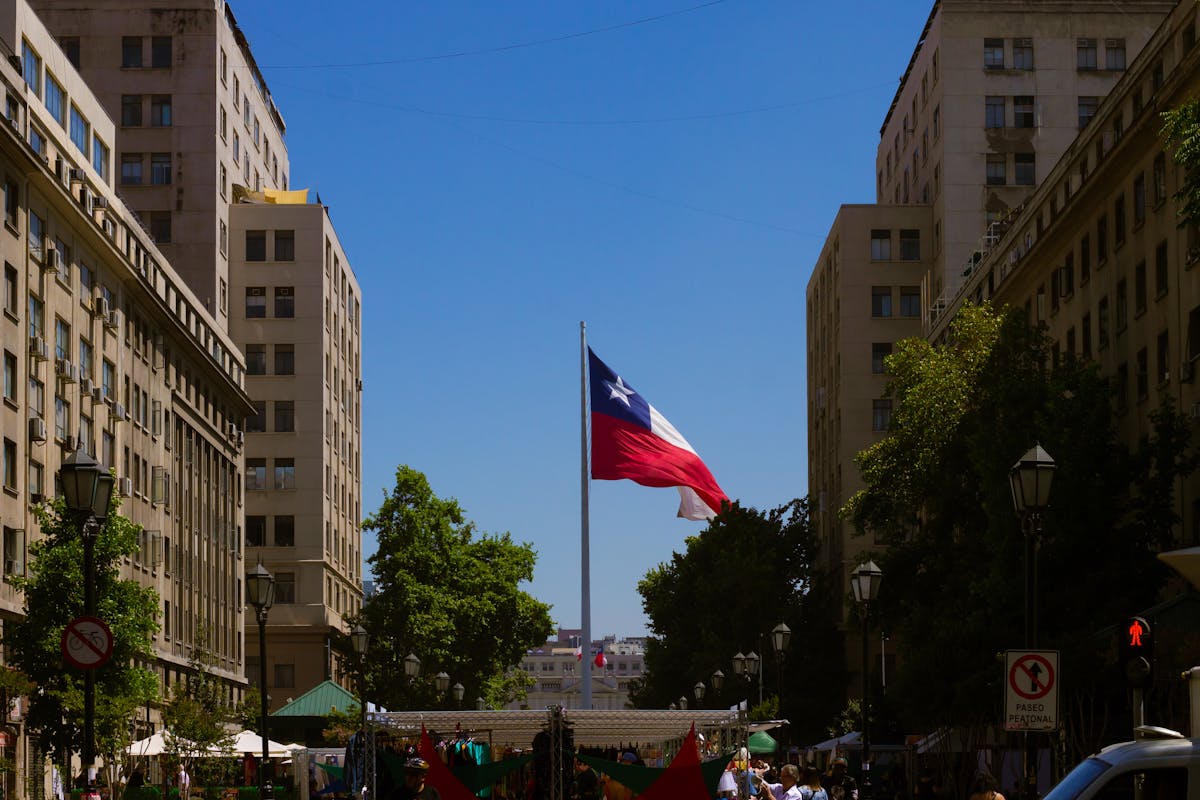
"Fome" means boring. "Bacán" means cool. "Polola/pololo" means girlfriend/boyfriend. "Al tiro" means "right away" but usually means "eventually." "Carrete" is a party. "Copete" is an alcoholic drink. And when someone says "es que" at the beginning of a sentence, they are about to give you an excuse for something.
My advice: do not stress about understanding everything immediately. Chileans are aware that their Spanish is difficult. They will slow down if you ask, and most people in Santiago speak at least some English. But learning a few Chilean expressions earns you goodwill fast. Drop a "cachai" into conversation and watch the reaction. They love it when foreigners try.
The Pablo Neruda Trail: Three Houses, One Obsession
Pablo Neruda won the Nobel Prize for Literature in 1971 and is still the most beloved cultural figure in Chile. His face is on the 5,000 peso bill. Streets are named after him. His poetry gets quoted at dinner parties, at protests, at football matches. But the best way to understand Neruda is through his houses, because the man built three of them and each one is a complete world.
La Chascona in Santiago sits on a steep hillside in Barrio Bellavista, below Cerro San Cristobal. Neruda built it for his secret lover Matilde Urrutia — "La Chascona" means "the wild-haired one," his nickname for her. The house is deliberately disorienting: narrow staircases that lead nowhere obvious, rooms at different levels connected by unexpected passageways, collections of colored glass bottles, ship figureheads, antique maps. Neruda was obsessed with the sea (a recurring theme) and designed every house to feel like being aboard a ship. La Chascona was ransacked by soldiers during the 1973 coup — Neruda died twelve days after Allende fell — and the water damage marks are still visible in parts of the house. The audio guide is worth the extra cost.
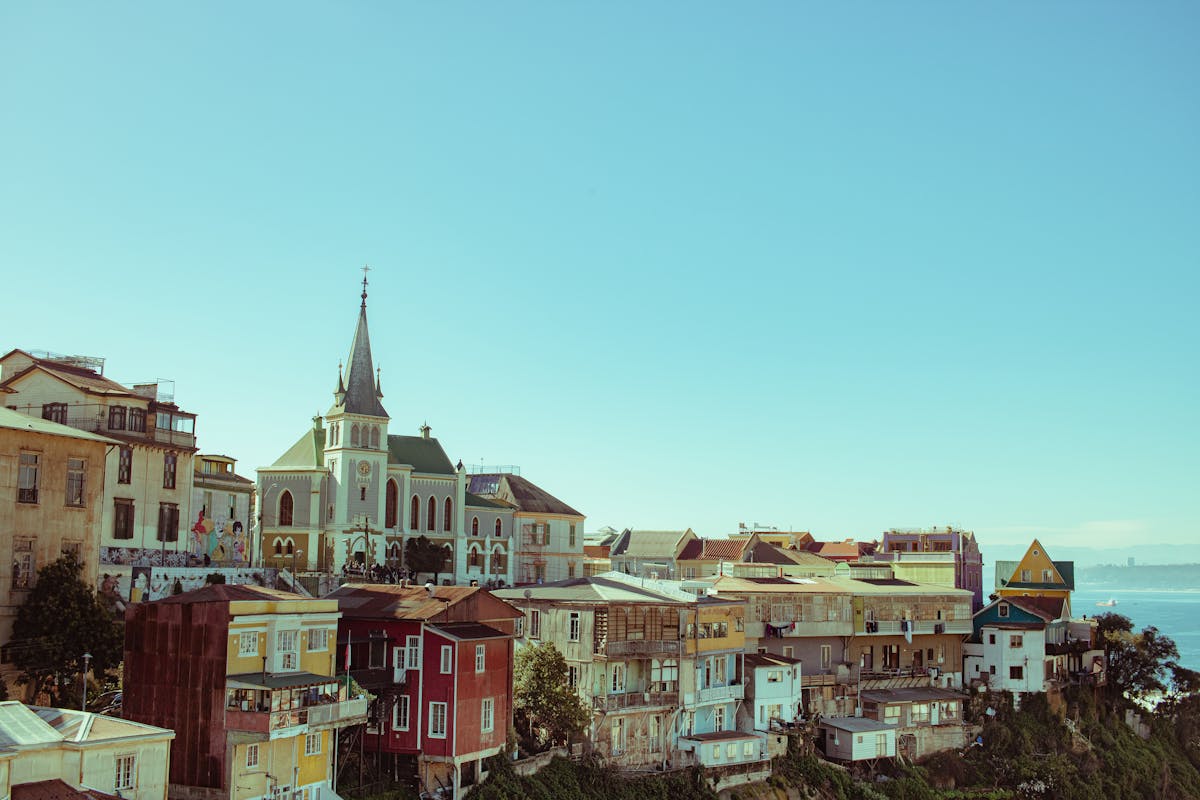
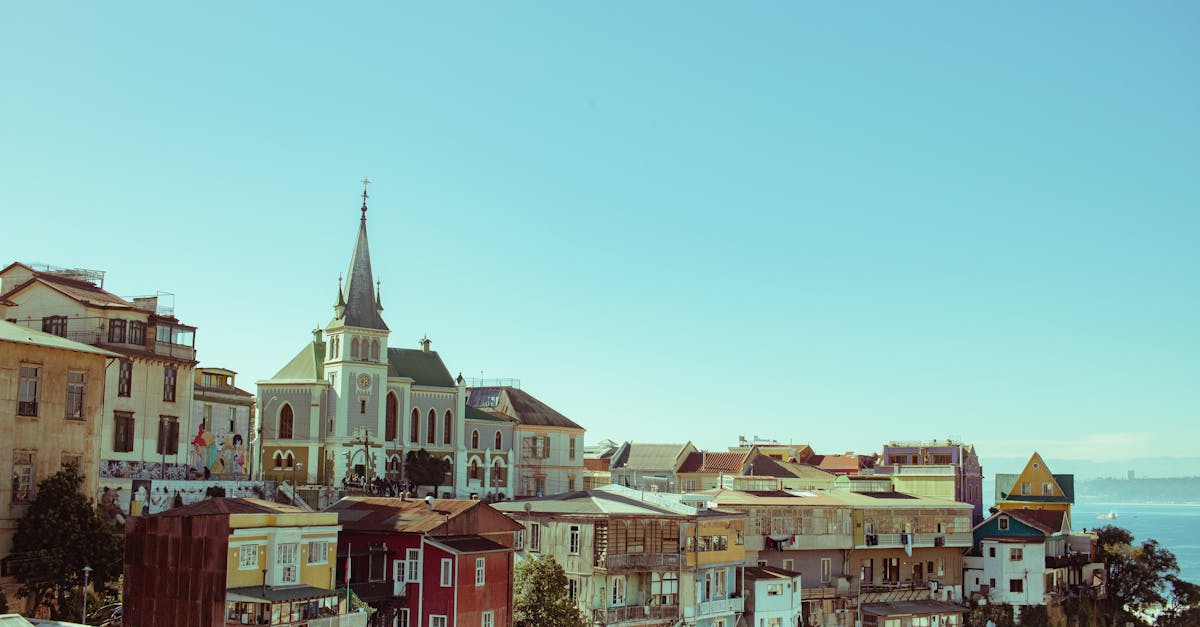
La Sebastiana in Valparaiso is the most fun of the three. Five stories tall, perched on Cerro Florida with a panoramic view of the harbor. Neruda bought it half-built from a Spanish architect who died before finishing it, then completed it in his own chaotic style. The top floor has a bar with a view that would cost a fortune in any other context — here it just looks like a poet's living room. Valparaiso suited Neruda. The city is chaotic, layered, painted, and perpetually falling apart, and so was his taste.
Isla Negra — on the Poet's Coast south of Valparaiso — is the most personal. It is not actually on an island; the name refers to a dark rock outcrop on the beach. This is where Neruda kept his most prized collections: ship figureheads lined up facing the Pacific, mounted butterflies, seashells organized by species, bottles of every color. The house is directly on the beach, and you can hear the waves from every room. Neruda and Matilde are buried here in the garden, facing the ocean. It is the kind of place that makes you quiet for a while.
You can visit all three houses in a long weekend based in Santiago. La Chascona first, then day trip to Valparaiso for La Sebastiana, then drive south to Isla Negra. Book tickets online in advance — they sell out, especially at Isla Negra. Photography is not allowed inside any of the houses.
Chiloe Mythology: Where the Fog Has Teeth
Chiloe is an island archipelago off the coast of southern Chile, and it operates on a different frequency from the rest of the country. The weather is perpetually overcast — locals joke that Chiloe has two seasons: winter and February. The isolation created something rare: a living mythology that people still reference, half-seriously, in daily conversation.
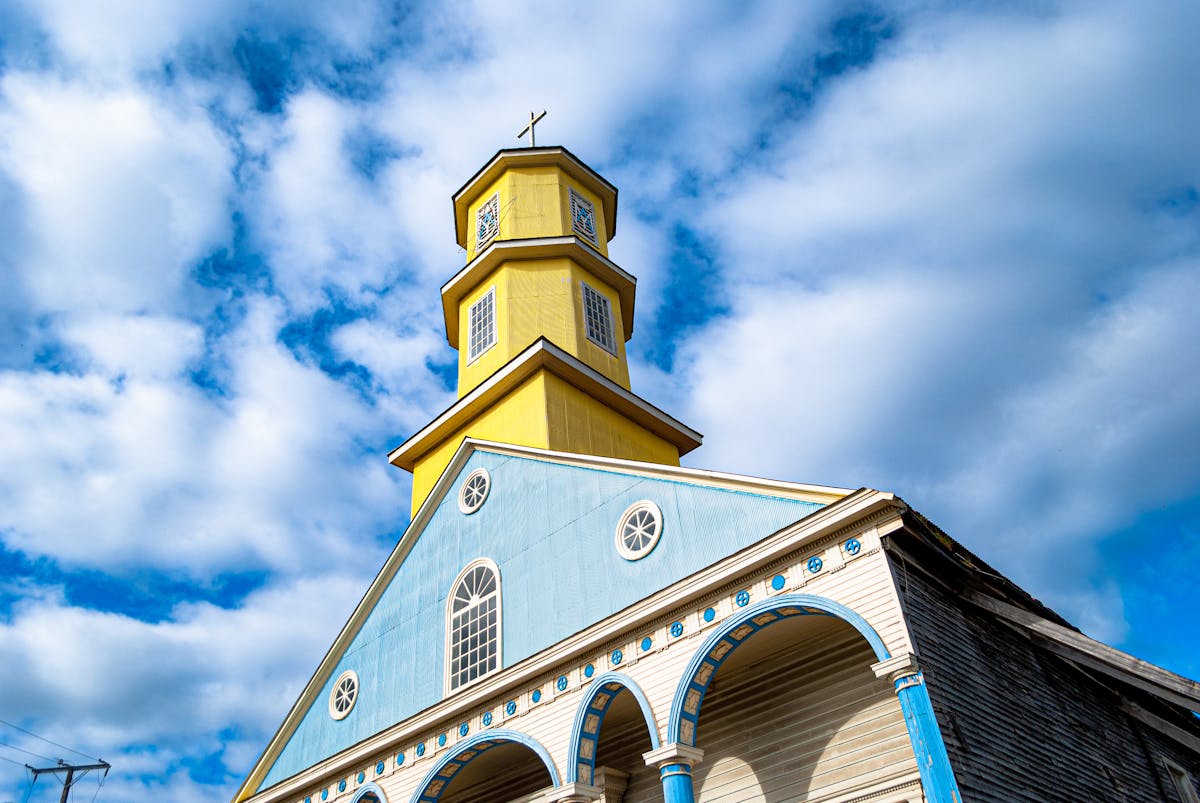
The Caleuche is the ghost ship. It appears on foggy nights, fully lit, with music and laughter coming from the deck. It sails against the current and against the wind. Fishermen claim to have seen it. The Caleuche is said to collect the souls of drowned sailors, who then live aboard in eternal celebration. There are a few bars in Castro — Chiloe's main town — that have Caleuche murals on the walls, and after enough pisco you can get locals to admit they believe in it. Sort of.
The Trauco is darker. A small, ugly forest creature who seduces women with a hypnotic gaze. In traditional Chiloe culture, an unexplained pregnancy was blamed on the Trauco — which tells you something about the social function of mythology on a conservative island. The Trauco's wife, the Fiura, does the same to men. The Brujos de Chiloe — the island's legendary sorcerers — are said to meet in a cave somewhere on the coast, practicing a form of magic that mixes indigenous and European traditions. During the colonial period, the Spanish actually put alleged Chiloe sorcerers on trial.
I spent a rainy afternoon in a cafe in Dalcahue listening to a fisherman tell ghost stories. He insisted the Caleuche had been spotted off Quinchao island the previous winter. Was he serious? Sixty percent, maybe. That is the thing about Chiloe mythology — it exists in a gray zone between folklore and lived experience, and people prefer to keep it there. The Chiloe guide has more on visiting the island, but if you go, ask about the stories. Everyone has one.
Wine Culture: More Than Carmenere
Chile is the fifth-largest wine exporter in the world, and most visitors know about it in theory but underestimate how central wine is to daily life. This is not Napa Valley tourism. Wine in Chile is a table staple — a bottle of decent carmenere costs 3,000-5,000 CLP ($3-5) at any supermarket, and people drink it casually with lunch on a Tuesday.
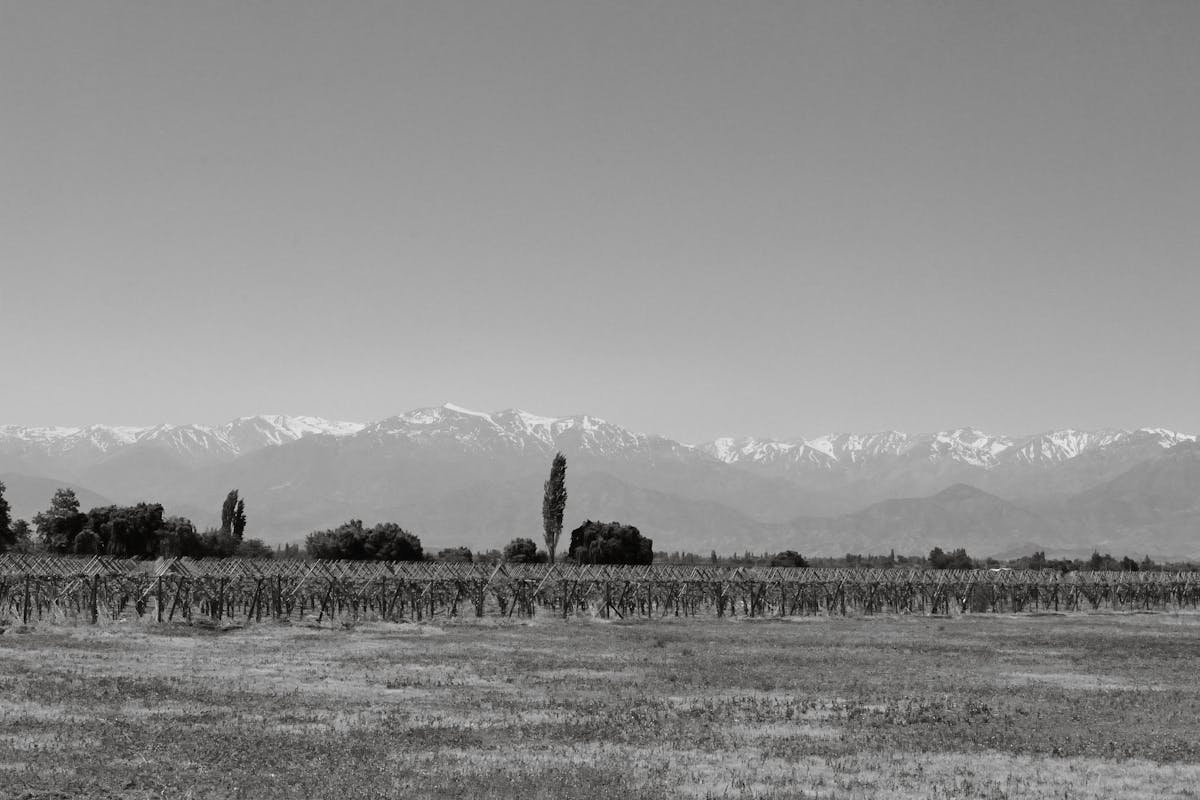
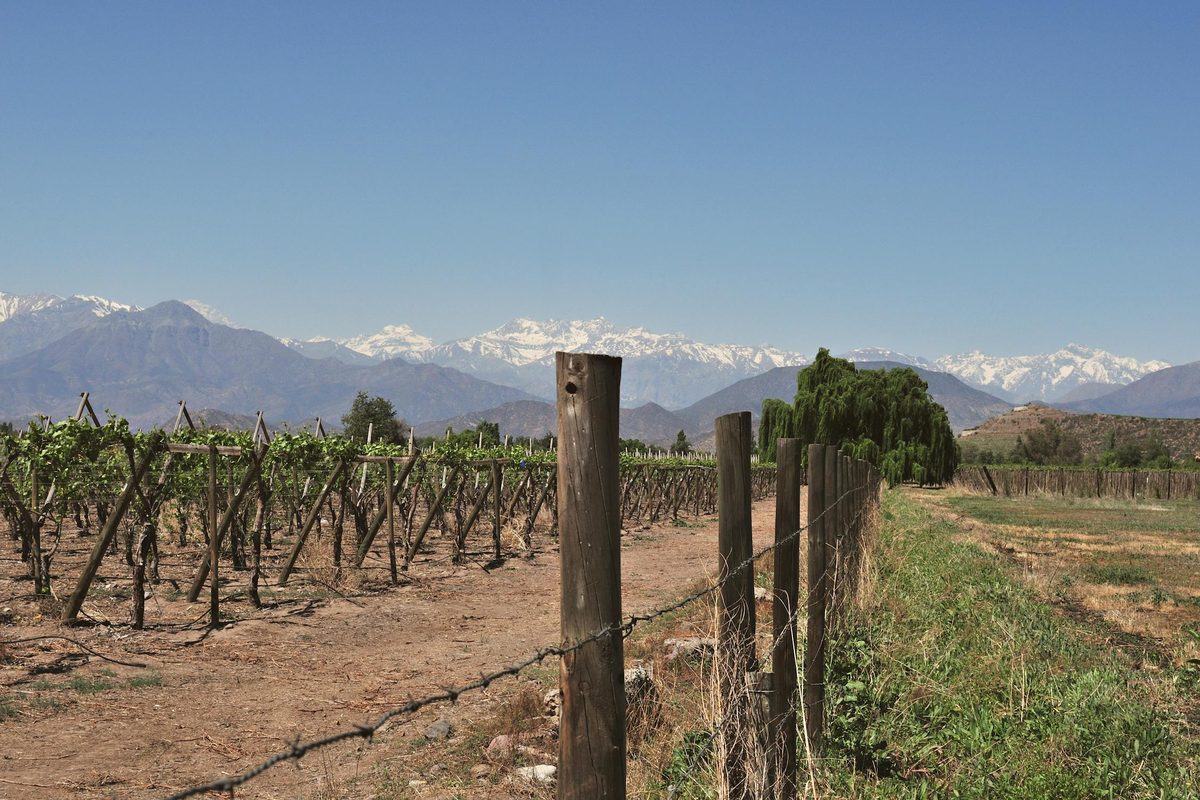
The big valleys — Maipo, Colchagua, Casablanca — are all within day-trip distance of Santiago. Maipo is the closest and has the heaviest hitters: Concha y Toro, Santa Rita, Undurraga. Colchagua, about two hours south, is the best for a full day of tasting — smaller boutique wineries, better food, less tour-bus energy. Casablanca, on the road to Valparaiso, is the white wine valley: sauvignon blanc and chardonnay that benefit from the Pacific fog.
Carmenere is the grape Chile calls its own. It was thought to be extinct — wiped out by phylloxera in Bordeaux in the 1860s — until someone realized in 1994 that vines in Chile labeled as merlot were actually carmenere. The grape had been hiding in plain sight for over a century. Chilean carmenere has a smoky, herbal quality that is different from anything else in the wine world. Try it at source. The wine guide covers the valleys in detail.
The Completo: Chile's National Hot Dog
Every country has a street food that defines it. In Chile, it is the completo, and it is exactly what it sounds like: a hot dog with everything. The "everything" in this case is mashed avocado, chopped tomato, mayonnaise, and sometimes sauerkraut. The bun is soft and slightly sweet. The sausage is a vienesa — thinner and milder than an American hot dog. The whole thing is engineered to fall apart in your hands.
Completos are everywhere. Every gas station, every food court, every street corner fuente de soda (the old-school lunch counters that are a Chilean institution). The italiano version — avocado, tomato, mayo, arranged to look like the Italian flag — is the most popular. A completo costs around 2,000-3,000 CLP ($2-3). You will eat many of them. They are not good in any objective culinary sense. They are perfect in every way that matters.
The food guide covers completos and the full range of Chilean eating, but the cultural point is this: the completo is a class equalizer. Business executives eat them at the same fuente de soda as construction workers. The president eats them. Nobody is above a completo. If you want to understand Chilean social dynamics, watch who eats where.
Earthquakes as a Way of Life
Chile sits on the Pacific Ring of Fire and has more seismic activity than almost any country on earth. The 1960 Valdivia earthquake was the most powerful ever recorded — 9.5 magnitude. The 2010 earthquake near Concepcion was 8.8. Chileans experience tremors so frequently that they have a casual vocabulary for it: "temblor" is a minor shake, "sismo" is bigger, "terremoto" is the real thing. Most Chileans I met could tell me exactly where they were during the 2010 earthquake the way Americans remember September 11.
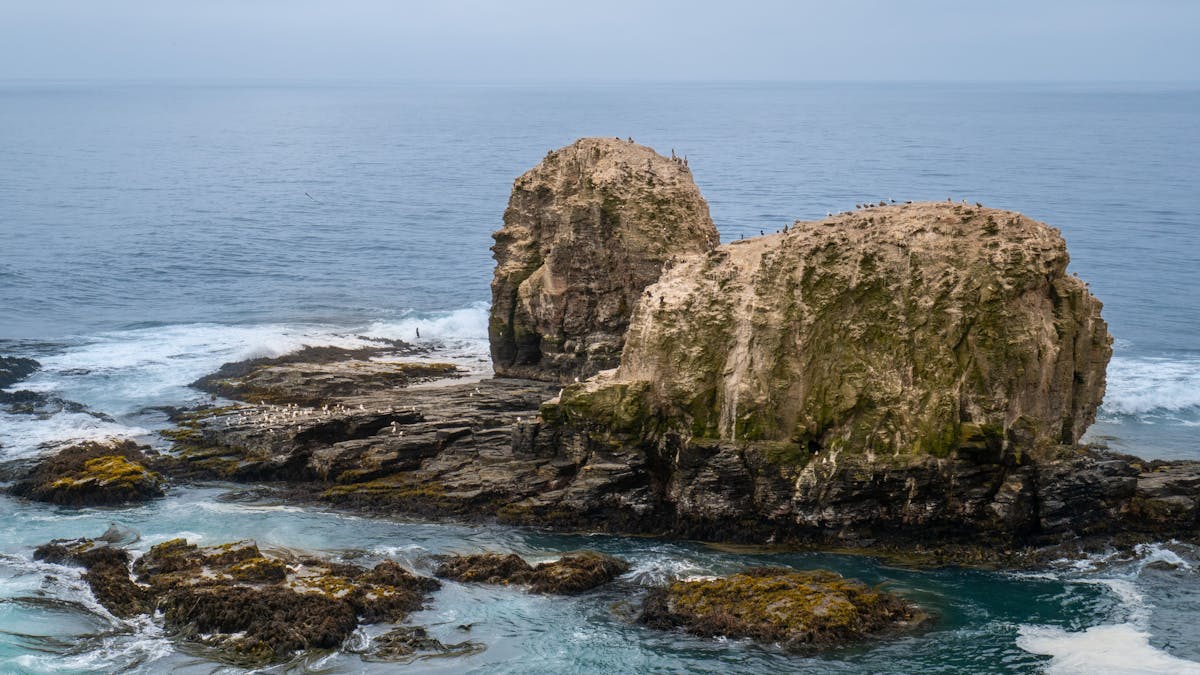
The practical effect is that Chileans are weirdly calm about earthquakes. I experienced a 5.2 while eating dinner in a restaurant in Santiago. My fork stopped halfway to my mouth. The walls shook for about eight seconds. Nobody at the surrounding tables reacted. The waiter kept pouring water. A woman at the next table saw my face and said, "Tranquilo, es un temblorcito" — relax, it is just a little tremor. I was not tranquilo. They were right, though. The building was fine. The infrastructure in Chile is built for this. Bridges flex. Buildings sway. The country has some of the strictest seismic building codes in the world precisely because they have learned, repeatedly, what happens when structures fail.
As a visitor, you do not need to worry much. Know where the exits are in your hotel. If a serious earthquake hits, get under a table or stand in a doorframe. If you are on the coast and the shaking lasts more than thirty seconds, move to high ground immediately — tsunami risk is real. But honestly, the odds of experiencing anything more than a minor tremor are small. And if you do, you will have a story that earns you respect from every Chilean you tell it to.
Once: The 11 O'Clock Tea That Is Not Tea
"Once" (pronounced ON-seh) is the Chilean version of afternoon tea, served around 5-7pm despite the name suggesting 11 o'clock. The origin of the name is debated — some say it referred to the eleven letters in "aguardiente" (a spirit that workers secretly drank at teatime), others claim it started at eleven at night. Nobody agrees. Chileans love to argue about it.
What once actually involves: tea (or instant coffee — Chile runs on Nescafe, which is a cultural failing I have learned to accept), bread, butter, jam, avocado, maybe some cold cuts or cheese. It is not a formal affair. Families gather around the kitchen table, the bread comes out of the bag, the kettle boils, and people talk. In many Chilean households, once replaces dinner entirely. You eat a big lunch at 1-2pm, have once around 6pm, and that is it for the day.
I was invited to once at a family's home in Providencia, one of Santiago's middle-class neighborhoods. The table was covered with hallullas (a round, dense Chilean bread), marraquetas (the crusty baguette-like bread that is the other staple), avocado, manjar (dulce de leche), and an enormous pot of tea. We sat for two hours. The conversation covered everything from politics to the neighbor's dog to whether the bread was better from the panaderia on the corner or the one two blocks away. This is what once is for. It is not about the food. It is about sitting down.
Football: The Other National Religion
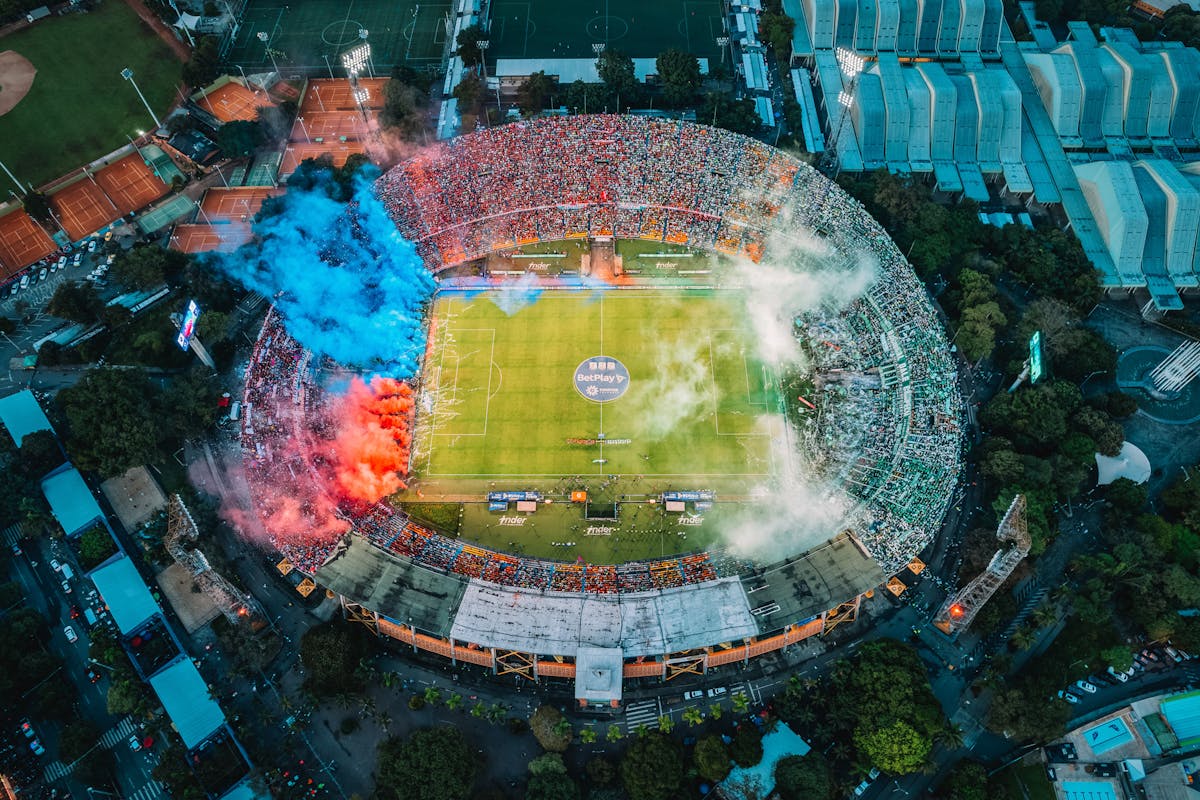
Chile won the Copa America in 2015 and 2016, and for a brief window the country was on top of South American football. That glow has faded — the national team has been inconsistent since — but the passion has not dimmed even slightly. The two biggest clubs, Colo-Colo and Universidad de Chile, split the country roughly in half. The rivalry is intense, personal, and inherited at birth. Asking a Chilean which team they support is like asking their blood type — it is fundamental.
If you can get a ticket to a Superclasico (Colo-Colo vs. U de Chile), go. The atmosphere in the Estadio Monumental is unlike anything you will experience in European football — drums, flares, coordinated chanting that shakes the concrete under your feet. The barras bravas (ultras) sections are not for casual tourists, but the general admission areas are fine. Buy from official channels. Scalpers exist but counterfeit tickets are common.
Even if you cannot attend a match, football culture seeps into everything. Every bar has a television tuned to a game. Every park has a pickup match happening. Kids play in the street with whatever they have. I once watched a game in a Santiago bar where the entire room went silent for a penalty kick, then erupted so loudly that car alarms went off outside. Football is the thing that crosses every class and regional divide in Chile.
Social Dynamics: What Nobody Tells You
Chile is more class-conscious than most Latin American countries, and the signals are subtle if you are not looking for them. The comuna (neighborhood) you live in, the school you attended, your last name — these carry weight in ways that make Chileans uncomfortable to discuss openly but that shape daily interactions. Santiago is particularly stratified. The eastern comunas — Las Condes, Vitacura, Lo Barnechea — are wealthy, with malls and restaurants that could be in Miami. The western and southern comunas are working class, with a completely different rhythm and vocabulary.
Outside Santiago, things relax. Smaller cities and rural areas are more egalitarian in practice, even if the class awareness still exists. People in the south — the Lake District, Chiloe, Patagonia — tend to be warmer and more open with strangers. Santiaguinos (people from Santiago) have a reputation for being colder and more formal, which they would dispute, but which everyone outside Santiago agrees on.
Chile is conservative relative to its neighbors, especially on social issues. The country only legalized divorce in 2004 — one of the last countries in the world to do so. Same-sex marriage was legalized in 2022. Abortion remains deeply contentious. The Catholic Church's influence has declined but the cultural conservatism persists, especially in smaller towns and among older generations. Santiago is the exception — it is progressive, cosmopolitan, and increasingly secular. The gap between Santiago culture and rural culture is wider than most visitors expect.
One thing that is consistent everywhere: Chileans are indirect. If something is bad, they will say "it is not bad." If they disagree with you, they will find a way to change the subject rather than say so directly. "Maybe" usually means no. "We should get together sometime" is a pleasantry, not an invitation. Learning to read between the lines takes time, and it is part of the cultural adjustment that no phrase book prepares you for.
Quick Tip
Greetings in Chile involve a single kiss on the right cheek between men and women, and between women. Men shake hands with men unless they are close friends. Getting this wrong is not offensive, but getting it right signals that you are paying attention.
What to Know Before You Go
Chilean culture is not something you can skim from an article. You have to sit in it. You have to butcher the slang and watch people laugh with you. You have to eat the completo at 2am after a carrete and wonder how this became your life. You have to sit through an earthquake and realize that the person next to you genuinely does not care.
Some practical notes: learn the basics of Chilean slang before you arrive — "po," "cachai," "weon," "fome," "bacán." Download the audio guide for whichever Neruda house you visit first. Visit during September if you can; Fiestas Patrias is the single best window into Chilean culture. Read some Neruda — "Canto General" or "Twenty Love Poems" — even a few pages, before you walk through his houses. And if someone invites you to once, say yes. Every time.
Chile will confuse you. The Spanish will be hard. The social codes will be opaque. The earthquakes will rattle your nerves until the twentieth one, when you stop noticing. But the culture is deep, layered, contradictory, and alive in a way that rewards patience. The best parts are not in the guidebook. They are in the fonda tent at midnight, in the fisherman's ghost story, in the argument about bread. You just have to show up and stay long enough to find them.