This article contains affiliate links. If you book through them, I earn a small commission at no extra cost to you.
The sea lion was the size of a refrigerator, and it was angry. Something had gone wrong in the pecking order at the Feria Fluvial — a fishmonger had tossed a salmon head in the wrong direction, apparently — and now two enormous males were barking at each other so loudly that the woman selling smoked mussels two stalls down had to shout her prices. Tourists were backing away. Locals were not even looking up. A pelican, unbothered, stood on the railing and waited for its turn.
That was my first twenty minutes in Valdivia. I had come for the beer — someone in Puerto Varas had told me this was the best beer city in Chile, and I thought they were exaggerating — but the sea lions at the fish market hooked me before I ever made it to a brewery. Valdivia is like that. You show up for one thing and the city hands you five others you did not know you wanted.
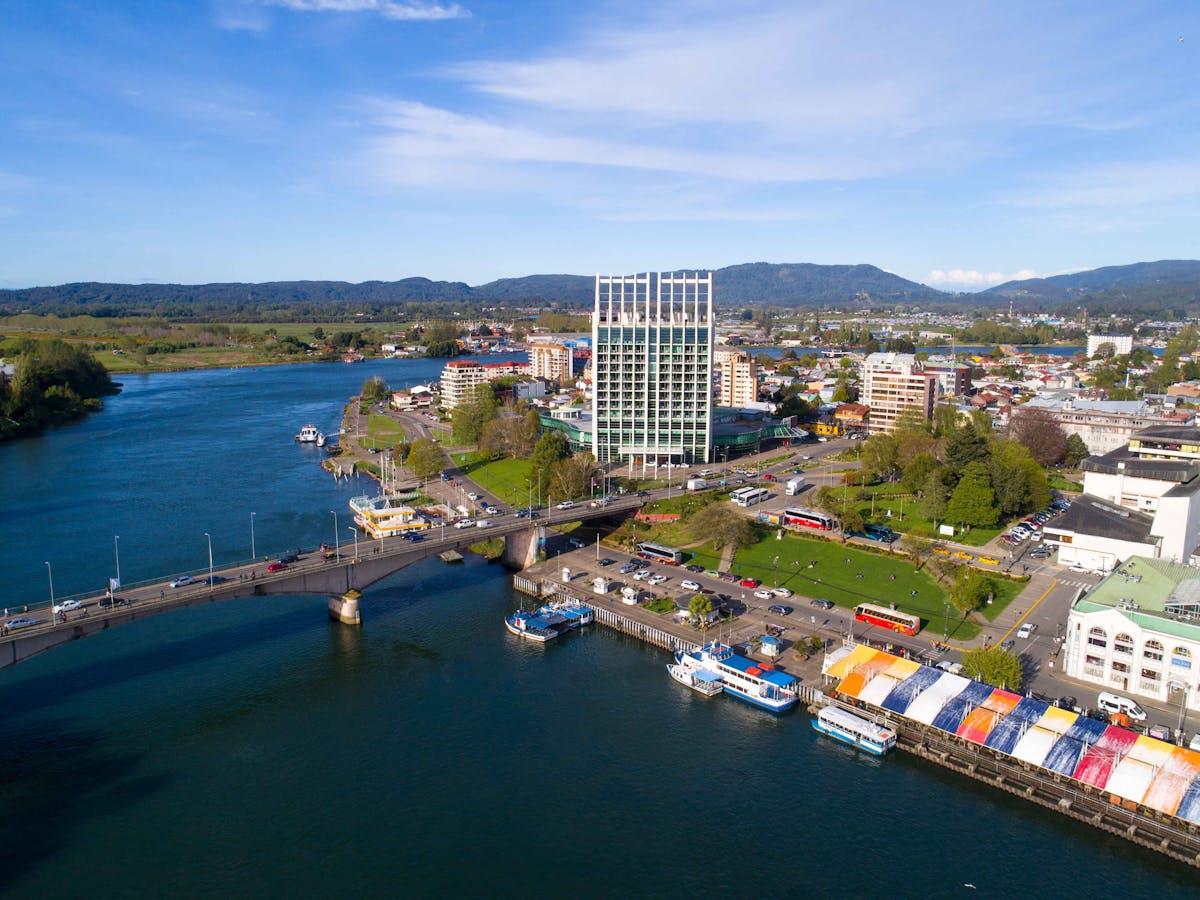
I am going to make a claim that might irritate people who love the Atacama or Patagonia: Valdivia is the most underrated city in Chile. Not the most spectacular. Not the most photogenic. But the most underrated, in the sense that almost no international travelers plan time here, and almost everyone who stumbles into it wishes they had planned more. It is a river city, a university town, a beer capital, and a place where the German settlers who arrived in the 1850s left behind a food and brewing culture that blends with Chilean seafood traditions in ways that should not work but absolutely do.
The Feria Fluvial: Where the Sea Lions Run the Show
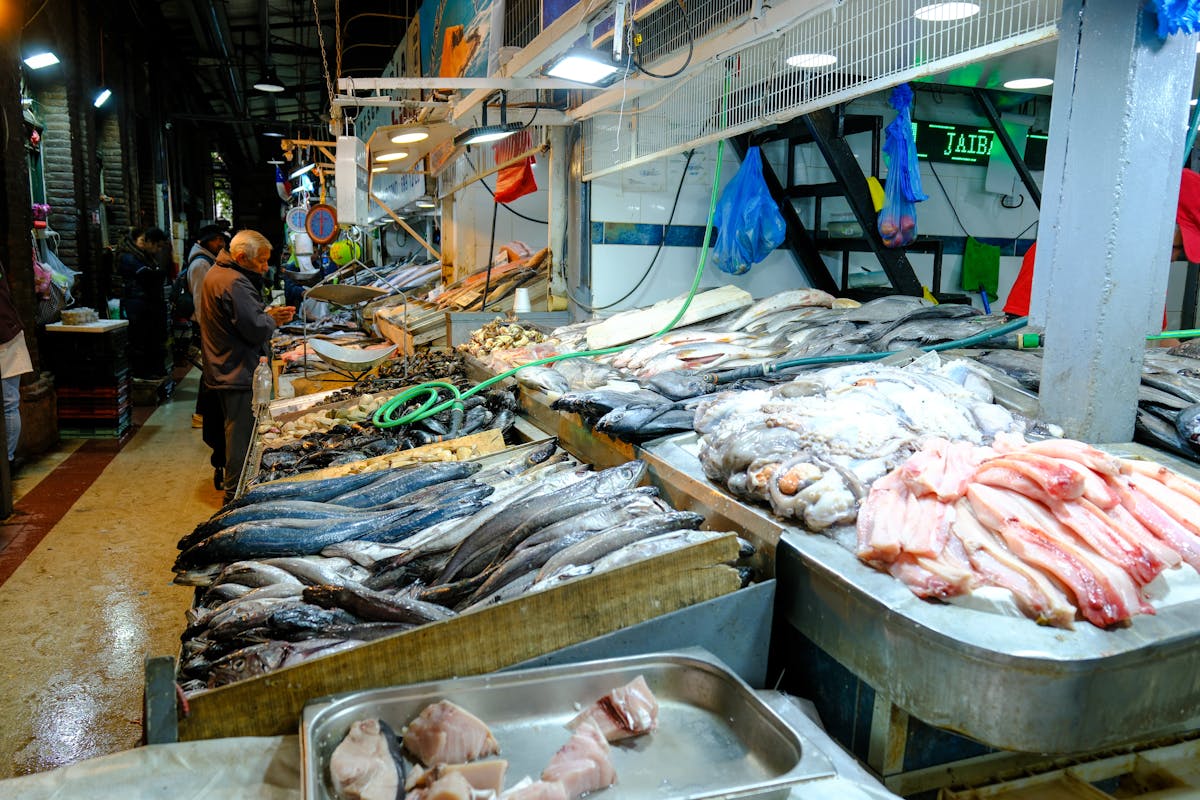
Every city in Chile has a market. Most of them are fine. The Feria Fluvial in Valdivia is something else entirely, and the reason is the animals. The market sits along the bank of the Rio Valdivia, a long row of open-air stalls selling fish, shellfish, smoked meats, fruits, vegetables, and cheap kitchen supplies. Standard stuff for southern Chile. What makes it different is the colony of South American sea lions that lives on the river bank directly below the market, and the fact that they have figured out the system perfectly.
Every time a fishmonger cleans a fish, the scraps go over the edge. The sea lions know this. They line up along the waterfront like customers at a deli counter, barking and shoving whenever a new batch of guts comes flying. The big males claim the prime spots and will fight anything that challenges them. Pelicans swoop in for whatever the sea lions miss.
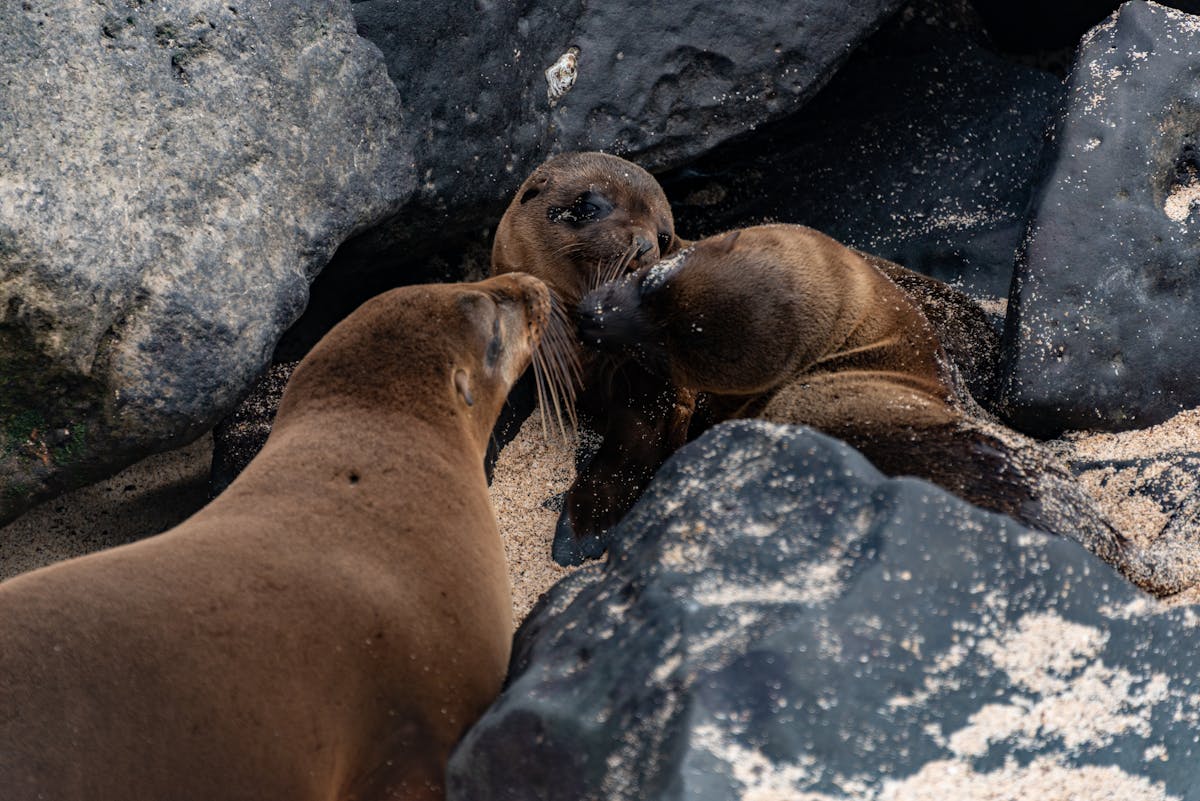
I stood there for forty-five minutes the first morning, which is something I never do at markets. But the drama is genuinely entertaining — territorial disputes, sneaky flanking moves, the occasional full-on brawl that sends spray everywhere. The smell is intense. The noise is constant. And the fishmongers above are completely indifferent, wrapping fish in newspaper like nothing unusual is happening beneath their feet.
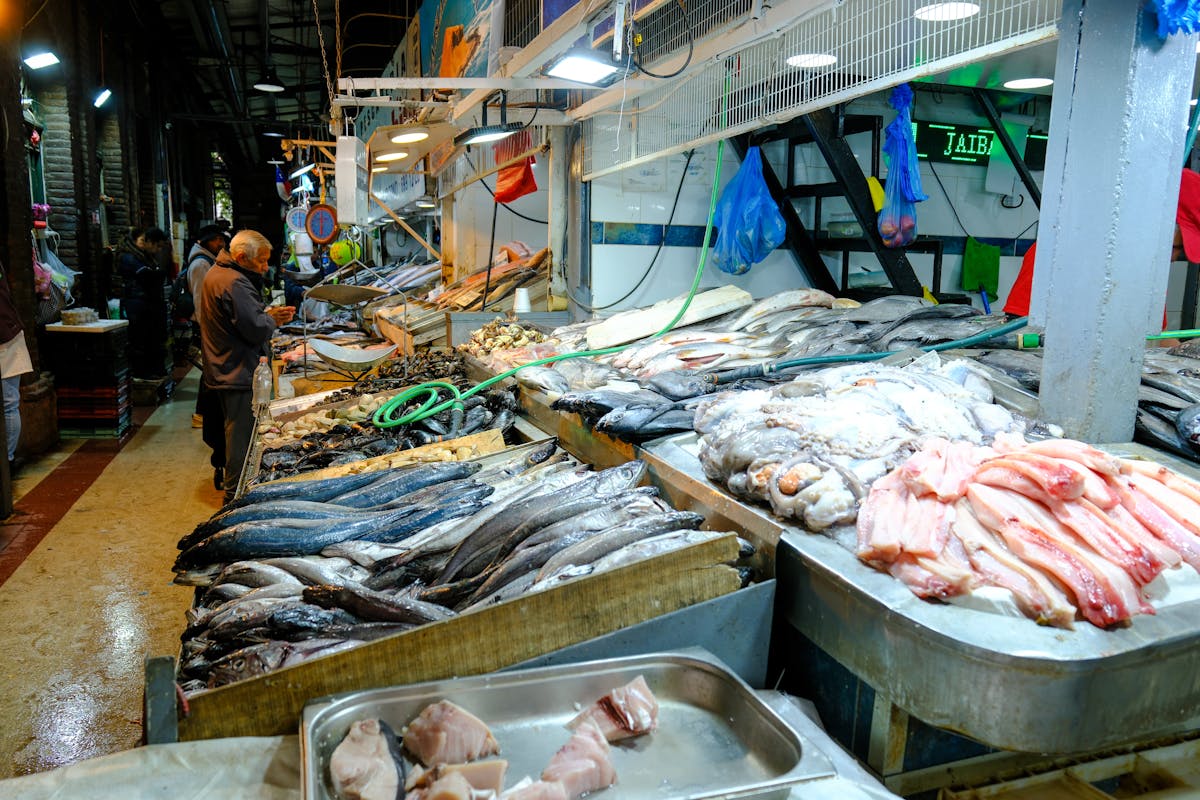
Go early. By 10am on a Saturday, the aisles are shoulder-to-shoulder and the best fish is gone. I showed up at noon my first day and got the B-team selection. Second day I was there at 7:30 and had my pick of congrio, reineta, and a bag of cholgas (mussels) for about $4.
Quick Tip
The Feria Fluvial is open every day, but Saturday morning is the big market day when local producers from surrounding farms also set up. Arrive before 8:30am for the best selection and thinner crowds. The sea lions are there all day, though — they do not take weekends off.
Kunstmann and the Craft Beer Scene That Germans Built
Here is the history in brief: in the 1850s and 1860s, several waves of German immigrants settled in the Los Rios region around Valdivia. They brought with them carpentry skills, a taste for kuchen (which you will find in every bakery in town), and — critically — brewing traditions. For over a century, Valdivia was the only place in Chile where you could reliably find good beer. The rest of the country was drinking Cristal and Escudo, which are fine but forgettable lagers. Valdivia was making bocks and pilsners and dunkels.
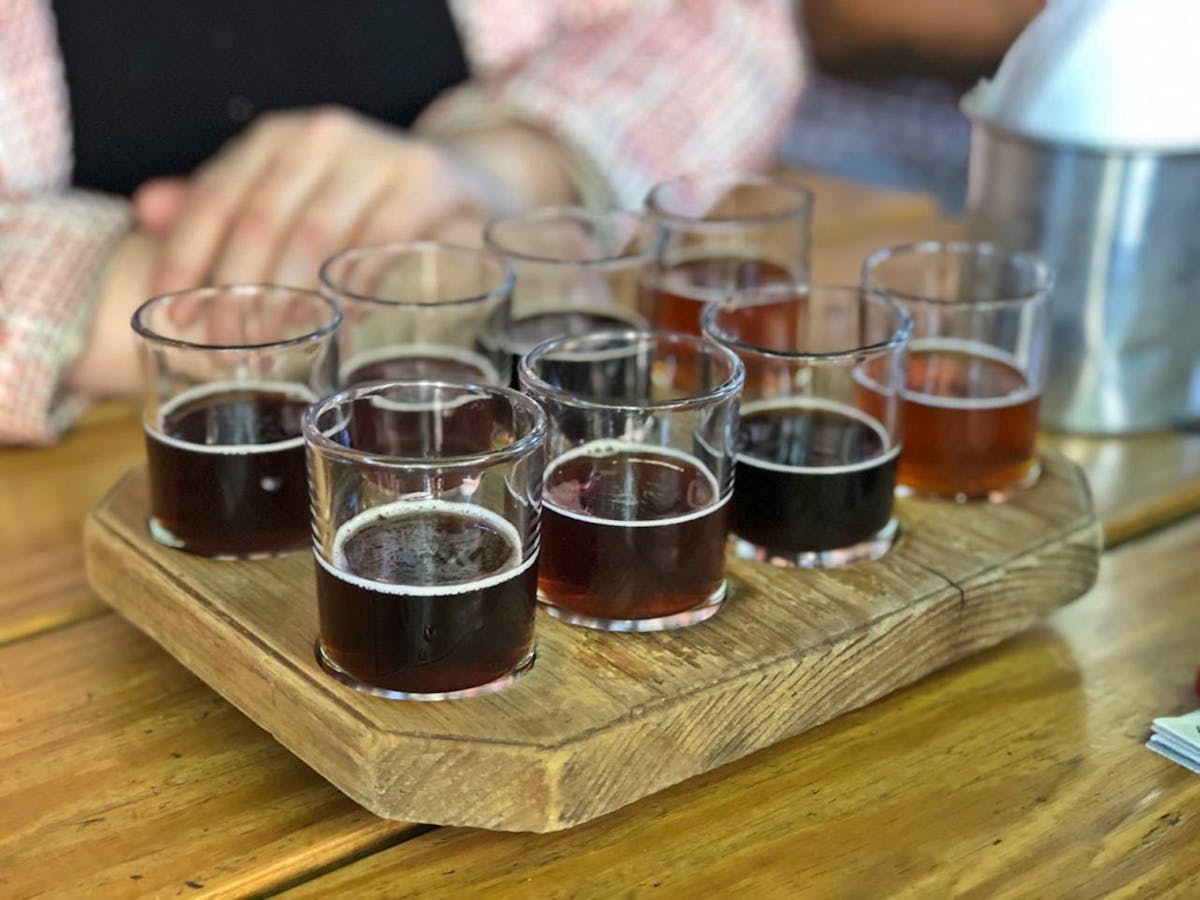
Cerveceria Kunstmann is the flagship. It sits about 7 kilometers south of downtown on the road toward Niebla, in a building that looks airlifted out of Bavaria — timber frame, steep pitched roof, flower boxes. The tour costs around $8, takes 45 minutes, and ends with a tasting flight. The Torobayo (their amber lager) is genuinely one of the better beers I have had in South America. The Gran Torobayo, aged longer, is even better.
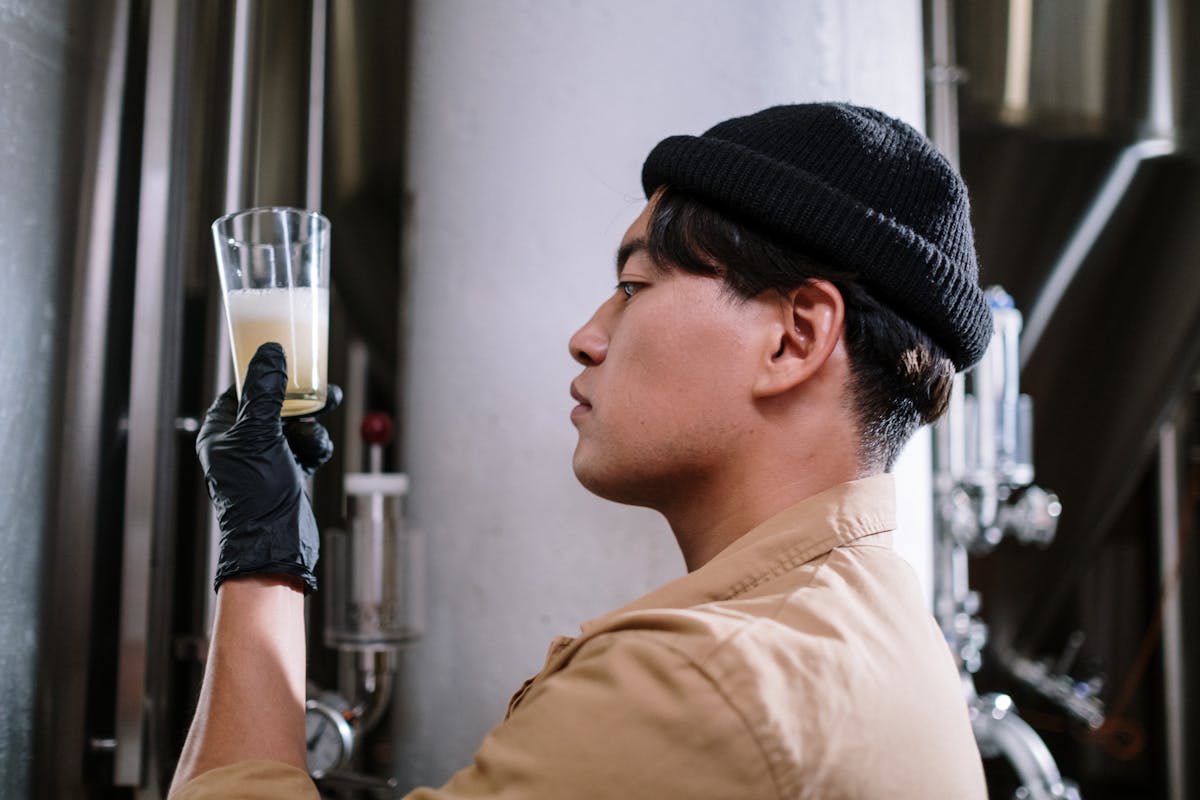
But Kunstmann is just the starting point. When the craft beer boom hit Chile in the 2010s, the city that already had a brewing culture became ground zero for microbreweries. Bundor, Cuello Negro, Cerveza Kross, Salzburg — the concentration is ridiculous for a city of 170,000. Most have taprooms downtown or within a short taxi ride.
The area around Calle General Lagos has the highest density. I spent an evening walking from one to the next, sampling flights, and the quality was consistently high. Not a single bad beer in five stops. The IPAs lean European — less aggressively hopped than American craft, more balanced. A pint runs $3-5.
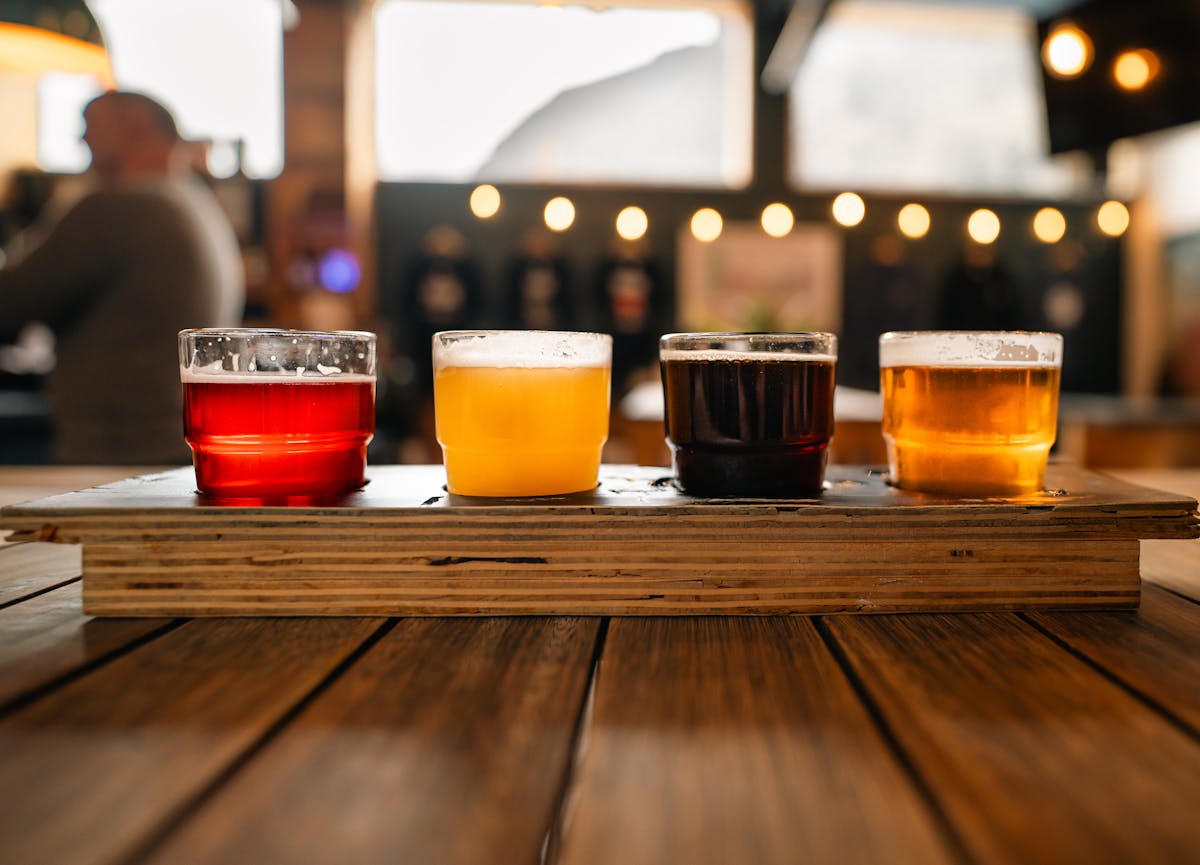
The annual Bierfest Kunstmann in late January/early February is the biggest beer festival in Chile. Think Oktoberfest but with empanadas instead of pretzels. I missed it by two weeks, which still annoys me.
River Boats to Corral and Niebla: The Spanish Forts Nobody Visits
Valdivia was one of the most important Spanish colonial outposts in South America, and the crown spent serious money fortifying the river mouth against pirates and rival powers. The result is a string of forts along the coast where the Rio Valdivia meets the Pacific, concentrated around Corral and Niebla. The boat ride to get there is half the point.
River boats leave from the Muelle Fluvial downtown — same waterfront as the fish market — and the trip to Corral takes about 90 minutes each way. The landscape gets progressively wilder: wetlands, old farmhouses on islands, osprey circling overhead. On a clear day you can see the Andes behind you and the Pacific ahead.
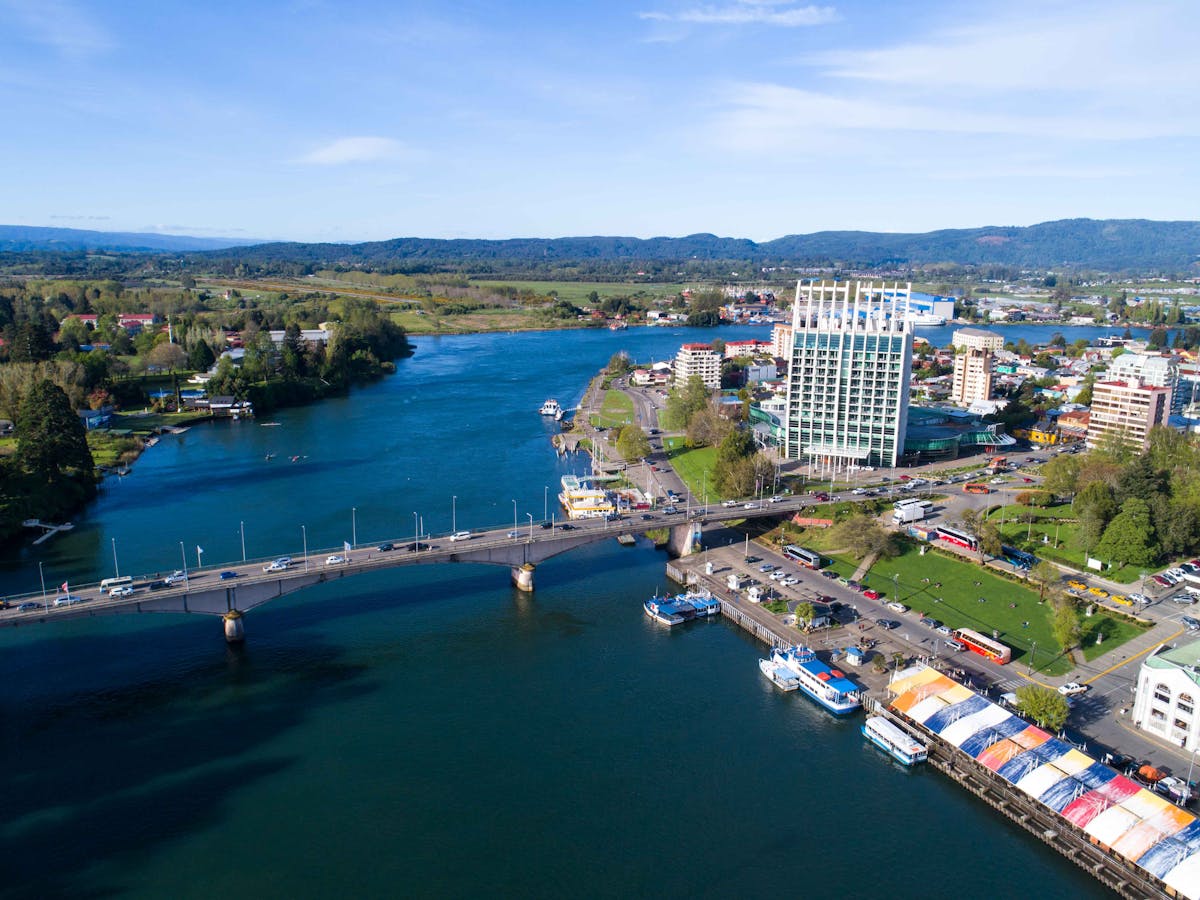
Castillo de Corral, the main fort, is the most intact. Thick stone walls, cannon embrasures facing the water, a courtyard with plaques in Spanish. It is not going to blow your mind if you have visited European castles, but the setting — perched on a headland with waves crashing below — gives it a drama the architecture alone would not provide. Fuerte de Niebla, across the water, is smaller but similarly positioned. You can visit both in a day trip.
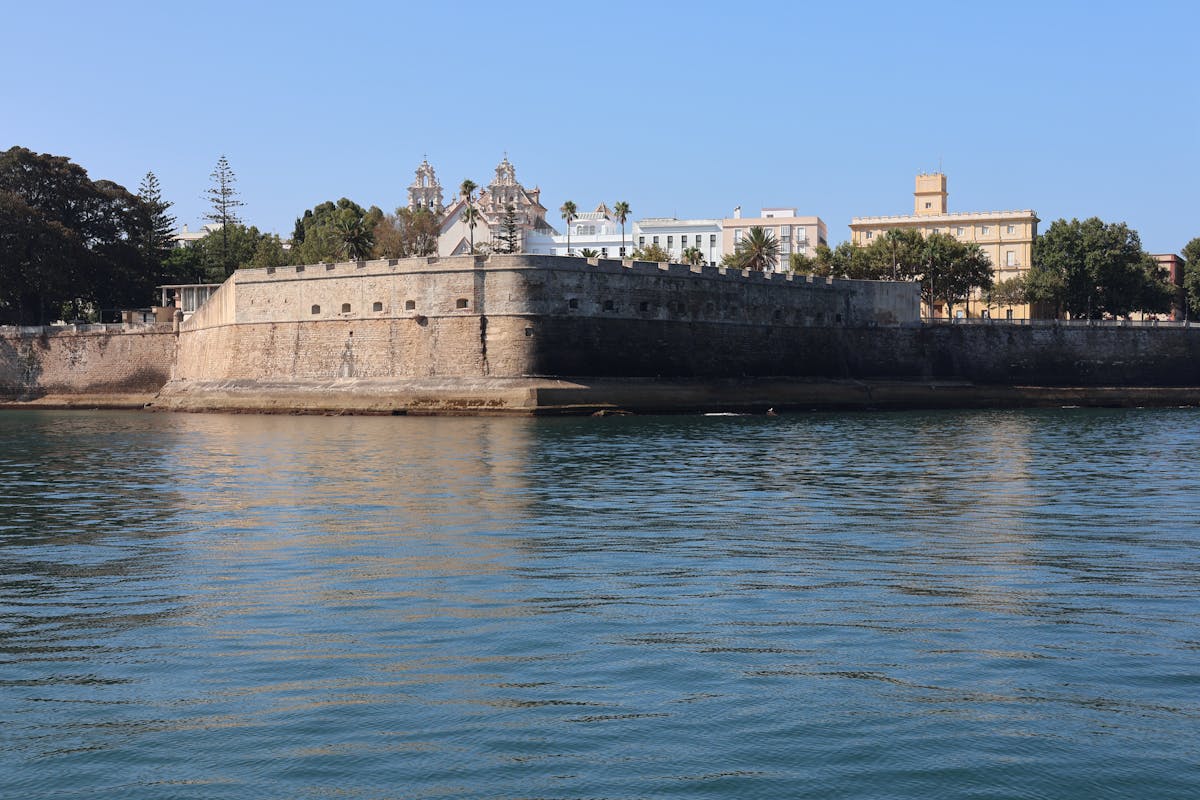
The round-trip boat fare is around $12-15 per person. There are also colectivos (shared minibuses) that run to Niebla from downtown Valdivia for about $2 if you prefer the land route — the ride takes 30 minutes and drops you right at the fort. I took the boat out and the colectivo back, which felt like the right combination: scenic on the way out, efficient on the return.
Isla Teja and the University Town Vibe
Cross the Pedro de Valdivia bridge from downtown and you are on Isla Teja, a large island between the Calle-Calle and Cruces rivers that holds the Universidad Austral de Chile. This is what gives Valdivia its energy — at its core, a college town. The bars fill on Thursday nights and the cultural calendar runs deeper than you would expect for a city this size.
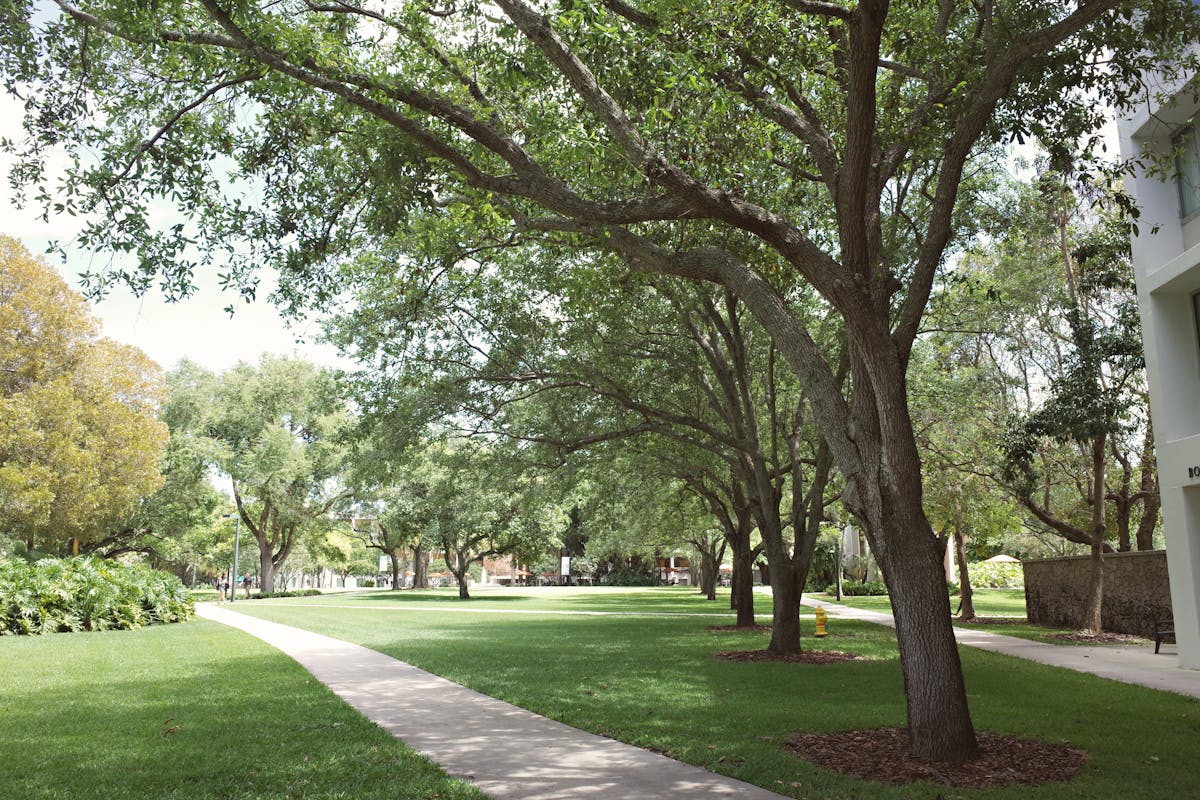
Isla Teja itself is worth a slow walk. The campus blends into parks and gardens along the riverfront, paths under old-growth trees that feel more like a nature reserve. The Jardin Botanico has southern Chilean native plants — nalcas with leaves the size of dinner tables, coigues draped in old man's beard lichen, monkey puzzle trees. Free entry. I spent a full morning there and saw maybe ten other people.
The Museo de Arte Contemporaneo (MAC) is housed in the old Cerveceria Anwandter building — one of the original German breweries, repurposed as an art space. They kept some of the 1960 earthquake damage visible in the design, which works better than it sounds. Rotating Chilean contemporary art exhibitions. Free entry.
The 1960 Earthquake: The Day the Earth Moved 9.5
On May 22, 1960, Valdivia was hit by the most powerful earthquake ever recorded. Magnitude 9.5 on the Richter scale. For context, the 2011 earthquake that triggered the Fukushima disaster in Japan was a 9.1. The one that caused the 2004 Indian Ocean tsunami was a 9.1. The Valdivia earthquake was stronger than both.
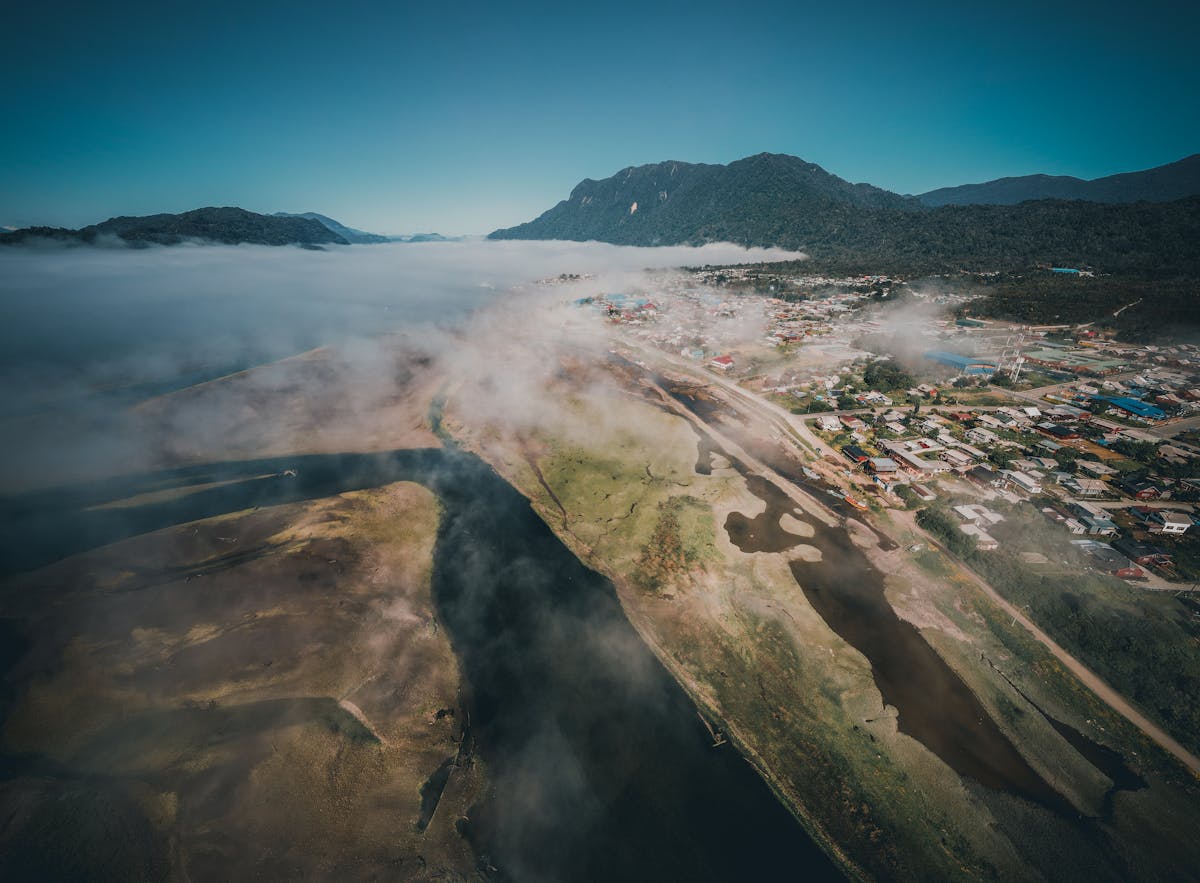
The damage was catastrophic. Entire neighborhoods sank as the soil liquefied. The river changed course. A section of coastal land subsided so dramatically that it created a new wetland — the Santuario Carlos Anwandter, now a nature reserve for black-necked swans. The earthquake triggered a tsunami that crossed the Pacific and killed people in Hawaii, Japan, and the Philippines. Then, two days later, Volcan Puyehue erupted. Because apparently the earthquake was not enough.
You can see the legacy everywhere if you know what to look for. The Torreones — two stone towers on Calle General Lagos, the oldest surviving Spanish colonial structures in the city — survived the quake, which is remarkable given that nearly everything around them did not. They date from the 1770s, squat and thick-walled, built to withstand everything short of demolition. The earthquake tested that, and they passed.
The Santuario Carlos Anwandter, 15 minutes north of town, is where you can kayak through wetlands that did not exist before 1960. The ground dropped two meters, the river flooded the sunken land, and a new ecosystem established itself. Black-necked swans, coots, and cormorants now live in a landscape created by geological violence. It is one of the stranger nature experiences I have had in Chile.
What to Eat: Seafood, Kuchen, and the German-Chilean Collision
The food scene in Valdivia is a collision between two traditions that had no business meeting but created something excellent in the process. On one side: the Chilean coastal cuisine of the south, all fresh fish, shellfish, and caldillo (a fish soup that is essentially the national comfort food of the Los Rios region). On the other: the German baking and sausage traditions brought by the settlers, which means that you can eat a plate of congrio frito for lunch and follow it with a slice of apfelkuchen that would hold its own in Stuttgart.
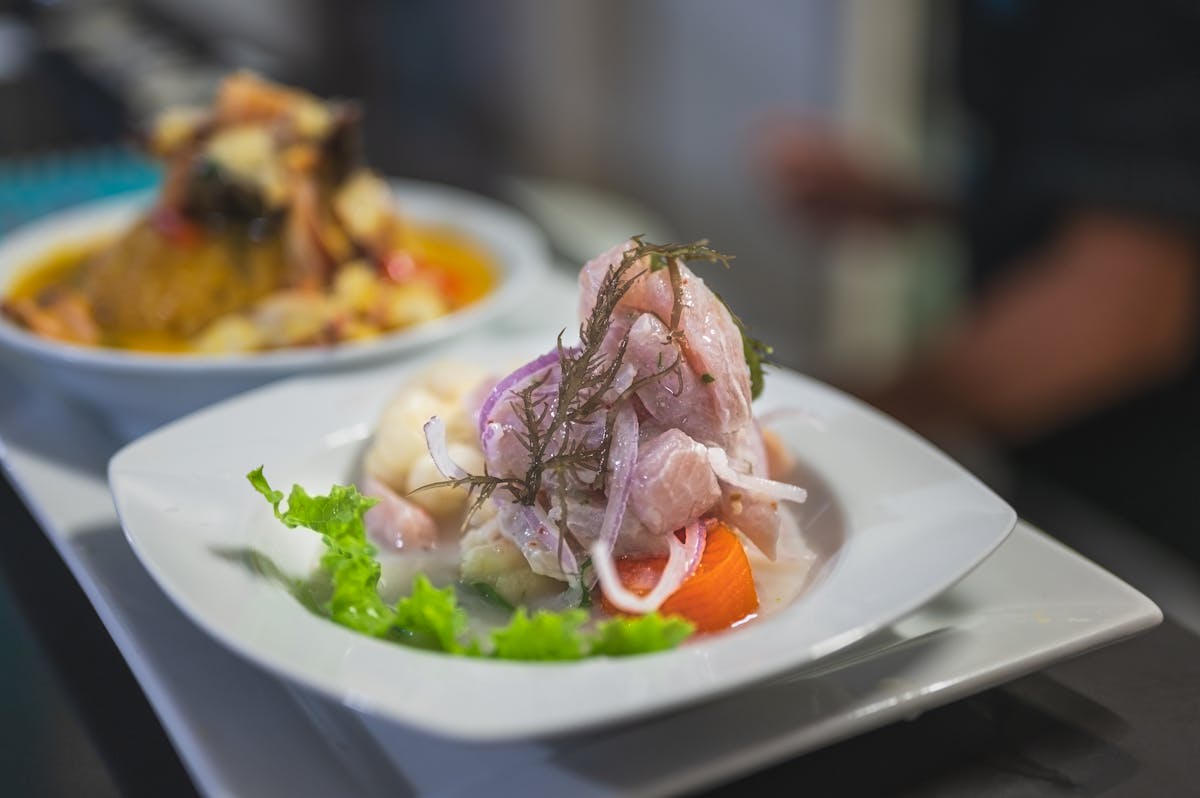
For seafood, the restaurants along the costanera (waterfront promenade) are the obvious choice, but the ones facing the river tend to charge tourist prices. I had better meals — and paid less — at the small cocinerias inside the Mercado Municipal. The caldillo de congrio there was the best I had in southern Chile: thick, creamy, loaded with chunks of conger eel, served with a basket of bread and a view of absolutely nothing scenic. Good food does not need a view.
The kuchen situation deserves its own paragraph. Valdivia takes kuchen seriously. Every cafe and bakery has a glass case full of them — apple, raspberry, murta (a local berry), streusel, chocolate. The Cafe Hausmann on Calle O'Higgins is the one that locals sent me to, and the apple kuchen there was outstanding. Dense, buttery, not too sweet, with a layer of custard between the fruit and the crust. I went back twice. The local wines pair surprisingly well with the sweeter kuchen, though most people just drink coffee.
For the full German-Chilean experience, find a spot serving chucrut con salchichas alongside empanadas de mariscos. That combination sounds wrong on paper. It is not wrong.
The Calle-Calle River and Getting on the Water
Valdivia is a river city in a way that most Chilean cities are not. Santiago has the Mapocho, but nobody romanticizes the Mapocho. Valdivia has the Calle-Calle, the Cruces, and the Cau-Cau, all converging around the center, and the waterfront is the soul of the place. Walking the costanera at sunset, watching fishing boats come in and the light turn gold, is the kind of free activity that makes you feel like you are living well on very little money.
Beyond the Corral/Niebla boat trip, shorter river tours loop around Isla Teja and up the Cruces River into the wetlands — about 2 hours, $8-12. The sunset tours are the best. Kayak rentals are available near the costanera if you want to go at your own pace. I rented one for a morning and paddled up the Cruces toward the nature sanctuary. The silence once you leave the city behind is total.
When to Visit, How to Get There, Where to Sleep
Best Time to Go
December through March is the dry season, and Valdivia gets genuinely pleasant — warm days, long evenings, the rivers calm enough for kayaking. January and February bring the most tourists and the highest prices, but Valdivia never gets crowded the way Pucon or the Lake District resort towns do. March is my pick: the university is back in session, the autumn colors are starting, and you get the city at its most authentic. When to visit Chile has the full seasonal breakdown.
The flip side: Valdivia gets a lot of rain. This is southern Chile's wet coast. Even in summer, you might get two or three rainy days in a week. April through November is properly wet and cold, and while the city does not shut down, some of the river tours and outdoor activities scale back. Pack a rain jacket no matter when you come.
Getting There
Valdivia has a small airport (ZAL) with flights from Santiago on LATAM and JetSmart — 90 minutes, $40-80 one way. Taxis to town run $25, or take the airport transfer bus for $5.
Buses from Santiago take 10-12 hours overnight ($25-50 depending on seat class). From Puerto Varas, 3 hours ($8-12). From Pucon, 4.5 hours with a change in Temuco ($10-15). The bus terminal is walkable to most accommodation. Full getting around Chile logistics are in the transport guide.
Where to Stay
The costanera area (waterfront) is the best base — walking distance to the Feria Fluvial, the restaurants, the boat docks, and the beer bars. Hostels run $12-18 for a dorm bed, guesthouses $30-50 for a private room. There are a couple of boutique hotels on or near the waterfront in the $80-120 range that are nice but not necessary. Isla Teja has quieter accommodation options if you prefer being near the university and parks.
| Hostel dorm | $12-18/night |
| Private room (guesthouse) | $30-50/night |
| Boutique hotel | $80-120/night |
| Lunch at cocinerias | $5-8 |
| Craft beer (pint) | $3-5 |
| Kunstmann brewery tour | ~$8 |
| River boat to Corral | $12-15 round trip |
| Colectivo to Niebla | ~$2 one way |
Combining Valdivia with the Lake District
Valdivia fits naturally into a Lake District itinerary. The most logical route is to fly into Temuco or Puerto Montt, work your way through Pucon and the lakes, and add Valdivia as a two or three-night stop on the way south (or north, depending on your direction). Two nights is the minimum to hit the market, do a brewery tour, and take the boat to Corral. Three nights lets you add the kayak trip, explore Isla Teja properly, and have an evening to bar-hop the cervecerías without rushing.
If you are doing the two-week Chile itinerary, Valdivia works well slotted between the Lake District days and a push south toward Chiloe or the Carretera Austral. It is also a natural pair with Puerto Varas — the two cities are different enough in character (adventure town versus river town) that they complement rather than repeat each other.
Quick Tip
If you only have one day in Valdivia, do this: Feria Fluvial at 8am, then the Kunstmann brewery tour mid-morning, then lunch at the Mercado Municipal, then walk across to Isla Teja and the Botanical Garden, then a craft beer crawl along General Lagos in the evening. You will sleep well.
The Case for Staying Longer
Most people give Valdivia one night, sandwiched between bigger destinations. I understand why — when Torres del Paine and the Atacama are on the map, a river city does not scream "must-visit." But Valdivia rewards slowness. It is about sitting at the market watching the sea lions argue, spending an afternoon in a cerveceria talking to the brewer, paddling a kayak up a river that was created by the most violent earthquake in human history.
The city has a rhythm different from anywhere else in Chile. Not the desert silence of the north or the wild grandeur of Patagonia or the chaotic color of Valparaiso. Quieter than all of those, warmer in a human sense, and it has the best beer in the country by a wide margin. Give it three nights. You will not want to leave when the bus comes.