This article contains affiliate links. If you book through them, I earn a small commission at no extra cost to you.
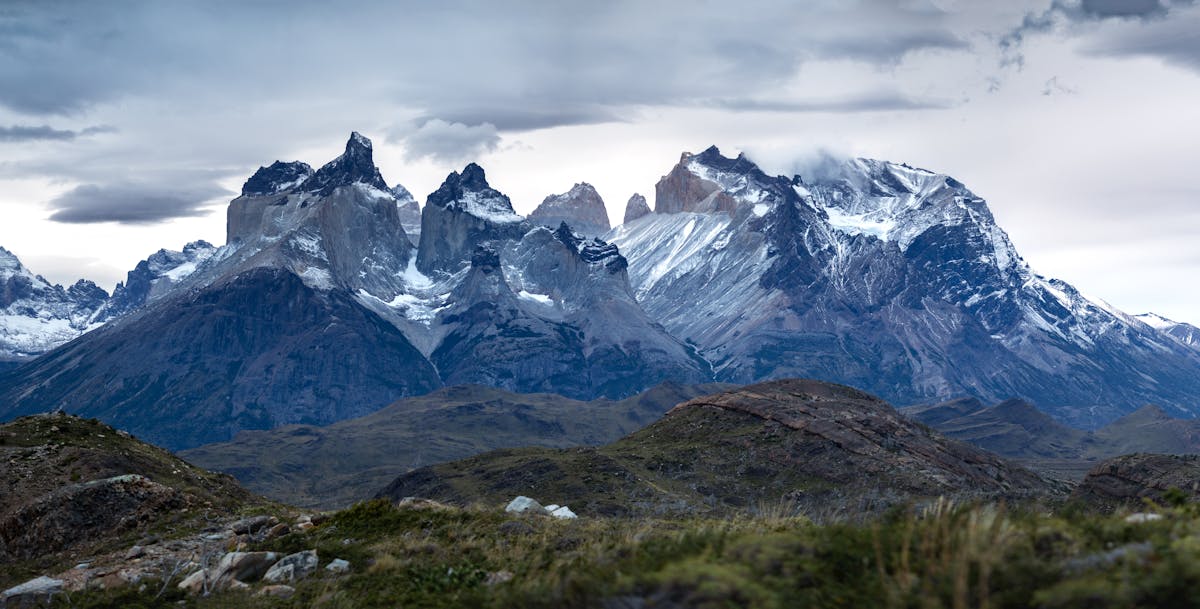
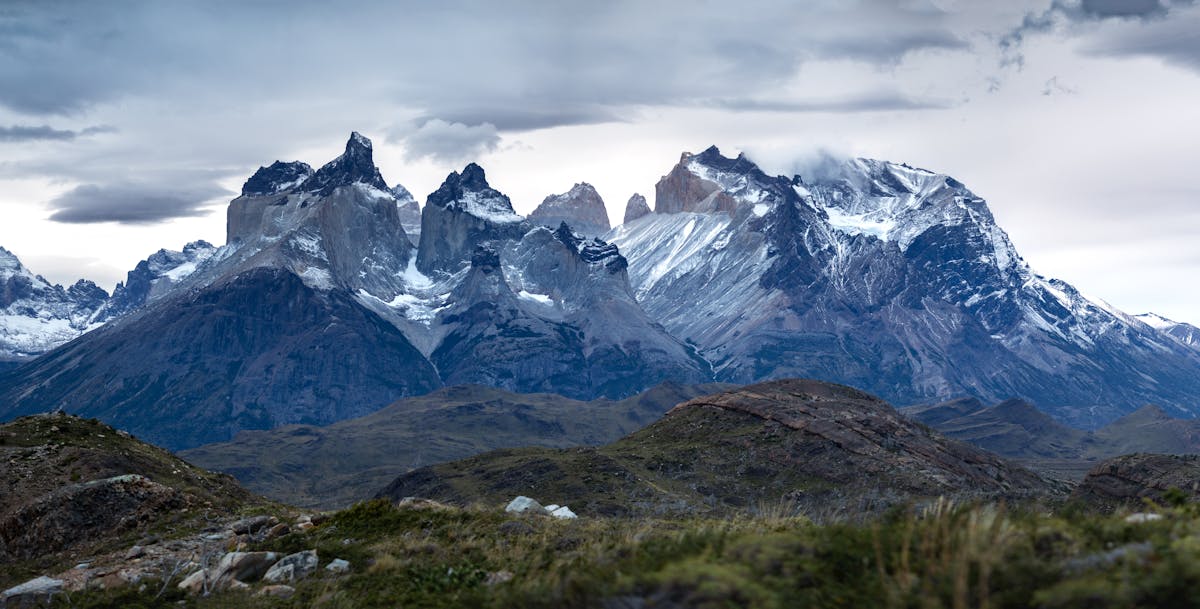
I watched four seasons happen in a single afternoon. That is not a metaphor. I was standing at the Mirador Cuernos lookout in Torres del Paine on a Tuesday in late November, wearing sunscreen and a t-shirt, when a cloud bank rolled in from the Southern Patagonian Ice Field and dropped the temperature by fifteen degrees in maybe twenty minutes. Rain came sideways, then sleet, then — I am not making this up — actual snow. Forty minutes later, the sun was back, and I was sweating again. A French couple next to me just started laughing. There was nothing else to do.
That is Patagonia's weather in a sentence. And it is the single most important thing to understand when you are trying to pick when to go.
Because here is the thing everyone gets wrong about timing a Patagonia trip: there is no perfect month. Every window has trade-offs. January gives you the warmest days but also the worst crowds and the highest prices. March gives you autumn colors so intense they look fake, but shorter daylight and a real chance of early closures. October is empty and raw and thrilling — if you don't mind the possibility of a trail being snowed shut.
I have been to Patagonia in three different months across two trips, and each time felt like a different place. What follows is what I actually experienced, cross-checked with what park rangers, hostel owners in Puerto Natales, and other hikers told me over too many pisco sours.
The Weather Reality Nobody Warns You About
Before the month-by-month breakdown, you need to understand what you are dealing with. Patagonia's weather does not follow rules. The forecasts are wrong more often than they are right, and even the park rangers will tell you to plan for everything and expect nothing.
The wind is the main character. Not the rain, not the cold — the wind. On a bad day it sustains 80-100 km/h with gusts well above that. I lost a hat I'd had for six years. The wind does not care about your plans.
Temperature ranges are wild. Summer highs can touch 20-22C in a sheltered valley, then drop to 5C at an exposed ridge. The real problem is wind chill — a 10C day with 60 km/h wind feels well below zero. Rain falls year-round, but the western side of Torres del Paine gets significantly more than the eastern side, which matters when you're planning your W Trek direction.
Quick Tip
Pack for all four seasons regardless of when you visit. Merino base layer, fleece mid, waterproof shell, sun hat, warm hat. I carried all of this in November and used every single piece on the same day. Twice. See the full Patagonia packing list for the complete breakdown.
October: Spring Arrives (Sort Of)
October is the start of the season, and it feels like it. Trails in Torres del Paine officially open around mid-October, though dates shift depending on snowpack. Some years the higher passes are still closed into late October. The O Circuit's John Gardner Pass, in particular, opens later than the W Trek routes.
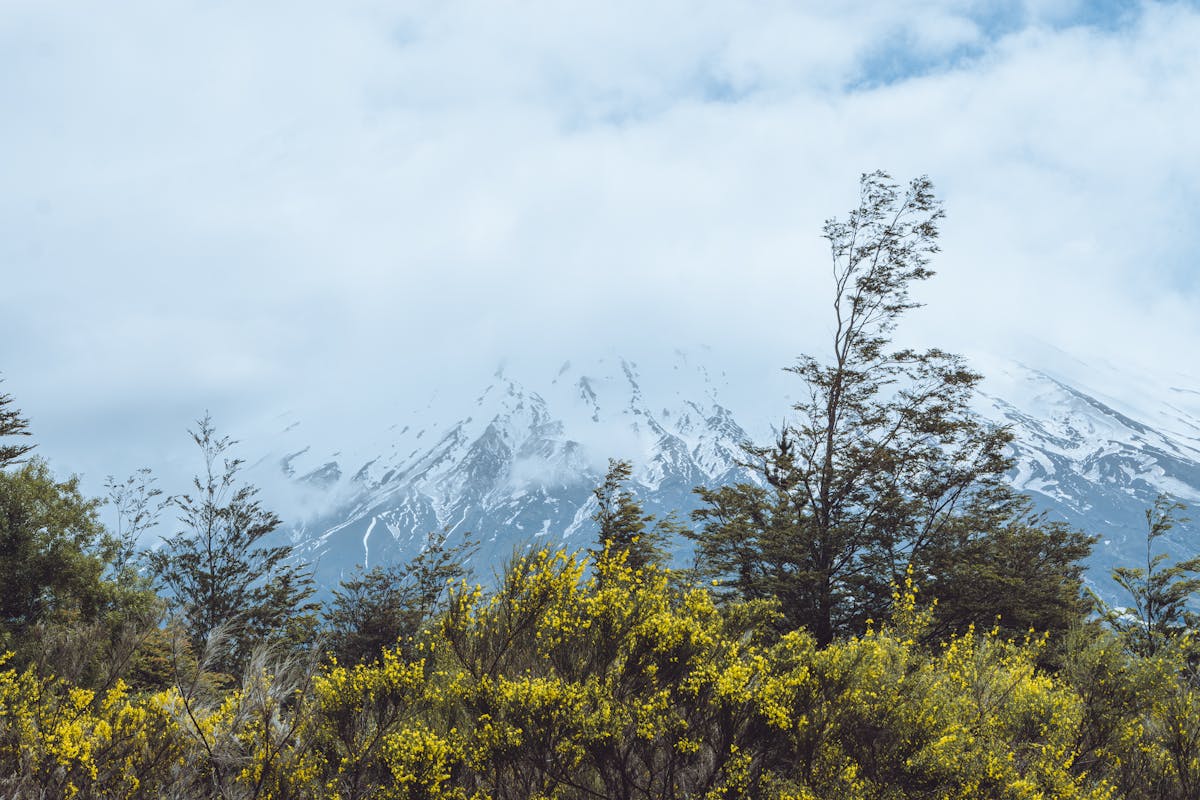
What I love about October: the emptiness. When I was there in late October, entire sections of the trail had nobody on them. I had the Mirador Base Torres to myself for about fifteen minutes at sunrise, which is something that simply does not happen in January. The refugios were half-full. The campgrounds were quiet. It felt like the Patagonia I had imagined before I learned about the booking wars.
The downsides are real though. Snow can still block higher routes, and some refugios and services aren't running yet. The days are getting longer but you're still looking at maybe 14-15 hours of daylight, not the 17+ you'd get in December. And the wind in October can be savage — spring in Patagonia means the westerlies are waking up and they come in hard.
Temperatures range from about 2C to 12C, and nights regularly dip below freezing. You will want a serious sleeping bag if you're camping.
October Bottom Line
Good for experienced hikers who can handle cold and uncertainty. Bad for people who need everything to go according to plan. Accommodation prices are 20-30% lower than peak, and flights to Punta Arenas are noticeably cheaper.
November: The Sweet Spot (If You Can Handle the Gamble)
November is when I'd tell most people to go if they pushed me for a single answer. But it comes with an asterisk.
By early November, most trails and services are open. The wildflowers start appearing on the steppe — calafate bushes put out their tiny yellow blooms, and the grasslands around Laguna Amarga get this green-gold color that photographs extremely well. The days are getting long, pushing 16 hours of usable light by late November.
Crowds are building but not crushing. I could still get last-minute refugio bookings in November, which would be unthinkable six weeks later. The trail had a pleasant amount of people — enough to feel safe, few enough to feel like you're actually in wilderness.
The gamble: November weather is unstable. You are still in the transition from spring to summer, and the weather swings are dramatic. I had two days of perfect blue sky followed by a day of horizontal rain that kept most hikers in their tents. The wind was already strong, consistently 40-60 km/h in exposed sections.
Pricing sits in a comfortable middle ground. Refugios and hostels charge shoulder-season rates through most of November, switching to peak pricing in the last week or two. If you are budget-conscious, early-to-mid November gets you decent weather, functioning infrastructure, and prices that won't make your eyes water.
November Bottom Line
The best value month for most travelers. You get long days, functioning services, manageable crowds, and shoulder-season pricing. The weather is a coin flip each day, but that's Patagonia in any month.
December: Peak Season Begins, Longest Days of the Year
December flips the switch. The summer solstice hits around December 21st, and you get nearly 18 hours of daylight in Torres del Paine. That is an absurd amount of hiking time. I remember being out on the trail at 9pm and the light was still golden and soft, the kind of light that makes mediocre photographers look competent.
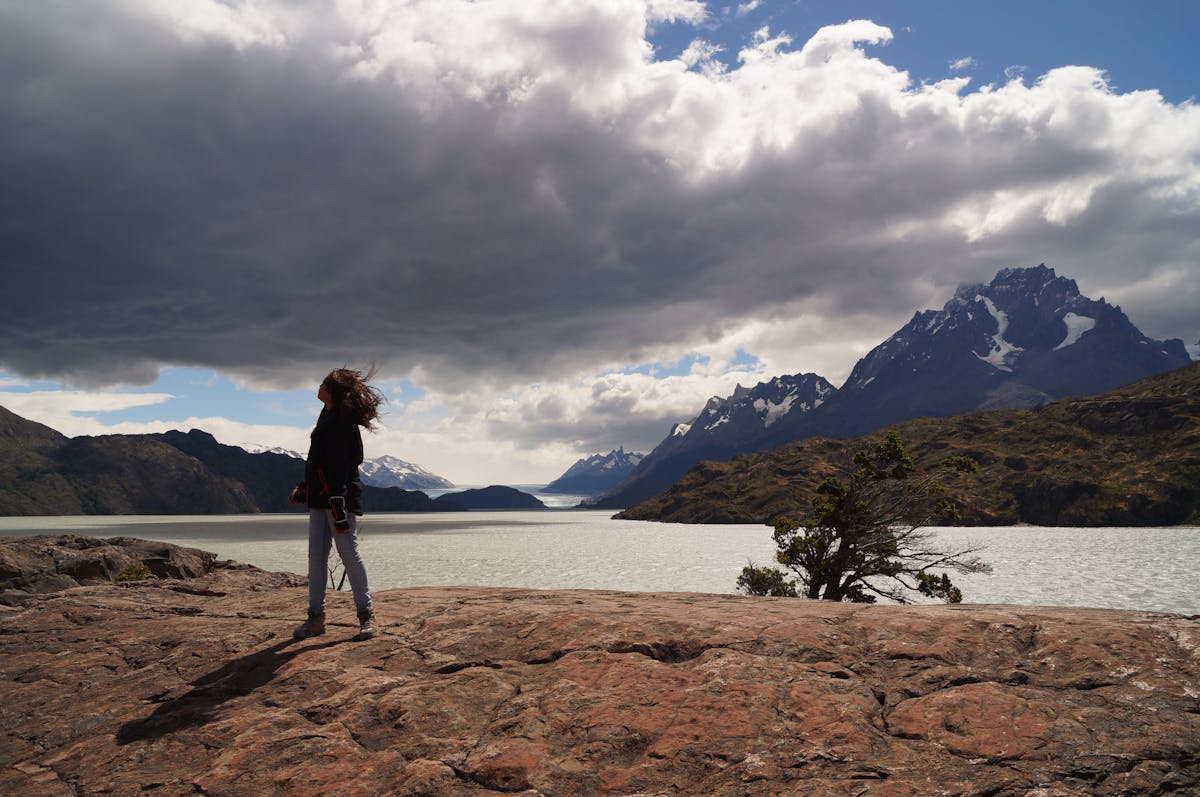
Everything is open. All the refugios, all the campsites, all the boat services across the lakes. The catamaran to Grey Glacier runs daily. The buses from Puerto Natales to the park are frequent. The logistics, frankly, are as easy as they get.
Temperatures are the most comfortable you'll find — daytime highs of 12-18C in valleys, occasionally touching 20C on a still day. Still cold at altitude and in the wind, but you can hike in a t-shirt and light layer for portions of the day.
The crowds, though. December is when the international tour groups arrive in force. The W Trek campsites fill up, and the trail itself gets busy enough that you will wait in line at bottlenecks — the chains section below the towers, the steep scramble into the French Valley. Refugios and campsites need to be booked months ahead. If you haven't secured your spots by August or September for a December trip, you'll be scrambling.
Prices are at peak or near-peak levels. Flights from Santiago to Punta Arenas can double compared to October. Hostels in Puerto Natales that charge 15,000 CLP in November suddenly want 30,000 CLP.
December Bottom Line
Peak conditions with peak prices and peak crowds. Best for people who value reliability — you are almost guaranteed functioning services, and the daylight hours are extraordinary. Book everything far in advance.
January: The Warmest Month (and Everyone Knows It)
January is statistically the warmest and driest month in Patagonia. It is also the month when every traveler in South America seems to converge on Torres del Paine simultaneously.
The positives: temperatures regularly hit 15-20C in valleys, rainfall is at its annual low (though "low" in Patagonia still means bring your rain gear), and the wind tends to be slightly less violent than in the shoulder months. Slightly. It is still windy. It is always windy. Trail conditions are at their best — snow gone from all but the highest passes, every service at full capacity. If you're doing the O Circuit, January gives you the best shot at clear conditions on the John Gardner Pass.
But the crowds fundamentally change the experience. The park receives 3,000-4,000 visitors per day in peak January. The Mirador Base Torres at sunrise can have 200+ people jostling for position. The refugios are packed. Campsites have a festival atmosphere, which you'll either love or hate. And something nobody mentions: the dust. By mid-January, the eastern trails get dry and powdery from thousands of boots, and the mosquitoes near lakeside campsites at dusk are relentless.
January Bottom Line
Best weather odds, worst crowd odds. Book 4-6 months in advance minimum. Budget travelers will feel the pain — everything from park entry fees to a basic sandwich in a refugio costs premium rates.
February: Still Peak, But the Tide Turns
February is the month that rewards the patient. Conditions are nearly identical to January — still warm, still dry, still long days. But the first wave of summer tourists starts thinning out after mid-February, and I noticed a real difference on the trails.
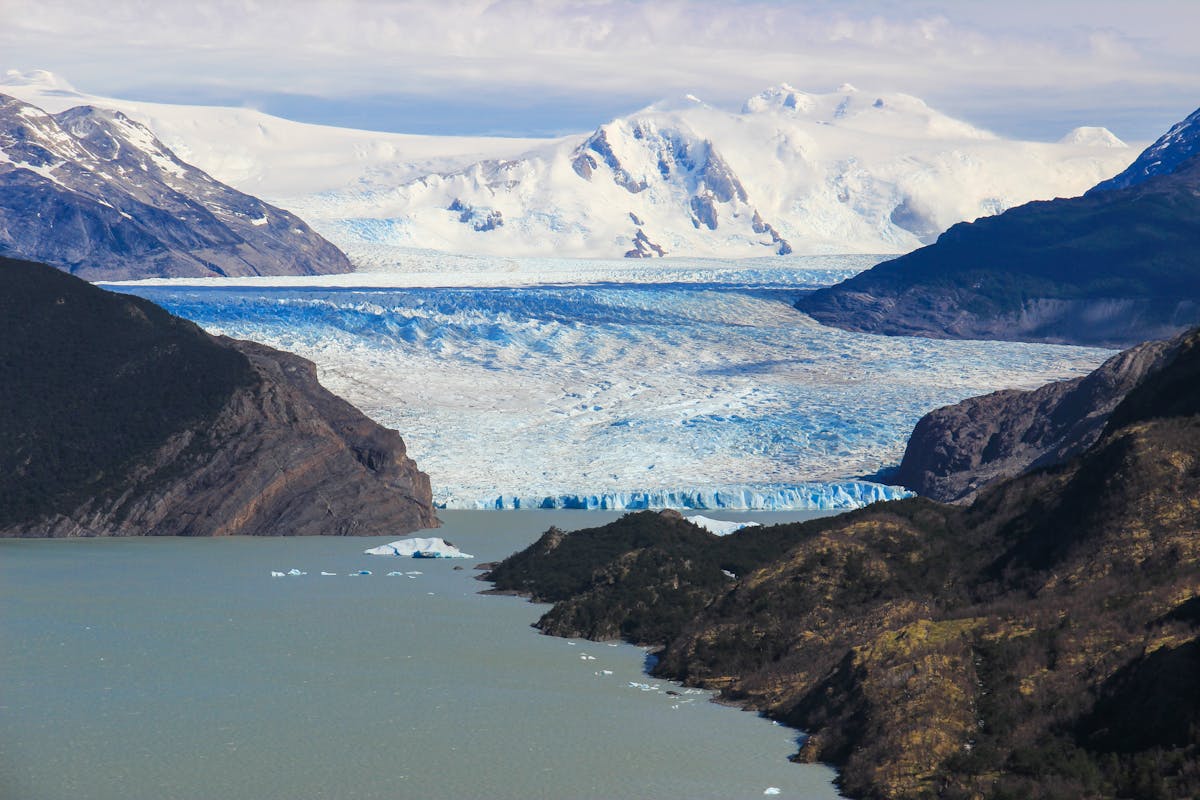
Late February is underrated. You still get 15-16 hours of daylight and comfortable temperatures, but the Christmas-to-January crowds have moved on. Refugio availability loosens. The trail has breathing room. The first hints of autumn appear in the last days — a touch of yellow in the lenga forests, cooler mornings.
Prices remain peak through mid-February, then soften 10-15%. Not huge, but enough to notice.
February Bottom Line
January weather with slightly fewer people. Late February especially is a smart play for people who want peak conditions without the worst of the crowds.
March: The Autumn Gold Nobody Talks About
March is my favorite month in Patagonia, and it is not close.
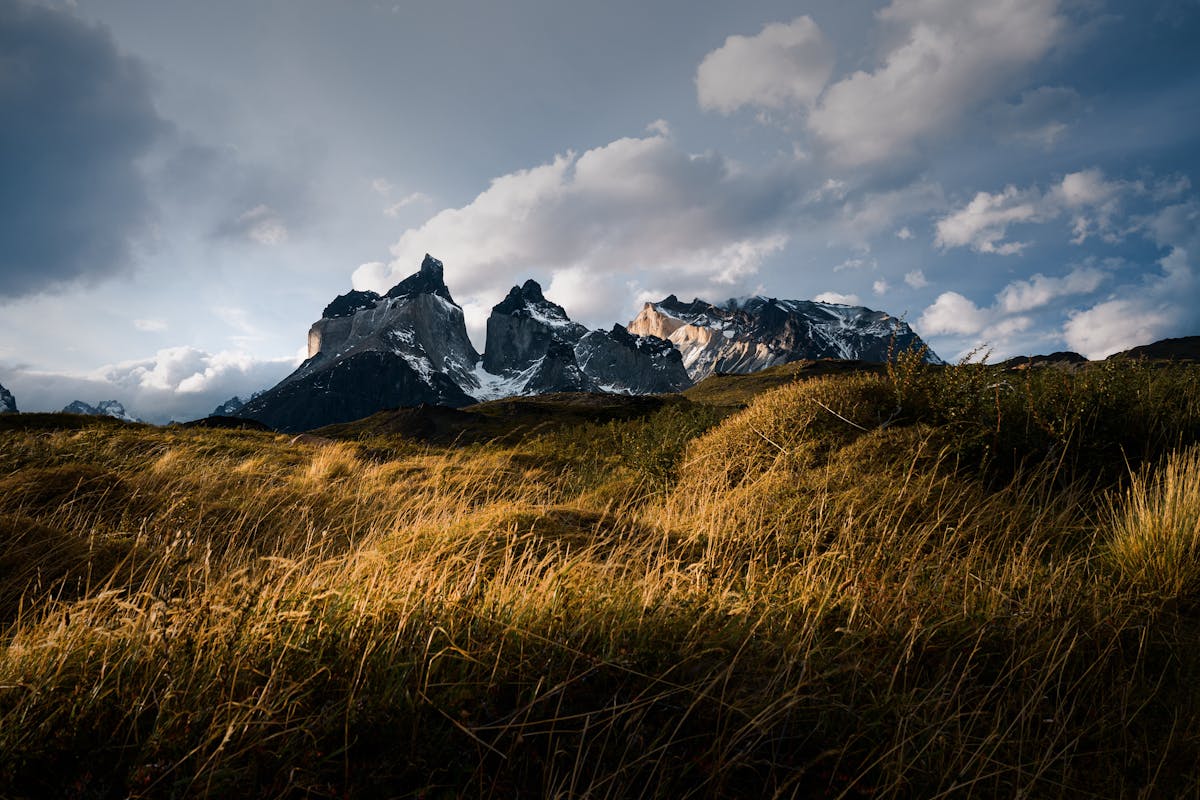
The lenga forests that blanket the valleys and hillsides of Torres del Paine turn gold and red and orange, and the contrast against the grey granite towers and blue glacial lakes is something I have not seen replicated anywhere else on the planet. I stood at Mirador Cuernos in mid-March and the entire valley below me looked like it was on fire. The reflection in Lago Nordenskjold was so vivid that my photos looked oversaturated, and I hadn't touched the settings.
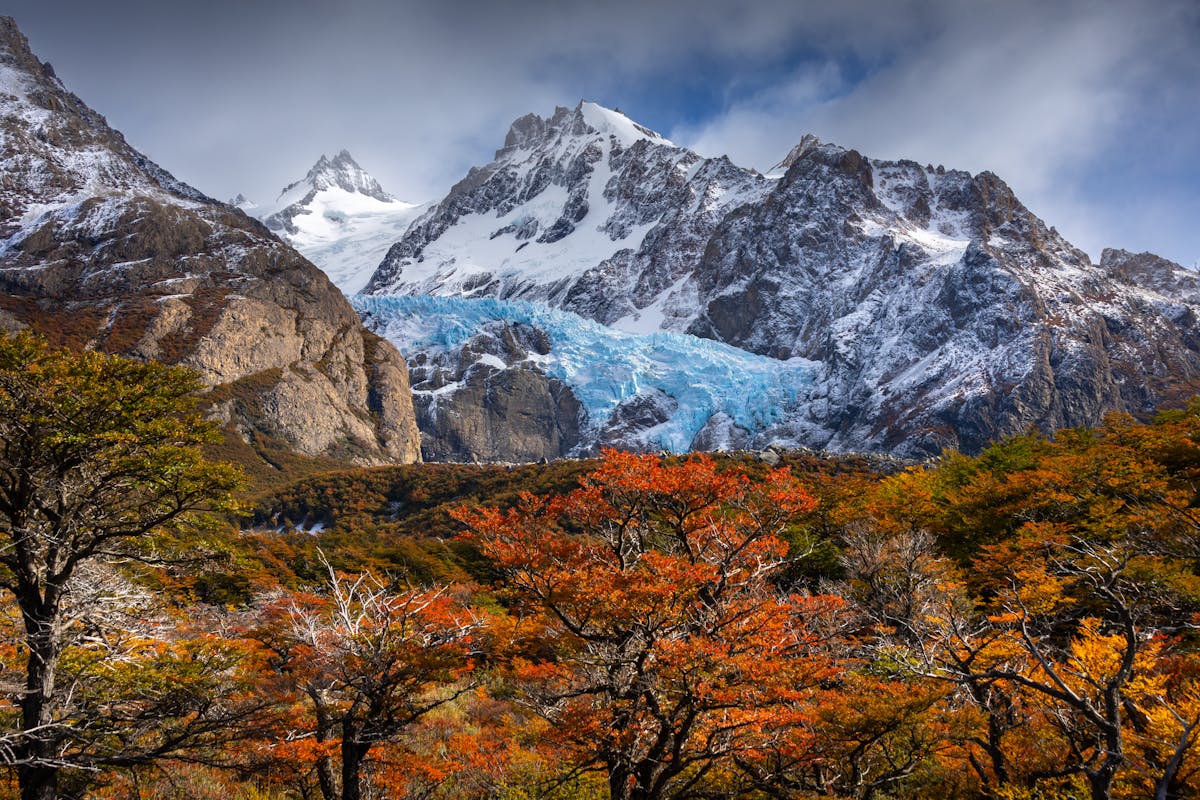
The crowds thin dramatically. By mid-March, the trail population drops by half or more compared to January. I had entire stretches of the day hikes to myself. The refugios still operate, but some start closing in the last week of March. Campsite availability is excellent — no need to book six months ahead.
The trade-offs: days are getting noticeably shorter. You are looking at 12-13 hours of daylight by late March, which still allows full day hikes but means early starts for sunrise viewpoints. Temperatures drop — daytime highs of 8-14C, with nights regularly hitting freezing or below. The wind picks up again as autumn deepens, and storms become more frequent.
Some services start winding down. The catamaran to Grey Glacier may switch to a reduced schedule. Some smaller hostels in Puerto Natales close for the season. But the main infrastructure — buses, park entry, major refugios — still runs through March.
Quick Tip
If autumn colors are your goal, aim for March 10-25. Earlier than that and the leaves are just starting to turn. Later and you risk catching the tail end, with leaves already dropping. The peak color window shifts by a week or so each year depending on temperatures.
March Bottom Line
The most photogenic month, with manageable crowds and shoulder-season pricing. Bring warm gear and be prepared for shorter days and colder nights. For photographers and people who hate crowds, March is the answer.
April: Late Shoulder Season and the Edge of Winter
April is where Patagonia starts shutting down, and you need to be comfortable with that uncertainty.
Early April can still deliver decent hiking — autumn colors linger at lower elevations. But by mid-April the lenga forests are bare, the landscape turns stark (granite, ice, brown grass), and services close rapidly. Most refugios shut by mid-April. The O Circuit is closed. Bus services thin out. You're on a skeleton operation.
Temperatures: daytime highs of 4-10C, nights well below freezing, snow possible at any elevation. Days shrink to barely 10 hours of light by late April. The wind, somehow, gets worse. April is for experienced, self-sufficient hikers who can handle cold camping and the possibility of impassable trails. It's not for most people. But the solitude is extraordinary — three other hikers in a full day.
April Bottom Line
Only for experienced hikers comfortable with cold, limited services, and uncertainty. The solitude can be incredible. Check current conditions with CONAF before heading in.
May Through September: Winter (and Mostly Closed)
Most people aren't considering a winter Patagonia trip, and there are good reasons for that. Torres del Paine's trail system is effectively closed. The refugios are shut. Bus services are minimal. Daylight drops to 7-8 hours in June and July.
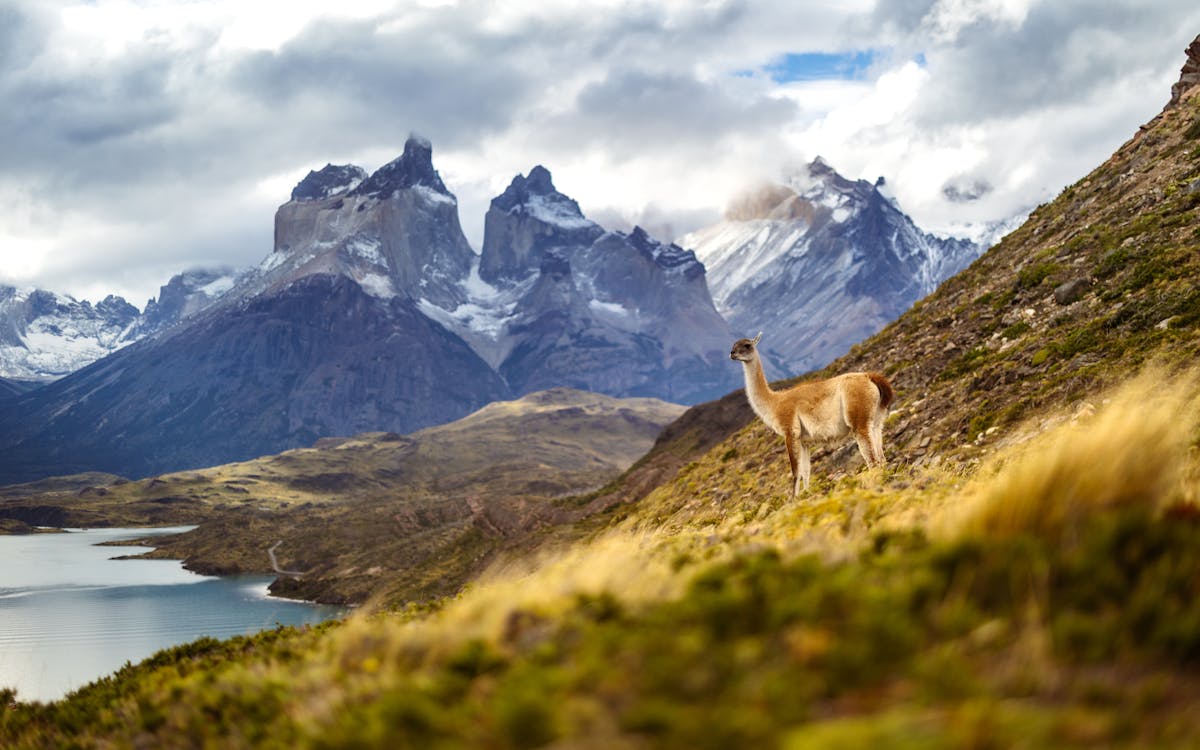
That said: Punta Arenas and Puerto Natales remain functional towns. The main road into Torres del Paine stays open (weather permitting), and you can do short walks from the road — Lago Sarmiento, Cascada Paine, Salto Grande. Snow-covered Torres in winter is spectacular to look at from the road.
Skiing exists but barely — Cerro Mirador near Punta Arenas has a small operation, and backcountry touring is possible for the equipped. If skiing is the goal, head to the ski resorts further north. Winter prices are rock bottom though. Hotels drop 60-70% from peak rates. Puerto Natales in winter has a moody, end-of-the-world atmosphere I find genuinely appealing — cafes, rain on windows, books.
Winter Bottom Line
Not a hiking trip. Can work as a photography/road trip/town experience if you embrace the cold and darkness. Budget travelers will find prices that are almost reasonable by Patagonian standards.
Torres del Paine vs. El Chalten: Different Seasons, Different Vibes
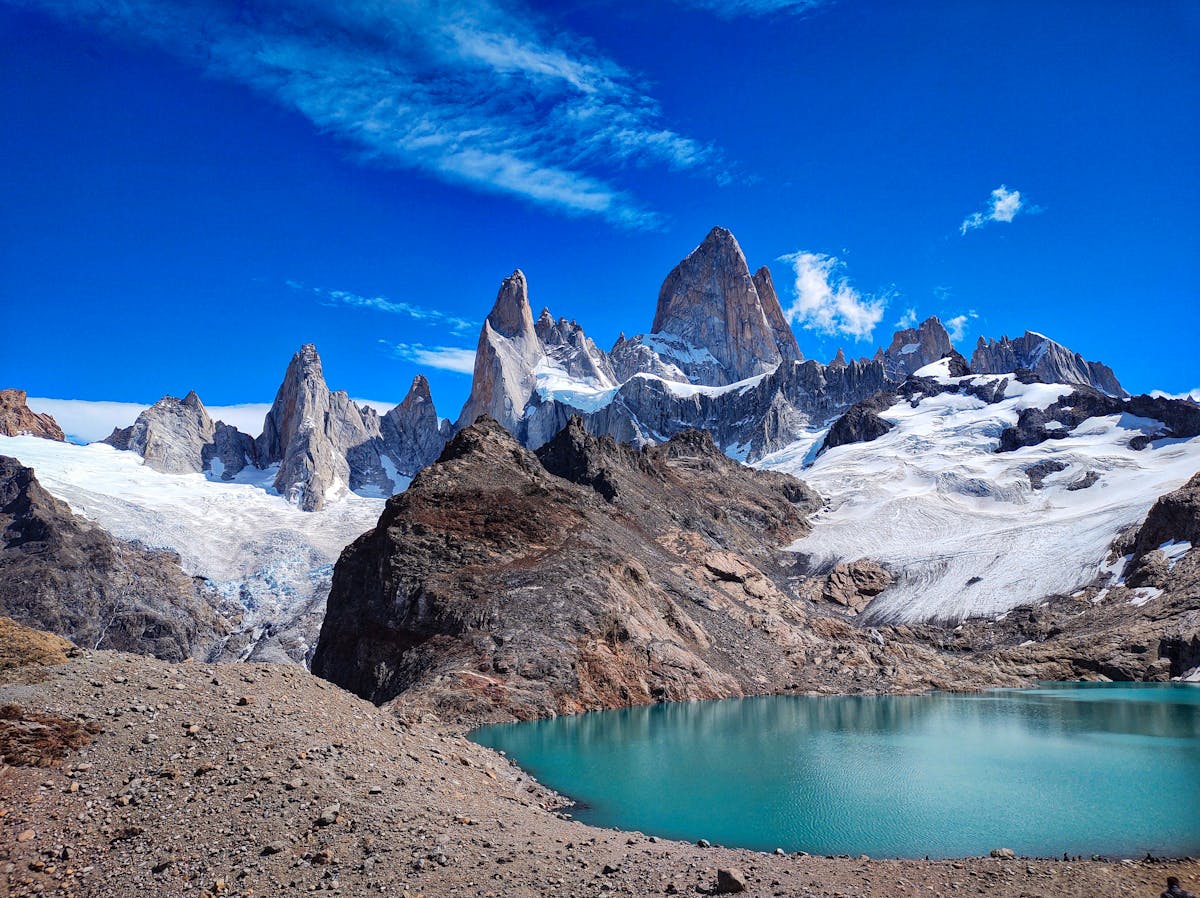
A lot of people combine Chilean and Argentine Patagonia in one trip, and the timing works differently on each side. If you're planning a Patagonia itinerary that includes both, here is what you need to know.
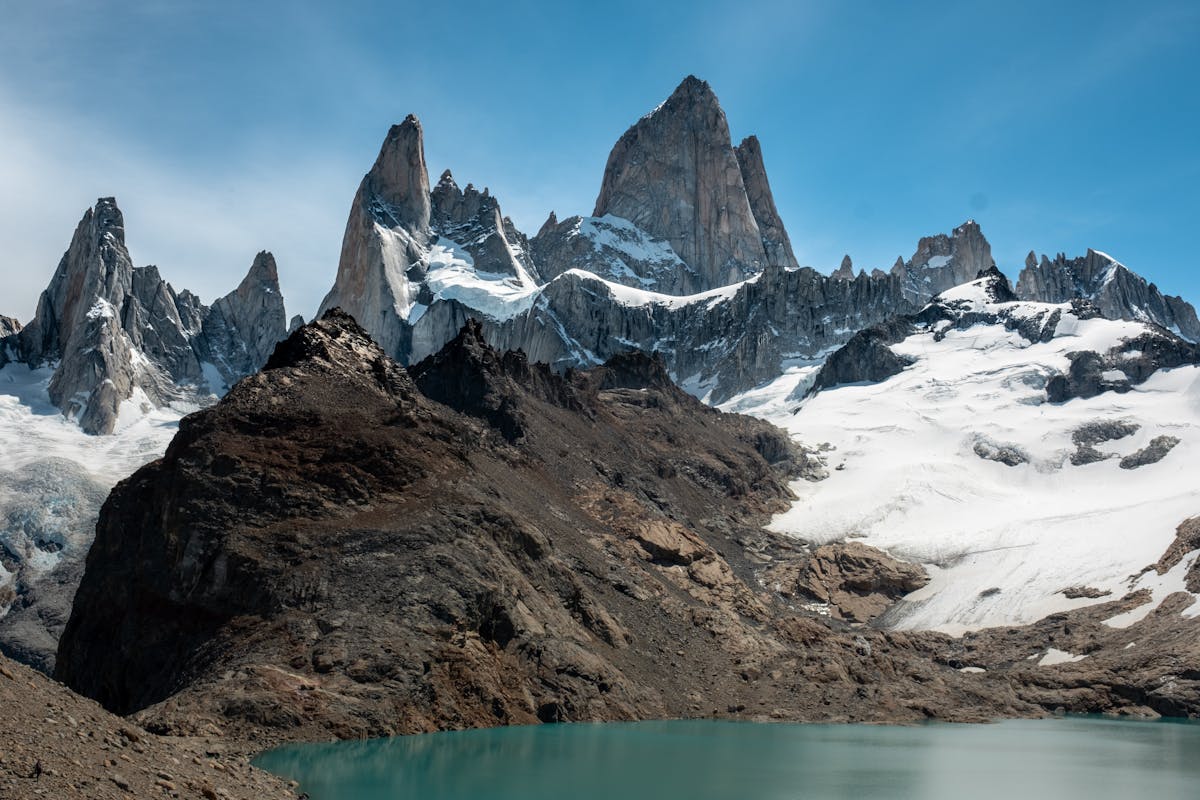
El Chalten — the trekking capital on the Argentine side — shuts down from May to September, but when it's open, the hiking is free (no park entry fee), trails are well-marked, and Fitz Roy is one of the most dramatic mountains on the continent. It gets slightly less wind than Torres del Paine but more precipitation, and the cloud cover around Fitz Roy is notorious — I met hikers who spent four days there without seeing the summit once.
The sweet spot for combining both: late November through early March. Start in Torres del Paine, cross the border at Cerro Castillo, and head to El Chalten. Bus connections exist but run just once per day each direction. Budget two full travel days for the transfer.
When to Book (the Timeline That Actually Works)
Booking Patagonia is not like booking a weekend getaway. The lead times are real and the consequences of waiting are real. Here is the timeline I'd follow if I were planning a trip right now.
6-8 months before: Book W Trek refugios and campsites. The booking systems open around October for the following season, and popular January dates sell out within days. Book the moment reservations open.
4-6 months before: Book flights Santiago to Punta Arenas. LATAM and JetSMART operate this route. Booked early: $100-150 USD round trip. Last minute in peak: $300-400+.
3-4 months before: Book accommodation in Puerto Natales. Good hostels fill for peak season.
1-2 months before: Book bus transfers to the park. Pre-book in peak January to guarantee your departure time.
The week before: Check forecasts (don't trust them). Download offline maps. Accept the weather will do whatever it wants.
Quick Tip
For shoulder season (October, November, March, April), you can compress this timeline significantly. I booked my November trip just two months ahead and had no problems with availability. But for December-February, the 6-month-ahead rule applies.
Pricing Seasonality: What It Actually Costs
Patagonia is expensive regardless of when you go. But the swing between low and peak season is significant enough to factor into your planning. Here's roughly what to expect. For a detailed budget breakdown, see the Patagonia budget guide.
| Expense | Shoulder (Oct/Nov/Mar-Apr) | Peak (Dec-Feb) |
|---|---|---|
| Flight Santiago-Punta Arenas (round trip) | $80-150 USD | $200-400 USD |
| Hostel dorm in Puerto Natales | $12-18 USD/night | $25-40 USD/night |
| Mid-range hotel in Puerto Natales | $60-90 USD/night | $120-200 USD/night |
| W Trek refugio (per night, full board) | $120-160 USD | $150-200 USD |
| W Trek campsite (own tent) | $8-12 USD | $10-15 USD |
| Torres del Paine park entry (foreign adult) | ~$35 USD | ~$35 USD (same year-round) |
| Bus Puerto Natales to park (round trip) | $15-20 USD | $20-25 USD |
Park entry is the same year-round. Flights and accommodation swing the most. For a couple, the difference between shoulder and peak can easily be $500-800 USD total.
So When Should You Actually Go?
After all that, here's how I'd sort it depending on what you care about most.
Best weather odds: January or early February. You're playing the percentages, and the warmest, driest month wins. But bring your patience for crowds.
Best value: Early-to-mid November. Everything functions, crowds are manageable, prices haven't spiked yet. This is the answer for most people.
Best photography: March, without question. The autumn colors are staggering and the lower sun angle gives you better light all day. The crowd reduction is a bonus.
Best for solitude: October or late April. You'll trade certainty for emptiness. Some people crave that trade. I am one of them.
Best overall: Late November or late February. These shoulder-to-peak transitions give you the best mix of conditions, crowds, and cost.
Whatever month you pick, pack for four seasons, book earlier than feels reasonable, and accept that the wind will rearrange your plans at least once. That's the deal with Patagonia. You don't control the experience — you show up and take what it gives you. And what it gives you, on the days when everything lines up, is unlike anywhere else I have been.
Start building your route with the complete Patagonia itinerary, or check out the Chile trip planning guide if you're combining Patagonia with other parts of the country.