This article contains affiliate links. If you book through them, I earn a small commission at no extra cost to you.
The puma appeared at maybe twenty meters. It came around a boulder on the trail above us, stopped, and just looked. Not scared. Not aggressive. Just aware. My guide put his hand on my arm and whispered "don't move" — which was unnecessary because I had already forgotten how to use my legs. The cat held eye contact for what felt like a full minute, then turned and walked uphill into the scrub like we were barely worth the interruption. My hands were shaking when I finally lifted my camera. Too late, obviously.
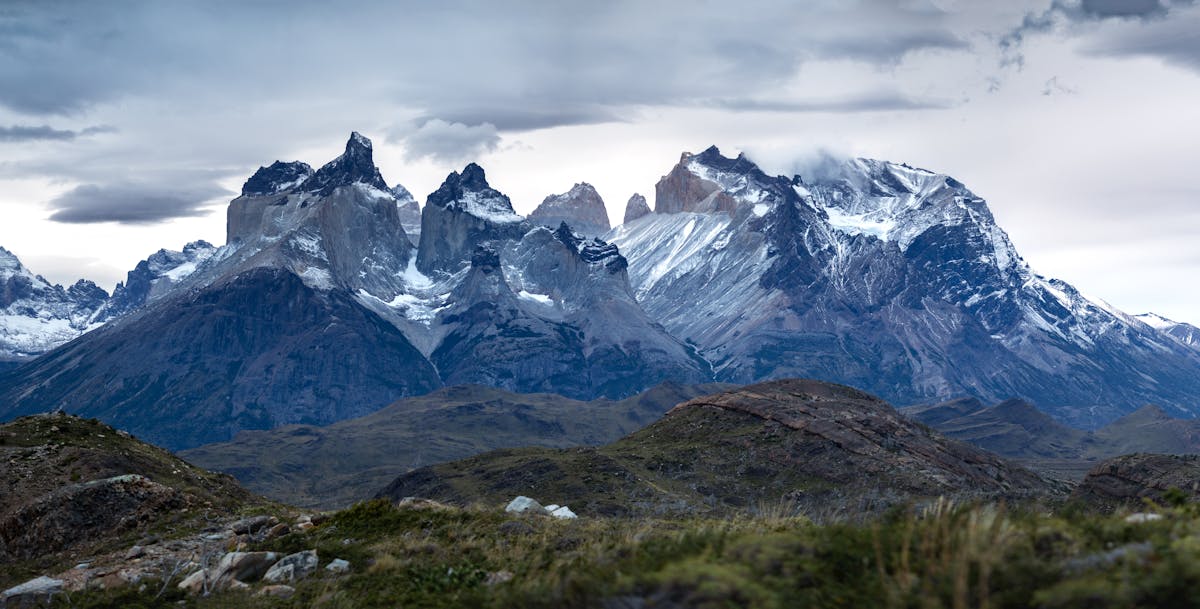
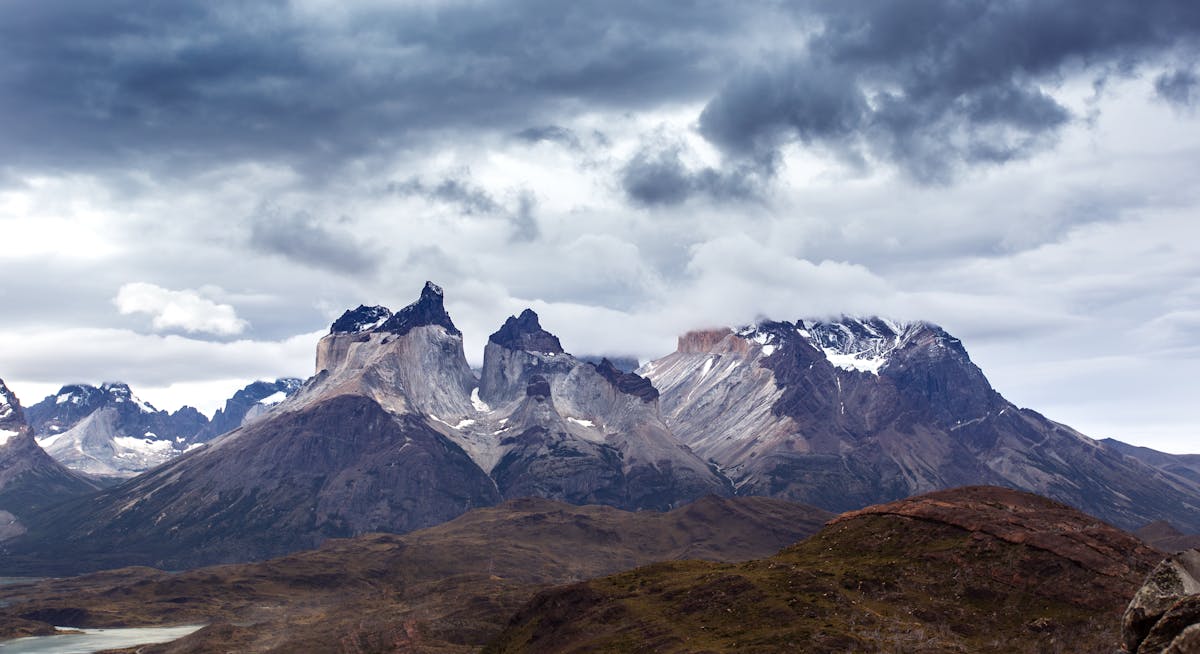
That was Torres del Paine in early May, near the end of autumn, when the guanacos bunch together and the pumas come down to hunt them. I had spent four days in the park before that moment, hiking in sideways rain and seeing nothing bigger than a hawk. Then — twenty meters. No fence. No glass. Just a wild cat the size of a large dog deciding I wasn't interesting enough to eat.
Chile does wildlife differently than East Africa or the Galapagos. There are no Big Five checklists. No guaranteed sightings. Some of the animals on this list you will almost certainly see. Others require real luck, good timing, or hiring someone who knows exactly where to look. I'm going to be straight about which is which.
Penguins — Three Species, Three Very Different Experiences
Chile has three penguin species you can realistically see, and the logistics for each are completely different. I have done two of the three. The third is on the list for next time.
Magellanic Penguins at Isla Magdalena
This is the easy one. From Punta Arenas, you catch a ferry to Isla Magdalena in the Strait of Magellan — about two hours each way. The island has something like 60,000 breeding pairs between October and March. You step off the boat and they are everywhere. Waddling across the path. Standing in their burrows. Ignoring you completely while you crouch down with a camera three feet away.
The ferry runs daily in season (October through March, though December to February is peak). Tickets sell out in January, so book a few days ahead if you're traveling in high summer. Our Punta Arenas guide has details on ferry operators and departure times. The whole visit takes about five hours door to door. You get roughly an hour on the island, which sounds short but is enough — there are only so many penguin photos you need.
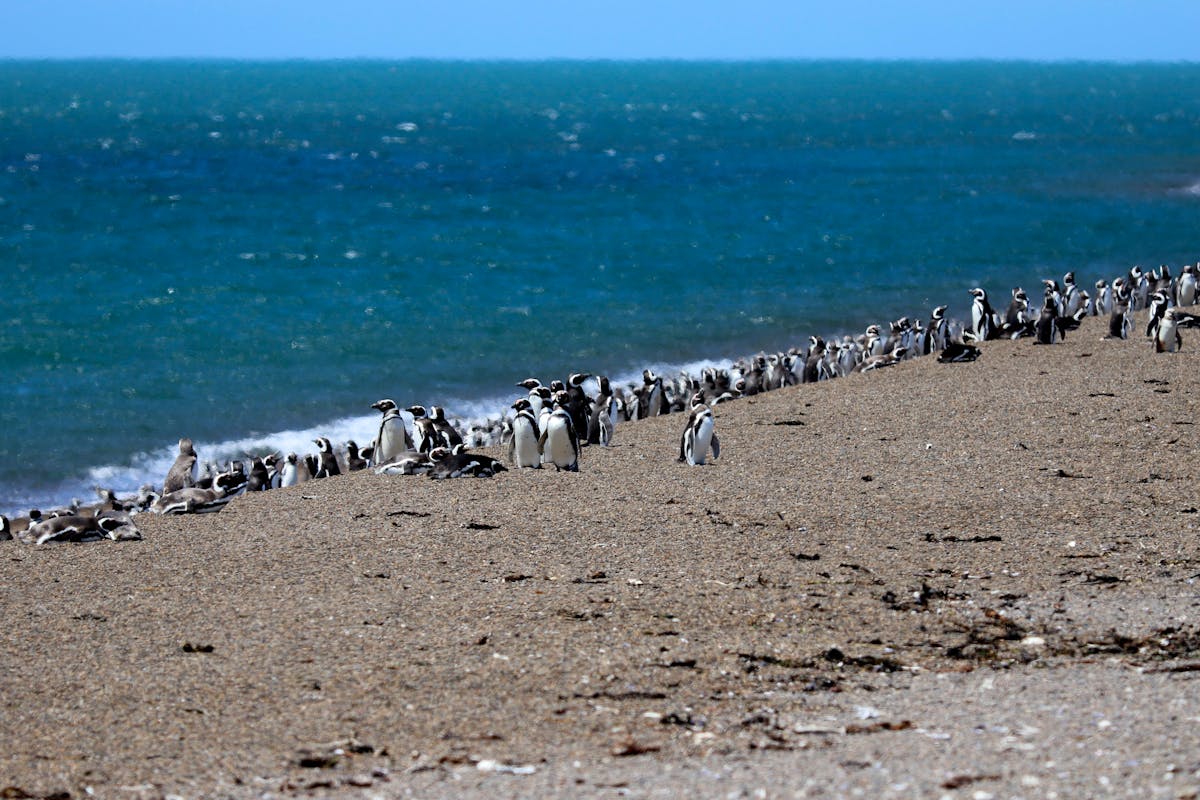
I went in late November. The weather was cold — 8 degrees and windy, which is standard for Punta Arenas — but the penguins were active. Pairs calling to each other. Chicks peeking out of burrows. The smell is something, though. Nobody warns you about the smell. Bring a layer you don't mind getting fishy.
Quick Tip
The morning ferry to Isla Magdalena usually has calmer seas than the afternoon return. If you get seasick easily, take something before you board. The Strait of Magellan earns its reputation.
Humboldt Penguins at Pan de Azucar
Pan de Azucar National Park sits on the coast between Copiapo and Antofagasta — the fringes of the Atacama Desert meeting the Pacific. The park itself is worth visiting for the landscapes alone (desert dunes tumbling straight into the sea), but the main wildlife draw is the Humboldt penguin colony on Isla Pan de Azucar just offshore.
You take a small fishing boat from Caleta Pan de Azucar. The ride is bumpy and short — fifteen minutes. You circle the island rather than landing on it, getting within maybe thirty meters of the penguins on the rocks. Humboldts are smaller than Magellanics, with a single chest band instead of two. They look slightly confused at all times, which I found endearing.
Getting to Pan de Azucar is the tricky part. There is no public transport. You need a car, or you need to arrange a tour from Copiapo (about two hours south) or Antofagasta (about four hours north). I drove from Copiapo and camped one night in the park. The stars that night were absurd — Atacama-level sky clarity with zero light pollution.
King Penguins in Tierra del Fuego
This one surprised me when I first heard about it. King penguins — the big, gorgeous ones you associate with Antarctica and South Georgia — have a small colony on Tierra del Fuego, at a place called Parque Pingüino Rey near Porvenir. It is the only king penguin colony on mainland South America.
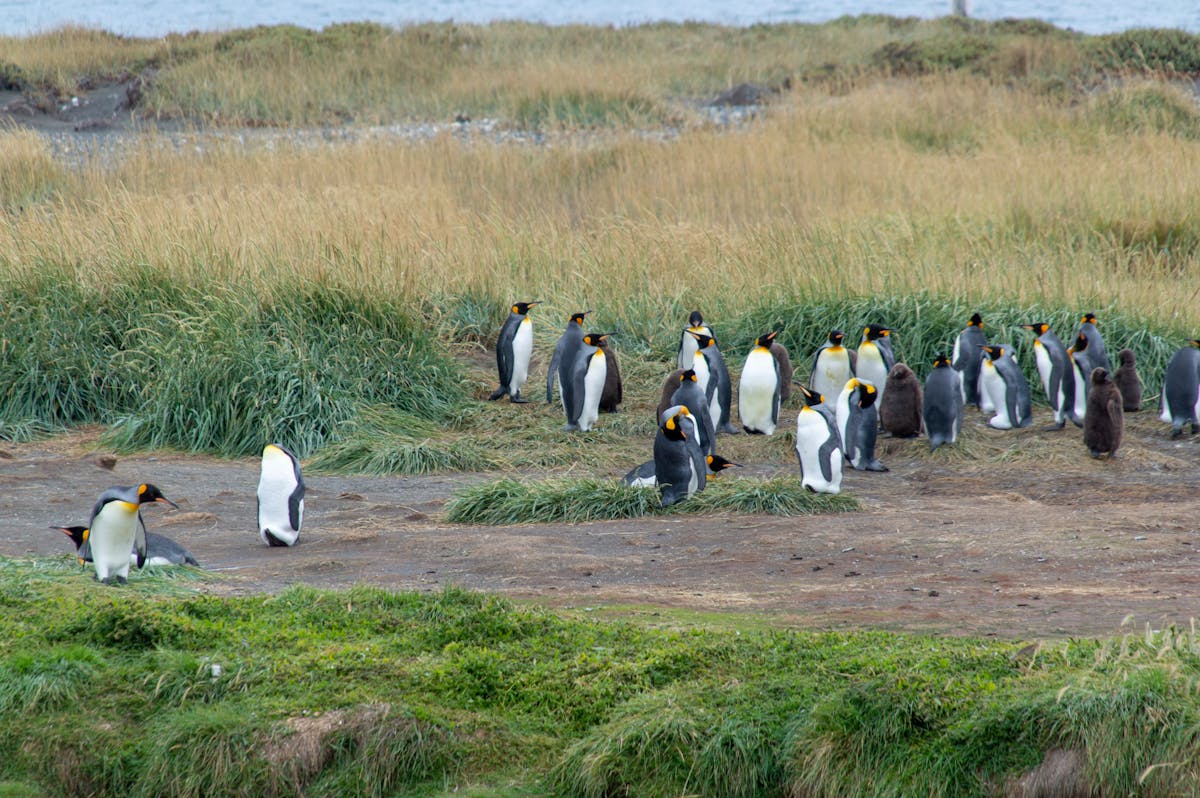
The colony is small. Maybe 100-150 birds on a good day, depending on the season. You view them from a boardwalk at a respectful distance. It is not the overwhelming spectacle of Isla Magdalena, but there is something special about seeing king penguins without having to book a $10,000 Antarctic cruise. The park is about an hour's drive from Porvenir on a gravel road. Open year-round, though summer (December to February) gives you the best chance of seeing them active.
You can reach Porvenir by ferry from Punta Arenas — the crossing takes about two and a half hours. Check our Tierra del Fuego guide for the full logistics.
Pumas in Torres del Paine — The Main Event
Let me be blunt: Torres del Paine is one of the best places on Earth to see wild pumas. Not because they're common — they're not — but because the park's terrain is open enough that a good tracker can find them, and the pumas here have become somewhat habituated to humans over the past decade. They don't flee on sight the way they do almost everywhere else in the Americas.
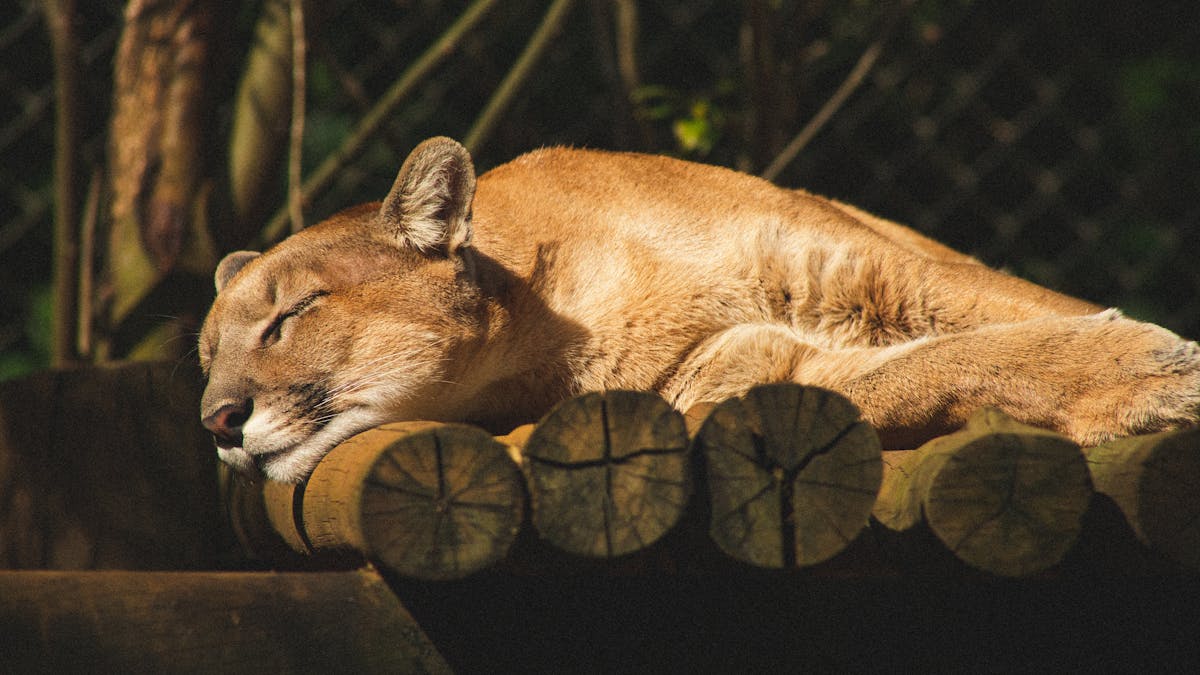
Several operators now run dedicated multi-day tracking trips out of Puerto Natales, usually three to five days with a specialized guide who knows the cats individually. Not cheap — $300-500 per person per day for transport, a tracker, and sometimes a spotter with a scope. But the sighting rates are high. The best operators report 90%+ success over a three-day trip during peak season.
Peak season for pumas is autumn and winter — April through August. The guanacos move to lower ground, the vegetation thins out, and the cats follow their food. I went in early May and the guide found fresh tracks within the first hour. We saw our puma on day two. Some groups see them on day one. Some groups see multiple cats in a single outing.
Can you see pumas without a guide? Technically yes — people spot them from the road near the park entrance at dawn and dusk. But your odds drop dramatically. The guides know the individual cats, their territories, which ridge to glass at 6am. Going alone, you're relying on pure luck.
Quick Tip
If puma tracking is the main reason for your trip, book with an operator who guarantees a minimum of three full days of tracking. Single-day trips exist but you're gambling. The multi-day packages dramatically increase your odds and typically include accommodation near the park entrance for early starts.
For the full park experience beyond pumas, check our Patagonia itinerary, national parks guide, and the dedicated puma watching page.
Blue Whales in the Gulf of Corcovado
The Gulf of Corcovado, between Chiloe Island and the mainland, is one of the most important blue whale feeding areas in the Southern Hemisphere. That is not marketing. Marine biologists have been studying this population since the early 2000s, and the concentration here between December and April is significant on a global scale.
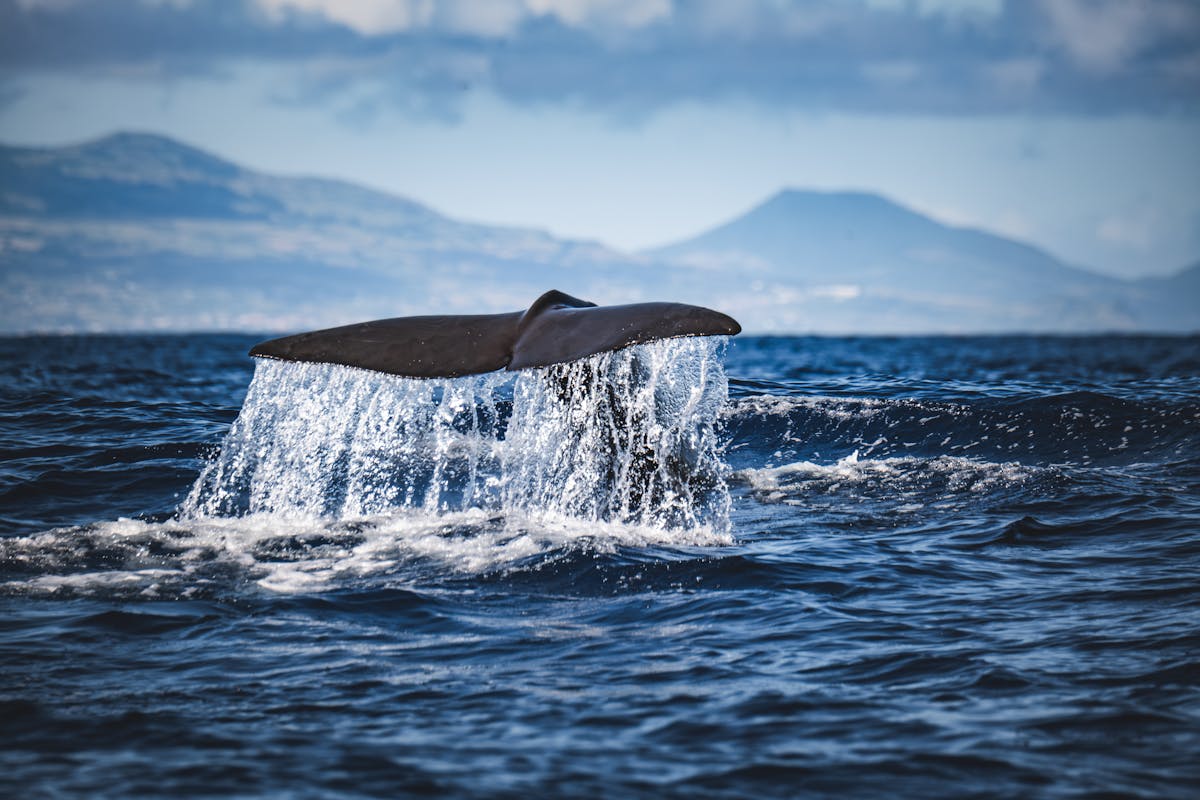
Tours run from several towns, but the most accessible departure points are Melinka (reachable by small plane from Puerto Montt or ferry from Chiloe) and Quellón at the southern tip of Chiloe. Full-day affairs on small boats. Conditions can be rough — open Pacific water between two landmasses. I took seasickness pills and was glad I did.
Blue whales are the largest animals that have ever lived on this planet. I knew this intellectually before seeing one. But when a 25-meter animal surfaces next to your eight-meter boat, the scale hits differently. The blow — the exhale when they come up — is so loud you hear it before you see it. Then the back rolls past for what seems like an impossibly long time before the tail appears.
Sighting reliability is good in peak season (January to March) but not guaranteed. Weather cancellations are common. Build in buffer days. Humpback and sei whales are also present, and you'll likely see dolphins, sea lions, and seabirds even on days when the blue whales are being elusive. See our whale watching guide for operators and booking info.
Flamingos in the Atacama Salt Flats
Three species of flamingo live in Chile's high-altitude salt flats — the Andean, the Chilean, and the James's (also called the puna flamingo). You can see all three at the right locations, and telling them apart becomes a minor obsession once you start looking.
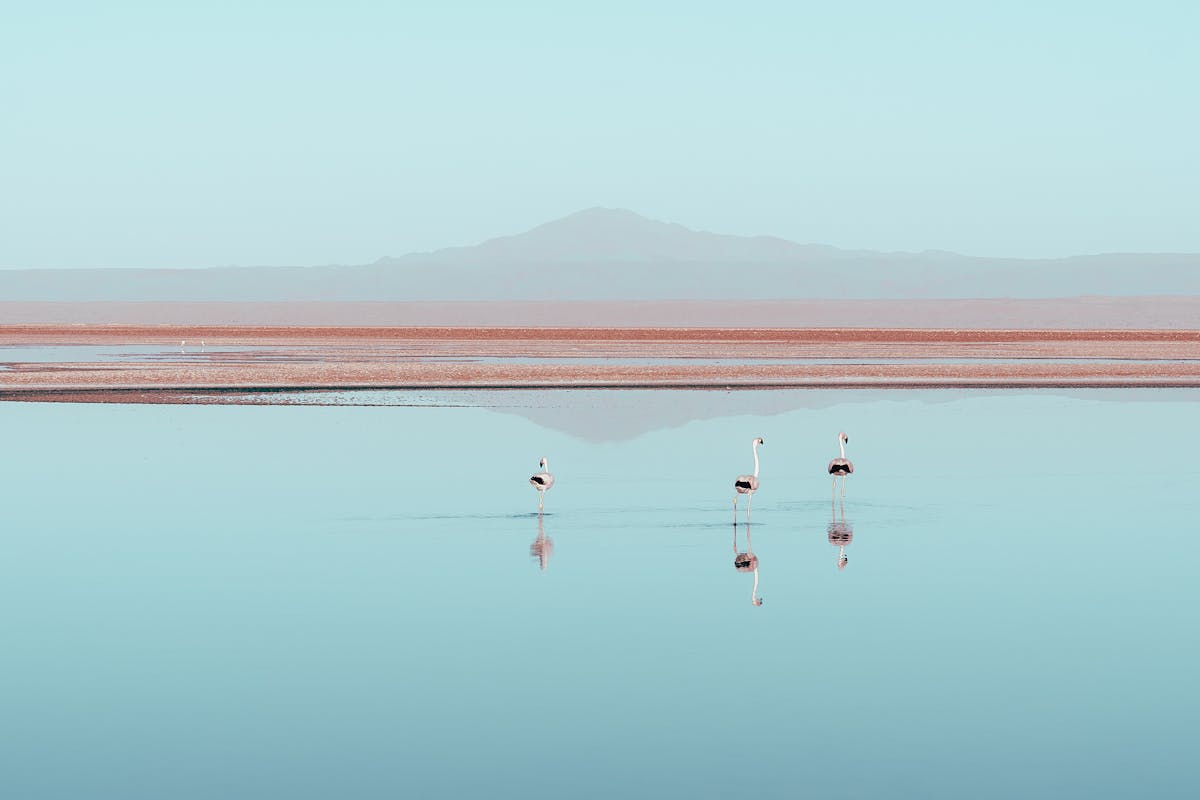
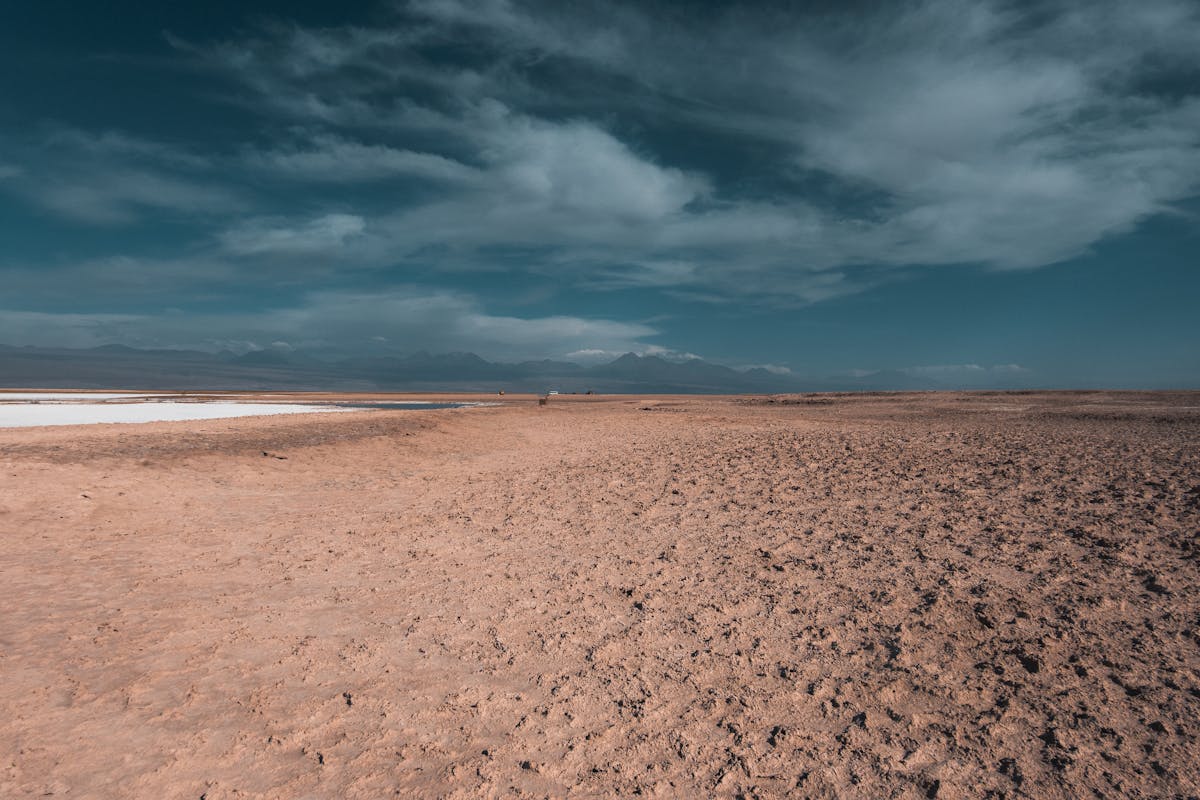
The easiest place to see them is the Salar de Atacama, specifically the Chaxa Lagoon sector, about 45 minutes south of San Pedro de Atacama. Every Atacama tour circuit hits this stop, and flamingos are present year-round. The Chilean flamingo is the most common — pink legs, gray knees, pale pink body. The Andean flamingo has yellow legs and is slightly larger. The James's is the smallest, with bright red legs, and is the hardest to find.
For a wilder experience, head to Lauca National Park in the far north, near the Bolivian border. Lake Chungara at 4,500 meters has flamingos against a backdrop of snowcapped volcanoes that looks like a screensaver but is somehow real. The altitude hits hard up there — don't rush it. Drive up from Arica over two days if you can, spending a night in Putre at 3,500 meters to acclimatize.
Flamingos are one of Chile's easiest wildlife wins. Present year-round, visible from the road, and photogenic in a way that makes even bad photographers look good. The only variable is numbers — breeding season (October to December) can see flocks of thousands, while the off-season might give you a few dozen.
Guanacos — The Animal You Will See Whether You Want To or Not
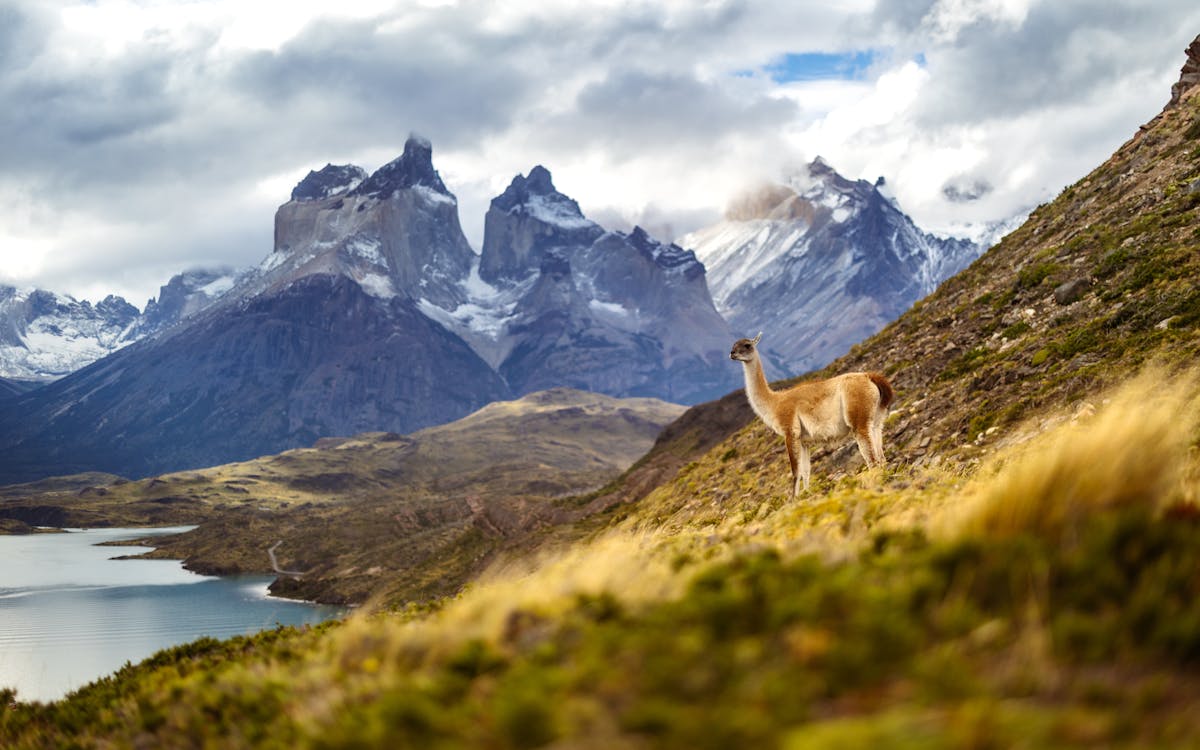
If you spend any time in Patagonia, you will see guanacos. They are everywhere. Grazing beside the road. Standing on ridgelines looking photogenic. Blocking your car when they decide to cross the highway in single file, which takes approximately forever.
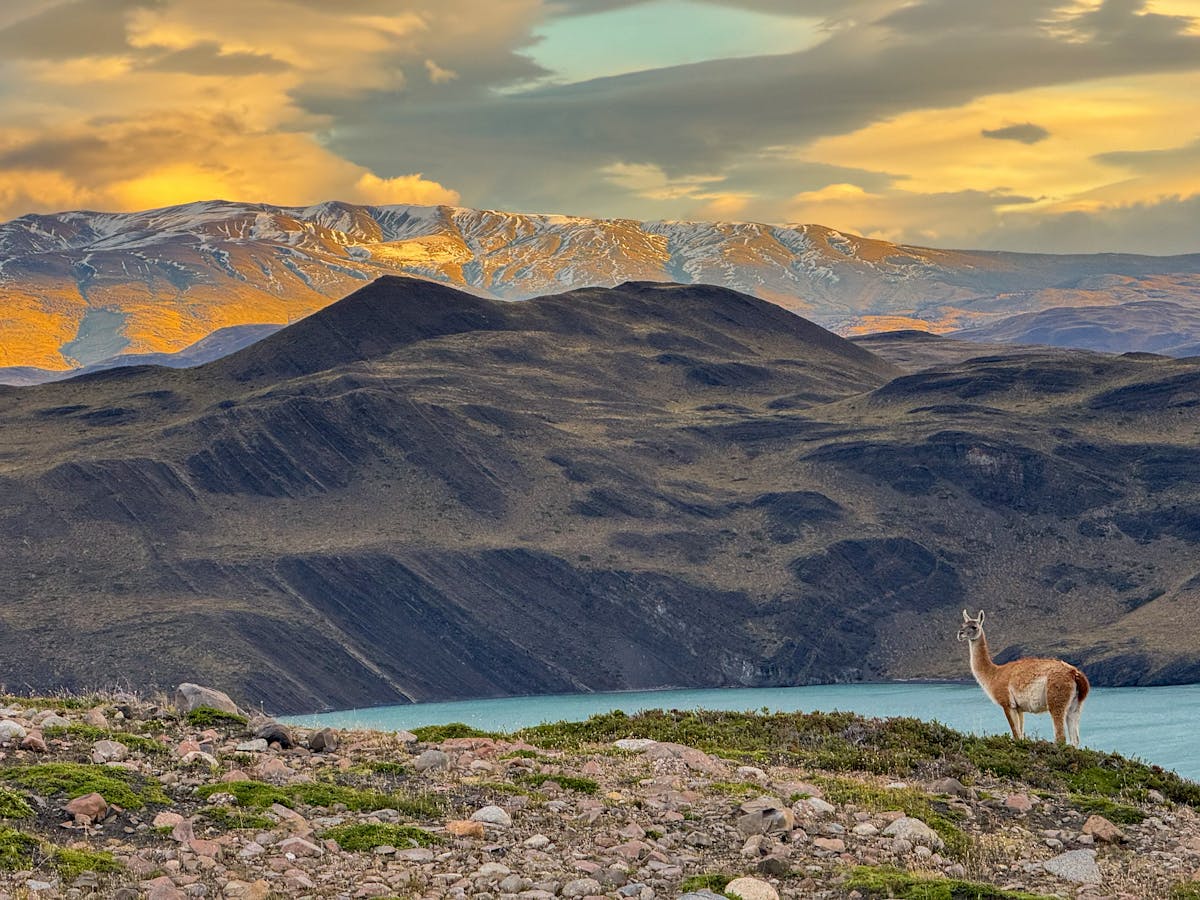
Guanacos are wild relatives of the llama. They are elegant, slightly ridiculous-looking, and completely indifferent to your presence. Torres del Paine has the highest density I've seen — hundreds of them across the open grasslands near the park entrance. But you'll also find them along the Carretera Austral, in Tierra del Fuego, and scattered through the steppe anywhere south of Puerto Montt.
They are also the reason you see pumas. The predator-prey dynamic between guanacos and pumas is the ecological backbone of Patagonia. When you see a herd of guanacos suddenly all looking in the same direction with their ears forward, pay attention. Something is watching them.
You don't plan a trip around guanacos. But they define the Patagonian landscape in a way that's hard to explain until you're there — hundreds of them spread across the steppe in front of a granite skyline, moving like a slow golden wave. I never got tired of watching them.
Andean Condors — The Wingspan That Stops Conversation
The Andean condor has a wingspan over three meters. That number means nothing until you see one overhead and your brain short-circuits trying to process how a bird that size can be in the air. They don't flap much — they ride thermals, tilting and adjusting with tiny movements. Watching one circle for ten minutes without a single wingbeat is hypnotic.
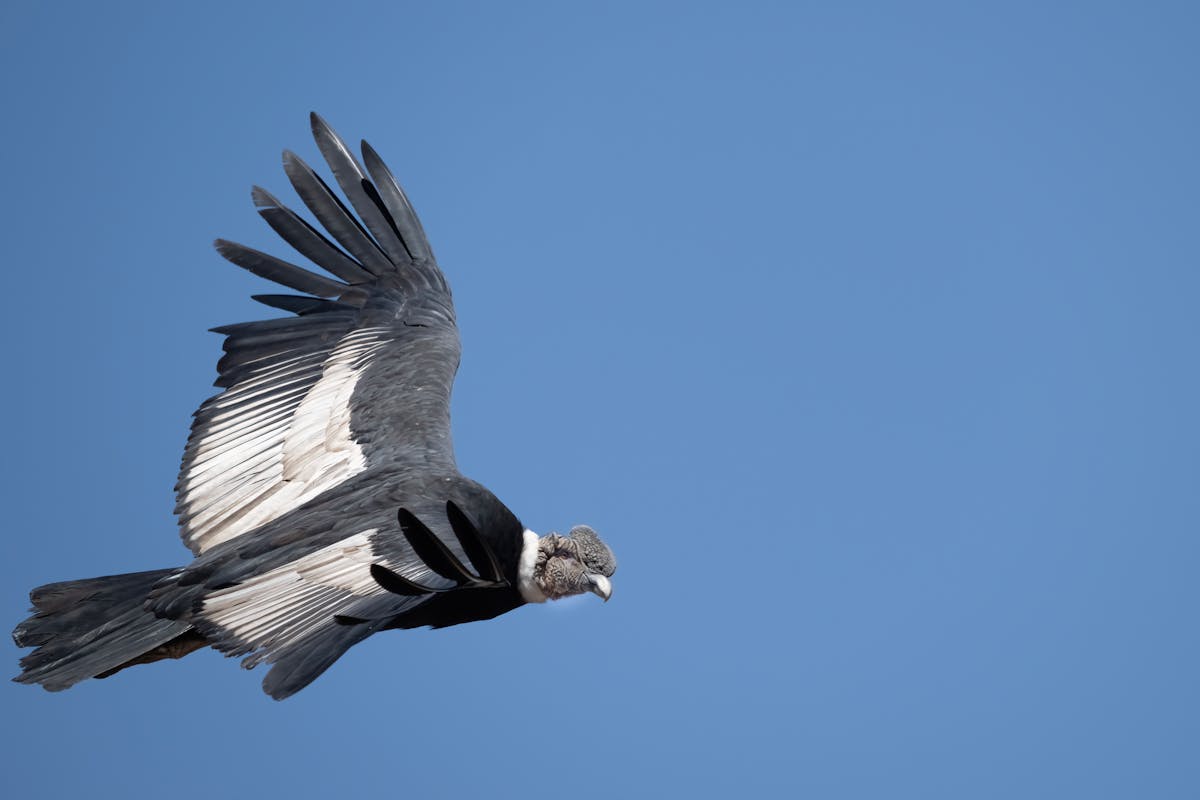
In Chile, condors are most reliably seen in Patagonia and along the Carretera Austral. In Torres del Paine, they soar above the cliffs near Mirador Condor (the clue is in the name). Along the Carretera Austral, particularly around Cerro Castillo and the Baker River valley, I saw them daily — usually mid-morning when the thermals start building.
They are not rare, but they are not predictable. You cannot go to a specific spot at a specific time and guarantee a sighting. Instead, you develop a habit of scanning ridgelines and cliff faces, and eventually you spot one — a dark shape that resolves into something impossibly large as it catches a current and glides in your direction. Binoculars help. A lot.
Males have a white ruff around the neck and a fleshy comb on the head. Females lack the comb. Both are enormous. Both make you feel small from several hundred meters away.
Sea Lions at the Valdivia Fish Market (and Elsewhere)
The sea lions at the Valdivia river market in the Lake District are one of Chile's most reliable (and funniest) wildlife encounters. They've figured out that the fish market means free food. A dozen or more lounge on the dock directly below the stalls, barking at fishmongers and catching scraps tossed down to them. Tourists gather to watch. The sea lions perform. The fishmongers roll their eyes. It has been going on for years.
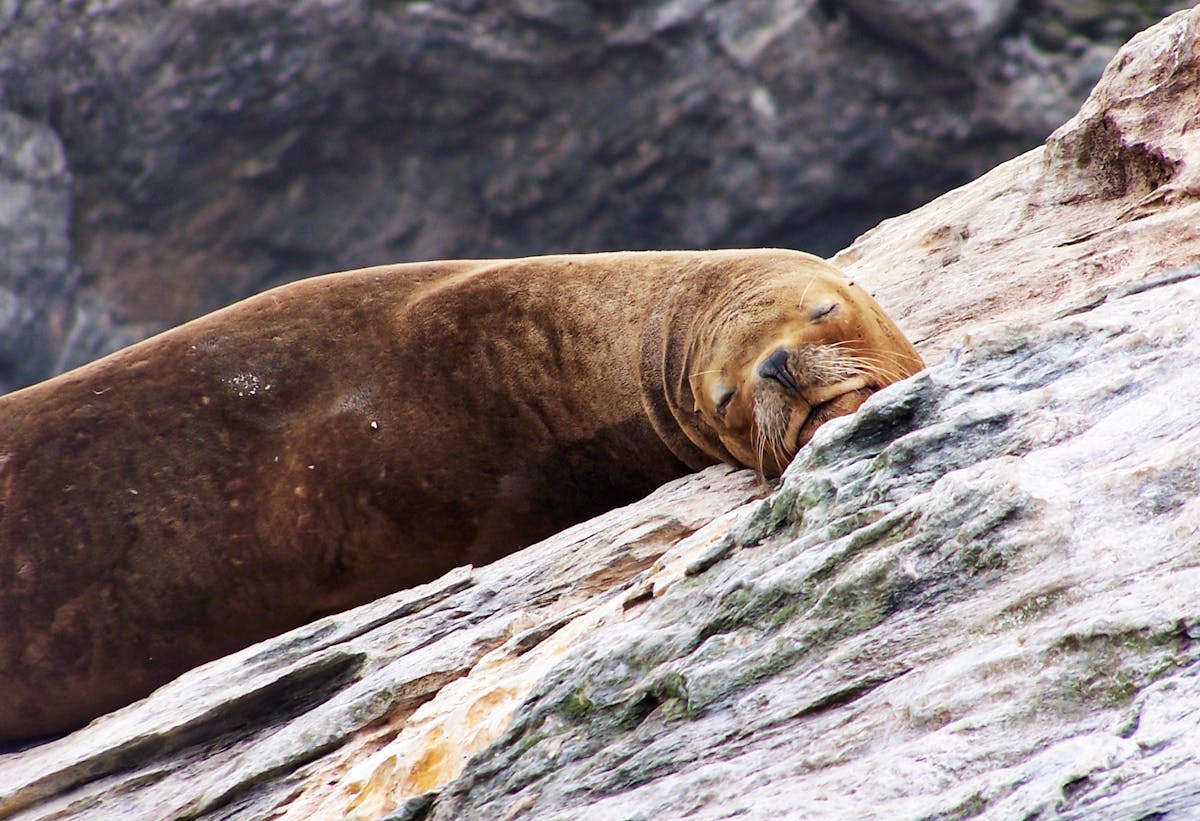
But Valdivia is just the most entertaining spot. South American sea lions line the entire Chilean coast. You'll find them at the fish market in Iquique, on the rocks in Coquimbo, on the docks in almost every port from Arica to Punta Arenas. In Patagonia, they haul out on rocks in the channels and fjords. If you take the Navimag ferry from Puerto Montt to Puerto Natales, you'll pass colonies of hundreds.
They are loud, they smell terrible, and the bulls can weigh 300 kilograms. Keep a respectful distance — they look lazy until they decide to move, and they're faster than you'd expect on land.
The Harder Finds — Vizcachas, Darwin's Fox, and the Huemul
Not everything in Chile sits conveniently by the road. Some animals require specific destinations, good timing, or genuine luck. Here are the three I found most rewarding to search for.
Vizcachas in the Atacama
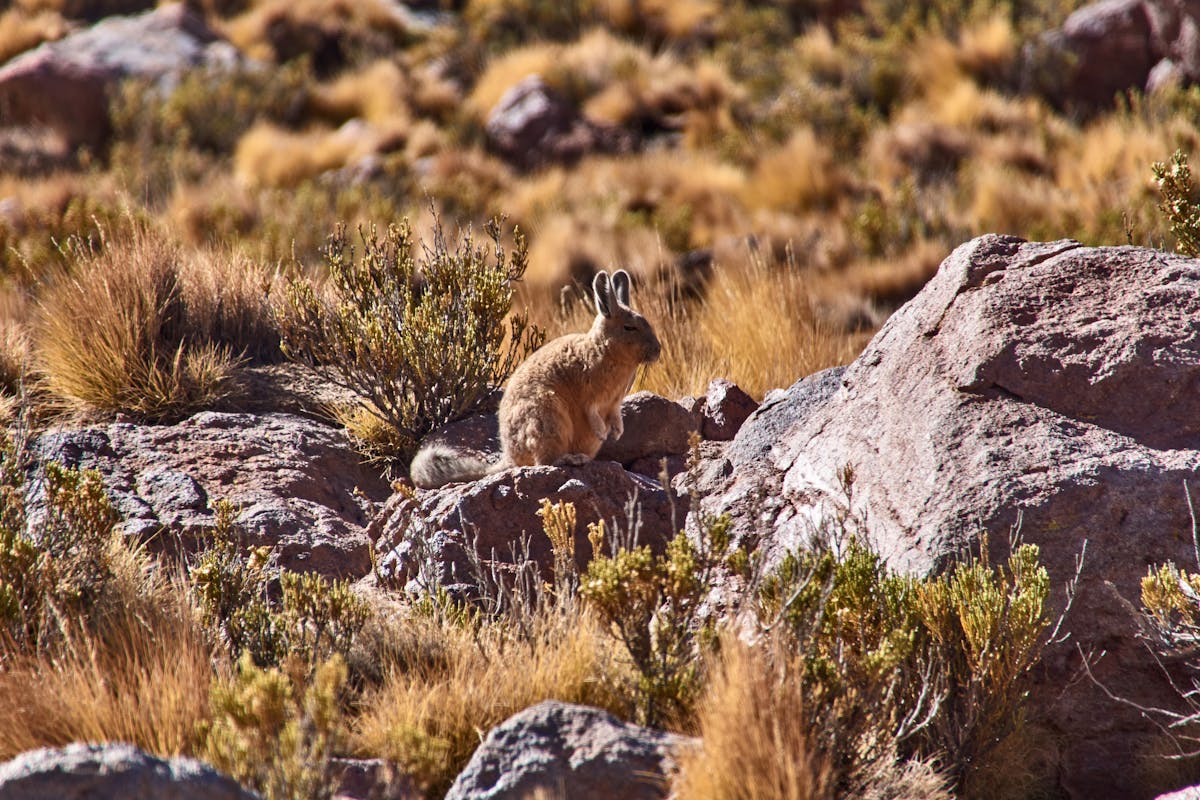
Vizcachas are rodents that look like long-tailed rabbits. They live in rocky areas at high altitude, and in the Atacama region, they are reasonably common once you know where to look. The best spots are around the Tatio Geysers (you'll often see them sunning on rocks in the morning as you arrive for the sunrise tour) and along the road to Piedras Rojas at higher elevations.
They are most active in the early morning. By midday they tend to retreat into rock crevices. The appeal is partly how photogenic they are — they sit perfectly still on prominent rocks, backlit by the rising sun, essentially posing. And partly how absurd they look. That long curled tail on what is basically a chinchilla's cousin just seems like a design error.
Darwin's Fox on Chiloe Island
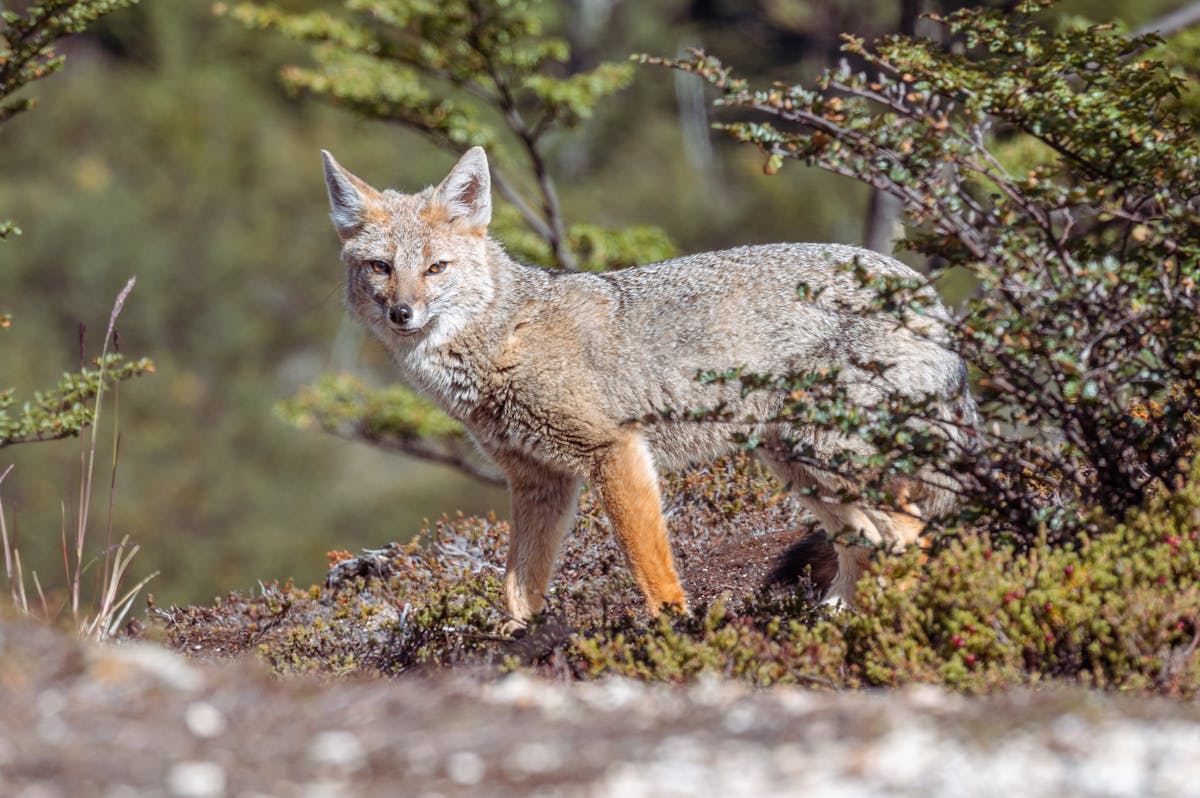
Darwin's fox is one of the world's most endangered canids. Fewer than 1,000 are thought to exist, split between Chiloe Island and a small population in Nahuelbuta National Park on the mainland. On Chiloe, the best place to look is the Tantauco Park at the southern end of the island — a massive private reserve with old-growth forest and very few visitors.
I did not see one. I'm including it because it's the animal I most wanted to find and didn't. I spent two days hiking in Tantauco and saw only a grey fox — the common species, doesn't count. Darwin's fox is smaller, darker, and more secretive. The guides say sightings happen maybe once or twice a month.
If you are serious about finding one, your best bet is spending several days in Tantauco with a local guide who tracks them. Even then, no guarantees. This is a genuinely rare animal. But Chiloe is worth visiting regardless — the curanto, the palafitos, the churches, the atmosphere of the place is unlike anywhere else in Chile.
Huemul Deer — Chile's National Animal (and Nearly a Ghost)
The huemul is on the Chilean coat of arms. It shares that space with the condor. The condor you will see. The huemul, almost certainly, you will not.
Fewer than 1,500 huemul remain in the wild, scattered through remote southern Andean forests. They are shy, solitary, and live in terrain that discourages casual visitors — dense lenga forest, steep ravines, the edge of the tree line.
The most accessible location is Cerro Castillo National Reserve along the Carretera Austral. Rangers can sometimes point you toward recent sighting areas. But "accessible" is relative — this means multi-day hiking in serious terrain. Tamango National Reserve near Cochrane is another option.
I have never seen a huemul. Most Chileans haven't. A friend who works in conservation told me she saw one once in fifteen years of fieldwork, and she cried. That tells you everything about how rare this animal is. If you see one, you've seen something that most dedicated wildlife watchers spend years hoping for.
What's Easy, What's Hard, and What Needs Luck
| Animal | Difficulty | Best Location | Best Season | Tour Needed? |
|---|---|---|---|---|
| Guanacos | Guaranteed | Torres del Paine | Year-round | No |
| Sea lions | Guaranteed | Valdivia, any port | Year-round | No |
| Magellanic penguins | Easy (in season) | Isla Magdalena | Oct-Mar | Ferry required |
| Flamingos | Easy | Salar de Atacama | Year-round | Most tour circuits include |
| Condors | Moderate | Torres del Paine, Carretera Austral | Year-round | No |
| Vizcachas | Moderate | Atacama highlands | Year-round | No (but early morning) |
| Pumas | Moderate with guide | Torres del Paine | Apr-Aug | Strongly recommended |
| Blue whales | Moderate | Gulf of Corcovado | Jan-Mar | Yes (boat tour) |
| Humboldt penguins | Moderate | Pan de Azucar NP | Year-round | Boat from Caleta |
| King penguins | Easy (if you get to TdF) | Tierra del Fuego | Year-round | No, but need car |
| Darwin's fox | Very hard | Chiloe (Tantauco) | Year-round | Guide helps |
| Huemul deer | Extremely rare | Cerro Castillo NR | Nov-Mar | Multi-day hike |
Planning a Wildlife-Focused Trip
If I were building a two-week Chile trip purely around wildlife, the route would look something like this:
Start in the Atacama for flamingos and vizcachas (two to three days). Fly south to Punta Arenas for Isla Magdalena penguins and the ferry to Tierra del Fuego for king penguins (two to three days). Then base yourself near Torres del Paine for puma tracking, guanacos, and condors (four to five days). If you have time, add Chiloe for a shot at Darwin's fox and the whale watching from Quellón (two to three days).
That covers the greatest hits. The Carretera Austral adds condor and huemul potential but also adds logistical complexity. The Patagonia itinerary has the southern half mapped out in more detail.
Quick Tip
Chile's wildlife seasons don't all align. Penguins are best in summer (Dec-Feb), pumas in autumn/winter (Apr-Aug), and blue whales in late summer (Jan-Mar). You probably can't do everything in a single trip. Pick your priority and build around it.
What to Bring
Binoculars. I cannot stress this enough. A decent pair of 8x42 binoculars transforms a condor-shaped speck into a condor. A spotting scope is even better for pumas, but that's gear most people don't want to carry. If you're booking a puma tracking trip, the operator usually provides one.
A 200-400mm camera lens covers most wildlife situations. For penguins you can use a phone — they're that close. For pumas and condors, you want reach. For whales, put the camera down sometimes and just watch.
Layers. Always layers. Patagonia can swing 15 degrees in an hour. The Atacama highlands are the same — scorching sun but freezing wind. Check our when to visit guide for seasonal details.
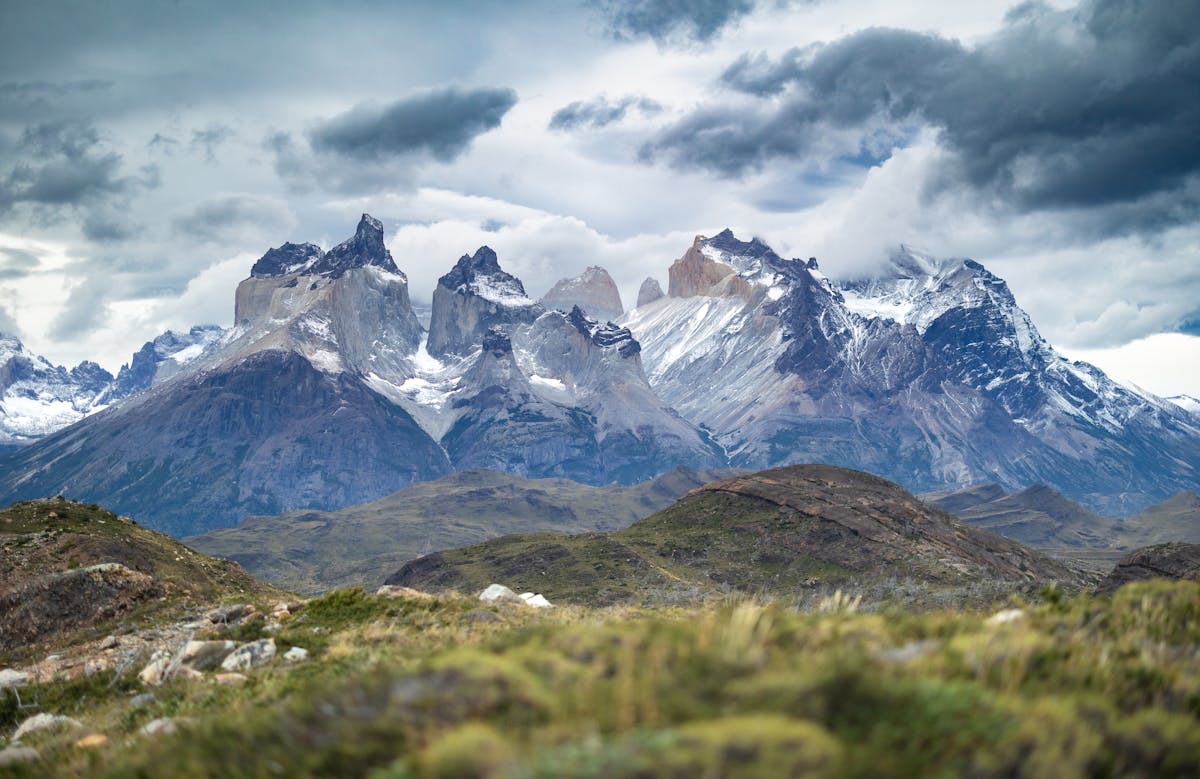
Chile's wildlife doesn't put on a show. There are no safari trucks, no feeding platforms, no guides rattling off rehearsed scripts about the circle of life. What there is: a puma appearing from behind a rock. A condor catching a thermal you can't feel. A colony of penguins that smells terrible and looks incredible. A whale so big your brain rejects the scale. You have to earn some of it. You have to get lucky for some of it. And some of it — the guanacos at golden hour, the flamingos in still water, the sea lions stealing fish from under a fishmonger's nose — just happens around you whether you planned for it or not. That's the kind of wildlife experience that stays with you.