This article contains affiliate links. If you book through them, I earn a small commission at no extra cost to you.
Somewhere around Day 6, standing on a ridge in Torres del Paine with wind hitting my face hard enough to make my eyes water, I did the math in my head. Four days left. A return flight from Punta Arenas. A carry-on full of dirty laundry. And the sinking feeling that I had packed too much country into too little time.
I was wrong about that last part. Ten days in Chile is tight — there is no pretending otherwise — but it is enough to hit the three landscapes that make this country unlike anywhere else: the driest desert on the planet, a city built on hillsides and covered in street art, and mountains at the bottom of the world that will rearrange your sense of scale. You just have to be strategic about it. No wasted days. No backtracking. And a willingness to take a few domestic flights instead of grinding out 20-hour bus rides.
This is the 10-day itinerary I would give a friend. Not the one that tries to squeeze in every region — that is the two-week version, and it exists for a reason — but the one that hits the highlights hard and leaves you wanting more instead of exhausted.
The Route at a Glance
Here is the shape of the trip before I get into the details:
Days 1-2: Santiago (get your bearings, eat everything)
Days 3-5: Atacama Desert (fly Santiago to Calama, geysers, salt flats, stars)
Day 6: Fly back to Santiago, day trip to Valparaiso
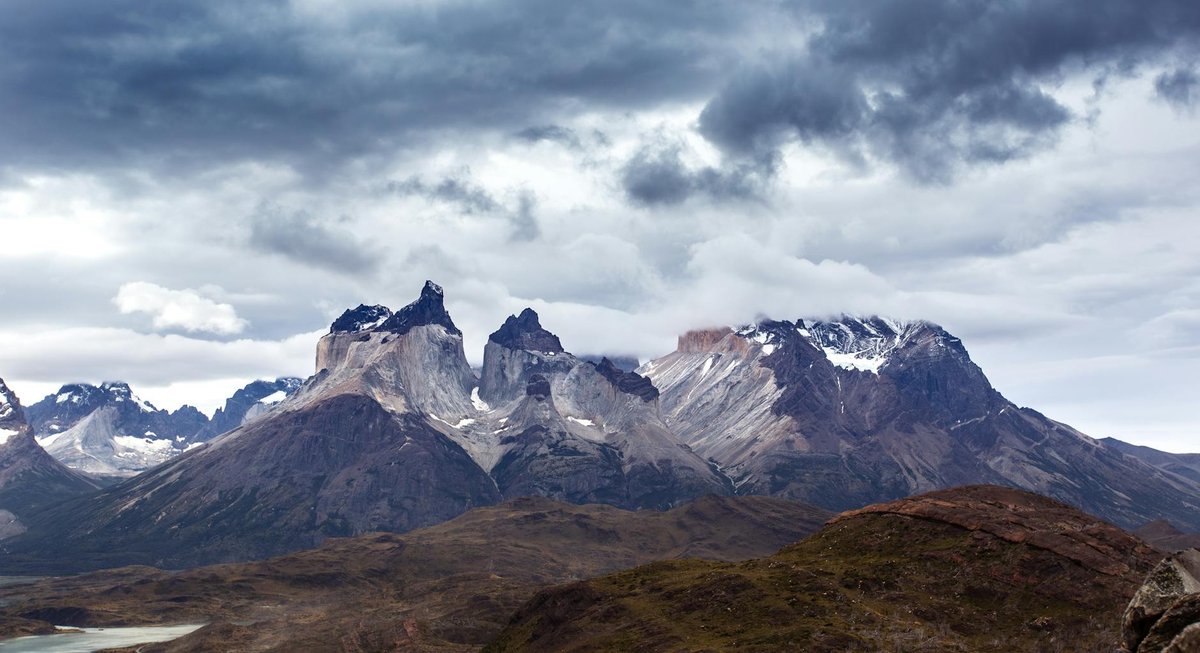
Days 7-9: Torres del Paine (fly Santiago to Punta Arenas, bus to park, day hikes)
Day 10: Punta Arenas, fly home
Three domestic flights. That is the trade-off for seeing both the desert and Patagonia in 10 days. The alternative is 40+ hours on buses, and I promise you do not want that. Flights between Santiago and Calama run about $60-90 USD one way on JetSmart or Sky Airline. Santiago to Punta Arenas is pricier — $100-150 — but still cheaper than the two days you would lose on a bus.
Quick Tip
Book domestic flights early. JetSmart releases $30-40 fares months in advance that double or triple closer to departure. I booked my Calama flight six weeks out and paid $87. A friend who booked the same flight two weeks later paid $140.
Days 1-2: Santiago — Coffee, Caldillo, and the View from Cerro San Cristobal
You land in Santiago, probably before dawn, probably disoriented. The airport bus into the city center costs about $2 and takes 40 minutes if traffic cooperates, which it often does not. Drop your bag at the hotel, get coffee, and do not try to do anything ambitious on Day 1. The jetlag catches up around 2pm and it catches up hard.
What I did instead: walked Barrio Lastarria slowly. Good bookshops, a cultural center with free exhibitions, the kind of neighborhood where sitting in a cafe for two hours feels like the right call. For lunch, skip the tourist-facing seafood at Mercado Central and find the smaller stalls in the back where taxi drivers eat. Caldillo de congrio, about $6, will change how you feel about fish soup.
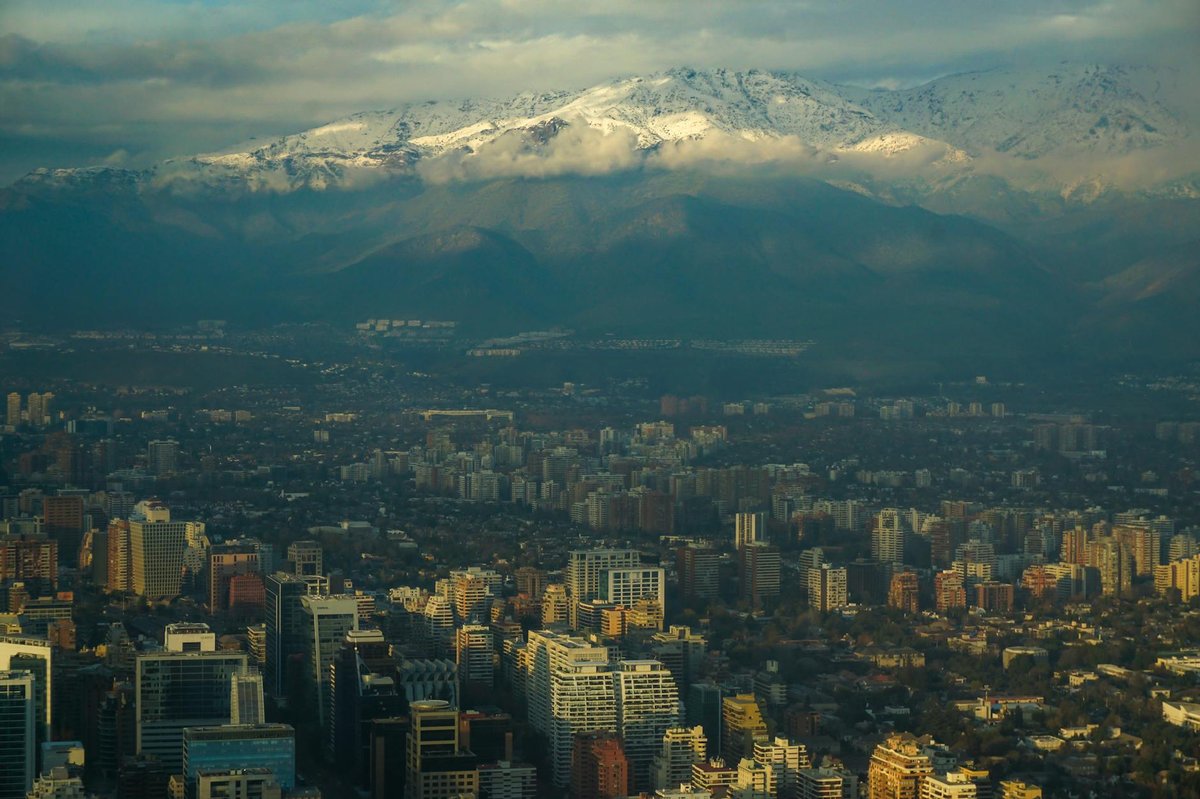
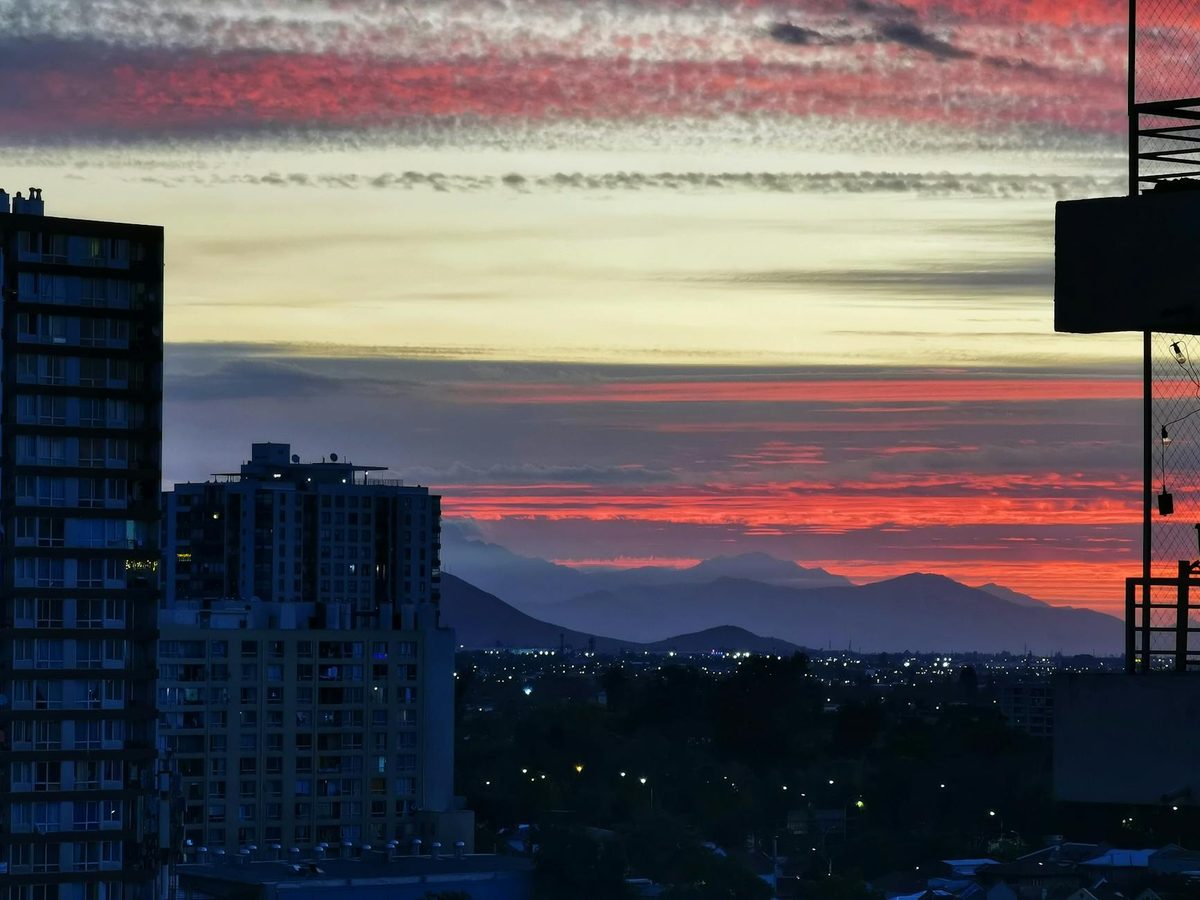
Day 2 morning belongs to Cerro San Cristobal. Funicular up, walk down. The views put Santiago in context — the Andes rise abruptly to the east, snow-capped even in October, and the whole city feels small beneath them. Go early, before the smog builds.
Afternoon: Barrio Italia for a late lunch. Less polished than Lastarria but the food is better and half the price. Three-course menu del dia for $8 including wine. Two days in Santiago feels right. If you had more time, the day trips to Maipo Valley are excellent, but the desert is tomorrow.
Quick Tip
Santiago's metro is cheap, clean, and runs everywhere you need. Buy a Bip! card at any station (~$2) and load it with credit. Works on buses too. You will not need taxis inside the city center.
Days 3-5: The Atacama — Salt, Stars, and a 4am Alarm You Won't Regret
The flight from Santiago to Calama takes two hours. Calama is a mining town with nothing to see, and you should leave it as fast as possible. Pre-book a transfer to San Pedro de Atacama — about 90 minutes through the desert — or take the $12 shared shuttle that meets every flight.
San Pedro is small, dusty, built from adobe. Too many tour agencies on the main drag, too many restaurants serving mediocre pizza to backpackers. Step one block off Caracoles and the town goes quiet. Dogs sleeping in shade. A church standing since the 1700s. At 2,400 meters, drink water constantly — I got a headache my first afternoon that I blamed on the flight, then realized I had consumed exactly one coffee since landing.
Day 3: Valle de la Luna at Sunset
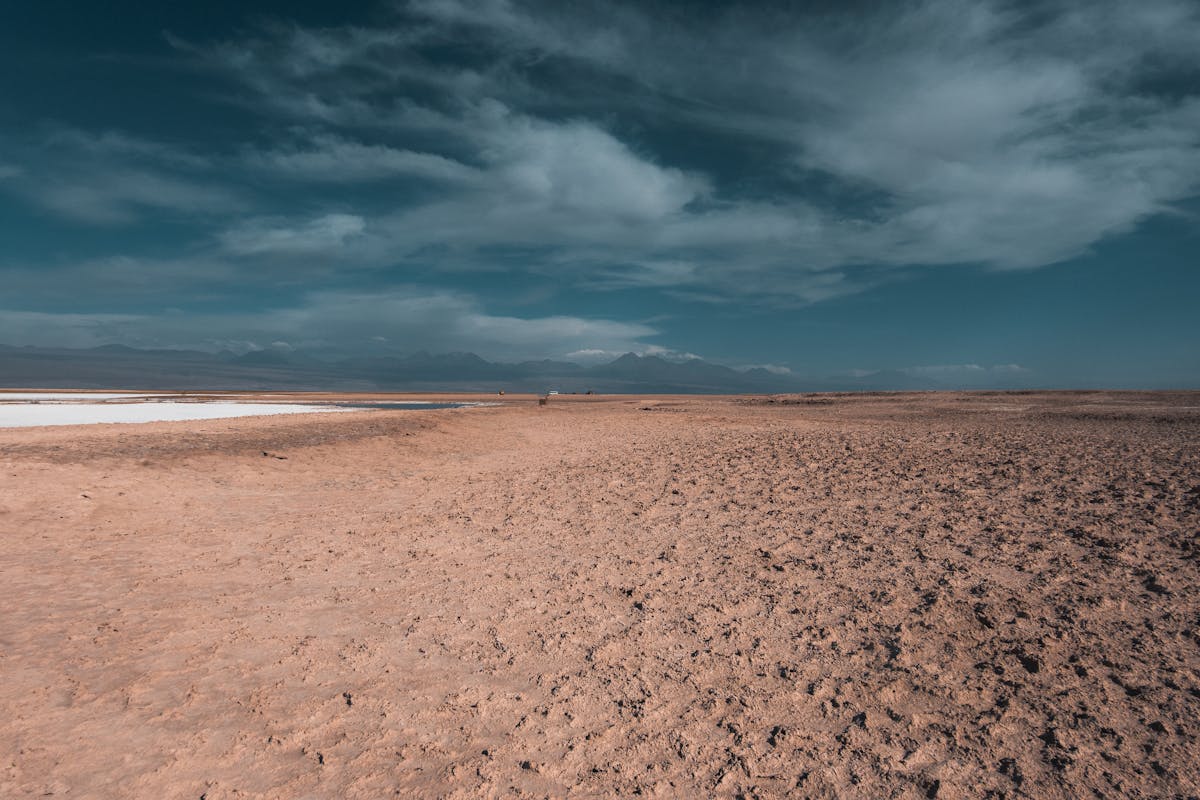
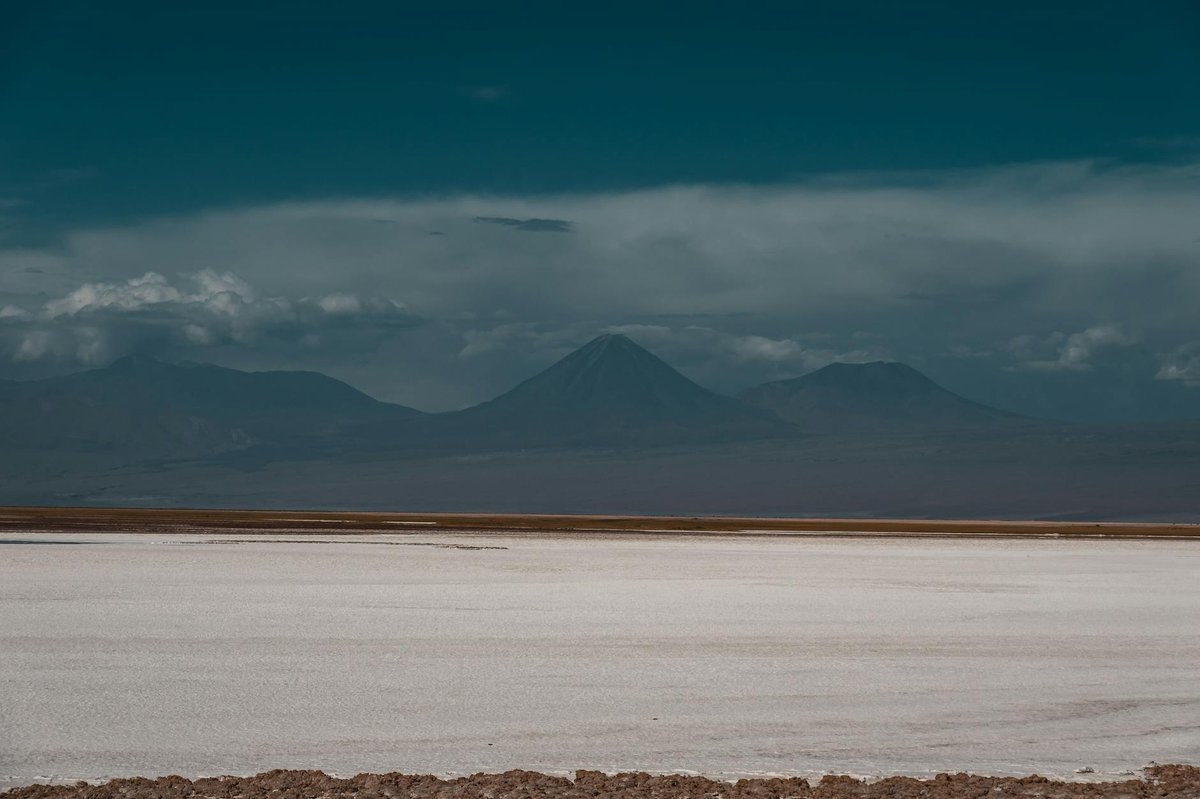
The Valle de la Luna is what everyone does first, and for once the popular choice is the right one. A 20-minute drive from San Pedro leads to a landscape of eroded salt formations, sand dunes, and rock ridges that look genuinely extraterrestrial. Tour operators stop at three or four viewpoints before finishing at the Duna Mayor for sunset.
Here is what nobody mentions: the sunset itself is fine. What is extraordinary is the 20 minutes after the sun drops below the horizon, when the sky turns purple bleeding into orange bleeding into green at the edges. Most groups pack up when the sun disappears. Stay. The best part is coming.
Day 4: El Tatio Geysers and the Suffering of 4am
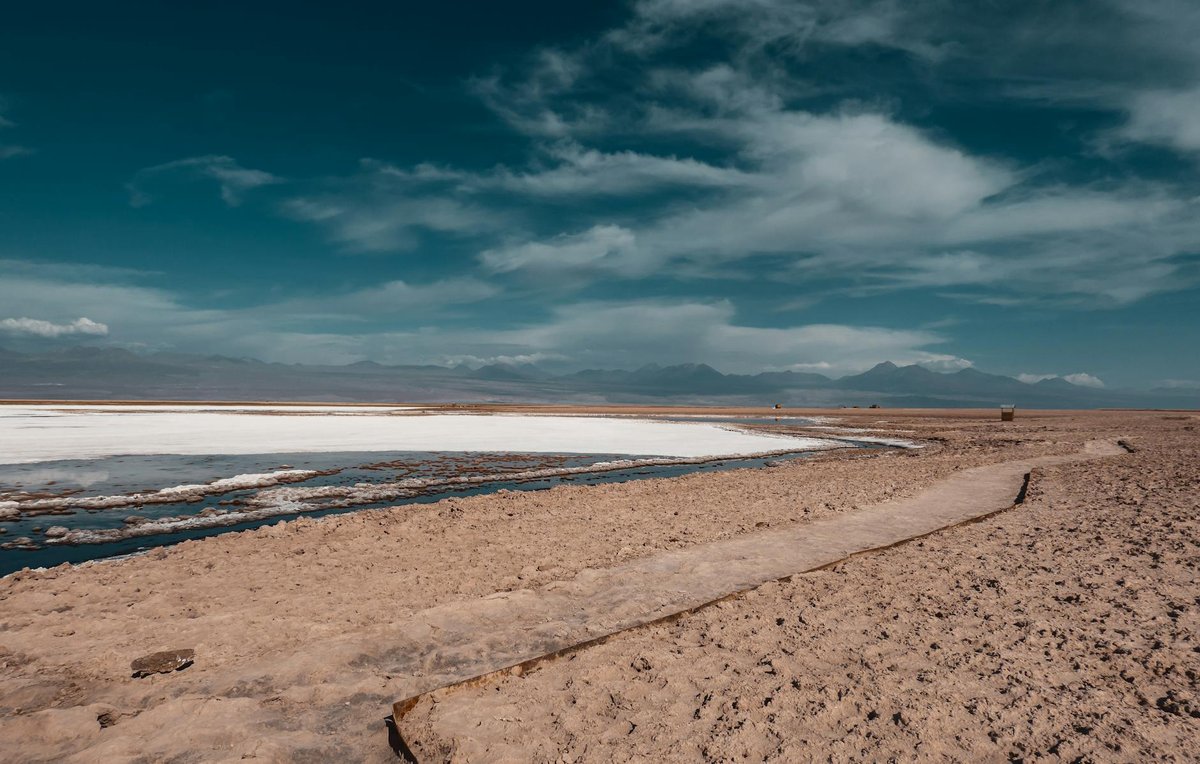
The alarm goes off at 3:30am. You will hate everything about this. A van collects you in darkness and climbs for 90 minutes on a dirt road to 4,300 meters, where the El Tatio geysers are doing their thing in pre-dawn cold. And when I say cold — minus 10 Celsius. I was wearing every layer I owned and my fingers still went numb within minutes.
But the geysers at sunrise are something else. Columns of steam rising 10 meters into air so cold that everything backlit by the first sunlight turns gold. The ground bubbles and hisses. The guide warned us about stepping off marked paths — the crust can be thin and the water underneath is boiling.
On the drive back, the van stops at a thermal pool fed by the geysers. You strip to your swimsuit in sub-zero air and get in. The water is about 35 degrees. The contrast between cold air on your face and hot water on everything else is one of those physical sensations you remember years later.
Day 5: Stargazing and Doing Not Very Much
Day 5 is a rest day and you need it. The altitude, the early mornings, and the desert sun take a toll. I spent the afternoon doing nothing of consequence — wandering the craft market, eating a slow lunch, reading in the hostel courtyard while a dog of uncertain breed slept on my feet.
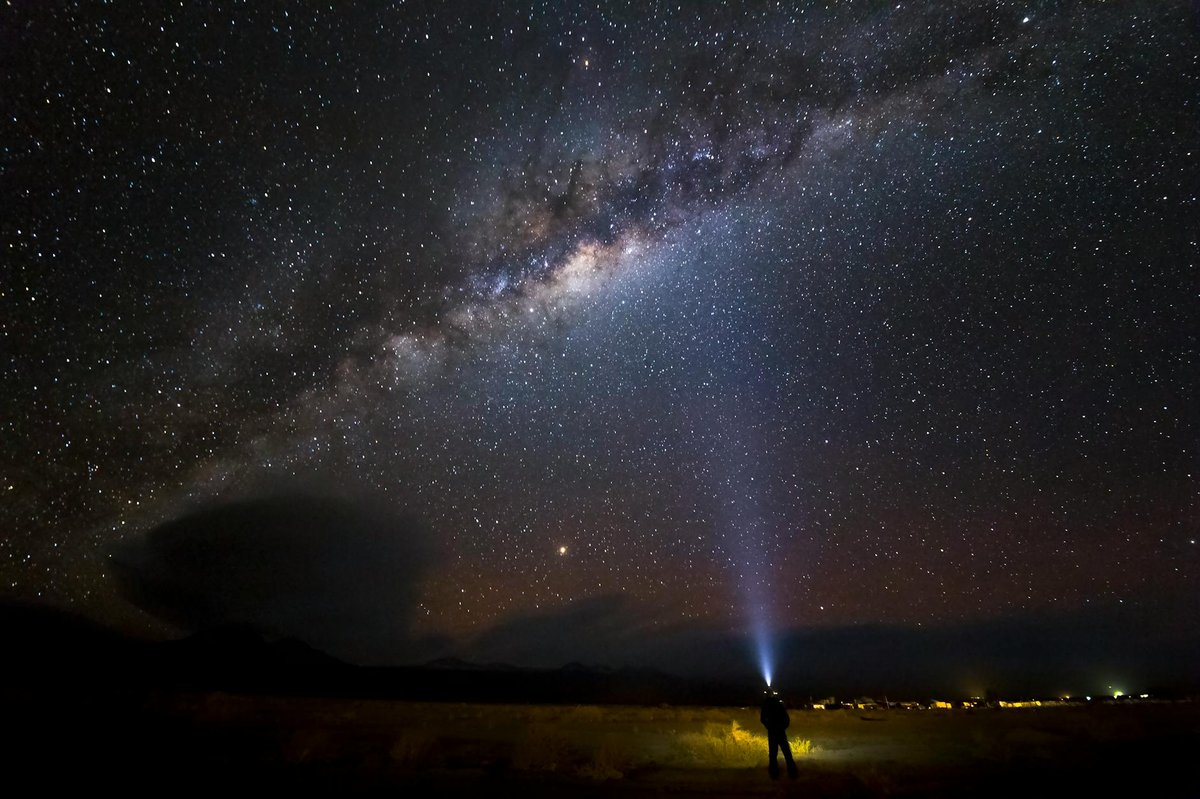
But the evening: book a stargazing tour. The Atacama has some of the darkest skies on earth. Through a decent telescope you can see Saturn's rings, Jupiter's moons, and the Milky Way in a density that makes city skies feel like a lie. About $35 per person for a guided session.
Day 6: Valparaiso — The Colorful Detour
Early flight from Calama back to Santiago. You land by mid-morning and head straight to the bus station. The ride to Valparaiso takes about 90 minutes, and I would argue this day trip is non-negotiable even on a tight schedule.
Valparaiso is built on 42 hills — cerros — and every surface is covered in street art. Not the kind that feels like vandalism. The kind where entire buildings become canvases and staircases turn into murals that you walk through rather than past. Cerro Alegre and Cerro Concepcion have the highest concentration, but the stuff I liked best was off the main tourist routes — a mural of a whale on a crumbling wall in Cerro Polanco, painted by someone who clearly knew what a whale actually looked like.
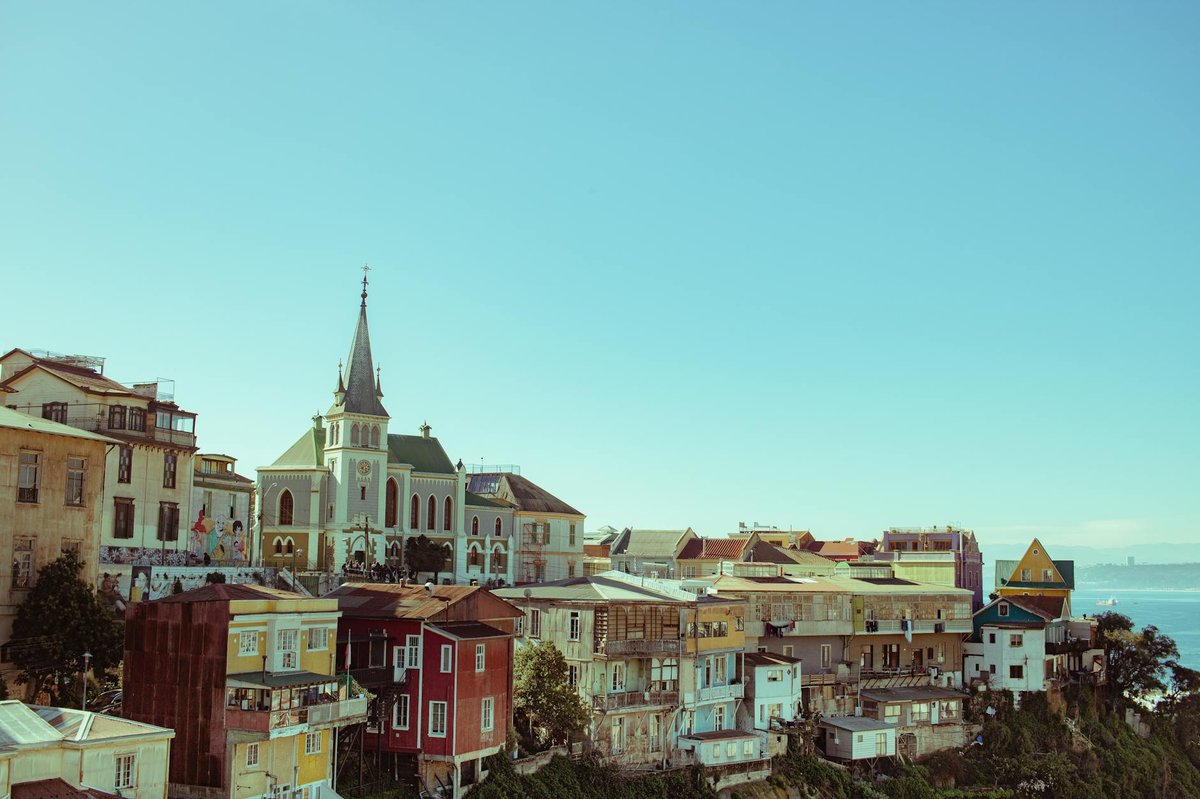
Ride the ascensores — the ancient funiculars that crawl up the hillsides. Ascensor Reina Victoria is the classic one, but Ascensor Polanco is stranger and better: you enter through a tunnel at street level and emerge on a hilltop with a view that makes the entrance fee (about $0.50) feel like robbery in your favor.
Eat here. Specifically, eat chorrillana — Valparaiso's signature dish of fries topped with sauteed onions, beef, and fried eggs. It is the kind of food that makes no nutritional sense and complete emotional sense. Pair it with a pisco sour. Then take the bus back to Santiago for an early night, because tomorrow you fly south.
Quick Tip
If a full day trip feels rushed, some people overnight in Valparaiso and fly to Punta Arenas from there via Santiago the next morning. This eats into your Patagonia time though, so I would not do it on a 10-day trip unless you can shift to 11.
Days 7-9: Torres del Paine — Where 10 Days Starts to Feel Like Not Enough
Morning flight from Santiago to Punta Arenas. Three and a half hours across the length of Chile. The flight path takes you over the Andes and if you have a window seat on the left side, the view of the Southern Patagonian Ice Field is worth staying awake for.
From Punta Arenas, take the bus to Puerto Natales (3 hours, about $15). Puerto Natales is the gateway town to Torres del Paine and it is where you sort out logistics: buy park passes (about $35 for foreigners), stock up on snacks, and rent any gear you are missing. The outdoor shops on the main street rent everything from trekking poles to waterproof jackets, and prices are reasonable by Patagonian standards.
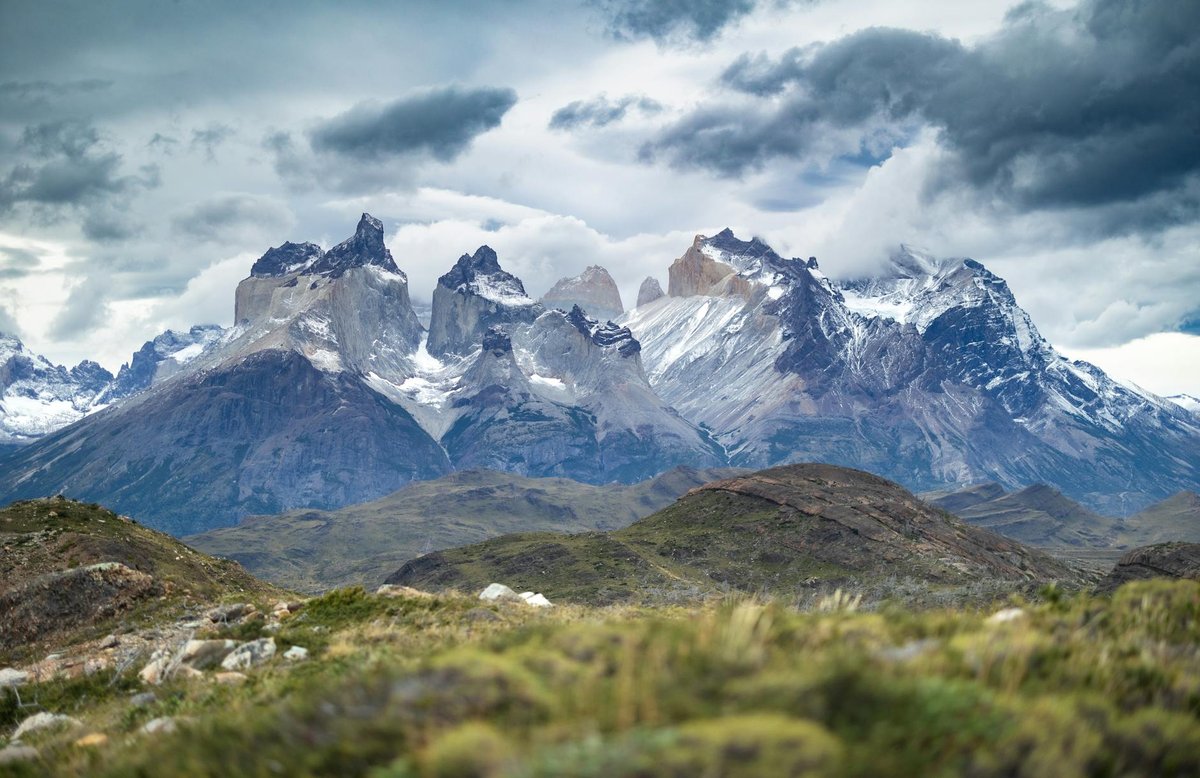
Three days in the park is enough for day hikes or the first half of the W Trek. I did day hikes and do not regret it — you see the highlights without carrying a 15-kilo pack, and you sleep in a real bed in Puerto Natales each night instead of a campsite where the wind tries to take your tent at 3am.
Day 7: Base of the Towers
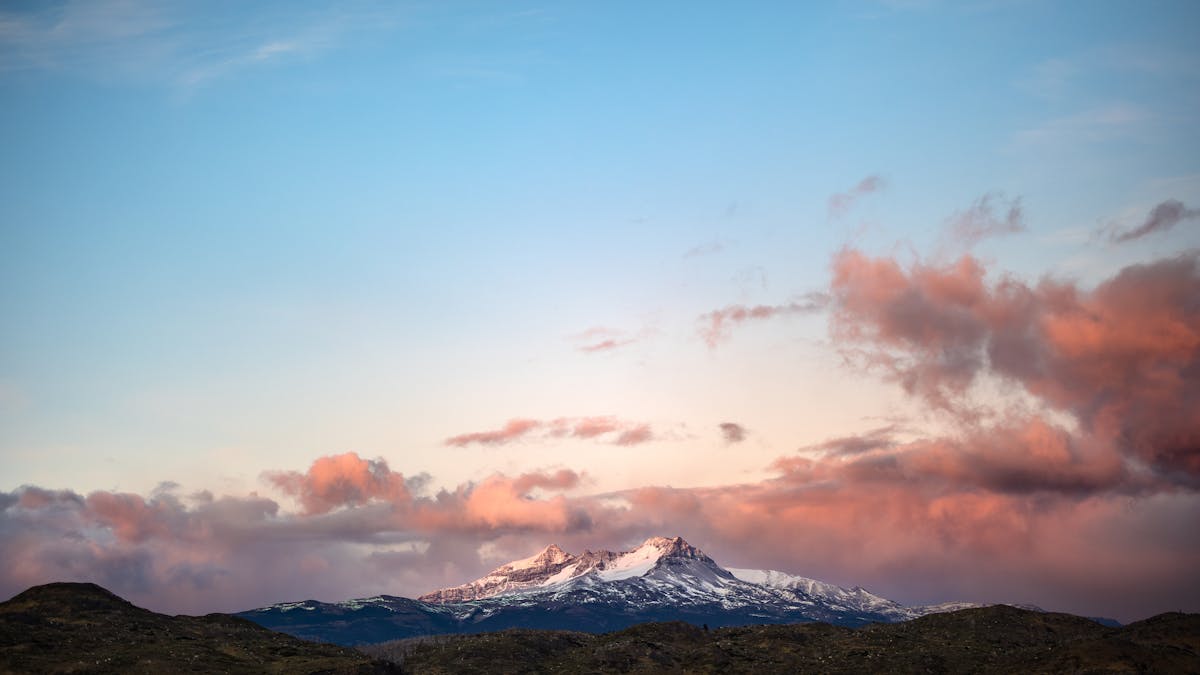
The hike to the base of the Torres — the three granite spires that give the park its name — is the one you came for. It is roughly 18 kilometers round trip with about 800 meters of elevation gain, and the last hour is a steep scramble over loose rock that feels like it will never end. It does end. And then you see the towers rising straight up from a glacial lake so blue it looks photoshopped.
I sat at the viewpoint for 45 minutes. Partly because the view demanded it. Partly because my legs were not ready to do the scramble back down. Both valid reasons.
Day 8: Grey Glacier
The Grey Glacier trail is flatter, longer, and equally spectacular in a completely different way. You walk along the shore of Lago Grey with icebergs floating past — actual icebergs, calved off the glacier, bright blue and sculptural. The glacier itself is massive. You hear it before you see it: cracks and groans that echo off the valley walls like something alive and unhappy about it.
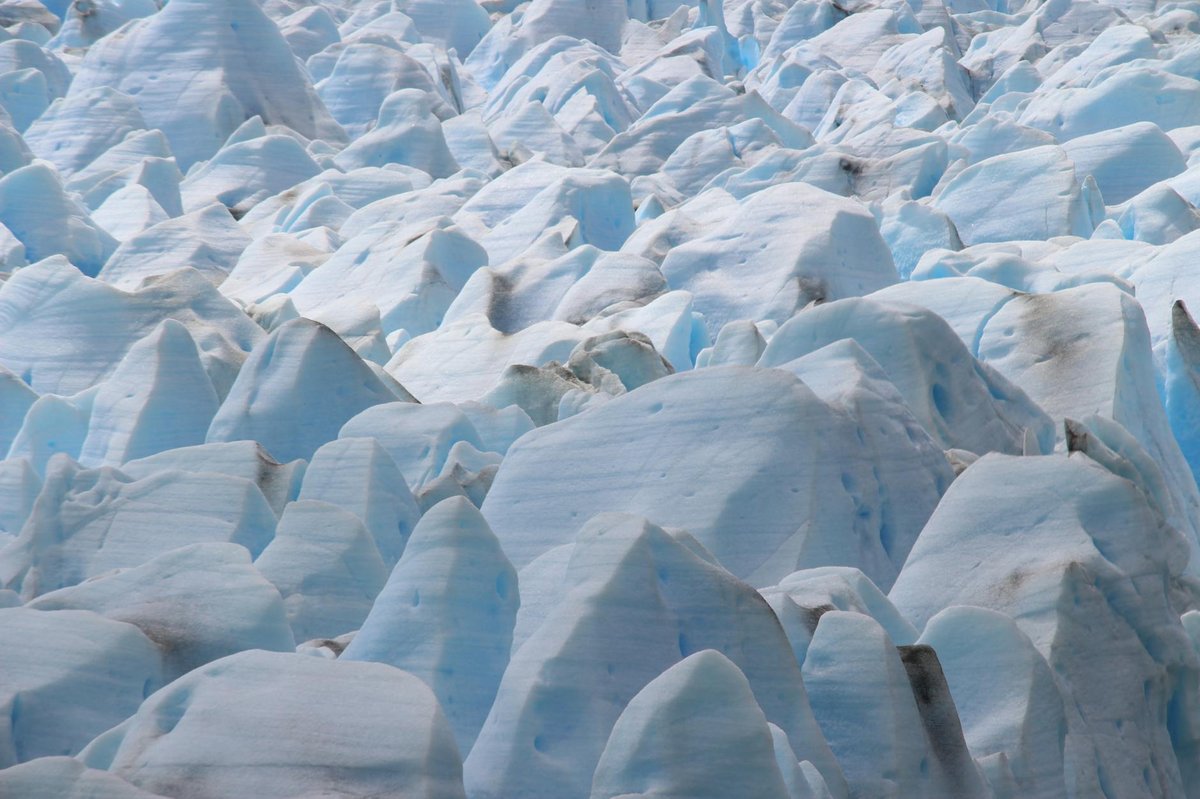
There is a boat tour that gets you closer to the glacier face. It runs about $80 and is worth it if the weather cooperates. On a windy day — and most days in Patagonia are windy — the boat ride gets rough. I kept my lunch down. Barely.
Day 9: French Valley or Rest
If your legs survived the first two days, the French Valley hike is the third piece of the trilogy. If they did not — and there is no shame in this — take a shorter walk to the Salto Grande waterfall or just drive the park road and stop at the lookout points. The drive alone, with guanacos grazing beside the road and the Cuernos del Paine rising above everything, is worth the trip.
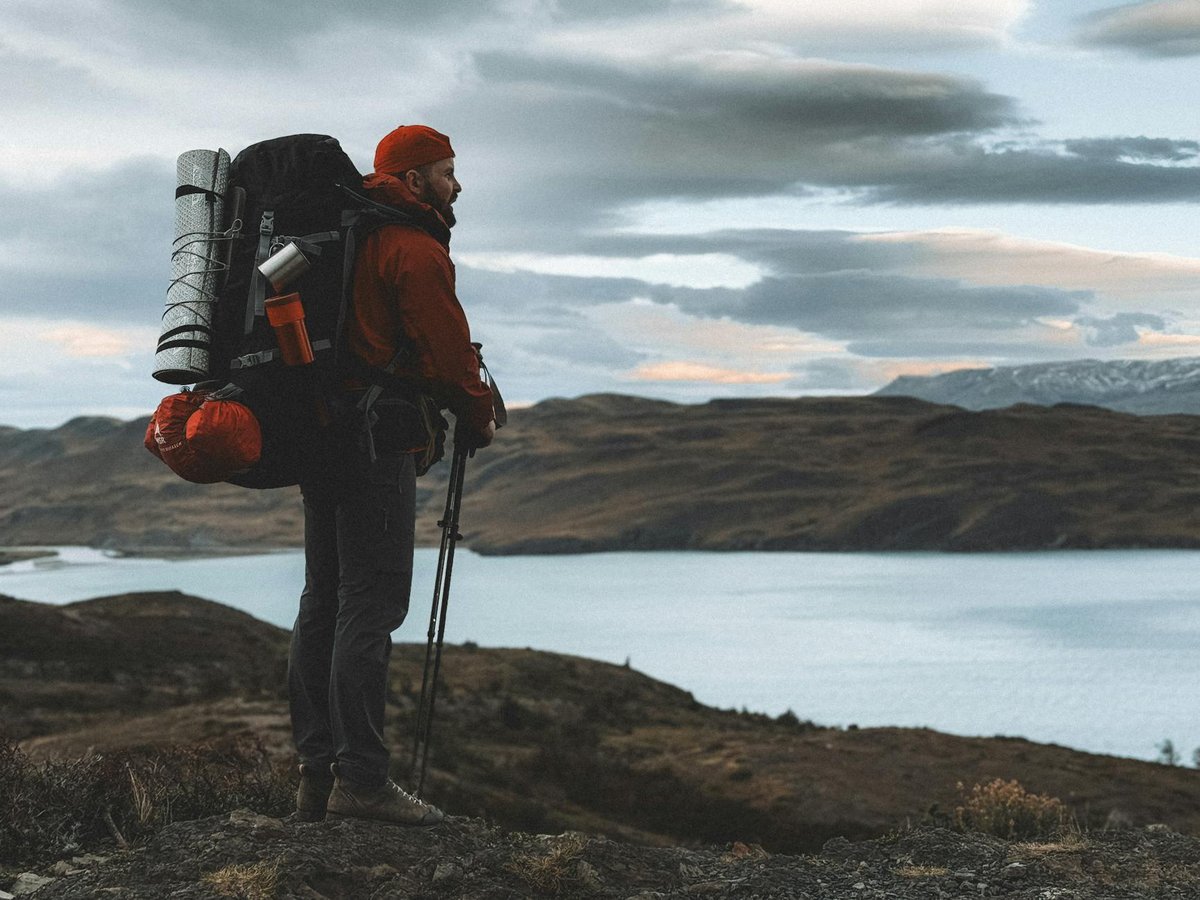
One thing about Patagonia: the wind. Not a breeze. A physical force that knocks you sideways on exposed ridgelines. Bring a properly windproof layer. I watched a guy's hat leave his head and travel about 200 meters before landing in a lake. He did not get it back.
Day 10: Punta Arenas — Penguins and the End of the Road
Bus back to Punta Arenas in the morning. If your flight is in the evening — try to book it that way — you have half a day in the southernmost city of mainland Chile. The waterfront along the Strait of Magellan is windswept and beautiful in a barren, end-of-the-earth way.
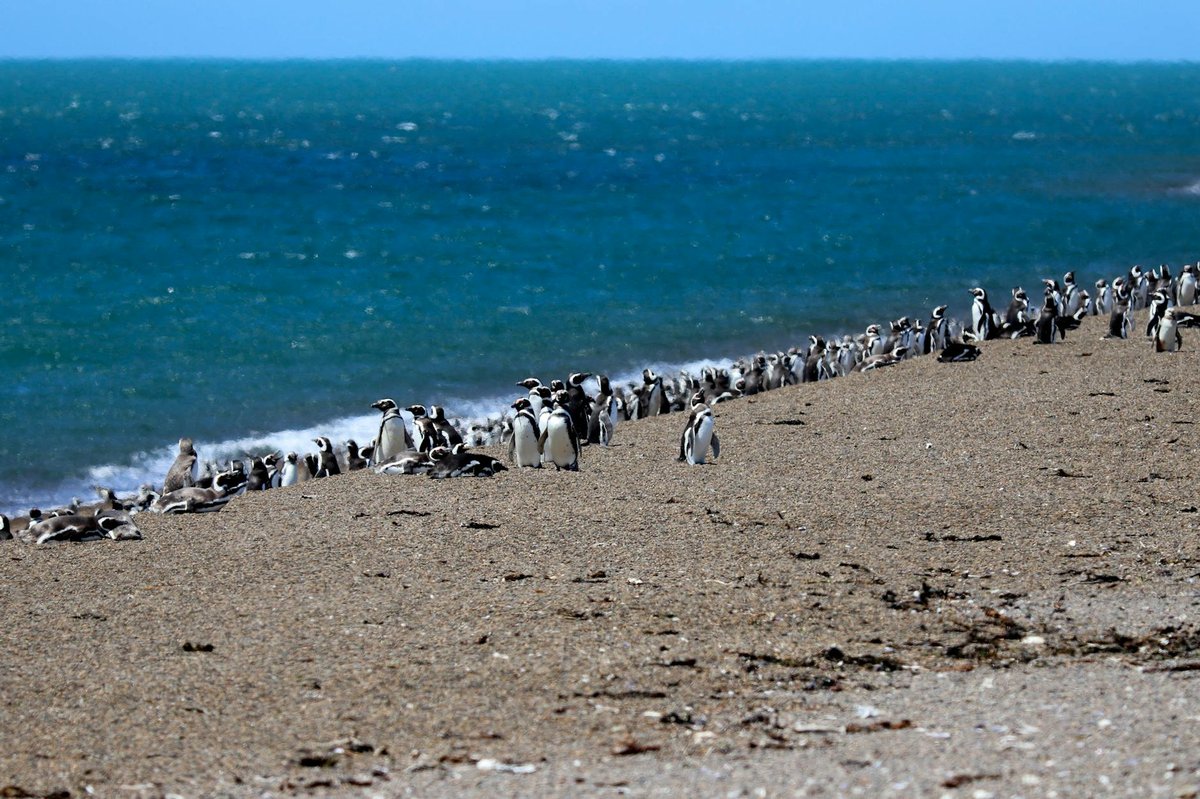
If you have time, the Magdalena Island penguin colony is a 2-hour boat ride each way and home to 120,000 Magellanic penguins between October and March. It is one of those wildlife experiences where the sheer number of animals overloads your brain. They waddle past you on the path like you are furniture. The boat runs about $60 and leaves early morning — check if your flight time allows it.
Otherwise, the cemetery (genuinely impressive — the wool baron tombs are absurdly grand) and centolla — king crab — at one of the restaurants near the plaza. Eat the centolla. About $25-30 for a plate, and it comes straight from the Strait. Worth every peso.
What This Trip Costs
Here is what I spent, roughly, on a mid-range budget (more on costs here):
| Item | Cost (USD) |
| Domestic flights (3) | $250-350 |
| Accommodation (9 nights, mid-range) | $450-650 |
| Food | $200-300 |
| Tours (Valle de la Luna, El Tatio, stargazing, glacier boat) | $150-200 |
| Torres del Paine park entry | $35 |
| Buses and transfers | $60-80 |
| Miscellaneous | $50-100 |
| Total | $1,200-1,700 |
Budget travelers staying in hostels and eating menu del dia lunches can do it for under $1,000. Comfort travelers wanting private rooms and sit-down dinners should budget $2,000+. Patagonia is the expensive part — everything from food to accommodation costs 30-50% more than the rest of Chile.
What If You Only Have 7 Days?
Cut the Atacama. I know that hurts. But the desert requires two full days minimum to justify the flight, and on a 7-day trip those two days are worth more in Patagonia. Your shortened route becomes:
Days 1-2: Santiago + Valparaiso day trip
Days 3-6: Fly to Punta Arenas, Torres del Paine (4 days gives you time for the full W Trek base camps or more relaxed day hiking)
Day 7: Punta Arenas, fly home
You lose the desert and the stars. You gain an extra day in the mountains and lower stress. Honest assessment: the 7-day version is actually a very solid trip.
Alternative Routes: Swap the Desert or the Mountains
Not everyone wants the same Chile. Here are two variations that keep the 10-day framework but change the emphasis.
Option B: Santiago → Lake District → Patagonia
Replace the Atacama with the Lake District (fly Santiago to Temuco or Puerto Montt). Three days around Pucon gives you Villarrica volcano, hot springs, Mapuche culture, and lakeside towns that feel like a Chilean Switzerland. Then fly south to Punta Arenas for Torres del Paine.
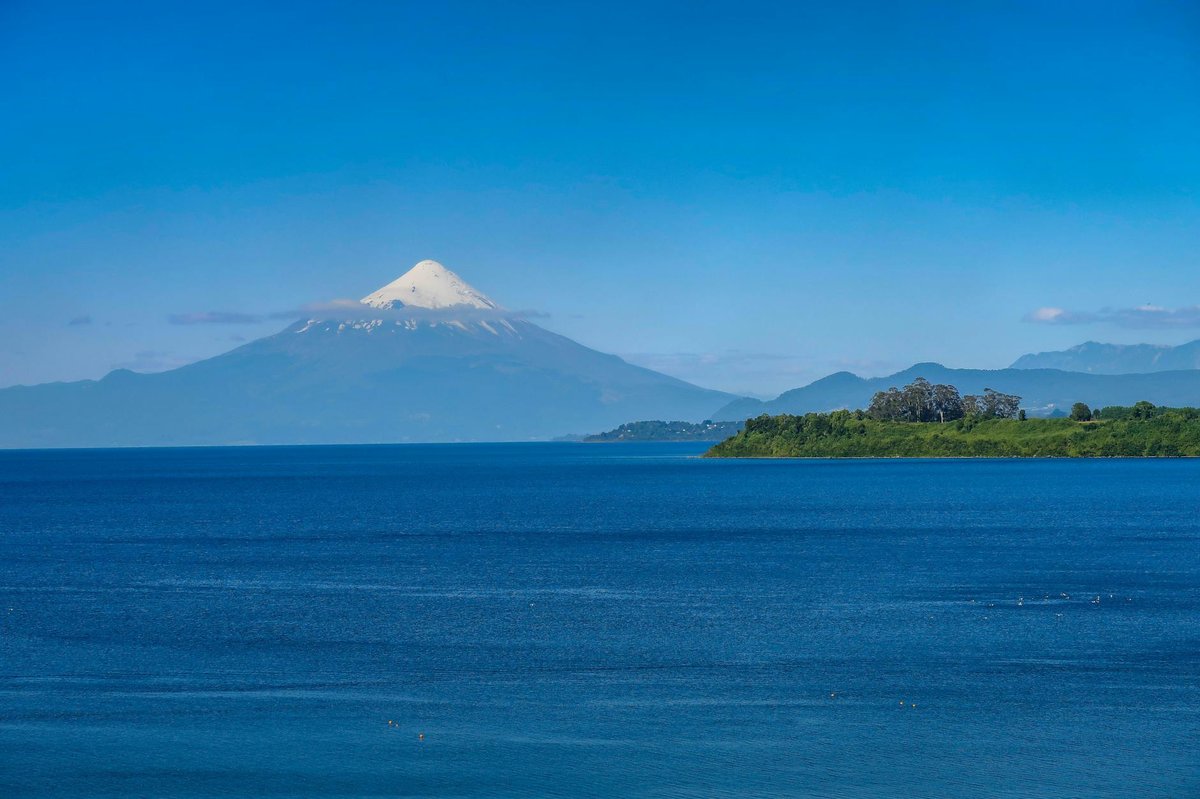
This version trades extremes for variety. Forests, volcanoes, hot springs, and a completely different Chile. Good choice for November-December when the south is warmest.
Option C: Santiago → Atacama → Easter Island
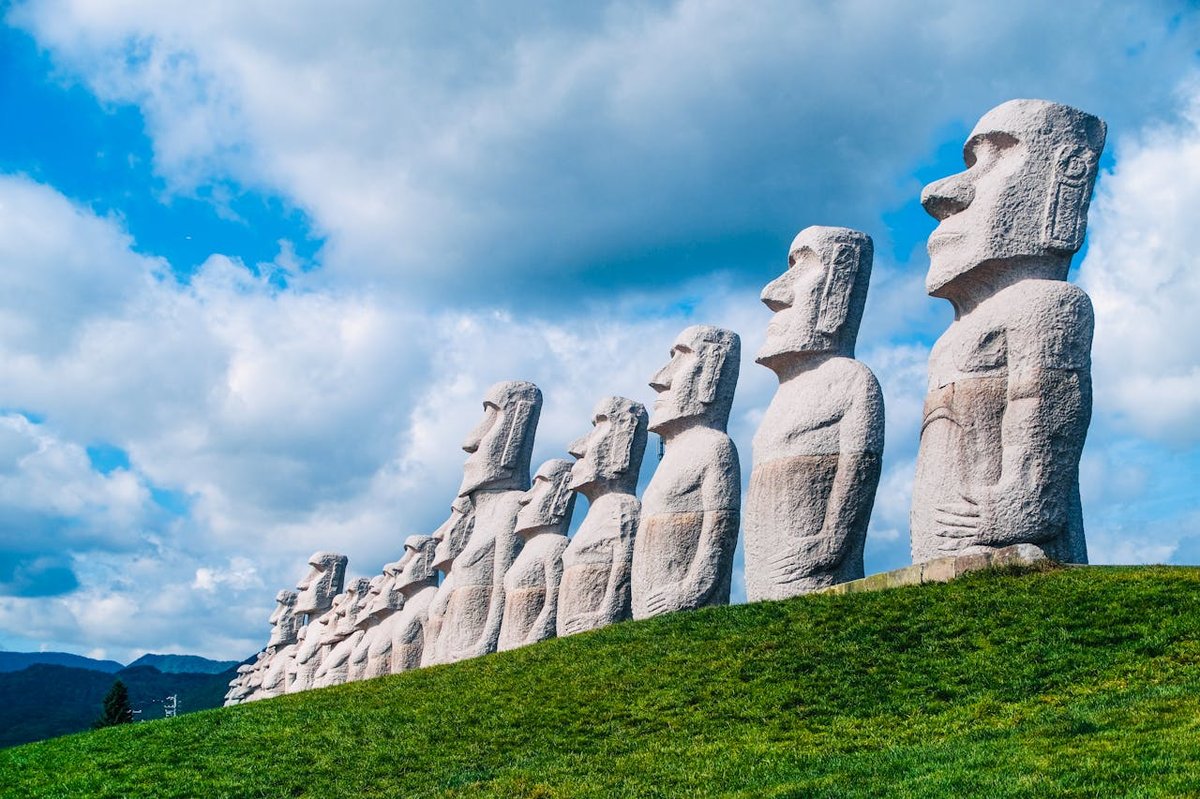
Replace Patagonia with Easter Island (Rapa Nui). Fly from Santiago for the final four days. The moai, the craters, the Polynesian culture — unlike anything on the mainland. The downside: flights are $300-500 round trip and you lose Patagonia entirely.
Right variation if you are coming back to Chile. Do the desert and the island now, save Patagonia for a proper week next time. Read the Easter Island guide before deciding — it requires more planning than you expect.
Packing for Three Climates in One Bag
Santiago is mild. The Atacama is hot by day and freezing at night. Patagonia is cold, wet, and windblasted. You need to pack for all three without checking a bag (JetSmart charges extra and delays are common). What worked for me:
- One good windproof/waterproof shell — this is the most important item. It does triple duty: wind in Patagonia, rain everywhere, and warmth in the desert at night. Do not cheap out on this
- A packable down jacket — for El Tatio at 4am, for Patagonia evenings, for the flight where the air conditioning is inexplicably arctic
- Two pairs of pants — one hiking, one normal. Zip-off pants are ugly but practical and I gave up caring about aesthetics by Day 3
- Hiking boots that are already broken in — the Torres del Paine base hike is 18km of rock and scree. New boots will destroy your feet
- Sun protection for the desert — SPF 50, a hat, and sunglasses. The Atacama UV is brutal at altitude. I got sunburned through a t-shirt
- Lip balm with SPF — sounds trivial, was essential. The desert air cracked my lips on Day 1 and they did not fully heal until I left
Skip the jeans. Skip the extra shoes. Skip anything you cannot wear in at least two of the three destinations. I packed a 40-liter backpack and it was enough. Just barely.
When to Go
October through April. Full breakdown here, but the short version: November-December is best for Patagonia (long days, calmer weather). January-February is peak season — pricier, crowded, but the most reliable weather. The Atacama is year-round, though the clearest skies for stargazing are March-November.
My trip was late October. Patagonia gave me one perfect blue-sky day and two days of horizontal rain followed by sudden sunshine. That seems to be normal. Pack for everything and stop checking the forecast.
The Logistics That Actually Matter
A few things that are not obvious until you are on the ground:
ATMs run out of cash in San Pedro. During peak season, the two ATMs in town regularly empty out over weekends. Bring pesos from Calama or Santiago. Cards work at most tour agencies but not at the smaller restaurants.
Torres del Paine requires advance booking. You need to buy your park pass online before arriving, and if you are doing the W Trek, campsites sell out months ahead. For day hikes you only need the park pass, but check the CONAF website for any seasonal closures.
Puerto Natales to the park is 1.5 hours. Factor this into your day hikes. Most tour operators pick up at 7am and drop back by 8pm. You are hiking 7-8 hours with transit time on either end. It is a full day, every day.
Domestic flights get delayed. Patagonian weather grounds planes regularly. Do not book your international flight home on the same day as your Punta Arenas to Santiago connection. Build in a buffer night. Getting around Chile is straightforward, but the distances are deceptive. Flying is not optional on this itinerary.
Is 10 Days Enough?
It is enough to fall in love with the country and not enough to feel satisfied. That is probably the right outcome. You see the big three — desert, coast, mountains — and leave with a list for next time. The two-week itinerary adds the Lake District and breathing room. Easter Island is a whole separate trip in spirit.
But ten days, three flights, and a willingness to set your alarm for 4am — that gets you a trip that will ruin you for shorter countries. The gas station empanada at Santiago airport on the way home was just as good as the one on Day 1. Some things do not change. Your sense of what a country can contain — that changes.