This article contains affiliate links. If you book through them, I earn a small commission at no extra cost to you.
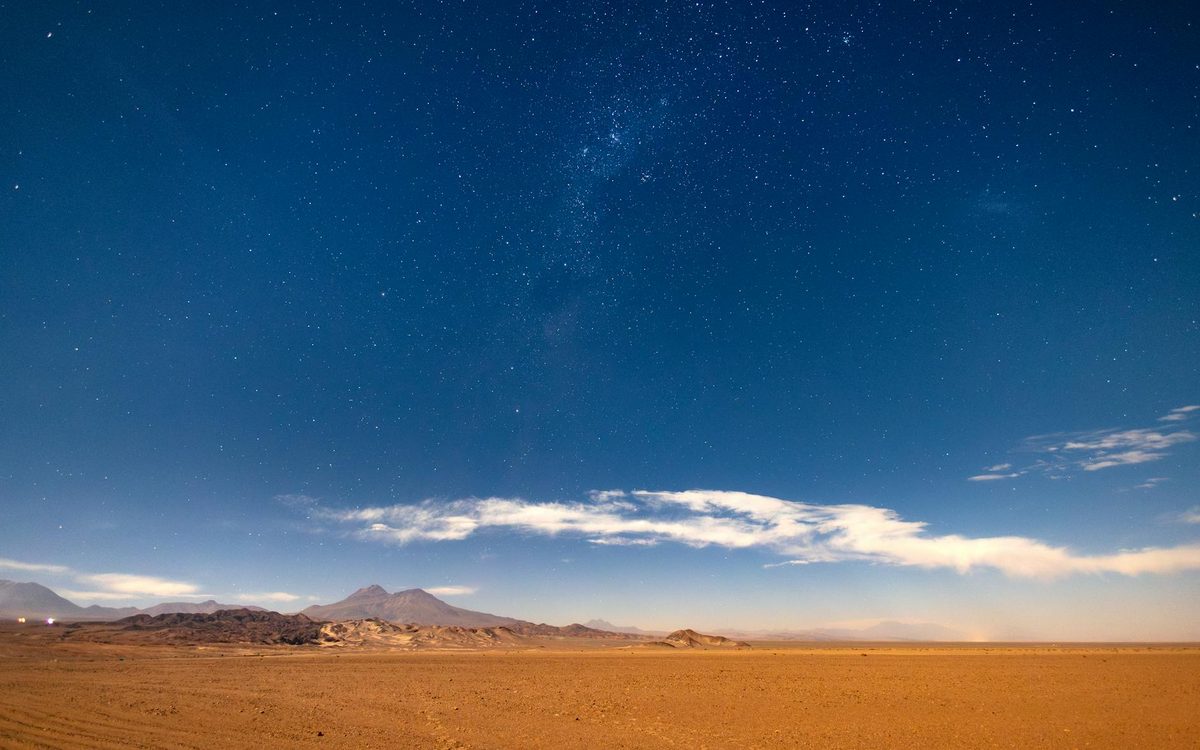
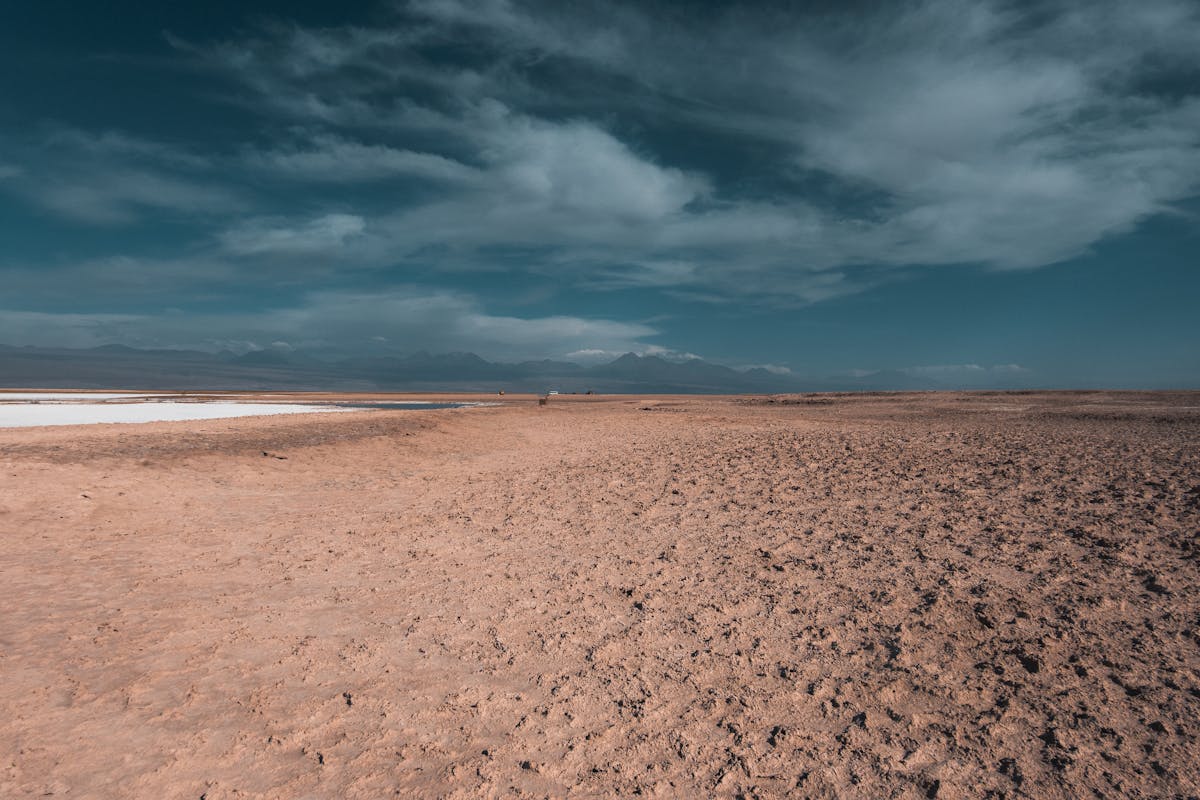
There were no other people. That's the part I keep coming back to. We were lying on a blanket in the Atacama Desert, staring up at a sky so thick with stars it didn't look real, and there was nobody else for what felt like miles. No resort pool. No swim-up bar. No couples' massage with whale sounds piped through a speaker. Just the two of us, a bottle of Carmenere, and a silence so complete you could hear your own heartbeat.
That's what a honeymoon in Chile gives you. Not the postcard-perfect, everyone-does-it beach resort thing. Something stranger and better. A country where you can stargaze in the driest desert on earth, hike past glaciers in Patagonia, drink wine in valleys that stretch to the Andes, and soak in volcanic hot springs under a snow-capped volcano — all in the same trip. The range is absurd.
I've been to Chile four times now, and twice with my partner. The second trip was essentially our delayed honeymoon — two weeks, moving south from the desert to the lakes, mixing rough-it days with genuinely luxurious nights. It was, hands down, the best trip we've taken together. Not because everything went perfectly (it didn't — more on that later), but because Chile keeps surprising you. Every day felt different from the last.
Here's where to go, what it costs, and why Chile beats the Maldives for couples who actually want to do things with their time.
Why Chile for a Honeymoon (The Honest Case)
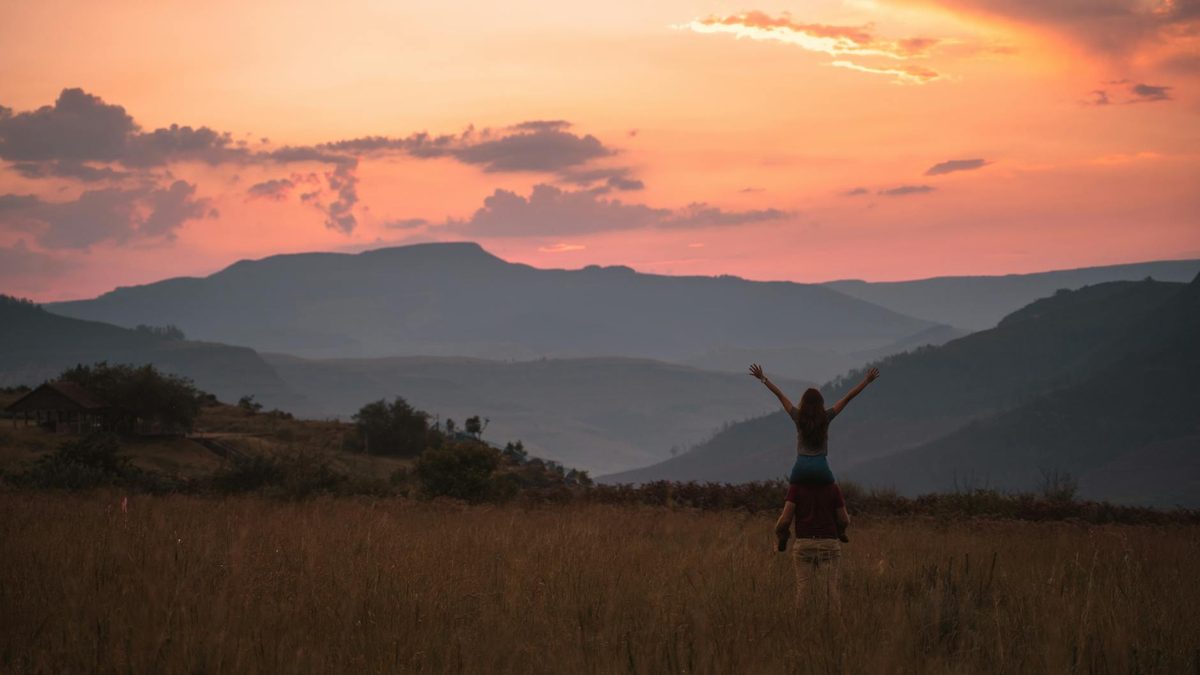
The pitch for a Chile honeymoon isn't "relax on a beach." If that's all you want, go to the Maldives or Fiji. Chile's case rests on something different: the combination of adventure and romance that you can't get anywhere else on earth. You're not choosing between lying by a pool and actually experiencing a place. You get both, sometimes in the same day.
Morning: hike to a glacier viewpoint in Torres del Paine. Afternoon: soak in an outdoor hot tub at your lodge while the mountains turn pink. Evening: a five-course dinner with Chilean wine pairings and nobody rushing you. That's a real day you can have in Patagonia. Try doing that in Cancun.
The other thing Chile has going for it is isolation without inconvenience. The Atacama Desert feels like another planet, but the luxury lodges there are seriously good — think heated pools, gourmet restaurants, guided excursions included. Easter Island is one of the most remote inhabited places on earth, but there are comfortable hotels and direct flights from Santiago. You get the "we're alone in the world" feeling without actually roughing it.
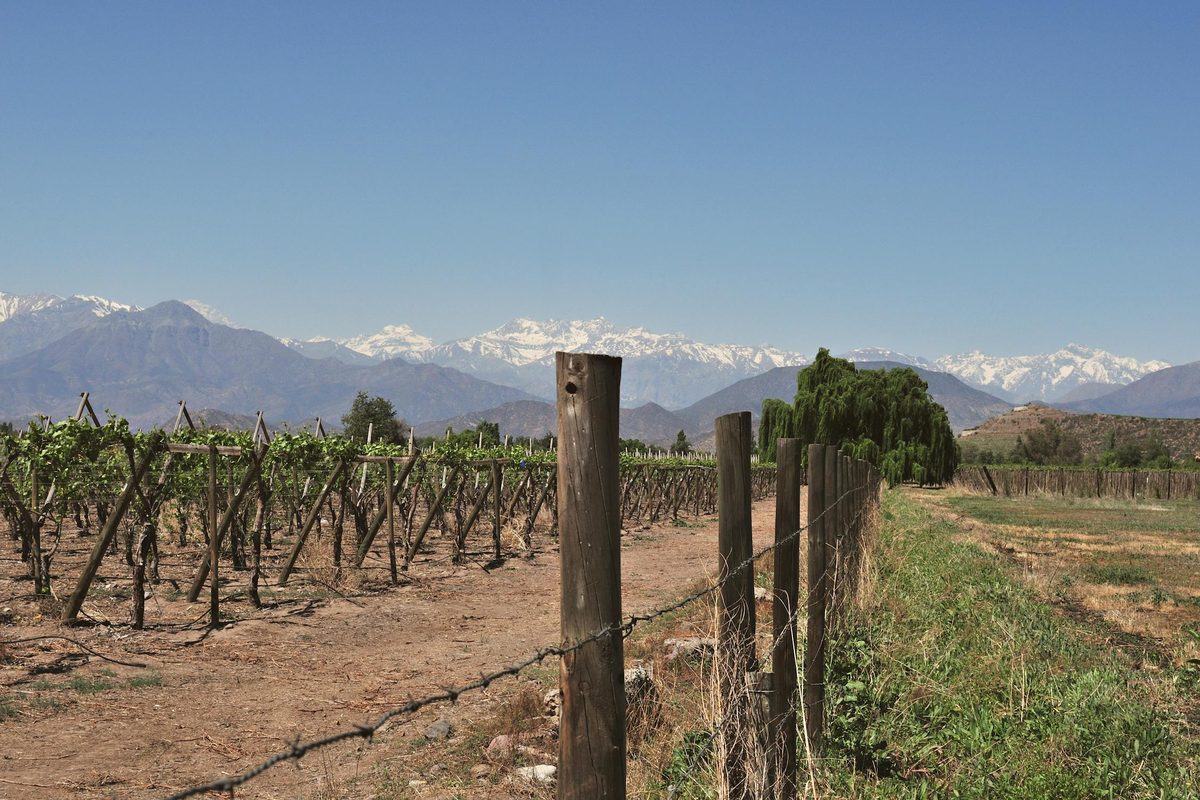
And then there's the wine. Chilean wine country has vineyard stays that rival anything in Tuscany or Napa, at about a third of the price. Private tastings, long lunches overlooking the vines, rooms with mountain views. It's romantic in the most obvious, uncomplicated way — no adventure required, just good wine and good food in a beautiful place.
The Atacama Desert: Stars, Silence, and Luxury Lodges
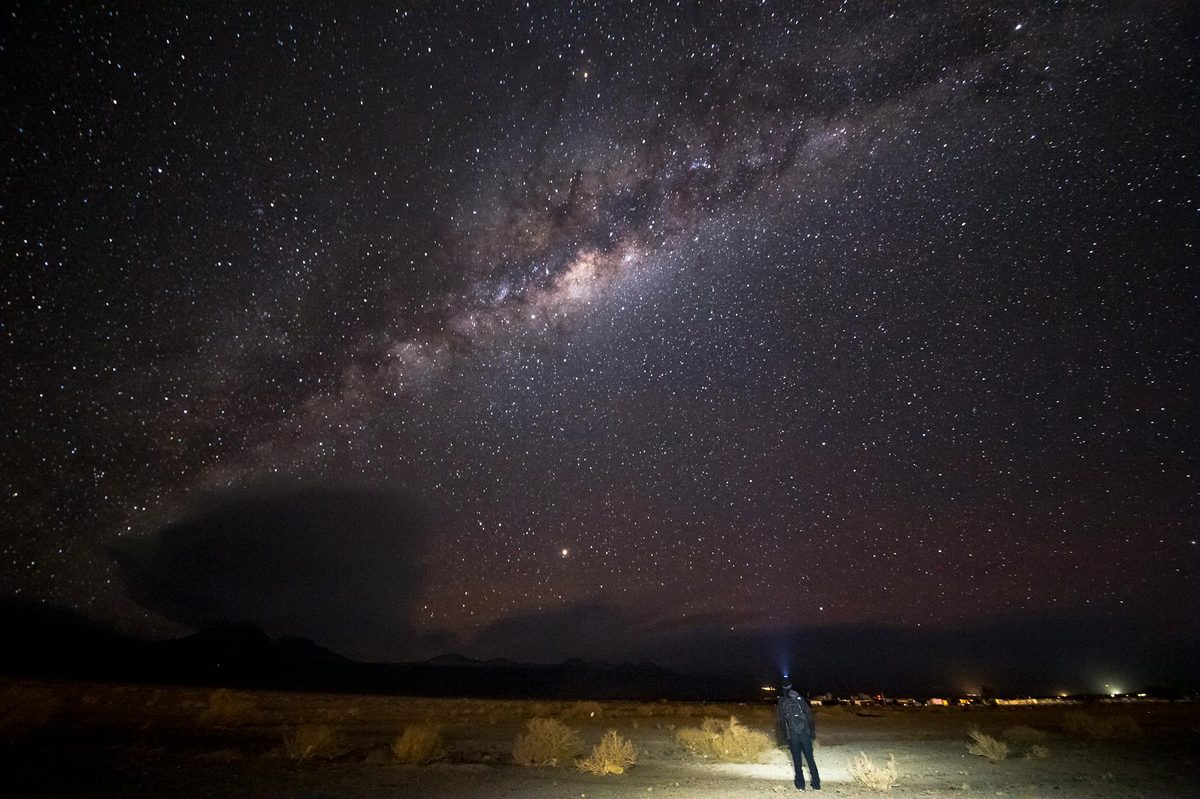
Start here. I know it seems counterintuitive to begin a honeymoon in a desert, but the Atacama sets a tone that nothing else can match. The driest desert on earth also happens to have the clearest skies for stargazing — NASA chose this region for their telescopes for a reason — and the luxury lodges in San Pedro de Atacama are built around that selling point.
Tierra Atacama is the one that gets mentioned most, and it deserves the reputation. It's an all-inclusive lodge on the outskirts of San Pedro where the room rate covers excursions, meals, an open bar, and a spa with an outdoor pool facing the Licancabur volcano. The excursions are the real draw: sunrise trips to the El Tatio geysers, sunset walks through the Valle de la Luna, bike rides through oasis villages. Everything led by guides who know the desert cold. Two or three nights here and you'll feel like you've been to Mars together.
Alto Atacama is the other top-tier option, and honestly, I slightly prefer it. It sits in the Catarpe Valley, a few kilometers outside San Pedro, which means less town noise and better desert views. Same all-inclusive model — pool, spa, excursions, meals. The rooms have outdoor showers with desert views. At night, they set up telescopes on the terrace for guided stargazing sessions. We spent one evening just sitting in the hot tub, watching satellites cross overhead, saying almost nothing. That kind of quiet is hard to find.
Quick Tip
Book your Atacama lodge directly — most offer a free night when you book three or more. The all-inclusive rates ($400-700/night for two) sound steep, but once you factor in the included excursions, meals, drinks, and transfers, it's competitive with booking everything separately.
If the luxury lodges blow your budget, San Pedro itself has plenty of mid-range options. Boutique hotels like Hotel Cumbres or Nayara Alto Atacama offer solid rooms in the $150-250 range. You book excursions separately through town agencies — the stargazing tours run about $25-35 per person and are genuinely excellent. Just make sure you book a tour that uses proper telescopes, not just binoculars.
Torres del Paine: The Adventure Honeymoon
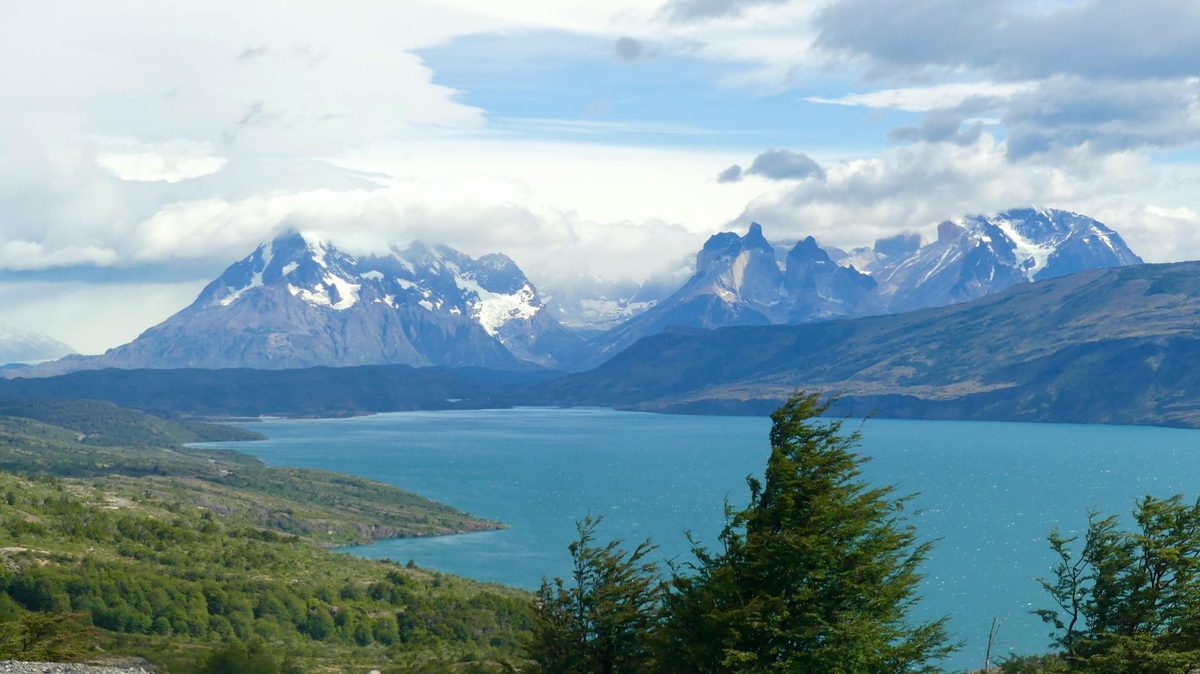
If the Atacama is about stillness, Torres del Paine is about movement. This is where you test the theory that hiking together strengthens a relationship. (It does. Mostly. There was one uphill section where neither of us spoke for forty minutes and I'm still not sure if that was companionable silence or controlled fury.)
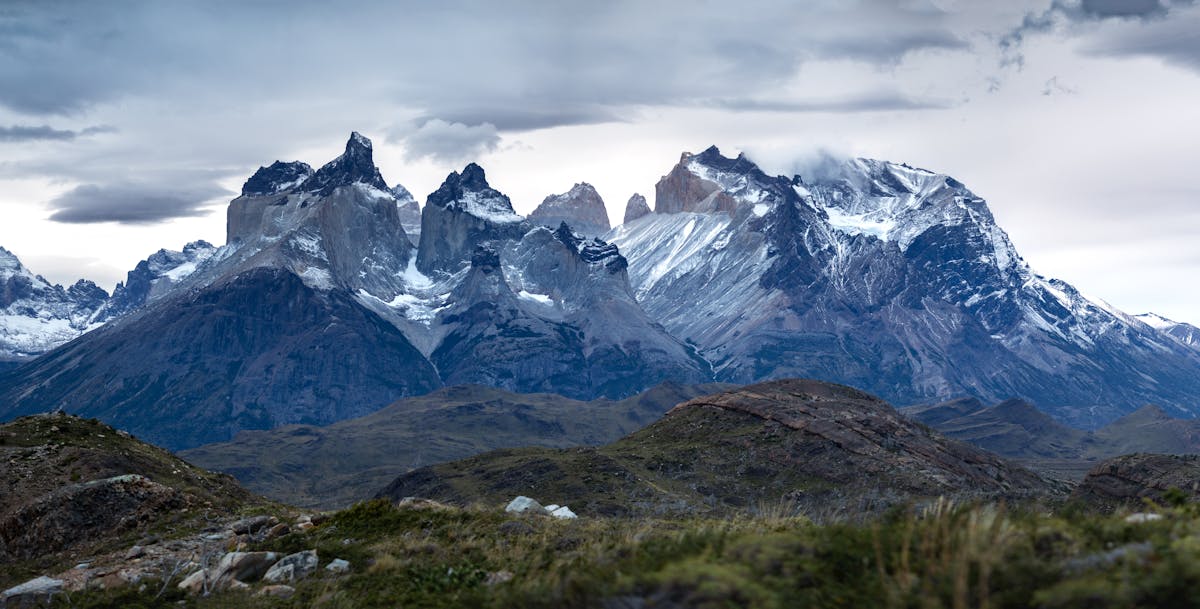
The national park is staggeringly beautiful. Granite towers, turquoise lakes, glaciers that calve chunks of ice the size of cars into the water while you watch. But the honeymoon-specific appeal is the lodges.
EcoCamp Patagonia is the famous one — geodesic dome tents scattered across the hillside with views of the Torres. They range from basic (shared bathroom, no heat) to "Suite Domes" that have king beds, private bathrooms, wood stoves, and skylights for watching the stars. The suite domes are the ones you want for a honeymoon. They also run multi-day guided trekking programs where you hike all day and return to a proper meal and a warm dome at night. Four nights, full board, guided hikes — around $2,500-3,500 per person depending on the season.
Tierra Patagonia is the luxury counterpart. It's a long, low building that looks like it grew out of the landscape, perched on the shore of Lake Sarmiento with floor-to-ceiling windows facing the Paine massif. All-inclusive, same model as the Atacama lodges: guided excursions, spa, meals, bar. The rooms are gorgeous and the food is genuinely great — not just "good for a remote lodge" but actually great. This is where you go if you want Patagonia without camping gear.
We did a mix. Two nights at a mid-range hotel in Puerto Natales (the gateway town), day-hiking into the park, then two nights at a lodge inside the park. That balance worked well. The full W Trek is four to five days of camping — doable as a honeymoon if you're both serious hikers, but most couples I've met in the park preferred the day-hike-and-lodge approach.
Quick Tip
Patagonia wind is no joke. From October through March, sustained winds of 80-100 km/h are normal. It's exhilarating when you're hiking. It's less romantic when it's blowing grit into your picnic. Pack windproof layers and secure everything.
Wine Country: Colchagua, the Maipo, and the Best Honeymoon You'll Have at a Table
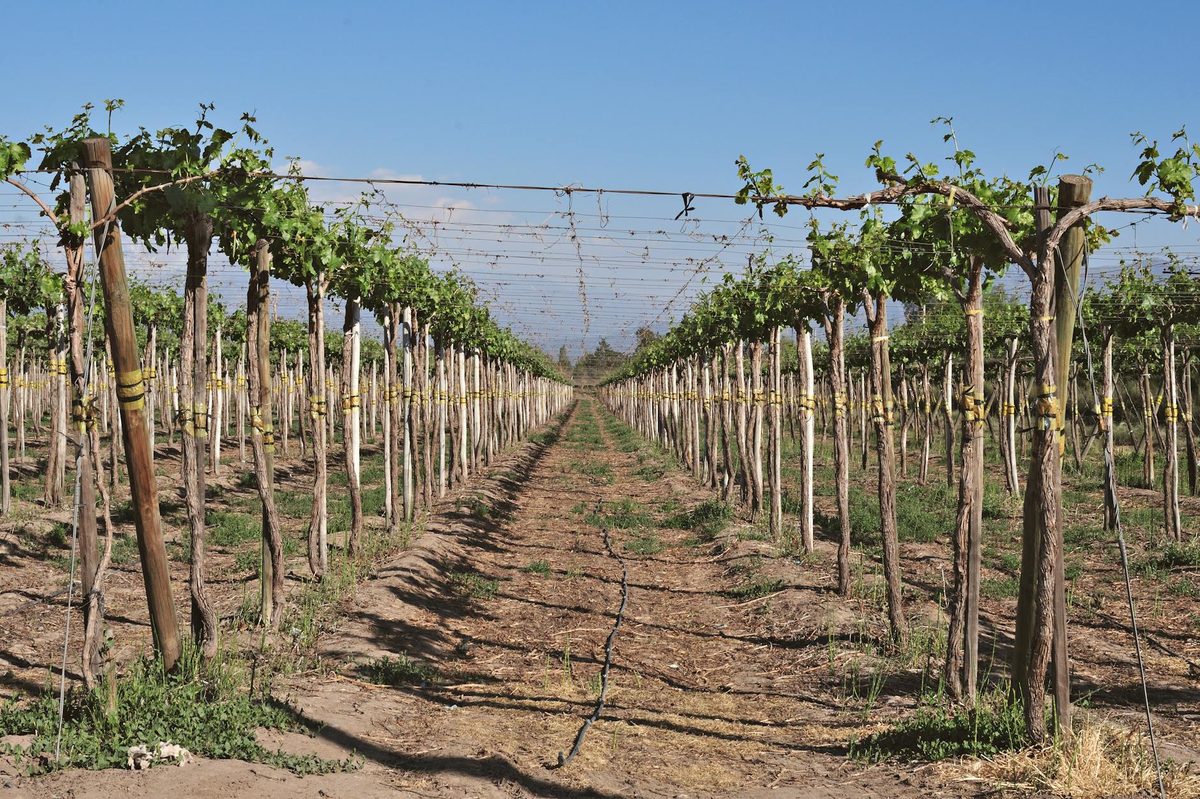
Every honeymoon needs a couple of days where you do absolutely nothing ambitious. No early alarms, no hiking boots, no transfers. Just long mornings, long lunches, and the slow accumulation of wine bottles on the table. Chilean wine country is built for exactly this.
The Colchagua Valley, about two and a half hours south of Santiago, is the best wine region for a honeymoon stay. The star property is Lapostolle Residence — a four-suite relais hidden within the Clos Apalta vineyard. Four suites. Total. That's the whole hotel. Each suite has its own terrace overlooking the vines, and the rate includes private vineyard tours, wine tastings, meals prepared by a personal chef, and a pool that looks out over the valley. It's one of the most romantic places I've been anywhere in the world. It's also around $800-1,200 per night, which is the catch.
For something more accessible, Vina Vik is an architectural statement piece — a hotel designed by a Chilean architect where every room is different and the building itself is a piece of art built into the hillside. Rooms run $400-600 and include tastings and tours. Or go simpler: Hotel Santa Cruz in the Colchagua town of Santa Cruz has rooms from $120, and you can visit six or seven wineries within a twenty-minute drive.
In the Maipo Valley, closer to Santiago, Almaviva and Concha y Toro both offer premium tasting experiences. But for a honeymoon, I'd push past the obvious names and book a private tasting at a smaller producer — Antiyal, Perez Cruz, or Undurraga's newer wines. The experience is more intimate, the wines are often more interesting, and you won't be sharing the table with a tour group.
Two nights in wine country is the sweet spot. Enough to visit three or four wineries, eat two or three excellent meals, and recover from whatever you did in Patagonia the days before.
Easter Island: The Most Remote Romance on Earth
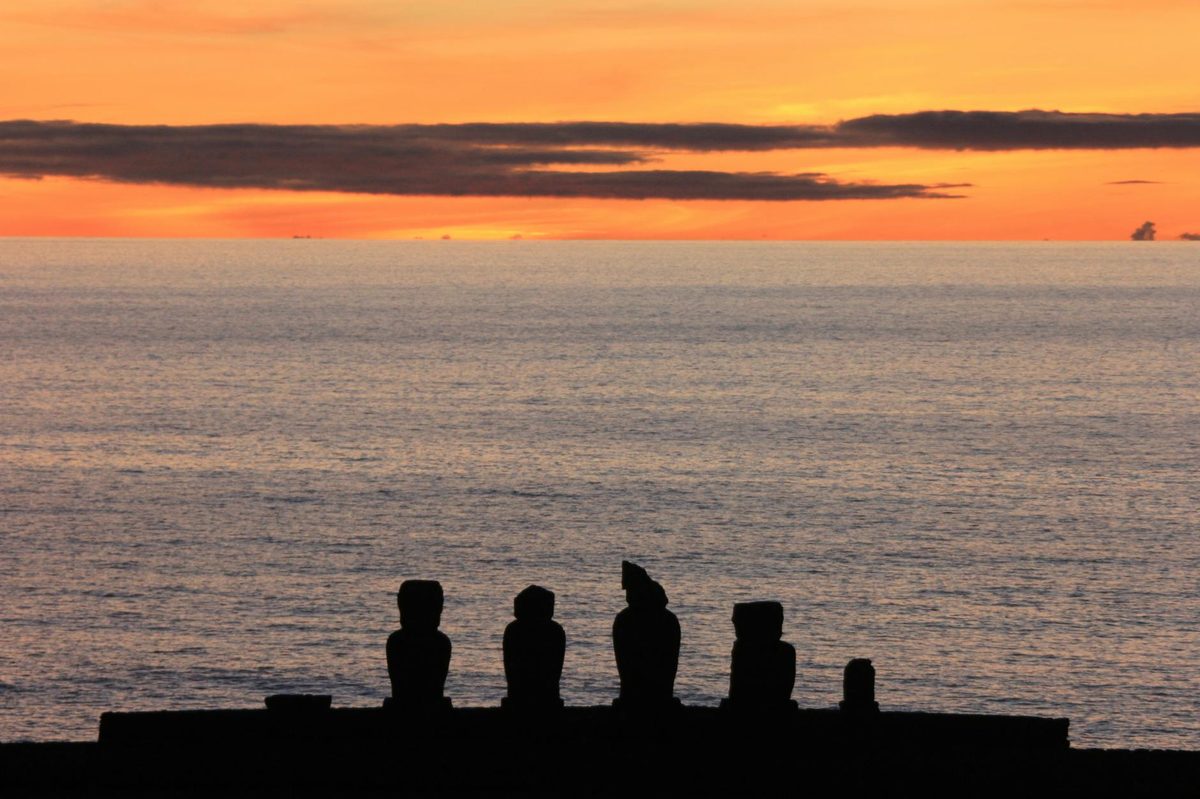
Easter Island is 3,700 kilometers from the Chilean mainland. That's five hours on a plane over open Pacific. When you land, you're on a volcanic island the size of a small city, with about 8,000 people, 900 moai statues, and the nearest other inhabited land a thousand miles away. As honeymoon flex goes, it's hard to top "we went to the most isolated place on earth."
The island has a particular magic to it. You rent a car (do this — the island is small enough to drive around in a couple of hours), and you find yourself pulling over every few minutes because there's another row of moai facing the ocean, or a volcanic crater filled with reeds, or a beach with pink sand and exactly zero other people. The pace is extremely slow. Nothing opens on time. Nobody is in a hurry. After the intensity of Patagonia or the Atacama, it's the perfect decompression.
Hangaroa Eco Village & Spa is the nicest hotel on the island — rooms built to look like traditional Rapa Nui houses, a good pool, and a spa with volcanic stone treatments. Around $350-500 per night. Explora Rapa Nui is the premium all-inclusive option, running $600-900 with guided explorations included. Both are comfortable without being flashy, which matches the island's vibe.
Honestly, three nights is perfect here. Day one: drive the north coast, see Ahu Tongariki at sunrise (fifteen moai in a row, facing inland, catching the first light — I've seen a lot of sunrises and this one ranks near the top). Day two: hike up Rano Kau crater, visit Orongo ceremonial village, explore Anakena beach. Day three: go back to whatever spot you liked best and spend the afternoon there doing nothing. The island rewards repeat visits to the same places at different times of day.
The Lake District: Volcanos, Hot Springs, and Forests
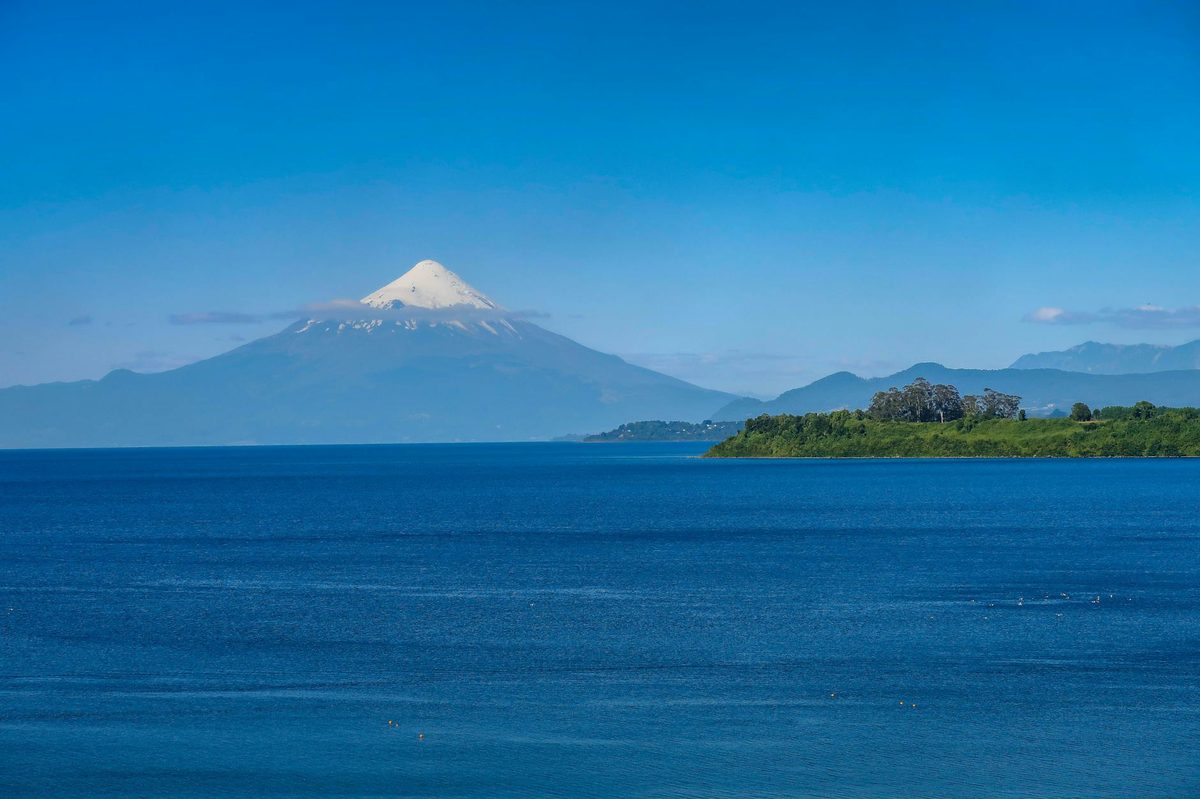
Chile's Lake District is the part of the country that doesn't make it into most honeymoon articles, and that's a mistake. The area around Puerto Varas and Pucon has everything you'd want for a few romantic days: snow-capped volcanoes reflected in glassy lakes, dense old-growth forests, and hot springs fed by volcanic activity that you can soak in while surrounded by green.
Huilo Huilo Biological Reserve is the standout for honeymoons. It's a private nature reserve in the Valdivian rainforest with some of the strangest hotels in South America. The Montano Lodge looks like a volcano with water cascading down its exterior. Nothofagus Hotel is built into a tree. The Mushroom Cabins are exactly what they sound like. The whole place feels like stepping into a fantasy novel, which is either wonderful or ridiculous depending on your tolerance for whimsy. We loved it. Two nights, with forest walks and hot springs and the dense green silence of the rainforest.
Puerto Varas itself is a lakeside town with German colonial architecture (a lot of German settlers came to this region in the 1800s), good restaurants, and views of Osorno Volcano across the lake. Hotel Patagonico or Hotel AWA are the nicest options — both on the waterfront, both around $200-350 per night. From Puerto Varas, you can kayak on the lake, visit the Petrohue waterfalls, or take a boat across to Isla Todos los Santos.
Pucon, further north in the Lake District, is the adventure hub. This is where you climb Villarrica Volcano, raft the Trancura River, and soak in the Termas Geometricas — a series of wooden walkways connecting seventeen hot spring pools tucked into a forested ravine. As a honeymoon stop, Pucon works best if you're the kind of couple that bonds over adrenaline. The town itself is a bit backpacker-heavy, but the surrounding countryside is beautiful.
Valparaiso: Color, Chaos, and a Long Weekend
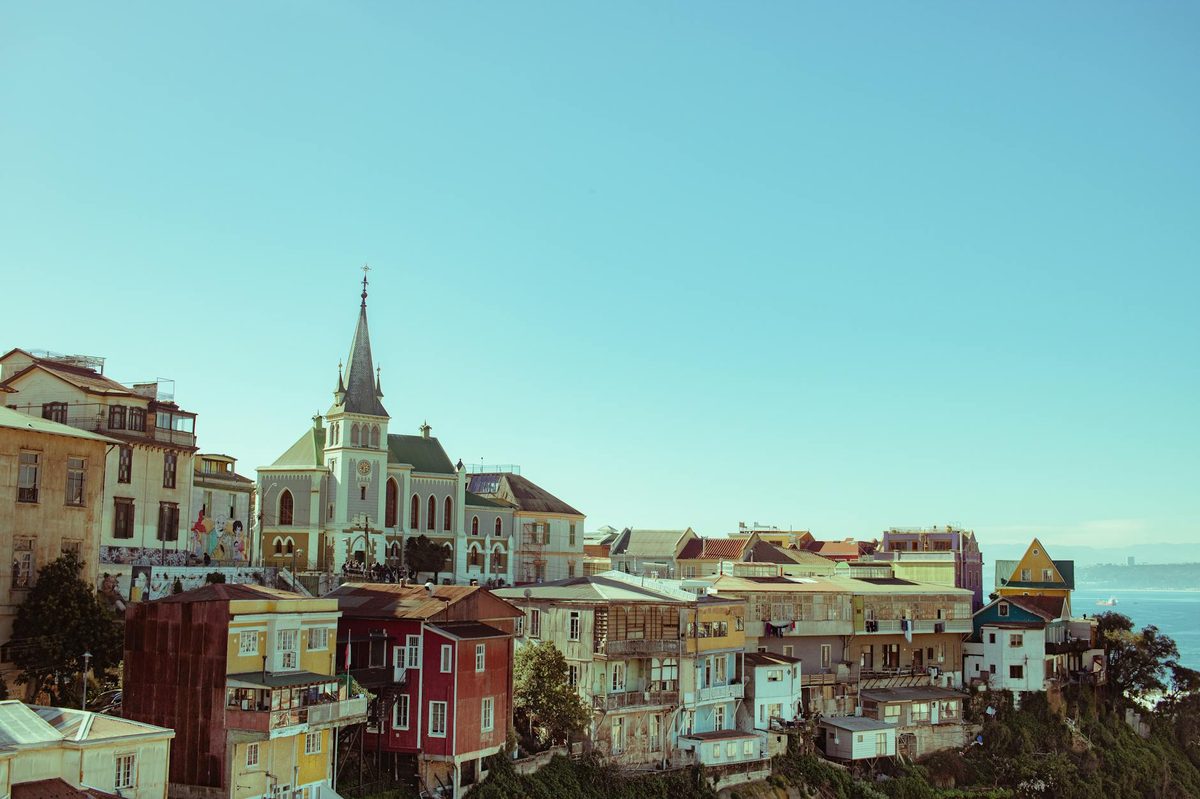
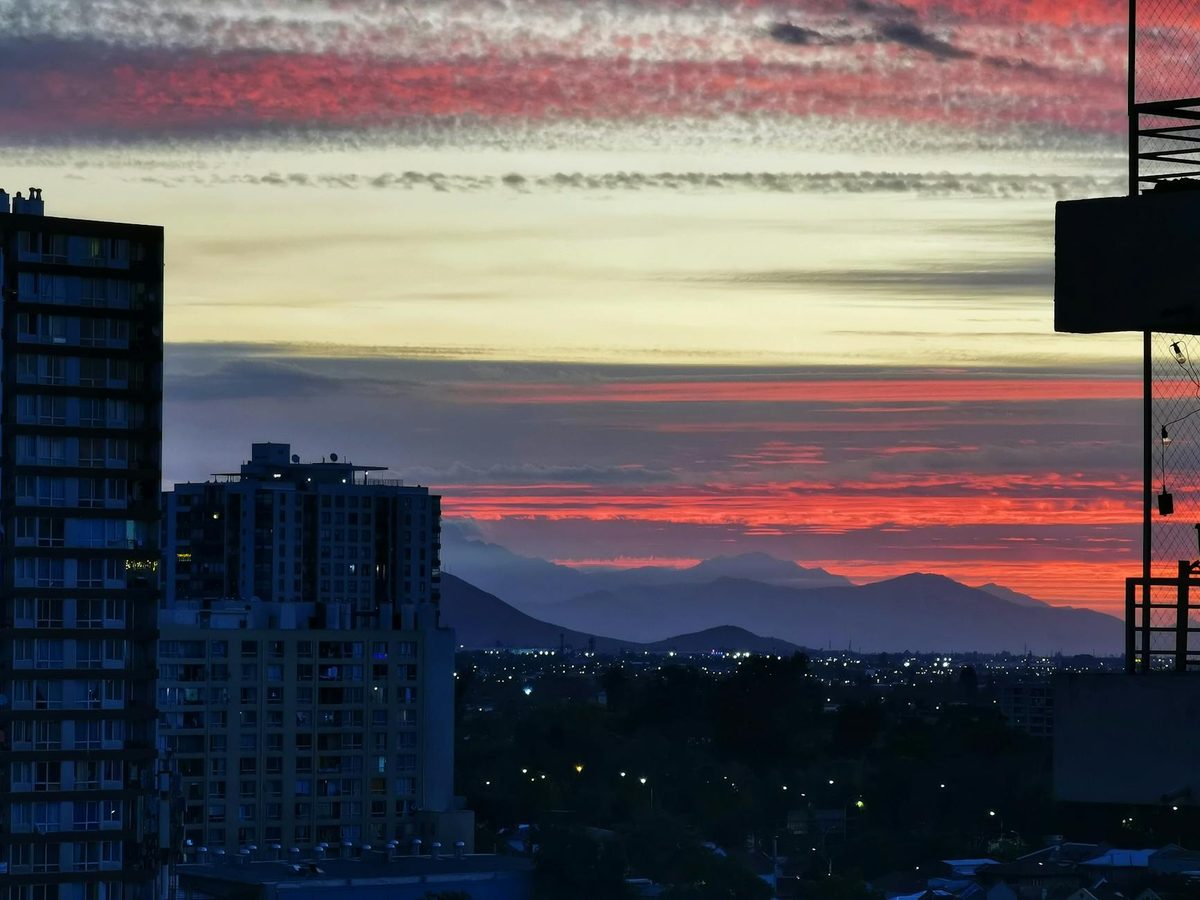
Valparaiso isn't a typical honeymoon destination. It's rough around the edges — literally, some of the staircases between the cerros feel like they might collapse — and it smells like the sea and diesel in equal measure. But it has a bohemian, artistic energy that I find more romantic than any manicured resort. Walking through the street art-covered hillsides of Cerro Alegre and Cerro Concepcion at golden hour, finding a tiny restaurant on a steep alley with four tables and a view of the port... that's the kind of memory you keep.
Stay on Cerro Alegre. Hotel Fauna is the best boutique hotel in the city — modern design, great breakfast, a rooftop bar with panoramic views. Rooms from about $150. Casa Higueras is another good option, more classic in style, with a pool (unusual for Valparaiso) and similar views. Both are walking distance from the best street art, the funiculars, and the restaurants.
One or two nights in Valparaiso is enough. Use it as a bookend — either at the start of your trip (it's 90 minutes from Santiago's airport) or the end. Pair it with a day trip to the nearby Casablanca wine valley, which has lighter whites and cool-climate Pinot Noir that tastes completely different from the big reds of Colchagua.
The 10-Day Chile Honeymoon Itinerary
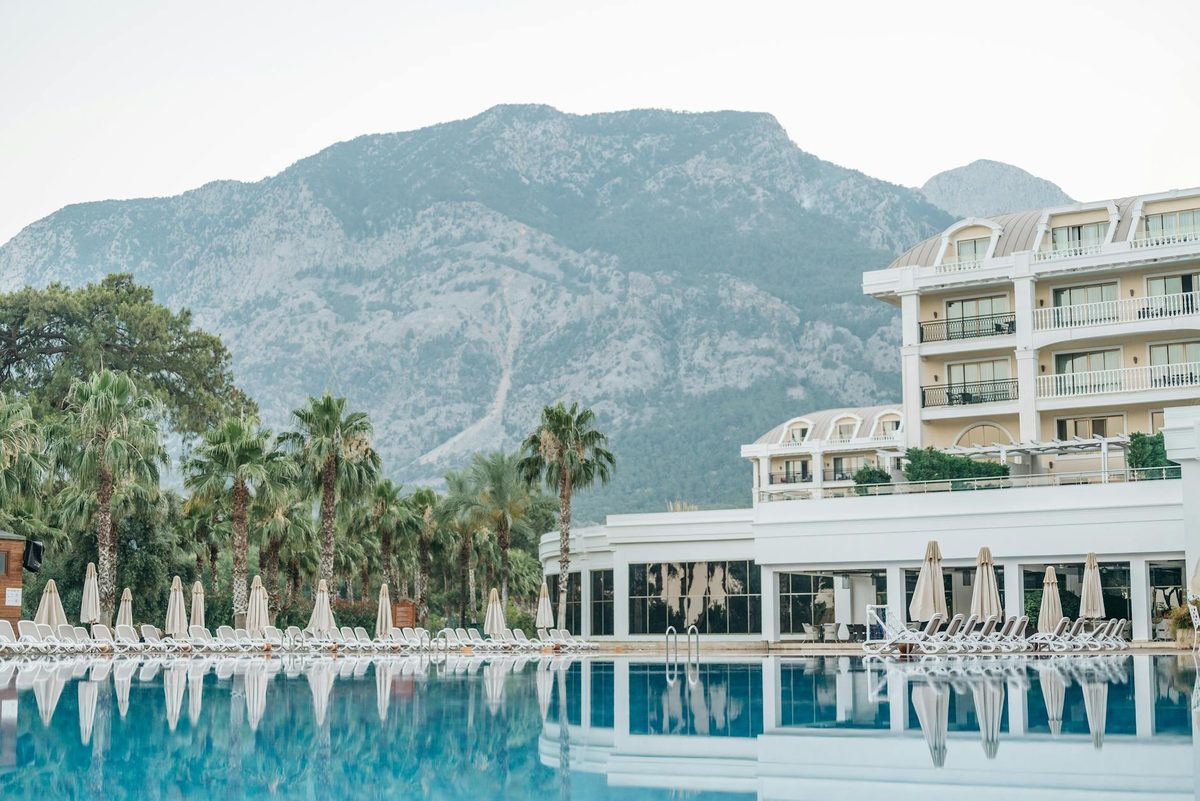
This is roughly what we did, adjusted with hindsight. Ten days is tight but workable. If you have two weeks, add Easter Island and more time in the Lake District.
| Days | Destination | What to Do |
|---|---|---|
| 1 | Arrive Santiago | Rest, walk Lastarria neighborhood, dinner. Don't try to do too much — you just flew a long way. |
| 2-4 | Atacama Desert | Fly to Calama, transfer to San Pedro. Three nights at a lodge. Stargazing, Valle de la Luna, El Tatio geysers, salt flats. Full Atacama guide here. |
| 5-6 | Wine Country | Fly back to Santiago, drive to Colchagua. Two nights at a vineyard hotel. Tastings, long lunches, zero ambition. Wine region guide here. |
| 7-9 | Torres del Paine | Fly to Punta Arenas, transfer to the park. Three nights — day hikes to the base of the towers, Grey Glacier boat trip, lodge life. Trek guide here. |
| 10 | Santiago / Depart | Fly back to Santiago. If your flight is late, squeeze in Valparaiso for a few hours. |
14-Day Extension
With four more days: add two nights on Easter Island between Atacama and wine country (direct Santiago flights), and two nights in the Lake District between wine country and Patagonia. That gives you the full north-to-south sweep. Check when to visit Chile for seasonal timing.
Budget vs. Luxury: What It Actually Costs
Chile honeymoons span a huge range. Here's a realistic breakdown for the 10-day itinerary above, per couple:
| Category | Budget-Conscious | Mid-Range | Luxury |
|---|---|---|---|
| Accommodation (9 nights) | $1,200-1,800 | $2,500-4,000 | $5,000-9,000 |
| Internal flights (3) | $400-600 | $400-600 | $600-900 |
| Food & drink | $500-800 | $900-1,500 | Included at lodges |
| Excursions & tours | $300-500 | $600-1,000 | Included at lodges |
| Transfers & transport | $200-400 | $400-700 | $500-800 |
| Total per couple | $2,600-4,100 | $4,800-7,800 | $6,100-10,700 |
The budget tier isn't "roughing it" — it's clean hotels, good restaurants, and the same national parks. You just skip the all-inclusive lodges and book excursions separately. The luxury tier is genuinely world-class. Tierra Atacama, Tierra Patagonia, and Lapostolle together would set you back around $6,000-8,000 for accommodation alone, but the experience is hard to match anywhere on earth.
Best Time for a Chile Honeymoon
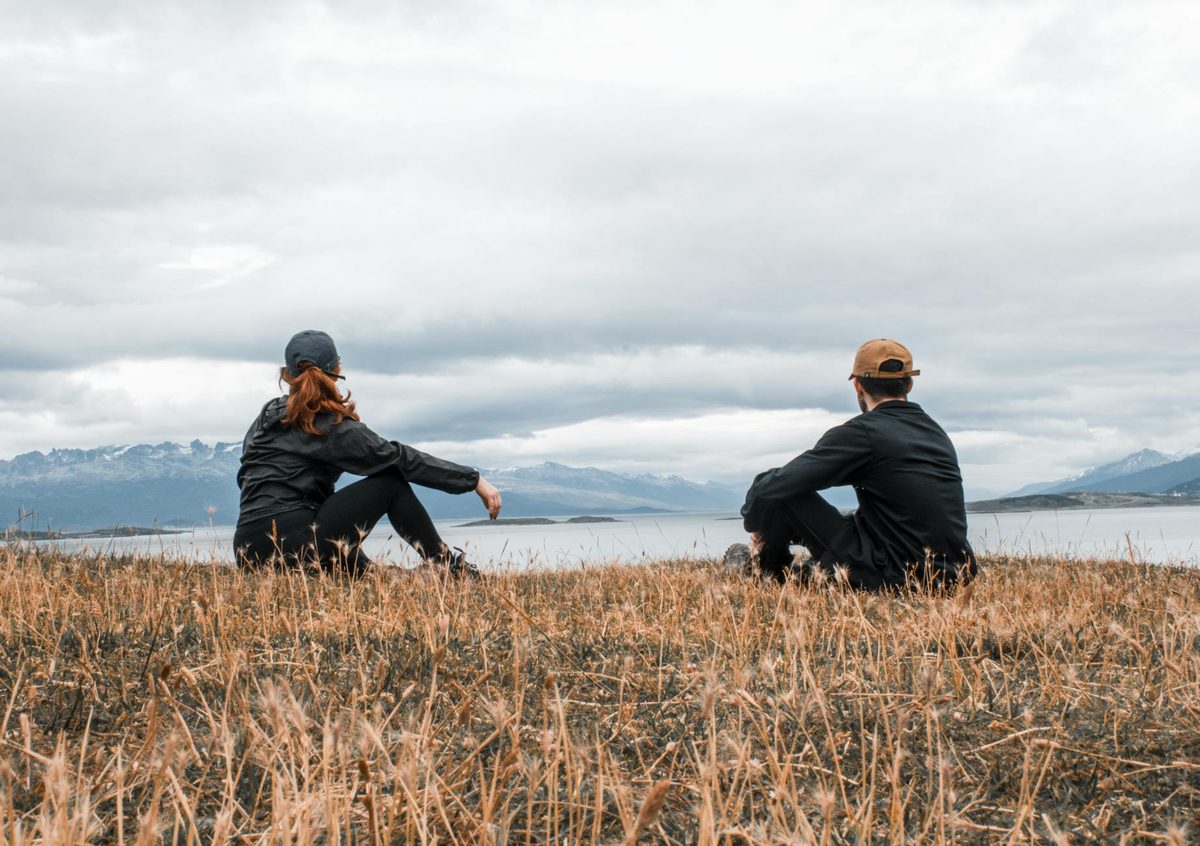
Chile stretches 4,300 kilometers from north to south, so "best time" depends entirely on where you're going. But for a honeymoon that covers multiple regions, the sweet spot is:
Mid-October through November — Spring in Chile. The Atacama is clear and warm (but not blisteringly hot). Patagonia is opening for the season with longer days and wildflowers, though weather is still unpredictable. Wine country is green and the vines are starting to flower. Fewer crowds everywhere.
March through mid-April — Early autumn. Patagonia's winds calm down (slightly). Wine harvest season in the valleys, which means crush events and fresh juice tastings. The Lake District still has warm days. The Atacama is perfect year-round, so timing there doesn't matter much. This is when we went. I'd do it again.
December through February is peak summer and peak tourist season. Everything is open, the weather is most reliable in Patagonia, but lodges charge top rates and the W Trek in Torres del Paine gets genuinely crowded. If this is your only option, book everything at least six months ahead. The good lodges sell out.
What Chile Offers That Other Honeymoon Destinations Don't
I've thought about this a lot. Because Chile isn't an obvious honeymoon pick — you have to explain it to people, which you never have to do with the Maldives or Santorini. But that's part of what makes it good.
The standard honeymoon model is: fly somewhere warm, lie on a beach, eat seafood, get a couples' massage, fly home. And it works. It's fine. But you come home with photos that look exactly like the brochure and stories that could be anyone's. "The water was so clear" is not a story.
"We watched the Milky Way from the driest desert on earth" is a story. "We hiked to the base of granite towers in Patagonia and the wind almost knocked us over" is a story. "We drank Carmenere from the only country where that grape still exists" is a story. Chile gives you stories. Real ones, with specific details, that you'll actually want to tell people about over dinner for the next ten years.
The adventure-plus-luxury combination is the thing no other honeymoon destination does as well. In the Maldives, you get luxury without adventure. In Nepal, you get adventure without luxury. Chile gives you both, and the transitions between them feel natural — you're not forcing some awkward "glamping" compromise. You're going from a real hike to a real lodge with a real chef and a real wine list. Both sides are excellent.
And the isolation. Not in a "stranded on a desert island" way, but in a "there is nobody else here" way. The Atacama at night. Easter Island's north coast. A forest trail in Huilo Huilo. These places are empty in a way that Europe and Southeast Asia just aren't anymore. For a honeymoon — for two people trying to block out the rest of the world for a week or two — that emptiness is the point.
Chile isn't the easiest honeymoon to plan. It involves internal flights, some long transfers, and weather that doesn't always cooperate. But if you want a trip that actually means something — that gives you more than tan lines and an Instagram grid — I can't think of a better place to start a marriage.