This article contains affiliate links. If you book through them, I earn a small commission at no extra cost to you.
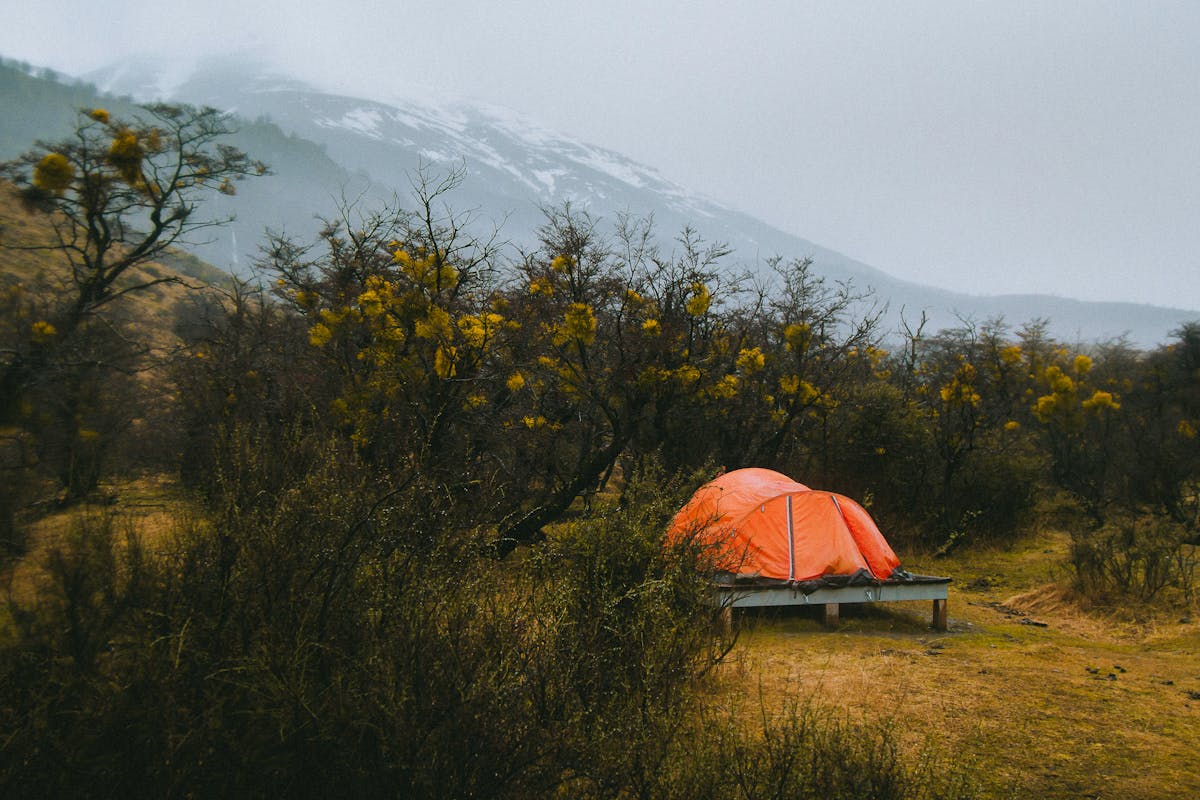
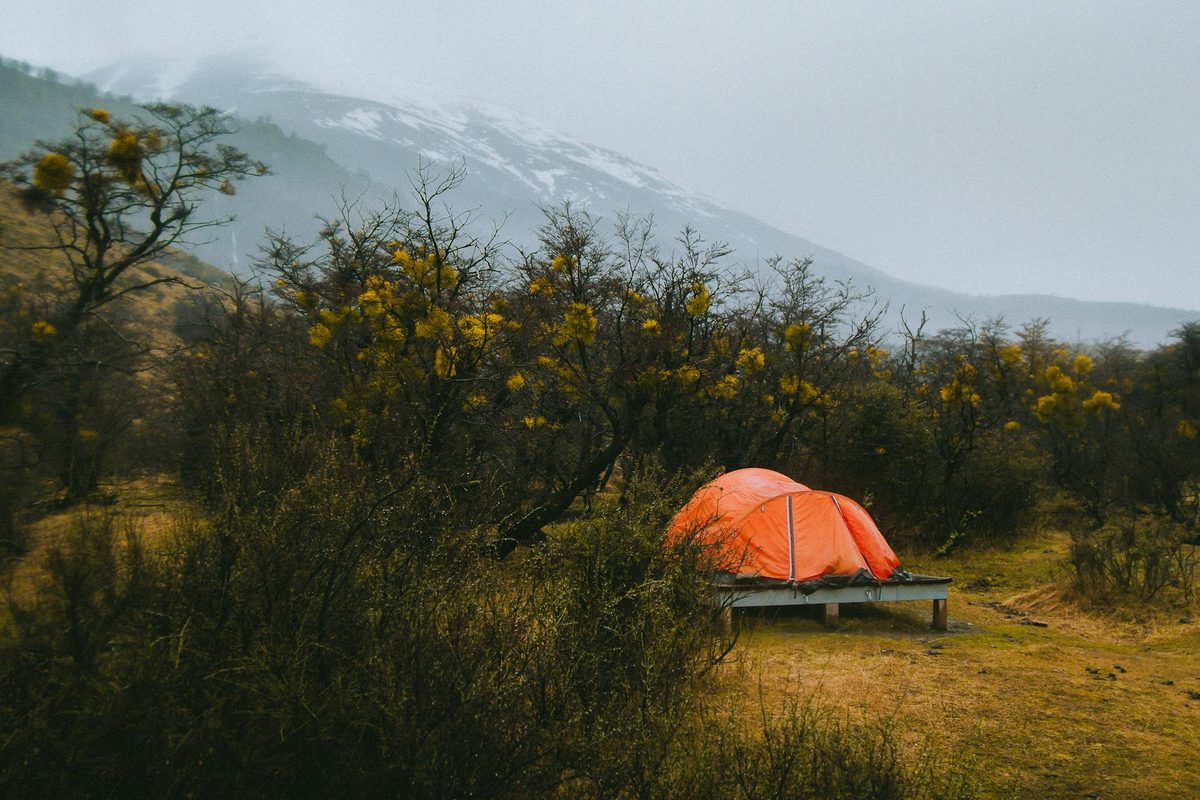
I woke up to a condor. Not the inspirational kind you see in nature documentaries, gliding majestically against a mountain backdrop. This one was about fifteen meters above my tent, riding a thermal updraft, and I was watching it through the mesh ceiling while my sleeping bag slowly absorbed condensation from the vestibule. My boots were wet. My back hurt from a rock I had failed to clear before setting up. And I remember thinking: this is the best camping I have ever done.
Chile ruined normal camping for me. It is pitching a tent next to a glacier-fed river in winds that make you question your life choices, cooking pasta on a sputtering stove while guanacos watch from twenty meters away, and falling asleep to silence broken only by ice cracking somewhere up the valley. It is also, occasionally, paying $8 for a patch of dirt next to a composting toilet that does not quite compost. Both things are true. Here is everything I wish someone had told me before my first night in a Chilean campground.
The Three Types of Camping in Chile (and What to Actually Expect)
CONAF national park campgrounds are run by Chile's park service and range from surprisingly well-maintained to aggressively basic. The better ones have tent platforms, fire pits, and bathrooms with running water. The basic ones have a cleared space and maybe a long-drop toilet somewhere in the trees. Costs run $5-15 per night per person, with a separate park entrance fee on top. Always carry cash — card machines at ranger stations are unreliable at best. Reservations for popular parks have become a real headache. Torres del Paine requires booking months ahead. Other parks let you show up and pay at the ranger station. There is no single system.
Private campgrounds are everywhere along the Carretera Austral and through the Lake District. Some are proper operations with hot showers and kitchen shelters. Others are a farmer's field with a handwritten "Camping" sign nailed to a fence post. Honestly, the farmer's field was sometimes better because at least the ground was flat and the river was closer. Expect $5-12 per person per night.
Wild Camping (Acampar Libre)
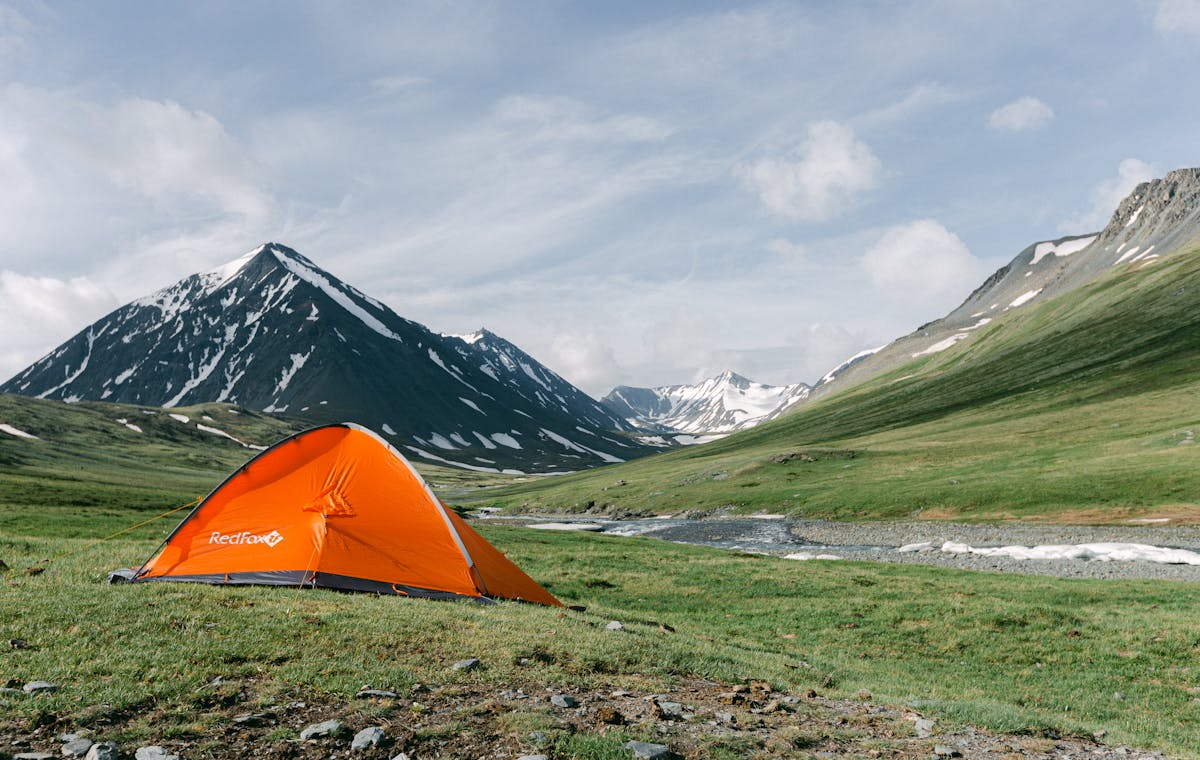
Here is where it gets interesting. Wild camping in Chile exists in a legal gray area that works overwhelmingly in the camper's favor. There is no national law explicitly prohibiting camping on public land outside of national parks. Inside parks, you must use designated sites. Outside parks, on public land and roadsides, people camp freely and have for decades. Locals do it. Truckers do it. Chilean families do it on weekends with folding chairs and coolers.
The practical rule: if the land is not fenced, not posted with "no camping" signs, and not obviously someone's property, you can pitch a tent. Along the Carretera Austral, roadside wild camping is so common that many pullouts have fire rings left by previous campers. In Patagonia, finding a flat spot out of the wind matters more than finding permission.
Use common sense. Do not camp on agricultural land without asking. Do not leave trash. And if someone tells you to move, move. I have wild camped dozens of nights in Chile and never had a problem.
Camping by Region: Where to Go and What You are Getting Into
Torres del Paine: The Booking Nightmare That is Worth It
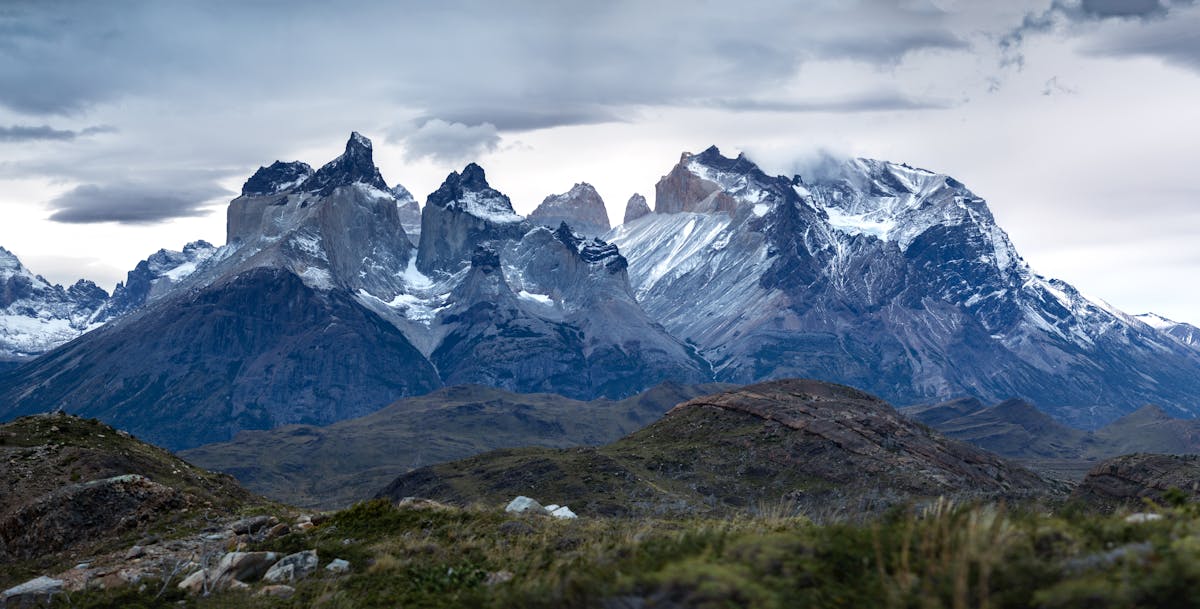
I need to be honest about Torres del Paine camping: the reservation system will test your patience. The park uses multiple concessionaires — Vertice and Fantastico Sur manage different campgrounds, and each has its own booking platform. Sites for the W Trek open months in advance and sell out fast during peak season (December through February). If you want a specific itinerary, start booking the day reservations open. I missed my first-choice dates by two days and had to restructure my entire trek.
Once you actually get there, though, the camping is extraordinary. Campamento Torres, the site closest to the base of the towers, sits in a forested valley where you fall asleep listening to the river and wake up to that view. Paine Grande, on the other side, overlooks the lake with the Cuernos del Paine lit up at sunset. Even the basic free campgrounds on the circuit — Paso, Seron — put you in landscapes that feel like they should cost more than they do.
Practical notes: the wind in Torres del Paine is not a joke. I am talking sustained 60-80 km/h gusts that will flatten an unsecured tent in seconds. Bring a four-season tent or at minimum a solid three-season with extra guylines. Stake everything. Then stake it again. I watched a tent go cartwheeling across Campamento Italiano because someone left it unweighted while they went on a day hike. Gone.
For the full breakdown on what to pack, see the Patagonia packing list.
Quick Tip
Book Torres del Paine campsites as soon as reservations open (usually June-July for the following December-March season). Check both Vertice and Fantastico Sur websites. And have backup dates ready because your first choice will probably sell out.
The Carretera Austral: The Best Free Camping in South America
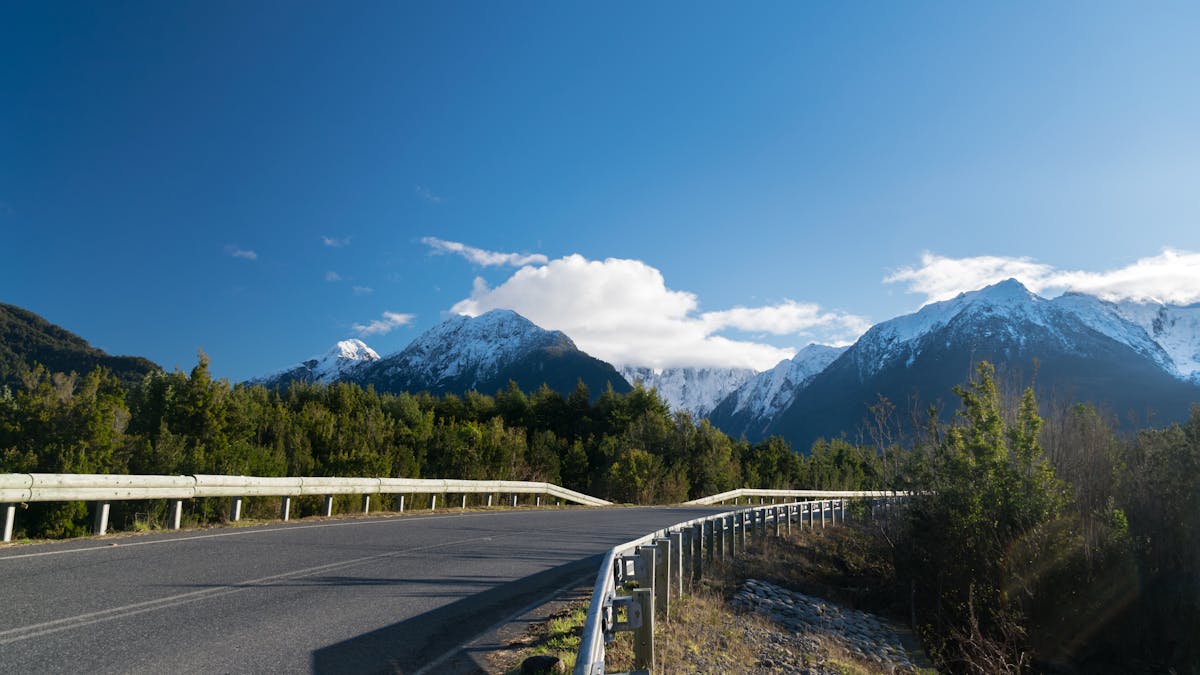
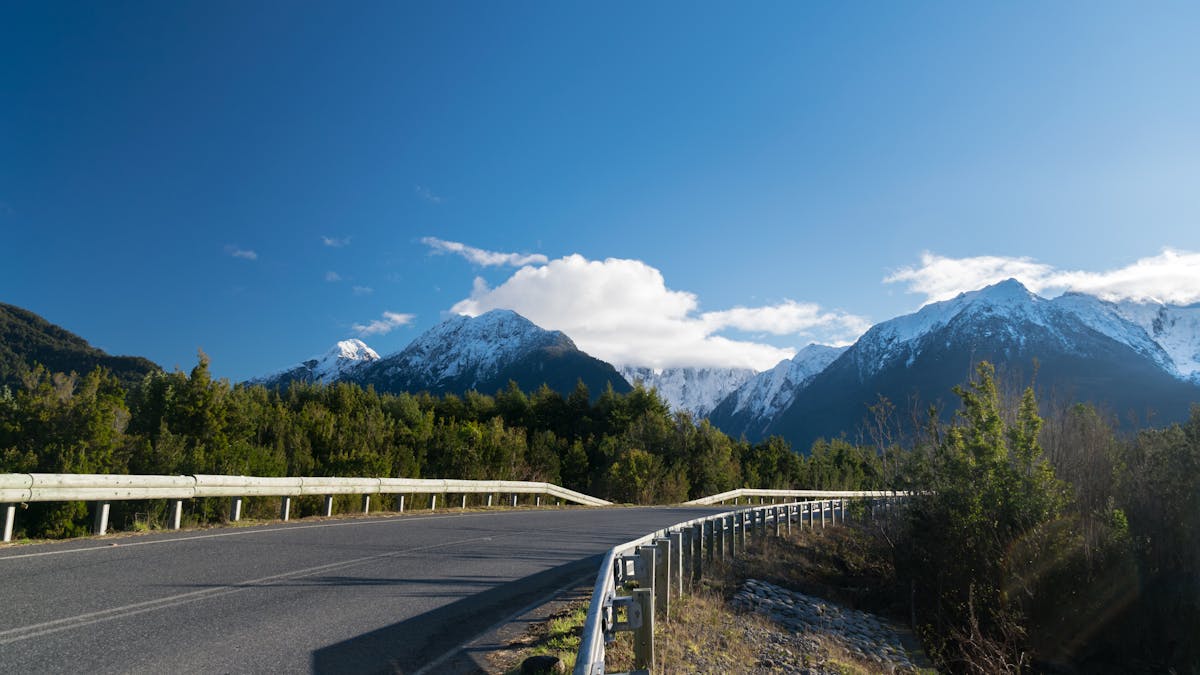
The Carretera Austral is where camping in Chile reaches its purest form. This 1,200-kilometer gravel road runs through some of the least populated and most scenically absurd territory in the country. Towns are small, spread far apart, and accommodation is limited and overpriced in peak season. Camping is not just an option here — for many travelers, it is the default.
The roadside free camps along the Austral are legitimate. River crossings, lakeside clearings, forest pullouts — pick your setting. I spent a week driving the southern section and wild camped every night except one (when I caved and paid for a hot shower at a private site near Coyhaique). My best spot was a gravel bar beside the Rio Baker, turquoise water, no one for kilometers, a fire ring left by whoever came before me. Cost: nothing.
The Austral demands self-sufficiency. Stock up on food and fuel in Coyhaique or Chaiten — towns in between have limited and expensive shops. And be prepared for rain. Not occasional showers. Four straight days of horizontal rain that turns every gravel road into mud and every tent vestibule into a swimming pool. Private campgrounds are scattered every 30-50 kilometers, mostly family-run, $5-8 per person. Some have quincho (covered cooking shelters), which are lifesavers in the rain.
The Lake District: Volcanoes, Hot Water, and Actual Facilities
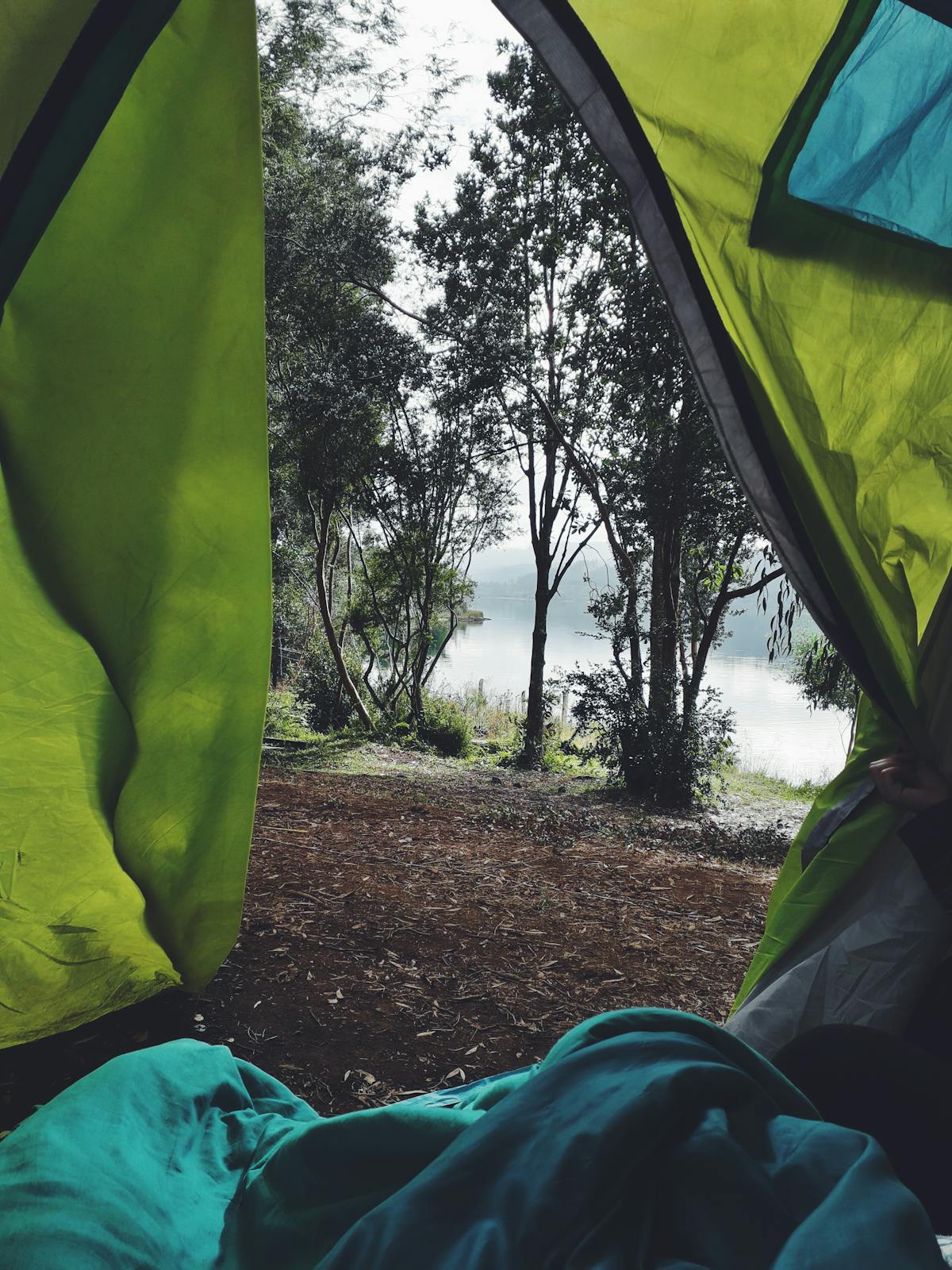
If Torres del Paine is camping on hard mode and the Austral is camping on adventure mode, the Lake District is camping on comfortable mode. The region between Temuco and Puerto Montt has the densest concentration of organized campgrounds in Chile, many of them lakeside, most of them with actual infrastructure: hot showers, electricity hookups, kitchen shelters, and sometimes even small shops.
Pucon is the backpacker hub, and there are easily a dozen campgrounds within a 20-minute drive. The ones right on Lago Villarrica fill up in January, but head slightly inland toward Parque Nacional Huerquehue or up toward Villarrica Volcano and you will find sites with more space and better views. Huilo-Huilo Biological Reserve has stunning forest campsites that feel like sleeping inside a nature documentary.
The Lake District is also where hot springs and camping overlap. Several campgrounds sit near thermal pools, and after a day of hiking there is genuinely nothing better than soaking in volcanic hot water and then crawling into your sleeping bag still warm. Termas Geometricas is the famous one (and priced accordingly), but smaller, cheaper termas pop up all along the volcanic chain.
Costs here run $8-15 per person per night for organized sites. The higher end gets you electricity and cleaner bathrooms. The lower end is fine — just less polished.
The Atacama: Desert Camping Under the Clearest Skies on Earth
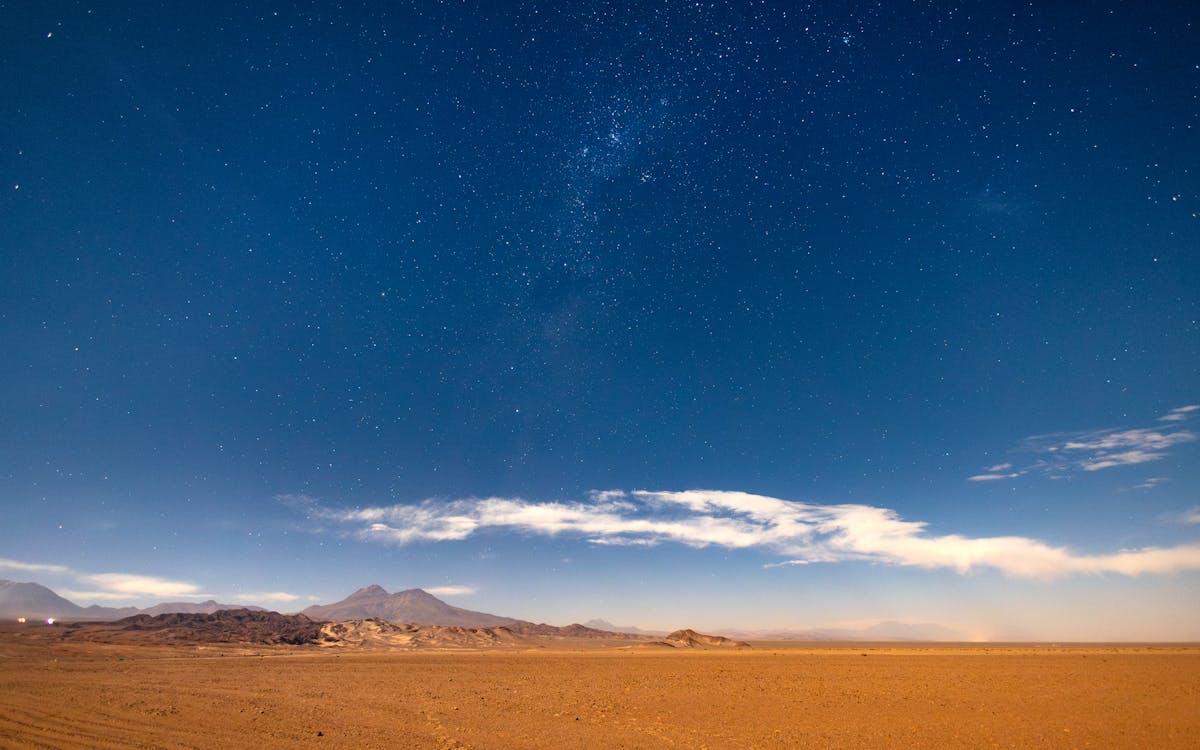
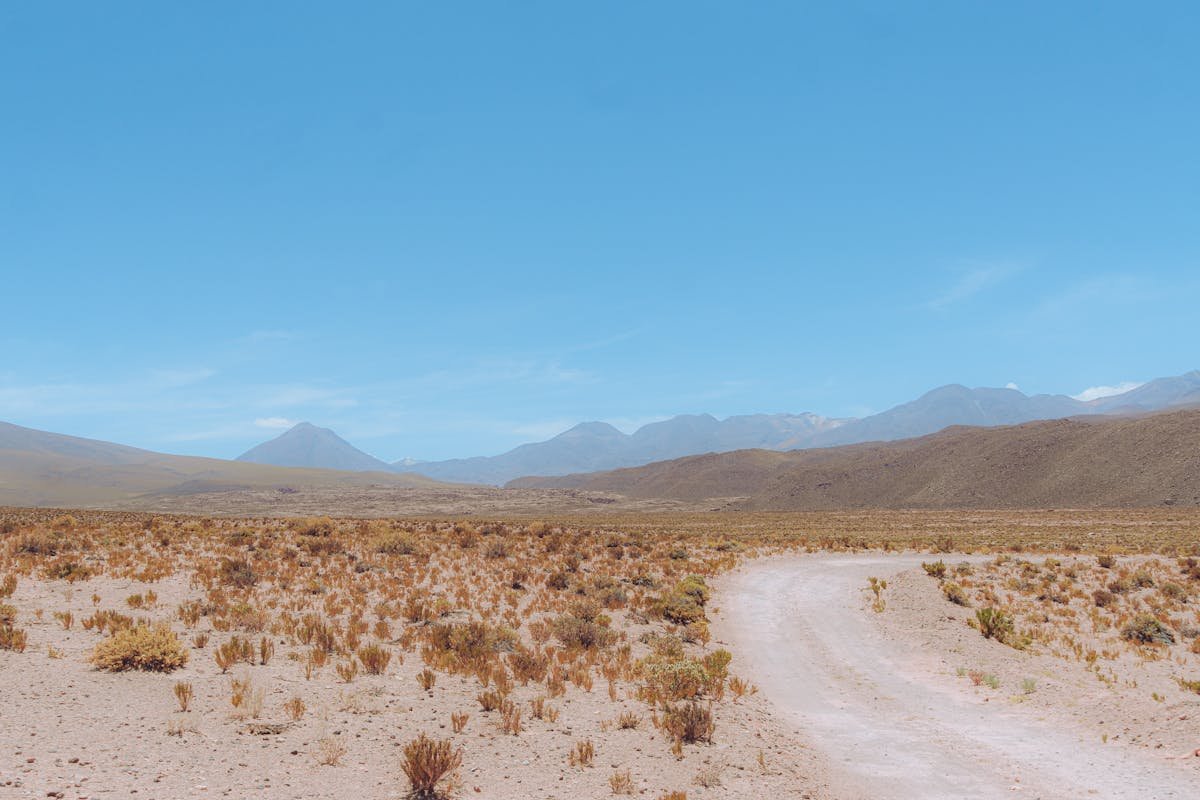
Camping in the Atacama Desert is a completely different animal from Patagonia or the Lake District. The challenges flip. Instead of rain and wind, you are dealing with extreme temperature swings (30C during the day, below freezing at night), zero shade, and absolute dryness that cracks your lips and dehydrates you faster than you realize.
The payoff is the sky. The Atacama is one of the driest places on Earth, with some of the clearest atmospheric conditions anywhere. Camping here means lying in your tent with the fly off, staring at more stars than you thought existed. The Milky Way is not a faint smudge — it is a bright, textured band that stretches from horizon to horizon. I have traveled specifically for stargazing and nothing else comes close.
Official campground options near San Pedro de Atacama are limited and not great. Most "campgrounds" near town are dusty lots with minimal facilities. The better play is to camp in or near the high-altitude areas — Salar de Talar, the approach roads to various salars, or along the route toward the Bolivian border. Wild camping is straightforward because the desert is mostly empty public land, but you need to be completely self-sufficient. Bring all your water. All of it. There is none out there.
Altitude is the other factor. Many Atacama camping spots sit above 3,500 meters. If you are coming from sea level, spend at least two days in San Pedro (2,400m) before sleeping at altitude. I pushed too high too fast on my first Atacama trip and spent a miserable night at 4,200 meters with a headache that felt like someone was standing on my skull.
Central Chile: Cajon del Maipo and Weekend Escapes from Santiago
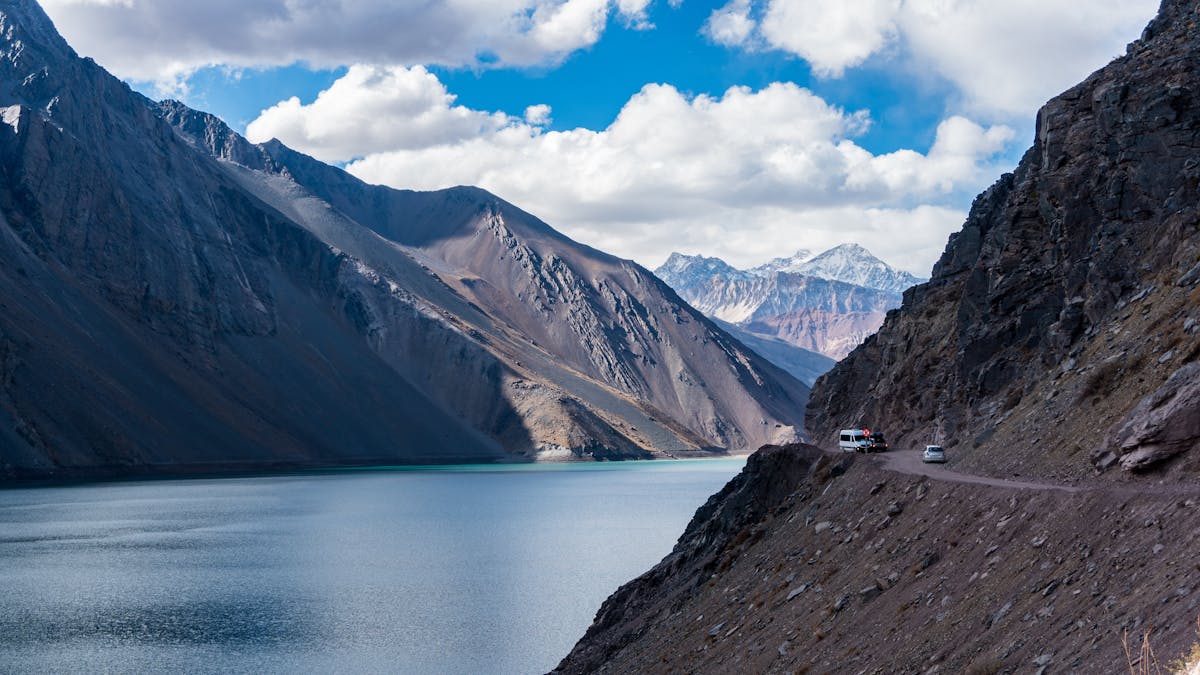
Not all camping in Chile requires a flight south or a week of driving. Cajon del Maipo, barely an hour from Santiago, has legitimate mountain camping in a dramatic Andean canyon. The valley climbs from 800 meters to over 3,000, with campgrounds scattered along the road at various elevations. Baños Morales, at the end of the paved road, has basic camping with access to natural hot springs and day hikes into the mountains.
The reality check: Cajon del Maipo is Santiago's backyard, and on summer weekends it shows. The popular campgrounds fill by Friday afternoon, the road in gets congested, and the riverside sites near the entrance of the canyon get loud. Go midweek if you can. Or push past the main campgrounds to the end of the road where fewer people bother going.
Other central options: Parque Nacional La Campana (where Darwin climbed to the summit in 1834) has basic CONAF camping, and the coastal range near Valparaiso has a few sites worth knowing about. But honestly, central Chile camping is more about convenience than spectacle. If you have limited time and are based in Santiago, Cajon del Maipo is the move. If you have a week or more, get on a plane south.
Gear: What to Bring, What to Buy in Chile, and What You Will Wish You Had
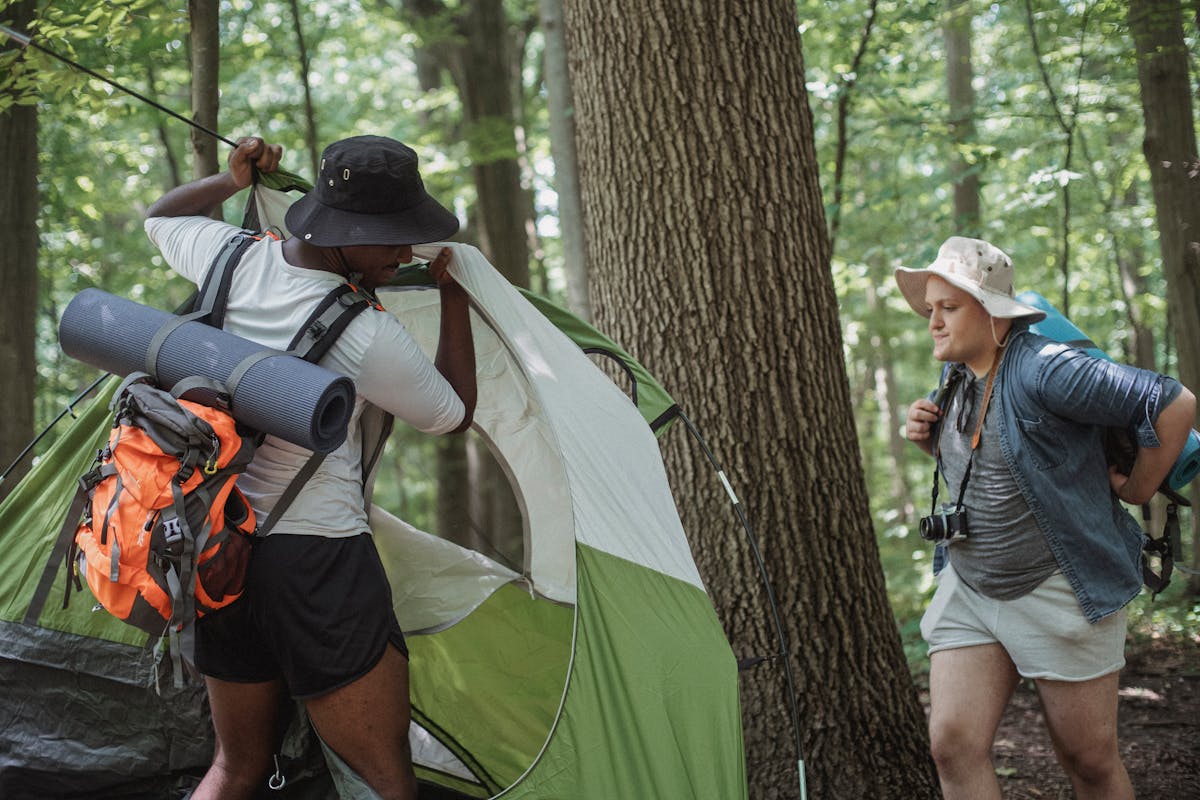
Bring from home: your tent, sleeping bag, and sleeping pad. Full stop. These are either expensive or low quality in Chile. My MSR Hubba Hubba survived Torres del Paine, but barely — I added extra guylines before the trip and used every one. Freestanding tents matter because many Patagonian campsites have rocky ground where stakes are useless. Sleeping bag: at least -5C for Patagonia (even in summer), -10C for Atacama at altitude, 0C for the Lake District.
Compact stoves (Jetboil-style) are available at outdoor shops in Santiago and Pucon. Not cheap, but saves lugging one on the flight.
The Gas Canister Problem
Screw-on Lindal valve canisters (the kind that fits Jetboil, MSR, and most compact stoves) are hard to find outside major cities. Santiago has them at Doite and Lippi. Pucon has them at a couple of outdoor shops. Everywhere else? Good luck. What you WILL find is Coleman-style puncture canisters that fit old-school stoves Chileans use. If you are backpacking with a lightweight stove, stock up in Santiago. Buy two more canisters than you think you need. I learned this the hard way in Chaiten when my last one ran out and the only gas available was for a stove I did not own.
Quick Tip
You cannot fly with gas canisters. Buy them in Santiago at Doite (multiple locations) or Lippi (Costanera Center mall). Buy extra. Seriously.
Water, Safety, and the Things Nobody Tells You
Water Sources
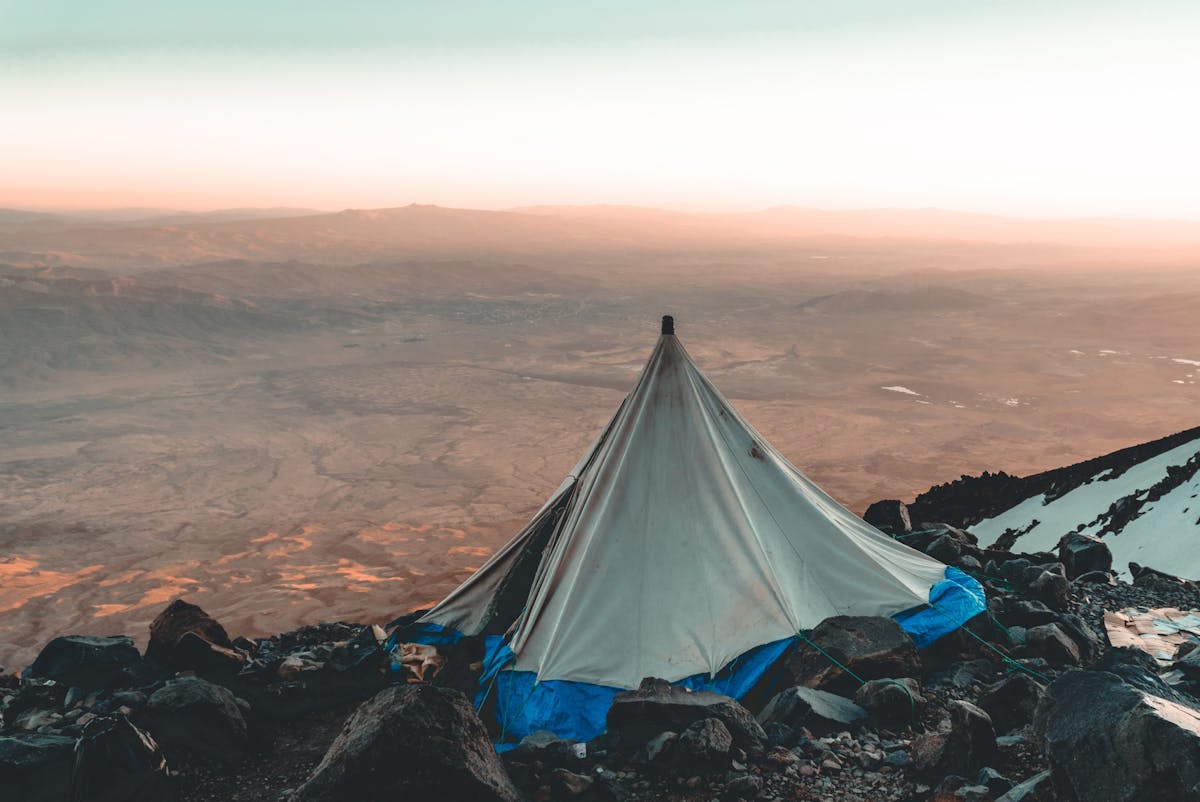
In Patagonia and the Lake District, river water is generally clean with a Sawyer filter. Always filter — giardia exists, and livestock grazes along many rivers. In the Atacama, there is no natural water. Period. Carry a minimum of 4 liters per day. Dehydration sneaks up because sweat evaporates instantly in the dry air. CONAF campgrounds and most private sites have potable water, though I still filtered at more remote spots.
Critters
Chile has no bears, no large predators that care about humans, and no venomous snakes in camping regions. What you WILL deal with: mice. Chilean mice are fearless. They will chew through tent mesh to reach food. In Torres del Paine, decades of campers have trained them that tents equal food. Store everything in hard-sided containers or hang it.
Tabanos (horseflies) are brutal in the Lake District and along the Austral during January and February. They bite through clothing. I have moved campsites specifically to escape a swarm. Bring strong repellent.
Theft
Do not leave valuables in your tent at popular campgrounds near towns. Keep your passport, cash, and electronics on you or locked in your vehicle. Deep in the backcountry the risk drops to near zero — nobody is carrying your gear back out on a trail.
Campfires: The Rules are Strict and Getting Stricter
CONAF bans open fires in most national parks during summer (November-March). Fines for illegal fires are steep and enforced. Your camping stove is your primary cooking method — do not plan a trip around campfire cooking. The only regions where fires are regularly tolerated are southern Patagonia (where it is wet enough that fire risk is lower) and winter camping in central Chile. Use established fire rings, keep fires small, and dead-out fully before sleeping.
The Cooking Setup That Actually Works
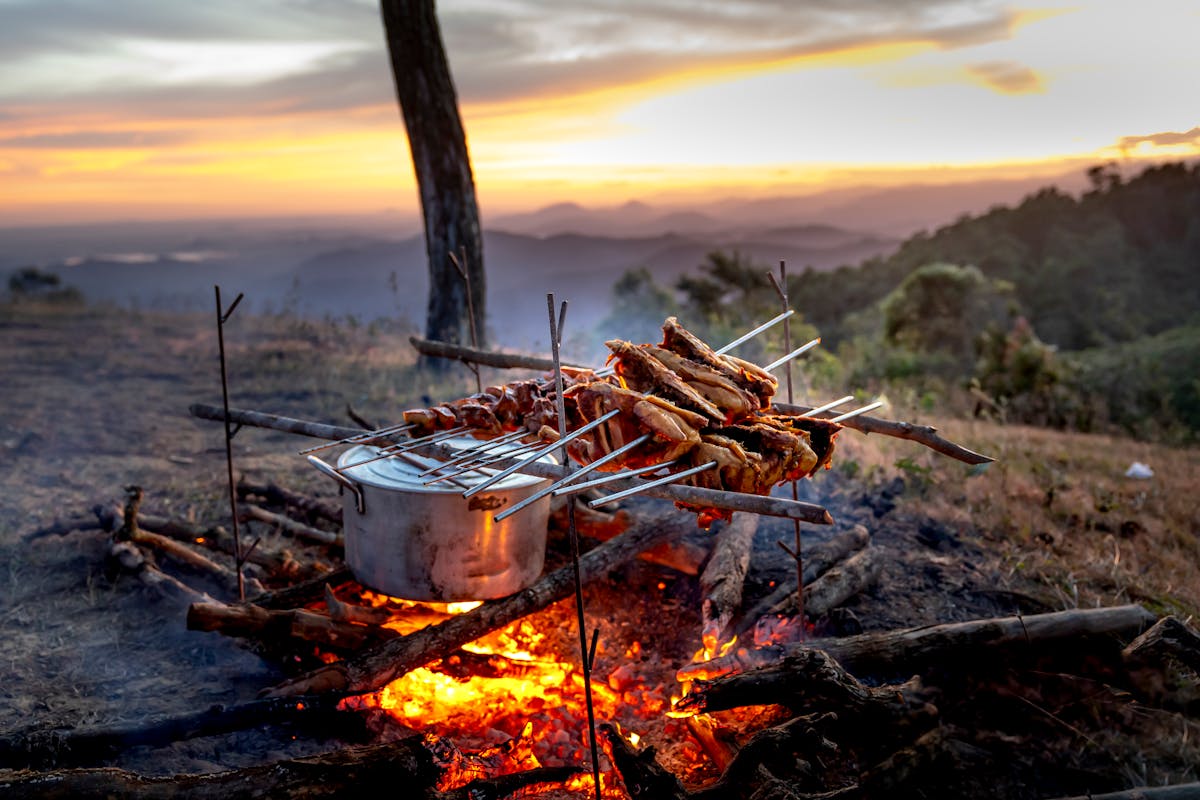
I carry a Jetboil for boiling water fast and a small flat burner (MSR PocketRocket) for actual cooking. One 1-liter pot, one small frying pan, a spork, a pocket knife, and a collapsible bowl. That is the full kit. I buy most food in Chilean supermarkets before hitting the trail. Lider (Walmart-owned) and Jumbo have decent camping food sections:
| Pasta + sauce packets | Cheap, filling, available everywhere |
| Instant oatmeal + dried fruit | Best trail breakfast |
| Canned tuna | Protein that does not need refrigeration |
| Hard cheese + salami | Lasts 3-4 days unrefrigerated |
| Trail mix (frutos secos) | Bulk bins at Jumbo are cheapest |
| Instant coffee sachets (Nescafe) | Not great, but hot caffeine when you need it |
| Pan de campo (country bread) | Dense, lasts days without going stale |
For food storage, hang a dry bag from a tree branch at night with a carabiner and paracord. Mice are the Chilean equivalent of bears when it comes to raiding camp food. In Torres del Paine, some campgrounds have metal food lockers — use them.
What It Actually Costs: A Real Budget
Camping is the cheapest way to travel Chile. Here is what I actually spent:
| Expense | Cost per night/day |
| CONAF campsites | $5-10/night |
| Private campgrounds | $6-15/night |
| Wild camping | Free |
| Food (self-catering) | $8-12/day |
| Gas canisters (230g) | $8-12 each, one lasts ~4-5 days |
| Park entrance fees | $5-25 per park |
| Occasional hot shower at private site | $1-2 |
All in, I averaged around $20-25 per day when mixing paid and free camping, cooking all my own meals. Compare that to $60-80 per day minimum with hostels and restaurants. The money and costs guide has more detail on overall Chile travel budgets, but camping is the single biggest money saver available.
Torres del Paine is the exception. Park entrance alone is around $25 for foreigners, and campground prices inside the park are higher — $10-20 per night at the concession-run sites. Plus you are buying expensive provisions at the park shops if you did not bring enough. Budget $40-50 per day for Torres del Paine even while camping.
My Best Camping Experiences, Ranked
Because opinions are the point. These are my actual favorites, not the ones that look best on paper.
1. Rio Baker wild camp, Carretera Austral. The turquoise river, the silence, the Milky Way reflected in the water. No facilities, no people, no cost. The best night I have spent in a tent anywhere in the world.
2. Campamento Torres, Torres del Paine. Waking up and walking twenty minutes to see the towers lit up by sunrise. Yes, it is crowded. Yes, the mice are a menace. It does not matter. That morning view earns its reputation.
3. Atacama desert camp above 4,000 meters. The cold was rough but the sky was not even real. I lay on my back outside the tent for an hour watching satellites cross the Milky Way. Then my fingers went numb and I went to bed.
4. Lago Todos los Santos, Lake District. A lakeside site with volcano views and hot springs thirty minutes away. This is the camping trip I recommend to people who think they do not like camping.
5. Caleta Tortel boardwalk camping. Sleeping on wooden platforms over the water in a town connected entirely by boardwalks instead of roads. Completely unique.
Final Practical Notes
A few more things that do not fit neatly elsewhere but matter:
When to camp: December through March for most of Chile. November and April are shoulder months — fewer crowds, colder nights. The Lake District extends into October. The Atacama works year-round but winter nights (June-August) at altitude are brutally cold. See the when to visit guide for more on timing.
Rental camping gear: Pucon and Puerto Natales both have gear rental shops. Quality varies. I once rented a "two-person tent" in Puerto Natales that was clearly a one-person tent with optimistic marketing. Bring your own sleeping bag if heading to Patagonia — the rental ones are rarely warm enough.
Camping with a rental car: If you are renting a van or SUV for the Austral, you barely need campgrounds at all. Just make sure the rental agreement allows gravel roads — most do not by default, and the Austral is almost entirely gravel south of Chaiten.
Leave No Trace: Pack out everything. Chile's wild spaces are still wild partly because most campers respect them. I carry a zip-lock bag specifically for toilet paper. Do not be the person who ruins a free campsite for everyone else.
Chile is, bar none, the best camping country I have experienced in South America. The combination of accessible wild land, dramatic scenery across every climate zone, low costs, and a culture that treats camping as normal rather than extreme makes it work in a way that few countries manage. The conditions are not always comfortable. The wind will test you. The mice will find your snacks. The gas canisters will be out of stock. And none of that will matter when you are sitting outside your tent watching the light change on a glacier, eating pasta out of a pot, with nowhere you need to be tomorrow.