This article contains affiliate links. If you book through them, I earn a small commission at no extra cost to you.
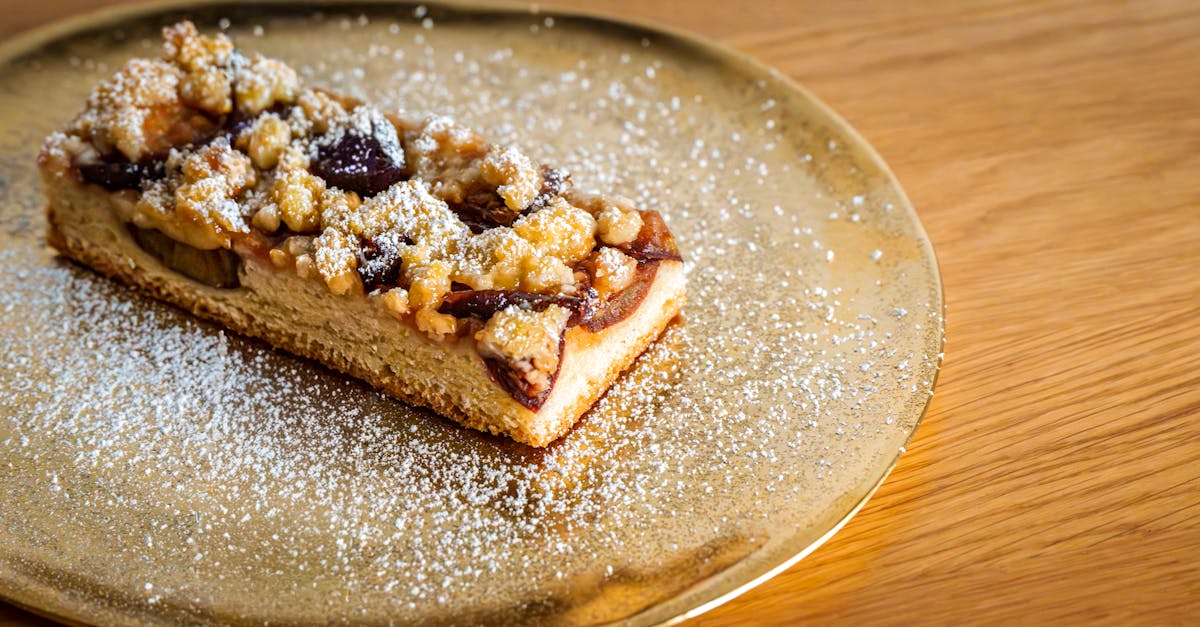
The kuchen arrived before I had even sat down properly. I was still pulling off my jacket, still fumbling with the chair, and this older woman in a flour-dusted apron set a plate in front of me like she had been expecting me. Raspberry streuselkuchen. Warm. The crumble topping cracked when I pressed my fork into it and a ribbon of steam rose from the fruit layer underneath. I had not ordered yet. I looked around — three other tables, all locals, all eating the same thing. This was not a menu situation. This was a you-eat-what-we-baked-this-morning situation.
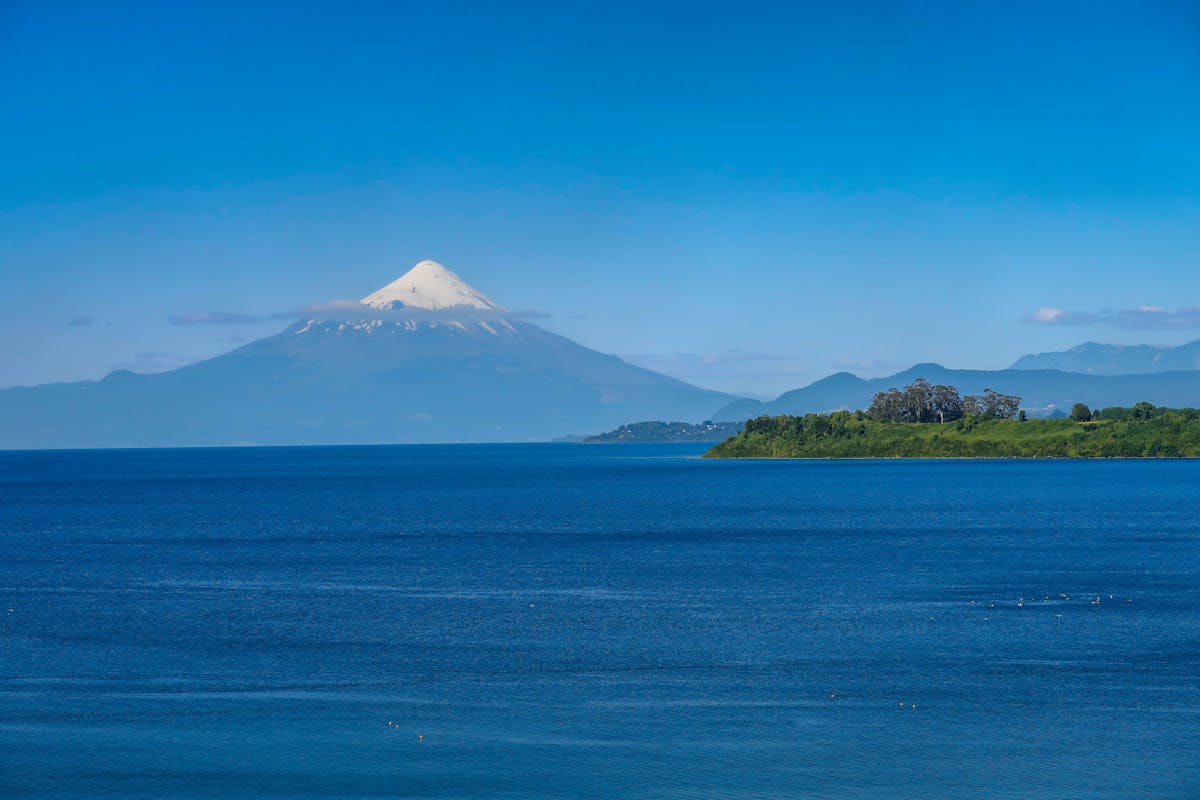
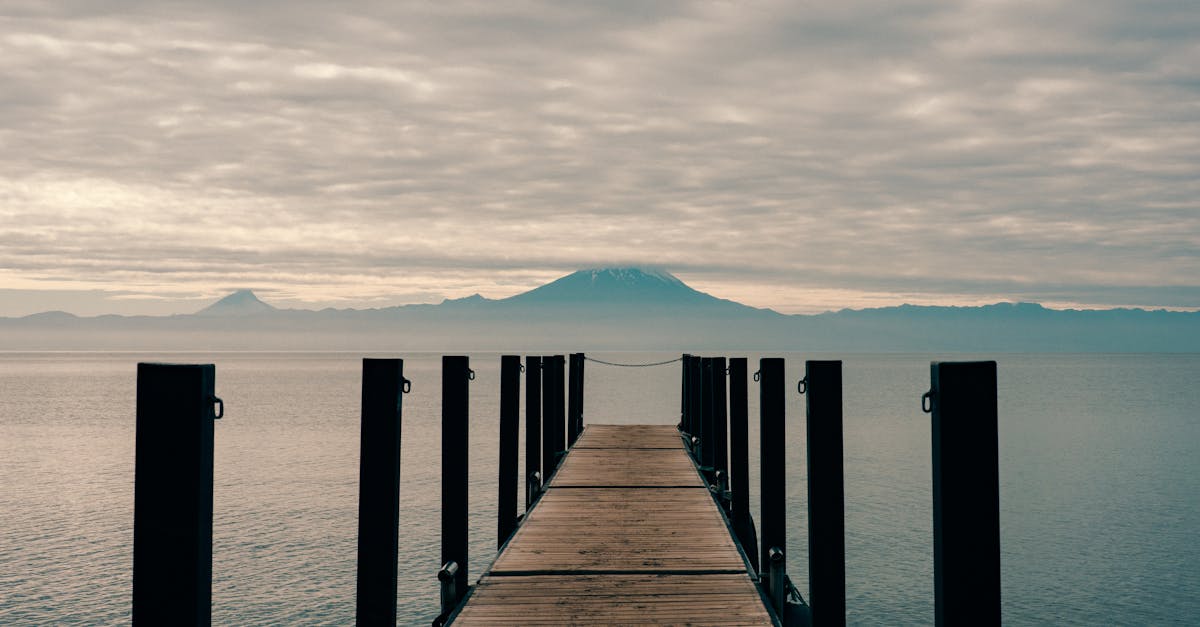
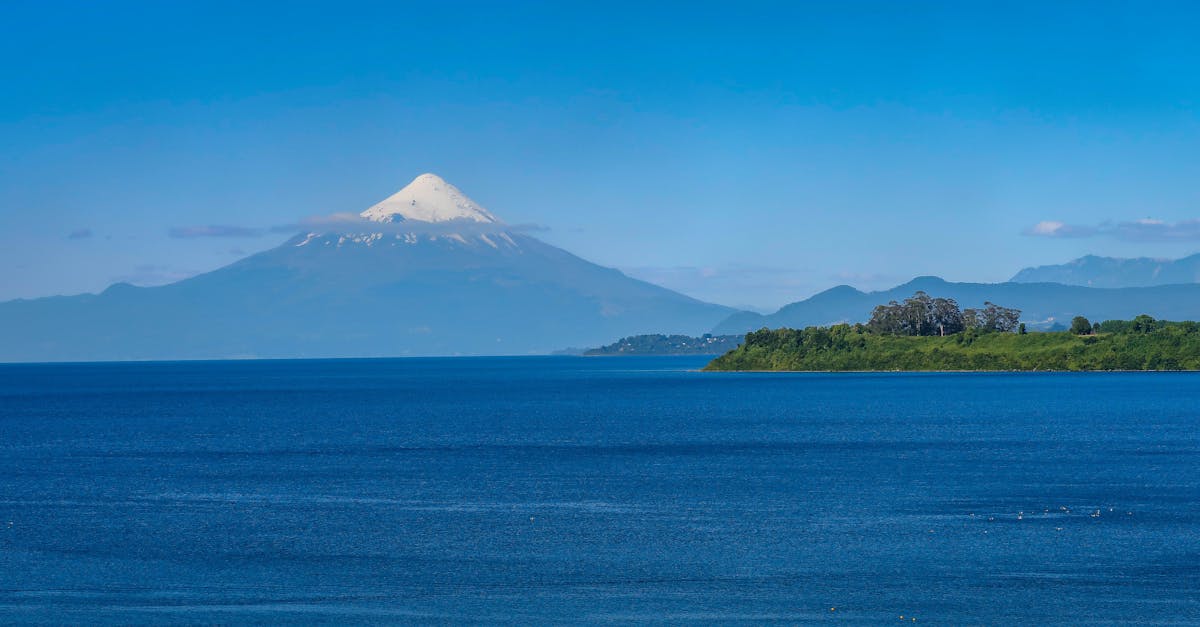
I was in Frutillar because someone in Puerto Varas told me I had to go. "Twenty minutes north," she said. "Better kuchen. Better view. And there is a concert hall that makes no sense." All three of those turned out to be true, though the concert hall part was an understatement. Frutillar is a town of about 16,000 people on the western shore of Lago Llanquihue, and it has a performing arts center that would not look out of place in Berlin or Santiago. It also has possibly the single most photogenic viewpoint in Chile's entire Lake District — Osorno volcano reflected in the lake from a wooden pier, framed by rose gardens and German colonial houses. The whole setup looks staged. It is not.
Why Frutillar and Not Puerto Varas
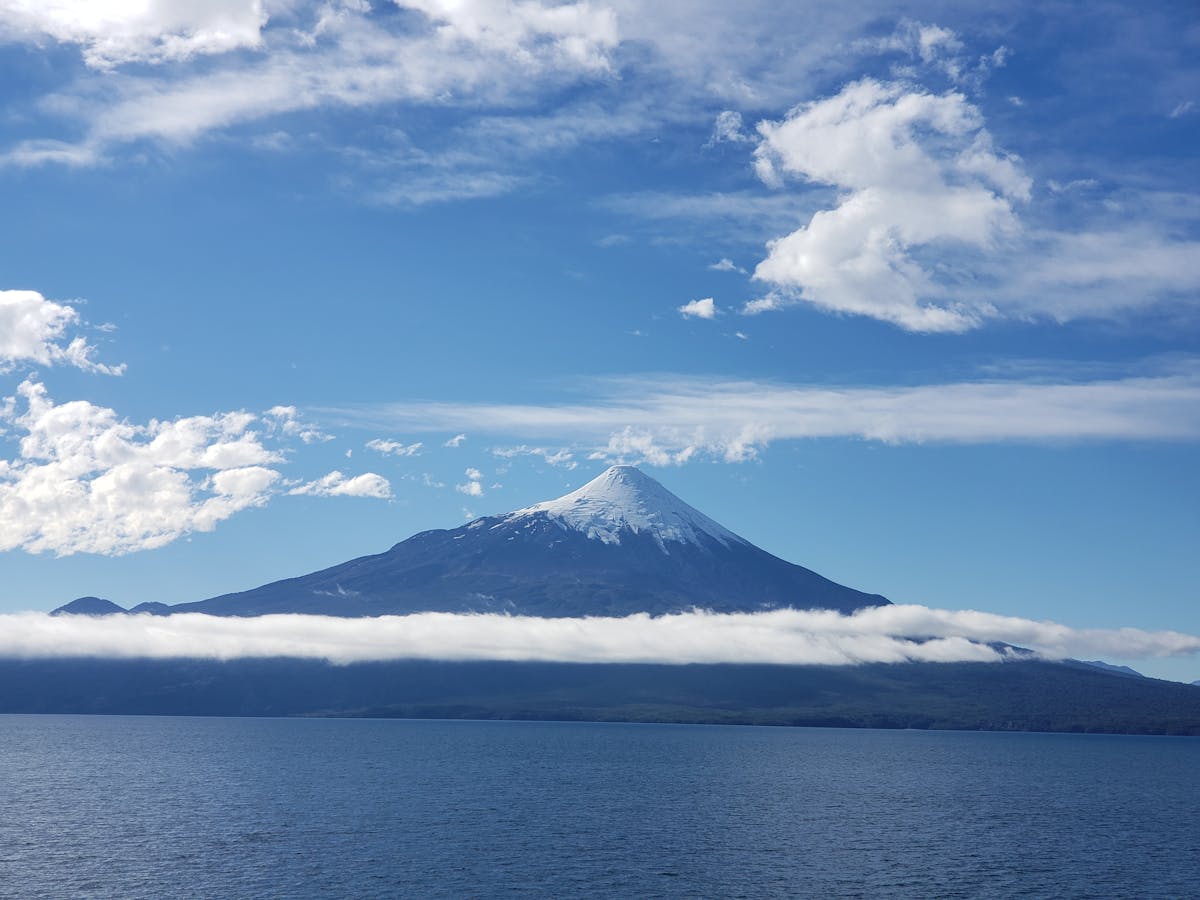
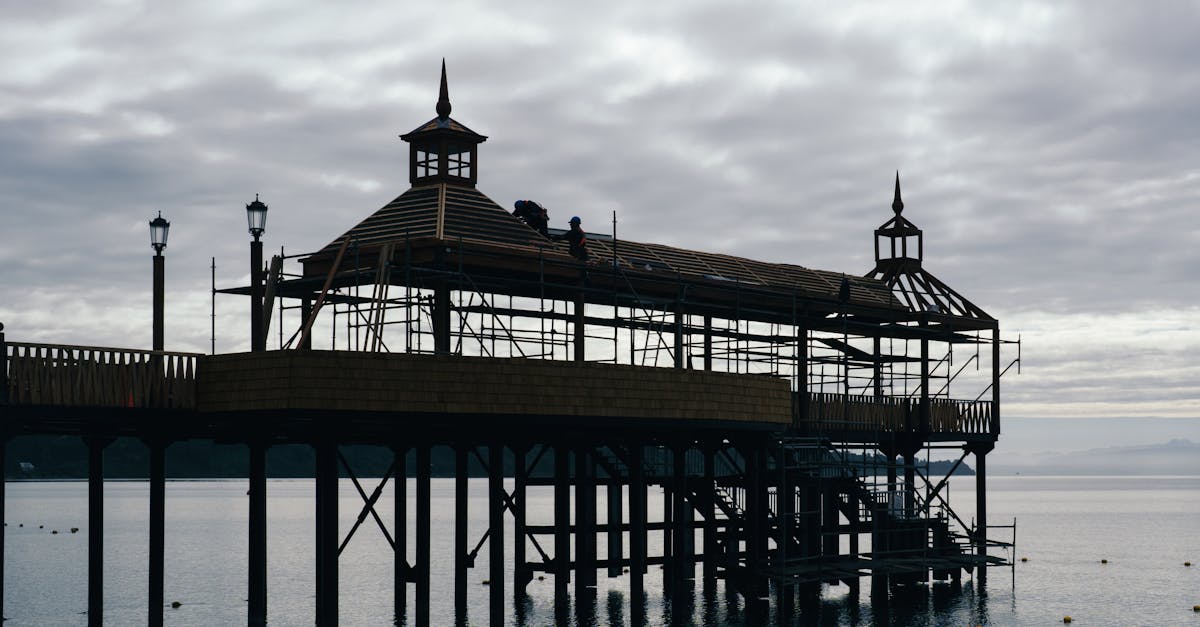
Puerto Varas is the default base for the southern Lake District and Frutillar is usually treated as a half-day side trip. Fair enough — Puerto Varas has more restaurants, more accommodation, better transport connections. But Frutillar does one thing Puerto Varas cannot match: the view. Puerto Varas sits at an angle to Osorno, the volcano competing with Calbuco and the general sprawl of town. Frutillar faces Osorno dead-on across seven kilometers of flat water. On a still morning the reflection doubles it. You do not need to hike or wake up at 4am. You walk down to the pier and there it is.
The scale helps too. Frutillar Bajo — the lakeside part where everything worth seeing sits — runs about eight blocks along the shore. You can walk it in forty minutes. No traffic, no tour buses, no souvenir strip. Even in January I never felt crowded. Quick note: Frutillar is split in two. Frutillar Alto sits up on the highway with the supermarkets and bus terminal. Frutillar Bajo is the lakefront below — the pier, bakeries, museum, all of it. If your bus drops you in Alto, grab a taxi (2,000 pesos) or take the colectivo from Puerto Varas (1,500 pesos) that drops you right on the lakefront road.
Quick Tip
If you are driving, park along the costanera (lakefront road) in Frutillar Bajo. Free parking, no meters, rarely full even in peak season. The lot near the Teatro del Lago fills up first.
Teatro del Lago — A Concert Hall That Has No Business Being Here
I need to explain the Teatro del Lago because nothing I say will prepare you for how absurd it is in context. You are walking along a quiet lakefront promenade. German-style cottages. Rose bushes. A couple of dogs sleeping in the sun. And then suddenly there is a 35,000-square-foot performing arts center with floor-to-ceiling glass walls overlooking the lake. It looks like it was teleported from a European capital and landed in this tiny Chilean town by accident.
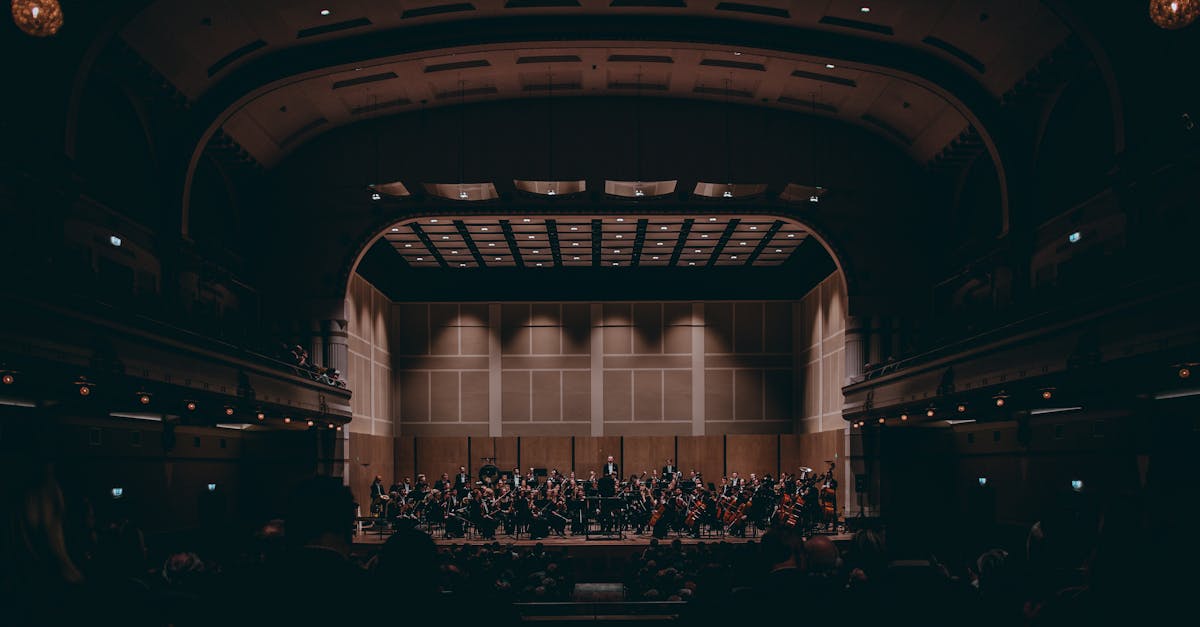
It was not an accident. The project was funded by a single patron — the Chilean-German businessman Guillermo Frick — who wanted to build a world-class concert hall in his hometown. It took over a decade to complete, opening in 2010, and the result is genuinely stunning. The main hall seats about 1,200 people. The stage faces a glass wall with Lago Llanquihue and Osorno volcano behind it. Imagine watching an orchestra perform with that as the backdrop. I did not catch a performance (wrong month), and I still think about it.
Even without a show, the building is worth visiting — rotating art exhibitions, a cafe with lake views, and guided tours through the rehearsal spaces and auditorium. The architecture alone makes it one of the most impressive cultural buildings I have seen in South America.
Semanas Musicales de Frutillar
The big reason to time your visit is the Semanas Musicales — the Frutillar Musical Weeks. Running every year in late January through early February, this is one of Chile's oldest and most respected classical music festivals. It started in 1968, decades before the Teatro del Lago existed, as a small chamber music series in local churches. Now it fills the new concert hall with performances every night for two to three weeks — orchestras, soloists, chamber groups, sometimes jazz and contemporary acts mixed in.
Tickets sell fast for the headline performances but are surprisingly affordable (starting around 10,000-15,000 pesos for standard seats, more for premium). There are also free outdoor concerts on the lakefront during the festival, which is where the locals tend to gather. Bring a blanket, buy kuchen to go, sit on the grass facing the lake. That might be the best free entertainment in the entire Lake District.
The Kuchen Trail — and Why Frutillar Is the Capital
Every town in the southern Lake District has kuchen. Puerto Varas has it. Valdivia has it. Puerto Octay has it. But Frutillar is where the German baking tradition runs deepest, and the concentration of bakeries relative to town size is ridiculous. In an eight-block lakefront strip there are at least six places selling kuchen, and several of them are operating from recipes that have been in the same families for three or four generations.
Kuchen in southern Chile is a specific thing: a yeast dough base, a layer of fresh fruit (raspberry, blueberry, apple, murta), usually a custard layer, and a streusel crumble on top. It is not delicate. A proper slice weighs as much as a small brick. The fruit-to-crumble ratio matters enormously — too much crumble and it is dry, too much fruit and the base goes soggy. The best bakeries in Frutillar get this right in a way that I did not find consistently in Puerto Varas, where some places clearly make kuchen for tourists who do not know the difference.
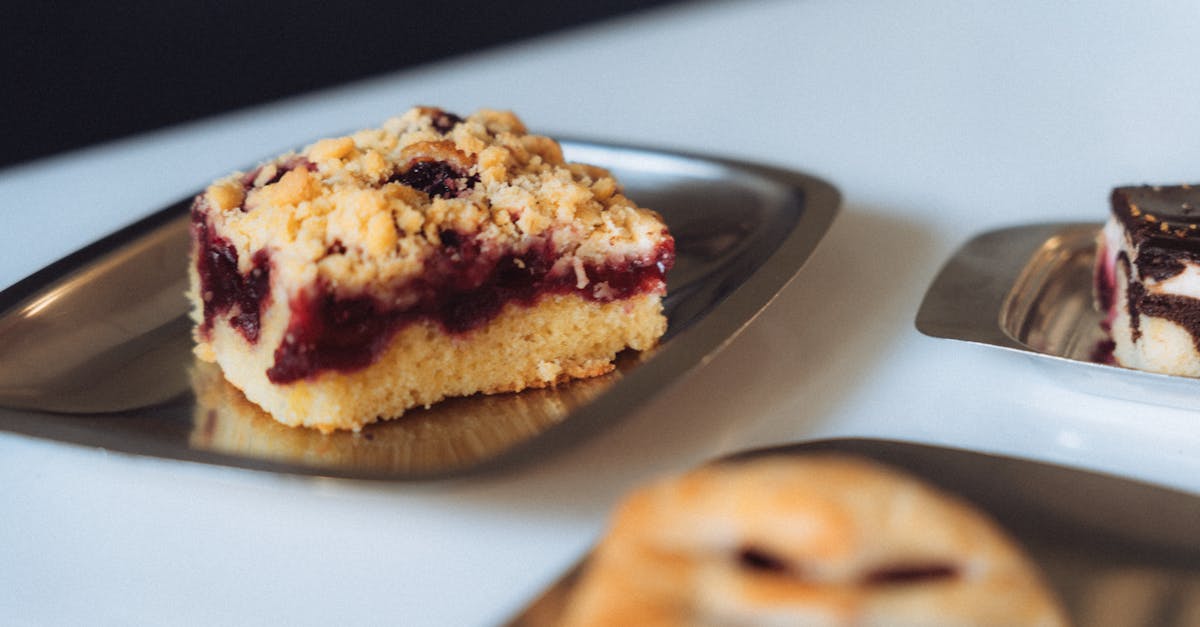
The standout was a salon de te on Calle Philippi where the display case held maybe five items, all kuchen. The woman behind the counter asked "raspberry or apple?" and that was the full ordering experience. Raspberry — still faintly warm, fruit soft but not jammy, crumble that shattered. About 3,000 pesos. The lakefront cafes are fine for a view but charge tourist prices (4,000-5,500 pesos per slice) and the kuchen sits in the case longer. Walk one block inland and the prices drop by a third and the product improves.
Quick Tip
Try kuchen de murta if you see it. Murta is a wild berry that grows only in southern Chile — somewhere between strawberry and guava, totally unique. It shows up in bakeries from late summer through autumn. You will not find it north of Temuco and you will not find it outside Chile.
The Museo Colonial Aleman — Where It All Started
The Museo Colonial Aleman de Frutillar sits on a grassy slope above the lake and explains how a small town in southern Chile ended up with German bakeries, German architecture, and a classical music tradition. The short version: in the 1850s, the Chilean government actively recruited German-speaking immigrants to settle the southern frontier — part of a larger colonization push that reshaped Chilean culture in the south. They arrived in waves — farmers, craftsmen, merchants — and built communities modeled on the ones they had left behind.
The museum is a cluster of reconstructed buildings — a farmhouse, a smithy, a water mill, a barn — furnished with original period items. You can walk the whole thing in forty minutes. What I liked is that it does not romanticize the story — there are panels about the displacement of the Mapuche and Huilliche people who lived here first. The grounds sit above the lake with Osorno filling the background. Entry is 3,000 pesos. Give it an hour, then walk back along the lakefront toward the pier.
The Beach That Shouldn't Exist
Frutillar has a beach. A proper beach — dark volcanic sand, shallow water, families with towels and umbrellas in summer. On a lake. With a volcano behind it. The whole scene looks like someone Photoshopped a beach holiday onto a Patagonian landscape.
Playa de Frutillar runs for a few hundred meters along the costanera south of the pier. In January and February the water gets warm enough to swim — warm enough by Lake District standards, which means about 18-20 degrees Celsius. Locals will tell you it is "warm." I got in up to my knees and felt my feet go numb within two minutes. The kids did not seem to care. The view while standing in the shallows — Osorno dead ahead, the pier to your right, the Teatro del Lago behind you — is absurd.
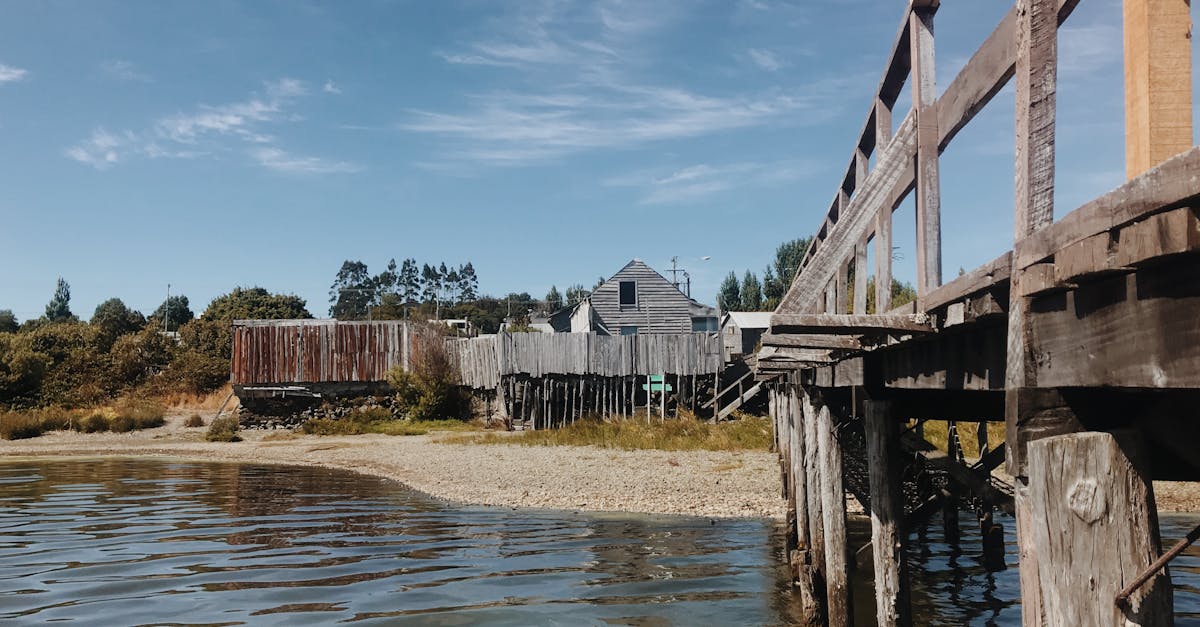
Outside of summer it becomes a walking spot — moody, windswept, sometimes beautiful in the rain when Osorno disappears behind low cloud. I was there on a grey shoulder-season morning and had the whole stretch to myself. A stray dog followed me the entire way. Classic Chile.
Day Trip or Overnight? How to Fit Frutillar In
Most people visit Frutillar as a day trip from Puerto Varas, and honestly, that works. Twenty minutes by colectivo, half a day to see everything, back in time for dinner. The town is small enough that you can walk the lakefront, visit the museum, eat kuchen, peek into the Teatro del Lago, and sit on the pier — all without rushing.
But if you can swing it, staying one night changes the experience. Frutillar at sunset, when the day-trippers have gone and the light turns Osorno pink, is a different town. And Frutillar at breakfast — when the bakeries are pulling the first kuchen from the ovens and the lake is still glassy — is something else again. There are a handful of small hotels and B&Bs along the costanera, most of them in renovated German houses with lake views. Expect to pay 50,000-80,000 pesos per night for a double room in high season.
If you are doing the two-week Chile itinerary, Frutillar slots in naturally as part of the Lake District portion. Base in Puerto Varas and do the day trip, or spend one of your Puerto Varas nights in Frutillar instead. Either way, do not skip it.
When to Go and How to Get There
December through February is the best window — longest days, warmest temperatures (18-22 degrees), and the most reliable clear weather. January brings the Semanas Musicales and peak prices. March-April is shoulder season and arguably the most photogenic time — autumn color, softer light, fewer people. Winter (May-September) is cold and grey, but the bakeries are warm and you will have the pier to yourself. Read more in the when to visit Chile guide.
Frutillar sits 20 minutes north of Puerto Varas and an hour from Puerto Montt airport. Colectivos from Puerto Varas run frequently (1,500 pesos) and drop you on the lakefront. If you are renting a car for a Lake District circuit, the drive from Puerto Montt airport is about 75 minutes via Ruta 5. Within Frutillar Bajo you need nothing — everything is within a fifteen-minute walk along the costanera.
What It Costs
| Colectivo from Puerto Varas | $1,500 CLP (~$1.50 USD) |
| Museo Colonial Aleman entry | $3,000 CLP (~$3 USD) |
| Kuchen (bakery, inland) | $2,500-3,500 CLP (~$2.50-3.50) |
| Kuchen (lakefront cafe) | $4,000-5,500 CLP (~$4-5.50) |
| Coffee | $2,000-3,000 CLP (~$2-3) |
| Teatro del Lago guided tour | $3,000-5,000 CLP (~$3-5) |
| Semanas Musicales tickets | $10,000-40,000 CLP (~$10-40) |
| B&B double room (high season) | $50,000-80,000 CLP (~$50-80) |
| Lunch (casual restaurant) | $8,000-12,000 CLP (~$8-12) |
Frutillar is cheap by Lake District standards. The main expense is accommodation if you stay overnight. As a day trip from Puerto Varas, you can do the whole thing — transport, museum, kuchen, coffee — for under $15 USD.
Quick Tip
ATMs exist in Frutillar Alto but not in Frutillar Bajo. Bring cash — some of the smaller bakeries and shops do not take cards. The lakefront cafes accept cards but you will miss the best kuchen if you only eat where Visa is accepted.
The Prettiest Lakeside Town in Chile
The Lake District is full of good views. Pucon has Villarrica. Puerto Varas has the two-volcano panorama. But Frutillar puts all the pieces together in a way the other towns do not — pier, volcano, lake, German houses, rose gardens, concert hall, all visible from one spot. Puerto Varas is a bigger, better town in many practical ways, but in Frutillar everything is compressed into eight perfect blocks. Puerto Varas is the town you stay in. Frutillar is the town you photograph.
And sometimes — like when I was standing on that pier at sunrise watching Osorno turn from grey to pink to white as the lake went still, holding a paper bag with a slice of kuchen I had not eaten yet because I did not want to look away — Frutillar is the town you remember longest.
Go. Eat the kuchen. Stand on the pier. If the Semanas Musicales are happening, stay for a concert. And when someone in Puerto Varas tells you to visit, do what I did. Listen. Head north for twenty minutes. Bring cash for the bakeries.