This article contains affiliate links. If you book through them, I earn a small commission at no extra cost to you.
I was knee-deep in mud, one trekking pole buried somewhere behind me, rain dripping off my hat brim, and genuinely wondering whether I had made a terrible mistake. The trail — if you can call it that — had been a swamp for the last two hours. Tree roots the size of my forearm twisted out of the ground at ankle-breaking angles. My boots were soaked through. My pack felt heavier than when I started. A Chilean guy coming the other direction stopped, looked at my face, and said in English: "Keep going. It is worth it." Then he disappeared into the trees.
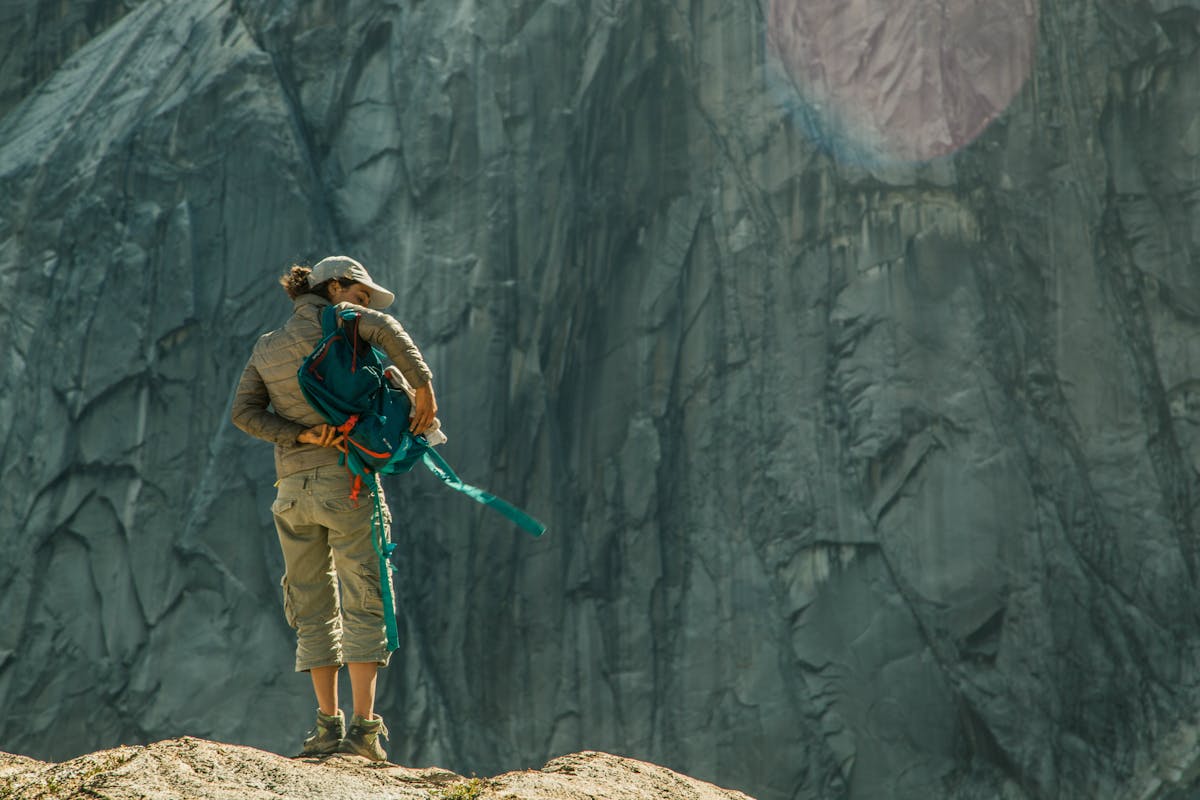
Four hours later I walked into the La Junta valley and understood what he meant. Granite walls rose a thousand meters straight up from the valley floor, draped in waterfalls and wisps of cloud. The Rio Cochamo ran cold and turquoise through a clearing of old-growth forest. There were maybe fifteen tents scattered across the meadow. No buildings. No roads. No cell signal. Just granite, water, and silence.
People call Cochamo "Chile's Yosemite," and the comparison makes sense — massive granite domes, a glacially carved valley, ancient forest. But the comparison also misses the point. Yosemite has four million visitors a year, paved roads, hotel rooms, and traffic jams. Cochamo has a mud trail and a campground with a composting toilet. That difference is the entire appeal.
Why Cochamo Deserves the Yosemite Comparison (and Why It Doesn't)
The geology is real. Cochamo sits in a glacially carved valley in Chile's Lake District, about 120 kilometers southeast of Puerto Varas. The granite here is batholithic — the same deep-origin plutonic rock that forms Yosemite's walls. The main valley, La Junta, is flanked by sheer faces topping 1,000 meters. El Monstruo, the biggest wall, runs about 1,200 meters from base to summit. That puts it in El Capitan territory.
But Yosemite Valley has a village, shuttle buses, and Wi-Fi. Cochamo Valley has a couple of campgrounds that local families operate. No road in. No electricity. The only way to reach the valley floor is to walk or ride a horse for five to six hours through some of the gnarliest trail I have encountered in South America.
That rawness is what makes it special. This is not a polished national park experience. It is not even a formal protected area — it operates as a private conservation initiative. If you go expecting boardwalks and information kiosks, you will be disappointed. If you go expecting wilderness, real wilderness, the kind where you have to earn every view — it will wreck you in the best way.
The Trek In: Five Hours of Beautiful Suffering
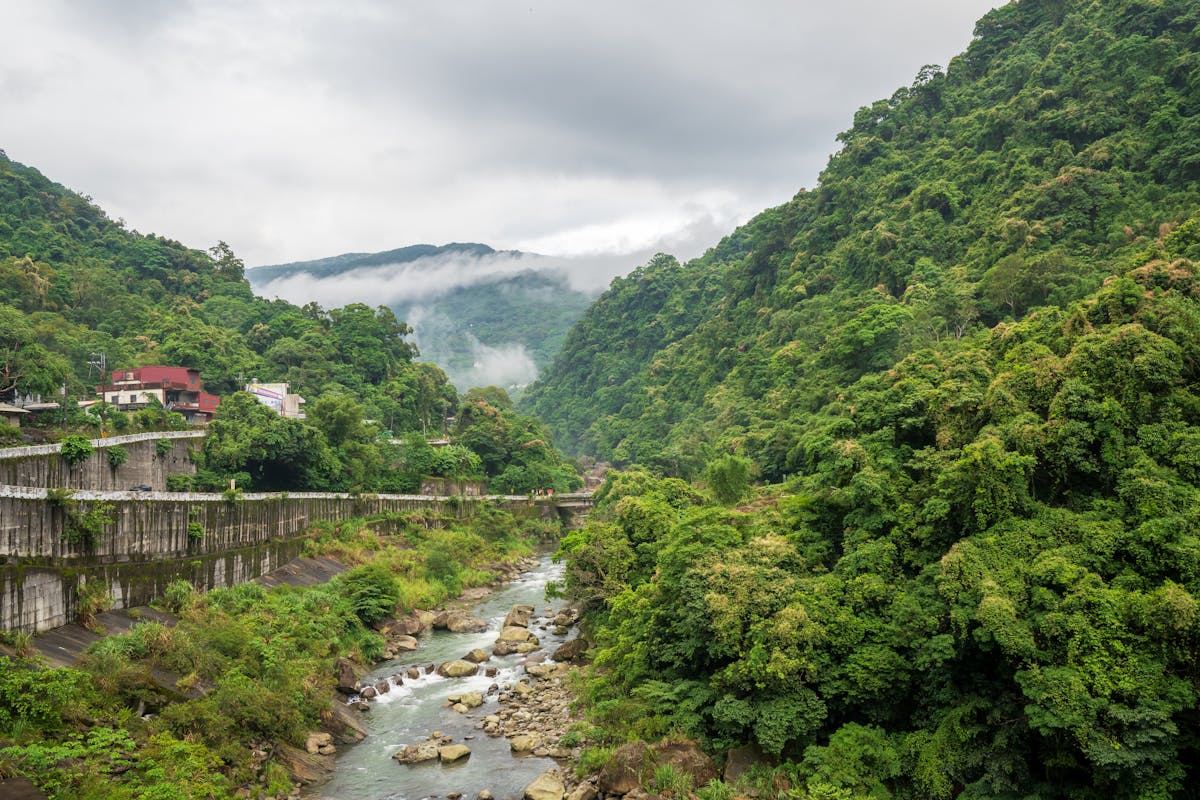
I should be honest about this trail. It is hard. Not hard in the "steep switchbacks and thin air" way that Torres del Paine is hard. Hard in the "you will be ankle-deep in mud for most of it and there is nothing you can do about it" way. The trail from the village of Cochamo to the La Junta valley is roughly 12 kilometers, and on paper that sounds manageable. In practice, it took me close to six hours, and I am in decent shape.
The first couple of kilometers are fine — dirt road through farmland, cows staring at you. Then the trail enters the forest and everything changes. The path becomes a network of roots, mud, and rock. In places the mud is thigh-deep. After rain — and it rains a lot here — entire sections become streams. I crossed the Rio Cochamo twice, once on a wobbly footbridge and once wading through knee-deep water with my pack above my head.
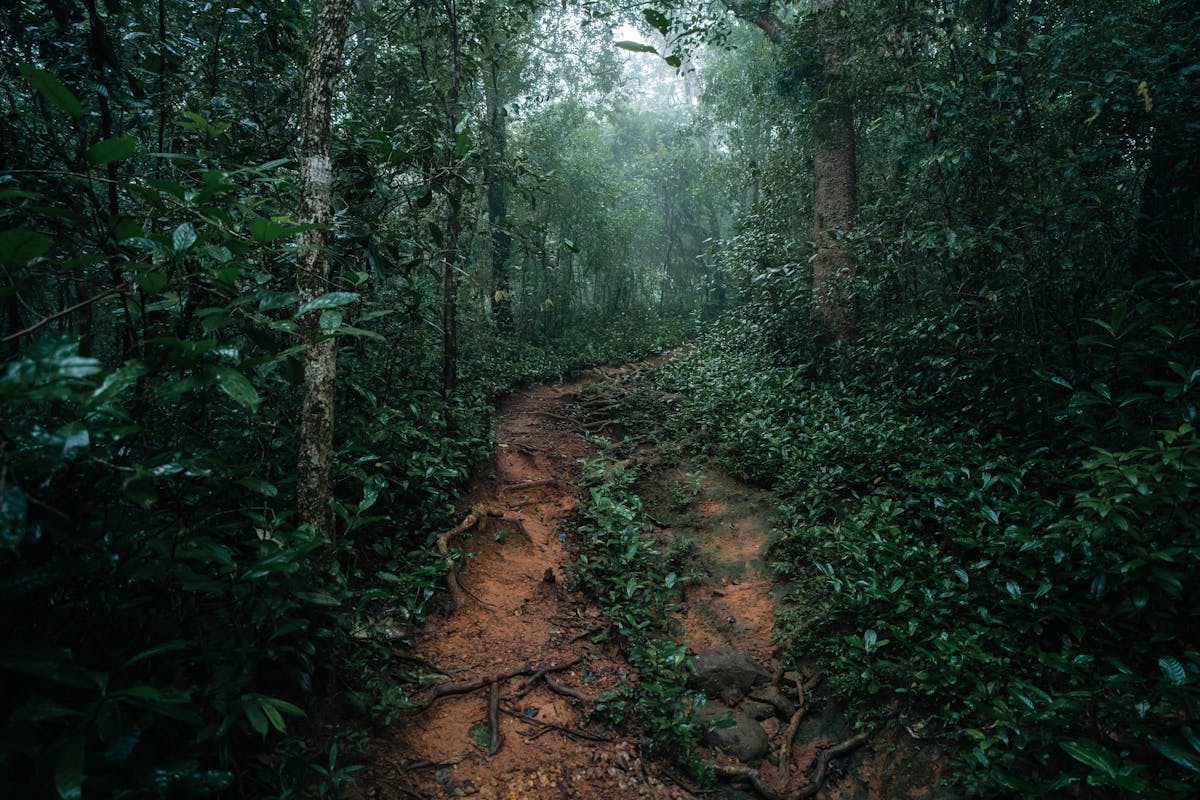
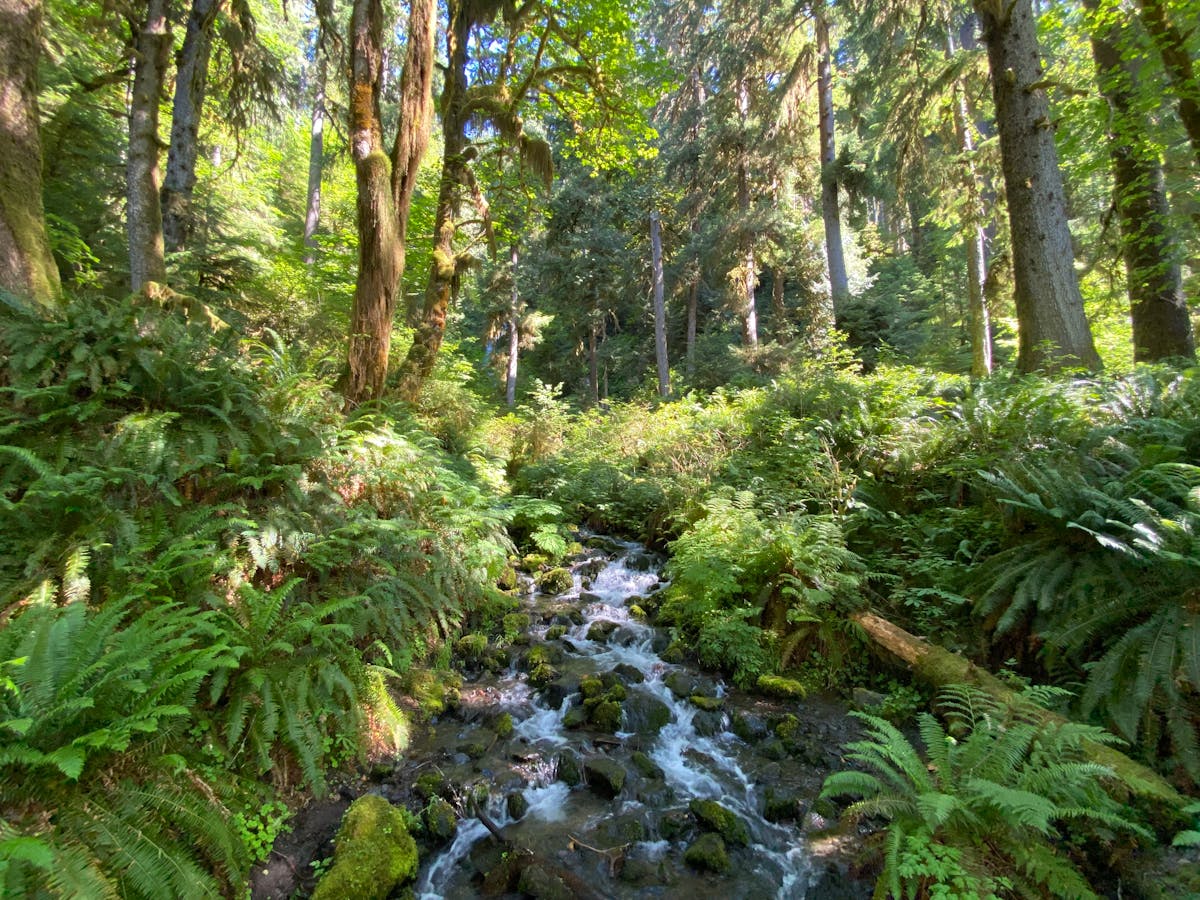
The middle section is the worst. There is a long stretch through valdivian temperate rainforest where the canopy blocks most of the light and the ground never dries out. I spent an hour picking my way from one exposed root to the next, sliding off every third one. At one point I put my foot down and it sank to mid-shin and I had to grab a branch to pull myself out. The Chilean climbers heading back out were picking their way through it like mountain goats. I was not.
Then, around hour four, the trail starts to improve. The forest opens up slightly. You can hear the river getting louder. And then you round a bend and the first granite walls appear through the trees, enormous and vertical and catching the late afternoon light. All the mud instantly becomes irrelevant.
Quick Tip
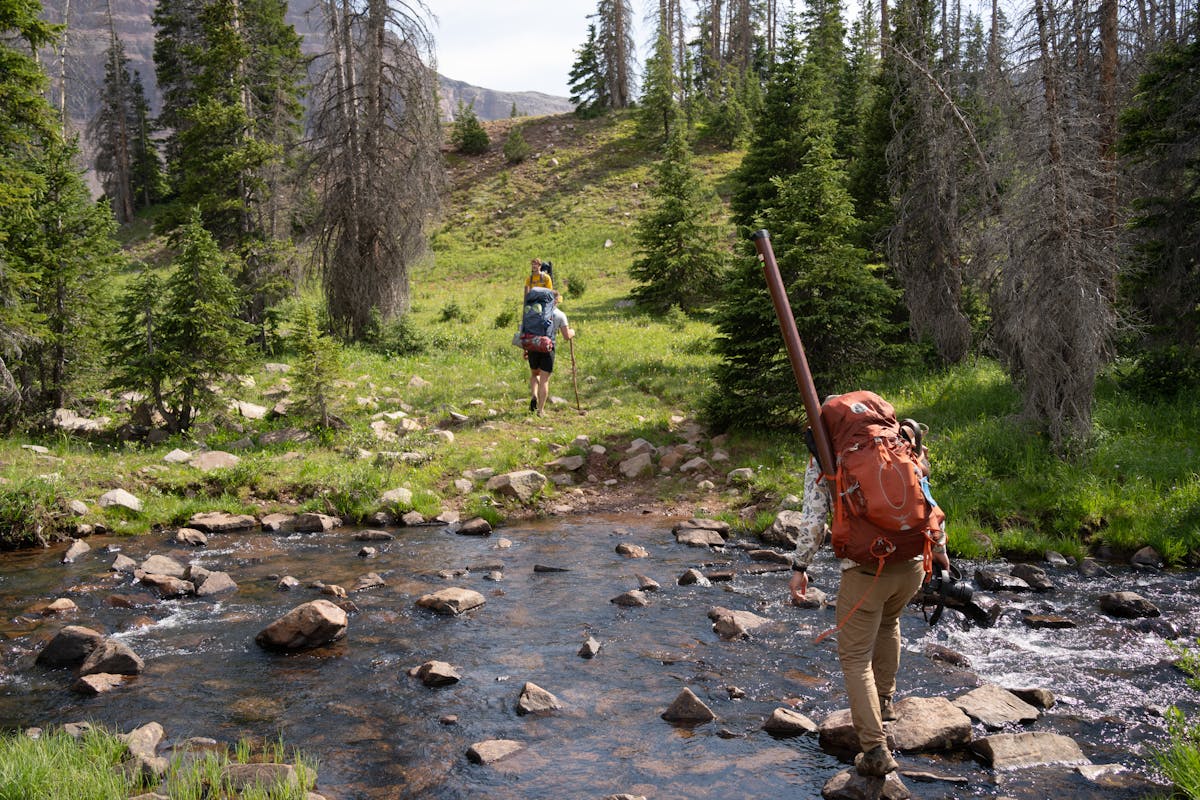
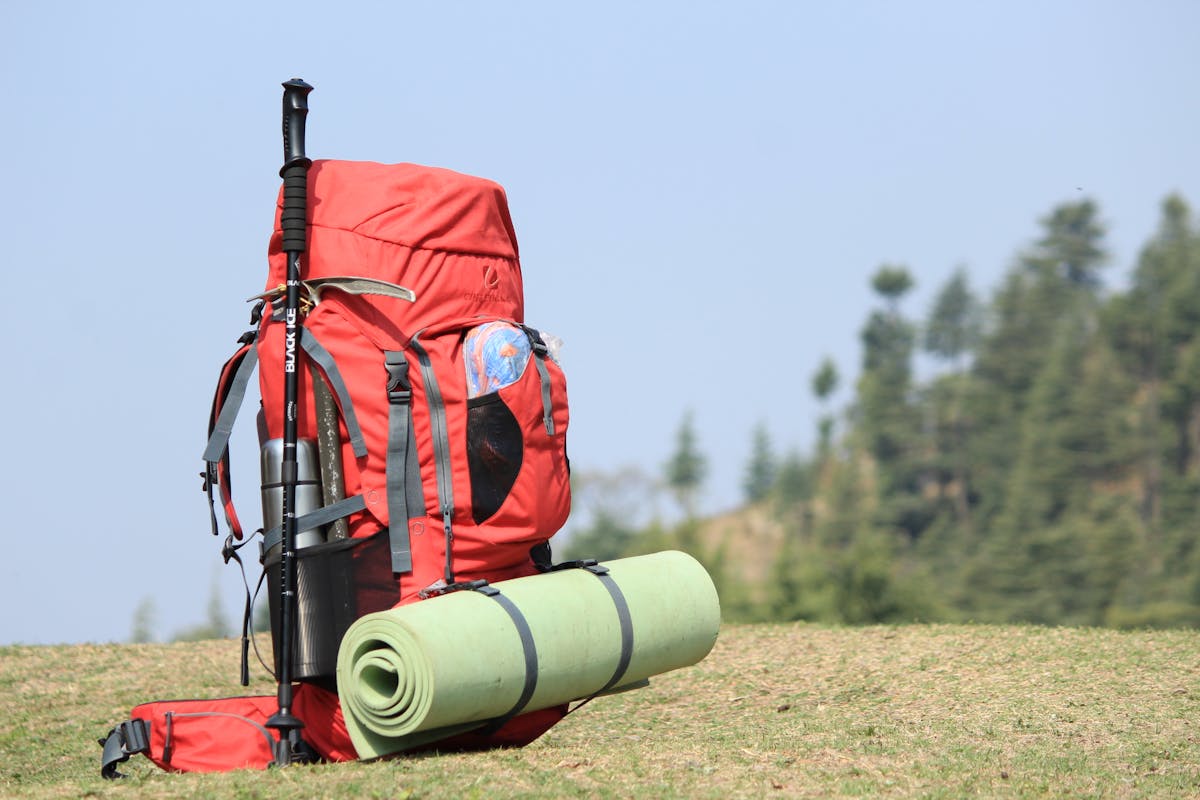
Trekking poles make an enormous difference on this trail. The mud sections and river crossings are dramatically easier with two points of extra contact. If you do not own poles, you can rent them in Puerto Varas at several outdoor shops.
La Junta Valley: Granite Cathedrals and Cold River Water
The main campground sits in a clearing near the river, surrounded by old-growth alerce and coigue trees. Basic setup — flat ground, picnic tables, composting toilets, a cooking shelter. You bring everything yourself. A local family charges around 5,000 CLP per person (roughly $5-6 USD) and keeps the area maintained.
But the setting is astonishing. The granite catches light differently throughout the day — soft pink at dawn, bright white at midday, golden in the evening. Waterfalls thread down the faces after rain. I went in the river up to my waist on day two, lasted about forty seconds, and came out gasping. Cleanest I felt all trip after the mud trail.
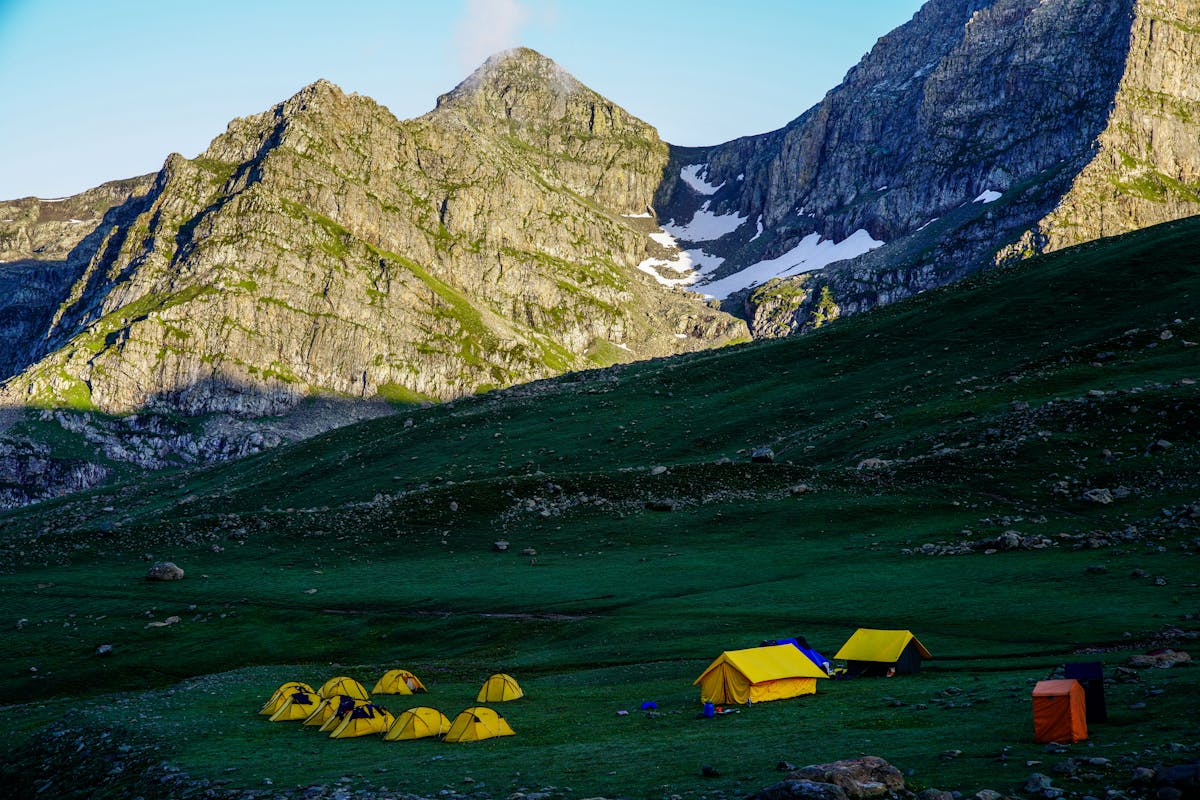
There is a second campground farther up the valley called El Arco, slightly more developed. I stayed at La Junta for three nights. The evenings are something special — climbers returning from the walls, hikers heating up pasta on camp stoves, the sound of the river. No one is looking at a phone. Nobody can.
Day Hikes from La Junta
You do not need to be a climber to justify spending time in Cochamo. From the La Junta campground, there are several day hikes that give you closer views of the granite walls and the surrounding forest.
The most popular is the trail to the base of El Monstruo, which takes about two to three hours round trip and gives you a neck-craning view of the biggest wall in the valley. I did this on my second day and spent an hour at the base just watching two tiny specks — climbers — inching their way up the face. The scale is disorienting. You think they are halfway up and then you realize they are barely a quarter of the way.
There is also a trail up to a mirador with a panoramic view of the entire valley. It climbs steeply through forest for about an hour before breaking out onto an exposed ridge — El Monstruo, Trinidad, Anfiteatro, the river threading through it all. I got clouded in for thirty minutes and was about to give up when the mist burned off and the whole amphitheater appeared at once. That was the single best view of my trip.
Rock Climbing: World-Class Walls with Nobody on Them
I am not a serious climber — I can manage a 5.10 on a good day — but Cochamo is on the bucket list of every trad climber I have talked to, and after seeing the walls I understand why.
The granite is excellent. Clean, compact, with crack systems that run for hundreds of meters. El Monstruo is the showpiece: 5.10 to 5.13 routes over 20-plus pitches. Trinidad, opposite across the valley, is nearly as impressive and slightly more accessible. The Anfiteatro sector offers shorter routes (5-10 pitches) that work as warm-ups.
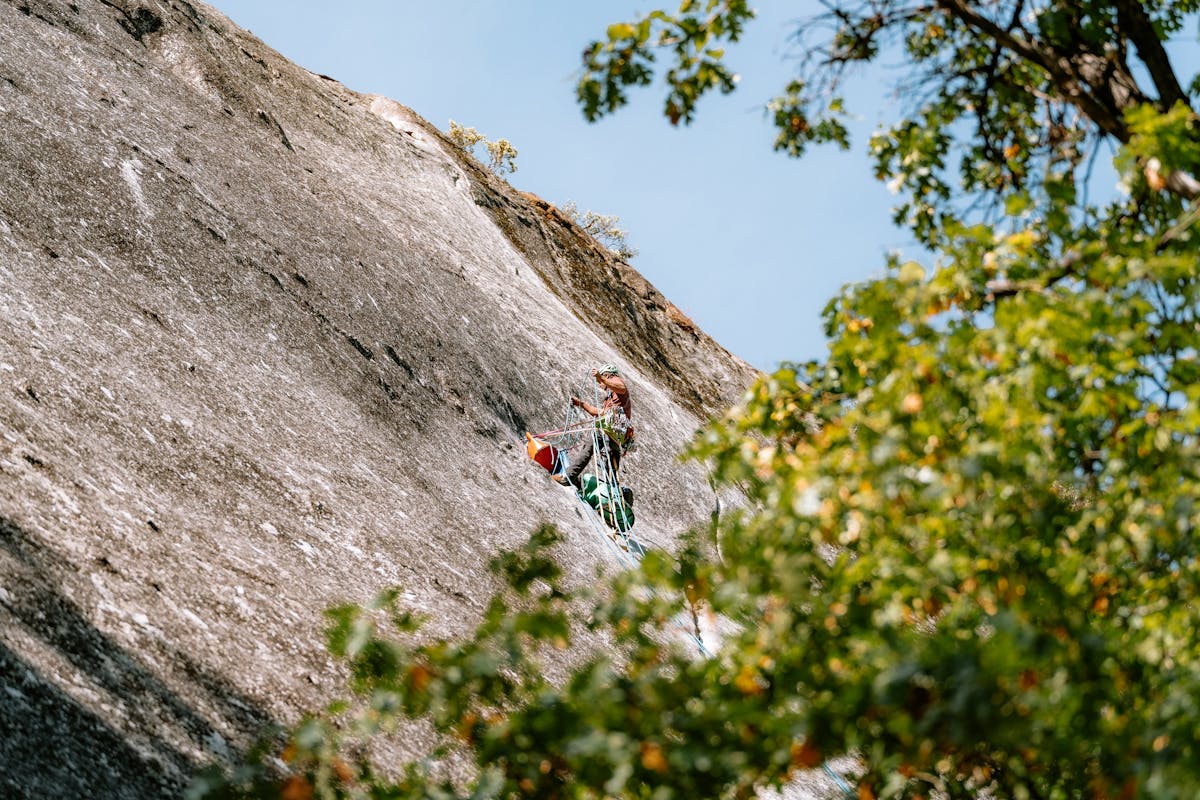
What sets Cochamo apart is the isolation. In Yosemite, you queue behind five parties for a popular route. In Cochamo, you might be the only people on the wall. The trade-off: no rescue infrastructure, hours from the nearest road. Climbers need to be self-sufficient — self-rescue skills, first aid, weather awareness. The community in the valley is helpful, but this is not a guided experience.
A few operators in Puerto Varas run guided multi-day climbing trips into Cochamo — expect $800-1,200 USD for a 4-5 day trip including horses, gear, and meals. If you are an experienced trad climber who just needs a partner, the campground is the place to find one.
The Horse Option: Ride In Like a Gaucho
Here is the thing I wish someone had told me: you do not have to walk the mud trail. Local arrieros (horse handlers) run a horseback riding service from the village into La Junta. The horses know the trail. They pick their way through the mud with the casual confidence of animals that have done this a thousand times while you try to keep your balance on top.
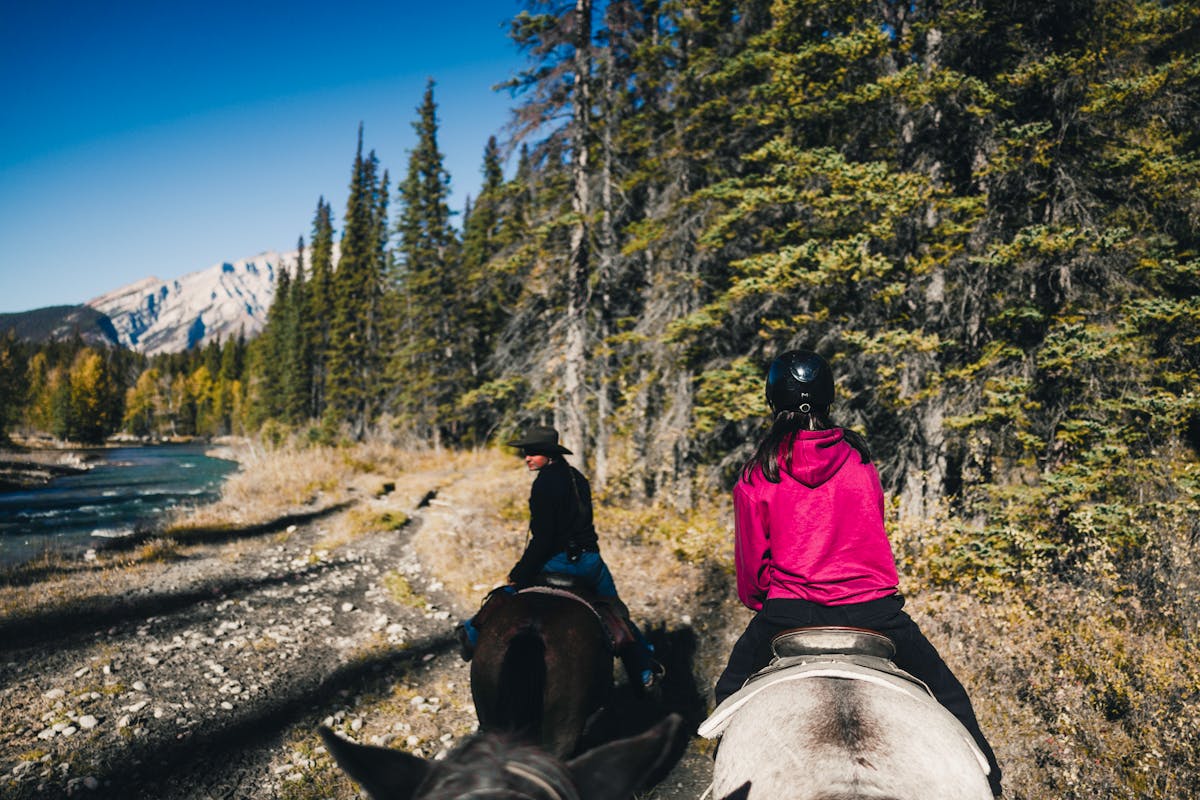
I walked in and rode out, and honestly I would do it the other way around next time. Walk in when you are fresh and motivated, and ride out when your legs are cooked from three days of hiking and climbing. The horse service costs around 30,000-40,000 CLP per person (roughly $30-40 USD) and needs to be arranged in the village of Cochamo before you start. You can also hire horses just for your gear — about 20,000 CLP — and walk in unloaded, which makes the trail significantly easier.
The arrieros are characters. The guy who handled my horse on the way out had been doing this for twenty years. He rode bareback through sections that I would not have attempted on foot. It felt less like a tourist service and more like hitching a ride with someone who lives here.
The River and the Hot Springs
The Rio Cochamo is the constant companion of the entire experience. You hear it from the campground. You cross it on the trail. You wash in it. On my third day, a group of us hiked upriver for about an hour to a spot where thermal water seeps out of the rocks and mixes with the cold river. It is not a developed hot spring — there are no pools, no signs, no changing rooms. Just a patch of gravel and rock where warm water bubbles up and you can arrange stones to create a shallow pool. The temperature is perfect where the hot and cold water mix: warm enough to soak in comfortably, cold enough to stay alert.
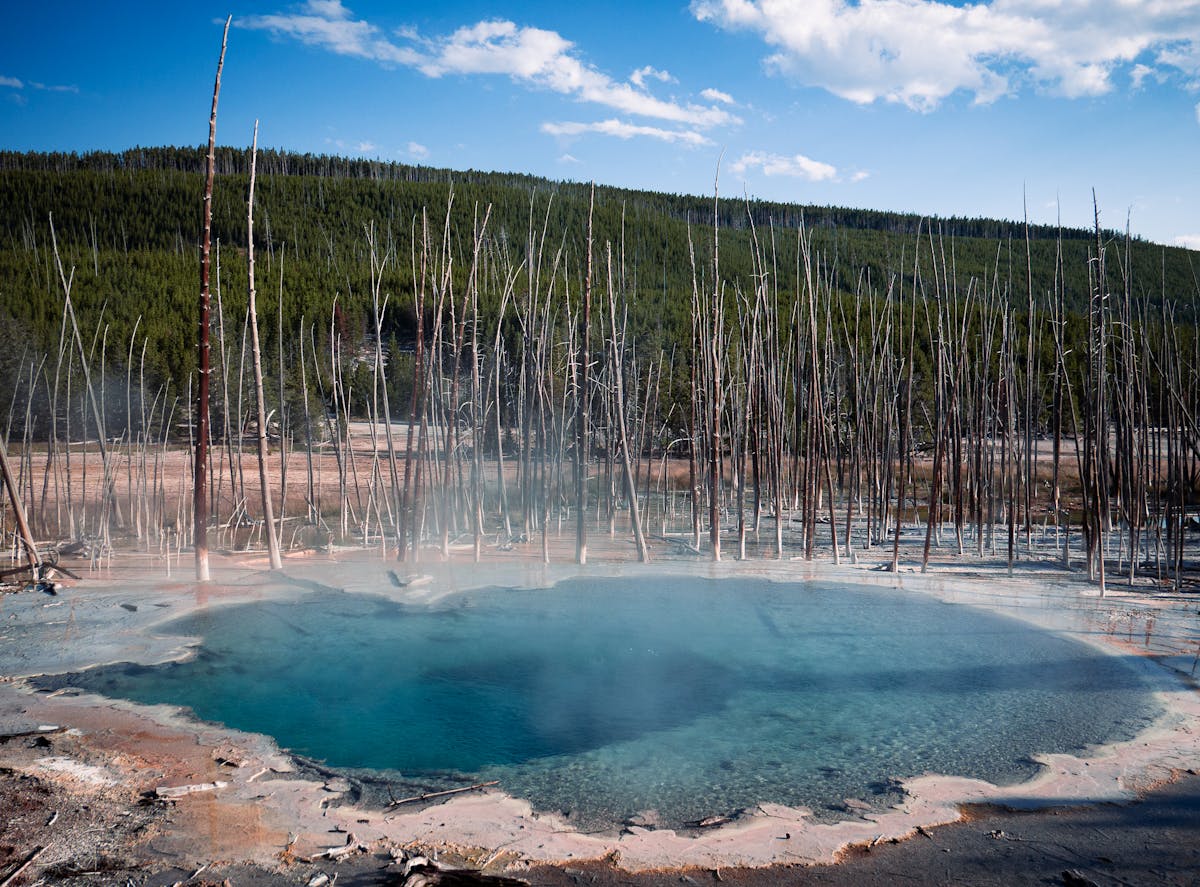
I sat in that makeshift pool for two hours, staring up at granite walls going pink in the evening light, and thought about how in most countries this would have been turned into a resort by now. In Cochamo, there is just the water and the rocks and whatever you carried in with you. I liked that.
Getting to Cochamo from Puerto Varas and Puerto Montt
Cochamo is in the Lake District, south of Puerto Varas and Puerto Montt. The nearest town is the village of Cochamo itself, which sits at the head of the Cochamo estuary on the Reloncavi Fjord.
From Puerto Varas, the drive takes about two hours on Ruta 7, the northern section of the Carretera Austral. The road is paved most of the way. Without a car, buses run from Puerto Montt to Cochamo a couple of times per day in summer — check the schedule at the terminal, as frequency drops outside December to March.
From Puerto Montt, add 30 minutes. The airport (El Tepual, PMC) has daily flights from Santiago, so the full journey: fly to Puerto Montt (2 hours), drive to the village (2-2.5 hours), trek or ride to the valley (5-6 hours).
Quick Tip
If you are driving, leave your car at one of the secure parking spots in the village of Cochamo. A couple of families offer parking for a few thousand pesos per day. Do not leave valuables visible — it is a safe area but there is no reason to tempt fate.
Most people getting around the Lake District base themselves in Puerto Varas and make Cochamo a multi-day side trip. Puerto Varas has gear shops for last-minute supplies and good restaurants for a pre-trek meal. I spent a night there before the trek and a night after, and both times I appreciated the hot shower more than I have ever appreciated a hot shower.
When to Go: December Through March, No Exceptions
Cochamo's season is short. The valley is accessible from roughly December through March, and even within that window you should expect rain. This is one of the wettest parts of Chile — the valdivian rainforest exists here because it rains constantly. January and February are the driest months, with the most stable weather windows for climbing and the best conditions on the trail. December and March are shoulder months: fewer people, but more rain and muddier trails.
I went in late January and had three days of mixed weather — morning sun, afternoon clouds, one full day of rain. The rain day was actually fine for hiking in the forest (you are under canopy most of the time) but it made the trail conditions worse for the walk out. Climbers watch the forecast obsessively and plan their wall days around weather windows. If you are just hiking, rain is manageable with proper gear.
Outside of that window, do not go. Winter rain turns the trail into an impassable swamp, river crossings become dangerous, campgrounds close, and the horse service stops.
What to Bring: The Honest Packing List
I am not going to give you a complete gear list — you can find those anywhere. Instead, here is what actually mattered on this specific trip, based on what I got right and what I got wrong.
| Item | Why It Matters |
| Waterproof boots (not trail runners) | The mud and river crossings will destroy anything that is not fully waterproof. I saw people in trail runners looking miserable by hour two |
| Gaiters | The mud goes above ankle height. Gaiters keep your lower legs dry and prevent mud from getting inside your boots |
| Trekking poles | Not optional. The root sections and river crossings are dramatically easier with poles |
| Dry bags for electronics | Your pack will get wet. Period. Put your camera, phone, and anything else sensitive in dry bags inside your pack |
| Camp shoes (sandals or crocs) | After a day in wet boots, your feet need to breathe. I forgot these on my first trip and regretted it |
| Full rain gear | Rain jacket, rain pants, pack cover. You will use all three, probably on the same day |
| Water filter or purification | The river water is clean but I still filtered it. Giardia is not worth the gamble |
| Enough food for your stay + one extra day | There is nothing to buy in the valley. If weather delays your exit, you need buffer food |
| Cash (Chilean pesos) | The horse service, camping fees, and anything else in the valley or village is cash only |
Difficulty Level: Be Honest with Yourself
The trek into Cochamo is not technical. There are no exposed ridges, no scrambling, no altitude issues (the valley sits at around 300 meters). But it is physically demanding in a way that catches people off guard. The combination of heavy pack, muddy trail, root obstacles, and river crossings over five to six hours is genuinely exhausting. I have hiked all over Chile — the W Trek, Villarrica, the Carretera Austral — and the Cochamo trail was harder than any of those in terms of pure effort per kilometer.
If you are in reasonable hiking shape and have done multi-day treks before, you will be fine. If you are new to backpacking or have knee problems, take the horse option in and keep your pack weight minimal. The valley is the destination, not the trail.
The Valley Nobody Talks About
Most Chilean travelers know Torres del Paine. They know the Atacama. They are starting to learn the Lake District. But Cochamo flies under the radar even among people who have been to Chile multiple times. The climbing community knows it — Cochamo has been an open secret among South American trad climbers for twenty years. But for hikers, for people who just want to stand in a place that feels untouched, it barely registers.
I think that will change. The "Chile's Yosemite" nickname is getting traction, and Instagram is slowly discovering those granite walls. In ten years, Cochamo might be a different place. Right now, it is still raw and quiet and exactly as difficult to reach as it should be.
Standing at the mirador on my second afternoon, watching the light shift across those walls while a condor circled above the valley, I thought about all the places I visited five years too late — after the crowds arrived, after the thing that made them special got smoothed away. Cochamo has not been smoothed yet. Go before it is.