This article contains affiliate links. If you book through them, I earn a small commission at no extra cost to you.
The horse was already saddled when I walked up. A stocky chestnut mare, standing perfectly still in the morning cold, breath steaming from her nostrils. The huaso — not a gaucho, I would learn later, because this is Chile and they take the distinction seriously — handed me the reins without a word. He looked at my sneakers, then at my face, then back at my sneakers. He said something in rapid Spanish that I did not catch, but his expression translated just fine: you are going to regret those shoes.
He was right. By hour two my ankles were raw. By hour four I was walking like someone twice my age. But somewhere between the first river crossing and the point where the trail opened up to a view of snowcapped Andes that stopped me mid-sentence — I understood why people keep coming back to ride in Chile. The landscape here is built for horseback. The trails follow paths that horses have walked for centuries, long before anyone thought to put a tourist on one. And the animals know every rock, every switchback, every river ford better than any GPS ever will.
Chile is not the first country most people think of for horseback riding. Argentina gets the gaucho fame, Mongolia gets the adventure crowd. But Chile might be the most varied riding destination on the continent — desert, vineyard, volcano, ancient forest, glacier, all within one country, all accessible on horseback, most of it with operators who will take you even if the last horse you sat on was a carousel.
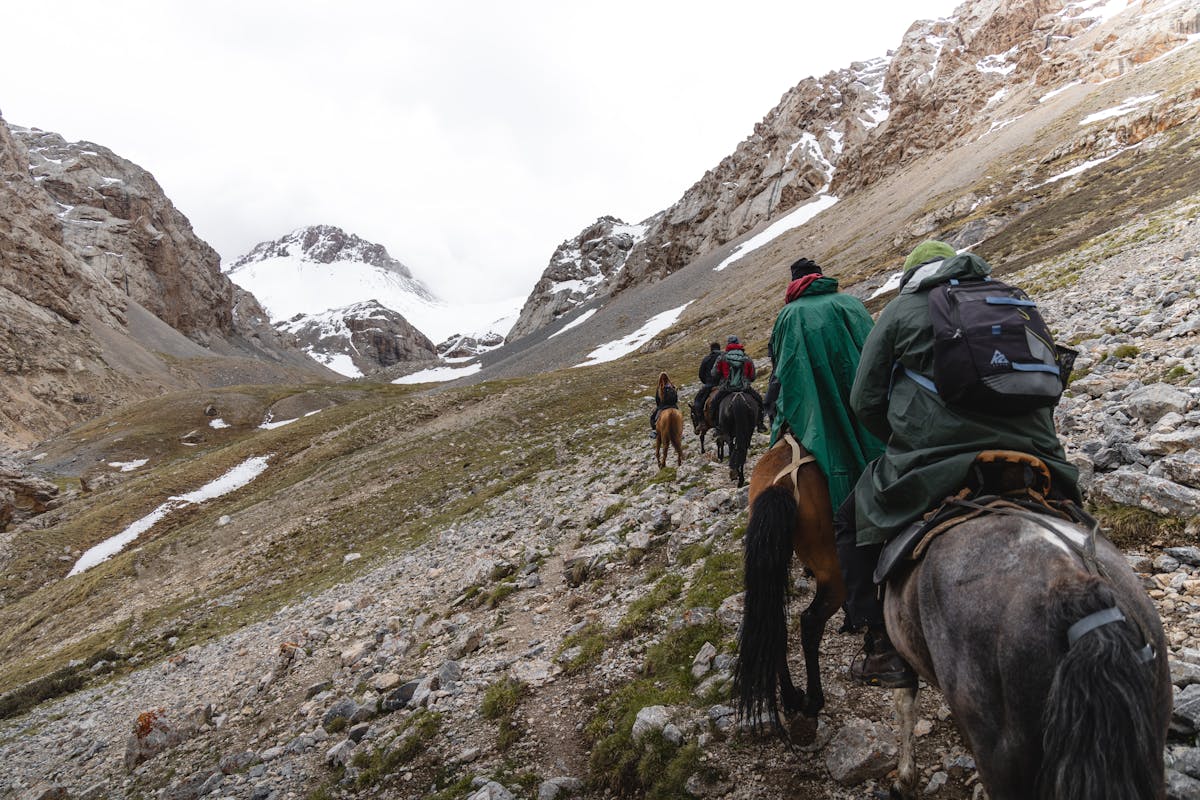
The Huaso Is Not a Gaucho (and They Will Remind You)
First things first: if you call a Chilean horseman a gaucho, you will get a polite correction. Or an impolite one, depending on how much pisco he has had. The Chilean equivalent is the huaso, and while the two traditions share roots — Spanish colonial ranching culture, a deep bond with horses, a lot of leather — they split centuries ago and went in different directions.
The gaucho is the Argentine cowboy of the Pampas — wide-brimmed hat, bombachas, facon knife. The huaso is the Chilean horseman of the Central Valley: a flat-topped chupalla hat, a short poncho called a manta, carved wooden stirrups, and spurs that are works of art. The riding style is different too — collected, upright, closer to Iberian riding than the loose-reined gaucho style.
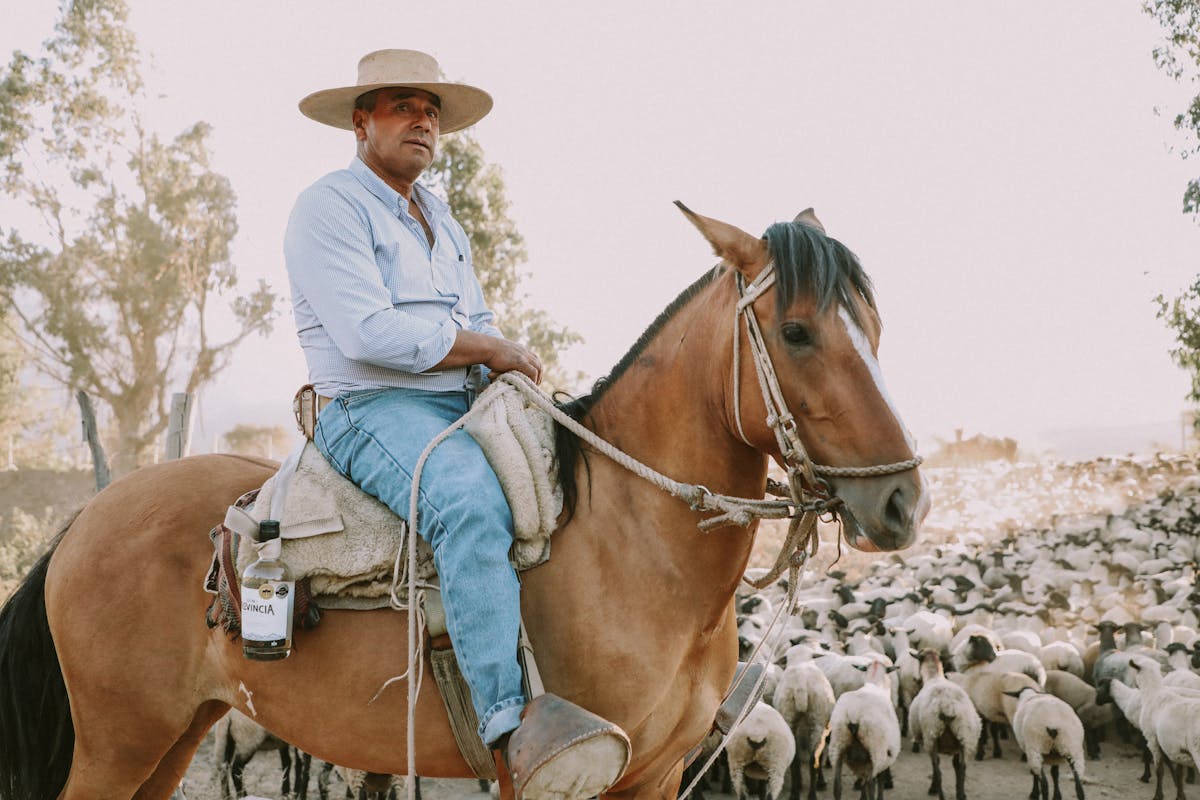
The best place to see huaso culture alive is at a rodeo — nothing like the American version. Chilean rodeo happens in a crescent-shaped arena called a medialuna, where two huasos work together to pin a calf against a padded wall. It is fast, technical, and the national championship in Rancagua every March is part sporting event, part county fair, part family reunion.
But you do not need a rodeo. Book any horseback ride in the Central Valley or around Pucon, and your guide will be a working huaso who rides year-round. Not a summer-job trail guide reading from a script — someone who grew up on horseback.
Patagonia Estancias: Multi-Day Rides with Working Ranchers
If you want to ride in Chile but you only have time for one experience, make it a Patagonia estancia ride. Not the two-hour loop that every hotel in Puerto Natales can book for you — I mean a multi-day ride with an actual working ranch, sleeping in bunkhouses or farmsteads, eating asado cooked over open fire by people who do this every night whether tourists are there or not.
The estancias operate on land that has been sheep and cattle country for over a century. The horses are criollos — the tough, compact breed descended from Spanish stock brought over in the 1500s. Not tall, not flashy, but they can walk all day across terrain that would wreck a thoroughbred. Wind, rivers, guanacos bolting across the trail — the criollo does not flinch.
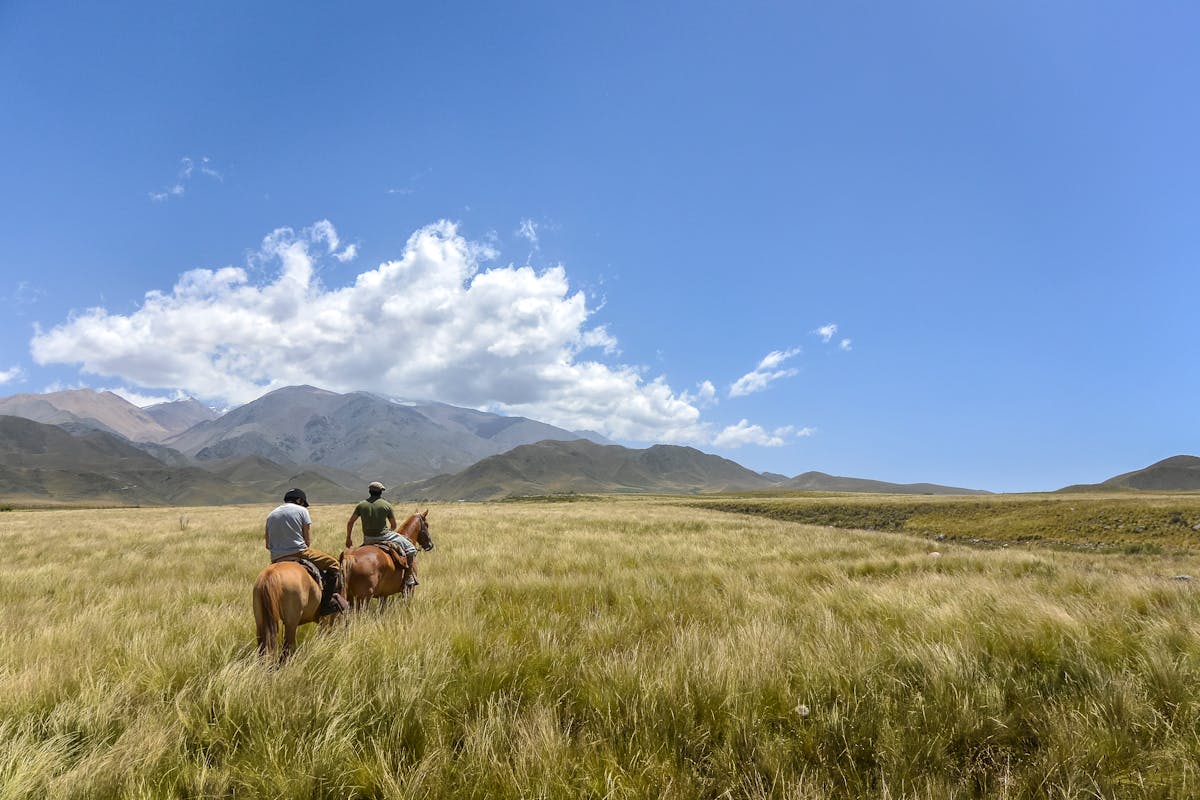
I spent three days riding out of an estancia south of Torres del Paine. The guide barely spoke English, which turned out to be fine because most communication with horses is non-verbal anyway. Day two we stopped for lunch at a shepherds hut — mate tea, bread, cold lamb — and I realized this was not a manufactured experience. This was just how people get around out here. The horses are transportation. The trails are commute routes. The tourism part was almost incidental.
Multi-day estancia rides run three to five days. Expect $150-250 per person per day, all-inclusive: meals, accommodation, horses, guides. Do not expect luxury — that is not the point. The point is being somewhere genuinely remote, moving at a pace the land dictates, ending each day sore, tired, and profoundly satisfied.
Quick Tip
Book estancia rides at least two months ahead during the Patagonia high season (November through March). Most operations are small — four to eight riders maximum — and they fill fast. The shoulder months of October and April can be excellent: fewer people, cooler temperatures, and autumn colors in the lenga forests that are worth the trip alone.
Torres del Paine on Horseback: Seeing the Park the Way the Gauchos Do
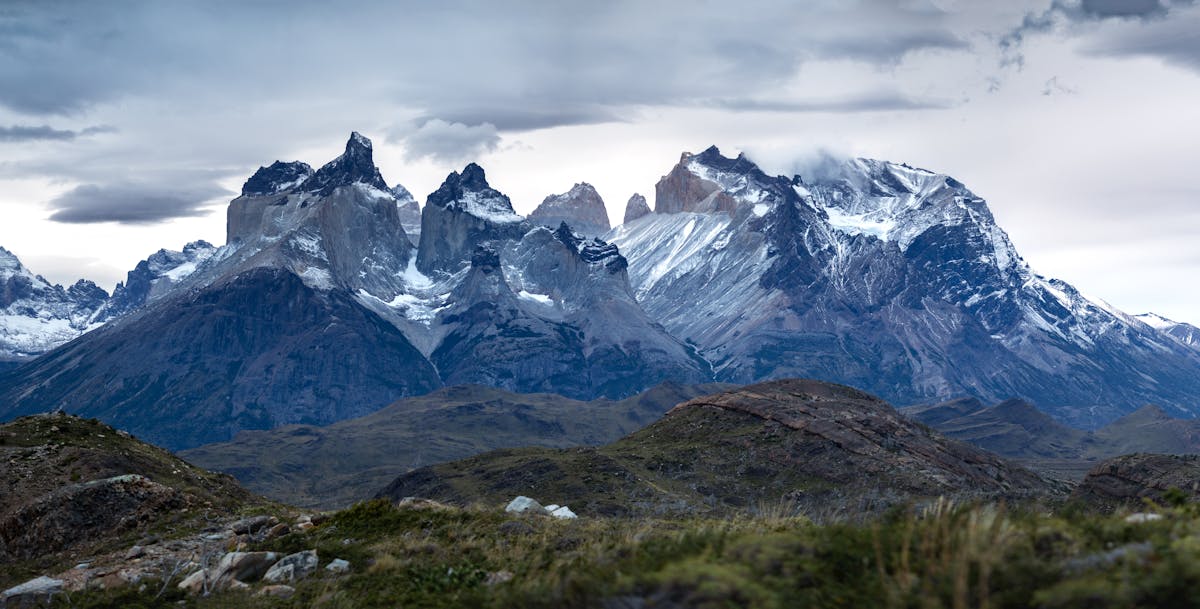
Everyone hikes Torres del Paine. The W Trek and the O Circuit get all the attention, and for good reason — they are spectacular. But the park is enormous, and most of it sits well beyond the trekking routes. The eastern and southern sectors, where the steppe rolls out toward the Argentine border, see almost no foot traffic. On horseback, you can cover that ground in a day.
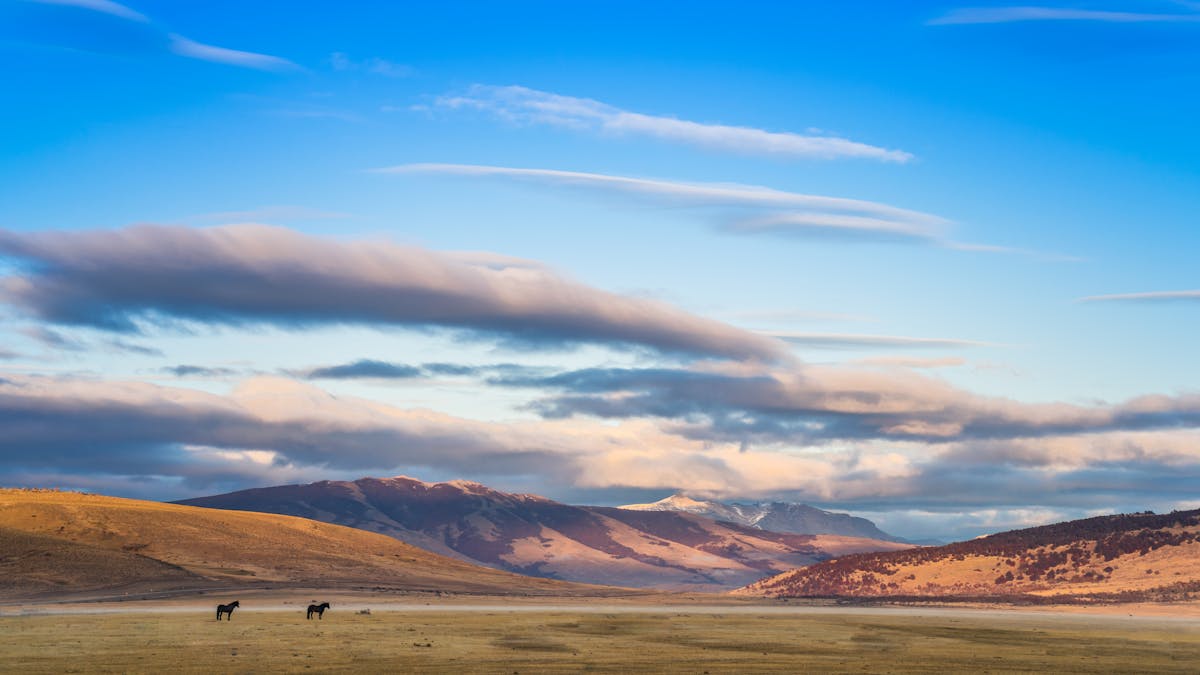
Several operators run rides from the park entrance area and estancias on the eastern boundary. The standard route follows the shore of Lago Nordenskjold or climbs through the Sierra del Toro foothills to viewpoints that face the Paine massif from the east — a completely different perspective from the W Trek, wider and more expansive, with the full range spread out in front of you.
I did a full-day ride from Hotel Las Torres, which has the most established horse program in the park. We rode north along the river, the Torres visible straight ahead, and from horseback — nothing between you and the mountains but wind and grass — they look almost impossible. Full-day rides run $120-150 per person including lunch. Half-day options are $60-80. No prior experience required — the horses here are among the calmest I have encountered anywhere.
If you are doing the Patagonia itinerary and have already trekked the W, a horseback day is the perfect complement. Different pace, different views, different muscles screaming at you the next morning.
Pucon: Riding Through Ancient Forests Beneath a Volcano
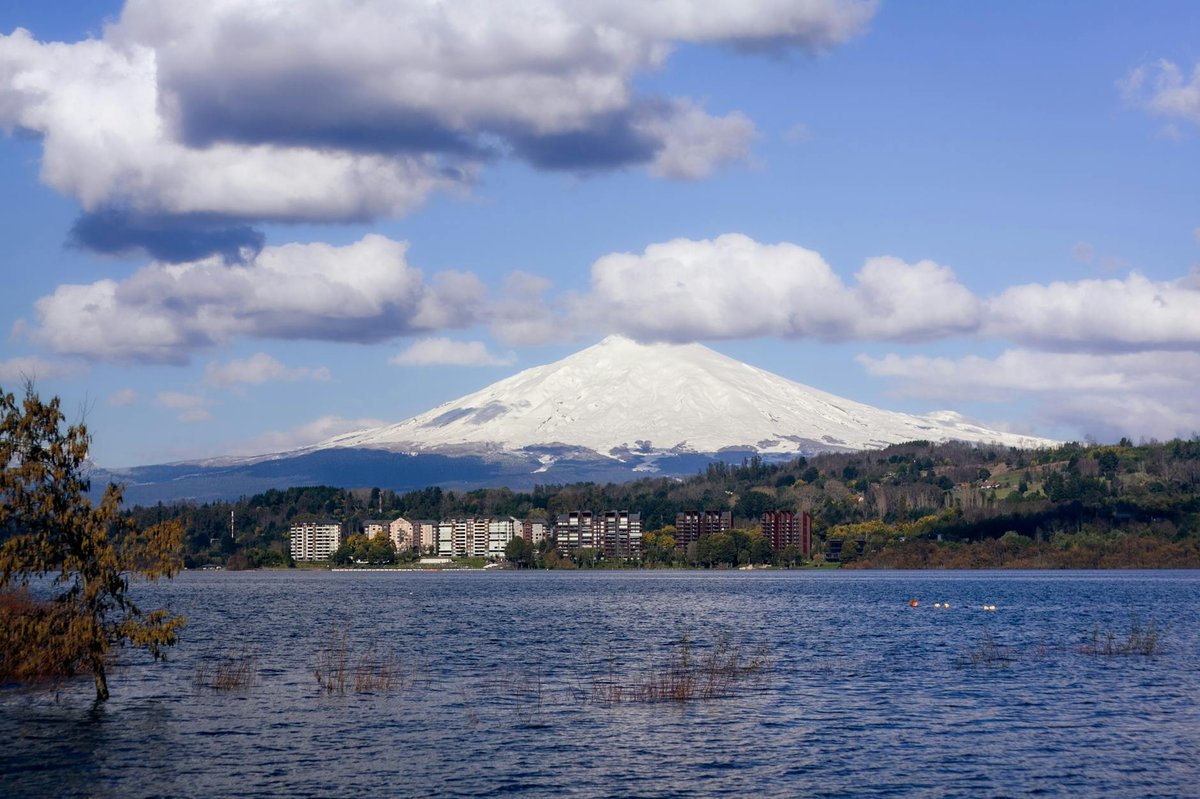
The riding around Pucon is entirely different from Patagonia. Where the south is wide open and wind-blasted, the Lake District is all dense forest, volcanoes, and hot springs. The signature ride here goes through araucaria forests — those prehistoric-looking monkey puzzle trees with their spiky branches and perfectly symmetrical crowns. Some of them are over a thousand years old, and riding beneath them feels like moving through a landscape that predates humans.
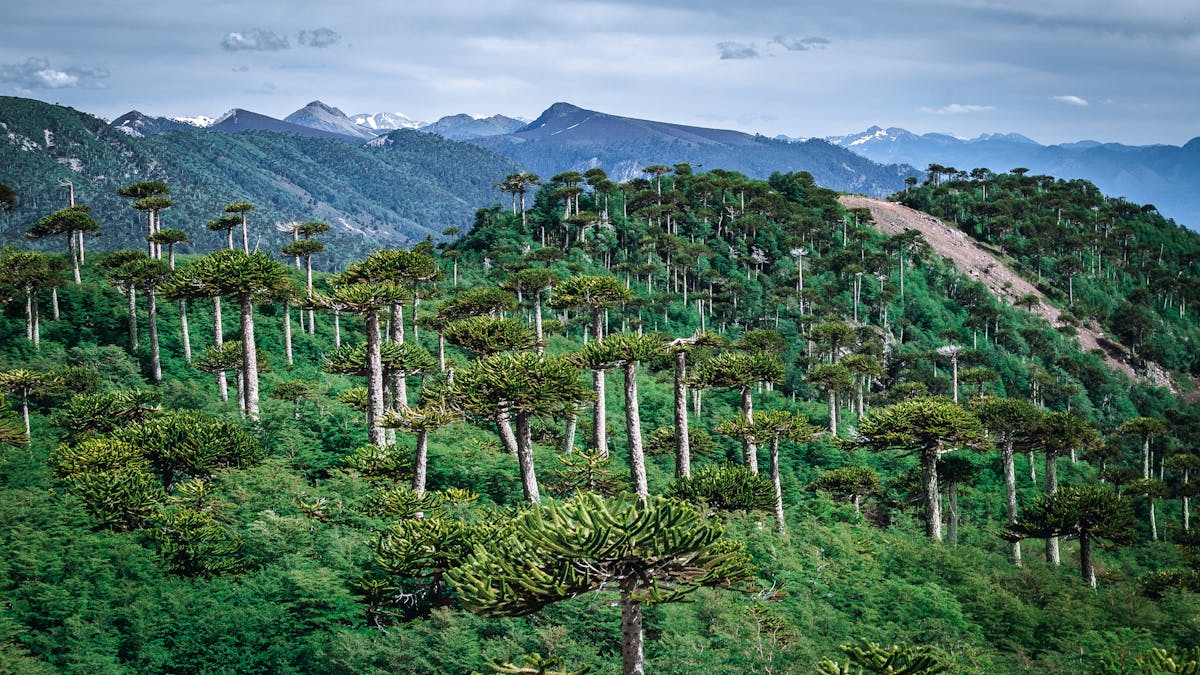
Most Pucon-based rides head south toward Villarrica National Park or east toward Huilo-Huilo. The trails wind through native forest — coigue, rauli, lenga — and break out occasionally into clearings where Volcan Villarrica dominates the skyline, its summit trailing a permanent wisp of smoke. On a clear day, the combination of ancient forest and active volcano is almost too much. Your brain keeps toggling between "this is incredibly beautiful" and "that mountain is literally on fire."
The half-day rides around Pucon are among the most accessible in Chile. Most operators charge $40-60 per person for a three- to four-hour ride, and the trails are gentle enough for complete beginners. The terrain is soft forest floor, not rocky scree, so the horses move at an easy walk and there is almost no risk of a stumble. I rode with a family that included two kids under ten who had never been on a horse before. By hour two they were trotting and laughing. By hour three the guide could not get them to stop.
For experienced riders, ask about the full-day rides to the Quetrupillan volcano area or the multi-day traverse to the Termas de Huife. The hot springs at the end of a long ride are not optional — they are medicinal. Your legs will thank you.
Cajon del Maipo: Horseback Riding Without Leaving Santiago
Not every ride in Chile requires a flight to Patagonia. Cajon del Maipo is an hour and a half from downtown Santiago, tucked into the Andes foothills where the Maipo River has carved a deep valley through volcanic rock. It is one of the most popular day trips from Santiago, and horseback riding is one of the best ways to see it.
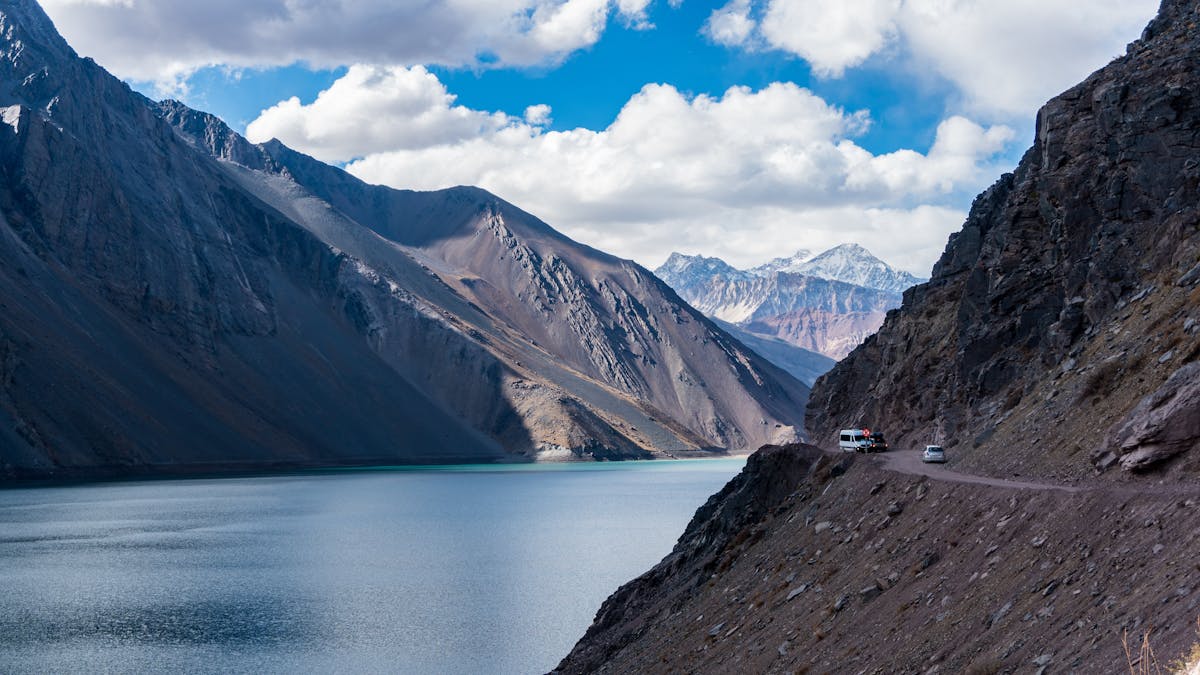
The rides follow trails up side valleys you cannot reach by car, climbing above the Embalse el Yeso — that impossibly turquoise reservoir from every Santiago travel brochure — and into the valleys behind it, where the Andes close in on both sides and the only sounds are hooves on rock and wind through the canyon.
I booked a half-day ride from a ranch near San Jose de Maipo. The horse they gave me — a big bay gelding — had apparently decided his job was to walk exactly two meters behind the horse in front of him, no matter what I did with the reins. I stopped pretending I was in charge around minute fifteen. He knew the trail better than I ever would. By the turnaround point, a saddle with views of three different valleys, I had completely forgotten Santiago was right over the ridgeline.
Half-day rides run $50-80 per person. Full-day options with lunch go up to $100-120. Most operators include Santiago hotel pickup.
Cochamo: Where the Horses Carry Your Gear (and Sometimes You)
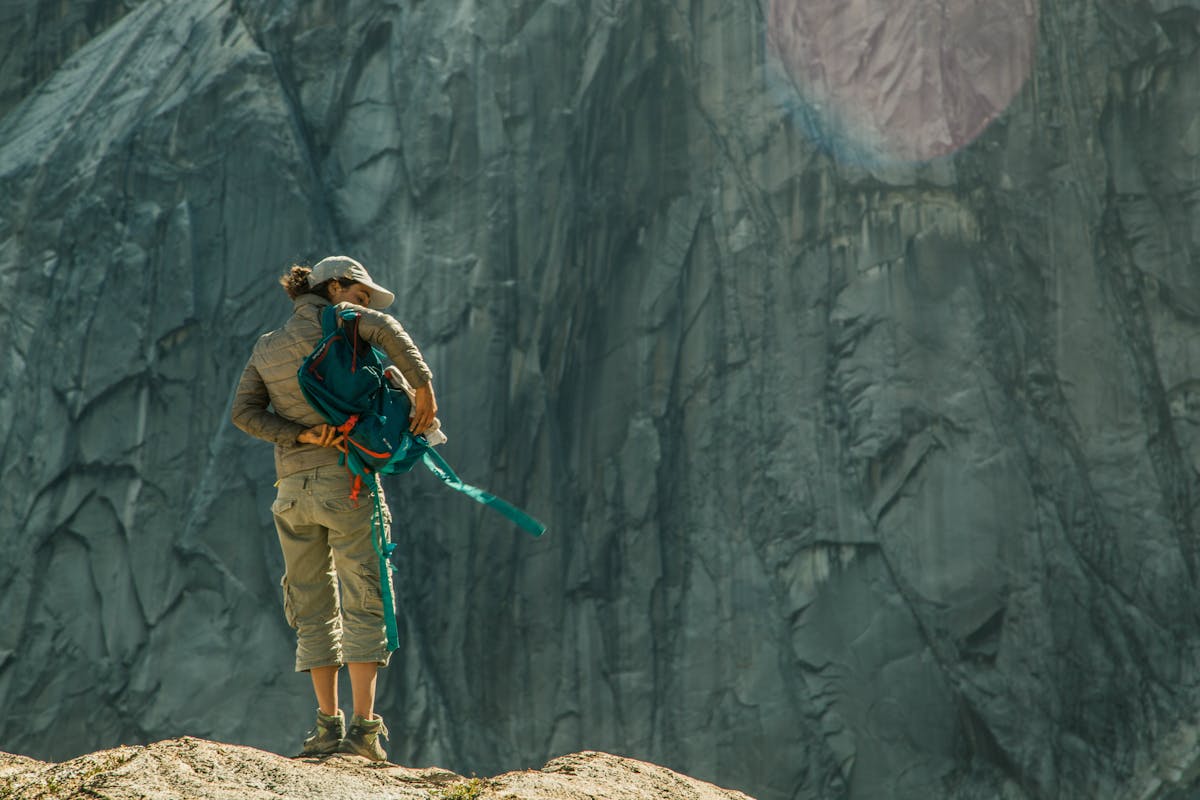
I have written a full Cochamo guide elsewhere, but the horseback angle deserves special mention. Cochamo Valley — Chile's answer to Yosemite, with thousand-meter granite walls rising from temperate rainforest — has no road access. The only way in is a six-hour trail through mud, river crossings, and tangled forest. Unless you hire a horse.
The local arrieros (muleteers) run a horse transport service along the trail. For 15,000-20,000 CLP ($15-20), a horse carries your pack. For a bit more, you ride in yourself. I slogged on foot the first time, then rode back. The difference was absurd — six hours became three, and the horse picked through the worst mud like it was crossing a living room.
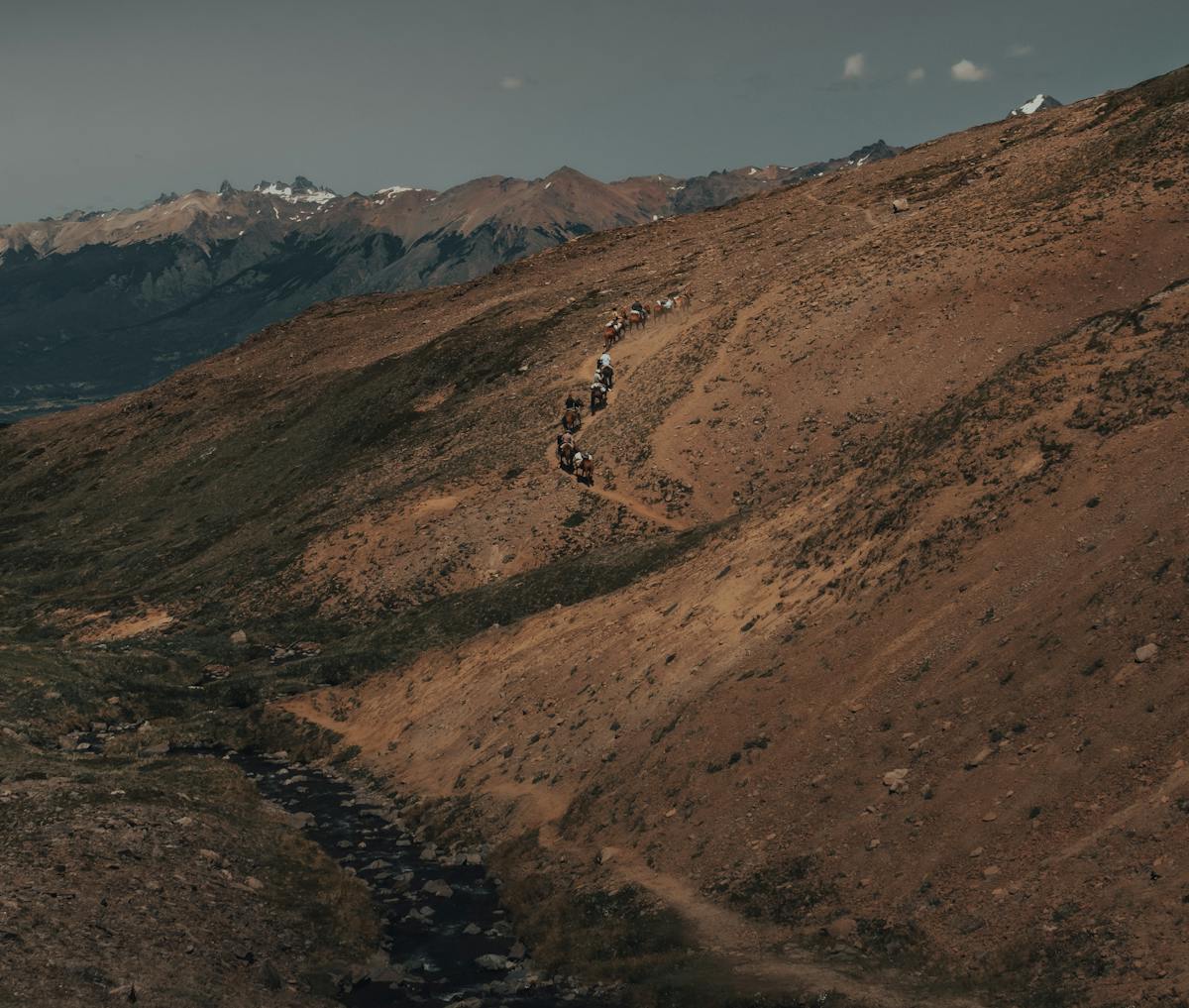
The arrieros of Cochamo are worth meeting in their own right. These are local families who have worked this valley for generations, packing supplies and gear on horseback because there is simply no other way. They know every root and rock on the trail. Watching them navigate sections that had me clutching the saddle horn was humbling — casual, relaxed, one hand on the reins and the other rolling a cigarette.
Colchagua Valley: Wine Country on Horseback
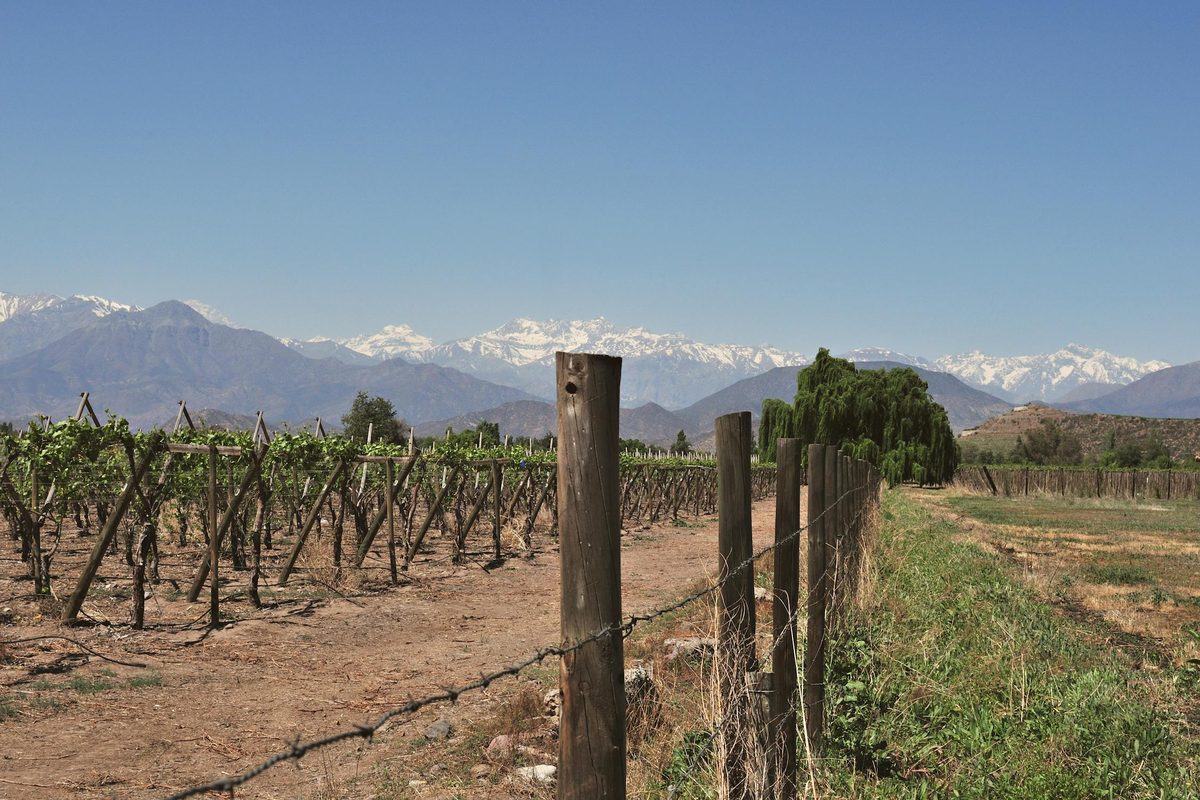
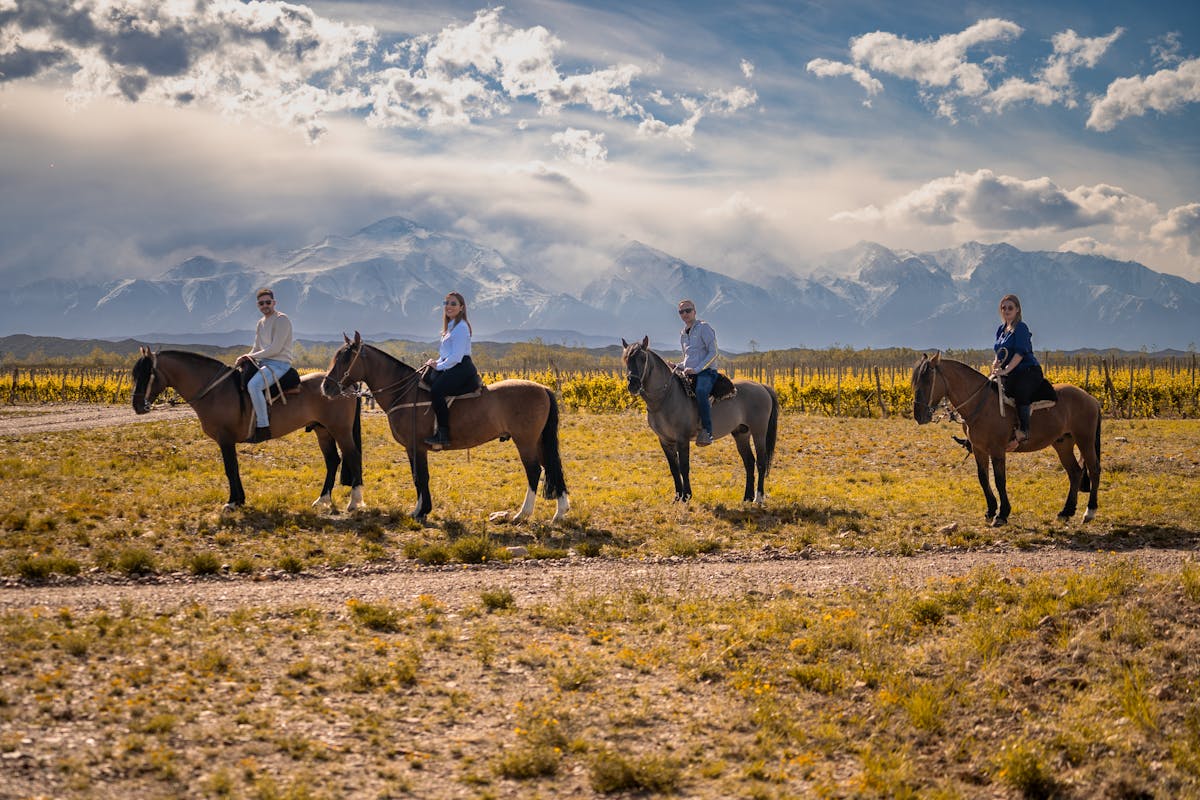
If your idea of horseback riding involves less adventure and more afternoon sun, a glass of carmenere waiting at the finish line, the Colchagua Valley delivers. Chile's wine country is two hours south of Santiago, a wide valley hemmed in by coastal mountains on one side and the Andes on the other, blanketed in vines for as far as you can see.
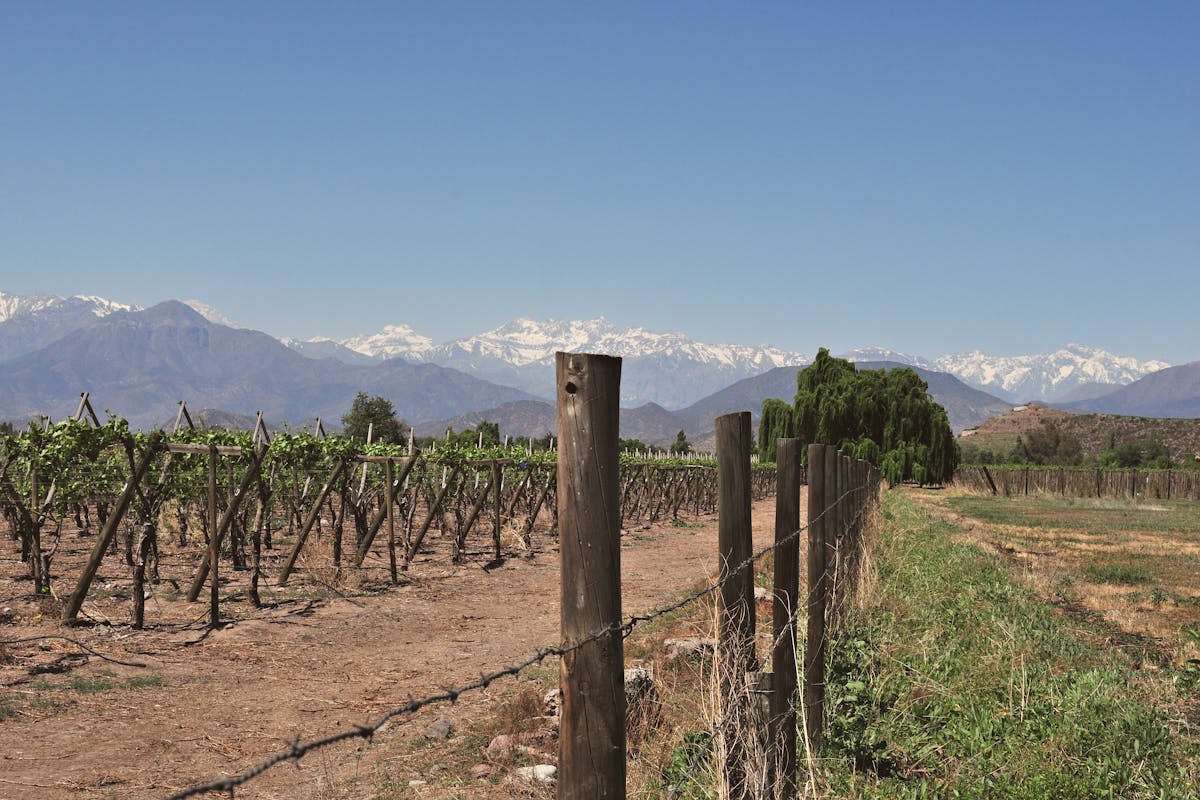
The rides are mellow — walk only, flat terrain, gentle horses — designed for atmosphere rather than adrenaline. You ride through rows of carmenere and cabernet, up into the hills for a panoramic view, then back for a tasting and lunch. It is the most civilized riding in Chile, and after Patagonian wind and volcanic trails, a little civilization goes a long way.
Half-day vineyard rides cost $60-100 per person including the tasting. Some bundle it with lunch for $120-150. If you are already doing a wine trip through the Central Valley, adding a horseback morning is one of the best upgrades you can make.
The Atacama: Yes, You Can Ride in the Desert
This one surprised me. The Atacama Desert, the driest place on earth, has horseback riding. And it is good. The rides operate out of San Pedro de Atacama and head into the Valle de la Muerte (Death Valley — uplifting name) or along the edges of the Salar de Atacama.
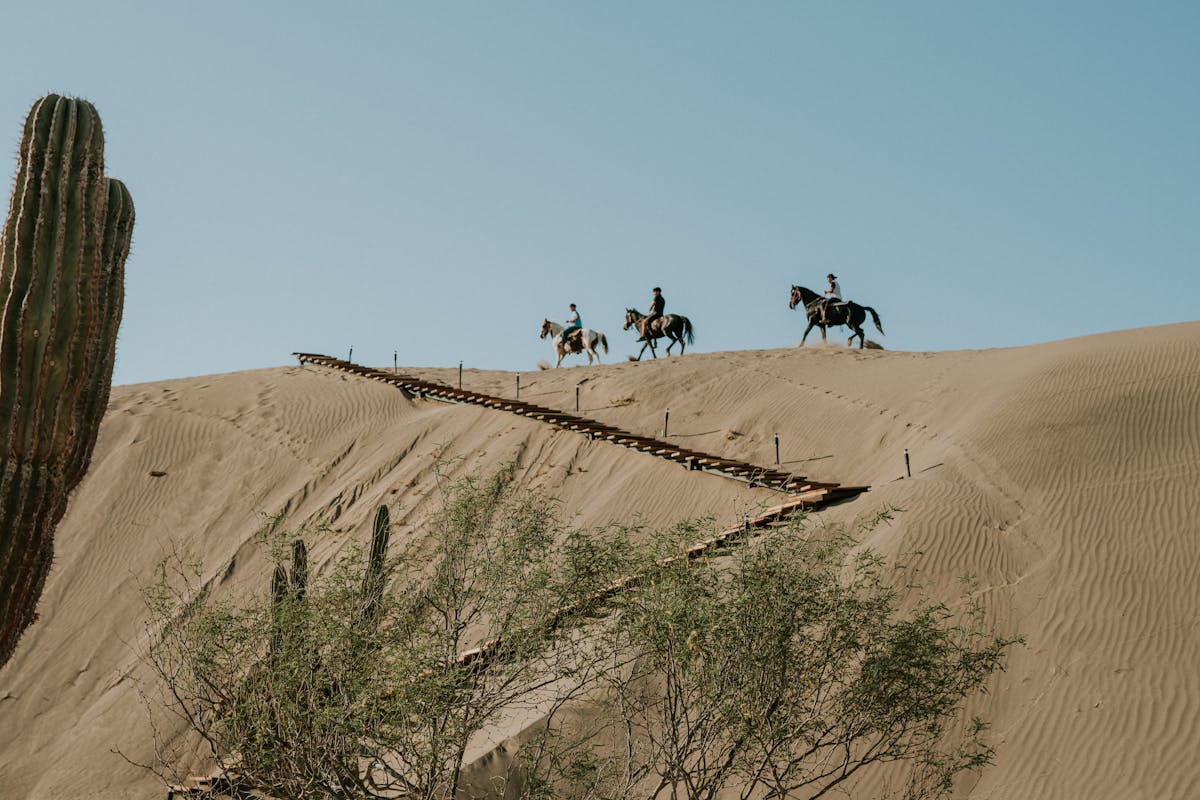
The appeal is not the riding itself — the terrain is flat. The appeal is the landscape. The Atacama looks different from horseback than from a tour bus. The elevation puts you just high enough to see the salt flats stretch toward the Bolivian volcanoes, and the silence of a walking horse in the desert is something else. No engine noise. Just hooves on sand and the creak of leather.
Sunset rides are the move. The rock formations catch the last light in colors that shift from gold to copper to deep red over thirty minutes. Rides run $50-70 per person for about two hours, year-round, though winter evenings get cold fast. Bring a fleece.
The Practical Stuff: What to Know Before You Ride
Experience Level
Most operations in Chile accept complete beginners — people who have never touched a horse. The criollo horses are calm, sure-footed, and accustomed to tourists who do not know what they are doing. Guides keep the pace at a walk for beginner groups, and the horses essentially autopilot on well-worn trails.
Multi-day rides and adventurous routes are better with at least a little experience — enough to post a trot and not panic when the horse steps over a log. If you are a genuine beginner booking a multi-day ride, tell the operator. They will match you with the right horse.
What to Wear
Learn from my sneaker mistake. Long pants with some give in the thigh. Closed-toe boots with a small heel — flat soles slide right through the stirrup. Sunscreen, a hat with a chin strap (wind takes everything else), layers for mountain mornings, and a windproof jacket in Patagonia. Gloves help after hour three when the reins start to rub. Sunglasses are not optional — glare off snow, sand, or water is harsh at Chilean latitudes.
Costs at a Glance
| Ride Type | Duration | Typical Cost |
|---|---|---|
| Half-day group ride (Pucon, Cajon del Maipo) | 3-4 hours | $40-80/person |
| Full-day ride (Torres del Paine, Atacama) | 6-8 hours | $100-150/person |
| Vineyard ride with tasting (Colchagua) | 3-4 hours | $60-100/person |
| Multi-day estancia (Patagonia) | 3-5 days | $150-250/person/day |
| Cochamo horse transport (gear only) | One way | $15-20 |
| Private ride (any location) | Varies | 1.5-2x group price |
Best Season
Chile stretches across so many climates that there is no single "best time" for riding. The general rule: November through March for Patagonia and the Lake District. Year-round for the Atacama and Central Valley. The shoulder months (October and April) can be the sweet spot — fewer crowds, lower prices, and autumn foliage in the south that makes every ride look like a postcard.
Avoid Patagonia rides in June through August unless you enjoy hypothermia. The Central Valley is pleasant year-round, though winter (June-August) mornings are cold enough to make you reconsider getting out of bed, let alone getting on a horse.
Multi-Day Options
Beyond Patagonia estancias, there are multi-day traverses from Pucon through araucaria forests to Argentina, rides along the Carretera Austral with pack horses, and a four-day crossing from the Colchagua Valley into the Andes following an old colonial trading route. These longer rides are where the experience shifts from "fun tourist activity" to something genuinely transformative. You fall into a rhythm. The horse becomes a partner, not a vehicle. The soreness peaks on day two, then fades. By day four you do not want to get off.
About Those Sore Legs
I will not pretend it does not hurt. If you are not a regular rider, the inside of your thighs and your lower back will remind you of every minute in the saddle. The first day is manageable. The second day is when you walk like a cowboy even though you are nowhere near a horse. By day three, something clicks and the soreness becomes background noise. Stretching each evening helps. Ibuprofen helps more. Hot springs help most of all — and Chile has plenty of those.
Why This Is the Way to See Chile
I have hiked in Chile, driven in Chile, taken buses and ferries and one spectacularly turbulent small plane. But the rides are what I remember most clearly. Not because they were the most dramatic, but because they were the slowest. On a horse, the landscape comes to you at walking speed. You hear the river before you see it. You notice the way light changes on the mountains because you have been staring at them for three hours with nothing else to do.
Chile's riding culture is not a tourist invention. The huasos have been here for centuries. The criollos have walked these trails since the Spanish brought their ancestors across the Atlantic. When you ride here, you are plugging into something old and real and still alive. The guide is not performing. The horse is not pretending. The trail is not repurposed. It is all genuine.
Bring proper shoes. Bring sunscreen. Bring the willingness to be sore for a couple of days. And when the huaso hands you the reins and that horse turns to look at you with an expression that says I have done this a thousand times, so just hold on — trust the horse. It knows what it is doing.