This article contains affiliate links. If you book through them, I earn a small commission at no extra cost to you.
There is a moment — usually around hour three of planning a Chile trip — when you realize that seven days means choosing. Patagonia or the Atacama. Lake District or Easter Island. Wine country or the desert. You cannot do it all in a week. Nobody can. But you can be clever about it, and if you are willing to take one domestic flight and keep your luggage light, you can squeeze an unreasonable amount of this country into seven days.
I know this because I tried. And failed the first time, then went back and got it right.
The itinerary below is the one I would hand to a friend who called me and said "I have one week in Chile, what do I do?" It is tight. Some mornings start early. You will not have lazy poolside afternoons. But you will land back home having seen the driest desert on earth, one of the most colorful cities in the Americas, and the granite towers that make every outdoor magazine cover look undersaturated.
If you have more time, go read my two-week Chile itinerary or the 10-day version instead. Those trips breathe. This one sprints. But it sprints through some of the best scenery on the planet.
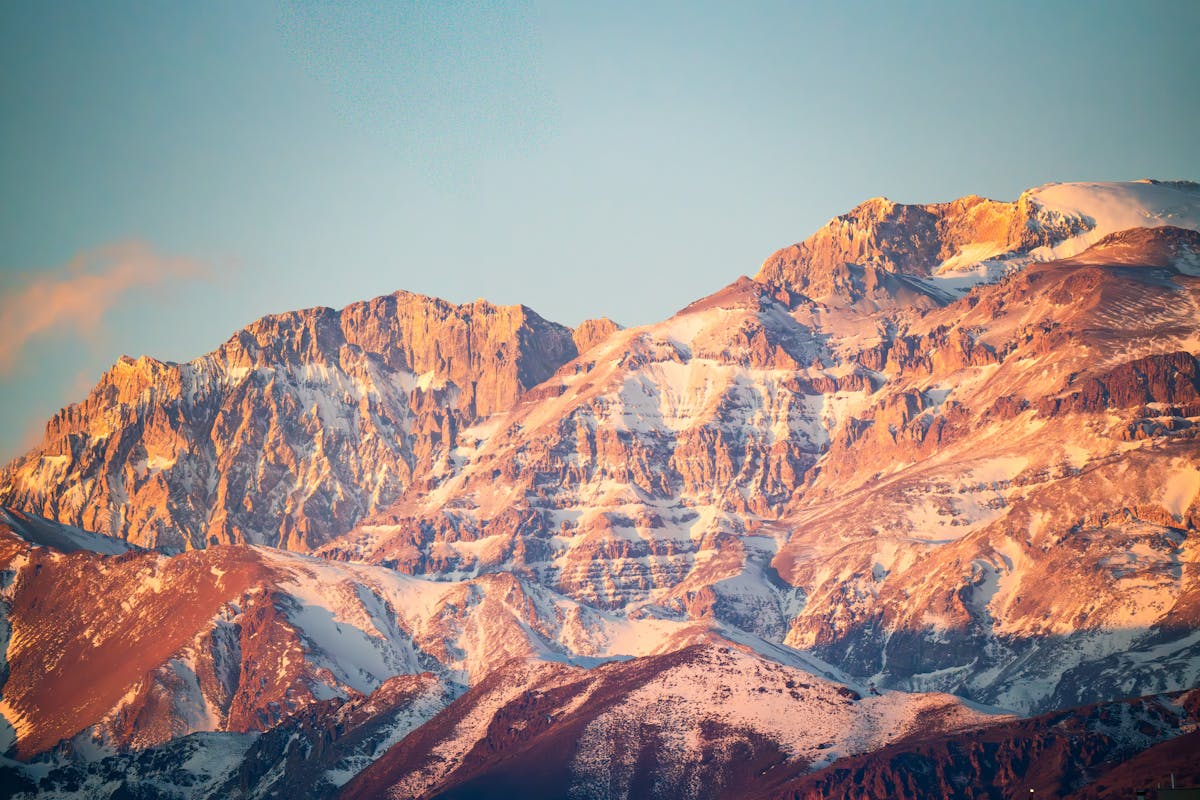
The Route: Santiago → Atacama → Valparaiso → Torres del Paine
Here is the logic. Santiago is your entry point — every international flight lands there. You spend a day getting oriented, then fly north to the Atacama Desert for two and a half days of geysers, salt flats, and stargazing. Fly back to Santiago, take a day trip to Valparaiso. Then fly south to Punta Arenas and drive to Torres del Paine for two days of day hikes before flying home.
It requires two domestic flights. LATAM runs them daily and if you book a few weeks ahead, Santiago-Calama runs about $60-90 each way. Santiago-Punta Arenas is more like $80-120. The flights are short — two hours north, three and a half hours south — and they save you days of bus travel.
Is it rushed? Yes. Will you wish you had more time? Absolutely. But you will have seen three completely different Chiles in seven days, and most people who visit for two weeks do not manage that.
Quick Tip
Book your domestic flights on LATAM's Chilean site (latam.com/es_cl) rather than the English version. Same flights, often 20-30% cheaper. Use Google Translate if needed.
Day 1: Santiago — Mercado Central, Cerro San Cristobal, and a Pisco Sour
Your international flight dumps you in Santiago early morning if you are coming from North America, late afternoon from Europe. Either way, Day 1 is about settling in, fighting the jetlag, and getting your bearings in a city that is more interesting than it first appears.
If you land early: drop your bag at the hotel and head straight to Mercado Central. The tourist restaurants on the ground floor will shout at you as you walk in — ignore them, head to the back stalls where the locals sit on plastic stools eating caldillo de congrio (a Chilean fish stew) for $5. This is one of the best meals you will eat all week, and you are having it jet-lagged at 9am. Good start.
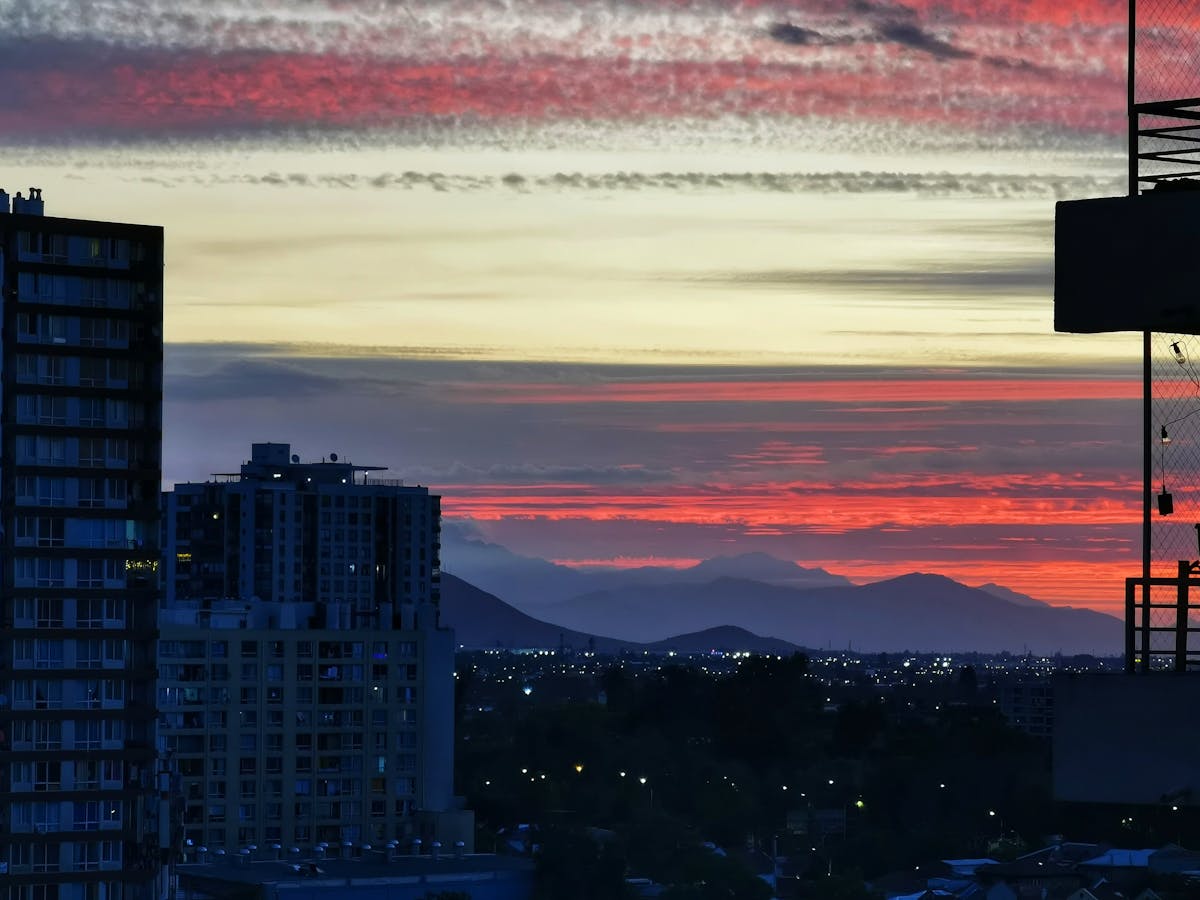
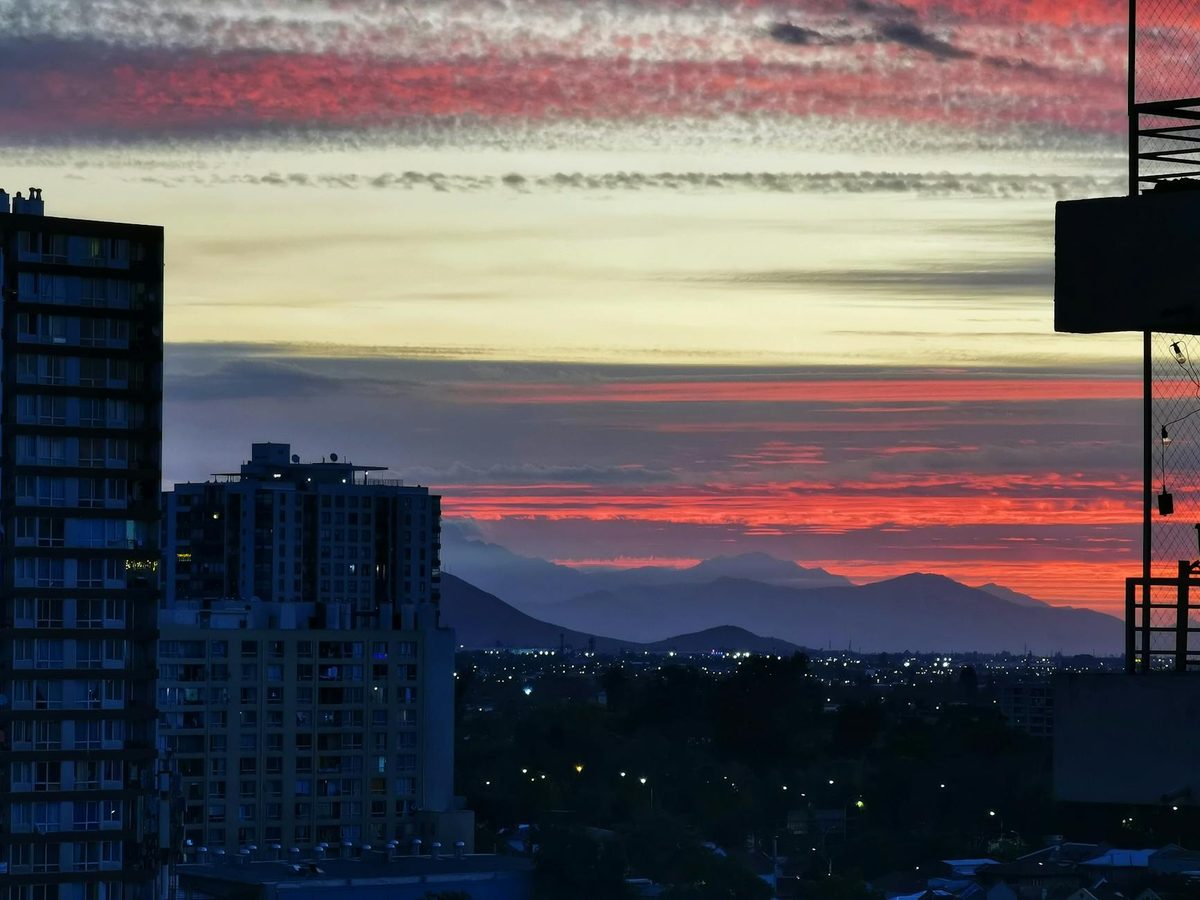
Afternoon: take the funicular up Cerro San Cristobal. The views from the top lay the whole city out — the Andes right there, enormous, snow-capped, closer than you expected. I went up around 4pm and the light was perfect. Walked down through Barrio Bellavista, which has street art and cheap wine bars and the kind of low-key energy that makes you want to cancel the rest of the trip and just stay.
Evening: find a terrace somewhere in Barrio Lastarria and order a pisco sour. You have earned it. Tomorrow starts at 5am.
For a deeper dive into the capital, I wrote a full Santiago city guide covering neighborhoods, food, and day trips. But for one day, the route above hits the highlights without running you into the ground.
Getting into the City
The Centropuerto bus from SCL airport to Los Heroes metro costs $1.50 and takes about 30 minutes. Taxis and Uber run about $20-25. Unless you have a lot of luggage, the bus is fine — clean, direct, and drops you at a central metro station.
Day 2-3.5: The Atacama — Stars, Salt, and Silence
Early morning flight to Calama. I mean early — the 6:30am departure is the one you want because it gets you to San Pedro de Atacama by lunchtime and you can fit in an afternoon excursion. Calama itself is a copper mining town with nothing for tourists. Grab the transfer van to San Pedro (90 minutes, about $15, runs every hour) and do not look back.
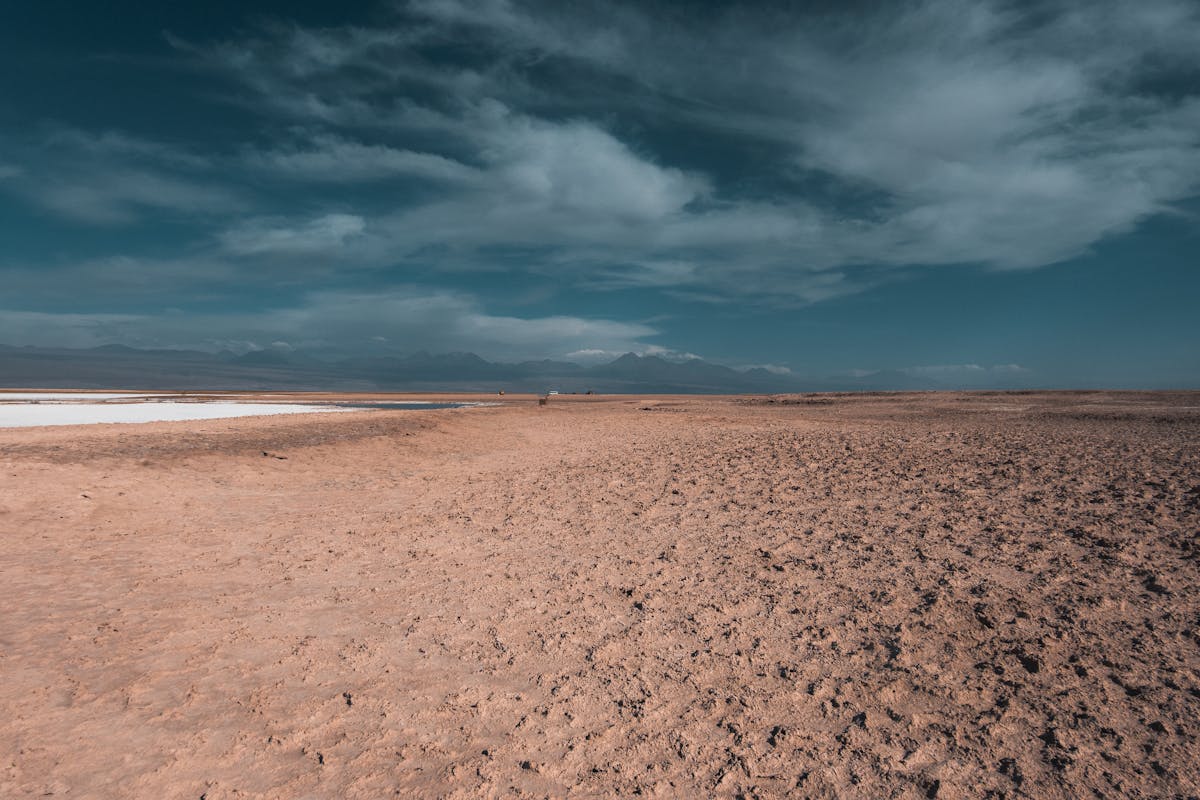
San Pedro sits at 2,400 meters. You will feel it. The air is thin and absurdly dry. Drink water like it is your job. I got a splitting headache my first afternoon because I forgot to hydrate on the flight, and it took hours to shake. Do not make my mistake.
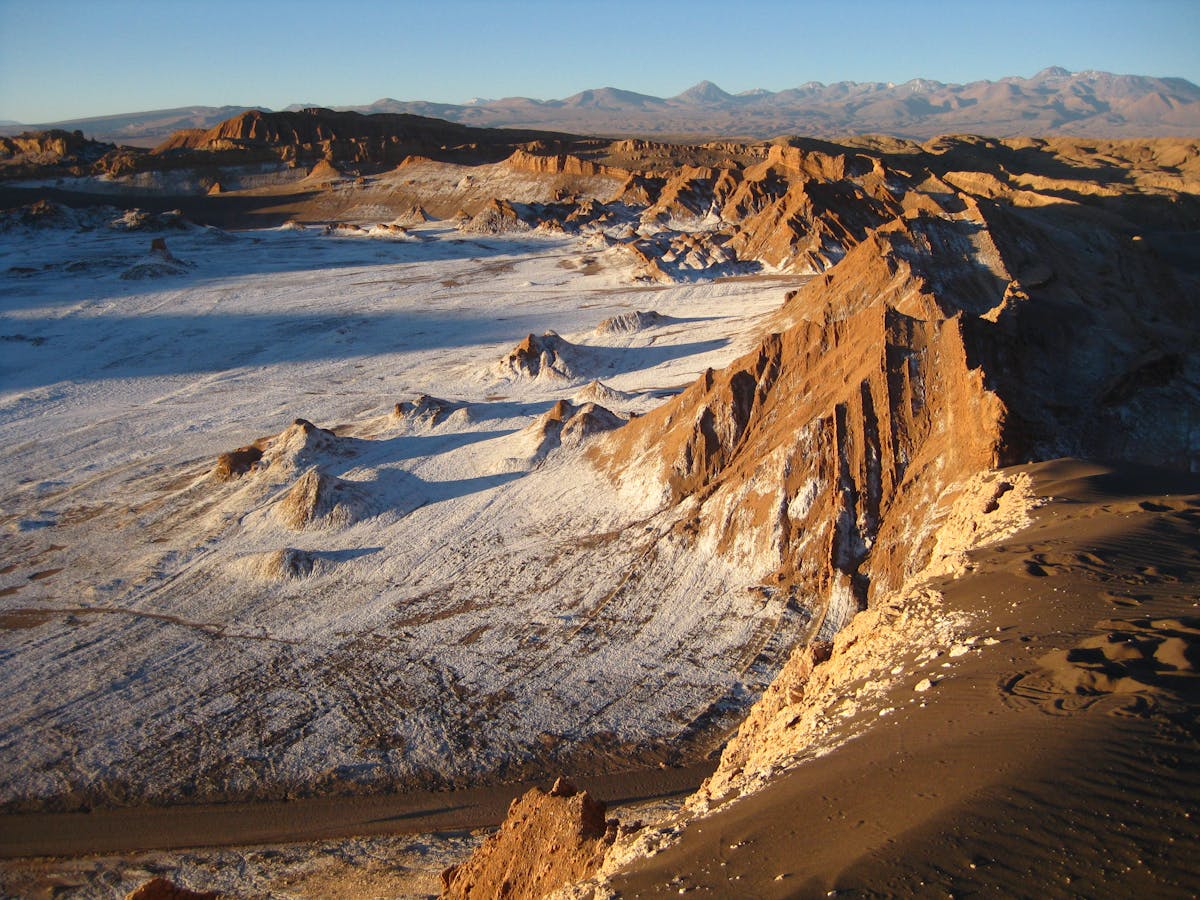
Day 2 Afternoon: Valle de la Luna
The Valle de la Luna sunset tour is the classic first-day activity, and it deserves the reputation. Twenty minutes from town, you are standing on Mars. Eroded salt ridges, massive dunes, rock formations that look like they were designed by someone who had never seen Earth. The tour groups all pile onto the Duna Mayor for sunset, and the sunset itself is fine — pretty, sure. But the real show starts 15 minutes after the sun drops. Stay after the groups leave. The sky goes through colors I still cannot name properly. Purple. Copper. Something between green and gold.
The tours run about $20-25 per person with hotel pickup. Every agency in San Pedro sells them. They are all essentially the same route.
Day 3: El Tatio Geysers at Dawn, Afternoon Free
The alarm goes off at 3:45am. You will regret every life choice that led to this moment. A van picks you up in pitch darkness and drives 90 minutes up a winding road to 4,300 meters where the El Tatio geyser field is steaming in the pre-dawn cold. And when I say cold — minus 8 to minus 15 Celsius cold. Wear every layer you own. I had thermals, a fleece, a down jacket, and a windbreaker, and my fingers still went numb.
But then the sun hits the steam columns and the whole field lights up gold against a sky so blue it looks fake. The geysers are not Yellowstone-scale eruptions — they are more like aggressive boiling pools and hissing vents. The scale of the place is what gets you. A high-altitude plateau ringed by volcanoes, with steam rising from the ground in every direction. I stood there shivering and grinning like an idiot.
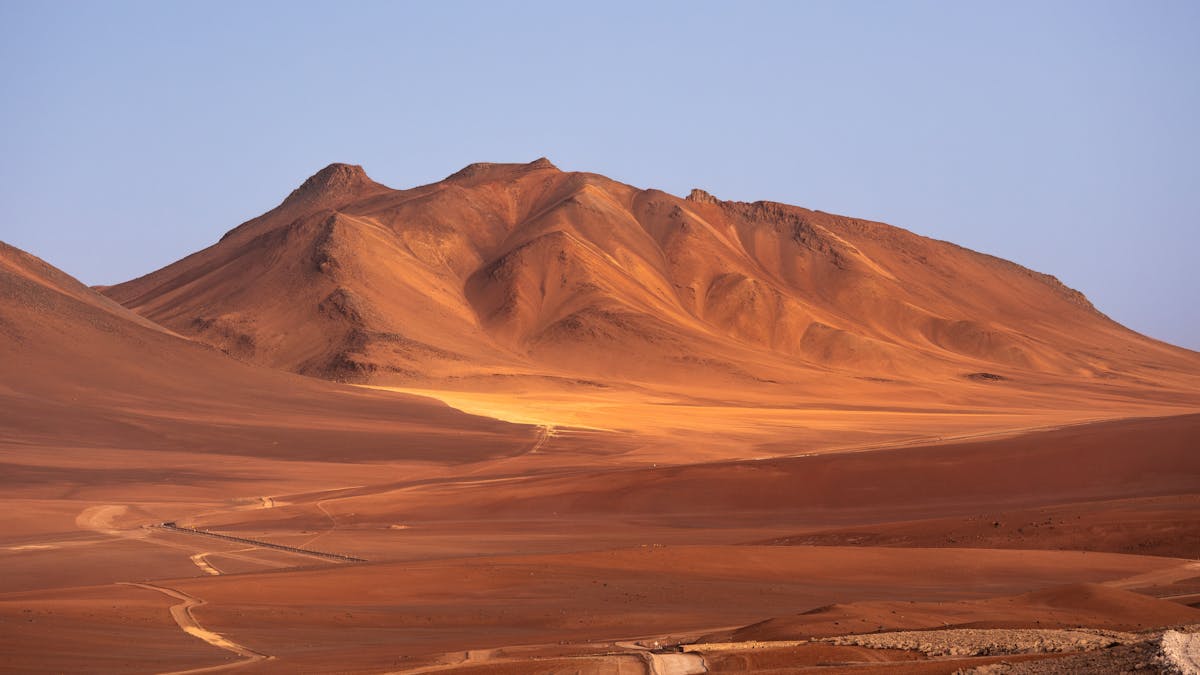
Most tours get back to San Pedro by noon. You will be exhausted. Nap. Then in the afternoon, rent a bike and ride out to the Pukara de Quitor ruins (20 minutes from town, flat road, free). Or just wander San Pedro's adobe streets, eat empanadas, and stare at the sky. The Atacama does something to your sense of scale. Everything is bigger and emptier than you expected.
Day 3 Night: Stargazing
This is non-negotiable. The Atacama has the clearest skies on Earth — it is why half the world's major telescopes are built here. Book an astronomical tour ($30-40, about 2 hours) through one of the agencies in town. They set up telescopes in the desert outside San Pedro and walk you through the southern sky.
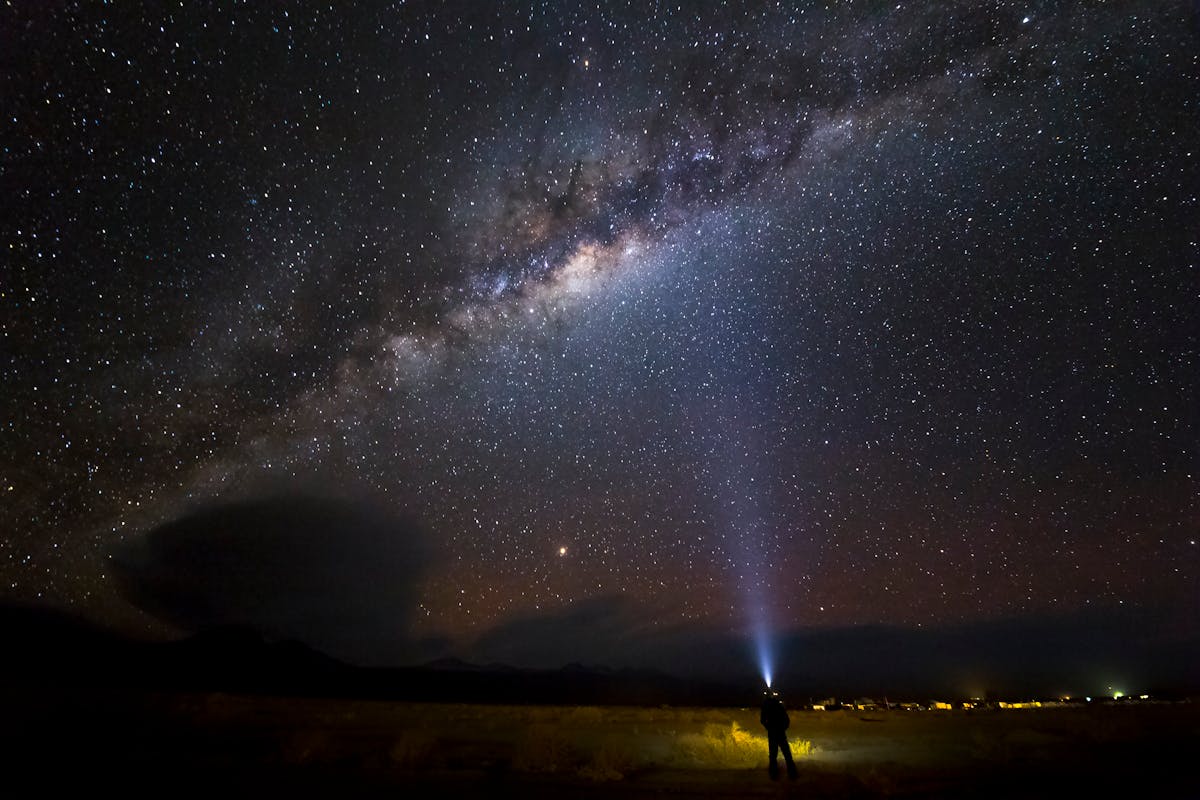
I have seen the Milky Way from dark places — rural Montana, the Australian outback, a ship in the middle of the Pacific. The Atacama is different. The Milky Way has structure. You can see the dust lanes. Saturn's rings are visible through a decent telescope. I had goosebumps and not just from the cold.
Day 4 Morning: Lagunas Altiplanicas, Then Fly Back
If your flight back to Santiago is in the afternoon (aim for a 5pm or later departure from Calama), you can squeeze in a half-day tour to the altiplanic lagoons. The Lagunas Miscanti and Miniques sit at 4,100 meters — turquoise water backed by snow-capped volcanoes, flamingos picking through the shallows. It is one of those landscapes that looks Photoshopped but is not.
Then it is back to Calama, onto the plane, and south to Santiago. You will land feeling like you have been in Chile for a month. The Atacama does that — it is so different from everything else that it stretches time.
Day 4.5: Valparaiso Day Trip — Street Art, Hills, and Fish
You slept in Santiago last night. This morning, take the bus from Terminal Rodoviario (Pajaritos metro) to Valparaiso. Pullman or Turbus, $5-7 each way, 90 minutes. Go early — the 8am bus gets you there by 9:30, which gives you a full day.
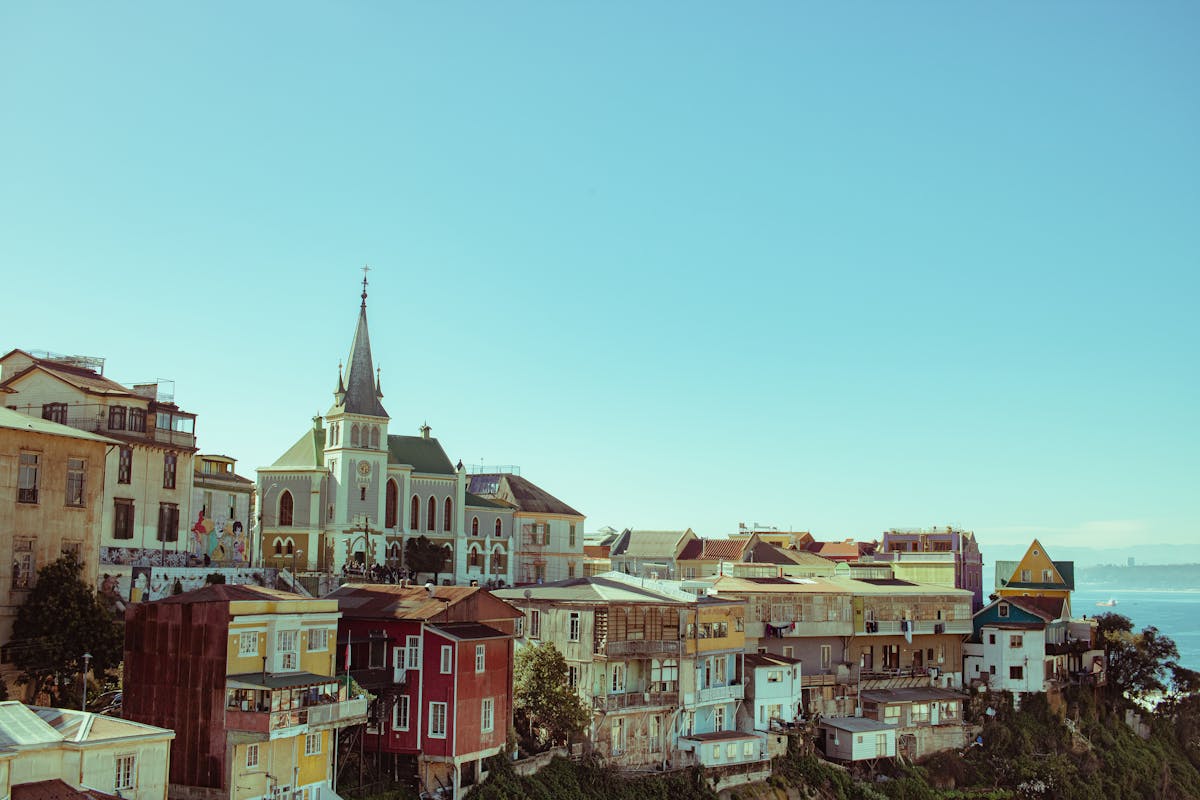
Valparaiso is Chile's most photogenic city and its most chaotic. Built across 42 hills (cerros), connected by ancient elevators (ascensores) and crumbling staircases, every surface covered in street art that ranges from world-class murals to terrible tags. It is grimy and beautiful and completely unlike Santiago.
Start at the bottom of Cerro Alegre and walk uphill. Get lost. That is the correct strategy. The street art gets better the further you wander from the tourist path. Take the Ascensor Concepcion ($0.30, still wooden, still terrifying, still worth it) for the classic rooftop view. Find a restaurant on a hill with a harbor view and eat reineta (a mild white fish, usually fried, always good) or chorrillana (a plate of fries, onions, and steak that could feed a family but is intended for one person).
By mid-afternoon you will have walked more than you expected — the hills do that. Take the bus back to Santiago. Tonight you repack your bag because tomorrow you fly south, and Patagonia needs different gear than the desert.
Quick Tip
Valparaiso has a pickpocket problem in certain areas. Keep your phone in a front pocket, do not flash expensive cameras on empty streets, and stay on the tourist-facing cerros (Alegre and Concepcion). The port area at night is not worth the risk.
Day 5-6: Torres del Paine — The Part That Makes You Come Back
Morning flight to Punta Arenas. Three and a half hours, and when you land, the temperature has dropped 20 degrees and the wind is trying to rip your jacket off. Welcome to Patagonia.
From Punta Arenas, you have two options to get to Torres del Paine. Option one: rent a car and drive to Puerto Natales (3 hours), then another 1.5 hours to the park. Option two: take the bus to Puerto Natales ($10, 3 hours) and join a day tour into the park from there. If there are two of you, the rental car is worth it for the flexibility. Solo, the bus and tour combo works fine.
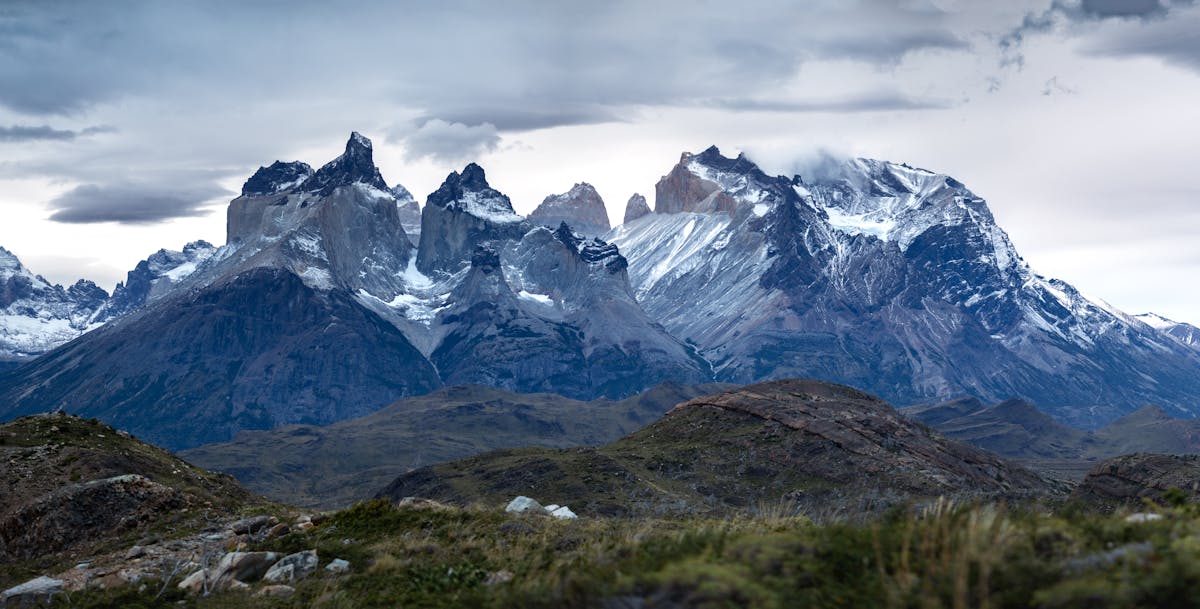
Two days is not enough for Torres del Paine. I want to be honest about that. People spend five days hiking the W Trek and still leave wanting more. But two days of day hikes will show you why this park is considered one of the most spectacular on Earth, and it will give you a reason to come back for the full trek later.
Day 5: Base of the Towers Hike
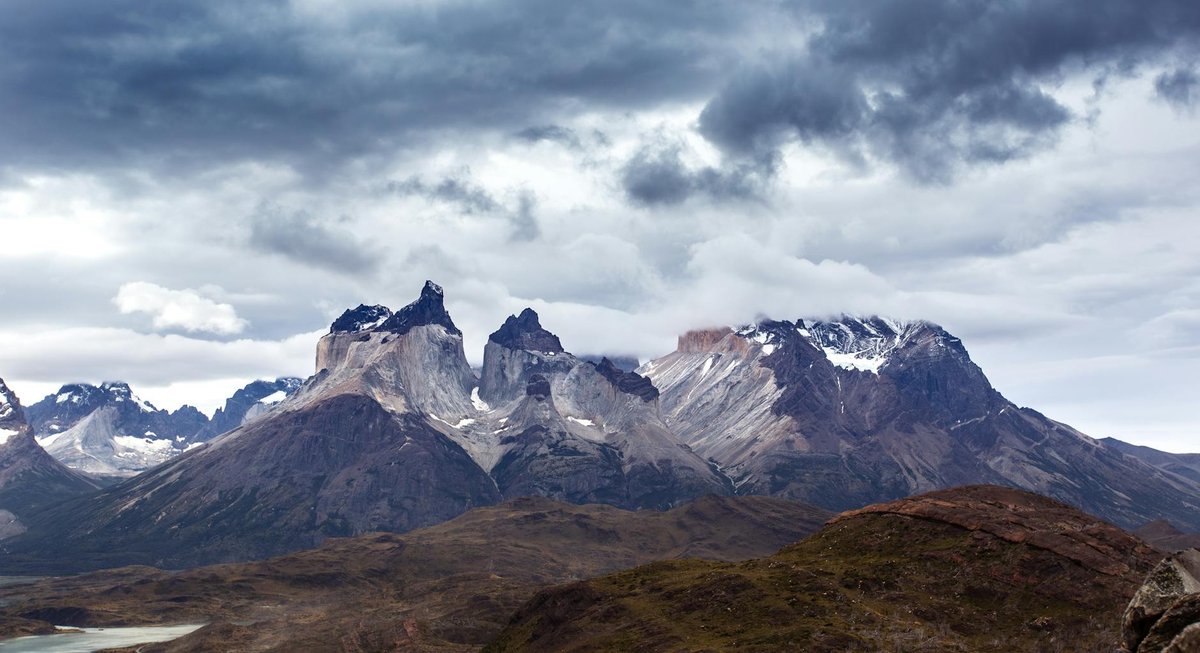
The signature hike. Eight to ten hours round trip, about 18 kilometers, with a final steep scramble up a boulder field to the viewpoint at the base of the three granite towers. It is a hard day. The trail climbs through lenga forest, crosses rivers on wooden bridges, and exposes you to Patagonian wind that changes direction every ten minutes. I started in sunshine and finished in sideways rain. Typical.
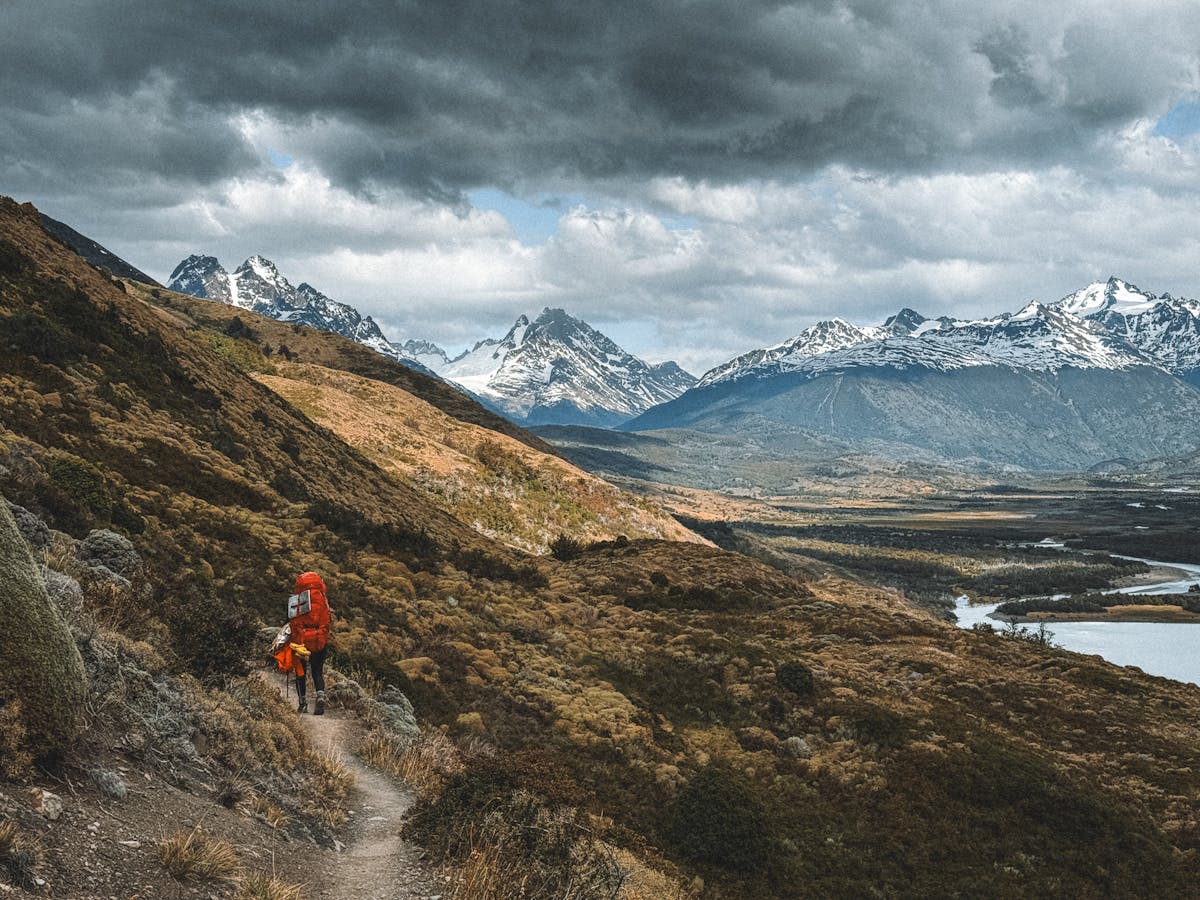
The viewpoint, though. Three granite pillars rising straight out of a glacial lake, no trees, no buildings, nothing to give scale except the other hikers who look like ants at the base. It is one of those views that photographs cannot prepare you for because photos do not capture the wind, the cold, the way the clouds move across the towers in real time. I sat on a boulder and ate my sandwich and did not want to leave.
Start early. 7am at the latest. The afternoon clouds often obscure the towers, and you did not hike eight hours to stare at grey fog.
Day 6: Lago Grey and the Glacier
A gentler day. The Lago Grey trail is shorter (3-4 hours round trip), flatter, and ends at a beach full of icebergs that have calved off Glacier Grey. Actual icebergs. Blue ones. Sitting on dark sand. It is surreal.
If you have the budget ($100-120), take the catamaran boat that goes up to the glacier face. Standing on the deck watching a wall of ice creak and groan is the kind of experience that makes you forget you spent $120 on a boat ride. I talked to a glaciologist on board who told me the glacier has retreated 500 meters in the last decade. It felt like watching something that would not be there forever.
Evening: drive or bus back to Punta Arenas for your flight home the next morning. Or spend the night in Puerto Natales, which has good restaurants and the kind of small-town Patagonian atmosphere that makes you want to own a wool shop and never leave.
Day 7: Fly Home (or Don't)
Morning flight from Punta Arenas back to Santiago, connecting to your international departure. Or — and this is what I actually did — change your flight, stay three more days, and do the W Trek properly. Chile does that to people. The one-week trip becomes the "I need to come back" trip.
For more on getting around, check the transport guide. For budgeting, the money and costs page has current prices for everything.
What This Week Costs
| Expense | Budget | Mid-Range |
|---|---|---|
| Domestic flights (2) | $140-180 | $200-280 |
| Accommodation (6 nights) | $90-150 | $300-500 |
| Food (7 days) | $100-140 | $200-350 |
| Tours and activities | $80-120 | $200-350 |
| Local transport | $40-60 | $80-150 |
| Total (excluding international flight) | $450-650 | $980-1,630 |
Chile is not the cheapest country in South America — it is closer to Argentina pricing than Peru or Bolivia. But it is manageable on a budget if you eat where locals eat, take buses between cities, and book hostels in advance. The biggest variable is the domestic flights, which get expensive close to departure.
What to Cut if You Only Have 5 Days
Drop Torres del Paine. I know. It hurts to type that. But getting there and back eats two travel days, and the hikes need full days to be worthwhile. If you only have five days, do Santiago (1 day), Atacama (2.5 days), and Valparaiso (1 day). You will still see two dramatically different sides of Chile, and you will not spend half your trip in airports and buses.
The other option: drop the Atacama and do Santiago (2 days), Valparaiso (1 day), and fly to Punta Arenas for Torres del Paine (2 days). This works if Patagonia is the thing you cannot leave Chile without seeing. But you miss the desert, the stars, the otherworldly feeling of being somewhere that gets less rainfall than the Sahara.
Option B: Santiago + Lake District + Chiloe (7 Days)
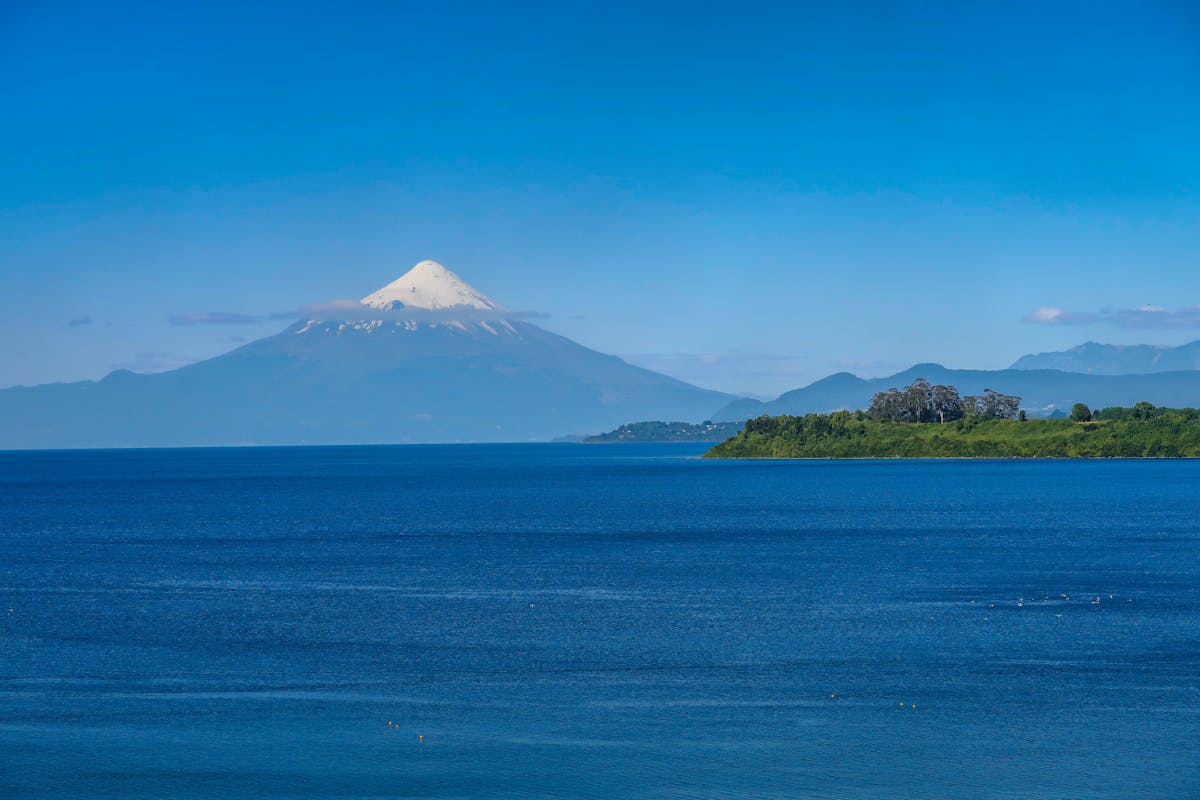
If you do not care about deserts and want green, this route is for you. Fly from Santiago to Temuco or Puerto Montt and spend your week in the Lake District and Chiloe Island.
Day 1: Santiago arrival, same as above. Day 2: Fly to Temuco, transfer to Pucon. Afternoon at the hot springs. Day 3: Climb Villarrica Volcano (full day, guided, about $80). Day 4: Drive to Puerto Varas via the scenic lake road. Afternoon in Frutillar (German-style lakeside town, oddly charming). Day 5-6: Ferry to Chiloe. Wooden churches, palafito houses, curanto (a traditional meal cooked underground). The island feels like a different country — foggy, mythical, full of stories about ghost ships. Day 7: Ferry back, fly home from Puerto Montt.
This route is gentler. Less flying, more driving through scenery. The Lake District is the Chile that does not make the postcards as often, but the people I know who have been there always say it was their favorite part.
Option C: Santiago + Atacama + Easter Island (7 Days)
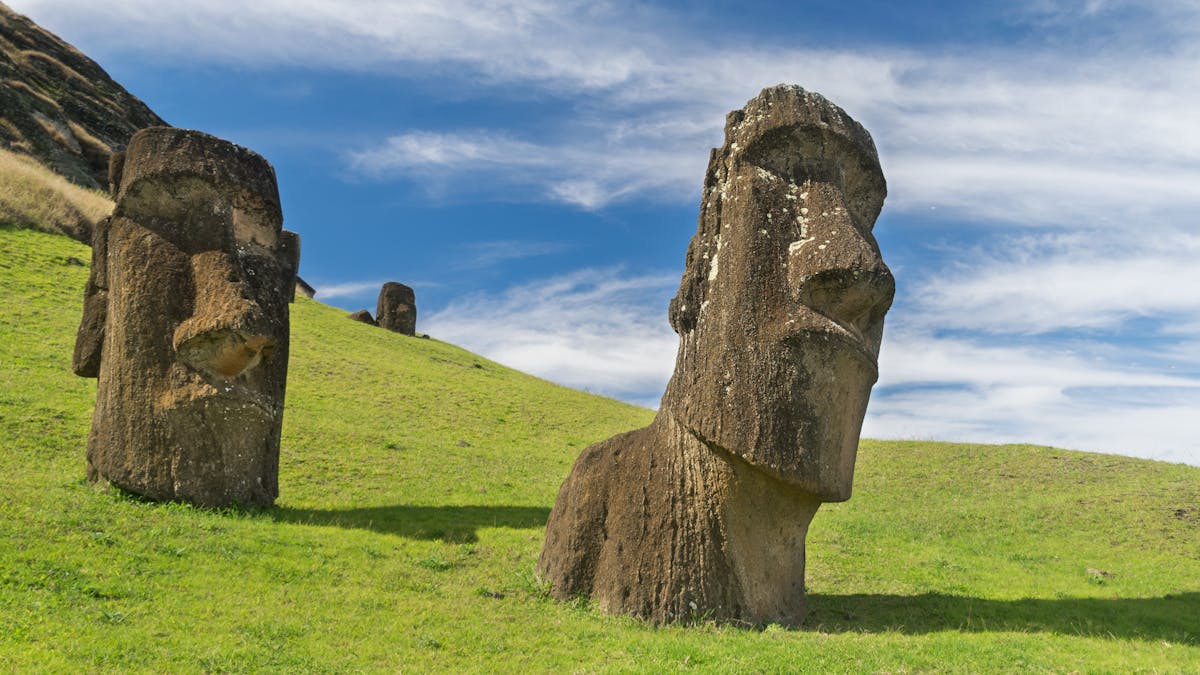
For the bucket-list chasers. Easter Island (Rapa Nui) is a five-hour flight from Santiago, sitting alone in the Pacific Ocean, closer to Tahiti than to the Chilean mainland. It is expensive to get to (flights run $300-500 round trip) and expensive when you are there. But it is one of the most unique places on the planet.
Day 1: Santiago. Day 2-3.5: Fly to Atacama, same as the main itinerary. Day 4: Fly back to Santiago, connect to Easter Island (or next morning). Day 5-6: Rapa Nui — Rano Raraku quarry, Ahu Tongariki at sunrise, Orongo ceremonial village, Anakena beach. Rent a car or scooter; the island is small enough to drive around in a day. Day 7: Fly back to Santiago, connect home.
This is the most expensive option by far, and the most logistically tight. But if seeing the Moai is on your list, combining it with the Atacama means you hit two of Chile's most otherworldly landscapes in one trip.
The Honest Truth About One Week in Chile
Seven days is not enough. I want to be straight about that. Chile is 4,300 kilometers long and absurdly diverse — deserts, glaciers, volcanoes, islands, wine country, fjords, penguin colonies. One week lets you taste it. Two weeks lets you understand it. A month still is not enough because you have not done the Carretera Austral yet and someone at a hostel told you about the hot springs in Pucon and now you are reorganizing everything.
But a week is what most people have. And if you follow the route above — if you are willing to wake up at 4am for geysers and take a 6am flight and eat on the move — you will leave with the sense that you have been somewhere extraordinary. Three completely different landscapes. The driest desert on earth and one of the wettest mountain ranges. A city built on 42 hills and a park built on granite.
You will also leave with a return ticket already forming in your head. Everyone does.