This article contains affiliate links. If you book through them, I earn a small commission at no extra cost to you.
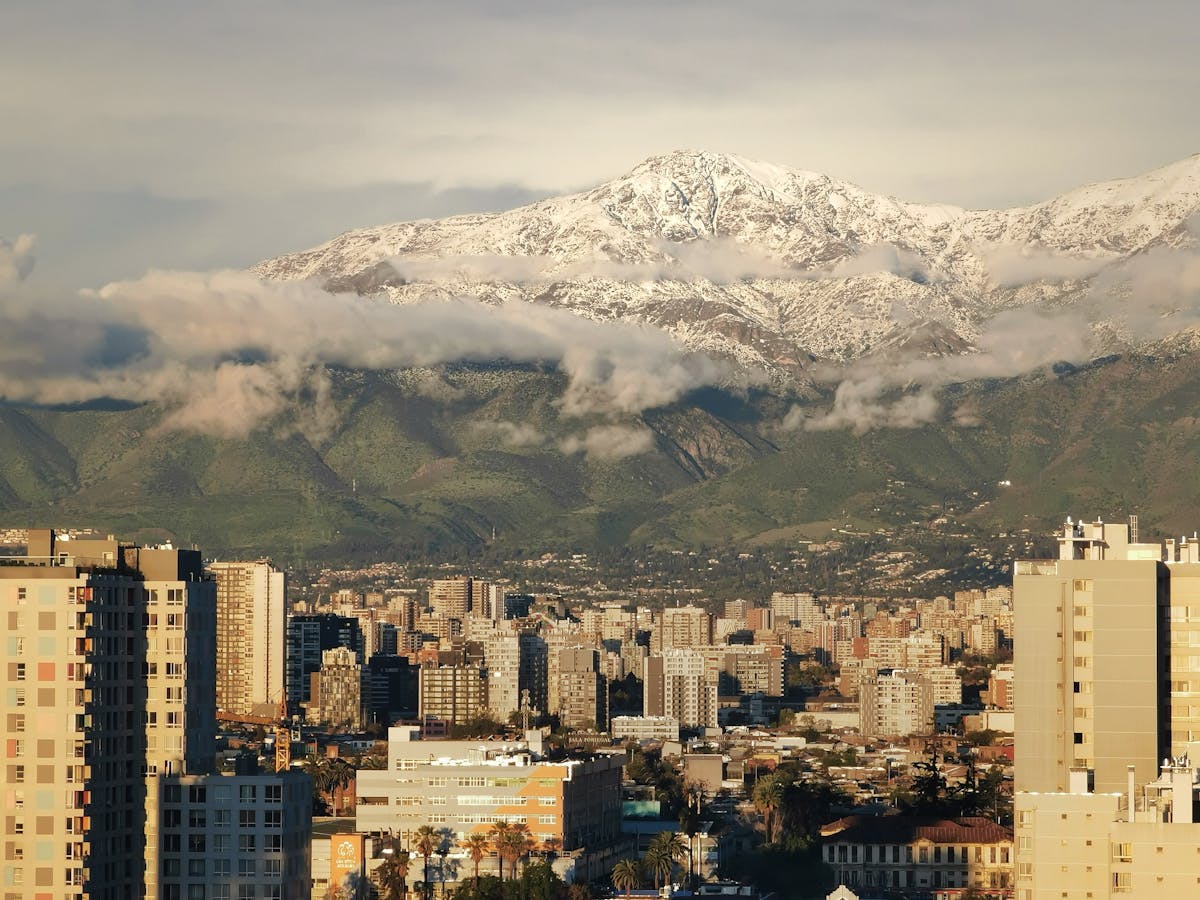
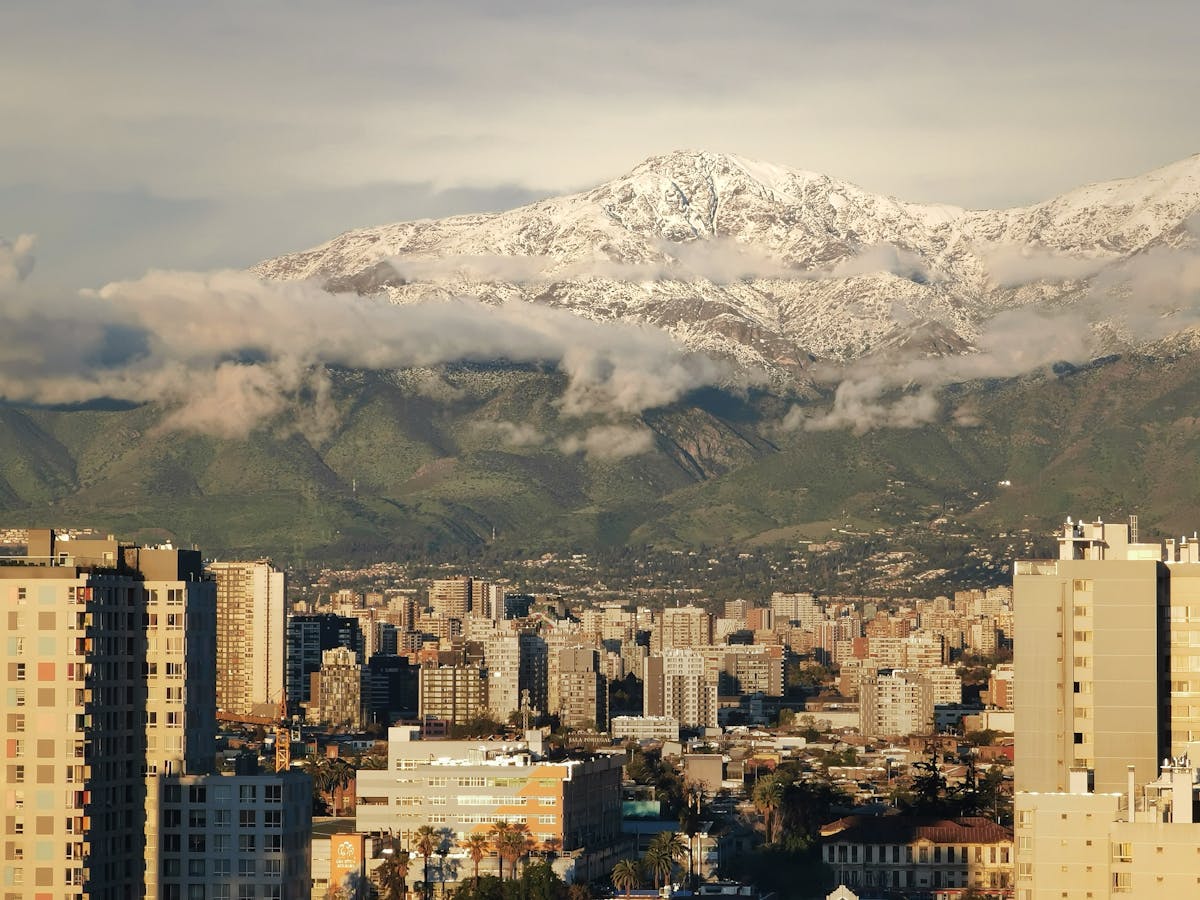
The first morning caught me off guard. I stepped out of my hotel in Lastarria around eight, expecting the usual capital-city chaos — honking, exhaust, that glazed look people get during a commute. Instead I got cobblestones, the smell of fresh bread from a corner bakery, a guy setting up an easel on the sidewalk, and behind all of it, the Andes. Just sitting there at the end of the street, enormous and snow-dusted, like they'd been photoshopped onto the skyline. I stood on the corner for a full minute doing nothing, which is not something I usually do in cities. Santiago had my attention.
Three days turned out to be the right amount of time. Not enough to see everything — you could spend a week here and still miss things — but enough to get the rhythm of the place, eat well, cover the big sights, and take a day trip that completely changes the scenery. I've done this itinerary twice now, tweaking it each time, and what follows is the version I'd give a friend. Morning to evening, day by day, with the metro tips and restaurant picks and honest opinions on what's worth your time and what isn't.
If you want the full rundown on Santiago as a city, our Santiago guide covers everything. This is the condensed, three-day version — the one where I tell you exactly what to do with limited time.
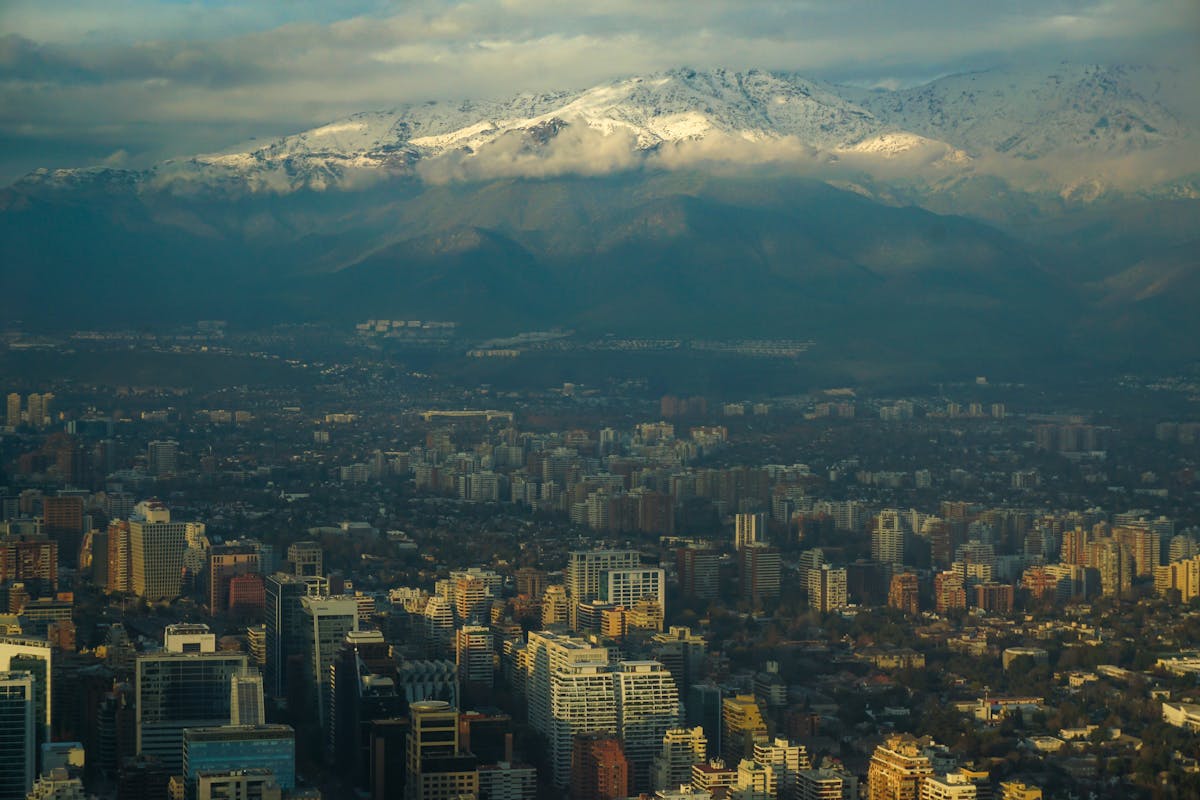
Day 1: Lastarria, the Historic Center, and Bellavista
Morning — Lastarria and Cerro Santa Lucia
Start in Lastarria. If you followed our where to stay guide, you're probably already here — it's the neighborhood I recommend for first-timers, and for good reason. The streets are walkable, the cafes are strong, and you're within striking distance of everything on today's list.
Get coffee first. There are at least six good options within two blocks of the Lastarria pedestrian strip, and most of them open by 8am. I won't name a specific one because the lineup changes, but look for the places where locals are sitting, not the ones with English menus in the window. A cortado and a media luna (the Chilean croissant — flaky, slightly sweet, not quite like the French version) should cost under 4,000 CLP.
Once you're caffeinated, walk to Cerro Santa Lucia. It's right there — you can see it from Lastarria, a rocky hill sticking up from the middle of the city with terraces and fountains and stairways carved into the stone. The entrance on the Lastarria side is through the Neptuno Terrace, and the whole climb takes maybe twenty minutes if you stop to look at things, which you will. The views from the top aren't the best in Santiago (that comes later today), but the terraces themselves are the point — old stone arches, fountains that may or may not be running, bougainvillea spilling over walls. On a clear morning the Andes fill the eastern sky.
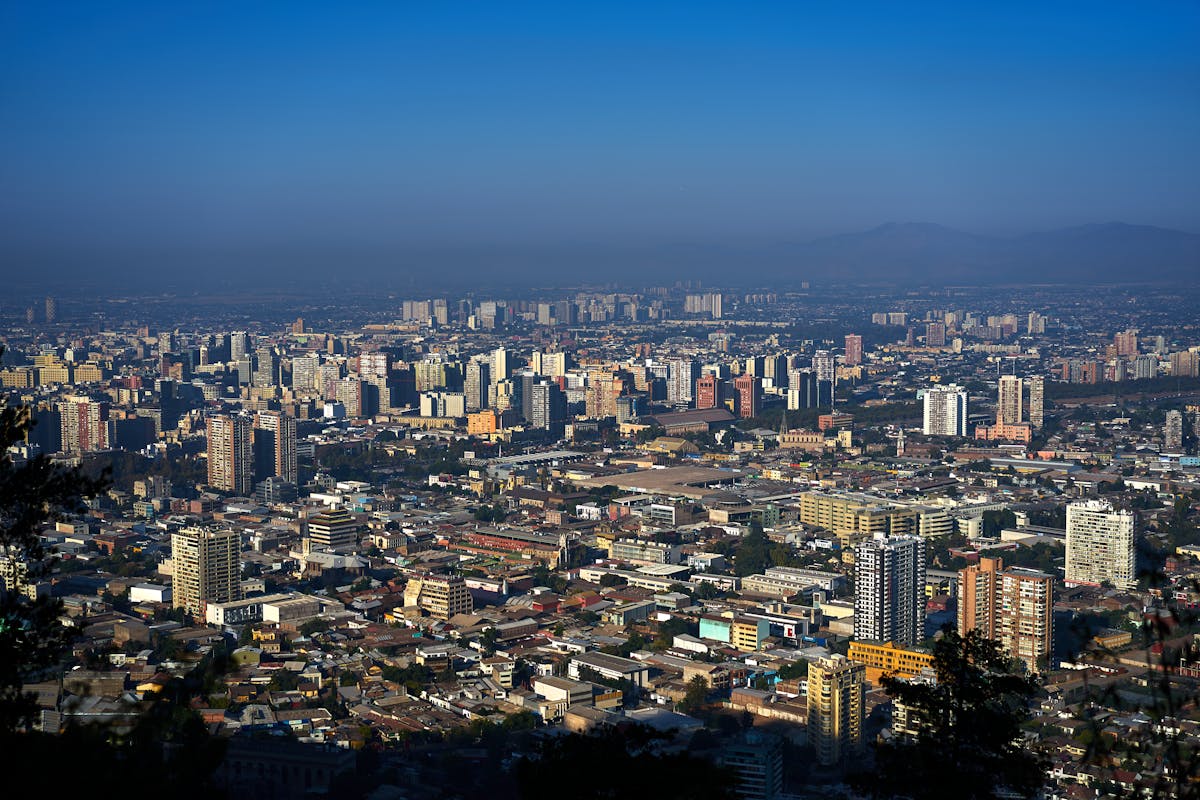
Come back down the north side of the hill and you're at Plaza de Armas in about fifteen minutes on foot. This is the colonial heart of the city — the cathedral, the central post office (worth a look inside for the ironwork), the Museo Historico Nacional if you want context on Chilean history. I'd give the plaza thirty minutes, walk through the cathedral, then keep moving. It's fine. It's a colonial plaza. You've probably seen a few.
Metro Tip
Buy a Bip! card at any metro station — 1,600 CLP for the card itself, then load whatever you want. Single rides are around 800 CLP and the system is clean, fast, and covers most places you'll go. Lastarria is between Universidad Catolica and Baquedano stations (Line 1). For more transit details, see our getting around guide.
Midday — Mercado Central
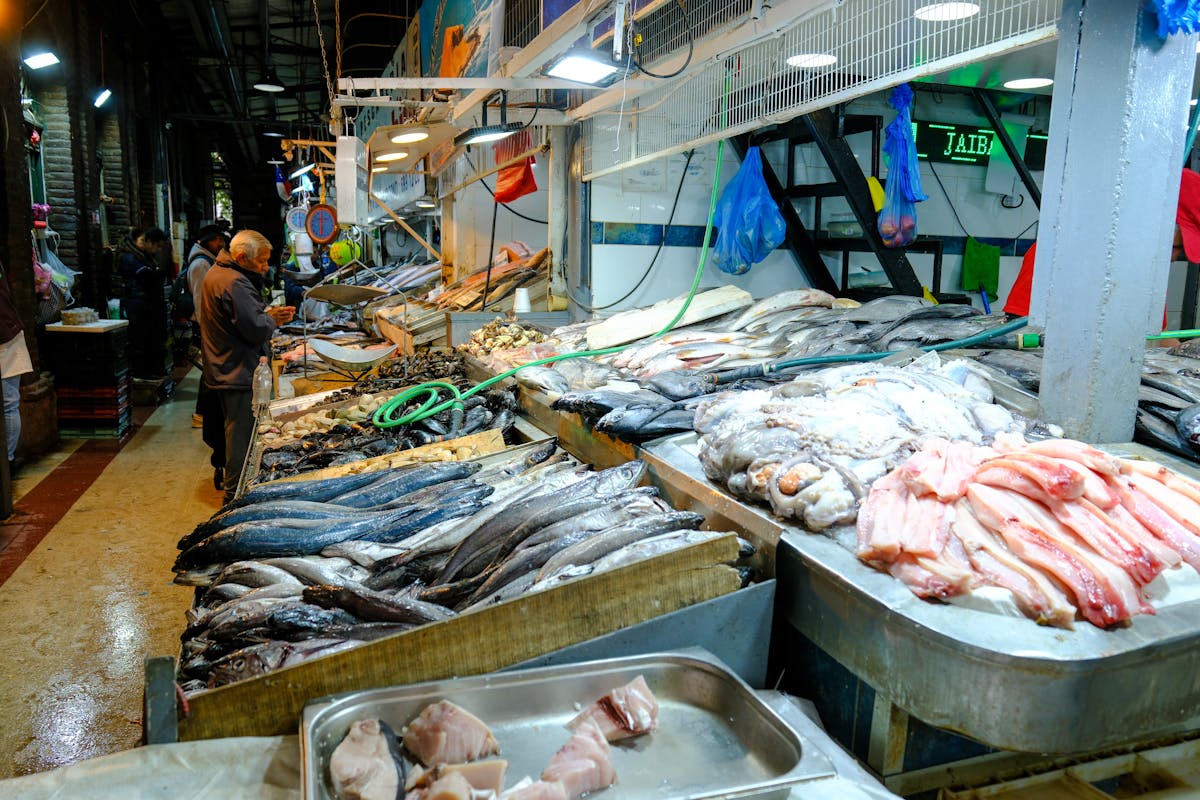
From Plaza de Armas, walk north to Mercado Central. It's about ten minutes on foot — cross the Mapocho River on the pedestrian bridge and the market is right there, a massive iron-and-glass structure that looks like a train station from 1872, because that's essentially what it is.
Here's what you need to know: the restaurants in the center of the market, under the main dome, are tourist traps. They have hawkers outside pulling you in, the prices are inflated, and the fish is the same quality you'll find at the smaller stalls around the perimeter. Walk past the middle. Head to the outer ring. Find a stall with plastic chairs and a handwritten menu and locals eating lunch. Order the caldillo de congrio — it's a fish soup that Pablo Neruda literally wrote a poem about. Thick, tomatoey broth, a chunk of congrio eel that falls apart with a spoon, potatoes, onion. Under 8,000 CLP at the outer stalls. The same bowl in the center will cost you 15,000.
If you want more detail on where to eat in Santiago beyond the market, our restaurant guide has the full breakdown by neighborhood and budget.
Afternoon — Bellavista, La Chascona, and Cerro San Cristobal
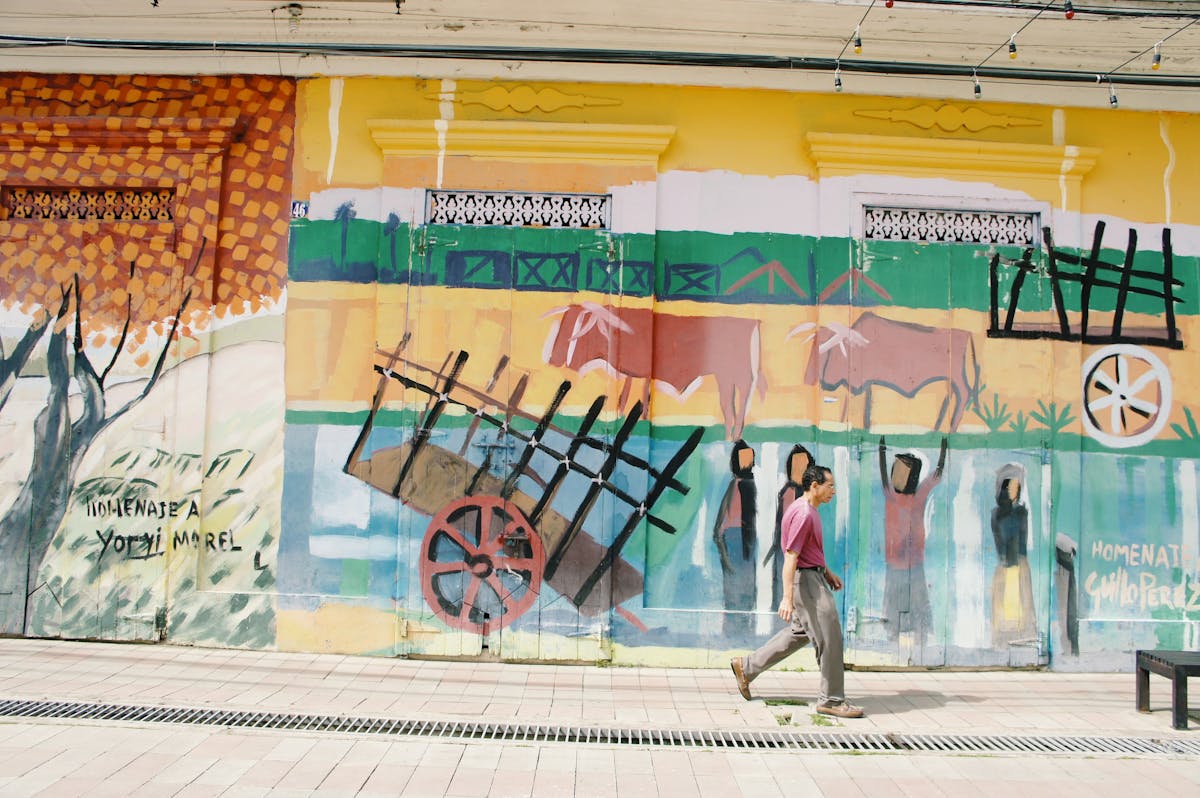
After lunch, walk east along the river toward Bellavista. This is Santiago's bohemian quarter — street art on every surface, bars that don't open until midnight, thrift shops, and La Chascona, the Santiago house of Pablo Neruda. The house is a labyrinth built into the hillside, full of secret rooms and nautical details and the general impression that Neruda was both a genius and slightly unhinged. Worth the entrance fee (about 8,000 CLP). Book the English audio guide.
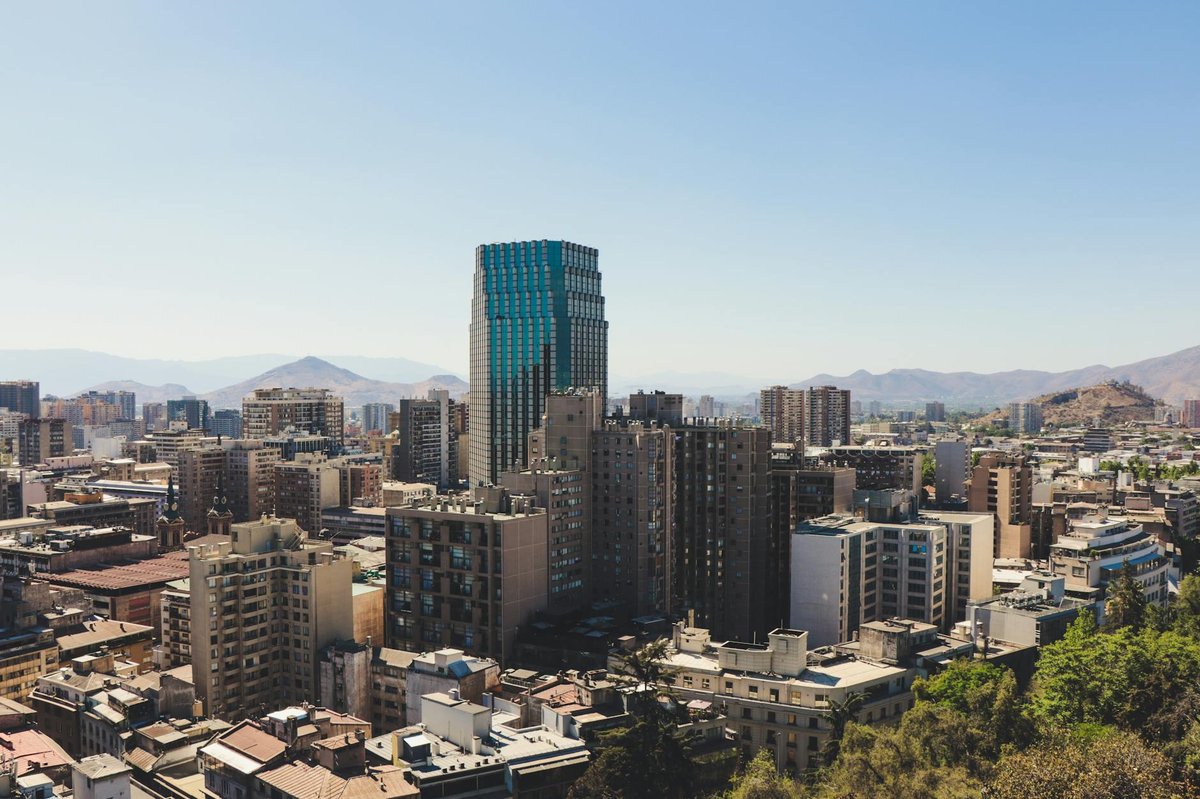
From La Chascona, you're at the base of Cerro San Cristobal, which is the hill you want. This is not Cerro Santa Lucia — this one is four times the size, with a funicular to the top and a 360-degree view of Santiago that will make you understand why people keep comparing this city to a bowl surrounded by mountains. Because it is. On a clear day you can see the full Andean wall from Aconcagua in the north to volcanoes in the south. The smog can ruin it, so pray for wind or a recent rain.
Take the funicular up (about 3,500 CLP round trip — the line moves fast). At the top there's a giant white Virgin Mary statue, a chapel, and the view. The view is the reason. Spend thirty minutes up here. The light is best in the late afternoon when the Andes start turning gold, which is why I've put this after lunch rather than in the morning.
Come down the funicular, walk back through Bellavista, and you've earned dinner. Bellavista has plenty of restaurants, but I actually prefer crossing back to Lastarria for dinner on Day 1 — the food is slightly better and you avoid the party crowd that starts filling Bellavista around 9pm. Anywhere on the Lastarria pedestrian strip will be solid. A good dinner with a glass of Chilean wine will run you 15,000-25,000 CLP.
Day 2: Barrio Italia, La Vega, and Providencia
Morning — Barrio Italia
Day 2 is the day most itineraries get wrong. They send you to more museums, or back to the historic center for things you missed, or — and I say this with full confidence — to Sky Costanera, the observation deck in the tallest building in South America. Skip it. It costs 18,000 CLP, the views are behind glass, and you already got a better panorama from San Cristobal yesterday for a quarter of the price. Sky Costanera is a building for people who haven't been up San Cristobal yet. Save your money.
Instead, go to Barrio Italia. Take the metro to Irarrazaval (Line 5) and walk south. Barrio Italia is a neighborhood that's been slowly taken over by antique shops, design studios, coffee roasters, and small restaurants that are too good for how cheap they are. It doesn't look like much from the main avenue — you have to turn onto Calle Italia and walk a block before the character reveals itself. Old houses converted into multi-shop arcades, courtyards with tables under grapevines, the smell of roasting coffee from at least three different directions.
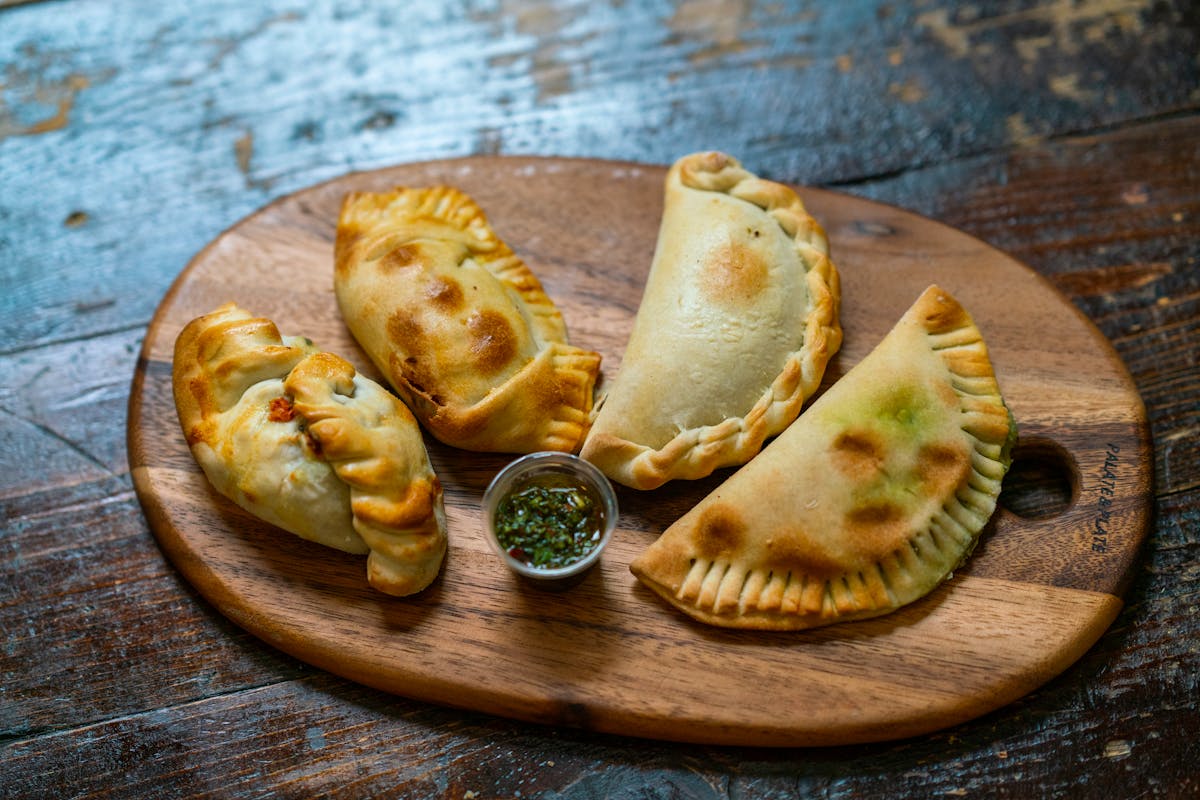
Spend the morning here. Have a second breakfast — empanadas de pino (the classic Chilean version, stuffed with beef, onion, egg, and olive) are everywhere, and the ones in Barrio Italia tend to be better than what you'll find in the center. Browse the antique shops if that's your thing. There's a weekend flea market on Saturdays that's worth the timing if you can swing it.
I spent nearly three hours in Barrio Italia the first time because I kept finding new courtyards. The second time I was more efficient: coffee, empanadas, one loop through the antique arcade, and done in ninety minutes. Either pace works.
Midday — La Vega Central
From Barrio Italia, take the metro back north to Patronato (Line 2) and walk to La Vega Central. If Mercado Central is the tourist-friendly seafood market, La Vega is the real market — a sprawling, chaotic, wonderful mess of produce stalls, juice vendors, butchers, and small kitchens serving the cheapest lunch in Santiago. This is where restaurant owners buy their ingredients. This is where families from every corner of Chile do their weekly shopping. It smells like cilantro and citrus and raw meat, and the aisles are barely wide enough for two people to pass.
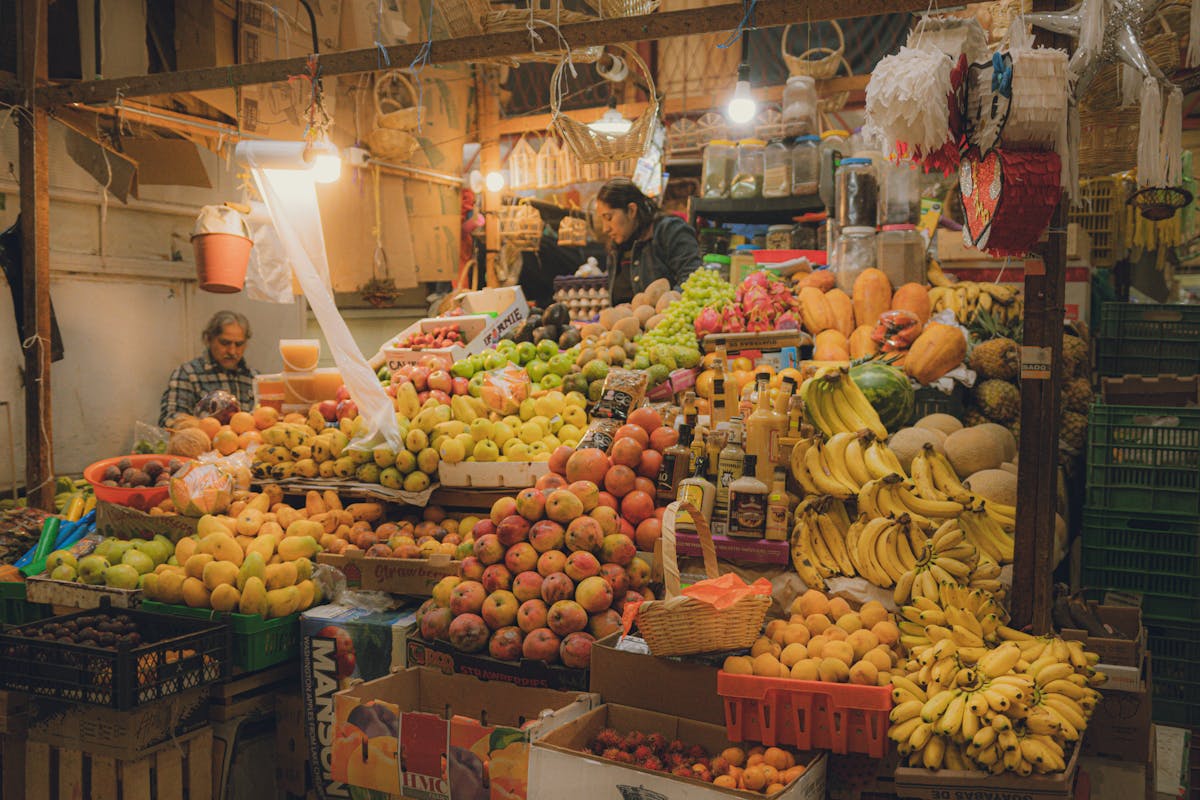
Eat lunch here. The cocinerias (small kitchen stalls) inside the market serve set lunches — a soup, a main course, bread, and a drink — for 3,500-5,000 CLP. That's roughly $4-5 USD. The food is home-cooking: cazuela (a chicken or beef stew with corn and squash), pastel de choclo (corn pie with ground meat), porotos con riendas (beans with pasta — sounds weird, tastes great). Point at whatever the person next to you is eating if the menu overwhelms you. That strategy has never failed me.
Quick Tip
La Vega is cash-only at most stalls. The ATMs near Patronato metro work fine, but bring pesos from the morning to be safe. And watch your pockets — it's not dangerous, but it's a busy market and pickpockets know where tourists stand around looking lost. For more on safety and money tips, see our planning guide.
Afternoon — Walk It Off, Then Providencia for Dinner
After La Vega, you have a choice. If you still have energy, walk along the Mapocho River east toward Providencia — it's about forty minutes on foot, or two metro stops (to Pedro de Valdivia on Line 1). Providencia is Santiago's upscale residential neighborhood: tree-lined avenues, better-dressed people, patisseries that would not look out of place in Paris. It's not exciting, exactly, but it's pleasant for a walk after the sensory overload of La Vega.
If you're tired — and Day 2 is where jet lag sometimes catches up — go back to your hotel, rest for a couple hours, and come back to Providencia for dinner. This is the right call. Nobody talks about the afternoon nap as a travel strategy, but it is one. You will enjoy dinner more if you're not dragging.
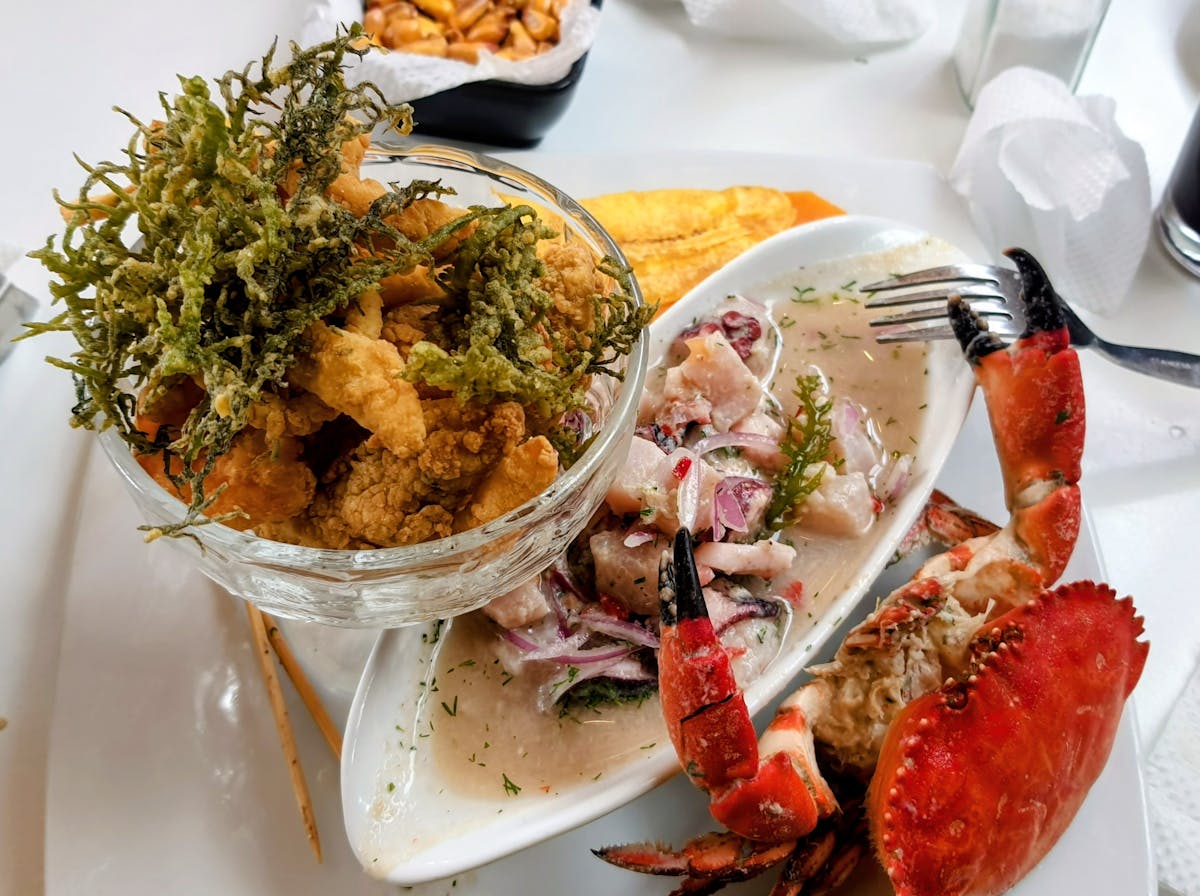
For dinner, Providencia has the best food-to-price ratio in Santiago outside of La Vega. The restaurants along Avenida Suecia and the blocks around Manuel Montt metro are packed with options — Peruvian, Japanese, Italian, modern Chilean. I had one of my best meals in Santiago at a Peruvian-Japanese fusion place in Providencia that served ceviche with a yuzu kosho that I still think about. The bill was 22,000 CLP for two courses and a pisco sour. That's a steal for food at that level.
Day 3: Get Out of the City
On Day 3, leave Santiago. I mean it. The city is great, but three days of urban sightseeing is enough, and two of the best day trips in South America are less than two hours away. I've done both multiple times, and I'm going to lay out both options so you can pick the one that fits. For the full list of options, our Santiago day trips guide ranks every possibility.
Option A: Valparaiso — The Colorful Port City on the Pacific
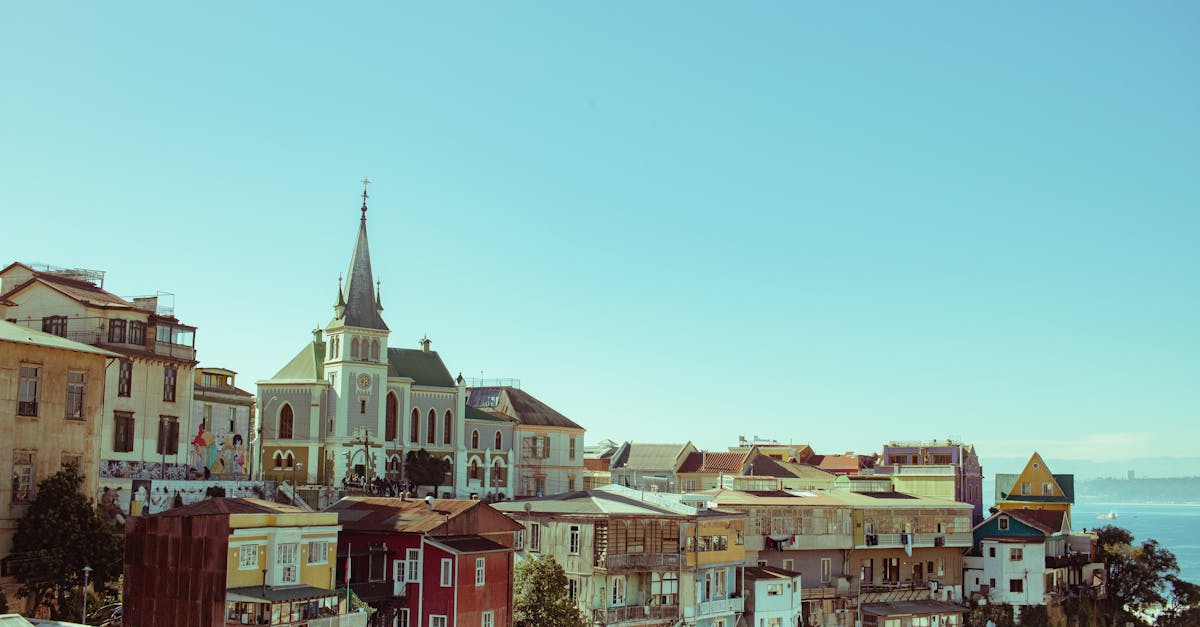
This is the one I recommend for most people. Valparaiso is a port city ninety minutes by bus from Santiago, built on a series of impossibly steep hills, each painted in a different riot of color, connected by funiculars that have been creaking up the slopes since the 1880s. The street art is world-class — not graffiti, actual murals, covering every available surface on the main cerros. The seafood is better than Santiago. The whole place has a ragged, creative energy that's completely different from the capital.
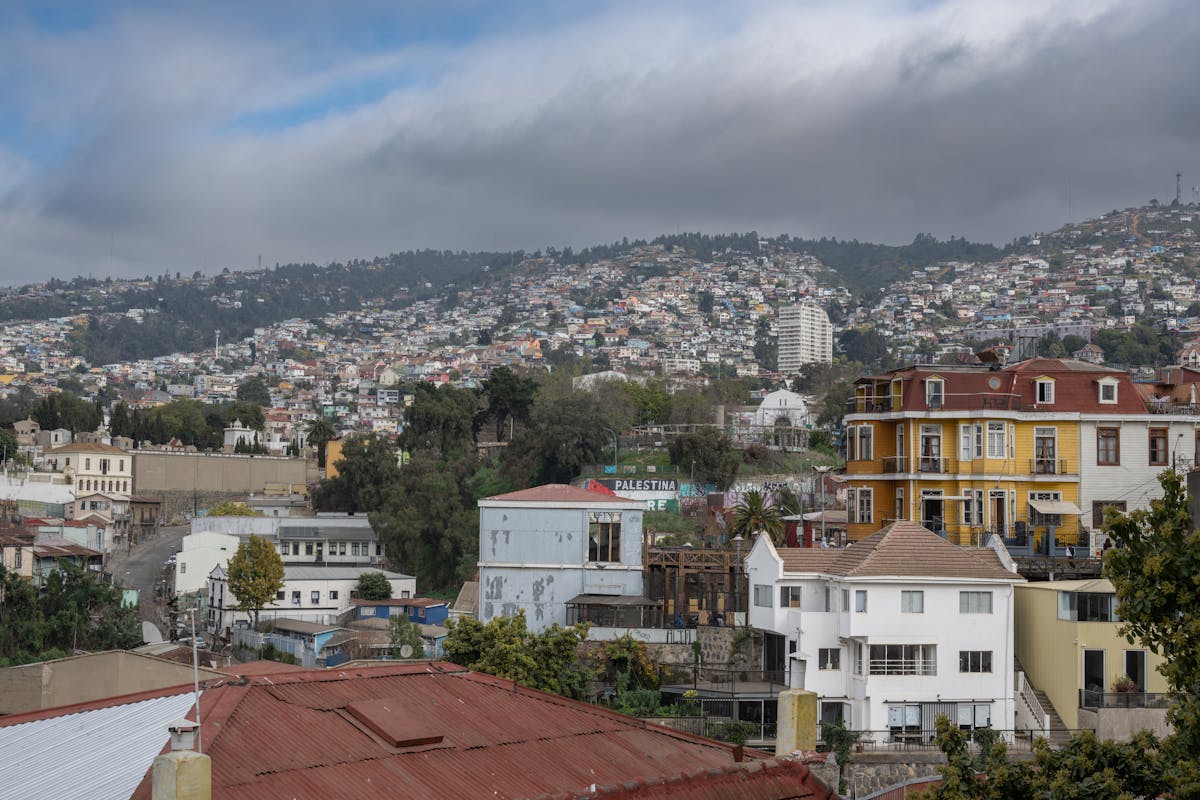
Here's the plan. Get the early bus — Turbus or Pullman from Pajaritos terminal (Metro Pajaritos, Line 1), departures every fifteen minutes, about 7,000 CLP each way. The ride takes ninety minutes through flat farmland, boring until the last ten minutes when the Pacific appears and the colored houses come tumbling down the hillside toward it.
Start at the port level. Plaza Sotomayor, a quick coffee at the market by the dock. Then take the Ascensor Reina Victoria up to Cerro Alegre — this funicular saves you a brutal uphill climb and costs almost nothing. From the top you're in the heart of the gallery-and-cafe zone. Walk the Paseo Yugoslavo for the famous harbor view, loop through the backstreets where the best murals are, and wind your way to Cerro Concepcion.
Lunch: ceviche and a cold beer on Cerro Alegre, overlooking the harbor. Under $15 for a meal that would cost three times that in any North American coastal city. The fish is so fresh it's almost translucent. I've had ceviche all over South America and the stuff in Valpo ranks near the top.
Afternoon: keep wandering. Take another funicular. Find the Neruda house at La Sebastiana if you didn't get enough at La Chascona yesterday (I skipped it — two Neruda houses in two days felt excessive). Walk down to the port for the sunset. Catch the bus back to Santiago by 7pm — the last bus is around 10pm, but I wouldn't push it. For the complete guide, read our Valparaiso guide.
Safety Note
Valparaiso has a petty theft issue, especially in the lower port area and the less-touristed cerros. Stay on Cerro Alegre, Concepcion, and the main streets during daylight and you'll be fine. Keep your phone in your pocket, not your hand. Don't wander below the port area alone after dark.
Option B: Wine Valley Day Trip — Vines, Andes, and Very Cheap Wine
If you're a wine person, or if you just like the idea of spending an afternoon drinking excellent Cabernet Sauvignon with the Andes as your backdrop and paying a fraction of what the same wine costs anywhere else, do a wine valley day trip instead.
The Maipo Valley is closest — some wineries start barely thirty minutes south of downtown Santiago. Concha y Toro is the famous one (the largest winery in South America), and they do solid tours for about 20,000-30,000 CLP that include tastings of their reserve wines. But I actually prefer the smaller operations in the Casablanca Valley (between Santiago and Valparaiso, about an hour west), where the white wines — Sauvignon Blanc especially — are some of the best I've had anywhere, and the tasting rooms are quiet enough that you can actually talk to the winemakers.
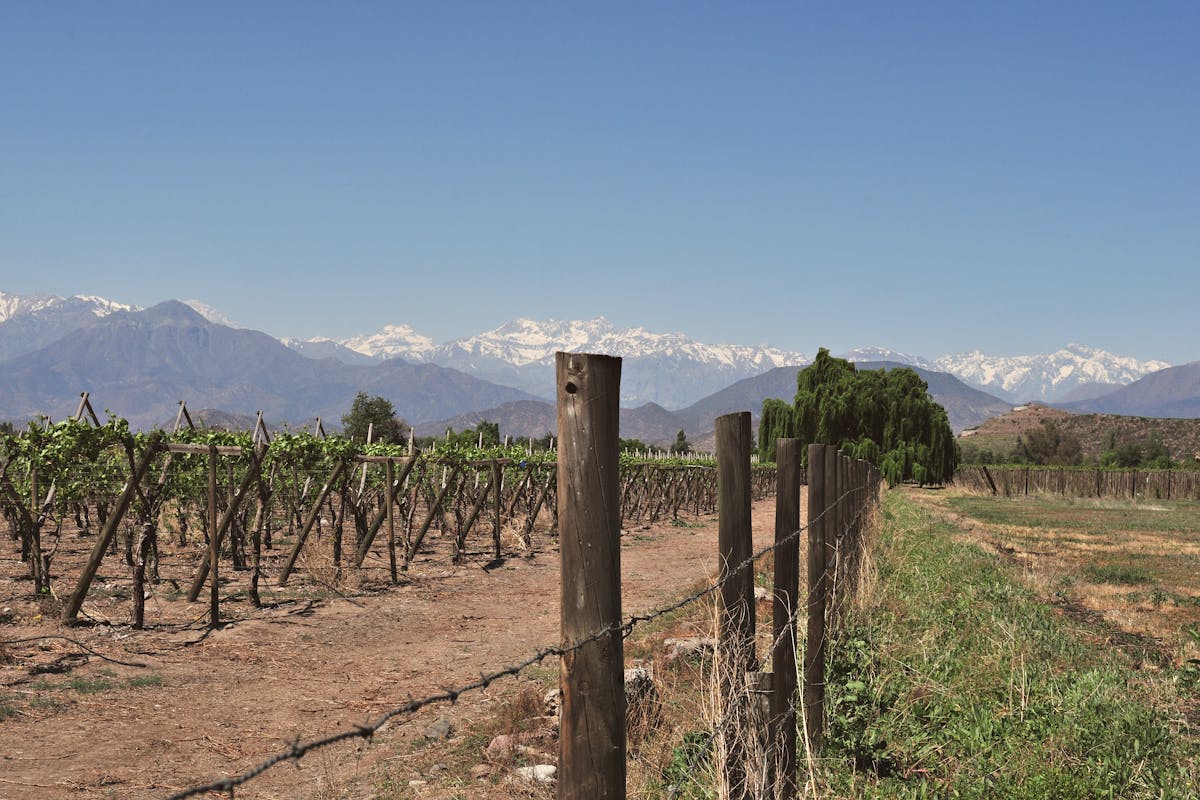
You can do this independently — rent a car or hire a driver for the day (around 50,000-80,000 CLP depending on distance) — or book a group tour. The group tours are fine if you don't mind spending time with strangers and following a fixed schedule. They typically hit two or three wineries plus lunch for around 45,000-60,000 CLP per person, transport included.
A bottle that would cost $25-30 in a store back home goes for 5,000-8,000 CLP ($5-8) at the cellar door. Buy a case. Figure out shipping later. I am not kidding about this — Chilean wine is absurdly underpriced at the source, and the reserves and gran reservas taste like wines that cost three or four times as much in export markets.
The Practical Stuff
Getting Around
The metro covers almost everything in this itinerary. Line 1 runs east-west through Lastarria, Providencia, and out to Pajaritos (for Valparaiso buses). Line 5 goes to Barrio Italia. Line 2 takes you to Patronato for La Vega. The system runs from about 6am to 11pm, and trains come every 3-5 minutes during the day. It's fast, clean, and safe.
Walking is the other primary mode. Day 1 is almost entirely walkable from Lastarria — Santa Lucia, the historic center, Mercado Central, Bellavista, and San Cristobal are all within a 30-minute walk of each other. Bring good shoes. Santiago's sidewalks are uneven in places and the hills add up.
Uber and Cabify both work here, and they're cheap. A ride across the city center rarely tops 5,000 CLP. Use them when you're tired at the end of the day — there's no shame in it.
Budget Breakdown (Per Day)
| Metro (Bip! card, 4-5 rides) | 3,200-4,000 CLP |
| Breakfast (coffee + pastry) | 3,000-5,000 CLP |
| Lunch (market or set menu) | 5,000-10,000 CLP |
| Dinner (restaurant with wine) | 15,000-25,000 CLP |
| Sights (Cerro San Cristobal funicular, La Chascona) | 5,000-12,000 CLP |
| Daily total | 31,200-56,000 CLP ($32-58 USD) |
Santiago is one of the cheapest major capitals in South America for what you get. The food quality is high, the transport is efficient, and outside of the obvious tourist traps, prices are fair. You can eat extremely well for under $50 a day including wine. That's hard to beat.
When to Go
March through May (autumn) is my pick. The summer heat has broken, the Andes are starting to get snow on the peaks, the skies are clearer than in winter, and the wine regions are in harvest mode. September through November (spring) is the second-best window — wildflowers, warming temps, the parks greening up. Winter (June-August) isn't bad, but the smog can trap in the valley on still days and ruin the mountain views. Summer (December-February) is hot and the city empties as Chileans head to the coast.
For more timing advice, check our guide on the best time to visit Chile.
Where to Stay
Lastarria for first-timers. Providencia if you want something quieter and more residential. Bellavista if you're in your twenties and want to be near the nightlife. Avoid staying near the bus terminals or in the far suburbs — you'll lose too much time commuting. Our Santiago where to stay guide has specific hotel picks for every budget.
What I'd Do Differently Next Time
Two things. First, I'd put Barrio Italia on a Saturday morning for the flea market — I went on a Tuesday and missed it. The antique shops are good any day, but the weekend market adds another layer. Second, I'd book the wine trip for Day 2 afternoon instead of making it a full Day 3 affair. The Maipo Valley is close enough that you could hit one winery after La Vega and still make dinner in Providencia. That would free Day 3 entirely for Valparaiso, which honestly deserves its own overnight if you have a fourth day.
But with three days, this works. Santiago is a city that rewards you fast — you don't need two weeks to feel like you got somewhere. Three days, good shoes, a Bip! card, and a willingness to eat at the stalls where the locals eat. That's the whole formula.