This article contains affiliate links. If you book through them, I earn a small commission at no extra cost to you.
The menu del dia cost 3,200 CLP. About three dollars. A bowl of cazuela, a plate of fried fish with rice and salad, a glass of juice that might have been peach, and a bread roll. The woman running the place — tiny storefront, six tables, a chalkboard menu that changed daily — dropped the whole thing in front of me in under five minutes. I ate every bite, paid, and walked out into the afternoon sun on a random side street in Barrio Yungay thinking: why would I ever eat anywhere expensive in this city?
Then, two nights later, I sat at Borago while a server explained the tasting course made entirely from ingredients foraged within Chile's borders, and I thought: oh. That is why.
Santiago is a city that eats across every possible spectrum. You can spend $3 on a lunch that fills you for eight hours or $150 on a dinner that rewires how you think about Chilean ingredients. Both experiences are worth having. The trick is knowing where each tier does its best work — and where you are getting ripped off. I have eaten my way through this city across four trips, and I still find new places every time.
Fine Dining: When You Want to Spend the Money
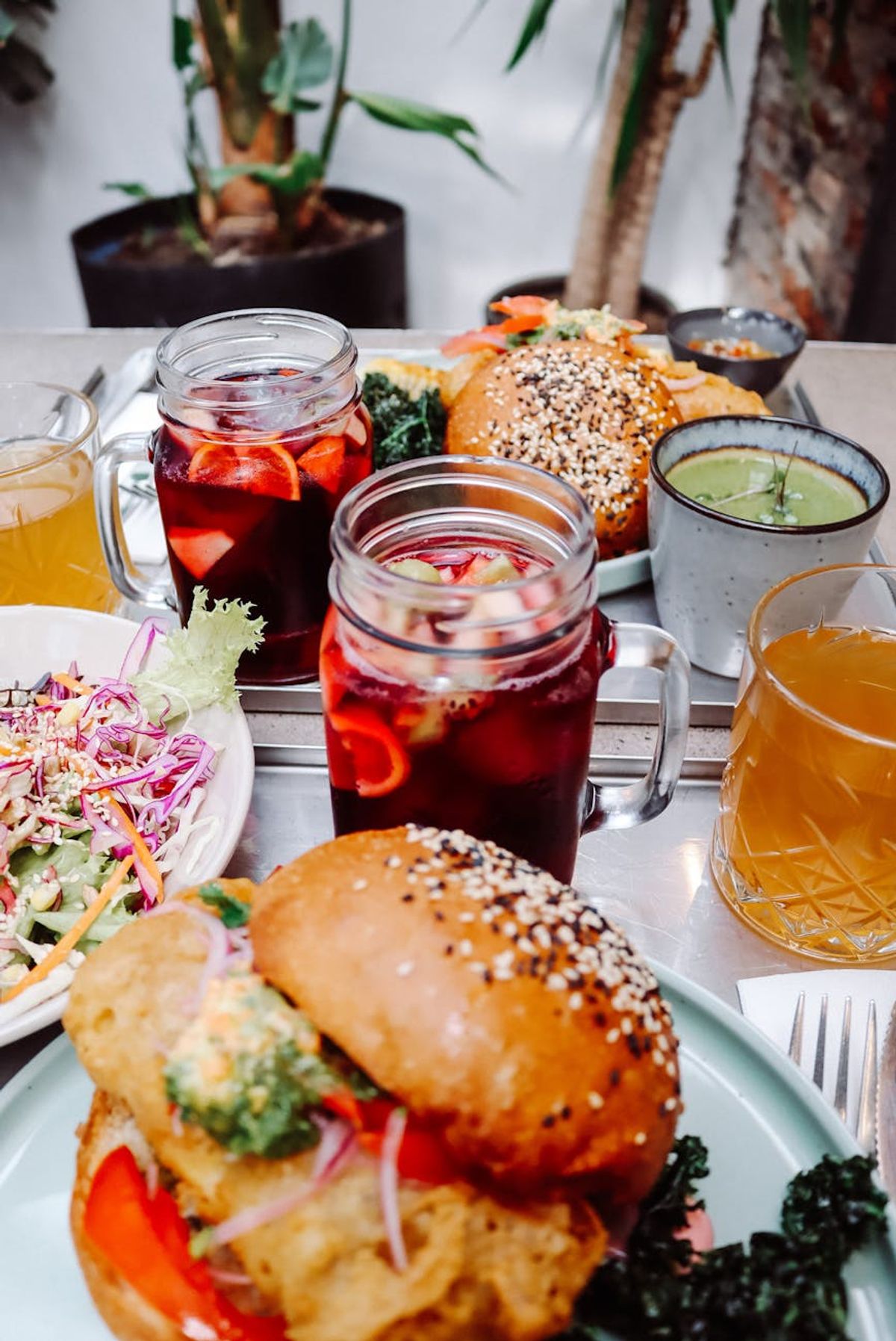
Let me be clear about something: you do not need to eat at a fancy restaurant to eat well in Santiago. The cheap places are genuinely excellent. But if you have the budget, Santiago's high-end dining scene is doing some of the most interesting work on the continent, and it costs a fraction of what the same quality runs in New York or London.
Borago and the Chilean Terroir Obsession
Borago is the one everyone talks about, and for once the hype is earned. Chef Rodolfo Guzman runs a menu built around endemic Chilean ingredients — things you have never heard of, from ecosystems you did not know existed. Murtilla berries from Patagonia. Seaweed from Chiloe. Piure, that leathery orange sea creature that tastes like iodine and the ocean floor. The tasting menu runs around 90,000-120,000 CLP ($90-120) depending on wine pairings, and it takes three hours. You will not understand half of what you are eating. That is the point.
I went skeptical — I usually find tasting menus performative. Borago changed my mind. The flavors are aggressive and specific in a way that fine dining rarely is. Nothing tastes polished into blandness. Reserve at least two weeks ahead, more during Chilean summer (December through February).
Ambrosia and the Rest of the Top Tier
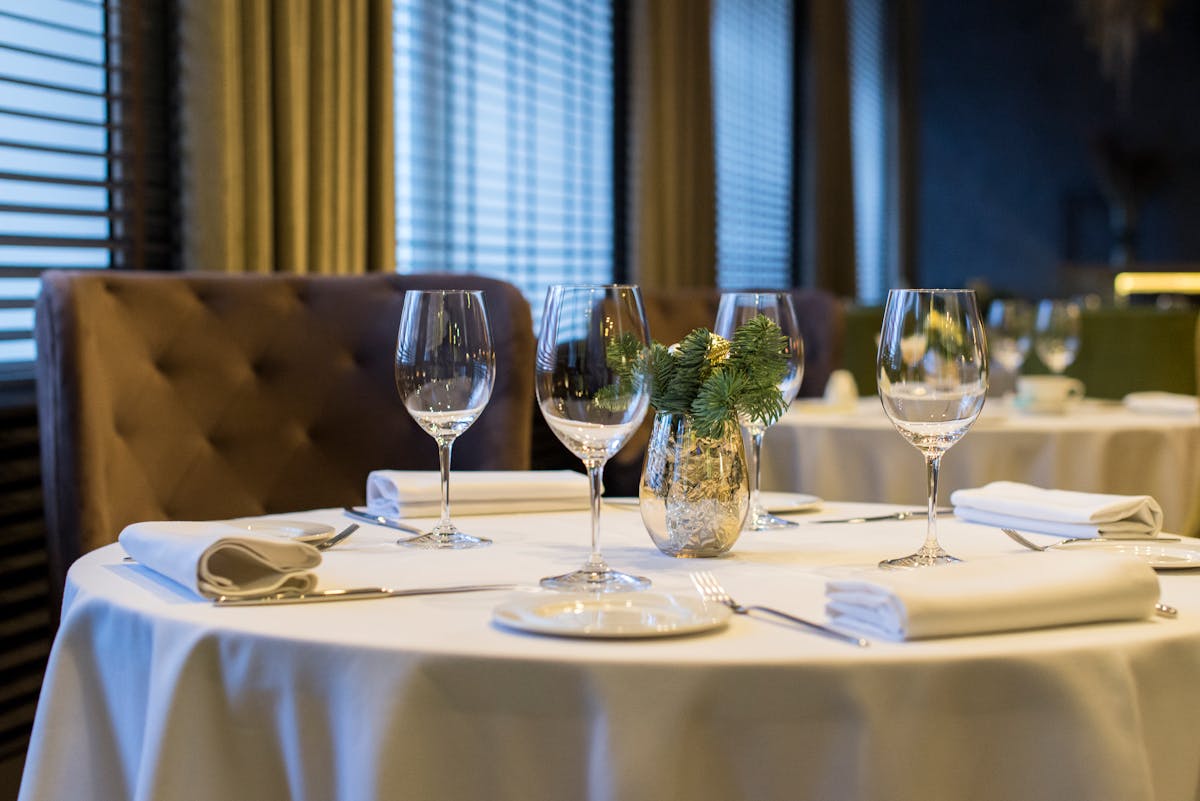
Ambrosia, in Vitacura, runs a French-Chilean tasting menu that is more classic in technique but still rooted in local ingredients. The price point is similar to Borago — expect to spend 80,000-100,000 CLP per person with wine. The room is gorgeous, the service is impeccable, and the food is reliably excellent without being as wild as Borago's. If you want fine dining that feels more familiar, this is the move.
Beyond those two, Santiago has a deep bench in the 30,000-60,000 CLP range that would be top-tier anywhere. I would give specific names, but the scene turns over fast. Ask your hotel, check current reviews, and look for restaurants where the crowd is Chilean, not tourist-heavy.
Quick Tip
Fine dining in Santiago is significantly cheaper on weekday lunches. Many top restaurants offer abbreviated tasting menus at lunch for 40-60% of the dinner price. Same kitchen, same quality, easier reservations.
Liguria: The Exception That Proves the Rule
Liguria is not fine dining by any traditional measure. It is a restaurant group with a few locations across Santiago — Providencia, Lastarria, Manuel Montt — that serves big portions of Chilean-Italian food in loud, packed dining rooms. The prices sit in the mid-range (12,000-20,000 CLP for a main). But I am mentioning it here because Liguria is the restaurant that every Chilean I have met recommends first. Not Borago, not the latest tasting menu. Liguria.
The food is honest — solid pastas, good steaks, excellent pisco sours. The portions are absurd. But the real draw is the atmosphere: Santiaguinos actually go here, especially the Providencia location, and the energy on a Friday night is something no fine dining restaurant can replicate. Go early or prepare to wait. No reservations at most locations.
The Neighborhood Restaurants: Where the Real Eating Happens
Santiago is a city of distinct neighborhoods, and each one has a slightly different food personality. Figuring out where to eat means figuring out where you are — and where you are willing to go.
Lastarria: Walkable, Stylish, Slightly Overpriced
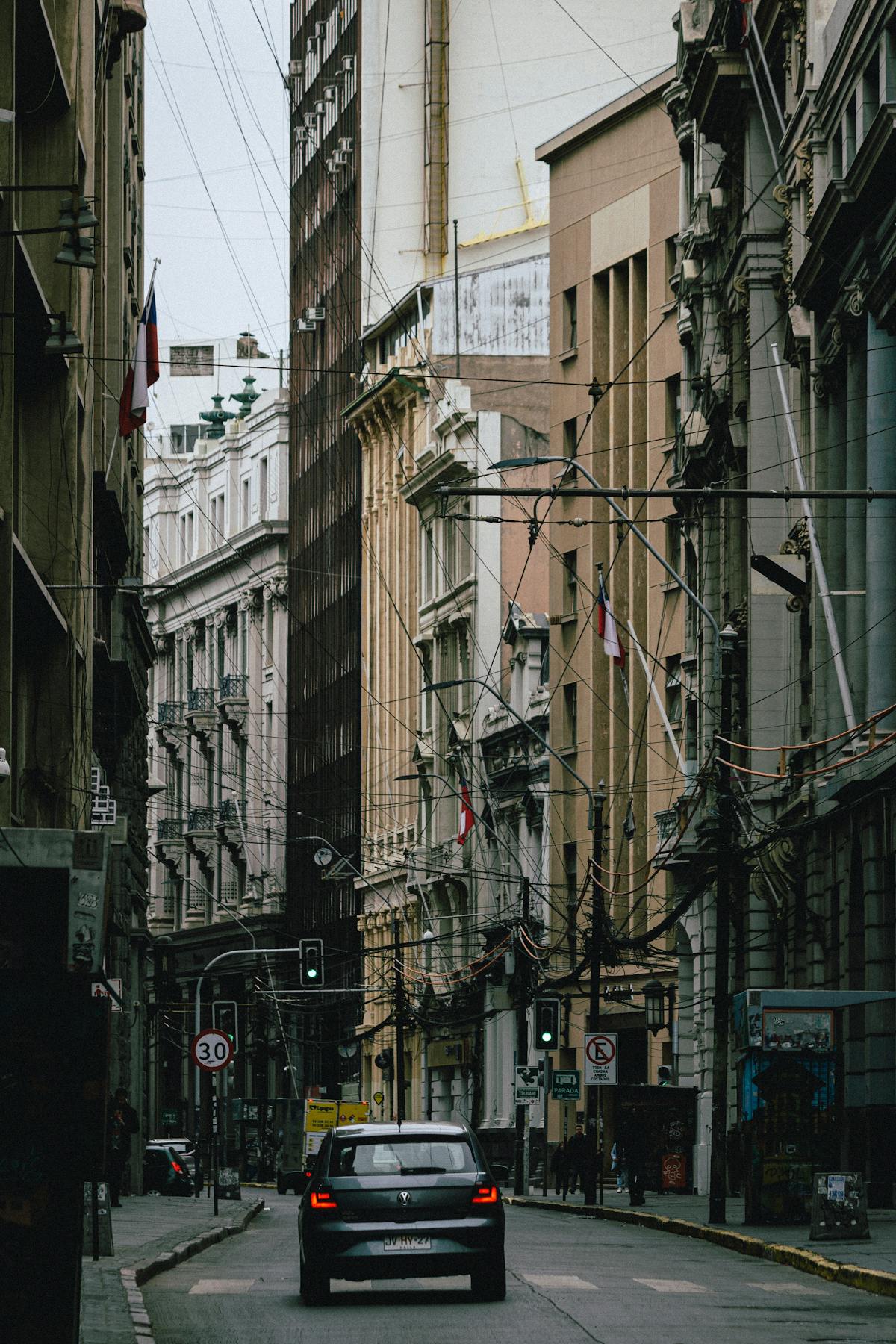
Lastarria sits between the centro historico and Parque Forestal — walkable, full of restaurants, and the first neighborhood most visitors end up in. Food quality ranges from very good to aggressively mediocre, with the mediocre places surviving on foot traffic from the tourist loop.
My strategy: avoid the main drag of Jose Victorino Lastarria street. The better restaurants sit one or two blocks off, on Merced or Rosal. Budget 10,000-18,000 CLP for a main. Wine lists tend to be strong — Lastarria restaurants know their clientele cares about Chilean wine.
Bellavista: Loud, Late, and Full of Character
Bellavista sits across the Mapocho River at the base of Cerro San Cristobal, and it operates on a different clock than the rest of the city. This is where Santiago goes to eat late and stay out later. The restaurant scene here skews younger, louder, and more adventurous. You will find everything from Peruvian cevicherias to Korean fried chicken to hole-in-the-wall sushi bars that are inexplicably good.
Skip the Patio Bellavista complex (tourist funnel) and walk the surrounding streets instead. Constitucion and Dardignac have reliable options. Budget 8,000-15,000 CLP per plate. Bellavista is also where Santiago's cocktail scene lives, if you want drinks that go past pisco sours.
Barrio Italia: The Design District That Also Eats Well
Barrio Italia has changed fast. What was once a residential area with antique shops is now a dense grid of design stores, coffee roasters, and restaurants that range from casual to quite serious. The crowd is local creatives and young professionals, which means the food has to be good.
This is where I have had some of my best casual meals in Santiago. Small plates and sharing menus are the dominant format — order four or five things for the table and a bottle of Chilean carmenere, and the bill lands at maybe 15,000-20,000 CLP per person. Great brunch on weekends too. If you are staying in Providencia, Barrio Italia is a ten-minute walk south.
Providencia: The Reliable Middle Ground
Providencia is where most travelers end up staying, and its restaurant scene reflects that — broad, reliably good, very little of it transcendent. The streets around the Manuel Montt and Pedro de Valdivia metro stops are where the interesting places have landed recently. Budget 8,000-16,000 CLP for a main. The neighborhood also has the city's best international food — Japanese, Thai, Indian — which becomes invaluable after two straight weeks of Chilean cooking.
Picadas: The $3 Lunches That Make Fancy Restaurants Optional
A picada, in Chilean Spanish, is a small, family-run restaurant that serves lunch to working people. They are the backbone of eating in Santiago, and they are where you should spend most of your meal budget — not because you are saving money (though you are), but because the food is genuinely some of the best in the city.
The format is almost always the same: a menu del dia, posted on a chalkboard or printed on a half-sheet of paper. It comes with soup or salad as a starter, a main course (usually two or three options — one meat, one chicken, sometimes fish), a side of rice or mashed potatoes, bread, and a drink. The whole thing costs between 3,000 and 5,500 CLP ($3-5.50). At the cheapest places, I have paid 2,800 CLP for a meal that kept me full until dinner.
Finding picadas is the challenge. They do not have Instagram accounts or Google Maps listings. The best ones are in working-class neighborhoods — Barrio Yungay, Estacion Central, parts of Recoleta, the streets around La Vega market. Walk around at noon and look for the places with a line of people in work clothes. That is your picada.
What to Order at a Picada
Always the menu del dia. You can order a la carte at some places, but the set lunch is the whole point — it is what the kitchen is built to produce, and it is where the value sits. Common mains include:
- Cazuela — beef or chicken soup with pumpkin, corn, potatoes. The ultimate Chilean comfort food
- Pescado frito — fried fish (usually merluza) with rice and salad. Simple and satisfying
- Bistec a lo pobre — steak topped with fried eggs, onions, and chips. The name means "poor man's steak" and it is one of the most filling meals on the planet
- Porotos con riendas — beans cooked with spaghetti. Sounds odd, tastes like home
- Pastel de choclo — corn casserole baked in a clay bowl. Read more in our complete Chilean food guide
Do not order wine at a picada unless you are fine with something that comes from a box. The juice is usually better. Or just get water. The food is the main event.
Quick Tip
Picadas serve lunch only, usually from noon to 3pm. If you show up at 1:30pm on a popular day, the best option on the menu might be gone. Arrive at noon for the full selection.
Markets: Mercado Central and La Vega
Every Santiago guide tells you to go to Mercado Central. I will too — but with a warning.
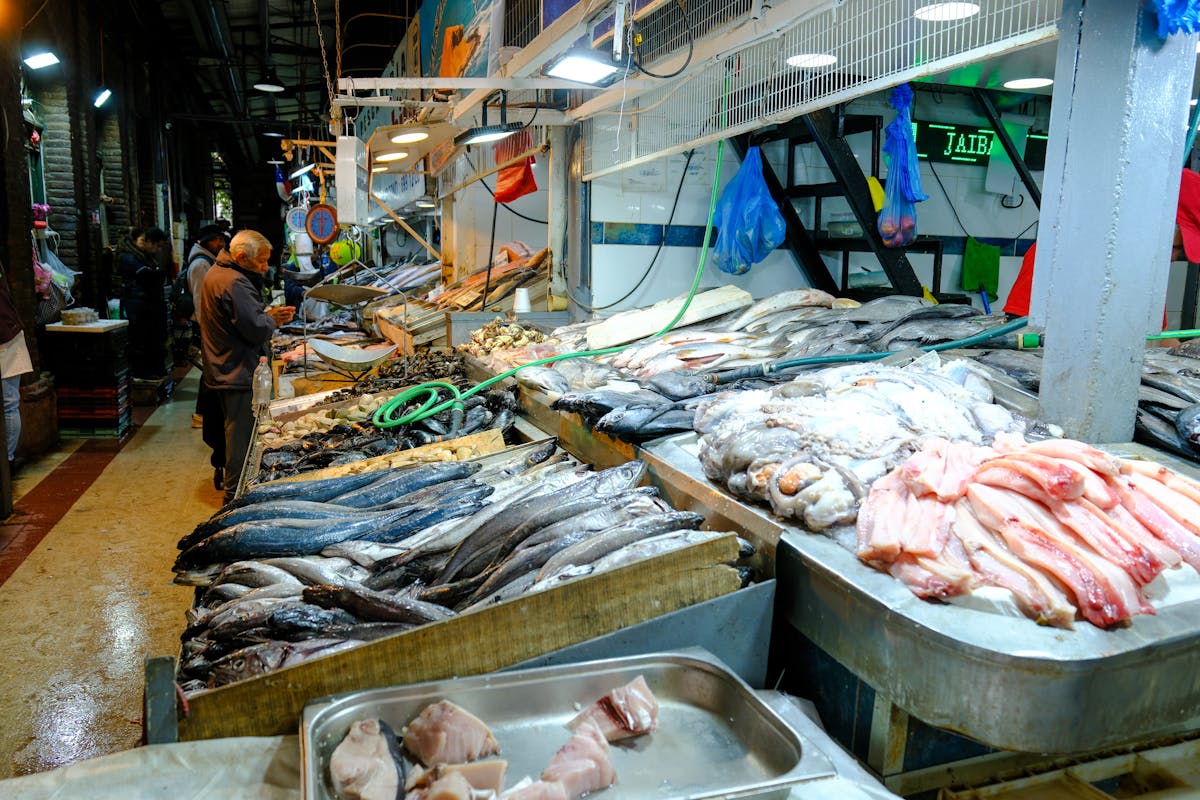
Mercado Central: Incredible Seafood, Terrible Tourist Traps
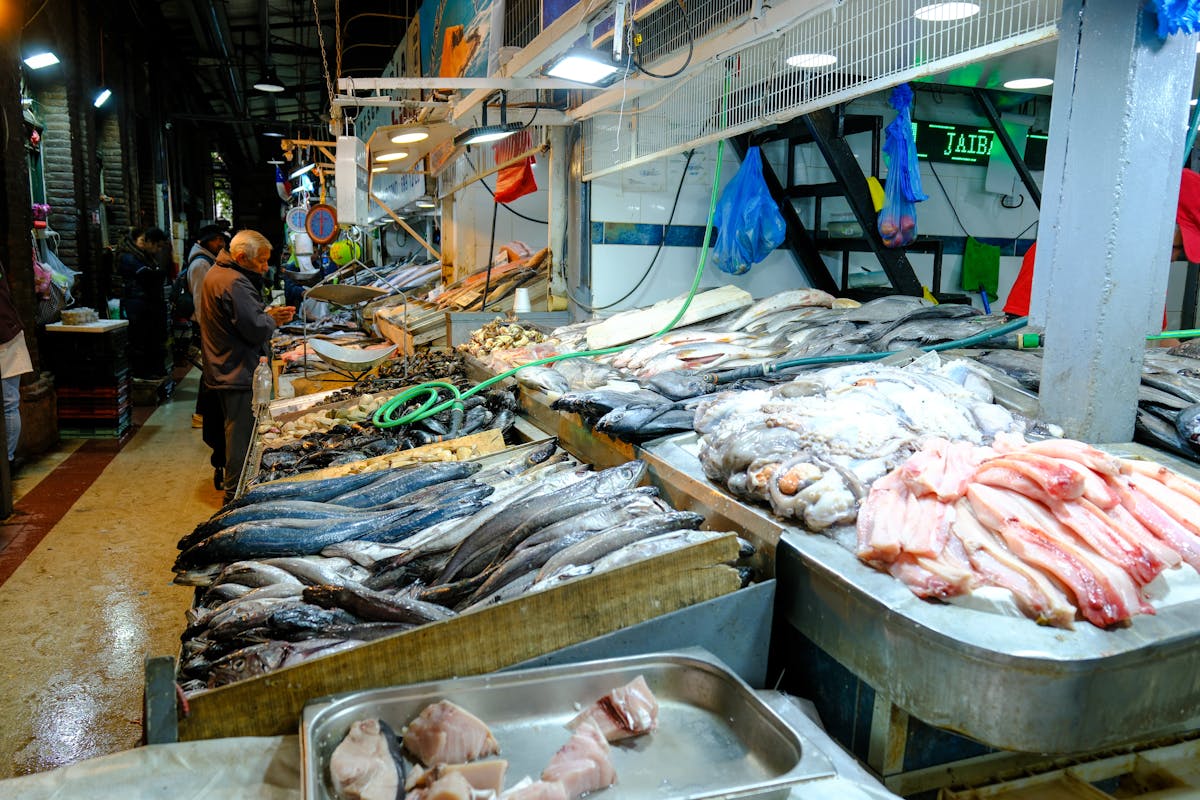
The building is beautiful — a wrought-iron structure from the 1870s, airy and grand, full of the smell of fresh fish. The seafood on display is extraordinary. And the restaurants in the center of the building, the ones with the hawkers standing outside trying to pull you in? They are mostly overpriced, and some of them are genuinely bad.
I made this mistake on my first visit. Sat down at a central restaurant because a man in a waistcoat was persuasive. Paid 18,000 CLP for a caldillo de congrio that was thin and under-seasoned. Meanwhile, locals were eating at the stalls around the perimeter — smaller spots, no hawkers — where the same dish cost 7,000 CLP and was vastly better.
The rule at Mercado Central: walk past the center, eat at the edges. The outer ring of small restaurants and counters is where the actual good food lives. Order caldillo de congrio, ceviche, machas a la parmesana (razor clams with parmesan), or a simple plate of fried fish. And go before noon — by 1pm the whole place is packed and the quality drops as kitchens try to keep up with volume.
La Vega: The Market the Tourists Miss
Cross the Mapocho River from Mercado Central and you hit La Vega, which is the market that Santiago actually uses. It is massive, chaotic, a bit intimidating on first visit, and absolutely worth the effort. The produce section alone is staggering — fruits and vegetables you have never seen, stacked in towers by vendors who have been there for decades.
But the eating is the thing. La Vega Central has a food court on the upper level — dozens of small stalls, 3,000-5,000 CLP for a full meal. The Peruvian stalls are particularly good (Santiago has a large Peruvian community, and this is where you get the most authentic ceviche outside of Lima). La Vega Chica, a separate section, is where the cazuelas and guisos are made by women who have been cooking the same recipes for decades.
La Vega is louder, messier, and more honest than Mercado Central. If you only visit one market, make it this one. If you have time for both, start at La Vega (eat here), then walk to Mercado Central to browse the seafood and admire the building. See our Santiago city guide for how to plan the route.
Street Food: Completos, Empanadas, and Sopaipillas
Santiago's street food is not as developed or diverse as what you find in Mexico City or Bangkok. But what it does, it does with conviction.
Completos: The Chilean Hot Dog Situation
The completo is Chile's national street food, and it is an absurd creation. Take a hot dog bun, add a frankfurter, then pile on diced tomato, mashed avocado, sauerkraut, and a truly irresponsible amount of mayonnaise. The result is a structural disaster that falls apart after two bites. It is also delicious.
An italiano (the most popular variant) costs 1,500-2,500 CLP from a street cart or fuente de soda (casual counter-service restaurant). The name comes from the green-white-red color scheme of the avocado, mayo, and tomato — the Italian flag. Do not ask for ketchup unless you want to mark yourself as a foreigner immediately. Chileans are mayo people. Accept this.
The best completos come from anonymous fuentes de soda in residential neighborhoods — hand-painted sign, metal counter, radio playing cumbia. The worst come from "gourmet hot dog" places in Bellavista that charge 6,000 CLP and miss the entire point.
Empanadas on the Street
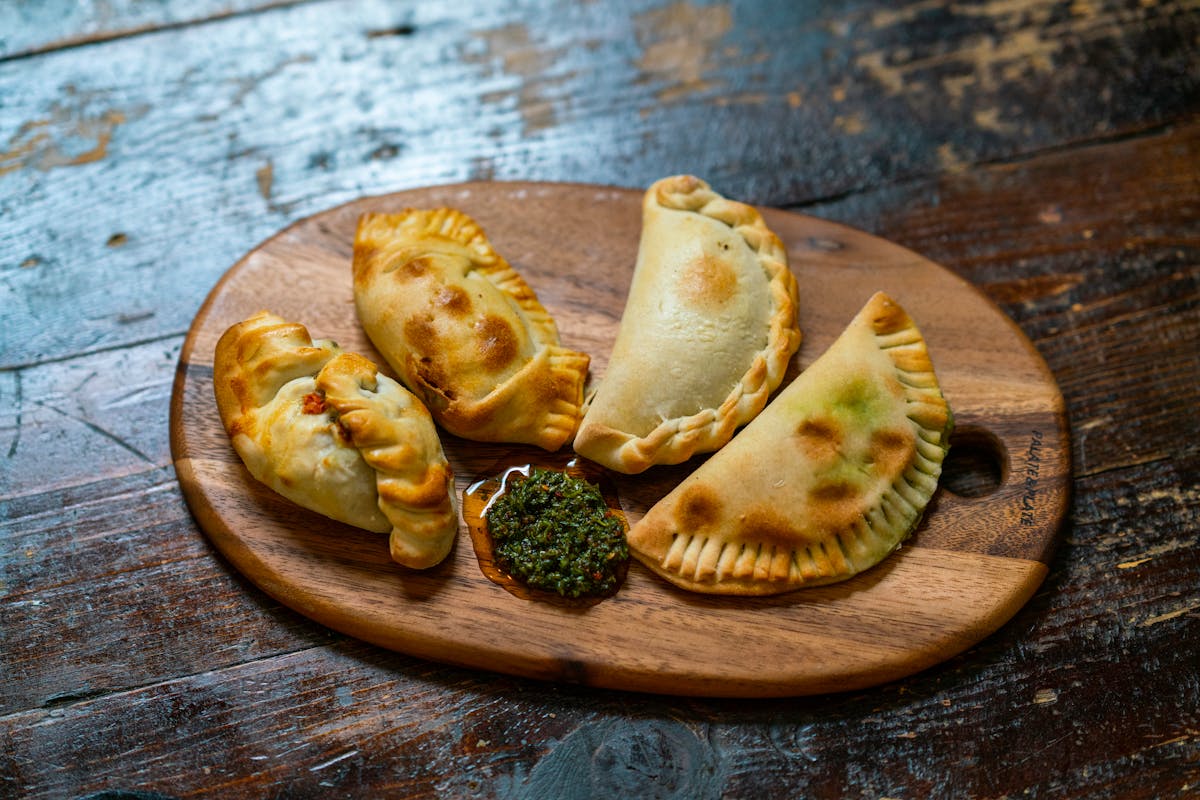
You can read a full breakdown of Chilean empanadas in our food guide, but the short version: empanadas de pino (beef, onion, egg, olive) are everywhere in Santiago, and the street versions are perfectly fine. Most bakeries sell them for 1,500-3,000 CLP. On Sundays and holidays, some neighborhoods set up informal empanada sales from houses and storefronts. Follow the smell of baking dough.
Sopaipillas: The Rainy Day Food
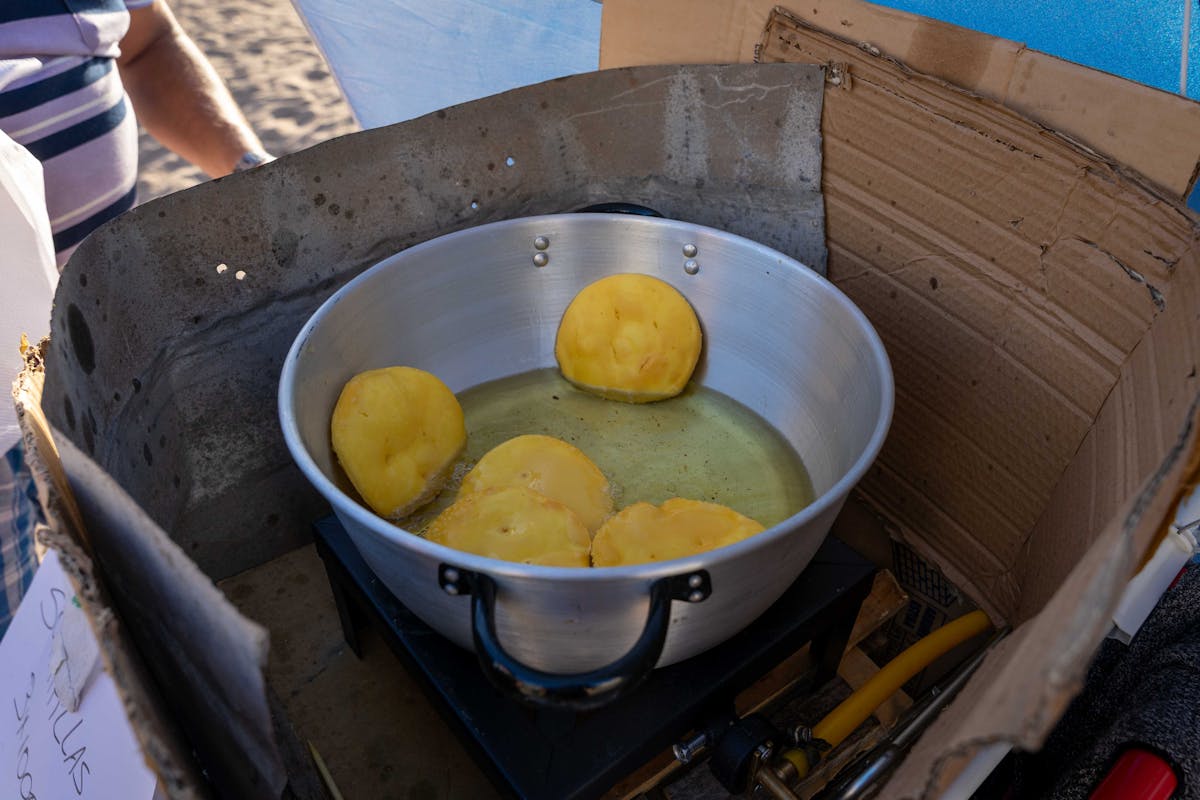
Sopaipillas are rounds of pumpkin-based dough, deep-fried until golden. They are simple, a bit oily, and exactly what you want on a cold Santiago day (and Santiago has plenty of cold days — the city sits at 500 meters elevation and winter here is real). Buy them from street vendors for 500-1,000 CLP for a bag of four or five. Eat them with mustard, aji (Chilean hot sauce), or just plain.
The dessert version, sopaipillas pasadas — soaked in a chancaca syrup with orange peel and cinnamon — is harder to find on the street but worth hunting down at traditional restaurants on a rainy afternoon.
Brunch and Coffee: Santiago's Quiet Revolution
Five years ago, ordering coffee in Santiago meant receiving a cup of hot water and a packet of Nescafe. I am not exaggerating. Instant coffee was the default in most restaurants, and nobody seemed bothered by this.
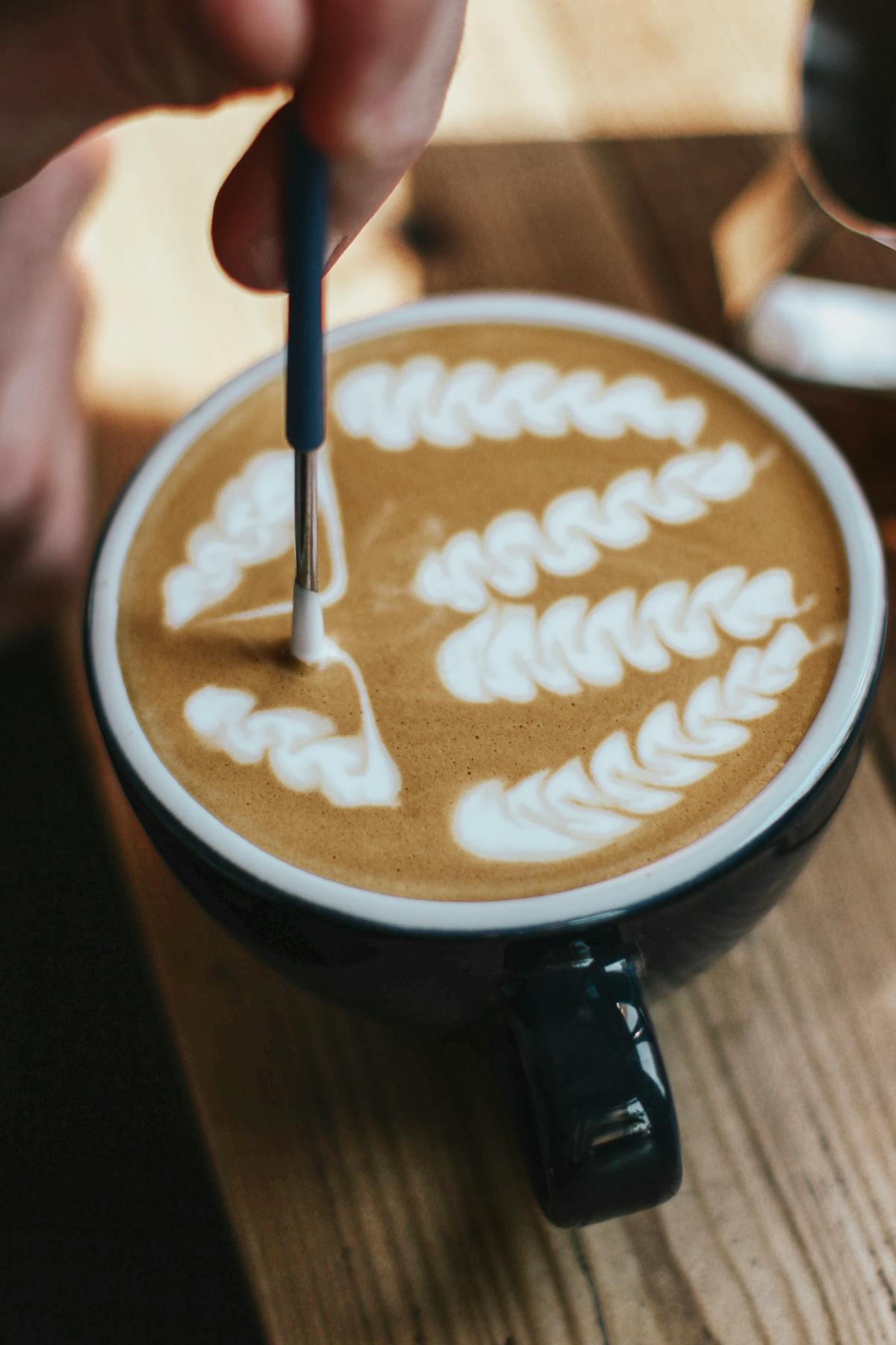
That has changed completely. Santiago now has a serious specialty coffee scene, concentrated in Lastarria, Barrio Italia, and Providencia. A flat white or pour-over costs 2,500-4,000 CLP — about half what you would pay in Sydney or London for the same quality.
The brunch scene followed the coffee. Saturday and Sunday brunch is a proper thing now, especially in Barrio Italia and Providencia. Eggs, avocado toast (the avocados here are legitimately the best I have had anywhere), fresh juice, serious pastries. A full brunch with coffee runs 8,000-14,000 CLP per person. Reasonable if you are skipping lunch.
Quick Tip
Chilean breakfast at most hotels is continental — bread, jam, maybe some cheese and cold cuts. If you want a proper breakfast, head to a cafe instead. Most open by 8:30am on weekdays, 9:30am on weekends.
Craft Beer: No Longer a Novelty
Santiago's craft beer scene has moved well past novelty into genuinely good territory — breweries producing styles that compete with anything from the US West Coast or Belgium.
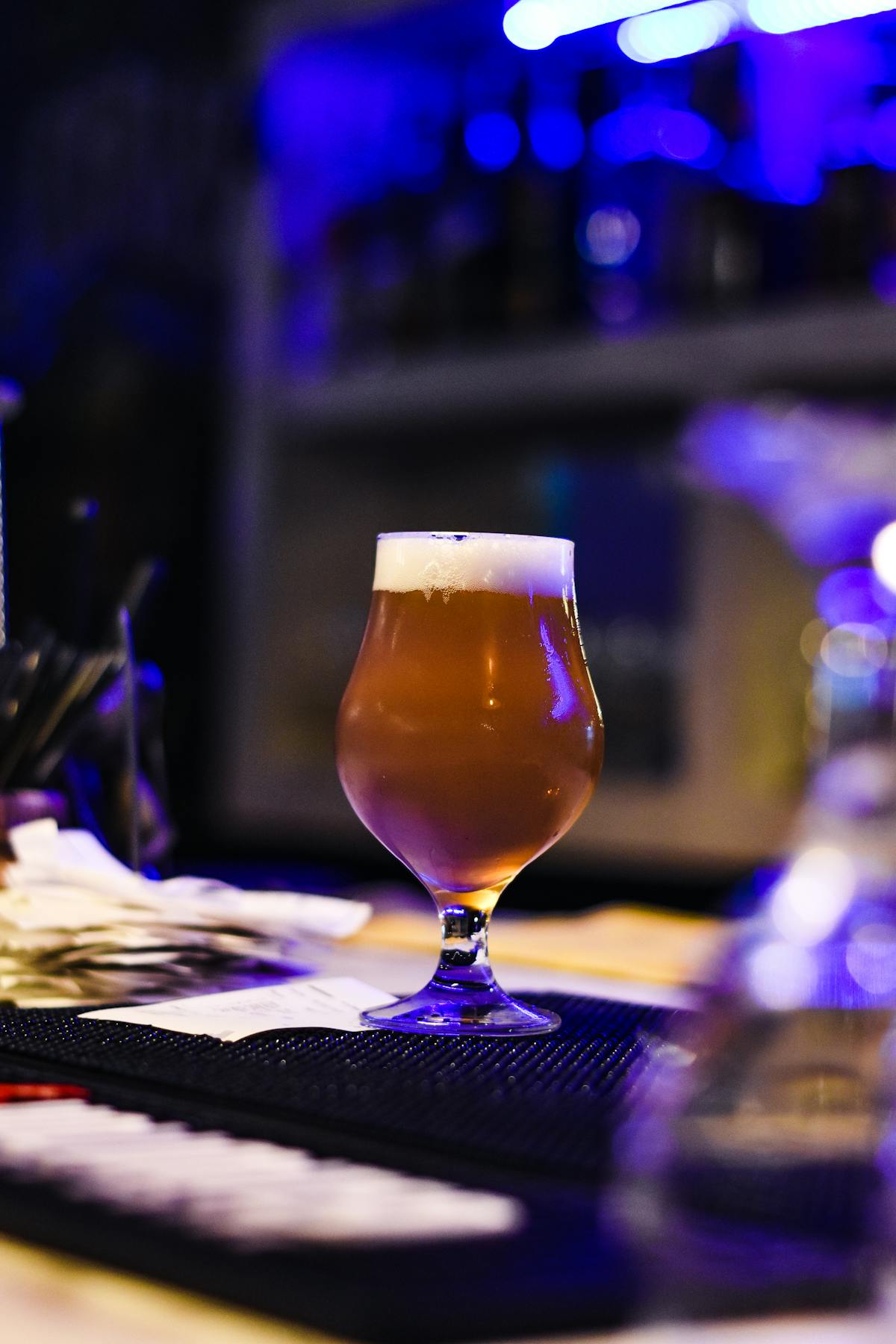
Bellavista and Barrio Italia are the main craft beer neighborhoods. A pint costs 3,500-5,500 CLP — more than a commercial Cristal (about 2,000 CLP), but worth the upgrade. Chilean IPAs tend to be lighter and less aggressively hopped than American versions, which I actually prefer in Santiago's climate.
For a beer crawl, Bellavista on a Thursday or Friday night. Start early (7pm) because places fill up. By 10pm the neighborhood will be wide awake around you. Do not plan anything productive for the next morning.
Wine With Dinner: What to Know
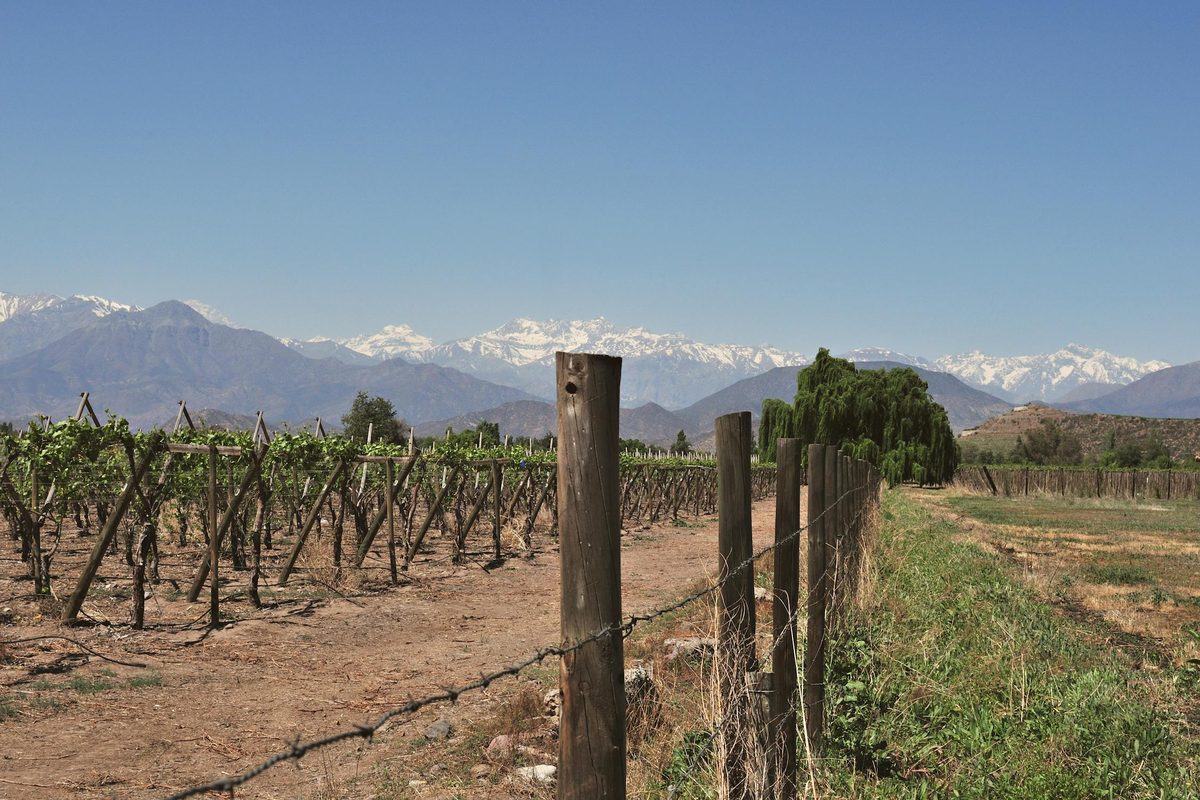
Chile is one of the world's great wine countries, and Santiago is the gateway to its best regions. I have a full Chilean wine guide that covers the valleys and tours, but here is what you need to know about drinking wine in Santiago restaurants.
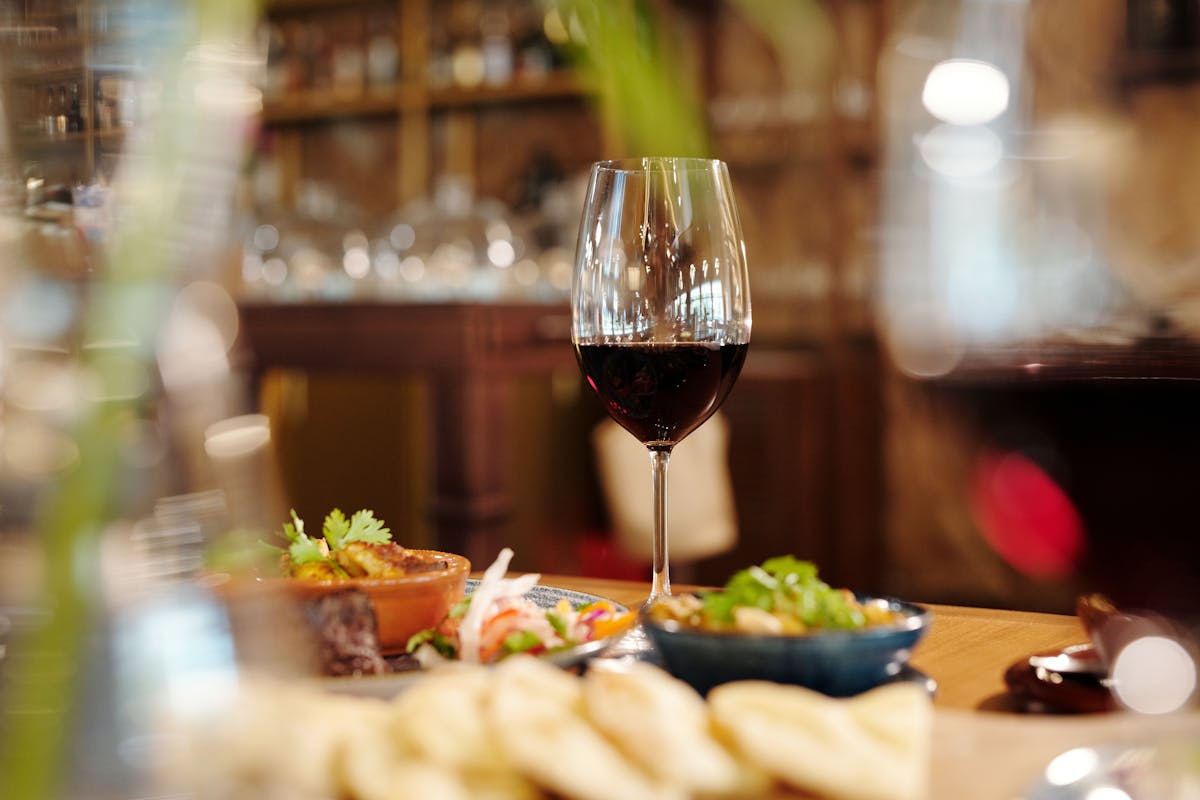
Restaurant wine markups here are shockingly low. A solid bottle that costs 5,000-8,000 CLP at a liquor store runs about 12,000-20,000 CLP on a restaurant menu — compare that to the 3x-4x markups in Europe or the US. Mid-range restaurants in Lastarria and Providencia lean heavily on the Maipo, Colchagua, and Casablanca valleys — all within day trip distance of the city.
Order carmenere — Chile's signature grape, at its best from the Maipo Valley that surrounds Santiago. For something lighter, go for a sauvignon blanc from Casablanca or a coastal pinot noir. The natural wine movement has hit Santiago hard too, especially in Barrio Italia. And if you want to visit wine country directly, the Maipo Valley is barely 45 minutes out — see our Santiago day trips guide for the logistics.
Late-Night Eating: When Dinner Ends at Midnight
Santiaguinos eat late. Dinner reservations at 9pm are normal. 10pm is not unusual. This means that the late-night food scene is not an afterthought — it is a genuine tier of eating in the city.
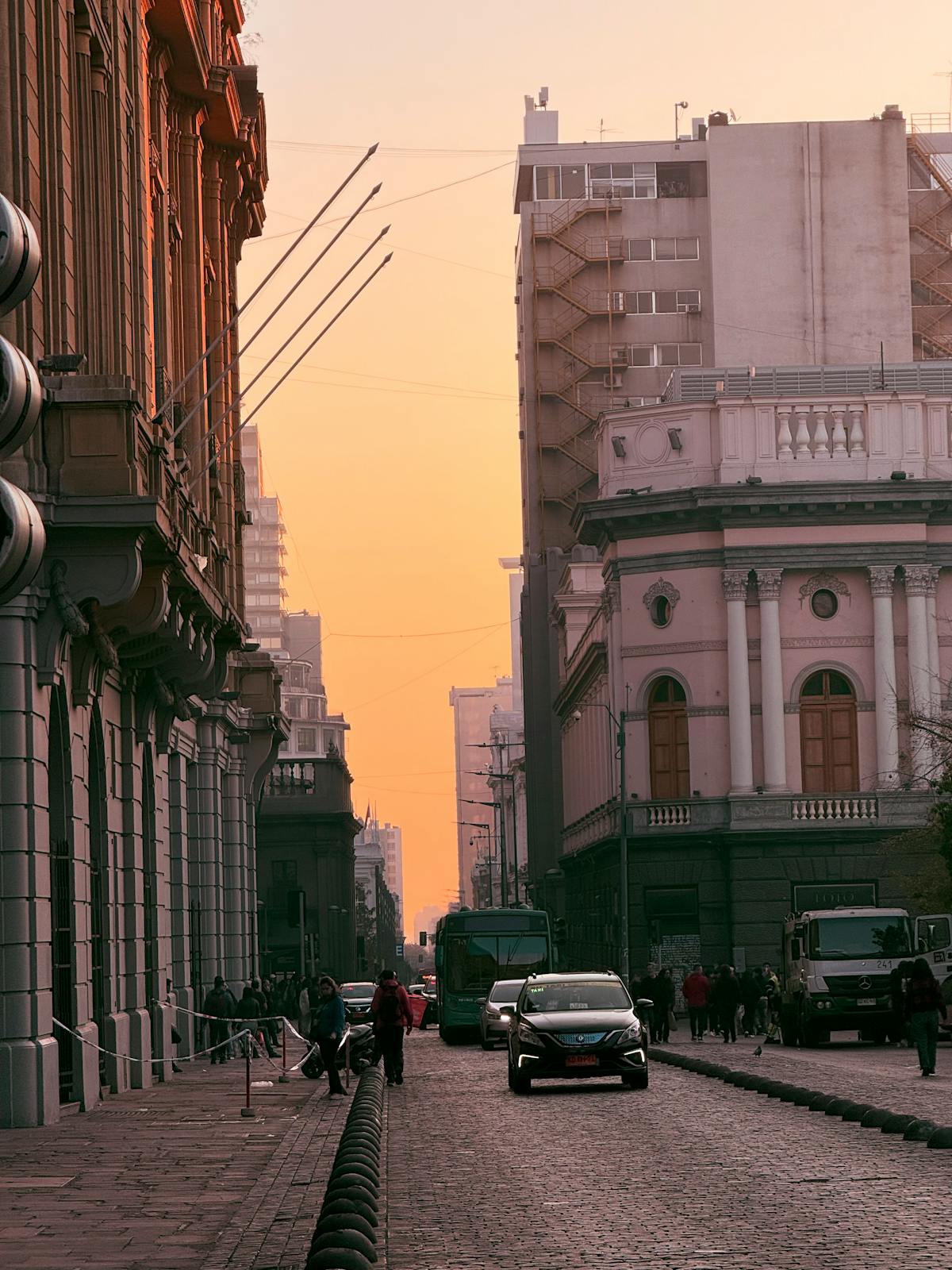
Bellavista is the obvious late-night choice. Restaurants here serve until midnight or later, and the street food carts come out after dark. A completo at 1am from a Bellavista cart, eaten standing on the sidewalk while the city swirls around you, is one of Santiago's defining food experiences. Not because the hot dog is anything special. Because the moment is.
For sit-down late-night food, look to the fuentes de soda — old-school counter restaurants that have been feeding Santiaguinos since the 1950s. Some stay open until 2 or 3am, serving barros luco sandwiches (beef and melted cheese), burgers, and churrascos. They are not Instagram places. They are survival food for a city that does not sleep early. The centro historico is mostly dead after 10pm — stick to Bellavista or Providencia for late meals.
What to Budget for Food in Santiago
Santiago is an excellent food city at every price point. Here is what realistic daily food spending looks like, based on my actual expenses across multiple trips. Check our full money and costs guide for broader budgeting.
| Style | Daily Budget | What That Looks Like |
|---|---|---|
| Backpacker | 8,000-12,000 CLP ($8-12) | Picada lunch, empanadas for dinner, market snacks |
| Mid-range | 20,000-35,000 CLP ($20-35) | Cafe breakfast, picada or market lunch, restaurant dinner |
| Comfortable | 40,000-60,000 CLP ($40-60) | Brunch, mid-range restaurant lunch and dinner, wine with meals |
| Splurge | 80,000-150,000+ CLP ($80-150+) | Fine dining dinner, craft cocktails, wine pairings |
The sweet spot is mid-range: picada for lunch (your big meal, following the Chilean pattern), street food or a light neighborhood dinner, and save the fine dining for one or two special evenings.
Quick Tip
Tipping in Chile is 10%, usually added to the bill as "propina sugerida." You will be asked if you want to include it. Say yes unless the service was genuinely terrible. It is expected and the staff rely on it.
The Honest Summary
Santiago does not really need a restaurant guide. Walk into any neighborhood at noon, find the longest line, sit down. The food in this country does the talking. What a guide can do is save you from the tourist traps and convince you that the $3 picada lunch is not a compromise. It is the highlight.
But if you made me choose — one last lunch in Santiago, no return trip — I would be at a picada in Yungay by noon, eating cazuela and watching the chalkboard menu. The fancy restaurants will still be there next time. The picada might not. That is exactly what makes it worth finding now.