This article contains affiliate links. If you book through them, I earn a small commission at no extra cost to you.
My first night in Santiago, I stayed near the Plaza de Armas. A booking site had shown me a deal on a hotel I could not refuse — central location, walking distance to everything, four stars. What the listing did not mention was that "central" meant I would fall asleep to a man yelling about the end of the world outside my window, that the nearest metro exit smelled like something had died in it, and that by 11pm the streets around me were empty in the kind of way that makes you walk faster. I checked out after one night and moved to Lastarria. That decision, more than any museum or mountain I visited afterward, shaped the rest of my trip.
Santiago is a city where your neighborhood matters more than your hotel. A gorgeous boutique room in the wrong barrio will leave you taking taxis everywhere, eating at mediocre places, and wondering what all the fuss was about. A basic apartment in the right barrio puts you in the middle of the best food, the best walking streets, and the best energy in South America. I have stayed in six different neighborhoods across four visits. Some I would go back to tomorrow. Some I would not recommend to anyone. Here is what I actually think about each one.
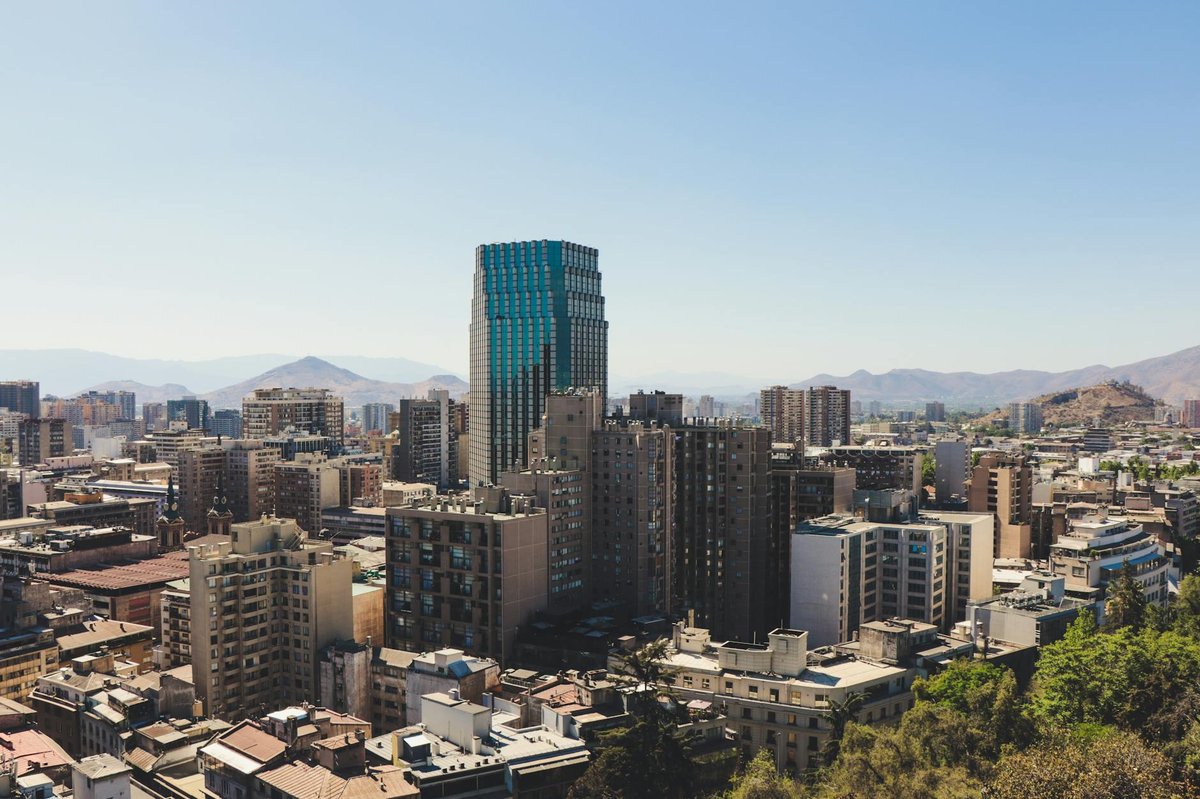
Lastarria: Where I Tell Everyone to Stay
If you have never been to Santiago and you are asking me where to book, I will say Lastarria before you finish the sentence. Every time. This is not a controversial opinion among people who know the city — it is the answer you get from locals, expats, travel writers, and the guy at the car rental desk. Lastarria is the neighborhood that makes people fall for Santiago.
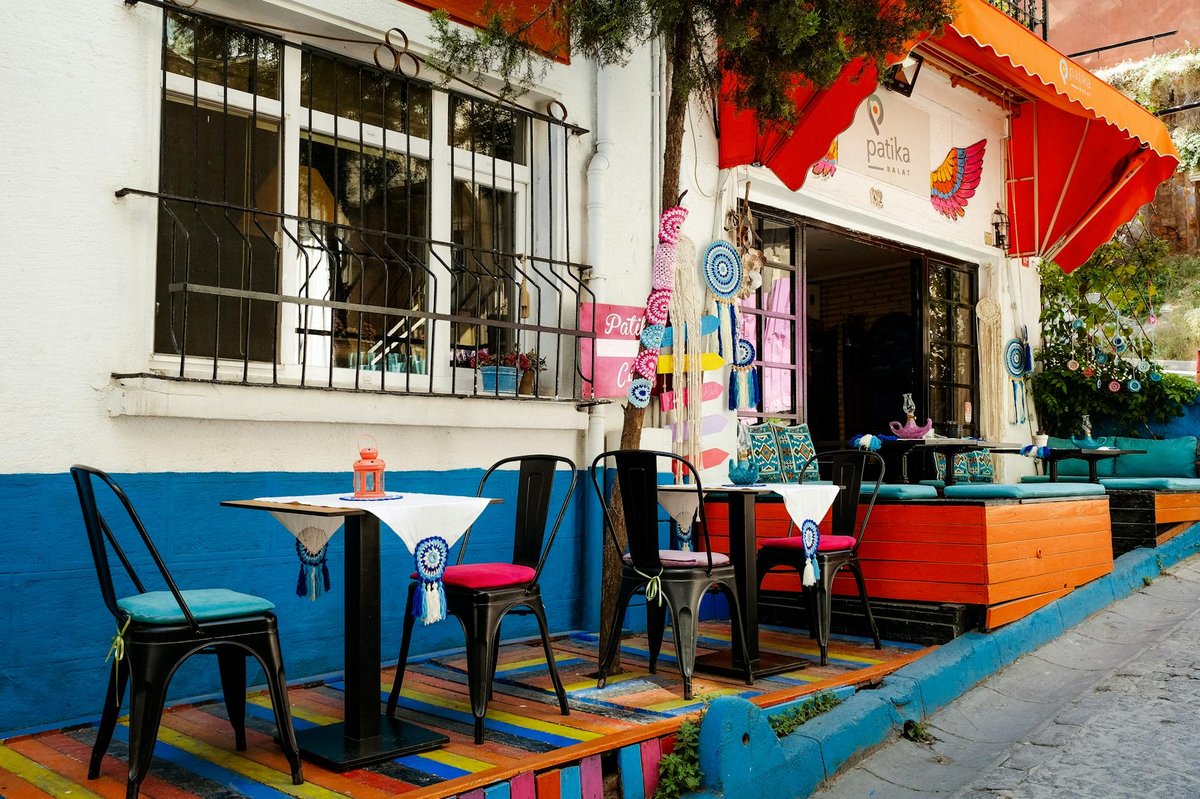
It is tiny. Maybe eight blocks by four blocks, wedged between Cerro Santa Lucia and the Mapocho River, right in the middle of the city. You can walk the whole thing in twenty minutes. But the density of good restaurants, interesting shops, and just genuinely pleasant streets is staggering for such a small area. The main drag, Jose Victorino Lastarria, is pedestrianized in stretches and lined with sidewalk cafes. The side streets are quieter, with wine bars tucked into old houses and secondhand bookshops that smell like old paper and coffee.
I have stayed in Lastarria three times. Each time I found new places. A tiny Peruvian ceviche spot on a corner I had somehow missed before. A natural wine bar that only opens Thursday through Saturday. A print shop selling hand-pulled lithographs of the Andes that I now have framed in my hallway. The neighborhood rewards wandering in a way that very few places do.
The practical stuff
Metro access is excellent. Universidad Catolica station (Line 1) is right at the edge of the neighborhood, and Baquedano (Lines 1 and 5) is a five-minute walk. From Baquedano you can get anywhere in the city in under thirty minutes. The Museo de Bellas Artes and the Centro Cultural Gabriela Mistral (known as GAM) are both within walking distance, and Cerro San Cristobal is a fifteen-minute walk across the river through Bellavista.
Safety is not something I have ever worried about here. Lastarria is well-lit, well-walked, and has a visible police presence without feeling heavy. I have walked back to my hotel at 1am multiple times without a second thought. That said, keep your phone in your pocket and your bag zipped — opportunistic theft happens everywhere in Santiago. Read our full safety guide for more on that.
Price-wise, Lastarria is on the higher end for Santiago but still remarkably affordable by international standards. A decent hotel runs $80-$140 per night. A well-located Airbnb with a kitchen is $50-$90. A set lunch (menu del dia) at a sit-down restaurant costs $6-$10. You are paying a premium over neighborhoods like Barrio Brasil or Centro, but the difference is maybe twenty to thirty percent, and the quality of life improvement is enormous.
Quick Tip
Lastarria books up fast during Chilean summer (December-February) and around Fiestas Patrias in September. If you are coming during those windows, book at least a month ahead. The neighborhood is small and there are not that many rooms.
The honest downsides
Lastarria is popular and it knows it. On Friday and Saturday nights the main street gets loud and crowded with people bar-hopping. If you are a light sleeper, ask for a room facing the interior courtyard or the back street. The restaurants closest to the pedestrian strip have figured out they can charge tourist prices — avoid anything with a menu in English posted outside and walk one block deeper instead. And the neighborhood is so comfortable that it can become a bubble. I have met travelers who spent five days in Santiago and never left Lastarria, which is a waste of a very interesting city.
Best for: First-time visitors, couples, solo travelers, anyone who wants to walk out the door and immediately be somewhere good.
Budget: Mid-range to upper-mid. $50-$140/night depending on accommodation type.
Metro: Universidad Catolica (Line 1), Baquedano (Lines 1, 5).
Bellavista: The Fun One (With Some Caveats)
Cross the river from Lastarria and you land in Bellavista, which is a completely different animal. Where Lastarria is polished and cafe-literary, Bellavista is muraled, messy, and running on a different clock. The neighborhood wakes up late and stays up later. The streets are narrower. The buildings are painted in colors that would get you fined in most European cities. The graffiti is not vandalism here — it is the point.
I stayed in Bellavista once, during my second trip, specifically because I wanted the nightlife. And the nightlife delivered. Pio Nono street on a Friday night is an experience — packed with bars, street food vendors grilling anticuchos, and a crowd that skews young and loud. The pisco sours are cheap and strong. The music spills out of doorways. If you want to go out without taking a taxi home, Bellavista is where you stay.
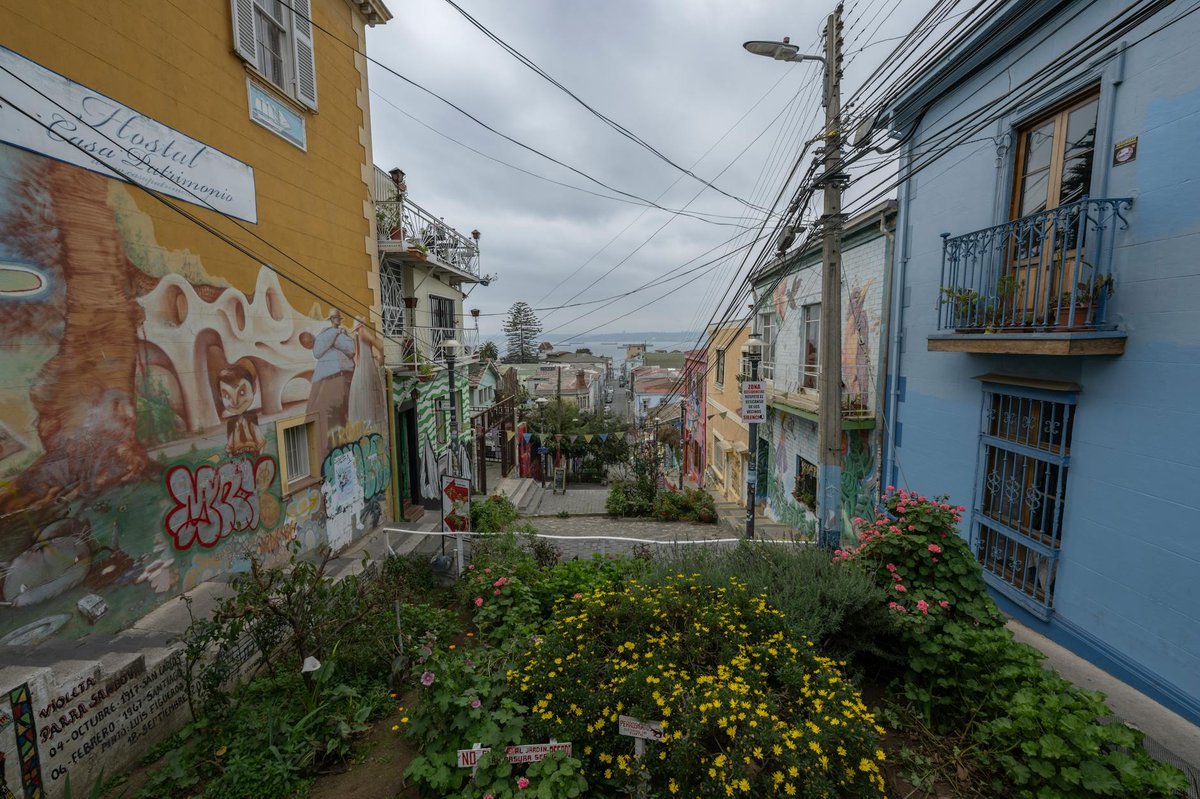
But I moved to Lastarria the next time I came back, and that tells you something. Bellavista during the day is quieter than you expect, almost sleepy. The restaurants along the main streets are hit-or-miss, especially the ones catering to the nightlife crowd — soggy empanadas and overpriced pisco, the kind of places that survive on foot traffic rather than quality. The real food in Bellavista is on the side streets: a few genuinely good Vietnamese places, a Thai restaurant that a Santiago friend swears by, and La Chascona, Neruda's house-turned-museum, which has a surprisingly decent cafe attached.
The Cerro San Cristobal entrance is right here. You can walk from most Bellavista hotels to the park entrance in five minutes and be at the summit in forty-five. That is a genuine advantage — if you want to hike the hill every morning, Bellavista puts you closest to the trailhead.
Safety in Bellavista
I need to be straight about this. Bellavista after dark, especially around Pio Nono and the side streets south of it, has more street crime than Lastarria or Providencia. Phone snatchings happen. Drunk tourists are targets. I have never had a problem personally, but I also do not pull my phone out on the street after midnight. Walk with purpose, keep your valuables close, and you will be fine. It is not dangerous in the way that some neighborhoods in other South American capitals are — it is more like any nightlife district anywhere in the world where alcohol and crowds mix.

Best for: Younger travelers, nightlife seekers, street art lovers, Neruda fans.
Budget: Budget to mid-range. $30-$90/night. Hostels with dorms from $12-$18.
Metro: Baquedano (Lines 1, 5), a 10-minute walk from most of the neighborhood.
Providencia: The Smart, Boring Choice
Providencia is where Santiago's middle class lives, works, and eats lunch. It is not exciting. It does not have the charm of Lastarria or the energy of Bellavista. What it has is wide sidewalks, reliable restaurants, three metro stations, a long tree-lined park, and the kind of safety that lets you forget you are thinking about safety. If Lastarria is where you go for the experience, Providencia is where you go for the sleep.
I stayed here on my most recent trip because I was working remotely and needed fast WiFi, a quiet room, and the ability to get to meetings in Las Condes without a long commute. Providencia delivered on all counts. My hotel was on a residential side street off Avenida Providencia, the main commercial boulevard. I could walk to three different coffee shops with good internet within five minutes. The metro station was two blocks away. The supermarket across the street was open until midnight.
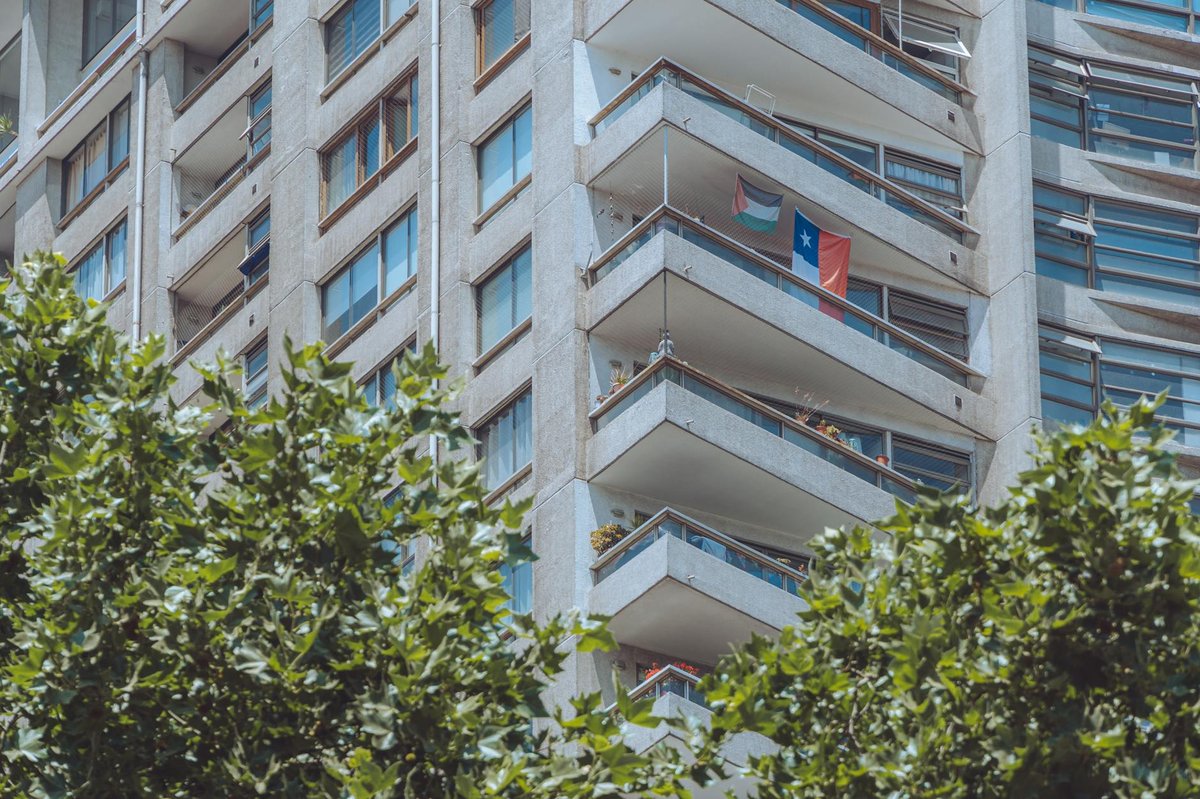
Avenida Providencia and its side streets have every kind of restaurant — Japanese, Italian, Peruvian, Chilean, fast casual, slow casual. None of it blew my mind the way the places in Lastarria did, but none of it was bad either. The prices are slightly lower than Lastarria and the portions are slightly bigger, which makes sense because the clientele is locals eating lunch, not tourists on vacation.
The Parque de las Esculturas runs along the river and is a genuinely nice walk, especially in the morning. There is a weekend market in the park that sells better-than-average crafts. And the neighborhood connects easily to both Lastarria (ten minutes by metro or twenty on foot) and Las Condes (ten minutes by metro in the other direction).
Why you might not want to stay here
Providencia has no particular identity. It is comfortable, clean, convenient, and completely forgettable. If you have three days in Santiago and want to come home with stories, Providencia will not give you any. The restaurants are good but not interesting. The streets are pleasant but not photogenic. You will sleep well and eat well and feel perfectly safe and remember almost none of it. Some people want exactly this. Others find it depressing.
Best for: Business travelers, remote workers, families, anyone prioritizing safety and convenience over character.
Budget: Mid-range. $60-$130/night for hotels. $40-$70 for apartments.
Metro: Pedro de Valdivia, Los Leones, Tobalaba (all Line 1). Excellent connections.
Barrio Italia: The One the Travel Blogs Will Catch Up To
Barrio Italia is a twenty-minute metro ride from the center and most visitors never make it here. That is part of why it is good. This is the neighborhood where Santiago's design community has quietly set up shop over the last decade — vintage furniture stores, ceramic studios, independent coffee roasters, small-batch clothing brands, and restaurants that care more about their ingredients than their Instagram.
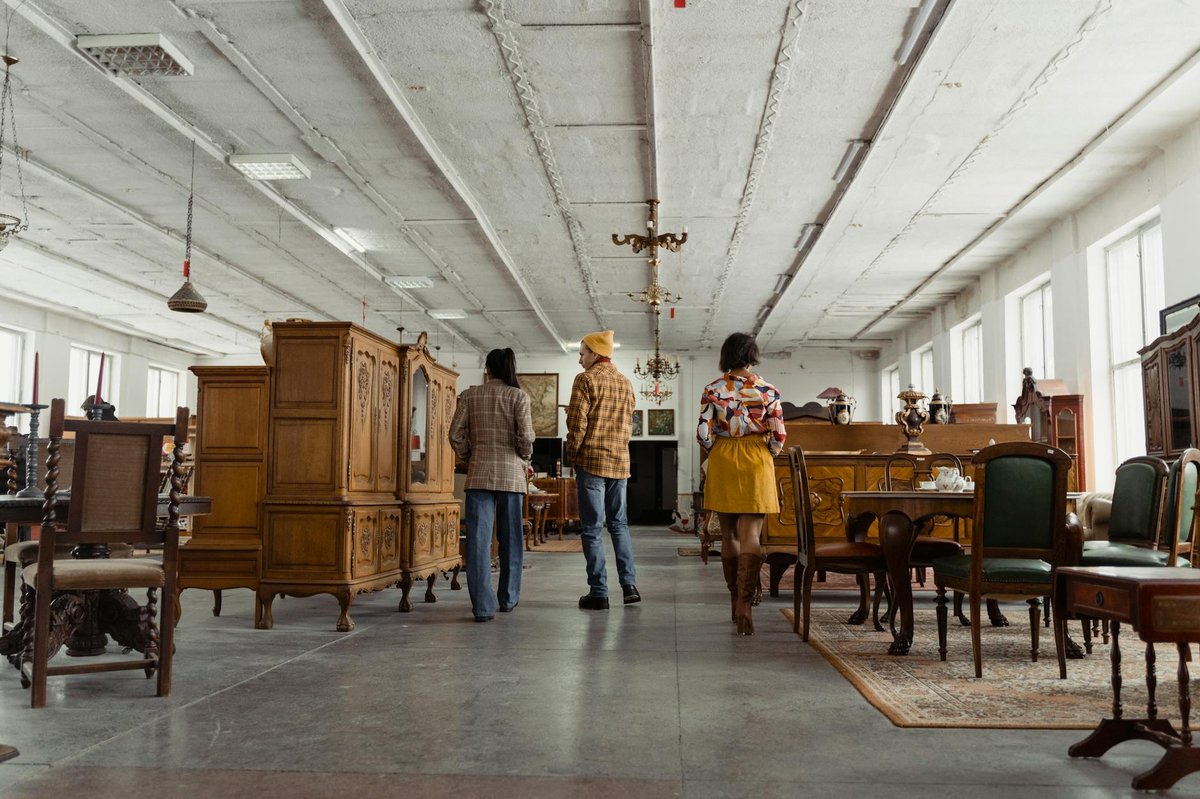
I spent an afternoon here on my third trip and wished I had booked the whole stay. The main street, Avenida Italia, is lined with old houses that have been converted into shops and restaurants, each one a little different. A courtyard behind an iron gate that opens into a space selling handmade leather bags and concrete planters. A roaster pulling shots of single-origin coffee from a machine that costs more than most cars. A restaurant doing a five-course lunch menu for $15 with wines from small producers in the Maule Valley. The neighborhood has that energy of a place that is genuinely good and has not yet been discovered by the tour buses.
The crowd here is local. On my visit I heard almost no English being spoken. The prices reflect that — lunch is cheaper than Lastarria, coffee is cheaper, drinks are cheaper. The vibe is relaxed in a way that tourist neighborhoods never quite manage. People sitting at outdoor tables with laptops. Couples walking their dogs. Nobody is in a rush.
The trade-offs
Barrio Italia is not central. From here, getting to the historic center or Lastarria means a metro ride or a twenty-minute taxi. If you want to walk to the main sights, this is not your base. The accommodation options are also thinner — there are fewer hotels and the ones that exist tend toward small guesthouses and apartments. That can be an advantage if you want to feel like you live here, but it limits your choices. And the neighborhood shuts down early by Santiago standards. By 10pm most places are closing, and if you want nightlife you will need to go to Bellavista.
Metro access is fine — Italia station on Line 5 is right there — but Line 5 requires a transfer at Baquedano to get to Line 1, which serves most of the tourist sights. It adds five minutes to every trip, which is not a dealbreaker but is worth noting.
Best for: Design and food enthusiasts, travelers on a second or third visit, anyone who dislikes tourist neighborhoods.
Budget: Budget to mid-range. $35-$80/night. Mostly apartments and small guesthouses.
Metro: Italia (Line 5). Transfer at Baquedano for Line 1.
Las Condes: Safe, Shiny, and Soulless
Las Condes is Santiago's business district. Glass towers, shopping malls, chain restaurants, international hotels. It looks like the financial district of any modern city anywhere on earth. If you closed your eyes, got teleported here, and opened them again, you would have no idea you were in Chile.
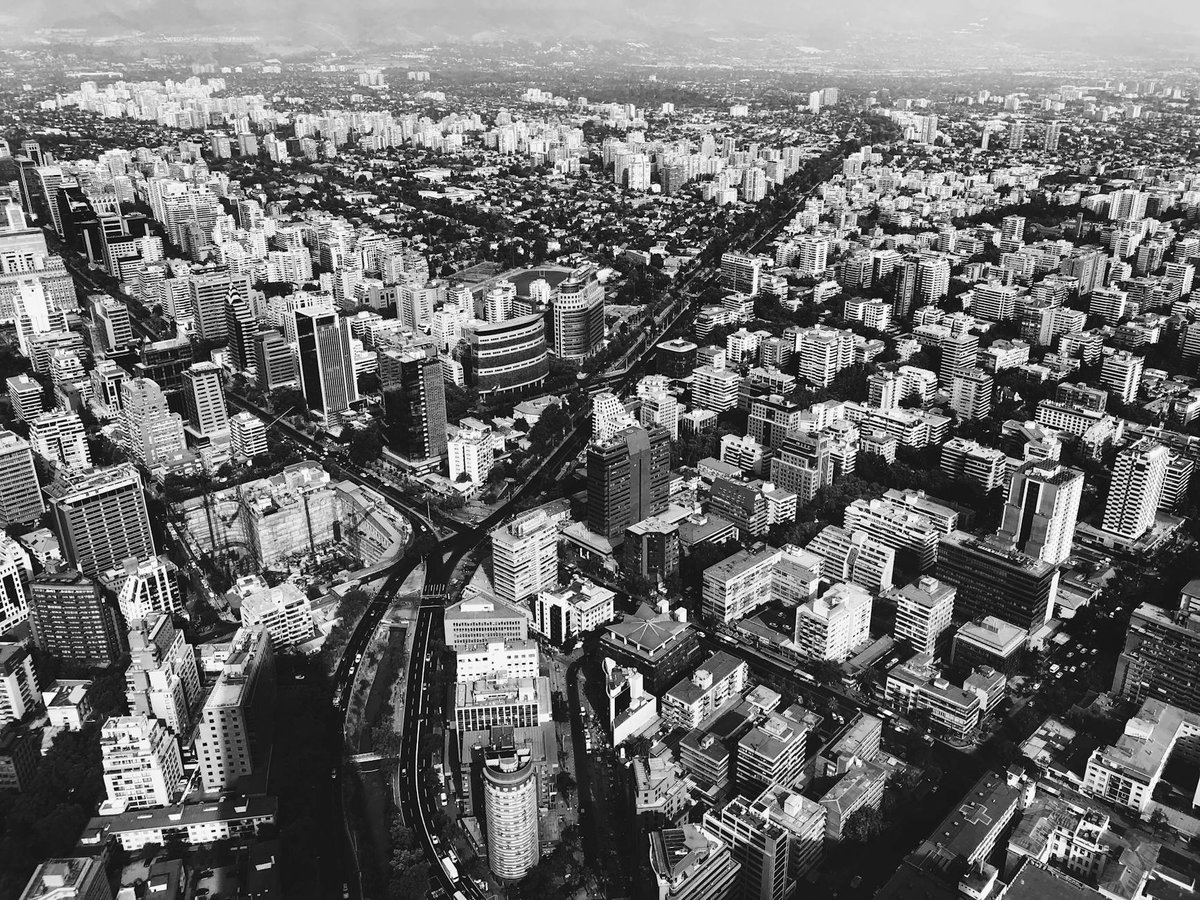
I have stayed here exactly once, because my flight landed at midnight and I booked the first hotel near the airport shuttle that had availability. It was fine. The room was fine. The breakfast was fine. The lobby had a business center and a gym and a minibar with $8 water bottles. Everything worked perfectly and I felt nothing about any of it.
The Costanera Center, the tallest building in South America, is here. The mall at its base has every international brand you can think of. The Sky Costanera observation deck is genuinely impressive — on a clear day you can see the entire basin and the Andes look close enough to touch. But you can visit that in an afternoon from Lastarria without needing to sleep in the neighborhood.
Las Condes is undeniably safe. The streets are wide and well-lit. There are security guards in every building lobby. The metro runs smoothly (Tobalaba, El Golf, and Manquehue stations on Line 1). Everything is clean and modern and expensive and thoroughly international. If you are here for a business conference and need to be near the corporate offices on El Bosque or Isidora Goyenechea, Las Condes makes sense. For everyone else, you are paying premium prices to miss the point of the city.
Best for: Business travelers, anyone needing proximity to corporate offices, people who want international hotel chains.
Budget: Upper-mid to expensive. $100-$250/night for international brands. Few budget options.
Metro: Tobalaba (Lines 1, 4), El Golf, Manquehue (Line 1).
Barrio Brasil: Rough Around the Edges, Cheap as Chips
Barrio Brasil is where the backpackers stay, and where a certain kind of traveler — the kind who does not mind a scuffed-up neighborhood if the rent is low and the character is real — finds their place. The buildings here are old, colonial-era mansions that have been chopped into hostels, shared apartments, and art spaces. The paint is peeling in places. The streets are not always clean. The plaza at the center of the neighborhood has a permanent cast of characters — old men playing chess, teenagers on skateboards, a guy who sells empanadas out of a cooler.
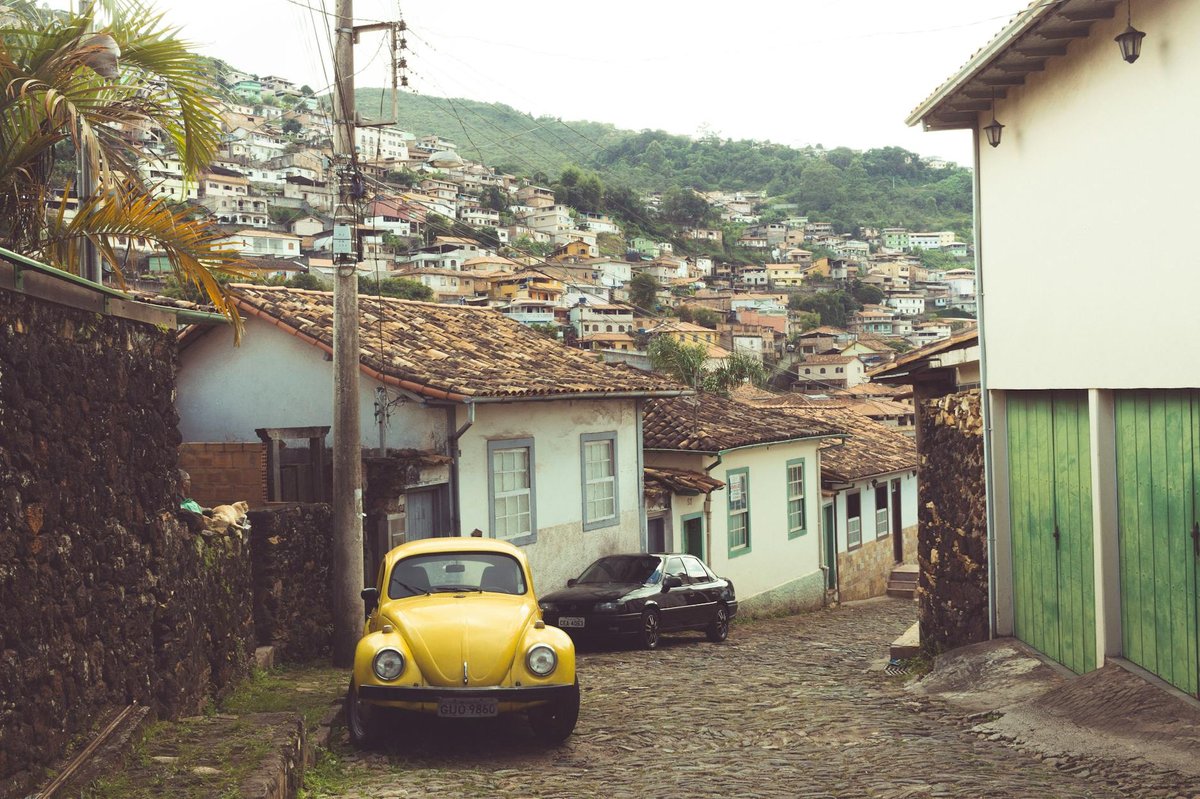
I stayed here on my very first trip to Santiago, when I was traveling on a tight budget and a dorm bed for $10 a night was the deciding factor. The hostel was in a converted mansion with high ceilings, a courtyard, and a shared kitchen that smelled like someone was always cooking pasta. My dorm room had twelve beds and a window that did not close properly. I slept in a sleeping bag liner and ate almuerzo del dia at the comedores on the surrounding blocks for $4. It was exactly the kind of budget travel experience that either appeals to you or does not, and you know which category you fall into.
The neighborhood has character that Lastarria is too polished to match and Providencia is too new to have. Some of the best street art in the city is here — whole buildings covered in murals that nobody commissioned or asked permission for. The cultural centers host free events most weekends. And the proximity to Barrio Yungay, the next neighborhood west, opens up an area with some of Santiago's best micro-restaurants and traditional Chilean food at genuinely local prices.
The safety conversation
Barrio Brasil is rougher than the eastern neighborhoods. I am not going to sugarcoat it. Petty theft is more common. Drug activity is visible in certain blocks. After dark, some streets feel empty in a way that puts your guard up. I never had a serious problem, but I was careful — no phone out on the street at night, no walking alone down poorly lit side streets, taxi back from the metro after 10pm. Read the safety guide and apply extra caution here.
That said, plenty of people live here. Families live here. The roughness is concentrated in specific pockets, not spread evenly across the whole neighborhood. During the day, especially around the plaza, it feels lively and normal. If you have traveled in Latin America before and know how to read a street, you will be fine. If Santiago is your first time on the continent, start in Lastarria and visit Barrio Brasil during the day.
Best for: Budget travelers, backpackers, people who like neighborhoods with grit, anyone who has traveled widely in Latin America.
Budget: Cheap. $10-$18/night for dorms. $25-$50/night for private rooms. $30-$60 for basic hotels.
Metro: Republica (Line 1). A bit of a walk from the plaza, but manageable.
Centro Historico: Visit, Don't Sleep
I need to be blunt about this one. The historic center of Santiago — the area around Plaza de Armas, the cathedral, the government palace — is a great place to spend a morning and a terrible place to book a hotel. I learned this firsthand, as I described at the top of this article, and I have since confirmed it with every Chilean I have asked. "You stayed where?" is the usual response, followed by a look that mixes sympathy with confusion.
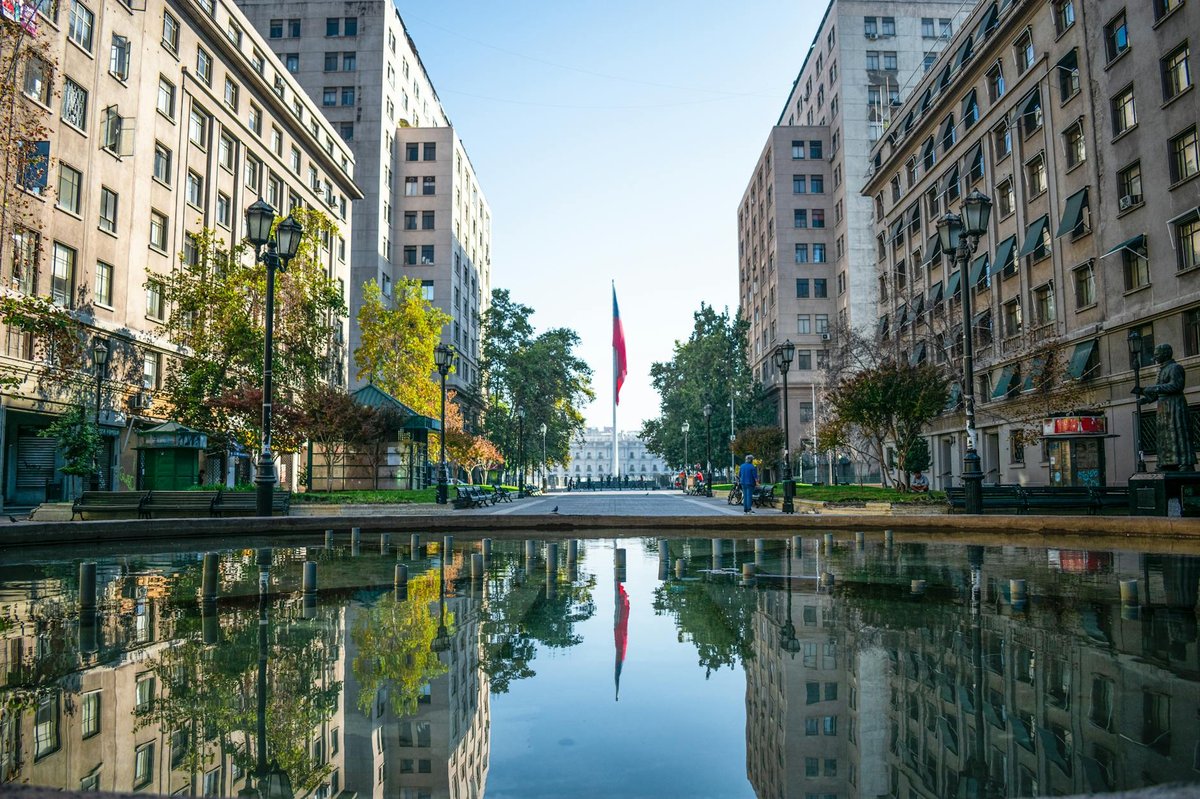
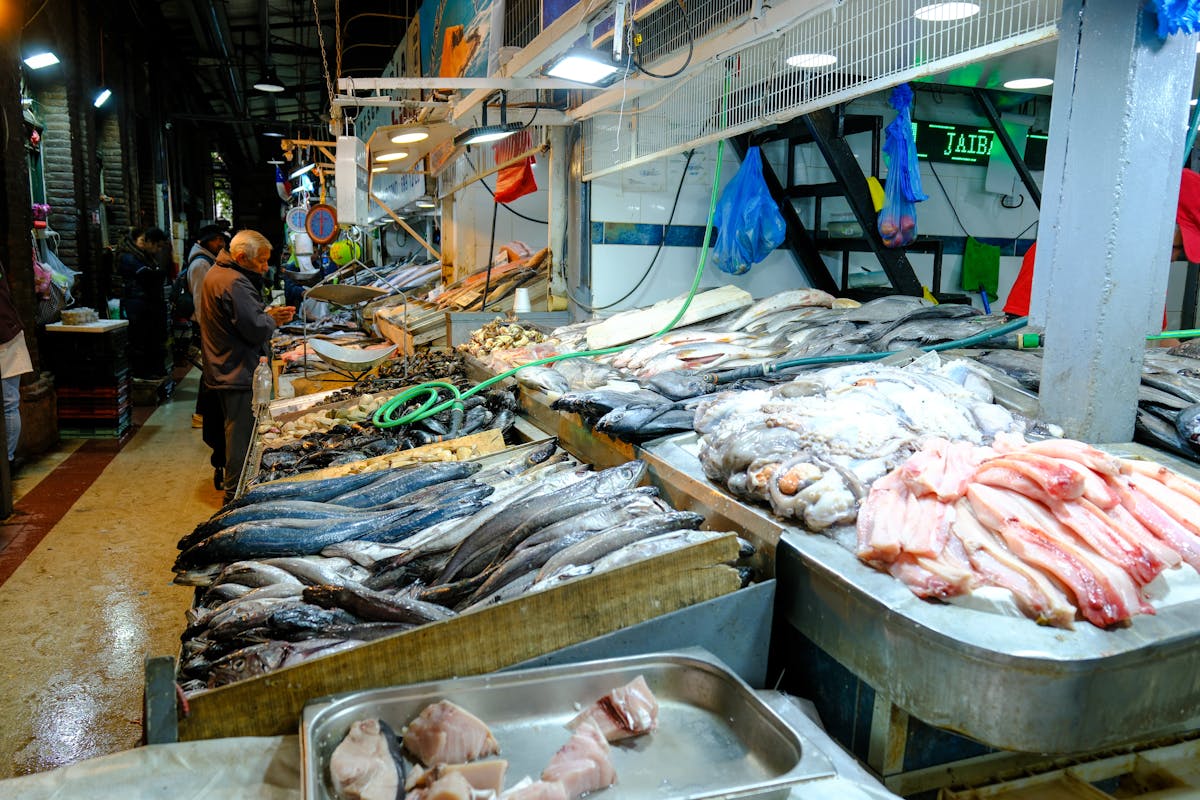
The Centro is fascinating to walk through during the day. The Palacio de la Moneda is imposing and historically significant. The Mercado Central has some of the best seafood in the city if you know which stalls to sit at (the ones on the outer ring, not the tourist traps in the middle). The pedestrianized Paseo Ahumada is packed with street performers and shoppers. The Museo Chileno de Arte Precolombino is one of the best museums on the continent and almost nobody visits it.
But after 7pm, the Centro empties out. The office workers leave. The shops close. The streets that were packed at noon become uncomfortably quiet. The people who remain are not the people you want to be navigating around with your luggage. I am not trying to be dramatic about this — it is the same pattern you see in commercial districts worldwide. But in Santiago the contrast between daytime Centro and nighttime Centro is particularly stark, and the hotel options in the area tend to be either overpriced international chains or budget places that cut corners in ways you will notice.
Come here during the day. Eat at the Mercado Central. Visit the museums. Walk the Paseo. Then get on the metro (Line 1 or Line 5 from Plaza de Armas station) and go back to Lastarria or wherever you are actually staying. Twenty minutes door to door.
Best for: Day visits only. Not recommended for accommodation.
Metro: Plaza de Armas (Line 5). Direct connection to the rest of the city.
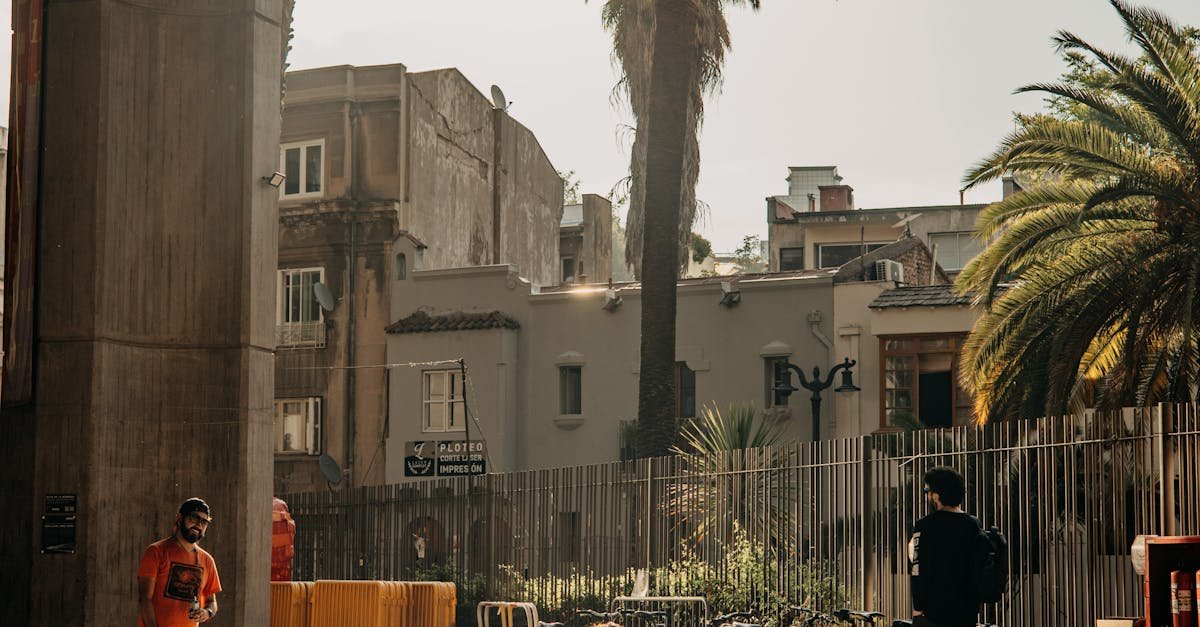
The Quick Comparison
| Neighborhood | Best For | Budget/Night | Safety | Metro Access | Character |
|---|---|---|---|---|---|
| Lastarria | First-timers, couples | $50-$140 | Very good | Excellent | Cafes, culture, walkable |
| Bellavista | Nightlife, young travelers | $30-$90 | Moderate at night | Good | Street art, bars, Neruda |
| Providencia | Business, families | $60-$130 | Very good | Excellent | Residential, convenient |
| Barrio Italia | Foodies, design lovers | $35-$80 | Good | Good (Line 5) | Design shops, local vibe |
| Las Condes | Business travelers | $100-$250 | Excellent | Excellent | Corporate, modern |
| Barrio Brasil | Backpackers | $10-$60 | Fair | Decent | Gritty, real, cheap |
| Centro | Day visits only | N/A | Poor at night | Good | Historic, dies after dark |
Where I Would Stay (If You Made Me Choose)
Lastarria. Every time. Unless my budget absolutely would not stretch, in which case I would stay in Barrio Italia and commute in. And if I were twenty-three again, backpacking on $30 a day, I would stay in Barrio Brasil and spend the savings on food.
The truth about Santiago neighborhoods is that the city is compact enough — and the metro is good enough — that being in the "wrong" neighborhood is never a disaster. You can get from Barrio Brasil to Las Condes in twenty-five minutes. You can go from Providencia to the Mercado Central in fifteen. The metro is clean, safe, frequent, and costs about $1. Read our getting around guide for details on the Bip! card and how to navigate the system.
But being in the right neighborhood means you spend less time on the metro and more time walking out your door into streets that make you glad you came. That is what Lastarria does. It puts you at the center of gravity of everything that makes Santiago worth visiting — the food, the culture, the views, the energy — without trying too hard to sell it to you.
Planning Your Trip
Santiago works as a base for some of the best day trips in Chile — Valparaiso, wine country, Cajon del Maipo. If you are building a longer itinerary, check our two-week Chile itinerary which starts in Santiago before heading south. And for understanding Chilean money and costs, we have a breakdown of daily budgets by travel style.
Book Lastarria. Read our full Santiago city guide for everything else to see and do. Walk to Cerro Santa Lucia on your first morning. Eat ceviche for lunch. Drink Carmenere in the evening. And on your second day, take the metro to a different neighborhood — Barrio Italia, Bellavista, Centro — and see how the city changes block by block. Santiago is not a one-note city. It just needs you to pick the right note to start on.