This article contains affiliate links. If you book through them, I earn a small commission at no extra cost to you.
The thing that would have saved me the most money in Chile is something nobody told me before I landed: hotels have to give you an IVA tax exemption if you are a foreign tourist paying in US dollars or with a foreign credit card. That is 19% off your hotel bill. I paid full price for my first five nights in Santiago before another traveler at a hostel bar mentioned it like it was common knowledge. It is. I just did not know.
Chile is one of the easiest countries in South America to travel, but it has enough quirks, unwritten rules, and small traps that the difference between knowing and not knowing can cost you real money, real time, or real frustration. I have been four times now, from the bone-dry north to the wind-blasted south, and I still learn something new every trip.
These are 25 things I wish someone had sat me down and told me before my first flight into Arturo Merino Benitez.
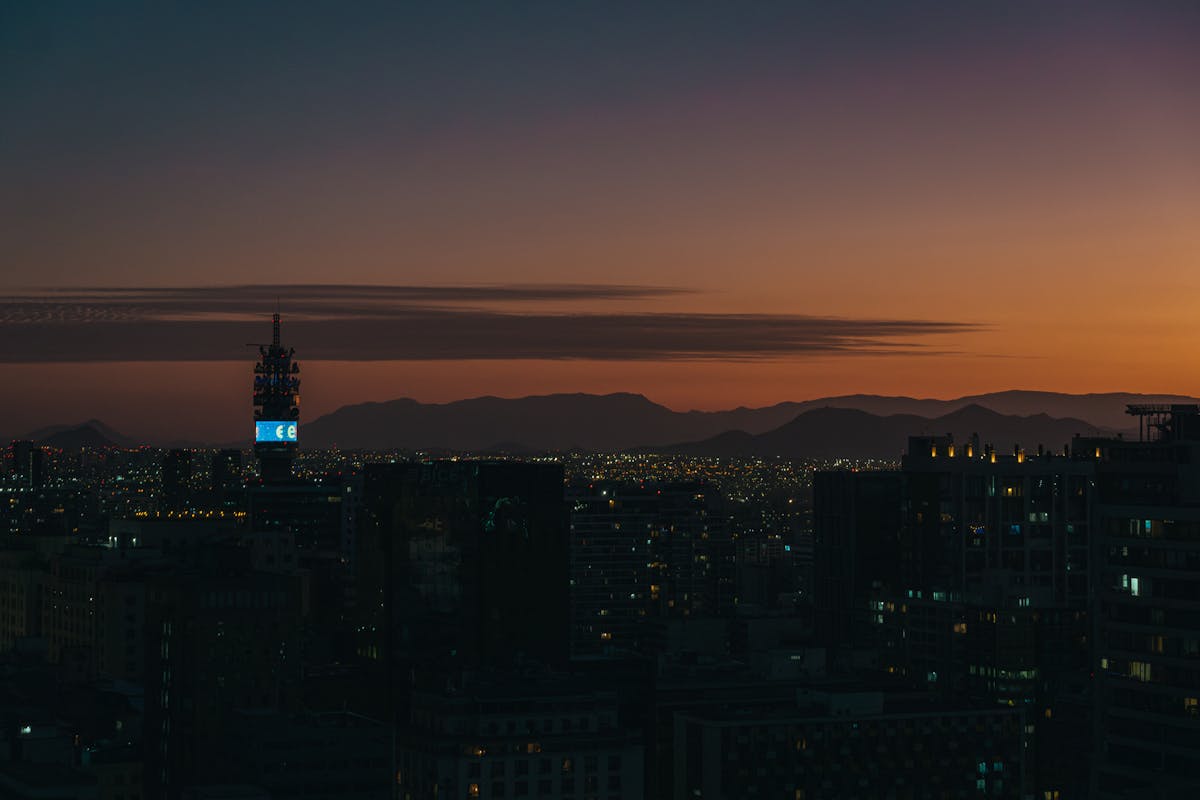
1. The IVA Tax Exemption on Hotels Is Free Money
Foreign tourists in Chile are exempt from the 19% IVA (value-added tax) on accommodation. This applies to hotels, hostels, and most guesthouses. You need to pay with a foreign credit card or in US dollars, and you need to show your passport. Some places apply it automatically. Many do not — they just charge you the full rate and pocket the difference unless you specifically ask.
Say the words "exencion de IVA" at check-in. Every time. I have never had a place refuse when asked directly, but I have had plenty that did not volunteer the discount. On a $100-per-night hotel, that is $19 back in your pocket per night. Over two weeks, you are talking real money. Check our money and costs guide for more on how this works.
2. Chilean Spanish Will Break Your Brain
I studied Spanish for two years before going to Chile and understood maybe 40% of what people said to me in Santiago. Chilean Spanish is its own animal. They drop the ends off words, speak faster than anywhere else in Latin America, and use slang that does not exist in any textbook.
"Po" goes on the end of everything — si po, no po, ya po. "Cachai" means "you know?" or "you get it?" and you will hear it every thirty seconds. "Weon" is a word that means friend, idiot, guy, or nothing at all depending on tone and context. A Chilean can say "weon" five times in one sentence and mean something different each time. Do not try to learn it before you go. Just accept that you will be confused, nod a lot, and it starts clicking after a week or so.
3. ATMs Charge Fees — Use Banco Estado
Every ATM in Chile charges foreign cards a withdrawal fee on top of whatever your own bank charges. The fees range from about 5,000 to 10,000 CLP ($5-10 USD) per transaction, and withdrawal limits are low — often 200,000 CLP ($200) per pull. So you end up making multiple withdrawals and paying multiple fees.
The exception is Banco Estado. Their ATMs charge significantly lower fees than the private banks. Look for the green and white logo. They are everywhere in Santiago and in most towns of any size. I always made Banco Estado my first stop after landing. The airport branch is on the arrivals level, past the currency exchange booths that you should absolutely ignore because their rates are terrible.
4. Get a Bip! Card for Santiago Metro Immediately
The Santiago metro is excellent — clean, fast, covers most of the city. But you cannot pay cash on board. You need a Bip! card, which is the rechargeable transit card that works on the metro and all city buses.
Buy one at any metro station for about 1,500 CLP and load it up. Single rides cost between 640 and 800 CLP depending on the time of day (rush hour is more expensive). The card also works on the red TransSantiago buses, which fill in the gaps the metro does not cover. Without a Bip! card you are stuck taking taxis or Uber everywhere, which adds up fast. Read more about getting around Chile for the full transport breakdown.
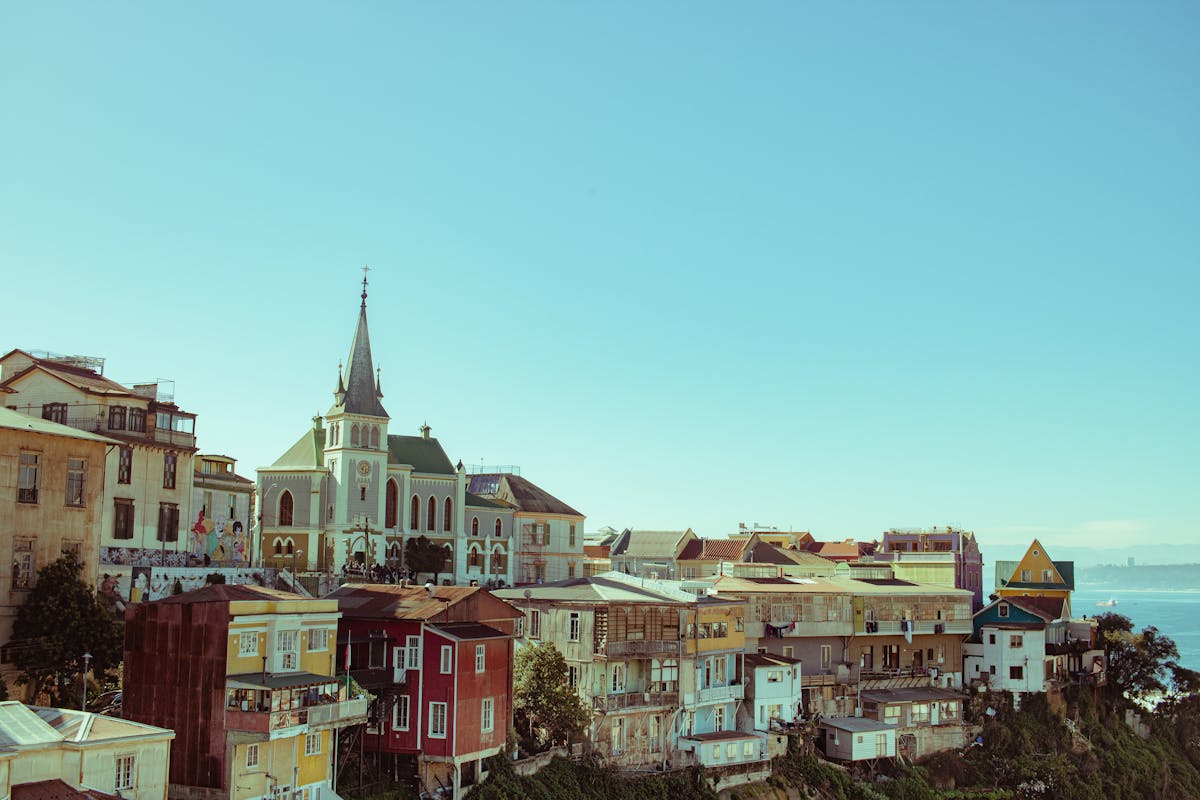
5. Bring Layers. Everywhere. Always.
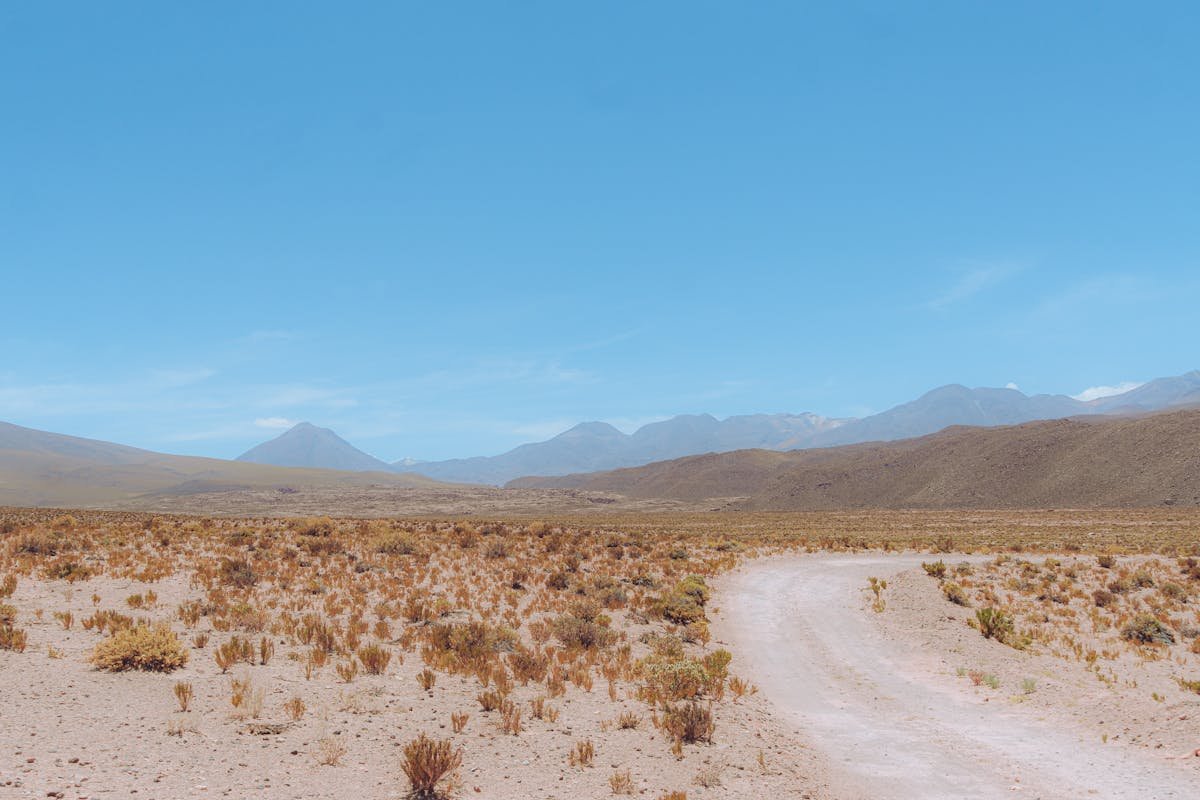
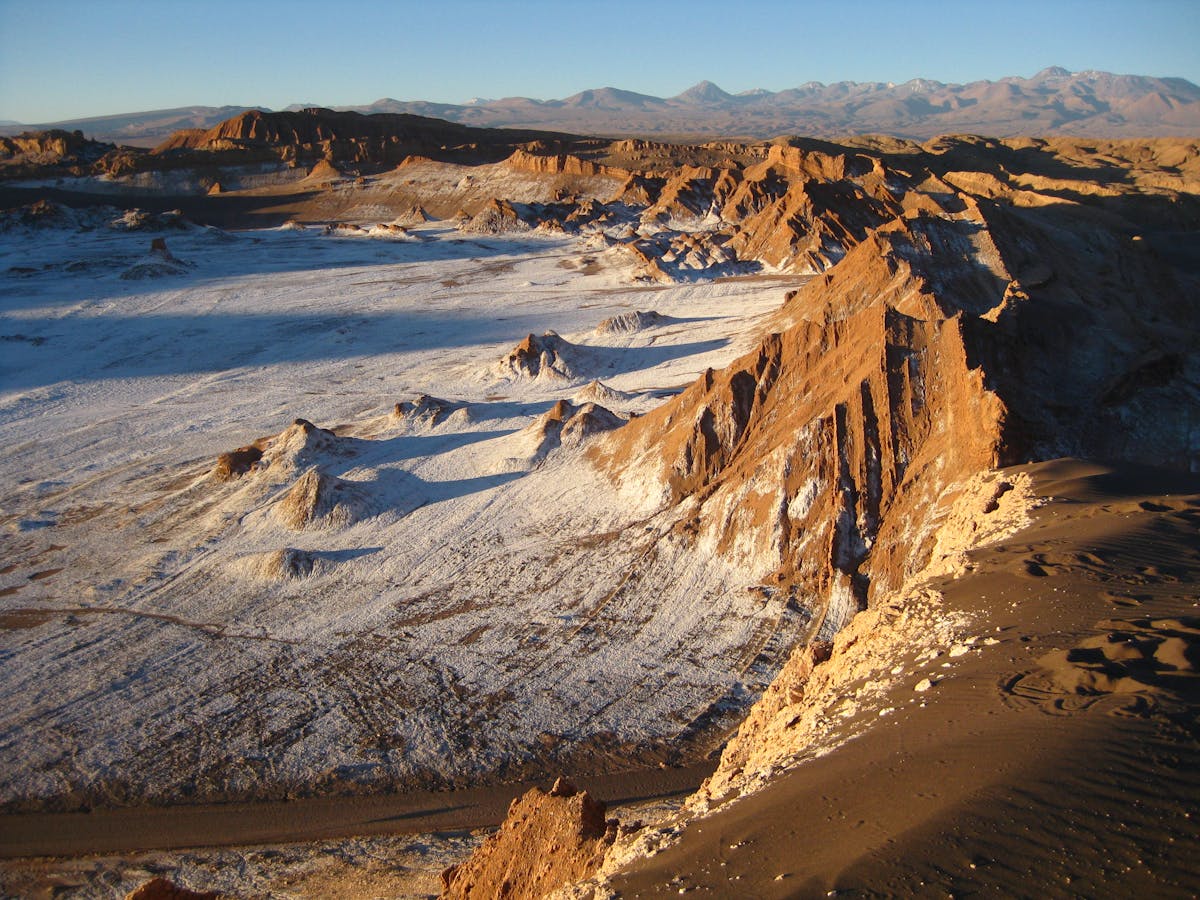
Chile's weather changes faster than anywhere I have traveled. I have gone from t-shirt to rain jacket to fleece in a single afternoon in the Lake District. In the Atacama, the desert floor hits 30C at midday and drops below freezing at night. Patagonia can give you all four seasons before lunch.
Pack layers that you can add and remove quickly. A good base layer, a fleece or down jacket, and a waterproof shell will cover about 90% of situations. I made the mistake of packing for "desert" on my first Atacama trip and nearly froze at the Tatio Geysers at 4am. Learn from my suffering.
6. Wine Is Absurdly Cheap in Supermarkets
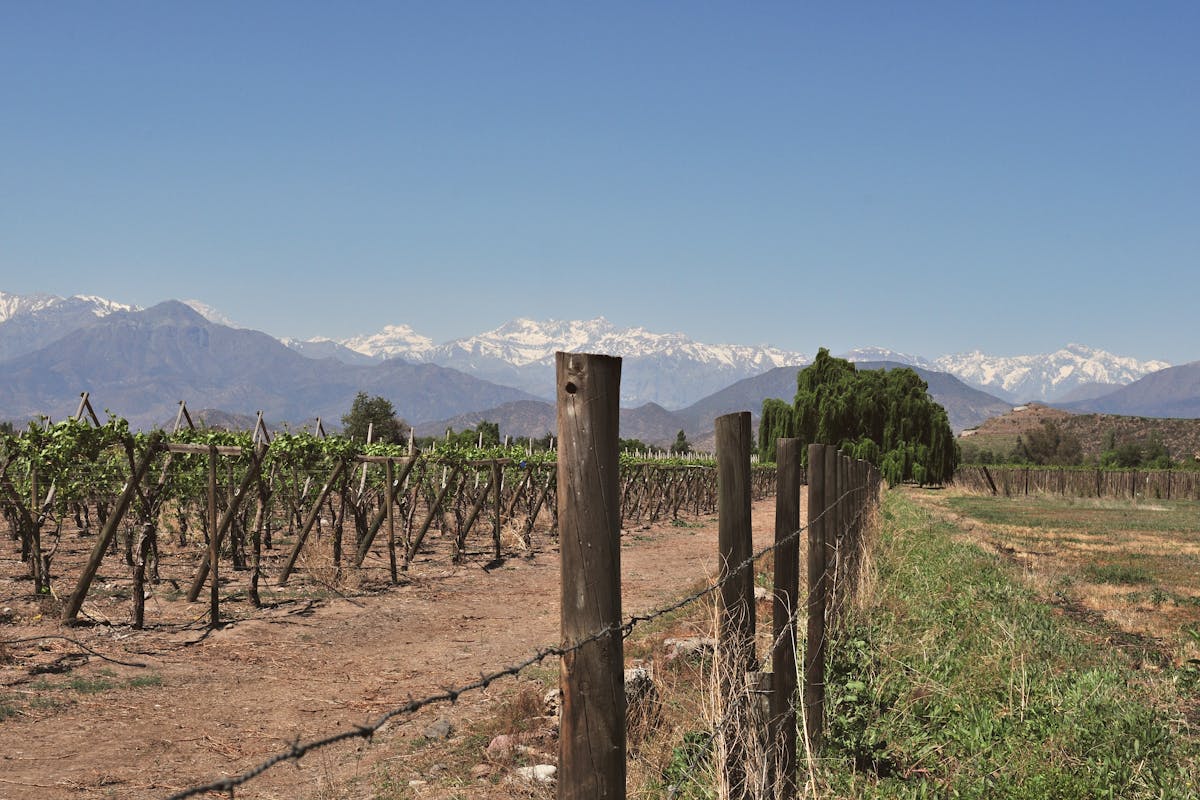
Chile produces world-class wine and sells it domestically for prices that would make a French person cry. A bottle of perfectly good Carmenere or Cabernet Sauvignon costs 3,000-5,000 CLP ($3-5 USD) at any Lider or Jumbo supermarket. Wines that would sell for $15-20 in the US go for $5-7 here.
The trick: buy at supermarkets, not at restaurants. Restaurant wine markups in Chile are brutal — the same bottle that costs 4,000 CLP at Lider will be 18,000-25,000 CLP on a restaurant wine list. I started buying bottles at the supermarket and having them at the hostel. Nobody judges you for it. Everyone is doing the same thing. If you want to go deeper on Chilean wine regions, read the wine guide.
7. Skip Mercado Central, Go to La Vega
Every guidebook sends you to Mercado Central in Santiago. It is a beautiful iron building with a nice history and stall after stall of seafood restaurants where guys in white shirts stand outside aggressively trying to pull you into their restaurant. The food is fine. The prices are tourist prices. The experience feels like eating inside a sales pitch.
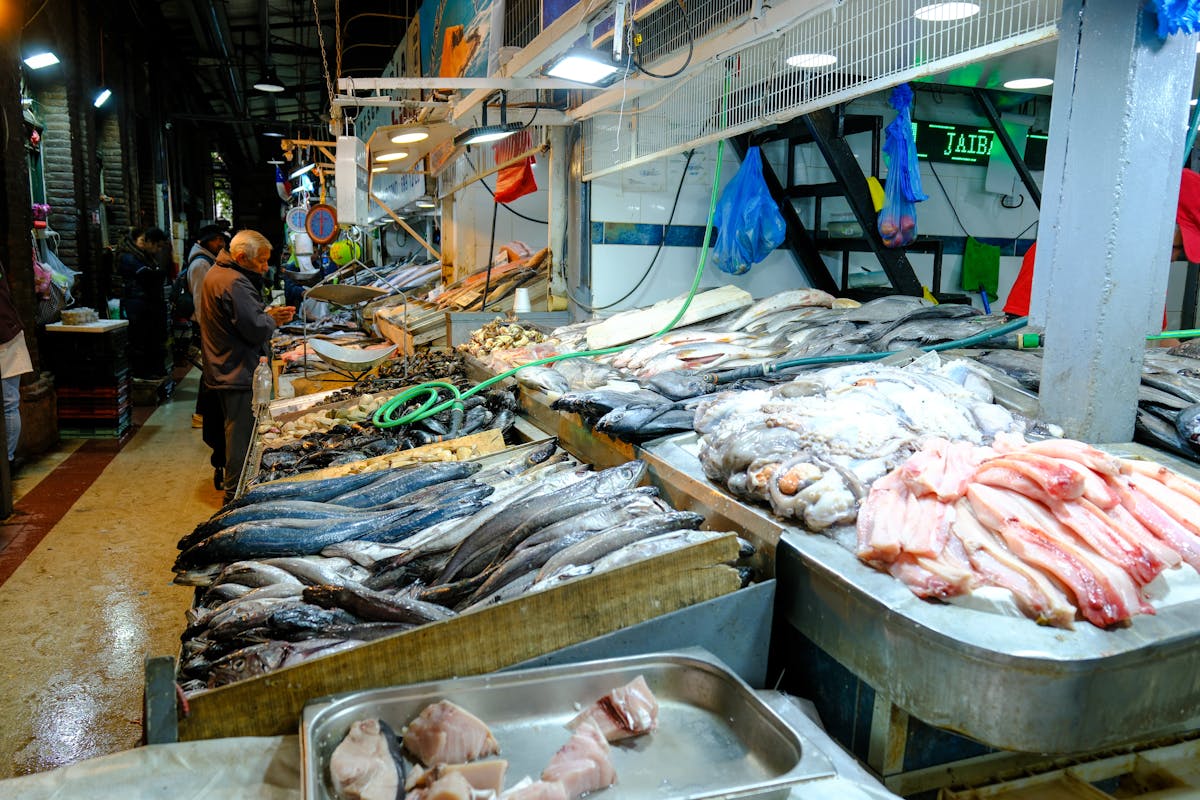
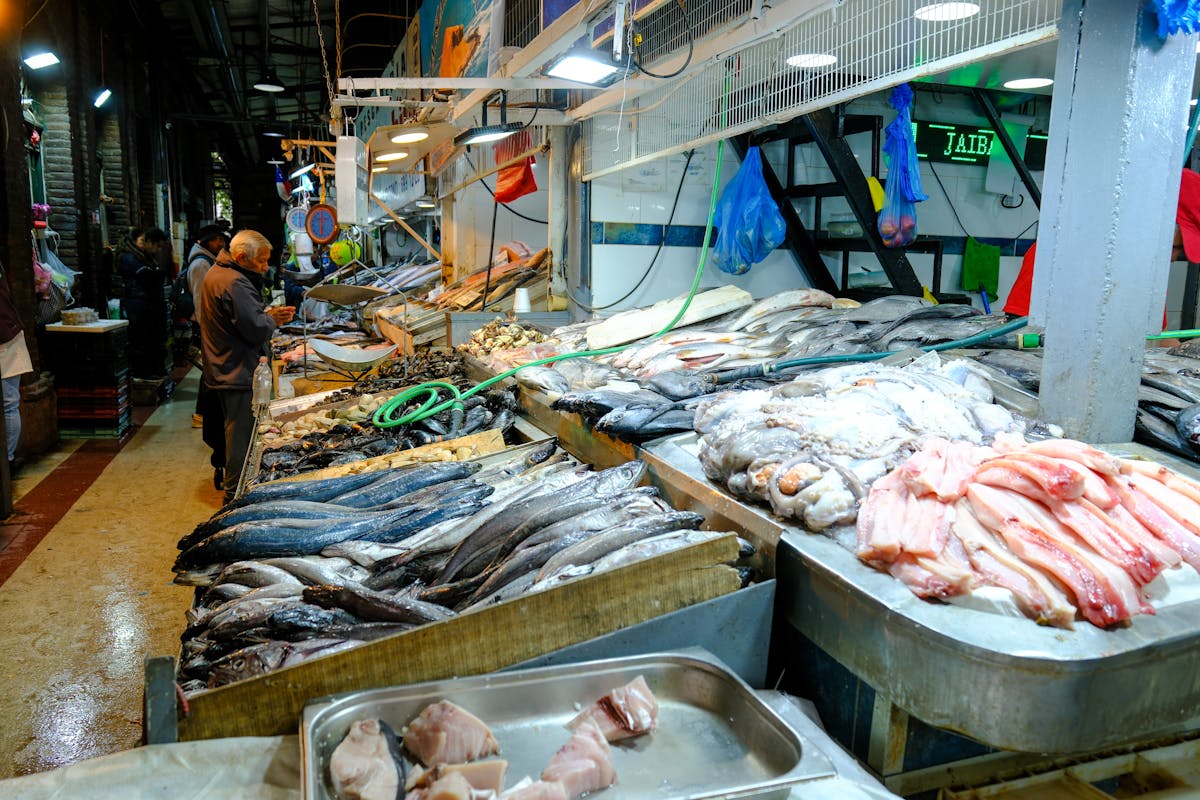
La Vega Central is across the river, a ten-minute walk from Mercado Central, and it is the real thing. This is where actual Santiaguinos buy their produce, meat, and fish. The empanadas are better, the seafood is cheaper, and nobody is trying to hustle you into a seat. Find the section in the back called La Vega Chica — the set lunches there run about 3,500-4,500 CLP for soup, a main, and a drink. That is the best value meal in Santiago. More on this in the Chilean food guide.
8. Book Patagonia Months Ahead or Pay Double
If you are doing the W Trek in Torres del Paine, the refugios and campsites book out months in advance during peak season (December through February). I am not exaggerating — the best spots are gone by August for the following summer. If you show up thinking you will figure it out when you get there, you will either not get a spot or you will pay double for whatever is left.
Book refugios and campsites the moment they open reservations, which is usually around June. Same goes for flights to Punta Arenas or Puerto Natales — prices triple in December and January. The shoulder months of October-November and March are better in every way: cheaper, fewer crowds, and the weather is honestly not that different from peak season.
9. Chile Is Incredibly Long — Fly Between Regions
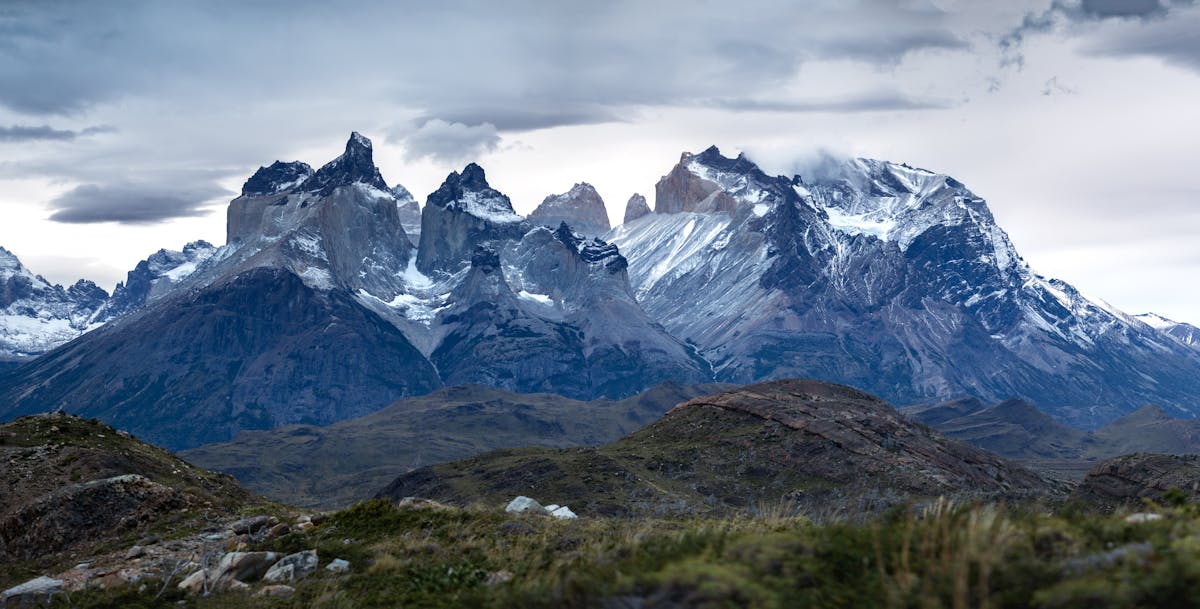
Chile is over 4,300 kilometers long and averages about 177 kilometers wide. That is roughly the distance from New York to Los Angeles, compressed into a strip the width of Florida. Getting from the Atacama Desert to Patagonia by bus takes around 40 hours. By plane, it is about four.
Domestic flights on LATAM and Sky Airline are reasonably priced if you book ahead — Santiago to Punta Arenas or Calama can be found for 30,000-50,000 CLP ($30-50 USD) on Sky. LATAM costs more but includes checked luggage. Do not try to bus the entire country unless you have unlimited time. I tried once. By hour twenty, the novelty of watching the landscape change had worn off and I just wanted to be horizontal somewhere that was not moving.
10. Uber and Cabify Work Everywhere
Uber operates legally across Chile now and Cabify (a Spanish ride-hailing app) is equally popular. Both are cheaper than regular taxis and far more transparent with pricing. In Santiago, an Uber across the city center rarely costs more than 5,000-8,000 CLP.
One thing — Uber drivers in Chile will sometimes ask you to sit in the front seat. This is not weird here. Some drivers also ask to confirm your name before you get in, which is a security thing that started after some incidents. Normal. Just go with it. In smaller cities like Puerto Natales or San Pedro de Atacama, ride-hailing is thin and you might need regular taxis. Agree on a price before you get in.
11. Tipping 10% Is Standard
Chilean restaurants usually add a 10% "propina sugerida" (suggested tip) to the bill. It shows up as a separate line item. You can accept or reject it — the waiter will ask "con propina?" when bringing the check. Accepting is normal and expected. Rejecting is socially acceptable if the service was bad but it is a strong statement.
For other services: round up taxi fares, tip tour guides 5,000-10,000 CLP per person depending on the tour length, and tip hotel porters about 1,000-2,000 CLP per bag. Nobody tips at coffee shops or for takeaway food.
12. Tap Water Is Safe to Drink
Chile is one of the few countries in South America where you can drink the tap water without issues. Santiago's water comes from the Andes snowmelt and is heavily treated — it tastes slightly chlorinated but it will not make you sick. I drank tap water for three weeks straight across multiple regions and had zero problems.
Bring a reusable bottle. Buying bottled water at Chilean prices adds up, and there is no reason for it. The only place I would be cautious is very remote areas or some rural wells in the north where mineral content can be high. In any city or town, the tap is fine.
13. Fiestas Patrias Means Everything Closes
September 18 and 19 are Chile's independence celebrations (Fiestas Patrias), and the country basically shuts down for a week. Banks close. Shops close. Many restaurants close. Half of Chile heads to the coast or the countryside. The other half is in a fonda somewhere drinking chicha and eating anticuchos.
If you are in Chile during Fiestas Patrias, you can either lean into it — the celebrations are genuinely fun, with parades, rodeos, dancing, and more food than any human should consume — or you should plan around it. Do not expect to get anything logistical done during that week. Bus tickets sell out early. Accommodation in coastal towns books out completely. Plan ahead or just join the party.
14. Altitude in the Atacama Is Real
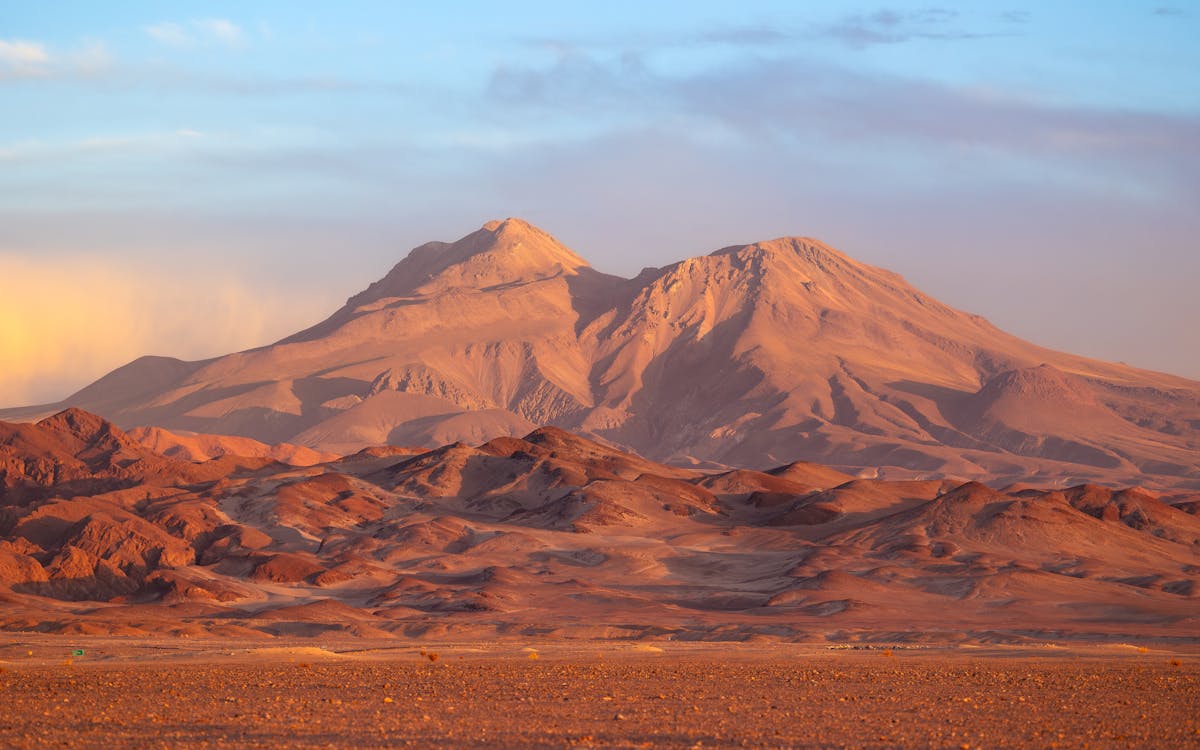
San Pedro de Atacama sits at about 2,400 meters. That is high enough to feel slightly off but not high enough to stop you from functioning. The problem is that many of the best excursions go much higher — the Tatio Geysers are at 4,300 meters, the altiplanic lagoons above 4,000.
I felt fine in San Pedro itself but got a pounding headache and nausea at the geysers. Drink absurd amounts of water the day before any high-altitude excursion. Avoid alcohol the night before (easier said than done when wine costs $3). Take it slow on the first day. Coca tea helps some people. If you are coming straight from sea level, give yourself at least one full day in San Pedro before doing anything above 4,000 meters. I did not, and I paid for it.
15. Bus Travel Is Excellent (But Know the Seat Types)
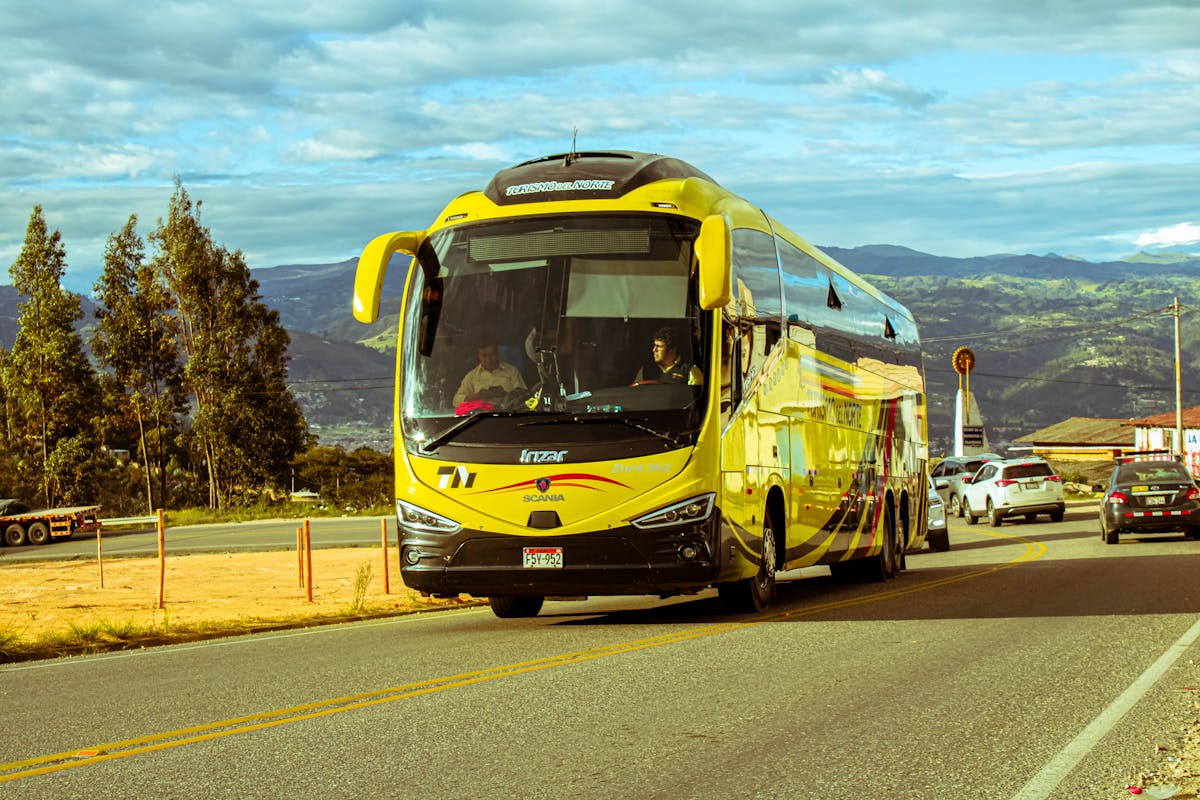
Chilean long-distance buses are some of the best in South America. Clean, punctual, often with onboard meals and movies. The major companies — Turbus, Pullman, Cruz del Sur — run comfortable coaches on the main routes.
But there are three seat classes and the difference matters enormously:
Semi-cama: Reclining seat, about 140 degrees. Fine for daytime trips under six hours. Uncomfortable for overnight.
Salon cama: Bigger recline, roughly 160 degrees, more legroom. Good for overnight trips up to 10 hours. This is the sweet spot for price versus comfort.
Cama premium / suite: Fully flat bed, only a few seats per row, sometimes with a privacy partition. Worth the splurge for 12+ hour overnights. Santiago to Puerto Montt in a cama suite is genuinely pleasant — you fall asleep in the central valley and wake up surrounded by volcanoes. The getting around page has more detail on routes and companies.
16. Do Not Photograph Military Buildings
This one surprised me. Chile has strict rules about photographing military installations, naval bases, and government buildings related to defense. It is technically illegal and people have had cameras confiscated. I was taking a photo of what I thought was a nice colonial building in Valparaiso and a guard came out and told me to delete it. Turns out it was a naval administration building.
The rule is simple: if you see people in military uniforms, camouflage netting, or signs with "zona militar" on them, put the camera away. This is not a casual suggestion — it is taken seriously here, especially near the coast where naval facilities are common.
17. Know the Earthquake Protocol
Chile is one of the most seismically active countries on Earth. The 2010 earthquake was an 8.8. The 1960 Valdivia earthquake was the largest ever recorded at 9.5. Minor tremors happen regularly and most Chileans do not even look up from their phones.
If you feel a real earthquake: move away from windows and exterior walls, get under a doorframe or solid table, and wait it out. If you are near the coast and the shaking lasts more than 30 seconds, move to high ground immediately — tsunami warnings are not always fast enough. Every coastal town has tsunami evacuation route signs. Note them when you arrive. This is not paranoia, it is just basic preparedness in a country that sits on the Ring of Fire. See our safety page for more practical details.
18. Get an Entel SIM Card at the Airport
The Entel booth is in the arrivals hall at Santiago airport. A SIM card with a decent data plan costs about 10,000-15,000 CLP ($10-15 USD) for 30 days with plenty of data. Entel has the best coverage across Chile, including in Patagonia and the Atacama where other carriers drop out.
You can also get Claro or Movistar, but I have had dead zones with both in remote areas where Entel still had a signal. Bring a SIM eject tool or a paperclip. Your phone needs to be unlocked. If you forget to buy one at the airport, Entel stores are in every mall and most town centers. More on connectivity in our internet and SIM guide.
19. Carry Cash for Small Towns
Santiago and the major cities are very card-friendly — contactless payment works at most shops, restaurants, and even street food stalls. But once you get into small towns, rural areas, and anywhere in Patagonia outside of Puerto Natales and Punta Arenas, cash is king.
I got stuck without cash in Pucon on a Sunday when both ATMs in the center were empty. Ended up eating at the one restaurant that took cards and paying triple what a market meal would have cost. Always have at least 50,000-100,000 CLP in cash when heading outside major cities. Smaller bills are better — breaking a 20,000 CLP note at a rural almacen can be impossible.
20. Chilean Time Is a Real Thing
Chileans are late. Not aggressively, not rudely, just consistently. A dinner invitation for 9pm means people start arriving around 9:45. A bus that leaves at 8am might actually leave at 8:15. A meeting scheduled for noon starts closer to 12:30.
This applies more to social situations than to formal transport — long-distance buses and flights are generally on time. But local buses, tours, and anything involving a group of people gathering will start late. Do not stress about it. Bring a book. The Chilean approach to time is actually quite relaxing once you stop fighting it. Except when you have a connecting flight. Then stress about it.
21. Do Not Compare Chile to Argentina
There is a rivalry between Chile and Argentina that runs deep — deeper than most outsiders realize. It covers football, wine, territory, food, and general national superiority. Casually mentioning that Argentine steak is better, or that Buenos Aires is more fun, or that Malbec beats Carmenere, will get you a lecture at minimum and genuine irritation at worst.
This goes both ways — Argentinians feel the same way about Chileans. But since you are in Chile, play it smart. Chilean wine is excellent. Chilean seafood beats Argentine seafood by a mile (this is objectively true). And the Andes look better from the Chilean side. That last one will earn you friends. Read more about local customs in the Chilean culture guide.
22. Completos Are a Meal
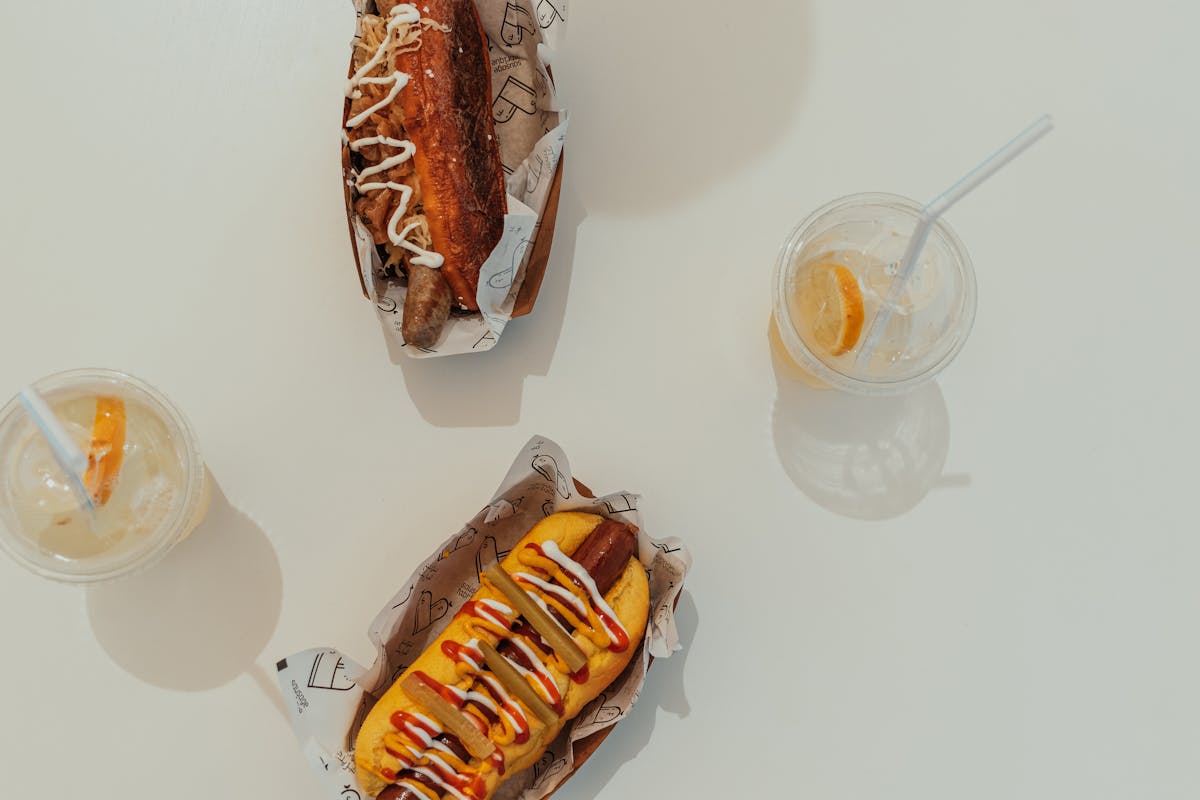
A completo is Chile's answer to the hot dog, and it is nothing like what you are picturing. Take a soft white bun, add a massive hot dog, then pile on mashed avocado, diced tomatoes, sauerkraut, and an unreasonable amount of mayonnaise. The "italiano" version (avocado, tomato, mayo) is the most popular — the colors match the Italian flag, which is the joke.
These cost about 2,000-3,000 CLP ($2-3 USD) and they are filling enough to count as lunch. You will find them at street carts and at dedicated fuentes de soda throughout the country. The best ones I had were from a cart outside the Universidad de Chile metro station that had a line of twenty people at 1pm on a Tuesday. If there is a line, it is good. See the food guide for more on what to eat.
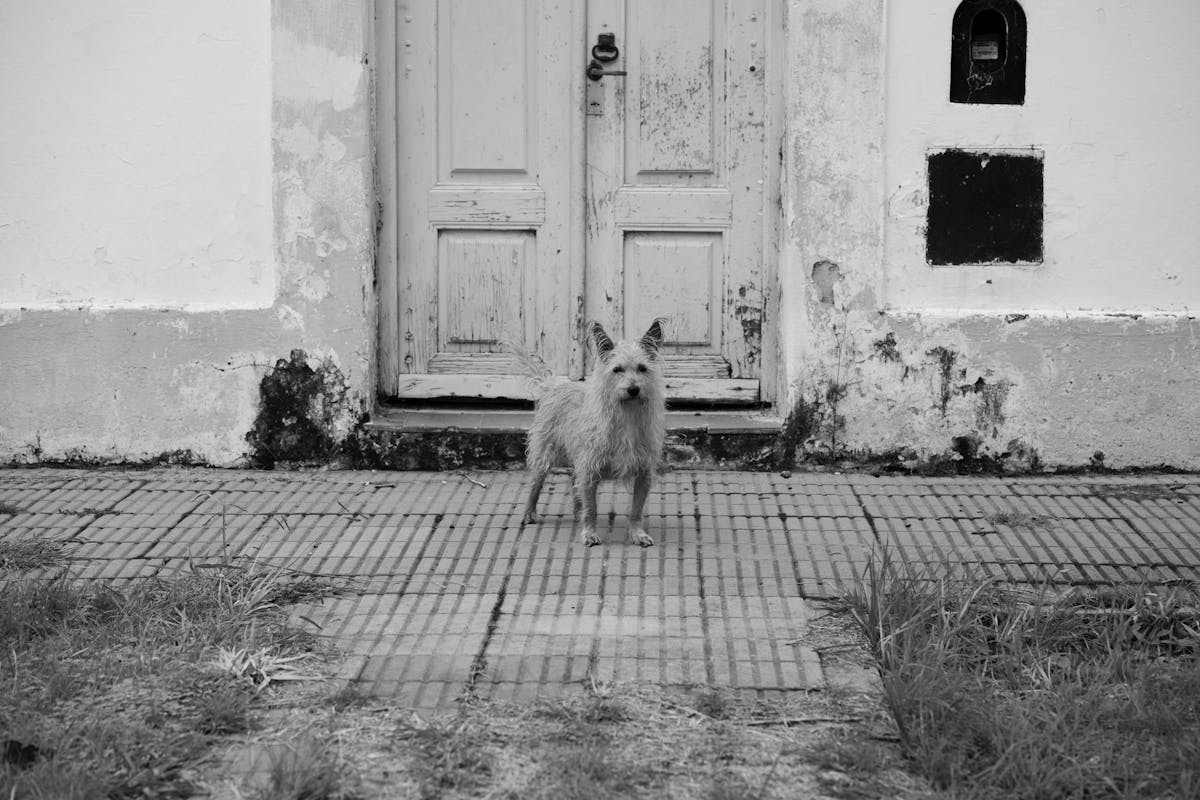
23. Street Dogs Are Everywhere (and Mostly Friendly)
Chile has a street dog population that is staggering. They are everywhere — sleeping on sidewalks, following hikers on trails, lounging inside shops like they own the place. Santiago has an estimated 300,000 stray dogs. Some of them wear little jackets that locals put on them in winter.
Most are friendly, well-fed by locals and shop owners, and essentially function as neighborhood dogs without a single owner. They have their own territories and routines. I had one follow me for an entire afternoon in Valparaiso — just trotted alongside me up and down the cerros, waited outside shops, and eventually wandered off when I reached my hostel. The only caution: do not try to pet ones that are eating or sleeping, and keep an eye on your food at outdoor restaurants. They are charming but they are also opportunists.
24. Pharmacies Sell Almost Everything Without a Prescription
Chilean pharmacies (farmacias) are more relaxed than what most North Americans or Europeans are used to. Antibiotics, anti-inflammatories, muscle relaxants, and various medications that would require a prescription at home can often be bought over the counter here. The three big chains — Cruz Verde, Ahumada, and Salcobrand — are on practically every block in Chilean cities.
This is genuinely useful if you need basic medication and do not want to deal with finding a doctor. But use common sense — do not self-prescribe antibiotics for a cold, and if something is seriously wrong, go to a clinic. Chilean healthcare is good and private clinics in Santiago are modern and relatively affordable. Altitude medication (acetazolamide) is available without prescription at pharmacies in Calama and San Pedro, which is handy for the Atacama.
25. Carry Your Own Toilet Paper
This is the least glamorous tip on this list but possibly the most important on a day-to-day basis. Public restrooms in Chile — bus stations, markets, parks, gas stations — frequently do not have toilet paper. Some have attendants who give you a few sheets for 200-300 CLP, but many have nothing at all.
Carry a small pack of tissues or a partial roll in your bag at all times. This goes double for bus travel — the onboard bathrooms on long-distance buses run out of paper within the first two hours. Also, in many places you will see a sign asking you to put used paper in the bin rather than flushing it. The plumbing in older buildings cannot handle it. Follow the sign. Your fellow travelers will thank you.
Quick Summary: What to Do Before You Go
Book ahead: Patagonia refugios, domestic flights, Fiestas Patrias accommodation.
Download: Uber, Cabify, Google Maps (offline maps for Atacama and Patagonia).
Pack: Layers for every climate, a rain jacket, toilet paper, a reusable water bottle, a SIM eject tool.
Know: IVA exemption at hotels, Banco Estado for ATMs, Entel for SIM cards.
Read: Our backpacking guide if you are doing this on a budget, or the safety guide if you are a worrier.
Chile is the kind of country that rewards preparation but does not punish spontaneity too badly. The infrastructure works, the people are welcoming once you get past the slang barrier, and the landscapes are so varied it feels like traveling through five different countries. Just remember the IVA exemption. Seriously. That one tip alone paid for this article in the amount it has saved me over four trips.
For help planning your full trip, start with our visa information, then check the backpacking guide or the Santiago city guide depending on where you are headed first.