This article contains affiliate links. If you book through them, I earn a small commission at no extra cost to you.
I was walking back to my hostel in Valparaiso around 11pm, slightly lost on one of the cerros, when a guy on a motorcycle slowed down next to me. My hand went to my pocket. My heart rate doubled. He pulled up alongside, said something in fast Spanish I did not fully catch, and pointed up the hill. He was telling me I was going the wrong way — that the street I wanted was the next one over, and this one dead-ended into a construction site. Then he rode off. I stood there for a moment, feeling equal parts relieved and embarrassed. The most dangerous thing that happened to me in three weeks in Chile was almost walking into a pile of rebar.
That pretty much sums up the safety situation in Chile. Your brain will flag things — an empty street, a too-quiet neighborhood, someone approaching you at night — and ninety-five percent of the time the reality is completely ordinary. Chile is, by a wide margin, the safest country in South America. It consistently ranks first in the region on the Global Peace Index, ahead of Uruguay and well ahead of Argentina, Colombia, and Brazil. But "safest in South America" is not the same as "nothing to worry about," and I think the honest version of this topic is more useful than the reassuring one.
So here is the honest version. Everything I experienced, everything I researched, and the specific situations where you actually need to pay attention.
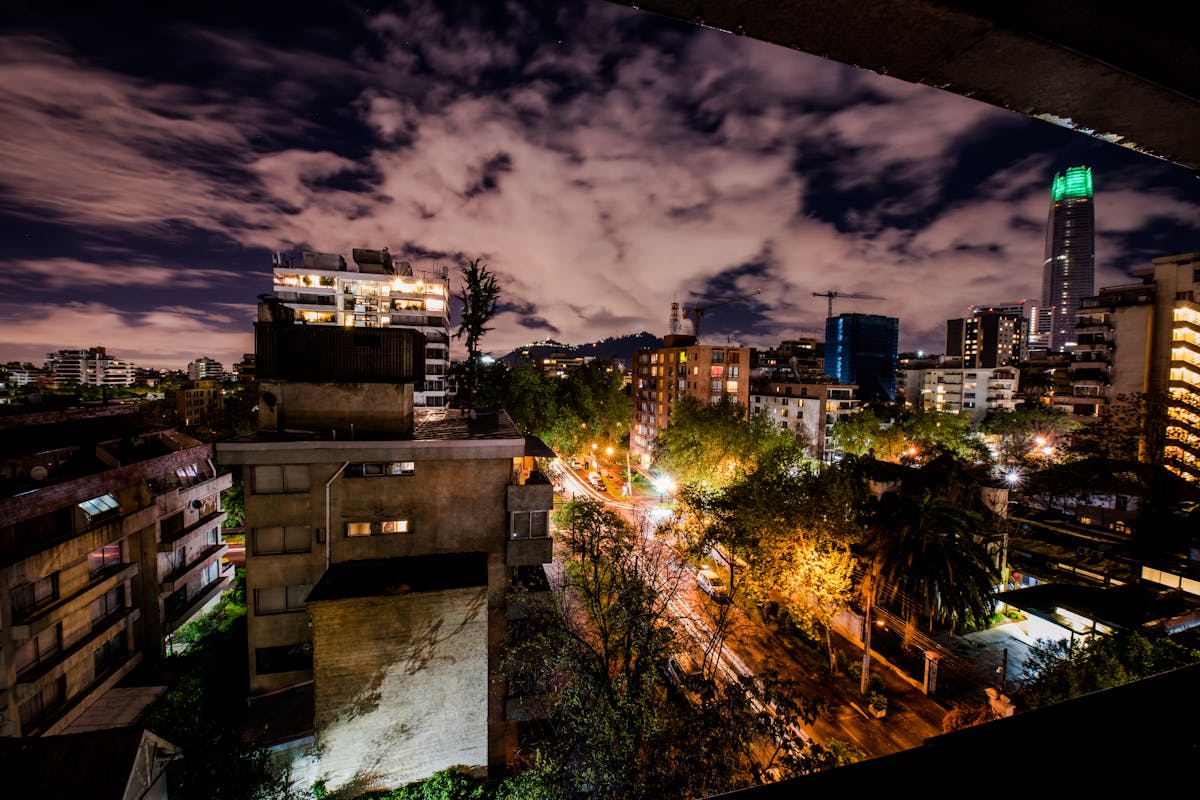
The Big Picture: How Safe Chile Actually Is
Numbers first. Chile's homicide rate hovers around 4.5 per 100,000 people. The United States sits at about 6.3. Brazil is over 20. Colombia around 25. Chile is not Scandinavia, but it is dramatically safer than most of Latin America and statistically safer than the US.
In practice, I walked around Santiago at all hours, took public transport everywhere, ate at street stalls, and wandered neighborhoods that guidebooks called "edgy" without a single incident. Violent crime against tourists — armed robbery, carjacking, kidnapping — exists but is extremely rare and concentrated in neighborhoods you have no reason to visit.
But here is the catch: petty theft in the major cities is real, common, and getting worse. That is what this article is mostly about. The annoying, preventable, ruins-your-day stuff.
Petty Theft in Santiago: Where It Happens and How
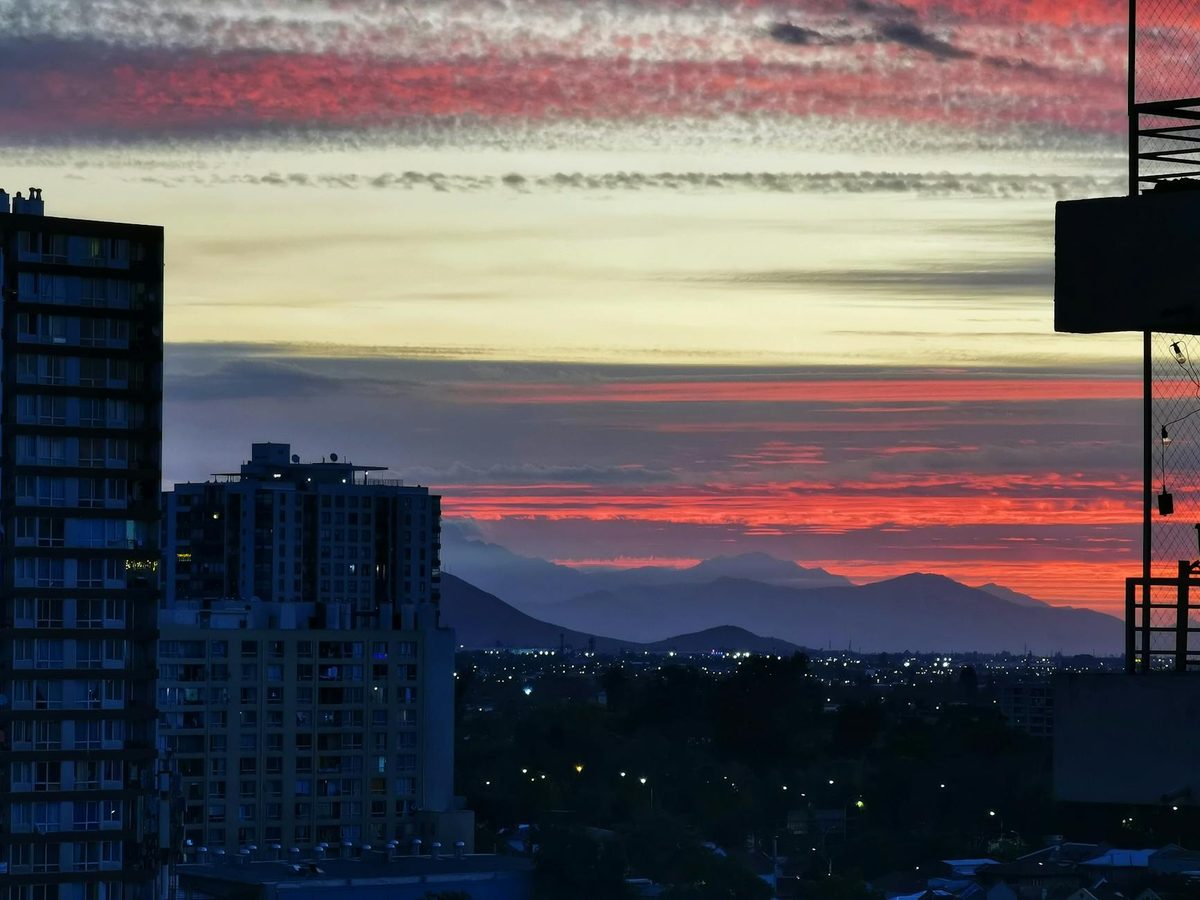
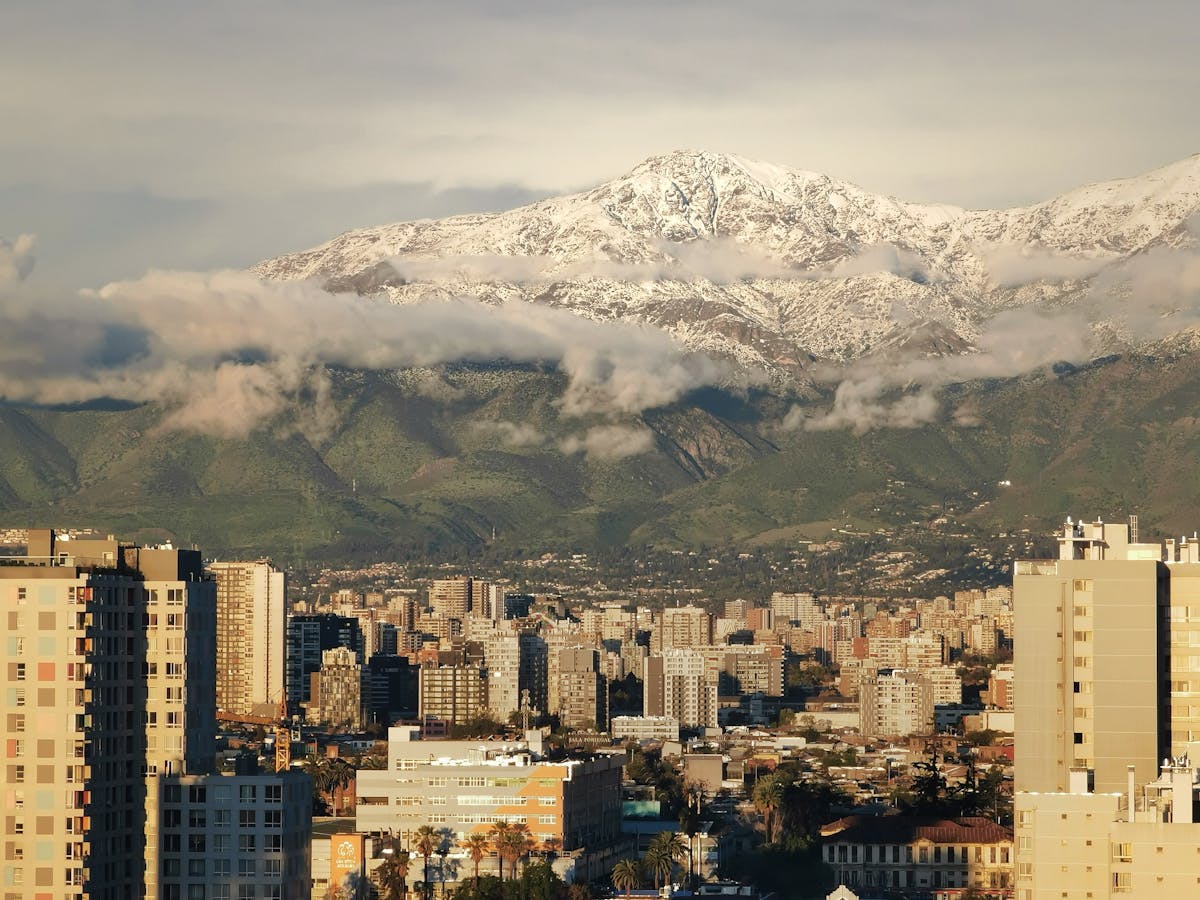
Santiago is where you are most likely to have something stolen. Not because it is dangerous — it is a modern, well-policed capital — but because ten million people live in the metro area, and big cities everywhere have pickpockets.
The highest-risk areas, in order of how much I would actually worry:
The Metro during rush hour. Lines 1 and 5 between 7:30 and 9am and 5:30 to 7:30pm are sardine-packed. I had someone bump into me on Line 1 near Universidad de Chile station — checked my pocket and my phone was still there, but the zip was half open. Phone in front pocket, hand over it.
Cerro Santa Lucia and the Plaza de Armas. Tourist clusters attract thieves. The plaza is fine during the day, but the streets south and east get quiet fast, and that is where snatch-and-grab reports come from. Same with the base of Cerro Santa Lucia near the Alameda side.
Barrio Bellavista on weekend nights. After midnight, phones on tables and bags on chair backs are easy targets. A traveler I met had his phone snatched while taking a photo outside a bar at 2am — someone on a bicycle, grab, gone.
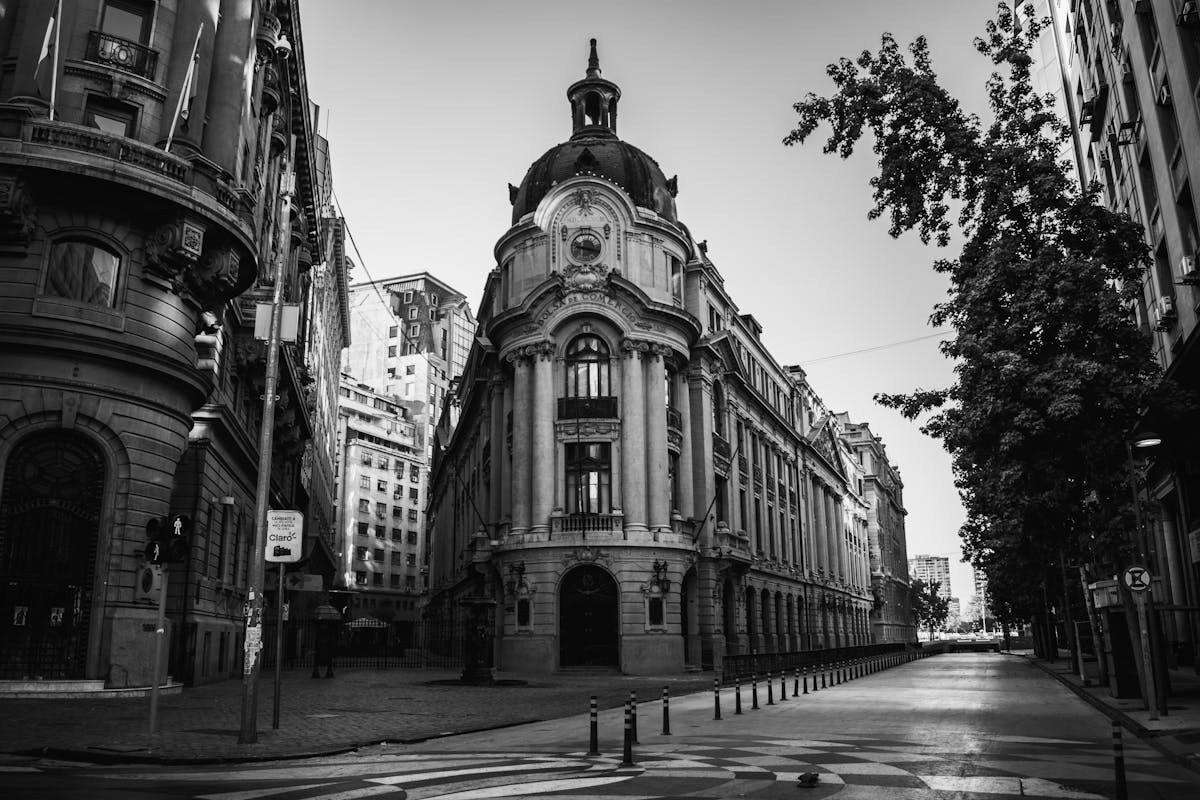
The practical advice is boring because it works: do not flash expensive stuff, keep your phone in a zipped pocket, wear your bag in front on the metro, and do not leave things unattended at cafe tables. You already know all of this if you have traveled in any large city. Santiago is not some unique threat — it is just a city.
Quick Tip
Leave your passport in the hotel safe. Carry a photocopy or a photo on your phone. Chilean police accept copies for ID checks. If your passport gets stolen, replacing it from abroad is a nightmare that will cost you days and hundreds of dollars. Check our safety page for the current Canadian, US, and UK embassy contacts in Santiago.
Valparaiso Is Beautiful and You Do Need to Be Careful
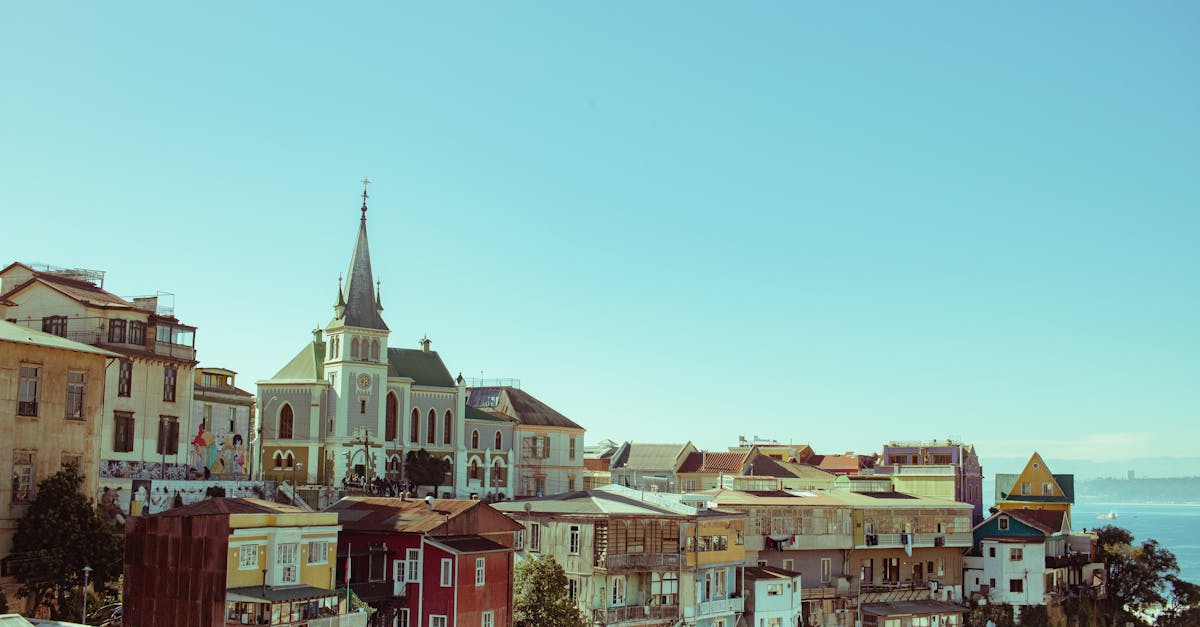
I love Valparaiso. The street art is extraordinary, the hills are stacked with color, and the whole city feels like it was built by someone who valued character over urban planning. But Valpo has a rougher edge than Santiago, and anyone who tells you otherwise either stayed in the tourist zones or was not paying attention.
The cerros range from charming to sketchy, sometimes within two blocks. Cerro Alegre and Cerro Concepcion are where most travelers stay — cafes, boutique hotels, the best street art in South America. I felt completely safe at all hours. Read more in our Valparaiso guide.
But I wandered into Cerro Barron one afternoon and the energy changed fast. Empty streets. Dogs. Broken glass. A group of guys drinking at 2pm on a Tuesday who watched me walk past with more attention than I wanted. Nothing happened, but I turned around. Some cerros you just do not go to as a tourist, especially alone, especially with a camera around your neck.
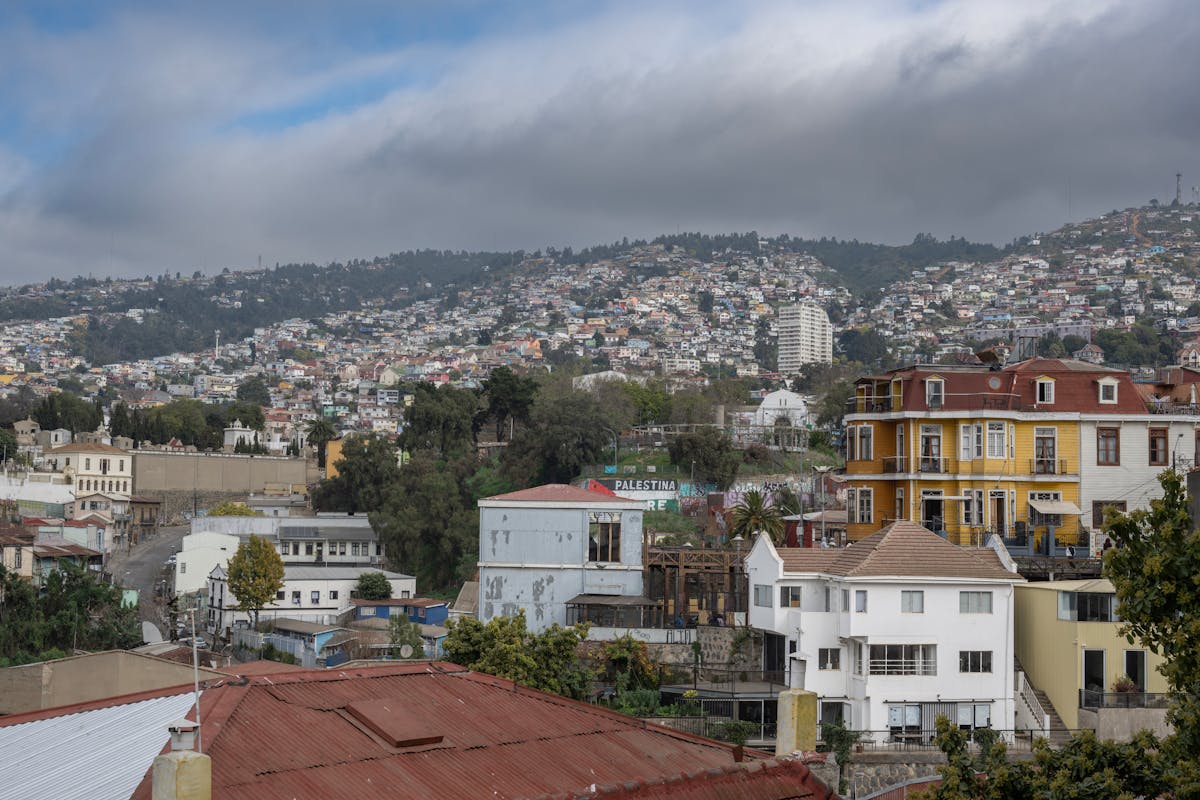
The port area (El Plan) around the bus station is another spot to be alert, particularly at night. This is where most theft incidents in Valparaiso happen. Arriving or departing by bus after dark, keep your belongings close and take a taxi to your accommodation rather than walking. The ride up to Cerro Alegre from the bus station costs about 3,000 CLP — not worth saving.
Protests: They Happen, and They Are Usually Not Your Problem
Chile has a strong culture of public protest. Student marches, union actions, political rallies — this is normal Chilean civic life, and demonstrations are usually completely peaceful.
The 2019 estallido social was a different scale. Barricades, tear gas, a curfew not imposed since the Pinochet era. That level of disruption was exceptional, but smaller protests still happen regularly around Plaza Italia (Chileans call it Plaza Dignidad now) and along the Alameda.
Check the news when you arrive, ask your hostel if anything is planned, and if you see a march forming, walk the other way. Protests rarely target tourists. But tear gas does not care about your nationality, and being in the wrong place when things escalate is enough to ruin your day. Stay away from the edges where police and protesters meet.
Scams to Know About
Chile is not a scam-heavy country compared to Southeast Asia or parts of Europe. But there are a few things worth knowing.
Taxi meters. Some Santiago taxis "forget" to turn on the meter, or the meter runs suspiciously fast. This is less of an issue now that Uber and Cabify operate legally in Chile — I used Cabify almost exclusively and prices were transparent and fair. If you do take a regular taxi, confirm the meter is on before you move. If the driver refuses, get out. There are a thousand other taxis.
ATM skimming. This is the one that actually worries me. Card skimming has been reported at ATMs in Santiago, Valparaiso, and San Pedro de Atacama — basically anywhere tourists regularly withdraw cash. Use ATMs inside banks during business hours when possible. The ones inside malls are also generally safe. Avoid standalone ATMs on the street, especially at night. I check my bank statements obsessively when traveling and I would do the same here. See our money and costs guide for more on banking in Chile.
The mustard scam. This one is old-school but still happens. Someone squirts something on your jacket — mustard, ketchup, sometimes something less pleasant — and then a "helpful" person appears to help you clean it while a third person goes through your pockets. I did not experience this, but two different travelers I met in Santiago mentioned it, one of whom lost a wallet. If someone suddenly has condiments on you, walk away fast. Do not let anyone "help." Clean it yourself somewhere safe.
Fake police. Rare, but reported. Someone in a uniform or showing a badge approaches you and asks to check your documents or your wallet for "counterfeit bills." Real Chilean police (Carabineros) wear distinctive green uniforms and will never ask to see your money. If someone in civilian clothes claims to be police, ask to walk to the nearest police station together. A real officer will agree. A fake one will leave.
Earthquakes and Natural Disasters
Chile sits on the Ring of Fire. It had the strongest earthquake ever recorded — the 1960 Valdivia quake, magnitude 9.5. Earthquakes are not a possibility here; they are a certainty. I felt two small ones in three weeks — both times I thought a truck was driving past, then realized I was on the fourth floor.
The reassuring part: Chile builds for it. Building codes here are among the strictest in the world for seismic resistance. The 2010 Concepcion quake was magnitude 8.8, and while over 500 people died (mostly from the tsunami, not the shaking), the building collapse rate was remarkably low. Modern construction in the cities is engineered to flex rather than break.
Know the basics: get under a sturdy table during shaking, away from windows. Near the coast, if a strong earthquake lasts more than thirty seconds, move to high ground immediately — do not wait for an official tsunami warning. Waves can arrive in minutes. Signs along the coast mark evacuation routes.
Chile has over 90 active volcanoes. Villarrica, near Pucon, erupted as recently as 2015. If you are climbing Villarrica, check the SERNAGEOMIN alert levels before you go. Tour operators can be optimistic about conditions — verify yourself.
Altitude Sickness in the Atacama
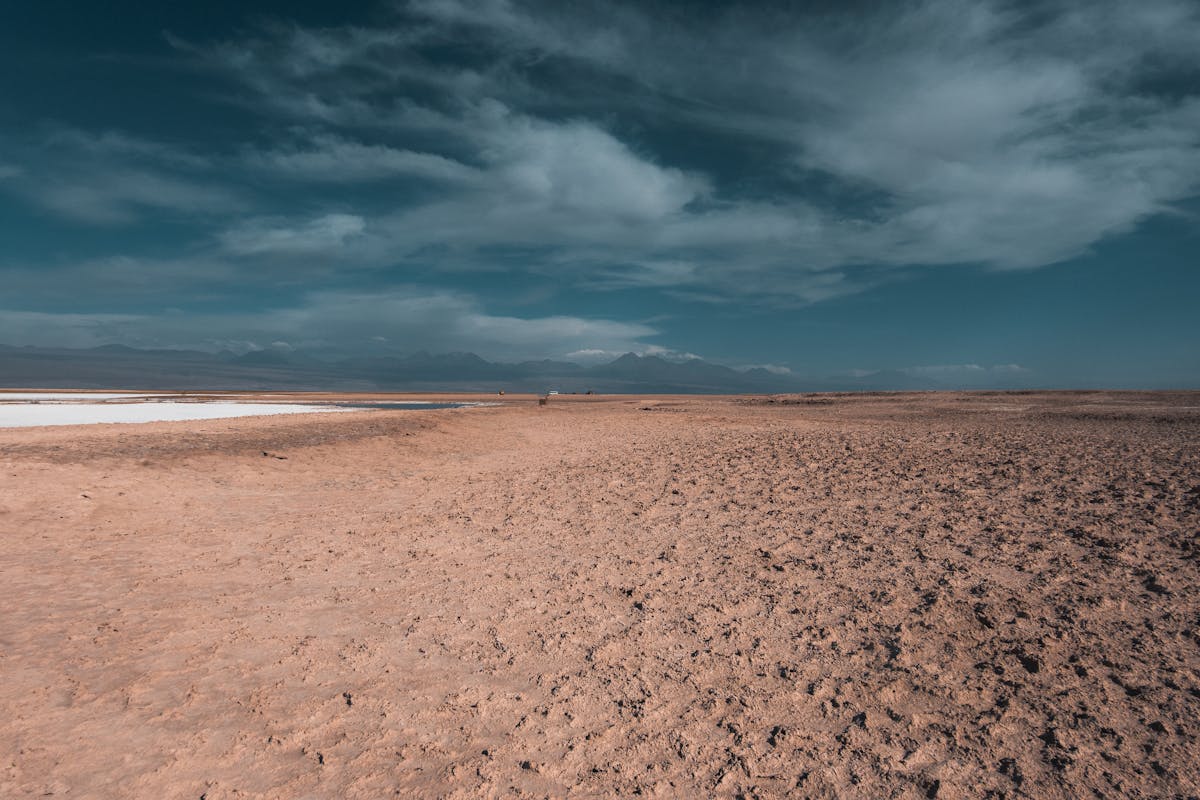
San Pedro de Atacama sits at about 2,400 meters — high enough to feel it if you flew in from sea level, but not dangerously so. The problem is that the excursions go much higher. El Tatio geysers are at 4,320 meters. The altiplanic lagoons are above 4,000. The Paso de Jama crossing to Argentina hits 4,200. At these altitudes, altitude sickness is not a maybe — it is a "most people feel something."
I had a headache for two hours after the El Tatio trip. Mild, manageable, gone after water and rest. But I watched a woman on the same tour vomit three times and need oxygen. She had flown into Calama from Santiago that morning and gone straight to the geysers at 4am — no acclimatization time at all. That is the mistake most people make.
Give yourself at least one full day in San Pedro before doing anything above 4,000 meters. Drink absurd amounts of water. The local remedy is coca tea (mate de coca), which is legal and sold everywhere — I cannot tell you if it actually works, but the ritual of drinking something warm and sitting still for twenty minutes probably helps regardless. If you have a history of altitude problems, talk to your doctor about acetazolamide (Diamox) before you go. Read our full Atacama guide for the complete breakdown of excursions and logistics.
Solo Female Travel
I am not a solo female traveler, so I will tell you what the women I met in Chile told me rather than pretend I have firsthand authority.
The consensus from hostels in Santiago, San Pedro, and Puerto Natales: Chile is one of the easiest countries in South America for women traveling alone. Catcalling exists but is less aggressive than in Argentina or Colombia. Most said they felt comfortable walking alone during the day everywhere. A few mentioned more caution at night in Valparaiso and certain Santiago neighborhoods (same areas I flagged above), but none reported feeling genuinely threatened.
One Canadian woman who had been traveling South America for four months put it simply: "Chile feels like Europe with Spanish." Standard advice still applies — share your itinerary, keep your phone charged, have your accommodation address written down somewhere that is not your phone. Trust your instincts.
LGBTQ+ Travel
Chile legalized same-sex marriage in 2022, making it one of the more progressive countries in Latin America on paper. In practice, Santiago — particularly Bellavista and Lastarria — is openly welcoming. There are gay bars, Pride events, and a visible LGBTQ+ community in the capital.
Outside Santiago, attitudes are more conservative, particularly in rural areas and smaller towns. This does not typically translate into danger, but public displays of affection between same-sex couples may draw stares or comments outside the major cities. Patagonia hostels and the backpacker trail are generally fine — the traveler community tends to be open regardless of where you are.
I would describe Chile as significantly more welcoming than most of South America, clearly behind Argentina (which has been progressive on this front for longer), and roughly comparable to urban Brazil. Not perfect. Getting better. Unlikely to be a problem for most travelers, but worth being aware of the urban/rural divide.
Driving in Chile: The Riskiest Thing You Will Do
If I am being statistically honest, the most dangerous thing most tourists do in Chile is drive a car. Chilean drivers are aggressive. The Panamericana (Route 5, the main north-south highway) is well maintained but the speeds are high and the overtaking is bold. I have been in buses that made moves I would not have attempted in a video game.
The real concern is the secondary roads. In the Atacama, many routes are unpaved and unmarked. In the Lake District and along the Carretera Austral, the roads are gravel, narrow, and subject to washouts in rain. Patagonia has stretches where you will not see another car for an hour, there is no cell signal, and the wind can literally push your car across the lane.
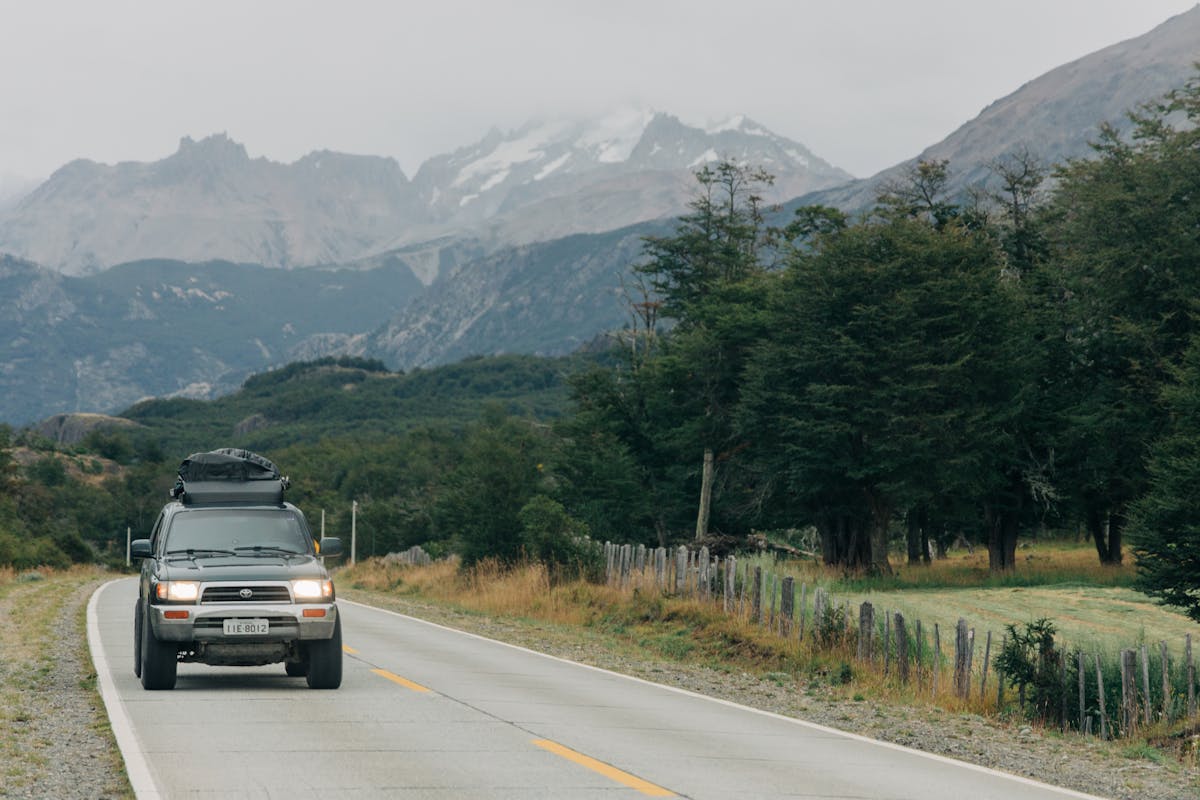
If renting, get the full insurance — gravel roads and windshield damage are practically guaranteed on the Carretera Austral. Check your spare tire before leaving the lot. Carry water and a paper map; cell signal dies in many areas.
For the standard two-week itinerary — Santiago, Atacama, Patagonia — you do not need a car. Flights and buses cover it all. Driving is only necessary for the Carretera Austral and remoter Lake District routes.
Patagonia: Weather Is the Danger
Nobody is going to mug you in Patagonia. The towns are small, the hostels are friendly, crime against tourists is essentially zero. The thing that can hurt you is the weather.
Patagonian wind is something you need to experience to believe. Not a stiff breeze — gusts that knock you sideways, make standing difficult, and throw gravel at your face. On the W Trek, I watched a trekking pole get ripped out of someone's hand and blow off a ridge. Strongest from November through February — peak hiking season, ironically.
Hypothermia is the other one. It can be 15 degrees and sunny at noon and 3 degrees with horizontal rain by 2pm. You need proper layers, a waterproof shell that actually works (not a fashion rain jacket), and a pack cover. People underestimate this because they arrive from the Atacama and their brain is still in hot-weather mode. Read our day hikes guide for gear recommendations.
Isolation is real. On the O Circuit, the nearest road can be a full day's walk away. If something goes wrong, rescue is not quick. Carry a first aid kit, tell someone your plans, and consider a satellite communicator. I did not carry one and probably should have.
Health: The Easy Part
Tap water is safe everywhere. No special vaccinations required. Private clinics in Santiago are world-class, and even small-town hospitals are functional. For pharmacies, Cruz Verde and Salcobrand are everywhere.
Travel insurance is non-negotiable. A helicopter evacuation off the W Trek costs tens of thousands. Make sure your policy covers adventure activities — many basic policies exclude trekking and volcano climbing.
The Atacama sun is brutal. Altitude plus dry air plus latitude means you burn faster than expected. I reapplied SPF 50 every two hours and still got color. Bring more sunscreen than you think you need.
Emergency Numbers and Practical Info
Numbers to Save
Carabineros (police): 133
Ambulance: 131
Fire: 132
Tourist Police (Santiago): Available at major tourist sites, speak some English
SERNATUR tourist hotline: 600-320-1010 (Spanish/English)
If you are robbed, report it at the nearest Carabineros station. You will need the police report (constancia) for any insurance claim. Be patient — the process is bureaucratic and will likely take a couple of hours. If you need to replace a passport, your embassy in Santiago will handle it, but expect it to take 3-5 working days. Keep digital copies of everything important in your email or cloud storage.
So Is Chile Safe?
Yes. With the same common sense you would use in any mid-sized European city, Chile is a very safe place to travel. The overwhelming majority of visitors have zero problems. I had zero problems in three separate trips across the full length of the country.
The things most likely to go wrong, in realistic order: you get sunburned in the Atacama, the wind ruins your hair in Patagonia, someone picks your pocket on the Santiago metro, you get a headache at 4,000 meters, or a Chilean driver scares you on the highway. That is the actual risk profile for a typical trip. Not carjackings. Not kidnappings. Sunburn and pickpockets.
Pack smart, stay alert in the cities, respect the altitude and the weather, and you will be fine. Chile rewards the people who come prepared and punishes the ones who assume "South America" means danger. It does not. Not here.
For a full planning breakdown, check our two-week Chile itinerary and the safety planning page.