This article contains affiliate links. If you book through them, I earn a small commission at no extra cost to you.
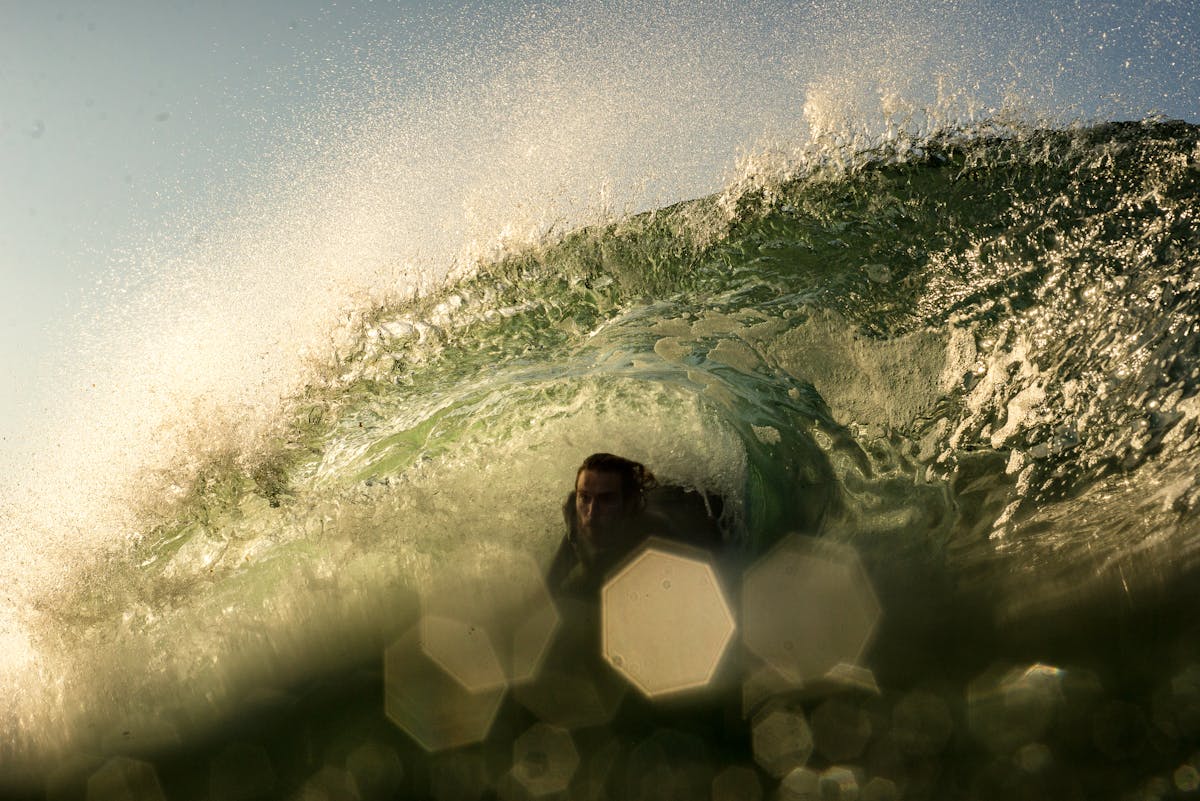
The wave picked me up before I was ready. That's how it happened at Punta de Lobos — I was still adjusting my weight when a left broke clean under me and I felt myself slide down the face of something much bigger than anything I'd surfed in Central America. Cold water hit my face. Not refreshing-cold. Painful-cold. The kind that makes your sinuses lock up and your fingers go stiff inside your gloves. I kicked out, paddled back shaking, and thought: why does nobody talk about how freezing Chilean surf is?
They talk about the waves. They should. Chile has some of the most consistent, uncrowded, genuinely world-class breaks in the Pacific — over 4,000 kilometers of coastline facing straight into the Southern Ocean swell window. But the Humboldt Current pushes Antarctic water north along the entire coast, and what that means in practice is: the water temperature in Pichilemu in January (peak summer) sits around 14-16°C. In Arica, the warmest surf town in the country, you're still looking at 18-20°C. You need a wetsuit everywhere, all year. Period.
I spent five weeks surfing my way from Arica down to Buchupureo across two separate trips, and what follows is everything I learned — the breaks that deserve the hype, the ones that don't, what gear to bring, and why you'll probably fall in love with Chilean surf culture despite the goosebumps.
Arica: Where Chile's Surf Season Never Ends
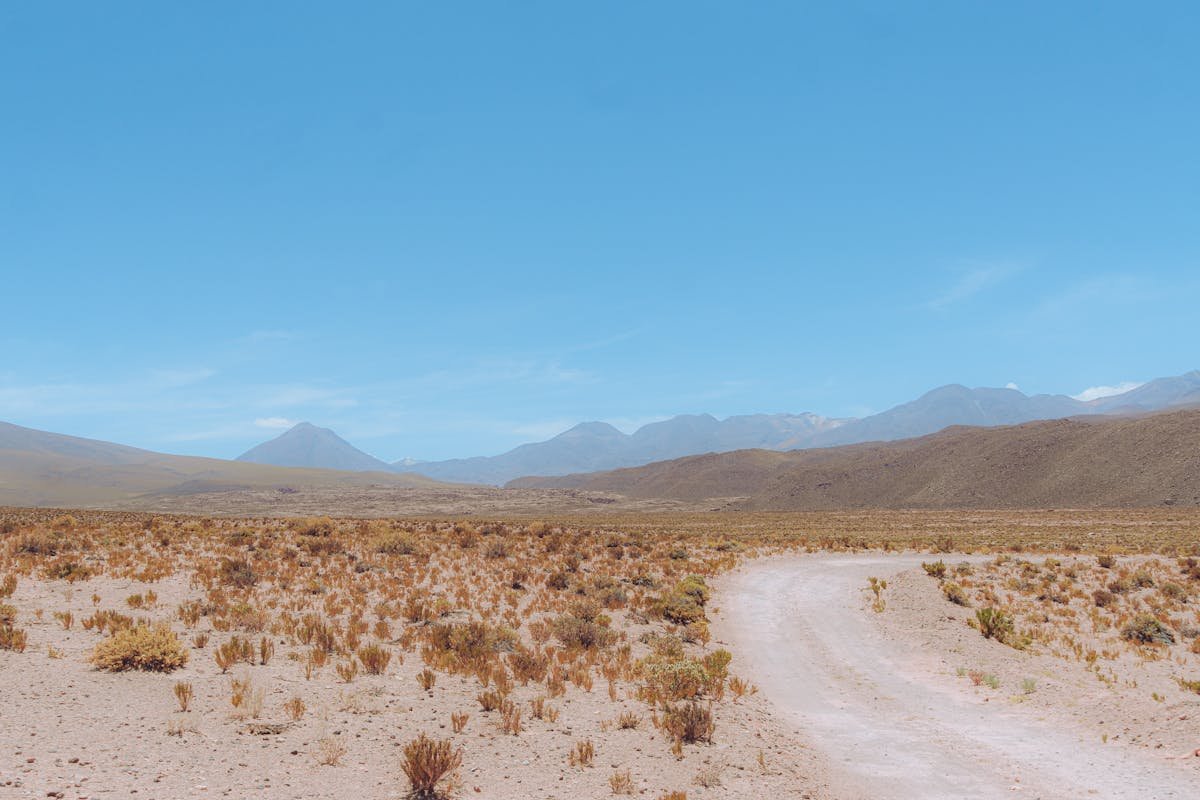
Start at the top. Arica sits 18 kilometers from the Peruvian border and claims to be the driest city on Earth, which might be true — I didn't see a cloud in four days. The surf scene here revolves around one wave: El Gringo. It's a heavy, fast left that breaks over a shallow rock shelf and has ended more boards than I want to think about. Professional-level. I watched from the cliff for twenty minutes before deciding I had no business paddling out.
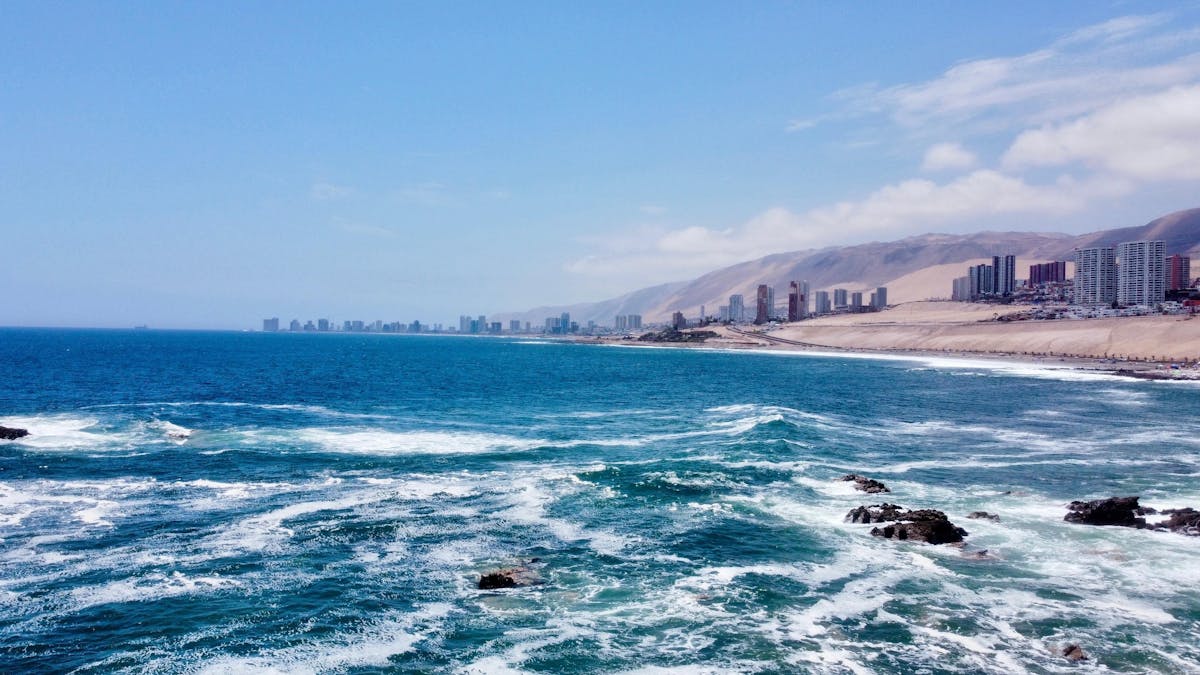
But Arica has other options. Playa Las Machas is a long, sandy beach break that works for intermediate surfers. The lineup was mellow when I surfed it — maybe six people out on a Tuesday morning, which is practically empty by any standard. The waves were chest-to-head high, consistent, forgiving on the wipeouts because it's a sand bottom. Exactly the kind of wave where you can actually improve without worrying about getting dragged across rocks.
The water in Arica is the warmest you'll find anywhere in Chile, but "warm" is relative. I surfed in a 3/2mm wetsuit in March and was fine for about ninety minutes before the chill crept in. If you're going in winter (June-August), bring the 4/3mm.
Quick Tip
Arica's consistent swell makes it surfable year-round, but March through May is the sweet spot — south swells start arriving, the water hasn't cooled yet, and the tourist crowds from summer have cleared out.
Board rentals in Arica run about $15,000-20,000 CLP per day (roughly $15-20 USD). There are a couple of shops on the road behind Playa Las Machas. Quality varies. If you're serious about surfing multiple days, bring your own board or buy a used one in Santiago before heading north — the selection in Arica is limited.
Iquique: City Surf with a Desert Backdrop
Iquique is strange in the best way. You surf beneath a massive sand dune that rises straight up from the city like a wall. The main break, Playa Cavancha, is a right-hand point that works on south swells and sits right in the middle of town — you can walk to it from your hotel in flip-flops, which is not something you can say about most Chilean surf spots.
Cavancha is a learner-friendly wave. Soft, slow, predictable. The surf schools here are solid and cheaper than Pichilemu — I saw lessons advertised for $20,000 CLP ($20 USD) including board and wetsuit. If you've never stood on a surfboard before and want to try, this is a low-pressure place to do it.
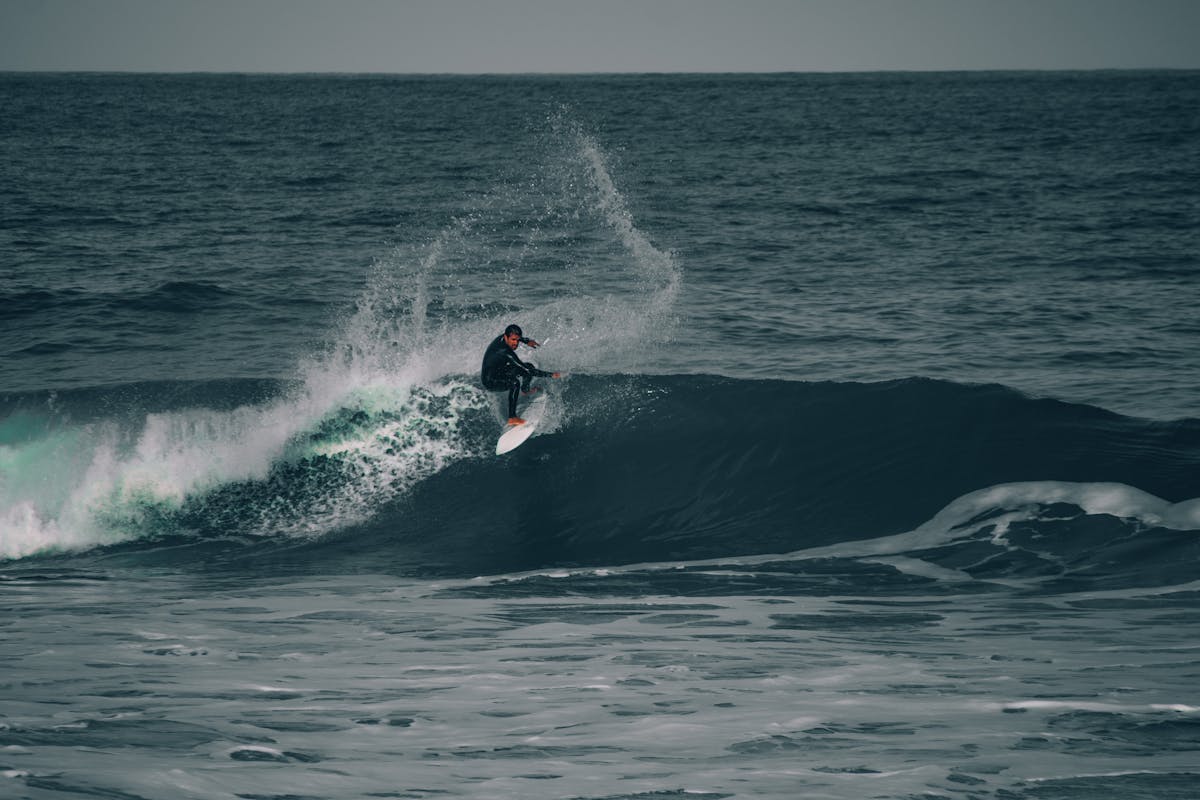
The more interesting wave is Huayquique, about ten minutes south by car. It's a beach break with more punch, better shape, and way fewer people. I had a two-hour session there on a head-high day and counted maybe four other surfers. The rip current can be strong when the swell picks up, so it's not for beginners, but if you're comfortable duck-diving and reading currents, Huayquique is worth the taxi fare.
Iquique is also fun on rest days — good seafood market by the port, a duty-free zone for cheap electronics (random but true), and paragliding off the giant dune. I spent an afternoon watching riders launch while eating ceviche from a plastic cup. Not a bad life.
The Humboldt Current: Why You'll Be Cold (and Why It Matters)
The Humboldt Current flows north from Antarctica along the entire coast, bringing nutrient-rich, freezing water that supports whales, sea lions, and massive kelp forests. It's why Chilean seafood is so good. It's also why you'll be surfing in 14°C water while the air temperature is 28°C. The contrast is jarring — you stand on the beach in a t-shirt, stare at the sunshine, and then get slapped by ice water the second you wade in.
Practical implications:
- Minimum wetsuit: 4/3mm fullsuit — this covers you everywhere, all year. Some people get away with 3/2mm in Arica during summer, but I wouldn't count on it south of there
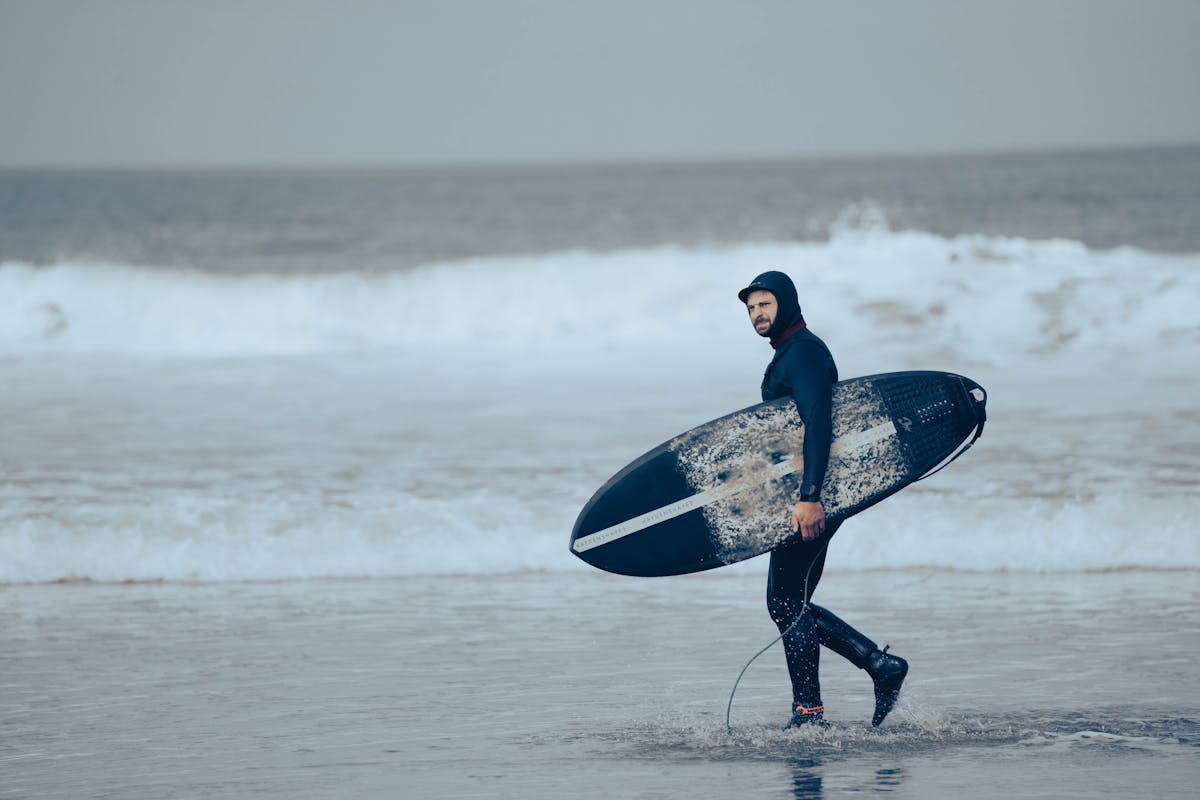
- Booties: yes, bring them. Not just for warmth — many of the best breaks are reef or rock bottom, and the sea urchins are everywhere. I stepped on one barefoot at Matanzas and spent thirty minutes with tweezers. Bring 3mm booties at minimum
- Gloves: depends on your tolerance. In Pichilemu in winter, you'll want them. In Arica in summer, probably not. I run cold, so I always had a pair in my bag
- Hood: only if you're surfing south of Pichilemu in winter (June-August). The water drops to 11-12°C and two-hour sessions become survival exercises without one
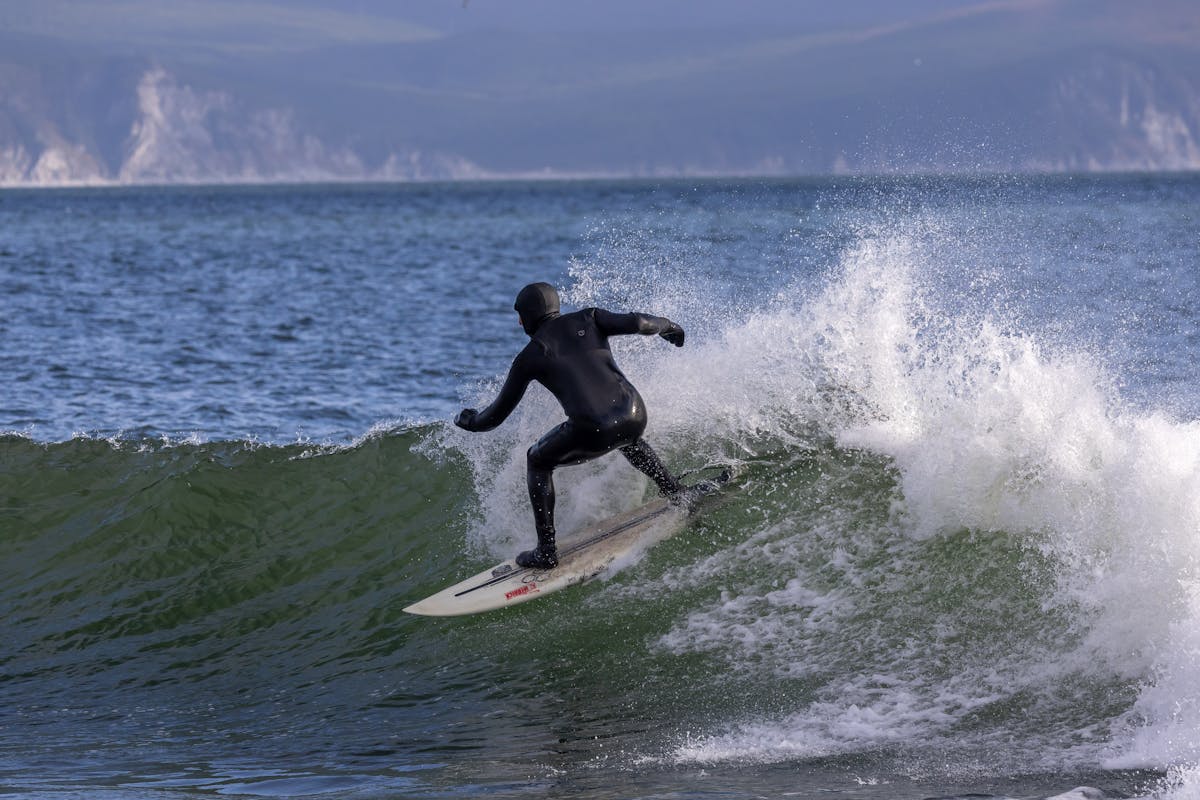
Don't let the cold scare you off. You adjust faster than you'd expect. By day three of my first trip, the shock of paddling out had dulled into something manageable. And the cold water keeps the lineups thin — a lot of fair-weather surfers skip Chile entirely, which means more waves for the rest of us.
Pichilemu: The Capital, and It Earns the Title
Pichilemu is where Chilean surfing lives. It's a small town about three hours south of Santiago, perched on a bluff above a string of breaks that range from beginner-gentle to world-class-dangerous. If you only surf one place in Chile, surf here.
La Puntilla: Where Everyone Starts
La Puntilla is the wave at the base of the main beach in town. It's a mellow right-hander that breaks over sand and small rocks, waist-to-chest high on most days. This is where the surf schools set up, where the beginners learn, and where I spent my first morning getting the feel for Chilean waves after months of surfing warm, mushy stuff in Mexico.
Don't skip it just because it's the beginner break. On a bigger swell day, La Puntilla can get punchy and fun even for experienced surfers. And the convenience is hard to beat — board rental shops line the street, there are cafes right on the waterfront, and you can be in the water within five minutes of waking up if you're staying in town.
Punta de Lobos: The Main Event
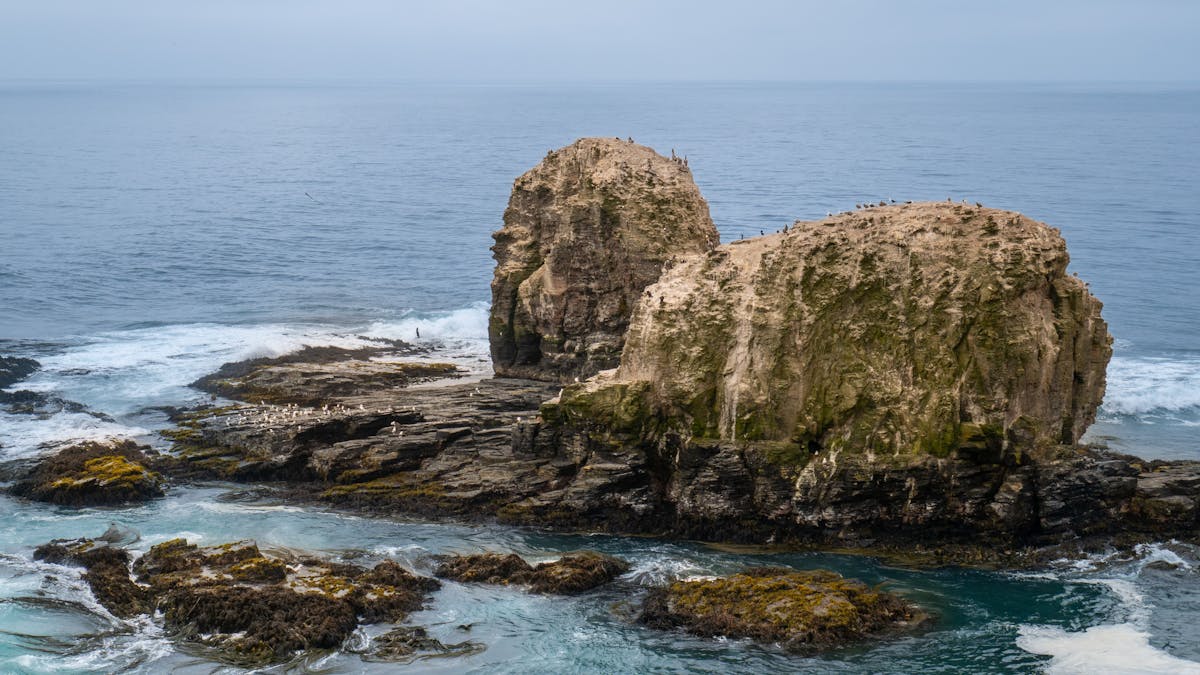
Punta de Lobos is six kilometers south of town and it's the wave that put Chile on the global surf map. It's a long, powerful left-hand point break that peels over rock for 200+ meters when conditions align. Big wave competitions happen here. Surfers travel from California, Australia, Europe specifically for this wave. The cliffs above the break are packed with photographers on good days.
I surfed Punta de Lobos on a medium-size day — overhead, maybe a foot or two above. The wave has serious power. The takeoff is steep, the wall moves fast, and if you fall in the wrong spot, you're getting dragged across rock. I made two waves cleanly, got absolutely worked on a third, and paddled in feeling like I'd accomplished something real. My arms were jelly. My face was numb. I was grinning the entire drive back to town.
Be honest with yourself about your level. Punta de Lobos on a small day (shoulder-high) is manageable for solid intermediates. Anything head-high and above, you need to know what you're doing — the current is strong, the paddle-out is long, and there's no lifeguard.
Quick Tip
Surf schools in Pichilemu charge $25,000-35,000 CLP ($25-35 USD) for a two-hour group lesson with board and wetsuit. Most operate from La Puntilla. Book the morning session — wind picks up after noon and the conditions get choppy.
Infiernillo: The In-Between
Between La Puntilla and Punta de Lobos, there's a stretch of breaks collectively called Infiernillo. These are reef breaks that work best on medium swells. Less crowded than both the main spots, more powerful than La Puntilla, less intimidating than Lobos. I surfed here on my second-to-last day and found the best wave of the whole trip — a long, fast right that nobody else was on because everyone was either at the beginner break or the famous one. Chilean surfers know about Infiernillo. Tourists usually don't.
Matanzas: Wind, Kites, and Empty Lineups
Matanzas is about an hour north of Pichilemu and it has a split personality. The bay itself is one of the best kitesurfing spots in South America — consistent thermal wind funnels through a gap in the coastal range and creates perfect conditions from about November through March. But around the corner, sheltered from the worst of the wind, there are surf breaks that work when Pichilemu is blown out.
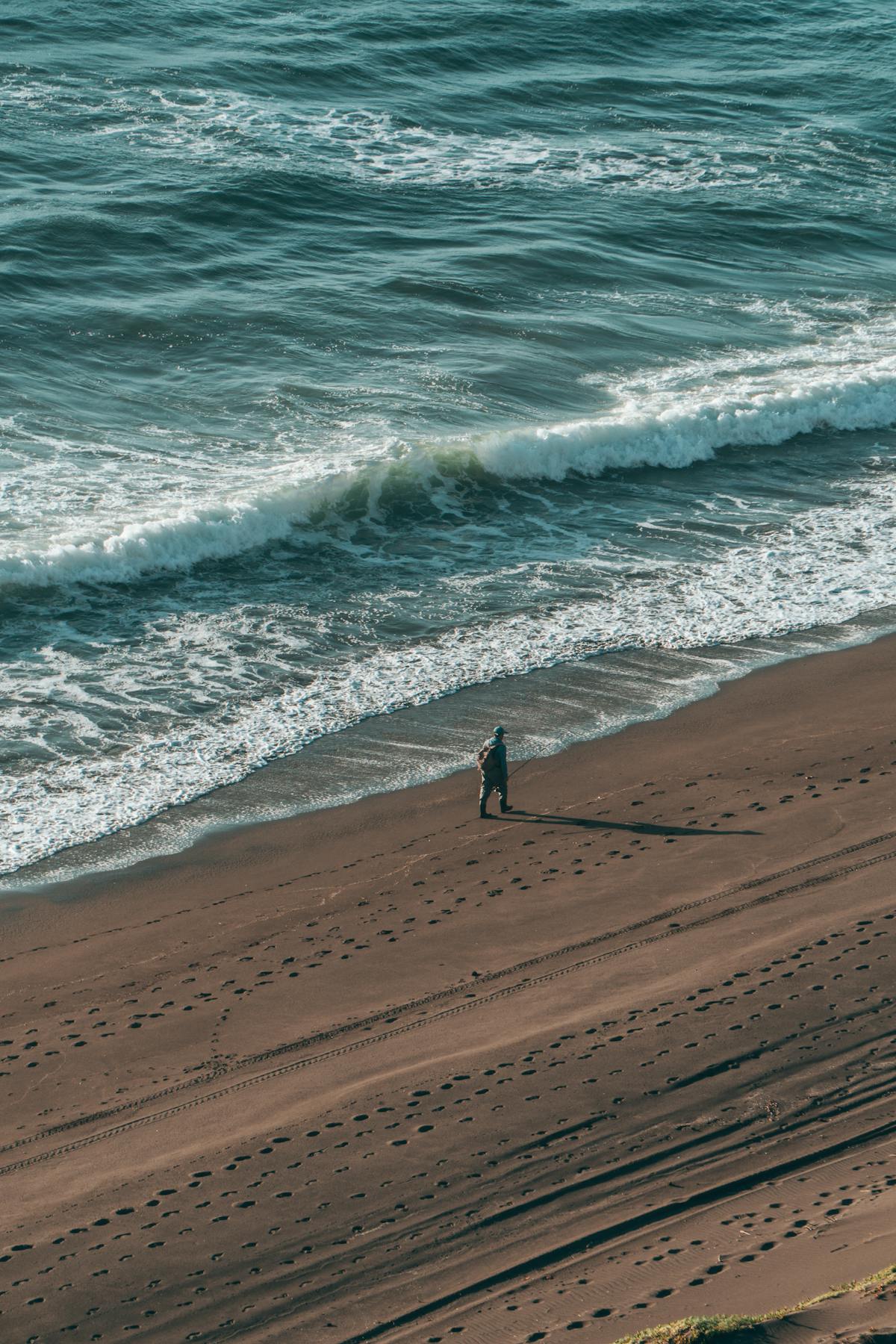
I drove to Matanzas on a day when Pichilemu's afternoon wind had turned everything to choppy mush. Found a left-hand reef break south of the bay with maybe two other surfers on it. The wave was short but hollow — real tube potential if you caught it right. Nobody around. Just sea lions on the rocks, kelp in the lineup, and a couple of fishermen watching from shore.
The town itself is tiny. A few restaurants, a handful of cabanas for rent, one small shop that might have wax if you're lucky. Bring everything you need. But if you're chasing uncrowded waves and don't mind the rustic setup, Matanzas delivers something Pichilemu increasingly can't — solitude.
If you're into both surfing and kitesurfing (or traveling with someone who kites), Matanzas is the perfect compromise — surf in the morning, kite in the afternoon. I don't kite, but watching the riders launch twenty feet above the water was entertainment enough.
Reñaca and Viña del Mar: City Surfing Done Right
Viña del Mar and neighboring Reñaca aren't going to make any lists of Chile's best waves. The surf is inconsistent, the beaches get packed in summer, and on flat days there's nothing to ride. But here's the thing — if you're spending time in the Valparaiso area (and you should, because the street art alone is worth the trip), having a board with you opens up the coast in a way that non-surfers miss.
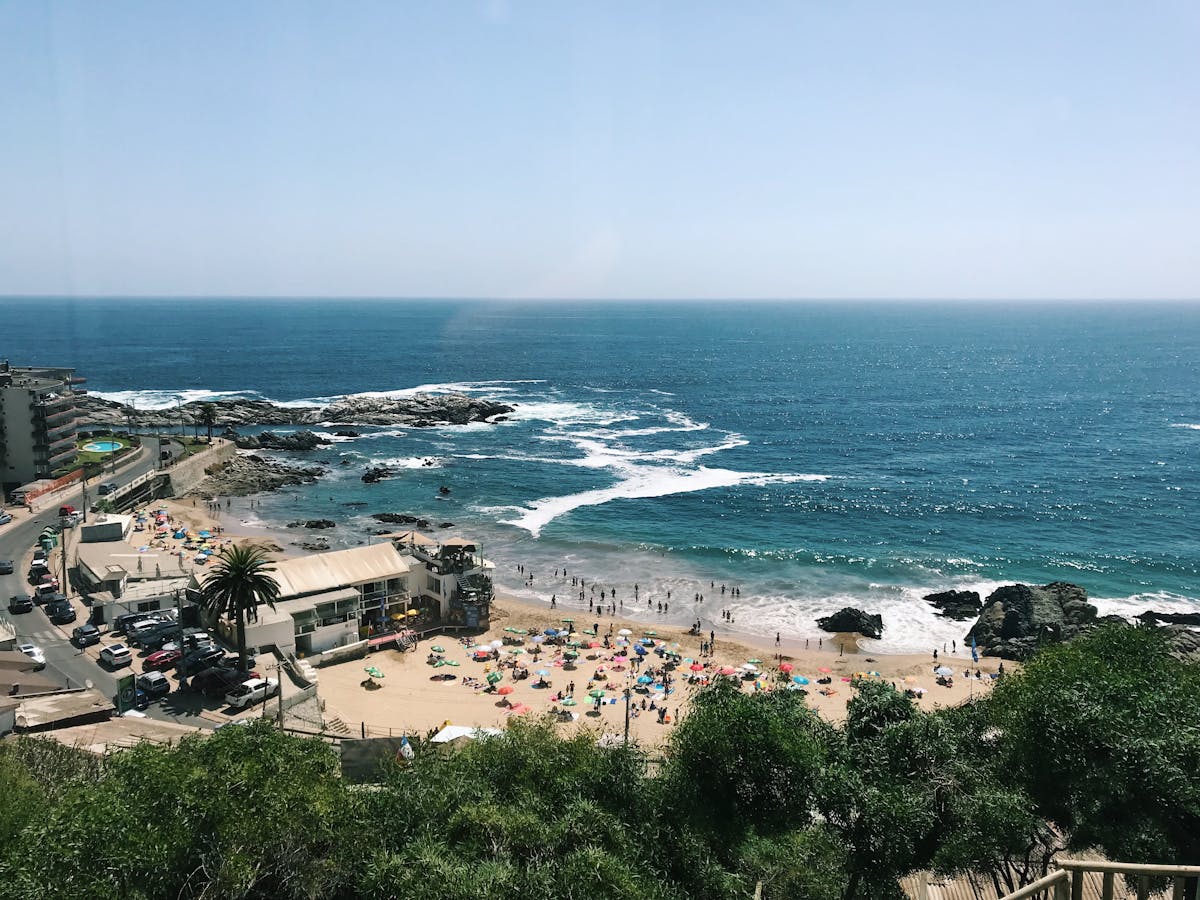
Reñaca's main beach has a reliable beach break that gets fun on south swells. I surfed it on a random Wednesday in March — waist-high, nothing to write home about, but the water was clear, the vibe was relaxed, and afterward I walked to a seafood restaurant on the boardwalk and ate a plate of machas a la parmesana that made the whole session worth it regardless of the wave quality.
There are reef breaks between Viña and Concón that light up on bigger swells — ask at any surf shop in Reñaca. I found one spot north of Concón where the wave doubled up off a rocky ledge and created something surprisingly punchy. Had it to myself for an hour. Sometimes the best sessions happen where you least expect them.
Buchupureo and Cobquecura: The Empty South
South of Pichilemu, the Chilean coast gets wild. The towns shrink. The roads get rougher. The waves get emptier. If you have your own transport and a spirit for adventure, this is where things get interesting.
Buchupureo is about five hours south of Santiago — a fishing village that doubles as a surf town for people in the know. The main break is a long left-hand point that wraps around a rocky headland. It's not as powerful as Punta de Lobos, but it's longer, more forgiving, and on the day I surfed it, I was one of three people in the water. Three. On a head-high day. Try getting that anywhere in Pichilemu during Chilean summer.
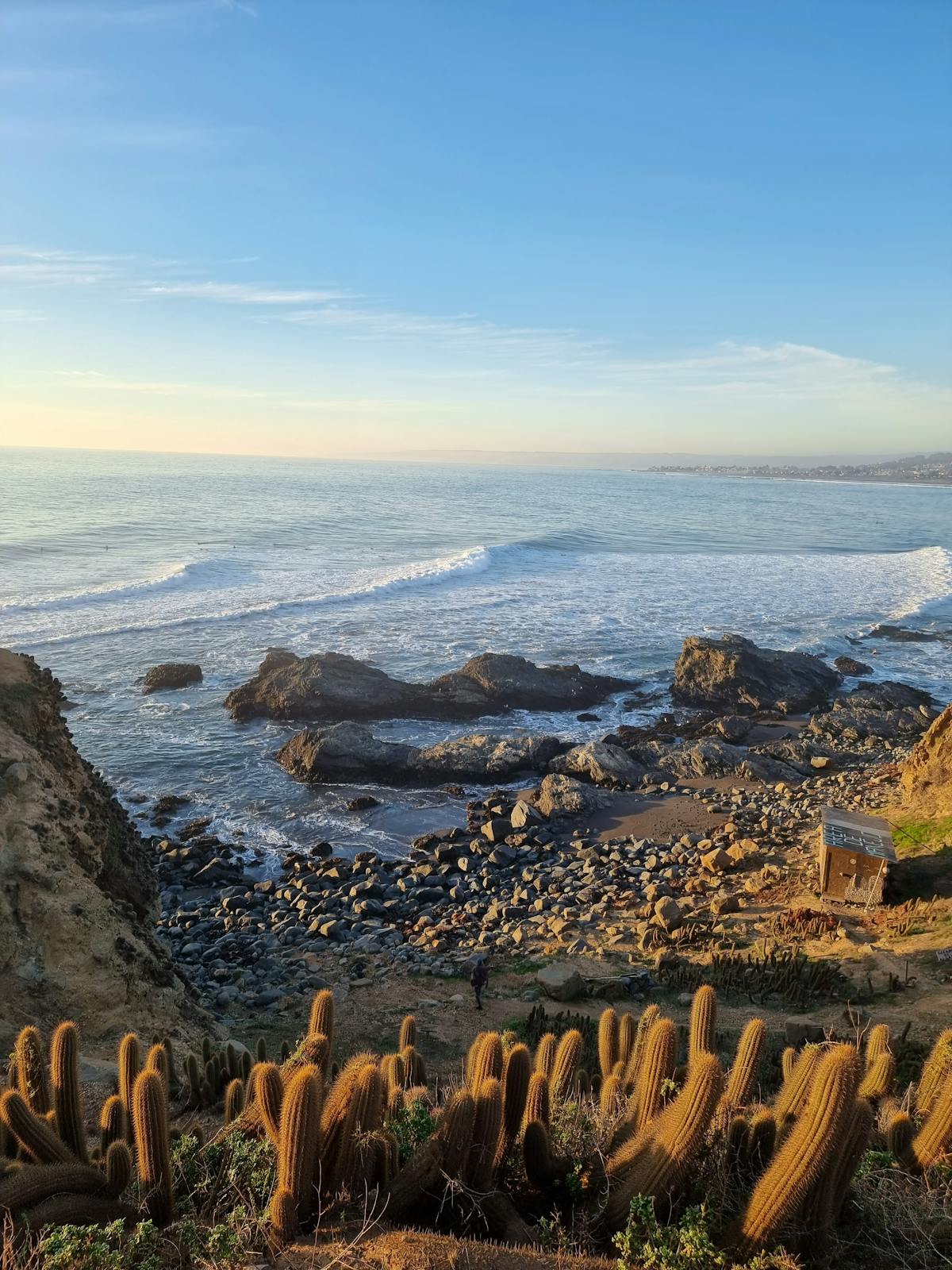
Cobquecura is thirty minutes further south and even more remote — a church, a few houses, sea lions on the rocks. The surf access requires scrambling and the waves require nerve. I surfed a fast, hollow right-hander here and had a moment where I looked around, realized I was alone with no cell signal and jagged rocks in every direction, and thought: this is the line between adventure and stupidity. Bring a buddy. Seriously. The nearest hospital is over an hour away.
Best Season by Region
Chile's length means the surf season shifts depending on where you are. Planning your trip timing around the surf makes a real difference.
| Region | Best Months | Water Temp | Swell Direction |
|---|---|---|---|
| Arica / Iquique (Norte Grande) | Year-round, peak Mar-May | 16-20°C | S/SW swells |
| Viña del Mar / Reñaca | Mar-May, Sep-Nov | 13-17°C | SW/W swells |
| Pichilemu / Matanzas | Mar-May (autumn), Sep-Oct | 12-16°C | S/SW swells |
| Buchupureo / Cobquecura | Oct-Apr (safest access) | 11-15°C | S/SW/W swells |
The general pattern: autumn (March-May) is the golden window for most of Chile. Summer swells have arrived, the wind patterns are calmer than in January-February, the water hasn't hit its winter low yet, and the tourist season is winding down. If I had to pick one month to surf Chile, it would be April. Every time.
Board Rentals, Surf Schools, and Gear
Your options depend heavily on where you are. Pichilemu has real infrastructure — multiple surf shops, rental places, schools with actual instructors who speak some English. Arica and Iquique have a few options each. Everywhere else, you're largely on your own.
Rentals
| Location | Daily Board Rental | Wetsuit Rental | Notes |
|---|---|---|---|
| Pichilemu | $10,000-15,000 CLP | $5,000-8,000 CLP | Best selection, softboards to shortboards |
| Arica | $15,000-20,000 CLP | $5,000-8,000 CLP | Limited selection, mostly softboards and funboards |
| Iquique | $12,000-18,000 CLP | $5,000-8,000 CLP | Decent selection at Cavancha beach shops |
| Viña del Mar / Reñaca | $12,000-15,000 CLP | $5,000-7,000 CLP | Summer only at some shops |
A note on rental wetsuits: they're often thin (3/2mm), worn out, and smell like they haven't been rinsed since the Pinochet era. If you're surfing more than three sessions, buy your own in Santiago — 4/3mm suits run $100,000-180,000 CLP ($100-180 USD) at shops in Barrio Italia or Providencia. Worth every peso.
Surf Schools
Pichilemu has five or six schools in summer, all teaching at La Puntilla for $25,000-35,000 CLP per group lesson. Ask to see the boards before paying — if they hand you a softboard that flexes when you pick it up, try another school. Iquique's schools at Cavancha are cheaper and less crowded. For complete beginners, I'd actually recommend Iquique — the wave is more predictable and the atmosphere is more "families on vacation" than "surf bro."
Chilean Surf Culture: What to Expect
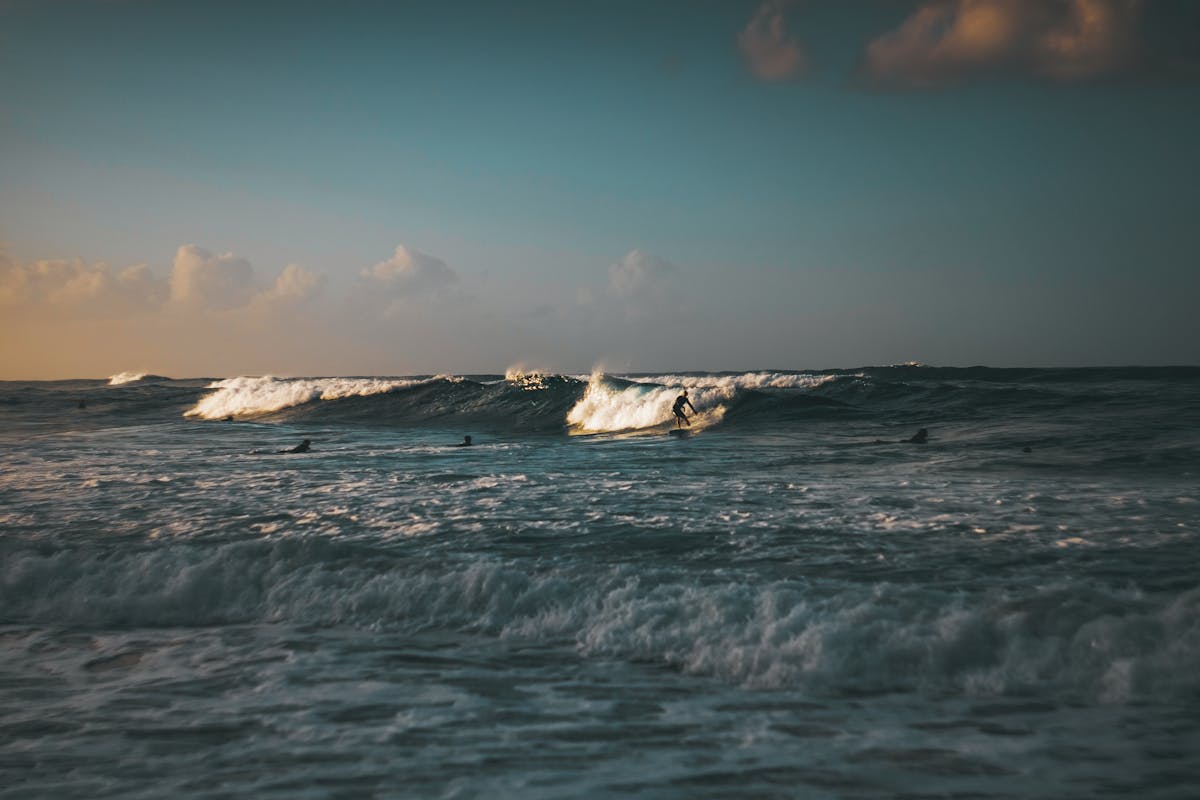
Chileans are, in my experience, the friendliest surfers in South America. I've surfed Brazil (tense lineups), Peru (territorial), and Ecuador (chill but cliquey). Chile sits between California and Australia on the vibe spectrum — locals have priority, but they're happy to share waves as long as you're not snaking them.
A few things I noticed:
- The after-surf meal is sacred. Sopaipillas (fried pumpkin dough) from a roadside stand, or a completo (Chilean hot dog absolutely buried in avocado and mayo) from whatever shop is closest. Don't skip this ritual
- Surf contests are community events. I stumbled into a local comp in Pichilemu and the whole town was on the cliff watching. Kids, grandparents, dogs. Someone handed me a cup of vino tinto at 11am. I didn't argue
- The cold-water ethos runs deep. Chilean surfers are tough. They surf through winter, they surf in rain, they surf on days when I would've stayed in bed. Respect that. If you're complaining about the cold, keep it quiet
- Localism exists at a few spots — El Gringo in Arica, the inside section of Punta de Lobos on big days. Don't paddle straight into the peak at these breaks. Sit on the shoulder, take the scraps, and earn your place slowly. Same rules as anywhere
Getting There and Getting Around
Getting between surf spots in Chile is straightforward but slow. The country is absurdly long and narrow — Arica to Pichilemu is about 2,000 kilometers, so you're not hitting both in a weekend. Pick a region and commit.
If you have two weeks: Fly into Santiago, rent a car, drive to Pichilemu (3 hours), surf for a week, then head north through Matanzas and up to Viña del Mar. That's the classic central Chile surf trip and it works well. Check our two-week Chile itinerary for the full route.
If you have a month: Add Arica and Iquique. Fly Santiago to Arica (domestic flights are cheap if booked early — $30,000-60,000 CLP one way), surf the north for a week, then fly or bus down to Pichilemu for the central coast. Finish with a few days exploring south toward Buchupureo if you're feeling ambitious.
Buses: Turbus and Pullman run daily to Pichilemu from Santiago's Terminal Sur ($8,000-12,000 CLP, 4-5 hours). Arica and Iquique are 20+ hours by bus — fly unless you love overnighters.
Board Transport
Most Chilean buses will carry a surfboard in the luggage compartment for a small fee ($3,000-5,000 CLP). Domestic flights on LATAM and JetSmart charge $15,000-25,000 CLP for a board bag. Book the board as oversized luggage online before your flight — showing up at the airport with an unregistered board is a coin flip.
Renting a car is the best option if you want to explore breaks between the main towns. The Chilean coast has dozens of unnamed breaks accessible by dirt roads, and you won't find them without your own wheels. Budget $25,000-40,000 CLP per day for a basic rental from Santiago.
What to Bring
- Wetsuit: 4/3mm fullsuit, non-negotiable. A 3/2mm works as backup in Arica during summer
- Booties: 3mm minimum. You'll use them at every break — rocks and sea urchins are everywhere
- Gloves: 2-3mm neoprene if you run cold or plan to surf in winter
- Board: Bring your own if possible. A 6'2"-6'6" fish or funboard handles the powerful but not always massive Chilean waves well
- Wax: Cool water formula. Bring extra — availability outside Pichilemu is unreliable
- Sunscreen: SPF 50 minimum. The ozone layer is thin over Chile and the desert sun plus water reflection is brutal
Is Chile Worth the Cold?
Yes. Without qualification, yes.
I've surfed warmer water in Costa Rica, bigger waves in Hawaii, more consistent conditions in Indonesia. But Chile gave me something none of those places did — the feeling of surfing a coast that hasn't been fully mapped, fully crowded, or fully commercialized. Drive thirty minutes from any known break and you'll find waves that don't have names, breaking in front of empty fields and fishing boats.
The cold water is the price of admission. And honestly, after a few sessions, it becomes part of what makes it special. Paddling out into 14°C water at sunrise, catching a clean wave with nobody around, coming out feeling more alive than you have in months — that's worth a numb face. Bring the right wetsuit and go. Chile's coast won't be this empty forever.