This article contains affiliate links. If you book through them, I earn a small commission at no extra cost to you.
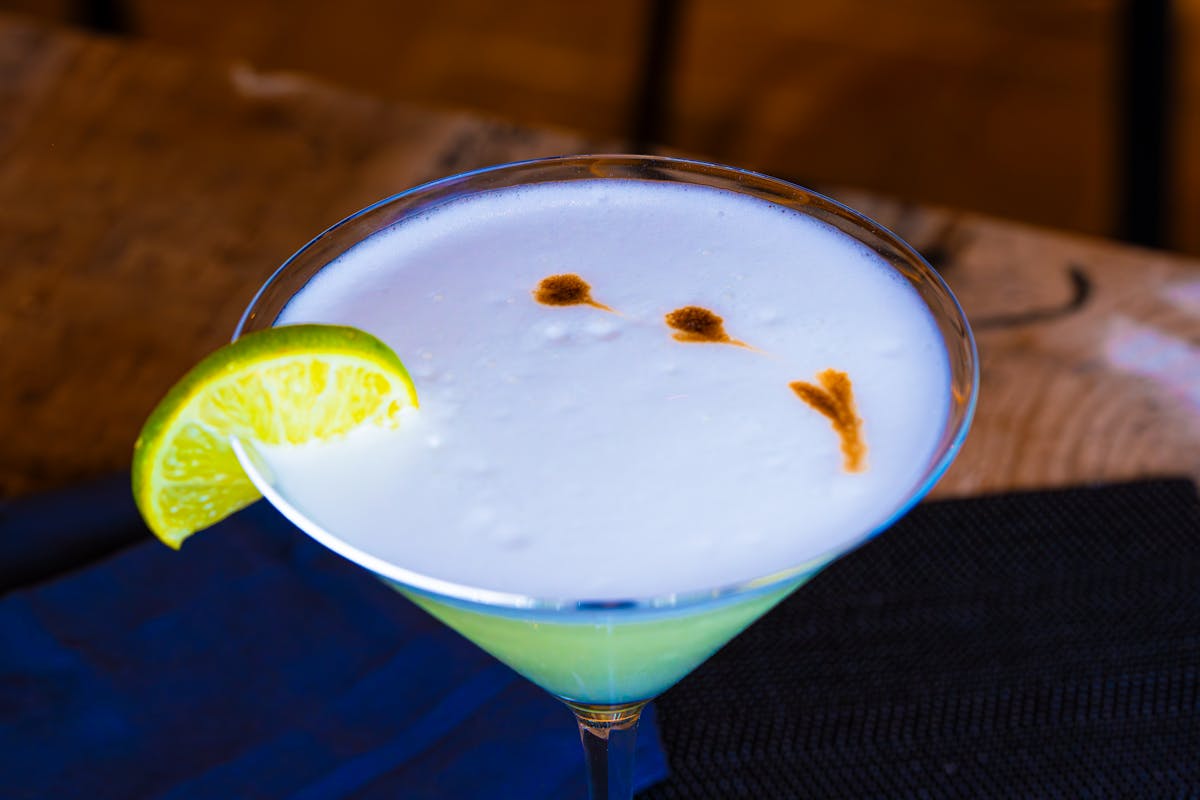
I was sitting at a bar in Barrio Bellavista when the argument started. The guy next to me — Peruvian, maybe two drinks in — heard me order a pisco sour and immediately wanted to know if I understood that this was a Peruvian drink. A Chilean drink, the bartender corrected him without looking up. What followed was a fifteen-minute debate involving hand gestures, phone screenshots of Wikipedia articles, and at least two references to international courts. The bartender made my drink during the argument. It was perfect. Nobody resolved anything.
That was my real introduction to the pisco sour. Not a cocktail recipe. Not a food tour. Just a drink that two entire countries are willing to fight over on a Tuesday night. After spending time in both Chile and Peru, drinking pisco sours in Santiago dives and Elqui Valley distilleries and rooftop bars with Andes views, I think the argument is the best part. The drink is incredible. The drama around it makes it better.
The Chile vs. Peru Thing (Yes, We Have to Talk About It)
Both Chile and Peru claim the pisco sour as their national cocktail. Both make pisco. Both have a denomination of origin. And both will look at you with genuine disappointment if you suggest the other country might have a point.
The Peruvian story: an American bartender named Victor Vaughen Morris invented the pisco sour at his Morris Bar in Lima around 1920, serving it to expats and sailors. Peru has been making pisco for 400 years. Case closed. The Chilean story: pisco production in the Elqui Valley predates anything Lima was doing, and Chile has a town literally named Pisco Elqui (renamed in 1936, which Peru considers suspicious, and Chile considers irrelevant).
My take? They're genuinely different cocktails at this point. Peruvian pisco sours use key lime juice and jarabe de goma syrup — they lean sweeter and rounder. Chilean pisco sours use regular limes (limón de pica, ideally) and tend to be drier, more citrus-forward, with more bite. I prefer the Chilean version, but I'm writing for a Chile travel site, so take that with appropriate salt. The only thing I'll say with full confidence: bringing up this debate at a bar in either country is the fastest way to make friends. Or enemies.
The Recipe: Five Ingredients, No Shortcuts
| Ingredient | Amount |
| Chilean pisco (Especial or Reservado, 35-40%) | 60ml / 2 oz |
| Fresh lime juice | 30ml / 1 oz |
| Simple syrup (1:1 sugar to water) | 20ml / 3/4 oz |
| Egg white | 1 egg's worth |
| Angostura bitters | 3-4 drops on the foam |
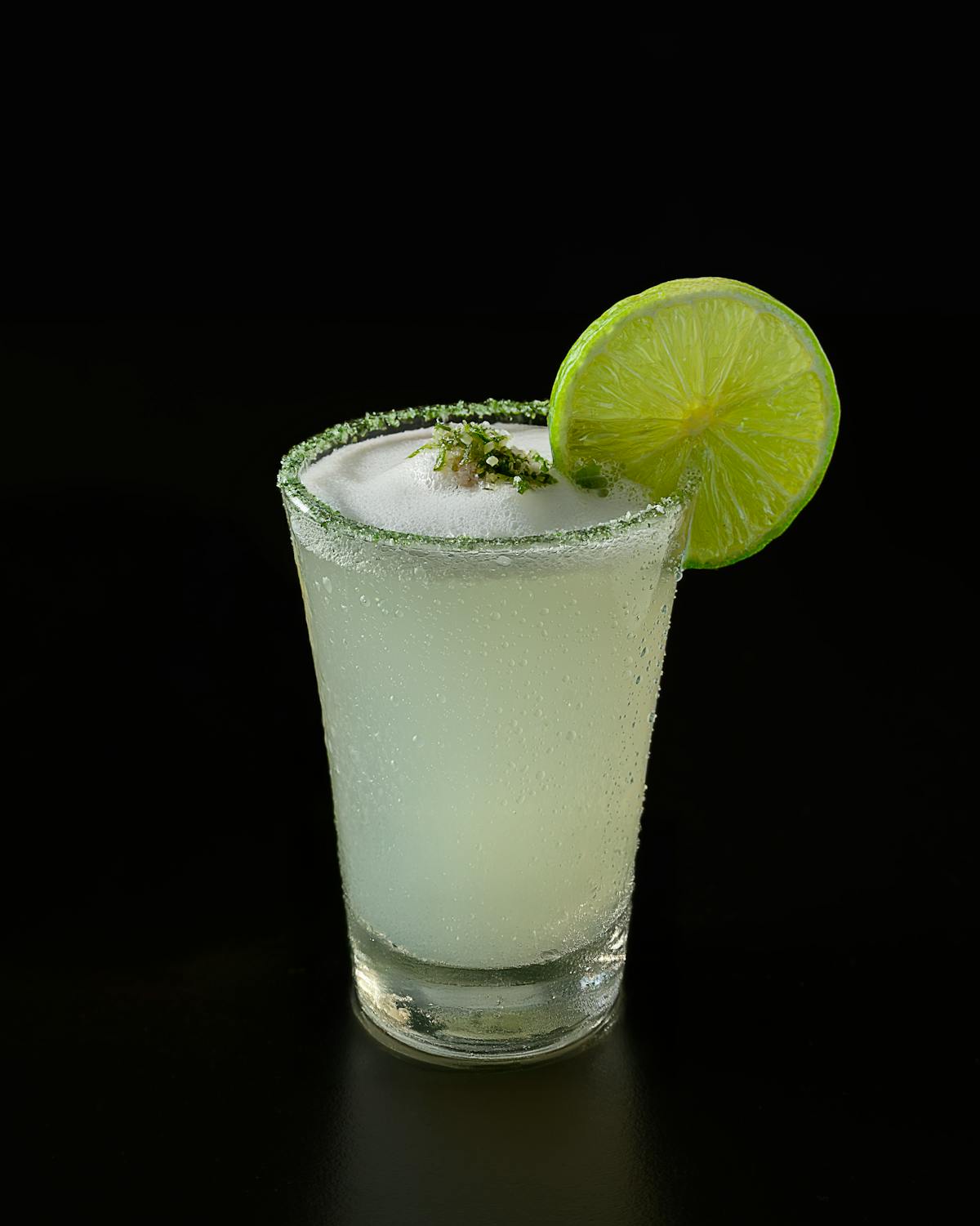
The ratio is 2:1:3/4 — pisco to lime to syrup. Memorize that and you can make this anywhere without a recipe card. The egg white is non-negotiable — it creates the thick, silky foam that changes the texture of every sip and holds the bitters. Without it, you just have pisco with lime juice. Fine as a drink, but not a pisco sour.
Method matters as much as ingredients. Dry shake first — all ingredients without ice for 15 seconds to emulsify the egg white. Then add ice and shake hard for another 15 seconds. Strain into a coupe glass. Drop the bitters on top. I watched a bartender at Chipe Libre in Santiago demonstrate the difference between a single shake and a double shake. Same ingredients, completely different drink. The dry shake version had foam you could rest a lime wedge on. The single shake version looked thin and sad.
Quick Tip
Nervous about raw egg? The risk is minimal with fresh eggs, but pasteurized egg whites from a carton work. Aquafaba (chickpea liquid, about 30ml) is the vegan substitute — surprisingly decent results. Chilean limes (limón de pica) are smaller and more intense than Persian limes, so adjust your juice or syrup slightly when making these at home.
Understanding Chilean Pisco (The Four Categories)
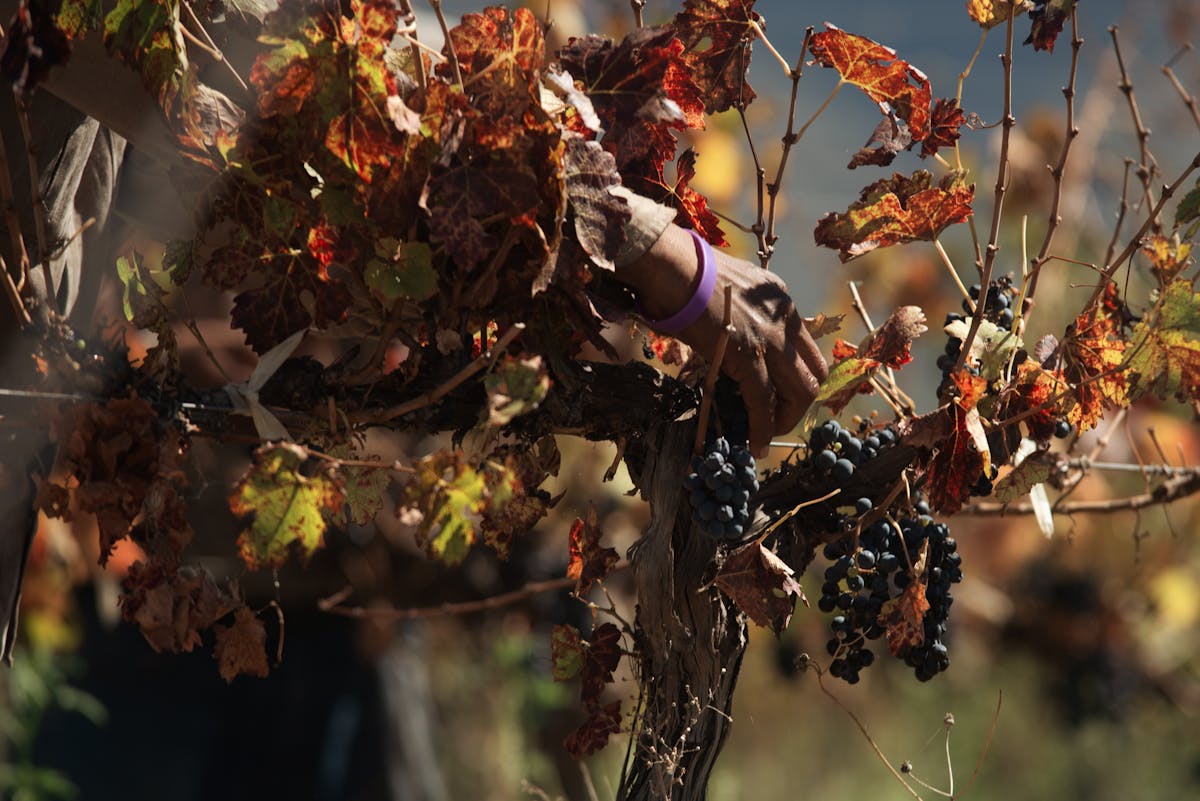
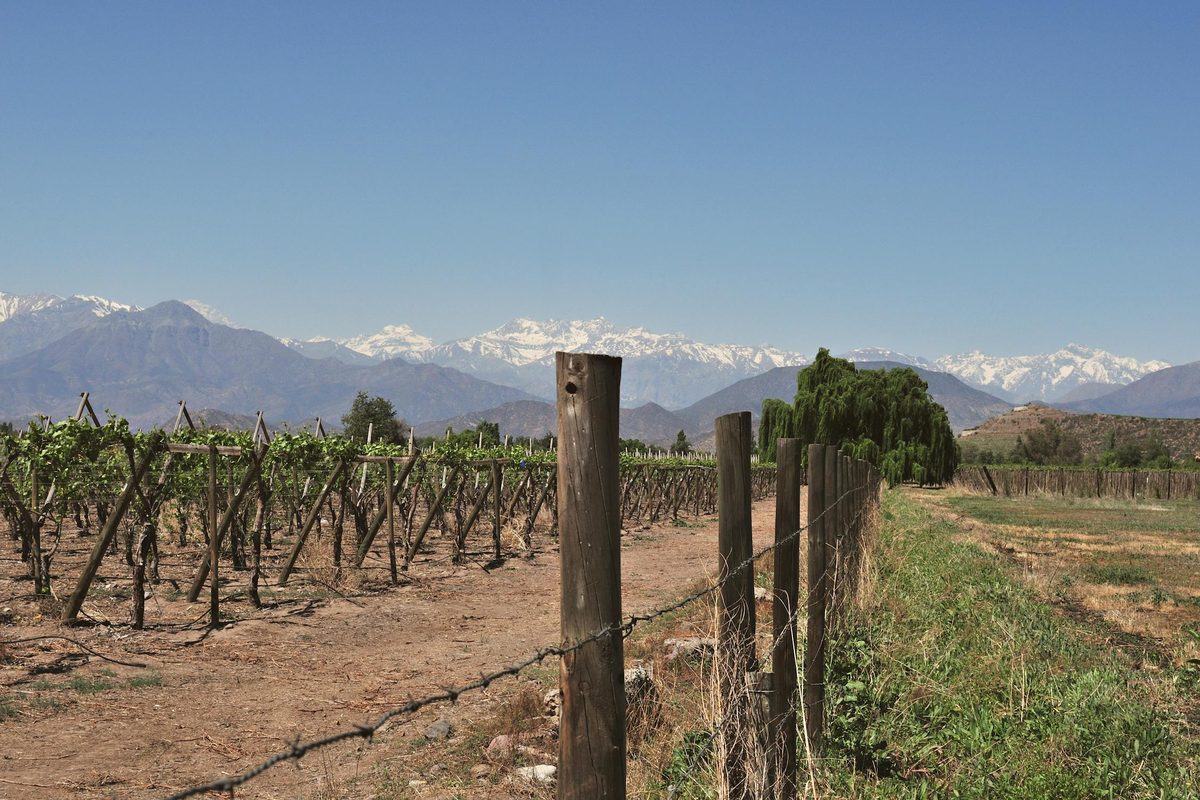
Chilean pisco is a grape brandy made from Muscat varieties — primarily Moscatel de Alejandría and Moscatel Rosada, plus Pedro Jiménez and Torontel. The grapes grow in the semi-arid valleys of the Atacama and Coquimbo regions, where intense sun, cool nights, and Andean snowmelt irrigation create fruit with concentrated sugars and aromatics. The government classifies pisco into four categories based on alcohol content and aging, and each behaves differently in a cocktail.
Transparente (Tradicional) — 30% ABV. Clear, clean, slightly floral. What most budget bars use. The pisco flavor gets buried under lime and syrup. Fine for a party, not for tasting the spirit.
Especial — 35% ABV. The sweet spot for pisco sours. Enough alcohol to stand up to the citrus without overpowering it. Capel Especial and Alto del Carmen Especial are the workhorses that most Santiago bartenders reach for.
Reservado — 40% ABV. Aged in wood, light gold color. Makes a richer, more complex pisco sour with vanilla and oak notes. My personal favorite for mixing at home — the extra proof gives the drink more structure.
Gran Pisco — 43% ABV or higher. Sipping pisco. Aged longer, more concentrated and aromatic. You can make a pisco sour with it, but it's a bit like making a cocktail with single malt whisky — some purists would rather you drink it straight.
The Pisco Regions: Elqui and Limarí
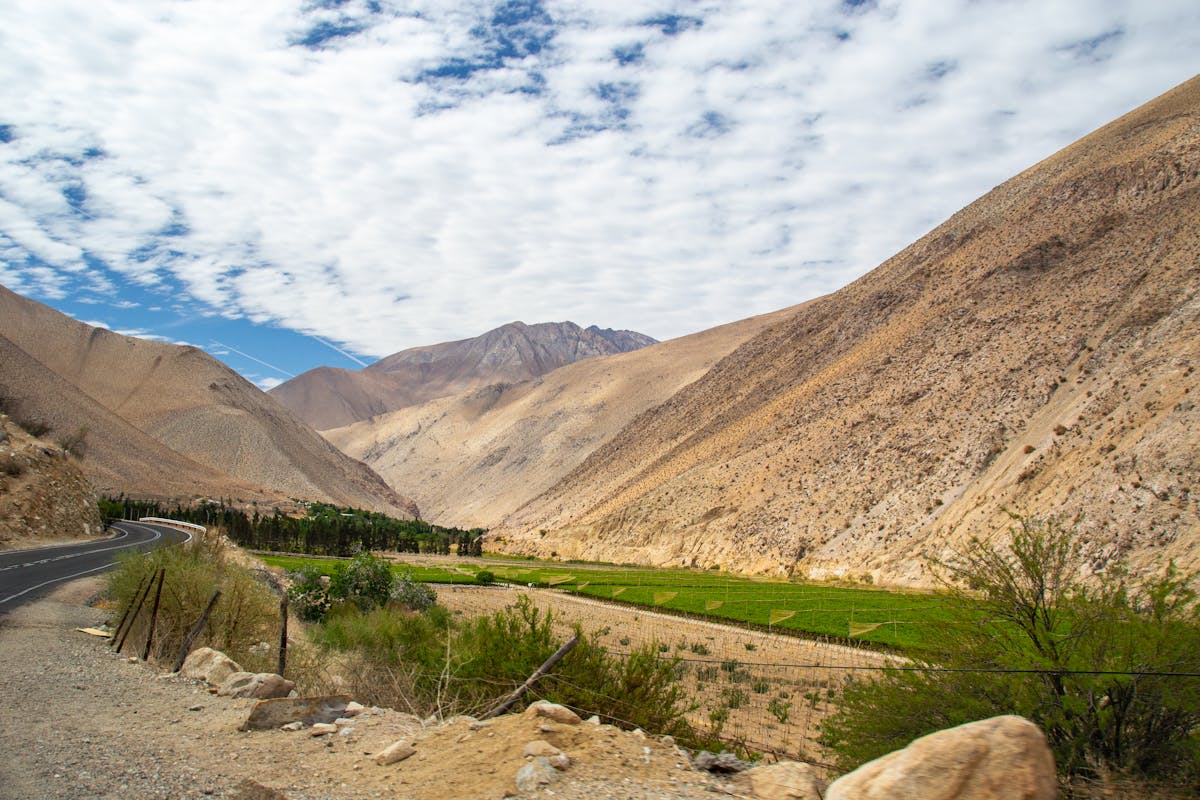
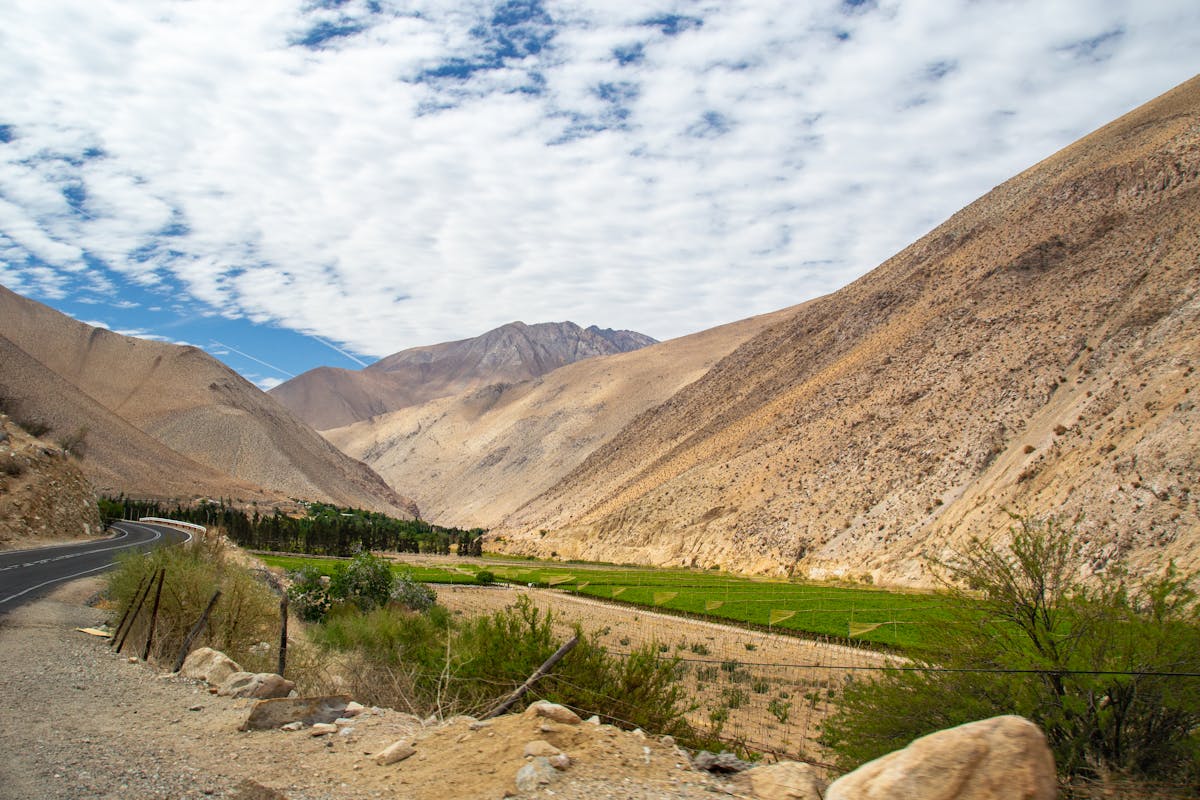
Almost all Chilean pisco comes from two valleys in the Coquimbo region, about 500km north of Santiago. The Elqui Valley is the famous one — running east from La Serena into the Andes, getting narrower and drier as you climb. The town of Pisco Elqui sits at the end of the paved road: a single street lined with distilleries, craft shops, and restaurants serving pisco sours at altitude. The stars here are ridiculous — some of the best stargazing in Chile — and the valley smells faintly of grapes during harvest season (February to April).
The Limarí Valley, south of the Elqui, is quieter and less touristed. Better known for wine (Chardonnay and Pinot Noir) but it also produces pisco. You'll have Limarí almost to yourself, though the tradeoff is fewer tours and fewer restaurants. Both valleys are accessible from La Serena (direct flights from Santiago, about an hour). From there, the Elqui Valley is a 90-minute drive to Pisco Elqui.
Distillery Visits Worth Your Time
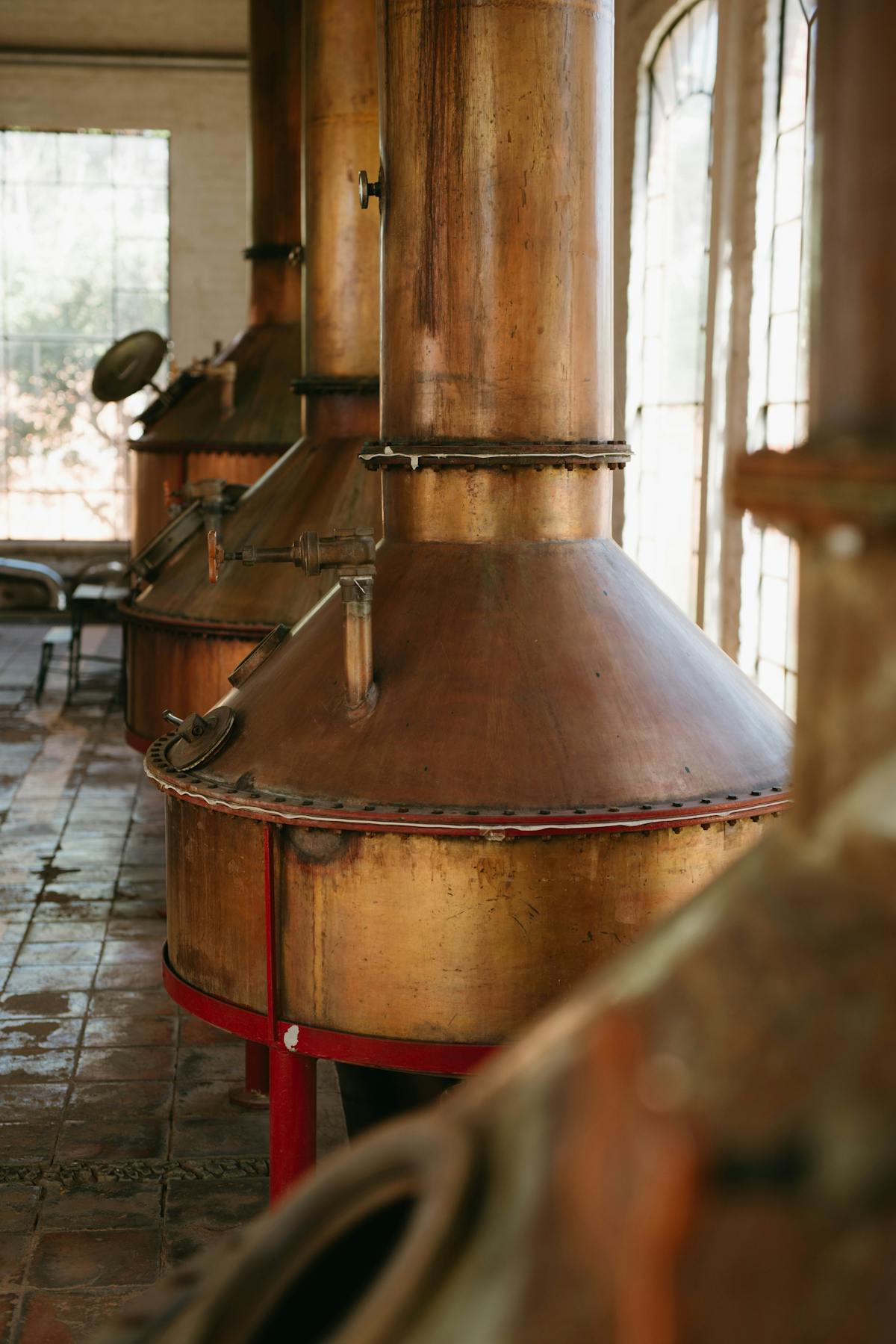
Mistral — The big one. Chile's most-awarded pisco producer, just outside Pisco Elqui. Tours run several times daily through the grape processing area, copper pot stills, aging bodegas, and end with a tasting across the categories. Their Gran Pisco is exceptional — smooth and complex enough to drink neat. Tours run $8-12 USD. Book ahead in January and February.
Tres Erres — Smaller, family-run, more personal. In Pisco Elqui proper. The tour feels like someone showing you their workshop rather than a corporate presentation. Small batches, traditional copper stills, hand-harvested grapes. I preferred their Reservado for cocktails. The tasting includes a pisco sour made right in front of you.
Capel (in Vicuña) — The cooperative representing thousands of small grape growers. If you've been drinking Capel in Santiago bars — you almost certainly have, it's everywhere — this is where it comes from. The Vicuña distillery is big and industrial but the tour is solid. Free or very cheap, and the gift shop beats Santiago prices.
Quick Tip
Drive the valley west to east: Capel in Vicuña first, then Mistral, then Tres Erres in Pisco Elqui. Natural route, no backtracking. Designated driver strongly recommended — three distillery tastings in a day is a lot, and the road back to La Serena has sharp curves.
Best Bars in Santiago for Pisco Sours
Chipe Libre — This is the bar. If you drink one pisco sour in Santiago, drink it here. Entirely dedicated to pisco — both Chilean and Peruvian varieties, which is a politically bold move. The bartenders know the spirit at an encyclopedic level. Order the classic Chilean version first, then ask for the Peruvian one to taste them side by side. Barrio Lastarria, near Bellas Artes metro. Expect a wait on weekends.
Bar The Clinic — Named after the satirical newspaper. Barrio Bellavista. Loud, crowded, political, and serves an excellent pisco sour at a price that won't hurt. More local dive bar than craft cocktail lounge — this is where Santiaguinos actually drink. Cash is useful; card machines have a habit of being "broken" on busy nights.
Bocanáriz — Primarily a wine bar with over 400 Chilean wines by the glass, but their pisco sour is quietly excellent. Reservado-grade pisco, fresh-pressed lime juice, same obsessive quality they bring to the wine list. Barrio Lastarria, walkable from Chipe Libre — hit both in one evening.
Liguria — A Santiago institution with four locations. Simple food, strong drinks, a crowd that skews local and loud. The pisco sour isn't the most refined in the city, but it might be the most fun. Providencia and Lastarria locations are best. Get there before 8pm or prepare to stand.
The Terremoto (Chile's Chaotic Alternative)
Someone in Chile will eventually hand you a terremoto, and you should know what you're getting into. A terremoto — "earthquake" — is pipeño wine (young, sweet, slightly fizzy white wine), pisco, and a scoop of pineapple ice cream. Yes, ice cream. It sounds like a joke. It tastes like a mistake you want to keep making. The sweetness hides the alcohol so effectively that two will have you reconsidering your life choices. The follow-up is called a réplica ("aftershock") — same thing, smaller glass. The naming convention is perfect.
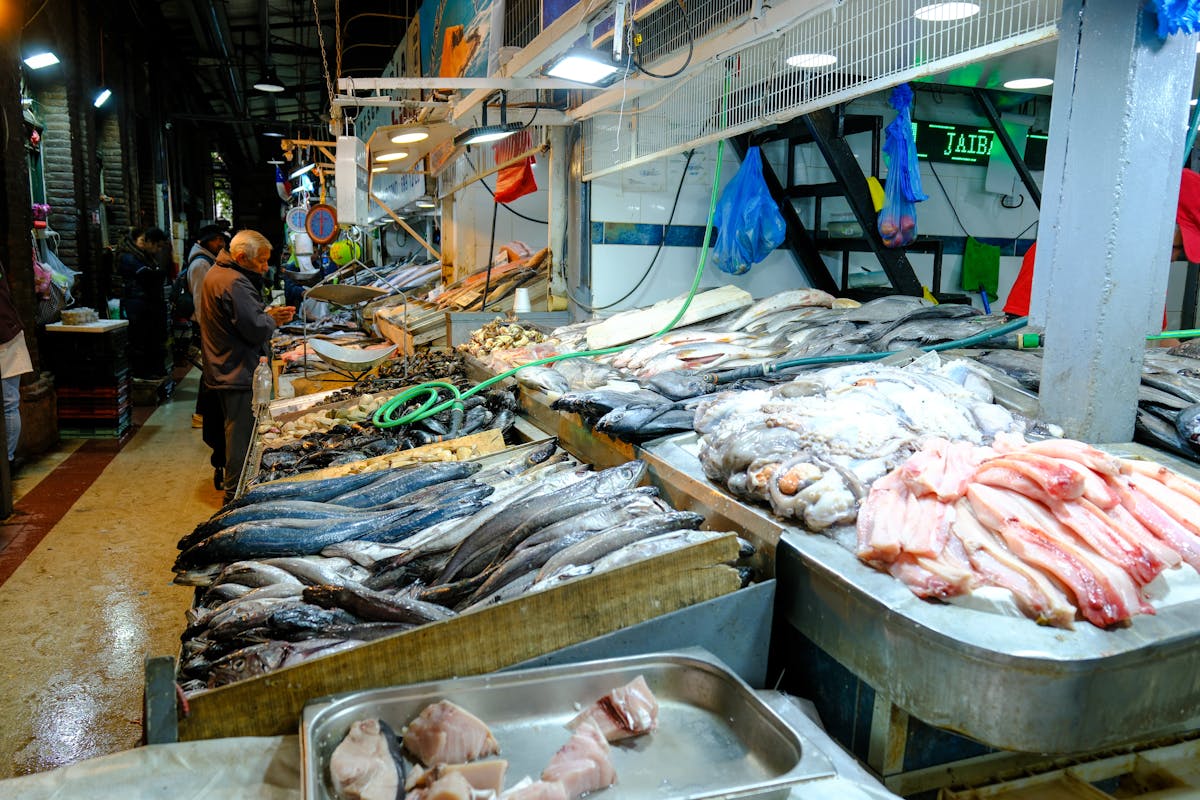
La Piojera is the most famous terremoto bar in Santiago — sticky floors, old men playing dominoes, terremotos arriving in pint glasses for about $3. It's near the Mercado Central and pairs brilliantly with a seafood lunch. A terremoto at 2pm on a Tuesday with a belly full of congrio is one of Santiago's great experiences, with the caveat that your afternoon plans are cancelled.
Variations, Red Flags, and the Last Word
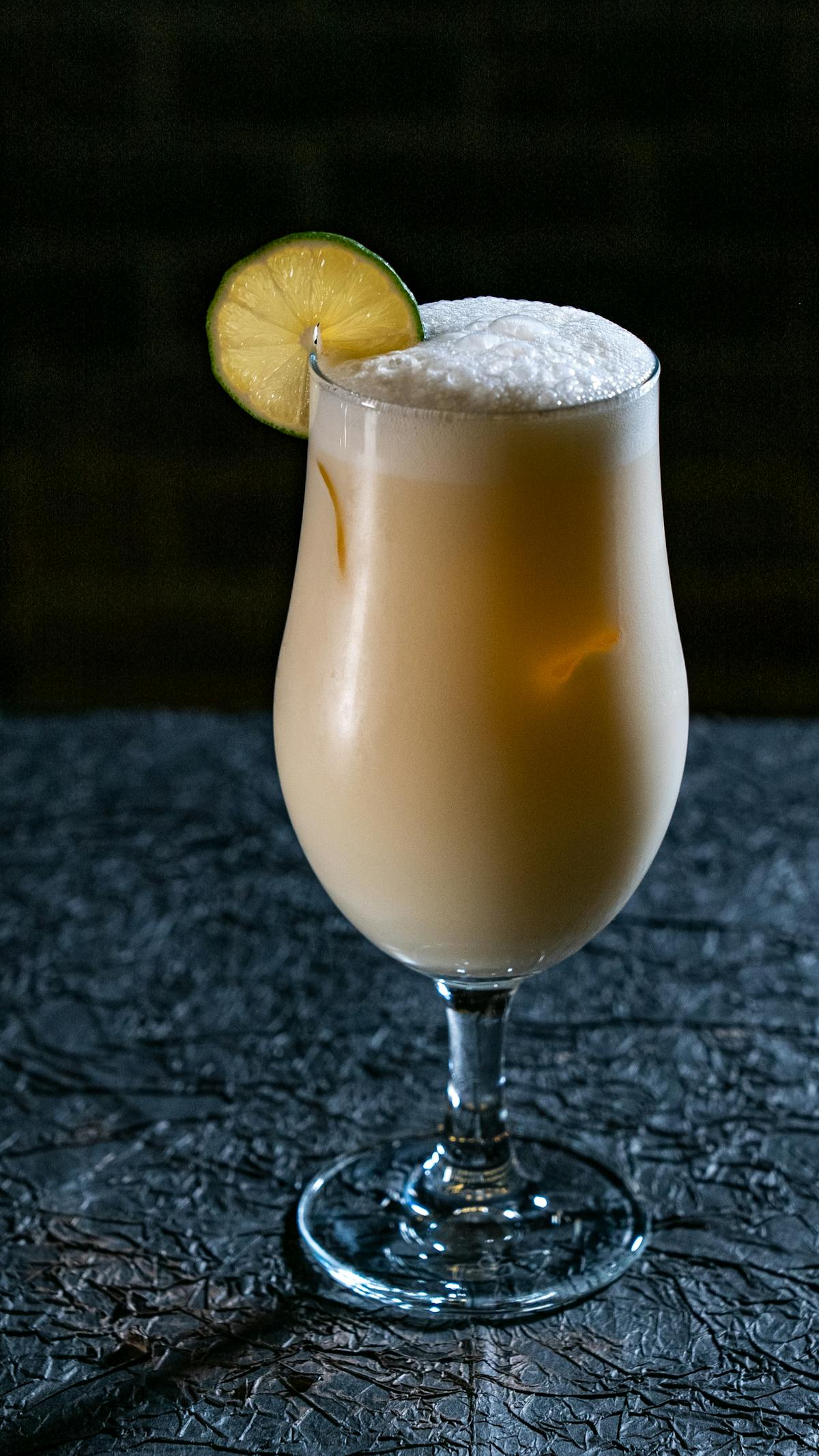
Pisco sour de maracuyá — Replace half the lime juice with fresh passion fruit pulp. The most popular variation. Common in upscale Santiago restaurants. Serena Libre — A regional variation from La Serena using local papaya juice, giving the cocktail a distinctive floral quality. Hard to find outside the Coquimbo region but worth ordering during your Elqui Valley trip. Piscola — Pisco and Coca-Cola. Chile's populist version. What people drink at asados, football games, and house parties. You won't find it on craft cocktail menus, but you'll find it at every corner store in the country. Pisco and Coke in a plastic cup — that's Chile at its most honest.
Now, how to spot a bad pisco sour. No egg white foam — the biggest red flag. The foam isn't decoration; it changes the texture of every sip. If it arrives without foam, it wasn't made correctly. Too sweet — if sweetness is the dominant flavor, the ratio is wrong. A good pisco sour hits you with citrus first, then pisco burn, then just a touch of sweetness on the finish. Bottled lime juice — you'll taste it immediately, flat and metallic instead of bright and sharp. Served in a tall glass with ice — a pisco sour is shaken with ice and strained. Ice in the final drink means it'll be watered down in five minutes.
The cultural weight of pisco in Chile is hard to overstate. It's the drink of the Elqui Valley farmer and the Santiago investment banker. It shows up at christenings and funerals. September 18th, Chile's Independence Day, is basically a national pisco sour holiday — during Fiestas Patrias, the entire country stops working and starts drinking terremotos and pisco sours for about a week. If you're in Chile in mid-September, you will participate. This is not optional.
My last pisco sour in Chile was at a roadside restaurant between La Serena and Santiago. Plastic chairs, a paper menu, a dog sleeping under the next table. The pisco sour came in a short glass with a perfect foam and three careful drops of bitters. It cost about $4. The Andes were doing that thing they do in late afternoon where the light turns everything pink and gold. I thought about the argument in that Bellavista bar, the Peruvian guy and the bartender, both absolutely certain they were right. Maybe the drink is good because people care about it this much. Maybe the argument is the secret ingredient.
Order one. Take a side. Enjoy the fight.